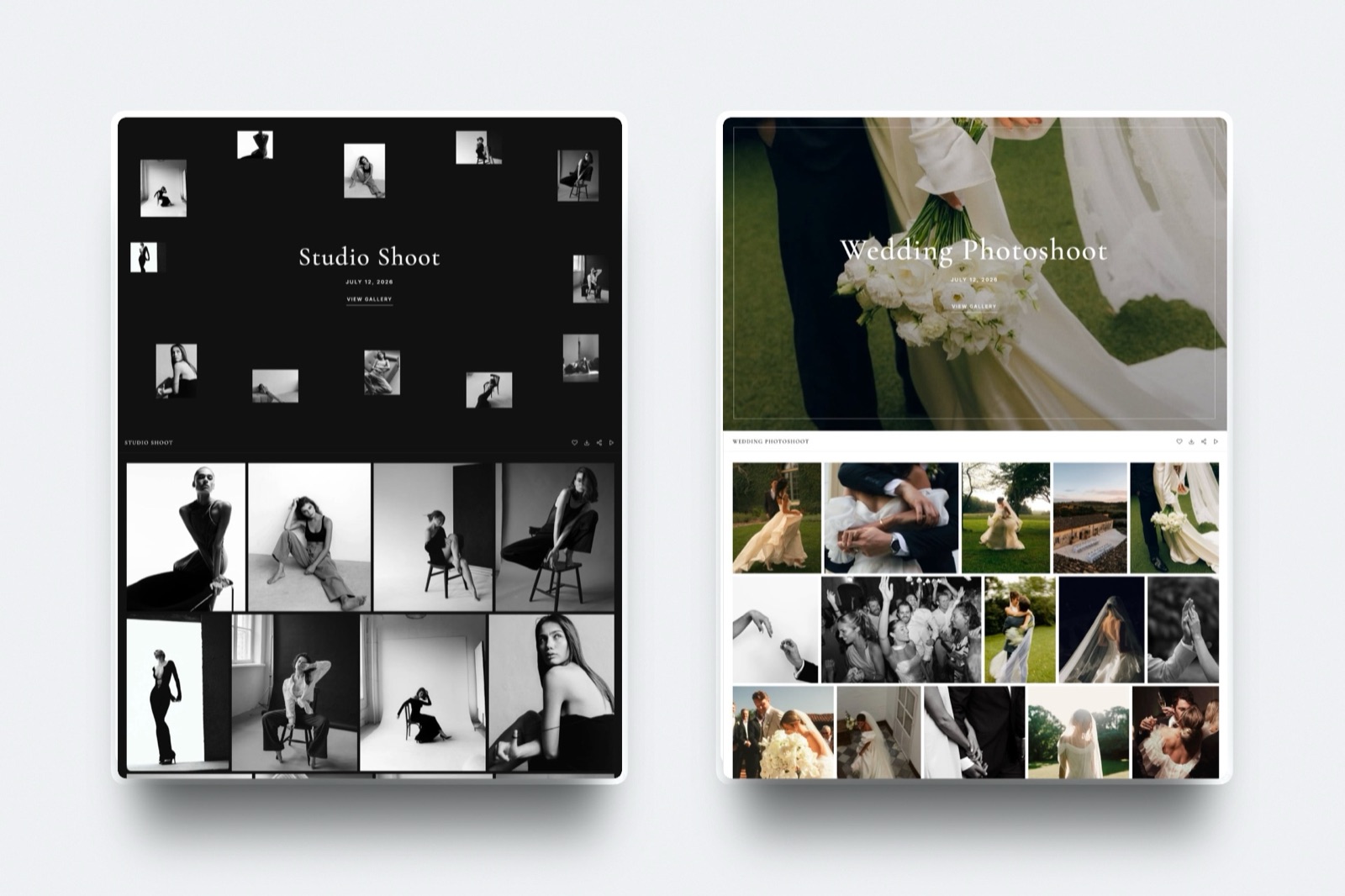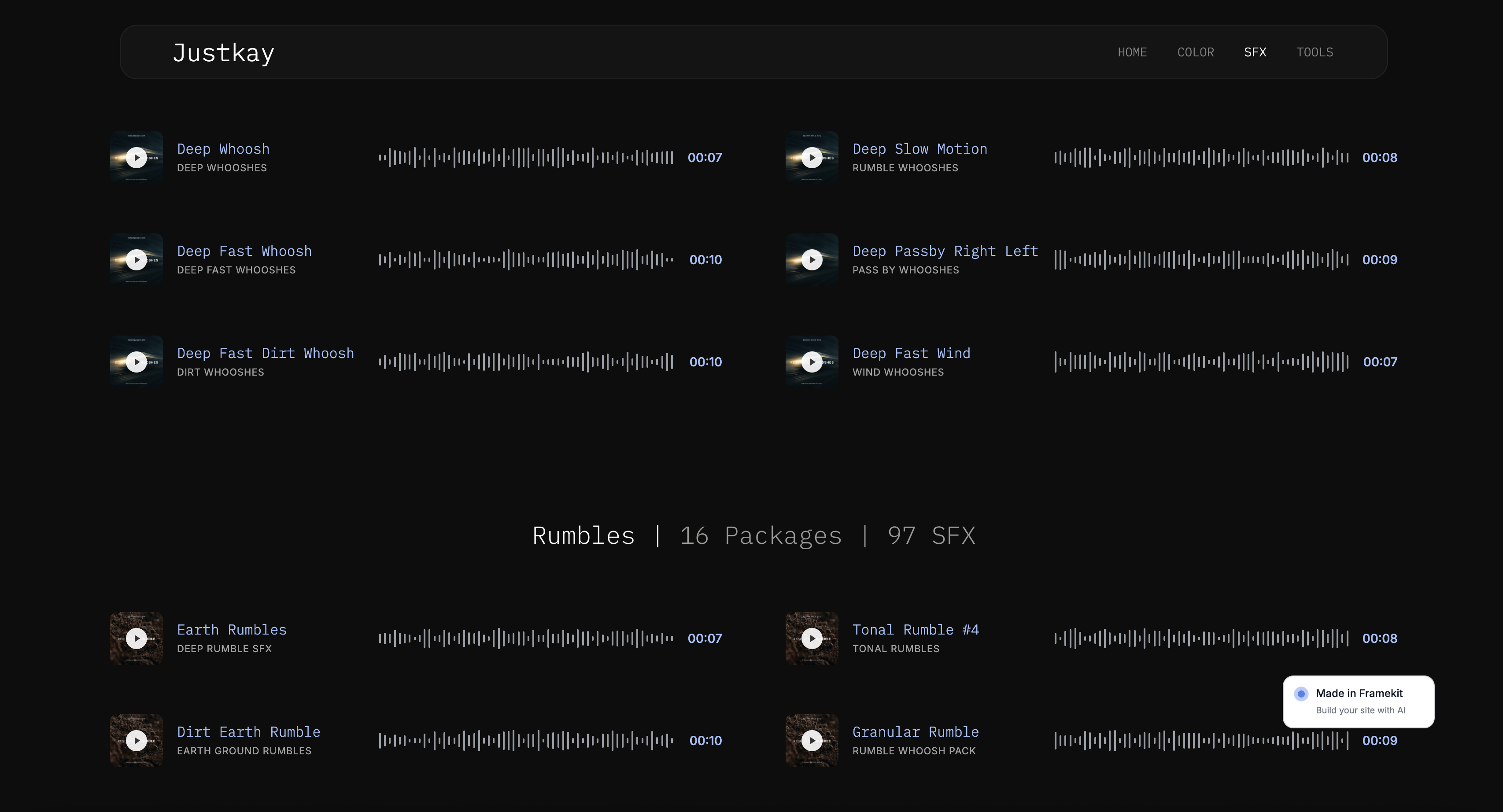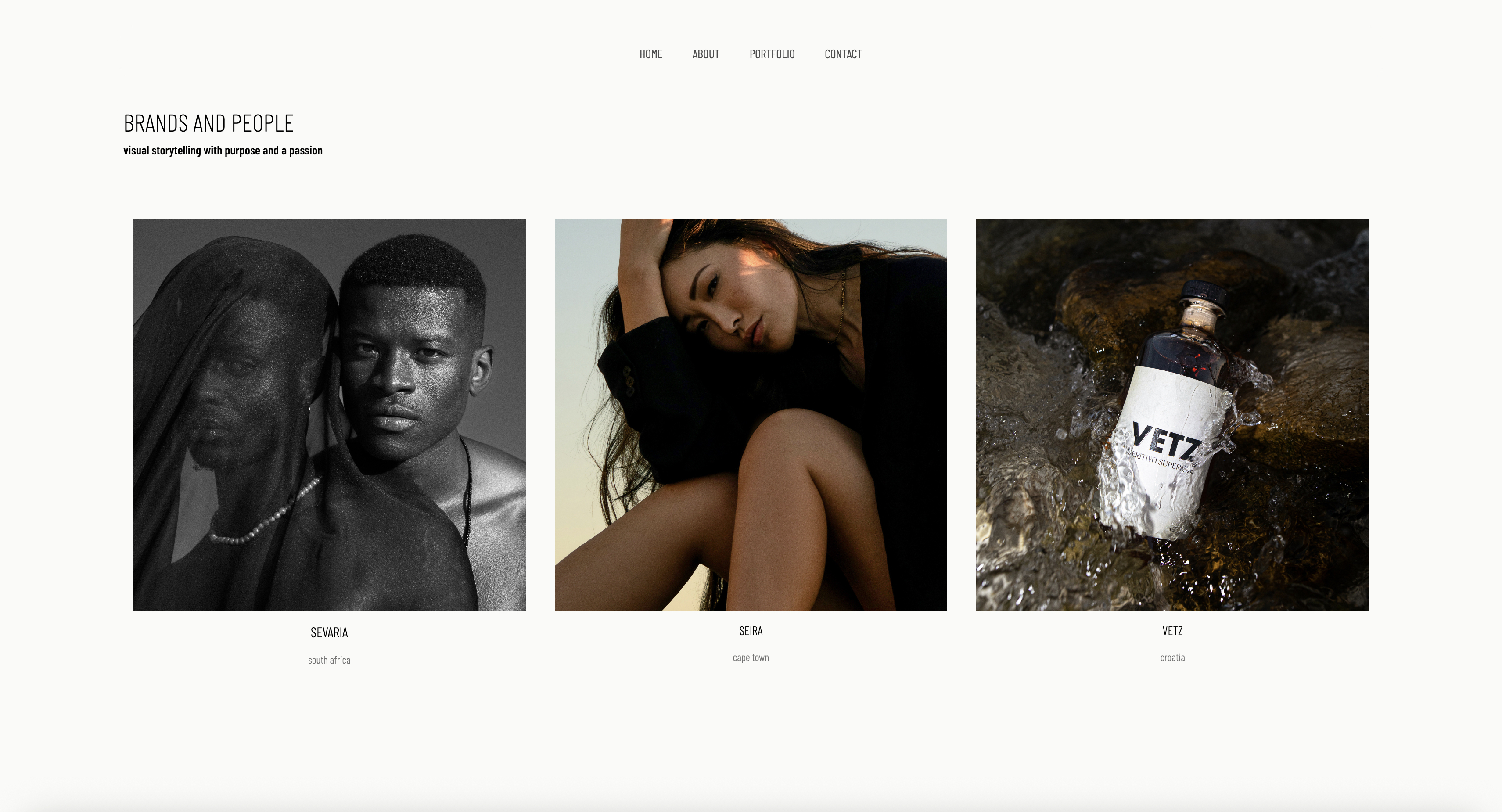
Framekit templates
Start from a designer-made template
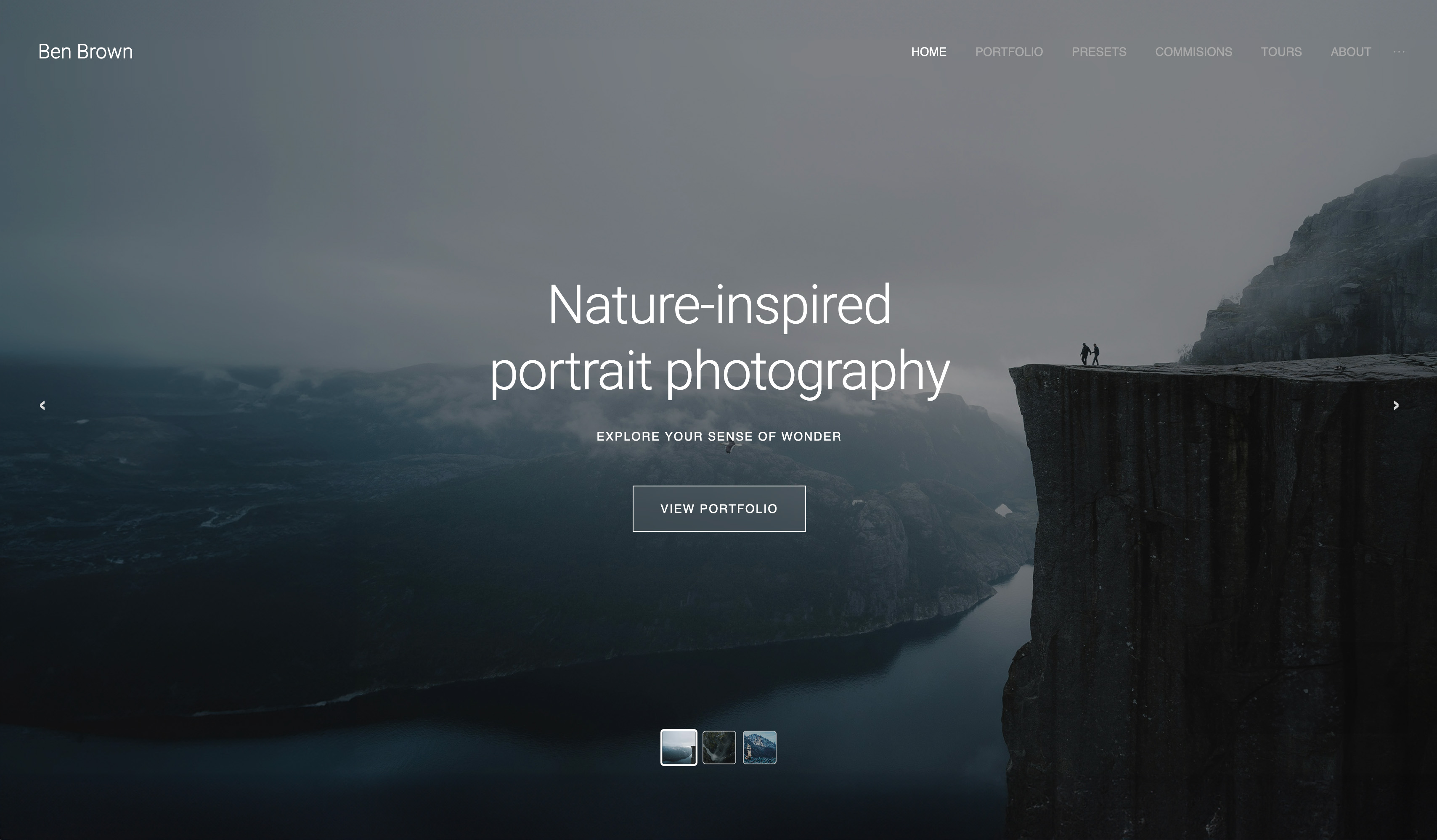 Use template
 Use template
 Use template
 Use template
 Use template
 Use template
 Use template
 Use template
The best client galleries for branding photographers get judged twelve months after delivery, not twelve minutes after. A wedding gallery is opened three times and then remembered fondly.
A brand gallery is opened every Tuesday for a year by a founder who needs a vertical image for a story, a wide one for a newsletter header, and something with negative space on the left for a conference slide.
That difference reshapes what you should be buying. Expiry dates become a liability instead of a housekeeping feature. Category structure matters more than gallery design.
Storage matters because you cannot archive a library the client still uses. And the download flow has to work for a non-technical person on a phone at 11pm, because that is when founders write their posts.
There is a business consequence too, and it is the one most branding photographers miss. If your client pulls images from a page with a software company's name on it every week, that company is getting 52 brand impressions a year that you paid to generate.
A client gallery for branding photography is software that hosts a shoot as an ongoing, categorised content library the client returns to repeatedly, rather than a one-time delivery that expires once the invoice is paid.
The best client gallery for branding photographers in 2026 is Framekit, because galleries never need to expire, they are uncapped on every plan including free, and they live on your own domain, so a year of weekly visits from your client lands on your studio instead of a vendor.
The honest trade-off: Framekit has no per-image tagging or filtering, so a large library is organised by splitting it into multiple galleries rather than by tag.
Pixieset is the best all-rounder here, Pic-Time makes the most beautiful presentation, and PicDrop is the cheapest way to hold a very large library.
Framekit lets a brand library live inside your own site, and the free plan needs no card.
Full disclosure: Framekit is ours and it is ranked first, so treat the concessions as the important part. We ran the same brand-library brief across all seven platforms, verified every price against published vendor pricing in August 2026, and we name the wins: Pixieset has richer gallery tooling, Pic-Time presents better, PicDrop holds more images per euro, and CloudSpot and ShootProof both carry contracts and invoicing that we do not.
Framekit's plan storage was re-verified on 19 September 2026, which corrected an older 100GB figure for its Pro plan to the current 300GB pool.
How We Tested These Branding Photography Galleries
The brief was a personal-brand shoot for a founder, structured and tested the way brand work is actually consumed over a year rather than the way it happens to be shot in an afternoon.
The job180 finished images from a half-day brand session, organised into five categories (portraits, working shots, details, wide brand scenes, and vertical social crops), delivered with no expiry and revisited monthly for a year.
Repeat access. Whether the gallery survives a year of return visits without expiring, being archived, or requiring a new link. Weighted 25%, because this is the defining property of brand work.
Category structure. How images are grouped so a founder can find a vertical shot in fifteen seconds. Weighted 20%.
Client self-service. Download behaviour on mobile, whether an account is required, and how a single image is saved. Weighted 20%.
Ownership of the link. Whose brand the client sees on every one of those 52 visits. Weighted 20%.
Cost of holding a library for a year. Storage economics for a studio carrying 20 live brand libraries. Weighted 15%.
We separate claims by source. Hands-on: building the categorised library, using it as a client would on a phone, and downloading single images.
Verified from primary sources: prices, storage caps and expiry behaviour, read off published pricing pages in August 2026. Community sentiment: recurring public review complaints, flagged as sentiment rather than as our result.
What a Year-Long Brand Library Test Showed
Most gallery platforms are optimised around a single delivery event, while brand work behaves much more like a subscription relationship, and that mismatch shows up in five specific and measurable places.
- 5 of the 7 platforms default to some form of expiry or archive behaviour that has to be turned off deliberately rather than being off already.
- Only 2 of the 7 make it cheap to hold 20 client libraries live at once, and they do it through unlimited gallery counts rather than generous storage.
- A 180-image brand library at full resolution runs roughly 3GB to 5GB, so 20 live libraries needs 60GB to 100GB, which is above every free tier and most entry tiers here.
- 1 of the 7 serves the library from a domain you own, which over a year of weekly visits is 52 impressions that either build your studio or somebody else's.
- Category structure is handled by sub-collections on 3 platforms and by simply making more galleries on the rest.
Here is the calculation worth doing on your own client list. Count your active brand clients, multiply by the gigabytes in one delivered library, and that is the storage you need permanently rather than temporarily.
Branding photographers routinely price a plan for the shoot they are delivering this week and then hit the ceiling in month four.
The 7 Best Client Galleries for Branding Photographers, Compared
Weighting favours repeat access and ownership over commerce, because branding photographers earn from sessions, retainers and licensing rather than prints.
Framekit scores 9.4 with a 6 on tagging and filtering, where Picflow and Pixieset both do more than we do, and full marks on expiry behaviour and ownership.
| Platform | Best for | Gallery limit | Expiry by default | Our rating |
|---|---|---|---|---|
| Framekit | Owning the library and the portfolio | Unlimited on every plan | No | 9.4/10 |
| Pixieset | The strongest all-round gallery tooling | Unlimited | Configurable | 9.0/10 |
| Pic-Time | The most beautiful client presentation | Free tier available | Configurable | 8.7/10 |
| PicDrop | Holding very large libraries cheaply | 3 free, unlimited on Pro | Configurable | 8.4/10 |
| CloudSpot | Contracts and invoicing alongside | 3 free, 15 on Entry | Configurable | 8.0/10 |
| ShootProof | Selling licence and print add-ons | Photo-count based | Configurable | 7.6/10 |
| Dropbox | A shared folder the client already has | Folder based | No | 6.5/10 |
Every figure was read from the vendors' published pricing pages in August 2026, and card processing of about 2.9% plus $0.30 applies wherever a client pays for an add-on rather than a session.
The 52-visit question. A brand client opens their library roughly weekly for a year. Multiply that by your client count and ask whose logo those visits are training people to remember.
1. Framekit: Best Overall for Branding Photographers

Our rating: 9.4/10
Framekit is an AI website builder with client galleries and a digital store built in, and for brand work its most valuable property is the least glamorous one: the library can simply stay up, on your own domain, at no incremental cost, for as long as the relationship lasts.
Galleries are uncapped on every plan including free, so the five-category structure a brand library needs costs nothing to build, and the sixth client costs the same as the first.
The compounding effect is the real argument. A founder pulling images every week lands on your site, sees your recent work in the navigation, and remembers who took the photographs when a colleague asks.
Every competitor here sends that traffic to a vendor subdomain instead, which is a marketing expense nobody writes down.
Best forBranding, personal-brand and small-business photographers whose clients return to the same library for months.
Key features:
- Unlimited galleries on every plan, so category splits and multiple clients cost nothing
- Libraries served from your own domain beside your portfolio and enquiry page
- No forced expiry, so a library can stay live for the length of the relationship
- Password and PIN protection per gallery, plus watermarking where you want it
- Full-resolution and ZIP downloads with no client account required, which is what makes mobile self-service work
- Originals up to 100MB per photo and branded sharing emails
- A digital store for selling refresh sessions, extended licences or add-on image packs
The real numberholding 20 client brand libraries live costs $0 in per-gallery fees on Framekit, on any plan, because gallery count is uncapped.
Storage is the only constraint: 10GB free, 50GB on Starter at $9 a month, 300GB on Pro at $19, and 2TB on Business at $39. At roughly 4GB per 180-image library, Pro carries about 25 live libraries and Business carries several hundred.
Pricing (pooled account storage in parentheses)Free $0 (10GB), Starter $9/mo (50GB, custom domain, no Framekit branding), Pro $19/mo (300GB), Business $39/mo (2TB, 0% fee on digital sales). Annual billing takes 20% off.
Pros:
- Libraries stay live indefinitely on a domain you own, so a year of client visits builds your studio
- Uncapped galleries make a categorised structure free rather than a premium feature
- Portfolio, libraries and a store for licence renewals on one subscription
Cons:
- No per-image tagging or filtering, so organisation means creating more galleries rather than applying tags
- No search inside a library, which becomes noticeable past a few hundred images
- No contracts or invoicing, so retainer paperwork lives elsewhere
- No print lab, so physical products need another tool
Skip it ifyour clients need tag-based search across thousands of images. Splitting into categories works well to a few hundred and then stops scaling.
Verdict: Framekit is the best branding gallery in 2026 because brand libraries are long-lived and Framekit is the only option here where a long life costs nothing and benefits you rather than a vendor. It is weakest on tagging. See how galleries sit alongside a portfolio in our client gallery platforms guide, or start at framekit.ai.
2. Pixieset: Strongest All-Round Gallery Tooling
Our rating: 9.0/10
Pixieset does more inside a single gallery than anything else at this price: collections and sub-collections, favourites, download permissions per set, and a mobile experience that founders navigate without help.
For a branding photographer who wants structure without building ten separate galleries, that depth is the reason to choose it.
The store, website builder and studio manager mean one subscription can also carry your marketing site, though the site side reads as a companion to the galleries rather than a portfolio you would compete on.
Best forBranding photographers who want the richest gallery structure available and do not mind the vendor subdomain.
The real numberfree gives 3GB with a 15% store commission, which holds roughly one brand library.
Basic at about $10 a month gives 10GB and 0% commission, and Plus at about $20 gives 100GB, which is the tier that actually holds a working roster of brand clients.
Pixieset carries 4.7 out of 5 across 207 Capterra reviews, the largest sample here by a wide margin.
Prosthe best in-gallery organisation at this price, excellent mobile behaviour, unlimited galleries, clients often recognise it already.
Consthe library lives on a Pixieset subdomain that your client visits weekly, free storage is unworkable for brand libraries, and the website builder is not a portfolio you would show a brand.
Skip it ifthe weekly visits should be building your own brand rather than Pixieset's.
Verdict: Pixieset is the strongest pure gallery product here and the right pick if in-gallery structure matters more to you than owning the address. Our Pixieset alternatives guide covers what photographers move to.
3. Pic-Time: Most Beautiful Client Presentation
Our rating: 8.7/10
Brand clients are buying a feeling as much as a set of files, and Pic-Time's galleries are the most designed in this comparison by a clear margin.
For a founder receiving their first proper brand shoot, opening a Pic-Time gallery feels like a deliverable rather than a download, which is worth something real in a business built on referrals.
The free plan takes 15% commission on store sales, Beginner is $8 a month with 10GB, Professional is $25 with 100GB and Advanced is $50 with unlimited storage, with 0% commission on paid tiers when you collect payment yourself through Stripe, PayPal or Square.
Skip it ifyour clients treat the library as a working tool rather than a presentation. The polish costs storage money you could spend on capacity.
Verdict: Pic-Time wins the first impression and holds its own after, and its unlimited-storage Advanced tier is the cleanest answer here for a photographer with many long-lived libraries.
4. PicDrop: Cheapest Way to Hold a Big Library
Our rating: 8.4/10
If your brand clients receive 400 images rather than 180, storage economics start to decide the platform rather than design, and PicDrop wins that argument outright on raw capacity per euro.
Pro is EUR 14.99 a month for 500GB with unlimited galleries and your own branding on client-facing pages, with another 250GB available at EUR 7.99.
Free covers 1GB across 3 galleries, and Advanced is EUR 39.99 for 1TB with up to four team members.
This plan structure took effect for new customers in May 2026, so older comparisons quoting a Lite tier are describing something that no longer exists; current figures are on PicDrop's pricing page.
There is no store and no website, so it is a component rather than a platform.
Skip it ifyou want to sell licence renewals or refresh sessions from the same place.
Verdict: PicDrop is the capacity answer and the one to pair with a site you own when your libraries are large. It does one job and does not pretend otherwise.
5. CloudSpot: Contracts and Invoicing Alongside
Our rating: 8.0/10
Brand work often runs on retainers, which means recurring invoices, renewal dates and usage agreements to track, and CloudSpot is the platform here that keeps all of that in the same account as the gallery itself.
Free gives 5GB across up to 3 galleries at 15% commission, Entry is $7 a month for 15GB and up to 15 galleries, Lite is $17 for 100GB with unlimited galleries and the full studio suite, Pro is $34 for 500GB and Unlimited is $50, per CloudSpot's pricing page.
Paid tiers replace commission with a 2.5% transaction fee and pay out in two days rather than four.
The 15-gallery ceiling on Entry is the trap for a branding photographer, since a five-category structure means one client uses a third of it.
Skip it ifyou build multi-gallery category structures and want to stay under $17 a month.
Verdict: CloudSpot at Lite is a genuinely good value bundle for a retainer-based brand practice, provided you skip the cheaper tiers entirely.
6. ShootProof: Best for Licence and Print Add-Ons
Our rating: 7.6/10
ShootProof charges 0% commission on sales on every plan including the cheapest, which makes it the most efficient way here to sell a brand client an extended licence, a print set for their office, or an additional image pack. Contracts and invoicing live in the same account.
Plans price on photo count rather than storage: free covers 100 photos, 1,500 runs about $10 a month, 5,000 about $20, 25,000 about $30 and unlimited about $60, per ShootProof's plans page.
A 180-image brand library makes the mid tiers stretch comfortably across many clients. It holds 4.9 out of 5 across 92 G2 reviews.
Skip it ifpresentation is part of your value proposition. This is a sales tool with a gallery attached.
Verdict: ShootProof is the margin pick for brand photographers who genuinely sell add-ons, and largely wasted on those who do not. Our ShootProof alternatives guide covers the field.
7. Dropbox: The Folder They Already Have
Our rating: 6.5/10
Plenty of branding photographers deliver to a shared Dropbox folder simply because the client already lives in one all day, and on pure convenience grounds that choice is defensible rather than lazy.
Plus is $11.99 a month for 2TB and Professional is $19.99 for 3TB, storage no gallery platform here approaches at the price.
What you give up is everything that makes a brand library usable: no categories a non-technical client will navigate, no mobile-friendly single-image download, no watermark option, no presentation, and no branding of any kind.
You also give up the weekly visit to something of yours.
Skip it ifthe client will return to the images regularly, which in brand work is the entire point.
Verdict: Dropbox is fine as a backup and poor as a brand library. The convenience is real and the cost is invisible until you count the impressions you gave away.
What Holding Brand Libraries Costs Over a Year
Costed below for a studio carrying 20 live client brand libraries at roughly 4GB each, kept online with no expiry for a full year, plus a small amount of licence and add-on revenue on top.
| Setup | Annual cost | Storage headroom at 80GB used | Also includes |
|---|---|---|---|
| Framekit Pro | $228 | 300GB, comfortable | Portfolio site, store, own domain |
| Pixieset Plus | $240 | 100GB, comfortable | Store, basic site builder |
| Pic-Time Advanced | $600 | Unlimited | The best presentation here |
| PicDrop Pro | ~$195 | 500GB, generous | Proofing only |
| CloudSpot Lite | $204 | 100GB, comfortable | Contracts, invoicing, scheduling |
Four of these five land within about $45 a year of each other, so the honest advice is to ignore price and choose on what the money buys.
Only one line includes the website that generates brand enquiries, and only one includes unlimited storage for photographers whose libraries are unusually large.
In one linebrand libraries are long-lived, so buy on expiry behaviour, storage headroom and whose domain hosts the weekly visit.
How to Choose a Branding Gallery
Answer these in order and stop at the first confident yes, because brand delivery requirements differ from event photography in ways that make the decision unusually clean once written down.
1. Do your clients return to the library regularly for months? If yes, eliminate anything that expires by default and check the archive policy in writing.
2. Should those repeat visits build your studio's name? If yes, Framekit, since it is the only platform here serving the library from your own domain.
3. Do your libraries run past a few hundred images per client? If yes, PicDrop for capacity or Pic-Time Advanced for unlimited storage with presentation.
4. Do you run brand retainers with recurring paperwork? If yes, CloudSpot Lite.
5. Do you sell licence extensions, print sets or refresh packs? If yes, ShootProof for the 0% commission, or Framekit's store if you would rather sell digital packs from your own site.
Frequently Asked Questions
What is the best client gallery for branding photographers in 2026?
The best client gallery for branding photographers in 2026 is Framekit, because brand libraries are consulted for months and Framekit lets them stay live indefinitely, uncapped in number, on your own domain.
Pixieset is the strongest alternative for in-gallery structure, Pic-Time for presentation, and PicDrop for photographers whose libraries are unusually large.
How long should a brand photography gallery stay online?
For the length of the client relationship, which in branding work usually means at least a year and often indefinitely, because the client pulls images from it weekly rather than downloading once.
Expiry dates are a liability here rather than good housekeeping. Check whether your platform archives inactive galleries automatically, since that behaviour is often on by default and rarely mentioned in a demo.
How do you organise a brand library so clients can find images?
Group by use case rather than by shoot order: portraits, working shots, details, wide scenes with negative space, and vertical crops for social.
Platforms with sub-collections such as Pixieset can do this inside one gallery, while Framekit and most others do it by creating several galleries.
Either works, but naming the categories after what the client is about to post beats naming them after what you photographed.
Should branding photographers watermark client galleries?
Rarely, because the whole purpose of a brand library is that the client uses the images without asking you first, and a watermark makes that impossible.
Watermark the proofing round if you deliver in two stages, then publish the final library clean. Most platforms here including Framekit, Pixieset, Pic-Time and CloudSpot let you set watermarking per gallery rather than globally.
Framekit vs Pixieset for brand libraries: which is better?
Framekit is better when you want the client's weekly visit to land on your own domain beside your portfolio, and when uncapped galleries let you build a category structure for free.
Pixieset is better when you want richer organisation inside a single gallery through collections and sub-collections, and you are comfortable with a vendor subdomain. The trade is ownership against in-gallery tooling.
How much storage does a branding photographer need?
Around 4GB per delivered brand library of about 180 full-resolution images, so a roster of 20 live clients needs roughly 80GB permanently rather than temporarily. That rules out every free tier here and most entry tiers.
Framekit Pro gives 300GB at $19 a month, Pixieset Plus gives 100GB at about $20, and PicDrop Pro gives 500GB for about EUR 14.99.
Can I sell licence renewals through a client gallery?
Yes. Framekit sells digital products directly with a transaction fee of 5% on Free and Starter, 3% on Pro and 0% on Business, and ShootProof allows digital and print sales with 0% commission on every plan.
Selling an annual licence renewal or a refresh image pack as a product is one of the most reliable ways to turn a one-off brand shoot into recurring revenue.
Do brand clients need to create an account to download images?
They should not have to, and platforms that force registration create a support problem you will be answering for a year. Framekit, Pixieset, Pic-Time and PicDrop all allow downloads without an account when configured that way.
Test it yourself from a logged-out browser on a phone before delivering, because the experience you see as the account owner is not the one your client gets.
What happens to my client libraries if I stop paying?
Most platforms take galleries offline when a subscription lapses and hold the data for a grace period that varies by vendor, so a lapsed card can take twenty brand libraries down at once.
Read the specific terms before you build a business on any of them, keep your own archive independently, and prefer annual billing on the tier you actually need over a monthly plan you might miss.
Is a free gallery plan enough for branding photography?
No, because free tiers here run from 1GB on PicDrop to 10GB on Framekit, and a single 180-image brand library at full resolution is roughly 4GB. Free plans are useful for testing the client experience and delivering one small job.
Framekit's free tier is the most usable because gallery count is uncapped and its 10GB holds about two libraries, but storage will move any working brand photographer onto a paid plan quickly.
Final Verdict
Branding photography breaks the assumption underneath most gallery software, which is that delivery is an event.
It is not; it is the start of a year-long relationship where the client returns constantly and your name is either on that page or it is not.
Framekit wins because uncapped galleries, no forced expiry and delivery from your own domain are exactly the three properties that a long-lived library needs, and it is the only platform here with all three.
Where Framekit loses. We have no per-image tagging, no filtering and no search inside a library, so past a few hundred images per client, organisation becomes a chore that Pixieset's collections handle better.
Pic-Time presents more beautifully than we do and offers unlimited storage on its top tier, which we do not match. PicDrop holds far more images per euro.
CloudSpot and ShootProof both carry contracts and invoicing that we simply do not offer. If any of those is the thing your practice runs on, pick accordingly.
One thing to check this month: open the library you delivered to your best client in January, on a phone, as they would. If it has expired, been archived, or now asks for a login, you have a client quietly working around you.
Related readingclient gallery platforms compared, client galleries for portrait photographers, the best client portal tools for creatives, and how to get clients from your website.
Prices, storage ceilings and expiry behaviour were read from each vendor's published pages in August 2026, and every platform hosted the same five-category brand library and was revisited as a client would, because the properties that matter in brand work only surface after the delivery email is old.