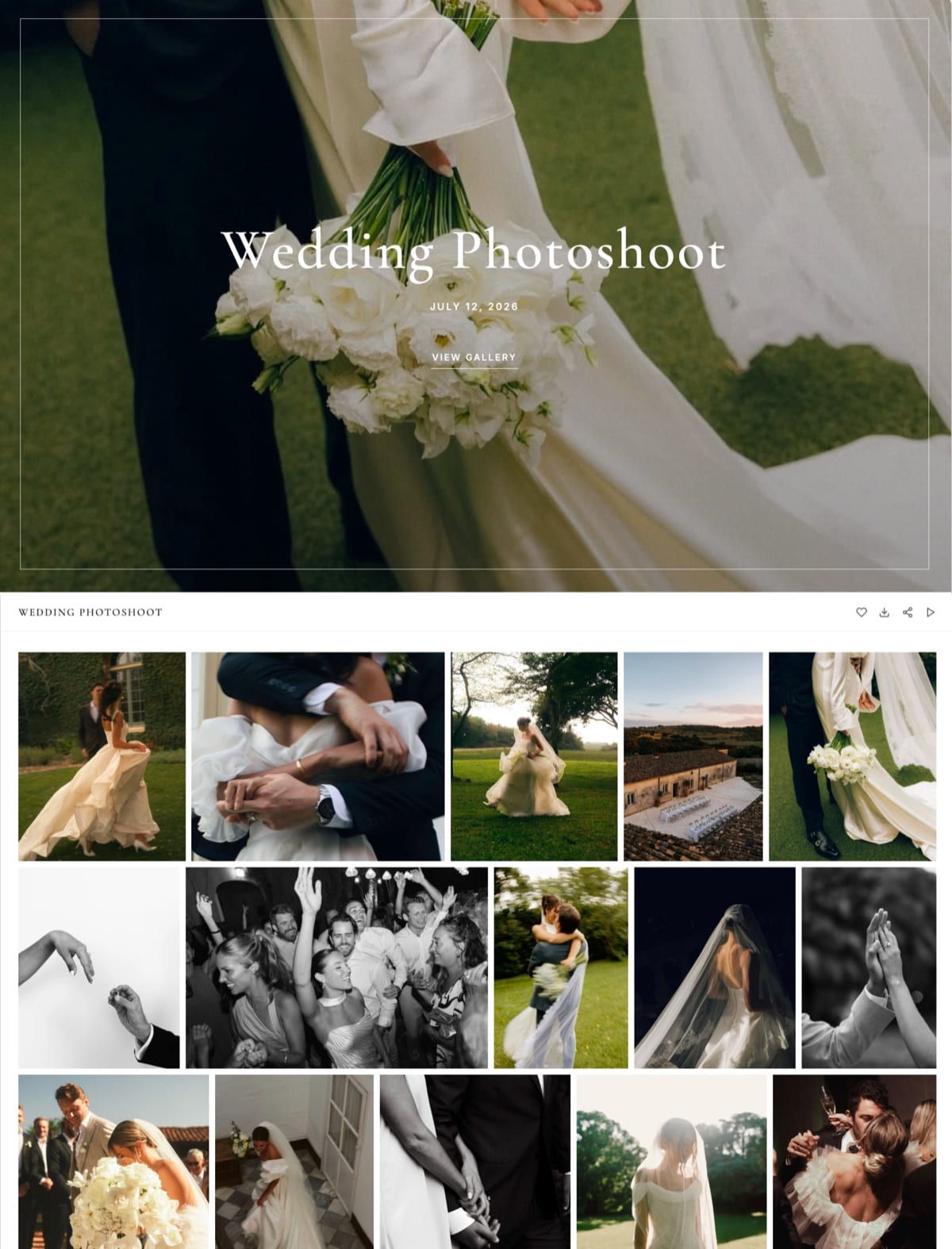
Framekit templates
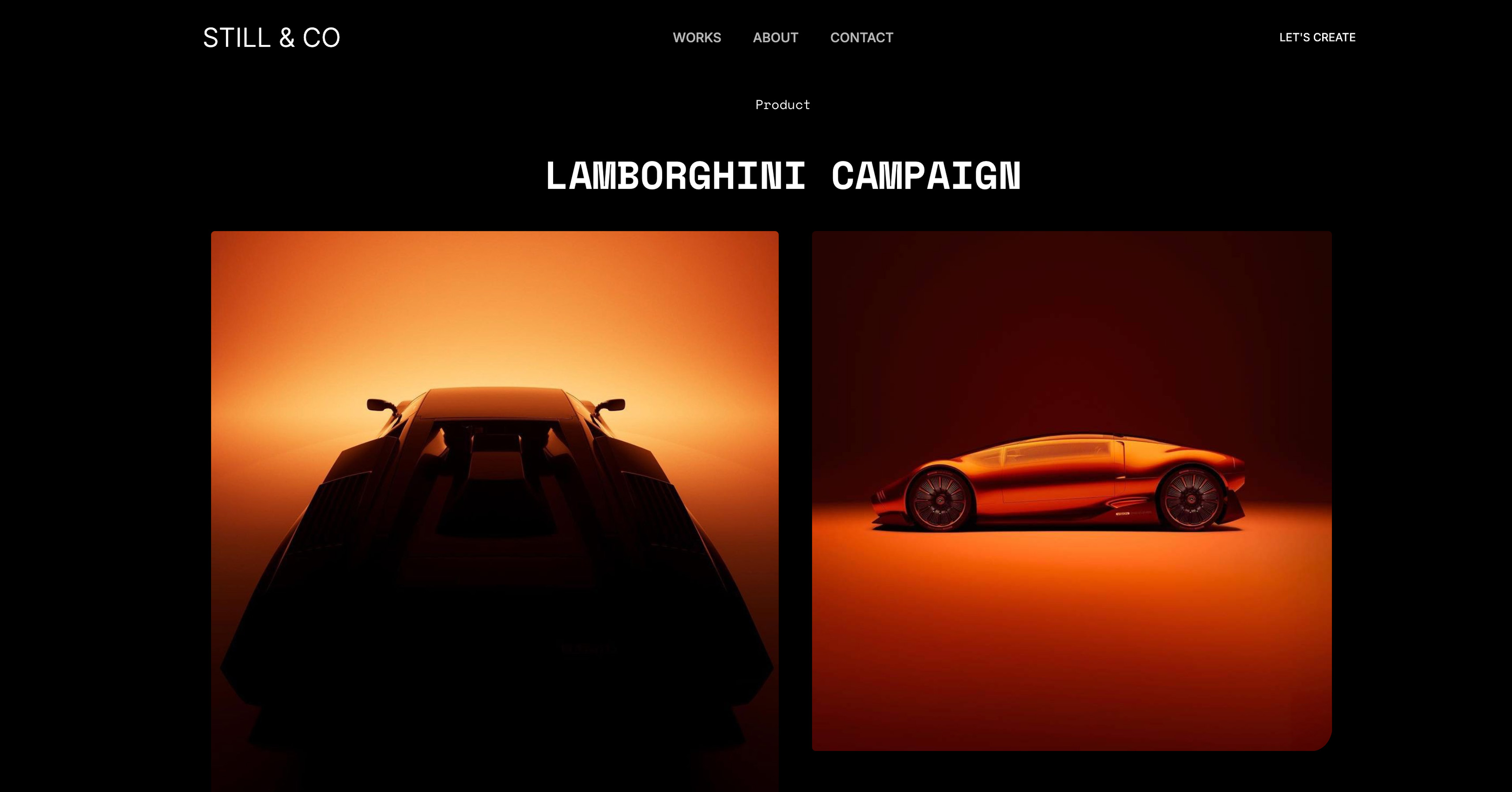
Start from a designer-made template
 Use template
 Use template
 Use template
 Use template
 Use template
 Use template
 Use template
 Use template
Nobody asks whether Pixieset works. It has been the default first gallery platform for a decade, your clients have almost certainly received a Pixieset link before, and the product does what it says.
The people typing "is Pixieset worth it" into Google are asking a narrower question: is the plan I am about to pay for worth it, or is the free plan I am already on quietly the most expensive option in the building?
A client gallery platform is a service that hosts finished photos in private online galleries where clients view, favorite, download, and order prints.
Pixieset is the long-standing default of that category, combining proofing galleries with a connected print store, a website builder, and studio management tools, sold as separate subscriptions or a bundled Suite.
Framekit, which we make, is the other shape the answer can take: unlimited galleries on every plan, delivered from your own portfolio site, with no print lab standing behind them.
That second reading is the one this review answers, because it is the one with a dollar figure attached.
Pixieset is an all-in-one photography platform built around client galleries, with a print-and-download store inside each gallery, plus a companion website builder, a studio management tool, and a photo editor sold alongside.
This review prices all of it as it stands in July 2026.
Pixieset is worth it for photographers who deliver client galleries regularly and sell prints or files through them, because a paid plan starting at $8 a month (billed annually) removes the free plan's 15% store commission, unlocks original-resolution downloads, and puts galleries on your own domain - the break-even is only about $640 a year in store sales.
It is not worth paying for if you rarely sell through galleries and already have a website you like, and its free plan is a trial in practice: 3GB of storage, capped download resolution, and a 15% cut of every sale.
The trade-off at every tier is that your gallery workflow lives in Pixieset's ecosystem, not on your own site.
Framekit is the runner-up for a digital-first photographer who wants the galleries delivered from that site instead, and the wrong answer the moment wall art and albums become real revenue.
Full disclosure: we make Framekit, which competes with Pixieset on client galleries and websites, so treat our conclusions as an argument to check rather than a neutral verdict. We have kept our own product to one marked section and a fair fight: Pixieset fulfils prints through professional labs and we do not, and where that matters we say Pixieset wins.
Our Framekit comparison was re-verified on 19 September 2026, which fixed one line that set Framekit's product fee against in-gallery print sales it does not offer, and checked again on 20 September 2026 against both vendors' published plans.
How We Judged Pixieset
We answered the worth-it question the only way it can be answered honestly: by pricing what a working photographer actually uses, not by reviewing a feature list, and by checking every number against Pixieset's own published pages this week.
Verified from primary sources, July 2026. Every plan price, storage cap, commission rate, and download limit below was checked against Pixieset's pricing page and its help center this month.
Pixieset has restructured plans before, and several popular reviews still quote the old lineup, so the numbers here may differ from what you have read elsewhere.
Reasoned from product mechanics. Where we describe how the store, downloads, or the website builder behave, that comes from Pixieset's own documentation of the flows, not from guessing.
We built galleries on Pixieset for our Pic-Time vs Pixieset head-to-head, and this review draws on that work rather than claiming a fresh hands-on test tonight.
Flagged as community sentiment. Recurring themes from photographer reviews, like support response times, are labelled as sentiment because we did not measure them.
The carried example. A portrait and wedding photographer delivering 25 galleries a year and selling about $4,000 a year of prints and digital files through those galleries.
Every dollar figure in this review is that same business, so the numbers reconcile from section to section.
What Pixieset Costs in 2026
The honest starting point is that Pixieset's headline prices are its annual-billing prices, and the monthly prices are 20 to 25% higher, which matters because most photographers quote each other the wrong one.
Here is the Client Gallery lineup, verified against Pixieset's published pricing in July 2026:
| Plan | Billed annually | Billed monthly | Photo storage | Store commission | What it adds |
|---|---|---|---|---|---|
| Free | $0 | $0 | 3 GB | 15% | Unlimited galleries, store, up to 3 mobile apps |
| Basic | $8/mo | $10/mo | 10 GB | 0% | Custom domain, your branding, original-resolution downloads, 30 min video |
| Plus | $16/mo | $20/mo | 100 GB | 0% | 500 emails a month |
| Pro | $24/mo | $30/mo | 1,000 GB | 0% | RAW uploads, bulk sharing |
| Ultimate | $40/mo | $50/mo | Unlimited | 0% | 10,000 emails a month |
Three other price lists sit beside that one. The Website builder is free for 15 pages, 100 photos, and 5 blog posts, then $12 a month (annual) for unlimited content and a custom domain, or $18 for custom code and advanced theming.
The Suite bundle packages Client Gallery, Website, and Studio Manager together from $28 a month annual. Add-ons run $12 a month for the Photo Editor and $5 a month per extra hour of video storage.
Now the number that decides the worth-it question. Our carried photographer sells $4,000 a year through gallery stores. On the free plan, Pixieset's 15% commission takes $600 of that. Client Gallery Basic costs $96 a year on annual billing.
Staying free costs this photographer six times the price of the plan that fixes it.
Run this on your own numbers. Multiply last year's gallery store sales by 0.15 and set the result next to $96.
The crossover lands at about $640 a year in sales, roughly $53 a month - and Pixieset's own help center draws the same line, telling sellers that around $70 a month in sales justifies the subscription.
Above that line, the free plan is not free. It is the most expensive plan Pixieset offers.
There is one more cost the plan table hides: storage. Twenty-five galleries a year at a realistic 2GB each is 50GB, which pushes our photographer past Basic's 10GB and onto Plus at $192 a year.
That, not the $96 sticker, is the real annual price of Pixieset for a working studio that keeps its galleries live.
In one linePixieset's paid plans are cheap for what they do, its free plan is expensive for what it takes, and the plan a working photographer actually needs costs about $192 a year.
What Pixieset Gets Right
A fair review has to start with why Pixieset became the default, because none of it is an accident and most of it still holds in 2026 against every newer rival.
The client experience is the category's common language. Clean galleries, obvious download buttons, favorites that work without a client account, and a mobile layout that behaves on whatever phone your client's mother owns.
Familiarity is an unglamorous feature with a real payoff: fewer confused reply-all emails per delivery.
The store is genuinely integrated. Products appear inside the gallery while clients browse their own photos, previews are personalized with their images, and checkout happens without leaving the page. Digital files deliver themselves by email after purchase.
Print fulfilment is professional-grade. Automatic fulfilment routes orders to real pro labs - WHCC, ProDPI, Miller's, Mpix, Loxley Colour, and Atkins, per Pixieset's own lab list - printed and shipped to the client with no packing tape in your life.
A self-fulfilment mode exists when you want your own lab and your own margins.
The free plan never expires and needs no card. Three gigabytes and unlimited galleries is a real, permanent way to test the workflow on a live client before spending anything.
The bundle math is honest. Suite Starter at $28 a month annual is $336 a year, which is exactly what Client Gallery Plus and Website Plus cost bought separately - so the bundle effectively adds Studio Manager's invoicing, contracts, and booking for nothing.
Few software bundles price that cleanly.
What reviewers say elsewherePixieset holds a 4.5 out of 5 on Capterra across 33 reviews as of July 2026, with ease of use rated highest and value for money lowest at 4.0 - which is, in one statistic, this entire review.
In one linePixieset earns the default position on client experience and print fulfilment, and nothing in this review argues otherwise.
The Fine Print That Bites
None of what follows is hidden, exactly. It is all on Pixieset's published pages. But each item below is the kind of thing photographers discover in month three rather than day one, and together they decide whether the answer to the title question is yes or no for you.
The commission is charged before your discounts. Pixieset's help center states the 15% free-plan fee is calculated on the order subtotal before discounts and coupon codes are applied.
Run a 25%-off print sale and the mechanism turns against you: a client pays $75 on a $100 order, Pixieset's cut is still $15, and you have quietly paid 20% of what you actually collected.
The photographers most likely to run promotions are on the plan where promotions cost the most.
Processing fees stack on top. The 15% is in addition to Stripe or PayPal's roughly 2.9% plus 30 cents, and, on automatic fulfilment, the lab's print and shipping costs.
On the free plan, a $100 print order can shed $15 to Pixieset, about $3 to the processor, and the lab cost before you see margin.
Original-resolution downloads are a paid feature. Free-plan galleries cap client downloads at 3600px; delivering the actual files you shot requires Basic or above.
For anyone whose contract promises full-resolution delivery, the free plan cannot fulfil your own contract, which makes it a trial in practice.
3GB is about one wedding. A full wedding delivery runs 2 to 4GB, so the free tier holds one large gallery, maybe two small ones, before you are archiving off-platform every month.
The advertised price assumes annual billing. Basic is $8 advertised, $10 if you pay monthly; Ultimate is $40 advertised, $50 monthly. Reasonable, standard, and still a 20 to 25% gap that most comparison charts ignore.
The free website is a business card. Fifteen pages, 100 photos, and 5 blog posts with Pixieset branding. A custom domain on the website side starts at the $12-a-month Plus tier.
The builder itself is a companion to the galleries, not a rival to a dedicated website platform - there is no store for products beyond your gallery photos, and the blogging and SEO tooling is basic by design.
Leaving has no refund window. Cancelling ends access to the product with no refunds for unused time; yearly plans can run out the cycle instead.
Cancel a paid Client Gallery plan and you fall back to free-plan limits: the 15% commission returns, the custom domain and original-resolution downloads stop, and a library over 3GB means you cannot upload again until you prune.
Your galleries do not vanish, but a paid workflow does not survive the downgrade.
In one linePixieset's gotchas cluster on the free plan, which is precisely where the largest number of its users sit.
Who Pixieset Is Worth It For
The yes cases are specific, and they cover a lot of working photographers, which is why the platform deserves its market position and why this review is not a hit piece.
Worth it: the photographer who sells prints through galleries. If clients buy wall art and albums from your deliveries, Pixieset's paid tiers are close to unbeatable value: $96 to $192 a year buys 0% commission, pro-lab fulfilment, and a store that sells inside the viewing experience.
Above roughly $53 a month in sales, the upgrade pays for itself mechanically.
Worth it: the volume deliverer. Twenty-plus galleries a year, clients who expect a familiar experience, contracts that promise full-resolution files. Plus at $192 a year is the workhorse plan, and nothing about it will surprise you.
Worth it: the studio that wants one vendor. If you would genuinely use the bundled website and Studio Manager's contracts, invoicing, and booking, Suite Starter's $336 a year replaces three subscriptions at the price of two.
The bundle is companion-grade rather than category-leading, and for plenty of studios companion-grade is enough.
Worth it, conditionally: the beginner. The free plan is the category's best risk-free trial as long as you treat it as a trial - test the workflow on a real client, then upgrade the month you either sell anything or promise full-resolution delivery.
Who Should Skip Pixieset
The no cases are just as specific, and most of them come down to paying for a selling machine you will not feed or an ecosystem you do not want to live in.
Skip it: the digital-first photographer who does not sell through galleries. If your income is bookings and your deliveries are downloads, the store, the labs, and the commission machinery are features you are routing around.
You need delivery, protection, and your own brand on the link, and there are cheaper, more direct ways to get exactly that.
Skip it: the photographer whose website is the business. Pixieset's builder cannot carry a site that needs to rank, blog seriously, or sell products beyond gallery photos.
You will end up running a real website elsewhere and paying Pixieset only for galleries, which weakens the bundle case that makes its pricing attractive.
Skip it: the print-heavy studio that wants marketing automation. Pic-Time's timed campaigns, expiry reminders, and gift flows actively sell to clients after delivery; Pixieset's store waits to be visited.
If prints are a serious revenue line and you want the platform doing the selling, that difference compounds - our Pic-Time vs Pixieset comparison prices exactly when the upgrade pays.
Skip it: anyone who refuses the free-plan commission on principle. ShootProof charges 0% commission on every plan including its cheapest, so if you want to start selling without upgrading, the Pixieset vs ShootProof question answers itself on economics alone.
The Alternatives Worth Pricing First
A worth-it verdict only means something against the field, so here are the three comparisons that actually change the answer, including ours, with the concessions stated plainly.
Framekit, which we make. Framekit is an AI website builder for photographers and visual creatives that generates a real portfolio site and delivers unlimited client galleries from that same site, on your own domain, on every plan including free.
Storage runs 10GB free, 50GB on Starter at $9 a month, 300GB on Pro at $19, and 2TB on Business at $39, in one pool shared by the site, the galleries and video reviews, with watermarking, password and PIN protection, favorites, and full-gallery ZIP downloads on all plans, and no commission on gallery delivery.
The digital store sells downloadable products like presets and LUTs at a 5% fee on Free and Starter, 3% on Pro, 0% on Business. The honest concession: Framekit has no print lab and no print fulfilment at all.
If clients buy framed prints and albums, Pixieset does something we simply cannot, and you should weigh us only if delivery, ownership, and digital sales are the job.
The full field is ranked in our best client gallery platforms guide.
Pic-Time. The design leader, with the best-looking galleries in the category and store automation that markets to clients after delivery.
Its entry paid plan is about $25 a month against Pixieset's $8 to $16, and its free plan takes the same 15%. Pick it over Pixieset when print revenue justifies a platform that actively sells.
ShootProof. The economics pick: 0% commission on every plan, pro-lab fulfilment, and pricing built around plan tiers rather than a cut of sales.
Its galleries are plainer than Pixieset's and the polish gap is real, but for a seller who refuses commission from dollar one it is the cleanest answer, and our best Pixieset alternatives roundup covers it alongside six others.
In one linePixieset is the balanced default; Pic-Time outsells it, ShootProof out-prices it on commission, and Framekit replaces the gallery-plus-website stack when print fulfilment is not the point.
Is Pixieset Worth It for You: A Decision Path
Work through these in order and stop at the first branch that matches the business you run today, not the one you are planning. The first honest match is the answer.
Do you sell prints or files through client galleries at all?
- No, and I do not plan to. You are choosing a delivery tool, not a store. Pixieset still works, but you are paying for machinery you will not use - compare a gallery that lives on your own site first, and see how to deliver photos to clients for the wider field.
- Yes, or I want to start. Continue.
Do gallery sales clear about $640 a year?
- Yes. Upgrade today; the 15% you are paying on the free plan already exceeds Basic's $96 a year. The only question left is which paid tier your storage needs force.
- Not yet. Stay free, but check the download-resolution cap against what your contracts promise, because that clause forces upgrades before the commission does.
Is print revenue a serious line you want the platform to grow?
- Yes, aggressively. Price Pic-Time before you commit; its automation exists for exactly you.
- Prints sell themselves occasionally. Pixieset's paid tiers are the value pick, and lab choice matters more than platform - our print fulfilment guide ranks those.
Do you want your website, galleries, and studio admin from one vendor?
- Yes, and companion quality is acceptable. Suite Starter at $336 a year is honest value.
- No, my website is the business and it lives elsewhere. Buy Client Gallery alone, or move the whole stack to a builder that delivers galleries from your own domain, which is the branch Framekit is built for, free plan included.
Frequently Asked Questions
Is Pixieset worth it in 2026?
Pixieset is worth it in 2026 for photographers who deliver galleries regularly and sell prints or downloads through them: paid plans start at $8 a month billed annually, remove the 15% free-plan commission, and include pro-lab print fulfilment, with the upgrade paying for itself above about $640 a year in store sales.
It is not worth paying for if you never sell through galleries and already have a website, and the free plan's 3GB cap, resolution limits, and commission make it a trial rather than a long-term home.
Is Pixieset's free plan enough for a working photographer?
Pixieset's free plan is enough to test the platform and deliver a handful of small jobs, but not to run a business on: 3GB of storage holds roughly one wedding, client downloads cap at 3600px rather than original resolution, and every store sale pays a 15% commission calculated on the pre-discount subtotal.
Any contract promising full-resolution delivery cannot be fulfilled on the free tier, which in practice is the limit photographers hit first.
How much does Pixieset actually cost per year?
A working photographer on Pixieset typically pays $192 a year for Client Gallery Plus (100GB, billed annually), because the $96 Basic tier's 10GB fills within a season of regular deliveries.
Add the website at $144 a year for a custom domain, or take the Suite bundle at $336 a year for galleries, website, and Studio Manager together.
Monthly billing raises each figure by 20 to 25%, and video-heavy shooters pay $5 a month per extra hour of video storage.
What happens to my galleries if I stop paying Pixieset?
Cancelling a paid Pixieset plan drops the account to the permanent free tier rather than deleting your work, but the paid features stop: the 15% store commission returns, custom domains and original-resolution downloads end, and a library over the free 3GB cap blocks new uploads until you remove files.
Pixieset issues no refunds for unused subscription time, though yearly plans can run to the end of the billing cycle. Export originals before any downgrade you are unsure about.
Does Pixieset take a commission on sales?
Pixieset charges 15% commission on store sales made on the free Client Gallery plan, and 0% on every upgraded Client Gallery, Suite, or Studio plan, per its help center in July 2026.
The fee is calculated on the order subtotal before discounts and coupons, applies to digital downloads as well as prints, and sits on top of your payment processor's fees and any lab costs.
On $4,000 a year of sales, the free plan's commission is $600 against the $96 annual price of the plan that removes it.
Pixieset vs Framekit: which is cheaper?
For pure gallery delivery, Framekit's free plan is cheaper because delivery carries no commission on any plan, while Pixieset's free plan takes 15% of anything you sell.
Once both are paid, Framekit gives more room for the money (Pro at $19 a month carries 300GB against the 100GB on Pixieset Plus at $16 to $20), and Pixieset's 0% store commission on paid plans beats Framekit's 3% Pro-tier fee on digital downloads, while in-gallery print sales exist only on Pixieset - but the products split on what the money buys: Pixieset includes a print lab and Framekit includes a full website on your own domain with a digital-product store.
Print sellers save with Pixieset; digital-first photographers who also need a real website save with Framekit.
Is Pixieset better than Pic-Time?
Pixieset is better than Pic-Time on price and breadth: its entry paid tier is $8 to $10 a month against Pic-Time's roughly $25, and it bundles a website builder and CRM that Pic-Time deliberately does not offer.
Pic-Time is better at selling prints, with the category's best gallery design and automated store campaigns that market to clients after delivery.
Both charge 15% on free plans and 0% on paid, so the choice is whether Pic-Time's selling machinery earns its premium, which our Pic-Time vs Pixieset comparison reduces to about one extra album a year.
Is Pixieset better than ShootProof?
Pixieset has the more polished galleries and the broader bundle, while ShootProof wins on commission structure: ShootProof charges 0% on every plan including its cheapest, where Pixieset takes 15% until you upgrade.
A photographer who wants to start selling prints without a subscription keeps more on ShootProof from the first order.
Once both are on paid plans the commission difference disappears and the decision shifts to client experience and lab options, where Pixieset generally reads as the more modern product.
Can I use my own domain with Pixieset?
Yes, on any upgraded Pixieset plan you can connect your own domain to both the website and client galleries, per Pixieset's pricing FAQ; free accounts stay on a mypixieset.com address.
The nuance worth understanding is that a connected domain points at Pixieset's platform rather than making galleries pages of your own website, so the delivery experience carries your name while the underlying site, its SEO, and the client relationship still live inside Pixieset's ecosystem rather than on a site you control.
Is the Pixieset website builder good enough to be my main site?
Pixieset's website builder is a competent companion site, not a primary marketing site: the free tier allows 15 pages, 100 photos, and 5 blog posts with Pixieset branding, and paid tiers at $12 to $18 a month add unlimited content, a custom domain, and custom code.
What it lacks is what ranks and sells: serious blogging and SEO depth, and any store beyond your gallery photos. Photographers whose website needs to win clients from search usually run a dedicated builder and keep Pixieset for delivery.
Is the Pixieset Suite worth it compared to separate plans?
The Pixieset Suite is worth it if you will use at least two of its three apps: Suite Starter at $28 a month billed annually ($336 a year) costs exactly the same as Client Gallery Plus plus Website Plus bought separately, which makes Studio Manager's contracts, invoicing, and booking effectively free.
If you only need galleries, Client Gallery alone at $96 to $192 a year is the better buy, and if you only want the website there are stronger dedicated builders at the same price.
Does Pixieset deliver full-resolution files to clients?
Pixieset delivers original-resolution downloads only on upgraded plans; free-plan galleries offer high-resolution downloads up to 3600px and web sizes below that, per its download-settings documentation.
Video follows the same tiering, with 4K delivery reserved for the Pro and Ultimate tiers.
For most portrait work a 3600px JPEG prints fine at common sizes, but if your contract promises the original files, the free plan cannot technically honor it, which makes Basic the real entry price for contracted professionals.
Final Verdict: Is Pixieset Worth It in 2026?
Yes on its paid tiers, no as a permanent free home, and that split is the entire review compressed into a single sentence a skimmer can act on.
Paid Pixieset is one of the best-priced pieces of software a selling photographer can buy.
For $96 to $192 a year it removes the commission, delivers original files, puts your domain on the gallery, and gives you a pro-lab store your clients genuinely use.
If gallery sales clear the break-even line from earlier, upgrading is not a judgment call, it is arithmetic.
Free Pixieset is a well-built trap for the hesitant. The 15% commission, charged on pre-discount subtotals, plus the 3600px cap and 3GB ceiling mean the plan works precisely until your business does.
Its job is to convert you, and the honest advice is to let it: upgrade early or choose a different platform, but do not sell $4,000 a year from a free gallery.
Where Framekit loses to Pixieset, plainly: we have no print lab, no automatic fulfilment, and no album pipeline, so a studio whose income is wall art and albums should choose Pixieset or ShootProof over us without hesitation.
The trade-off runs the other way for digital-first photographers: Pixieset's weakest surface is the website, and a business built on bookings and digital delivery is better served when the portfolio, the galleries, and the store are one site on one domain that you own.
Related reading: our Pic-Time vs Pixieset head-to-head, the best Pixieset alternatives, the Pixieset vs ShootProof comparison, and the full best client gallery platforms ranking.
Every price, storage cap, commission rate, and download limit in this review was verified in July 2026 against Pixieset's published pricing page and help center.