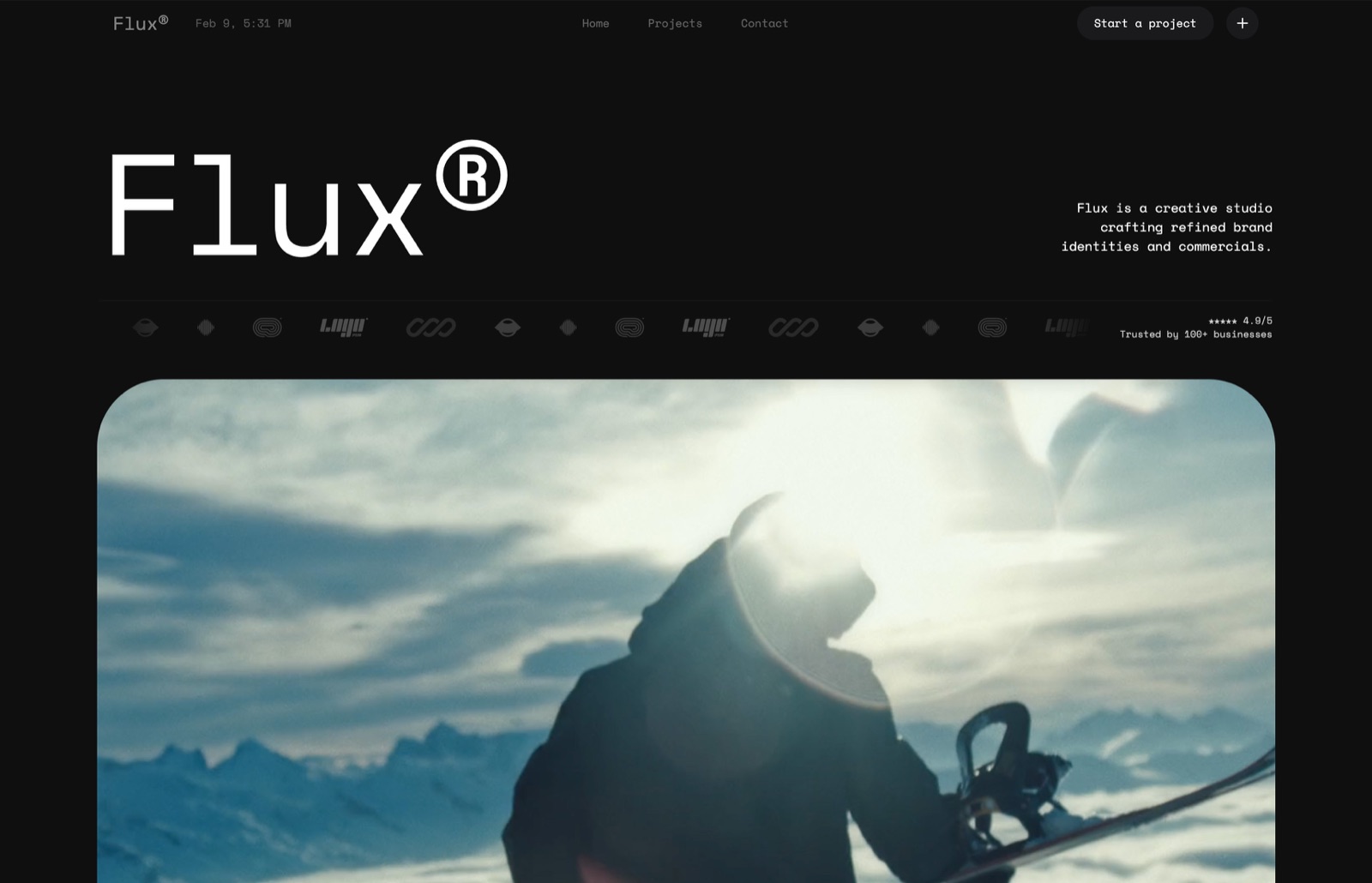
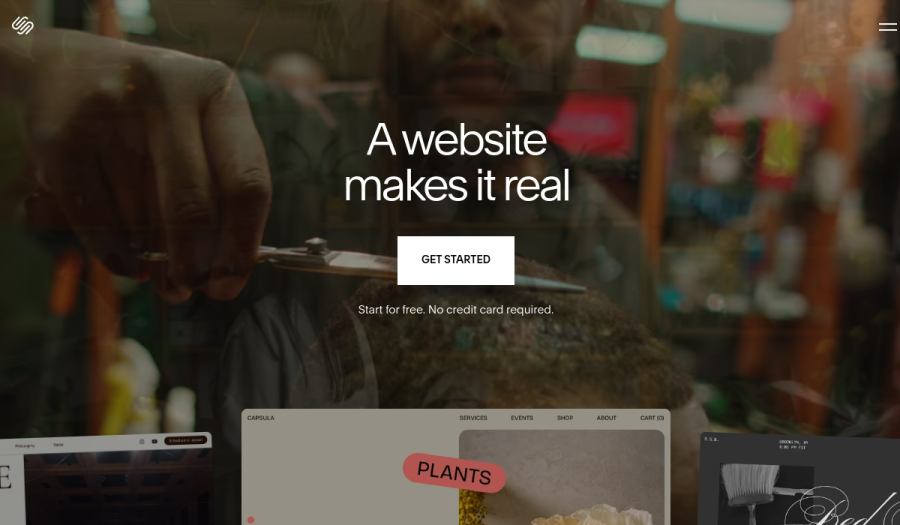
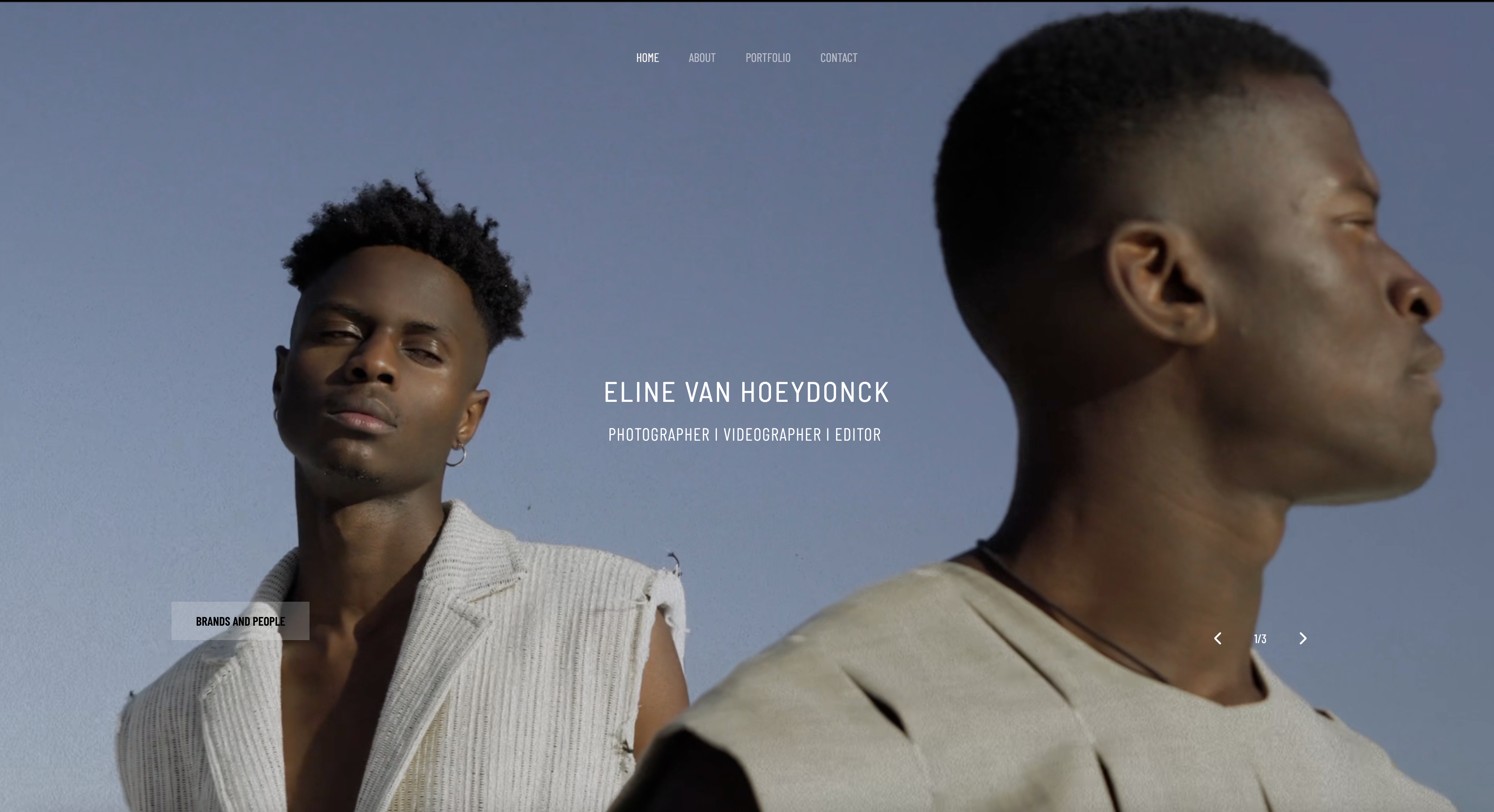
Framekit templates
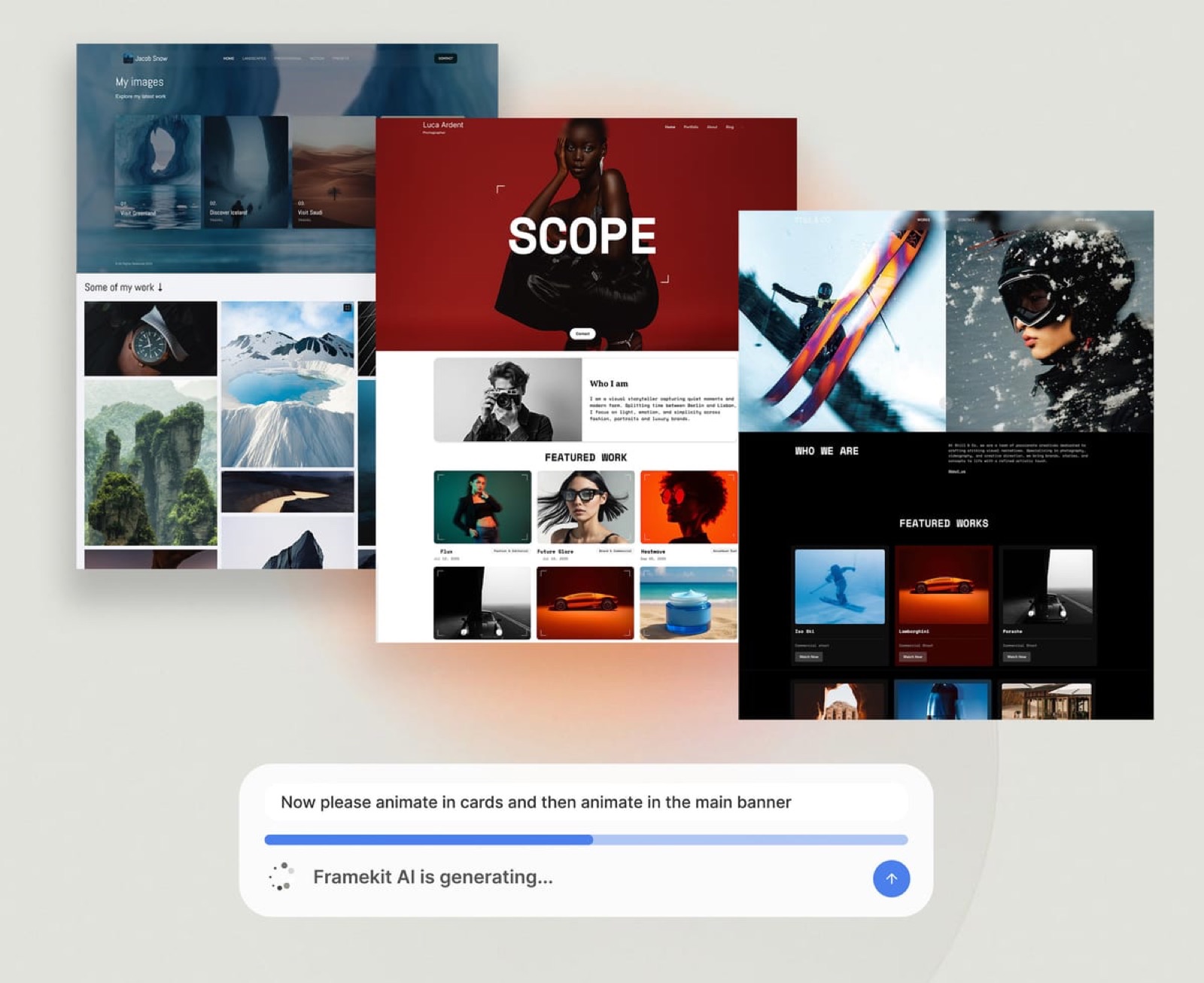
Start from a designer-made template
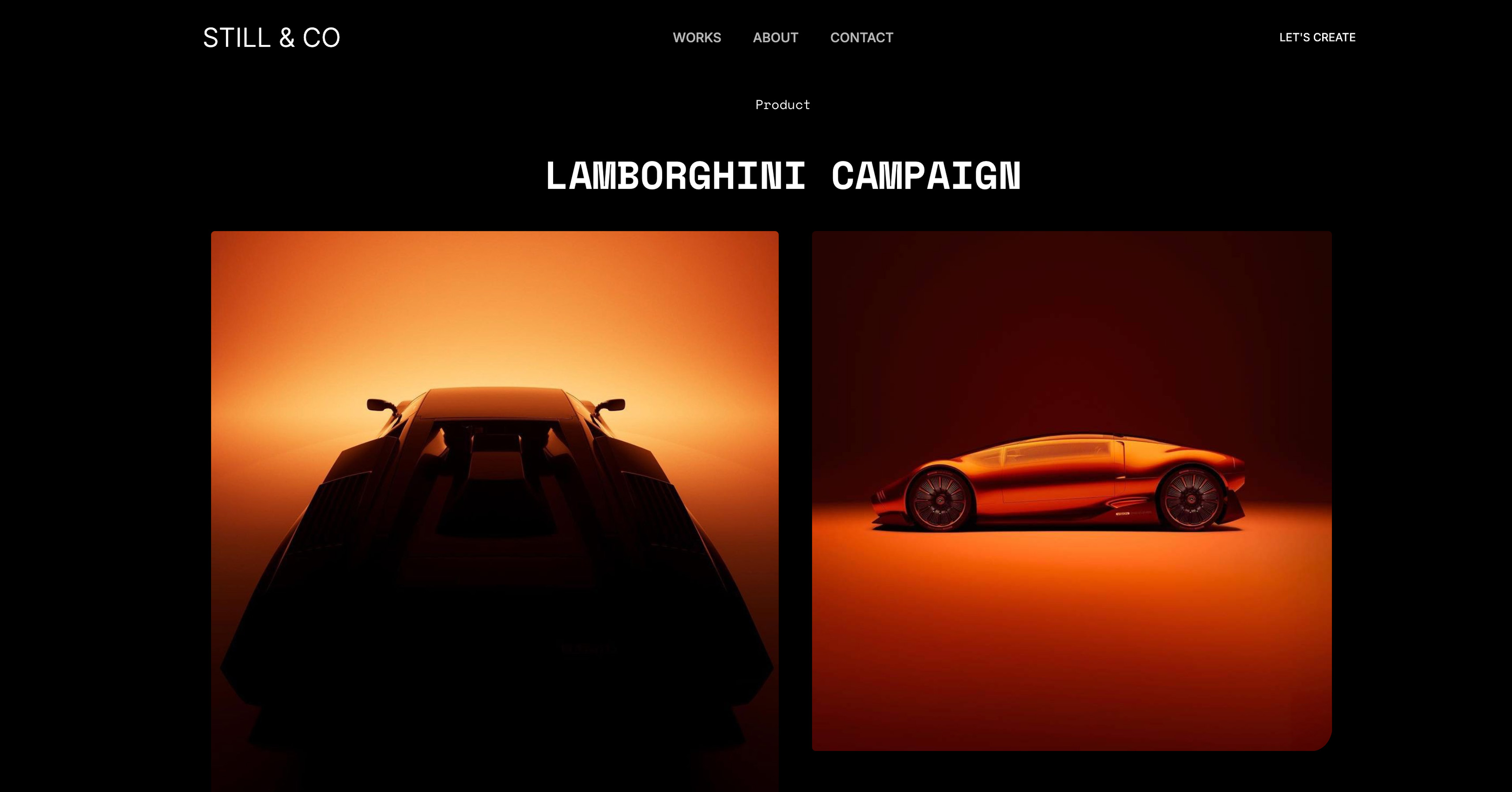 Use template
 Use template
 Use template
 Use template
 Use template
 Use template
 Use template
 Use template
Squarespace and Adobe Portfolio get compared as though they are two versions of the same product. They are not. One is a business platform that happens to display your work; the other is a display case that Adobe gives away to keep you subscribed to Creative Cloud.
Choosing between them is really answering one question: are you building a portfolio, or are you building a business that has a portfolio in it.
A website builder is a hosted tool that lets you publish and maintain a site without writing code, and the two here sit at opposite ends of that category: Adobe Portfolio is a themed showcase bundled with a software subscription, and Squarespace is a full commerce and marketing platform with a transaction fee attached.
Adobe Portfolio wins on cost if you already pay for Creative Cloud, because it is included at no extra charge and takes an afternoon to publish.
Squarespace wins on everything a business needs later: selling, scheduling, email, blogging and SEO control, from EUR 11 a month.
The trap in the middle is Squarespace's digital content and memberships transaction fee, which is 7% on Basic and 5% on Core, and which most comparisons never mention because they only look at the physical-products fee.
If neither of the two is quite right, Framekit is the third option worth pricing before you commit: it is the only one of the three that keeps client galleries and a digital store in the same account as the site, at 0% on its $39 plan, though it has no appointment scheduling and no extension marketplace.
We build Framekit, a competitor to both, so this guide is written to be checkable. Every number below came from Squarespace's and Adobe's own pages in August 2026, and we re-verified Framekit's own plans and store fee in September 2026.
There is a section near the end that says plainly when neither of them, and not us either, is the right answer.
The Short Version
The table below is the whole comparison in one screen, and the row that decides it for most creative people is the one about selling digital products rather than any of the design rows above it.
| Adobe Portfolio | Squarespace | |
|---|---|---|
| Entry cost | Included with any Creative Cloud plan, from US$11.99 a month | EUR 11 a month on Basic, billed annually |
| Standalone purchase | Not available | Yes |
| Themes or templates | 11 themes across Adobe's own 44-site showcase | Large template library, all editable |
| Sell digital products | No | Yes, with a 7% fee on Basic and 5% on Core |
| Sell physical products | No | Yes, 2% on Basic and 0% on Core and above |
| Blogging and SEO tools | Minimal | Full |
| Email marketing | No | Paid add-on |
| Client galleries and proofing | No | No |
| Custom domain | Yes | Yes, free for the first year on annual plans |
| Time to a published site | Under an hour | Half a day to a week |
In one lineAdobe Portfolio is the fastest way to have a site; Squarespace is the cheapest way to have a business.
What Each One Actually Costs
The pricing conversation is where most comparisons go wrong, because Adobe Portfolio's price looks like zero and Squarespace's price looks like the number on the pricing page. Neither is true.
Adobe Portfolio. Adobe's own Portfolio page states it plainly: beautiful portfolio websites, free with Creative Cloud. It is not sold separately.
The cheapest route in is the Lightroom plan at US$11.99 a month, the Photography plan sits at US$19.99, and Creative Cloud Pro is US$69.99 a month, all read from Adobe's own pages in August 2026.
So Portfolio costs nothing if you were already paying, and US$143.88 a year if you were not.
Squarespace. Read from its pricing page in August 2026, serving euros: Basic at EUR 11 a month, Core at EUR 17, and Advanced at EUR 29, all on annual billing. What matters more than those numbers is the fee table underneath them, covered in the next section.
The comparison that actually matters is not EUR 11 against zero. It is EUR 11 against US$11.99, because for anyone not already inside Creative Cloud, Adobe Portfolio is a paid product with a photo editor attached.
In one lineAdobe Portfolio is free the way an airline lounge is free.
The 7% Almost Nobody Mentions
Here is the detail that decides this comparison for anyone selling anything at all, and it is missing from nearly every article written on the subject, because Squarespace publishes two different transaction fees and most writers only ever find the first one.
The two fees, side by side:
| Plan | Online store fee | Digital content and memberships fee |
|---|---|---|
| Basic, EUR 11 a month | 2% | 7% |
| Core, EUR 17 a month | 0% | 5% |
| Advanced, EUR 29 a month | 0% | 0% |
If you sell prints, the store fee is what applies, and on Core it is zero. If you sell a preset pack, a LUT set, an ebook, a course or a membership, the second column applies, and on the entry plan it is 7% on top of card processing.
Put that on a real number. A photographer selling $2,000 a month of preset packs on Squarespace Basic pays $140 a month in platform fees, or $1,680 a year, before Stripe takes its own cut. Moving to Core drops it to $100 a month. Reaching 0% means Advanced at EUR 29.
That is the single most expensive thing in this comparison, and it applies to exactly the products creative people are most likely to sell.
In one lineCheck which of Squarespace's two fee columns applies to what you sell, because they differ by 7 percentage points.
The Theme Problem, With Numbers
The most common complaint about Adobe Portfolio is that the sites all look alike. We wanted to test that rather than repeat it, so we counted Adobe's own showcase.
Adobe's Portfolio homepage displays 44 example sites, each labelled with the theme it uses. Across those 44 examples there are 11 distinct themes, and the distribution is heavily skewed:
| Theme | Sites in Adobe's own showcase |
|---|---|
| Thomas | 18 |
| Marta | 8 |
| Andreas | 4 |
| Matthias | 4 |
| Ludwig | 3 |
| Hegen | 2 |
| Six others | 1 each |
Eighteen of 44, or 41% of the examples Adobe chose to promote, use a single theme. The top three cover 30 of 44, which is 68%.
This is not a criticism of the themes, which are well-made and typographically restrained. It is a description of what a visitor experiences.
If you are an art director looking at four portfolios in an afternoon, two of them will have the same navigation, the same grid and the same project-page rhythm, and the difference between them will be your work alone.
For some photographers that is exactly right. For anyone whose selling point includes art direction, it is a problem, and it is why designers tend to leave Portfolio first.
Squarespace has the opposite failure mode. There are enough templates and enough customisation that a Squarespace site can look like anything, including bad, and a fair number look identical because a popular template is popular.
In one lineAdobe Portfolio limits how wrong you can go and how distinctive you can be, in the same move.
Where Adobe Portfolio Is Genuinely Better
Adobe Portfolio is routinely dismissed by people selling alternatives to it, including by companies like ours, so it is worth being specific about the four things it does better than any subscription builder in this category.
Speed to published. From a folder of images to a live site with a custom domain is under an hour. Nothing else in this category is close, because there is almost nothing to decide.
Lightroom sync. Portfolio pulls from Lightroom albums, so updating a gallery can be part of your editing workflow rather than a separate upload session. For a working photographer who edits daily, that is a genuine hours-per-month saving.
Cost, conditionally. If you already pay for the Photography plan, adding a portfolio site costs nothing, has no separate renewal, and cannot become a surprise bill. That is a real advantage over every subscription builder including ours.
Password protection. Portfolio supports site-level password protection, which covers the simple case of showing work privately without buying a separate tool.
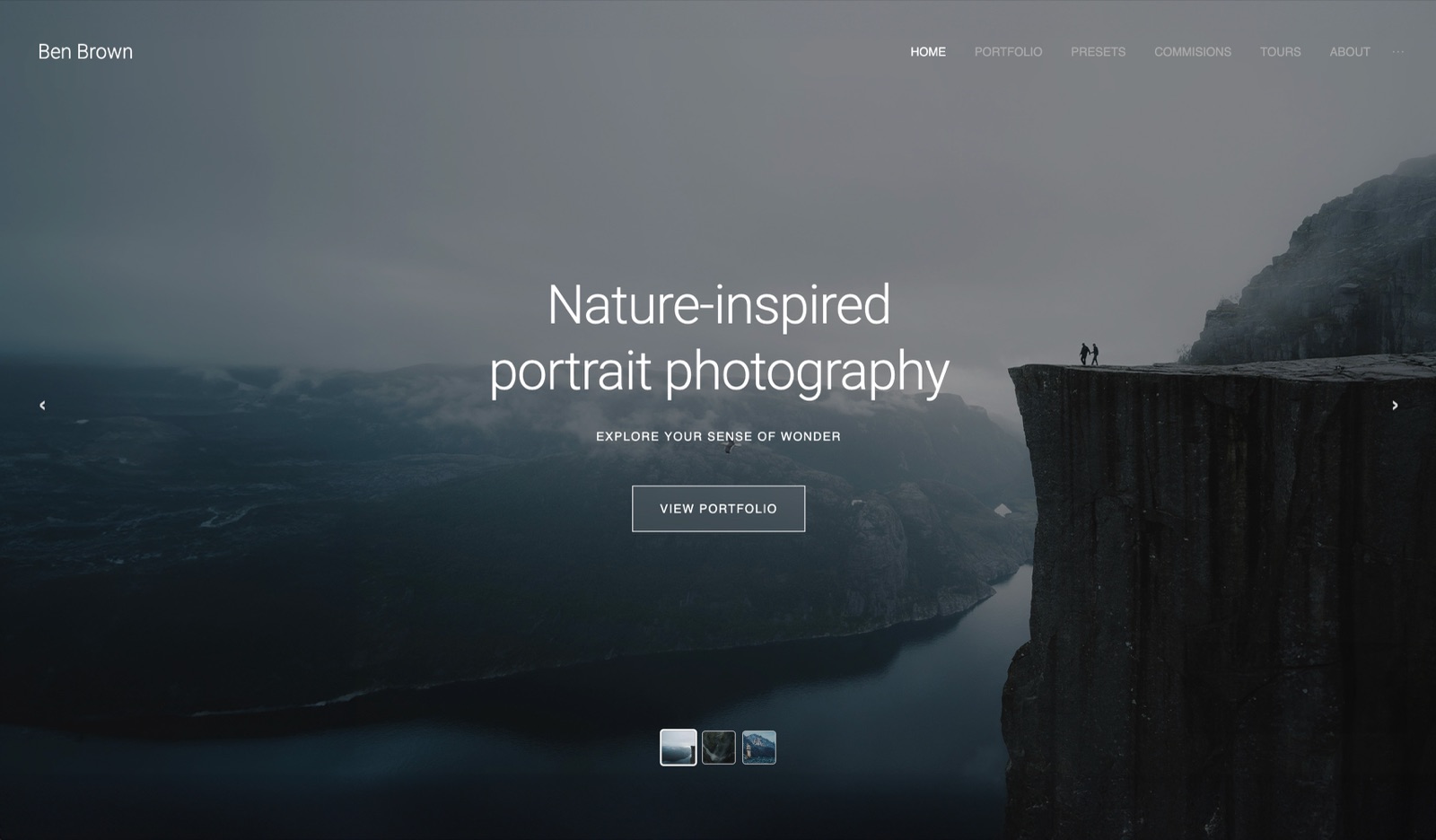
The honest limitthere is no store, no blog worth the name, no email capture that goes anywhere useful, no scheduling, and no meaningful SEO control. Portfolio is a display case, and Adobe has never pretended otherwise.
Where Squarespace Is Genuinely Better
Squarespace is the more capable product here by a wide margin, and the only real question is whether you need that capability this year or are paying for a version of yourself that does not exist yet.
Selling. Products, digital downloads, memberships, courses, appointments and invoices are all native. Subject to the fee table above, this is a complete commerce stack.
Content and SEO. A real blog, real metadata control, real redirects. If your plan is to be found by people searching for a wedding photographer in your city rather than only by people you send the link to, this matters more than any design decision.
Scheduling. Squarespace's acquired scheduling product is genuinely strong for anyone selling sessions, and it is the single feature most likely to justify the subscription for a portrait or headshot photographer.
Longevity. A Squarespace site can grow into a business without a migration. That is worth more than most people credit, because migrating a site that ranks is a project nobody enjoys.
The honest limitit is a general-purpose builder. Creative-specific workflows, from client proofing galleries to per-project password walls, are add-ons or absent, and the editor asks you to make many more decisions than Portfolio does.
Who Should Choose Which
The choice is rarely close once you know which constraint binds first, so answer these in order and stop at your first yes rather than weighing every feature against every other feature.
- Do you already pay for Creative Cloud, and do you only need somewhere for the work to live? Use Adobe Portfolio. You are done, and you have saved EUR 132 a year.
- Do you sell sessions and need booking, deposits and reminders? Use Squarespace, and price in the scheduling tier.
- Do you sell digital products such as presets, LUTs, templates or courses? Read the fee table again. Squarespace Basic charges 7% on those sales and Core charges 5%, which is a real cost that grows with your success rather than shrinking.
- Is your portfolio itself the pitch, in a field where art direction is judged? Neither theme library is your friend. Portfolio will make you look like 41% of its own showcase, and Squarespace will make you look like whoever else chose that template.
- Do you need client galleries with downloads, favourites and watermarks? Neither product here does this, so with Squarespace or Adobe Portfolio you are adding a second subscription either way. Framekit is the exception among the three, because the galleries, the watermarks and the PIN-protected downloads sit in the same account as the site rather than beside it, and our client gallery comparison covers the dedicated alternatives if you would rather keep delivery separate from your portfolio.
Where Framekit Fits, and Where It Does Not
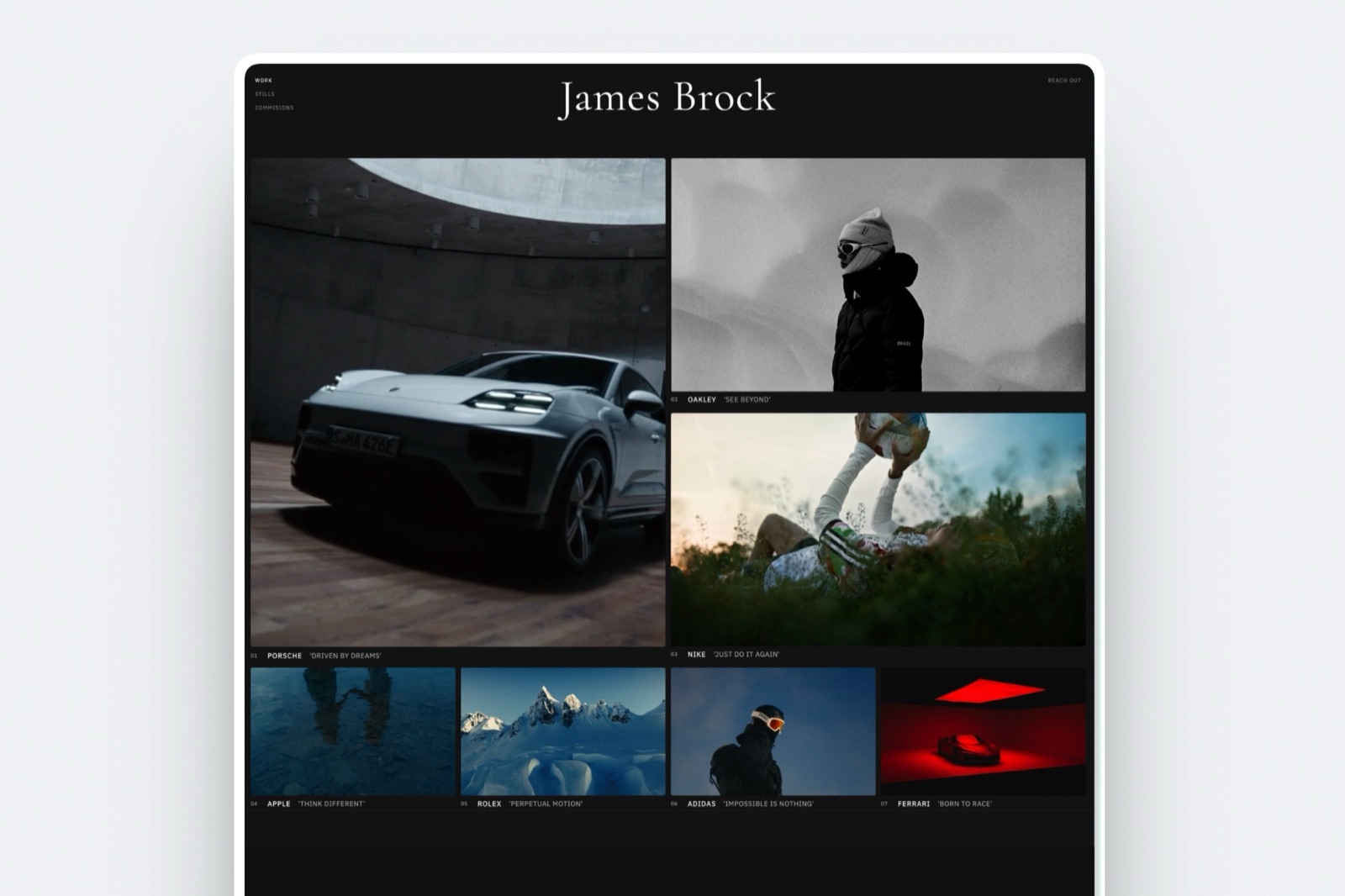
Framekit is an AI website builder that generates a portfolio and an optional store for photographers, filmmakers and designers from a description of the work, and the reason we are in this article at all is question three above.
The specific difference is the direction of the fee. Squarespace charges 5% to 7% on digital content and memberships unless you are on its EUR 29 tier.
Framekit charges 5% on Free and Starter, 3% on Pro at $19 a month and 0% on Business at $39. Both platforms let you reach 0%; the difference is what you get on the way there and what the entry plan costs while you are small.
A Framekit store is free to open and charges 5%, which suits somebody testing whether their preset pack sells at all.
Where Framekit is the wrong choice, plainlyif you need appointment scheduling with deposits and reminders, Squarespace does it and we do not. If you want a large third-party extension ecosystem, Squarespace has one and we do not.
If you already pay for Creative Cloud and simply need somewhere to show 30 photographs, Adobe Portfolio costs you nothing extra and we cost $9 a month, and paying us instead would be a decision made for our benefit rather than yours.
Migrating Between Them
Anyone already on one of these platforms should understand what moving actually costs, because the two directions are wildly asymmetric and the asymmetry itself tells you something about the products.
Leaving Adobe Portfolio is easy because there is little to lose. There is no store history, no blog archive and no email list to export, which is exactly the reason it is easy: you never accumulated anything transferable.
Keep the domain, republish the images, and redirect nothing because there was nothing ranking.
Leaving Squarespace is a real project. You have URLs that rank, a blog, possibly a customer list and order history. Export what you can, map old URLs to new ones with redirects, and expect a temporary dip in search traffic.
The lesson people learn here is to choose the platform before the SEO exists rather than after.
In one lineThe cost of leaving Squarespace is the best evidence of how much more it does.
Frequently Asked Questions
Is Adobe Portfolio really free?
Adobe Portfolio is included with any Creative Cloud subscription and cannot be bought separately, so it is free only if you already pay for Adobe software.
The cheapest way in is the Lightroom plan at US$11.99 a month, which makes an Adobe Portfolio site US$143.88 a year for someone who does not otherwise need Creative Cloud.
Is Squarespace better than Adobe Portfolio for photographers?
Squarespace is better for photographers who sell anything or need to be found in search, and Adobe Portfolio is better for photographers who already pay for Lightroom and only need somewhere for the work to live.
The deciding factor is usually booking and selling: Squarespace has both natively, and Adobe Portfolio has neither.
How much does Squarespace cost in 2026?
Squarespace's published plans in August 2026 are Basic at EUR 11 a month, Core at EUR 17 and Advanced at EUR 29, billed annually, on the euro pricing page.
Prices differ by region and monthly billing costs more, so check your own currency, and note that the plan you need is usually determined by the transaction fee rather than the features.
Does Squarespace charge fees on digital products?
Yes. Squarespace publishes a separate digital content and memberships transaction fee of 7% on Basic and 5% on Core, with 0% on Advanced, alongside the online store fee of 2% on Basic and 0% on Core.
Selling $2,000 a month of digital products on Basic therefore costs $140 a month in platform fees before payment processing.
Can you sell prints on Adobe Portfolio?
No. Adobe Portfolio has no store, no checkout and no digital delivery, so selling prints or downloads requires a separate platform and an external link. This is the most common reason photographers outgrow it, and it arrives sooner than most people expect.
Does Adobe Portfolio hurt your SEO?
Adobe Portfolio gives you very little control over the things that drive search visibility: no real blog, limited metadata editing and no redirect management.
It will not actively harm a site, and it will not help you rank for anything beyond your own name, which is a meaningful difference for anyone who wants enquiries from strangers.
Adobe Portfolio vs Squarespace: which loads and looks more professional?
Both produce clean, professional-looking sites, and the difference is distinctiveness rather than quality.
Adobe's own showcase of 44 example sites uses just 11 themes, with 41% of them on a single theme, so a Portfolio site is more likely to resemble another portfolio in the same inbox.
Squarespace offers far more variation at the cost of more decisions.
Can I use my own domain with both?
Yes. Adobe Portfolio supports connecting a custom domain, and Squarespace includes a free custom domain for the first year on annual plans and then charges renewal at its published rate.
Owning the domain independently of either platform is the single best protection against being locked in, because it is the only asset that moves with you intact.
Which is better for designers rather than photographers?
Designers usually outgrow both faster than photographers do, because case-study layouts, custom typography and interaction are the work being judged. Adobe Portfolio's fixed themes are the harder constraint of the two.
Our guide to website builders for graphic designers compares the options built for that specific problem.
Should I switch from Adobe Portfolio to Squarespace?
Switch when you have something to sell, something to publish regularly, or sessions to book, because those are the three things Adobe Portfolio cannot do at all.
Do not switch for appearance alone, and do not switch if you are still inside Creative Cloud and happy, because you would be adding a bill to solve a problem you do not yet have.
Final Verdict
Adobe Portfolio is the best free thing in this category and one of the most limited products in it, and those two facts are the same fact. If Creative Cloud is already on your card and you need a clean site by Friday, take it and spend the saved money on something else.
Squarespace is the better platform in almost every direction that matters after year one, and the fee table is the part to read before you commit.
Anyone selling digital products should be looking at Core or Advanced rather than Basic, and should do that arithmetic before signing an annual plan.
Where Framekit loseswe do not have Squarespace's scheduling, its extension marketplace or its decade of templates, and we are not free with a subscription you already pay for the way Adobe Portfolio is.
If either of those is the deciding factor, the honest recommendation is the other product, and we would rather say so than sell you the wrong tool.
Verdict: Adobe Portfolio if the portfolio is the whole job and Creative Cloud is already paid for. Squarespace if the site has to earn, with the digital-products fee checked first. Look at a specialist, including us, if the site needs to sell files and look unlike everyone else's.
Related reading: Framekit vs Squarespace for photographers, the best Adobe Portfolio alternatives, and the best website builders for photographers.
Prices and fees in this comparison were read in August 2026 from Squarespace's pricing page in euros and from Adobe's own Portfolio, photography and Creative Cloud pages in US dollars.
The theme distribution was counted directly from the 44 examples Adobe publishes on the Portfolio homepage.