Framekit templates
Start from a designer-made template
 Use template
 Use template
 Use template
 Use template
 Use template
 Use template
 Use template
 Use template
The Knot's most recent Real Weddings Study, built from 10,474 US couples who married in 2025, puts the average spend on a wedding photographer at $3,000.
Divide that by an eight-hour day and you get $375 an hour, which is the number that makes people buy a camera and start working out how to make money as a photographer.
Now count the rest of the hours. Two hours of travel, a scouting call, an eleven-hour culling and editing pass, three hours of emails, a gallery build, an album proof.
The same $3,000 across 25 real hours is $120 an hour before tax, before the $600 you set aside for the shutter that will fail, and before the two unpaid hours you spent on the couple who booked someone cheaper.
That gap is the whole subject of this guide.
A photography income stream is a repeatable way to convert camera work, files you already own, or knowledge you already have into revenue, and the useful way to compare them is not by headline rate but by what happens to the money in a month when you do not pick up a camera.
The most durable setup in 2026 is two or three client streams for cash flow (weddings, portraits, real estate or commercial work) plus one asset you sell from a site you own, because client work pays this month and assets pay in months you do not shoot.
Framekit is where we would put the asset half, since a store on your own domain keeps the customer, the email list and the SEO, but the honest trade-off is that assets are slow: expect a preset pack or print shop to take three to six months before it covers a phone bill, so do not quit shooting to build one.
We are the company behind Framekit, so treat our own placement below with the scepticism it deserves.
Framekit appears in two of the fourteen streams and nowhere else, because a website builder is not a wedding client, a print lab, or a stock agency. Every platform named here is linked, including the ones that beat us.
How We Costed These Fourteen Streams
Three different kinds of number appear in this guide, and quietly mixing them together is how most photography income articles end up as fiction that reads convincingly. Here is which is which, so you can weight them yourself.
Verified from primary sources. The wedding average comes from The Knot's Real Weddings Study, which also publishes a lower quartile of $1,500, a median of $2,800 and an upper quartile of $4,700.
Stock royalty bands come from Shutterstock's own contributor documentation.
Platform fees come from each platform's published pricing page, read in August 2026.
Calculated by us. Every take-home figure in this guide is arithmetic we did on two carried examples that stay fixed for the whole article: a $3,000 wedding and a $29 preset pack.
When you see a net number, it was computed from a published rate on one of those two, not estimated.
Ranges from market observation. Day rates for real estate, commercial and event work vary by city more than any other variable in this guide, so those appear as ranges and are flagged as such. We have not audited anyone's books. Nobody has.
What we did not do: run a photography business for a year and publish the P&L. If a guide claims that without a receipt, it is a story.
In one lineTwo fixed examples, published rates, and honest ranges where the market genuinely varies by city.
The Fourteen Streams, Side by Side
The columns that matter are not revenue and effort. They are time to first dollar and what happens in a month you do not shoot, because those two decide whether you have a business or a job with expensive equipment.
| Stream | Realistic first-year range | Time to first dollar | Pays when you stop shooting |
|---|---|---|---|
| Wedding photography | $1,500 to $4,700 per booking | 1 to 6 months | No |
| Portrait and family sessions | $250 to $900 per session | 2 to 8 weeks | No |
| Real estate photography | $150 to $400 per property | 2 to 6 weeks | No |
| Commercial and product work | $800 to $3,500 per day | 3 to 12 months | No |
| Event and conference coverage | $500 to $2,500 per event | 1 to 3 months | No |
| Corporate headshot days | $2,000 to $6,000 per day | 2 to 4 months | No |
| Second shooting | $200 to $600 per day | 2 to 6 weeks | No |
| Retouching for other photographers | $25 to $80 per hour | 2 to 6 weeks | Partly |
| Print and wall art sales | $40 to $180 margin per print | 1 to 3 months | Yes |
| Presets, LUTs and overlays | $9 to $79 per pack | 1 to 2 months | Yes |
| Stock photography | 15% to 40% of each licence | 3 to 9 months | Yes |
| Direct archive licensing | $200 to $5,000 per licence | 6 to 18 months | Yes |
| Teaching and workshops | $150 to $1,200 per seat | 2 to 6 months | Partly |
| Memberships and content | $2 to $15 per member per month | 6 to 18 months | Yes |
Five of the fourteen keep paying in a month with no bookings. Those five are also, without exception, the five that pay nothing at all for the first several months. That is the trade the entire guide turns on.
In one lineClient work buys you time; assets buy you the months when client work does not arrive.
1. Wedding Photography: The Highest Cash Per Day, and the Highest Cost Per Day
Weddings remain the single largest cheque most photographers can write into their calendar, and the published data is unusually good because couples report what they spent.
The real number$3,000 is the national average, but the quartile spread is the interesting part.
The gap between the lower quartile ($1,500) and the upper quartile ($4,700) is $3,200 on the same eight-hour day, and almost none of that gap is explained by camera bodies.
It is explained by the portfolio the couple saw, the speed of the reply to their enquiry, and whether the pricing page answered their question before they had to ask it.
The gotcha nobody puts in the brochurethe unbilled hours.
Twenty-two weddings a year at $3,000 is $66,000 gross, which sounds like a salary until you count roughly 25 hours per wedding, or 550 hours, plus the marketing, the accounting, the second shooter you paid $400, the insurance, and a body-and-lens replacement cycle most working photographers budget at $1,200 to $2,500 a year.
The effective hourly rate lands nearer $120 than $375.
Skip it ifyou cannot reliably work 14 consecutive Saturdays from May to September, or if a single-chance, no-retakes shoot makes you ill. Wedding work is the least forgiving genre in photography and the most emotionally expensive.
Verdict: The fastest route to real revenue and the slowest route to a business that runs without you. Take the bookings, but treat every wedding as funding for the streams further down this list.
2. Portrait, Family and Senior Sessions: The Repeatable Middle
Portrait work is where most photographers actually build a sustainable local business, because a family that likes you comes back roughly every eighteen months and tells three neighbours.
The mechanism that makes it profitablesession fee plus print or product sales, rather than a flat digital-files price. A $250 session that ends with a $400 album order is a $650 job with a two-hour shoot. A $400 session that hands over a USB drive is a $400 job, and the client never buys anything again.
The detail people missmini-sessions are not a discount, they are an inventory strategy. Eight 20-minute slots in a single afternoon at $175 each is $1,400 for one location fee, one drive, and one editing session with a consistent look.
The gotchadelivery. If you send a Dropbox link, you have taught the client that the photographs are files. If you send a proper gallery where the print options sit next to the images, some fraction of them will buy something.
This is the single biggest revenue change available in a portrait business, and it is a tooling decision, not a talent decision. Our client gallery comparison covers who does this well.
Verdict: The most under-rated stream on this list for anyone who wants steady income without giving up every Saturday.
3. Real Estate Photography: The One That Pays Weekly
Real estate is the least glamorous genre and the most reliable calendar-filler, because agents list properties continuously and need photographs within 48 hours every single time.
Rates$150 to $400 per property in most US and European markets, with drone or twilight add-ons pushing a single job past $500. Three properties in a day at $250 is $750 for roughly six hours including editing, which beats the effective hourly rate of most wedding work.
The compounding partagents are repeat buyers by nature. Ten agents who each list two properties a month is 240 shoots a year from ten relationships. No other genre converts a single good relationship into that much recurring volume.
The gotchaturnaround is the product. Agents will forgive a slightly soft corner; they will not forgive photographs arriving after the open house. Batch-editing discipline matters more here than in any other genre.
Skip it ifyou want creative control. You are photographing rooms to a formula, and the formula is not yours.
Verdict: The best cash-flow stream for a photographer who needs predictable weekly income while building something slower.
4. Commercial and Product Photography: The Highest Ceiling
Commercial work is where day rates stop being tied to your hours and start being tied to the budget of the campaign the images support.
Rates$800 to $3,500 a day is the normal band for small-brand and e-commerce work, and usage licensing sits on top of that rather than inside it.
A brand that wants national out-of-home rights for two years is buying something meaningfully different from a brand that wants website images, and pricing the two identically is the most common six-figure mistake in this genre.
The number that changes your yearone retained brand client shooting monthly at $1,500 is $18,000 of predictable revenue, which covers most solo photographers' fixed costs on its own.
The gotchagetting in. Commercial buyers hire from a portfolio that looks like the work they want to commission, not from a portfolio that shows range. A page that shows weddings, food, and a band shoot tells an art director nothing.
Our guide on what makes a good photography portfolio is about exactly this narrowing problem.
Verdict: The highest ceiling on the list and the longest runway to reach it. Start it while you are still shooting weddings, not instead of.
5. Event and Conference Coverage: Underpriced and Underrated
Corporate events pay out of a marketing budget rather than a personal one, and that single fact changes the negotiation more than anything about the photography itself, because nobody at the table is spending their own savings.
Rates$500 to $2,500 per event depending on hours and deliverable speed. Same-day edited galleries command a premium that has grown every year since conferences went back to being live, because the marketing team wants images while the hashtag is still moving.
The standout detailthe deliverable that wins repeat work is not the best photograph, it is the 40-image selects folder delivered before the closing keynote. Photographers who bring a laptop and cull between sessions charge more and get rebooked more.
The gotchaconference lighting is genuinely hard, and the fix is unglamorous. You will be shooting at high ISO in mixed colour temperatures for eight hours, and your keeper rate will be lower than at any wedding.
Verdict: The most reliable way to convert a corporate contact into a recurring annual booking.
6. Corporate Headshot Days: The Best Hourly Rate in Photography
A corporate headshot day is a portrait session with the client acquisition cost divided by forty, which is why it quietly produces the best effective hourly rate available to a photographer without a decade of commercial reputation.
The mathsa company with 40 staff booking a one-day on-site session at $125 per person is $5,000 for a single day of shooting, one lighting setup, and one batch edit. Even at $75 per head it is $3,000, which matches the average wedding for a fraction of the emotional load.
Where the money actually isthe annual refresh. Companies hire, and new hires need matching headshots. A studio that books the same firm every quarter for four new starters turns one sale into a subscription without calling it one.
The gotchayou need a repeatable, portable lighting setup and the social skill to put a nervous accountant at ease in ninety seconds. The photography is trivial; the people management is the job.
Skip it ifyou dislike corporate environments. You will spend the day in a converted meeting room.
Verdict: The highest effective hourly rate available to a photographer without a decade of commercial reputation.
7. Second Shooting and Assisting: The Paid Apprenticeship
Second shooting is the only stream on this list where somebody else carries the client risk, the contract, the deposit and the delivery deadline, and you still get paid a day rate for showing up with a camera.
Rates$200 to $600 a day depending on market and whether you are shooting or purely assisting. It will not build a business on its own, and it is not supposed to.
What it is really forcalendar filling and education. Fifteen second-shooting days a year at $350 is $5,250 in dates that would otherwise be empty, and you will learn more about timeline management in one season of second shooting than in two years of reading.
The gotcha that ends friendshipsthe contract. Who owns the images, whether you may show them, and whether you may accept a booking from a guest are three questions that must be answered in writing before the day. Photographers lose relationships over this constantly.
Verdict: Start here if you are new. Keep a few dates each year even when you are not, because it is the cheapest market research in the industry.
8. Retouching and Editing for Other Photographers: Income Without a Camera
Every busy wedding photographer in your city is somewhere between two and six weeks behind on an editing backlog right now, and a meaningful number of them will pay somebody competent to make that backlog disappear.
Rates$25 to $80 an hour, or per-image pricing that works out similarly for high-volume culling. Editing three weddings a month at $400 each is $14,400 a year earned entirely at a desk.
The structural advantageit is counter-cyclical to your own shooting. Your editing capacity is highest in the winter, which is exactly when other photographers are catching up on autumn weddings.
The gotchastyle matching. Selling editing means delivering somebody else's look, not yours, and the first two jobs will take twice as long as you quoted while you build the presets to match their catalogue.
Verdict: The most reliable non-shooting income for a photographer with strong technical skills and a slow season to fill.
9. Prints and Wall Art: The Oldest Asset Income
A print is the only product on this list that a client can hang on a wall, and it is the reason print-and-product pricing beats digital-files pricing in portrait work.
The margin mechanismyou are selling the difference between a lab's cost and a framed piece's perceived value. That spread is typically $40 to $180 per piece depending on size and framing, and it does not require you to shoot anything new. The same image sells indefinitely.
Two routes, two economics. Print-on-demand services such as Printful charge nothing monthly and take their cost per fulfilled order, which means zero risk and thinner margins.
A professional lab plus your own fulfilment means better paper, better margins, and boxes in your hallway. Our print-on-demand comparison goes through both.
The gotchashipping damage and colour management. A print that arrives with a bent corner costs you the margin on three prints, and a screen that is not calibrated will produce prints that look nothing like what the client approved.
Verdict: The best first asset for a photographer who already has a body of work people compliment but nobody has ever been able to buy.

10. Presets, LUTs and Overlays: The Fastest Asset to Build
A preset pack is the shortest path from a skill you already have to a product that sells while you sleep, which is exactly why the category is crowded.
The carried example. A $29 preset pack, sold three ways:
| Where you sell it | Fee on a $29 sale | You keep |
|---|---|---|
| Gumroad | 10% plus $0.50 | $25.60 |
| Framekit Free or Starter | 5% plus card processing | $26.41 |
| Framekit Business at $39 a month | 0% plus card processing | $27.86 |
Gumroad's published rate is 10% plus 50 cents per transaction, and it rises to 30% on sales the platform sources through its own Discover marketplace.
On 100 packs a month that is a $256 platform bill against $2,900 of sales, and it never falls no matter how big you get.
Framekit's fee runs the other way: it starts at 5% on the free plan and drops to 0% on the $39 Business plan, so the crossover where paying beats percentage is about $780 of monthly sales.
The gotcha nobody mentionssupport. A preset pack generates emails for years, mostly from people on an older Lightroom version, and the refund rate on digital packs is real. Budget an hour a week per active product.
Skip it ifyour edit is a heavily masked, per-image process. A preset that only works on your exposures will earn one-star reviews.
Verdict: The best-value asset on this list per hour invested, and the one most likely to be built badly. See our walkthrough on selling Lightroom presets from your own site.
11. Stock Photography: Real Money, Terrible Rate
Stock photography is the most misunderstood stream in this guide, and the misunderstanding always runs in the same direction: people expect a good portfolio to earn well, when the mechanism actually rewards volume and metadata.
The published rateShutterstock runs six earnings levels each for images and video, ranging from 15% to 40% of what the customer pays.
The detail that changes the arithmetic is buried in the same document: levels reset to level 1 every January 1.
You climb the ladder each year and start again each January, which means annual income is far less linear than a percentage suggests.
What that means in practicea portfolio of 2,000 images is a hobby that pays for a lens. A portfolio of 20,000 images shot deliberately against commercial briefs is a business.
The threshold is much higher than beginners are told, and the honest advice is that stock rewards volume and metadata discipline far more than it rewards photographic quality.
The gotchaexclusivity clauses and AI training terms have both moved in the last two years. Read what you are licensing before you upload an archive you cannot withdraw.
Verdict: Worth it as a by-product of work you already shoot, almost never worth it as a primary plan. Our stock photography guide has the volume maths.
12. Direct Archive Licensing: The Stream With No Middleman
Direct licensing means selling usage rights for images you already own straight to the brand or publication that wants them, with no agency in the middle taking a percentage and no marketplace setting the price for you.
The numbera regional brand licensing one image for a year of web and social use typically pays $200 to $800. A national campaign licence for the same image is $2,000 to $5,000 or more. That is 10 to 100 times the same image would earn on an agency site, for the same file.
Why almost nobody does itit requires that somebody can find your archive, understand what is licensable, and contact you. A grid of photographs with no captions, no keywords and no licensing page cannot be licensed by anyone. This is a website problem wearing a photography costume.
The gotchayou are now the rights manager. You need a written licence, an invoice, a record of what was granted for how long, and the discipline not to grant perpetual worldwide rights for the price of a year of web use.
Verdict: The highest revenue per file of any stream here, gated entirely on whether your archive is discoverable and your paperwork is real.
13. Teaching: Workshops, Mentoring and Courses
Teaching converts experience into income at a rate that has nothing to do with how good your photographs are and everything to do with how clearly you explain one specific thing.
Three formats, three economics. A one-to-one mentoring session at $150 an hour is instant income with no scale. A weekend workshop with eight seats at $600 is $4,800 for two days plus preparation.
A recorded course is the only version that keeps selling, and it is also the only version that takes 80 hours before it earns a dollar.
The counter-intuitive partnarrow beats comprehensive. "How I light and edit newborn sessions in a small apartment" outsells "Photography Masterclass" every time, because the first one is searchable and the second one competes with everything.
The gotchaplatform economics. Hosted course platforms charge monthly, and the low tiers of most of them do not include the features that actually sell courses.
Compare the real cost against our course platform comparison before committing.
Verdict: The best margin on this list for anyone with three years of experience and one thing they can explain better than average.
14. Memberships, Content and Community: The Slowest Compound
A membership is recurring income from people who want continued access to you rather than a single file, and it is the stream with the longest runway of all fourteen.
The realistic maths100 members at $8 a month is $9,600 a year before fees, and getting to 100 paying members generally requires an audience in the low tens of thousands. Every platform in this category also takes a cut on top of card processing, so model the net rather than the gross.
What actually works for photographersnot "behind the scenes" content, which nobody pays twice for, but a recurring deliverable. Monthly critique of members' work, a monthly preset, or a live editing session gives the subscription a reason to renew on the 30th day.
The gotchachurn. A membership with 6% monthly churn loses half its members in a year, so the work of recruiting never stops. This is a business with a treadmill in it.
Verdict: Real, but last. Build it after you have an audience, never as the strategy for getting one.
What Each Hour Is Actually Worth
The comparison that decides how your year actually feels is not revenue per stream but revenue per hour once every unbilled hour is counted, and the ranking changes substantially when you do that arithmetic honestly.
| Stream | Gross example | Honest hours | Effective rate |
|---|---|---|---|
| One wedding | $3,000 | About 25 | About $120 |
| Three real estate shoots in a day | $750 | About 6 | About $125 |
| A 40-person headshot day | $5,000 | About 12 | About $415 |
| A weekend workshop, 8 seats | $4,800 | About 30 including prep | About $160 |
| 100 preset packs in a month | $2,900 gross | About 4 of support | About $660 net of fees |
The last row is the argument for assets in a single line, and it is also the most misleading row in the table, because it excludes the 60 to 100 hours of building and marketing that happened before the first sale.
Amortise that over a year and the preset pack lands closer to $90 an hour in year one, then climbs every year afterwards while the wedding row stays exactly where it is.
In one lineClient work has a fixed hourly ceiling; assets have a terrible first year and no ceiling after it.
Run This Test on Your Own Numbers
Take your last twelve months. Write down total revenue, then write down the number of days you physically held a camera or sat editing. Divide.
Now do it again, but only counting revenue that arrived on days you did neither. For most working photographers that second number is zero, and the entire point of this guide is to make it something other than zero within a year.
It does not have to be large. A print shop and a preset pack producing $400 a month is $4,800 that arrives whether or not February had bookings, and February is exactly when it matters.
Where the Platform Cut Goes
Every asset stream on this list leaks money at the point of sale, the leaks are wildly different sizes, and the difference between the smallest and the largest is roughly a month of income a year on the same sales volume.
| Route | Published cut | Notes |
|---|---|---|
| Gumroad direct link | 10% plus $0.50 | 30% on Discover-sourced sales |
| Stock agency (Shutterstock) | 60% to 85% to the agency | Six levels, reset every 1 January |
| Print on demand | Cost of goods plus shipping | No monthly fee, thinner margin |
| Your own store, free plan | 5% plus card processing | Framekit Free and Starter |
| Your own store, flat plan | 0% plus card processing | Framekit Business at $39 a month |
Framekit is an AI website builder that generates a portfolio and a store for photographers from a description of the work, and the store side is the reason it appears in this guide at all.
The relevant mechanic is not the percentage, it is the direction of travel: a marketplace percentage never falls as you grow, while a flat plan converts into a smaller and smaller share of revenue every month you sell more.
At $780 of monthly sales the two routes cost the same. Above that, percentage pricing is the more expensive option, and it stays more expensive forever.
The ownership argument matters more than either. When somebody buys your preset pack on a marketplace, the marketplace gets a customer and you get a payout. When they buy it on your domain, you get an email address, a repeat buyer, and a page that ranks for your name.
In one lineCompare fee structures by direction, not by today's percentage.
Which Streams to Start, in What Order
Do not work through this list from top to bottom, because the right first stream depends almost entirely on how much runway you have. Run it instead as a sequence of questions and stop at the first yes.
- Do you need money within 60 days? Start with second shooting and real estate. Both have short sales cycles, low portfolio requirements and repeat buyers. Everything else is too slow.
- Do you already have 15 or more bookings a year? Then your bottleneck is rate, not volume. Add print or product sales to existing sessions before adding a new genre. Read how to price photography first.
- Do you have a body of work nobody can buy? Open a print shop and a licensing page. This is the shortest distance between existing files and new revenue.
- Can you explain one narrow thing well? Sell a workshop before you build a course. The workshop tells you whether the course has buyers.
- Do you have an audience above about 10,000 engaged people? Only now is a membership a sensible use of your time.
- Is your slow season more than three months long? Add retouching for other photographers, which is counter-cyclical to your own calendar.
If you answered no to all six, the honest answer is that you have a portfolio problem rather than an income problem, and how to get photography clients is a better use of the next month than any stream on this list.
Frequently Asked Questions
What is the fastest way to make money as a photographer in 2026?
The fastest paying streams for a photographer in 2026 are real estate photography and second shooting, both of which can produce a first payment within two to six weeks.
Real estate agents list continuously and hire on turnaround rather than reputation, and established wedding photographers hire second shooters with a modest portfolio.
Neither builds long-term equity, which is why they belong at the start of a plan rather than the whole of it.
How much do photographers actually earn per hour?
A working photographer's effective hourly rate is usually between $100 and $160 once unbilled hours are counted, even when the headline rate looks far higher.
The Knot's average wedding spend of $3,000 across an eight-hour day implies $375 an hour, but the same booking consumes around 25 hours including travel, culling, editing, album proofs and client email, which brings it to roughly $120.
Is stock photography still worth it in 2026?
Stock photography is worth it as a by-product of shooting you already do, and rarely worth it as a primary income plan.
Shutterstock pays 15% to 40% depending on which of its six earnings levels you have reached, and those levels reset to level one every January 1, so income restarts its climb each year.
Volume and metadata discipline drive stock earnings far more than image quality does.
Should I sell presets on Gumroad or my own website?
Sell on Gumroad to validate demand and on your own website once you have it.
Gumroad's published fee is 10% plus 50 cents per transaction with no monthly cost, so it is cheaper at low volume, while a store on your own domain costs a flat monthly fee and keeps the customer relationship and the search traffic.
On a $29 pack, Gumroad leaves you $25.60 and a 0% own-store plan leaves you $27.86, and the crossover point is around $780 of monthly sales.
How many income streams should a photographer have?
Three is the number that survives a bad quarter: one primary client stream, one secondary client stream in a different season, and one asset.
More than four fragments your marketing to the point where none of them gets enough attention, and photographers with a single stream lose their whole income when one genre softens.
What is the most profitable type of photography?
Corporate headshot days produce the highest effective hourly rate of the common genres, at roughly $415 an hour on a 40-person day, because the client acquisition cost is spread across dozens of subjects in one booking.
Commercial and advertising work has the highest ceiling overall once usage licensing is priced separately from the day rate, but it takes far longer to break into.
Can you make a living from photography without shooting weddings?
Yes. A calendar built from real estate, corporate headshot days, event coverage and commercial retainers can match or beat wedding income without a single Saturday booking, and it does so with more predictable weekday hours.
The trade-off is that no other genre produces a $3,000 single-day cheque, so you need more clients to reach the same revenue.
How long does it take for passive photography income to matter?
Expect three to six months before an asset stream covers a small recurring bill, and 12 to 24 months before it is a meaningful share of income.
Prints and preset packs reach the first milestone fastest because they sell to an audience you already have; memberships and courses take longest because they require an audience before they can start.
Do I need my own website to sell prints and presets?
You do not need one to make a first sale, and you do need one to keep the customer.
Marketplaces handle payment and delivery but keep the buyer relationship, so each sale ends there, while a store on your own domain gives you the email address, the repeat purchase and the search traffic.
Our comparison of website builders for photographers covers the options including the free ones.
What percentage of photographers make money from more than shooting?
There is no reliable industry-wide figure for this, and anyone quoting one precisely is guessing.
What the published data does support is that the genres with product or print attachment (portrait, senior, newborn) report materially higher revenue per client than digital-file-only pricing in the same markets, which is why the print-attachment question shows up in every profitable portrait business.
Is teaching photography saturated?
Broad photography courses are saturated; narrow ones are not.
A course called "Photography Masterclass" competes with every free video on the internet, while "Lighting and editing newborn sessions in a small apartment" competes with almost nothing and reaches the exact people who will pay.
Narrowness is the entire strategy.
What should I do first if I have no portfolio yet?
Second shoot for two photographers in your city, then build a page showing one genre only.
A portfolio that shows one thing well books work; a portfolio that shows range books nothing, because buyers hire for the job in front of them. How to start a photography business covers the first ninety days in detail.
Final Verdict
Build the income in two halves.
The client half (weddings, portraits, real estate, headshot days, commercial retainers) pays the bills this quarter and has a hard ceiling somewhere around $150 an hour no matter how good you get, because you are selling days and you only have so many.
The asset half (prints, presets, licensing, teaching, memberships) pays nothing for months and then keeps paying in the months when nobody books you.
Most photographers who plateau have five variations of the first half and none of the second. Most photographers who fail have jumped straight to the second half with no audience to sell to.
Where Framekit is not the answerif your plan is stock photography, marketplaces, or a membership with tiered recurring billing, we are the wrong tool and we will not pretend otherwise.
Framekit has no recurring-subscription product billing, no marketplace of buyers waiting to discover you, and no print lab of its own.
Photographers who want a built-in audience should be on a marketplace, and photographers whose whole model is monthly memberships should be on a membership platform.
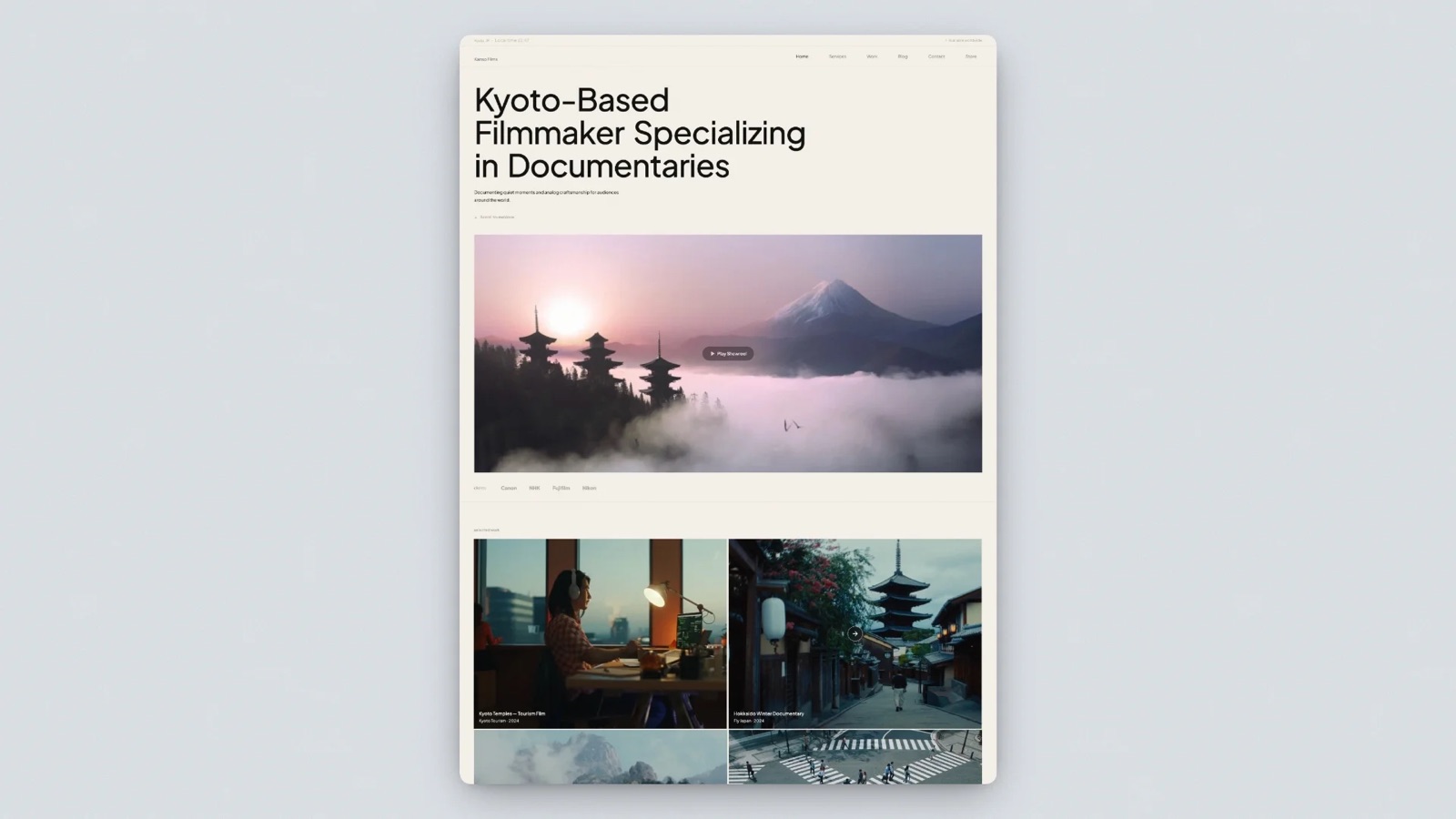
What we are good at is the other case: you already have people who like your work, and you want a portfolio and store on your own domain where the fee falls to 0% instead of climbing forever.
Verdict: Take the fast money from client work, spend a slice of every month building one asset, and judge the asset on whether it earns in a month you did not pick up a camera.
Related reading: the best ways to sell photos online, how much a photography website costs, and the photography business tools we rate.
Figures in this guide were read in August 2026 from The Knot's Real Weddings Study, Shutterstock's contributor documentation and each platform's published pricing page. Day-rate ranges are market observation, not audited accounts, and are labelled as ranges for that reason.