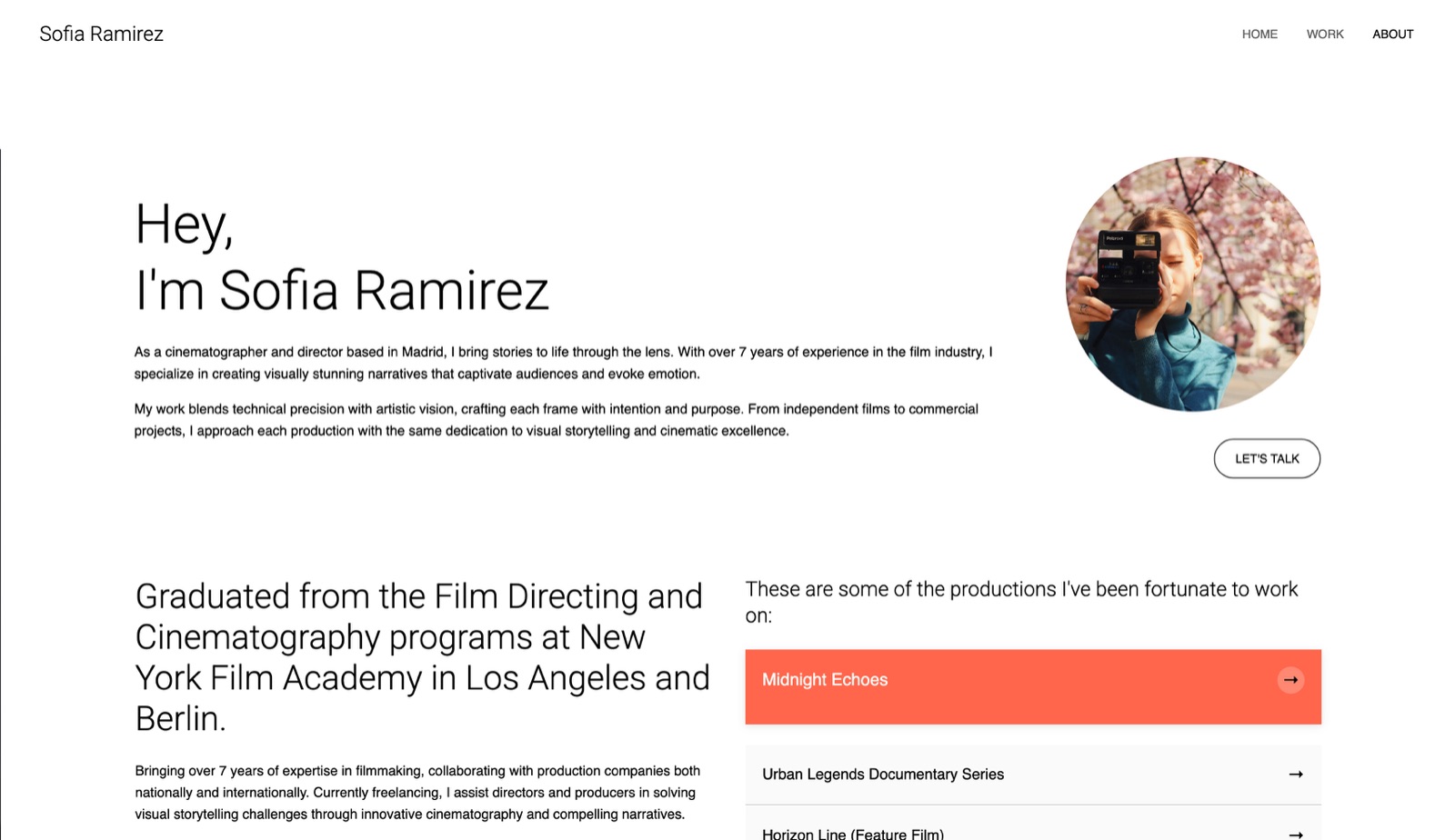
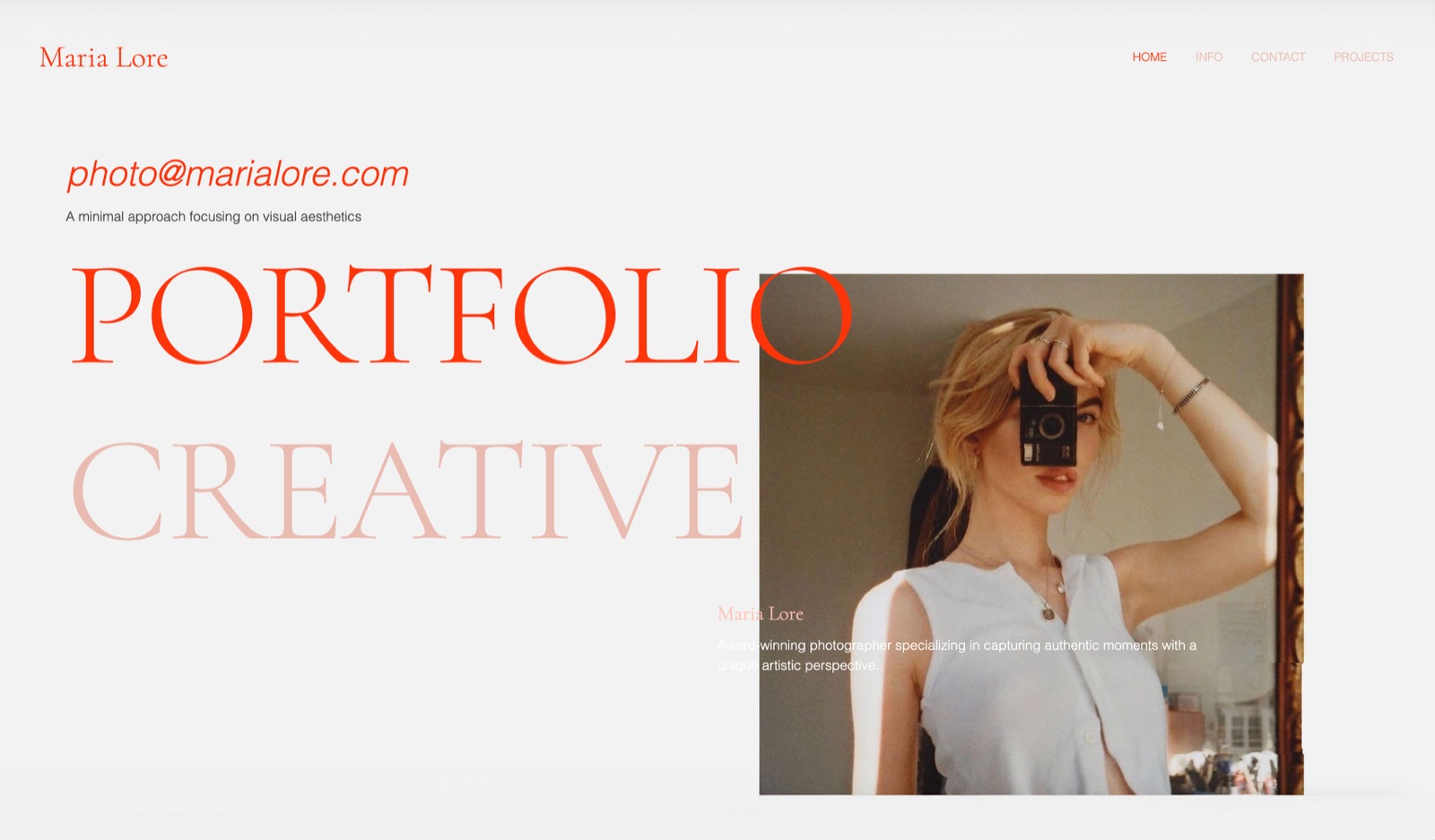
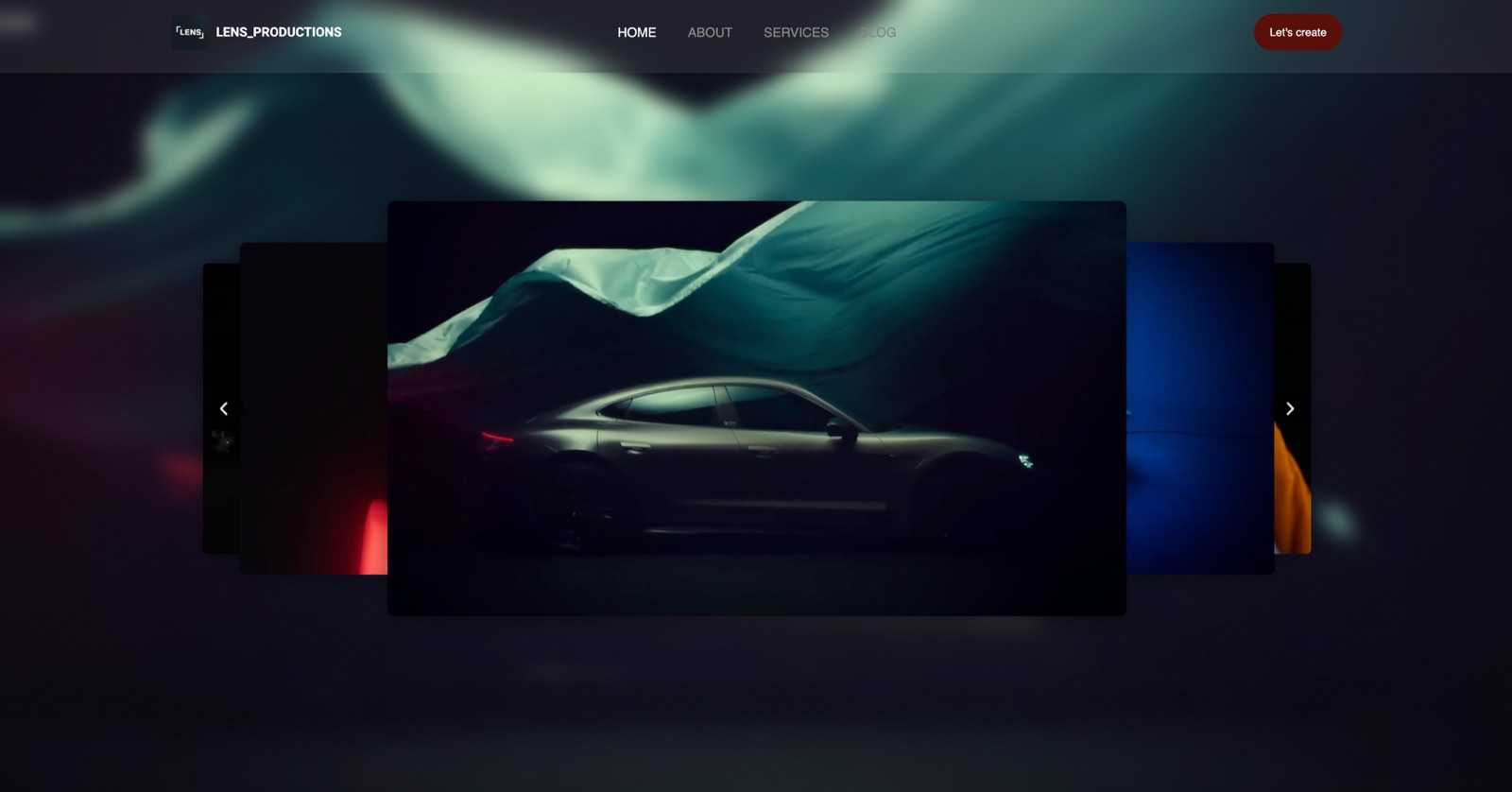
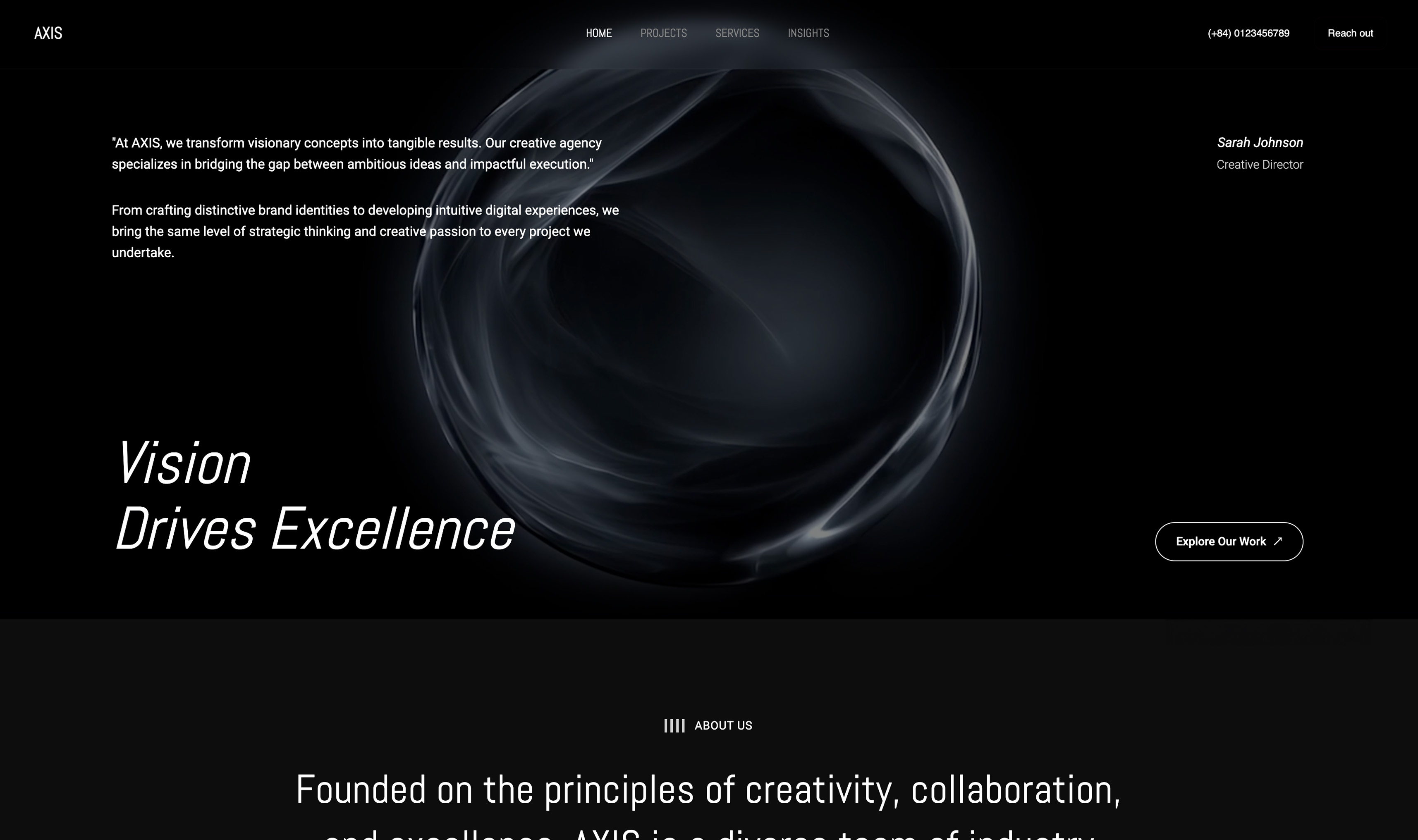
Framekit templates
Start from a designer-made template
 Use template
 Use template
 Use template
 Use template
 Use template
 Use template
 Use template
 Use template
There is a sentence buried in Canva's own help documentation that explains more about how to make money as a graphic designer in 2026 than any rate guide will.
Describing how Creators are paid from its royalty pool, Canva writes that the exact numbers month by month are confidential business information.
Read that again as a business proposition. You produce the inventory, the platform decides what a unit of it is worth, and the rate is not disclosed to you before or after you do the work.
That is not a criticism of Canva, which is upfront about it. It is a description of the bottom rung of a ladder that every designer is standing somewhere on, and climbing that ladder is what actually changes designer income. Not raising your hourly rate.
A design income stream is any repeatable way to convert design skill into revenue, and the four rungs are time (you sell hours), deliverable (you sell an outcome), licence (you sell permission to use something you own), and pool (you contribute inventory and receive a share somebody else calculates).
The fastest income for most designers in 2026 is deliverable-priced client work, with monthly retainers as the stabiliser, because a retainer converts an unpredictable freelance year into a predictable one.
The best long-term rung is licensing, whether that is fonts, brand usage or template sales from your own store, because it is the only rung where your income is not capped by your calendar.
Framekit is where we would put the store, with the honest caveat that a marketplace will sell your first templates faster than your own site will.
We build Framekit, so read our appearances with appropriate scepticism. We show up in two of the thirteen streams below and are absent from eleven, because a website builder cannot design a logo or run a workshop.
The Four Ways Designers Get Paid
Before the list itself, here is the framework that makes it navigable rather than a pile of ideas, because every stream below is really one of four commercial arrangements wearing different clothes.
| Basis | What you sell | Who sets the price | Income ceiling |
|---|---|---|---|
| Time | Hours or days | You, capped by market rate | Hours available |
| Deliverable | A defined outcome | You, based on client value | Projects you can run at once |
| Licence | Permission to use your work | You, per scope and term | None structurally |
| Pool | Inventory into a shared payout | The platform, often undisclosed | The pool's size |
Most designers spend a career moving between the first two and never touch the third. The third is where illustration, type design and brand licensing live, and it is the only basis on which the same work can be paid for repeatedly without your involvement.
In one lineYour income basis matters more than your rate, and most designers never change basis.
How These Numbers Were Sourced
Design rates vary more by city, sector and negotiating position than almost any other profession covered on this blog, so publishing a single precise figure for anything would be dishonest. Here is how each kind of number below was arrived at.
Verified from primary sources. Platform fees and payout mechanics come from each company's own documentation, read in August 2026: Canva's Creators help page on royalty pools, Gumroad's pricing page at 10% plus 50 cents per transaction, and the published plan prices from Framekit, Squarespace and the creator platforms named below.
Our arithmetic. Fee comparisons use one carried example throughout, a $39 template pack, so the numbers in different sections can be compared with each other.
Ranges from market observation. Every project and day rate below is a range, because it is a range. A brand identity is $1,200 in one market and $12,000 in another for comparable work and comparable quality.
In one lineFee mechanics are verified and dated, rates are honest ranges, and nothing here is presented as a survey we did not run.
1. Brand Identity Projects: The Classic Deliverable
Brand identity work is the highest-value project type available to most independent designers, and the reason it pays well has almost nothing to do with the number of hours in it.
How the money worksyou are pricing a decision the client will live with for years, not a week of your time.
That is why identity projects price at $1,200 to $12,000 for a solo designer depending on market and client size, and why hourly billing on identity work is the single most common way designers underprice themselves.
The mechanism to internalisethe same logo takes the same time for a local bakery and for a funded startup. The value differs by a factor of ten because the consequences differ by a factor of ten. Pricing on your cost is a decision to be paid for your effort rather than for the outcome.
The gotchascope. Identity work without a written deliverable list and a revision cap is where designer margins die, usually in round four. Get the scope in the proposal.
Our contract and proposal tools comparison covers the tooling.
Verdict: The best per-project income for a designer with a portfolio to justify it, and the most dangerous work to sell by the hour.
2. Web Design and Build: Where the Budget Already Exists
Web work pays reliably because the client has usually decided to spend the money before they contact you, which removes the hardest part of any design sale and explains why web budgets close faster than identity budgets.
Rates$2,000 to $15,000 for a small business site design and build, with the spread driven by page count, content production and whether you are building or handing off.
The upgrade that changes the economicsoffering the build rather than only the design. Designers who hand a Figma file to a developer lose the second half of the budget and the ongoing relationship. Builders who ship the site keep both, and the tooling gap that used to justify splitting the two has narrowed a lot.
The recurring income hiding inside ithosting, maintenance and content updates. A $150 a month care plan across twelve clients is $21,600 a year of work you already know how to do.
Verdict: The most reliable project income in design, and the easiest place to add a recurring line.
3. Monthly Retainers: The Stabiliser
A design retainer sells a fixed amount of capacity each month for a fixed price, and it is the single change most likely to make a freelance year survivable.
Typical shape$1,500 to $6,000 a month for an agreed volume of work, often with a request queue rather than a defined project list.
Why it beats project work even at a lower effective ratepredictability compounds. Three retainers at $2,500 is $90,000 a year you can plan around, which changes what you can afford to say no to, and saying no is how rates rise.
The gotchaqueue discipline. Unlimited-requests retainers fail when a client discovers they can queue 40 things. Cap concurrent requests rather than total requests, which keeps the promise generous and the workload finite.
Verdict: The single highest-impact business change available to a freelance designer, and the hardest to sell to a client who has never bought one.
4. White-Label Work for Agencies: Steady, Invisible, Underrated
Subcontracting to agencies means no client acquisition, no pitching, no scope negotiation and no chasing invoices, in exchange for a materially lower rate and, usually, no public credit for the work you did.
Ratestypically 50% to 70% of what the agency bills, which sounds bad until you price the sales work you no longer do.
Why experienced designers keep doing itthe work arrives briefed. An agency art director gives you a defined problem and a deadline, and the entire cost of finding, qualifying and educating a client disappears.
The gotchayou usually cannot show the work. Build the agency relationship for cash flow and your own client work for the portfolio, because a career built entirely on white-label work leaves you with nothing to show when the agency's budget moves.
Verdict: Excellent cash flow and terrible portfolio building. Use it deliberately as one line, not the whole business.
5. Packaging and Print Design: Specialised and Well Paid
Packaging design sits at the expensive end of print work for a simple reason: the consequences of getting it wrong are physical, expensive and visible on a shelf, so clients pay for someone who has done it before.
Rates$1,500 to $10,000 per SKU family for independent designers, with beverage, cosmetics and food commanding the top of the range.
The specialist knowledge that justifies itdielines, substrates, print processes, regulatory copy requirements and how a colour behaves on uncoated stock. A designer who can speak to a printer without an intermediary is worth substantially more than one who cannot.
The gotchaprint corrections are not free and not always yours. Define who pays for a reprint caused by a file error in writing before the job starts.
Verdict: One of the few remaining design specialisms with a genuine technical moat, and worth learning if print interests you at all.
6. UX and Product Design Contracts: The Highest Day Rate
Product and UX design contracting pays the highest day rates available to a designer anywhere in this guide, and the reason is budgetary rather than creative: it sits next to engineering spend rather than marketing spend.
Rates$500 to $1,200 a day in most Western markets for contract product design, with longer engagements typically at the lower end.
What the work actually isflows, systems, states, edge cases and specifications. It is closer to writing a very careful document than to visual design, and designers from a brand background often find the first month uncomfortable.
The gotchathe work is invisible in a portfolio without permission. Negotiate a case-study clause at the start of the contract, because asking after the launch is asking a legal team to do you a favour.
Verdict: The best day rate in design and the least visually rewarding work in this guide.
7. Selling Canva and Figma Templates: The Pool Rung
Template sales are the most accessible product a designer can build, and they are also the clearest example of the pool basis from the framework above.
How Canva's version works, in Canva's own wordsCreators earn royalties from a pool that grows with Canva's subscription revenue, calculated monthly, and paid according to how many template usages you have, where a usage is a design being downloaded, printed or presented.
Creators are paid for both free and Pro usage. The exact monthly rate is, per Canva, confidential business information.
What that means practicallyyou cannot forecast income, you cannot price your work, and you cannot audit the calculation. In exchange you get distribution to an audience of enormous size with zero marketing effort, which is a real thing of value.
The alternative rungsell the same templates yourself. On a $39 template pack, Gumroad's published 10% plus 50 cents leaves you $34.60, and a flat-fee store with no transaction fee leaves you about $37.70 after card processing.
You control the price, you keep the buyer's email, and you do all the marketing.
Verdict: Use the pool for reach and your own store for margin, and never confuse the first for a business you control. Our guide to selling Canva templates covers the practical setup.
8. Selling Fonts: The Purest Licence Income
Type design is the most demanding skill in this guide and the one with the cleanest licensing economics, because a font is sold as permission rather than as a file.
How the money arrivesdesktop, web, app and broadcast licences priced separately, usually scaled by company size or page views.
A single family licensed to a mid-size company can be worth more than a month of client work, and it can be licensed again to the next company without any additional production.
The realistic timelinea well-made family is six months to two years of work. This is not a side project you finish on a weekend, and the market rewards depth over novelty.
The gotchadistribution. Marketplace splits vary widely, and exclusivity terms differ between them. Read our font marketplace comparison before signing anything exclusive.
Verdict: The highest-ceiling asset a designer can build, gated behind the steepest craft requirement in this guide. See how to sell fonts online.
9. Icons and Illustration Packs: Volume Licensing
Icon and illustration sets sit between templates and fonts on the ladder: they generate genuine licensing income, and they take a fraction of the production time a typeface demands before the first sale.
What sellscompleteness and consistency. A set of 400 icons in three weights sells; a beautiful set of 40 does not, because buyers are solving a systems problem and cannot mix families.
Two routes with different economicsmarketplaces give you traffic and take a share, while your own store gives you the margin and the email address. Most illustrators end up on both, listing a free subset on marketplaces to route buyers to the full set.
The gotchalicence clarity. The most common support question is whether the buyer may use the set in a product they sell. Answer it on the product page in plain language and you will convert more and refund less.
Verdict: The best ratio of production time to licensing income in this guide. Our icons and illustration marketplace guide compares the outlets.
10. Print on Demand and Merch: Design as Product
Print on demand lets a designer sell physical products with no inventory and no upfront cost, and the economics are simple enough to model on a napkin before you commit a single afternoon to it.
How the margin worksyou set a retail price, the fulfiller takes the cost of goods and shipping, and you keep the difference, typically $8 to $25 per item on apparel and posters.
Where designers have an unfair advantagemost print-on-demand sellers are not designers. Typographic quality, restraint and a coherent collection are visible at a glance and are exactly what the category lacks.
The gotchaplatform discovery is not marketing. Uploading 200 designs and waiting is the most common failure mode, and the sellers who earn are the ones sending traffic.
Our print-on-demand comparison covers the fulfilment options.
Verdict: Low risk, low ceiling without an audience, and a good use of designs you have already made.
11. Website and Framer Templates: Selling to Other Builders
Selling site templates is the highest-price digital product on this list, because the buyer is purchasing a shortcut to something they were going to pay thousands for.
Pricing$49 to $149 is the normal band for a well-built site template, an order of magnitude above a social template pack, and the buyer is a business rather than a hobbyist.
The work behind the pricedocumentation and support. A template that is beautiful and undocumented generates refunds; a template with a five-minute setup video does not. Budget as much time for the documentation as for the design.
The gotchaplatform version drift. A template built against one release of a builder needs maintenance every time that builder ships a breaking change, and that maintenance is unpaid.
Verdict: The best margin per unit in digital design products, with an ongoing support obligation most sellers underestimate. See where to sell web templates.
12. Teaching: Courses, Workshops and Mentoring
Teaching design pays because the market for learning design is far larger than the market for hiring a designer, and it rewards specificity over seniority.
Formats and pricesone-to-one mentoring at $80 to $200 an hour, live workshops at $150 to $600 a seat, and recorded courses anywhere from $49 to $450 depending on depth.
What sells and what does nota course on how to run a brand discovery workshop sells; a course called "learn graphic design" competes with the entire internet and loses. The narrower the promise, the higher the conversion and the lower the refund rate.
The gotchaplatform economics. Course platforms charge monthly and gate the sales features on higher tiers, so model the total cost against expected sales before committing. Our course platform comparison has the numbers.
Verdict: The best margin available to a designer with five years of experience and one process they can explain well.
13. Content Income: Newsletter, Video and Sponsorship
Building an audience is the slowest stream here and the one that makes the other twelve easier, which is the only honest reason to recommend it.
How the money actually arrivessponsorship and selling your own products to your own audience, not advertising revenue. A design newsletter with 5,000 engaged subscribers can carry a sponsor slot at $200 to $800 and, more importantly, sells your templates without a marketplace taking a share.
The realistic timeline12 to 24 months of consistent publishing before it is a line rather than a hobby.
The gotchaaudience-building content and selling content are different, and doing only the first leaves you with reach and no revenue. Plan the product before the audience, not after.
Verdict: A distribution channel for everything else in this guide, and a poor primary plan.
Where the Money Leaks
Every product stream above loses a share of each sale at the point of purchase, and the differences between the outlets are structural rather than cosmetic, which is why they compound over a career.
| Route | What it takes from a $39 pack | Do you set the price |
|---|---|---|
| Canva royalty pool | An undisclosed share of a pool | No |
| Gumroad | $4.40 at 10% plus 50 cents | Yes |
| Creator platform at 9% | $3.51 plus processing | Yes |
| Your own store, 5% plan | About $1.95 plus processing | Yes |
| Your own store, flat 0% plan | Card processing only | Yes |
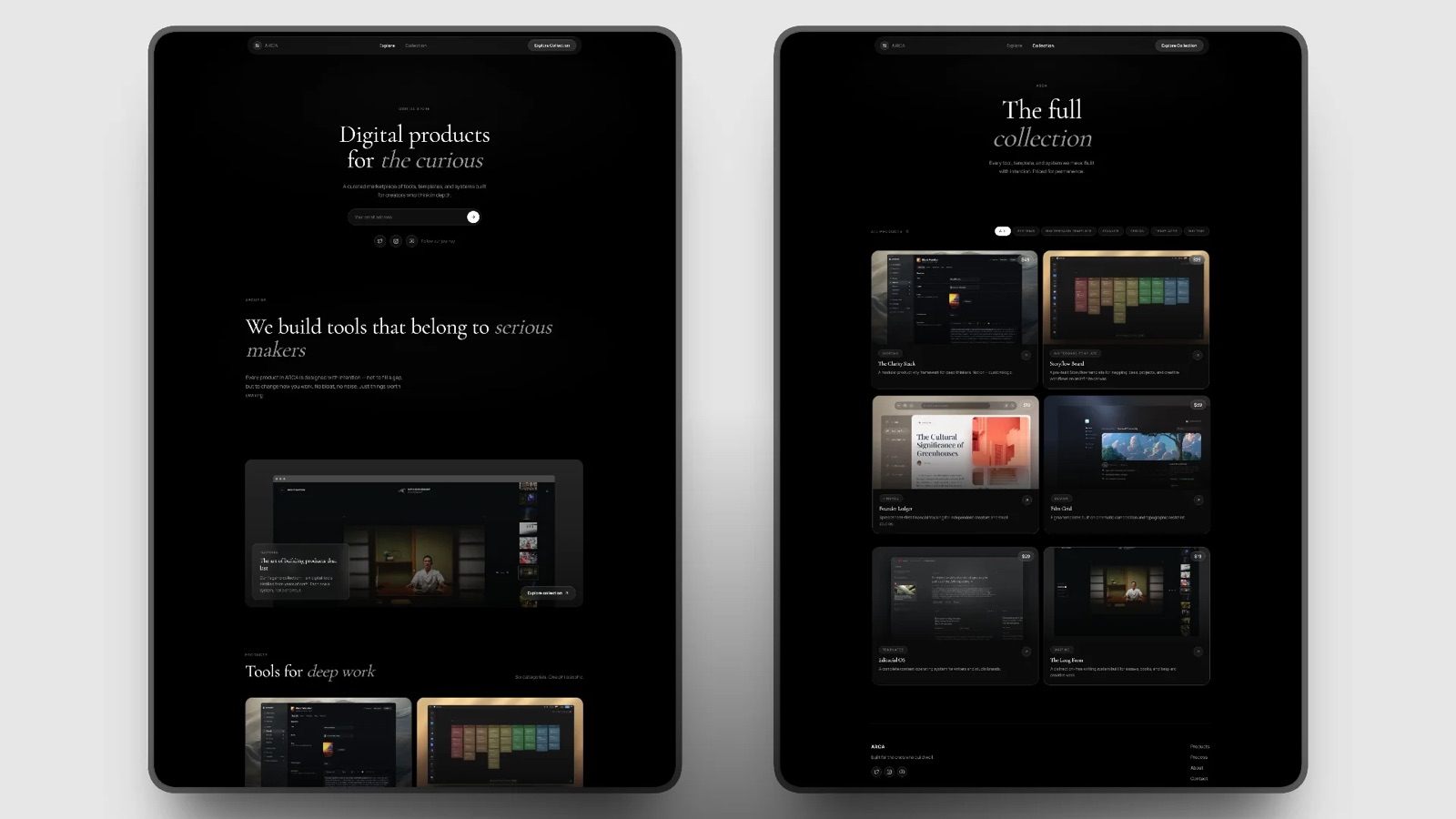
Framekit is an AI website builder that generates a designer portfolio and store from a description of the work, and it belongs to the last two rows.
The fee is 5% on Free and Starter, 3% on Pro at $19 a month, and 0% on Business at $39, so the effective rate falls as sales rise rather than staying fixed forever.
The more important column is the second one. On a marketplace or in a pool, you are inventory.
On your own store you are the seller, which means you set the price, run the sale, own the buyer's email address and can raise prices without asking anybody. That control is worth more than the percentage over any reasonable time horizon.
In one lineCompare outlets by whether you set the price, not only by what they take.
Run This Test on Your Own Year
Take your last twelve months of income and sort every pound or dollar of it into one of the four bases from the framework above: time, deliverable, licence, pool. The result is usually uncomfortable and always useful.
Most freelance designers find 90% or more in the first two, which explains precisely why their income tracks their working hours. The exercise is not an argument for abandoning client work, which pays now and pays well.
It is an argument for asking what percentage of next year could sit in the third column, and then making one specific thing that belongs there.
One licensed asset, built once, is the difference between a career that scales and a career that does not.
Which Stream to Add Next
The right next move depends on which constraint is actually binding, so work down these questions in order and stop at your first yes instead of adding three streams at once.
- Are you billing hourly for creative work? Change nothing else this month and move one project to a fixed deliverable price. It is the fastest rate increase available to you.
- Is your income unpredictable month to month? Convert your best repeat client to a retainer before chasing new logos.
- Do you have a slow season or empty weeks? Take white-label work from one agency to fill them, and keep your own client work for the portfolio.
- Do you have design assets already made and sitting unused? Package them. Icons, templates and textures are the shortest distance from existing files to licence income.
- Do people ask how you do a specific thing? Sell a workshop first, then decide whether it becomes a course.
- Do you already have an audience? Sell to it directly from your own store rather than through a pool, because the whole value of an audience is that you do not need a marketplace's distribution.
- Do you want the ceiling removed entirely? Learn type design or build a serious illustration library. Both are years, and both change what your income can be.
Frequently Asked Questions
How much do graphic designers make in 2026?
Independent designers most commonly earn on a project basis rather than an hourly one, with brand identity projects ranging from about $1,200 to $12,000, small business websites from $2,000 to $15,000, and product design contracts at $500 to $1,200 a day.
The largest determinant of income is not skill level but pricing basis, since designers who sell deliverables and licences consistently out-earn equally skilled designers selling hours.
What is the most profitable type of graphic design work?
Product and UX design contracting pays the highest day rate, brand identity pays the most per project relative to hours, and type design has the highest ceiling because a font is licensed repeatedly without further production.
For most working designers, a mix of deliverable-priced identity or web work plus one licensed asset produces the best combination of income now and income later.
How much can you make selling Canva templates?
Canva does not publish a per-use rate, so the honest answer is that it cannot be forecast.
Canva's own documentation says Creators are paid from a royalty pool that grows with its subscription revenue, calculated monthly, based on template usages, and that the exact monthly numbers are confidential business information.
Designers who want a predictable per-sale figure sell the same templates from their own store instead.
Is freelance graphic design still worth it in 2026?
Freelance design remains viable, and the designers struggling are typically those competing on execution rather than judgement.
Work that is a defined visual output with a clear brief has become cheaper; work that involves deciding what the brand should be, running the process with stakeholders, and being accountable for the result has not.
Position on the second and the market looks very different.
How do graphic designers make passive income?
Through licensing rather than through hours: fonts, icon and illustration sets, templates, print-on-demand designs and recorded courses.
The distinguishing feature of a genuinely passive stream is that the same work is paid for repeatedly, which is why a font family or a 400-icon set outperforms a one-off template pack over five years despite taking far longer to build.
Should I sell design assets on a marketplace or my own site?
Use marketplaces for discovery and your own site for margin and ownership.
A marketplace has buyers you cannot otherwise reach and takes a share of every sale forever; your own store keeps roughly $37.70 of a $39 pack on a zero-fee plan against $34.60 on a 10% plus 50 cents platform, and it gives you the customer's email address for the next launch.
What should I charge for a logo?
Price the logo on what the client's use of it is worth rather than on your hours: $1,200 to $12,000 covers most independent work, with the position in that range set by company size, market and the breadth of the identity system rather than by design time.
Charging an hourly rate for identity work guarantees that becoming faster reduces your income.
How do I get my first design clients?
Through people who already know you, then through work published where buyers look.
Cold outreach converts poorly for designers compared with a specific, visible body of work in one niche, which is why the fastest route is usually three strong case studies in the same sector rather than a broad portfolio.
Our comparison of freelance marketplaces for creatives covers where the paid work actually is.
Are design retainers worth it if the hourly rate is lower?
Usually yes, because predictability changes what you can turn down. Three retainers at $2,500 a month is $90,000 you can plan around, which lets you decline underpriced project work rather than accepting it out of uncertainty.
The rate on paper is lower and the annual income is often higher.
Do I need a website as a freelance designer?
Yes, and specifically one you control rather than a profile on a portfolio platform.
Clients and recruiters search names, marketplaces do not pass on the relationship, and a portfolio site is where a licensing store, a case-study archive and an enquiry form can coexist.
Our website builders for graphic designers comparison covers the options including the free ones.
How long before selling design products replaces client work?
For most designers it does not fully replace client work, and the useful target is a percentage rather than a replacement.
A realistic path is 12 to 24 months to reach a few hundred a month from one asset, then growth driven by adding assets and audience rather than by any single product taking off.
What is the difference between selling a licence and selling a file?
A file is sold once; a licence is permission that can be sold repeatedly, scoped by use, term and company size.
The same illustration can be licensed to one client for a book cover and to another for packaging, and neither purchase prevents the other.
Designers who learn to write and price licences change their income ceiling more than designers who learn a new tool.
Final Verdict
The designers who earn well in 2026 are not doing thirteen things. They are doing two or three, at a higher rung.
Client work stays, because it pays this quarter and because it is where reputation is built.
What changes the trajectory is moving that client work from hourly to deliverable pricing, adding one retainer for predictability, and building one thing you can license. Everything else on this list is a variation of those three moves.
Where Framekit is not the right toolif you want a marketplace's built-in audience, we do not have one, and a first-time template seller will genuinely sell faster on Creative Market or in the Canva ecosystem than on a new store nobody has visited.
We have no affiliate marketplace, no print fulfilment of our own, and no course-hosting product with drip scheduling. If those are the centre of your plan, buy the tool built for them and keep us for the portfolio.
Verdict: Change your pricing basis before you change your prices, add a retainer for stability, and build one licensed asset so that next year is not identical to this one.
Related reading: how to price digital products, where to sell digital templates, and the best AI tools for designers.
Platform mechanics here were read in August 2026 from Canva's Creators documentation and Gumroad's pricing page. Project and day rates are market ranges observed across Western markets and are deliberately presented as ranges rather than as survey findings.