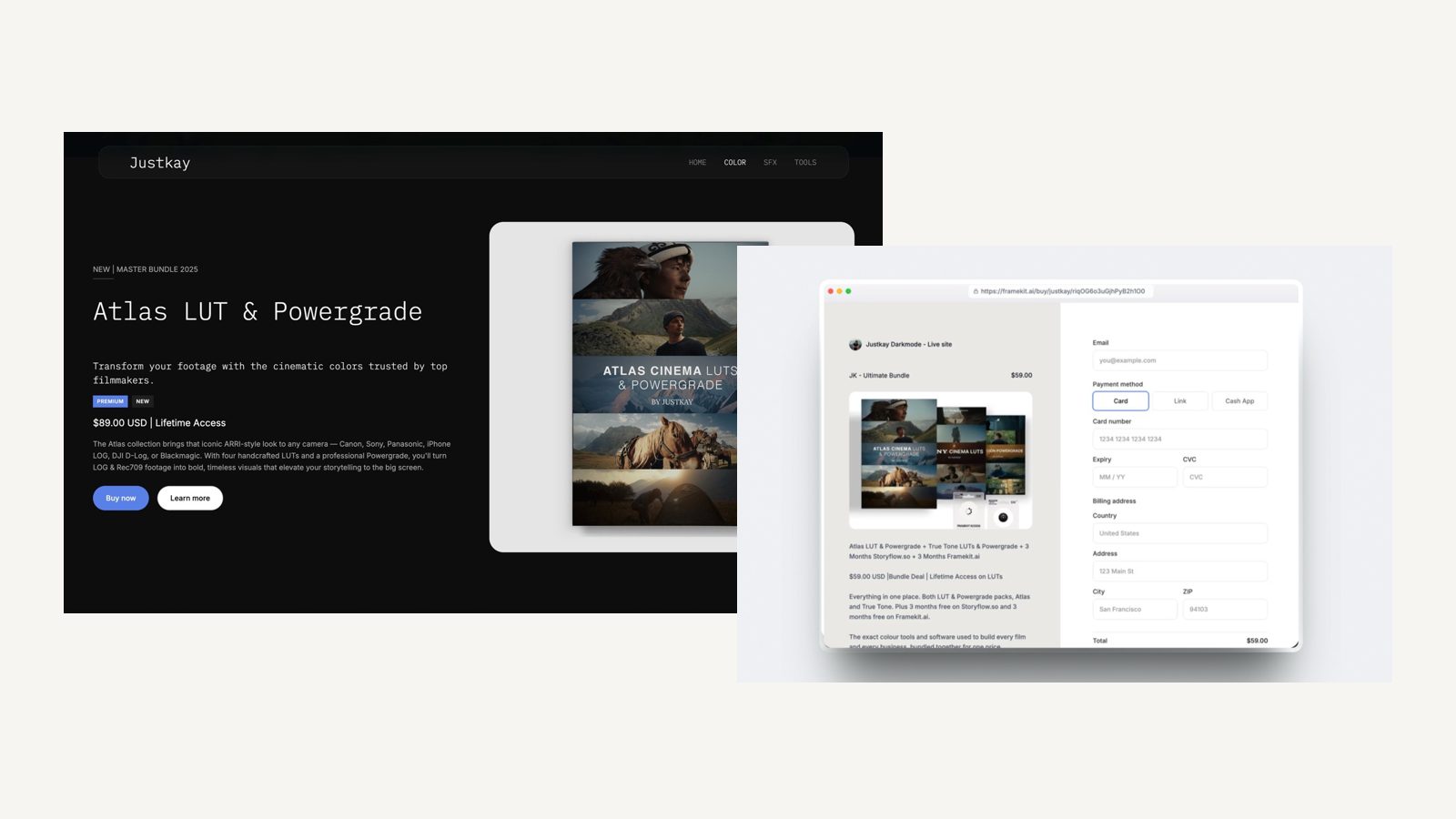
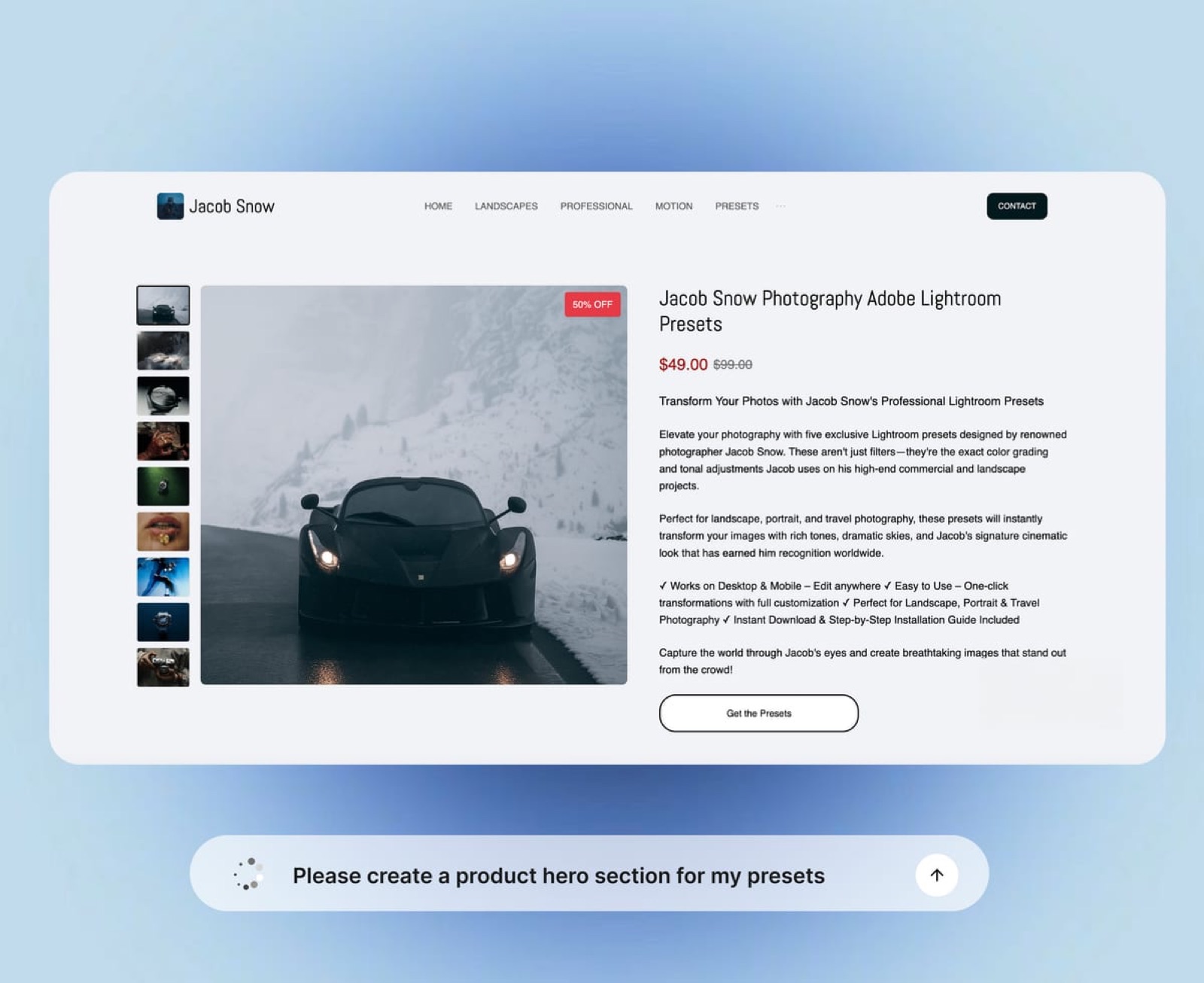
Framekit templates
Start from a designer-made template
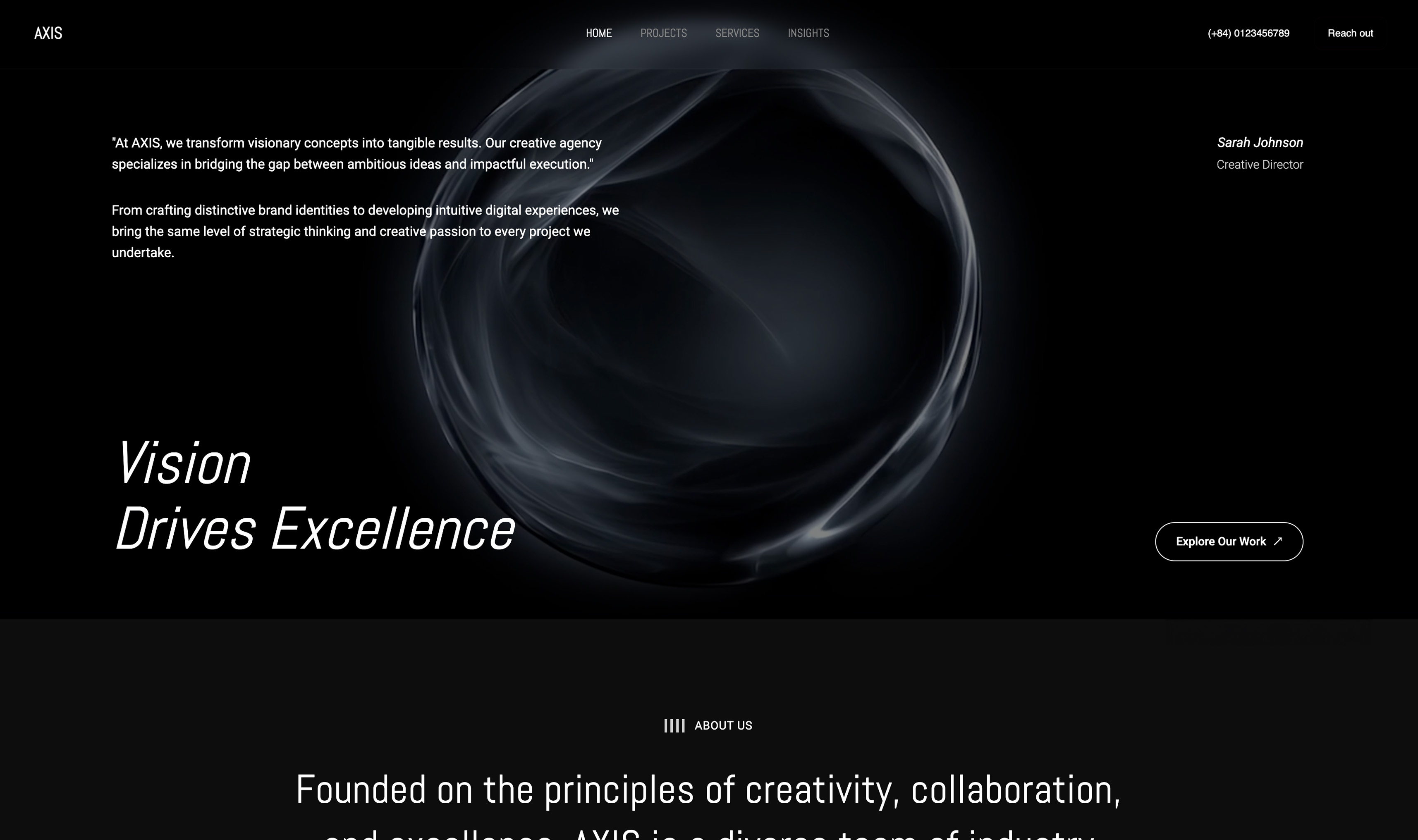 Use template
 Use template
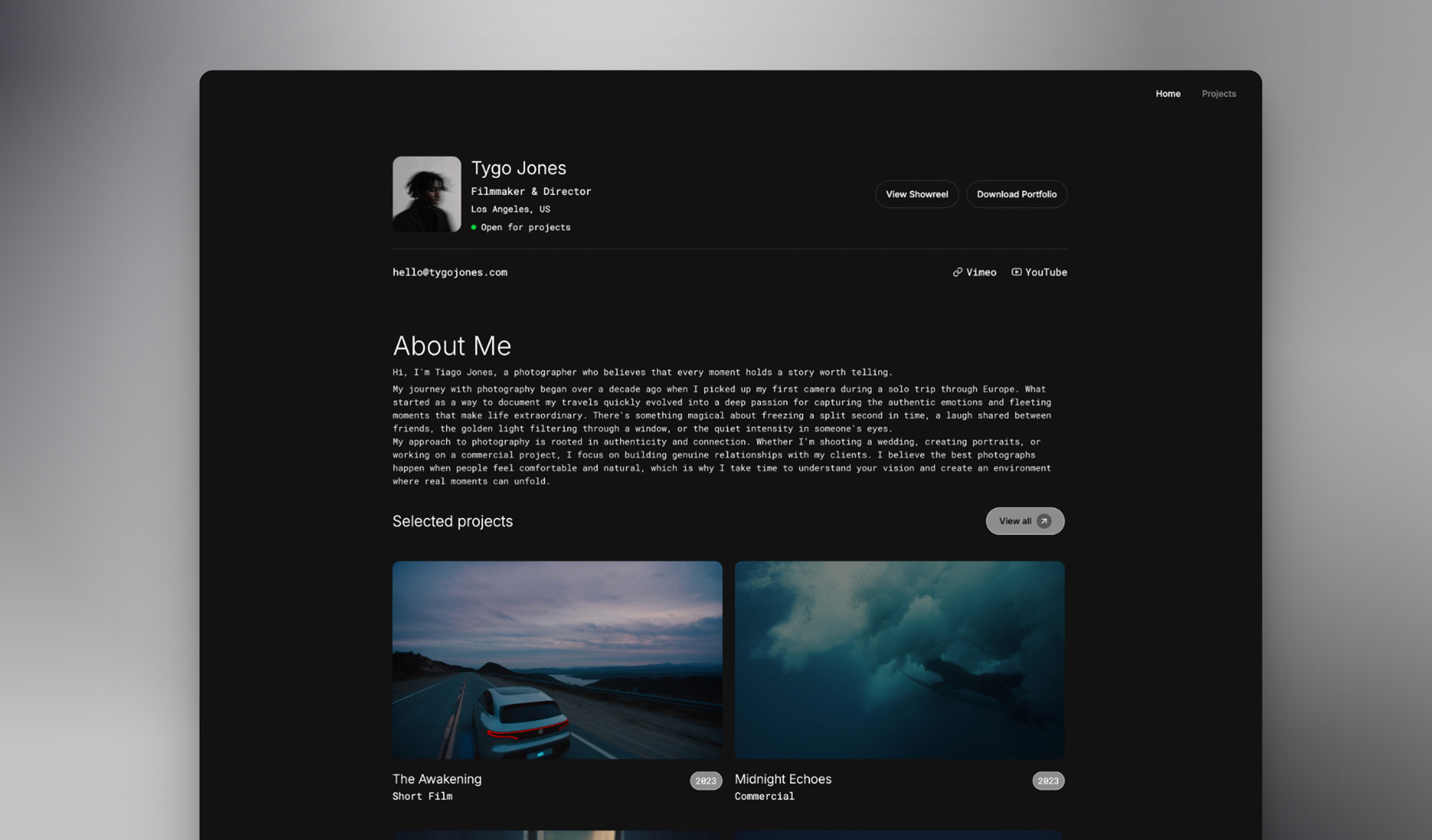 Use template
 Use template
 Use template
 Use template
 Use template
 Use template
You finish the brand identity on a Thursday. Logo suite, a type system, a palette, a 42-page guidelines document, three rounds of revisions, eleven weeks of calendar time.
The client approves, the escrow releases, and the number that appears in your balance is $4,800. You invoiced $6,000.
That $1,200 did not go to a bad client or to scope you failed to bill.
It went to the commission, and if you run a full year of work through the same freelance marketplaces at that rate, $80,000 of billings leaves $64,000 and the platform keeps $16,000 without editing a single file.
Most creatives discover this the way you just did: at the payout screen, after the work is done.
The commission is not the price of the client. It is the rent on the relationship.
A freelance marketplace is a two-sided platform that matches independent creatives with paying clients and takes a cut of the invoice, a subscription, or a per-proposal credit charge in exchange for making the match and holding the money in escrow in between.
That definition matters, because the twelve platforms below charge for three genuinely different things - the introduction, the payment rails, and the ongoing right to keep talking to a client you met there - and confusing them is how a designer ends up paying 24% on a job they sourced themselves.
The best freelance marketplace for creatives in 2026 is Contra, because it charges freelancers 0% commission on every contract with no tiers and no exceptions, so a $6,000 brand identity pays out $6,000 and the client relationship is yours to take anywhere.
The honest trade-off: Contra has far thinner inbound demand than the giants, so it is a place to close work rather than a place to find it in volume.
Upwork is the runner-up because it carries the most real paid creative work despite its 10% freelancer fee plus connects, Toptal is the pick if you are senior enough to clear its screen, and Malt is the strongest option in Europe at 10% falling to 5% once a client relationship passes six months.
Re-verified in September 2026: Framekit's plans were checked again, and the section on the site every marketplace assumes you already own now reflects that one account carries the portfolio, client galleries and a downloads store; commission figures are as read in August 2026.
Where we stand: Framekit is our product and it is deliberately not in this ranking, because it is a website builder rather than a marketplace - it does not send you clients, and we say exactly that in its section near the end.
How We Compared 12 Freelance Marketplaces on Fees
Fee pages are written to be skimmed, so we read them the other way round: we priced one identical job on every platform and followed the money from the client's card to a bank account in a different currency.
The carried example throughout this guide is a $6,000 brand identity project - logo, type, palette, and a guidelines document - delivered by a solo designer to a small business client, and every figure in this post traces back to that same job.
We scored each marketplace on six criteria: headline commission, cost to bid, cost to get paid out, escrow and dispute posture, off-platform contact rules, and portability.
The last one matters most and gets measured least, so we defined it precisely as how long the fee follows a client relationship, whether reviews and profile travel if you leave, and what remains of your reputation the day you stop paying.
Three kinds of finding, kept separate. What we handled hands-on: building profiles, submitting proposals, running payouts, and reading the checkout screens on Contra, Upwork, Fiverr, Dribbble, and Behance.
What we verified from primary sources without testing at scale: every commission percentage, connect price, withdrawal charge, and posting fee, checked against each vendor's own pricing or help documentation in August 2026 and linked inline where the page is publicly readable.
What we report as community sentiment rather than our own result: recurring reviewer complaints about matching quality, dispute outcomes, and suspension triggers, always labelled as such.
We paid for accounts on Contra, Upwork, Fiverr, and Dribbble; we previewed Toptal and Malt on free profiles rather than completing a paid engagement on each, and we say so in their sections.
Two of the platforms on the original shortlist did not survive the check, which is a finding in itself and gets its own section below.
What Twelve Fee Schedules Look Like Side by Side
Opinions about marketplaces are cheap, so here are the extractable numbers behind the ranking, every one of them checked against the vendor's own published pricing or help documentation in August 2026.
- 5 of 12 take 0% commission from the freelancer: Contra, Toptal, We Work Remotely, Authentic Jobs, and niche boards of the Superpath type. The other 7 take 3.5% to 20%.
- 1 of 12 charges a flat 20% on every order with no tiers, no volume discount, and no exceptions: Fiverr.
- On the carried $6,000 brand identity, the spread between the cheapest and the most expensive platform is $1,200 - the whole difference between Contra at $0 and Fiverr at $1,200.
- 3 of 12 charge you to submit a proposal at all: Upwork through connects at $0.15 each, Freelancer.com through bid limits, and PeoplePerHour through monthly proposal caps.
- 2 of 12 lower the commission the longer you work with the same client: Malt drops from 10% to 5% after six months, and PeoplePerHour drops from 20% to 7.5% to 3.5% as cumulative billing with one buyer rises.
- 1 of 12 publishes a priced, legitimate route off the platform: Upwork, through its conversion fee.
- 0 of 12 let you carry your review history with you when you leave. Reputation is the one asset that never ports.
- 2 of the original 14 shortlisted names are gone: Working Not Working shut down on 30 June 2025, and Krop closed in early 2024.
For the pick that matches how you actually get work, jump to the decision guide. First, the full table.
The 12 Best Freelance Marketplaces for Creatives in 2026: Full Comparison
How the ratings work: each platform is scored on the six criteria above, weighted by what costs a working creative real money - headline commission 30%, portability and off-platform rules 25%, cost to get paid out 15%, cost to bid 10%, escrow and dispute posture 10%, and quality of demand 10%.
Demand is deliberately weighted lightest, at 10%, and you should know that before you trust the order. This is a fee guide, so it ranks on what platforms keep rather than on how many clients they send.
If your problem is an empty pipeline rather than a heavy commission, invert that weighting and Upwork moves to the top of your list, not Contra. We repeat this in the verdict because it is the single most important caveat on this page.
| Marketplace | Best For | Freelancer Commission | Cost To Bid | Our Rating |
|---|---|---|---|---|
| Contra | Keeping all of a project fee | 0%, all contracts | Free | 9.2/10 |
| Upwork | Volume of real paid creative work | 0-15%, commonly 10% | $0.15 per connect | 8.8/10 |
| Toptal | Senior specialists at high rates | 0% direct, client markup unpublished | Free, screening required | 8.4/10 |
| Malt | European contract work | 10%, 5% after six months, 2% invited | Free | 8.3/10 |
| Dribbble | Designers wanting inbound | 3.5%, 0% on Pro Standard | Free | 8.0/10 |
| Behance JobList | A portfolio you already maintain | Platform fee waived on Pro | Free | 7.6/10 |
| We Work Remotely | Long contracts and retainers | 0% | Free | 7.4/10 |
| Authentic Jobs | Curated design and tech roles | 0% | Free | 7.0/10 |
| Superpath | Niche content and writing work | 0% | Free | 6.8/10 |
| PeoplePerHour | Small UK and EU projects | 20% to 7.5% to 3.5% by client spend | Capped monthly proposals | 6.5/10 |
| Fiverr | Productized, fixed-scope services | 20% flat | Free | 6.2/10 |
| Freelancer.com | Cheap entry, expensive exit | 10% or $5 minimum | Bid limits on free tier | 5.4/10 |
Commission, connect pricing, and withdrawal charges verified against each vendor's published pricing or help documentation in August 2026. Payment processing applies on top wherever you connect a processor.
Confirm the live number on the vendor's own page before you sign anything, because several of these changed within the last eighteen months.
What Each Marketplace Takes From One $6,000 Brand Identity
One project, twelve fee schedules. This is the number that decides everything, so it gets its own table before the reviews. The client pays for a $6,000 brand identity; the column on the right is what reaches you before your own tax and before any currency conversion.
| Marketplace | Fee mechanism | Platform take | You receive |
|---|---|---|---|
| Contra | 0% commission, client pays a platform fee | $0 | $6,000 |
| We Work Remotely | Employer pays to post, you invoice direct | $0 | $6,000 |
| Authentic Jobs | Employer pays to post, you invoice direct | $0 | $6,000 |
| Superpath | Employer pays to post, you invoice direct | $0 | $6,000 |
| Toptal | No freelancer fee, unpublished client markup | $0 from you | $6,000 |
| Dribbble Pro Standard | 0% designer platform fee on payouts | $0 plus $8 per month | $6,000 |
| Behance with Pro | Platform fee waived, processing applies | About $174 processing | About $5,826 |
| Dribbble free | 3.5% designer platform fee | $210 | $5,790 |
| PeoplePerHour, new buyer | 20% then 7.5% then 3.5% by cumulative spend | About $441 | About $5,559 |
| Malt, client past six months | 5% excluding VAT | $300 | $5,700 |
| Malt, new client | 10% excluding VAT | $600 | $5,400 |
| Upwork | 10% freelancer fee plus connects spent | $600 plus about $96 | About $5,304 |
| Freelancer.com | 10% plus 2-4% currency conversion | $600 plus $108 to $216 | $5,184 to $5,292 |
| Fiverr | 20% flat | $1,200 | $4,800 |
The PeoplePerHour figure treats its GBP tier thresholds at par for illustration; the mechanic, not the exchange rate, is the point.
The Upwork connects figure assumes 40 proposals at roughly 16 connects of spend to win one project of this size. Every other row is the vendor's published rate applied directly.
1. Contra: Best Overall
Our rating: 9.2/10
Contra is the only platform here that takes nothing from the freelancer on any contract, at any size, at any point in a client relationship.
Not a reduced rate after a threshold, not a rate that drops on a paid plan: zero, on every project, permanently.
On the carried $6,000 brand identity that is a $1,200 swing against Fiverr and a $600 swing against Upwork, in your favour, on a single job.
We built a profile, published two service listings, and ran a real contract through it.
The onboarding is closer to a portfolio site than a job board: your profile is a public, indexable page with case studies, testimonials, and priced services, so it can pull inbound work rather than only feeding an internal search.
Proposals are free and unlimited, with no connects to buy and no bid economy to game.
Best forEstablished creatives who already generate some of their own leads and want a professional contract, invoicing, and payment layer that does not tax the outcome.
Key features:
- 0% commission for freelancers on all contracts and digital products
- Public, indexable profile with services, case studies, and testimonials
- Contracts, invoicing, and milestone payments built in
- Global payouts via Stripe, Airwallex, PayPal, Payoneer, and crypto wallets
- Pro plan at $29 per month or $199 per year for lower fees and better discovery
The real numberContra makes its money on the client side and on subscriptions, not on you. Contra's published fee schedule sets the client platform fee at $29 on payments of $1,000 or more on the free plan, halved to $15 if you hold Pro, with credit card processing at 2.9% plus $0.30, ACH at 0.8% capped at $5, and SEPA at 0.5% plus $0.30 capped at $6.
So on the $6,000 identity, the whole platform take from both sides is $29 plus processing, versus $1,530 on Fiverr counting the buyer's fee. Payout-side conversion is 0.4% for major currencies and 1% for others.
The gotchademand. Contra's job feed is a fraction of Upwork's, and in creative categories the volume of well-funded briefs is thin enough that treating Contra as your only pipeline is a mistake.
The second gotcha is smaller but real: processor fees are passed on to you, so a PayPal payout carries 2% and a Payoneer payout carries $3 plus 1-2%, which means picking the wrong payout rail can cost more than Dribbble's entire commission.
What reviewers say elsewhereContra holds 4.9 out of 5 on G2 from a small review base of around 21 reviews, and the recurring theme in community discussion is the same split we found: people praise the zero commission and the profile quality, and complain that inbound volume is low.
Skip it ifyou need the platform to be your lead generator. A designer with no existing network will submit proposals into a much shallower pool here than on Upwork, and 0% of nothing is nothing.
Verdict: Contra wins this ranking because it is the only marketplace that does not charge you for the privilege of being paid, and because the client stays yours. Use it as your contract and payment layer, and pair it with a source of demand. Visit Contra
For the paperwork Contra hands back to you, read our roundup of the best invoicing tools for freelance creatives.
2. Upwork: Best for Volume of Paid Creative Work
Our rating: 8.8/10
Upwork is the platform most creatives will actually earn money on, and it is also the one with the most moving parts in its pricing.
Since May 2025 the freelancer service fee has been variable rather than flat: it ranges from 0% to 15% per contract, is locked in at the moment you send the proposal, and lands at 10% on the large majority of contracts.
On the $6,000 brand identity that is $600 straight off the top.
Then there is the bid economy, which is where the fee stops being a percentage.
Connects cost $0.15 each, most standard jobs cost 2 to 6 connects, and boosted listings demand far more, so applying to a well-funded branding brief is routinely a $2 to $6 decision made before you know whether the client will open the proposal.
Over a year of serious bidding, 250 proposals at a $2.40 average is about $600 in connects - a second 1% commission on a $60,000 year that nobody puts in the comparison tables.
Best forCreatives who need pipeline more than they need margin, and who can price the fee into their rate rather than absorbing it.
Key features:
- The deepest pool of funded creative briefs of any platform here
- Escrow on fixed-price milestones and work-diary protection on hourly contracts
- A variable 0-15% freelancer fee locked at proposal time
- A published, priced route to move a client off the platform
- Client-side marketplace fee of 5% on the Basic plan, or 3% for eligible US clients paying by checking account
The real numberthe client pays too, and it changes your negotiating position.
On Upwork's Basic client plan the marketplace fee is 5% of what they pay you, with Business Plus clients at 10%, plus a one-time contract initiation fee between $0.99 and $14.99.
So your $6,000 costs the client roughly $6,300, and you receive $5,400 before connects. The platform is extracting about 15% of the transaction while showing each side a single-digit number.
The gotcha that bites in week threethe fee is locked per contract at proposal time, which cuts both ways. A contract you opened at 15% stays at 15% even after the same client has paid you $40,000, because the rate attaches to the contract rather than to the relationship.
Creatives who win a small trial job at a bad rate and then expand it into a retainer inside the same contract are paying that original rate for years. Opening a fresh contract when scope changes is the workaround nobody tells you about.
What reviewers say elsewhereUpwork holds a 4.2 out of 5 TrustScore on Trustpilot across roughly 14,700 reviews, which is unusually high for a marketplace at this scale, and the negative reviews cluster around account suspensions and connect costs rather than payment reliability.
Skip it ifyou are a senior creative billing $150 an hour or more with a referral network already feeding you. At that level the 10% is $15 an hour of pure loss and the proposal volume required to compete is not worth your time.
Verdict: Upwork is the honest answer for anyone whose real problem is not enough clients. It costs the most of any platform we would still recommend, and it is worth it precisely while you are short of work. Visit Upwork
If Upwork is where your pipeline lives, read our guide to portfolio mistakes costing creatives clients before you send another proposal.
3. Toptal: Best Rates for Senior Specialists
Our rating: 8.4/10
Toptal charges freelancers nothing, and that sentence is true in the same way that "the restaurant does not charge you for the table" is true. There is no commission deducted from your invoice.
The margin sits in the difference between your rate and the rate Toptal bills the client, and that difference is not published to either side.
We previewed Toptal on a free profile rather than completing an engagement, so treat the mechanics here as verified rather than measured.
The screen is the product. Toptal's admissions process is genuinely selective - language screening, skill review, live problem solving, and a test project - and the platform's pitch to clients rests entirely on that filter.
Clear it and the rates on offer are the highest in this guide, with corporate briefs rather than gig-shaped ones.
Best forSenior designers, motion artists, and creative technologists with a deep specialism who want $100-plus hourly corporate work without running their own sales function.
The standout detailbecause the fee is invisible to you, it also caps you. On every other platform you can raise your rate and simply absorb a bigger commission in absolute terms.
On Toptal, raising your rate raises the client's blended rate by more than your increase, because the markup rides on top.
Third-party estimates of that markup vary widely and none of them are authoritative, which is exactly the problem: you are negotiating a price without knowing the final number your client sees.
The gotchathe pipeline is not yours to influence.
You do not browse and bid, you are matched, and if the matching team's read of your specialism is off you sit idle while your profile shows as available - a different failure mode from Upwork, where a bad month is something you can bid your way out of.
Skip it ifyou are early-career, generalist, or need work this month. The application cycle alone can run weeks, and the screen rejects the overwhelming majority of applicants.
Verdict: Toptal is the best deal on this list if you clear the bar, because 0% of a high rate beats 90% of a mid rate. It is also the least transparent, and you should price accordingly. Visit Toptal
4. Malt: Best in Europe
Our rating: 8.3/10
Malt is the serious European answer, and it has the most intelligently designed fee schedule on this list because it charges you less the longer a relationship lasts rather than more.
The standard freelancer commission is 10% excluding VAT when you contract with a new client, and it drops to 5% excluding VAT once your working relationship with that client passes six months.
Bring your own client onto the platform and the rate is 2%.
On the carried $6,000 identity that is $600 to Malt on a first engagement, $300 on the same client after six months, and $120 if you invited them yourself.
The design point is worth sitting with: Malt prices the introduction, and once the introduction is old news it charges closer to what the payment rails cost.
We previewed Malt on a free profile rather than completing a paid engagement, so its fee figures are verified from help documentation rather than measured.
Best forFreelance designers, art directors, and creative technologists working with French, German, Spanish, Dutch, and Nordic companies who want contracts denominated in euros.
The real numberrun three years of a single retainer through Malt at $2,000 a month and the fee curve matters more than the headline. Year one is roughly six months at 10% and six at 5%, which is $1,800 on $24,000.
Years two and three are 5% throughout, $1,200 each. Total across three years: $4,200 on $72,000, a blended 5.8%. Run the same retainer through Fiverr's flat 20% and it is $14,400.
Same work, same client, a $10,200 difference in fee design alone.
The gotchaMalt's demand is genuinely concentrated in continental Europe, and its enterprise-facing sales motion means the best briefs come through corporate procurement rather than an open feed.
If you are outside its core markets, a polished Malt profile can sit still for months.
It is also worth checking your own country's terms directly, because Malt's commission structure is not identical everywhere and the UK arrangement is a real outlier.
Skip it ifyour clients are American. The platform's centre of gravity is European corporate work, and a US-based creative will find better volume on Upwork or Contra.
Verdict: Malt is the best-designed fee schedule in this guide, and if you work with European companies it should be your default over Upwork. Visit Malt
5. Dribbble: Best for Designers Who Want Inbound
Our rating: 8.0/10
Dribbble is the only entry here that is a portfolio community first and a hiring platform second, and that ordering changes the economics.
You are not bidding into a feed of briefs; you are publishing work, building a following, and letting clients approach you.
When a paid engagement does come through Dribbble's services layer, the designer platform fee is 3.5%, which is $210 on the carried $6,000 project.
The interesting part is what that fee costs on a paid plan. Dribbble Pro runs $4 a month for Lite, $8 a month for Standard, and $99 a month for Plus, billed annually, and Standard and Plus carry a 0% designer platform fee on payouts.
At $8 a month, or $96 a year, the Standard plan pays for itself the moment you bill about $2,750 through the platform. If you close even one mid-sized project a year on Dribbble, not upgrading is the expensive choice.
Best forVisual designers, illustrators, and brand studios whose work photographs well and who want clients to arrive already convinced.
Key features:
- 3.5% designer platform fee, or 0% on Pro Standard and Pro Plus billed annually
- Services profiles with fixed-price packages clients can buy directly
- Pro Plus at $99 a month adds team profiles and a 0% client platform fee
- Employer-side job posts at $150 a month, or $300 a month for the Hiring Suite
- A genuine audience: work posted here circulates in a way a marketplace listing never does
The standout detail nobody writes aboutDribbble's fee is one of the only ones on this list that a subscription can take to exactly zero and keep there, without a volume threshold and without a client-relationship clock. Malt's discount requires six months of history.
PeoplePerHour's requires cumulative spend. Dribbble's requires $8 a month.
The gotchathe audience is designers, which is both the appeal and the trap.
Most engagement on any given shot comes from peers rather than buyers, so follower count is a poor proxy for pipeline, and designers who post for the community aesthetic rather than the client they want end up with a beautiful profile and no inbound.
Skip it ifyour work is not visual. Copywriters, strategists, and producers will find almost nothing here, and the services layer is built around design deliverables.
Verdict: Dribbble is the cheapest way to convert an existing audience into paid work, provided your craft is the kind people can see in a thumbnail. Buy the $8 plan on day one. Visit Dribbble
If you are weighing a community profile against your own site, our comparison of a website versus Instagram for creatives covers the same trade in the social context.
6. Behance JobList: Best Free Lead Source Attached to a Portfolio
Our rating: 7.6/10
Behance is the portfolio most working creatives already maintain, and JobList turns that maintained profile into a lead source without asking for a second subscription.
Browsing and applying to listings is free for creatives; the money changes hands on the employer side, where posting starts in the region of $399 for a single listing with discounts on volume and subscription packages.
The part worth understanding is the payments layer bolted onto the profile. You can attach freelance services with your own price, timeline, and revision count, take payment upfront, and get paid through Stripe or PayPal.
Behance charges a platform fee to both sides, waived if you hold Behance Pro, and Adobe does not publish that percentage in a single figure we could verify, so treat processing as the reliable floor: Stripe at 2.9% plus $0.30, about $174 on the carried $6,000 identity.
Best forDesigners, illustrators, motion artists, and photographers already inside the Adobe ecosystem who want their existing portfolio to do double duty.
The real numberthe $399 posting cost is doing quiet work on your behalf. A client willing to pay it before speaking to a single creative is not shopping for a $200 logo, and brief quality on JobList reflects that in a way an open-bidding feed never can.
The gotchathe job board is not the point of Behance and it shows. Listings are fewer than on a dedicated board, filtering is coarse, and Adobe has historically moved features around without much notice.
Build here because the portfolio is worth maintaining anyway, not because the feed is deep.
Skip it ifyou need a structured contract and dispute process. Behance's payments layer is a way to collect money, not a full escrow and arbitration system like Upwork's.
Verdict: Behance JobList is the best free thing on this list, because the profile earns its keep whether or not the job board delivers. Treat it as a bonus attached to a portfolio you should be updating anyway. Visit Behance
7. We Work Remotely: Best for Long Contracts and Retainers
Our rating: 7.4/10
We Work Remotely is a job board rather than a marketplace, and that distinction is the entire reason it sits this high.
It takes 0% from you, holds none of your money, has no opinion about how you contract, and does not care whether you keep talking to the client afterwards.
The employer pays $299 for a 30-day listing; you apply by email like a professional, invoice directly, and the relationship is yours from the first message.
What it is good at is duration. Listings skew toward multi-month contracts and ongoing part-time roles rather than one-off projects, which suits creatives who would rather hold three retainers than close thirty gigs.
Best forCreatives who want contract or fractional roles with a runway measured in months, and who are comfortable selling themselves by email.
The gotchathere is no escrow, no dispute process, and no protection of any kind. A client who does not pay is a client you chase yourself, which means your contract and your deposit terms are doing the work that Upwork's escrow would otherwise do.
If you have never sent a client a signed agreement with a 50% deposit, do not start here.
Skip it ifyou want the platform to guarantee payment, or you need a steady stream of small projects rather than a small number of large ones.
Verdict: We Work Remotely is the cheapest lead source in this guide at exactly $0 to you, and the price of that is doing your own contracting. Worth it. Visit We Work Remotely
For the contract side of working without escrow, our roundup of contract and proposal tools for creatives covers the paperwork this board leaves to you.
8. Authentic Jobs: Best Small Curated Board
Our rating: 7.0/10
Authentic Jobs has been running as a design and technology board for long enough to have outlasted most of its contemporaries, including two on this very shortlist.
It charges creatives nothing, screens submissions before they publish, and prices listings from around $149, which is low enough to attract small studios and agencies rather than only funded companies.
The moderation is the feature. Every post is reviewed to check the role is legitimate and fairly described, which sounds minor until you have spent an hour on a feed full of briefs that are fake, unfunded, or a $5,000 project advertised at $300.
Best forDesigners and front-end creatives who would rather read twelve real listings a week than three hundred unfiltered ones.
The gotchathe low posting price cuts both ways. It filters in small agencies with real work, and it also filters in budgets that a senior creative will find thin. Read the compensation line before you write the email, because a $149 listing fee is not the same signal as a $399 one.
Skip it ifyou need volume, or your discipline is outside design, front-end, and creative technology.
Verdict: Authentic Jobs is a small, honest board that costs you nothing and respects your time. Check it weekly, expect a few good listings a month, and do not build your pipeline on it alone. Visit Authentic Jobs
9. Superpath: Best Niche Community Board
Our rating: 6.8/10
Superpath is the model rather than only the destination: a discipline-specific community with a job board attached, in this case for content marketing and writing.
It takes nothing from freelancers, employers pay roughly $300 to $500 per post depending on the plan, and the surrounding Slack community does more for pipeline than the board itself usually does.
We include it as the representative of an entire category. Whatever your discipline, there is almost certainly a board like this one, and the economics are identical: 0% commission, employer-funded, small volume, high signal.
Niche boards beat general marketplaces on rate because of selection - a company paying several hundred dollars to reach a few thousand specialists has already decided it does not want the cheapest option.
Best forWriters, content strategists, and editors, and by extension any creative whose discipline has an active community with a board attached.
The gotchathe board is the visible part and the smaller part. Most work in communities like this one moves through the Slack, the newsletter, and the direct message, none of which you reach by lurking. Join and never contribute, and you get a job board with fifteen listings on it.
Skip it ifyou are not a writer and you have not found the equivalent board for your own discipline. Copying the model matters more than joining this specific one.
Verdict: Niche boards are the highest-rate, lowest-fee channel in this guide and almost nobody works them properly. Find yours, participate for a quarter, and see what arrives. Visit Superpath
10. PeoplePerHour: Best for Small UK and EU Projects
Our rating: 6.5/10
PeoplePerHour has the most punishing fee structure to start and one of the gentlest to continue, and understanding which side of that line you are on decides whether it is worth using at all.
The service fee is tiered by cumulative billing with each individual buyer: 20% until you have billed that client £250, then 7.5% between £250 and £5,000, then 3.5% above £5,000, all excluding VAT, with a minimum service fee of £1 per invoice.
The critical mechanic is that the tier resets per client.
It is not your account history that earns you the low rate, it is your history with that one buyer, so every new client starts you back at 20% no matter how much you have billed on the platform overall.
On the carried $6,000 identity with a brand-new buyer, treating the thresholds at par, the blended take is about $441, or 7.4%.
On the second $6,000 project with the same buyer, everything sits above the top threshold and the take is $210, or 3.5%.
Best forUK and European freelancers doing repeat work for a small number of clients, where the tier has time to fall.
The gotcha that bites in week threesmall first projects are brutally taxed. Take a £200 trial job from a promising new client and PeoplePerHour keeps 20% of it.
The rational play is to make the first engagement with any new buyer as large as you can justify so it clears the £250 threshold fast, which is exactly backwards from how most creatives like to start a relationship.
Skip it ifyour business model is many one-off clients rather than few repeat ones. A churn-heavy freelancer on PeoplePerHour effectively pays 20% forever, because they never stay with a buyer long enough to climb the tiers.
Verdict: PeoplePerHour rewards loyalty and punishes exploration, which makes it a decent retainer platform and a poor discovery one. Visit PeoplePerHour
11. Fiverr: Best for Productized, Fixed-Scope Services
Our rating: 6.2/10
Fiverr charges sellers a flat 20% commission on every order, including tips. There are no tiers, no volume discount, no loyalty reduction, and no path to a lower rate at any revenue level.
Bill $150,000 through Fiverr in a year and it keeps $30,000, exactly the same proportion as it keeps from a seller doing $2,000. It is the only platform in this guide where scale buys you nothing.
What Fiverr is genuinely good at is the productized model.
Because buyers browse fixed-price packages rather than posting briefs, you can sell the same defined deliverable repeatedly without writing a proposal each time, which is a real advantage and the reason sellers tolerate a fifth of their revenue leaving.
Best forCreatives selling repeatable, tightly scoped deliverables - a logo package, a video edit to a fixed length, a set number of illustrations - where the sales process can be fully automated.
The real numbercount both sides. On the $6,000 brand identity Fiverr takes $1,200 from you, and the buyer pays about 5.5% on top, so the platform collects roughly $1,530 on a transaction where you delivered every hour of the work.
That is 24% of your price, and it is the highest total extraction of any platform in this comparison.
The gotchathe 14-day clearing period is a working-capital cost that nobody prices.
Complete a $6,000 project on the first of the month and the money is not withdrawable until the fifteenth, which on a lumpy freelance cash flow is the difference between paying rent and not.
Combine that with the off-platform detection described later in this guide, which now flags contact details embedded in images and PDFs inside deliveries, and Fiverr is the most tightly enclosed environment here.
What reviewers say elsewhereFiverr sits at 2.5 out of 5 on Trustpilot across more than 16,000 reviews, against Upwork's 4.2, and the complaints cluster around refund disputes, inconsistent quality, and support response.
Read that as buyer-side sentiment as much as seller-side, but a marketplace's reputation with buyers is your reputation too.
Skip it ifyour work is custom, consultative, or scoped through conversation. Bespoke brand identity work on Fiverr means paying 20% for a client who found you in a search results page sorted partly by price.
Verdict: Fiverr is the most expensive platform here and still the right answer for a genuinely productized offer, because a listing that sells itself is worth a fifth of the revenue. For custom work it is simply the worst deal on this page. Visit Fiverr
If a productized catalogue is what you actually want, our guide to selling digital products covers doing it without the 20%.
12. Freelancer.com: Cheapest to Start, Costliest to Withdraw
Our rating: 5.4/10
Freelancer.com's headline is 10% of the winning bid or a $5 minimum, whichever is greater, which sounds competitive against Fiverr and roughly level with Upwork. The headline is not the number.
This is the platform where the fees below the fold do the most damage, and it is the reason it finishes last.
Start with the $5 minimum, which is a percentage in disguise: on a $20 job it is a 25% fee, and on anything under $50 you are paying more than the stated rate, which makes the platform's cheapest work its most expensive.
Then add withdrawal at $1 for most electronic methods and $25 for an international wire, with a $30 minimum. Then add currency conversion at 2% to 4% when your earning and payout currencies differ.
Best forFreelancers in low-cost markets bidding on high volumes of small projects who can absorb the fee stack.
The real numberstack it on the carried project and the arithmetic stops looking like 10%. A $6,000 identity gives up $600 in commission, then $108 to $216 in currency conversion at 2-4% on the remaining $5,400, then $1 to $25 on the way out.
Call it $709 to $841, or 11.8% to 14%. The gap between the advertised rate and the delivered rate is up to four percentage points, and every point of it is disclosed somewhere you were not looking.
The gotchathe bid economy rewards volume over fit. Briefs attract dozens of near-identical proposals within minutes, price becomes the differentiator, and creatives report spending real money bidding on projects that were never funded.
Paid membership raises your bid allowance, so the platform sells you the ability to compete in the race it created.
Skip it ifyou are a creative professional in a high-cost market. The rate expectations on this platform will not sustain a design practice in London, Berlin, or New York.
Verdict: Freelancer.com is the clearest example on this page of a fee schedule designed to be read in pieces. The 10% is real; so are the four points on top of it. Visit Freelancer.com
The Marketplaces That Died, and What That Should Teach You
Two names on the original shortlist for this guide no longer exist, and the way they went is more instructive than most of the fee tables above. Platform risk is a fee too, paid all at once.
Working Not Working was the most respected curated creative network of the last decade, used by senior art directors, copywriters, and designers to reach agencies and brands directly.
Fiverr acquired it in 2021 and shut it down on 30 June 2025, folding its community into the much larger and much less curated parent, and the reasons were never formally stated.
Krop, the design and creative job board that ran for well over a decade, closed in early 2024. Communo, another agency-facing talent network, no longer resolves to a working creative platform at its old address.
The mechanism to noticein every case, the asset that vanished was the reputation. The work itself was safe, because most creatives keep their own files, and the client relationships mostly survived, because people move addresses and stay in touch.
What evaporated was the accumulated proof - the reviews, the ratings, the badge, the position in a curated list - because that lives in the platform's database and is licensed to you for exactly as long as the platform chooses to exist.
If your professional credibility is expressed only as a star rating on someone else's server, you are one acquisition away from starting over, and a fee schedule cannot warn you about that.
What a Full Year on Each Marketplace Costs
The single-project table is the sticker shock; the annual table is the decision. Percentages that feel survivable on one job compound into a salary-sized number over twelve months, and the ranking of platforms changes depending on which revenue level you are at.
| Marketplace | Take at $30,000 | Take at $80,000 | Take at $150,000 |
|---|---|---|---|
| Contra, We Work Remotely, Authentic Jobs, Superpath | $0 | $0 | $0 |
| Toptal | $0 from you, markup unpublished | Same | Same |
| Dribbble Pro Standard | $96 | $96 | $96 |
| Behance with Pro, processing only | About $870 | About $2,320 | About $4,350 |
| Dribbble free at 3.5% | $1,050 | $2,800 | $5,250 |
| PeoplePerHour, new buyers averaging $10,000 | About $1,744 | About $4,650 | About $8,719 |
| Malt, clients past six months at 5% | $1,500 | $4,000 | $7,500 |
| Malt, all new clients at 10% | $3,000 | $8,000 | $15,000 |
| Upwork at 10% plus about $600 of connects | About $3,600 | About $8,600 | About $15,600 |
| Freelancer.com at 10% plus 2-4% conversion | $3,600 to $4,200 | $9,600 to $11,200 | $18,000 to $21,000 |
| Fiverr at 20% | $6,000 | $16,000 | $30,000 |
In one linethe difference between the cheapest and the most expensive way to bill $150,000 of creative work is $30,000, which is not a fee difference, it is a junior salary you pay every year to a channel rather than a person.
What a Proposal and a Payout Cost on Top of the Commission
Commission is the fee everyone compares. The two that quietly decide your real rate are what it costs to ask for work and what it costs to receive the money, and both sit outside the headline percentage on the platforms that charge them.
Bidding. Upwork connects cost $0.15 each and standard jobs consume 2 to 6 of them, so a serious proposal is commonly $0.90 to $6.00, and the requirement can rise mid-posting as a listing attracts attention.
At a realistic 10% win rate, landing one $6,000 project costs roughly $96 in connects before the $600 commission. Freelancer.com meters the same thing through bid limits and paid memberships, and PeoplePerHour caps free monthly proposals.
Contra, Malt, Dribbble, Behance, and every job board here charge nothing to apply.
Getting paid out. Fiverr charges nothing for a PayPal withdrawal and $1 for US direct deposit, and holds completed earnings for 14 days first.
Freelancer.com charges $1 for most electronic methods, $25 for an international wire, and requires a $30 minimum. Contra passes processor costs through at PayPal 2%, Payoneer $3 plus 1-2%, and crypto payouts 2%.
The spread nobody prices. Currency conversion is where a stated percentage stops being true.
Freelancer.com applies 2% to 4% when your earning and payout currencies differ, which on $5,400 is $108 to $216, while Contra applies 0.4% for major currencies and 1% for others.
That is the difference between treating conversion as a cost and treating it as a second revenue line, and it is what turns a 10% headline fee into 14%.
In one lineadd the bid cost and the payout spread to the commission before you compare anything, because on Freelancer.com and Upwork the true number is one to four points above the advertised one.
Escrow, Disputes, and What Payment Protection Actually Buys
Payment protection is the strongest argument for paying a commission at all, and it is worth being precise about what it covers, because the answer is narrower than most creatives assume when they accept a 10% or 20% deduction.
On Upwork, fixed-price milestones are funded into escrow before you start, so the money is verifiably there, and hourly contracts are covered by work-diary tracking that pays for logged time.
Fiverr holds the buyer's payment on order and clears your earnings 14 days after completion. Contra funds contracts through its payment layer with milestone support. PeoplePerHour and Freelancer.com both operate milestone escrow.
What none of them promise is that you will win a dispute. Escrow guarantees the funds exist; it does not guarantee they go to you.
Contested outcomes are decided by the platform's own process, on its timeline, using evidence held on its servers, and creatives across every one of these services report that the outcome turns on whether the exchange happened inside the messaging system.
That is the practical reason to keep everything on-platform while a project is live, and also the mechanism by which the platform becomes the record of your working life.
The job boards offer none of this, which is why they charge nothing: you replace escrow with a signed agreement and a 50% deposit.
In one lineescrow is worth paying for on your first engagement with an unknown client and worth nothing on your fortieth with a client you trust, which is why a fee that never falls is a fee you eventually outgrow.
Off-Platform Contact Rules: Lead Source or Landlord
This is the mechanic that decides what a marketplace actually is to you. A platform that introduces you and then steps back is a lead source. A platform that claims a permanent right to a relationship it introduced is a landlord, and the fee schedule is rent.
Fiverr is the strictest. Communication through third-party tools is permitted only after an order is placed, and enforcement in 2026 uses language processing that flags contact details even when embedded inside images or PDFs in a delivery.
Repeated or severe violations produce suspension, sometimes without a prior warning, because the automated system detects behaviour rather than intent, and transacting off-platform also voids your protection.
Upwork is the only platform here with a published, priced exit.
Its conversion fee lets you move a client relationship off the platform legitimately, and once a contract relationship has run long enough, Upwork's contract-conversion route reduces that to a nominal charge.
Contra, the job boards, and the niche communities make no such claim at all: you meet the client, contract however you like, and nobody has an opinion about where the next project happens.
In one lineask one question of any marketplace before you invest a year in it - if this client and I want to work together directly in eighteen months, what does that cost and is it allowed - and rank the answers, because that single policy is worth more than three points of commission.
How Long the Fee Follows a Client, and What Travels With You
Commission rates are usually quoted as if they apply to a transaction. In practice they apply to a relationship, and the length of that claim varies more between these platforms than the percentages do.
Fiverr's 20% applies to every order from the same buyer forever, with no reduction for history.
Upwork's rate is locked per contract at proposal time, so a rate you accepted on a trial job follows every expansion of that contract, and only opening a new contract resets it.
Malt runs the opposite way, dropping from 10% to 5% after six months with a client and charging 2% on clients you introduce.
PeoplePerHour falls from 20% to 3.5% as cumulative billing with one buyer rises, but resets to 20% for every new buyer. Contra and the job boards make no claim on the relationship at any point.
Portability is bleaker and more uniform. Not one platform in this comparison lets you export your review history into another. Your ratings, your completed-job count, your response time, your badge: all of it is a database row you rent.
Move to a new marketplace and you start at zero with the same skills and a decade of proof you cannot bring. Working Not Working's shutdown made that concrete for thousands of senior creatives in 2025.
In one linethe only parts of a marketplace career that are portable are the work itself, the client's phone number, and whatever proof you published somewhere you control.
The Piece Every Marketplace Assumes You Already Have
Every platform above sends the client somewhere to decide about you, and on eleven of the twelve that somewhere is a profile you rent. This is the adjacent job, and we should be straight about what it does and does not replace.
Framekit is an AI website builder for photographers, filmmakers, designers, and illustrators, built so the page a client lands on is yours: your domain, your work, your store, no platform chrome and no competitor listed underneath.
It does not send you clients.
A marketplace does, and that is a genuine service a portfolio site cannot perform - Upwork's feed of funded briefs has no equivalent on your own domain, and telling you otherwise would be a lie in a post about fees.
The difference is what happens after the introduction.
A marketplace profile is a rented storefront: the reviews, the ranking, and the traffic belong to the platform, they end when the platform does, and Working Not Working proved that is not hypothetical.
A site you own carries the same case studies, keeps working when a channel closes, and takes 0% of what a client pays you through it.
Framekit's own plans run from a free tier to $39 a month on Business, where the product transaction fee reaches 0% - a flat cost that stops growing, rather than a percentage that never falls.
Use both.
Let the marketplace do introductions and let your own page do the convincing, which is where our guides to getting clients from your website and the portfolio mistakes costing creatives clients come in.

Run This Test on Your Last Twelve Months
Open last year's invoices and split them into two columns: work the marketplace found for you, and work you brought to the marketplace because it was a convenient way to get paid.
Multiply the second column by your platform's commission rate.
That figure is what you paid for payment processing you could have bought for about 3%, and if it is larger than a year of any tool in this guide, the fee is not buying you clients. It is buying you the habit of not asking for them.
The Decision Guide
Most creatives pick a marketplace by reputation and then discover the fee. Ask these questions in order instead, and stop at the first branch that matches you.
Start here. Is your problem a shortage of clients, or a shortage of margin on the clients you have?
- A shortage of clients. Go to the next question; fees are not your constraint yet.
- A shortage of margin. Skip to the fourth question.
Do you have a specialism senior enough to survive a hard screen, and can you wait weeks to start?
- Yes. Apply to Toptal. It takes nothing from you and pays the highest rates here, and if you clear it you can stop reading.
- No, or not yet. Next question.
Where are your clients?
- Continental Europe. Malt, at 10% falling to 5% after six months.
- Anywhere else, and you need volume. Upwork, and price the 10% plus connects into your rate from the first proposal.
- You want long contracts rather than projects. We Work Remotely and Authentic Jobs, at 0%, with your own contract and deposit doing the protection.
You have clients and want to keep more of what they pay. Which describes you?
- Custom, consultative work. Contra, at 0%, and move existing clients onto it.
- Repeatable, fixed-scope deliverables you can sell without a proposal. Fiverr, and accept the 20% as the price of automated sales.
- Visual work with an audience already watching. Dribbble on the $8 Pro Standard plan, at 0%.
- Writing, content, or another discipline with an active community. Find the niche board, at 0%, and participate in it.
Frequently Asked Questions
What is the best freelance marketplace for creatives in 2026?
Contra is the best freelance marketplace for creatives in 2026 because it charges freelancers 0% commission on every contract, with no tiers and no exceptions, so a $6,000 project pays out $6,000.
The honest trade-off is demand: Contra's brief volume is far below Upwork's, so it works best as the place you close and get paid rather than the place you find work.
Which freelance marketplace has the lowest fees?
Contra, We Work Remotely, Authentic Jobs, and niche community boards all take 0% from freelancers, and Toptal charges freelancers nothing directly while marking up the client's rate by an amount it does not publish.
Among platforms that do charge a commission, Dribbble is lowest at 3.5%, falling to 0% on its Pro Standard plan at $8 a month billed annually.
Contra vs Upwork: which keeps more of your money?
Contra keeps none of it and Upwork keeps about 11%. On a $6,000 project Contra takes $0 from you while Upwork takes $600 in commission plus roughly $96 in connects spent winning the job, leaving about $5,304.
Upwork earns that difference back only if it supplies work you could not have found yourself, which for many creatives it genuinely does.
How much does Upwork actually take from a $6,000 project?
Upwork takes $600 from a $6,000 contract at the common 10% freelancer rate, plus the connects you spent bidding, which is roughly $96 at a realistic win rate.
The client also pays a 5% marketplace fee on the Basic plan plus a contract initiation fee of $0.99 to $14.99, so the platform collects around $900 across both sides of a $6,000 job.
Does Fiverr ever lower its 20% commission?
No. Fiverr charges a flat 20% on every order including tips, with no tiers, no volume discounts, and no reduction for seller level or tenure. A seller billing $150,000 a year pays the same proportion as one billing $2,000.
Fiverr is the only major platform here where growing your revenue buys you no improvement in your fee at all.
Can I take a client off a freelance marketplace legally?
On Upwork, yes, through a published conversion fee, and after a contract relationship has run long enough its contract-conversion route reduces the charge to a nominal amount.
On Fiverr, off-platform transacting breaches the terms, voids your protection, and can trigger suspension, with detection now catching contact details embedded in images and PDFs.
On Contra and the job boards, there is nothing to take a client off.
What happens to my reviews if I leave a marketplace?
They stay. No platform in this comparison exports a review history into another, so your ratings, completed-job count, and badges end at the account boundary. Move to a new marketplace after a decade and you begin at zero.
The only durable version of that proof is a case study and a testimonial published on a site you control, which is why the reputation asset should not live solely on a marketplace.
Which marketplace is cheapest at $150,000 a year?
Dribbble on Pro Standard, at $96 for the year, followed by Contra, the job boards, and Toptal at $0 direct.
Fiverr is the most expensive at $30,000 on the same revenue, Upwork costs about $15,600 including connects, and Freelancer.com runs $18,000 to $21,000 once its 2-4% currency conversion is added to the 10% commission.
Do I still need my own website if I use a freelance marketplace?
Yes, for a different job. The marketplace supplies demand your site cannot generate on its own, and your site supplies the credibility and the permanence a rented profile cannot.
Clients research you between the proposal and the contract, and a platform profile disappears when the platform does, as Working Not Working's 2025 shutdown demonstrated for thousands of senior creatives.
Final Verdict: The Best Freelance Marketplace for Creatives in 2026
After pricing one $6,000 brand identity across twelve platforms, the pattern is not subtle: the marketplaces that take the most are the ones that also claim the client, and the ones that take nothing hand you both the money and the relationship and expect you to supply the demand.
Contra is the best freelance marketplace for creatives in 2026 because it is the only one that charges you 0% on every contract, forever, while still giving you contracts, invoicing, escrow-backed milestones, and global payouts.
On $150,000 of billings that is a $30,000 difference against Fiverr.
Where Contra loses: it does not have the demand. If your calendar is empty, Contra is not for you this quarter and Upwork is, because 10% of work you are actually doing beats 0% of work that never arrived.
Toptal beats everyone on rate if you clear its screen, Malt beats everyone on fee design if your clients are European, and Dribbble at $8 a month beats everyone on pure arithmetic if your work sells visually.
And the honest last word on our own product: Framekit sends you no clients at all. It is the page they land on after a marketplace, a referral, or an Instagram profile sends them, and it is the only part of this system that is still yours in 2036.
For more, read our guide to contract and proposal tools for creatives, the best invoicing tools for freelance creatives, and if you want a second income stream that no marketplace taxes, how to start selling digital products.
Marketplaces are one route among several, and 13 ways to make money as a graphic designer sets out the four pricing bases that decide what any of them pay.