Framekit templates
Start from a designer-made template
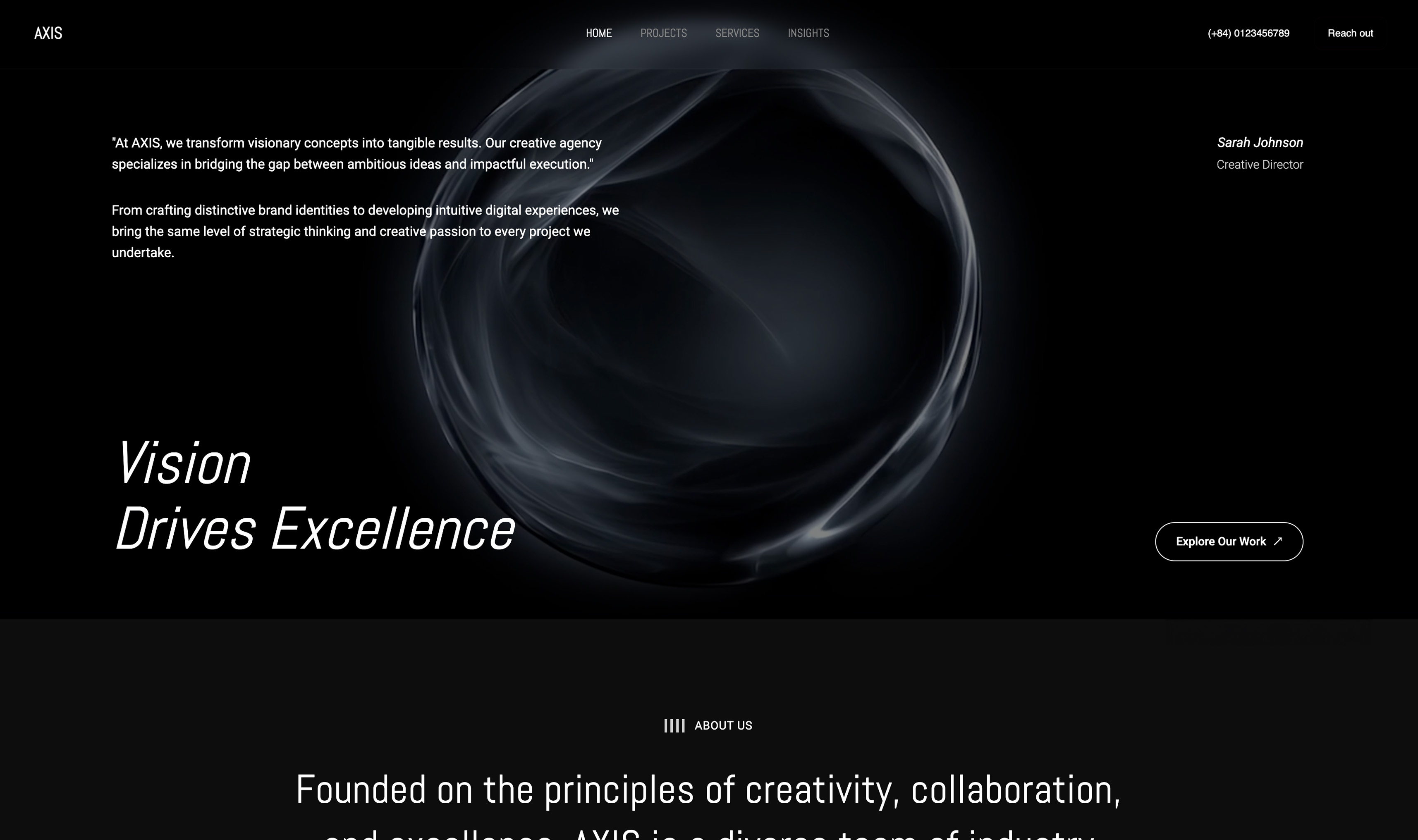 Use template
 Use template
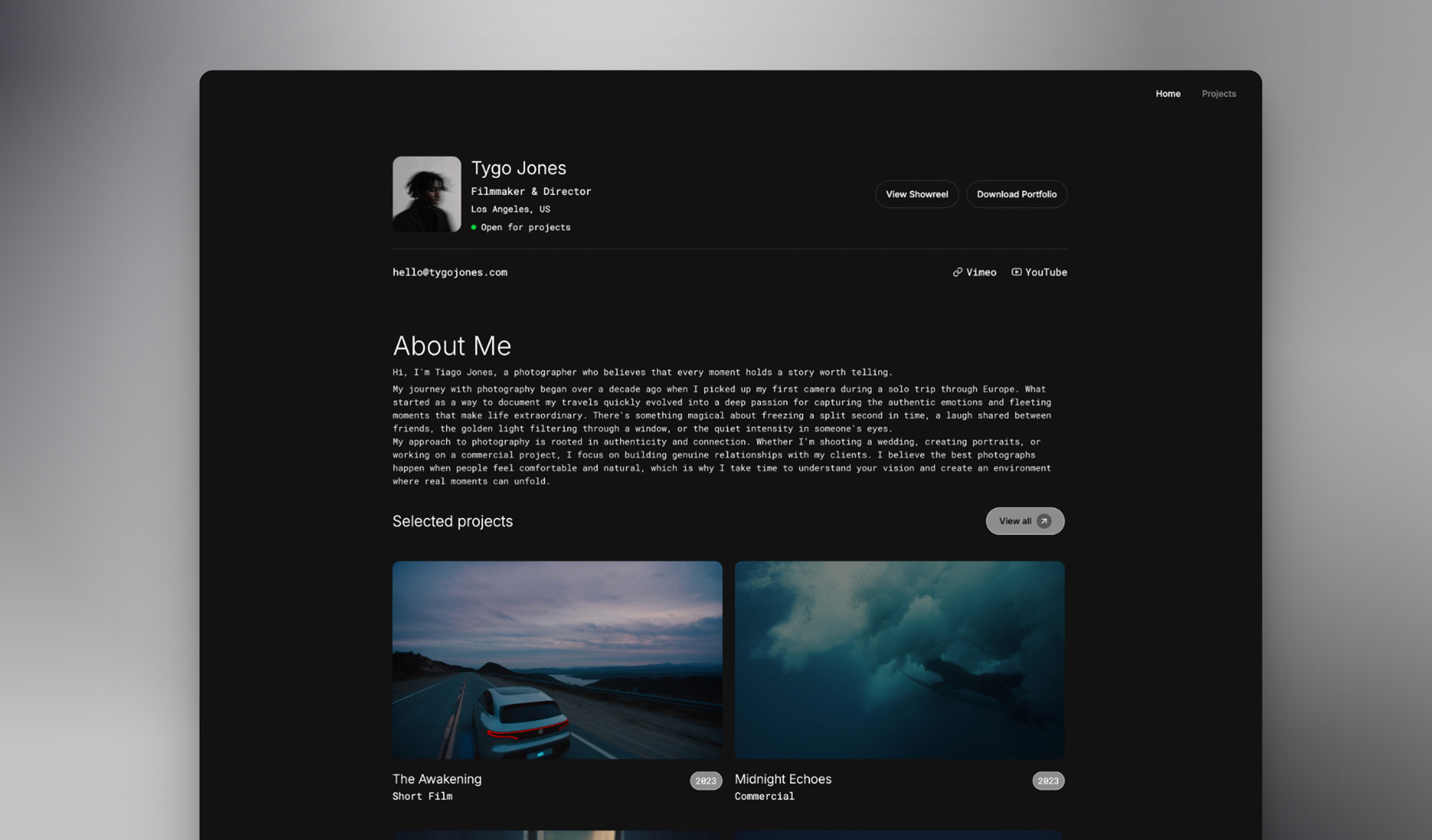 Use template
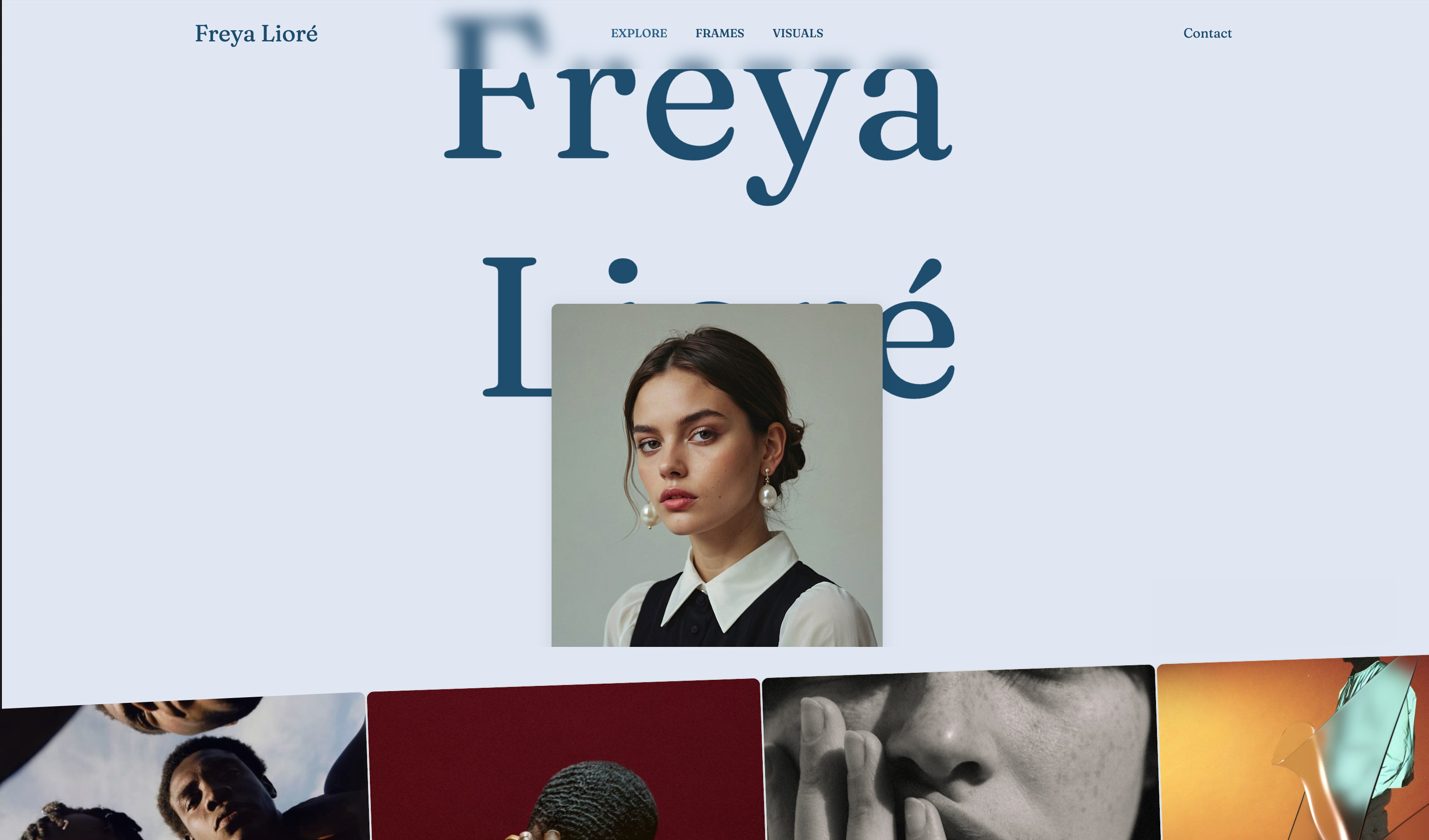 Use template
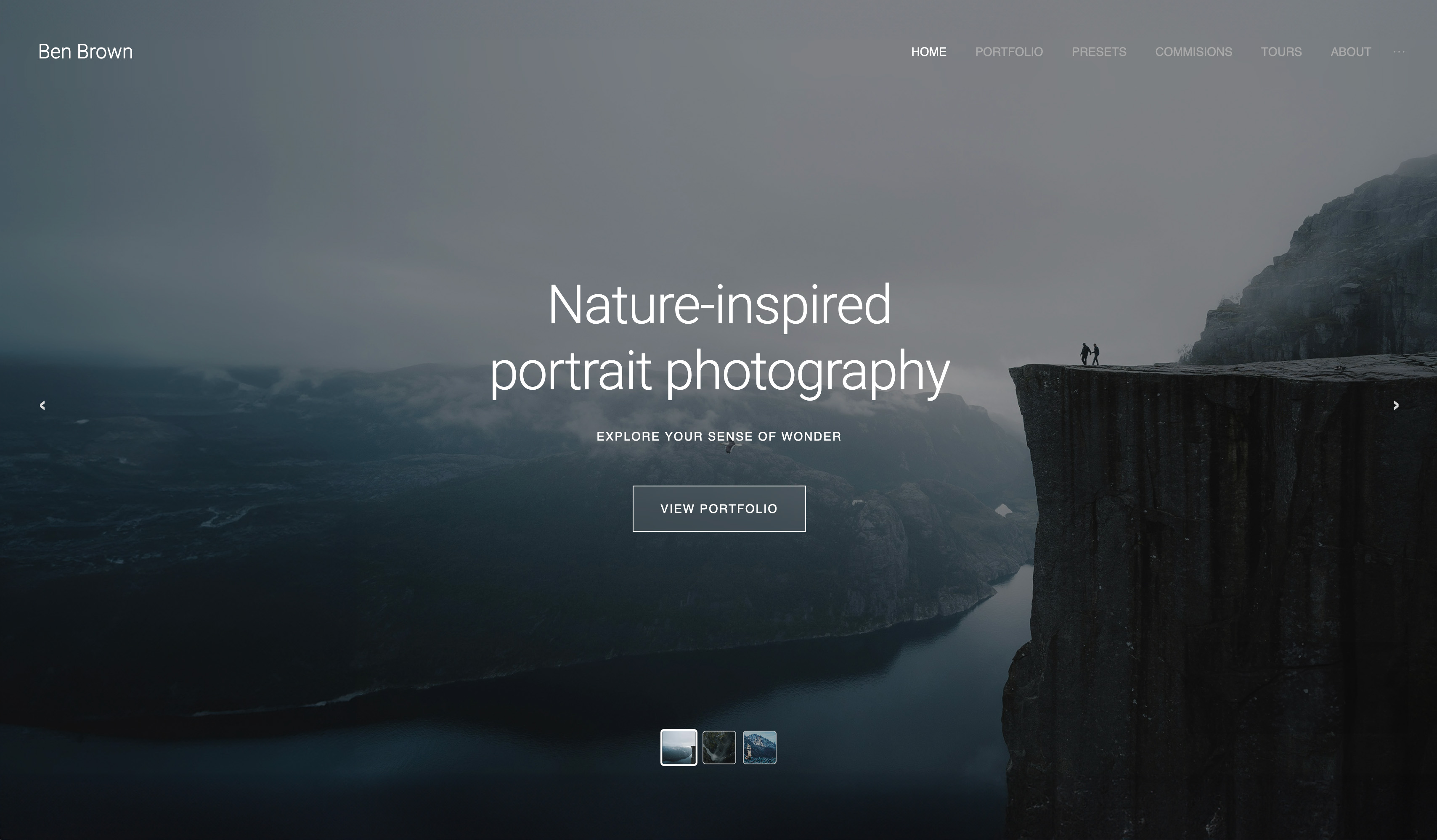 Use template
 Use template
 Use template
 Use template
The proposal went out on a Tuesday. Two-day brand film, $6,400, forty percent deposit of $2,560 due on signature. The client wrote back inside the hour to say it looked great and that they only needed to run it past finance.
You pencilled the dates, held the gaffer, and turned down a smaller job that wanted the same week.
What you did not have was a signature, a deposit, or any of the contract and proposal tools most creatives rely on to turn a yes into a booking.
Eleven days later the dates went to a production company whose proposal arrived with a signature field and a card form attached to it. Your document was still sitting in an inbox with a read receipt and no way for anyone to act on it.
Four of those a year at $6,400 each is $25,600 of work that existed on paper and never existed in your bank account, and none of it shows up as a loss anywhere you can see it.
Here is the mechanic that decides it. Sending a beautiful proposal is free or close to free on every tool in this guide.
The two things that convert a proposal into a booking - a legally binding signature and a deposit taken in the same click - are the exact two features that vendors most often move one tier above the price you saw on the homepage.
On PandaDoc that gap is $30 per seat per month. On Docusign it is $30 a month. On Bonsai it is $10 per user per month, and the entry plan does not even include proposals.
An unsigned proposal is a quote, and a quote does not hold a date.
A contract and proposal tool is software that turns a scope of work into a document your client can read, accept, and sign electronically, then collects the deposit that makes the booking real - normally bundling templates, e-signature, expiry, reminders, and payment behind a single link.
Framekit does not send contracts. It builds the portfolio and case-study page that decides whether anyone asks you for a proposal in the first place, and that section sits near the end of this guide.
The best contract and proposal tool for creatives in 2026 is HoneyBook, because proposals, legally binding contracts, e-signature, and card or ACH deposit collection are all on the $29 a month entry plan with no per-seat charge, so the send-to-sign gap closes in one click.
The honest trade-off is that HoneyBook's payments work for United States and Canada businesses and the tier price jumps to $49 the moment you add a second team member.
Dubsado is cheaper for two to five seats because three users are included, Bonsai is the pick if you bill internationally, and Qwilr is the pick when the proposal itself has to sell.
Note on who wrote this: Framekit is our own product and it is deliberately absent from the ranking below, because it does not do contracts, proposals, or e-signature at all - we verified every price and limit here against each vendor's own pricing page in August 2026, re-verified our own plan details in September 2026, and ranked the eight tools purely on their merits.
Nothing in this guide is legal advice. These are software comparisons, and a contract's enforceability depends on its wording and your jurisdiction, not on which app rendered it.
How We Compared These Contract and Proposal Tools
The eight tools here do not do the same job, which is the first thing any honest comparison has to admit.
Two are studio management systems that happen to include contracts, three are proposal design tools, one is a document engine, one is the e-signature standard, and one is a cheap all-in-one.
We scored each on six criteria, and every criterion below gets its own section later in this guide.
Signing and payment in one flow. Can the client read, sign, and pay the deposit without leaving the document, and is that true on the plan you would actually buy? This is what separates a booking from a quote.
Real cost at one, two, and five seats. Headline per-seat pricing hides seat minimums and tier jumps, so we priced every tool at three team sizes on annual billing.
Send limits and overages. Cheap plans meter documents. We looked for the cap and what the next document costs once you pass it.
Legal evidence. Whether the vendor documents ESIGN, UETA, or eIDAS compliance and ships a downloadable audit trail with each completed document.
Client-side friction. Whether the signer needs an account, whether documents can expire, and whether the tool chases unsigned documents for you.
Portability on exit. What happens to signed contracts and their audit trails when you cancel.
The test artifact was identical everywhere: a three-page proposal for a $6,400 two-day brand film, with a scope section, a fixed-fee quote, a contract carrying signature fields for both parties, and a 40 percent deposit of $2,560 due on signature.
Three kinds of finding, kept separate. Measured: we built and sent the brand-film proposal hands-on and judged the editor, the signing flow, and the client-side experience. Verified: every price, seat minimum, send limit, envelope allowance, transaction fee, and compliance claim, checked against each vendor's own pricing page or help documentation in August 2026 and linked inline. Community sentiment: recurring reviewer complaints from G2 and Capterra, labelled as such rather than presented as our own result.
We paid for HoneyBook, Dubsado, and Better Proposals; the other five were previewed on free trials or free tiers, so treat our workflow depth there as shallower.
Weighting, published so you can argue with it: signing and payment in one flow 25 percent, real cost at one to five seats 25 percent, send limits and overages 15 percent, legal evidence and audit trail 15 percent, proposal quality and client experience 10 percent, portability on exit 10 percent.
No house pick is in the ranking, so no weight flatters anyone.
What Comparing 8 Contract and Proposal Tools Showed
Opinions are cheap, so here are the extractable figures behind the ranking, each one verified against the relevant vendor's own published pricing page or help documentation in August 2026 rather than taken from a review site.
- 3 of 8 tools paywall either e-signature or deposit collection above their entry tier: Bonsai, PandaDoc, and Docusign.
- 5 of 8 include both e-signature and deposit collection on their cheapest paid plan: HoneyBook, Dubsado, Qwilr, Better Proposals, and Moxie.
- 2 of 8 meter how many documents you can send per month on their cheapest plan: Better Proposals at 10 documents, PandaDoc's free tier at 5.
- 1 of 8 publishes a per-document overage rather than forcing an upgrade: Qwilr, at $5 per automated document on Starter.
- Docusign is the only tool here that caps sending by envelope on paid plans, at 100 envelopes per user per year on Standard and Business Pro.
- Cheapest solo path that sends, signs, and collects a deposit: Moxie at $10 a month. Most expensive: PandaDoc Business at $49 per seat per month.
- At five seats the spread is $385 a year (Moxie Teams) to $2,940 a year (PandaDoc Business), a 7.6x difference for the same core job.
- 0 of 8 require your client to create an account before signing.
The 8 Best Contract and Proposal Tools for Creatives: Full Comparison
Prices below are per month on annual billing unless noted, taken from each vendor's own pricing page in August 2026.
The rating column applies the weighting published in the previous section, so a tool can be excellent and still score mid-table if the feature that closes deals is one tier up.
| Tool | Best for | Entry price | Sign and take a deposit at entry tier | Our rating |
|---|---|---|---|---|
| HoneyBook | Solo creatives who want one flow | $29/mo | Yes | 9.2/10 |
| Dubsado | Studios of two to five people | $27.92/mo | Yes | 8.9/10 |
| Bonsai | Freelancers billing internationally | $9/user/mo | No | 8.5/10 |
| Qwilr | Proposals that have to sell | $35/user/mo | Yes | 8.3/10 |
| Better Proposals | The cheapest real proposal tool | $13/user/mo | Yes, capped at 10/mo | 8.1/10 |
| PandaDoc | Document structure and templates | $19/seat/mo | No, payments need Business | 7.9/10 |
| Moxie | The cheapest all-in-one | $10/mo | Yes | 7.6/10 |
| Docusign | Signature evidence above all else | $10/mo | No, payments need Business Pro | 7.4/10 |
What the entry tier excludes versus the tier that unlocks signing and payment
This is the table most comparison pages skip, and it is where the money is.
Read the delta column as the monthly amount you did not budget for when you picked the tool off its homepage, because the feature that converts a proposal was one tier higher than the number you remembered.
| Tool | Entry tier and price | E-signature at entry | Deposit on signature at entry | Tier that unlocks both | Delta |
|---|---|---|---|---|---|
| HoneyBook | Starter, $29/mo | Yes | Yes | Starter | $0 |
| Dubsado | Starter, $27.92/mo | Yes | Yes | Starter (public proposals need Premier) | $0, or +$15.83/mo for public proposals |
| Bonsai | Basic, $9/user/mo | No | No | Essentials, $19/user/mo | +$10/user/mo |
| Qwilr | Starter, $35/user/mo | Yes | Yes, via QwilrPay | Starter | $0 |
| Better Proposals | Starter, $13/user/mo | Yes | Yes | Starter, but 1 seat and 10 docs/mo | $0, or +$16/user/mo for Premium |
| PandaDoc | Free $0, or Starter $19/seat/mo | Yes | No | Business, $49/seat/mo | +$30/seat/mo |
| Docusign | Personal, $10/mo | Yes | No | Business Pro, $40/user/mo | +$30/mo |
| Moxie | Starter, $10/mo | Yes | Yes | Starter | $0 |
Verified against HoneyBook pricing, Dubsado pricing, Bonsai pricing, Qwilr pricing, Better Proposals pricing, PandaDoc pricing, Docusign eSignature plans, and Moxie pricing in August 2026.
Payment processing is charged separately by every vendor on this list.
What each tool costs at solo, two seats, and five seats
Per-seat pricing and tier pricing behave completely differently as you grow, and the crossover is brutal. Every figure below is the cheapest plan at which you can send a proposal, get it e-signed, and collect a deposit, priced on annual billing.
| Tool | Solo | 2 seats | 5 seats | 5 seats per year |
|---|---|---|---|---|
| HoneyBook | $29 (Starter) | $49 (Essentials) | $109 (Premium) | $1,308 |
| Dubsado | $27.92 (Starter) | $27.92 (3 users included) | $52.92 (Starter plus user fee) | $635 |
| Bonsai | $19 (Essentials) | $38 | $95 | $1,140 |
| Qwilr | $35 (Starter) | $70 | $175 | $2,100 |
| Better Proposals | $13 (Starter) | $58 (Premium) | $145 (Premium) | $1,740 |
| PandaDoc | $49 (Business) | $98 | $245 | $2,940 |
| Moxie | $10 (Starter) | $32 (Teams) | $32 (Teams) | $385 |
| Docusign | $40 (Business Pro) | $80 | $200 | $2,400 |
Two things fall out of that table. Moxie's Teams plan covers up to five members for one flat fee, making it the cheapest five-seat option here by a factor of nearly two against Dubsado and 7.6x against PandaDoc.
And Dubsado includes three users on either plan before any user fee applies, which is why a two-person studio pays the same as a solo operator and a five-person studio pays $25 a month more, not $25 per person.
1. HoneyBook: Best Overall for Solo Creatives
HoneyBook is the only tool in this guide where the brand-film proposal, the contract, the signature, and the $2,560 deposit all lived inside one file that the client scrolled through once. Nothing was gated.
On the $29 a month Starter plan we built the scope pages, dropped in a contract template, added signature blocks for both sides, attached a payment schedule with 40 percent due on signature, and sent it.
The client opened a link, read, typed a signature, and paid by card in the same session.
Our rating: 9.2/10
That single-file structure is what HoneyBook actually sells, and it is why it wins despite not being the prettiest proposal tool here. Every other vendor except Moxie treats "proposal" and "invoice" as separate objects you stitch together with automation.
Best forSolo photographers, filmmakers, and designers in the United States or Canada who want the send-to-sign-to-deposit gap to be zero clicks wide.
The real numberthe $2,560 deposit costs $69.22 to take by card at HoneyBook's published rate of 2.7 percent plus 10 cents, or $38.40 if the client pays by ACH bank transfer at 1.5 percent.
On a full $6,400 project collected by card that is about $173 in processing across the two payments, which is the number to put next to the $348 a year the Starter plan costs.
The gotcha that bites in week threethe moment you add one other person - a second shooter, an editor, a producer who needs to send their own files - you are not paying for a seat, you are paying for the next tier.
Starter allows one team member; Essentials at $49 a month allows two.
That is a 69 percent jump in subscription cost to add one person, and it also happens to be the tier that unlocks the scheduler, automations, and the removal of HoneyBook branding from client-facing files.
Skip it ifyou invoice clients outside the United States and Canada in their own currency, or you want a proposal that reads like a designed web page rather than a tidy business document.
HoneyBook's payments are built around US and Canadian business accounts, and its file design is clean rather than expressive.
What reviewers say elsewhereHoneyBook holds roughly 4.5 out of 5 on G2 and about 4.8 on Capterra.
The recurring complaint in 2026 reviews is not the product but the February 2025 repricing, which took the monthly Starter rate from $19 to $36 and left long-time users comparing renewal quotes.
Verdict: HoneyBook is the right default for a solo creative who wants proposals to close rather than to circulate. It costs more per month than Moxie or Dubsado and it does not follow you abroad, but it is the only tool here where the entry plan already contains every step between sending a scope and banking a deposit. If you also need the invoicing side to hold up over a long project, our best invoicing tools for freelance creatives guide covers what HoneyBook does and does not replace. Visit HoneyBook
2. Dubsado: Best for Two to Five Person Studios
Dubsado is the tool a studio grows into rather than the one it starts with, and its pricing is the reason.
Both plans include three users before any per-user fee applies, which means our two-person test studio paid exactly the same $335 a year as a solo operator, and a five-person studio paid $635 a year in total.
That is less than half of HoneyBook's five-seat cost and roughly a fifth of PandaDoc's.
Our rating: 8.9/10
Building the brand-film proposal took the longest of any tool here, because Dubsado wants you to construct a form, a contract, an invoice, and a workflow rather than a document.
Once built it was the most automated: the proposal fired, the contract followed on acceptance, the deposit invoice followed the signature, and the reminders ran without us.
Best forEstablished studios of two to five people who send similar proposals repeatedly and will spend a weekend building templates to never touch them again.
Key mechanics we verified:
- Starter at $335 a year includes contracts, invoicing, payment plans, client portals, form and email templates, and unlimited projects and clients
- Premier at $525 a year adds automated workflows, scheduling, bookkeeping integration, Zapier, unlimited lead capture forms, and public proposals
- Three users included on both plans; users four to ten cost $25 a month total, eleven to twenty cost $45, twenty-one to thirty cost $60
- Additional brands cost $10 a month each, which matters if you run a photo brand and a video brand from one business
- A 21-day free trial with full Premier access and no credit card required, which is the longest genuine trial in this comparison
The gotcha that bites in week threepublic proposals - the shareable, client-facing proposal page rather than a form sent to one address - are a Premier feature. So is scheduling, and so is every automated workflow.
Starter is a contracts-and-invoices plan wearing a proposal tool's name, and the $15.83 a month gap between Starter and Premier is the real entry price for most creatives.
Skip it ifyou need to send your first proposal this afternoon. Dubsado's setup burden is real, and creatives who bounce off it usually bounce in the first fortnight, before the automation has paid anything back.
What reviewers say elsewhereDubsado sits around 4.3 out of 5 on G2, where the split in the reviews is consistent: high marks for customisation and workflow depth, low marks for the learning curve and an interface that feels older than its competitors.
Verdict: Dubsado is the best value in this guide once more than one person needs an account, and the best automation for a studio that sends the same shape of proposal fifty times a year. Budget Premier, not Starter, and budget a weekend. If you are weighing it against the broader category, our best studio management tools for photographers roundup puts it side by side with the alternatives. Visit Dubsado
3. Bonsai: Best for Freelancers Billing Internationally
Bonsai is the tool most freelance creatives outside the United States end up on, and it deserves the position - but its entry plan is the single clearest example of the paywall this guide is about.
Bonsai Basic costs $9 per user per month on annual billing and contains time tracking, task management, unlimited projects, CRM, and a service library. It does not contain proposals. It does not contain contracts.
It does not contain invoicing or payments.
Our rating: 8.5/10
Everything this guide is about starts at Essentials, $19 per user per month annually or $25 monthly.
That tier adds invoices and payments, proposals and contracts, all templates, forms and questionnaires, scheduling, a client portal, and expense and income tracking.
Once you are there, the brand-film proposal built cleanly and the contract library is genuinely good for creative service work.
The real numberthe honest entry price for Bonsai as a contract and proposal tool is $19 per user per month, not $9. For a solo freelancer that is $228 a year.
For a three-person team it is $684 a year, because Bonsai charges strictly per user with no included seats, and the Elite tier at $49 per user per month enforces a three-user minimum whether you have three people or not.
The gotcha that bites in week threeper-user pricing with no free seats is the opposite of Dubsado's model, and it compounds. Adding a part-time retoucher who logs in twice a month costs the same $19 as adding a full-time producer.
Freelancers who bring on collaborators seasonally end up paying year-round for months they do not use.
Skip it ifyou are a United States solo operator with no international clients. HoneyBook does the same job for $29 a month with a deeper client-facing file experience and no per-seat maths, and Moxie does it for $10.
What reviewers say elsewhereBonsai rates about 4.4 out of 5 on G2.
Reviewers consistently praise the contract and proposal template library for freelance service work; the recurring criticism is that the product's breadth means several modules feel shallower than a dedicated tool.
Verdict: Bonsai is the best pick for a freelance creative with clients in multiple countries who wants proposals, contracts, and invoicing from one subscription, provided you price it at Essentials and ignore the $9 headline entirely. Its trade-off against Dubsado is stark: Bonsai is easier to start and more expensive to grow. If your bottleneck is getting enquiries rather than closing them, read how to get clients from your website first. Visit Bonsai
4. Qwilr: Best When the Proposal Itself Has to Sell
Qwilr is the only tool here where our brand-film proposal stopped looking like a document and started looking like a landing page.
Embedded reel, a quote block with optional add-ons the client could toggle, an ROI calculator, and an Accept block at the bottom carrying the e-signature.
For a filmmaker or design studio pitching against three other shops, that difference is not cosmetic; it is the pitch.
Our rating: 8.3/10
Every plan includes unlimited pages, quote blocks, the Accept block with e-sign, PDF export, an audit trail, password protection, time limits and view limits, and Zapier, Slack, and QuickBooks integrations.
Qwilr does not gate signing, which puts it in the honest half of this list.
The real numberQwilrPay adds Qwilr's own application fee on top of your Stripe gateway costs, and the rate falls by tier: 0.25 percent on Starter, 0.09 percent on Growth, 0.05 percent on Scale.
On our $2,560 deposit that is $6.40 on Starter, on top of roughly $74.54 in standard Stripe card processing, for about $80.94 total. It is a small number, but it is a number nobody mentions when they quote you $35 a user.
The standout detail nobody writes aboutQwilr publishes a per-document overage rather than forcing an upgrade.
The API and Smart Proposal Engine document allowance is 10 a month on Starter, 150 on Growth, and 600 on Scale, and extra documents cost $5 each on Starter or $2.50 on Growth and Scale. Standard Qwilr pages you build by hand stay unlimited.
It is the only transparent overage price in this comparison.
The gotcha that bites in week threeminimum seat counts. Starter has a one-user minimum, but Growth requires five users at $55 each and Scale requires ten at $75 each, both annual-billing-only.
That means the real jump from Starter to Growth is not $35 to $55, it is $35 a month to $275 a month, because you cannot buy Growth for one person.
Custom branding with your own fonts and logos, automations, and enhanced reporting all sit behind that wall.
Skip it ifyou need contracts, invoicing, and a client database. Qwilr is a proposal and quoting surface, not a business management system, and pairing it with a separate contract tool puts you back at two subscriptions.
What reviewers say elsewhereQwilr holds about 4.6 out of 5 across roughly 885 reviews on G2, one of the strongest ratings in the category. The most common criticism in recent reviews is a steeper editor learning curve than the marketing suggests.
Verdict: Qwilr is worth its price when you are being compared against other studios and the document is part of the argument. It loses on cost the second you need a second seat, and it does not pretend to run your back office. Pair it with a portfolio that has already done half the selling - see what makes a good photography portfolio. Visit Qwilr
5. Better Proposals: The Cheapest Tool That Signs and Takes Money
Better Proposals is the cheapest way to send a designed proposal that carries a legally binding signature and a payment button, and it does not play the paywall game: the $13 per user per month Starter plan on annual billing lists both digital signatures and payment integrations in its core feature set.
Our brand-film proposal took under twenty minutes from a template, and the client-side reading experience was the second best here after Qwilr.
Our rating: 8.1/10
Then you hit the meter.
The gotcha that bites in week threeStarter allows 10 documents per month and exactly one user seat. Premium at $29 per user per month annually raises that to 50 documents and unlimited seats; Enterprise at $49 per user per month makes sending unlimited.
Ten a month sounds generous until you count the version you sent, the version you revised after a call, the change order, and the two speculative pitches that went nowhere.
A busy freelance week can consume a third of the monthly allowance without producing a single signature.
The real numberthe honest annual cost for a solo creative sending more than ten documents a month is $348 a year on Premium, not $156 on Starter.
Better Proposals does not publish a per-document overage the way Qwilr does, so exceeding the limit means upgrading rather than paying a metered price. Two seats on Premium is $58 a month, which is more than HoneyBook's two-seat tier.
Also worth pricing before you commitNudge, which chases unsigned proposals automatically, is an add-on at $10 per user per month. Given that this entire guide is about the gap between sending and signing, that is the feature you most want and the one outside the base price.
Custom domains, CRM integrations, and API or Zapier access all require Premium or above.
Skip it ifyou send fewer than three proposals a month. At that volume the send limit is irrelevant but so is the tool, and the contract feature inside HoneyBook, Moxie, or Dubsado covers the same ground while handling your invoicing too.
What reviewers say elsewhereBetter Proposals rates about 4.3 out of 5 across roughly 51 reviews on G2, a much thinner evidence base than PandaDoc or Qwilr. Reviewers reliably praise speed of setup and template quality.
Verdict: Better Proposals is the best value in this guide if you send a steady handful of proposals and want them signed and paid without buying a whole business platform. Its trade-off is a hard monthly ceiling and a one-seat entry plan, so price Premium if you are anything other than a low-volume solo. Visit Better Proposals
6. PandaDoc: Best Document Engine, Wrong Entry Tier
PandaDoc builds the most structurally serious document of anything here. Conditional pricing tables, a content library, approval workflows, version control, and the cleanest signing flow we tested.
If your proposals are long, technical, and need to be assembled from reusable blocks rather than written from scratch, PandaDoc is the correct engine, and its 4.7 out of 5 across more than 3,400 reviews on G2 is the highest rating in this comparison.
Our rating: 7.9/10
It is ranked sixth because of one line on the pricing page. Payment collection requires the Business plan at $49 per seat per month. Starter at $19 per seat gives you unlimited documents and e-signatures with no way to take the deposit inside them.
The real numberthat is a $30 per seat per month delta, or $360 a year per person, to add the single feature that turns a signed document into a paid booking. For a three-person studio the annual difference between Starter and Business is $1,080.
Custom branding, the content library, CRM integrations, approval workflows, and deal rooms sit on the same side of that wall, so PandaDoc Business is realistically the only PandaDoc worth buying.
The gotcha that bites in week threethe free plan is a demonstration, not a workflow.
It allows five documents and five eSignatures per month, described on the pricing page as 60 documents free per year, and it has no payment collection, no custom branding, and a five-template limit.
Creatives who start there tend to discover the cap in the same week they get busy.
Skip it ifyou are a solo creative sending simple two-page proposals. You will pay $588 a year for document infrastructure built for sales teams, and Better Proposals or Moxie sends a better-looking client-facing document for a fraction of it.
Verdict: PandaDoc is the best document engine in this guide and the worst-priced entry tier for a freelancer. It is the right pick for a studio with a sales process, a template library, and enough deal volume that $49 a seat disappears into one booking. For a solo shooter it does not earn its price. If you are trying to work out what your proposal should even be worth, start with how to price photography. Visit PandaDoc
7. Moxie: The Cheapest All-in-One
Moxie is the price outlier of this comparison and it is not a stripped-down one.
The $12 a month Starter plan, or $10 a month billed annually at $120 a year, includes client management, project management, invoicing and payments, proposals, quotes and contracts, time tracking, a sales pipeline, basic accounting, a form builder, meeting schedulers, and an AI assistant.
Nothing about signing or getting paid is gated above it.
Our rating: 7.6/10
The Teams plan is where it becomes genuinely hard to argue with: $32 a month billed annually, roughly $385 a year, covering up to five team members. That is less than a third of HoneyBook's five-seat cost and about a seventh of PandaDoc's, for the same core job.
The gotcha that bites in week threethe white-labelled client portal, the custom domain, workflow automations, support ticketing, and every API integration including Zapier and QuickBooks all require Pro at $20 a month annually.
Reviewers report this is the most common surprise: features people assumed were in Starter turn out to be Pro-only. If you want proposals to arrive on your own domain, Starter is not the plan.
What reviewers say elsewhere, labelled as sentimentMoxie has no active G2 listing, which is itself a finding - the evidence base is thinner than for any other tool here.
On Capterra it rates around 4.0 out of 5, with value for money scored notably lower than the overall figure, and the recurring themes in third-party reviews are support access on the lower tiers and reliability wobbles after platform updates.
We ran Moxie on a trial rather than paying for a year, so we cannot confirm or refute the reliability reports from our own use.
Verdict: Moxie is the cheapest legitimate way to send a proposal, sign it, and take a deposit in 2026, and at five seats nothing else here is close. It ranks seventh rather than first because the independent evidence behind it is thin and the sentiment on reliability and support is the weakest here, which is a real risk on the system holding your signed contracts. Visit Moxie
8. Docusign: The Signature Standard, the Worst Creative Fit
Docusign would rank first in a general e-signature roundup and it ranks last here, and both statements are correct.
Nothing in this guide matches its evidentiary rigour: Docusign's legality documentation sets out how the federal ESIGN Act and state UETA adoptions make an electronic signature enforceable, and spells out the four things a party must show when validity is challenged - intent to sign, attribution, association with the record, and secure retention.
If a signed contract of yours is ever going to be argued over, this is the paper trail you want.
Our rating: 7.4/10
For a creative sending proposals, though, it is the wrong shape. Docusign signs documents; it does not design them.
Our brand-film proposal had to be built somewhere else and uploaded as a PDF, which loses the toggleable quote options and the embedded reel that make a proposal persuasive.
The gotcha that bites in week threeenvelopes. Standard at $25 per user per month and Business Pro at $40 per user per month, both on annual billing, allow 100 envelopes per user per year. The $10 a month Personal plan allows 5 envelopes per month and one user.
An envelope can hold several documents and several signers, so 100 a year is workable for a solo creative and tight for a studio sending contracts, change orders, model releases, and location agreements.
Docusign does not publish an overage rate on its pricing page; third-party reports put it commonly in the three to eight dollar per envelope range, and we could not verify that figure against a Docusign source, so treat it as unverified and ask for it in writing before you sign an annual deal.
The second paywallpayment collection and bulk send are Business Pro features, not Standard. That is the same $30 a month step PandaDoc charges, and it makes the cheapest Docusign that can take your deposit $480 a year for one person.
Signer identity verification is a further add-on charged per attempt, listed at about 2.35 euros on the European pricing page.
Verdict: Docusign is the correct tool when the signature is the deliverable and the wrong tool when the proposal is. Use it for the one contract a year that genuinely needs bulletproof evidence, and something else for the twenty that need to look good and take a deposit. It rates about 4.5 out of 5 across roughly 2,594 reviews on G2, and none of that changes the fit problem for creative work. Visit Docusign
The Gap Between Sending and Signing Is Where the Money Leaks
Every creative who has lost a booking to a slow yes knows the feeling but not the arithmetic, so here is the arithmetic.
The gap is measured in days between the moment a client can read your price and the moment they can act on it, and every feature that shortens it is priced by these vendors as a premium.
In one linethe cost of a tool is not its subscription, it is the subscription plus the bookings that died in the days between your client agreeing in principle and your client being able to sign and pay.
Three mechanics close the gap, and only one of them is free everywhere.
Signing inside the document. If the client has to receive a proposal, reply approving it, then wait for a separate contract, then wait for a separate deposit invoice, you have introduced three chances for the thread to go cold.
HoneyBook, Moxie, Dubsado, Qwilr, and Better Proposals all collapse that into one link on their entry plan. PandaDoc and Docusign do not, because payment sits a tier up.
Bonsai does not, because proposals and contracts are not on Basic at all.
Expiry. A proposal with a stated expiry date converts faster than one without, because it converts indecision into a deadline. Qwilr publishes time limits and view limits on every plan, including Starter.
Docusign envelopes carry expiration settings. Better Proposals, PandaDoc, and HoneyBook all support expiring or scheduled documents. This is the cheapest deal-closing feature in the category and almost nobody turns it on.
Automated reminders. Chasing is the job everyone hates and every tool can do, but the catch is where it sits in the price list.
Better Proposals charges $10 per user per month extra for Nudge, its automated follow-up product, and Dubsado puts reminder sequences inside automated workflows, which are Premier-only.
HoneyBook and Moxie include payment reminders on the entry plan.
Run this on your own numbers. Pull your last twelve proposals, note the send date and the signature date on each, and take the median gap in days.
Now count how many of them never got a signature at all and multiply that number by your average project fee.
If the dead ones total more than a year of any subscription in the table above, you are not buying software when you upgrade, you are buying back the days between agreement and action - and if your median gap is under three days already, you do not need a better tool, you need more enquiries.
Send Limits, Envelopes, and the Overage Nobody Prices In
The cheapest plan on an e-signature or proposal tool is almost always metered, and the meter is the part that catches people out because it counts things you do not think of as sends.
Revisions, change orders, and speculative pitches all consume allowance while producing no revenue.
In one lineon metered plans your cost per signed contract is the subscription divided by the documents that actually closed, not the documents you were allowed to send.
Here is what each vendor actually meters, verified in August 2026.
| Tool | What is metered | Entry allowance | Cost of going over |
|---|---|---|---|
| Better Proposals | Documents sent per month | 10 on Starter, 50 on Premium | No published overage; upgrade required |
| PandaDoc | Documents and eSignatures on Free only | 5 per month on Free | Upgrade to Starter, $19/seat/mo |
| Docusign | Envelopes | 5/month Personal, 100/user/year Standard and Business Pro | Not published; third-party reports suggest a few dollars per envelope, unverified |
| Qwilr | API and Smart Proposal Engine documents only | 10/month Starter, 150 Growth, 600 Scale | $5 per document Starter, $2.50 Growth and Scale |
| HoneyBook | Nothing | Unlimited clients and projects on all plans | Not applicable |
| Dubsado | Nothing | Unlimited projects and clients on both plans | Not applicable |
| Bonsai | Nothing | Unlimited projects and clients | Not applicable |
| Moxie | Nothing | No published document cap | Not applicable |
The envelope is the concept worth understanding, because it is the unit Docusign bills in and it is not the same as a document.
One envelope can carry several documents and several signers, so a proposal, a contract, and a model release sent together to two people counts as one.
That makes 100 a year more generous than it first reads for a solo creative sending eight to ten jobs, and genuinely tight for a studio issuing change orders, crew agreements, and location releases on every project.
The dangerous half is the unpublished overage. Docusign's pricing page states the allowance but not the price of exceeding it, which means the cost of your busiest month is a number you cannot look up before committing to an annual plan.
Qwilr is the only vendor here publishing both an allowance and a price per extra document, and that transparency is worth more than the sums involved.
Better Proposals' 10-document Starter limit catches creatives hardest, because it is a monthly cap on a plan aimed at exactly the people who send in bursts.
A wedding photographer pitching four couples in January and none in February pays for the same allowance both months and can still hit the ceiling in the busy one.
Legally Binding Signatures, Audit Trails, and What Templates Do Not Do
The honest answer to "is this legally binding" is that the statute makes electronic signatures valid and the audit trail is what wins an argument about who signed and when.
Every tool in this guide produces a signature that the law recognises; what differs is the quality of the evidence sitting behind it and how plainly the vendor documents that evidence.
In one linethe law makes the signature valid, the audit trail makes it defensible, and the vendors differ far more on the second than the first.
What each vendor documents, stated plainly and labelled where it is thin.
Docusign publishes the most detailed public position, covering the federal ESIGN Act, UETA adoption across 49 states plus the District of Columbia, the US Virgin Islands and Puerto Rico, and New York's equivalent legislation.
Its legality page states plainly that a signature cannot be denied legal effect solely because it is electronic, and sets out the four elements a party must demonstrate if validity is challenged.
PandaDoc states directly on its e-signature product page that its signatures are legally binding and compliant with ESIGN, UETA, eIDAS, and GDPR, and that every signed document ships with a digital certificate and a full audit trail recording signer identity, date, and intent, plus a log of who viewed and interacted with the document and when.
That is the most complete compliance claim of any vendor here.
Qwilr emails a downloadable audit trail PDF to all parties once everyone has signed, and states that its e-sign functionality aligns with the requirements underpinning ESIGN and UETA.
It also says something the others should copy: an e-signature can support a legally binding contract but does not by itself make one, because enforceability depends on the text agreed and the type of agreement.
Dubsado documents that its e-signatures are dated and that a contract locks against further edits once signed, and it explicitly notes that depending on your jurisdiction you may need to include language confirming the parties agree to use electronic signatures. HoneyBook describes its contracts as legally binding, references ESIGN as the law establishing digital signature validity, and lets clients type or draw a signature from any device.
Bonsai, Better Proposals, and Moxie all describe their signatures as legally binding, and Better Proposals lists legally binding digital signatures in its Starter feature set.
We could not locate a public compliance page from any of the three setting out audit trail contents or naming ESIGN, UETA, and eIDAS the way Docusign and PandaDoc do, so treat their evidence documentation as unverified rather than absent.
On templates, be blunt with yourself.
HoneyBook publishes attorney-reviewed contract templates and still recommends consulting a business lawyer about the clauses specific to your work, and Bonsai and Dubsado both ship substantial libraries.
Every one of those is a starting point drafted for a generic business in a generic jurisdiction, not advice about your country or the shoot you are about to do.
Use them as structure and pay a lawyer once to review the version you will send fifty times.
Nothing above is legal advice. It is a description of what each vendor publishes.
What Happens to Your Signed Contracts If You Stop Paying
This is the question that matters in year four rather than week one, and it is the one nobody asks during a trial.
Your signed contracts and their audit trails are the records you will need if a client disputes a deliverable two years after delivery, and every vendor treats them differently on the way out.
In one lineassume you will lose access to the interface and keep only what you exported, and export your signed contracts and audit trails at least once a year regardless of which tool you use.
Docusign is the strictest and also the clearest.
When a subscription ends and the account is closed, envelopes are purged 90 days after closure, with that window available for exporting envelopes, reports, and templates, after which the data is deleted.
That is a hard deadline on the tool with the best evidence, which is an irony worth planning around.
HoneyBook is the most forgiving. Cancelling does not delete the account: you keep access to existing projects and their contents, but you cannot create new files, projects, or messages.
Full deletion requires contacting support. In practice that means your signed contracts stay readable after you stop paying, which is the most useful cancellation behaviour in this comparison.
Dubsado, Bonsai, Qwilr, Better Proposals, PandaDoc, and Moxie all provide PDF export of completed documents while your account is active, and none of them publishes a retention commitment as explicit as Docusign's 90-day purge or as generous as HoneyBook's read-only continuation.
Because their post-cancellation behaviour is not clearly documented, the only safe assumption is that access ends when payment ends.
The routine that fixes this takes twenty minutes a year.
Export every signed contract as a PDF, export the audit trail or certificate of completion alongside it where the tool produces one, and store both wherever you keep delivered files, in the same session you do your year-end bookkeeping - our best photo backup solutions guide covers where that archive should live.
Do the same for deposits: reconcile them into your accounting system rather than trusting a proposal tool to be your ledger, because when you cancel, only the payment processor is guaranteed to still hold the record.
Where Your Website Fits In
Every tool above assumes a client has already decided you are worth a proposal. That decision happens earlier, on a portfolio and case-study page, and no amount of e-signature polish fixes a pipeline where nobody asks for a quote in the first place.
Framekit is an AI website builder for photographers, filmmakers, designers, and creators, and it does not do contracts, proposals, or e-signature - which is exactly why it is not ranked in this guide. What it does is the step before.
It builds the portfolio, the case-study pages, the services page with your real starting prices, and the enquiry form on your own custom domain, so that the proposal you eventually send lands on a client who already understands your rate and has seen three projects like theirs.
That sequencing matters more than most creatives think. A proposal sent cold has to establish credibility, scope, and price all at once, which is why it takes eleven days to get a reply.
A proposal sent to someone who has read a case study about a job like theirs is confirming a decision rather than making one, and confirmations get signed fast. The tool cannot manufacture that; the page before it can.
Framekit sits alongside whichever contract tool you pick rather than replacing it. Build the site that produces the enquiry, then send the proposal from whichever tool matched your seat count above.
For the pipeline half, read how to get clients from your website, and for what happens after the deposit clears, our best invoicing tools for freelance creatives guide covers the billing side.
The Decision Guide
Most creatives choose this software by reading feature lists, which is why so many end up on a plan that cannot take a deposit. Choose by answering these questions in order instead, and stop at the first branch that describes you.
Start here. Do you need more than one person to log in and send documents?
- No, it is just me. Go to the next question.
- Yes, two to five people. Choose Dubsado if you want automation and can build templates, because three users are included on both plans and five costs $635 a year. Choose Moxie for the cheapest possible answer, because Teams covers five people for about $385 a year. Choose HoneyBook if you are US or Canada based and want the smoothest client-facing file, and accept $1,308 a year at five seats. Stop here.
- Yes, more than five. Price Bonsai and PandaDoc per seat against Dubsado's tiered user fee, and read the seat minimums on Qwilr Growth and Scale before assuming the per-user price applies to you.
Do you invoice clients outside the United States and Canada?
- Yes, regularly. Choose Bonsai Essentials at $19 per user per month, and ignore the $9 Basic tier entirely because it has no proposals, contracts, invoicing, or payments. Stop here.
- No, or only occasionally. Go to the next question.
Is the proposal document itself part of how you win the job?
- Yes, I pitch against other studios and the deck matters. Choose Qwilr at $35 per user per month for the strongest client-facing document, and budget separately for contracts and invoicing because Qwilr does not do them. If cost matters more than polish, Better Proposals at $13 does eighty percent of it. Stop here.
- No, my clients have already decided by the time they see a price. Go to the next question.
How many documents do you send in a busy month?
- Fewer than ten. Better Proposals Starter at $13 a month or Moxie Starter at $10 a month both send, sign, and collect. Stop here.
- Ten to thirty. Skip Better Proposals Starter, and choose HoneyBook Starter at $29 a month for unmetered sending with payments included.
- More than thirty, with a template library and approval steps. PandaDoc Business at $49 per seat is the engine built for that volume, and only Business collects payment.
Finally, does one contract a year need evidence strong enough to survive a dispute?
- Yes. Run that one document through Docusign Standard at $25 per user per month for the audit trail and the published legality position, and keep your everyday proposals in whichever tool you chose above. Export it before you ever cancel, because envelopes are purged 90 days after account closure.
Also worth readingwebsite feedback tools, for the review round that comes after the contract is signed.
Also worth readingpitch deck software, for the investor-facing version of the same document.
Frequently Asked Questions
What is the best contract and proposal tool for creatives in 2026?
HoneyBook is the best contract and proposal tool for creatives in 2026, because its $29 a month Starter plan on annual billing includes proposals, legally binding contracts, e-signature, and card or ACH deposit collection with no per-seat charge, so a client can read, sign, and pay in one link.
The trade-offs are that HoneyBook's payments are built for United States and Canada businesses and that adding a second team member moves you to the $49 Essentials tier.
Dubsado is better value for two to five seats, Bonsai is better for international billing, and Qwilr is better when the proposal document itself has to win the pitch.
Which contract and proposal tool is cheapest for a solo freelancer?
Moxie is the cheapest at $10 a month billed annually, or $120 a year, and that Starter plan already includes proposals, quotes, contracts, invoicing, and payments with nothing about signing or collecting gated above it.
Better Proposals Starter is next at $13 per user per month annually, though it caps you at 10 documents a month and one seat.
The cheapest option that is not metered and not seat-limited is Dubsado Starter at $335 a year, which works out to $27.92 a month.
Do I have to pay more to collect a deposit when the client signs?
On three of the eight tools, yes. PandaDoc requires the Business plan at $49 per seat per month to collect payment, which is $30 per seat per month above its $19 Starter plan.
Docusign requires Business Pro at $40 per user per month, $30 above its $10 Personal plan, and payment collection is not available on Standard.
Bonsai requires Essentials at $19 per user per month, because the $9 Basic plan has no proposals, contracts, invoicing, or payments at all.
HoneyBook, Dubsado, Qwilr, Better Proposals, and Moxie all include deposit collection on their cheapest paid plan.
What is a Docusign envelope and how many do I get?
An envelope is Docusign's billing unit, and it can contain several documents sent to several signers in one transaction, so a proposal plus a contract plus a release sent to two people counts as one envelope.
Docusign's Personal plan at $10 a month allows 5 envelopes per month; Standard at $25 per user per month and Business Pro at $40 per user per month both allow 100 envelopes per user per year on annual billing.
Docusign does not publish the price of exceeding that allowance on its pricing page, so ask for the overage rate in writing before signing an annual contract.
Are the e-signatures in these tools legally binding?
Yes in the sense that matters: electronic signatures are recognised under the federal ESIGN Act and state UETA adoptions in the United States and under eIDAS in the European Union, and a signature cannot be denied legal effect solely because it is electronic.
What varies is the strength of the evidence behind it.
Docusign and PandaDoc publish the most detailed compliance positions and ship full audit trails and certificates; Qwilr sends a downloadable audit trail PDF to all parties; Dubsado dates signatures and locks the document after signing.
This describes vendor documentation, not legal advice.
Are the contract templates in these tools written by lawyers?
HoneyBook publishes attorney-reviewed contract templates and still recommends consulting a business lawyer about the clauses specific to your work; Bonsai and Dubsado both ship large libraries aimed at freelance and studio service work.
Treat all of them as starting structure drafted for a generic business in a generic jurisdiction rather than advice about yours.
Pick a template, adapt it to your actual deliverables and cancellation terms, and pay a lawyer once to review the version you will reuse. That is a purchasing recommendation, not legal advice.
What happens to my signed contracts if I stop paying?
It depends on the vendor, and the range is wide. Docusign closes the account and purges envelopes 90 days after closure, giving you that window to export envelopes, reports, and templates.
HoneyBook is the opposite: cancelling leaves existing projects and their contents readable, you simply cannot create new files, projects, or messages.
Dubsado, Bonsai, Qwilr, Better Proposals, PandaDoc, and Moxie all let you export completed documents as PDFs while the account is active but publish no equally explicit post-cancellation terms, so assume access ends when payment does and export annually.
Does my client need an account to sign a proposal?
No. None of the eight tools here require the signer to create an account, set a password, or install anything - every one sends a link that opens in a browser, and the client types or draws a signature and submits.
The friction that does exist is elsewhere: Docusign sells signer identity verification as a paid add-on charged per attempt, listed at about 2.35 euros on its European pricing page, and HoneyBook routes clients through a portal for ongoing project files rather than a one-off link.
Can I set a proposal to expire and will these tools chase it for me?
Yes on both counts, but the chasing is often priced separately. Qwilr includes time limits and view limits on every plan including Starter, and Docusign envelopes carry expiration settings.
On the follow-up side, Better Proposals charges $10 per user per month extra for Nudge, its automated follow-up product, and Dubsado's reminder sequences live inside automated workflows, which are a Premier feature at $525 a year rather than Starter at $335.
HoneyBook and Moxie both include payment reminders on their entry plans.
HoneyBook vs Dubsado: which is cheaper for a two-person studio?
Dubsado is substantially cheaper for two people. Dubsado includes three users on both plans, so a two-person studio pays the same $335 a year on Starter or $525 on Premier as a solo operator does.
HoneyBook charges by tier rather than by seat, and its Starter plan allows one team member, so a second person moves you to Essentials at $49 a month, or $588 a year.
The gap widens at five seats: Dubsado costs $635 a year while HoneyBook Premium costs $1,308. HoneyBook earns that premium with a smoother single-file client experience and far less setup work.
PandaDoc vs Docusign: which is better for a freelance creative?
PandaDoc, for most creative work. Its Business plan at $49 per seat per month builds and sends a designed proposal with pricing tables, collects payment inside the document, and rates about 4.7 out of 5 across more than 3,400 G2 reviews.
Docusign signs documents you created elsewhere, meters sending at 100 envelopes per user per year on paid plans, and puts payment collection behind Business Pro at $40 per user per month.
Docusign wins only on evidentiary depth, where its published ESIGN and UETA position is the strongest here.
What does it actually cost to take a $2,560 deposit by card?
On HoneyBook's published rate of 2.7 percent plus 10 cents, a $2,560 deposit costs $69.22 in processing, or $38.40 by ACH bank transfer at 1.5 percent.
On tools routing through Stripe at a standard 2.9 percent plus 30 cents the same deposit costs about $74.54, and Qwilr adds its own QwilrPay fee on top, 0.25 percent on Starter which is $6.40 here, falling to 0.09 percent on Growth and 0.05 percent on Scale.
Across a full $6,400 project collected by card that is roughly $175, worth weighing against the subscription rather than ignoring.
Final Verdict
After pricing eight tools at three team sizes and building the same $6,400 brand-film proposal on every one of them, the pattern is consistent: the cheap plan sends, and the plan above it closes.
Three of the eight put e-signature or deposit collection one tier above the price on the homepage, and in every case that step is worth $30 a month or more.
HoneyBook is the best contract and proposal tool for creatives in 2026.
Its $29 a month entry plan is the only one where a proposal, a binding contract, a signature, and a deposit all live in a single client-facing file with nothing gated, and closing the send-to-sign gap is the entire job of this category.
Where HoneyBook loses: it is not for creatives billing internationally, because its payments are built around United States and Canada businesses, and Bonsai Essentials at $19 per user per month is the better fit there.
It does not scale cheaply either - two seats costs $588 a year and five costs $1,308, against Dubsado's $635 and Moxie's $385 for the same five people.
And it will not give you the kind of designed, interactive proposal a studio uses to win a competitive pitch; Qwilr does that and HoneyBook does not try to.
Dubsado is the value pick for studios, Bonsai the pick for international freelancers, Qwilr the pick when the document is the argument, Better Proposals the cheapest tool that genuinely signs and collects, PandaDoc the best engine on the worst entry tier, Moxie the cheapest all-in-one on the thinnest evidence base, and Docusign the strongest signature and the weakest creative fit.
Pick by seat count and by whether your entry tier can take a deposit, and ignore everything else on the pricing page.
For more, read our best invoicing tools for freelance creatives, our guide to how to get clients from your website, the best client portal tools for creatives, the best booking tools for photographers, and if you are still setting your numbers, how to price photography.