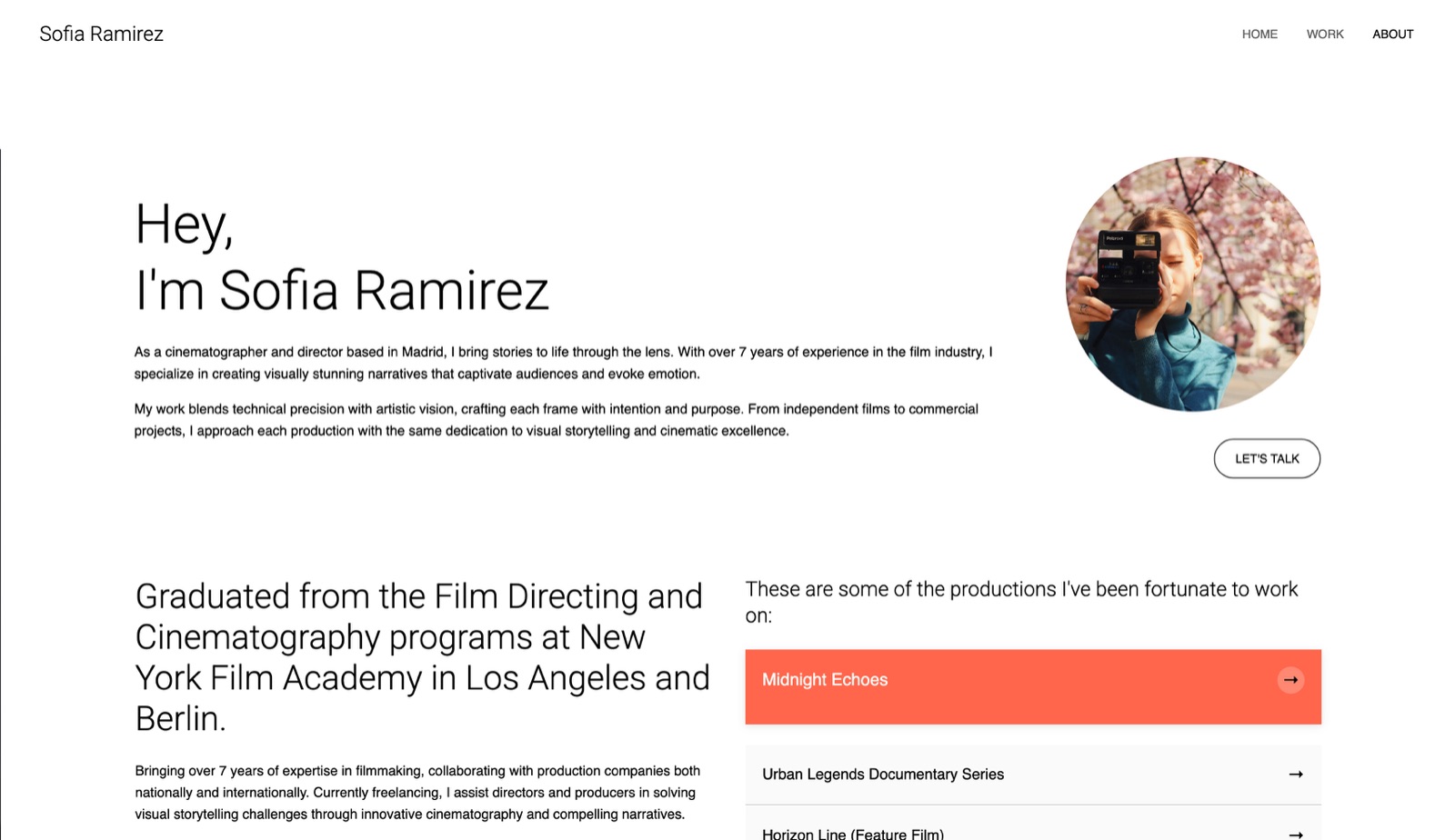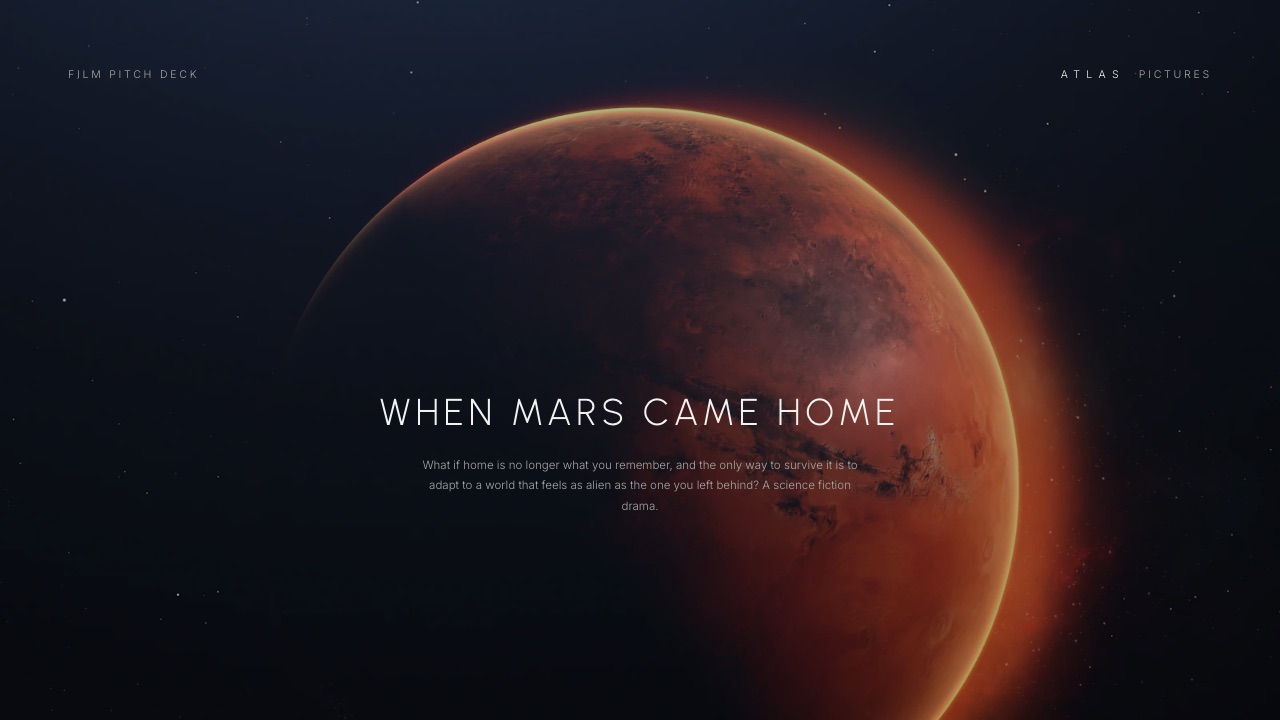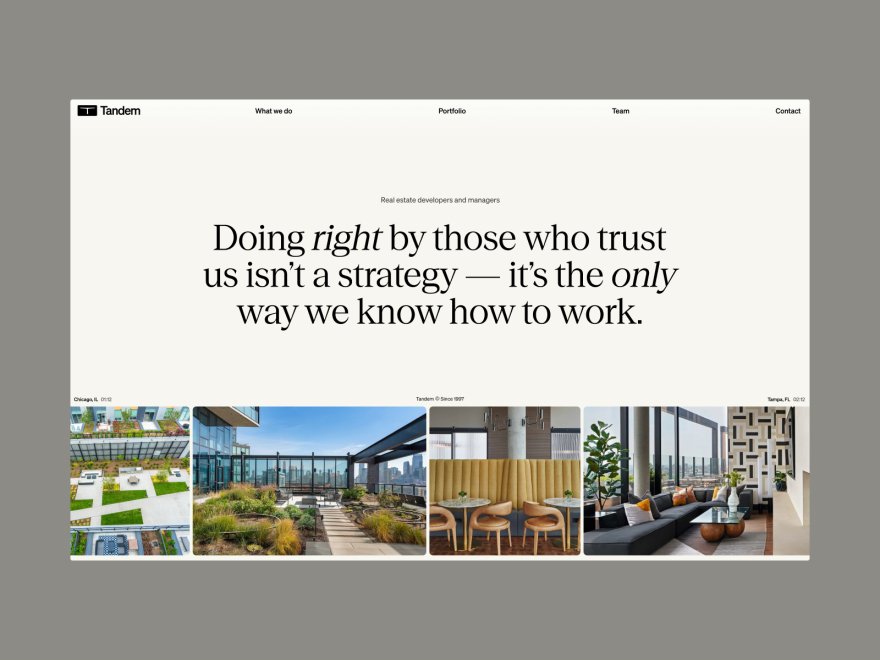
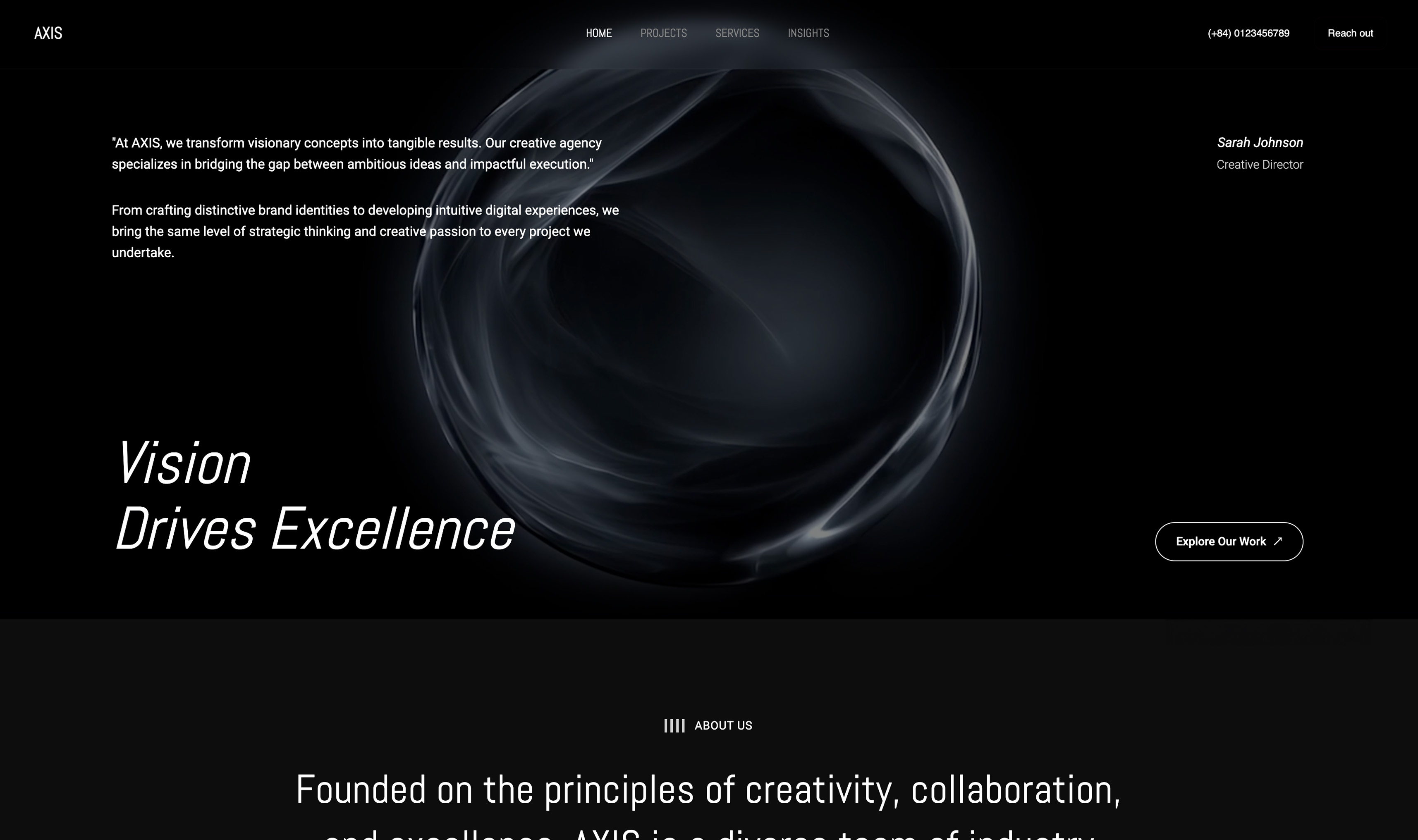
Framekit templates
Start from a designer-made template
 Use template
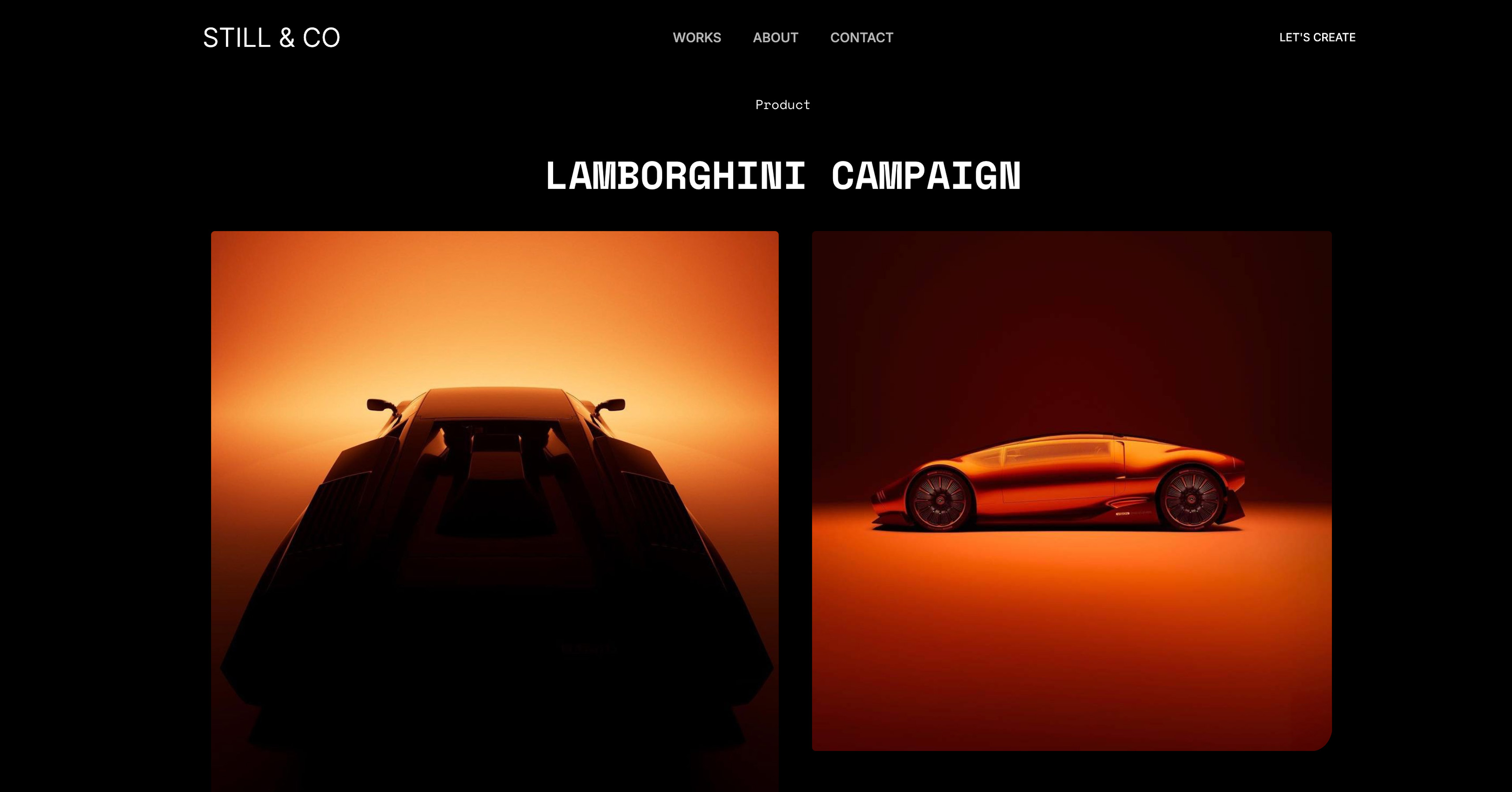 Use template
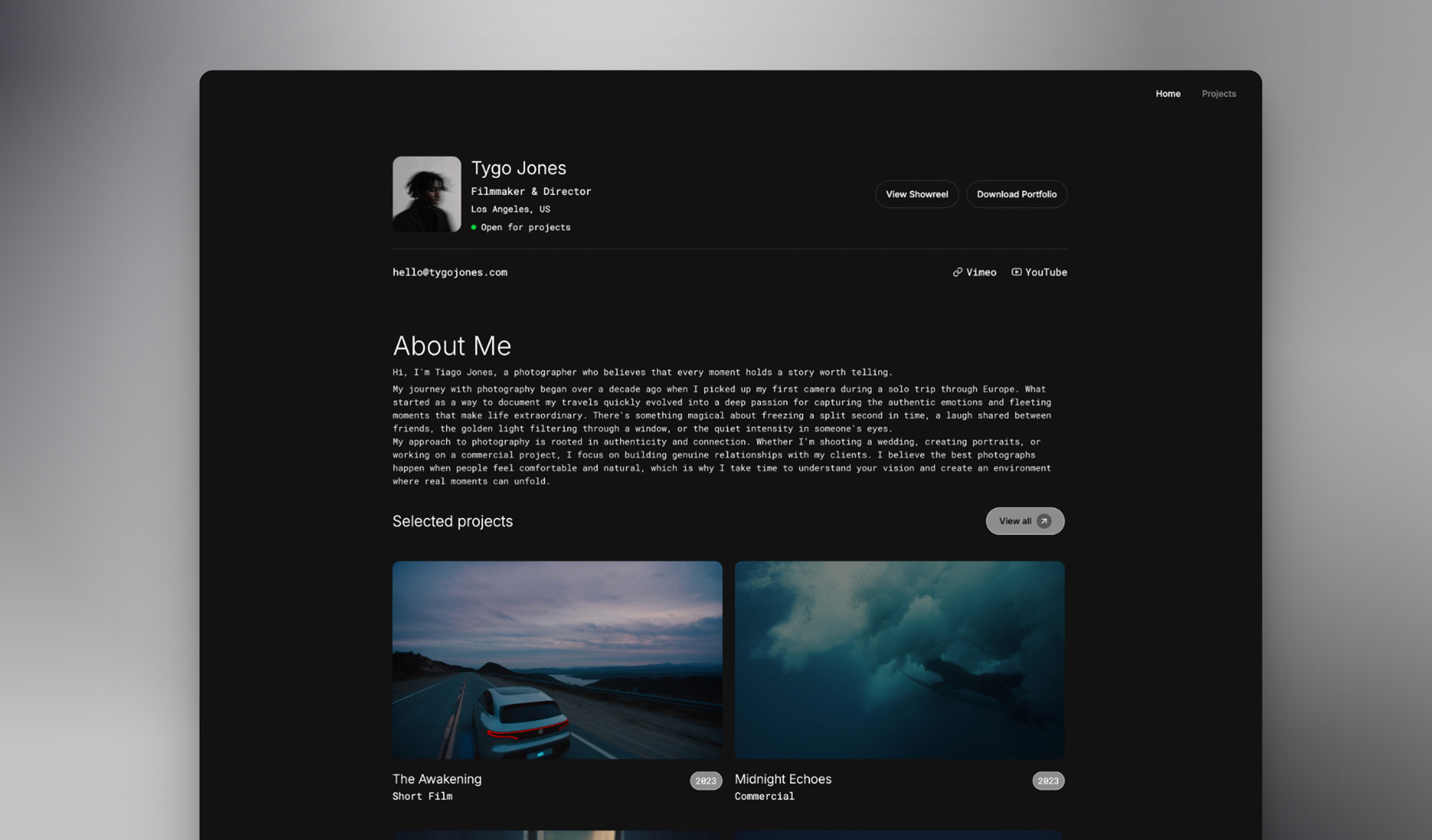 Use template
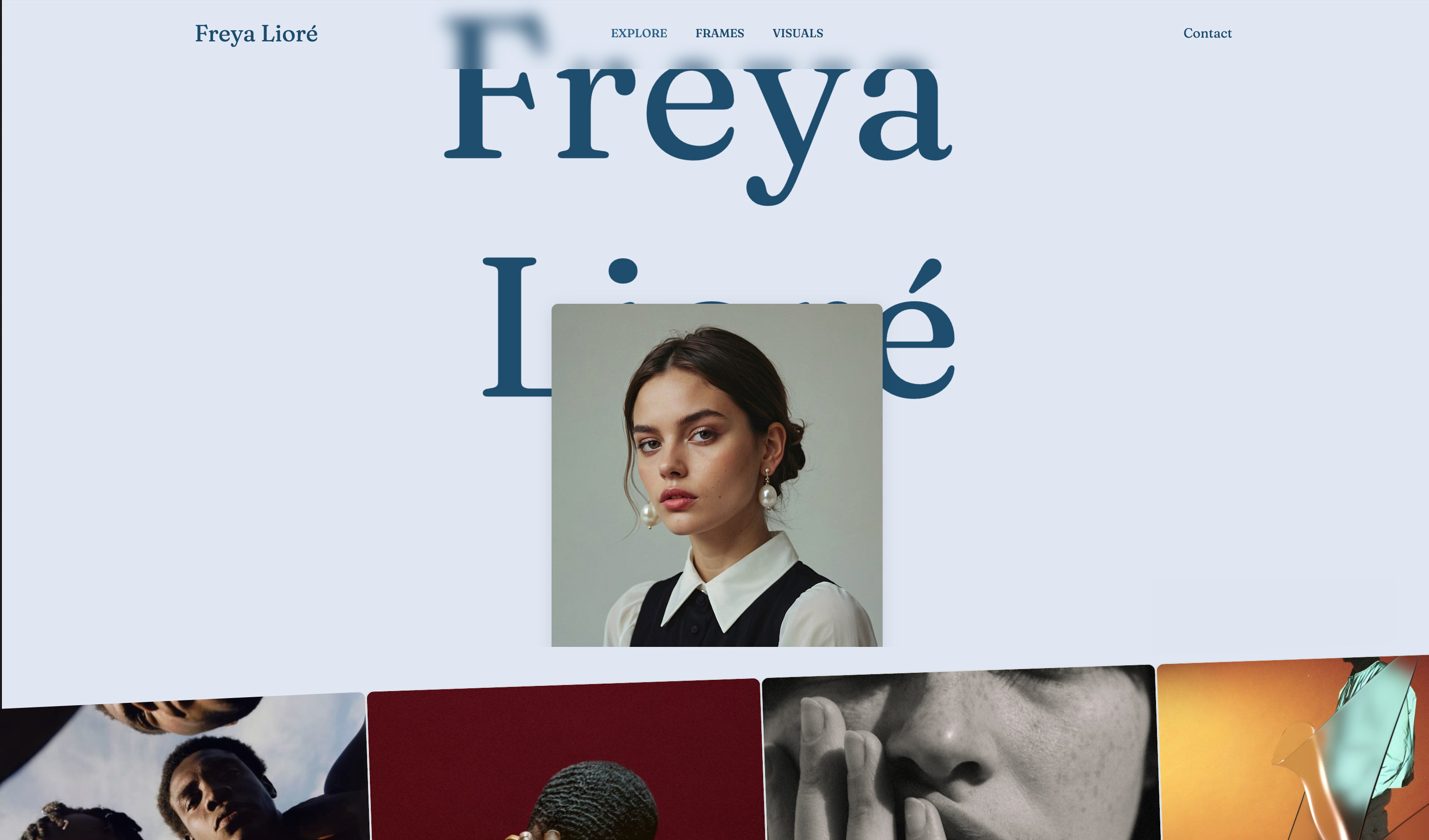 Use template
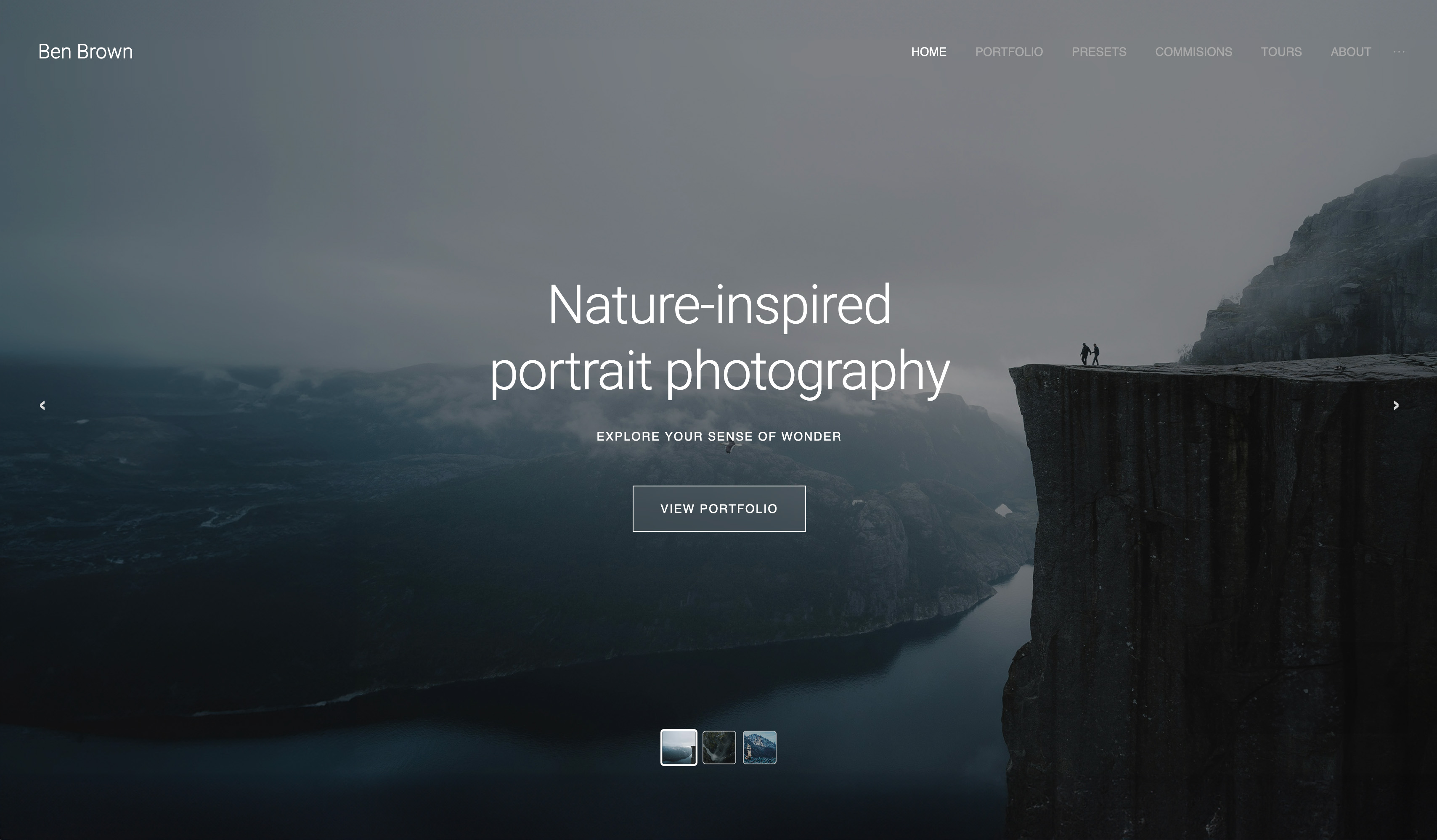 Use template
 Use template
 Use template
 Use template
A font family listed at $100 is not a font family that costs $100.
MyFonts prices desktop licences by the number of people who will install them, and a family reported at $460 for 30 users before a December 2024 change is reported to cost $1,650 for the same 30 users now. Same typeface, same designer, 3.5 times the invoice.
Then you put it on the website, which is a second licence, metered by pageviews and billed annually. Then the newsletter, which at some foundries must be covered by a web licence sized to your subscriber count.
Then a paid social video, which a desktop licence explicitly does not cover.
A font marketplace is a shop that sells typeface licences, either as a one-off purchase for defined uses, as a subscription that ends when you stop paying, or as a free open-source download.
What you are buying is never the file, it is permission for a specific use at a specific scale.
A licence is only the start, because the type then has to perform somewhere. Framekit is where that happens for a lot of buyers, since an uploaded font applies across a whole site and across every slide in a deck, so one pairing holds instead of being re-chosen page by page.
The best font marketplace for most independent designers in 2026 is Fontspring, because its licences are perpetual, its webfont pageview limits mostly start at 500,000 a month, and it requires no tracking scripts, which means one payment covers a real website indefinitely.
Klim Type Foundry is the best direct foundry, stating plainly that all fees are one-off and no licence expires. Google Fonts and Fontshare are free and genuinely good enough for most work.
The honest caveat is that Adobe Fonts gives you thousands of families for the price you already pay, and takes every one of them back when you cancel.
Updated in September 2026: we re-verified Framekit's plans, including which plans allow uploaded fonts, and added its Slides type specimens and store; foundry and marketplace prices are as checked in August 2026.
How We Compared 12 Font Marketplaces
We priced one specific situation rather than a generic purchase: an independent studio licensing one typeface family for a client brand, needing desktop installs for a team, a webfont for the client's site, use in an email newsletter, and eventually a paid social video.
That is a normal brand project and it touches four different licence types at most foundries.
Licence structures and terms were read from vendor pages during this comparison, and where a page returned a 403 or rendered nothing we say so rather than substituting a figure.
Prices that come from third-party reporting rather than our own reading are labelled as reported at the point of use. Judgments about which shop suits which buyer are ours.
Two marketplaces would not serve us readable pages, Fontspring's own site and Creative Market both returning a 403 to automated requests, so their entries draw on their published support documentation and on reporting. Envato Elements served prices in euros rather than dollars.
In one linetwelve marketplaces, one brand project touching four licence types, judged on what the licence actually permits at the scale you will actually operate.
What Licensing the Same Family Twelve Times Showed
The finding that reorganises this category is that the number on the buy button describes exactly one licence, while a normal brand project needs four of them, each metered against a different quantity you have to forecast years ahead.
- A font family reported at $460 for 30 desktop users is reported to cost $1,650 for the same 30 users after a 2024 pricing change.
- Desktop, web, app, email and advertising are separate licences at serious foundries, each metered against a different quantity.
- Web licences are metered by pageviews, and at one major marketplace they are annual and deplete like prepaid credit.
- One marketplace's pageview limits mostly start at 500,000 a month with perpetual terms and no tracking script.
- 2 of the 12 are subscriptions, which means the typeface leaves your brand when the payment stops.
- 4 of the 12 give away professional-quality families for nothing.
For the shop matched to what you are actually licensing, jump to the decision guide.
The Five Licences Hiding Inside One Font Purchase
Klim Type Foundry publishes the clearest licence matrix in this industry, so we are using it to show the structure the whole category shares. Klim states that all fonts can be used worldwide, all fees are one-off, and all licences have no expiry.
| Use | Licence type | What the price is metered against |
|---|---|---|
| Logos, print, marketing, static social images | Desktop | Number of users |
| Internal communication and design software | Desktop | Number of users |
| Web text on a site you own | Web | Page views or unique users |
| Dynamic web advertising | Web | Page views, and ad impressions per media buy |
| Email marketing to a subscriber database | Web | Page views, and active email subscribers |
| Web, mobile or desktop application | App | Monthly active users or total downloads |
| Embedding into a hardware device | OEM | Number of devices |
| Advertising commercials and broadcast | Advertising or Broadcasting | Separate licence entirely |
| Testing internally before purchase | Test | Free |
Read the middle of that table carefully, because it contains the most commonly broken rule in design.
Klim's desktop licence covers film and video for non-broadcast use and states that you are not entitled to use the fonts for any form of video content for paid advertising, whether on social media, online channels, TV, streaming or otherwise.
A separate Advertising licence is required.
That means the studio that bought a desktop licence, made a brand, and then ran a paid Instagram video for the client is out of licence, and almost nobody in that chain knows it.
The email clause is the second trap. A web licence must cover your website and your active email subscriber count, so a client who grows a newsletter from 2,000 to 90,000 has quietly outgrown the licence you bought them.
In one linea font purchase is up to five separate licences metered against users, pageviews, subscribers, impressions and devices, and buying only the first is the industry's default mistake.
What a Family Costs at Real Seat Counts
Here is the arithmetic that surprises studios when a project grows, showing the same family licensed for a team of one, five and thirty people across the four commercial models this category actually uses.
| Model | 1 user | 5 users | 30 users | Term |
|---|---|---|---|---|
| MyFonts desktop, reported | From $15 a font | Scales with users | Reported $1,650 for a family formerly $460 | One-time per tier |
| Fontspring | One purchase | One purchase | Priced by tier | Perpetual |
| Klim | Priced by number of users | Priced by number of users | Priced by number of users | One-off, no expiry |
| Adobe Fonts | Included with Creative Cloud | Per subscription seat | Per subscription seat | Ends when you cancel |
| Envato Elements | From 14.50 euros a month | Per seat | Per seat | Ends when you cancel |
| Google Fonts, Fontshare, Velvetyne | Free | Free | Free | Perpetual, open licence |
The reported MyFonts figure is the one to sit with, because it is the model most designers meet first. A family whose 30-user tier moved from a reported $460 to a reported $1,650 did not become a better typeface.
The pricing tiers changed, and studios that budgeted on the old numbers found out at checkout.
The subscription rows carry a different risk that does not show up as a number at all. If a client's identity is built on a typeface you access through Adobe Fonts or Envato Elements, that identity is rented.
Cancel, or let the foundry leave the library, and the brand book you delivered now specifies a typeface nobody can set.
Klim's line is the direct answer to that risk: all fees are one-off, and all licences have no expiry.
In one linedesktop licences multiply with headcount, subscriptions end, and only a perpetual licence or an open one survives the client relationship that outlives your invoice.
The 12 Best Font Marketplaces in 2026: Full Comparison
Scores are out of 10 across four weighted criteria: whether the licence survives at real scale and over real time (35%), quality and distinctiveness of the catalogue (25%), clarity of the licence terms before purchase (25%), and value for what you pay (15%).
Licence durability leads because a typeface you lose is worse than a typeface you never had, given it is now in a client's logo.
| Marketplace | Type | Entry cost | Licence term | Best for | Score |
|---|---|---|---|---|---|
| Fontspring | Marketplace | Per family | Perpetual | Studios who want to buy once | 8.8 |
| Klim Type Foundry | Direct foundry | Per family, by users | One-off, no expiry | Serious identity work | 8.6 |
| Google Fonts | Open library | Free | Open, perpetual | Almost everything, honestly | 8.5 |
| Fontshare | Open library | Free | Free | Distinctive free type | 8.3 |
| Adobe Fonts | Subscription library | With Creative Cloud | Ends on cancellation | Exploration and volume | 8.0 |
| Future Fonts | Direct, in progress | Low early prices | Perpetual with updates | Buying a typeface early | 7.8 |
| Pangram Pangram | Direct foundry | Per family | Perpetual | Contemporary display and text | 7.6 |
| MyFonts | Marketplace | From $15 a font | Desktop one-time, web annual | Catalogue breadth | 7.2 |
| Velvetyne | Libre foundry | Free | Libre, perpetual | Experimental and political type | 7.0 |
| Creative Market | Marketplace | Not readable | Not readable | Bundles and display faces | 6.6 |
| Envato Elements | Subscription bundle | From 14.50 euros a month | Ends on cancellation | Volume for content work | 6.4 |
| Lost Type | Direct collective | Not readable | Not readable | Character over completeness | 6.0 |
Three entries could not be priced at source and say so in their reviews. Ranking them on structure and reputation is a compromise, and leaving out well-known shops because their sites block automated requests would serve a reader worse.
1. Fontspring: Buy Once, and the Pageview Ceiling Is High Enough to Ignore
PricePer family, varying by foundry. Fontspring's own site returned a 403 to our requests, so terms here come from its published support documentation. All licences are perpetual. Nearly all web fonts are available with unlimited licences.
Pageview limits mostly start at half a million a month, with higher and unlimited tiers available, and no tracking script is required.
Best forStudios who want to buy a typeface once and never think about it again.
Rating8.8 out of 10
Fontspring is first because it removed the two mechanisms that make font licensing miserable, and it did so before the rest of the category admitted they were problems.
The first is expiry. All Fontspring licences are perpetual, so a font bought for a client in 2019 is still licensed in 2026 without anyone renewing anything.
Against MyFonts' annual webfont licences that is not a small difference, it is the difference between a purchase and a subscription wearing a purchase's clothes.
The second is metering. Pageview limits mostly start at half a million a month, which the documentation notes is high enough not to apply to most websites, and there is no tracking script to install.
A studio delivering a client site does not have to explain to that client that their font stops working if the site succeeds.
The detail that matters most in practice is the absence of the script. Every pageview-metered webfont service that requires instrumentation is a dependency inside your client's site that you will be blamed for when it breaks. Fontspring simply sells you the file.
The gotcha is scope.
The webfont EULA does not cover desktop applications, games, installable interactive books, mobile applications, ebooks and epubs, product creation websites or website template distribution, and licences for those may be available for an additional fee.
If you are building a product rather than a website, price that separately before you commit.
The other limit is catalogue. Fontspring aggregates independent foundries, which is a strength for quality and a weakness for breadth against MyFonts.
Skip it ifyou need a specific family that only lives in Monotype's catalogue, which happens more often than independent designers would like.
Verdict: the best licensing terms in the marketplace category and the default recommendation for anyone delivering client work. Perpetual, half a million pageviews before anyone needs a conversation, and no script inside your client's site.
2. Klim Type Foundry: The Clearest Licence Terms in the Industry
PricePer family. Read at source: desktop licences are priced by number of users, web licences by page views or unique users, app licences by monthly active users or total downloads, and OEM by number of devices.
Klim states that all fonts can be used worldwide, all fees are one-off, and all licences have no expiry. Test fonts are free for internal use.
Best forIdentity work where the licence has to be correct because the client is large enough to be audited.
Rating8.6 out of 10
Klim publishes the licence matrix the rest of this industry should be embarrassed not to. Every use case is listed, matched to a licence type, and explicitly stated against the quantity it is metered by, before you have entered a payment method.
That transparency is a product feature. Most licence disputes in design happen because nobody understood what they bought, and Klim removes that failure mode by answering the question on a public page.
The specific clauses worth knowing are the ones designers most often break.
The desktop licence covers film and video for non-broadcast use, and states you are not entitled to use the fonts for any form of paid advertising video on social media, online channels, TV networks or streaming services, which requires a separate Advertising licence.
The web licence must cover both your website and your active email subscriber database for newsletter use, and both your website and your ad impressions as per media buy for dynamic web advertising.
Read together, those clauses describe most modern brand work, and most studios buy only the desktop licence.
The typefaces themselves are among the best being drawn anywhere, and the free test fonts let you set real copy before you commit, which is worth more than any specimen.
The gotcha is that this is one foundry, not a marketplace. If Klim's catalogue does not contain what the project needs, nothing here helps.
Skip it ifyou need breadth of choice, because a single foundry is a curated selection by definition.
Verdict: the best-run type business in this comparison, with one-off fees, no expiry and terms you can actually read. Licence here for identity work that has to survive scrutiny, and use the free test fonts to make the decision properly.
3. Google Fonts: Free, Open, and Good Enough for Most of This
PriceFree, under open source licences.
Best forAlmost every project where the typeface is not itself the differentiator.
Rating8.5 out of 10
Ranking a free library third in a marketplace comparison requires a defence and it is a short one: for the majority of the work most designers do, Google Fonts is sufficient, and the alternative is spending a client's money to solve a problem they do not have.
The catalogue has changed character over the last few years in a way that people who dismissed it in 2018 have not noticed.
Variable font support is broad, the quality of recent additions is high, and several families now regarded as defaults in serious design work are hosted here for nothing.
The licence is the real product.
Most of the catalogue is published under the SIL Open Font License, which means no seat counts, no pageview meters, no email subscriber clauses and no expiry, which resolves every problem the first half of this article described.
A brand built on an open font cannot be un-built by a licensing change.
The gotcha is ubiquity, and it is genuine. A typeface that is free and available to everyone will appear on your competitors' sites, and for a brand whose whole proposition is distinctiveness, that is a real cost.
Type is one of the few remaining places where a brand can feel specific.
The other limitation is that the very best families in the world are not here, because the people who draw them run businesses.
Skip it ifthe brand's distinctiveness depends on its typography, which is true for a minority of projects and false for most.
Verdict: the correct default, and the thing every paid option has to beat rather than the thing you settle for. Reach for a licensed foundry when the type is doing identity work, not when you want the project to feel expensive.
4. Fontshare: Free Type That Does Not Look Free
PriceFree. The site describes itself in three words: quality fonts, free.
Best forDesigners who want distinctive type without a licence conversation.
Rating8.3 out of 10
Fontshare occupies the gap between Google Fonts and a paid foundry, and it is a narrower gap than it used to be. The families here have the contemporary character that clients respond to and that open libraries have historically lacked, and they cost nothing.
For a freelancer pitching work, that combination is strategically useful.
You can present a distinctive type direction without asking the client to approve a licence fee before they have approved the design, which removes a common point at which good typographic decisions get downgraded.
The limitation to be honest about is the same as Google's, in a milder form. Fontshare families are popular precisely because they are good and free, so the more successful a family becomes here the less distinctive it makes your client.
The other consideration is depth. A paid foundry family often ships with more weights, wider language coverage and more careful optical sizing than a free equivalent, and on a project that will run for a decade those things matter.
Skip it ifyou need extensive language coverage or a very large weight range, where paid foundries still lead clearly.
Verdict: the best free type in this comparison after Google Fonts and arguably ahead of it on character. Use it when the budget is real but small, which describes most independent client work.
5. Adobe Fonts: Thousands of Families You Do Not Own
PriceIncluded with a Creative Cloud subscription. Adobe's font plans page redirects to Creative Cloud plans, and we are not quoting a subscription figure we did not read at source.
Best forExploration, volume, and any studio already paying for Creative Cloud.
Rating8.0 out of 10
If you already pay for Creative Cloud, Adobe Fonts is the largest quantity of professional type available to you at no additional cost, and using it for exploration is simply sensible.
Setting real copy in forty candidate families before choosing one is a better process than choosing from specimens, and this is the cheapest way to do it.
The problem is what happens at the end of the subscription, and it is a problem that only appears years later.
A typeface accessed through Adobe Fonts is licensed for as long as you subscribe.
Cancel, or move to a different toolchain, or have the foundry withdraw the family from the library, and the client's brand now specifies a typeface that nobody in the chain can legally set.
The brand book is still correct and the brand is no longer executable.
That risk is asymmetric and it lands on the client rather than on you, which is precisely why it deserves to be stated in a brand handover rather than discovered later.
The mitigation is straightforward and rarely done: use Adobe Fonts to explore, and licence the chosen family perpetually from the foundry or from Fontspring before it goes into a brand book.
Skip it ifthe typeface is going into a client's permanent identity, because rented type and permanent identity are a bad combination.
Verdict: unbeatable for exploration and for internal work, and the wrong basis for a client's brand. Explore here, licence elsewhere, and say so in the handover document.
6. Future Fonts: Buy a Typeface Before It Is Finished
PriceLow early prices that rise as a family develops, with updates included for earlier buyers. Future Fonts' site rendered no readable content to our requests, so this description draws on its published model rather than on prices we read.
Best forDesigners who want distinctive type early and cheaply, and who can live with a work in progress.
Rating7.8 out of 10
Future Fonts sells typefaces in progress. A designer releases version 0.1 with three weights, prices it accordingly, and buyers get subsequent versions as the family grows.
It is the most interesting commercial model in type and it produces genuinely unusual work, because designers can release experiments without committing to a finished family first.
For a studio, the appeal is twofold: the price at early versions is low relative to a finished family, and the typeface is unlikely to be on a competitor's site because it barely exists yet.
The gotcha is the obvious one. An unfinished family may lack the weight you need in eighteen months, and if the designer abandons it you are holding a partial typeface inside a client's brand.
That is a real risk to weigh against distinctiveness, and it argues for using Future Fonts on display faces rather than on the text face a whole system depends on.
Skip it ifthe family has to carry a full brand system across many weights and languages, because completeness is exactly what you are trading away.
Verdict: the most interesting shop in type and the right place to find something nobody else has. Use it for display, not for the workhorse, and check how actively the family is being developed before you commit a client to it.
7. Pangram Pangram: Contemporary Type With a Free Trial Path
PricePer family, direct from the foundry, with a documented free-to-try route and a font starter pack. The licensing page we requested returned a 404, so specific tier prices are not quoted here.
Best forContemporary display and text families that feel current without feeling generic.
Rating7.6 out of 10
Pangram Pangram has become one of the most visible independent foundries of the last few years, and the reason is that its catalogue reads as designed for the work people are actually making now: editorial sites, brand systems, product interfaces.
The free-to-try path is the practically useful part. Setting your client's real headlines in a candidate family before purchase is how typographic decisions should be made, and foundries that make this easy get chosen more often than foundries that make you buy first.
The catalogue is broad for a single foundry, spanning text, display, mono and several scripts, which reduces how often you have to leave for another supplier mid-project.
The gotcha is popularity. Several Pangram Pangram families have become so widely used that they now read as a period style, which is exactly the outcome a client paying for a distinctive identity is trying to avoid.
Skip it ifyou need the type to feel unlike everything else launched this year, in which case Future Fonts or a smaller foundry serves better.
Verdict: a strong independent foundry with a sensible trial path and a catalogue wide enough to build a system from. Watch the ubiquity of its best-known families before putting one in a logo.
8. MyFonts: The Biggest Catalogue and the Least Friendly Structure
PriceIndividual fonts are reported to start from $15 as a one-time purchase.
Desktop licences are priced by number of users or computers, and a family reported at $460 for 30 users before a December 2024 change is reported to cost $1,650 for the same 30 users afterwards.
Webfont licences are reported to be annual, limited to a single domain, and sold as a prepaid pageview allowance that depletes as pages load and must be topped up.
Best forFinding a specific family that exists nowhere else.
Rating7.2 out of 10
MyFonts has the breadth.
If a typeface has been commercially released in the last four decades there is a good chance it is here, and for a designer matching an existing brand or reviving something specific, that catalogue is the reason to come.
Designers selling their own work will find the other side of this market in our guide to selling fonts online.
Everything about how it is sold works against you.
Desktop pricing scaling by user count is standard practice, and the reported magnitude of the 2024 increase is not. A studio that budgeted a 30-seat licence at a reported $460 and found a reported $1,650 has an awkward conversation with a client who signed off the smaller number.
The webfont structure is the part that should change your behaviour. Annual rather than perpetual, single domain, and a prepaid pageview allowance that counts down every time a page loads and has to be repurchased when exhausted.
That is a metered dependency inside a client's website with a renewal date attached, and it is the opposite of what a handover should contain.
Set that against Fontspring's perpetual licences with limits mostly starting at half a million pageviews a month and no script, and the comparison is not close on terms even where it is close on catalogue.
Skip it ifthe same family is available from Fontspring or direct from the foundry, which is often the case and always worth checking first.
Verdict: buy here when only MyFonts has what you need, read the licence tiers before you quote a client, and be specific in the handover about the webfont renewal you are leaving behind.
9. Velvetyne: Libre Type With a Point of View
PriceFree. Velvetyne publishes libre typefaces and takes donations.
Best forCultural, experimental and editorial work where personality outweighs neutrality.
Rating7.0 out of 10
Velvetyne is a French libre type foundry with a catalogue that reads nothing like the rest of this list. The families here are strange, specific and often political, and they are released under libre licences that permit use and modification.
For posters, cultural programming, small press and any project where the type is allowed to have an opinion, this is a resource that free libraries built for utility cannot match.
The modification right is the underrated part. Libre licences generally permit altering the typeface, which means a designer can adapt a family for a specific identity, something no commercial licence in this comparison allows without a separate agreement.
The limits are exactly what you would expect. Weight ranges are often narrow, language coverage varies widely by family, and a client expecting corporate neutrality will not find it here.
Skip it ifyou need a neutral workhorse family with wide language support, which is not what this foundry is for.
Verdict: free, libre, modifiable and full of character. Keep it in mind for cultural and editorial work, and do not expect it to furnish a bank's identity system.
10. Creative Market: Bundles, Display Faces and Unreadable Terms
PriceNot readable. Creative Market returned a 403 to our requests, so we are quoting neither prices nor licence terms.
Best forDisplay and script faces for content work, at bundle prices.
Rating6.6 out of 10
Creative Market is a general creative marketplace with a large font section, and it occupies a specific niche: inexpensive display, script and decorative faces, frequently sold in bundles, aimed at people making content rather than building identities.
For a wedding invitation, a social template pack or a product label, that is a reasonable place to shop, and the prices reflect a different economics from a foundry that spent two years drawing a text family.
The reason it ranks here rather than higher is that licence clarity is the criterion we weighted most heavily and we could not read the terms at all.
In a category where the licence is the product, a marketplace that will not show its terms to an automated request is a marketplace whose terms you should read very carefully yourself.
Skip it ifthe typeface is going into a brand identity, because the quality distribution here is wide and the licence structures vary by seller.
Verdict: fine for display and content work at low prices, and not where a brand's text face should come from. Read the specific seller's licence before every purchase, because there is no house standard to rely on.
11. Envato Elements: Volume Type, Rented
PriceRead at source, in euros. Core from 14.50 euros a month, Plus from 33 euros and Ultimate from 94 euros, with the page noting prices exclude local tax.
The site states all stock items carry the same licence terms for commercial use including client work and monetisation, with the detailed font terms held in separate licence documentation.
Best forHigh-volume content production where many typefaces are used briefly.
Rating6.4 out of 10
Envato Elements is a subscription bundle covering fonts alongside templates, stock and audio, and for a studio producing large volumes of content it is efficient. One payment, thousands of assets, a licence that covers client work.
The structural problem is the same as Adobe's and it is worse here, because Envato's catalogue turns over. A typeface used in a client's identity is licensed while you subscribe, and if you stop subscribing or the item leaves the library, that identity is stranded.
For content that lives for a week, this does not matter. For a brand that is meant to last a decade, it is disqualifying, and the distinction is worth being clear about with yourself before a font from a bundle ends up in a logo.
The other honest note is that the font catalogue is oriented toward display and decorative faces rather than the text families a brand system needs, which reflects who the subscription is for.
Skip it ifthe output is a brand identity rather than content, because rented type does not belong in a permanent mark.
Verdict: good value for high-volume content work and the wrong tool for identity. If it goes in a logo, licence that family perpetually somewhere else first.
12. Lost Type: Character Over Completeness
PriceNot readable. Lost Type's site served no readable content to our requests, and it has historically operated a pay-what-you-want model for personal use with paid commercial licences.
Best forDesigners looking for type with warmth and a hand in it.
Rating6.0 out of 10
Lost Type is a small collective whose catalogue has a consistent character: type that feels drawn rather than engineered, with a warmth that suits editorial, food, hospitality and craft brands.
It ranks last here on completeness rather than quality. Families tend to be small, coverage is limited, and the collective's output is intermittent, which makes it a place to find a specific voice rather than a supplier to build a system on.
We could not read prices or licence terms, so this entry is ranked on catalogue character and known model rather than on anything we verified, and it is ranked accordingly.
Skip it ifyou need current, actively maintained families with broad weight ranges.
Verdict: worth browsing when a project needs personality and a small family will carry it. Verify the current licence terms yourself, because we could not.
Perpetual Against Subscription, Five Years After Handover
The single decision that matters most in this category is not which shop, it is which term, and the consequences arrive years after the purchase.
| Term | Marketplaces | What happens in year five |
|---|---|---|
| Perpetual purchase | Fontspring, Klim, Pangram Pangram, Future Fonts | Still licensed, nothing to renew |
| Open licence | Google Fonts, Fontshare, Velvetyne | Still licensed, and modifiable in Velvetyne's case |
| Annual webfont | MyFonts webfont licences | Renews, and the pageview allowance depletes |
| Subscription | Adobe Fonts, Envato Elements | Gone if you stopped paying, or if the family left the library |
The asymmetry to understand is who carries the risk. You bought the licence, and the client owns the brand, so an expiry lands on someone who was not in the room when the decision was made.
That makes it a handover issue rather than a purchasing issue. If a client's identity uses a typeface from a subscription library, the brand documentation should say so, name the term, and state what happens if the subscription ends.
Most brand books do not, and the omission is the studio's rather than the foundry's.
The clean version of this is simple. Explore in Adobe Fonts, licence perpetually before the family enters a brand book, and record the licence type and scope alongside the colour values in the guidelines.
That single line in a brand document prevents the most expensive typographic problem there is.
In one lineexplore on a subscription, licence perpetually before the typeface enters an identity, and write the licence terms into the brand book next to the hex codes.
Where the Type Actually Has to Perform
This is our own category, so read the argument as an interested party's and the limits at the end of it as the honest part, because a typeface chosen from a specimen and a typeface running on a live site or a client deck are different experiences, and the gap catches out experienced designers.
Weight looks different at 16 pixels than at 60, line length changes how a face reads more than the face does, and a display family that carried the pitch is unreadable as body copy, as an untested colour palette is.
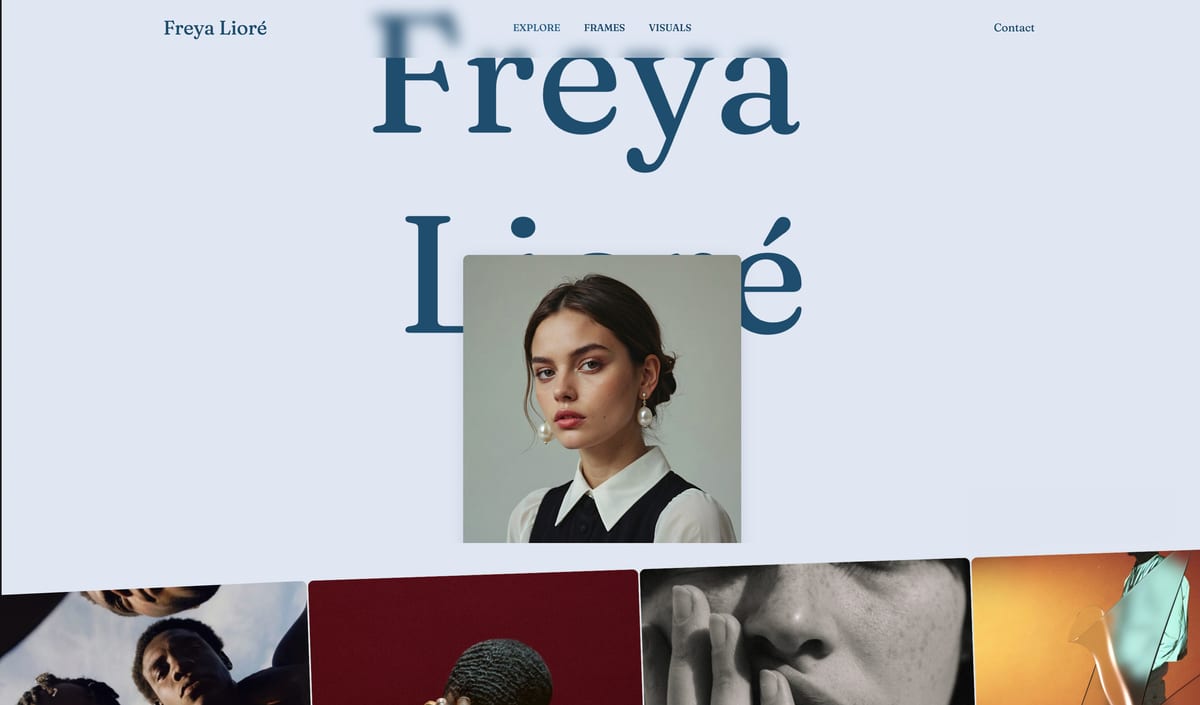
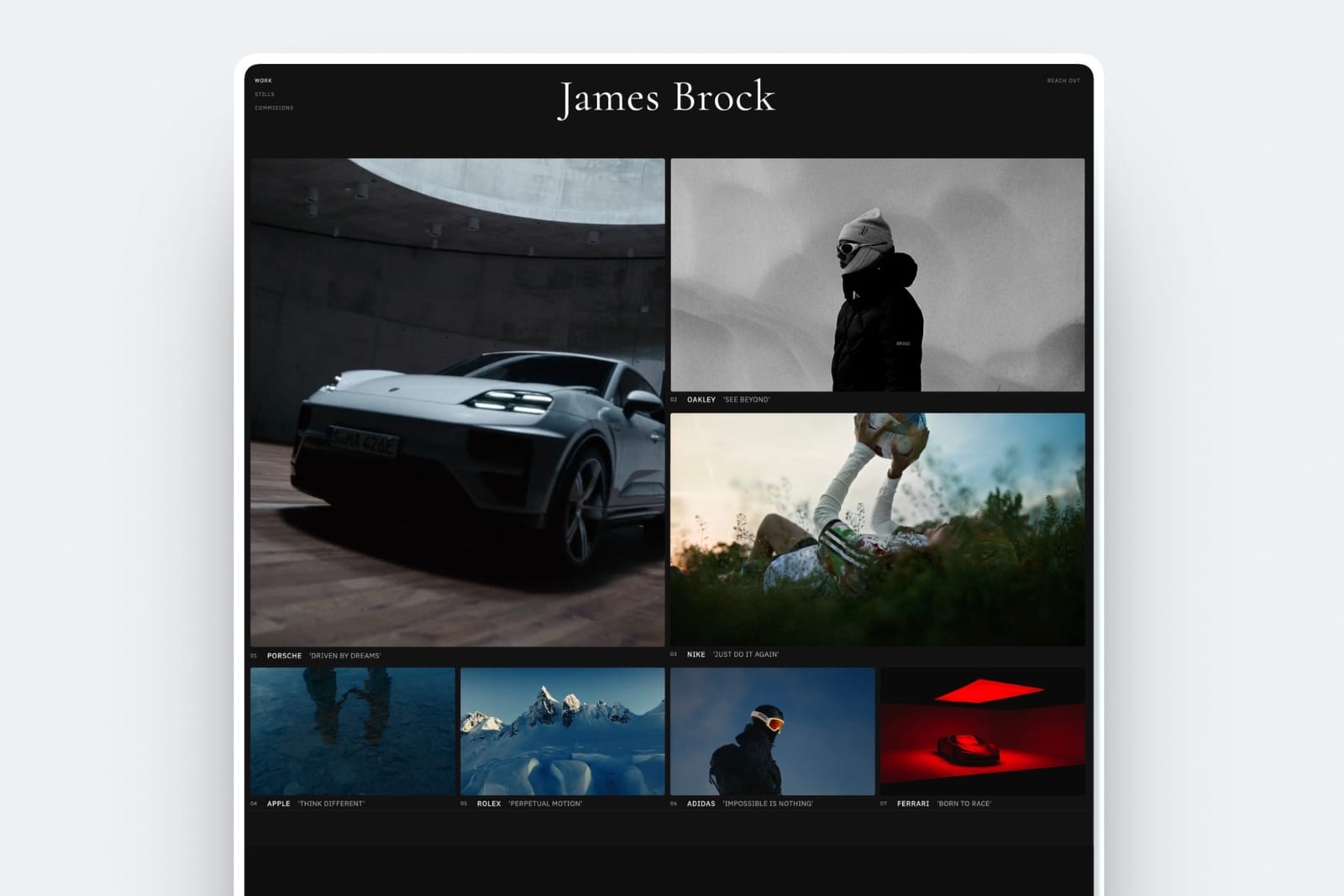
Framekit is an AI website builder, and it touches type in three places. On the site, the type scale is a system property, so it holds across every page a client later adds.
In Slides, type specimen elements present a pairing to a client, and uploaded fonts apply across every slide.
And for type designers, the store sells font files as digital downloads from your own site, at a 5% fee on free that falls to 0% on the $39 Business plan.
Uploading your own font files to sites, decks, galleries and review pages starts on the $9 Starter plan.
Where this argument loses, plainly. Framekit does not licence fonts, so the desktop, web and app licences still come from a foundry.
Its store issues no licence keys and handles no VAT, so a foundry selling to businesses at scale is better served by a marketplace or a dedicated licensing platform.
The Decision Guide
Work down this list until a branch matches what you are actually licensing, because the right shop in this category depends far more on the use and the term than on the catalogue.
You are delivering a client brand and want to buy once. Fontspring. Perpetual licences, pageview limits mostly starting at half a million a month, no tracking script.
The client is large enough that the licence has to be exactly right. Klim, where every use case is matched to a licence type on a public page, and all fees are one-off with no expiry.
The budget is small and the type is not the differentiator. Google Fonts. It is the correct default and the thing everything else has to beat.
You want free type with more character. Fontshare, and check the weight range and language coverage against the project before committing.
You are exploring and have not chosen yet. Adobe Fonts, and licence the winner perpetually elsewhere before it reaches the brand book.
You want something nobody else has. Future Fonts, on a display face rather than the workhorse, after checking how actively the family is being developed.
You need a specific family that only one catalogue carries. MyFonts, having read the desktop user tiers before quoting the client and the annual webfont terms before handing over.
The work is cultural or editorial and the type should have a voice. Velvetyne, where libre licences also permit modification.
You produce high volumes of short-lived content. Envato Elements, and never for a logo.
You are making a wedding suite or a product label. Creative Market, reading the individual seller's licence each time.
The client's newsletter or paid video ads are in scope. Go back to the foundry and buy the web and advertising licences, because your desktop licence does not cover either.
Frequently Asked Questions
How much does a font family actually cost?
It depends on how many people install it and how many people see it.
Individual fonts are reported to start from $15 on MyFonts, and desktop licences scale with user count, with one family reported to move from $460 to $1,650 for 30 users after a 2024 pricing change.
Web licences are metered separately by pageviews, and advertising and app use are separate licences again.
What is the difference between a desktop and a webfont licence?
A desktop licence covers installing the font to make things: logos, print, static images, documents. A webfont licence covers serving the font to visitors' browsers, and is metered by pageviews or unique users.
Buying one does not give you the other, and this is the single most common licensing mistake in design.
Can I use a desktop font licence for a paid social video?
Generally no.
Klim states explicitly that its desktop licence does not entitle you to use the fonts in any form of video content for paid advertising on social media, online channels, TV networks or streaming services, and that a separate Advertising licence is required.
Other foundries structure this similarly. Check before the campaign, not after.
Do I need a font licence for a client's email newsletter?
Usually yes, and it is usually a web licence sized to the subscriber count. Klim states that a web licence must cover both the website and the number of active email subscribers in the database.
A client whose list grows from 2,000 to 90,000 has outgrown the licence bought for them.
Are Google Fonts really free for commercial use?
Yes. Google Fonts are released under open source licences that permit commercial use with no seat counts, pageview limits or expiry. The trade is ubiquity rather than cost, since a free typeface available to everyone will appear on other people's work too.
What happens to my client's brand if I cancel Adobe Fonts?
The licence ends with the subscription. A typeface accessed through Adobe Fonts or a similar library is licensed only while you pay, so a brand built on one becomes unexecutable if you cancel or the foundry withdraws the family.
Licence the chosen family perpetually before it enters a brand book.
Should the font licence be documented in the brand guidelines?
Yes, and almost nobody does it.
Record the foundry, the licence type, the scope purchased, the seat or pageview tier and the term, alongside the colour values, in whichever of the brand guidelines tools you deliver in.
It costs one paragraph and prevents the most expensive typographic problem a brand can have.
Is it cheaper to buy from a foundry directly or from a marketplace?
Often the price is similar and the terms are not. Direct foundries like Klim publish exactly what each licence covers and sell one-off licences with no expiry, while marketplace webfont licences may be annual and metered.
Compare the term and the meter before you compare the price.
Can I sell my own fonts from my website?
Yes. Any store that delivers digital downloads can sell font files, and selling direct avoids a marketplace's commission.
Framekit's store does this from your own site or a buy link at a 5% fee on free, falling to 0% on Business, but it issues no licence keys and does not handle VAT, which marketplaces such as MyFonts do for you.
The Verdict
Fontspring is the best font marketplace in 2026 for anyone delivering client work, because its licences are perpetual, its pageview limits mostly start at half a million a month, and it does not put a tracking script inside your client's website.
That combination means one payment, one time, and no renewal to explain at handover.
Klim Type Foundry is the best direct foundry and publishes the terms this industry should be embarrassed not to match, with all fees one-off and no licence expiry.
Google Fonts and Fontshare are free, and they are the honest answer for the large majority of projects where the typeface is not itself the differentiator. Spending a client's money on type they did not need is not a mark of seriousness.
The finding that ran through every table here is that a font purchase is not one purchase.
It is up to five licences metered against users, pageviews, email subscribers, ad impressions and devices, and the industry's default mistake is buying the first and assuming it covers the rest.
So the last recommendation is a documentation one rather than a shopping one.
Whatever you licence, write the foundry, the licence type, the tier and the term into the brand book beside the colour values, because the typeface is the one part of an identity that can expire, and the person it expires on is usually the client.