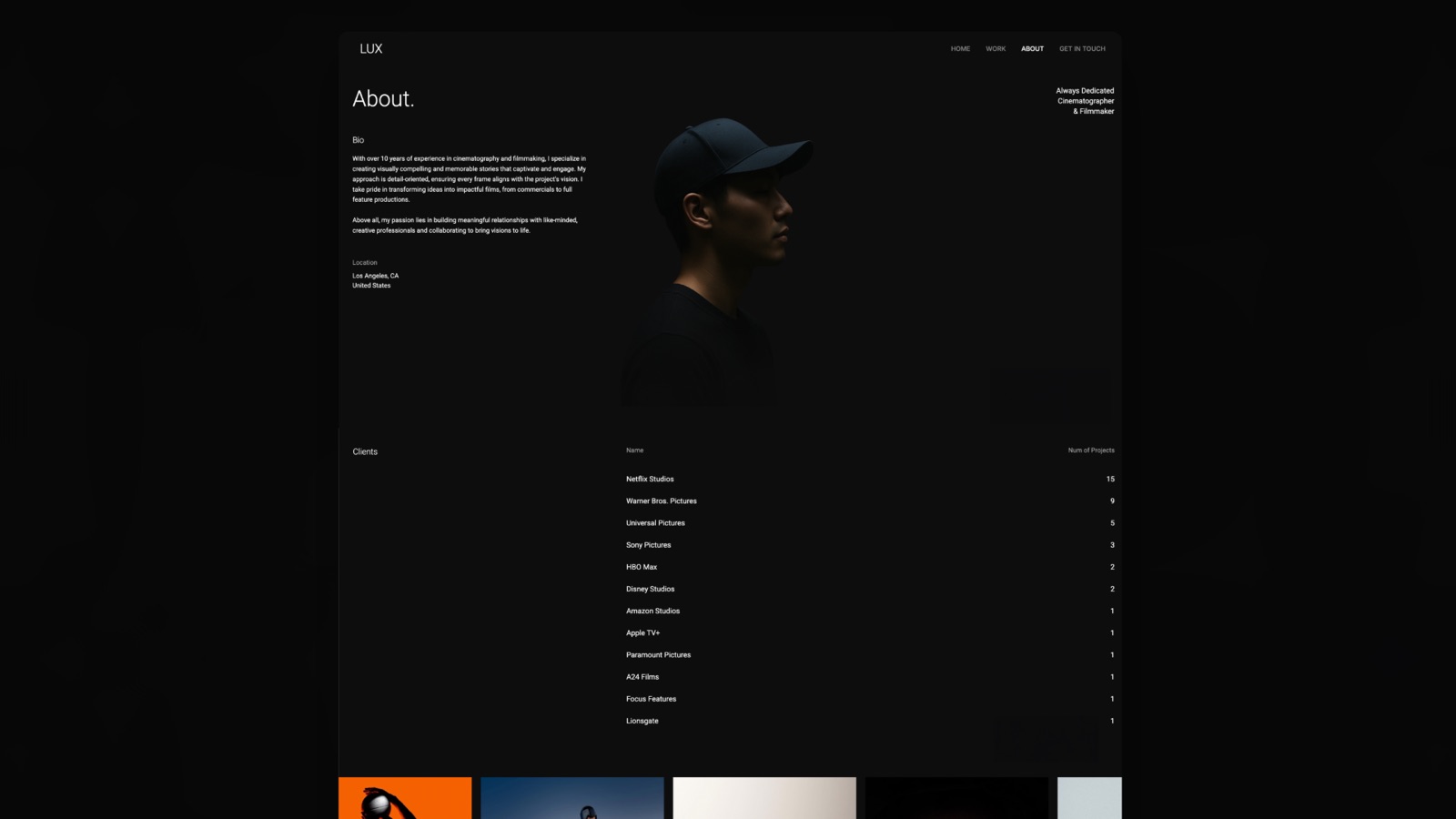
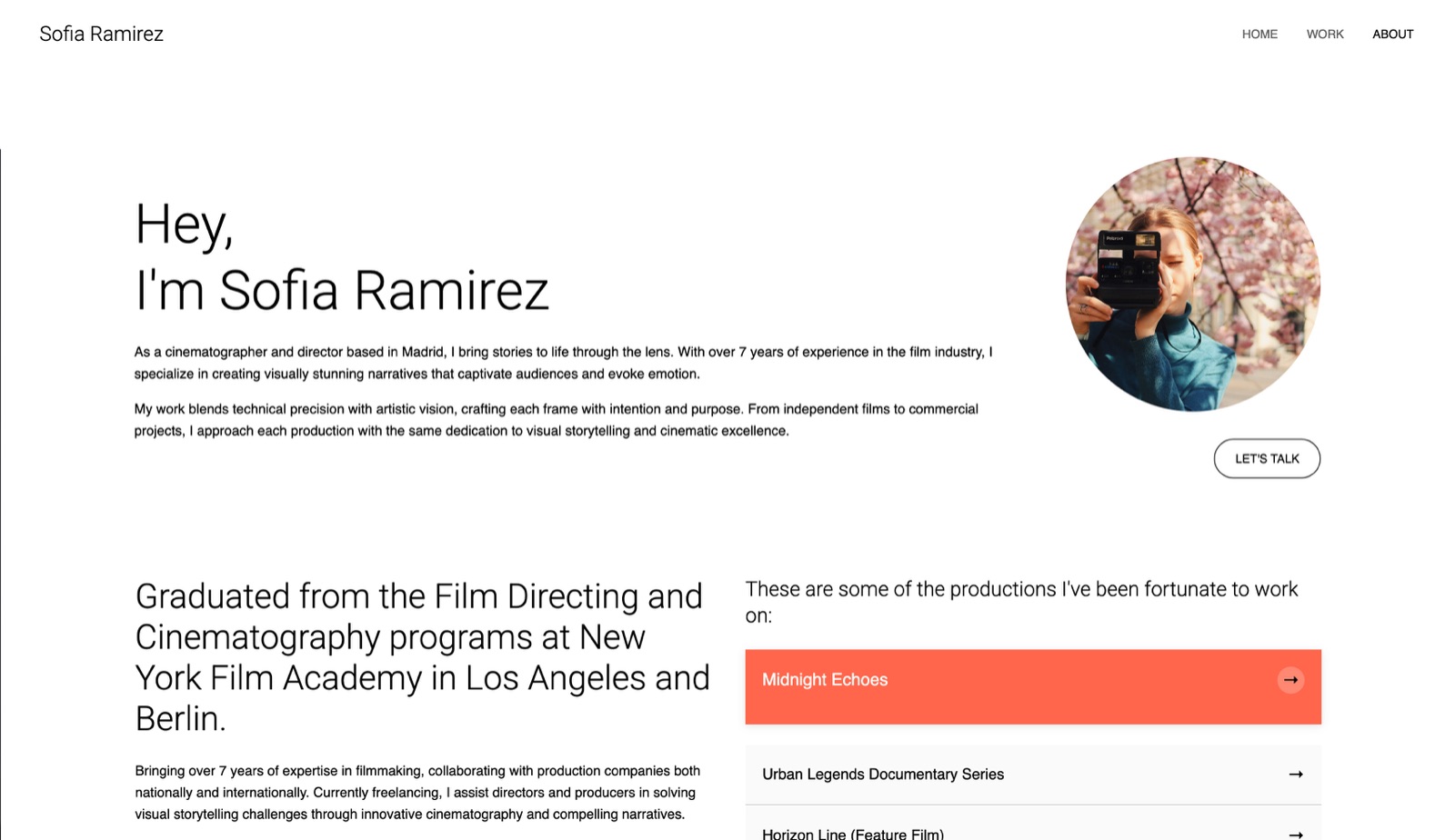
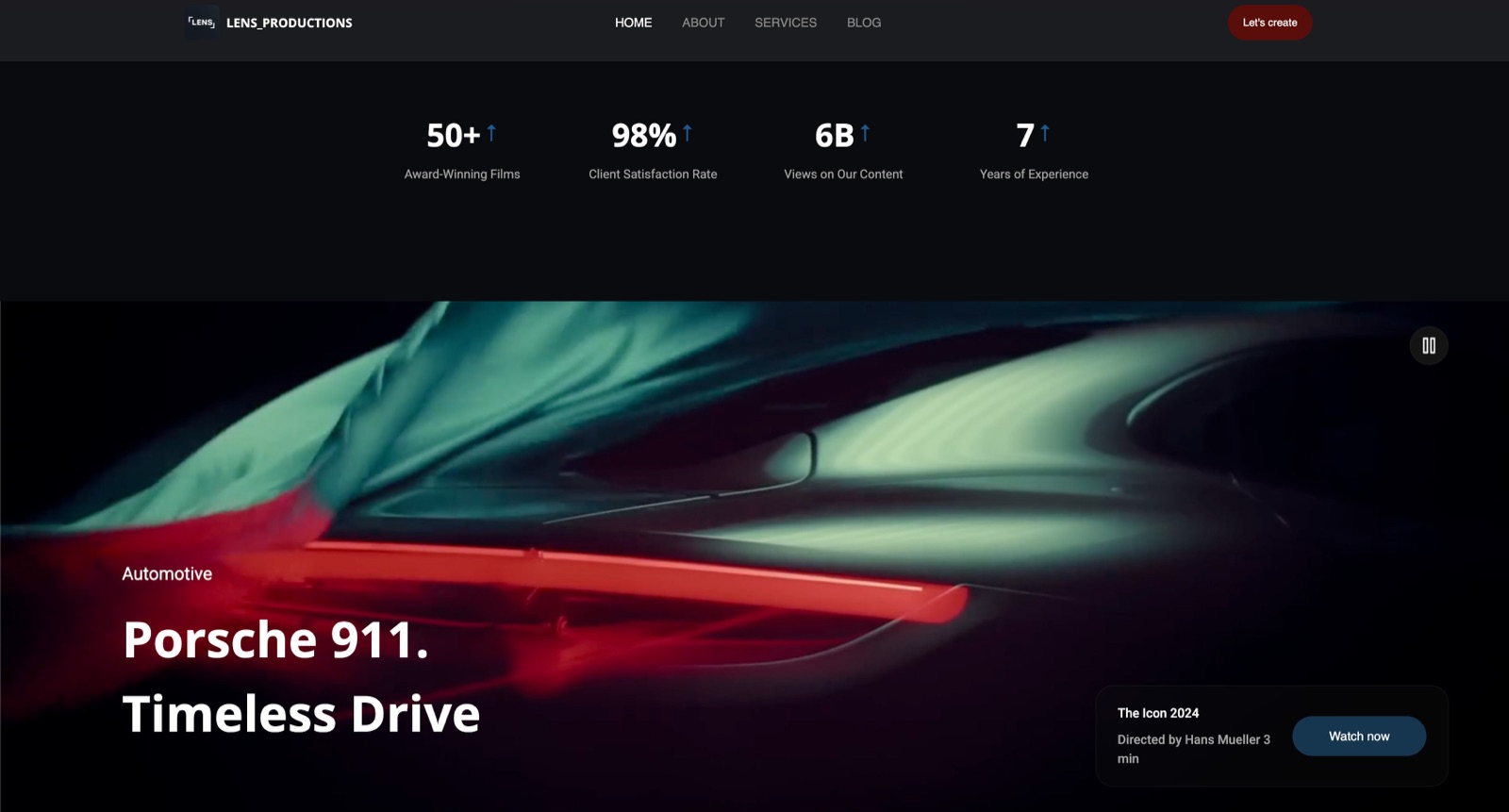
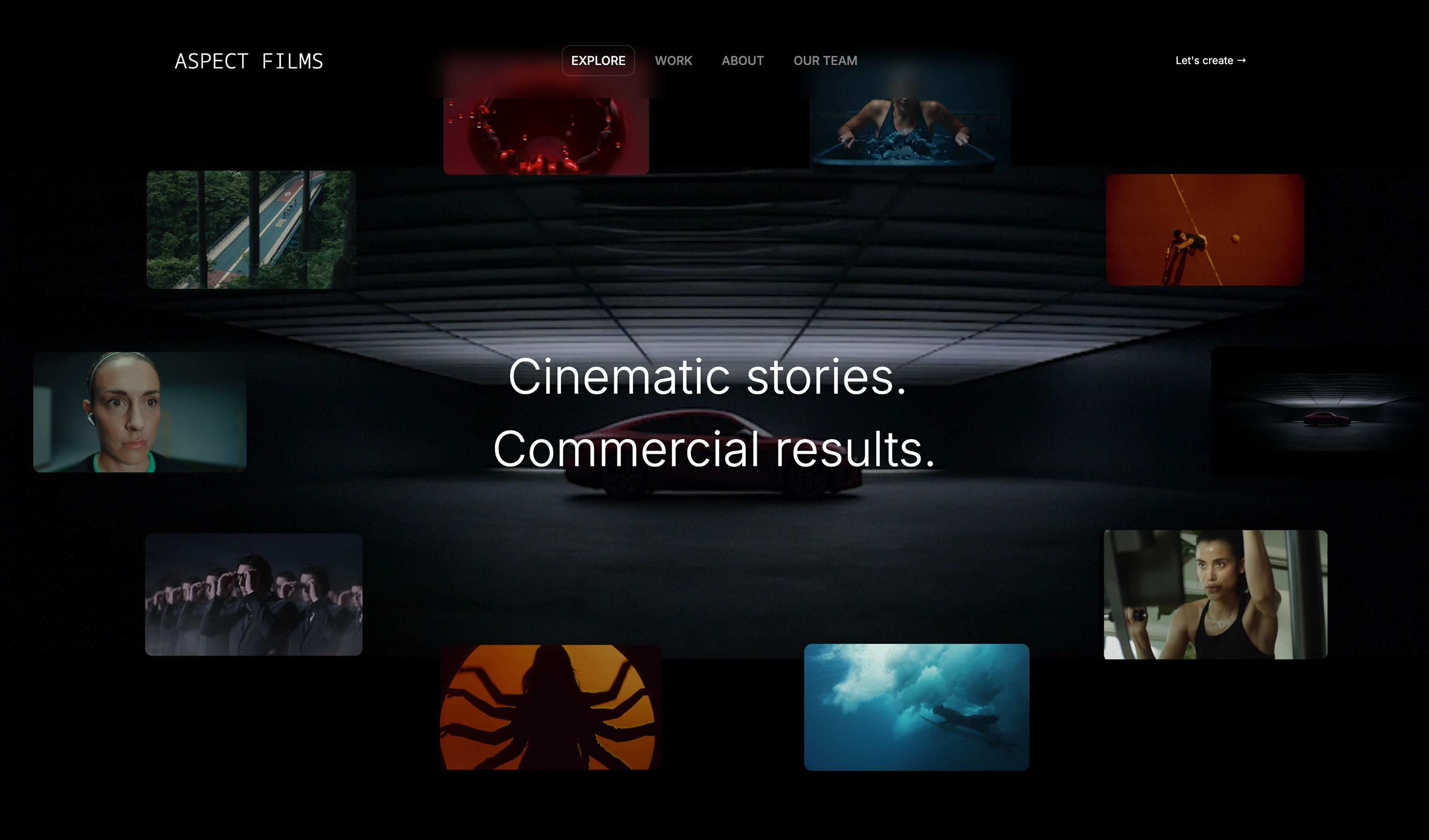
Framekit templates
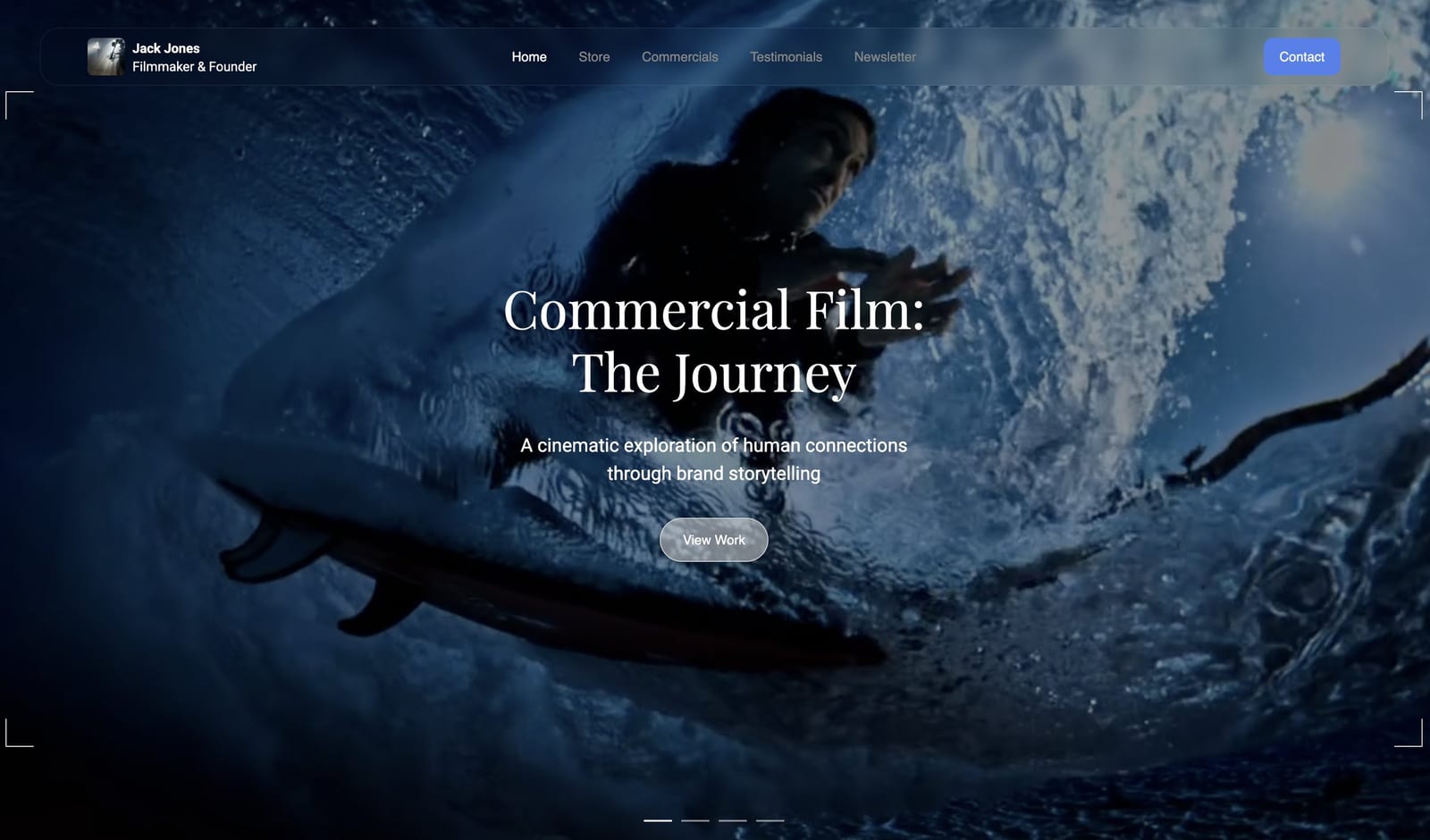
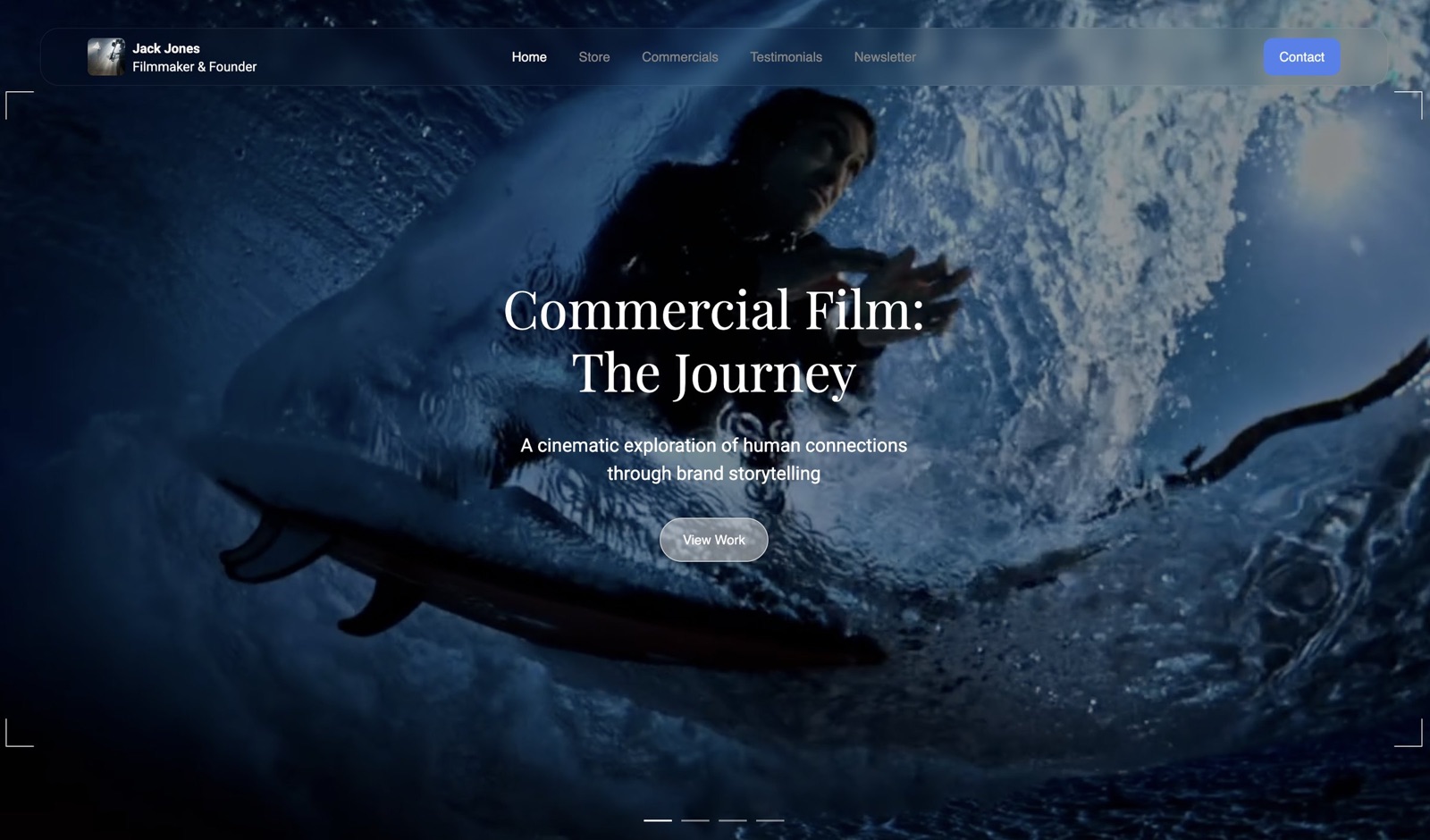
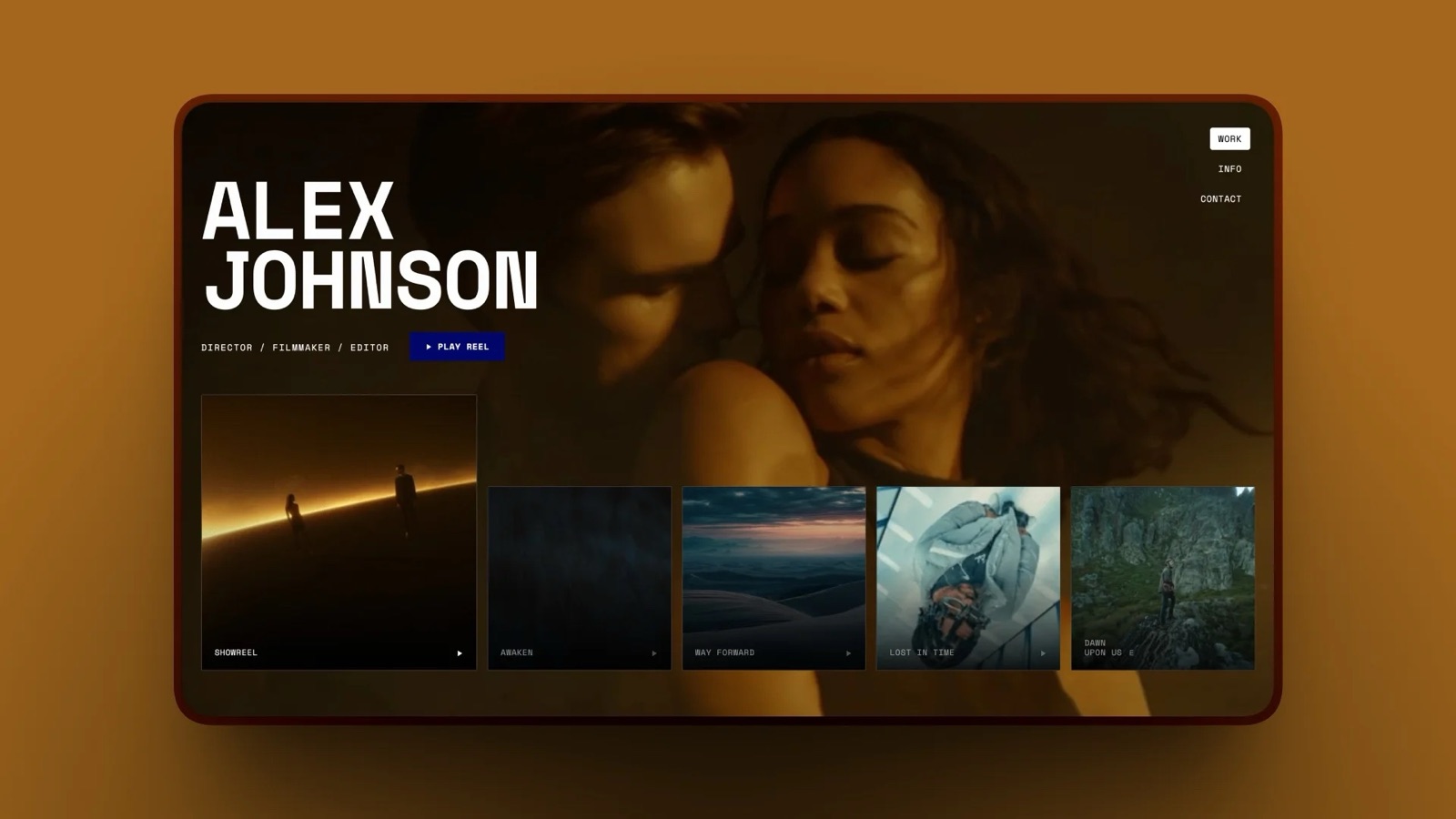
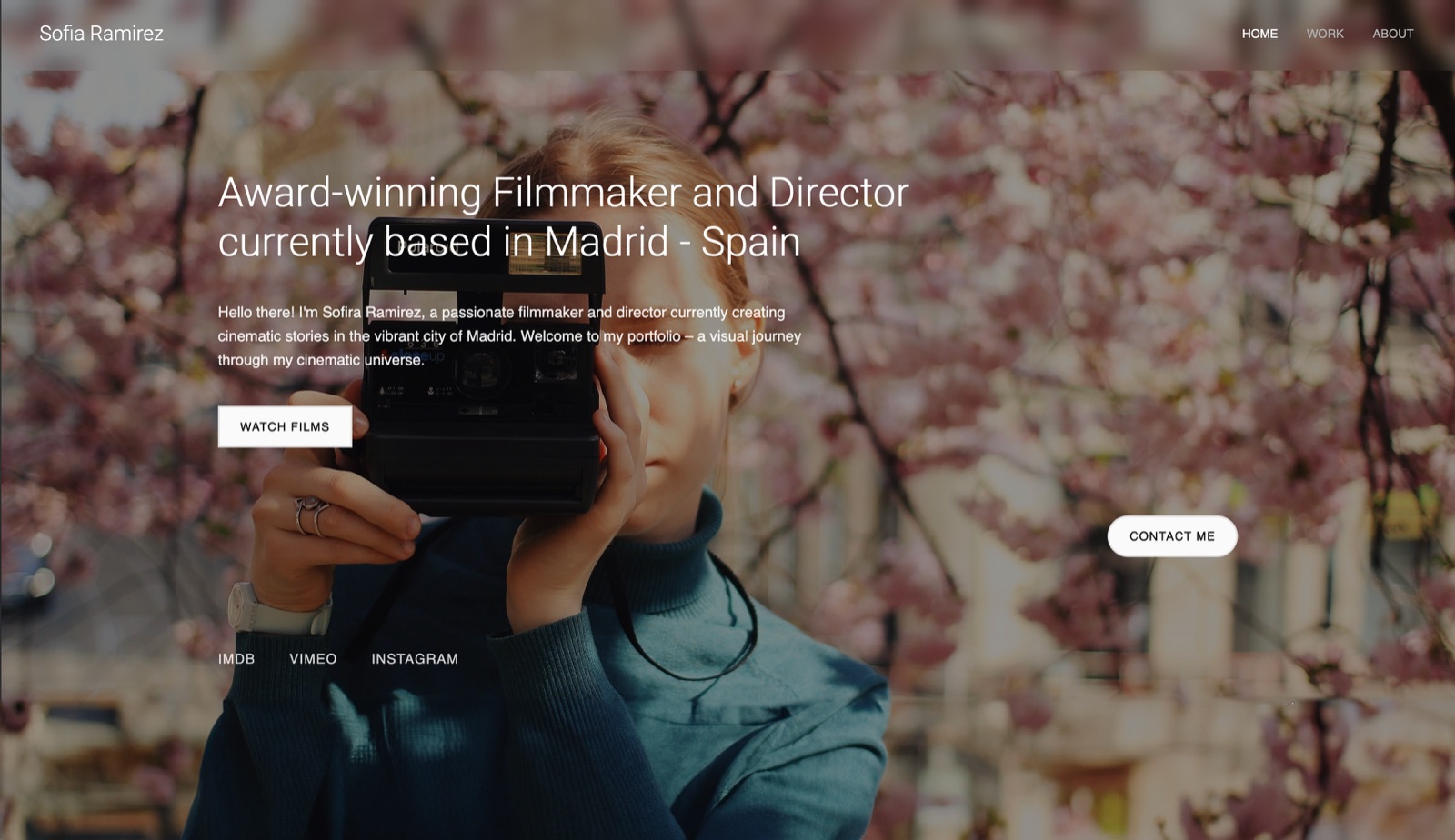
Start from a designer-made template
 Use template
 Use template
 Use template
 Use template
 Use template
 Use template
 Use template
 Use template
Here are two numbers from the same survey, about the same weddings, in the same year. Couples spent an average of $3,000 on a photographer and $2,300 on a videographer. Both figures come from The Knot's Real Weddings Study of 10,474 US couples who married in 2025.
The videographer earns 23% less for a day that produces perhaps 40 hours of post-production instead of 12.
That ratio is the reason so many talented videographers quietly earn less than the photographer standing next to them, and it is the single thing to optimise when you decide how to make money as a videographer in 2026. Not the day rate.
The ratio between the hours you are seen working and the hours you are not.
A videography income stream is any repeatable way to convert shooting, editing, or footage you already own into revenue, and the honest way to rank them is by finished-minute economics: what you are paid divided by every hour between the brief and the delivered file.
Corporate and brand video is the strongest primary income for most videographers in 2026, because the budget comes from a marketing line rather than a personal one and the edit is shorter than a wedding film for more money.
Real estate video is the best cash-flow filler at $200 to $600 a property with same-week turnaround.
The asset side that pays in quiet months is LUTs, editing templates and stock footage, and Framekit is where we would host the store, with the honest caveat that a store sells nothing on its own for the first few months.
We make Framekit, so read our two appearances below with that in mind. Framekit is not ranked first in this guide and does not appear in fourteen of the seventeen streams, because a website builder cannot shoot a wedding or grade a commercial.
How These Numbers Were Put Together
Nobody can audit an entire industry's books, so the useful thing a guide can do is show its working. Here is exactly where each figure below came from and how much weight each one deserves before you plan around it.
Published survey data. The wedding photography and videography averages, and the quartiles under them, come from The Knot's Real Weddings Study, which reports a $2,300 videography average with a lower quartile of $1,000, a median of $1,900 and an upper quartile of $3,300.
Published platform terms. Royalty splits and fees were read from the platforms themselves in August 2026, including Pond5's contributor payout documentation, which sets video royalties at 30% non-exclusive and 40% exclusive with a $25 minimum payout on the 15th of each month.
Our arithmetic. Every effective-hourly figure below is ours, calculated on two examples that stay constant through the guide: a $2,300 wedding film and a $49 LUT pack.
Post-production hour estimates are conservative mid-points of what working editors report for each format, and they are estimates, which is why they are always presented as a range or a rounded figure.
Market ranges. Day rates differ more between Manchester and Los Angeles than between any two formats, so those are ranges and are labelled as such rather than dressed up as findings.
In one lineTwo fixed examples, published survey and platform data, and honestly labelled ranges everywhere the market genuinely varies.
Seventeen Streams, Sorted by What They Cost You in Post
The column that changes everything is the third one. A format with a 1:1 shoot-to-edit ratio and a format with a 1:5 ratio can pay the same day rate and produce completely different years.
| Stream | Typical pay | Shoot-to-edit ratio | Pays in a month you do not shoot |
|---|---|---|---|
| Wedding films | $1,000 to $3,300 | About 1:4 | No |
| Corporate and brand video | $1,200 to $5,000 a day | About 1:2 | No |
| Real estate video | $200 to $600 a property | About 1:1 | No |
| Event and conference video | $800 to $3,000 | About 1:2 | No |
| Music videos | $800 to $6,000 | About 1:3 | No |
| Short-form social retainers | $1,500 to $6,000 a month | About 1:3 | Partly |
| Livestream production | $600 to $3,000 a day | About 1:0 | No |
| Drone work | $250 to $1,000 a job | About 1:1 | No |
| Second camera operator | $300 to $800 a day | None | No |
| Editing for other videographers | $30 to $90 an hour | All edit | Partly |
| Colour grading as a service | $250 to $1,500 a project | All edit | Partly |
| Documentary and long-form | $5,000 to $60,000 a project | About 1:8 | No |
| Stock footage | 30% to 40% of each licence | Archive | Yes |
| LUT and preset packs | $19 to $99 a pack | Build once | Yes |
| Editing templates and project files | $15 to $79 a pack | Build once | Yes |
| Courses and workshops | $99 to $1,500 a seat | Build once | Yes |
| YouTube, sponsors and memberships | Highly variable | Continuous | Partly |
Livestream production is the outlier worth noticing. It is the only shooting format on this list where the deliverable finishes when the event does, which is why livestream operators often out-earn wedding filmmakers per calendar day without touching an edit timeline.
In one lineRank formats by their edit ratio before you rank them by their day rate.
1. Wedding Films: The Most Emotional Work and the Worst Ratio
Wedding videography is the genre most people enter through and the one with the least favourable arithmetic on this entire list, which is worth knowing before you build a business on it.
The published numbersan average of $2,300, a lower quartile at $1,000 and an upper quartile at $3,300. Against the $3,000 photography average from the identical survey, couples value the film at roughly three quarters of the stills.
The ratio problema wedding film is typically 10 to 12 hours on site and 30 to 45 hours in post once you count multicam sync, audio repair from a lapel that rubbed a jacket all afternoon, a highlight film, a full ceremony edit and two rounds of revisions.
At $2,300 across 45 total hours you are earning about $51 an hour before tax.
What actually fixes itpackage design, not price rises. Filmmakers who charge $2,300 for a four-minute highlight film with no full-ceremony edit and no raw footage delivery earn double the hourly rate of those charging $3,000 for everything. The deliverable list is the profit lever.
Skip it ifyou dislike revisions from people with strong emotional stakes and no vocabulary for what they want changed.
Verdict: Take weddings to fund the transition, design the package to protect the edit hours, and do not mistake the highest ticket for the highest profit.
2. Corporate and Brand Video: The Best Primary Income
Corporate video is where most working videographers should spend their weekdays, because the client is spending a marketing budget on a business outcome rather than personal savings on a memory.
Rates$1,200 to $5,000 a day is the normal band for a small crew, and the edit is often shorter than a wedding film: a two-minute brand piece with a scripted structure is a far more contained post job than 45 unpredictable minutes of ceremony coverage.
The number that changes a yearone retained client producing two videos a month at $1,800 each is $43,200 of contracted revenue. Two of those is a full income with no weekends booked.
The standout detailcorporate clients buy repeatability, not brilliance. The videographer who delivers a consistent, on-brand piece on the promised Thursday beats the one who delivers something exceptional on the following Tuesday.
This is uncomfortable for people who came to video from film school and it is the entire commercial reality.
The gotchascope creep arrives as "can we also get a few cutdowns for social". Three vertical cutdowns is a second edit session. Price the cutdowns in the quote or watch your day rate quietly halve.
Verdict: The most reliable primary income on this list, and the least glamorous route to a sustainable video business.
3. Real Estate Video: The Fastest Cash With the Best Ratio
Property video is unglamorous, formulaic and pays roughly the same per hour as work that takes ten times the creative energy, which is exactly why it belongs in a serious plan.
Rates$200 to $600 per property for video, often bundled with stills and a drone exterior, with agents expecting delivery within 48 hours.
The ratioclose to 1:1. A 90-minute shoot produces a 60 to 90 second walkthrough with a template intro, a licensed music bed and a lower third. Once the template exists, the edit is assembly rather than authorship.
Where the compounding happensagents list continuously. Eight agents at two listings a month each is 192 shoots a year from eight phone numbers. No other genre on this list converts so few relationships into so much volume.
The gotchayou will be asked to include the agent's branding, which means a template per agent, which means a small library of project files you must maintain. Build it once, deliberately, or it becomes a mess by month four.
Verdict: The best hourly rate available to a videographer in the first year of business, and the fastest route to a predictable weekly income.
4. Event and Conference Video: Marketing Budgets, Short Edits
Conference and event work sits between corporate and wedding coverage in difficulty and is priced far closer to corporate, which makes it one of the better-value formats on this list for the effort involved.
Rates$800 to $3,000 for a day of coverage, with a premium for same-day or next-morning turnaround on a sizzle reel while the event is still being talked about.
The deliverable that wins the rebookinga 60-second recap cut before the closing session. Marketing teams need something to post while attendance is still trending, and almost nobody offers it.
The gotchaaudio. Conference video lives or dies on a clean board feed, and the person who controls that feed is an AV contractor you have never met. Arrive early enough to make friends with them, or budget four hours of audio repair.
Verdict: The most under-priced format relative to its difficulty, and a reliable annual rebooking once you deliver fast.
5. Music Videos: Portfolio Fuel, Rarely Profit
Music videos are where most videographers build the reel that books the work that actually pays, and treating them as a marketing expense rather than an income stream leads to much better decisions.
Rates$800 to $6,000 for independent artists, with the low end far more common than newcomers expect and the shoot-to-edit ratio around 1:3 once you factor in beat-matched cutting and colour work.
The honest economicsan $1,800 music video with a two-day shoot, a full grade and three rounds of artist revisions is often below minimum wage per hour. What it produces is 90 seconds of reel that sells a $4,000 brand job.
Skip it ifyou need the money this quarter. Take them when your calendar has space and your portfolio has a gap, not when rent is due.
Verdict: The best portfolio investment in video, and one of the worst hourly rates. Price it as marketing and it stops being frustrating.
6. Short-Form Social Retainers: The Newest Reliable Money
Retained short-form content is the fastest-growing paid work in video, because brands discovered they need a continuous supply of vertical clips and cannot produce them internally at a consistent standard.
Rates$1,500 to $6,000 a month for a defined volume, typically 8 to 20 finished vertical clips, sometimes shot in a single batch day.
Why the batching mattersone shoot day producing 16 clips has a completely different economic profile from 16 separate shoots. The videographers making this work profitable are the ones who sell a monthly volume and control the production schedule, not the ones responding to individual requests.
The gotcharevision culture in social is faster and shallower than in brand film. Cap revisions per clip in the contract, or you will be re-cutting a 20-second video four times for $90.
Verdict: The best new stream on this list for anyone comfortable with volume production, and the one most likely to replace wedding income entirely.
7. Livestream Production: Paid When the Event Ends
Livestreaming is the only shooting format here where the deliverable is finished the moment the event is, and that single property makes its effective hourly rate one of the strongest in video.
Rates$600 to $3,000 a day depending on camera count, switching complexity and whether you supply the encoder and connectivity.
Why it pays wellthe client is buying risk absorption. A stream that fails is a public failure for them, so they pay for the person who has a backup bonded connection and a rehearsal, not the cheapest quote.
The gotchaequipment cost and single points of failure. This is the most gear-dependent stream on this list, and the failure modes are all live.
Verdict: The best hours-to-revenue ratio of any on-site video work, gated on a real equipment investment and calm nerves.
8. Drone Work: A Licence That Prints Add-Ons
Drone footage is rarely a standalone business and is one of the highest-margin add-ons available, because the incremental cost of flying for twenty minutes on a job you are already booked for is close to zero.
Rates$250 to $1,000 for standalone jobs, or $150 to $300 added to a shoot you are already doing.
The regulatory realitycommercial flight requires certification in most markets, including a Part 107 certificate in the United States and equivalent national schemes elsewhere. Insurance follows the certificate, and clients on commercial property will ask for both.
The gotchaairspace authorisation near airports and over crowds is a planning task, not a same-day one. The job you cannot legally fly is worse than the job you never quoted.
Verdict: The best margin-per-minute add-on in video, and a weak standalone business.
9. Second Camera Operator: The Zero-Post Income
Operating a second camera for another videographer is the only stream here where you go home when the shoot ends and the money is already earned.
Rates$300 to $800 a day depending on market and whether you bring a camera package.
What it is really worthdates that would otherwise be empty, plus a view of how other people run a set. Twelve operating days a year at $450 is $5,400 earned with zero post-production hours, which at a wedding filmmaker's typical $51 an hour is the equivalent of two and a half wedding films.
The gotchaagree in writing whether you may use the footage on your own reel. Most disputes between videographers start here.
Verdict: The most underrated line on a videographer's calendar, and mathematically better than a wedding for the same day.
10. Editing for Other Videographers: Counter-Cyclical by Design
Selling edit time is the most direct way to convert skill into income without owning a camera, and it fills exactly the months when your own shooting calendar is empty.
Rates$30 to $90 an hour, or per-project pricing that works out similarly for repeatable formats.
The structural advantagedemand peaks in autumn and winter when wedding shooters are buried in delivery deadlines, which is precisely when your own bookings dry up. Two seasons that cancel each other out is a rare thing in freelance work.
The gotchastyle matching and file chaos in equal measure. Your quote should assume you will spend the first two hours organising somebody else's media, because you will.
Verdict: The most dependable non-shooting income in video, and the fastest to start.
11. Colour Grading as a Service: The Specialist Premium
Grading is the highest-skill service on this list that a client can buy separately, and specialists are paid accordingly because the work is visible and the alternative is a video that looks wrong for reasons the client cannot articulate.
Rates$250 to $1,500 per project, with commercial grades at the top of that band and social content at the bottom.
Why it paysit is the last stage, it is under deadline pressure, and it cannot be delegated to someone junior. Those three properties are what specialist pricing is made of.
The gotchayou need calibrated monitoring and a reference workflow, which is a real capital cost. Grading on an uncalibrated laptop and calling it a service is how a reputation ends.
See our colour grading software comparison for the tooling.
Verdict: The best specialisation available to an editor who wants to charge more without shooting more.
12. Documentary and Long-Form: The Highest Numbers and the Longest Wait
Commissioned documentary work carries the largest single figures in this guide and the worst cash-flow profile, and both facts come from the same place: length.
Rates$5,000 to $60,000 or more per project, often paid across milestones spread over six to eighteen months.
The ratio nobody warns you aboutroughly 1:8 shoot to edit is normal, and it can be far worse. A 40-minute film assembled from 60 hours of material is a job measured in months.
How people actually fund itbrand-commissioned documentary is now the dominant model, where a company funds a genuine short film that is only tangentially about them. Those budgets are real and are approved from marketing rather than production.
The gotchapayment milestones. Never let the final payment be tied to a delivery that depends on a subject's availability you do not control.
Verdict: The most creatively rewarding work in the guide and the one that requires the strongest business discipline to survive.
13. Stock Footage: An Archive That Earns While You Sleep
Stock footage is the classic passive stream for videographers, and the thing to understand before uploading anything is that it rewards a very specific kind of shooting, which is not the same as beautiful shooting.
The published ratePond5 pays 30% of each licence to non-exclusive contributors and 40% to exclusives, pays out on the 15th of each month, and requires a $25 balance before it releases anything. Shutterstock runs six contributor levels for video from 15% to 40% that reset every January.
What sellsspecific, well-tagged, commercially useful shots. A drone push over a city at blue hour with clean keywords outsells an artful abstract every time, and a clip of a person using a laptop with a visible logo sells nothing at all because it is unusable.
The realistic timelinea few hundred clips is pocket money. A few thousand deliberately shot clips is a meaningful monthly figure. Our stock footage marketplace comparison covers the platform split.
Verdict: Worth building from B-roll you already shoot, and a poor plan as a primary income.
14. LUTs and Preset Packs: The Fastest Asset to Ship
A LUT pack is the shortest distance between a look you have already developed and a product, which is why it is the first asset most videographers sell.
The carried example. A $49 LUT pack sold three ways:
| Route | Fee on a $49 sale | You keep |
|---|---|---|
| Marketplace at 10% plus $0.50 | $5.40 | $43.60 |
| Framekit Free or Starter, 5% plus card processing | About $3.87 | About $45.13 |
| Framekit Business at $39 a month, 0% plus card processing | About $1.72 | About $47.28 |
Forty packs a month is $1,960 of sales. On a 10% marketplace that is $216 gone; on a flat $39 plan with no transaction fee it is $39 plus card processing. The crossover where the flat plan wins is around $780 of monthly sales, and above that the gap widens every month you grow.
The gotchaLUTs are the most refunded digital product in video, because buyers apply them to footage shot on a different camera in a different colour space and conclude the pack is broken. Ship a PDF explaining the intended log profile and exposure, and the refund rate drops sharply.
Verdict: The highest-value asset per hour of build time in this guide, and the one most often shipped without the documentation that makes it work. See where to sell LUTs.
15. Editing Templates and Project Files: Selling Your Timeline
Selling project files, transitions and motion templates monetises work you have already done for a client, which makes the build cost close to zero for anyone with an organised archive.
Pricing$15 to $79 a pack, with subscription marketplaces paying a share of a pool instead of a per-sale price, which is a materially different arrangement and worth understanding before uploading.
The detail that decides your incomemarketplace exclusivity terms. Non-exclusive listings across several platforms usually beat an exclusive listing on one, unless the exclusive rate is dramatically higher.
Our motion graphics marketplace comparison has the splits.
The gotchaversion support. A template built in one release of your NLE will generate support email for years from people on older versions.
Verdict: Good income from work already done, capped by the fact that most of it happens on somebody else's marketplace.
16. Courses and Workshops: The Best Margin in the Guide
Teaching converts a specific skill into revenue at a margin no shooting work on this list can match, and the pattern is consistent across every format: the narrower and more practical the skill, the better it sells.
Formats and economicsa one-day in-person workshop with ten seats at $250 is $2,500 for a day plus preparation. A recorded course sells indefinitely but takes 60 to 100 hours before it earns anything.
What sells in video specificallythe workflow, not the artistry. "How I sync, cut and deliver a wedding film in 12 hours" outsells "cinematic storytelling" because the first one solves a problem the buyer felt last week.
The gotchathe platform cut and the plan tier. Compare the real cost of hosting against our course platform guide before committing, because the cheap tiers of most platforms exclude the features that actually sell courses.
Verdict: The best margin available to an experienced videographer, and the stream most dependent on having an audience first.
17. YouTube, Sponsorships and Memberships: The Slow Compounding One
Building an audience is the least predictable stream here and the one that makes every other stream on this list easier, which is why it survives despite terrible early economics.
How the money actually arrivesadvertising revenue is the smallest part for most video creators. Sponsorship, affiliate income on gear, and selling the assets in streams 14 to 16 to your own audience is where the income concentrates.
The realistic timeline12 to 24 months of consistent publishing before it is a meaningful line, and a genuine risk it never becomes one.
The gotchathe content that grows an audience and the content that sells to it are rarely the same video, and the second kind performs worse. Publishing only what performs is how creators end up with 100,000 subscribers and nothing to sell them.
Verdict: Build it as a distribution channel for the other sixteen streams, never as the plan itself.
The Ratio Table: What an Hour Is Really Worth
The same calendar day produces wildly different outcomes once post-production is counted honestly, and this table is the clearest way we have found to show a videographer where their year is actually going.
| Job | Fee | Total hours including post | Effective rate |
|---|---|---|---|
| One wedding film | $2,300 | About 45 | About $51 |
| One brand video for a retainer client | $1,800 | About 14 | About $129 |
| Three real estate walkthroughs in a day | $900 | About 7 | About $129 |
| One livestream day | $1,400 | About 10 | About $140 |
| One second-camera day | $450 | 10 on site, 0 in post | $45 |
| 40 LUT packs in a month | $1,960 gross | About 3 of support | Over $600 net of fees |
The wedding row and the brand row are the argument of this entire guide. They are similar-sounding jobs to a client, they sit next to each other in a portfolio, and one of them pays two and a half times more per hour of your life.
In one lineYour income problem is usually a post-production problem wearing a pricing costume.
Run the Ratio Test on Your Own Last Year
Open your last twelve months of invoices. For each job write the fee, then honestly write every hour: pre-production calls, travel, shoot, ingest, sync, edit, revisions, delivery, chasing the invoice.
Sort by the resulting hourly figure. Almost everyone finds the same thing: the format they consider their speciality is not the one paying them best, and the least interesting format on the list is quietly funding the business.
You do not have to stop doing the interesting work. You do have to stop pricing it as though the edit is free.
Where the Money Leaks When You Sell Assets
Every asset stream in this guide loses a share at the point of sale, and the shape of that loss differs more than the size.
| Route | What it takes | Direction as you grow |
|---|---|---|
| Stock agency, non-exclusive | 70% of the licence | Fixed forever |
| Stock agency, exclusive | 60% of the licence | Fixed forever |
| Template marketplace | Platform share plus pool mechanics | Fixed forever |
| Percentage checkout tool | 10% plus a fixed per-sale fee | Fixed forever |
| Your own store on a flat plan | A flat monthly fee | Falls as a share every month you grow |
Framekit is an AI website builder that produces a filmmaker portfolio and a store from a description of your work, and the reason it appears here rather than in the ranked list is that it is only relevant to the last row.
The fee is 5% on Free and Starter, 3% on Pro and 0% on the $39 Business plan.
What matters more than the percentage is that a marketplace cut is permanent and a flat fee is not, and that the buyer of your LUT pack becomes your email subscriber rather than the platform's.
Which Stream to Add Next
The right next stream depends entirely on which constraint is binding right now, so work down these questions in order and stop at your first yes rather than trying to add three things at once.
- Do you need income inside 60 days? Add real estate video and second-camera days. Both have short sales cycles, minimal portfolio requirements and near-zero post.
- Is your calendar full but your bank account is not? Your problem is package design, not volume. Cut the deliverable list on your highest-ticket format before you raise a price.
- Do you have one client who books you twice or more a year? Convert them to a monthly retainer before you chase a new logo. Retainers are the single biggest stability change available to a videographer.
- Is your slow season longer than two months? Sell edit time or grading to other videographers, which peaks exactly when your shooting does not.
- Do you have a look that other people ask about? Ship a LUT pack with real documentation. It is the fastest asset in this guide to build.
- Do you have thousands of clips of unused B-roll? Keyword and upload them. Pond5 pays 30% non-exclusive and 40% exclusive, so decide the exclusivity question before you upload rather than after.
- Can you explain one workflow better than most people? Run a workshop before you build a course, because the workshop tells you whether the course has buyers.
If none of these apply, the constraint is almost certainly the reel and the site the reel lives on, and what a filmmaker portfolio should include is the more useful next hour.
Frequently Asked Questions
How much do videographers make in 2026?
Working videographers most commonly earn between $50 and $140 an effective hour depending on format, which is a far wider spread than day rates suggest.
A $2,300 wedding film across roughly 45 total hours works out near $51 an hour, while a $1,800 brand video for a retainer client across about 14 hours is closer to $129, even though both look like a single day of shooting on an invoice.
Is wedding videography still profitable?
Wedding videography is profitable when the deliverable list is controlled and unprofitable when it is not.
The Knot reports an average spend of $2,300 on wedding videography against $3,000 for photography from the same 2025 survey, and the film typically requires three to four times the post-production hours, so the margin comes from cutting the full-ceremony edit and raw-footage delivery rather than from raising the headline price.
What type of video work pays the best?
Corporate and brand video pays the best on a sustained basis for most videographers, at $1,200 to $5,000 a day with a shorter edit than wedding work, and livestream production has the best hours-to-revenue ratio because the deliverable is complete when the event ends.
Documentary carries the largest single project figures but spreads them across six to eighteen months.
How do videographers make passive income?
The four passive streams that work in video are stock footage, LUT and preset packs, editing templates, and recorded courses.
Stock pays 30% to 40% of each licence on Pond5 depending on exclusivity, while selling a LUT pack from your own store keeps roughly $47 of a $49 sale on a flat-fee plan, which is why most videographers reach a meaningful figure faster from packs than from stock.
Should I sell LUTs on a marketplace or my own site?
Start on a marketplace to prove the pack sells, then move to your own store once you have repeat buyers.
A 10% plus 50 cents marketplace fee costs $5.40 on a $49 pack with no monthly commitment, while a flat $39 monthly plan with no transaction fee costs less than that from about $780 of monthly sales onward, and it keeps the customer email rather than handing it to the platform.
How many hours does a wedding film actually take to edit?
Between 30 and 45 hours is the realistic range for a full wedding delivery including a highlight film, multicam sync, audio repair and two revision rounds.
That is the number that turns a $2,300 booking into roughly $51 an hour, and it is why experienced wedding filmmakers price the ceremony edit and raw footage as paid add-ons rather than including them.
Do I need a website as a videographer or is Vimeo enough?
A hosting platform shows the work but does not sell it, so most videographers need both: a portfolio site that ranks for their name and city, with films embedded from a video host.
The practical split is that video hosting handles playback quality and a site handles discovery, enquiry and selling, which is why our video hosting comparison recommends pairing rather than choosing.
What is a realistic first year of income for a videographer?
A first year built from real estate video, second-camera days and a handful of small brand jobs realistically lands between $18,000 and $40,000 in most markets, with the top of that range requiring roughly two paid days a week.
Starting with weddings alone usually produces a lower figure because of the post-production load per booking.
Is stock footage worth uploading in 2026?
Stock footage is worth uploading if you already shoot a lot of B-roll and are willing to keyword it properly, and it is not worth shooting specifically for unless you commit to thousands of clips.
Pond5 pays 30% to non-exclusive contributors and 40% to exclusives with a $25 payout minimum, and Shutterstock's video levels run from 15% to 40% and reset to level one every January.
How do I get corporate video clients?
Corporate work is won by looking like a supplier rather than an artist: a portfolio organised by outcome, a clear published process, fast replies and a page that names the industries you work in.
The most common reason a talented videographer never breaks into brand work is a reel that opens with a wedding, which tells a marketing manager the answer to a question they did not ask.
Should I offer photography as well as video?
Offering both raises revenue per booking and often lowers the hourly rate, because you are adding a second full deliverable to the same day.
It works well in real estate and events where both are formulaic, and works badly at weddings where doing either job properly is a full role. The couples in The Knot's data are hiring both separately for a reason.
What should I charge for a two-minute brand video?
Most independent videographers charge $1,200 to $3,500 for a scripted two-minute brand video including one shoot day, one edit round and delivery, with social cutdowns priced separately.
Quoting cutdowns as part of the base price is the single most common pricing mistake in commercial video, because three vertical versions is a second edit session for no extra money.
Final Verdict
The path that works in 2026 has three parts. Weekday commercial work (brand, event, real estate, livestream) carries the income, because those budgets are institutional and the edits are contained.
Weekend work (weddings, music videos) is either priced with a controlled deliverable list or treated as portfolio investment. And one asset (a LUT pack, a template set, a stock library) earns in the months between.
The videographers who struggle are almost never bad at video. They are running a business where every dollar requires an hour of unpaid post-production, and no rate rise fixes a ratio problem.
Where Framekit is the wrong choiceif what you need is video hosting with per-frame client comments and version stacking, a review platform beats us and we will say so.
Framekit does timecoded review on cuts up to 3GB a file, but it does not host large master files and has no recurring membership billing for a subscription film club.
Our per-file limits suit a portfolio and a store, not a deliverables pipeline. Use a dedicated review tool for client approvals and keep us for the portfolio and the shop.
Verdict: Fix the edit ratio first, move one client to a retainer second, ship one asset third, and judge the whole thing by what arrives in the month you did not shoot.
Related reading: how to build a filmmaker website that books clients, the best video editing software, and website builders for wedding videographers.
Survey figures here were read in August 2026 from The Knot's Real Weddings Study and platform royalty terms from each contributor portal. Post-production hour estimates are our own conservative mid-points and are presented as estimates throughout.