Framekit templates
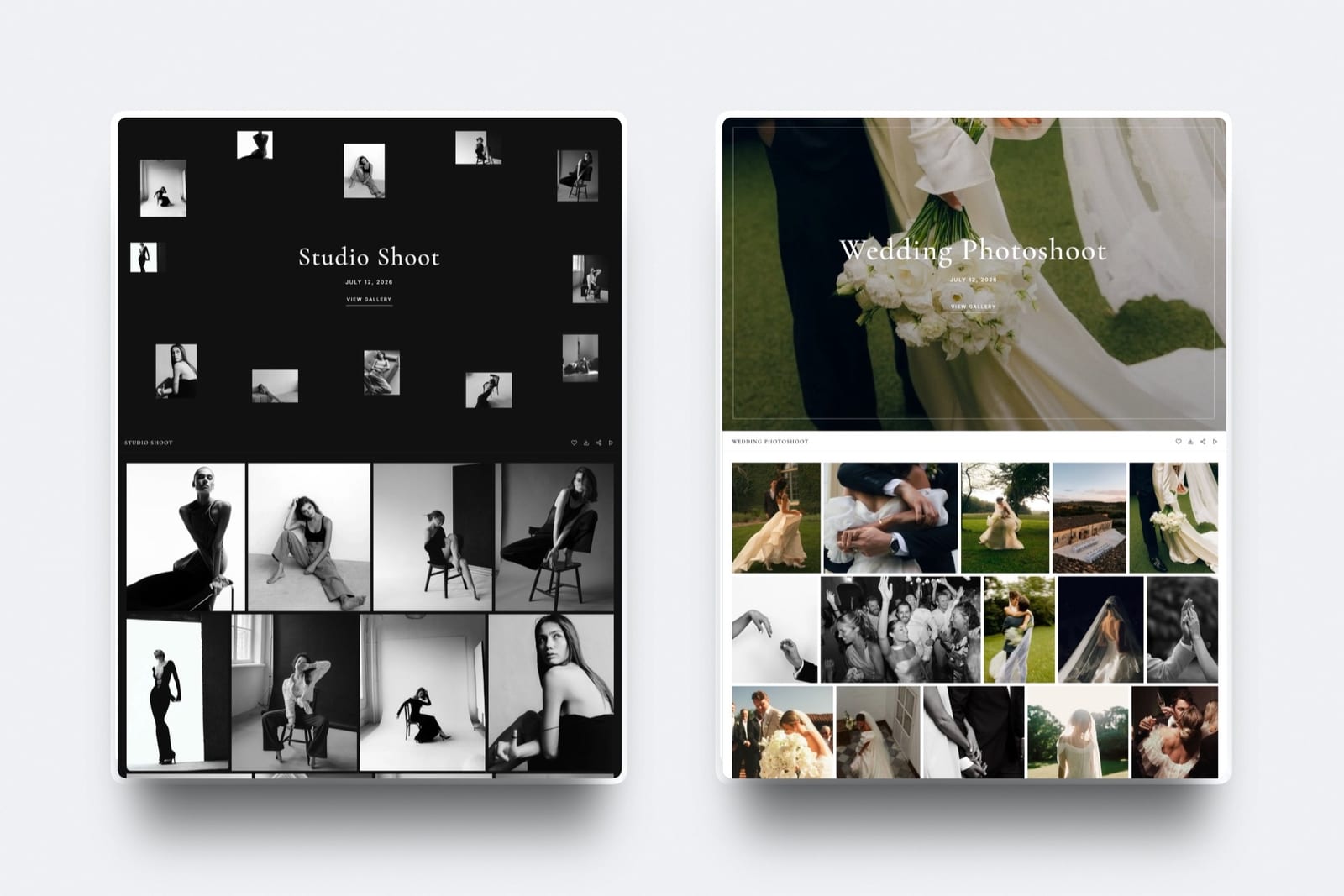
Start from a designer-made template
 Use template
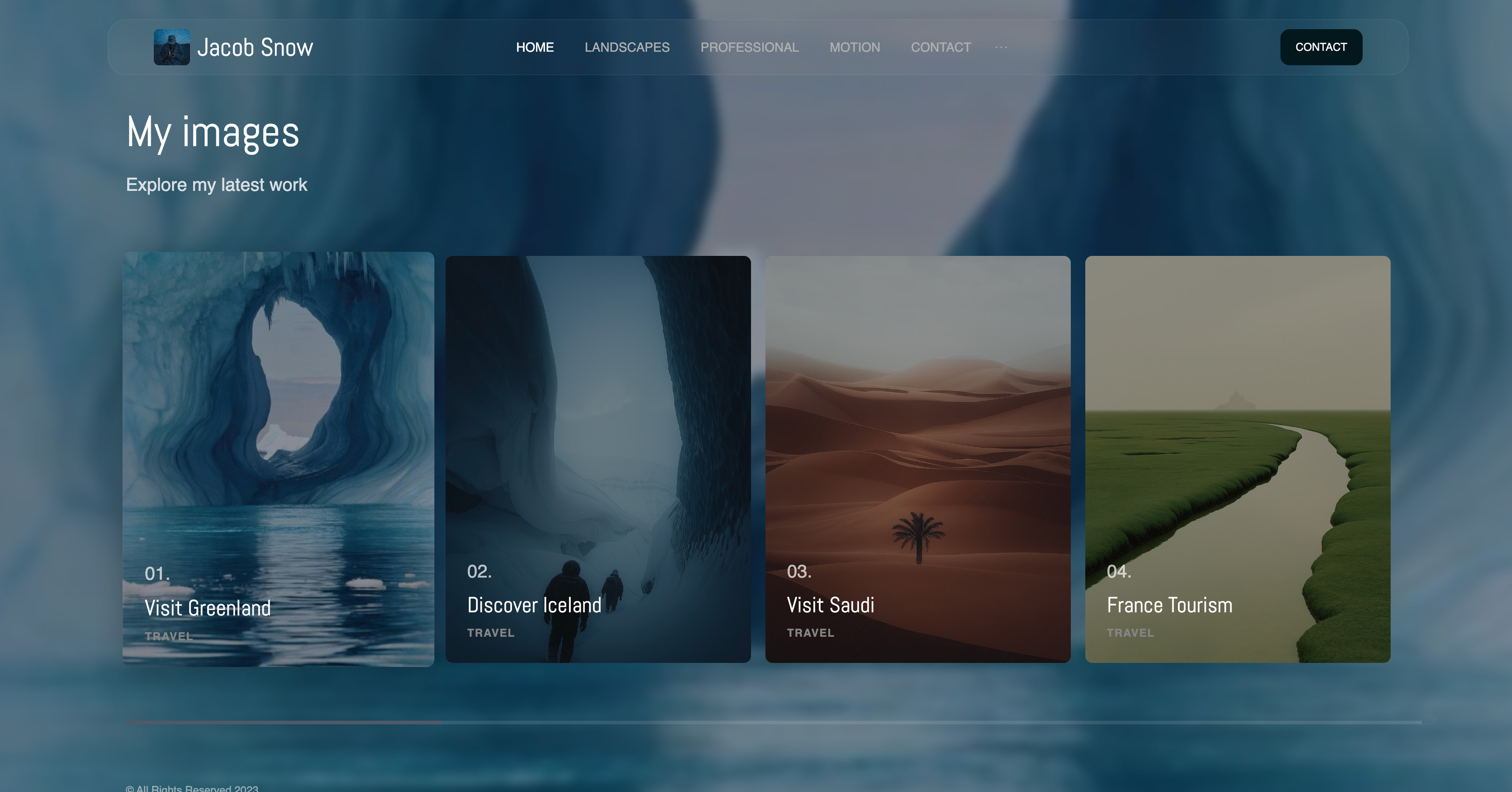 Use template
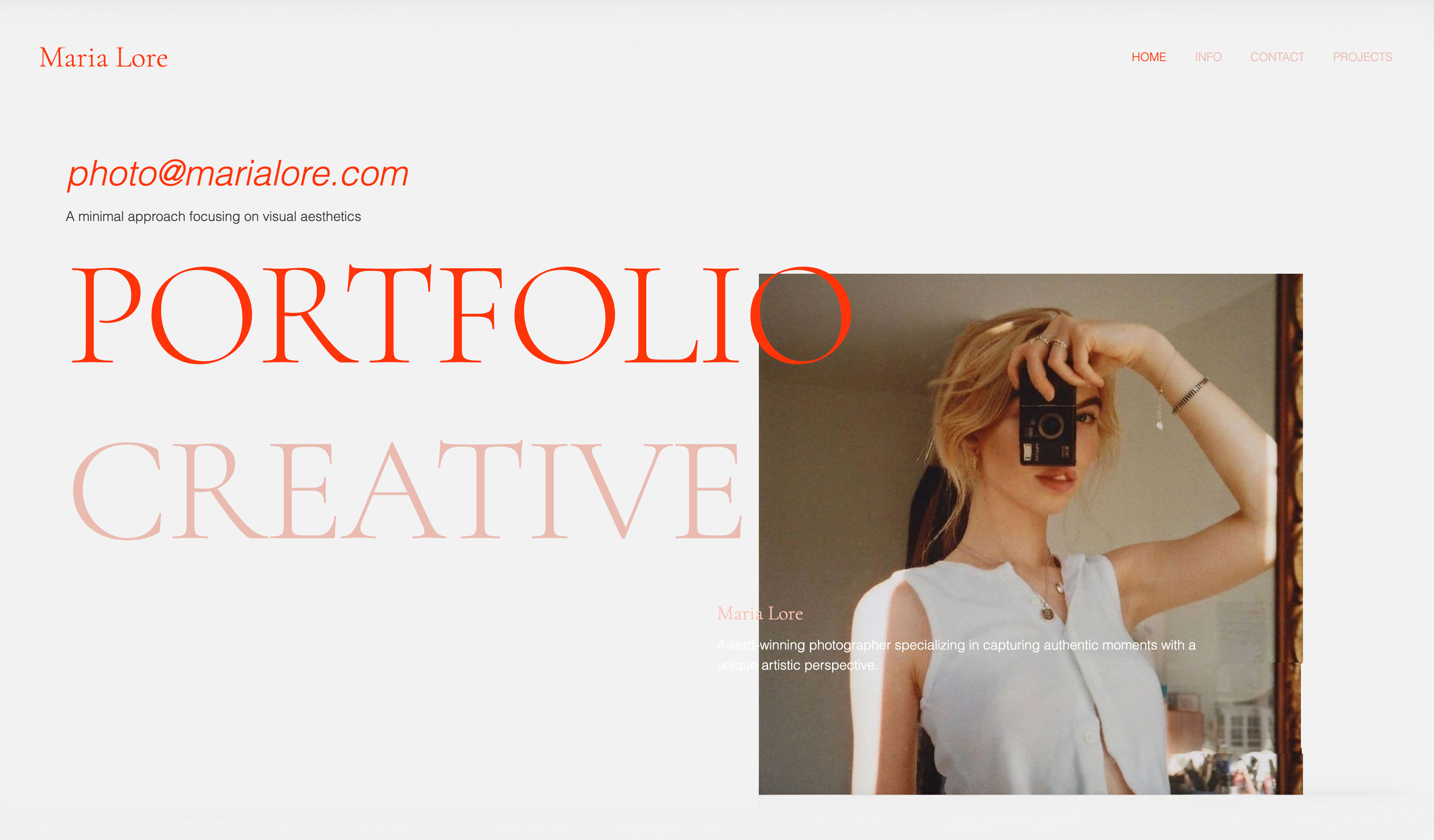 Use template
 Use template
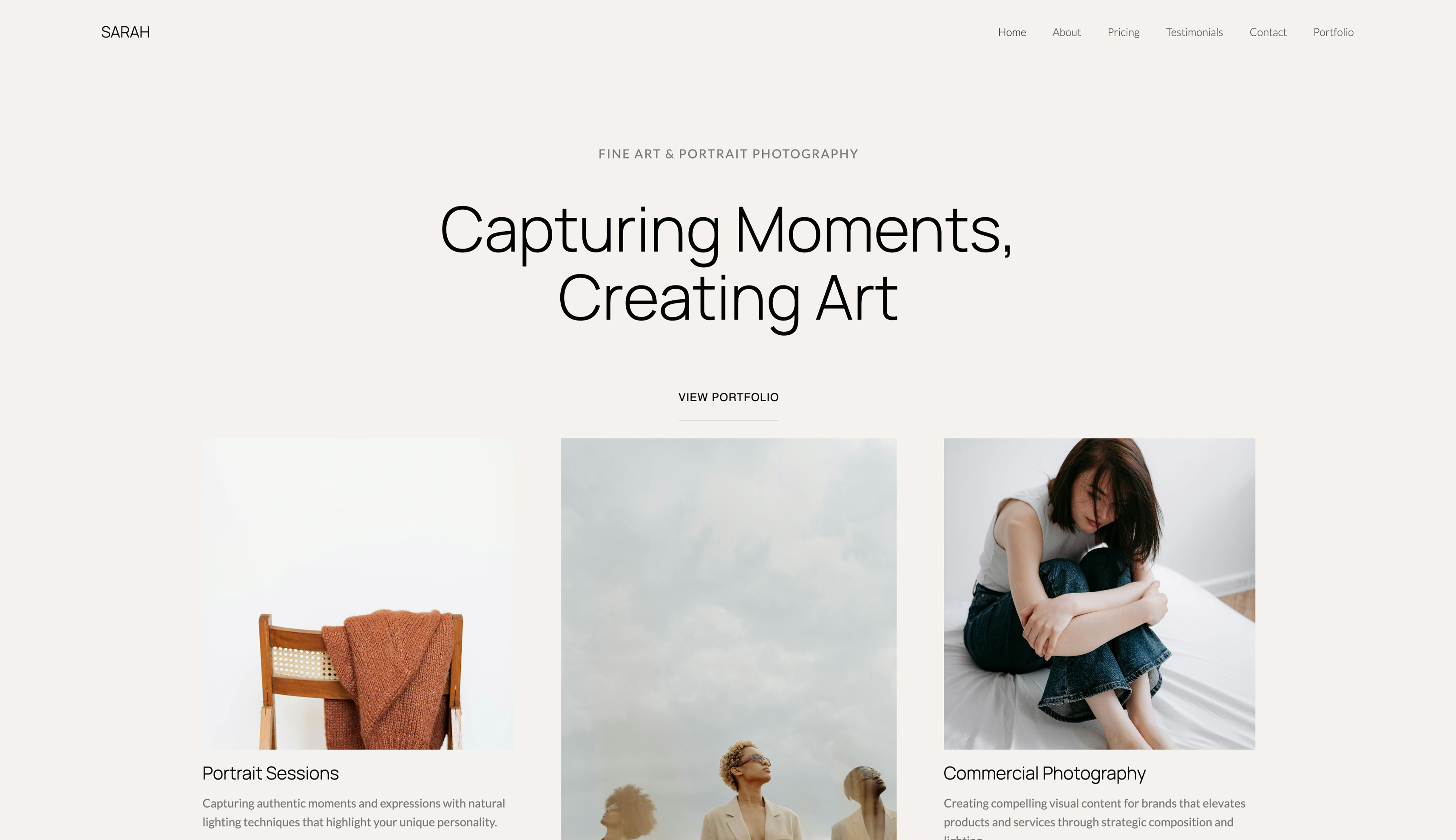 Use template
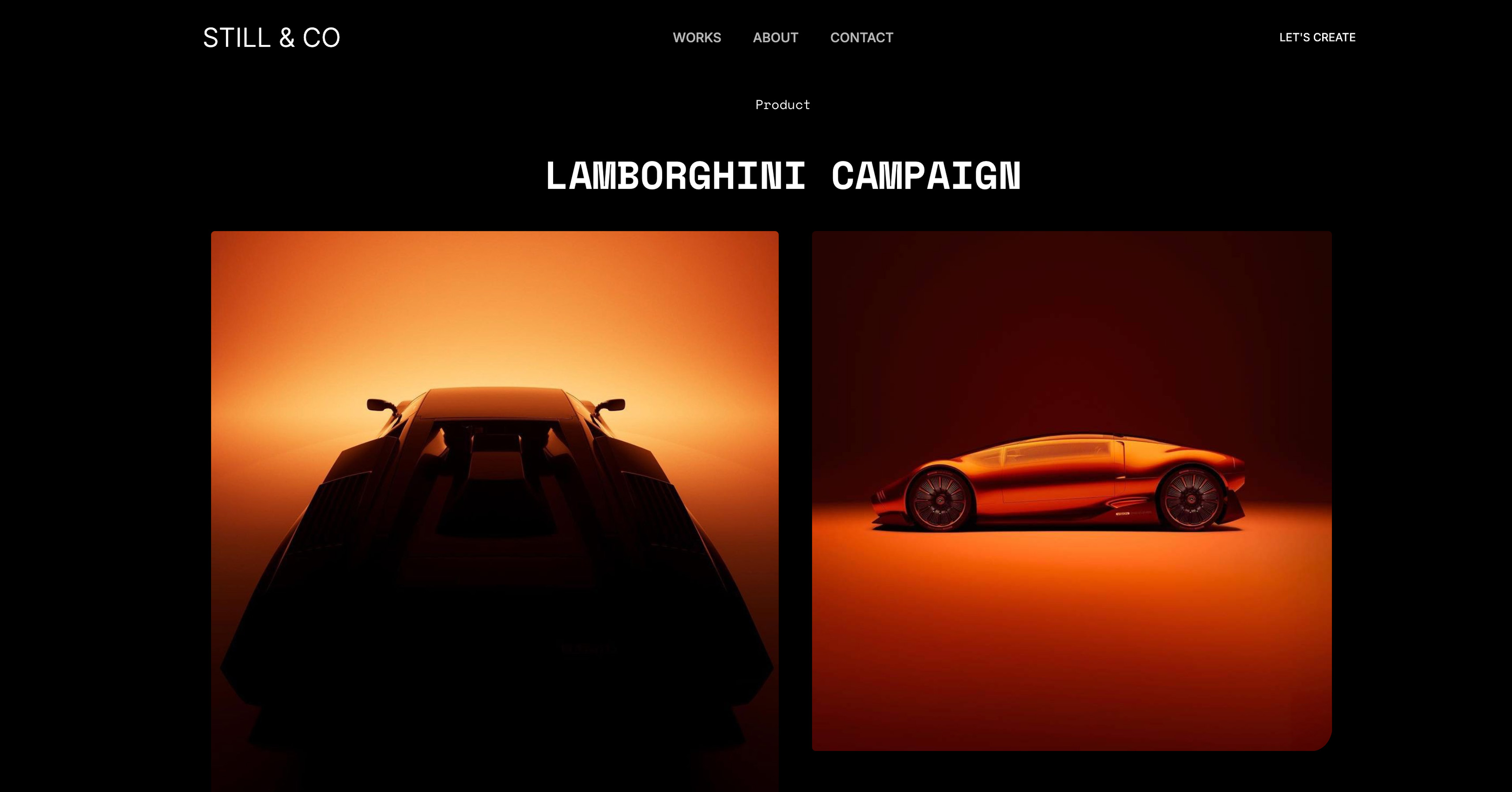 Use template
 Use template
 Use template
Client galleries for travel photographers get tested in the worst conditions in the industry.
You are in a guesthouse with a connection that drops every four minutes, you have 900 frames from a hotel commission that the client's marketing team wants by Monday, and the only upload you can realistically finish is one that survives being interrupted eleven times.
Then the second half of the job starts, and it lasts for years. The same frames get licensed to a tourism board, then to an airline's inflight magazine, then to the hotel group's new website, and each time somebody has to find them.
That is an archive problem, not a delivery problem, and most gallery platforms are built for delivery.
The third half, if a business can have three, is print. Travel work sells as prints better than almost any other genre, which puts commission percentages back on the table when a landscape photographer would rather ignore them.
A client gallery for travel photography is software that gets large shoots to clients from unreliable connections, keeps the images findable and licensable years later, and can sell prints or digital files without taking an unreasonable cut.
The best client gallery for travel photographers in 2026 is Framekit, because the delivery page and the portfolio that wins commissions live on the same domain you own, galleries are uncapped on every plan, and there is no commission on delivery at any tier.
The honest trade-off: Framekit has no metadata search and no print lab, so a photographer whose income is archive licensing should use PhotoShelter, and one whose income is print sales should use SmugMug or ShootProof.
Pixieset is the best all-rounder, and PicDrop is the most forgiving on a bad connection.
Framekit puts your travel galleries inside the site editors and hotels actually browse, and starting is free.
Full disclosure: we build Framekit and it is ranked first here, so read the losses carefully. We ran the same 900-frame hotel commission through all nine platforms, including uploading over a deliberately throttled connection, checked prices against published vendor pages in August 2026, and we name the wins for others: PhotoShelter beats us on archive and licensing, SmugMug beats us on unlimited storage and print engine, and ShootProof beats us on print margin with 0% commission.
How We Tested These Travel Photography Galleries
Travel work has three distinct commercial phases and we deliberately tested all three, because a platform that wins the delivery week can quietly lose you money across the following five years.
The delivery test900 frames from a hotel commission, uploaded over a connection throttled and interrupted repeatedly, then published for a marketing team in another time zone.
The archive testfinding four specific images from a shoot eighteen months old using only the platform's own search.
The revenue testlisting one print and one digital licence, then buying both, to see what the platform kept.
Weighting. Archive and findability 25%, upload resilience 20%, ownership of the delivery page 20%, print and licence revenue 20%, real annual cost 15%.
Archive carries the most weight because travel images earn for years and the cost of not finding them is measured in lost licensing, not in inconvenience.
We keep three kinds of claim separate. Hands-on: uploading, publishing, searching and buying. Verified from primary sources: prices, commissions and storage limits, read from published pricing pages in August 2026.
Community sentiment, always labelled: recurring complaints in public reviews.
What Testing Travel Delivery Actually Showed
The findings that actually moved this ranking are mostly about what happens long after delivery day, which is precisely the part of the workflow travel photographers consistently underbuy for.
- Only 1 of the 9 platforms offers genuine metadata and keyword search across a whole archive rather than browsing by gallery.
- 3 of the 9 offer unlimited storage on at least one plan, which matters when a single expedition returns 200GB.
- Print commission ranges from 0% on every ShootProof plan to about 15% on markup at SmugMug and on the Pixieset and Pic-Time free tiers, and 7% flat per order at Zenfolio.
- 1 of the 9 delivers from a domain you own, which for a photographer pitching editors and tourism boards is also the portfolio they judge you on.
- Interrupted uploads resumed cleanly on 6 of the 9 and required a restart on the rest, which on a throttled connection is the difference between a delivery and a lost evening.
The calculation worth doing before you pick: take the number of images you licensed last year from shoots older than twelve months, and ask how you found them.
If the answer is "an external drive and forty minutes", you are paying for delivery software and doing archive work by hand.
The 9 Best Client Galleries for Travel Photographers, Compared
Weighting is set out above and it favours archive and ownership over presentation, since travel commissions are won on a portfolio and paid twice, once on delivery and again on licensing.
Framekit reaches 9.1 while scoring only a 5 on archive search, where PhotoShelter is far ahead, and a 5 on print sales, where it has no lab at all.
| Platform | Best for | Storage ceiling | Print commission | Our rating |
|---|---|---|---|---|
| Framekit | Owning the delivery page and portfolio | 2TB on Business | No print lab | 9.1/10 |
| PhotoShelter | Archive search and licensing | Unlimited on Pro | Licensing built in | 8.9/10 |
| SmugMug | Unlimited archive plus print sales | Unlimited on all plans | ~15% on markup | 8.6/10 |
| Pixieset | The polished all-rounder | 1TB on upper tiers | 15% free, 0% paid | 8.4/10 |
| ShootProof | Keeping the whole print margin | Photo-count based | 0% on every plan | 8.2/10 |
| Pic-Time | Store design and campaigns | Unlimited on Advanced | 15% free, 0% self-collected | 7.9/10 |
| PicDrop | Uploading from a bad connection | 1TB on Advanced | No store | 7.7/10 |
| Zenfolio | One bill for site, gallery and store | Plan based | 7% flat per order | 7.1/10 |
| Dropbox | Raw capacity for expedition files | 3TB on Professional | None | 6.8/10 |
Prices and commissions were read from the vendors' published pricing pages in August 2026, and payment processing of roughly 2.9% plus $0.30 applies wherever a buyer pays.
The eighteen-month test. Pick a shoot from a year and a half ago and try to find four specific frames using only your current platform's search. However long that takes is your real archive cost, repeated every licensing request.
1. Framekit: Best Overall for Travel Photographers

Our rating: 9.1/10
Framekit is an AI website builder with client galleries and a digital store built in, and travel photography is the genre where merging those three things pays off most obviously.
Commissions from hotels, tourism boards and magazines are won on a portfolio, and on Framekit the gallery you deliver into is a page of that same portfolio, on your own domain, rather than a link that sends a marketing director somewhere else.
For the work itself, galleries are uncapped on every plan, so a nine-country trip can be split by location without paying more.
Downloads come as full-resolution originals or a ZIP with no client account, which matters when the recipient is a hotel group's agency in another time zone who will not sign up for anything.
Password and PIN protection cover embargoed property launches.
Best forTravel, tourism and hospitality photographers whose commissions come from a portfolio and whose deliveries should point back to it.
Key features:
- Unlimited galleries on every plan including free, so per-destination splits cost nothing
- Delivery from your own domain beside the portfolio editors and clients browse
- Password and PIN protection, watermarking, favourites and slideshow
- Full-resolution and ZIP downloads with no client account required
- Originals up to 100MB per photo, generated with Cadence, Framekit's own model for creative sites
- A digital store for selling licences, presets and digital downloads directly
The real numberdelivering 25 travel commissions a year costs $0 in per-gallery or per-delivery fees on any Framekit plan. Storage is the ceiling that matters: 10GB free, 50GB on Starter at $9 a month, 300GB on Pro at $19 and 2TB on Business at $39.
At roughly 20GB per delivered commission, Pro carries five live and Business carries a full year of them, which is the tier most working travel photographers land on.
Pricing (pooled account storage in parentheses)Free $0 (10GB), Starter $9/mo (50GB, custom domain, no Framekit branding), Pro $19/mo (300GB), Business $39/mo (2TB, 0% fee on digital sales). Annual billing takes 20% off.
Pros:
- The delivery link is a page of your own site, so a forwarded gallery markets you to the next commissioner
- Uncapped galleries make destination-by-destination structure free
- Portfolio, galleries and a digital licence store on one subscription
Cons:
- No metadata or keyword search, so finding an eighteen-month-old frame means remembering which gallery it was in
- No print lab at all, so print revenue needs a separate platform
- No rights-managed licensing engine, so usage terms live in your contract
- Storage will push a heavy shooter to the Business tier faster than the headline suggests
Skip it ifarchive licensing is your main income. PhotoShelter's search exists precisely for that and we do not compete with it.
Verdict: Framekit is the best travel gallery in 2026 for photographers who win work through a portfolio and want the delivery to reinforce it, at no per-delivery cost. It is a delivery and marketing tool, not an archive. See the wider category in our client gallery platforms comparison, or start at framekit.ai.
2. PhotoShelter: Best for Archive Search and Licensing
Our rating: 8.9/10
PhotoShelter is the only platform here that treats a travel archive as a searchable asset library rather than a stack of galleries.
Keyword and IPTC search across everything you have ever uploaded turns a licensing request into a query, and for a photographer whose ten-year back catalogue earns money, that is the whole product.
Licensing is native too, with rights-managed and royalty-free pricing wired into the download, which suits travel work where the same frame goes to a tourism board on one licence and a magazine on another.
The real numberthe $12.99 Basic plan carries only 4GB, which is a fifth of one commission at travel volumes, so the honest starting point is Standard at $29.99 a month with 100GB and client proofing, or Pro at $49.99 with unlimited storage. Budget $360 to $600 a year rather than $156.
Prosunmatched archive search, licensing as a first-class feature, a custom domain included on every plan, unlimited storage on Pro.
Consthe entry tier is not usable at travel volumes, the interface is an archive tool rather than a designed client experience, and proofing is thinner than the specialists.
Skip it ifyou deliver and move on, and nobody ever searches the back catalogue.
Verdict: PhotoShelter is the right answer when your images keep earning after delivery, which in travel work is more often than photographers assume. It is the one platform here we would recommend over ourselves for a licensing-led business.
3. SmugMug: Best Unlimited Archive With Prints
Our rating: 8.6/10
SmugMug's unlimited storage on every plan is close to purpose-built for travel photography, where a single expedition can return 200GB and nothing feels safe to delete.
Add a mature print-sales engine and it becomes the default for landscape and travel photographers selling wall art.
Annual pricing is $20 a month for Direct, $23.50 for Portfolio and $37 for Pro, with monthly billing at $29, $35.50 and $52. Print sales carry a commission on your markup, commonly planned around 15%, which is the cost of the fulfilment engine.
Skip it ifyour buyers are commissioners rather than consumers. The print machinery is the point, and it is wasted on a hotel group.
Verdict: SmugMug is the storage and print answer for travel work, and the Capterra sample of 11 reviews at 3.5 out of 5 is small enough that the client-experience complaints should be read as sentiment rather than proof. Our SmugMug alternatives guide covers where photographers move when the interface starts to grate.
4. Pixieset: The Polished All-Rounder
Our rating: 8.4/10
Pixieset does the delivery half of travel work as well as anything: clean galleries, a strong mobile experience, favourites, and downloads that clients complete without help.
Storage runs from 3GB free with a 15% store commission to about $10 a month for 10GB with 0% commission, about $20 for 100GB, and 1TB on upper tiers.
It holds 4.7 out of 5 across 207 Capterra reviews, the deepest sample in this comparison.
What it does not do is archive. Finding an old frame means remembering the gallery, which for a photographer with 60 destinations is a real cost.
Skip it ifyour back catalogue earns money and needs to be searchable.
Verdict: Pixieset is the best pure delivery experience here and the wrong tool for a licensing business. Our Pixieset alternatives guide covers the switch.
5. ShootProof: Best Print Margin
Our rating: 8.2/10
If prints are a real revenue line, ShootProof's 0% commission on every plan is the strongest offer in this comparison, and it applies on the cheapest tier as well as the most expensive. Pro-lab fulfilment means you set the markup and keep all of it.
Plans price by photo count rather than storage, which is awkward for travel: free covers 100 photos, 1,500 runs about $10 a month, 5,000 about $20, 25,000 about $30 and unlimited about $60, per ShootProof's plans page.
A 900-frame commission consumes a mid tier quickly.
Skip it ifyou shoot high frame counts and want a cheap plan. The pricing model is the wrong shape for you.
Verdict: ShootProof is the margin pick for travel print sales and the least expensive way to keep 100% of a landscape print's profit. Budget the unlimited tier from the start. Our ShootProof alternatives guide has the comparison.
6. Pic-Time: Best Store Design and Campaigns
Our rating: 7.9/10
Pic-Time makes the most designed galleries here and pairs them with automated sale campaigns and gifting flows, which sell travel prints without you doing anything.
Free takes 15% commission, Beginner is $8 a month with 10GB, Professional $25 with 100GB and Advanced $50 with unlimited storage, and paid tiers charge 0% when you collect payment yourself through Stripe, PayPal or Square.
Unlimited storage on Advanced makes it credible for archive-heavy travel work, though there is no search to go with it.
Skip it ifcommissions rather than consumer print sales pay your bills.
Verdict: Pic-Time is the print-selling machine of the group and beautiful with it, provided consumers are your buyers.
7. PicDrop: Best on a Bad Connection
Our rating: 7.7/10
Uploading 900 frames from a guesthouse is the specific problem PicDrop handles most gracefully, and for a travel photographer that resilience is worth more than any gallery design.
There is no store, no CRM and no album designer, which keeps both the upload and the client view simple.
Pro is EUR 14.99 a month for 500GB with unlimited galleries and your own branding, plus 250GB more at EUR 7.99; free is 1GB across 3 galleries and Advanced is EUR 39.99 for 1TB.
This structure took effect for new customers in May 2026, so older comparisons quoting a Lite plan are out of date; see PicDrop's pricing page.
Skip it ifyou need to sell anything or want a website in the same subscription.
Verdict: PicDrop is the field tool: fast, resilient, cheap on storage, and deliberately incomplete. Pair it with a site you own.
8. Zenfolio: One Bill for Site, Gallery and Store
Our rating: 7.1/10
Zenfolio bundles a template website, galleries and print sales at around $9 a month for Basic, $23 for Professional and $40 for Advanced, with a flat 7% per order instead of the all-or-nothing commission model most rivals use.
For a travel photographer who wants one subscription and predictable percentages, it is coherent.
The ceiling is design, and travel commissions are won on portfolios. Its Capterra rating is 3.9 across just 14 reviews, too small a sample to weigh heavily.
Skip it ifyou pitch editors and tourism boards on presentation.
Verdict: Zenfolio is the sensible one-bill option that will not embarrass you and will not win you anything either. Our Zenfolio alternatives guide covers where photographers go.
9. Dropbox: Raw Capacity for Expedition Files
Our rating: 6.8/10
For camera originals from a three-week trip, Dropbox is the cheapest serious capacity here: $11.99 a month for 2TB on Plus and $19.99 for 3TB on Professional, with sync and file requests that make collaborating with a retoucher easy.
As a client-facing gallery it fails on every axis that matters in travel work. No presentation, no branding, no selection, no licensing, and a permissions model that confuses non-technical clients reliably.
Skip it ifthe recipient is a client rather than a collaborator.
Verdict: Dropbox is the backup and transfer layer behind a travel workflow, and should never be the link a hotel group receives.
What a Travel Photography Year Costs
Priced below for a photographer shooting 25 commissions a year at roughly 20GB each, keeping a rolling twelve-month archive live, with modest print and licence revenue on top of the day rates.
| Setup | Annual cost | Archive capacity | What is missing |
|---|---|---|---|
| Framekit Business | $468 | 2TB | Search, print lab |
| PhotoShelter Pro | $600 | Unlimited | Designed client presentation |
| SmugMug Pro annual | $444 | Unlimited | Modern proofing flow |
| Pixieset Plus | $240 | 100GB | Archive search, ownership |
| PicDrop Pro | ~$195 | 500GB | Commerce, website |
Only two of these lines solve the archive problem, and only one solves the ownership problem, which is why many travel photographers end up running two subscriptions deliberately rather than accidentally.
A common working pair is Framekit for the portfolio and client delivery with PhotoShelter or SmugMug behind it for the searchable archive.
In one linetravel work needs a portfolio, a delivery page and an archive, and no single platform here is genuinely best at all three.
How to Choose a Travel Photography Gallery
Answer these questions in order and stop at the first confident yes, because travel photographers almost always have one dominant revenue source even when they can name three of them.
1. Does licensing your back catalogue earn real money? If yes, PhotoShelter, and treat everything else as secondary.
2. Are consumer print sales a significant income line? If yes, SmugMug for the engine and unlimited storage, or ShootProof if keeping 100% of the markup matters more than convenience.
3. Do commissions from hotels, boards or magazines pay you? If yes, Framekit, because those buyers judge you on a portfolio and the delivery should land inside it.
4. Is your hardest problem uploading from bad connections? If yes, PicDrop.
5. Do you simply need a large safe copy of everything? If yes, Dropbox or Google storage behind whichever client-facing tool you chose.
Frequently Asked Questions
What is the best client gallery for travel photographers in 2026?
The best client gallery for travel photographers in 2026 is Framekit, because commissions are won on a portfolio and Framekit is the only platform here where the delivery page is part of that portfolio on your own domain, with uncapped galleries and no delivery commission.
PhotoShelter is the better pick if archive licensing is your main income, and SmugMug if consumer print sales are.
How do travel photographers upload large shoots from bad wifi?
Choose a platform whose uploader resumes after an interruption rather than restarting, and upload in batches of a few dozen frames rather than all at once. PicDrop handled repeated interruptions most gracefully in our testing.
Uploading compressed proofing files first and full-resolution originals later from a better connection is the practical workaround almost every working travel photographer eventually adopts.
Which gallery platform is best for licensing travel images?
PhotoShelter is the best platform for licensing travel images, because rights-managed and royalty-free pricing are built into the download flow and its keyword search makes an eighteen-month-old frame findable in seconds.
No other platform in this comparison offers a real licensing engine, so on the others the licence lives in your contract and the archive lives in your memory.
How much storage does a travel photographer need?
Around 20GB per delivered commission and considerably more if you keep camera originals online, so a working travel photographer usually needs between 500GB and unlimited.
SmugMug and PhotoShelter Pro offer unlimited, Framekit Business gives 2TB at $39 a month, and PicDrop Pro gives 500GB for about EUR 14.99. Free tiers between 1GB and 5GB hold a fraction of one trip.
Framekit vs SmugMug for travel photography: which should I pick?
Pick Framekit if your income comes from commissions won through a portfolio, since the gallery becomes part of that portfolio on your own domain and there is no delivery commission.
Pick SmugMug if consumer print sales and an unlimited archive matter more, since it has both and Framekit has neither. Many travel photographers run one for client work and one for the archive.
Do travel photographers still need a print store?
Only if consumers buy from you. Travel and landscape work sells as wall art better than most genres, so a print engine is genuinely valuable for photographers with an audience.
If your buyers are hotels, tourism boards and magazines, the print store is architecture you will never switch on, and you should optimise for delivery, licensing and portfolio instead.
What commission do gallery platforms take on print sales?
Commission in 2026 ranges from 0% on every ShootProof plan, through a flat 7% per order at Zenfolio, to about 15% on markup at SmugMug and on the free tiers of Pixieset, Pic-Time and CloudSpot.
Paid tiers at Pixieset and Pic-Time drop to 0%, with Pic-Time requiring you to collect payment yourself. On $6,000 of print sales, 15% is $900 a year.
Should travel client galleries expire?
Commissioned deliveries should not expire, because hospitality and tourism clients return for assets months or years after a campaign runs and an expired link becomes your support problem while you are abroad.
Set an internal archive date instead and tell the client in writing. Only proofing galleries and consumer print windows benefit from a deadline.
Can I sell digital licences from a client gallery?
Yes on several platforms.
Framekit sells digital products directly with a transaction fee of 5% on Free and Starter, 3% on Pro and 0% on Business, ShootProof sells digital files at 0% commission on every plan, and PhotoShelter has a full licensing engine with rights-managed pricing.
Selling a defined licence as a product removes a negotiation from every repeat request.
Is one platform enough for a travel photography business?
Rarely, and pretending otherwise is how travel photographers end up unhappy with whichever single tool they chose.
The three jobs are portfolio and delivery, searchable archive, and print or licence revenue, and no platform here is best at all three.
A deliberate pair, such as Framekit for the site and delivery with PhotoShelter or SmugMug behind it, costs less than most photographers expect.
Final Verdict
Travel photography asks more of gallery software than any other genre because the work has to be delivered from bad connections, found again years later, and sold twice.
Framekit wins for the part that decides whether you get the next commission: the portfolio and the client-facing delivery, on a domain you own, at no per-delivery cost.
Where Framekit loses. We have no keyword or metadata search, so an archive-led licensing business will be slower on us than on PhotoShelter, and that gap is not close.
We have no print lab, so consumer wall-art revenue belongs on SmugMug or ShootProof, and ShootProof's 0% commission will beat any arrangement we can offer.
We are also not the most forgiving uploader on a throttled connection, where PicDrop is better. If licensing or prints are your business, we are the wrong first choice.
Try the eighteen-month test this week: pick an old shoot, name four frames you want, and time yourself finding them with your current tools. Travel photographers who run that test usually discover their archive is the expensive part of their business, not their camera.
Related readingclient gallery platforms compared, the best website builder for travel photographers, ways to sell photos online, and print fulfilment for photographers.
Prices, storage ceilings and commission rates were read from the vendors' published pricing pages in August 2026, and every platform received the same 900-frame commission over a deliberately throttled connection, because upload behaviour under bad conditions is the specification travel photographers need and no vendor publishes.