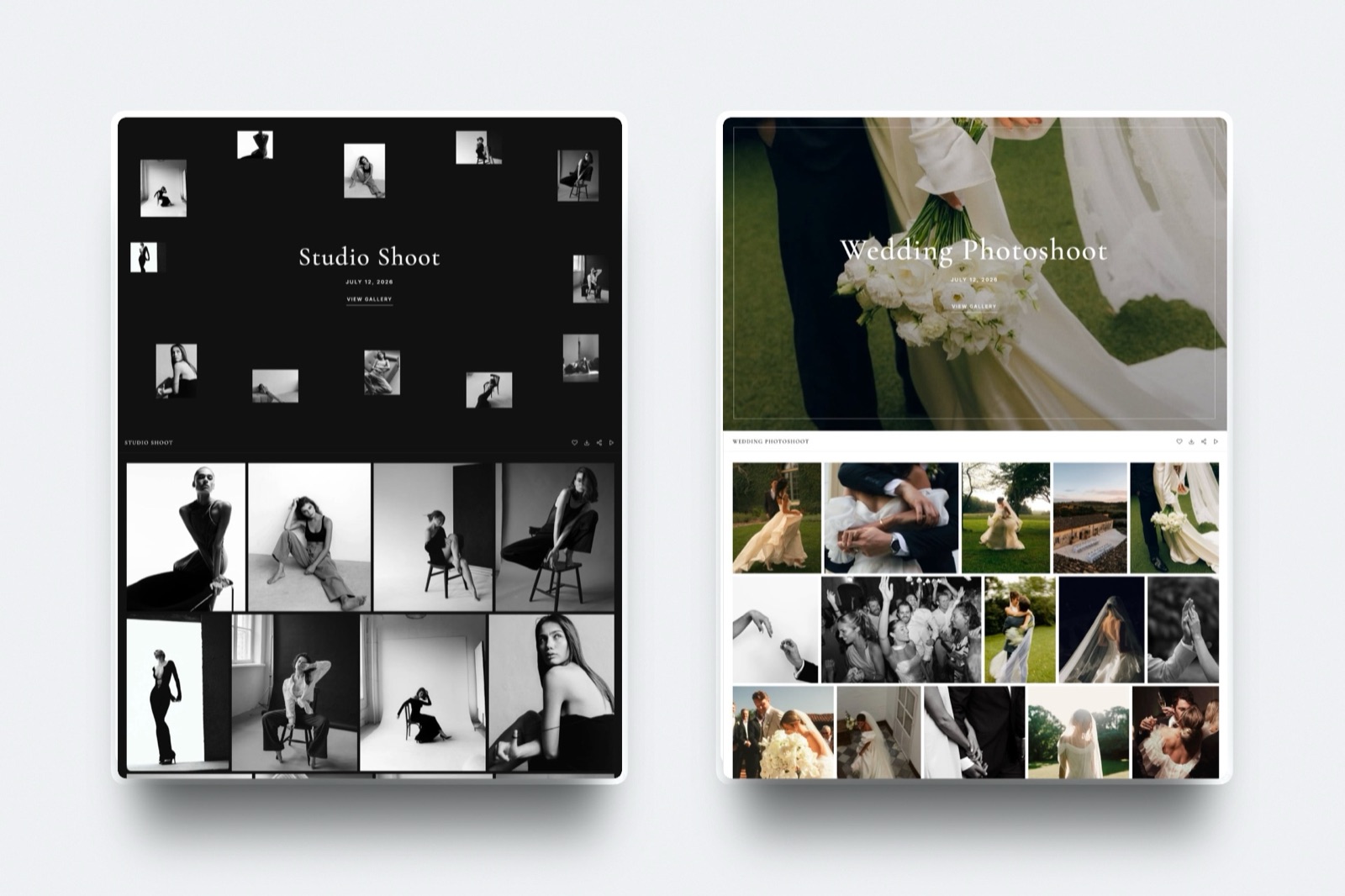
Framekit templates
Start from a designer-made template
 Use template
 Use template
 Use template
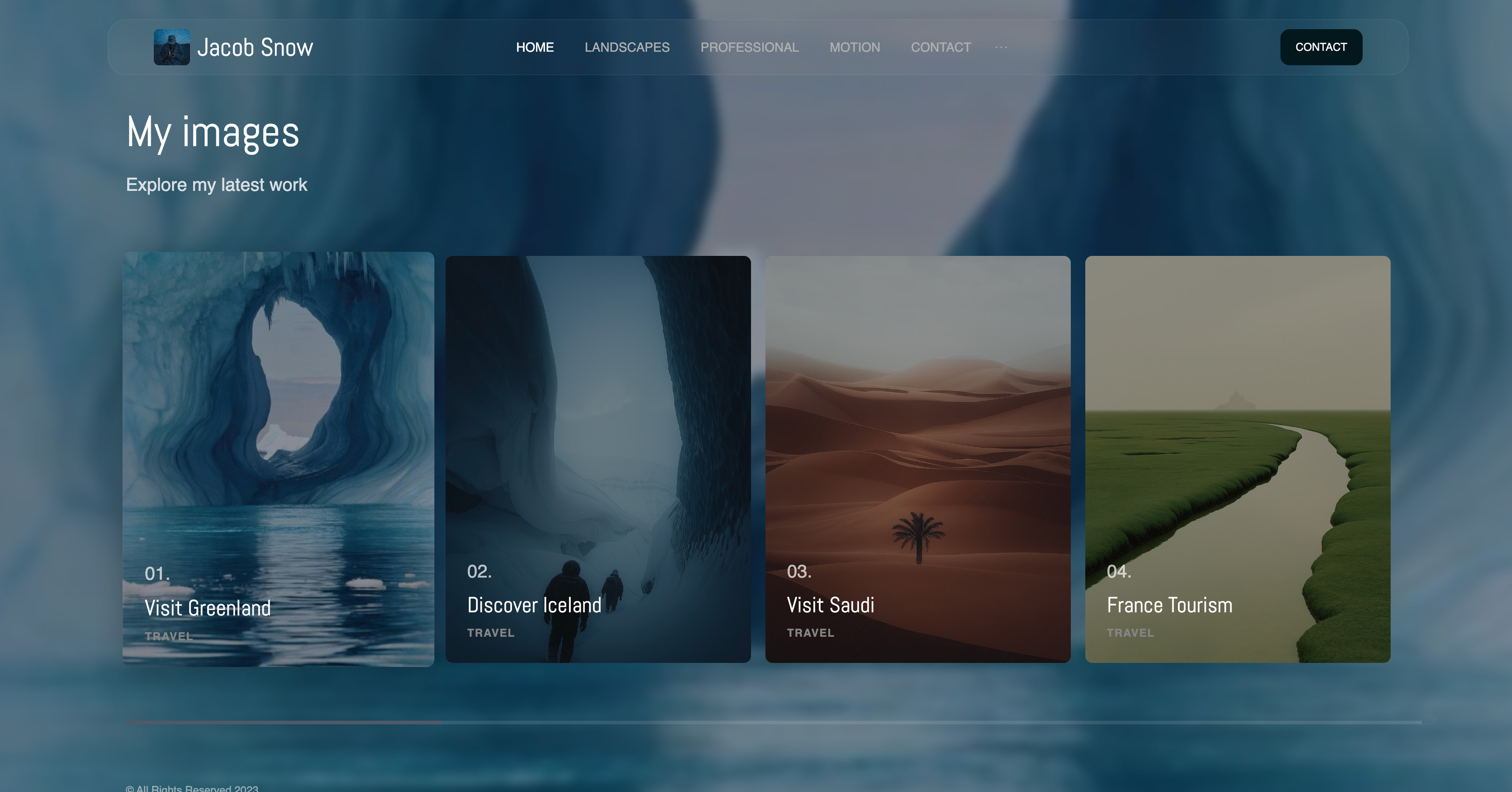 Use template
 Use template
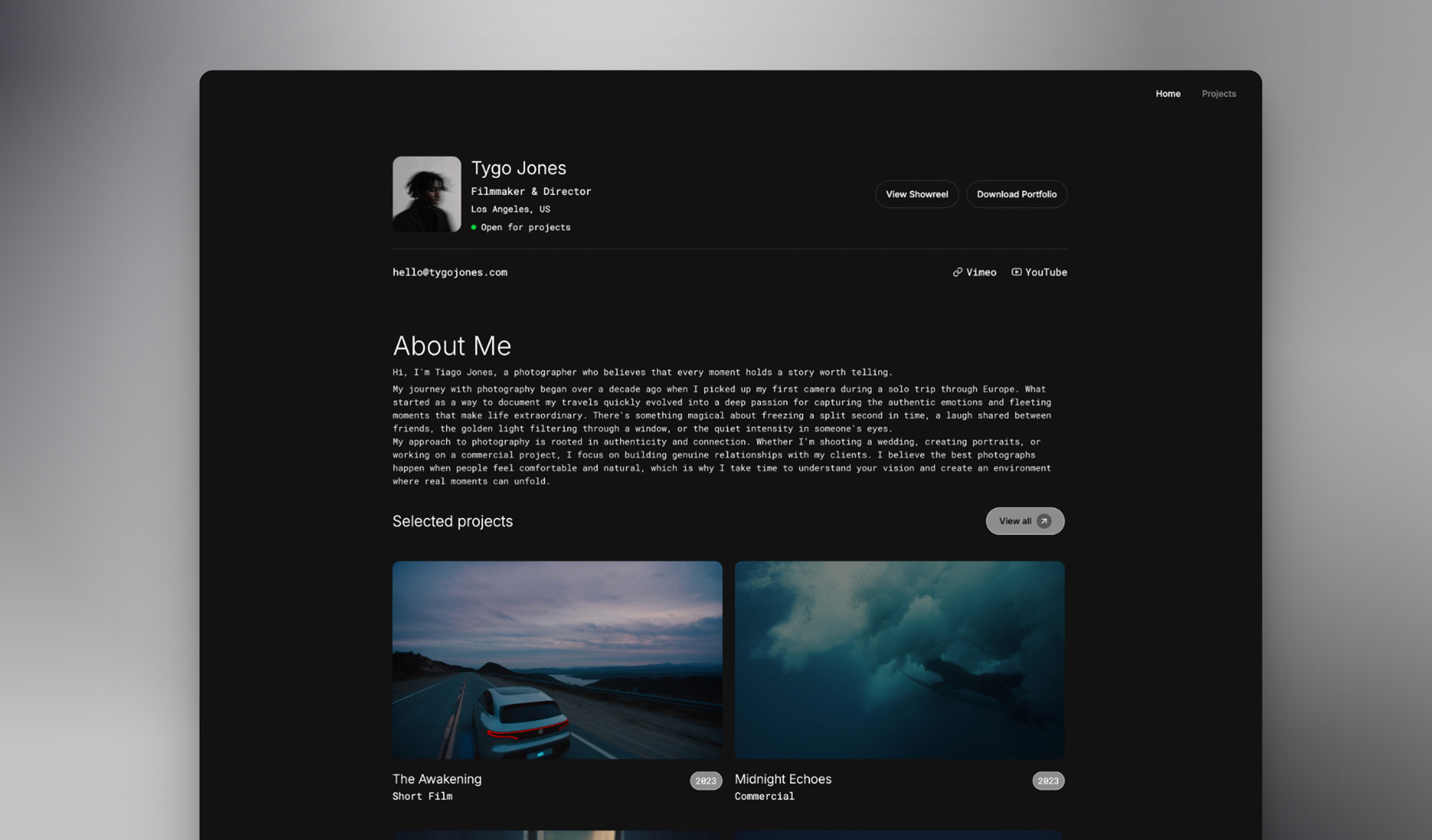 Use template
 Use template
 Use template
A family photographer set every gallery to expire after 30 days because her storage plan was full.
Fourteen months later a client emailed asking to reorder the print that had been on her wall since the shoot, because the frame had broken in a move.
The gallery was gone, the originals were on a drive in a cupboard, and finding the file took ninety minutes she could not bill for.
The expiry saved her about $9 a month in storage. It cost her a $340 print order and an afternoon.
How long client galleries stay online is a revenue decision that most photographers make as a storage decision, and the two point in opposite directions.
A client gallery expiry window is the period between publishing a delivered gallery and the link going dark, after which the client can no longer view, download, or order from the photos without contacting you.
Some platforms set it automatically to reclaim storage; others leave it to you.
Framekit, which we make, is firmly in the second camp: expiry is a switch you turn on rather than a countdown that starts without asking, so the twelve-month policy below costs you storage and nothing else.
Keep client galleries online for 12 months as the default, with downloads enabled for the first 60 to 90 days and the gallery left viewable afterward, because reprint and album requests cluster between month six and month eighteen.
The honest trade-off is storage: at 1GB to 2GB per wedding, a 12-month policy on 30 galleries a year needs roughly 40GB to 60GB of headroom, which is a paid plan on every platform including ours.
Framekit is an AI website builder with client galleries where expiry is opt-in rather than the default, so a gallery stays published on your own domain until you decide otherwise.
How Long Photographers Actually Keep Galleries Live
The common policies cluster into four patterns, and each trades storage cost against sales opportunity in a different way. Here is how they compare on the things that matter after delivery day.
Re-verified 20 September 2026: every plan size quoted below was checked against the vendors' published pages, Framekit's pooled tiers included.
| Policy | Typical use | Storage cost | Reprint sales captured | Client friction |
|---|---|---|---|---|
| 30 days, then gone | Free-tier storage limits | Lowest | Very low | High, clients miss the window |
| 90 days, then gone | Common studio default | Low | Low to moderate | Moderate |
| 12 months, downloads for 90 days | Recommended balance | Moderate | High | Low |
| Indefinite until unpublished | Studios on their own site | Highest | Highest | None |
| Archive offline, restore on request | High-volume shooters | Low | Moderate, with delay | Moderate, needs a reply from you |
The pattern that loses the most money is the first, and it is also the most common, because it is what a full free storage tier forces.
When Reprint and Album Requests Actually Arrive
Requests do not arrive when the gallery is fresh. They arrive when life prompts them, and life runs on a slower clock than a 30-day expiry.
The first 30 days is download season. Clients grab files, share on social, and send the link to family. Very little money moves, because everyone has just paid you.
Months 2 to 5 are quiet. This is the window most expiry policies cover, and almost nothing happens in it.
Months 6 to 18 are where reorders live. Anniversaries, holidays, birthdays, house moves, and grandparents arriving for a visit are what trigger a print order, an album upgrade, or a request for a file in a different crop.
A gallery that expired in month three is invisible for the entire period when the client is most likely to spend.
Year two and beyond is referral and re-booking territory. A gallery still live at the second anniversary is a working link a couple can forward to an engaged friend, and every open of that link lands on your studio if the gallery is on your own domain.
The practical read: a 90-day policy captures the traffic and misses the revenue. A 12-month policy costs a little more storage and sits open for the entire window where clients actually buy.

What Expiry Costs, in Numbers
In one lineon a studio delivering 30 galleries a year, expiring at 90 days instead of 12 months typically costs more in missed reorders than the storage plan it saves, and the gap widens every year as your back catalogue grows.
Take a photographer delivering 30 galleries a year with an average reorder value of $180, and assume a conservative 8% of clients reorder something at some point.
- 30 galleries at 8% is 2.4 reorders a year, worth about $432.
- Industry reorder timing means roughly two thirds of those requests land after month six.
- A 90-day expiry therefore forfeits about $290 a year, before counting the album upgrades and the referrals that never got forwarded.
Now price the storage. Thirty weddings at 1.5GB each is 45GB.
On Framekit that is the Starter plan at $9 a month, or $108 a year, and because one pool covers the site as well, that figure buys the website, the portfolio, and the shop rather than storage alone.
On a dedicated gallery platform, 45GB sits in the middle tiers at $17 to $27 a month.
The comparison is not storage versus zero. It is storage versus the reorder revenue plus the referral value plus the ninety minutes you spend digging a file off an archive drive every time somebody asks.
Run it on your own numbers. Count the reorder or album-upgrade requests you received last year, note how many arrived more than three months after delivery, and multiply by your average order value.
If that figure is larger than the annual difference between your current plan and the next one up, your expiry policy is the most expensive setting in your business.

The Policy to Actually Use
Separate viewing from downloading, because these are two different rights with two different costs to you, and collapsing them into a single expiry date is what creates almost every problem in this area.
Downloads: 60 to 90 days. A download window creates healthy urgency, protects you from being treated as a permanent backup service, and gets clients to actually collect their files. Say it plainly at delivery and send one reminder a week before it closes.
Viewing and ordering: 12 months minimum. After downloads close, leave the gallery viewable so clients can browse, favorite, and order prints. This is the window that pays for itself.
Archive, do not delete, at 12 months. Move the originals to cold storage and keep a record of which gallery held what. If you unpublish rather than delete, restoring is a toggle rather than an excavation.
Offer a paid extension. A $25 to $50 gallery reactivation fee is reasonable, easy to explain, and turns a support request into revenue. Clients who forgot to download in the first 90 days are usually happy to pay it.
Framekit galleries make this shape straightforward: downloads can be switched off independently of the gallery, expiry is opt-in with an optional reminder email to the client before the date, and a gallery stays published until you unpublish it.
Because the gallery sits on your own site, the pages that stay live are also pages that keep pointing at your portfolio.
What to write in your contract
Put three sentences in the delivery clause and you will never argue about this again.
First, the download window: "high-resolution files are available for download for 90 days from the delivery date." Second, the viewing window: "the online gallery remains viewable for 12 months from delivery." Third, the escape hatch: "galleries may be reactivated after this period for a fee of $35, subject to archive availability." That last clause is the one that protects you when a drive fails in year four.
Storage Planning So You Never Have to Expire Early
Expiry policies are almost always set by a storage cap rather than by a considered strategy, so fix the cap first and the policy follows on its own. Size the plan for the year you are about to have, not the month you are in.
Budget 1GB to 2GB per wedding gallery, 300MB to 600MB per portrait session, and 100MB to 300MB per headshot job. Multiply by your annual volume, then add 50% headroom for a busy year.
A 30-wedding studio therefore needs 45GB to 90GB with headroom, which lands on Framekit's Pro plan at 300GB, ShootProof's 25,000-photo tier, or CloudSpot Lite at 100GB.
A 12-session-a-month portrait studio is closer to 20GB and sits inside Framekit Starter's 50GB pool with room for a second year.
Deliver smaller sets and the arithmetic improves immediately. Halving a 1,200-image wedding gallery to 600 halves its footprint, and our guide to how many photos to deliver has the genre-by-genre counts.
Keep working files off the delivery platform. Gallery storage should hold delivered JPEGs, not RAW archives.
Your originals belong in a proper backup system, which our comparison of photo backup solutions covers in detail.

What Happens on Each Platform When a Gallery Expires
Expiry behaviour differs far more between platforms than photographers expect, and the differences tend to reveal themselves at exactly the wrong moment, which is usually the week a client asks for a reprint.
Most dedicated gallery platforms let you set an expiry date per gallery, after which the link returns a message rather than the photos.
Pixieset, Pic-Time, and ShootProof all support this, and all keep your originals in your account until you delete them, so restoring is usually a settings change rather than a re-upload.
Pic-Time's help center also reduces free-plan storage from 10GB to 3GB three months after the account is created, trial included, and permanently deletes galleries over the limit a week later, oldest first, which forces the policy on you whether you wanted it or not.
Cancelling a subscription is a different event from a gallery expiring. On hosted platforms, letting the plan lapse takes every gallery offline at once, including galleries you never set to expire.
On a site you own, the pages stay published and only the paid capacity changes, which is the practical argument for delivering from your own domain rather than a rented subdomain.
File-transfer links are the harshest case. WeTransfer and similar services expire by design in days, not months, which is why they belong nowhere near a paid client relationship.
Our WeTransfer alternatives comparison covers the replacements.
Frequently Asked Questions
How long should a client gallery stay online?
A client gallery should stay online for 12 months as a default, with high-resolution downloads open for the first 60 to 90 days and viewing left available for the rest of the year.
Reprint, album, and re-crop requests cluster between month six and month eighteen, so a 30-day or 90-day expiry closes the gallery before the revenue window opens.
Photographers delivering from their own website often leave galleries published indefinitely, since the pages also work as portfolio traffic.
Should I let clients download photos forever?
No. A 60 to 90 day download window is the professional standard, because it prompts clients to collect their files while you still have them on fast storage and stops your gallery platform becoming a free permanent backup service.
State the window at delivery, send one reminder before it closes, and offer a paid reactivation afterward rather than an open-ended promise.
What is a fair fee to reactivate an expired gallery?
Between $25 and $50 is the common range, and it should be published in your contract rather than invented on the day.
The fee covers restoring the gallery, confirming the files are intact, and re-sending the link, and it converts a support email into a small billable job.
Photographers who charge nothing for reactivation tend to receive the request repeatedly from the same clients.
Do galleries that stay online help SEO?
Only when the gallery lives on a domain you own. A gallery published on your own website adds pages, internal links, and returning visitors to your site, all of which build the authority that helps your portfolio rank.
A gallery on a vendor subdomain sends exactly the same signals to the vendor instead, which is why long-lived galleries are worth considerably more on your own domain than on a rented one.
How much storage do I need to keep a year of galleries live?
Roughly 45GB to 60GB for 30 wedding galleries, since a delivered wedding runs 1GB to 2GB at 400 to 700 full-resolution JPEGs. A portrait studio delivering 150 sessions a year needs about 45GB to 90GB on the same basis.
That points at Framekit's Starter plan with 50GB of pooled storage at $9, or at CloudSpot Lite at 100GB and ShootProof's 25,000-photo tier, which sit between $17 and $27 a month.
Is it better to expire galleries or archive them?
Archive them. Deleting a gallery destroys the fastest path back to a sale, while unpublishing keeps the structure intact so restoring is a toggle rather than a rebuild.
The best practice is to unpublish at 12 months, keep the delivered JPEGs in cold storage with a clear naming convention, and keep the client record so you can find the right archive in under a minute when the reorder email arrives.
What happens to my galleries if I cancel my gallery platform?
Every delivery link goes dark, usually immediately or within a short grace period, and clients who never downloaded lose access without warning.
Most platforms let you export your originals during a cancellation window, so download everything before the account closes.
If galleries are published on your own website instead, the pages and the domain remain yours and only paid capacity such as extra storage is affected.
Should I tell clients the gallery will expire?
Yes, twice. Say it at delivery in the same email as the link, and send a single reminder seven days before the download window closes.
Framekit's gallery expiry includes an optional reminder email to the client, which removes the most common complaint in this whole area: a client discovering the deadline after it passed.
Silent expiry is the fastest way to turn a happy client into a negative review.
Does keeping galleries online increase print sales?
Yes, materially, because the majority of reorder requests arrive after the typical 90-day expiry window has closed.
Anniversaries, holidays, and house moves are what prompt a print order, and none of them happen in the first quarter after a shoot.
Keeping the gallery viewable for 12 months costs one storage tier and keeps the ordering path open for the entire period when clients are most likely to buy.
How long do I legally need to keep client photos?
There is no general legal requirement to keep delivered photos, but your contract creates the obligation you actually have to meet, so keep whatever it promises and no less.
Many photographers state a 12-month gallery window and a separate note that archives are not guaranteed beyond that, which sets an honest expectation.
If you operate under GDPR or similar regimes, holding client images indefinitely without a stated retention period is its own problem, so publish the policy either way.
The Policy in One Paragraph
Downloads open for 90 days, gallery viewable for 12 months, archive rather than delete, $35 to reactivate, and one reminder email before the download window closes.
That policy costs one storage tier and keeps the ordering path open through the entire period when clients actually spend.
If the storage cap is what is forcing you to expire early, the platform is making a revenue decision on your behalf. Delivering from a site you own, with expiry off by default, puts that decision back where it belongs.
Related reading: our full client gallery platform comparison, the cost breakdown in how much client galleries cost, how to create a client gallery, and the best free client gallery software if storage is the constraint.
Wedding studios with the heaviest storage load should read our best client galleries for wedding photographers picks, and anyone rebuilding their delivery workflow can start with how to deliver photos to clients.