Framekit templates
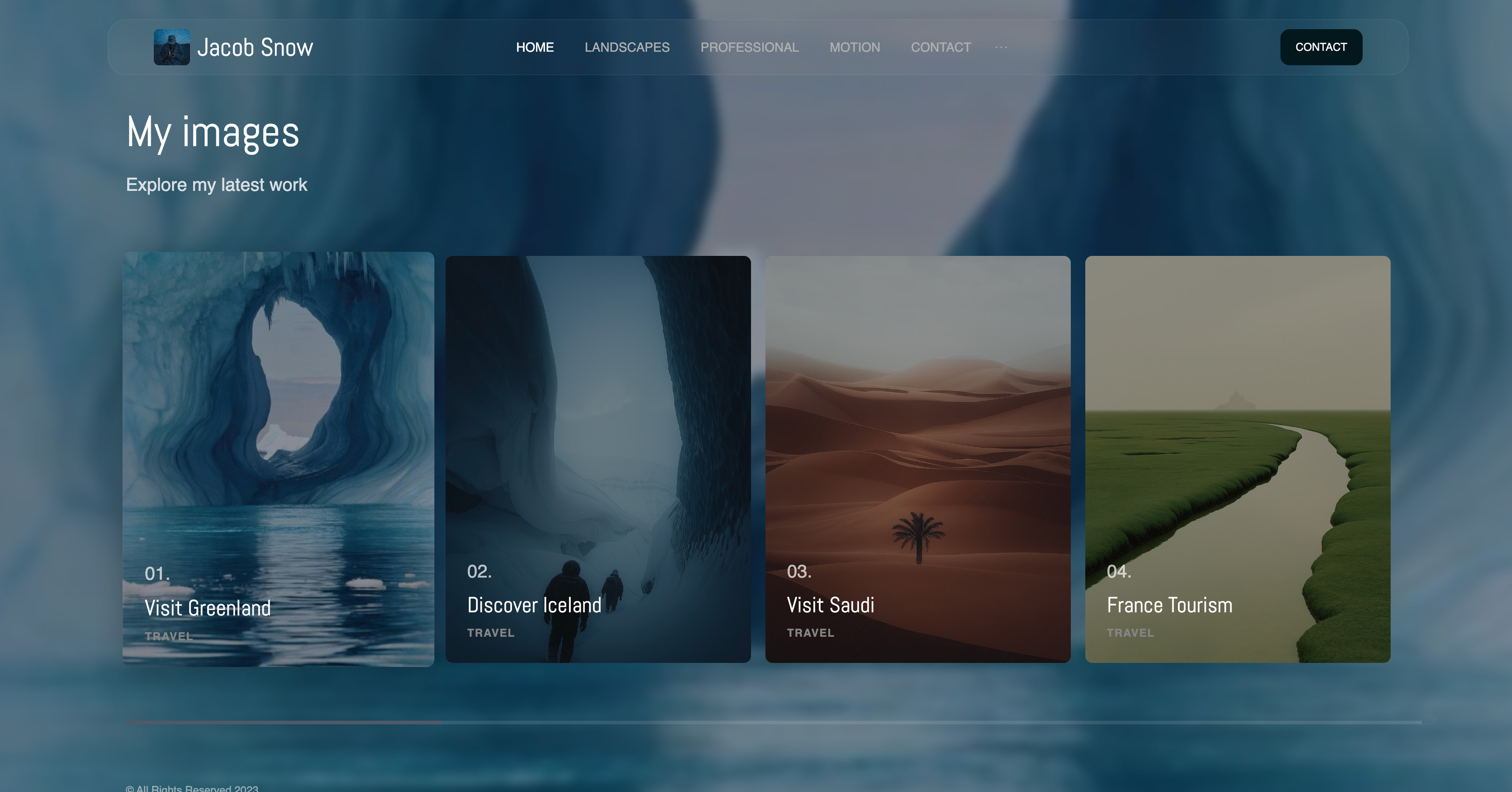
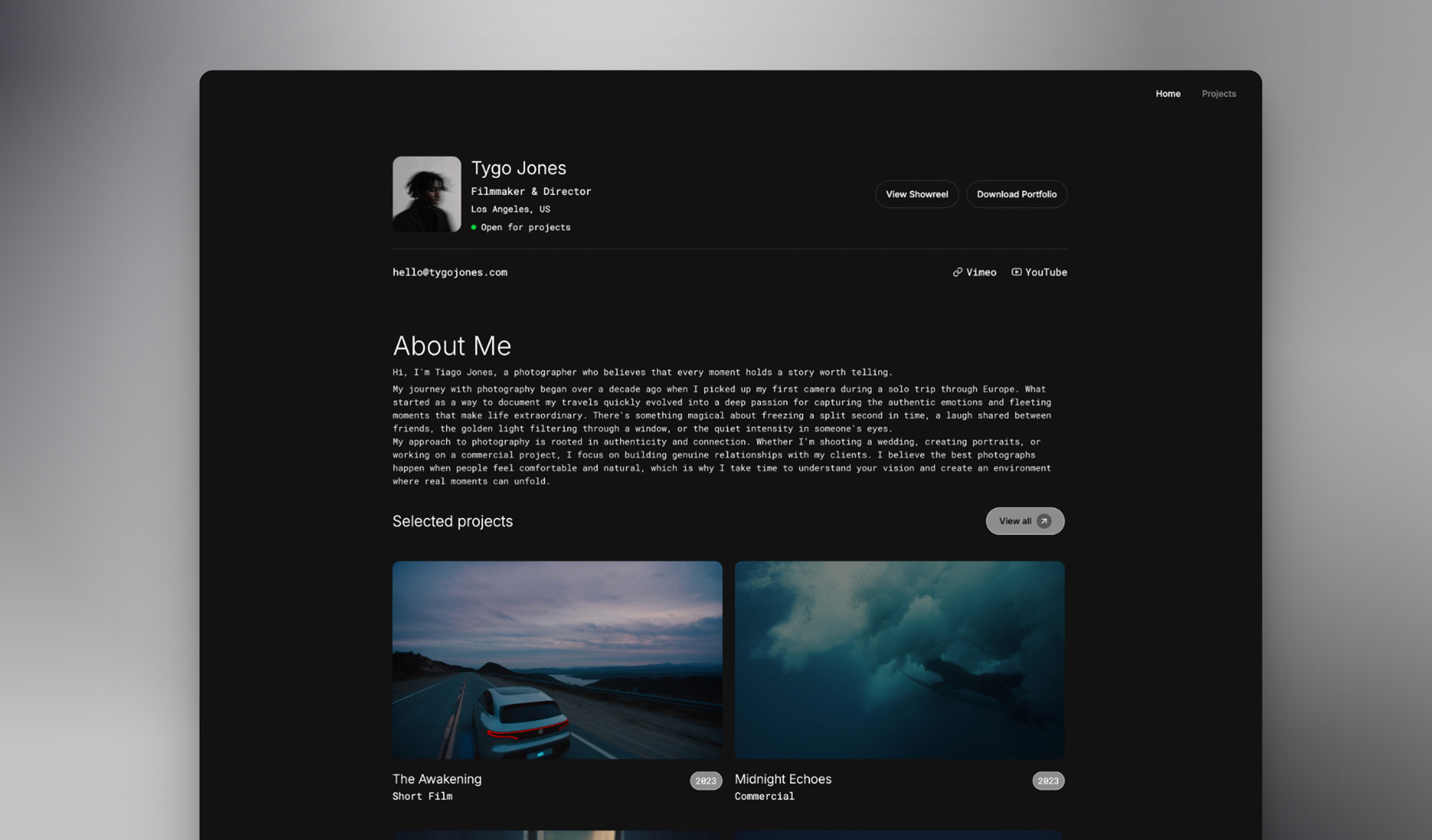
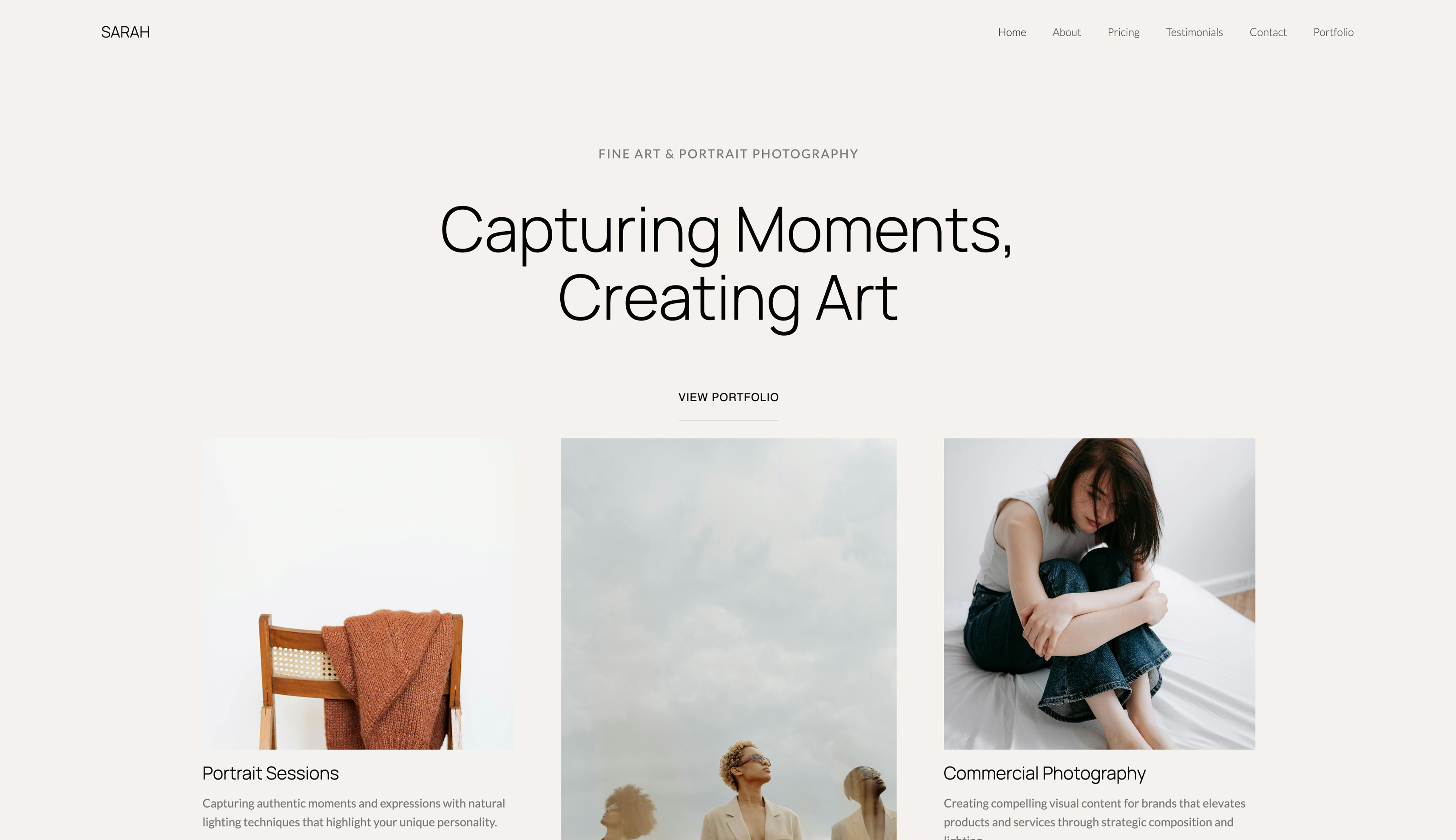
Start from a designer-made template
 Use template
 Use template
 Use template
 Use template
 Use template
 Use template
 Use template
 Use template
How much client galleries cost is a harder question than it looks, because the subscription is rarely the largest number. A photographer paying nothing on a free plan and selling $2,000 of prints through it has spent $300 in commission.
A photographer on a $7 plan who hits a fifteen-gallery cap in March has spent an afternoon migrating. And a photographer paying $39 a month for storage they are using at ten per cent has spent $400 on headroom.
So the honest answer to what client galleries cost in 2026 is between $0 and about $600 a year, and where you land depends less on which platform you choose than on which of the three pricing levers your business happens to pull hardest.
This guide prices all three levers on the same business, so you can see which one applies to you before comparing a single feature.
A client gallery is software that hosts, protects and delivers finished photographs to a paying client, charging through some combination of a monthly subscription, a commission on any sales, and hard limits on storage or the number of galleries you can publish.
Client galleries cost between $0 and about $600 a year in 2026, with most working photographers landing between $108 and $240.
Free plans are funded by a 15% commission on store sales or by caps of three to fifteen galleries, so they cost $300 on $2,000 of prints.
The cheapest plan with unlimited galleries and no commission on delivery is Framekit Starter at $9 a month, or $108 a year, and the cheapest with a print lab attached is ShootProof at about $10 a month with 0% commission on every plan.
Framekit removes the commission and the gallery cap for $9 a month, and the free plan needs no card.
Full disclosure: Framekit is our own product, so we have priced it on exactly the same basis as everything else and named the places it costs more. We read every figure from the vendors' published pricing pages in August 2026, and we state clearly that Framekit is more expensive per gigabyte than several platforms below and has no print lab at all.
Framekit's rows were re-verified on 19 September 2026: storage is now 10GB free, 50GB on Starter and 300GB on Pro, pooled with the website, which replaces the older 3GB, 10GB and 100GB figures.
The Three Ways Client Galleries Charge You
Almost every platform in this category uses one or two of these, and knowing which applies to your business tells you what you will actually pay.
The subscription. A monthly or annual fee, usually tiered by storage. This is the number on the pricing page and the one photographers compare, and for a business that never sells anything through the gallery it is the whole cost.
The commission. A percentage of store sales, most commonly 15% on free plans and 0% to 2.5% on paid ones. This is invisible until you sell, and then it is frequently larger than the subscription it replaced.
The cap. A hard limit on galleries or storage that forces an upgrade regardless of what you are spending. CloudSpot allows three galleries free and fifteen on its $7 tier; PicDrop allows three free. Caps do not appear as a cost until they stop you working.
A fourth cost exists and is never itemised: the delivery link carries a vendor's name, which for a referral business is a marketing expense you pay in attention rather than money.
What Each Platform Charges in 2026
Here is the published pricing across the major platforms as read in August 2026, shown at the tier a working photographer would realistically buy rather than at the headline figure each vendor advertises.
| Platform | Free plan | Entry paid | Mid tier | Commission on sales |
|---|---|---|---|---|
| Framekit | 10GB, unlimited galleries | $9/mo, 50GB | $19/mo, 300GB | None on delivery |
| Pixieset | 3GB, unlimited galleries | About $10/mo, 10GB | About $20/mo, 100GB | 15% free, 0% paid |
| CloudSpot | 5GB, 3 galleries | $7/mo, 15GB, 15 galleries | $17/mo, 100GB, unlimited | 15% free, 2.5% paid |
| ShootProof | 100 photos | About $10/mo, 1,500 photos | About $30/mo, 25,000 photos | 0% on every plan |
| Pic-Time | Free tier | $8/mo, 10GB | $25/mo, 100GB | 15% free, 0% self-collected |
| PicDrop | 1GB, 3 galleries | ~EUR 14.99/mo, 500GB | ~EUR 39.99/mo, 1TB | No store |
| SmugMug | Trial | $20/mo annual, unlimited | $37/mo annual, unlimited | About 15% on markup |
| PhotoShelter | None | $12.99/mo, 4GB | $29.99/mo, 100GB | Licensing built in |
Card processing of roughly 2.9% plus $0.30 applies on top of any sale on every platform here, including the ones charging no commission.
Full ladders are published on ShootProof's plans page and CloudSpot's pricing page.
What a Real Photography Year Costs
Costed below for a portrait and wedding photographer delivering 40 client galleries a year at roughly 3GB each, with about $3,000 of print or digital sales running through the store.
| Setup | Subscription | Commission on $3,000 | Total for the year |
|---|---|---|---|
| Pixieset free | $0 | $450 | $450 |
| CloudSpot free | $0 | $450, and capped at 3 galleries | Unworkable |
| Framekit Free | $0 | $150 on digital at 5% | $150, capped at 10GB |
| Framekit Starter | $108 | $150 on digital at 5% | $258 |
| Pixieset Basic | $120 | $0 | $120 |
| CloudSpot Lite | $204 | $75 at 2.5% | $279 |
| ShootProof 5,000 photos | $240 | $0 | $240 |
| Framekit Pro | $228 | $90 on digital at 3% | $318 |
The number that should stop you is the first row. A free plan with a 15% commission costs $450 on $3,000 of sales, which is nearly four times the paid plan that removes it.
This is the single most common overpayment in photography software, and it happens because the cost never appears on an invoice.
In one lineif you sell anything through your gallery, the free plan is almost certainly your most expensive option.
The Cost Nobody Prices: Gallery Caps
A cap is a cost that arrives as lost time rather than as a charge, which is why photographers systematically ignore it when comparing plans.
CloudSpot's free plan allows three galleries and its $7 Entry plan allows fifteen.
A portrait photographer delivering weekly reaches fifteen live galleries in about a quarter, at which point the real price of CloudSpot is $17 a month rather than $7, and any comparison quoting the lower number is describing a plan that will not carry a working business.
PicDrop's free plan allows three galleries. Pixieset and Framekit place no cap on gallery count at any tier, including free, so the only limit is storage.
That difference is worth more than it sounds for anyone doing per-subject delivery, such as headshot photographers, who might publish forty galleries from a single corporate day.
The way to price a cap is to count the galleries you had live at once during your busiest month last year. If that number is above fifteen, half of this category's cheap tiers are not available to you and the comparison changes entirely.

What You Should Expect to Pay
Here are three realistic budgets, based on what photographers at genuinely different stages of a career need rather than on what any vendor would like to sell them.
Starting out, under 10 galleries a year and no sales. A free plan is genuinely enough, and Framekit's is the most usable because gallery count is uncapped and every protection feature is included, with a 10GB pool the only ceiling. Cost: $0.
Working professionally, 30 to 60 galleries a year with some sales. Expect $108 to $240 a year.
Framekit Starter at $9 a month or Pixieset Basic at about $10 are the cheapest credible options; ShootProof at about $20 a month adds a print lab with 0% commission.
Anything cheaper involves a cap or a commission that will cost more than the saving.
Established, high volume or heavy storage. Expect $240 to $600. Framekit Pro at $19 a month or Business at $39 for 2TB, CloudSpot Pro at $34 for 500GB, PicDrop Advanced at about EUR 39.99 for 1TB, or SmugMug Pro at $37 a month annually for unlimited storage.
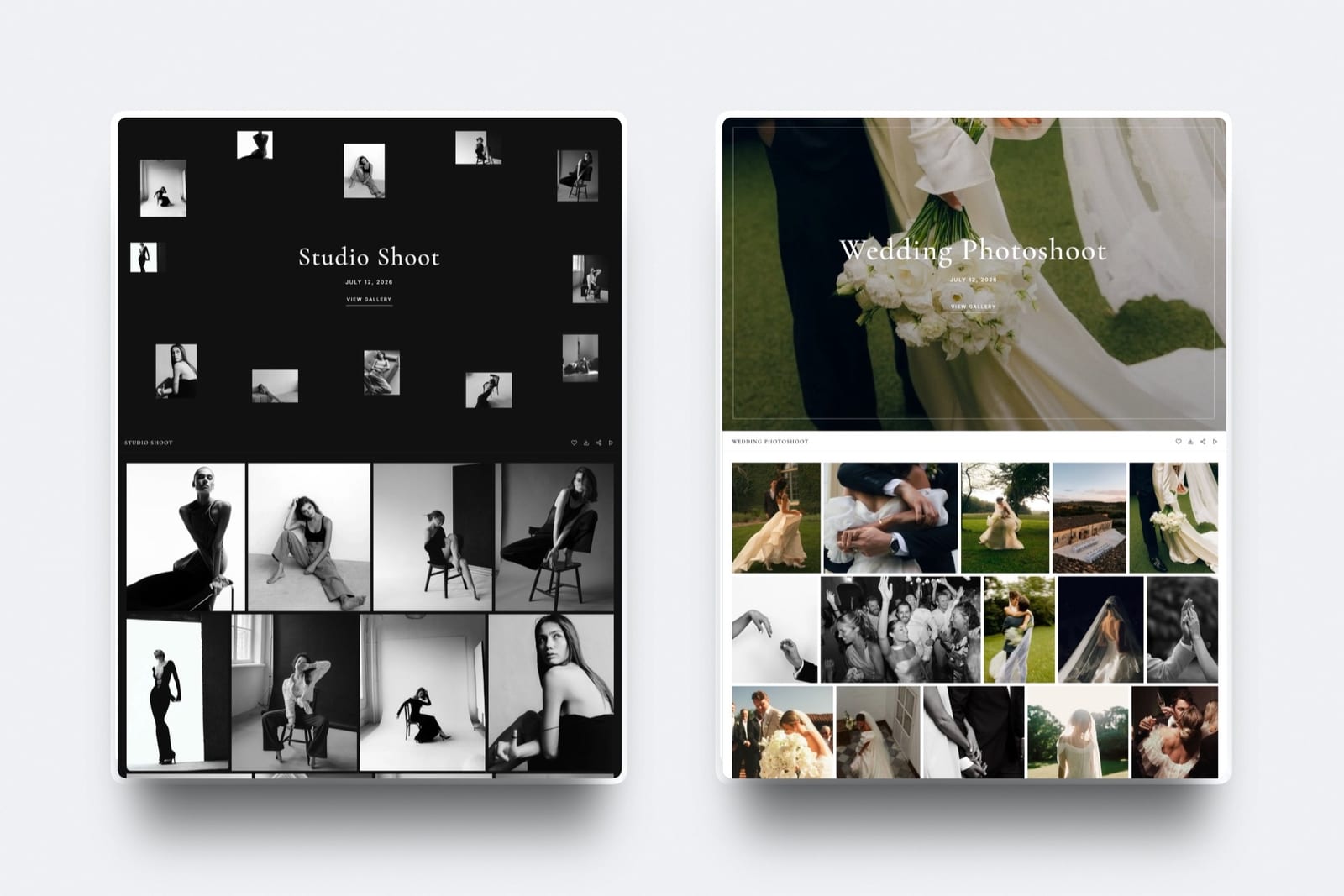
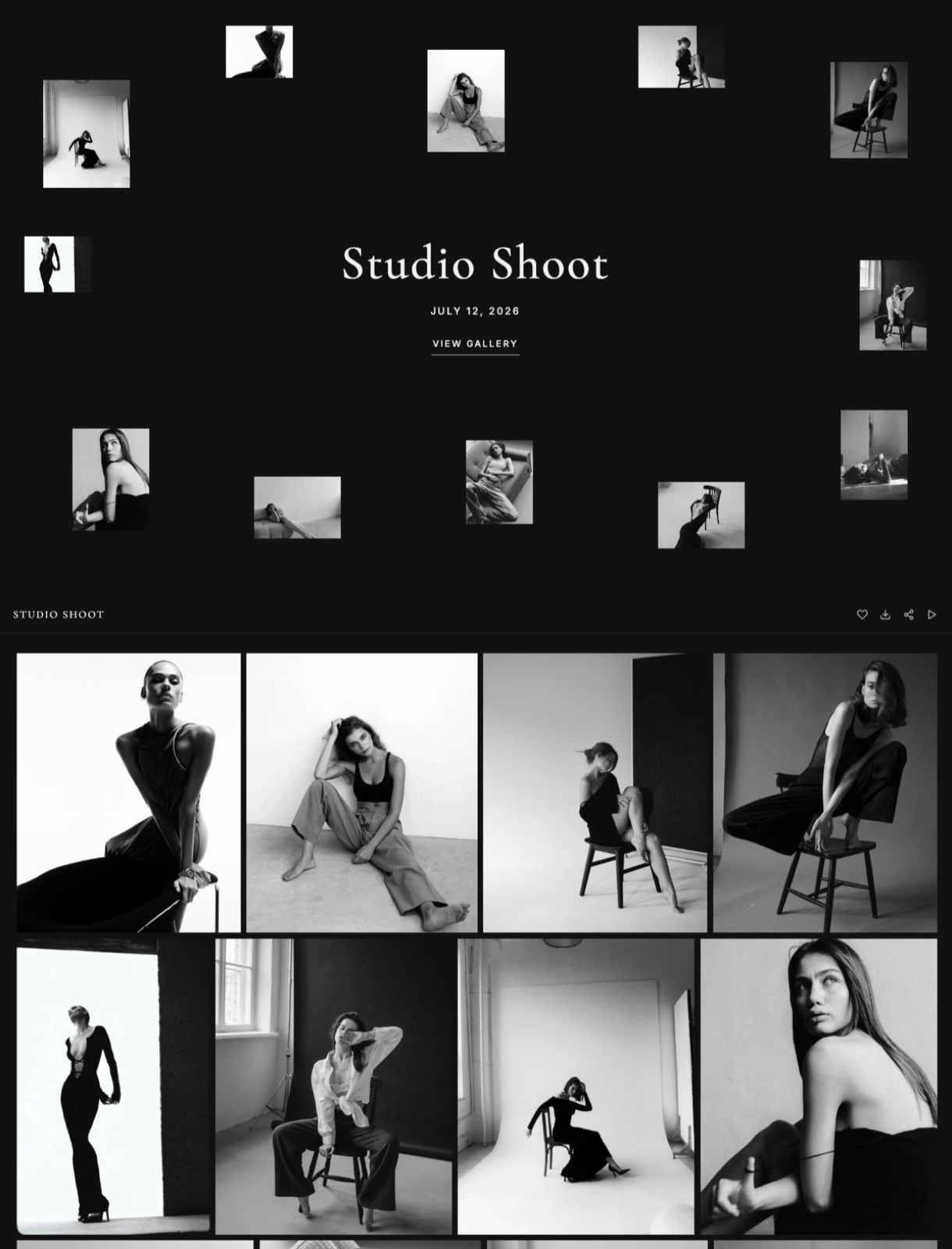
Framekit is an AI website builder with client galleries and a digital store built in, which is why its $9 tier compares favourably: the subscription also covers the portfolio site most photographers pay for separately, so the effective cost of the gallery is lower than the line item suggests.
How to Work Out Your Own Number
Run these four calculations against your own business and the right plan usually becomes obvious without reading another comparison guide, including this one, because your numbers eliminate most options immediately.
1. Count your peak simultaneous galleries. Look at your busiest month last year. This number eliminates every capped plan below it immediately.
2. Multiply your annual gallery sales by 0.15. If the result is more than $120, a commission-funded free plan is costing you more than the cheapest paid tier.
3. Add up the gigabytes in a typical delivery and multiply by the months you keep galleries live. That is your real storage requirement, which is almost always smaller than your total archive.
4. Add what you currently pay for a portfolio website. If your gallery platform could replace it, the comparison changes by $150 to $250 a year.
Most photographers who run these four numbers discover they are either paying commission they could remove for $120 a year, or paying for storage headroom they are using at a fraction of capacity.
Frequently Asked Questions
How much do client galleries cost in 2026?
Client galleries cost between $0 and about $600 a year in 2026, with most working photographers paying $108 to $240.
Free plans exist on almost every platform but are funded either by a 15% commission on store sales or by caps of three to fifteen galleries.
The cheapest plan with unlimited galleries and no delivery commission is Framekit Starter at $9 a month.
Are free client galleries really free?
Only if you never sell anything and deliver very few galleries. Pixieset, Pic-Time and CloudSpot all take 15% of store sales on their free tiers, which costs $450 on $3,000 of sales, roughly four times the paid plan that removes it.
CloudSpot and PicDrop additionally cap free accounts at three galleries. Free plans are demonstrations rather than business plans.
What is the cheapest client gallery platform?
CloudSpot's Entry plan at $7 a month is the lowest headline price, but it caps you at fifteen galleries, so the cheapest workable plan is Framekit Starter at $9 a month with unlimited galleries and a custom domain, or Pixieset Basic at about $10 a month with 10GB and no commission.
Below that, every option involves a cap or a percentage.
How much commission do client galleries take?
Commission in 2026 ranges from 0% on every ShootProof plan, through 2.5% as a transaction fee on CloudSpot's paid tiers, to 15% on the free plans of Pixieset, Pic-Time and CloudSpot.
SmugMug takes a commission on your print markup commonly budgeted around 15%, and Zenfolio charges a flat 7% per order. Framekit charges no commission on delivery at any tier.
Is it cheaper to pay monthly or annually?
Annually, on every platform that offers the choice, and the gap is unusually large on some. SmugMug costs $9 to $15 more per month when billed monthly, which is $108 to $180 a year. Framekit's annual billing takes 20% off.
Apple's iCloud+ is the notable exception in adjacent storage, offering no annual option at all.
How much storage does a photographer need for client galleries?
Around 3GB to 5GB per delivered wedding gallery and 1GB to 2GB per portrait session, so a photographer delivering 40 jobs a year and keeping six months live needs roughly 60GB to 100GB.
That fits the mid tiers of most platforms at $17 to $20 a month. Buy on the rolling archive you keep online rather than on your total output.
Does a client gallery replace a website?
On most platforms, no. Dedicated gallery tools offer basic site builders as companions rather than portfolios you would compete on, so photographers typically pay for both.
Framekit is the exception in this comparison, since the galleries are pages of a full website on your own domain, which means one subscription covers work that usually costs $150 to $250 a year separately.
What happens if I exceed my gallery storage?
Platforms typically block new uploads rather than deleting anything, so the immediate cost is that you cannot deliver until you upgrade or archive older work.
Because that usually happens on a delivery deadline, the practical advice is to keep at least twenty per cent headroom on whatever tier you choose and to archive completed jobs on a schedule rather than reactively.
Are expensive client galleries worth it?
Only where the extra money buys a capability you use. Paying $39 a month for 1,000GB when you use 40GB is waste; paying $19 a month to remove a commission that would cost $450 is not.
The most reliable upgrades are removing a 15% commission, removing a gallery cap, and putting the delivery on a domain you own, in roughly that order.
Which client gallery gives the most for the money?
For pure storage, PicDrop Pro at about EUR 14.99 a month for 500GB is the leader by a wide margin. For sales, ShootProof at 0% commission on every plan keeps the most of what you earn.
For a gallery plus a full website on your own domain, Framekit Starter at $9 a month is the cheapest combination in this comparison, since it removes a separate portfolio subscription.
The Verdict
Client galleries in 2026 cost what your business makes them cost. The subscription is the smallest of the three levers for anyone who sells through the gallery, and the largest for anyone who does not.
A photographer with no store and forty deliveries a year should be paying about $108; a photographer selling $3,000 of prints on a free plan is paying $450 and does not know it.
Where Framekit is not the cheapest. PicDrop Pro gives 500GB for about EUR 14.99 against our 300GB for $19, so heavy shooters will pay less there.
ShootProof's 0% commission on every plan beats our 5% digital product fee on the entry tiers, and it comes with a print lab we do not have. CloudSpot's Lite plan bundles contracts and invoicing that we do not offer at any price.
If any of those is the capability you need, we are not the value answer and we would rather say so.
Run the four calculations above on your own numbers this week.
Two of them take five minutes each, and photographers who do them regularly find they are either paying a commission they could remove for the price of a coffee a month, or paying for storage headroom they will never use.
Related readingclient gallery platforms compared, free client gallery software, online photo gallery software, and how much a photography website costs.
Cost guides that go furtherfor the cheapest options ranked by real annual spend see cheapest client gallery software, for the platforms that never take a cut see commission-free client galleries, and if you are leaving a hosted platform, how to move from Pixieset to your own website and how to brand your client gallery cover the migration and the branding that follows.
Every subscription price, commission rate, storage tier and gallery cap in this guide was read from the vendors' own published pricing pages in August 2026 and priced against the same photography business, because the cost of a client gallery is a function of your sales and your delivery cadence rather than of the number on a pricing page.