Framekit templates
Start from a designer-made template
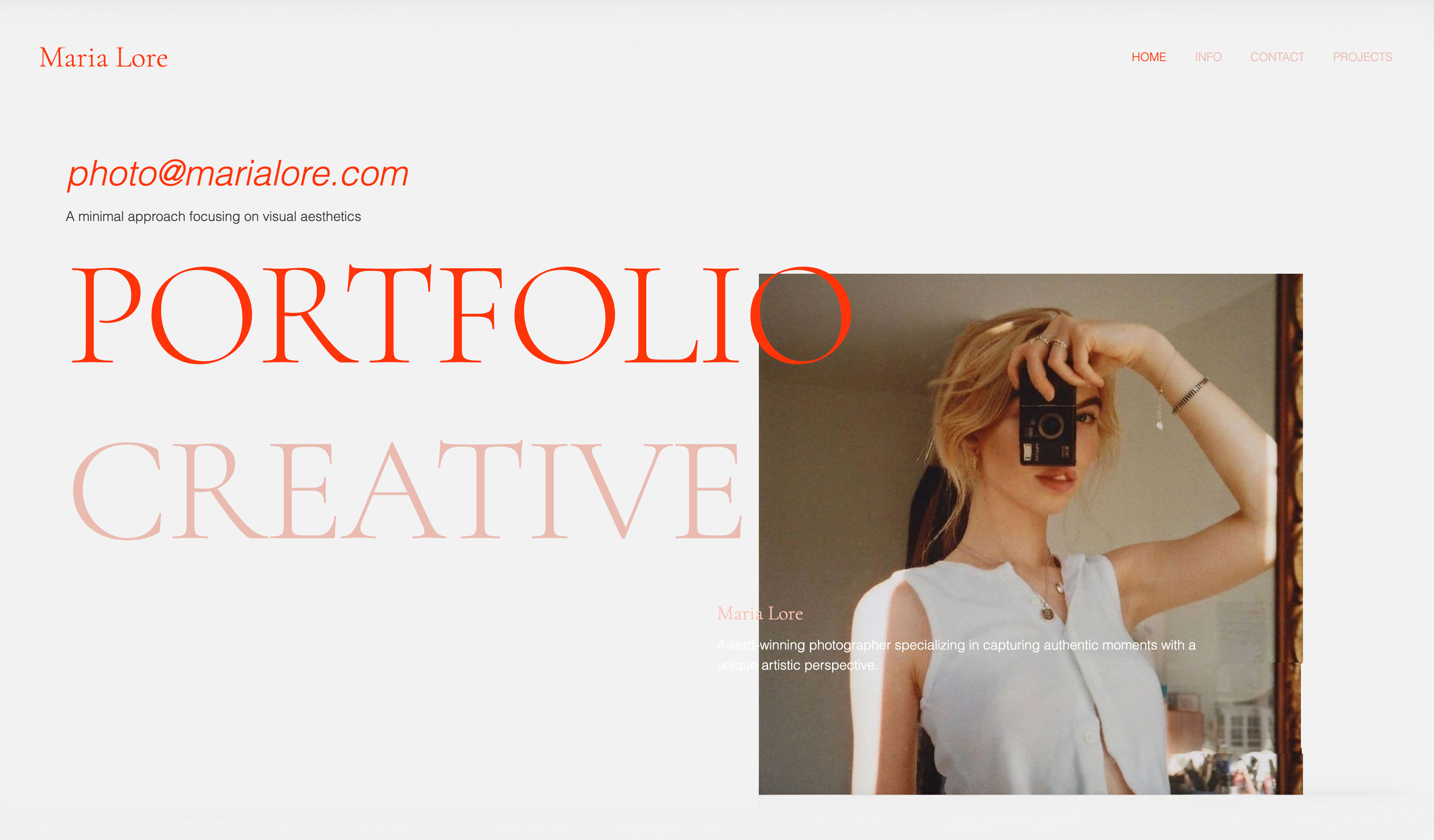 Use template
 Use template
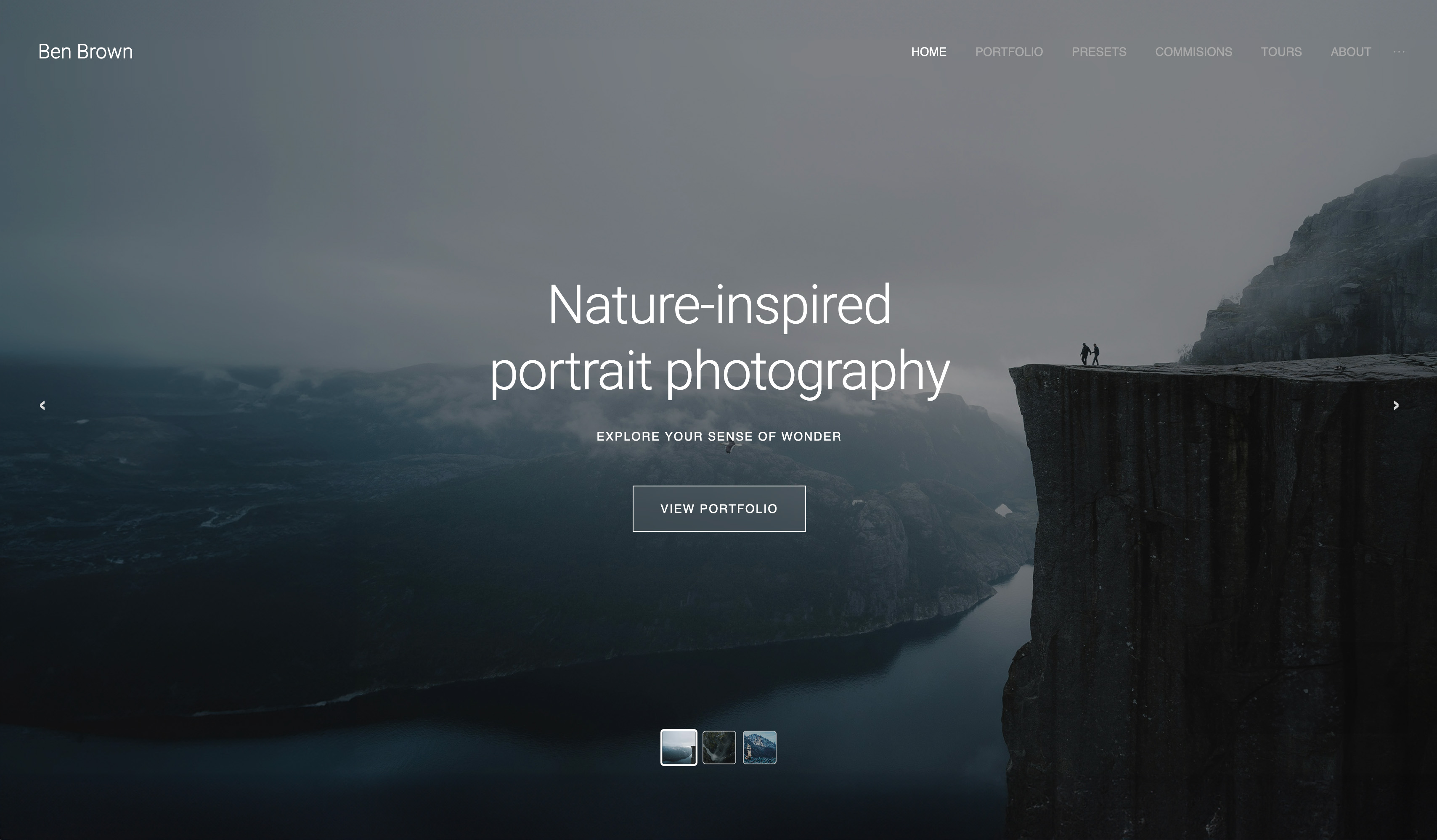 Use template
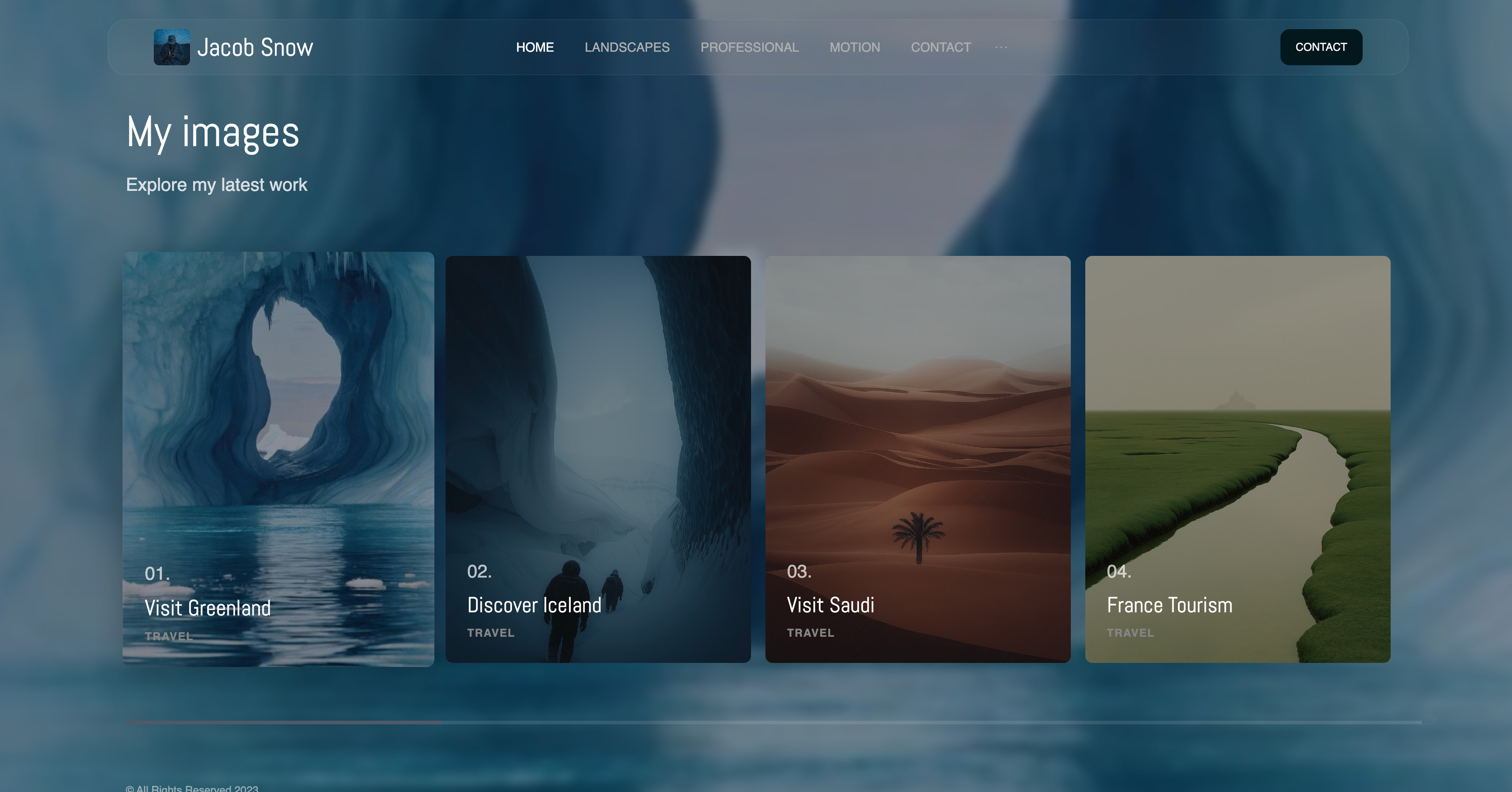 Use template
 Use template
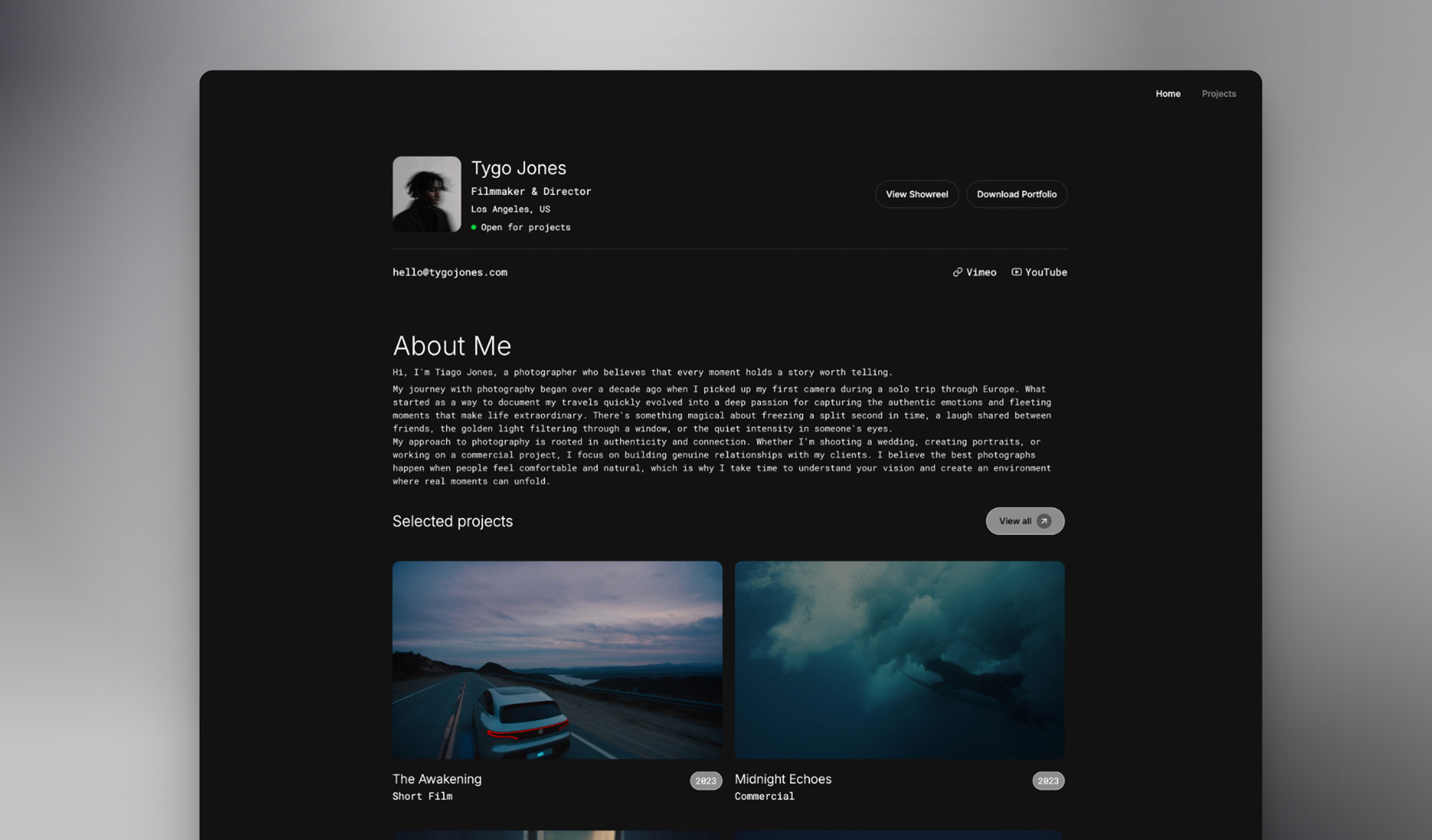 Use template
 Use template
 Use template
Search for online photo gallery software and you get three completely different products wearing the same label. Some are delivery tools that put finished photographs in front of a client.
Some are storefronts that exist to sell prints and treat the gallery as packaging. And some are archives that store a decade of work and let visitors browse it.
Choosing the wrong one is the most common and most expensive mistake in this category. A photographer who needs delivery buys a storefront and pays for a print engine they never switch on.
A photographer who needs an archive buys a delivery tool and runs out of storage in month four. Both then blame the software.
The second trap is quieter and it costs more over time. Almost every option here puts your client on a page with a vendor's name in the address bar, which means the single most-shared asset your business produces is marketing somebody else.
Online photo gallery software is a tool that hosts, protects and presents photographs on the web for a specific audience to view, select from or download, usually adding passwords, watermarking, favourites and sometimes a store on top.
The best online photo gallery software in 2026 is Framekit, because the gallery is a page of a website you own on your own domain, galleries are uncapped on every plan including free, and delivery carries no commission at any tier.
The honest trade-off: Framekit has no print lab and no metadata search, so print sellers are better served by ShootProof at 0% commission or Pixieset, and archive-led businesses by PhotoShelter.
Pixieset is the best all-round delivery tool, SmugMug is the best archive at unlimited storage, and Pic-Time sells hardest.
Framekit turns the gallery into a page of your own site rather than a link on someone else's, free to start.
Full disclosure: Framekit is our product and it is ranked first, so the concessions matter more than the praise. We ran an identical 500-image job on all twelve tools, read every price from published vendor pages in August 2026, and we name the wins throughout: PhotoShelter's search, SmugMug's storage, ShootProof's commission model, Pic-Time's automation and Pixieset's in-gallery structure are all things we do not match.
How We Tested This Online Photo Gallery Software
One job, twelve tools, judged from the recipient's side rather than the dashboard, because gallery software is bought on features and experienced as a link.
The joba 500-image gallery published with a password, a favourites round collected, a full-resolution download completed on a phone by someone signed out of everything, and one digital product listed and bought.
Delivery and presentation, meaning cover, layout, ordering and mobile behaviour, weighted 25%.
Protection and control, covering passwords, watermarking, expiry and download permissions, weighted 20%.
Ownership of the address, meaning whose domain the client actually visits, weighted 20%.
Selling, meaning what you can sell and what the platform keeps, weighted 20%.
Storage economics, weighted 15%.
Claims are separated by how we know them. Hands-on: building, protecting, delivering, selecting and buying.
Verified from primary sources: prices, storage caps and fees, read from published pricing pages in August 2026 and linked where the number carries weight. Community sentiment, always flagged: recurring complaints in public reviews.
What Running One Job Through 12 Tools Showed
The findings that shaped this ranking are mostly about category confusion between three products sharing one name, and about the question of who actually owns the link a client opens.
- The twelve tools split into 6 delivery-first products, 4 storefront-first products and 2 archive-first products, and their pricing only makes sense once you know which you are looking at.
- 1 of the 12 serves the gallery from a domain you own as part of a full website.
- Storage at around $19 a month ranges from 10GB to 500GB depending on which of those three categories the tool belongs to.
- Store commission ranges from 0% on every ShootProof plan to 15% on the free tiers of Pixieset, Pic-Time and CloudSpot, with CloudSpot's paid tiers replacing commission with a 2.5% transaction fee.
- 8 of the 12 allow a client to download full-resolution files without creating an account, and the four that do not are the ones that generate support emails.
Before comparing anything else, write down which of the three products you actually need.
Photographers who deliver and never sell should ignore commission entirely; photographers who sell should ignore storage tiers and read the fee table; photographers with a back catalogue should be looking at search, which almost nothing here has.
The 12 Best Online Photo Gallery Software Tools, Compared
Weighting is set out above and it treats ownership as equal to selling, because a gallery link is the most forwarded thing a photography business produces.
Framekit reaches 9.3 while scoring a 4 on selling physical products and a 3 on archive search, which are the two columns where it is genuinely behind.
| Tool | Category | Entry paid price | Store commission | Our rating |
|---|---|---|---|---|
| Framekit | Delivery plus website and store | $9/mo | None on delivery | 9.3/10 |
| Pixieset | Delivery plus store | About $10/mo | 15% free, 0% paid | 9.0/10 |
| ShootProof | Storefront plus delivery | About $10/mo | 0% on every plan | 8.8/10 |
| Pic-Time | Storefront plus delivery | $8/mo | 15% free, 0% self-collected | 8.6/10 |
| CloudSpot | Delivery plus studio admin | $7/mo | 15% free, 2.5% paid | 8.3/10 |
| PicDrop | Pure delivery and proofing | ~EUR 14.99/mo | No store | 8.1/10 |
| SmugMug | Archive plus storefront | $20/mo annual | ~15% on markup | 7.9/10 |
| PhotoShelter | Archive plus licensing | $12.99/mo | Licensing built in | 7.8/10 |
| Picflow | Delivery plus structured review | From $21/mo | Varies | 7.6/10 |
| Zenfolio | Website plus storefront | $9/mo | 7% flat per order | 7.1/10 |
| Flickr | Archive and community | $11/mo | No client store | 6.8/10 |
| Google Photos | Consumer library | $1.99/mo | None | 5.6/10 |
Prices were read from each vendor's published pricing pages in August 2026, and card processing of roughly 2.9% plus $0.30 applies on top wherever a client pays for anything.
Name your category before you compare prices. Delivery, storefront or archive. Every disagreement about which gallery software is best comes down to two people answering that question differently.
1. Framekit: Best Overall Online Photo Gallery Software

Our rating: 9.3/10
Framekit is an AI website builder with client galleries and a digital store built in, which means it is the only tool in this comparison where the gallery is a page of your own website rather than a link on a vendor's.
For a business that gets work through referrals, that is not a cosmetic difference: every time a client forwards the gallery, the page they open is either your studio or an advertisement for software.
Practically, it behaves like the delivery tools rather than the storefronts. Galleries are uncapped on every plan including free, so an album per client costs nothing.
Passwords, PINs, watermarking, favourites, slideshow and full-resolution or ZIP downloads are on every tier including free, and no recipient ever needs an account.
Best forPhotographers, videographers and studios who want delivery, portfolio and shop to be one owned property.
Key features:
- Unlimited galleries on every plan including free, limited only by storage
- Galleries served from your own domain alongside a full portfolio built by Cadence, Framekit's own model for creative sites
- Password and PIN protection, optional watermarking, and download permissions per gallery
- Client favourites and slideshow for selection rounds
- Full-resolution and ZIP downloads with no client account required
- Originals up to 100MB per photo, delivered without recompression
- A digital store for presets, licences and downloads, at 5% on Free and Starter, 3% on Pro and 0% on Business
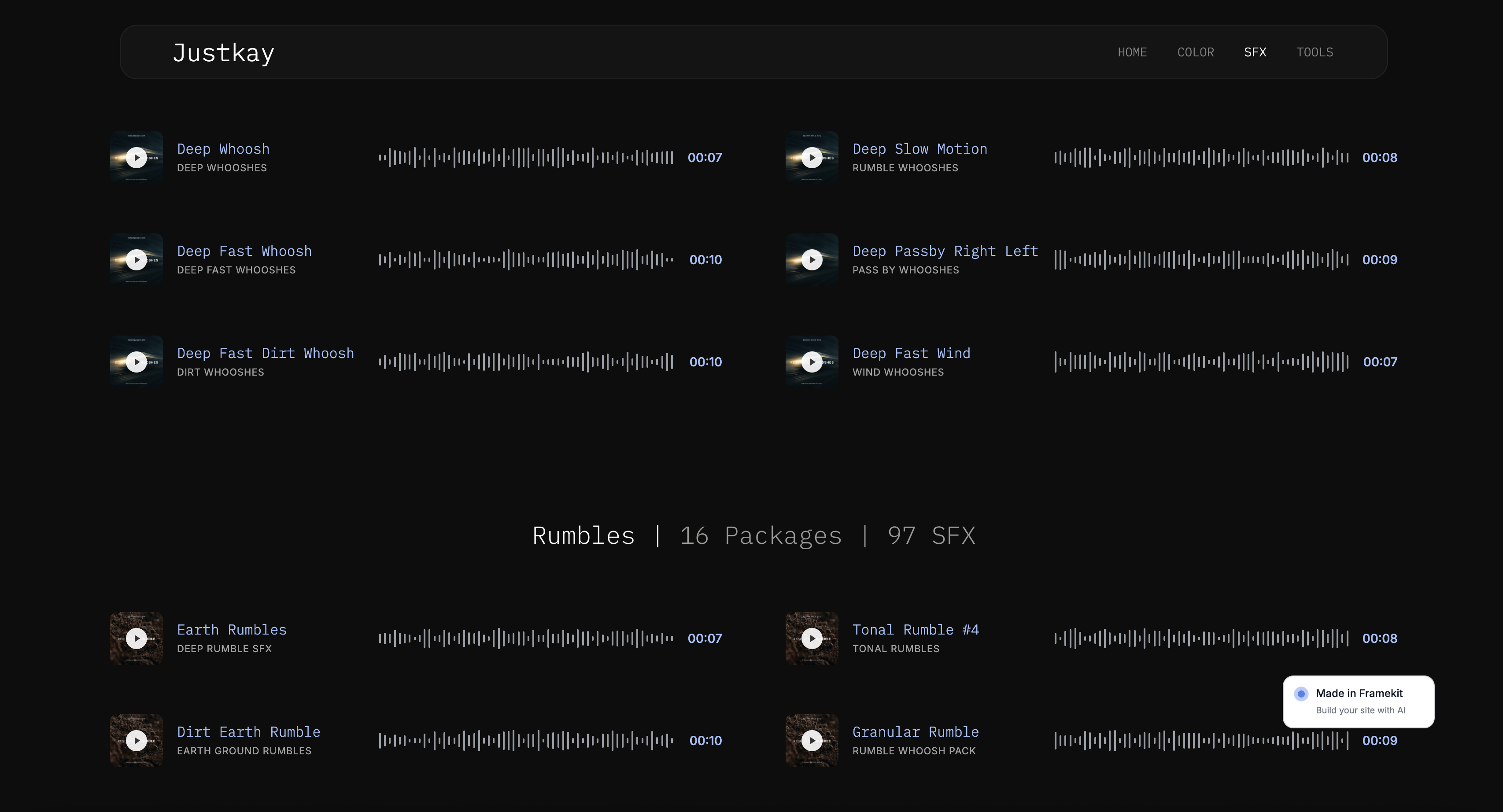
The real numberdelivery on Framekit carries no commission on any plan, so 40 galleries a year cost $0 in per-delivery fees against roughly $450 a year in commission on a 15% free tier selling $3,000 of prints.
Storage runs 10GB free, 50GB on Starter at $9 a month, 300GB on Pro at $19 and 2TB on Business at $39, in one pool shared with your website's media.
Pricing (pooled account storage in parentheses)Free $0 (10GB, unlimited galleries), Starter $9/mo (50GB, custom domain, no Framekit branding), Pro $19/mo (300GB), Business $39/mo (2TB, 0% fee on digital sales). Annual billing takes 20% off.
Pros:
- The only option here where the gallery lives on a domain you own
- Uncapped galleries and no delivery commission on any tier, including free
- One subscription replaces a portfolio host, a gallery tool and a digital store
Cons:
- No print lab or physical fulfilment, so print revenue needs another platform
- No metadata or keyword search across an archive
- No contracts, invoicing or scheduling
- Fewer years of gallery-specific workflow refinement than the incumbents
Skip it ifselling prints is the point of your gallery. ShootProof's 0% commission with real lab fulfilment will make you more money than we will, and we would rather say that plainly.
Verdict: Framekit is the best online photo gallery software for photographers whose delivery should build their own brand, and the wrong pick for a print-led business. See how the category divides in our client gallery platforms guide, or start at framekit.ai.
2. Pixieset: Best All-Round Delivery
Our rating: 9.0/10
Pixieset is the gallery most clients have seen before, and familiarity turns out to be a real feature: fewer questions, fewer missed downloads, fewer emails asking where the photos are.
The design is clean, collections and sub-collections give real structure inside one gallery, and the mobile experience is among the best here.
Its free plan holds 3GB and takes 15% on store sales; Basic at roughly $10 a month lifts storage to 10GB and removes that commission, and Plus at roughly $20 gives 100GB with an hour of video upload.
It carries 4.7 out of 5 across 207 Capterra reviews, by far the deepest sample in this comparison.
Skip it ifyou want the gallery to sit on your own domain. Pixieset is a vendor subdomain by design.
Verdict: Pixieset is the safest choice in the category and the one to beat on client experience alone. Our Pixieset alternatives guide covers the next step.
3. ShootProof: Best for Selling Without a Cut
Our rating: 8.8/10
ShootProof's proposition is a single number that no competitor matches: 0% commission on sales on every plan, including the cheapest.
Add pro-lab print fulfilment worldwide, contracts and invoicing, and it becomes the most efficient way in this comparison to turn a gallery into revenue.
Pricing runs on photo count rather than storage.
The free account covers 100 photos, then it is roughly $10 a month for 1,500 photos, $20 for 5,000, $30 for 25,000 and about $60 for unlimited, per ShootProof's plans page.
It holds 4.9 out of 5 across 92 G2 reviews.
Skip it ifdesign polish is part of what you are selling. ShootProof is efficient rather than beautiful.
Verdict: ShootProof is the money tool of the category and the correct answer for anyone with real print revenue. Our ShootProof alternatives guide covers the field.
4. Pic-Time: Best Automated Selling
Our rating: 8.6/10
Pic-Time makes the best-looking galleries in this comparison and pairs them with automation that keeps selling after you have stopped paying attention: timed sale campaigns, reminder emails and gifting flows that run on their own.
The free plan carries 15% commission, Beginner is $8 a month with 10GB, Professional $25 with 100GB, and Advanced $50 with unlimited storage, and paid tiers charge 0% commission when you collect payment yourself through Stripe, PayPal or Square, with commission applying only to your markup rather than production cost.
Skip it ifyou never sell prints. You would be paying for a sales engine that stays idle.
Verdict: Pic-Time sells harder than anything else here without you doing anything, and its Advanced tier is the only unlimited-storage plan in the category that also looks modern.
5. CloudSpot: Best Bundled Studio Admin
Our rating: 8.3/10
CloudSpot puts contracts, invoicing and scheduling in the same account as the gallery, at a price no other bundle matches.
The free plan gives 5GB across 3 galleries at 15% commission, Entry runs $7 a month for 15GB across 15 galleries, Lite at $17 opens 100GB with unlimited galleries and the whole studio suite, Pro is $34 for 500GB and Unlimited is $50, per CloudSpot's pricing page.
Paid tiers replace commission with a 2.5% transaction fee and pay out in two days rather than four.
Skip it ifyou keep more than fifteen galleries live and want to stay under $17 a month.
Verdict: CloudSpot at Lite is the best value bundle in the category, and its cheap tiers are sized for a much smaller business than the price suggests. Our CloudSpot alternatives guide covers the edges.
6. PicDrop: Best Pure Delivery
Our rating: 8.1/10
PicDrop is the tool that refuses to be anything except a delivery and proofing product, and it is better at that job for the focus.
Collaboration mode handles the selection round, presentation mode handles the finished delivery, and there is nothing else on screen for a client to misunderstand.
Pro costs about EUR 14.99 a month for 500GB with unlimited galleries and your own branding on client pages, with another 250GB for EUR 7.99. Free holds 1GB across 3 galleries and Advanced is EUR 39.99 for 1TB with up to four team seats.
New customers moved to this structure in May 2026, so older comparisons naming a Lite plan are stale; see PicDrop's pricing page.
Skip it ifyou want a website or a store from the same subscription.
Verdict: PicDrop is the best storage-per-pound in the category and deliberately incomplete. Our PicDrop alternatives guide covers what it leaves out.
7. SmugMug: Best Archive With a Store
Our rating: 7.9/10
SmugMug is the only tool here with unlimited storage on every plan, which makes it the default for photographers who keep everything and expect to be asked for a frame from six years ago. It carries a mature print engine and a template website with domain mapping.
On annual billing Direct is $20 a month, Portfolio $23.50 and Pro $37, with monthly billing raising those to $29, $35.50 and $52. Print sales carry a markup commission that photographers commonly budget at around 15%.
Its Capterra score of 3.5 across 11 reviews is a small sample and the value-for-money complaints in it are sentiment rather than measurement.
Skip it ifthe proofing experience matters more than the archive.
Verdict: SmugMug is the storage answer of the category and its client-facing side has aged. Our SmugMug alternatives guide covers the trade.
8. PhotoShelter: Best Searchable Archive
Our rating: 7.8/10
PhotoShelter is the only tool in this comparison with genuine keyword and IPTC metadata search across a whole library, plus rights-managed and royalty-free licensing wired into the download.
For an editorial or commercial photographer with a back catalogue that earns, it is a category of one.
Basic is $12.99 a month with 4GB, Standard is $29.99 with 100GB and client proofing, and Pro is $49.99 with unlimited storage. Treat Standard as the realistic entry point, since 4GB is a fraction of one commercial job.
Skip it ifnobody searches your archive. You would be paying for the engine that justifies the price.
Verdict: PhotoShelter wins the archive category outright and loses the delivery category clearly. Our PhotoShelter alternatives guide explains when it is overkill.
9. Picflow: Best Structured Review
Our rating: 7.6/10
Picflow is the choice when a gallery is not a delivery but a negotiation.
Per-image comment threads, direct annotation, filters and tagging make approval rounds traceable, and paid plans from $21 a month include a storefront, digital downloads, print fulfilment, invoicing and contracts.
Skip it ifyour clients pick favourites rather than giving notes.
Verdict: Picflow is the commercial and agency specialist here, and the most capable feedback tool in the comparison. Visit Picflow
10. Zenfolio: Website and Store on One Bill
Our rating: 7.1/10
Zenfolio bundles a template website, galleries and print sales from around $9 a month for Basic, $23 for Professional and $40 for Advanced, with a flat 7% per order rather than an all-or-nothing commission. As a single-subscription answer it is coherent and cheap.
Design is the ceiling, and its Capterra rating of 3.9 across 14 reviews rests on a sample too small to lean on.
Skip it ifthe site around the gallery has to compete on presentation.
Verdict: Zenfolio is the budget bundle: nothing breaks, nothing impresses. Our Zenfolio alternatives guide covers where people go.
11. Flickr: Best Community Archive
Our rating: 6.8/10
Flickr belongs in any honest list of gallery software because it remains the best home for personal work and the only real community here. Flickr Pro costs $11 a month, $82 a year or $148 for two years, and the free tier is capped at 1,000 photos.
It has no client-facing proofing, no per-client password structure and no professional download flow, so it is not a delivery tool.
Skip it ifpaying clients are the audience.
Verdict: Flickr is where your personal photography should live, and it should never be where a client collects a wedding.
12. Google Photos: Consumer Library, Not Gallery Software
Our rating: 5.6/10
Google Photos is included because so many photographers try to use it this way, and it deserves a clear verdict rather than a sneer. At 15GB free, $1.99 a month for 100GB, $2.99 for 200GB and $9.99 for 2TB pooled across Drive, Gmail and Photos, nothing here competes on price.
As gallery software it fails on every axis that matters: no per-job password, no watermarking, no favourites round, no branding, no reliable account-free download, and a Storage Saver setting that recompresses images without most users noticing.
Skip it ifa client is going to open the link.
Verdict: Google Photos is backup, not gallery software. Our Google Photos alternatives for photographers guide covers the swap.
What Online Photo Gallery Software Costs Over a Year
Costed below for a photographer delivering 40 client galleries a year at roughly 3GB each, with about $3,000 of annual print or digital sales running through whichever store the tool provides.
| Setup | Annual subscription | Cost of $3,000 in sales | Category |
|---|---|---|---|
| Framekit Pro | $228 | $0 on delivery, $90 on digital at Pro | Delivery plus website |
| Pixieset Basic | $120 | $0 on a paid plan | Delivery plus store |
| ShootProof 5,000 photos | $240 | $0 on every plan | Storefront |
| Pic-Time Professional | $300 | $0 when self-collected | Storefront |
| CloudSpot Lite | $204 | $75 at 2.5% | Delivery plus admin |
| PicDrop Pro | ~$195 | No store | Pure delivery |
The spread across serious options is about $180 a year, which is less than a single portrait session, so price is not the deciding factor and should not be treated as one.
What differs is the category: only one line includes a website you own, only two include a print lab, and only one includes contracts and invoicing.
In one lineevery credible option costs roughly the same, so choose on category and ownership rather than on price.
How to Choose Online Photo Gallery Software
Work through these in order and stop at the first confident yes, because the category error is a much bigger risk than picking the second-best tool within a category.
1. Do you sell prints regularly? If yes, ShootProof for 0% commission or Pic-Time for automated selling, and stop reading the delivery tools.
2. Does anyone search your back catalogue? If yes, PhotoShelter, and accept that no delivery tool substitutes.
3. Should the gallery build your own brand? If yes, Framekit, since it is the only tool here on your own domain.
4. Is the client experience your biggest problem? If yes, Pixieset, which clients most often already recognise.
5. Do you need contracts and invoicing bundled? If yes, CloudSpot Lite or Picflow.
Frequently Asked Questions
What is the best online photo gallery software in 2026?
The best online photo gallery software in 2026 is Framekit, because the gallery is a page of a website you own on your own domain, galleries are uncapped on every plan including free, and delivery carries no commission at any tier.
Pixieset is the best all-round delivery tool, ShootProof is best for selling prints at 0% commission, and PhotoShelter is best for searchable archives.
What is the difference between gallery software and cloud storage?
Gallery software presents photographs to a specific audience with passwords, watermarking, favourites and a designed download flow, while cloud storage simply holds files and offers a share link.
A Google Drive or Dropbox folder gives your client filenames and permissions dialogues; a gallery gives them a cover image, an ordering you chose, and a download that works without an account.
Is there free online photo gallery software?
Yes, and the free tiers differ mainly in what they cap.
Framekit's free plan gives 3GB with unlimited galleries, Pixieset gives 3GB with a 15% store commission, CloudSpot gives 5GB across 3 galleries, and PicDrop gives 1GB across 3 galleries.
All are usable for testing and for occasional small jobs, and none holds a full wedding at full resolution.
Which gallery software lets clients download without an account?
Framekit, Pixieset, Pic-Time, PicDrop, ShootProof and CloudSpot all allow full-resolution and ZIP downloads without the recipient creating an account when configured that way.
Consumer tools including Google Photos and iCloud shared albums behave inconsistently for signed-out visitors, which is the most common source of the support emails photographers receive after delivery.
How much does online photo gallery software cost?
Serious plans cost between about $120 and $300 a year, with entry tiers at $7 to $10 a month and mid tiers at $17 to $25. The spread across credible options is roughly $180 a year, less than one portrait session.
What varies far more than price is what you get: a website, a print lab, contracts, or nothing but delivery.
Framekit vs Pixieset: which gallery software is better?
Framekit is better when you want the gallery to live on your own domain beside a full portfolio and store, with uncapped galleries and no delivery commission.
Pixieset is better when you want the most familiar client interface and richer structure inside a single gallery through collections, and you are comfortable with a vendor subdomain. The trade is ownership against in-gallery tooling.
Can I put a password on an online photo gallery?
Yes, on every professional tool in this comparison. Framekit offers both password and PIN protection per gallery, and Pixieset, Pic-Time, ShootProof, CloudSpot, PicDrop and Picflow all offer per-gallery passwords.
Consumer libraries such as Google Photos do not, which is one of the clearest reasons not to use them for paying clients.
Does gallery software reduce my image quality?
Professional gallery software delivers your originals without recompression, and Framekit accepts files up to 100MB per photo.
The exception is consumer services: Google Photos with Storage Saver enabled recompresses on upload, and many photographers have that setting on without realising.
Always download one file from a test gallery and compare it against your export before delivering a real job.
What is the best gallery software for selling prints?
ShootProof is the best gallery software for selling prints, because it charges 0% commission on every plan including the cheapest and fulfils through pro labs worldwide with a markup you set.
Pic-Time is the strongest alternative thanks to automated sale campaigns, and Pixieset's paid plans also drop to 0% commission. Framekit has no print lab and sells digital products only.
Do I need gallery software if I already have a website?
Only if your website cannot protect and deliver files, which most portfolio builders cannot. The alternative is to use a builder where galleries are native, so the portfolio and the client delivery share one domain and one subscription.
That is the specific gap Framekit is built to close, and it is why it appears at the top of this ranking rather than in a website comparison.
Final Verdict
Online photo gallery software is three categories sharing one search term, and most disappointment in this market comes from buying the wrong one.
Framekit wins overall because it solves the delivery job properly while fixing the structural problem every other option shares: the client visits your address instead of a vendor's, and every forward of that link works for you.
Where Framekit loses. We have no print lab, so a photographer whose income is prints will make more money on ShootProof at 0% commission or Pixieset, and that is not a close call.
We have no metadata search, so an archive-led business belongs on PhotoShelter. We have no contracts or invoicing, which CloudSpot bundles from $17 a month. And PicDrop gives five times our storage per pound.
Four real cases where something else is the right answer.
The check worth running today: open the last gallery you delivered, read the address out loud, and ask whether it names your business. If it does not, you have been paying to introduce your best clients to a software company.
Related readingclient gallery platforms compared, photo delivery tools, client galleries with a built-in store, and photo proofing tools.
If you plan to sell from the galleryour guide to selling prints from a client gallery covers the two fulfilment routes and what each one keeps on a $240 order, with the commission side broken down in commission-free client galleries.
Every price, storage cap and commission figure was read from the vendors' own published pricing pages in August 2026, and all twelve tools ran the identical 500-image job including a logged-out mobile download, because gallery software is bought from a dashboard and judged from a phone.