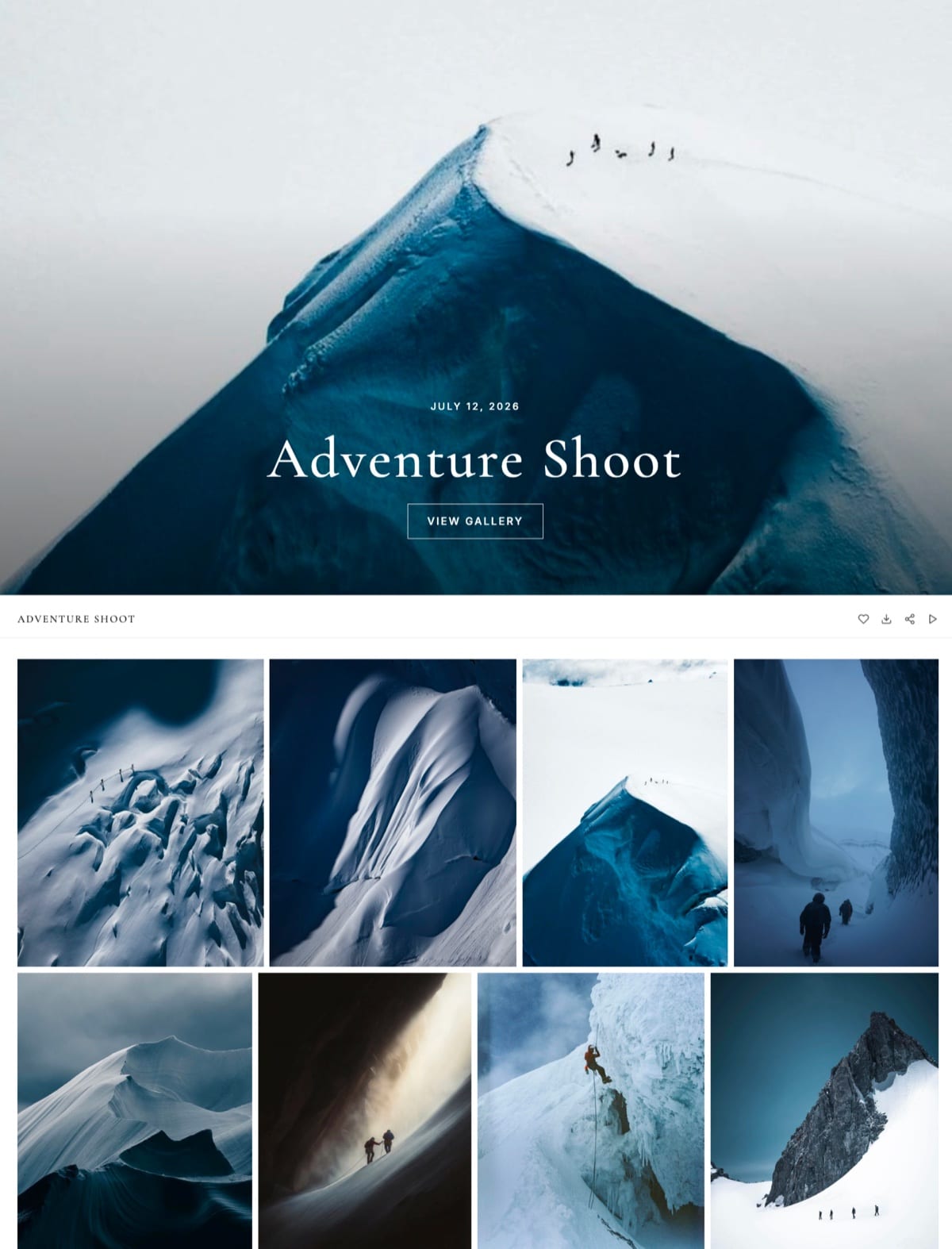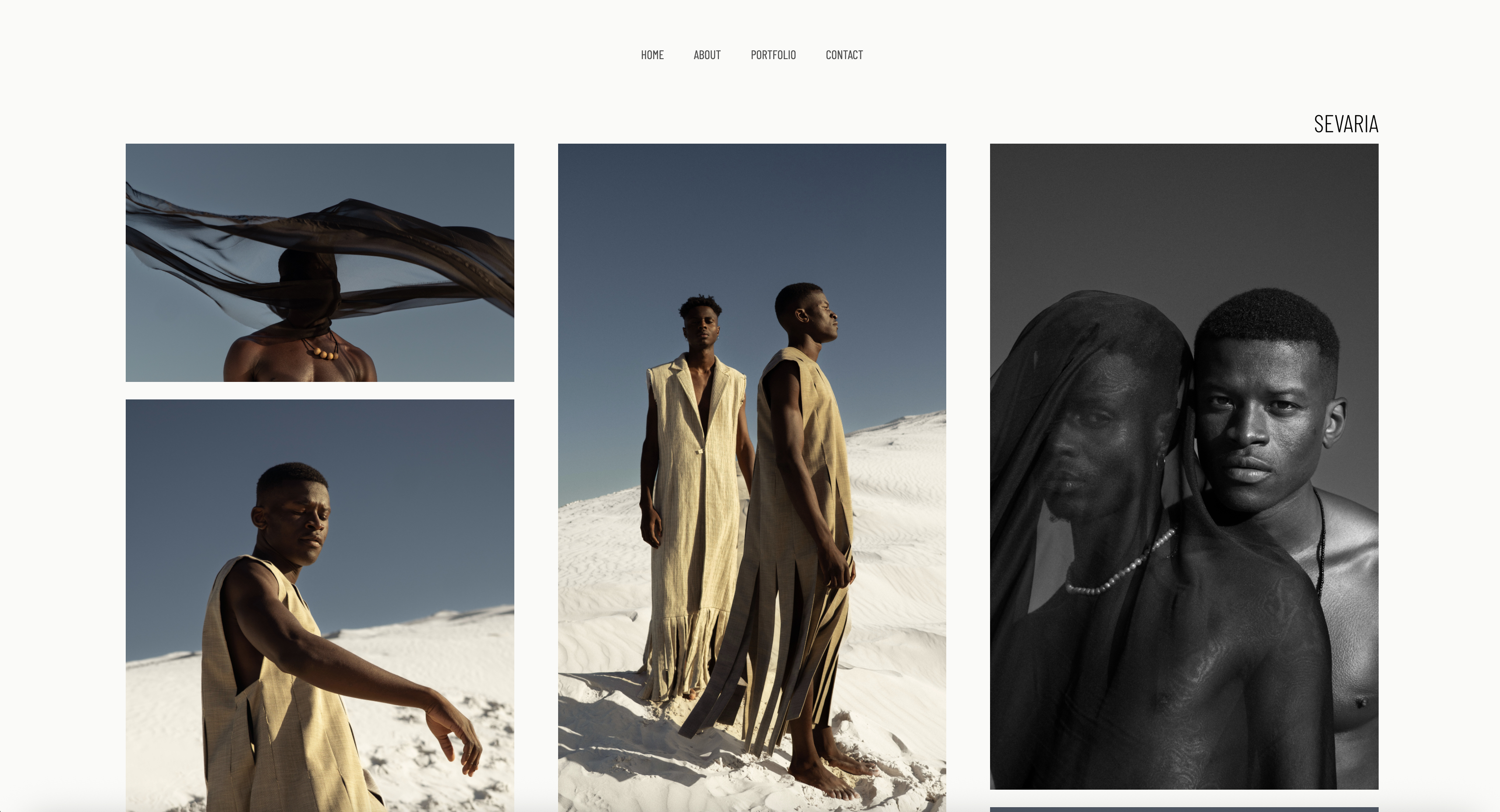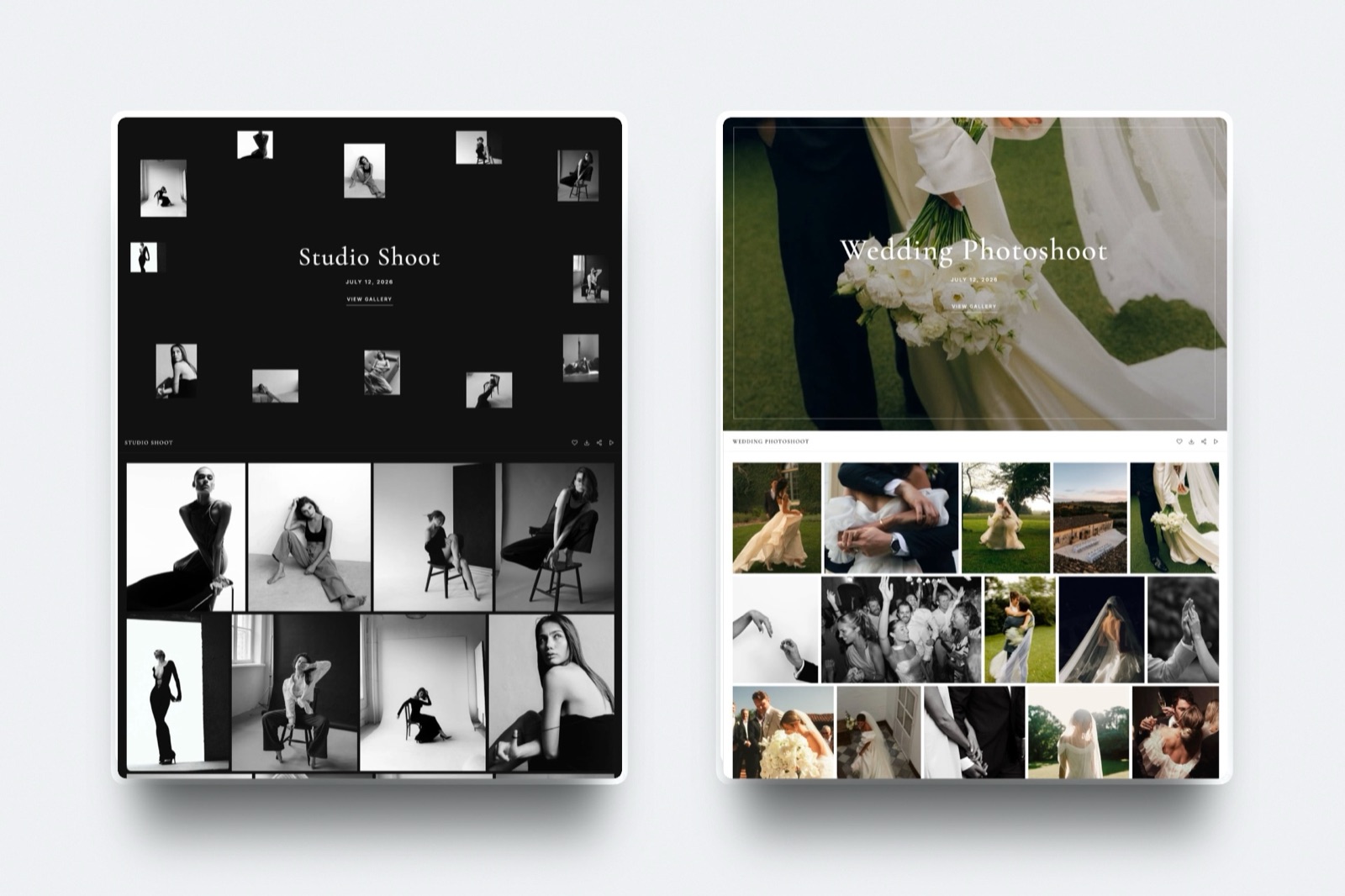
Framekit templates
Start from a designer-made template
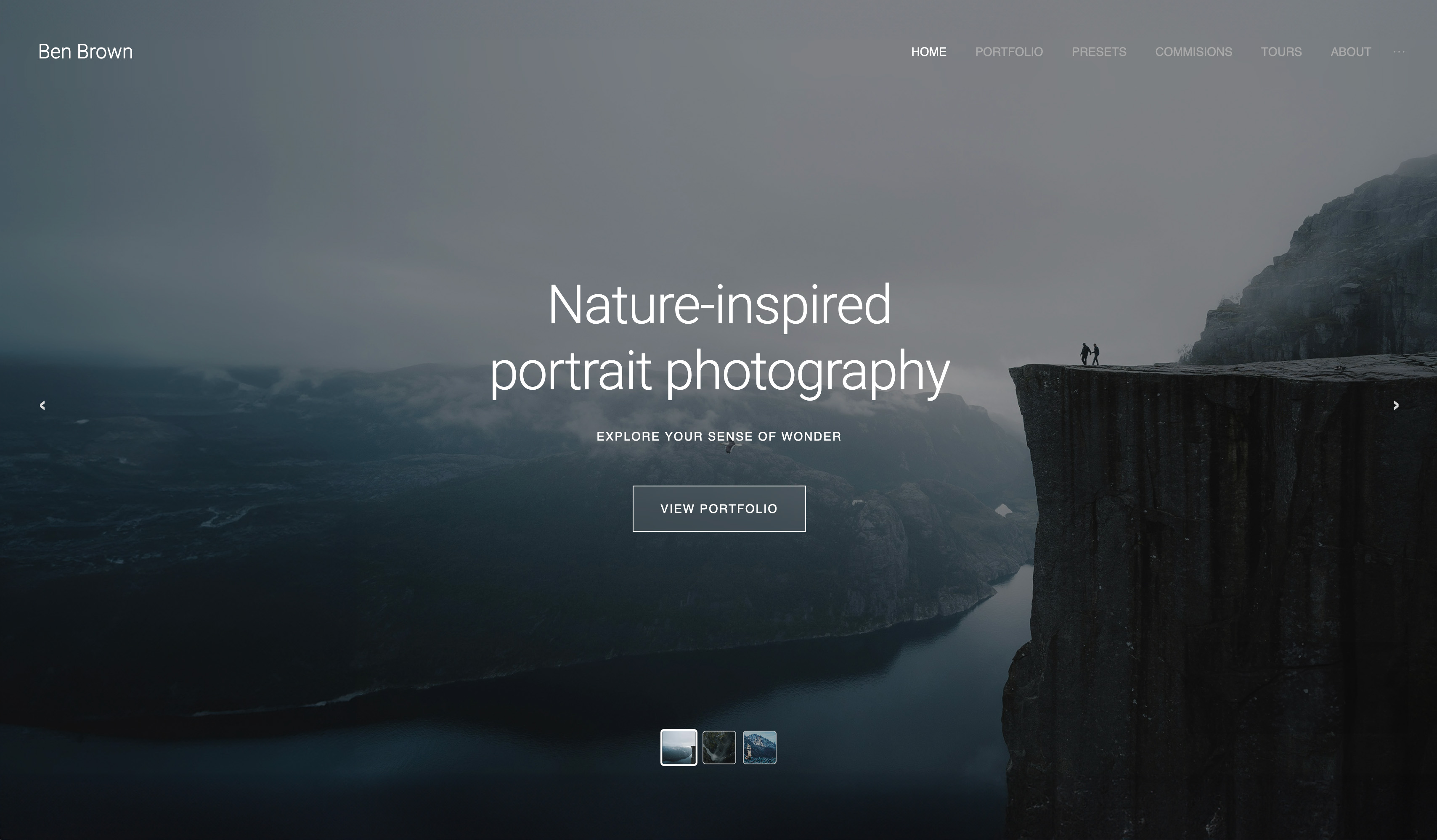 Use template
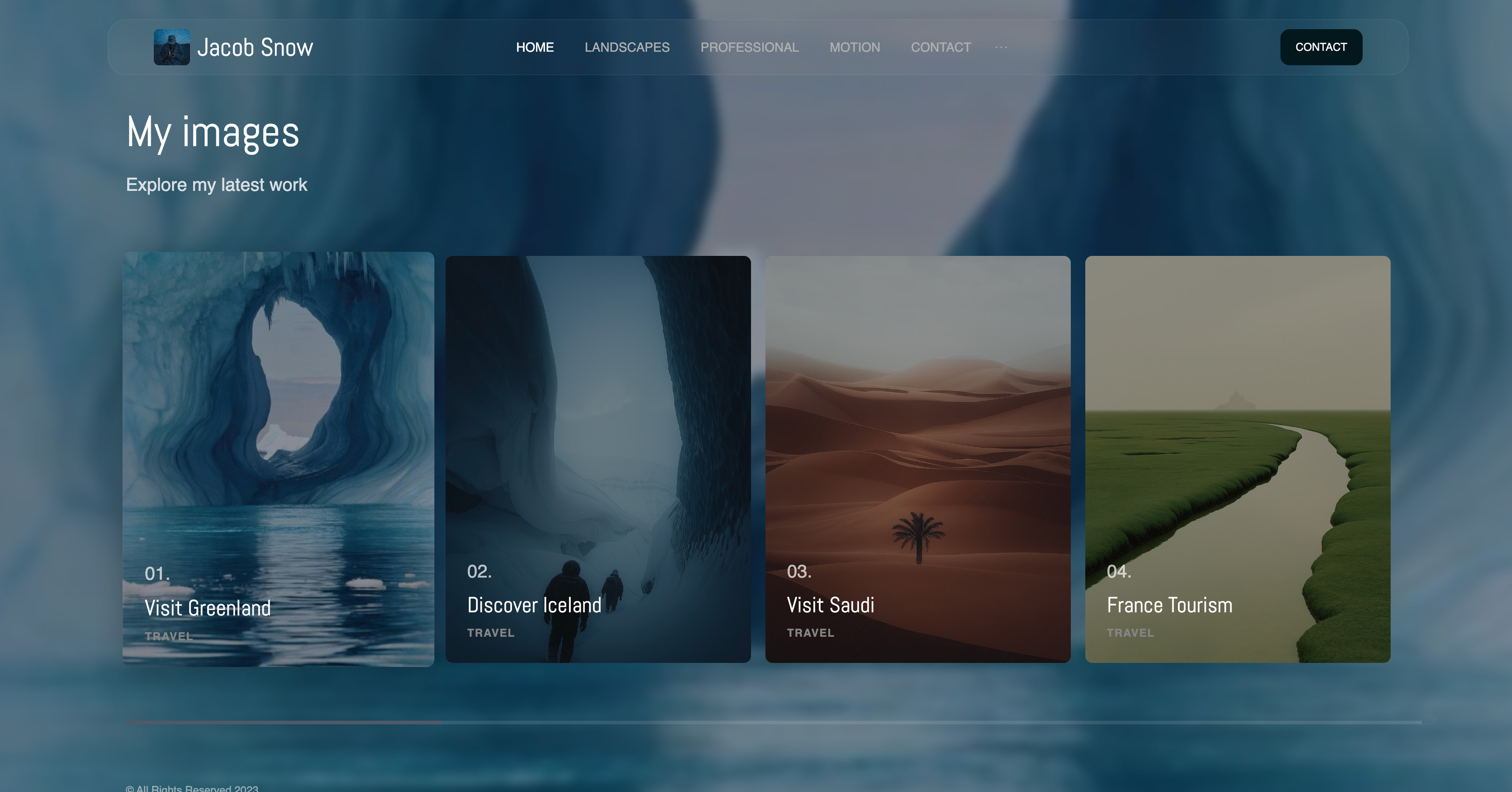 Use template
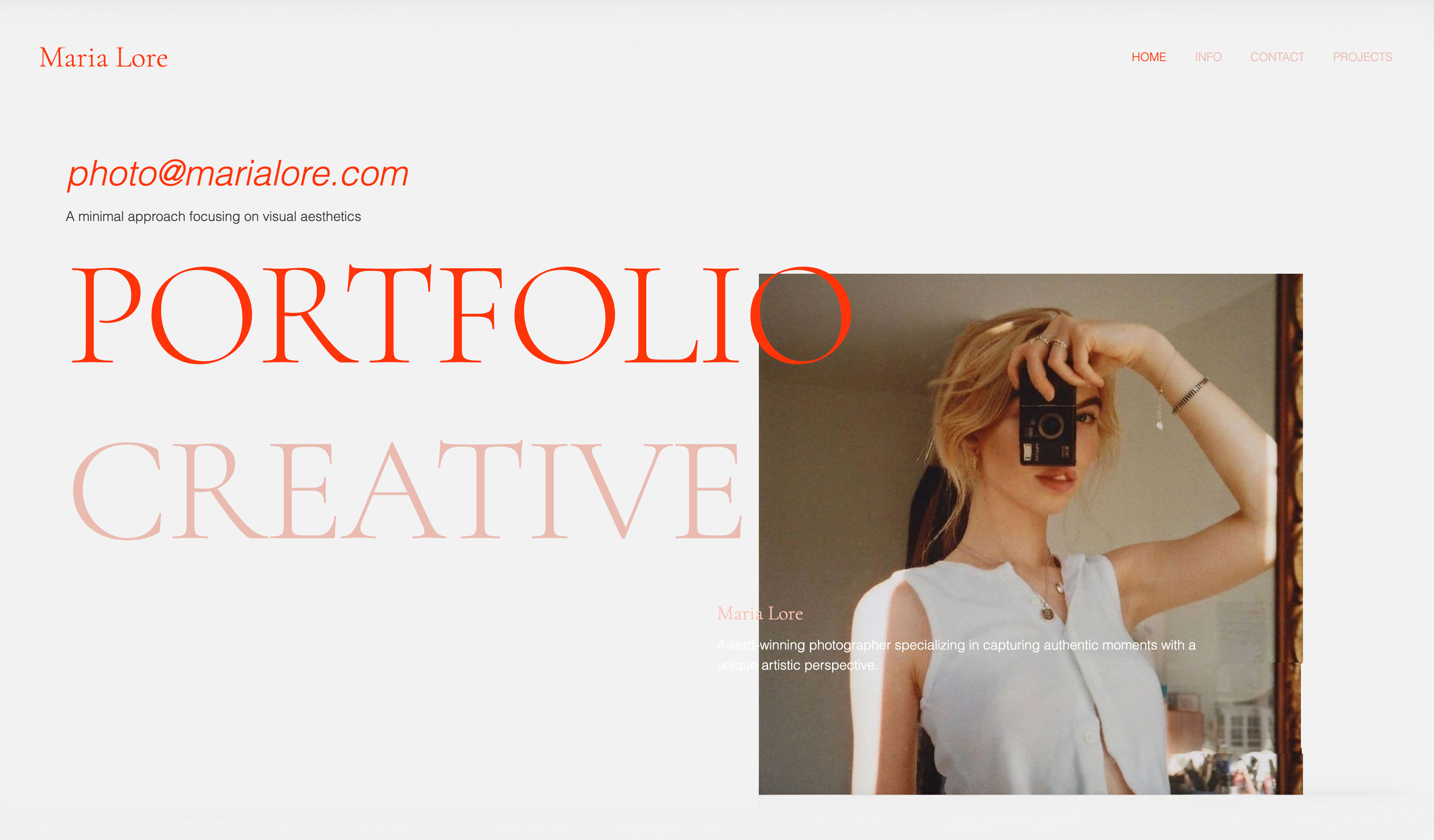 Use template
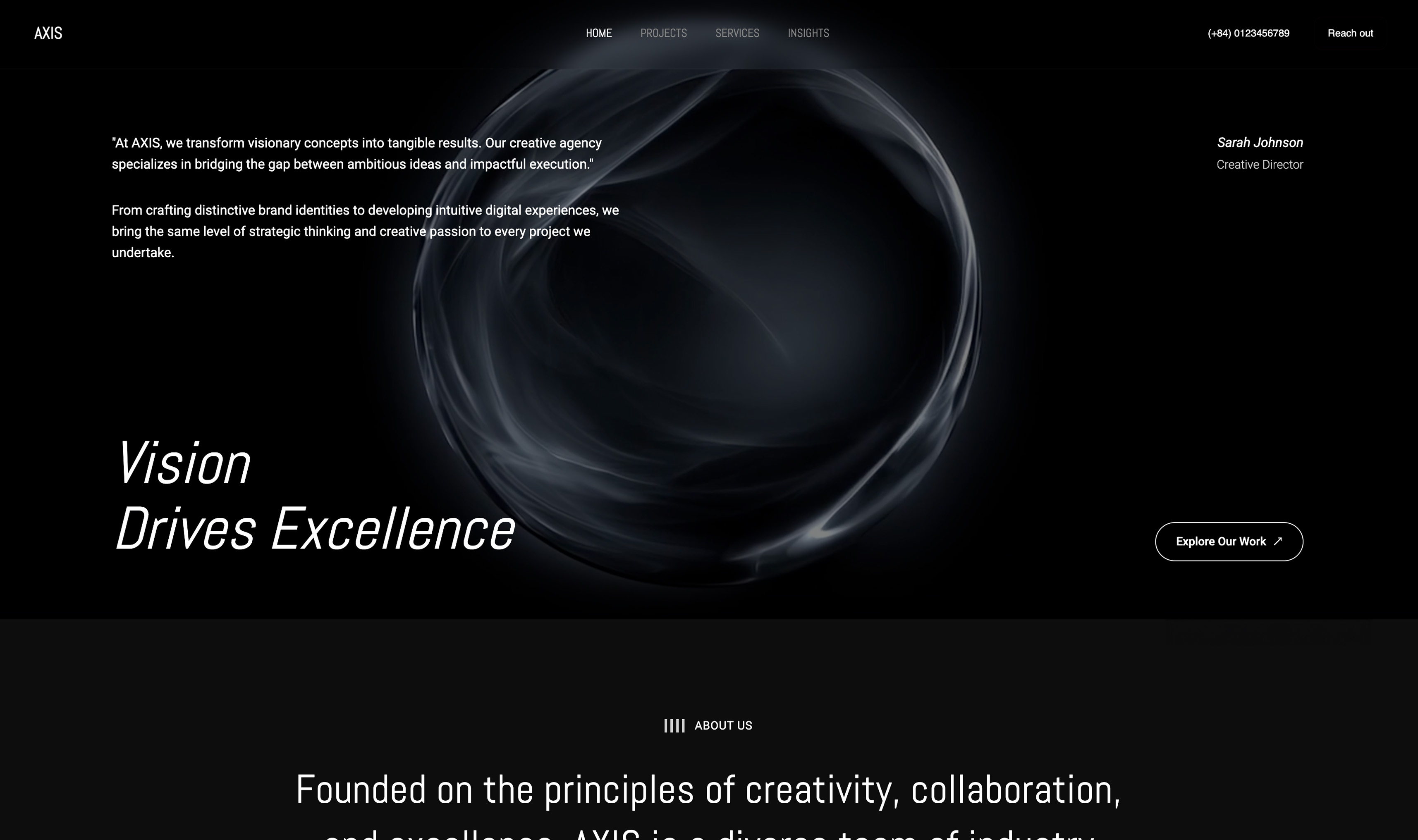 Use template
 Use template
 Use template
 Use template
 Use template
Photographers searching for Google Photos alternatives usually start from one of two moments.
Either a client asked for the full-resolution files and what arrived looked softer than the export, or somebody opened a shared album on a phone, could not work out how to download anything, and emailed to ask.
Both are symptoms of the same thing. Google Photos is an outstanding personal photo library built around the idea that you are the owner, the viewer and the person who cares.
Client delivery inverts every one of those assumptions: the viewer is not you, does not have an account, does not want one, and is judging your business by how the page behaves.
There is also a quieter cost. Fifteen gigabytes free, then $1.99 a month for 100GB, $2.99 for 200GB and $9.99 for 2TB, pooled across Drive, Gmail and Photos, is genuinely cheap.
What you save on storage you spend on the impression that you deliver work the same way your client's aunt shares holiday snaps.
A client gallery platform is software that stores, protects and presents finished photographs for a paying client to view and download, with the branding, permissions and full-resolution delivery that a personal photo library is not designed to provide.
The best Google Photos alternative for photographers in 2026 is Framekit, because delivery happens on your own domain inside a real portfolio, galleries are uncapped even on the free plan, and clients download full-resolution originals or a ZIP without ever creating an account.
The honest trade-off: Google's storage is dramatically cheaper per gigabyte and nothing here matches $9.99 for 2TB, so if raw backup is what you want, keep Google for that.
SmugMug is the best unlimited-storage answer, Flickr remains the strongest community and archive for personal work, and Pixieset is the most familiar client experience.
Framekit turns client delivery into a page of your own website, and the free plan needs no card.
Full disclosure: Framekit is our product and we have ranked it first, so read the concessions. We shared the same 250-image job through all twelve services, verified every price against published pricing pages in August 2026, and we are explicit about where others win: Google and Apple are far cheaper per gigabyte, SmugMug offers unlimited storage we do not, PhotoShelter has archive search we do not, and Flickr has a community we will never replicate.
Why Google Photos Fails as a Client Gallery
The failures are specific enough to be worth naming one at a time, because two of them are completely invisible from your side of the screen until a client finally complains about something.
Storage Saver recompresses. Google's space-saving option reduces file size on upload, and photographers who enabled it years ago and forgot are handing clients images that are not their exports.
Original quality is available and it consumes your quota at full size, which changes the price calculation completely.
Sharing assumes an account. Shared albums behave best for people signed into Google, and a client on a work laptop with a locked-down browser gets a worse experience than your test on your own phone suggested.
There is no gallery. No password per delivery, no watermarking option, no favourites for a selection round, no expiry control, no branding, and no download-all that produces a sensibly named archive.
The page is Google's. Every delivery you make advertises a free consumer product rather than your studio, which for a business that runs on referrals is a slow leak.
None of this is a criticism of Google Photos, which does its actual job superbly and cheaply. It is a category error, and the fix is to keep it for backup and deliver somewhere built for clients.
How We Tested These Google Photos Alternatives
One job on twelve services, with the same files and the same recipient behaviour, because sharing quality is only visible from the other side of the link.
The job250 full-resolution images shared with a recipient who was not signed in, on a phone, with a single-image save and a download-all both attempted.
Image fidelity on upload and download, weighted 20%, since this is the failure most photographers do not know they have.
Client sharing experience without an account, weighted 25%, because that is where consumer tools break.
Storage cost per gigabyte, weighted 20%, since this is Google's genuine advantage and pretending otherwise would be dishonest.
Professional presentation and branding, weighted 20%.
Selling and licensing, weighted 15%.
Claims are separated by source. Hands-on: uploading, sharing, opening as a logged-out recipient and downloading. Verified from primary sources: prices and storage tiers read from published pages in August 2026. Community sentiment, labelled as such: recurring public complaints.
What Testing Twelve Alternatives Showed
The results split this field into three distinct groups that photographers routinely confuse with one another, which is the underlying reason so many end up paying for the wrong kind of product.
- 4 of the 12 are consumer or general storage products (Google, Apple iCloud+, Amazon Photos, Dropbox) that are cheap per gigabyte and weak at client delivery.
- 6 of the 12 are professional client galleries that cost more per gigabyte and solve presentation, permissions and downloads properly.
- 2 of the 12 are archives with a community or licensing layer (Flickr, PhotoShelter) that serve a different purpose again.
- Storage price per terabyte per month ranges from about $5 (Google's 2TB plan) to roughly $39 (a 1,000GB professional gallery tier), a spread of nearly eight times.
- Only 1 of the 12 lets client delivery happen on a domain you own.
The exercise worth doing is separating the two jobs on paper. Write down what you pay for backup and what you pay for delivery, and accept that they are different products with different economics.
Photographers who try to make one tool do both usually end up with an expensive backup or an embarrassing delivery.
The 12 Best Google Photos Alternatives in 2026, Compared
Weighting is set out above and it favours client experience over price, because the whole reason to leave a consumer tool is that clients are involved. Framekit reaches 9.1 with only a 4 on storage economics, where Google, Apple and Amazon all beat it comprehensively.
| Service | Type | Entry price | Storage there | Our rating |
|---|---|---|---|---|
| Framekit | Client gallery plus website | $9/mo | 10GB | 9.1/10 |
| SmugMug | Archive plus print sales | $20/mo annual | Unlimited | 8.8/10 |
| Pixieset | Client gallery | About $10/mo | 10GB | 8.6/10 |
| PhotoShelter | Archive plus licensing | $12.99/mo | 4GB | 8.3/10 |
| Pic-Time | Client gallery plus store | $8/mo | 10GB | 8.1/10 |
| PicDrop | Proofing and delivery | ~EUR 14.99/mo | 500GB | 7.9/10 |
| Flickr | Archive and community | $11/mo | Pro storage | 7.6/10 |
| Dropbox | General cloud storage | $11.99/mo | 2TB | 7.3/10 |
| Zenfolio | Website plus gallery | $9/mo | Plan based | 7.0/10 |
| Amazon Photos | Consumer photo backup | Included with Prime | Unlimited photos, 5GB video | 6.8/10 |
| iCloud+ | Consumer device backup | $9.99/mo for 2TB | 2TB | 6.4/10 |
| WeTransfer | File transfer | $8/mo | Transfer based | 6.0/10 |
Prices were read from each provider's published pricing in August 2026. Apple does not offer annual billing for iCloud+, and Amazon's unlimited photo storage requires an active Prime membership.
Separate the two bills. Decide what you pay for backup and what you pay for delivery as two independent questions. Trying to satisfy both with one product is how photographers end up unhappy with whatever they chose.
1. Framekit: Best Overall for Client Work

Our rating: 9.1/10
Framekit is an AI website builder with client galleries and a digital store built in, and it fixes the exact failure that sends photographers away from Google Photos: the recipient's experience.
A client opens a link at your own domain, sees a page designed like your studio rather than a consumer product, and downloads full-resolution originals or a ZIP without being asked to sign into anything.
The uncapped gallery count matters more here than it looks. Photographers coming from Google Photos are used to making an album per job at no cost, and every professional platform except this one puts a ceiling on that somewhere.
On Framekit a gallery per client costs nothing on any plan, including free.
Best forPhotographers who want client delivery to look professional and to happen on a domain they own.
Key features:
- Unlimited galleries on every plan including free, so an album per job stays free the way it was on Google
- Delivery from your own domain, inside a real portfolio generated by Cadence, Framekit's own model for creative sites
- Password and PIN protection per gallery, plus optional watermarking
- Favourites and slideshow for selection rounds, which no consumer library offers
- Full-resolution and ZIP downloads with no recipient account required
- Originals up to 100MB per photo, stored without recompression
- A digital store for selling prints files, presets or licences, at 5% on Free and Starter, 3% on Pro and 0% on Business
The real numberthe storage comparison is where honesty matters. Google gives 2TB for $9.99 a month; Framekit gives 300GB on Pro at $19 and 2TB on Business at $39. Per gigabyte we are not close, and we would not claim to be.
What $19 buys is a delivery experience, a portfolio and a store, which Google does not sell at any price.
Pricing (pooled account storage in parentheses)Free $0 (10GB, unlimited galleries), Starter $9/mo (50GB, custom domain, no Framekit branding), Pro $19/mo (300GB), Business $39/mo (2TB, 0% fee on digital sales). Annual billing takes 20% off.
Pros:
- The client never sees a consumer product or a login prompt
- Uncapped galleries preserve the one habit Google Photos users actually like
- Portfolio, delivery and store on one domain you own
Cons:
- Far more expensive per gigabyte than Google, Apple or Amazon
- Not a backup tool: there is no desktop sync client or automatic device upload
- No face grouping, no automatic albums, no search by content
- No print lab, so physical prints need another platform
Skip it ifyou are looking for cheaper backup rather than better delivery. Keep Google for that and add a gallery for clients.
Verdict: Framekit is the best Google Photos alternative for the client-facing half of a photography business, and a poor substitute for the backup half. Run both, deliberately. See the wider category in our client gallery platforms guide, or start at framekit.ai.
2. SmugMug: Best Unlimited Storage
Our rating: 8.8/10
For a photographer whose Google Photos library has grown past what a 2TB plan comfortably holds, SmugMug is the only professional platform here with unlimited storage on every plan, including the entry tier.
It also carries a mature print-sales engine and a template website with domain mapping.
On annual billing the tiers are $20 a month for Direct, $23.50 for Portfolio and $37 for Pro, with monthly billing at $29, $35.50 and $52 respectively. Print sales carry a commission on your markup, commonly planned around 15%.
Skip it ifyou want a modern client-facing gallery. SmugMug is an archive that visitors can browse rather than a delivery product.
Verdict: SmugMug is the storage answer for photographers leaving Google over capacity, and its 3.5 out of 5 Capterra rating across just 11 reviews is a small sample whose value-for-money complaints should be treated as sentiment. Our SmugMug alternatives guide covers the follow-on.
3. Pixieset: Most Familiar Client Experience
Our rating: 8.6/10
If your reason for leaving is that clients could not work out how to download from a shared album, Pixieset solves it immediately.
The gallery is clean, the mobile behaviour is strong, downloads are obvious, and a good proportion of clients have received photographs this way before.
The free tier gives 3GB with a 15% commission on store sales; Basic at roughly $10 a month raises that to 10GB and removes the commission, with Plus at roughly $20 offering 100GB.
It carries 4.7 out of 5 across 207 Capterra reviews, the deepest review base of anything in this comparison.
Skip it ifyou were also using Google Photos as your backup. Pixieset's tiers are sized for delivery.
Verdict: Pixieset is the shortest path from a confusing shared album to a delivery clients complete without help. Our Pixieset alternatives guide covers where photographers go afterwards.
4. PhotoShelter: Best for a Searchable Archive
Our rating: 8.3/10
Photographers who liked Google Photos specifically for its search are the ones who should look at PhotoShelter, because it is the only professional platform here with keyword and IPTC metadata search across an entire library, plus licensing built into the download.
Basic is $12.99 a month with only 4GB, Standard is $29.99 with 100GB and client proofing, and Pro is $49.99 with unlimited storage. Treat Standard as the realistic entry point rather than Basic.
Skip it ifyou never search your own archive. You would be paying for the one feature you do not use.
Verdict: PhotoShelter is the professional answer to "I want to find things", which is the underrated half of what Google Photos gives people for free. Our PhotoShelter alternatives guide covers when it is overkill.
5. Pic-Time: Best Presentation and Store
Our rating: 8.1/10
Pic-Time produces the most designed client galleries in this comparison, which for a photographer whose previous delivery was a Google album is the most visible upgrade available. Automated sale campaigns and gifting flows then sell prints without any ongoing effort from you.
The free plan carries a 15% commission on store sales; Beginner costs $8 a month with 10GB, Professional $25 with 100GB, and Advanced $50 with unlimited storage, and paid tiers drop commission to 0% when you collect payment yourself.
Skip it ifyou have no interest in selling. The store is most of what you are paying for.
Verdict: Pic-Time turns delivery into a sales moment, which a consumer library never can. Its Advanced tier is also the only unlimited-storage option here that looks genuinely modern.
6. PicDrop: Best Value for Large Libraries
Our rating: 7.9/10
PicDrop is the professional tool that comes closest to Google's storage economics, offering 500GB on its Pro plan for about EUR 14.99 a month with unlimited galleries and your own branding on client-facing pages.
A further 250GB is available for EUR 7.99, the free tier holds 1GB across 3 galleries, and Advanced runs to 1TB at EUR 39.99 with up to four team members.
New customers moved to this plan structure in May 2026, so older comparisons naming a Lite tier are describing something retired; see PicDrop's pricing page.
Skip it ifyou want a website or a store from the same subscription.
Verdict: PicDrop is the cheapest professional way to hold a lot of images and deliver them cleanly, with nothing else attached. Our PicDrop alternatives guide covers what it leaves out.
7. Flickr: Best Archive and Community
Our rating: 7.6/10
Flickr is the alternative for the personal half of a photographer's library rather than the client half, and it remains the best community here by a wide margin.
Flickr Pro costs $11 a month, $82 a year, or $148 for two years, and the free tier is capped at 1,000 photos, which is the number that pushes most serious users to Pro.
It is not a client delivery tool. There is no proofing, no per-client password structure, and no professional download flow.
Skip it ifpaying clients are the audience.
Verdict: Flickr is where your personal work should live, not where a wedding couple should collect their photographs.
8. Dropbox: Best General File Storage
Our rating: 7.3/10
Dropbox is the most practical general replacement for Google Drive and Photos combined, with Plus at $11.99 a month for 2TB and Professional at $19.99 for 3TB, plus sync and file requests that work well with collaborators and no recompression of anything.
As client delivery it repeats most of Google's failures: no gallery, no branding, no selection, and a permissions model that confuses people who do not use Dropbox daily.
Skip it ifthe recipient is a paying client rather than a retoucher.
Verdict: Dropbox is a better Google Drive rather than a better client gallery. Our Dropbox alternatives for photographers guide covers the delivery side.
9. Zenfolio: Website and Gallery on One Bill
Our rating: 7.0/10
Zenfolio bundles a template website, client galleries and print sales from around $9 a month for Basic, $23 for Professional and $40 for Advanced, with a flat 7% commission per order.
For a photographer stepping straight from a consumer library to a professional presence, that single bill is attractive.
Design is the limitation, and its Capterra score of 3.9 across 14 reviews rests on a sample too small to carry much weight.
Skip it ifthe portfolio has to win work on presentation.
Verdict: Zenfolio is a reasonable first step up from consumer tools and a ceiling you will notice later. Our Zenfolio alternatives guide covers the next move.
10. Amazon Photos: Cheapest Backup if You Have Prime

Our rating: 6.8/10
For pure backup, Amazon Photos is the best-value option in this comparison for anyone already paying for Prime, since unlimited full-resolution photo storage is included at no extra cost.
Video is the catch, capped at 5GB, and standalone storage plans run to roughly $2.49 a month for 100GB, $6.99 for 1TB and $11.99 for 2TB.
There is nothing here for client delivery: no gallery, no password structure, no branding, and a consumer interface throughout.
Skip it ifyou shoot video, or a client is going to see the link.
Verdict: Amazon Photos is a backup line item that costs most photographers nothing extra, and it should never be the link you send.
11. iCloud+: Best if You Live in Apple's Ecosystem
Our rating: 6.4/10
iCloud+ is the natural Google Photos substitute for photographers already inside Apple's ecosystem, with 2TB at $9.99 a month and tiers running up to 12TB at $59.99, from a free 5GB baseline. Apple does not offer annual billing, so there is no discount for committing.
Shared albums have the same fundamental problem as Google's: they assume the recipient is in the same ecosystem, and a client on a Windows laptop gets the worst version of the experience.
Skip it ifyour clients are not all on Apple devices, which they are not.
Verdict: iCloud+ swaps one consumer library for another. It is a fine backup decision and not a delivery decision at all.
12. WeTransfer: Only for One-Off Sends
Our rating: 6.0/10
WeTransfer is included because photographers leaving Google Photos often try it next, and it deserves a clear description of its limits.
The free tier allows transfers up to 3GB, with a monthly ceiling of 3GB across a maximum of 10 transfers, and links that expire after three days. Starter costs $8 a month and Ultimate $23, with transfers of up to 1TB on the top plan.
Skip it ifthe client will ever want the files a second time.
Verdict: WeTransfer moves files once and then forgets them, which is the opposite of what a client gallery is for. Our WeTransfer alternatives guide has the fuller picture.
What Backup and Delivery Cost Separately
Costed below for a photographer carrying a 1.5TB personal archive who also delivers about 30 client galleries a year at roughly 3GB apiece, which is a typical portrait and wedding workload.
| Combination | Annual cost | Backup covered | Client delivery quality |
|---|---|---|---|
| Google 2TB only | $120 | Yes | Poor |
| Google 2TB plus Framekit Pro | $348 | Yes | Excellent, on your domain |
| Google 2TB plus Pixieset Basic | $240 | Yes | Very good, vendor subdomain |
| SmugMug Pro annual only | $444 | Yes, unlimited | Adequate |
| Framekit Business only | $468 | Partly, 1,000GB | Excellent, on your domain |
The pairing is almost always the right answer, and it is cheaper than trying to force one product to do both.
Keeping Google or Amazon for backup and adding a gallery for clients costs between $240 and $348 a year, against $444 to $468 for a single professional tool doing a backup job it was not designed for.
In one linekeep the cheap storage, add a delivery tool, and stop asking one product to do two jobs.
How to Choose Your Google Photos Replacement
Work through these in order and stop at the first confident yes, because the biggest mistake in this decision is not choosing badly but failing to separate two different needs.
1. Is the problem that clients cannot download properly? If yes, you need a client gallery, and Framekit or Pixieset are the two shortest routes to fixing it.
2. Is the problem that you are running out of space? If yes, you need storage, and Google, Amazon Photos with Prime, or SmugMug's unlimited plans are all cheaper than any gallery tool.
3. Do you want the delivery to carry your studio's name? If yes, Framekit, since it is the only option here on your own domain.
4. Did you like Google Photos mainly for search? If yes, PhotoShelter, and accept the price.
5. Is your library personal rather than professional? If yes, Flickr Pro at $82 a year is the most photographer-friendly home in this list.
Frequently Asked Questions
What is the best Google Photos alternative for photographers in 2026?
The best Google Photos alternative for photographers in 2026 is Framekit for client work, because delivery happens on your own domain with uncapped galleries and no account required for the recipient.
For pure storage, Google remains cheaper than any professional tool at $9.99 a month for 2TB, so the practical answer for most photographers is to keep Google for backup and add a gallery for clients.
Does Google Photos reduce the quality of my images?
It can. Google's Storage Saver option recompresses images on upload to save space, while Original quality preserves the file and consumes your quota at full size.
Many photographers enabled Storage Saver years ago and forgot, which means clients have been receiving files that are not the exports. Check the setting before assuming your deliveries have been full quality.
Can I use Google Photos to deliver photos to clients?
You can, and it will work, but it will not look professional and it will generate support questions.
There is no per-gallery password, no watermarking, no favourites for a selection round, no branded page and no reliable download-all for someone who is not signed in.
For paying clients a purpose-built gallery removes all of that friction for around $9 to $20 a month.
What is the cheapest way for photographers to store photos in 2026?
Amazon Photos is the cheapest for anyone already paying for Prime, since unlimited full-resolution photo storage is included, though video is capped at 5GB.
After that, Google's 2TB plan at $9.99 a month and Apple's iCloud+ 2TB at the same price are the best value. Professional gallery platforms cost several times more per gigabyte because you are paying for delivery, not storage.
Framekit vs Google Photos: which should photographers use?
Use both, for different jobs. Google Photos is a cheap, capable backup and personal library that costs a fraction of any professional tool per gigabyte.
Framekit is a client delivery and portfolio platform where galleries live on your own domain, downloads need no recipient account, and the page looks like your studio. Neither replaces the other well.
Which Google Photos alternative has unlimited storage?
SmugMug offers unlimited storage on every plan from $20 a month on annual billing, Pic-Time offers it on the $50 Advanced tier, PhotoShelter offers it on Pro at $49.99, and Amazon Photos offers unlimited full-resolution photo storage to Prime members with a 5GB video cap.
Those are the four unlimited options in this comparison.
Do clients need an account to view a professional gallery?
They should not, and this is the clearest single upgrade over a shared Google album. Framekit, Pixieset, Pic-Time and PicDrop all allow full-resolution and ZIP downloads without the recipient creating an account.
Always test from a logged-out browser on a phone before delivering, because the view you get as the account owner is never the view your client gets.
Is Flickr still worth it for photographers in 2026?
Flickr is worth it for personal work, community and a long-term archive, at $11 a month, $82 a year or $148 for two years, with the free tier capped at 1,000 photos.
It is not a client delivery tool and has never tried to be one: there is no proofing, no per-client permission structure and no professional download flow. Treat it as a home for your own photography.
How much does it cost to move off Google Photos?
Nothing, if you keep Google for backup and add a client gallery, which costs $108 to $228 a year depending on the plan.
Replacing Google entirely with a professional platform costs $444 to $600 a year for comparable capacity, which is why most working photographers run a cheap storage service alongside a gallery rather than consolidating.
Can I sell photos through a Google Photos alternative?
Yes, on most professional platforms.
ShootProof and Pixieset's paid plans charge 0% commission on sales, Framekit sells digital products at 5% on Free and Starter, 3% on Pro and 0% on Business, and SmugMug and Pic-Time both include print fulfilment.
Google Photos has no commerce of any kind, which is another reason it costs so little.
Final Verdict
Google Photos is not a bad product that photographers should escape, it is a consumer product being asked to do a professional job. The right response is not to replace it but to stop delivering through it.
Framekit is the best alternative for that specific job, because it puts the client-facing half of your business on a domain you own, with uncapped galleries and downloads that work for someone who has never heard of your software.
Where Framekit loses. We are far more expensive per gigabyte than Google, Apple or Amazon, and we do not pretend otherwise: $39 a month buys 2TB with us and $9.99 buys 2TB from Google.
We have no desktop sync, no automatic device backup, no face grouping and no content search, all of which Google does well and free.
SmugMug will hold an unlimited archive for less than our top tier, PhotoShelter will search it, and Flickr will give your personal work an audience. For backup, we are the wrong tool.
The check worth running today: open your Google Photos settings and see whether Storage Saver is on. If it is, every client delivery you have made through it has been a recompressed version of your work, and that is a better reason to change something than any ranking.
Related readingclient gallery platforms compared, how to deliver photos to clients, the best WeTransfer alternatives, and photo delivery tools.
All prices and storage tiers were read from each provider's published pricing pages in August 2026, and every service received the same 250-image share opened by a logged-out recipient on a phone, because the only view that matters in client delivery is the one you never see.