Framekit templates
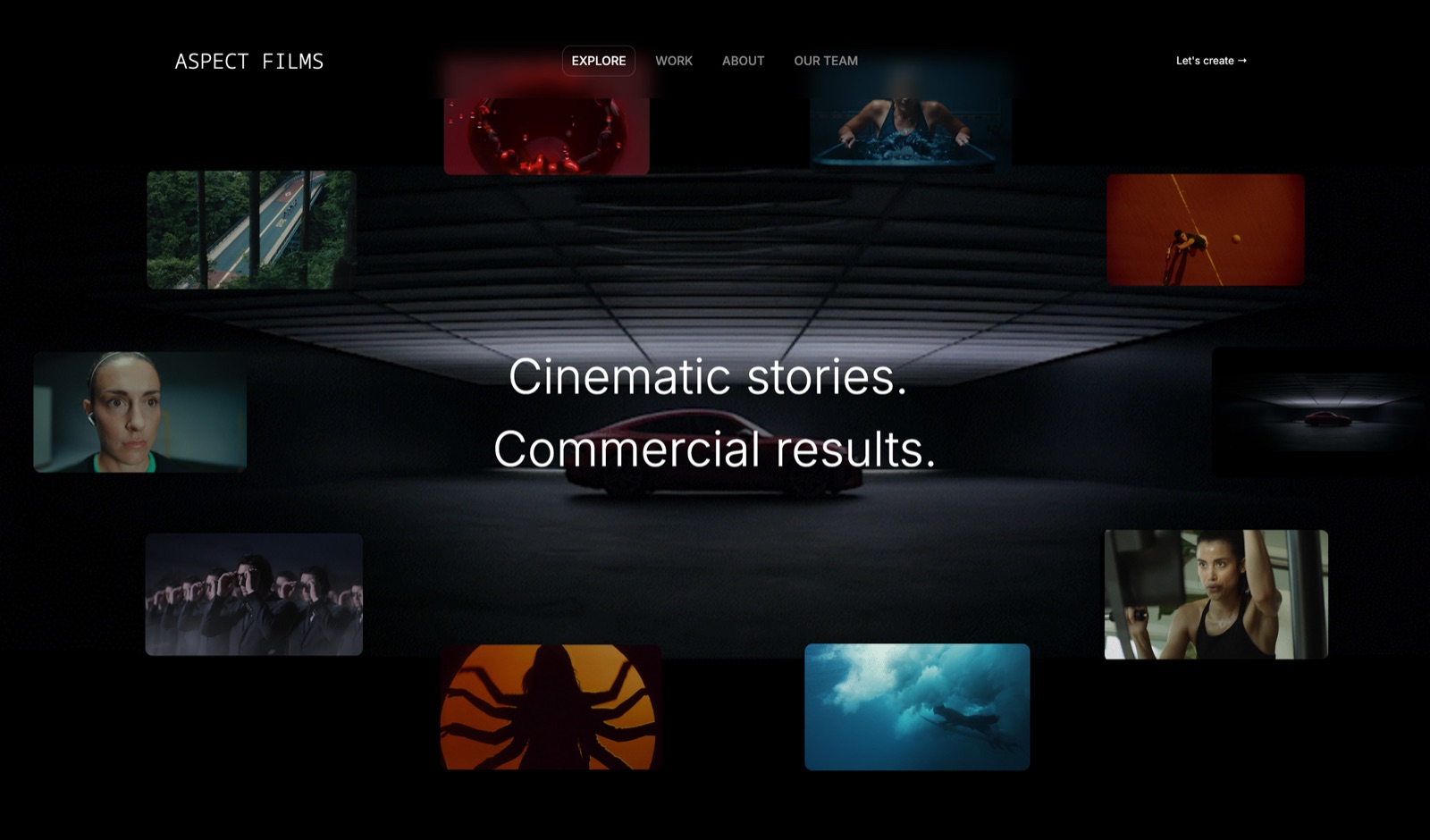
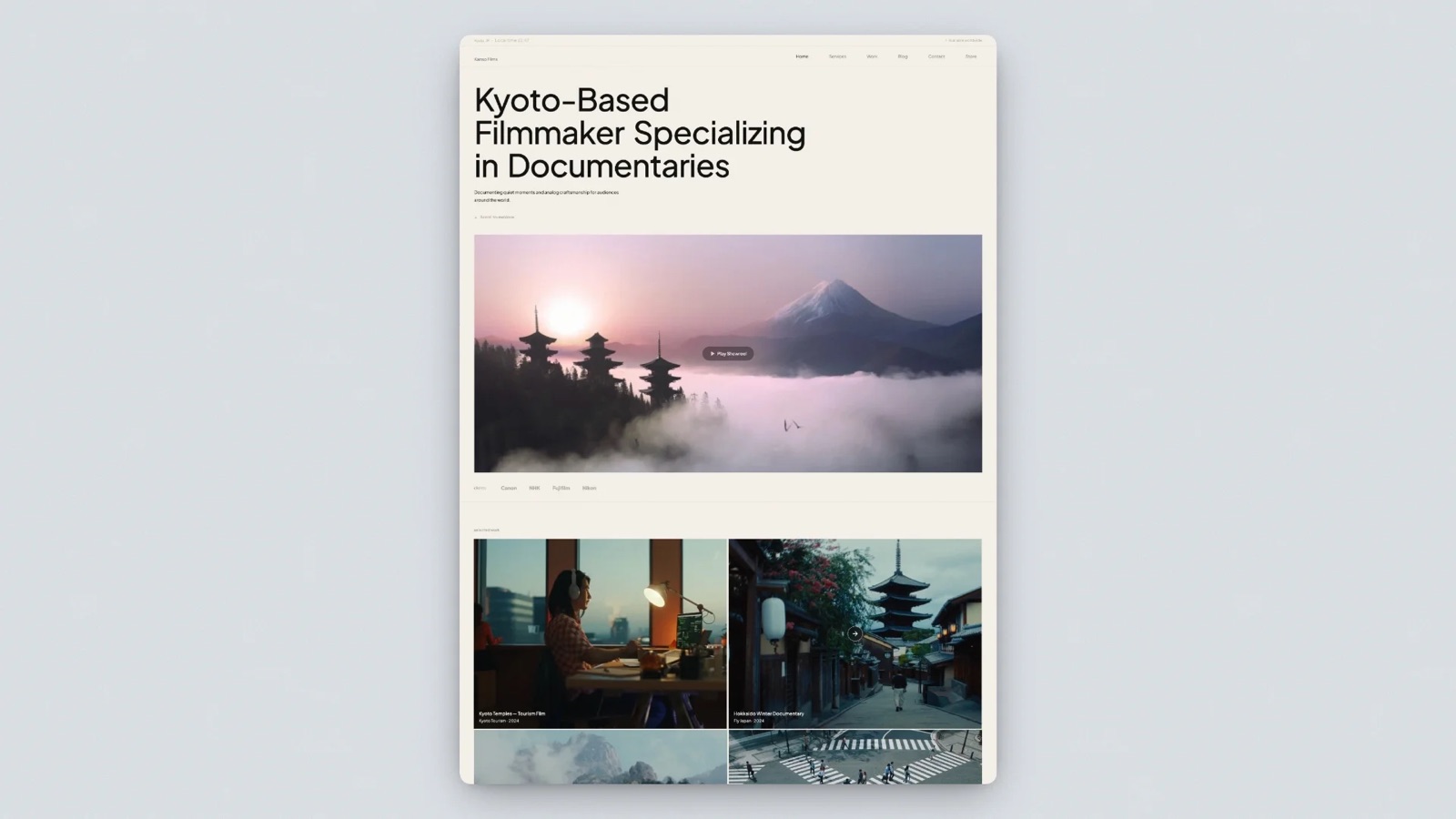
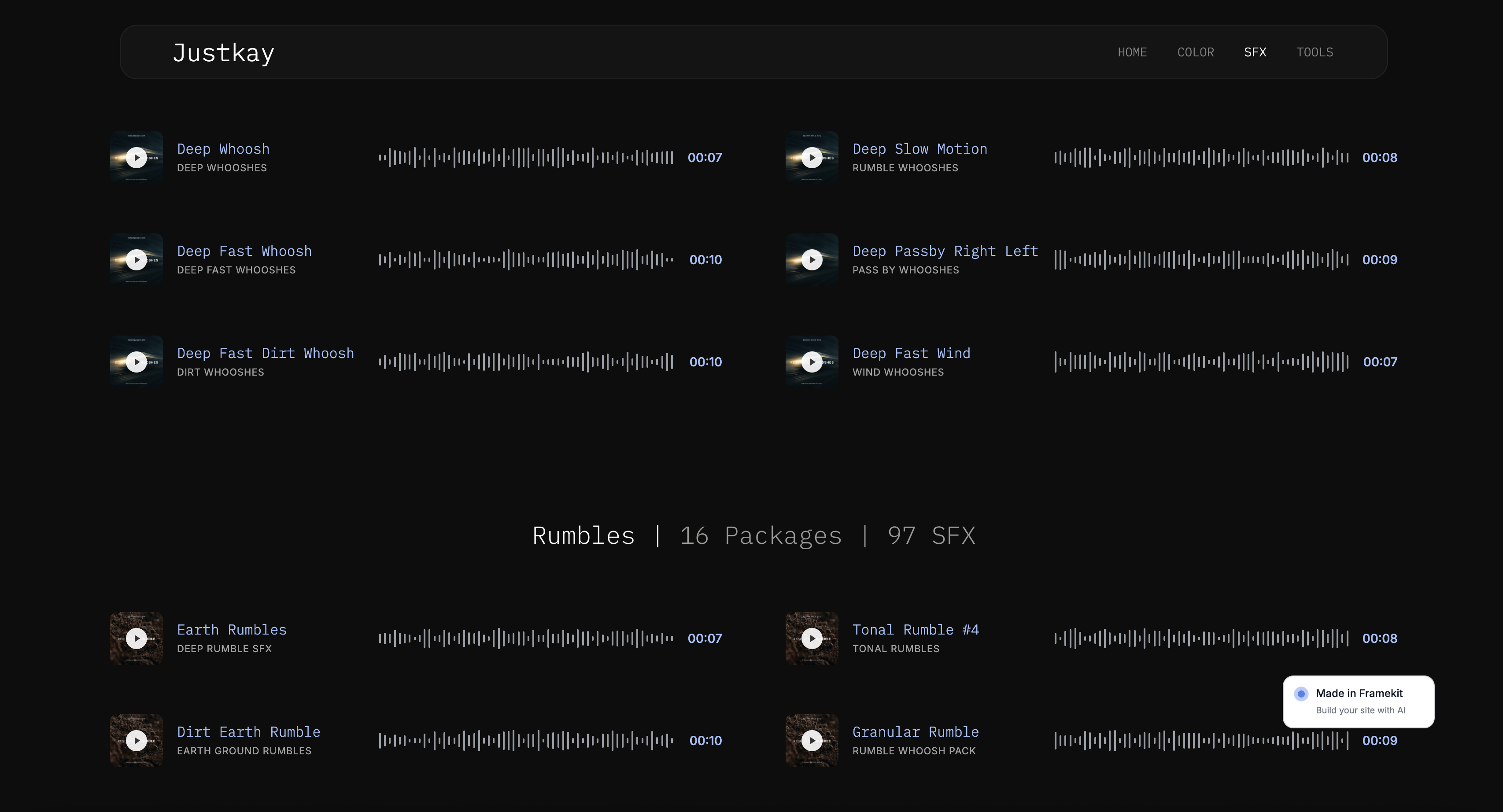
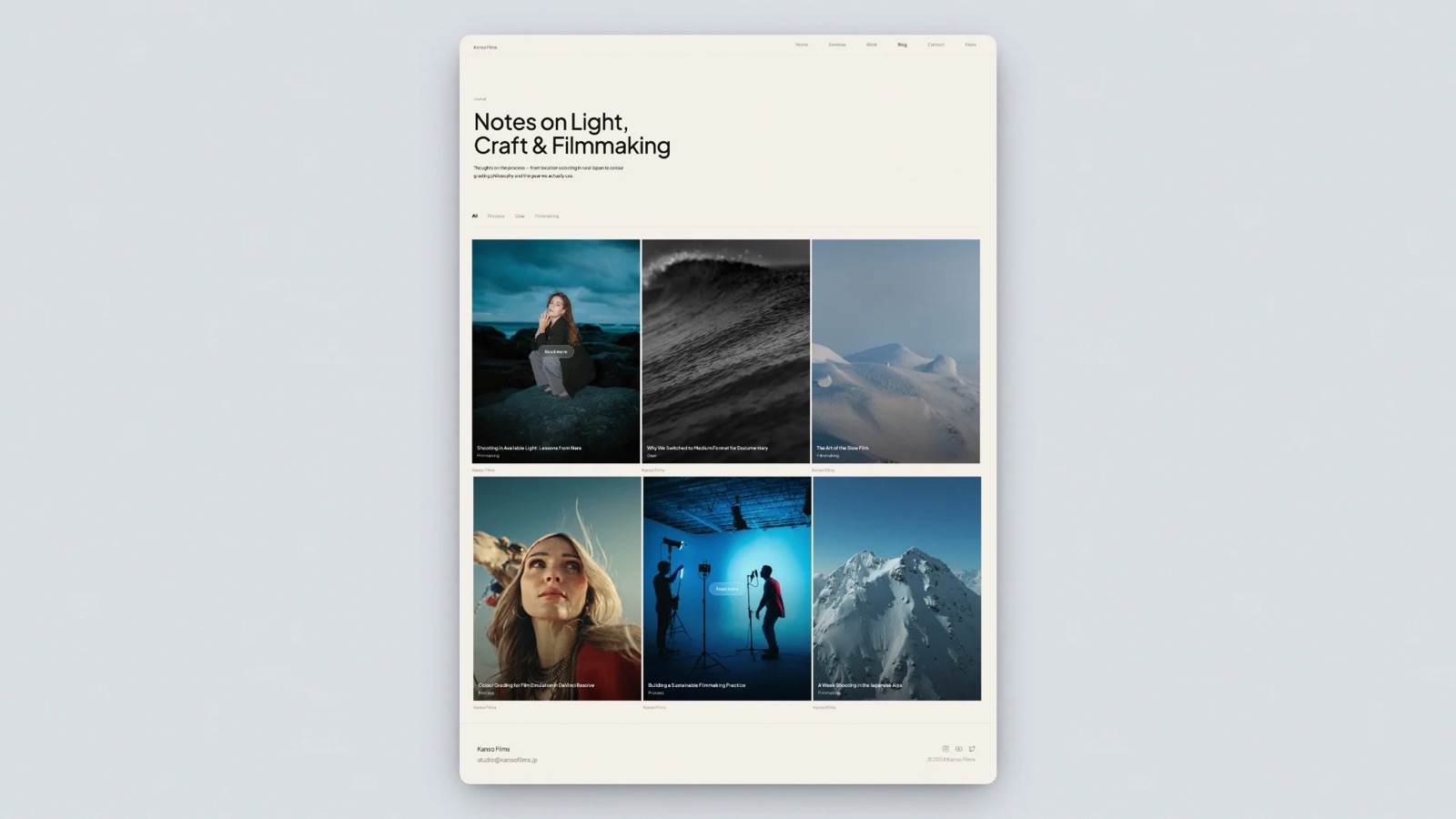
Start from a designer-made template
 Use template
 Use template
 Use template
 Use template
 Use template
 Use template
 Use template
 Use template
Every gallery platform has a cheap headline price and a real annual cost, and they are almost never the same number. A $7 plan that takes 15% of your print sales costs a working photographer more than a $19 plan that takes nothing.
A free plan with 3GB costs nothing until August, when a busy month forces an upgrade you did not budget for.
So this comparison prices the year, not the month.
Client gallery software is a tool photographers use to deliver, present, and sometimes sell finished photos to paying clients, replacing shared folders and file transfers with a branded page that handles downloads, favorites, and access control.
The cheapest client gallery software in 2026 for most working photographers is Framekit, whose free plan delivers unlimited galleries with no commission and includes a real website, and whose $9 Starter plan adds a custom domain and 50GB before any competitor's paid tier begins.
The honest trade-off is storage: at 10GB free and 50GB on Starter, a busy wedding photographer reaches the $19 Pro plan in the second season, where ShootProof's photo-count pricing and CloudSpot's $17 Lite tier become genuinely competitive.
Framekit is an AI website builder with client galleries included, which is why one plan can cover both your delivery and the website most photographers pay for separately.
Full disclosure: Framekit, ranked first below, is our own product. We priced every platform on the same year of work, checked each figure against the vendor's published pricing in August 2026, and we say where each beats us plainly: ShootProof is cheaper per stored photo at high volume, SmugMug is cheaper for a pure archive, and Pic-Time, Pixieset, and CloudSpot all include print fulfillment that we do not offer at any price.
How We Priced a Real Year
Monthly headline prices are the least useful number in this category, so we costed a complete year of delivery for two representative photographers and counted everything.
The busy photographer30 galleries a year, about 45GB of delivered files, $6,000 of print and album sales.
The starting photographer8 galleries a year, about 10GB of delivered files, $1,200 of print sales.
For each platform we counted the subscription tier that actually holds that year of work, the sales commission on those sales, and whether a separate website subscription is required to have a public portfolio at all.
That last line is the one most comparisons omit, and it is often the largest.
What was hands-on: building galleries, uploading test sets, and confirming storage behaviour.
What was verified from primary sources rather than tested: every price and commission rate, checked against each vendor's published pricing pages in August 2026 and linked inline.
What is community sentiment rather than our finding: reports about billing and downgrade friction, flagged where mentioned.
The Real Annual Cost, Ranked
Here is what a full year of delivery actually costs on each platform. Prices show the cheapest plan that genuinely holds the work, with sales commission added on top of the stated print revenue.
| Platform | Cheapest usable plan | Busy year total | Starting year total | Website included |
|---|---|---|---|---|
| Framekit | Free, or $9 Starter | $108 on Starter, 0% commission | $0 on Free | Yes, full builder |
| ShootProof | Free, then $10.99 | About $320, 0% commission | $0 to $132 | Portfolio only |
| CloudSpot | Free, then $17 Lite | About $204, 0% commission | $0 plus 15% ($180) | Portfolio only |
| Pixieset | Free, then $10 Basic | About $240 to $360 | $120, or $180 in commission | Light site builder |
| Pic-Time | Free, then $8 Beginner | About $300 on Professional | $96 | No |
| Pixpa | About $8 a month | About $96 to $180 | About $96 | Yes, template site |
| SmugMug | About $13 a month | About $156 plus print cut | About $156 | Yes, template site |
| Zenfolio | About €8 a month | About €96 plus 7% ($420) | About €96 plus 7% ($84) | Yes, template site |
| PicDrop | Free, then paid tiers | Modest, no store | Free | No |
| PhotoShelter | Paid only | Higher, plan-based | Not a fit | Yes |
| Dropbox | About $12 a month | About $144, no gallery | About $144 | No |
| Google Drive | Free to 15GB | About $30 to $100 | $0 | No |
| WeTransfer | Free | $0, expires in days | $0 | No |
Card processing of roughly 2.9% plus $0.30 applies on any sale on any platform. Every figure was checked against the vendor's own pricing in August 2026; confirm before you commit.
The two lines worth reading twice: Zenfolio's headline is among the cheapest and its total is among the highest once the 7% commerce fee is counted, and CloudSpot's Free tier looks cheapest for a starting photographer until the 15% commission on $1,200 of sales makes it more expensive than a paid plan.
1. Framekit: Cheapest Overall Once the Website Counts

Our rating: 9.4/10
Framekit is cheapest for a specific structural reason rather than a promotional one: the plan that delivers your galleries is the same plan that runs your website, so one subscription replaces the two most photographers pay for.
The free plan is genuinely usable rather than a demo. Unlimited galleries, no commission on delivery, a 10GB storage pool shared by the site and the galleries, and a real published site on a Framekit address.
Starter at $9 a month adds a custom domain, removes the Framekit badge, allows your own uploaded fonts, and lifts that pool to 50GB.
Best forPhotographers who need a portfolio and client delivery and do not want to pay for both separately.
The real numberthe busy photographer's 45GB fits Starter at $9 a month, or $108 a year, and a second year of live galleries moves them to Pro at $19, or $228, whose 300GB pool covers the galleries, the site media, a blog, and a digital shop together.
The comparable hosted setup is a gallery plan at $17 to $30 plus a website subscription at $12 to $18, which is $350 to $580 a year.
The gotcha10GB free is five to ten weddings and no more. If you shoot high-volume events, plan for Starter or Pro from the start rather than discovering the ceiling in your busiest month.
Skip it ifprint sales are your income. Framekit sells digital files rather than physical prints, so a print-led studio should price ShootProof or Pixieset instead and treat the website as a separate line.
Verdict: the cheapest route for photographers who need both a site and delivery, and a genuinely free option for photographers who need only delivery. Start free at framekit.ai.
2. ShootProof: Cheapest Per Stored Photo at Volume
Our rating: 9.0/10
ShootProof prices by photo count rather than storage and charges 0% commission on every plan, which makes it the cheapest serious option for a photographer with a large library and real print sales.
Its published pricing puts the 1,500-photo plan at $10.99 a month on annual billing, 5,000 at $19.99, 25,000 at $26.67, and unlimited at $50.
The real numberthe busy photographer sits in the 25,000-photo tier at about $320 a year with no commission at all, which against a 15% plan on $6,000 of sales is a $580 swing in ShootProof's favour.
The gotchathe photo count is cumulative across the account, so photographers who never archive hit the ceiling mid-year and upgrade at the worst moment.
Verdict: the cheapest way to sell prints without a commission, and the pick if delivery volume is your main cost driver. It will not be your website. Visit ShootProof
3. CloudSpot: Cheapest Commission-Free Business Bundle
Our rating: 8.6/10
CloudSpot's Lite tier at $17 a month is the first commission-free step on its ladder and bundles invoicing, contracts, scheduling, and questionnaires with 100GB of storage, according to its pricing page.
If you were about to buy a studio management tool separately, the effective price drops considerably.
The real number$204 a year with no commission, against $900 in commission on the same $6,000 of sales on a 15% tier. The break-even against staying free arrives at about $1,360 of annual sales.
The gotchathe promotional $3-a-month opening rate reverts to full price after three months, so budget the renewal rather than the offer.
Verdict: the cheapest way to consolidate delivery and business admin, provided you actually use the admin. Visit CloudSpot
4. Pixieset: Cheapest Path to a Polished Store
Our rating: 8.4/10
Pixieset's Basic plan at $10 a month is the cheapest way to get a genuinely polished gallery, a connected domain, no vendor branding, and 0% store commission in one step, per Pixieset's published pricing.
Below that, the free plan's 15% cut makes it the most expensive free tier in the comparison for anyone who sells.
The real number$120 a year on Basic removes about $900 of commission on $6,000 of sales, so the paid plan pays for itself at roughly $67 of monthly sales.
Verdict: cheap, familiar, and excellent value at $10, provided you never treat the free plan as a permanent home. Our Pixieset alternatives guide covers the moves. Visit Pixieset
5. Pic-Time: Cheapest Entry, Expensive Middle
Our rating: 8.0/10
Pic-Time's Beginner plan at $8 a month is the lowest paid entry point here, and its galleries are the best-looking in the category. The jump to Professional at $25 is where the commission on self-collected payments disappears, and where most working photographers end up.
Its pricing page also notes that the free plan's 10GB reduces to 3GB after six months, so the free tier is a trial with a delayed deadline.
Verdict: cheapest to try and mid-priced to live on. Worth the Professional tier only if print campaigns actually earn for you. Visit Pic-Time
6. Pixpa: Cheapest Site-and-Gallery Bundle
Our rating: 7.9/10
Pixpa bundles a portfolio site, galleries, a blog, and a small store on your own domain for around $8 a month, which is the lowest combined price in this comparison for a photographer who needs both.
The ceiling is design quality, and in a field judged visually that ceiling has a cost that does not appear on the invoice.
Verdict: the cheapest bundle on paper, and the one where the saving shows in the portfolio. Visit Pixpa
7. SmugMug: Cheapest Archive Per Gigabyte
Our rating: 7.6/10
Unlimited photo storage from around $13 a month makes SmugMug the cheapest place to keep a decade of work, and it includes a template website on your own domain. The cut it takes on print sales, which no plan removes, is what keeps it out of the top three.
Verdict: buy it as an archive, not as a storefront. Our SmugMug alternatives guide covers delivery-first options. Visit SmugMug
8. Zenfolio: Cheap Plan, Permanent Fee
Our rating: 6.9/10
Zenfolio's plans start low and its 7% commerce fee applies to every order on every plan, charged on the sub-total with processing on top.
On $6,000 of sales that is $420 a year that no upgrade removes.
Verdict: cheap until it works. The moment sales grow, this becomes the most expensive option per dollar earned. Visit Zenfolio
9. PicDrop: Cheapest Pure Proofing
Our rating: 7.4/10
PicDrop's free tier covers real selects work for commercial photographers, and its paid tiers are modest because there is no storefront to pay for. If all you need is a fast approval round, this is the cheapest way to run one professionally.
Verdict: the cheapest tool that does one job properly, and no help at all with the rest of delivery. Visit PicDrop
10. PhotoShelter: Not Cheap, Sometimes Correct
Our rating: 7.0/10
PhotoShelter is the most expensive platform in this comparison and belongs here as a boundary marker: if you license images from a searchable archive, the cost is justified by revenue that other platforms cannot generate at all.
Verdict: never the cheapest, occasionally the only tool that fits. Our PhotoShelter alternatives guide covers cheaper delivery. Visit PhotoShelter
11. Dropbox: Cheap Storage, No Gallery
Our rating: 6.8/10
Around $12 a month for 2TB is competitive storage, and none of it is a client gallery. No cover, no favorites, no watermarking, no download control, and no branding.
Verdict: cheap for the wrong product. Keep it for working files. Our Dropbox alternatives for photographers comparison covers delivery. Visit Dropbox
12. Google Drive: Cheapest Storage, Highest Hidden Cost
Our rating: 6.4/10
Fifteen gigabytes free and roughly $30 to $100 a year for 200GB to 2TB makes Drive the cheapest storage in the comparison by a distance. It is also the option with no branding, no favorites, no sales path, and a client experience that belongs to Google.
Verdict: unbeatable on price per gigabyte and the wrong shape for client-facing delivery. See client gallery vs Google Drive for the full comparison. Visit Google Drive
13. WeTransfer: Free and Temporary
Our rating: 5.8/10
Free transfers cost nothing and expire in days, which is a cost that arrives as re-uploads and apologetic emails rather than as a charge on a card.
Verdict: the cheapest possible delivery and the most expensive client experience. See client gallery vs WeTransfer for what that trade actually costs. Visit WeTransfer
The Two Costs That Decide Everything
In one linethe monthly price is the smallest number in this decision, because commission scales with your success and storage upgrades arrive in your busiest month, and those two lines routinely cost more than the subscription they are attached to.
Commission is a percentage of your growth. A 15% cut on $2,000 of sales is $300 and feels tolerable. The same rate on $15,000 is $2,250 and is by far the largest software cost in the business.
No subscription behaves that way, which is why a flat plan that removes commission is almost always cheaper above about $800 of annual sales.
Storage upgrades are seasonal. Most free tiers hold one to three weddings, and the most generous holds five to ten.
If you shoot 60% of your year between May and September, you will hit the ceiling in July and upgrade at full price under time pressure. Pricing the plan for your annual volume in January costs the same money and none of the stress.
The website is the hidden line. Most gallery platforms are not websites, so photographers using them pay a second subscription for a portfolio.
Counting that line changes the ranking substantially, because a builder that includes galleries is competing against two bills rather than one.
Run it yourself in three steps. Add your current gallery subscription plus your website subscription, then add last year's gallery sales multiplied by your commission rate.
That total is your real annual delivery cost, and it is usually two to three times the number you would have quoted from memory.
Which Is Cheapest for You: A Decision Tree
Answer these in order and stop at the first branch that matches, because the cheapest platform depends far more on what else you are already paying for than on any headline monthly price.
Do you already pay for a portfolio website you intend to keep?
- No, I need a site and delivery. Choose Framekit: free to start, $9 for a custom domain, $19 for 300GB, with the website included at every step.
- Yes, I have a site I am keeping. Continue.
Do you sell prints through a lab?
- Yes, and it is a real revenue line. Choose ShootProof for 0% on every plan, or Pixieset Basic at $10 if you want the more polished store. Continue only if neither fits.
- No. Continue.
What is your main cost pressure?
- Storage for a large archive: SmugMug for unlimited, or Framekit Pro at 300GB if you also want the website.
- Business admin as well as delivery: CloudSpot Lite at $17.
- Only approval rounds, no store: PicDrop, largely free.
- Absolute minimum spend and delivery only: Framekit's free plan, which carries no commission and no gallery limit.
Frequently Asked Questions
What is the cheapest client gallery software in 2026?
The cheapest client gallery software in 2026 is Framekit for photographers who also need a website, because its free plan delivers unlimited galleries with no commission and includes a published site, and its $9 Starter plan adds a custom domain and a 50GB storage pool.
For photographers who only need delivery and sell prints, ShootProof is cheapest in practice thanks to 0% commission on every plan including its free tier.
Is there a genuinely free client gallery platform?
Yes. Framekit, ShootProof, Pixieset, Pic-Time, CloudSpot, and PicDrop all have free tiers, but only Framekit and ShootProof charge no sales commission on theirs.
Pixieset, CloudSpot, and SmugMug take 15% of store sales on entry tiers, which makes those free plans expensive for anyone who sells.
Free tiers generally cap storage at 3GB to 5GB, which holds one to three wedding galleries, with Framekit's 10GB the outlier at five to ten.
Which client gallery is cheapest for a wedding photographer?
For 30 weddings a year and $6,000 of print sales, ShootProof at about $320 a year with 0% commission and CloudSpot Lite at $204 a year are the cheapest print-capable options, while Framekit Pro at $228 a year is cheapest overall if you also count the website it replaces.
The deciding line is print revenue: with it, a 0%-commission print platform wins, without it, a builder that includes galleries and a site wins.
Do cheap client gallery plans limit how many galleries I can create?
Rarely. Most platforms including Framekit and Pixieset allow unlimited galleries on every plan and cap storage instead, so the limit that forces an upgrade is gigabytes rather than gallery count.
ShootProof is the notable exception, pricing by cumulative photo count across the account. Check which model a platform uses before you compare prices, because they are not interchangeable.
Is a free gallery plan enough to start a photography business?
Yes for the first season, provided you pick a free tier with no sales commission.
Framekit's free plan delivers unlimited galleries at 0% with 10GB of storage and includes a real website, which covers a photographer delivering five to ten weddings.
You will outgrow 10GB within a busy season, so treat the free plan as the first year rather than the plan.
How much should I expect to pay for client galleries per year?
Between $100 and $350 a year for a working photographer, depending on storage and whether you need print fulfillment.
Framekit Starter is $108 and Pro is $228, CloudSpot Lite is $204, ShootProof's mid tiers run $132 to $320, and Pixieset Basic is $120 before storage upgrades.
Add a website subscription of $150 to $220 a year to any platform that is not also a site builder.
Does the cheapest plan always cost the least?
No, and this is the most common pricing mistake in the category.
A cheap plan carrying a 15% commission costs more than an expensive plan at 0% for any photographer selling more than about $800 a year, and a cheap plan with 3GB of storage forces a mid-season upgrade at full price.
Price the year including commission and the storage tier you will actually need in August.
Which is cheaper, a client gallery or Google Drive?
Google Drive is cheaper per gigabyte and more expensive per client relationship.
Two terabytes of Google One is roughly $100 a year against $200 to $330 for the 100GB to 300GB tiers of a gallery platform, but Drive provides no branding, favorites, watermarking, download control, or reprint path.
The honest comparison counts the website too: a builder with galleries included frequently costs less than Drive plus a separate portfolio subscription.
Can I switch gallery platforms without losing my galleries?
You can move forward but not backward: platforms let you export or download your originals, and none of them transfer live galleries to a competitor, so any migration means re-uploading the galleries you want to keep.
The practical approach is to deliver every new job on the new platform and leave existing galleries live on the old one until they expire, which costs one overlapping month of subscription.
What is the cheapest way to sell prints from a client gallery?
ShootProof at 0% commission on every plan is the cheapest print-selling route, since you keep the full markup and pay only the lab and card processing.
Pixieset Basic at $10 a month and CloudSpot Lite at $17 both reach 0% as well and add more polish.
The most expensive option is any free tier with a 15% cut, which on $6,000 of sales costs about $900 a year, more than seven times the cheapest plan that removes it.
Is Framekit actually cheaper once you add everything up?
Only if you would otherwise be paying for a website too, which is the honest version of the claim.
The busy photographer's 45GB fits Starter at $108 a year, and a second year of live galleries moves them to Pro at $228, whose 300GB pool covers galleries, site media, a blog and a digital shop together.
The comparable hosted setup is a gallery plan at $17 to $30 a month plus a website subscription at $12 to $18, so $350 to $580 a year.
If you already have a website you are happy with and only need galleries, that comparison gets much closer and ShootProof is cheaper per stored photo at volume.
Final Verdict: The Cheapest Client Gallery Software in 2026
Thirteen platforms, two model photographers, and one consistent finding: the cheapest headline price is almost never the cheapest year, because commission scales with success and storage caps arrive in your busiest month.
Framekit is the cheapest client gallery software in 2026 for photographers who need a website as well as delivery, which is most of them.
The free plan carries no commission and no gallery limit, $9 adds a custom domain, and $19 covers 300GB plus a full site and shop that would otherwise be a second subscription.
Where Framekit loses: if print sales are your revenue, ShootProof is cheaper in practice because 0% on every plan plus lab fulfillment beats anything we offer, and we have no print lab at all.
SmugMug is cheaper per gigabyte for a pure archive, and if you already own a website you love, a standalone gallery plan will beat paying for a builder you will not use.
ShootProof is the cheapest print platform, CloudSpot Lite is the cheapest business bundle, Pixieset Basic is the best $10 in the category, and Zenfolio is the clearest example of a cheap plan with an expensive fee. Price the year, not the month, and the ranking sorts itself out.
Related reading: how much client galleries cost, best free client gallery software, commission-free client galleries, and our full client gallery platform comparison.
If the website line is what you are trying to cut, compare the options in best website builders for photographers and cheapest website builders for creatives.