Framekit templates
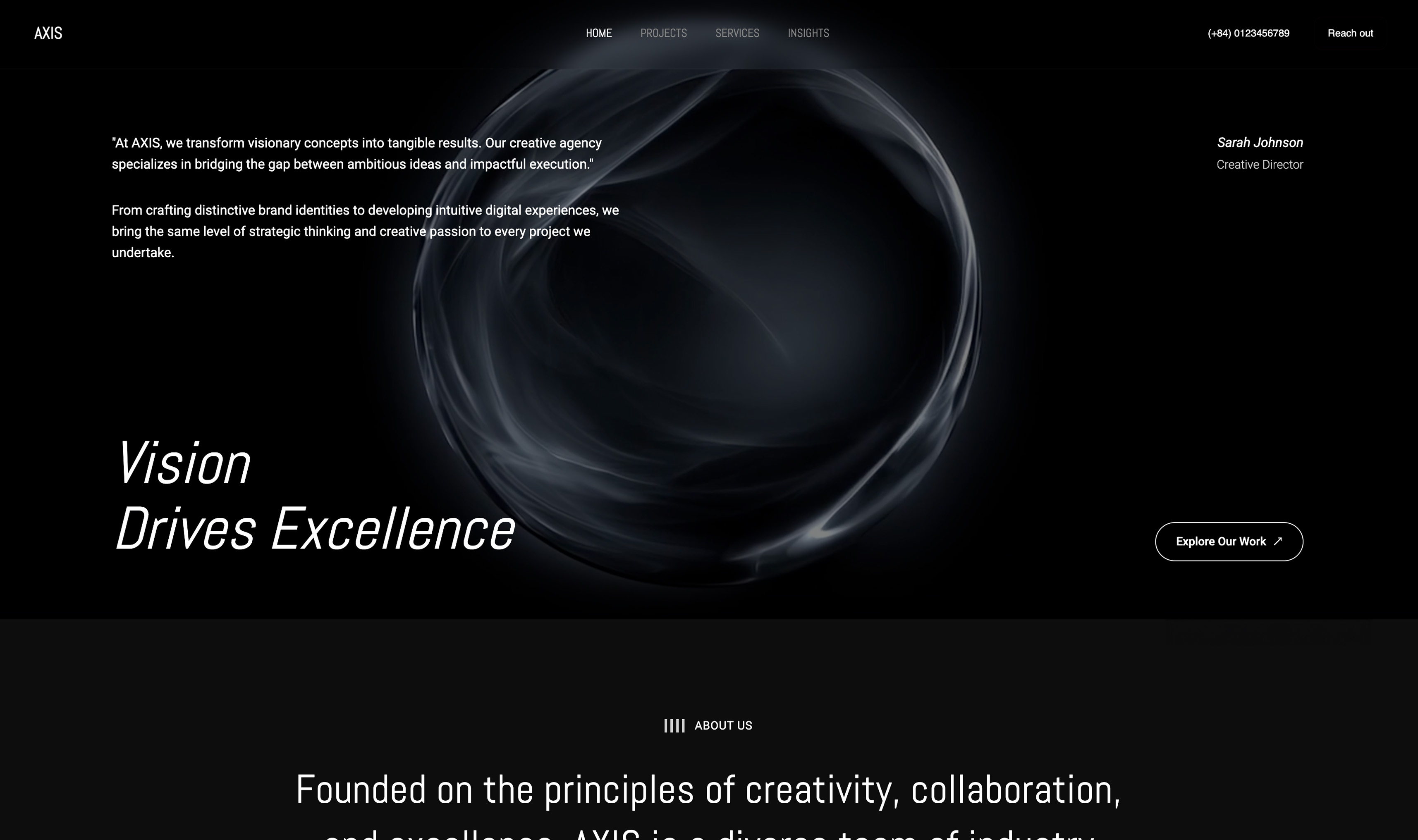
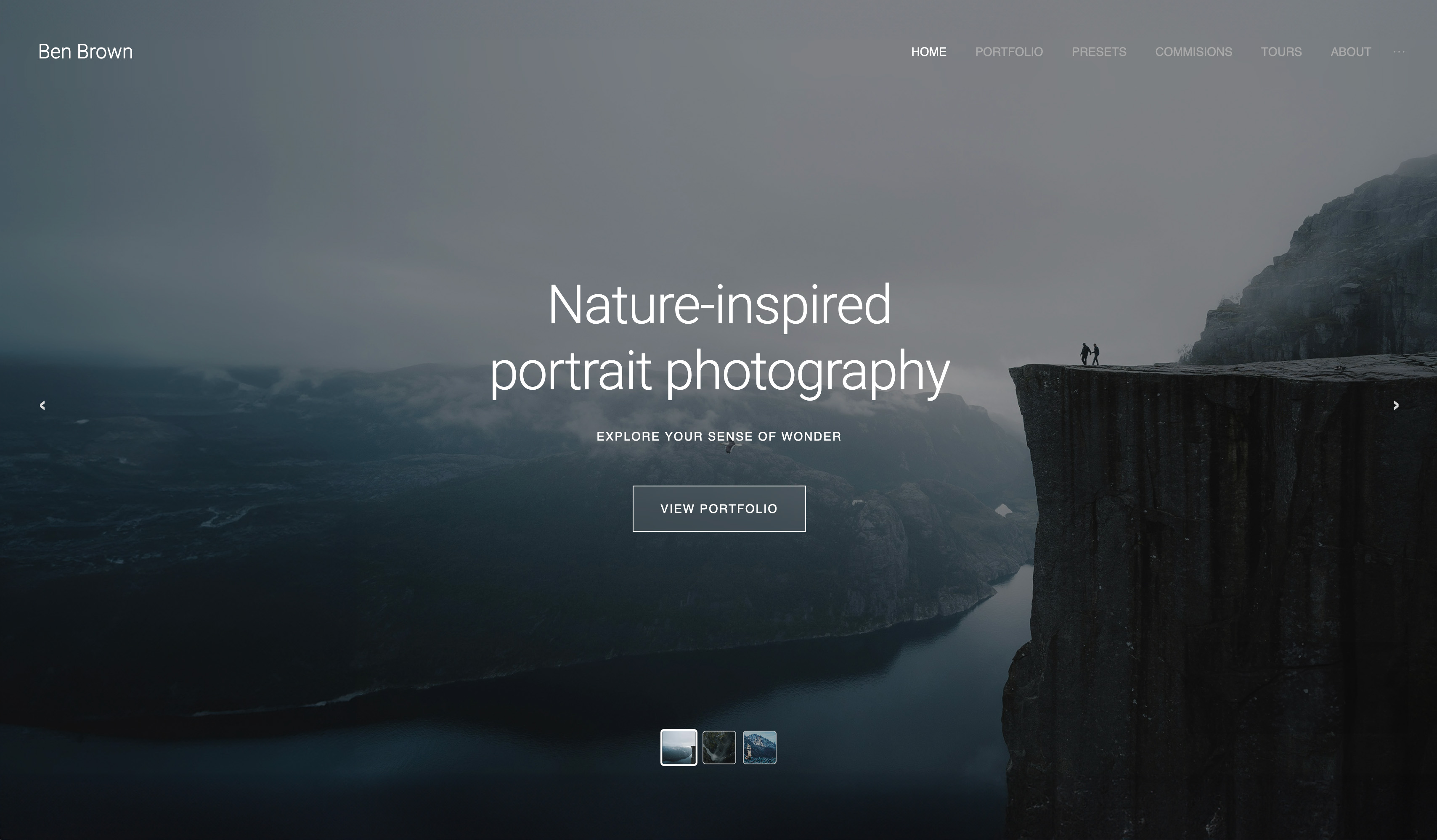
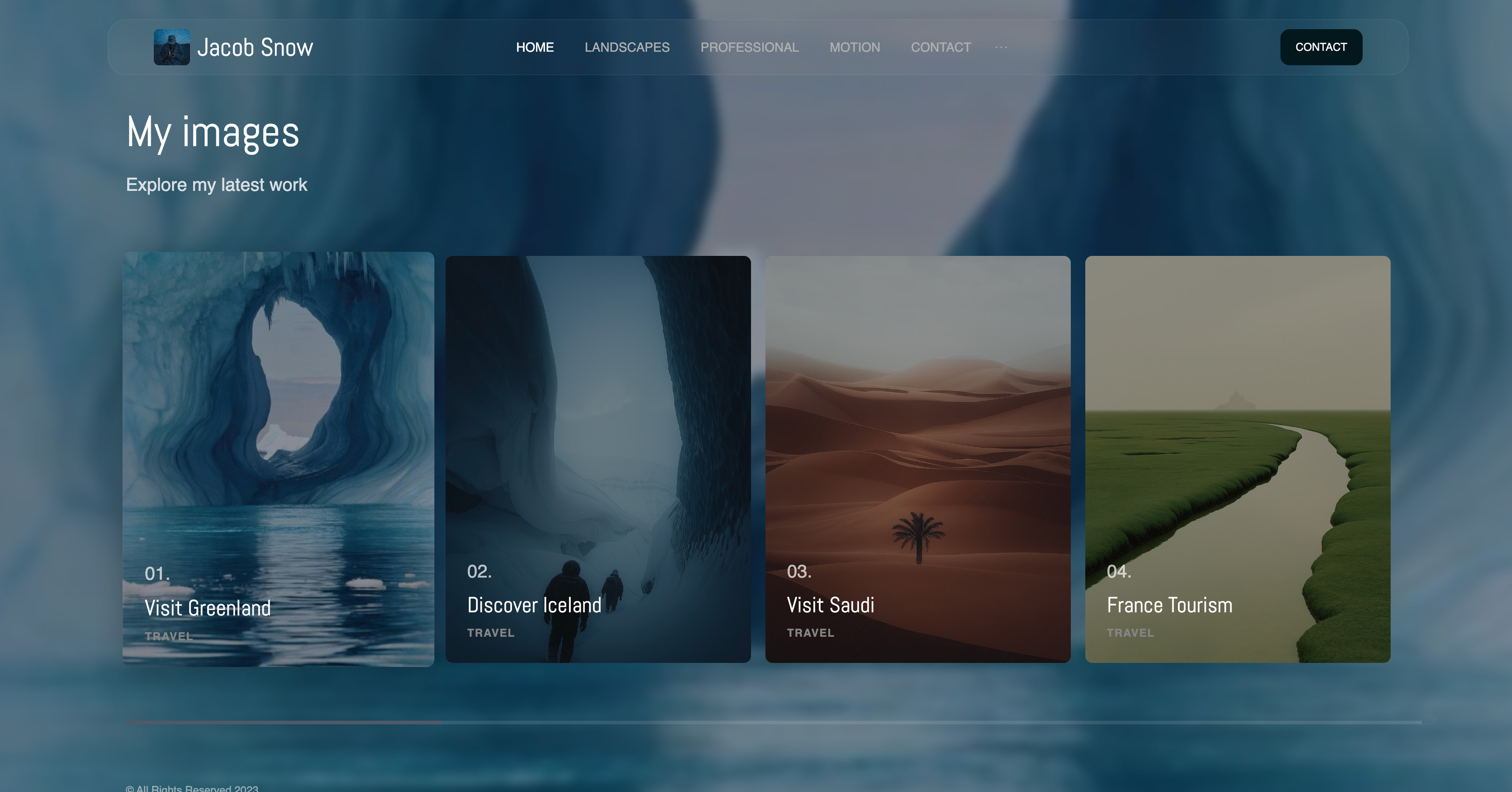
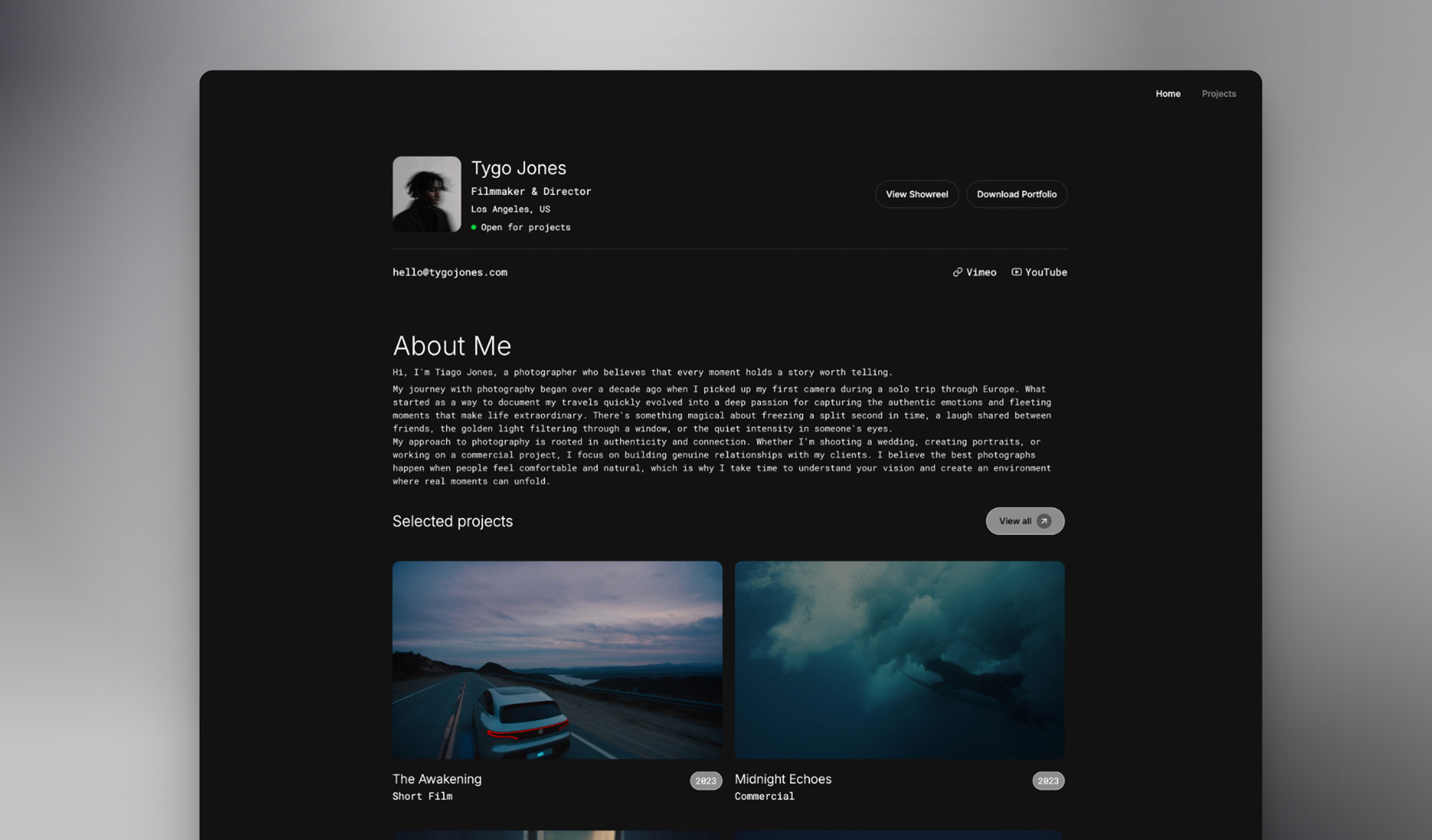
Start from a designer-made template
 Use template
 Use template
 Use template
 Use template
 Use template
 Use template
 Use template
 Use template
Pixieset vs CloudSpot is the comparison most portrait and wedding photographers reach after their first year, once the free plan has stopped being generous and the real cost of each platform becomes visible. Both are good products.
They are also built on two different bets about what a photographer will pay for.
Pixieset bets on the client. Its galleries are the most familiar in the industry, its mobile behaviour is excellent, and galleries are uncapped on every plan including free, so delivering to a new client never costs you anything extra.
The money comes from a 15% commission on store sales while you are on the free tier.
CloudSpot bets on the business. Contracts, invoicing and scheduling sit in the same account as the galleries, its pricing page is the clearest in the category, and payouts land in two days rather than four on paid tiers.
The money comes from a gallery cap on the cheap plans and a 2.5% transaction fee on the paid ones.
A client gallery platform is software that hosts, protects and delivers finished photographs to a paying client, usually adding proofing, favourites, downloads and a store, and these two differ mainly in what they limit and what they include.
A third shape sits alongside them: a website builder that serves the gallery from your own domain, which is what Framekit does, and the trade there is giving up the print lab and the studio manager.
Pixieset wins for photographers who deliver many galleries and want the most familiar client experience, since galleries are uncapped on every plan and its Basic tier at about $10 a month removes commission entirely.
CloudSpot wins for photographers who want contracts, invoicing and scheduling in one subscription, and its $17 Lite plan is the cheapest bundle of that kind.
The honest third option is that neither puts the gallery on a domain you own, which is where Framekit differs, delivering uncapped galleries from your own website with no commission on any plan.
Framekit is the third answer when neither vendor subdomain appeals, and it starts free.
Full disclosure: Framekit is our own product and it appears in this comparison as an alternative rather than as the subject, so treat our involvement accordingly. We built the same 400-image gallery on both platforms, verified every figure against published pricing pages in August 2026, and we say plainly that CloudSpot's studio manager and Pixieset's in-gallery structure are both things Framekit does not offer. Our own storage tiers were re-verified on 20 September 2026 and both competitor ladders stand as read in August.
Pixieset vs CloudSpot: The Short Answer
The decision comes down to a single question about your business rather than a feature comparison, and it is worth answering before reading anything else below.
If you deliver a lot of galleries and already have invoicing solved, Pixieset is the better platform, because unlimited galleries on every tier means your delivery cadence never collides with your plan.
If you are still sending invoices from a spreadsheet and chasing contracts by email, CloudSpot's Lite tier at $17 a month replaces two subscriptions at once and is the better value even though its cheaper plans are unusable for volume.
The trap in both cases is the free tier. Pixieset's free plan takes 15% of store sales, which on $2,000 of prints is $300, considerably more than a year of the Basic plan that removes it.
CloudSpot's free plan allows three galleries, which is a fortnight for a working portrait photographer. Both free tiers are demonstrations rather than plans.
How the Plans Actually Compare
Here is the published pricing for both platforms as read in August 2026, laid out by the tiers a working photographer would realistically buy rather than the headline figures each vendor leads with.
| Tier | Pixieset | CloudSpot |
|---|---|---|
| Free | 3GB, unlimited galleries, 15% commission | 5GB, 3 galleries, 15% commission |
| Entry paid | About $10/mo, 10GB, 0% commission | $7/mo, 15GB, 15 galleries |
| Mid | About $20/mo, 100GB, one hour of video | $17/mo, 100GB, unlimited galleries, studio suite |
| Upper | 1TB and unlimited tiers available | $34/mo for 500GB, $50/mo unlimited |
| Selling cost on paid | 0% commission | 2.5% transaction fee |
| Business tools | Studio manager sold separately in the suite | Contracts, invoicing and scheduling from Lite |
CloudSpot's full ladder is published on its pricing page, and both platforms charge card processing of roughly 2.9% plus $0.30 on top of any sale, as does every competitor.
The row that decides most comparisons is the third one. At $17 against about $20 for 100GB, CloudSpot includes a studio manager and Pixieset includes video upload minutes, and which of those is worth more depends entirely on whether you currently pay for invoicing software.
Galleries, Storage and the Caps That Bite
Both platforms limit you somewhere, and they have chosen genuinely different places to do it, which is why two photographers can use these products and come away with completely opposite impressions.
Pixieset never caps gallery count. You can publish a hundred galleries on the free plan if 3GB of storage will hold them, which it will not, so storage is the only thing you ever hit.
That makes the platform predictable: as your business grows, you move up a storage tier and nothing else changes.
CloudSpot caps galleries on its cheaper plans, at three on free and fifteen on the $7 Entry tier, and removes the cap entirely from Lite upward.
For a photographer delivering weekly, fifteen live galleries is about a quarter and the Entry plan is effectively a trial.
The practical entry price for CloudSpot is therefore $17 a month, not $7, and any comparison that quotes the lower figure is misleading.
In one linePixieset limits you on gigabytes and CloudSpot limits you on galleries, and only one of those grows in a way you can plan for.
The Cost of Selling on Each Platform
Both platforms let you sell prints and digital files from inside the gallery, and their fee models are genuinely different rather than cosmetically so, which shows up clearly once real money moves.
Pixieset takes 15% of store sales on the free plan and 0% on every paid plan. That is an unusually clean structure: once you are paying, the platform takes nothing from the sale beyond card processing.
On $3,000 of annual sales the difference between free and Basic is $450 in commission against $120 in subscription, so upgrading pays for itself several times over.
CloudSpot takes 15% on free and Entry, then replaces commission with a 2.5% transaction fee on Lite and above.
The company positions that against typical card processing of 2.9% to 3.5%, which is a fair framing, and it is still a percentage. On the same $3,000 of sales it is $75 a year.
So Pixieset is cheaper on selling at the tiers most photographers use, by about $75 a year at $3,000 of sales, while CloudSpot is cheaper on the bundle by including business tools you might otherwise buy separately.
Client Experience and Business Tools
This is the axis on which the two platforms diverge most sharply, and in practice it is where the decision usually gets made long before anyone finishes reading a pricing page.
Pixieset's client-facing gallery is the most recognised in the industry, which is a real advantage rather than a vanity one: clients who have received photographs before know how to download, which reduces the questions you answer after every delivery.
Collections and sub-collections give genuine structure inside one gallery, and the mobile experience is among the best in the category.
Its Capterra rating sits at 4.7 out of 5 across 207 published reviews, the deepest sample of any client gallery platform.
CloudSpot's client experience is modern and clean but less familiar, and the platform's real argument is what surrounds it.
Contracts, invoicing and scheduling from the Lite tier mean a single subscription covers the paperwork that most photographers run on a separate tool, and faster payouts on paid tiers are a genuine cash-flow benefit rather than a marketing line.

Where Both Platforms Lose
Neither platform lets the gallery live on a domain you own, and for a business built on referrals that is a structural cost rather than an aesthetic one.
Your client opens a page with a vendor's name in the address, forwards it to relatives or colleagues, and every one of those views markets a software company instead of your studio.
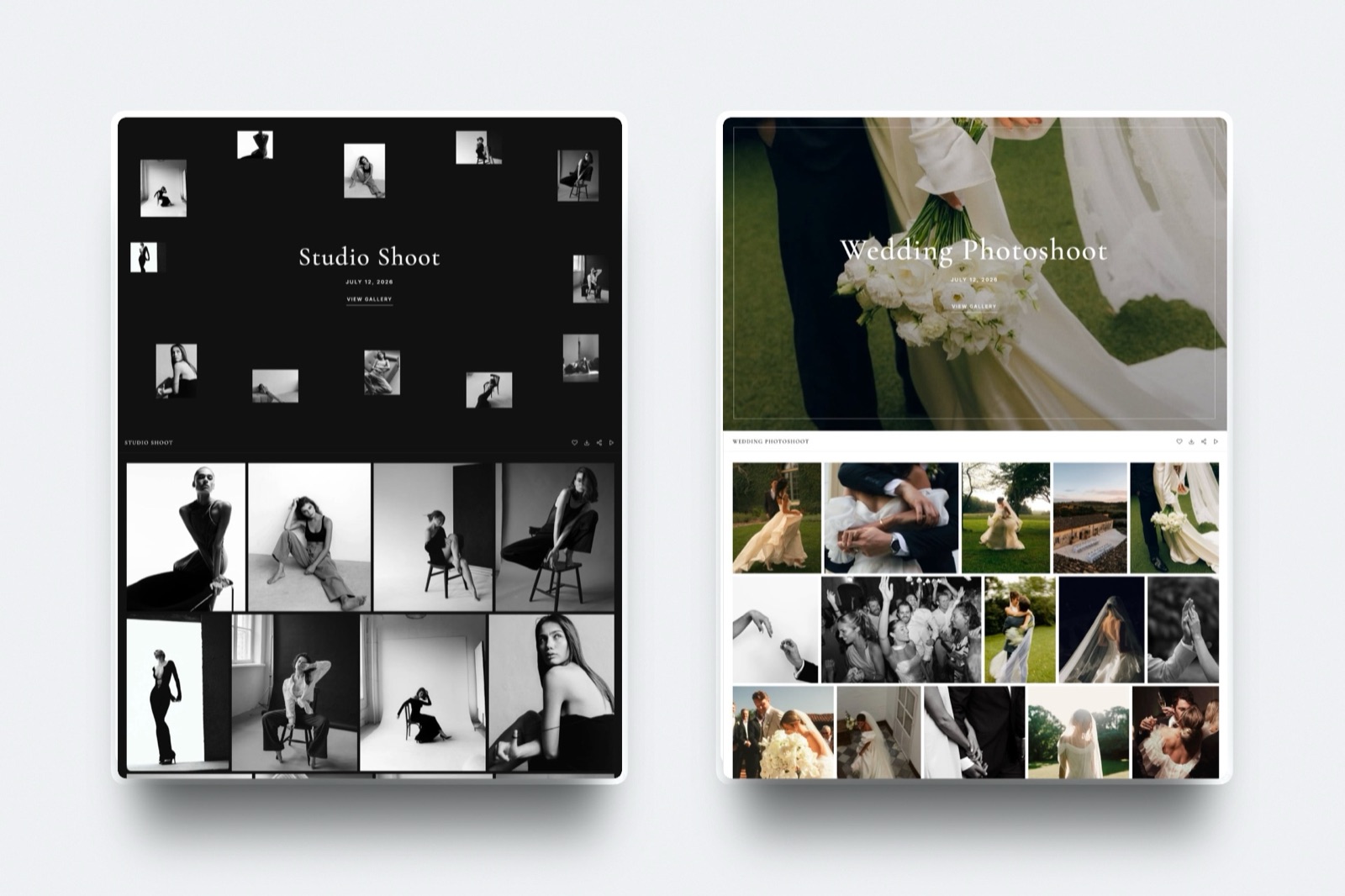
Framekit is an AI website builder with client galleries and a digital store built in, and it exists precisely in that gap: galleries are uncapped on every plan including free, delivery carries no commission at any tier, and the gallery is a page of your own website on your own domain.
Storage runs 10GB free, 50GB on Starter at $9 a month, 300GB on Pro at $19 and 2TB on Business at $39.
It is not a like-for-like replacement for either platform.
Framekit has no print lab, so it will not sell physical prints the way Pixieset does, and it has no contracts, invoicing or scheduling, so it does not replace CloudSpot's studio manager.
What it does is remove the vendor from the address bar, which neither of these two will.
In one linechoose Pixieset for the client, CloudSpot for the business, and Framekit if the address bar matters more than either.

Which Should You Choose?
Work down these questions and stop at the first confident yes, since this choice is usually settled by one specific circumstance rather than an overall judgement.
1. Do you already pay for invoicing and contract software? If yes, Pixieset, since CloudSpot's main advantage is one you already own.
2. Do you deliver more than fifteen galleries at a time? If yes, Pixieset, or CloudSpot at Lite and above, and never CloudSpot Entry.
3. Is your storage need above 100GB? If yes, CloudSpot's $34 Pro tier gives 500GB where Pixieset's comparable tiers cost more.
4. Do you sell more than about $3,000 a year through the gallery? If yes, Pixieset's 0% on paid plans saves roughly $75 a year against CloudSpot's 2.5%.
5. Does the delivery link need to carry your own name? If yes, neither, and a website-based gallery such as Framekit is the category you should be shopping in.
Frequently Asked Questions
Is Pixieset or CloudSpot better in 2026?
Pixieset is better for photographers who deliver many galleries and want the most familiar client experience, since galleries are uncapped on every plan and paid tiers charge 0% commission.
CloudSpot is better for photographers who need contracts, invoicing and scheduling bundled, and its $17 Lite plan is the cheapest way to get all of that alongside unlimited galleries.
How much do Pixieset and CloudSpot cost?
Pixieset's free plan gives 3GB with a 15% store commission, Basic costs about $10 a month for 10GB with no commission, and Plus is about $20 for 100GB.
CloudSpot's free plan gives 5GB across 3 galleries, Entry is $7 a month for 15GB and 15 galleries, Lite is $17 for 100GB with unlimited galleries and the studio suite, Pro is $34 for 500GB and Unlimited is $50.
Does CloudSpot really charge no commission?
CloudSpot's Lite, Pro and Unlimited plans are described as commission-free and charge a 2.5% transaction fee on payments, which the company compares favourably against typical processing of 2.9% to 3.5%.
The free and Entry plans carry a 15% commission on orders. So the description is accurate as CloudSpot defines it, and a 2.5% cost still applies on paid tiers.
Which platform has more storage for the money?
CloudSpot, at the upper tiers. Its $34 Pro plan gives 500GB and its $50 Unlimited plan removes the cap, while Pixieset's comparable capacities cost more.
At the entry level the two are close, with Pixieset Basic at about $10 for 10GB and CloudSpot Entry at $7 for 15GB, though the Entry plan's 15-gallery cap makes that comparison less useful than it looks.
Can I use my own domain with Pixieset or CloudSpot?
No. Both platforms serve client galleries from their own subdomains, which means the address your client opens carries the vendor's name rather than yours.
Photographers who want the gallery on a domain they own need a website-based platform such as Framekit, where galleries are pages of your own site from the $9 Starter plan.
Is Pixieset's free plan good enough to start with?
It is good enough to test the client experience and deliver one small job, since 3GB is roughly one wedding at full resolution and gallery count is uncapped.
It is not good enough if you sell, because the 15% commission on store sales costs $300 on $2,000 of prints, which is two and a half years of the Basic plan that removes it.
Which is better for selling prints, Pixieset or CloudSpot?
Pixieset, marginally, because its paid plans charge 0% commission while CloudSpot's charge a 2.5% transaction fee, a difference of about $75 a year on $3,000 of sales.
Both connect to print fulfilment and both handle the buying experience well. If print revenue is your main income, ShootProof's 0% commission on every plan including the free one is worth comparing against both.
Can I move my galleries from CloudSpot to Pixieset?
Not automatically. Neither platform offers migration from the other, so switching means downloading your originals and re-uploading them to the new tool.
Plan it for a quiet stretch of the calendar, keep the old account live until every active client has what they need, and export any contracts or invoices from CloudSpot before you cancel.
Do Pixieset and CloudSpot both support video?
Pixieset includes video upload minutes on its paid tiers, with 30 minutes on Basic and an hour on Plus, so a short highlight film can sit inside the same gallery as the stills. CloudSpot's video support is more limited.
For hybrid shooters delivering multiple video versions per job, both platforms run out of allowance faster than the total runtime suggests.
What is the best alternative to both Pixieset and CloudSpot?
Framekit is the main alternative for photographers whose objection to both is that the gallery lives on a vendor subdomain, since it delivers uncapped galleries from your own website with no commission at any tier.
ShootProof is the alternative for print sellers who want 0% commission on every plan, and PicDrop is the alternative for photographers who need far more storage per pound.
The Verdict
Pixieset and CloudSpot are both well-built platforms making opposite bets, and the right answer depends on which half of your business is currently costing you time.
Pixieset is the better client-facing product, with uncapped galleries, the most familiar interface in the industry and 0% commission once you pay.
CloudSpot is the better business product, bundling contracts, invoicing and scheduling into a $17 plan that would otherwise be two subscriptions.
Where both lose is the same place: the gallery is not yours. Neither platform will put your delivery on a domain you own, so every forwarded link introduces your best clients to a software company.
That is a trade-off worth accepting if the client experience or the studio tools are what you need most, and it is not one you should make without noticing it.
The check worth running before you commit to either: count the galleries you had live at once in your busiest month, and the gigabytes they held. Those two numbers eliminate one of these platforms immediately and save you a migration later.
Related readingclient gallery platforms compared, the best CloudSpot alternatives, the best Pixieset alternatives, and online photo gallery software.
Every price, cap and fee in this comparison was read from the two vendors' published pricing pages in August 2026, and the same 400-image gallery with a test purchase was built on both, because commission structures only become legible once money has actually moved through them.