Framekit templates
Start from a designer-made template
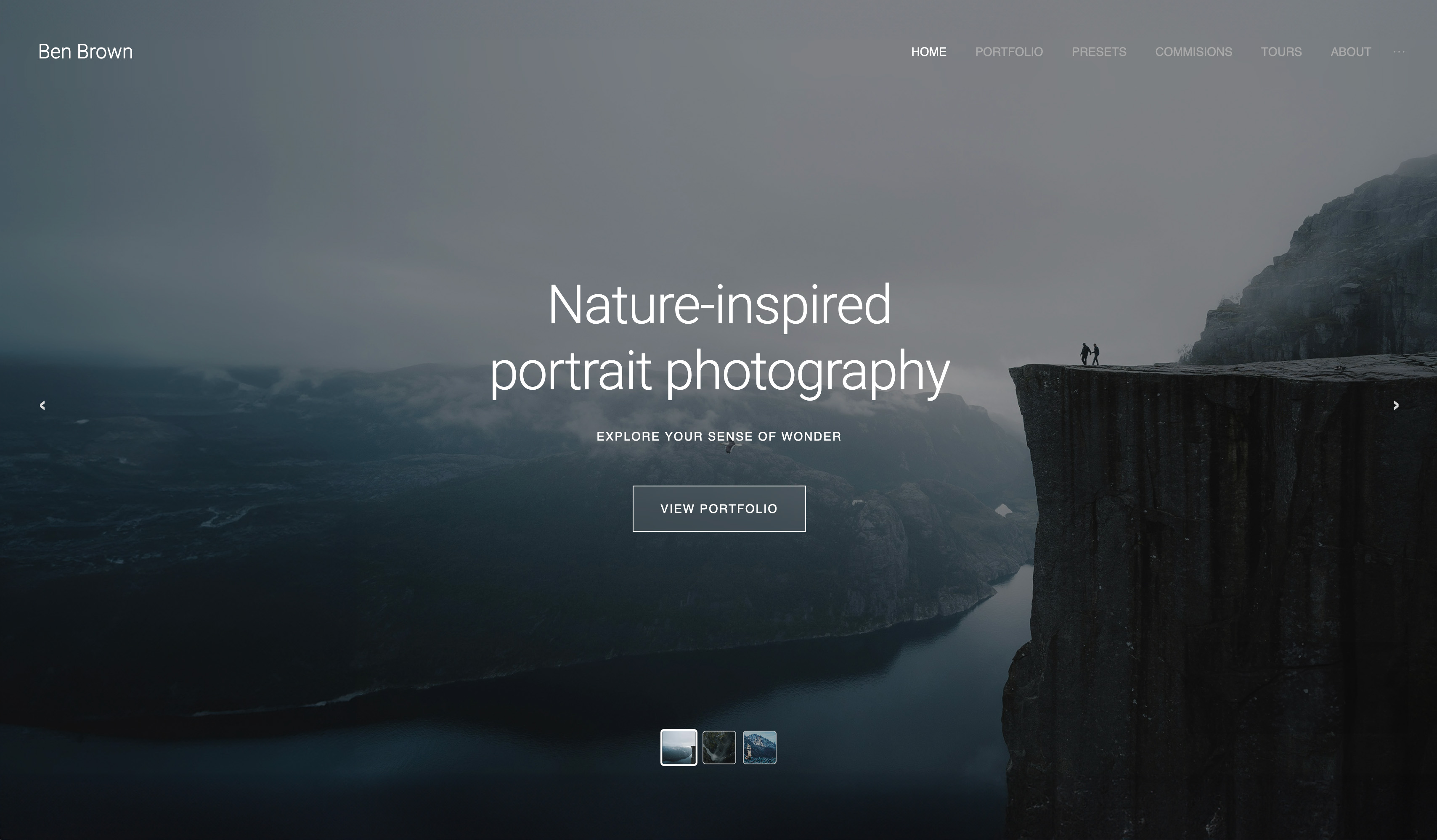 Use template
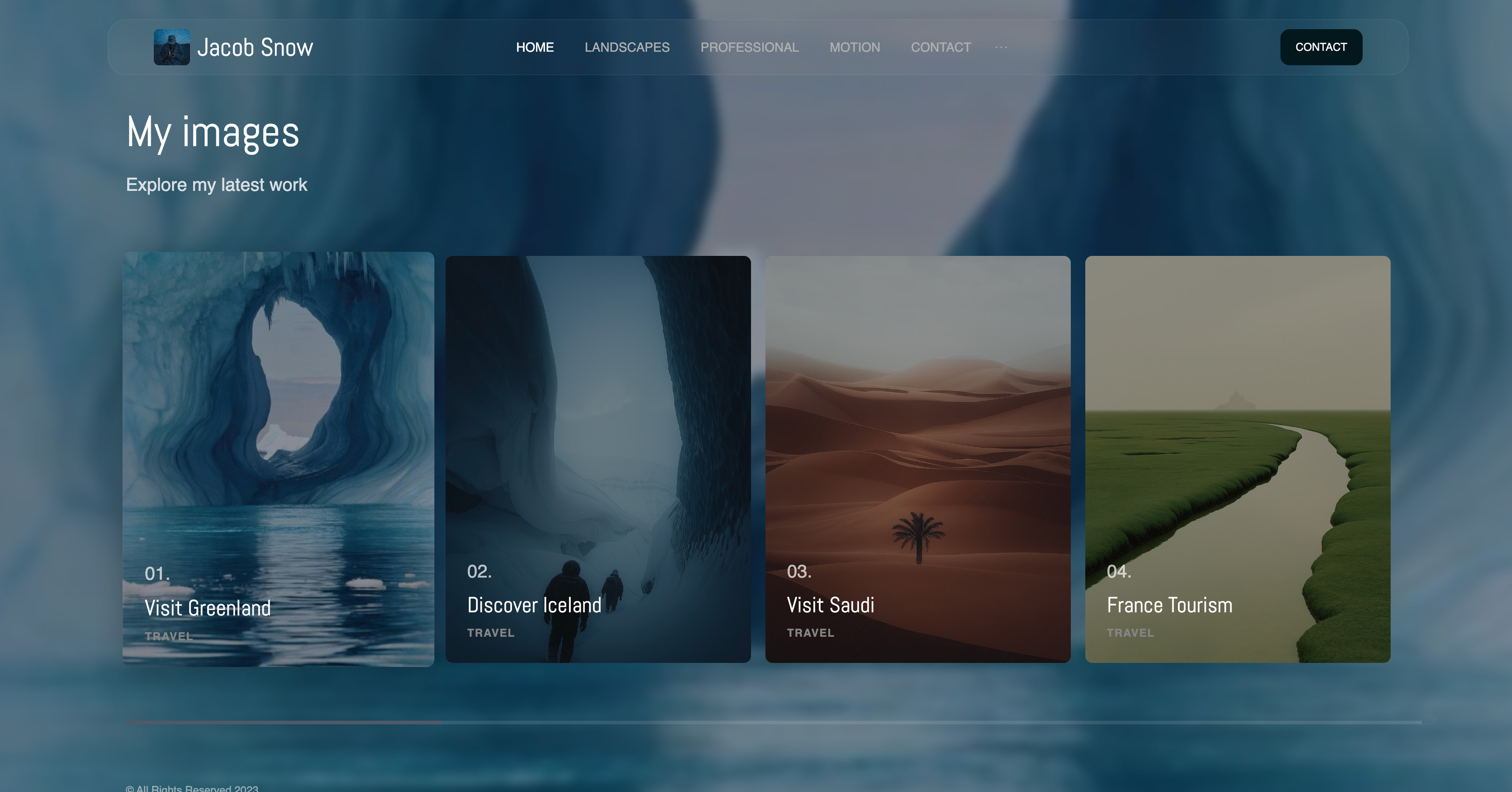 Use template
 Use template
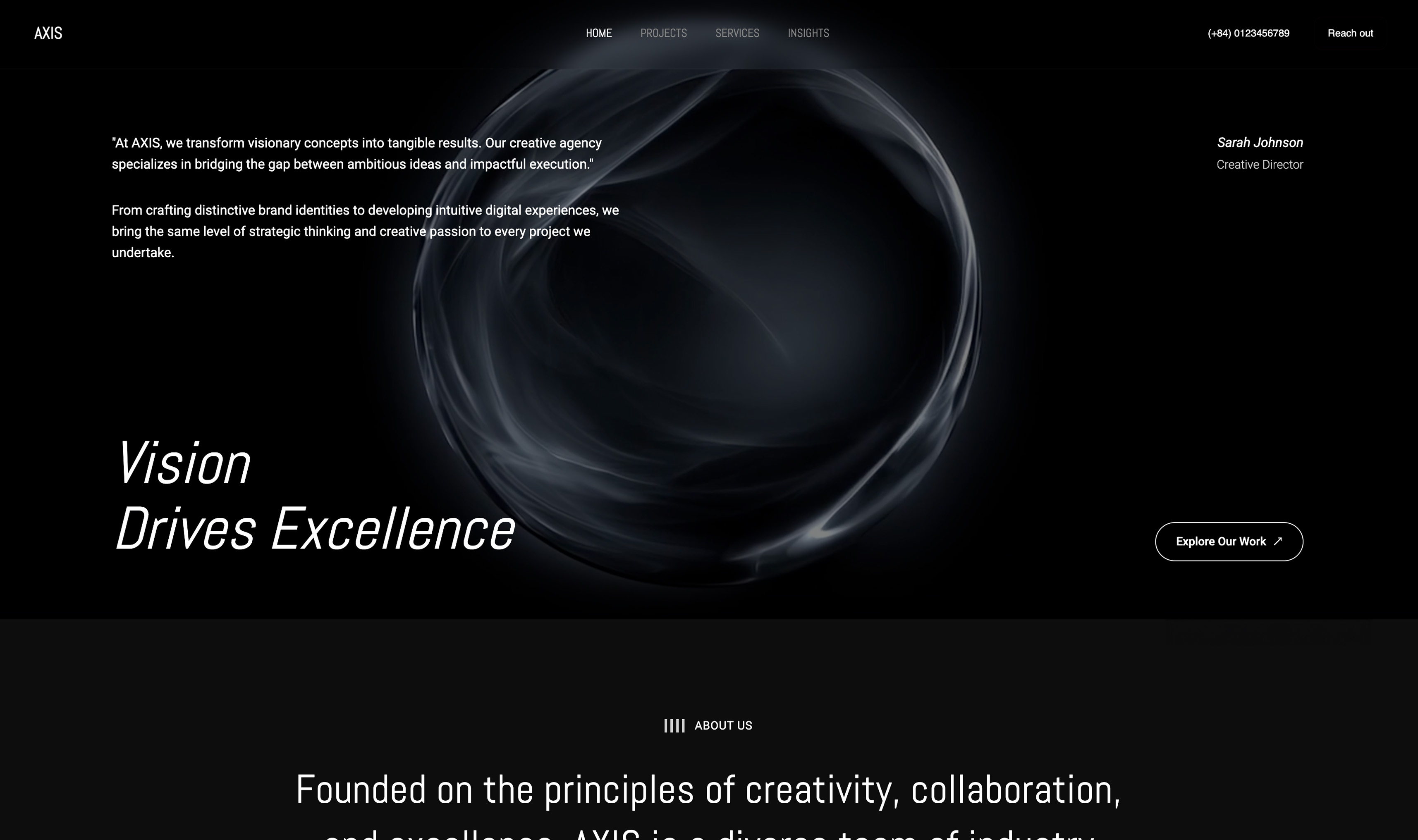 Use template
 Use template
 Use template
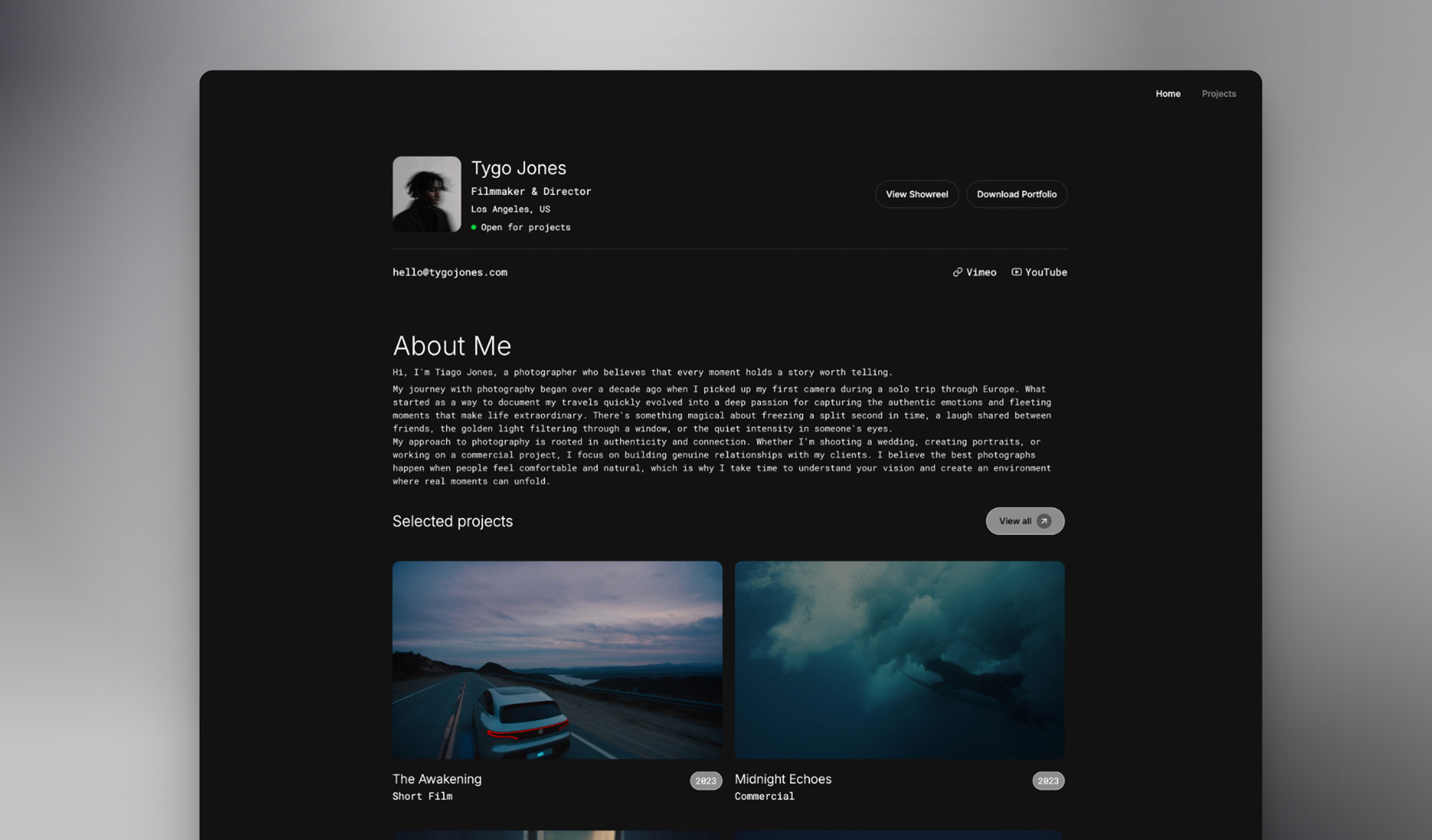 Use template
 Use template
Twenty-five weddings a year at roughly 3,000 frames each is 75,000 files to look at before you edit one.
At the two hours per wedding most photographers admit the cull really takes once the second pass is counted, that is fifty hours a year of unpaid labour, a full working week spent tapping X and P in a dark room.
No client sees that line on an invoice. It is buried in the package price, which is exactly why it feels free and is not.
So you go shopping for software to make it stop, and the pricing does something strange. Aftershoot asks about ten dollars a month. Photo Mechanic asks $299 once.
FilterPixel asks for a subscription and then meters its best engine by the project. Imagen asks twelve dollars a month to cull and prices the editing beside it by the photo. Those are not four prices for one product.
They are three incompatible business models in one category, and which is cheapest depends on how many jobs you shoot and whether you will send clients' RAW files to somebody else's server.
The cull is the cheapest thing in your workflow to buy and the most expensive thing in it to do.
A culling app is software that gets you from every frame on the card down to the set you will actually edit, by loading RAW files without waiting for previews to build, grouping near-identical frames, scoring focus and expressions and closed eyes, and writing your picks back out as star ratings and color labels that Lightroom or Capture One can read.
The best culling software in 2026 is Aftershoot, because it charges a flat rate for unlimited images instead of metering per photo or per project, runs its AI on your own machine so client RAW files never leave your studio, and writes selects back as standard XMP sidecars you keep even if you cancel.
The honest trade-off: its taste skews technical, so it over-keeps sharp but boring frames and still owes you a second pass.
Narrative Select is the better judgement engine, Photo Mechanic is the fastest human cull and the only serious perpetual licence left here, and FilterPixel is the cheapest way into good AI culling under two dozen jobs a year.
Every tool below was priced against its vendor's own published pricing in August 2026, and the running example is the same throughout: a wedding photographer shooting 25 weddings a year, about 3,000 frames each.
The step after the cull is delivery, which is the part we make: Framekit puts the selected set into a client gallery on your own domain.
How We Compared These 12 Culling Tools
Culling software is easy to review badly, because every vendor demo uses a clean set of 500 frames with obvious keepers.
We used the opposite: one 3,000-frame wedding card dump of about 90GB, covering a dim church ceremony, a backlit golden-hour portrait set, and a reception lit by two flashes and a lot of fairy lights, with three long confetti bursts and a first dance where somebody blinks in nearly every frame.
That card went through every tool here, and it is the artifact the numbers come from.
Pricing model. Per image, per project, per month, or once forever. This decides your annual cost more than accuracy does, so it carries the most weight.
Local or cloud. Does the AI run on your own GPU, or does your client's wedding get uploaded before you see a result? This is the privacy question almost no roundup asks, and it decides whether a 90GB card is a coffee break or an overnight upload.
Duplicate and blink detection. How well it groups near-identical burst frames and picks the one where nobody has their eyes shut. This is the whole pitch of AI culling and where it most often disappoints.
Write-back and portability. Do ratings and color labels land in XMP sidecars Lightroom Classic and Capture One read, or stay trapped in the tool's catalogue where they die with your subscription?
Longevity. Camera support lag after a new body ships, what a major-version upgrade costs on a perpetual licence, and what happens to your work if the vendor closes.
Three kinds of finding, kept separate on purpose. Measured hands-on: running that card through the desktop apps and reading the resulting sidecars back into Lightroom Classic to confirm the ratings arrived.
Verified from primary sources rather than tested: every price, plan name, quota, and trial term, checked against each vendor's own pricing or help pages in August 2026 and linked inline where it matters.
Reported as community sentiment rather than our own result: recurring complaints from photographer forums and review sites, always labelled. We paid for Aftershoot, Narrative Select, and Photo Mechanic.
FilterPixel, Imagen Culling, Optyx, and Excire Foto were assessed on trials and free tiers rather than paid subscriptions, so weight those entries accordingly.
What Comparing 12 Culling Tools Showed
Before the rankings, the extractable facts. These are the figures that actually separate the twelve, verified against each vendor's published pricing and documentation in August 2026, and they explain most of the ordering below.
- 10 of 12 run their analysis entirely on your own machine. Only 2 of 12 send image data to a vendor's servers before you get a result: FilterPixel's DeepCull engine and Imagen Culling.
- 5 of 12 can be bought outright: Photo Mechanic, Optyx, Excire Foto, ImageRanger, and FastRawViewer. 5 of 12 are subscription only: Aftershoot, Narrative Select, FilterPixel, Imagen, and Lightroom Classic. 2 of 12 are free: Adobe Bridge and digiKam.
- 11 of 12 write star ratings and color labels your editor reads with no extra setup. Lightroom Classic is the exception, because it keeps ratings in its own catalogue until you switch on automatic XMP writing.
- 1 of 12 meters its strongest engine by the project rather than by the image. FilterPixel's Standard plan includes two DeepCull projects a month, which is 24 a year, one short of 25 weddings.
The 12 Best Culling Software Picks in 2026: Full Comparison
Every tool is scored on the five criteria above, weighted by what actually costs a working photographer money and time rather than by feature count.
The weighting is published so you can disagree with it: cull accuracy 25%, pricing model 20%, write-back and portability 20%, local versus cloud 15%, speed and interface 10%, longevity and vendor risk 10%.
Portability is weighted as heavily as pricing on purpose. A cull that lives only inside one vendor's catalogue is a cull you rent, and the day the subscription lapses you own a folder of unsorted RAW files again.
That is why Photo Mechanic, which has no AI at all, still finishes third, and why Lightroom Classic, which most readers already pay for, finishes eighth.
| Tool | Best For | Pricing Model | Cost Per Wedding At 25 A Year | Our Rating |
|---|---|---|---|---|
| Aftershoot | Best overall AI cull | Subscription, unlimited images | $4.80 | 9.2/10 |
| Narrative Select | Judgement over technical scoring | Subscription, unlimited images | $4.80 | 9.0/10 |
| Photo Mechanic | The fastest human cull | Perpetual or subscription | $11.96 year one, then $0 | 8.8/10 |
| FilterPixel | Cheapest serious AI cull | Subscription plus project quota | $7.51 | 8.3/10 |
| Imagen Culling | Photographers already editing in Imagen | Subscription, unlimited images | $5.76 | 8.0/10 |
| Optyx | One-time payment AI culling | Perpetual per major version | $3.96 year one, then $0 | 7.8/10 |
| FastRawViewer | Judging the actual RAW, not the JPEG | Perpetual | $0.96 year one, then $0 | 7.6/10 |
| Lightroom Classic | The cull you already pay for | Subscription | $7.20 | 7.3/10 |
| Adobe Bridge | A free, competent file browser | Free with an Adobe account | $0 | 7.0/10 |
| Excire Foto 2027 | Perpetual AI search and selection | Perpetual per version | $8.76 year one | 6.9/10 |
| digiKam | Best free and open source | Free, open source | $0 | 6.7/10 |
| ImageRanger | Cheap perpetual duplicate hunting | Perpetual or annual | $1.80 year one, then $0 | 6.2/10 |
Per-wedding figures are annualised cost divided by 25 weddings, explained line by line in the cost section below. Prices verified against each vendor's published pricing in August 2026.
Confirm current numbers before buying, because three of these vendors changed pricing model within two years.
Local processing and XMP write-back at a glance
Price is the loud question. Where your clients' RAW files go, and whether your selects survive the software, are the quiet ones that matter more in year two.
| Tool | Where the AI runs | Image data leaves your machine | Writes XMP ratings and color labels | Selects readable without the app |
|---|---|---|---|---|
| Aftershoot | Locally, on your own GPU | No | Yes, sidecars for RAW, embedded for JPEG | Yes |
| Narrative Select | Locally, on your own GPU | No for culling | Yes, XMP sidecars | Yes |
| Photo Mechanic | No AI, you cull | No | Yes, XMP and IPTC | Yes |
| FilterPixel | Cloud servers for DeepCull | Yes, uploaded for analysis | Yes, ratings and labels returned | Yes |
| Imagen Culling | Imagen cloud | Yes, previews and catalogue data | Yes, through the Lightroom catalogue | Partly |
| Optyx | On-device per the vendor | Vendor says no | Yes, ratings and colors | Yes |
| FastRawViewer | No AI, you cull | No | Yes, XMP sidecars | Yes |
| Lightroom Classic | Locally | No | Only once you enable XMP auto-write | Not by default |
| Adobe Bridge | Locally | No | Yes, XMP | Yes |
| Excire Foto 2027 | Locally | No | Yes, XMP and Exif | Yes |
| digiKam | Locally | No | Yes, sidecar or embedded | Yes |
| ImageRanger | Locally | No | Yes, to file metadata | Yes |
One entry is missing on purpose: PhotoQuick, which turns up in culling roundups but is a lightweight Windows viewer and editor with no rating workflow, no burst grouping, and no XMP write-back. We dropped it and used FastRawViewer in that slot instead.
1. Aftershoot: Best Overall
Our rating: 9.2/10
Aftershoot changed how wedding photographers spend their Mondays for a boring reason rather than a clever one: it charges a flat rate for unlimited images.
You point it at a folder and it does not care whether that folder holds 300 frames or 30,000. Every other pricing model here punishes a busy season. This one does not.
The workflow is one screen. Import the card, pick a profile that matches the job, let it run. It groups near-identical frames, marks duplicates, flags closed eyes and soft focus, and hands back stars and color labels.
On our 3,000-frame wedding it kept about 730 frames as the primary set and grouped the confetti bursts sensibly, close to where an experienced human lands.
The first dance was the giveaway: it caught most blinks but kept two frames where the groom's eyes were half shut and technically sharp, which is exactly how a focus-weighted scorer fails.
The real numberAftershoot Select, the culling-only module, is about $10 a month on annual billing, or $120 a year. Across 25 weddings that is $4.80 a wedding, a sixth of a cent per frame.
The Complete bundle, which adds AI editing and retouching, is about $45 a month annually or about $55 monthly, so $540 a year and $21.60 a wedding. Buy Select alone unless you genuinely want the editing.
The standout detailbecause the AI runs on your own GPU, culling a 90GB card is a disk operation rather than an upload. That is not only a privacy point.
On a normal home connection, pushing 90GB to a vendor before analysis can even start turns a coffee break into an overnight job, and a rural venue makes it worse. Aftershoot starts scoring while you are still unpacking the car.
The gotchaits taste is technically excellent and emotionally average.
By week three you will notice you are still doing a full second pass, because it over-keeps sharp, well-exposed frames where nothing is happening and occasionally rejects a slightly soft frame that is the best moment of the day.
It removes the obvious 60%. Treat any claim of a 90% reduction as marketing rather than something you can plan a week around.
What reviewers say elsewhereAftershoot scores unusually high across more than 1,700 Trustpilot reviews, with support responsiveness the most repeated praise.
The common criticism in community threads is hardware: on an older machine without a capable GPU, a full wedding pass runs long enough that photographers schedule it overnight.
Skip it ifyou shoot fewer than about eight paid jobs a year. At that volume $120 costs more per wedding than buying Optyx or FastRawViewer once, and you will not recover the difference in time saved.
Verdict: Aftershoot is the best culling software in 2026 because it is the only tool combining unlimited images, fully local processing, and standard XMP write-back at a price that falls per job the more you shoot. It is a very good first pass and a mediocre final judge, and you should buy it knowing that. Our guide to the best AI tools for photographers covers what pairs with it. Visit Aftershoot
2. Narrative Select: Judgement Over Technical Scoring
Our rating: 9.0/10
Narrative Select attacks the same problem from the opposite end.
Rather than scoring every frame and handing you a verdict, it accelerates the cull you already do: it pulls the embedded JPEG out of the RAW so frames appear the instant you press the arrow key, then overlays the three things you would otherwise zoom in to check, which are eye focus, closed eyes, and whether the face you care about is the sharp one.
That makes it feel less like automation and more like someone handing you files faster.
On the first dance it was the only tool here that reliably showed which of two near-identical frames had the bride's eyes genuinely open, because it scores faces individually rather than the frame as a whole.
On confetti bursts it was less useful than Aftershoot, because grouping is not its emphasis.
The real numberNarrative's published plans start at Lite, $10 a month for unlimited images and projects on one user, which is $120 a year and $4.80 a wedding across 25 jobs.
Standard is $20 a month, Premium $40 with two users, Ultra $60 with four. Culling needs Lite. The upper tiers exist for AI editing presets, not for better culling.
The standout detailNarrative is unusually specific about where your files go.
Its documentation states plainly that all processing happens locally, that images are not uploaded, and that the company has no way of viewing your images.
It collects usage counts, not ratings or file names. If you shoot under NDA or for a client who asks where their photos live, that is a document you can forward rather than a claim you have to paraphrase.
The gotchathe local promise covers culling, not everything Narrative sells. The AI editing preset feature on the higher tiers works by analysing your edited images, and that path does involve an upload.
Buy Lite for culling and you are genuinely local. Buy Premium for the editing and the privacy story changes shape.
What reviewers say elsewherephotographer reviews consistently call Select the fastest and most pleasant reviewing experience in the category, and consistently note the same limit we found, which is that it will not cull a wedding unattended.
Community sentiment treats it as a scalpel and Aftershoot as a bulldozer.
Skip it ifyour actual goal is to not look at 3,000 frames. Narrative still expects you to see all of them, just far faster. If the fifty hours a year is what you are buying back, an automatic scorer buys back more.
Verdict: Narrative Select is the best pick when your culling problem is that checking each frame is slow rather than that there are too many frames. It is the honest tool in a category full of overclaiming, and at $10 a month it costs exactly what Aftershoot does for a genuinely different job. Plenty of working photographers run both. Visit Narrative
3. Photo Mechanic: The Fastest Human Cull
Our rating: 8.8/10
Photo Mechanic has been the answer for press and sports shooters for two decades and is still the fastest way through a card if you know your keyboard.
There is no AI in it at all, just an architecture nobody has beaten: it reads the JPEG your camera baked into every RAW, so a folder opens immediately rather than after a preview build, and you tag with number keys as fast as you can think.
It ranks third because of longevity. On a 3,000-frame wedding it moves roughly two to three times faster than Lightroom Classic, its ratings and IPTC metadata are as standard as metadata gets, and it is the only tool here you can pay for once and still own in 2031.
The real numberCamera Bits publishes both models. Photo Mechanic is $14.99 a month, $149 a year, or $299 perpetual including one year of updates and support.
Photo Mechanic Plus is $24.99 a month, $249 a year, or $399 perpetual. On the perpetual licence, 25 weddings costs $11.96 a wedding in year one and nothing after.
Over five years the perpetual route beats the subscription by roughly $450 even allowing for one repurchase to stay current.
The standout detailbecause it reads the embedded preview instead of demosaicing the RAW, Photo Mechanic usually supports a brand new camera body within days of release, while a converter that decodes sensor data properly can take weeks.
Buy a body in its first month on sale and this is often the only tool here that can see your files on day one. That single behaviour is why it survives in newsrooms.
The gotchaCamera Bits changed its licensing in 2024, and the fine print is the trap.
Existing perpetual licences keep working, but older perpetual versions stopped getting major feature updates and a current perpetual purchase includes only one year of them.
Buy once really means buy again when you want the new version, so budget a repurchase every three to four years.
What reviewers say elsewherePhoto Mechanic holds 4.8 out of 5 from verified users on Capterra, where the praise is uniformly about speed and the complaints are uniformly about an interface that looks a decade old plus occasional glitches needing a restart.
Skip it ifyou want the software to have an opinion. Photo Mechanic will show you 3,000 frames beautifully quickly and judge exactly none of them.
Verdict: Photo Mechanic is the pick if you cull by hand and want to own your tools. It loses on automation and wins on everything else, and the perpetual licence makes it the cheapest serious option across five years. Pair it with a real archive plan, because it indexes files rather than protecting them, and our best photo backup solutions guide covers that. Visit Camera Bits
4. FilterPixel: Cheapest Serious AI Cull
Our rating: 8.3/10
FilterPixel is the tool to look at when your machine cannot run a neural network over 3,000 RAW files.
Its DeepCull engine processes in the cloud, so a five-year-old laptop culls a wedding at the same speed as a studio workstation, and it returns a numeric score plus a plain-language reason for each frame.
Seeing sharp focus on subject eyes and peak expression attached to a number lets you argue with the machine instead of just accepting it, which is the best interface idea in this category.
The catch is the pricing model, and it is worth understanding before you subscribe rather than in month eleven.
The real numberFilterPixel Standard is $14.99 a month billed annually, or $19.99 monthly, including two DeepCull projects a month. Two a month is 24 a year. A 25-wedding season is 25 projects.
You finish the year one project short and pay $7.99 for a top-up, so the real annual cost is $187.87, or $7.51 a wedding. Pro is $33.99 a month annually with six projects a month, which is $407.88 a year and $16.32 a wedding.
Studio is $66.99 a month annually with twelve.
The standout detailthe free tier is the most generous real trial here, because the four cull projects plus one DeepCull do not expire and are not time-limited. A photographer shooting five weddings a year can put four of them through FilterPixel for nothing, which is an answer rather than a demo.
The gotchayour clients' images go to FilterPixel's servers. The company states images are used only for culling analysis, are never shared with third parties, are not used for training without consent, and can be deleted after you download results.
That is a responsible policy and still an upload, with two costs. Contractually, sending files to a third-party AI service is something corporate, legal, medical, and NDA clients may not accept.
Practically, a 90GB card on a typical home link is a multi-hour transfer before analysis begins, which undoes the speed you were buying.
What reviewers say elsewhereFilterPixel has over 150 reviews on Trustpilot, skewing strongly positive on accuracy and on the scoring explanations.
The recurring complaint in community threads is the project quota, which photographers report hitting mid-season and finding harder to reason about than a flat unlimited plan.
Skip it ifyou shoot more than about 25 jobs a year. At 60 weddings, FilterPixel Pro costs $407.88 while Aftershoot Select still costs $120.
Verdict: FilterPixel is the best value AI cull for a photographer shooting under two dozen jobs on hardware that cannot run local inference. It trades your privacy position and your upload time for that, and above 25 jobs a year the metering turns from clever into expensive. If you are still working out how to price the work this software protects, our photography pricing guide is the companion piece. Visit FilterPixel
5. Imagen Culling: For Photographers Already Editing In Imagen
Our rating: 8.0/10
Imagen built its business on AI editing that copies your own Lightroom style, and culling arrived later as a separate flat-rate product bolted onto the same pipeline. That history explains both its strength and its weakness.
If every wedding already goes through Imagen to be edited, adding culling means one upload instead of two workflows and both jobs happen in one pass.
If you do not edit in Imagen, you are paying to move your files into an ecosystem you otherwise have no reason to enter.
The real numberImagen Culling is $12 a month billed annually or $18 monthly, for unlimited photos, which is $144 a year and $5.76 a wedding across 25 jobs.
Imagen's editing is priced entirely separately at about five cents a photo, with extra AI tools such as cropping and skin smoothing adding roughly a cent a photo each.
Read those two numbers together: culling is flat, editing is metered, and 3,000 frames edited at five cents is $150 for one wedding.
The gotchaImagen does not push full RAW files through its pipeline, syncing Lightroom smart previews and catalogue data instead, so a wedding upload is minutes rather than hours.
That is well engineered, and smaller than a RAW is not the same as private.
Image data still leaves your machine and sits on Imagen's infrastructure, which is the exact distinction that matters when a contract says photographic material must not be transferred to third-party processors.
Skip it ifyou edit by hand, work from your own presets, or send the heavy frames out to one of the photo retouching services we ranked.
Culling alone at $144 a year is fair value and a strange thing to buy from an editing company whose real product you are not using, and Aftershoot does the same job cheaper and locally.
Verdict: Imagen Culling is right for one specific photographer, the one already paying Imagen to edit, and an unnecessary detour for everyone else. It is the best-engineered cloud pipeline in this comparison and still a cloud pipeline. Visit Imagen
6. Optyx: One-Time Payment AI Culling
Our rating: 7.8/10
Optyx is the interesting outlier: an AI culling app you buy once.
It groups similar frames by content, capture time, and exposure bracketing, rates the best of each group on sharpness, exposure, expression, open eyes, and basic composition, and writes those ratings and colors where Lightroom can read them.
That is the standard AI feature set sold on the software model everyone else abandoned.
On our test card it handled bracketed sequences cleanly and was clearly weaker than Aftershoot on the messy reception frames, where mixed flash and fairy lights produced ratings that felt arbitrary.
The real numberOptyx Pro is a one-time $99 payment covering all future updates within the same major version. Across 25 weddings that is $3.96 a wedding in year one and nothing after.
Against Aftershoot at $120 a year it pays for itself in ten months and is around $500 cheaper across five years, assuming no major-version repurchase.
The standout detailthe free tier has no time limit at all. Where every rival gives you 14 or 30 days, an evaluation you can leave installed and return to after your next shoot is worth more than a longer countdown, because culling software only reveals its weaknesses on a genuinely difficult card.
The gotcha"all future updates on the same major version" is the sentence to read twice, because version 2 is a fresh purchase and a small vendor has every incentive to get there.
There is also an ambiguity worth flagging: Optyx describes processing as on-device, while some reviewers report an internet connection is still needed for the AI analysis step.
We could not resolve that from the vendor's own documentation, so treat the local-processing claim as unverified rather than confirmed.
Skip it ifconfidentiality is contractual and you need a vendor statement you can hand a client. Aftershoot and Narrative both publish unambiguous local-processing documentation and Optyx does not.
Verdict: Optyx is the best-value AI cull for a photographer shooting under a dozen jobs a year, and the only tool here that can genuinely cost nothing after year one. Its judgement on difficult mixed light is a clear step below the leaders and its privacy position is the least documented in this comparison. Visit Optyx
7. FastRawViewer: Judging The Actual RAW File
Our rating: 7.6/10
Every other tool here shows the JPEG your camera made from the RAW. FastRawViewer shows the RAW data itself, with a true RAW histogram, exposure statistics, and focus peaking based on sensor values rather than the camera's rendering.
That sounds academic until you cull an underexposed church ceremony and find four hundred frames the camera preview declared unusable have two stops of recoverable shadow detail.
Built by LibRaw, it covers more than 800 bodies and writes standard XMP sidecars Adobe converters read directly.
The real numbera FastRawViewer 2 licence is $23.99, one time, covering two machines, after a 30-day fully functional trial.
Across 25 weddings that is $0.96 a wedding in year one and nothing after, the cheapest paid tool here by a wide margin.
Version 1 owners who bought after 20 January 2021 upgraded free and earlier owners were offered 40% off, a materially better upgrade policy than most perpetual vendors on this list.
The gotchait is a viewer, not a manager. No library, no AI, no burst grouping, no closed-eye detection, and an interface that assumes you already know what a RAW histogram is for.
Photographers who buy it expecting a culling app give up within an hour. Photographers who buy it as a rejection pass that runs before their real cull keep it for a decade.
Verdict: FastRawViewer is the best $24 a photographer shooting difficult light can spend, and the wrong first purchase for anyone who wanted software to make decisions. Use it in front of a real culling tool, not instead of one. For more cheap and genuinely useful picks, see our roundup of free tools for photographers. Visit FastRawViewer
8. Lightroom Classic: The Cull You Already Pay For
Our rating: 7.3/10
Most photographers reading this already own a culling tool, because Lightroom Classic has flags, stars, color labels, compare view, survey view, and a reject-and-delete workflow, and it costs nothing extra since you already pay for it to edit.
It ranks eighth not on capability but on pace: it culls a 3,000-frame wedding roughly two to three times slower than a dedicated browser, and the cause is architectural.
Lightroom builds its own renders before showing a frame at usable size, so on a large card that wait comes before the cull rather than during it.
The real numberthe Adobe Photography plan runs about $14.99 a month, roughly $179.88 a year, or about $7.20 a wedding across 25 jobs, though you pay that for your editor regardless.
Both the 20GB and 1TB tiers moved to the same headline monthly figure across 2025 and 2026, with annual prepaid options around $119.88 and $149.99.
Verify against Adobe's current plan page before budgeting, because this is the price on this list that has moved most often.
The gotchaby default your ratings live in the Lightroom catalogue, not in your files. If that catalogue corrupts, or you move to Capture One, or you hand a folder to a second shooter, the culling work is simply not there.
The fix takes seconds and almost nobody does it: open Catalog Settings, go to Metadata, and switch on automatically writing changes into XMP. Do it today, on every catalogue you own. It is the highest-value setting in this entire article.
Verdict: Lightroom Classic is a competent culler you already own and a slow one at wedding volume. Use it as your cull for small jobs, put something faster in front of it for big ones, and turn on XMP auto-write before your next import either way. Visit Adobe
9. Adobe Bridge: The Free Adobe Browser
Our rating: 7.0/10
Adobe Bridge is the tool most photographers forget is free.
It needs an Adobe account but no paid subscription, browses folders instead of importing into a catalogue, and handles ratings, labels, filtering, batch renaming, and full XMP metadata writing without asking for a card.
It sits between Lightroom Classic and Photo Mechanic on speed: faster than Lightroom because there is no catalogue to build, slower than Photo Mechanic because it still renders rather than leaning entirely on the embedded preview.
The real number$0 a year and $0 a wedding, which makes the whole decision about time rather than money.
If Bridge takes fifty hours a year to cull 25 weddings and Aftershoot takes twenty, that $120 subscription is buying thirty hours at four dollars an hour. Run that comparison honestly before assuming free is cheap.
The gotchaBridge has no opinion, no memory of your preferences between jobs, and noticeably degraded performance on very large folders of high-megapixel RAW files.
It is also a product Adobe has repeatedly de-emphasised in its marketing, which is a mild long-term risk even though it remains available.
Verdict: Adobe Bridge is the best free culling browser for anyone already in the Adobe world and a respectable permanent answer for a photographer shooting a few jobs a year. It costs nothing and saves nothing but money. Visit Adobe Bridge
10. Excire Foto 2027: Perpetual AI Search And Selection
Our rating: 6.9/10
Excire is an AI photo library tool rather than a culling app, but the 2027 release pushed hard into selection.
Its AI runs entirely locally, it finds photos by natural-language description and by face, and the current version added a survey view for comparing and rating candidates, a composition grid, and focus peaking.
Where it earns its place is the second job culling involves: not this wedding, but the four hundred behind it. Finding every frame of a particular guest across three years of archives is something no dedicated culling tool here can do.
The real numberExcire Foto 2027 shipped on 16 June 2026 at an introductory $219, with a regular price of $249, so $8.76 a wedding in year one across 25 jobs.
The companion Excire Search plugin for Lightroom Classic is a separate purchase at around $179 to $199, with upgrades from earlier versions at roughly $69 to $99 depending on which you own.
The gotchathe version treadmill is the real cost. Excire ships a new numbered release regularly, each a separate purchase with a discounted upgrade path, so staying current means paying roughly every eighteen months.
Priced honestly across five years that is about $400 to $450, not $219, and it lands as a lump rather than a monthly line.
Verdict: Excire Foto is the best local, subscription-free AI tool for finding and selecting across an archive, and a poor primary culling app. Buy it for the four hundred weddings behind you, not the one in front of you.
11. digiKam: Best Free And Open Source
Our rating: 6.7/10
digiKam is the most capable free photo manager in existence and the only genuinely open-source answer here.
It reads RAW, writes ratings and color labels to XMP sidecars or embedded metadata, and its Image Quality Scanner uses deep-learning models running entirely on your own machine to assign pick labels of Accepted, Pending, or Rejected based on blur, noise, exposure, and aesthetic scoring.
That is automatic culling, free, locally, with no account. It also has fuzzy duplicate search, which most culling apps lack, and face recognition across a whole library.
The real number$0, permanently, with no upgrade fee, no version repurchase, and no vendor who can change the terms. The cost is setup time: expect an afternoon configuring metadata behaviour and sidecar naming before it behaves the way you want.
The gotchathe metadata defaults will bite you. digiKam looks for sidecars in a particular order and can write in a naming convention other tools do not expect, and photographers routinely report ratings appearing in digiKam and not in Lightroom, or the reverse, until the sidecar settings are aligned.
Fix the metadata configuration before you cull a real job, not after.
Verdict: digiKam is the honest free answer and the only tool here that cannot be discontinued, repriced, or taken offline. It costs nothing in money and a real afternoon in setup, and if vendor independence matters to you that is a fair trade.
12. ImageRanger: Cheap Perpetual Duplicate Hunting
Our rating: 6.2/10
ImageRanger is a photo organiser rather than a culling app, and it is here for one job it does better than anything else at the price: finding duplicates and near-duplicates across drives, network storage, and USB disks, then letting you rate and tag what survives.
If your real problem is that the same wedding exists in four folders across three drives, this is a cheaper fix than any culling subscription.
It also handles face recognition, GPS filtering, hot-folder monitoring, and batch operations, and it writes ratings and tags into file metadata rather than trapping them.
The real numberImageRanger's published pricing puts the Home edition at $45 one time for a single computer with a year of updates and support, and the two-computer Pro edition at $89 one time.
A three-computer Pro tier is sold at $99 annually and includes all future updates. At $45 across 25 weddings that is $1.80 a wedding in year one and nothing after.
The gotchait is not built for the frame-by-frame cull. No closed-eye detection, no burst grouping by moment, no aesthetic scoring, and browsing speed on 3,000 high-megapixel RAW files well behind Photo Mechanic. Buy it for the archive, not for Saturday.
Verdict: ImageRanger is the cheapest perpetual way to clean up a sprawling photo archive and the weakest primary culling tool in this comparison. It is last on this list and still worth $45 to the right photographer. Once the archive is tidy, our best ways to deliver client photos guide covers the step that follows.
What Culling One Wedding Actually Costs
In one lineacross a 25-wedding season the gap between the cheapest and most expensive credible culling tool is about $288 a year, and the gap between pricing models is far larger over five years, because unlimited subscriptions get cheaper per job as you shoot more while metered models get worse.
The headline monthly price tells you almost nothing until you divide it by the jobs you actually shoot. Here is the same 3,000-frame wedding priced on every tool here, annualised across the 25-wedding season we have followed throughout.
| Tool | Pricing model | Annual cost at 25 weddings | Cost per wedding |
|---|---|---|---|
| digiKam | Free, open source | $0 | $0 |
| Adobe Bridge | Free with an Adobe account | $0 | $0 |
| FastRawViewer | One-time $23.99 | $23.99 in year one | $0.96 |
| ImageRanger Home | One-time $45 | $45 in year one | $1.80 |
| Optyx Pro | One-time $99 | $99 in year one | $3.96 |
| Aftershoot Select | Subscription, unlimited | $120 | $4.80 |
| Narrative Select Lite | Subscription, unlimited | $120 | $4.80 |
| Imagen Culling | Subscription, unlimited | $144 | $5.76 |
| Photo Mechanic (annual) | Subscription | $149 | $5.96 |
| Lightroom Classic | Subscription | $179.88 | $7.20 |
| FilterPixel Standard | Subscription plus quota | $187.87 with one top-up | $7.51 |
| Excire Foto 2027 | One-time $219 | $219 in year one | $8.76 |
| Photo Mechanic (perpetual) | One-time $299 | $299 in year one | $11.96 |
| FilterPixel Pro | Subscription plus quota | $407.88 | $16.32 |
| Aftershoot Complete | Subscription bundle | $540 | $21.60 |
Year-one figures for perpetual licences fall to zero in year two, which is where the comparison stops being close.
Over five seasons at 25 weddings a year, Aftershoot Select and Narrative Lite each cost $600, Imagen Culling costs $720, Lightroom Classic about $899, and FilterPixel Standard about $939.
Photo Mechanic bought perpetually twice in that window, so you stay current, costs about $598 and leaves you owning working software. FastRawViewer costs $23.99, Optyx $99, or $198 if a major version lands. digiKam and Bridge cost nothing.
What the free tiers actually cost at scale. FilterPixel's free four cull projects plus one DeepCull covers four or five weddings and then stops.
Narrative offers a trial rather than a permanent free tier, and Optyx caps photos per shoot, so on a 3,000-frame wedding its free level is an evaluation rather than a workflow.
Only Bridge and digiKam are free at any volume, and you pay for both in hours.
The renewal and price-jump trap. Three of these vendors changed how they charge within two years, and the direction is consistent.
Camera Bits moved Photo Mechanic to subscription in March 2024 and its perpetual licence now includes only one year of updates, quietly turning buy-once into a three-to-four-year repurchase.
Adobe raised the Photography plan on both the 20GB and 1TB tiers across 2025 and 2026. Excire ships a numbered release roughly yearly, each a fresh purchase at a discounted upgrade rate.
Compare five years of each model, not month one against a sticker price.
What happens to your data if you stop paying. This separates the tools more sharply than price does, and it depends entirely on write-back.
If your tool wrote XMP sidecars, cancelling changes nothing: the ratings and color labels sit on your drive in plain text any editor reads.
Aftershoot, Narrative, Photo Mechanic, FastRawViewer, Bridge, Excire, digiKam, and ImageRanger all work this way. If your ratings live only in a catalogue, they end when your access does.
Refunds, and what to do instead. Published refund policies here are thin, but the trials are unusually good: Photo Mechanic, FastRawViewer, and Aftershoot each give 30 days fully functional, Excire gives 14, Narrative gives its top plan free with no card, and Optyx has a free tier with no expiry.
Each is better protection than a refund, because a culling tool only shows its weaknesses on a hard card. Trial a genuinely difficult wedding, and never buy a perpetual licence from a small vendor untested.
The cheapest path at three volume levels. At five weddings a year, 15,000 frames, the cheapest path is free: FilterPixel's free tier covers four or five projects, then digiKam or Bridge costs nothing, and FastRawViewer at $23.99 once is the best paid money at that volume.
At 25 weddings, 75,000 frames, Aftershoot Select or Narrative Lite at $120 wins, with Optyx at $99 once as the cheaper alternative.
At 60 weddings, 180,000 frames, unlimited subscriptions dominate outright: Aftershoot Select still costs $120 while FilterPixel Pro costs $407.88 for enough quota.
Metered pricing wins at low volume, unlimited wins at high volume, and the FilterPixel crossover sits at roughly one job a fortnight.
Run this on your own numbers before subscribing. Take last year's real job count, multiply by the hours you actually spend culling each job rather than the hours you tell people, and multiply that by your hourly shooting rate.
That is what culling costs you now. Then divide each tool's annual price by the same job count and ask how many minutes a wedding it must save to break even.
At 25 weddings, a $120 subscription needs to save about five minutes a job, which almost everything here clears. The real question is whether your chosen model still pays at double your volume.
Local Or Cloud: Where Your Clients' RAW Files Actually Go
In one lineten of these twelve tools analyse on your own machine and never see your images, and the two that use the cloud, FilterPixel's DeepCull and Imagen, buy you hardware independence at the cost of upload time and a confidentiality position you may not be able to defend to a client.
When a tool advertises AI culling, the AI has to run somewhere. If it runs on your GPU, the files never leave your studio and there is nothing to disclose.
If it runs on a vendor's servers, your client's wedding or private portrait session has been transferred to a third-party processor, and whether that is acceptable is a question about your contract rather than your software.
The privacy side is the obvious part.
If you shoot under NDA, for legal or medical clients, for schools where distribution is restricted, or on any job with a confidentiality clause, uploading originals to an AI vendor is a decision to make deliberately and probably to disclose.
Narrative and Aftershoot both publish clear statements that culling happens locally and images are not uploaded, which you can attach to a data-processing question rather than paraphrase.
FilterPixel's policy is responsible and still an upload, and Imagen's smart-preview sync is the smartest compromise here, but reduced file size is not reduced disclosure.
The practical side is what photographers underestimate.
A full wedding card is commonly 60GB to 120GB of RAW data, and pushing 90GB of originals up an ordinary home connection is a transfer measured in hours that has to finish before analysis begins.
That is why Imagen's preview-syncing matters, and why the cloud advantage inverts exactly where weddings happen: on studio fibre it is genuinely fast and hardware-independent, but on venue guest wifi a local tool starts immediately and a cloud tool does not start at all.
Where Your Selects Live: XMP Write-Back And The Catalogue Trap
In one linea cull is only worth what survives the software that made it, so the question that matters is whether your stars and color labels land in an XMP sidecar beside the RAW file or inside a catalogue you are renting.
XMP is why this category works at all.
It is Adobe's metadata standard, it is plain text, and when a tool writes an XMP sidecar beside a RAW file it puts your rating, color label, rejection flag, and keywords into a file Lightroom Classic, Camera Raw, Bridge, Capture One, digiKam, and almost everything else can read.
Your cull becomes portable and independent of the tool that made it.
Aftershoot writes sidecars for RAW and into the file metadata for JPEG, Narrative exports XMP for Lightroom, Photoshop, and Capture One, and Photo Mechanic, FastRawViewer, Bridge, Excire, digiKam, and ImageRanger all write standard metadata as a matter of course.
The catalogue trap is the opposite behaviour, and Lightroom Classic is where most photographers meet it. By default Lightroom keeps ratings and labels inside the catalogue rather than writing them out.
Everything works until the catalogue corrupts, you hand a folder to a second shooter, you migrate to Capture One, or you open the files on another machine, and the culling work has evaporated.
Turning on automatic XMP writing in Catalog Settings removes that risk permanently.
Getting selects back in is where photographers stumble. After a tool writes sidecars, Lightroom does not notice on its own: select the images, open the Metadata menu, and choose Read Metadata from Files.
In Capture One, use Load Metadata or set sidecar sync to full. Both take one action, and both get skipped on a panicked Monday morning.
New Cameras, Upgrade Fees, And Vendor Risk
In one linetools that read the embedded JPEG preview support a brand new camera body within days, tools that decode the RAW themselves take weeks to months, and perpetual licences are only cheap until you count the repurchase.
Buy a new body in its first month on sale and you will discover which of your tools actually reads RAW files. There are two architectures.
Photo Mechanic, Narrative Select, and the other preview-based browsers pull the JPEG your camera already embedded, so they display files from a body they have never heard of almost immediately and support usually lands within days.
Tools that decode sensor data properly, including FastRawViewer, Excire, ImageRanger, and Adobe's own converters, need a codec update per sensor, measured in weeks and occasionally months.
If you upgrade bodies often, a preview-based browser is the difference between culling on Sunday and waiting for an update.
On upgrade policy the perpetual licences behave very differently, and the differences are worth real money.
FastRawViewer has the best record, giving version 1 buyers from after January 2021 a free upgrade to version 2 and offering earlier owners 40% off.
ImageRanger includes a year of updates with a one-time purchase and sells an annual tier for people who want them permanently.
Excire charges for each numbered release, which across five years turns a $219 purchase into roughly $400 to $450. Optyx covers updates within the same major version only.
Photo Mechanic includes one year of updates with its perpetual licence, and the 2024 change stopped major feature updates for older perpetual versions while confirming existing licences keep working.
And the question nobody asks until it happens: what if the vendor closes? digiKam is open source and Bridge is free from a company going nowhere, so both are effectively immune, and everything that writes standard XMP degrades gracefully because your culling survives in your files even if the application stops being sold.
The exposed positions are the cloud services, where a shutdown ends on a fixed date, and any workflow where selects exist only inside a subscription catalogue.
The mitigation takes a minute per job: confirm the sidecars exist beside your RAW files, and back up the folder including them.
Our best photo backup solutions guide covers the archive side.
The Decision Guide
Most photographers pick culling software by watching a demo, which is why so many end up on the wrong pricing model. Work through these questions in order instead, and stop at the first branch that describes you, because the volume and privacy answers override everything else.
Start here. Are you contractually barred from sending client images to a third party, or do you regularly shoot under NDA?
- Yes. Then the cloud tools are out entirely. Choose Aftershoot if you want automatic culling, or Narrative Select if you want to cull faster by hand, and forward their published local-processing documentation to whoever asked. Stop here.
- No, or you are willing to disclose it. Go to the next question.
How many paid jobs do you shoot a year?
- Fewer than about eight. Do not subscribe to anything. Use Adobe Bridge or digiKam free, or spend $23.99 once on FastRawViewer, or $99 once on Optyx if you want AI scoring. A $120 annual subscription costs more per job than it saves at this volume.
- Between eight and about 25. Go to the next question.
- More than 25. Buy an unlimited-image subscription and ignore every metered model. Aftershoot Select at $120 a year is the cheapest credible answer, and the per-job cost keeps falling as you shoot more.
Can your computer run local AI comfortably, meaning a reasonably modern machine with a capable GPU?
- Yes. Choose Aftershoot for automatic culling or Narrative Select if you would rather review faster than delegate. Both are $10 a month, both are local, both write XMP.
- No, my machine is old or a light laptop. Choose FilterPixel Standard at $14.99 a month annually, accept the upload and the 24-project annual quota, and budget one $7.99 top-up if you reach 25 jobs.
Two branches cut across the rest. If you already pay Imagen to edit, add Imagen Culling at $12 a month annually rather than introducing a second tool.
And if you refuse subscriptions on principle, buy Photo Mechanic perpetually at $299, accept that you cull by hand, and budget a repurchase every three to four years.
It is the fastest human cull here and the only one you can still be using in 2031 without a card on file.
Where Your Website Fits In: The Step After The Cull
Every tool ranked above ends its job at the same place. You have 730 selects out of 3,000 frames sitting in a folder with sidecars beside them, and the client has not seen one of them. The cull was never the deliverable.
The gallery is, and software that saves you thirty hours a year at a monitor does nothing for the part of the job the client actually judges.
That handoff is where money leaks.
The common pattern is a culling subscription, an editing subscription, a gallery on somebody else's subdomain, and a portfolio site somewhere else again, so work you spent fifty hours on gets delivered from a URL with a vendor's brand in it.
The return visit, the search traffic, and the referral that books next season all land on the platform rather than on you.
Framekit is an AI website builder that also delivers client galleries from your own domain, which is the step that begins the moment your cull ends.
You describe your studio, it builds the site, and your portfolio, your galleries, and a store for presets or digital downloads live on one address you own.
Galleries are on every plan including free, with watermarking, passwords and PINs, full-resolution downloads, and ZIP delivery.
Clients heart their picks into named lists with a note per photo, and you can copy those filenames back into Lightroom for the album edit (re-verified September 2026).
It does not cull, it does not edit, and it has no print lab, so print sales belong to a dedicated print platform.
If you are choosing where the selects go next, our comparison of the best client gallery platforms ranks that field honestly, and the best photo backup solutions guide covers the 2,270 frames you did not pick.
For wedding shooters, the best website builder for wedding photographers breakdown fits closest.
Frequently Asked Questions
What is the best culling software for photographers in 2026?
The best culling software in 2026 is Aftershoot, because it charges a flat rate for unlimited images rather than metering by photo or project, runs its AI on your own machine so client RAW files never leave your studio, and writes selects back as standard XMP sidecars you keep even if you cancel.
At about $10 a month on annual billing that is $4.80 a wedding across a 25-wedding season.
Its honest limit is that its taste is technical rather than emotional, so it over-keeps sharp but uninteresting frames and every job still owes you a human second pass.
How much does culling software cost per wedding?
At 25 weddings a year, culling software costs between $0 and about $21.60 a wedding depending entirely on the pricing model. digiKam and Adobe Bridge cost $0. FastRawViewer costs $0.96 a wedding in year one and nothing after.
Aftershoot Select and Narrative Select Lite both work out at $4.80. FilterPixel Standard lands at $7.51 once you add the single pay-as-you-go top-up a 25-job season requires.
Aftershoot's full Complete bundle, which adds AI editing and retouching, is $21.60 a wedding.
Does AI culling software upload my photos to the cloud?
Most does not. Ten of the twelve tools compared here analyse entirely on your own machine, including Aftershoot, Narrative Select, Photo Mechanic, FastRawViewer, Lightroom Classic, Bridge, Excire Foto, digiKam, and ImageRanger.
The two exceptions are FilterPixel, whose DeepCull engine processes on its own servers, and Imagen, which syncs Lightroom smart previews and catalogue data rather than full RAW originals.
If you shoot under NDA or for clients with confidentiality clauses, Narrative and Aftershoot both publish explicit statements that images are not uploaded.
Aftershoot vs Narrative Select: which should I buy?
Buy Aftershoot if you want the software to make the first decision for you, and Narrative Select if you want to make every decision yourself much faster. Both cost about $10 a month, both run locally, and both write XMP.
Aftershoot scores and rates automatically, removing roughly the obvious 60% of a wedding card before you look at it.
Narrative renders frames instantly from the embedded RAW preview and overlays per-face focus and closed-eye information, speeding up a manual cull without replacing your judgement. High-volume photographers often pay for both.
Will my star ratings and color labels show up in Lightroom?
Yes, from every tool in this comparison, but only if the ratings are written to XMP and only after you read them in.
Aftershoot, Narrative, Photo Mechanic, FastRawViewer, Bridge, Excire, digiKam, and ImageRanger all write standard XMP sidecars beside your RAW files.
To see them in Lightroom Classic, select the images, open the Metadata menu, and choose Read Metadata from Files.
Lightroom itself keeps your own ratings in its catalogue by default, so turn on automatic XMP writing in Catalog Settings to make your culling portable.
What happens to my culls if the software company shuts down?
If your tool wrote XMP sidecars, nothing happens.
Your ratings, color labels, and rejection flags sit on your drive in a plain-text open standard that Lightroom, Capture One, Bridge, and digiKam all read, so you replace the application and carry on.
If your selects live only inside a proprietary catalogue or a cloud account, they end when your access does.
That asymmetry is the strongest argument for choosing a tool that writes standard metadata, and the reason to confirm sidecars exist beside your files after every job rather than trusting the interface.
Is Photo Mechanic still worth buying now that it is a subscription?
Photo Mechanic still sells a perpetual licence at $299 alongside subscriptions at $14.99 a month or $149 a year, with Photo Mechanic Plus at $399 perpetual or $249 a year.
The perpetual option remains the cheapest serious tool across five years at roughly $598 including one repurchase, and it leaves you owning working software.
The catch from the 2024 licensing change is that a perpetual licence now includes only one year of updates, so treat it as a three-to-four-year repurchase cycle rather than a one-off.
Do culling tools really detect closed eyes and duplicates accurately?
Partly, and the two features perform very differently. Duplicate and burst grouping is reliable across Aftershoot, FilterPixel, Optyx, and Imagen, so near-identical frames from a confetti or continuous-drive sequence group sensibly.
Closed-eye detection is much less consistent, because a frame with half-closed eyes that is otherwise sharp and well exposed scores highly on every technical measure.
Narrative Select handles this best by scoring each face individually rather than the whole frame. Expect every tool to keep some blinks and plan a second pass accordingly.
Final Verdict: The Best Culling Software In 2026
After running the same 3,000-frame wedding through twelve tools, the pattern is clear and it is not about accuracy. Every credible AI culler in 2026 removes the obvious rejects and none replaces your judgement. What separates them is how they charge and where your files go.
Aftershoot is the best culling software in 2026 for a working wedding or event photographer.
Unlimited images for about $10 a month means the cost per job falls as your season fills instead of rising, the AI runs on your own GPU so client RAW files never leave your studio, and the selects land in standard XMP sidecars that outlive the subscription.
That combination is not matched by anything else here.
Where Aftershoot loses: it is not for the photographer shooting five jobs a year, because $120 a year costs more per wedding than buying FastRawViewer or Optyx once.
It does not have Narrative Select's per-face judgement, so if your problem is expressions rather than volume, Narrative is the better fit.
It will not run well on an old laptop without a capable GPU, which is where FilterPixel's cloud engine earns its keep. And it does not let you own anything, which is the trade Photo Mechanic still refuses to make.
Narrative Select is the pick for judgement over automation, Photo Mechanic for speed and ownership, FilterPixel for modest hardware and modest volume, and digiKam is the honest free answer no vendor can take away.
Pick the pricing model that matches your job count first, and the software second.
For the steps either side of the cull, read our guides to the best AI tools for photographers, the best photo delivery tools, the best client gallery platforms, and if you are still setting your rates around all this unpaid time, how to price photography.