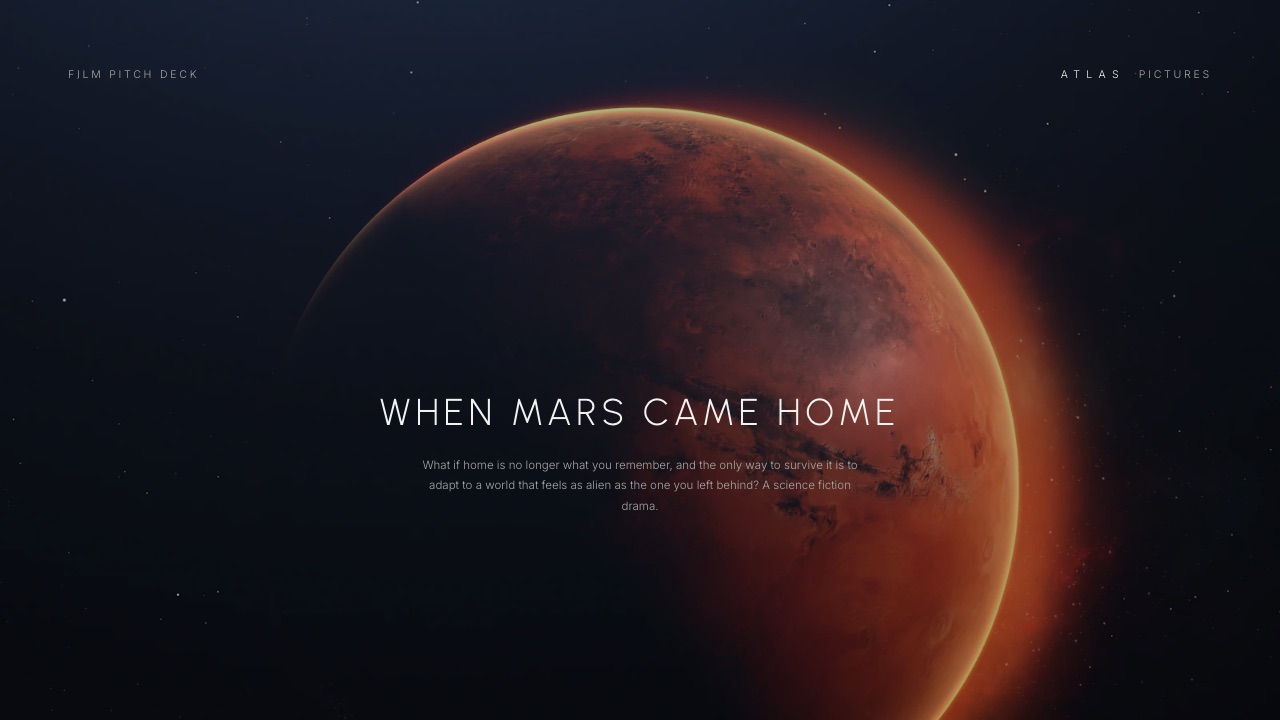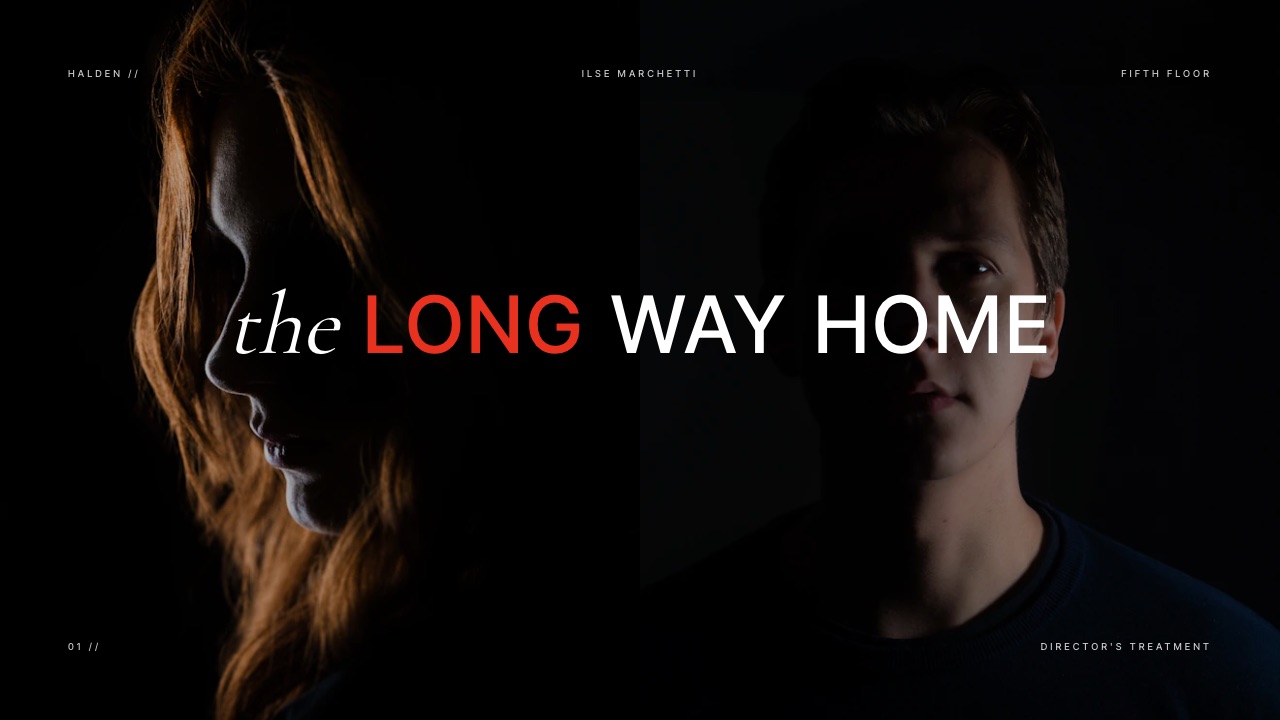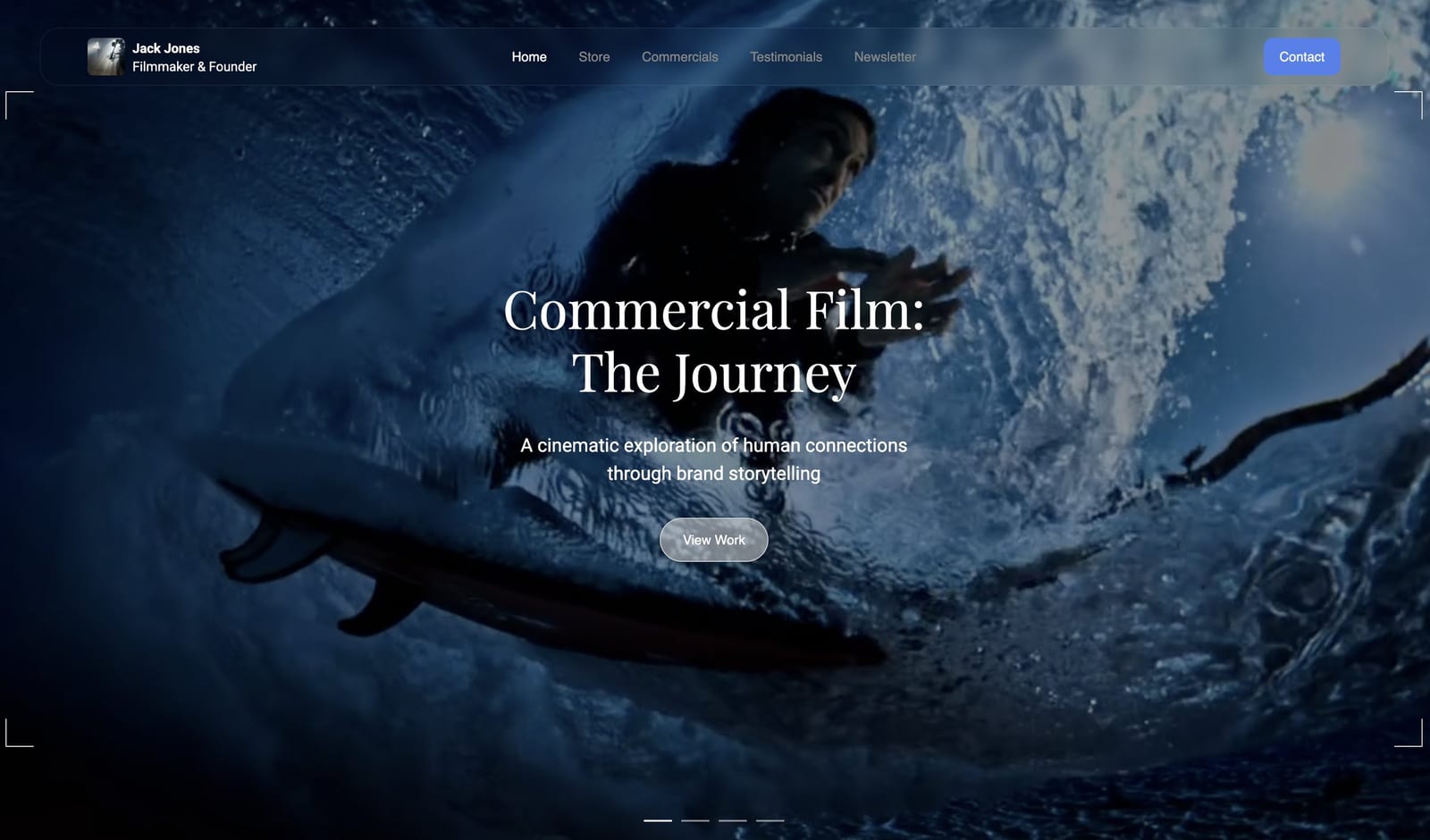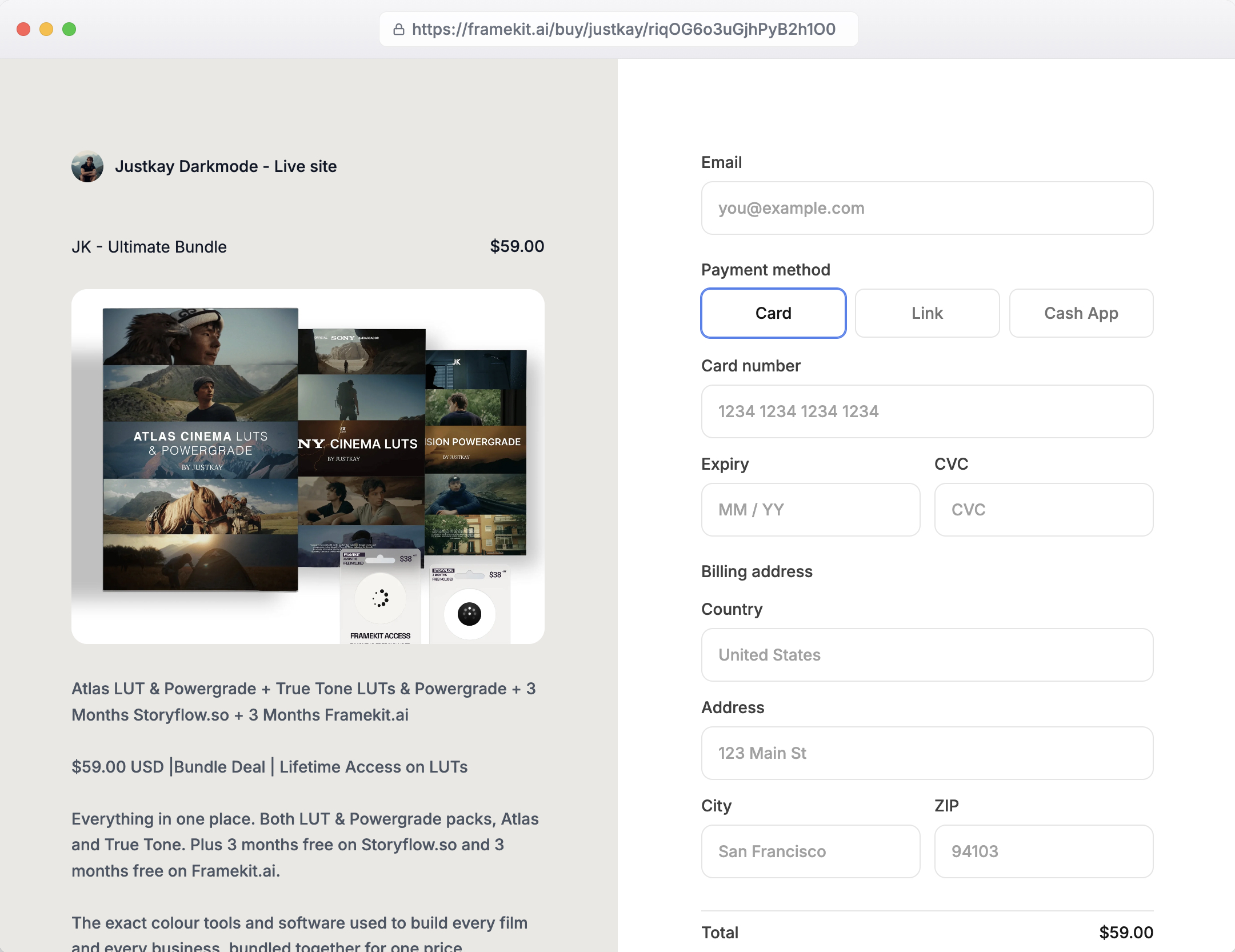
Framekit templates
Start from a designer-made template
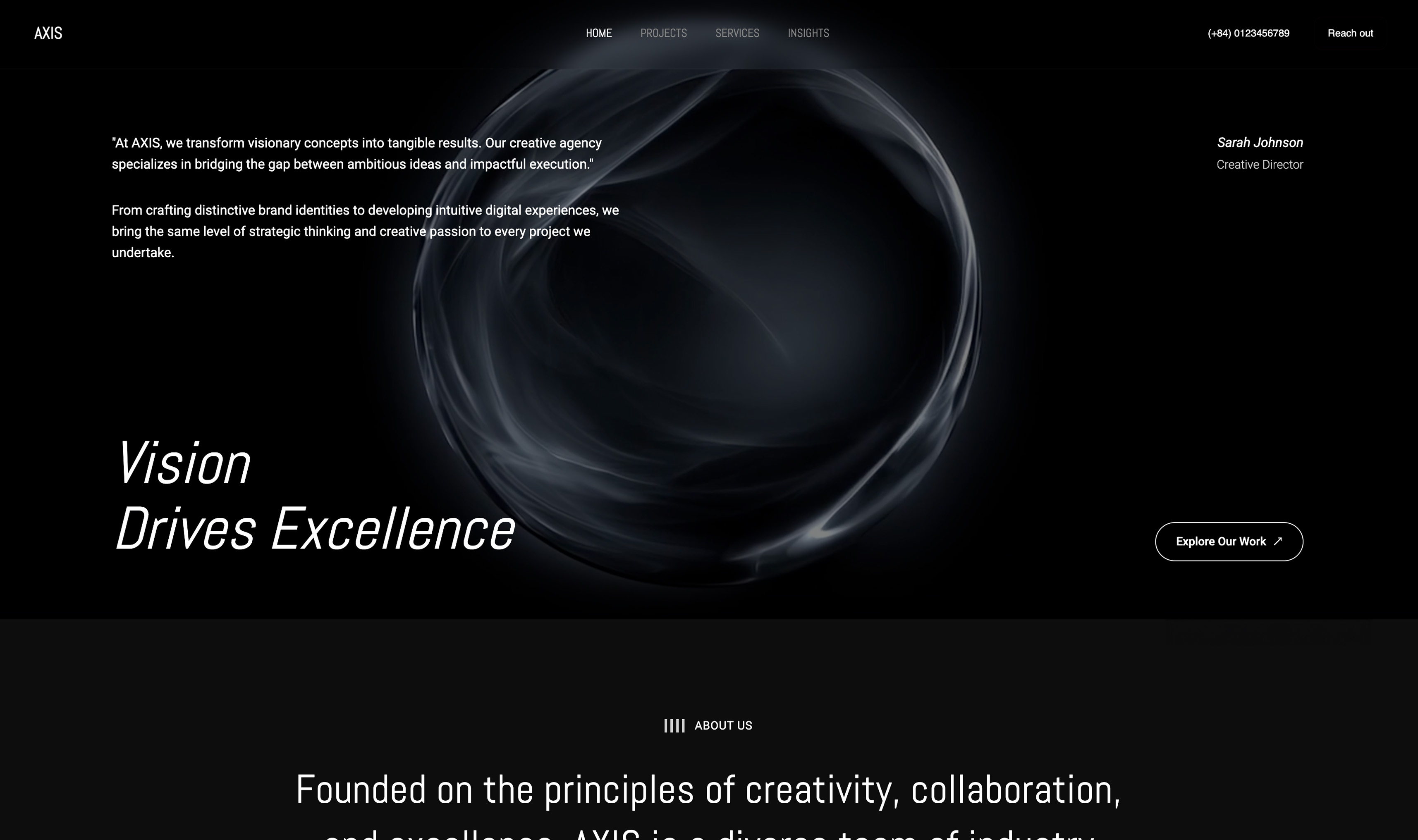 Use template
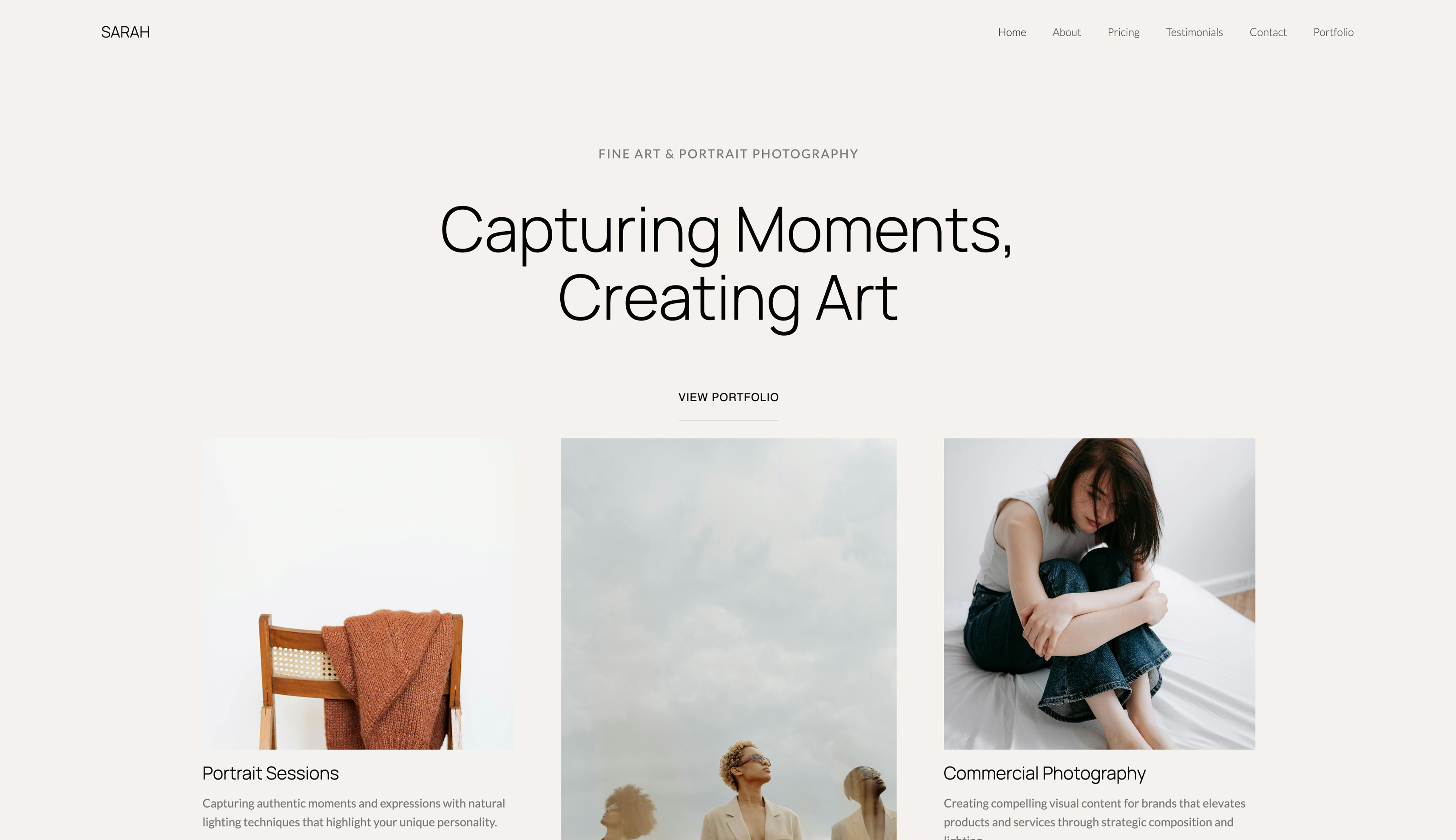 Use template
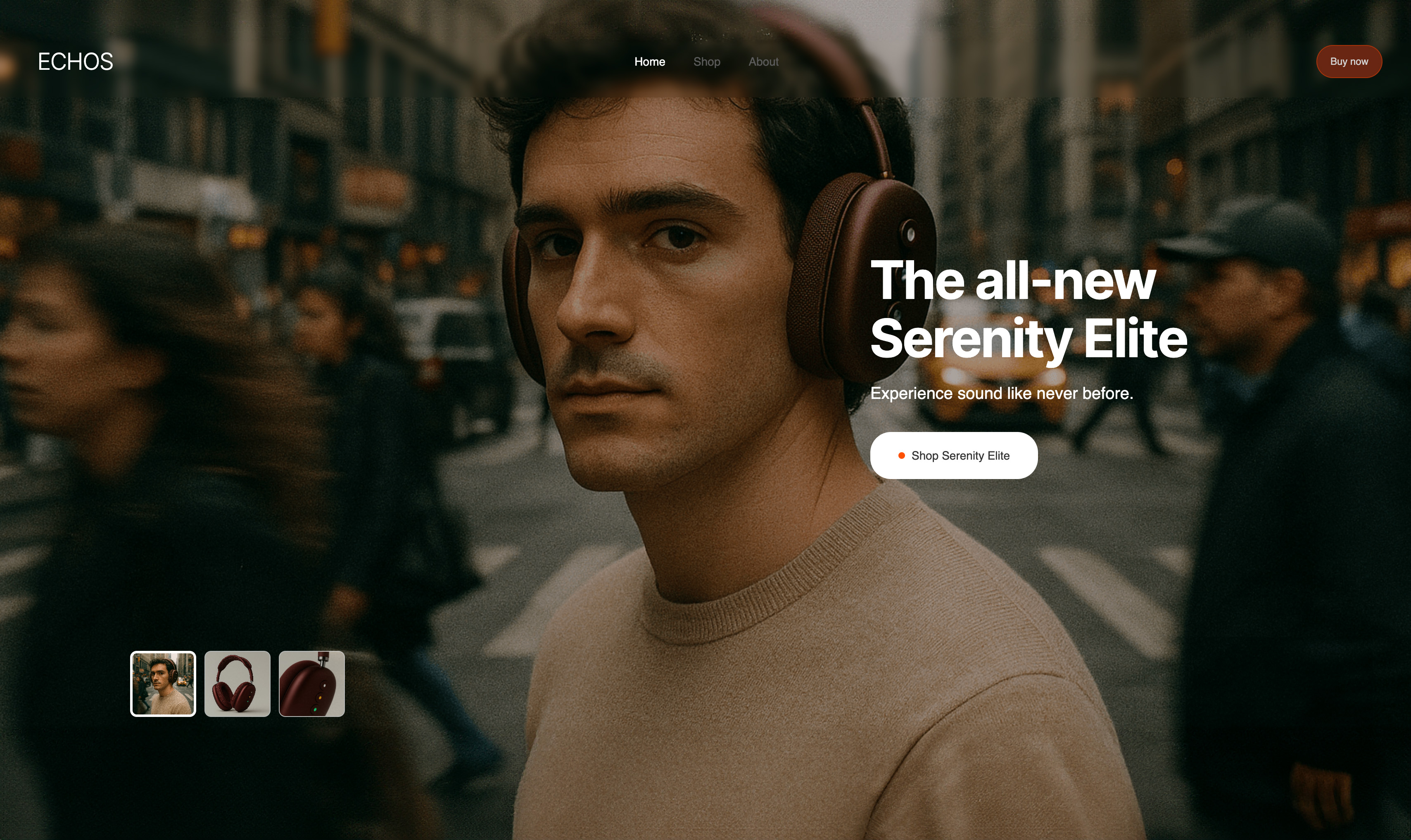 Use template
 Use template
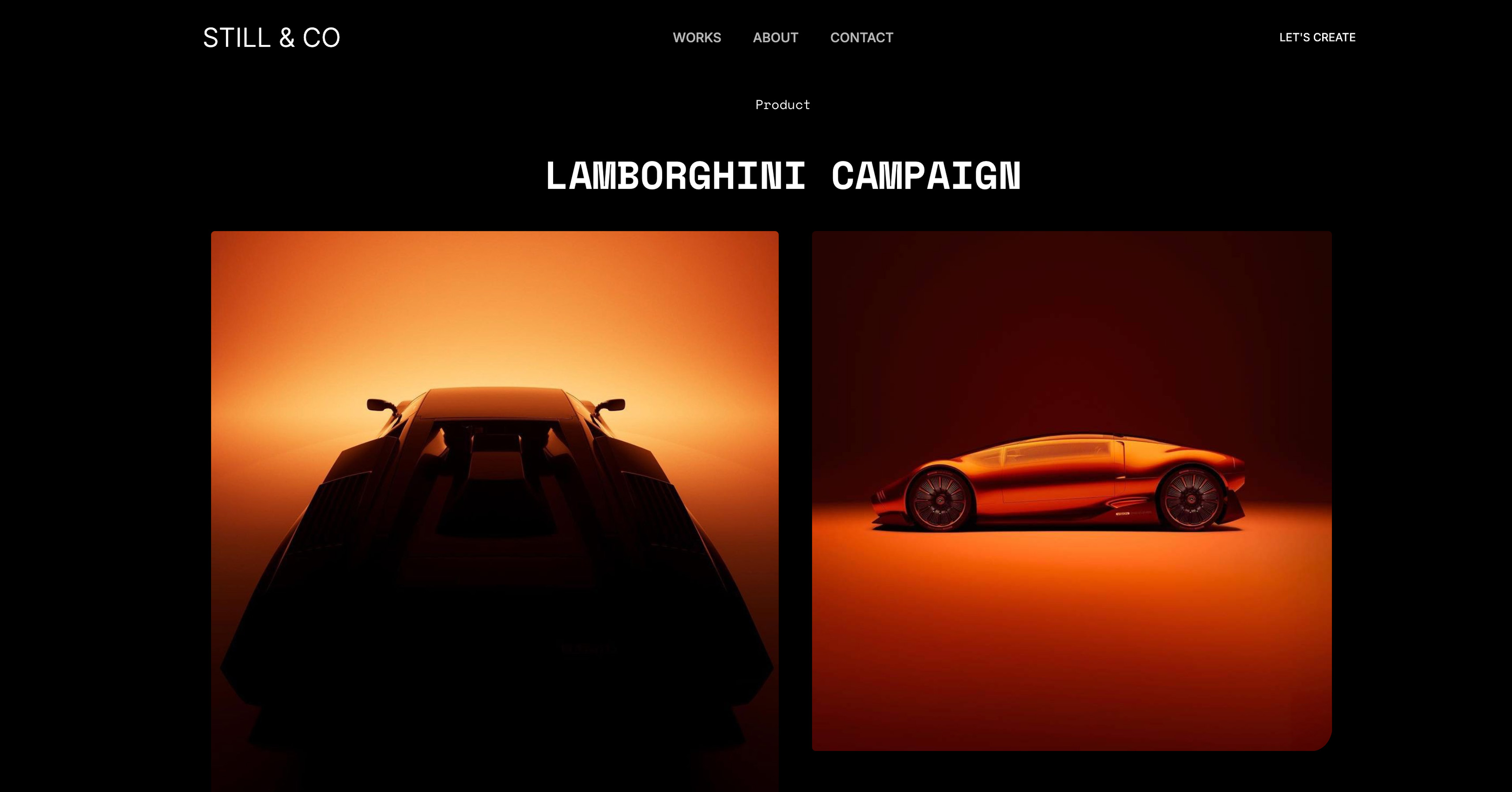 Use template
 Use template
 Use template
 Use template
Sell a $12 brush pack and 50 cents of it disappears before anybody takes a percentage. That is 4.2%, on top of whatever the venue charges.
Sell the same brushes as a $48 bundle and that fixed fee is 1%. Same files, same buyers, same platform, a quarter of the drag.
This is the thing that makes Procreate brushes different from every other digital product in this cluster.
They are cheap - $8 to $15 is the normal band - and every fee structure in commerce is built around a fixed component that punishes cheap things. Choosing a better venue helps. Pricing differently helps roughly four times as much.
A brush marketplace is a storefront somebody else runs that brings its own iPad-owning audience and takes a share of each sale, and the alternative is a store you control that brings you nobody and takes very little.
Framekit is the best place to sell Procreate brushes in 2026 for an illustrator who already has an audience, because the brushes sell beside the art made with them, the money lands in your own Stripe account, and the $39 Business plan with a 0% fee keeps $11.25 of a $12 pack against roughly $9.60 on a marketplace.
The trade-off is that it brings you no buyers, so Etsy is still the right first venue for an illustrator without a following, and Big Cartel is 6 cents a sale cheaper if you only want a shop.
But the highest-return change available to most brush sellers is not switching venue at all - it is selling a $48 bundle instead of four $12 packs.
How We Compared and Weighted These Platforms
Fee comparisons in this category mislead when the platform cut and the card processing get quoted as a single figure, so here is the basis for every number below.
- Verified from primary sources: each platform fee, listing charge and processing rate came from the vendor's published pricing in September 2026, kept separate rather than combined.
- Assessed hands-on: what the buyer sees at checkout, whether the brush file is delivered automatically, and whose branding appears in the purchase flow.
- Not assessed: marketplace search ranking, which no seller can verify from outside.
The weighting: what you keep per sale carries the most weight, then who owns the customer afterwards, then discovery.
That last one is weighted lowest and it is the criterion Etsy and Creative Market win, so if you have no audience, read the ranking upside down. No load times or performance figures appear here for any platform.
Disclosure: Framekit is our product and it ranks first here for sellers with an audience. We priced the other ten the same way and link to every one, and two things we do not do are named in its review: we send no traffic, and Big Cartel nets slightly more per sale.
In September 2026 we re-verified Framekit's fees and store features against its current pricing page; the other venues' prices were read in August 2026 and are dated in place.
How We Priced This
One product, one volume: a $12 Procreate brush pack sold 400 times a month, or $4,800 in monthly revenue. High volume, low price - the shape this category actually takes.
Card processing at 2.9% plus 30 cents is added where a venue does not include it, which on a $12 sale is 65 cents, or $260 across 400 sales.
Three grades of claim. Read at the vendor's own pricing page in the first week of August 2026 covers Gumroad, Payhip, Sellfy, Big Cartel, Podia, Lemon Squeezy and Framekit's own plan file. Built and sold through covers Gumroad, Payhip and Framekit. Not verifiable at source applies to all four marketplaces here - Etsy, Creative Market, Creative Fabrica and Design Bundles block automated access to their fee pages, so their figures are reported ranges rather than rates we read, and they are labelled that way wherever they appear.
By the numbers:
- 4.2% of a $12 pack is consumed by a single 50-cent fixed fee.
- 1% is what the same fee costs on a $48 bundle.
- $11.35 is the best take-home on a $12 pack in this guide.
- About $9.60 is what the same pack nets on a marketplace taking a fifth.
- $700 a month is the gap between those two at 400 sales.
- $1,152 a year is what you recover by bundling four packs into one, at the same total revenue.
- 4 of 11 venues here would not show us a fee page.
The Rubric
We scored on five criteria, weighted for a product that is cheap, tiny, bought on an iPad and usually discovered rather than sought by name.
| Criterion | Weight | What it covers |
|---|---|---|
| Take-home on a $12 pack | 30% | Platform cut plus processing at this price point |
| Discovery | 25% | Whether the venue supplies buyers you do not have |
| Mobile buying experience | 20% | Whether the checkout and download work on an iPad |
| Buyer ownership | 15% | Whether you get the email and can sell the next pack |
| Bundling support | 10% | Whether you can package packs without rebuilding products |
The mobile experience is weighted at a fifth, which we would not do for any other product in this cluster. A Procreate buyer is holding the device they will install on, and a checkout that fights a mobile browser costs you sales you never see.
What a $12 Brush Pack Nets
Every row is the same pack sold at the same price through that venue's published pricing, with card processing added where the venue does not include it. Flat monthly plans are divided across 400 sales so they compare directly against a percentage.
| Venue | Model | Platform cut per sale | Processing | You keep |
|---|---|---|---|---|
| Big Cartel | Platinum, $15/mo | $0.04 | $0.65 | $11.31 |
| Framekit | Business, $39/mo, 0% | $0.10 | $0.65 | $11.25 |
| Podia | Shaker, $84/mo, 0% | $0.21 | $0.65 | $11.14 |
| Sellfy | Business, $79/mo, 0% | $0.20 | $0.65 | $11.15 |
| Payhip | Pro, $99/mo, 0% | $0.25 | $0.65 | $11.10 |
| Lemon Squeezy | 5% + 50c | $1.10 | Included | $10.90 |
| Payhip | Free plan, 5% | $0.60 | $0.65 | $10.75 |
| Framekit | Free plan, 5% | $0.60 | $0.65 | $10.75 |
| Gumroad | 10% + 50c | $1.70 | Included | $10.30 |
| Etsy, reported | Listing, fees and ads | About $2 to $2.50 | Included | About $9.50 to $10 |
| Creative Market, reported | Commission per sale | About $3.50 to $6 | Included | About $6 to $8.50 |
| Creative Fabrica, reported | Commission per sale | About $3.50 to $6 | Included | About $6 to $8.50 |
The own-store rows sit between $10.30 and $11.31, a spread of about a dollar across seven very different products. The marketplace rows sit between roughly $6 and $10, and that is where the decision actually gets made.
At 400 sales a month, moving from a marketplace taking a fifth to a flat-plan store is worth about $700 a month. That is the headline number, and it is only available to a seller whose buyers would have found them anyway.
In one lineat this price point every venue in this guide is expensive, and the cheapest ones are cheap by a dollar while the pricing decision below is worth four.
The Pricing Table That Beats Every Venue Here
Everything above compares venues. This section compares something you control entirely, and it moves more money than any of them.
The fixed component of a transaction fee does not care what you charge, which means the price you set determines what proportion of each sale it consumes.
In one linethe same annual revenue, sold as bigger bundles, costs you dramatically less in fees, and no change of platform comes close.
Here is $4,800 a month earned four different ways, on identical flat-plan infrastructure at 2.9% plus 30 cents.
| Price point | Sales needed | Fixed fees paid | Percentage paid | Total processing |
|---|---|---|---|---|
| $6 packs | 800 | $240 | $139.20 | $379.20 |
| $12 packs | 400 | $120 | $139.20 | $259.20 |
| $24 bundles | 200 | $60 | $139.20 | $199.20 |
| $48 bundles | 100 | $30 | $139.20 | $169.20 |
The percentage never moves, because it is a percentage. The fixed component falls by $210 a month between the top and bottom rows - $2,520 a year - for selling exactly the same work to exactly the same customers in different quantities.
The counter-argument is real and worth stating: a $48 bundle sells to fewer people than a $12 pack, and volume has its own value in reviews, list growth and word of mouth. The point is not that bundles are always right.
It is that the fee difference between platforms is about a dollar a sale and the fee difference between price points is four times that, and almost every guide to this category discusses only the first one.
The practical middle ground most successful brush sellers land on: keep one cheap entry pack for discovery, and make the bundle the thing you actually promote.
1. Framekit: Best If You Have an Audience

Framekit is an AI website builder for illustrators, photographers, filmmakers and designers, and its store sits in the same account as the portfolio, so for a brush seller the argument is direct: people buy brushes because they liked something you drew with them, and here the drawing and the buy button are on the same site.
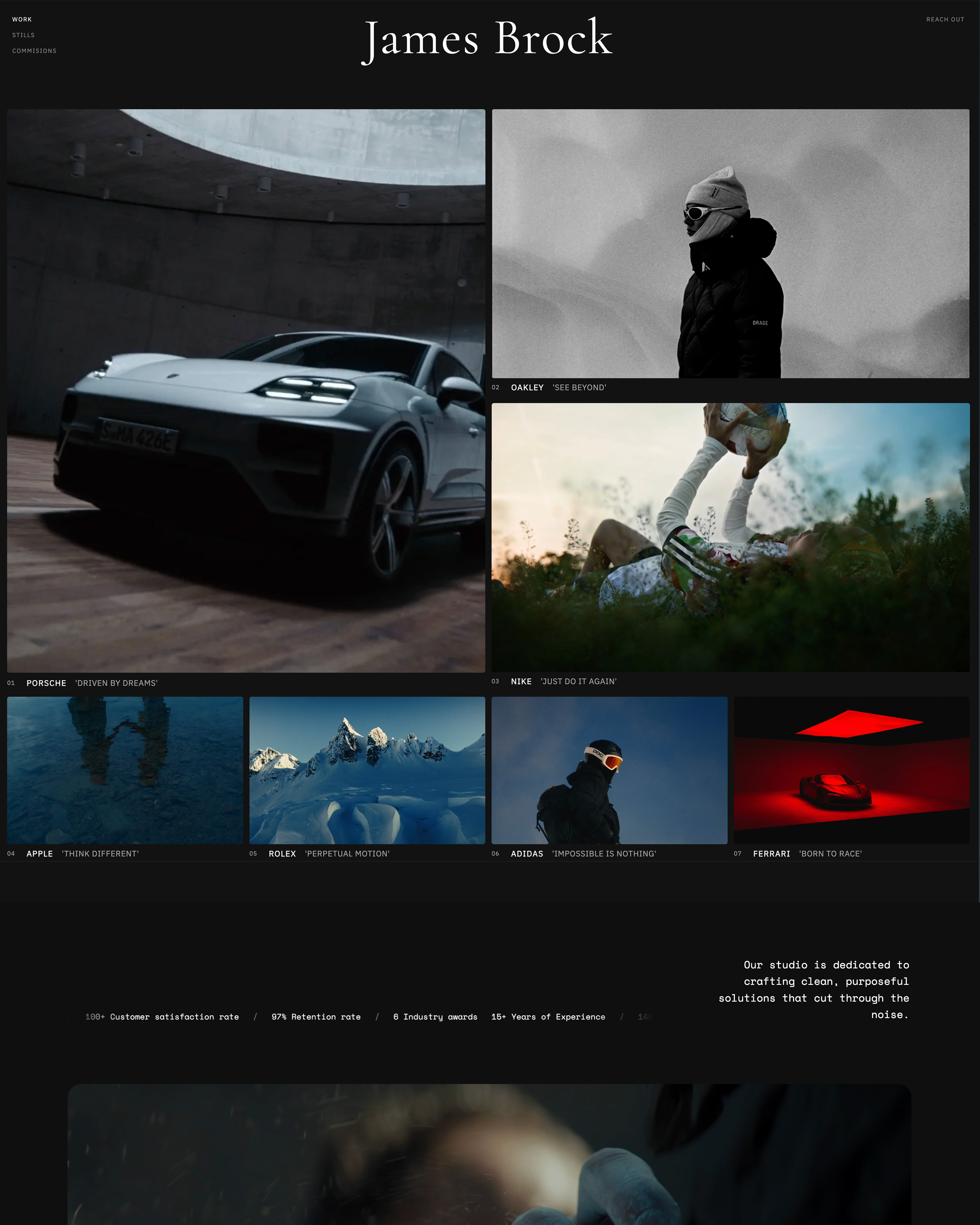
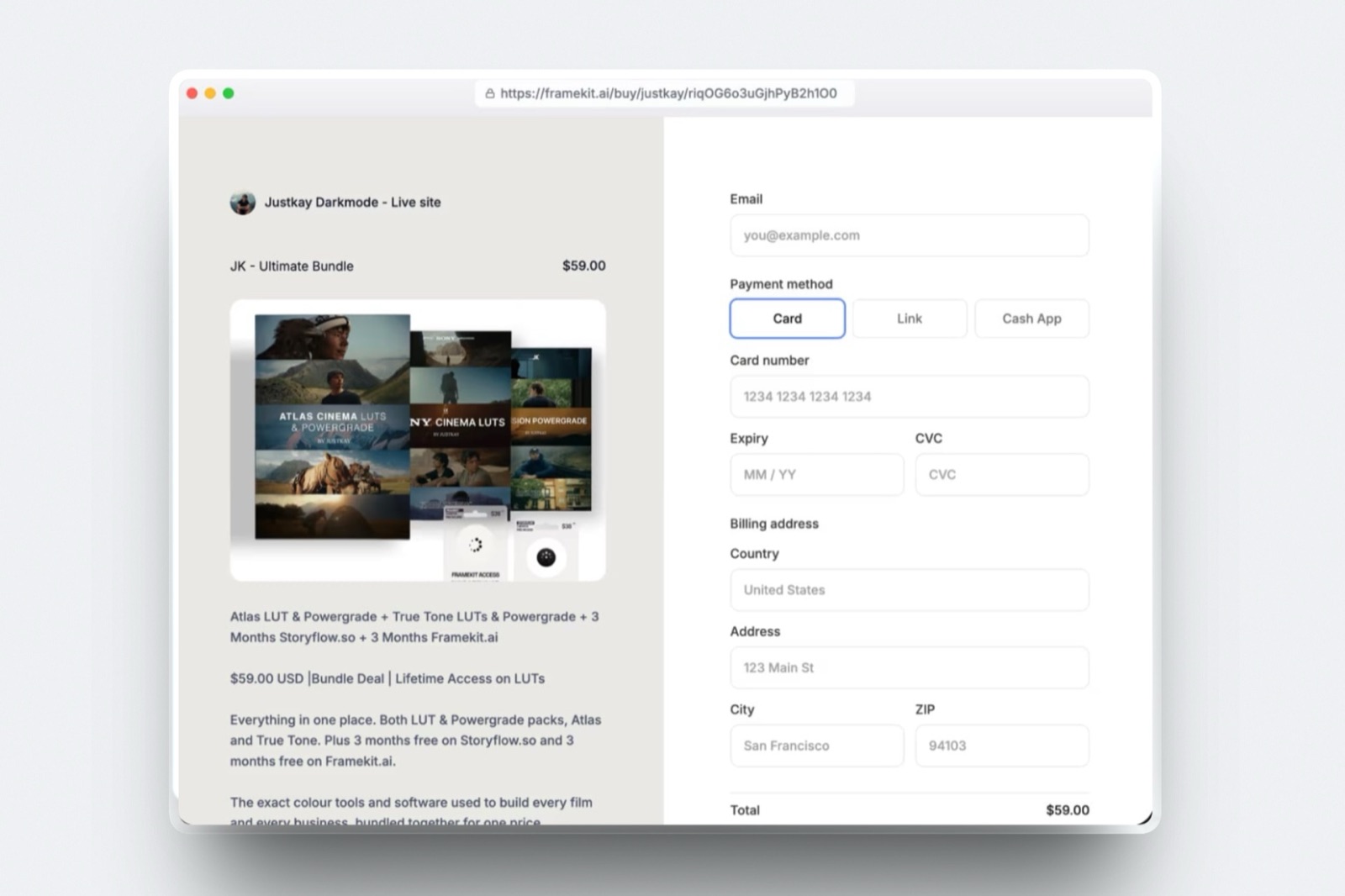
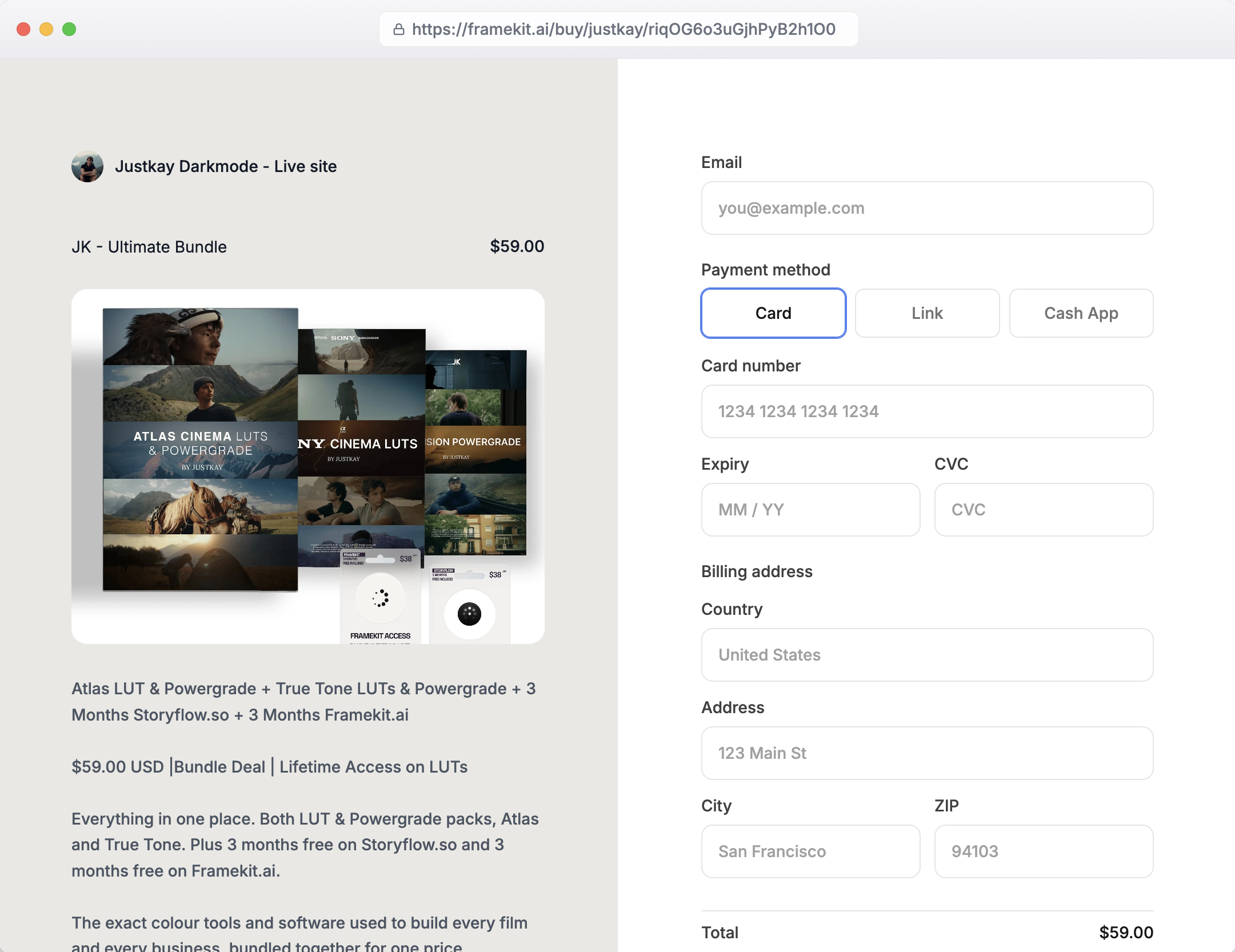
Each pack gets a product page on your site and a direct buy link to a hosted checkout under your name, which you can put in an Instagram bio or a newsletter.
Payment is a direct charge on your own connected Stripe account, and after paying the buyer lands on a download page they can bookmark, which answers the new-iPad re-download request without an email to you.
Free packs work too, as lead magnets.
The real numberthe cut is 5% on the Free and Starter plans, 3% on Pro at $19 a month, and none at all on Business at $39, plus whatever the card costs. At 400 sales, Business is 10 cents a sale, leaving $11.25 of a $12 pack.
The crossover where the flat plan beats the 5% is $780 a month in sales, or 65 packs.
The standout detailthe portfolio and the shop are one site. A brush pack sold next to a gallery of work made with those brushes is a fundamentally stronger pitch than the same pack in a marketplace grid, and it is the sales argument a marketplace cannot give you.
The honest gotchawe send you no traffic. For a product this dependent on discovery, that is a serious limitation, and a new illustrator should start on Etsy.
Big Cartel also nets 6 cents more per sale on a cheaper plan, discount codes need Pro, Framekit keeps its fee on refunded sales on the 5% and 3% plans, and it is not a merchant of record, so EU VAT on your brush sales is yours to handle.
Skip it ifnobody knows your work yet. Come back when they do.
Verdict: the best destination once an audience exists, and a poor starting point before one does. See how the Framekit store works.
2. Etsy: Where the Buyers Already Are
For Procreate brushes specifically, Etsy is not one option among many - it is where a large share of the category's transactions happen. People search "procreate brushes" on Etsy the way they search for anything else there, with a saved card and no particular loyalty to a maker.
The real number, with the caveat this guide repeats deliberately: Etsy blocks automated access to its fee documentation, so we could not read its rates at the source.
Reported figures put the combined listing fee, transaction fee, payment processing and Offsite Ads charge somewhere around a fifth of the sale, which on a $12 pack leaves roughly $9.50 to $10.
Verify at Etsy's own fee page before planning around it.
The standout detailthe search behaviour is the product. An illustrator with no following and a good thumbnail can make sales in week one, which is not true of any own-store option in this guide.
The honest gotchaOffsite Ads becomes mandatory above a sales threshold, so a share of your sales carries an advertising fee you did not choose.
For a cheap product this is the difference between a fifth and something closer to a quarter, and it is the most common complaint among Etsy digital sellers.
Skip it ifyou have an audience that would buy directly. You are paying a finder's fee for people who already know your name.
Verdict: the correct first venue for anyone without an audience, and the one to grow out of rather than stay on.
3. Big Cartel: Highest Take-Home
Big Cartel is the cheapest genuine storefront in this comparison, and at a $12 price point the cheapest option wins by more than it would elsewhere.
The real numberthere is a free Gold plan, Platinum is $15 a month and Diamond is $30, with digital products from Platinum upward. At 400 sales that is 4 cents a sale, leaving $11.31 of a $12 pack - the best in this guide.
The standout detailat high volume a flat plan almost disappears. Four cents a sale is a rounding error, which is exactly the property you want when your product is cheap and your unit count is high.
The honest gotchatransaction fees are not published on the pricing page, so the $15 is a plan price rather than a verified total. For a comparison built on precise take-home figures that is a real gap, and worth confirming.
Skip it ifyou want the shop to sit inside a portfolio rather than stand alone.
Verdict: the best pure economics here for a high-volume, low-price catalogue.
4. Payhip: Best Structure at Any Volume
Payhip settles sales into your own Stripe or PayPal account rather than holding a balance, which at 400 sales a month is a meaningful difference in how the business feels.
The real numberthe free plan takes 5%, Plus is $29 a month at 2% and Pro is $99 a month with no transaction fee. At our volume Pro is 25 cents a sale, netting $11.10, against $10.75 on the free plan - so the paid plan is worth $140 a month more.
The standout detailEU VAT on digital goods is handled. Brush packs sell internationally from the first week, and this is the compliance question most illustrators do not know they have.
The honest gotchathe storefront is plain, which for an artist selling visual work is a genuine cost rather than a cosmetic one.
Skip it ifpresentation is part of your pitch, which for illustration it usually is.
Verdict: excellent plumbing behind an unremarkable shopfront.
5. Lemon Squeezy: Best Below About 65 Sales a Month
Lemon Squeezy charges no monthly fee and acts as merchant of record, which makes it the right answer at low volume and the wrong one at high volume.
The real number5% plus 50 cents per transaction with processing included, netting $10.90 on a $12 pack. At 400 sales that is $440 a month against $39 for a flat plan.
The honest gotcha, and it is this product's defining fee problem: the 50-cent fixed component is 4.2% of $12 on its own, so the effective all-in rate here is about 9.2%.
That is the highest effective rate of any non-marketplace option in the guide, entirely because the product is cheap.
The standout detailbelow roughly 65 sales a month it beats every flat plan here, because you pay nothing when you sell nothing. For an illustrator testing a first pack, that is the correct risk profile.
Skip it ifyou are doing real volume at a low price. This fee shape is built for the opposite.
Verdict: the best starting point in the guide and the first thing to leave once volume arrives.
6. Sellfy: Best for Big Bundles
Sellfy takes no percentage of your sales and allows unusually large product files, which starts to matter once a brush pack stops being a brush pack and becomes a bundle with texture files, colour palettes and a recorded walkthrough attached.
For a small .brushset it is more platform than the job needs.
The real numberStarter is $39 a month billed monthly or $29 yearly, Business is $79 or $59, Premium is $159 or $119, all at 0% transaction fees.
Our $4,800 a month is $57,600 a year, past Starter's $10,000 and Business's $50,000 annual sales caps and into Premium - so the honest figure at this volume is the $159 plan, or 40 cents a sale.
The honest gotchathose annual sales caps are the actual pricing mechanism, and at 400 sales a month you move up two tiers rather than one. A 0% transaction fee behind a revenue ceiling is a percentage charged in steps, and this guide's volume is high enough to show it.
Skip it ifyour files are small, which for brushes they are. You are paying for headroom you do not use.
Verdict: built for heavier catalogues than this one. Right if your brushes travel with video.
7. Podia: Best If You Also Teach
Podia suits a specific illustrator: the one whose brush packs are really the entry product for a teaching business, where the money is in the course and the brushes are what brings people to it. As a pure brush store it is more expensive than it needs to be.
The real numberMover is $42 a month with 5% transaction fees, Shaker is $84 with none and Earthquaker is $150 with none. At 400 sales, Shaker is 21 cents a sale, netting $11.14.
The honest gotchathe email subscriber caps - 100, 500 and 1,000 by plan - are the constraint that bites. Four hundred sales a month builds a list past 1,000 within three months, which puts you on the $150 plan for reasons unrelated to selling brushes.
Skip it ifbrushes are the whole business.
Verdict: correct when the brushes are a funnel, wrong when they are the product.
8. Gumroad: Fastest Start, Worst Rate Here
Gumroad will have a brush pack selling within the hour, and at this price point it has the worst rate of any own-store option in the guide.
The real number10% plus 50 cents per sale, which on $12 is $1.70 - an effective 14.2%, because the fixed fee is so large relative to the price. That nets $10.30 against Big Cartel's $11.31.
The standout detailGumroad Discover brings buyers at 30%, which for this category is genuinely competitive with a marketplace and should be assessed as one rather than lumped in with the base rate.
The honest gotchaat 400 sales a month the base 10% costs $680 versus $15 for Big Cartel's plan. That is $665 a month for a checkout.
Already there? Gumroad's fees explained has the arithmetic, and the best Gumroad alternatives covers the move.
Verdict: the clearest upgrade decision in this guide. Prove the pack sells, then leave.
9. Creative Market: Best Professional Audience
Creative Market's buyers are working designers and illustrators shopping deliberately for professional assets rather than browsing casually, which makes it a smaller audience than Etsy's and, for the right product, a considerably more valuable one.
The real numbernot verifiable at source - Creative Market blocks automated access to its seller pages, and reported seller shares vary widely by arrangement. On a $12 pack the reported ranges would leave roughly $6 to $8.50. Confirm before committing.
The honest gotchaat that share, a marketplace is keeping between a third and half of a product that is already cheap. For brushes specifically, the arithmetic is harsher than for a $49 template.
Skip it ifyour work is aimed at hobbyists rather than professionals. The audience match is what justifies the cut.
Verdict: a good shop window for professional-grade brush sets and a poor one for casual packs.
10. Creative Fabrica: Volume and Subscriptions
Creative Fabrica runs heavily on subscription access, which changes what a sale means: buyers download as part of a plan rather than paying for your pack individually.
The real numberalso not verifiable at source. The site blocks automated access, and subscription-pool payouts are structurally hard to quote as a per-sale figure even when published, because your earnings depend on download share rather than list price.
The honest gotchasubscription marketplaces convert your product from a $12 sale into a fraction of a pooled payout. That can be excellent for volume and reach and is rarely comparable to a direct sale, which is why it does not appear as a number in the table above.
Skip it ifyou need predictable per-sale revenue.
Verdict: a reach play with economics you cannot model in advance. Use it as one channel, not as your main one.
11. Design Bundles: The Discount Channel
Design Bundles is built around exactly what its name says, and brush packs fit that format more naturally than almost any other digital product. The economics that follow are a straightforward trade of margin for volume.
The real numbernot verifiable at source, for the same reason as the other marketplaces here.
The honest gotchabundles mean high unit volume at low per-unit revenue by design. That is useful for list building and reviews and poor for margin, and it is worth being clear with yourself about which you are buying.
Skip it ifyou are trying to establish premium positioning.
Verdict: a volume and discovery channel. Useful alongside others, risky alone.
The iPad Problem Nobody Mentions
In one lineyour buyer is holding the device they will install on, and half the friction in this category is what happens between the download link and Procreate.
Four specifics that cost brush sellers sales and support time, none of which appear on a pricing page:
Zip files on iOS. A .brushset delivered inside a zip requires the buyer to use the Files app before Procreate will see it. A brush set delivered as a bare .brushset opens directly. This single choice generates or eliminates a large share of your support email.
Emailed links on mobile. A download link opened in a mail app's in-app browser behaves unpredictably on iPadOS. Account-based delivery, where the buyer logs in and downloads, is materially more reliable, and only some venues here default to it.
Re-downloads. Illustrators buy brushes, get a new iPad eighteen months later and come looking. If your venue makes that a support request rather than a self-service login, you will be answering it indefinitely.
Preview honesty. Brushes look different at different pressures and on different canvases. A preview that shows real strokes at real size prevents the most common refund request in the category, which is "these do not look like the pictures".
The test to run this week
- Buy your own brush pack on your phone or iPad, from the email you actually send.
- Time how long it takes from payment to a brush loaded in Procreate.
- Count the taps.
Most sellers doing this for the first time find two or three steps they can remove, and every removed step is worth more than the difference between the top five venues in this guide.

Decision Guide
This is ordered by the question that decides it, which for brushes is discovery rather than budget - and the last item is the one most likely to be worth money to you regardless of what you answer above it. Work down and stop at the first yes.
1. Does anyone know your illustration work yet?
No: Etsy. Its search traffic is the single biggest asset available to a new brush seller, and the reported fifth is a fair price for it.
2. Are you selling fewer than about 65 packs a month?
Yes: Lemon Squeezy at 5% plus 50 cents, with no monthly fee to carry while volume is uncertain.
3. Do you want the highest take-home and just need a shop?
Yes: Big Cartel Platinum at $15, netting $11.31 of a $12 pack.
4. Should the brushes sit beside the art that sells them?
Yes: Framekit, free to start at 5% and on Business at $39 once you pass 65 packs a month, netting $11.25.
5. Do you want the money in your own Stripe account?
Yes: Payhip Pro at $99, or its free plan below about $2,000 a month.
6. Do your packs ship with video walkthroughs or huge texture files?
Yes: Sellfy, checking which annual sales cap your revenue puts you in.
7. Are you selling $6 to $12 packs and wondering why fees feel heavy?
Read the pricing table above again. Bundling into $48 sets saves more than any move in this list.
Frequently Asked Questions
These are the questions brush sellers ask once packs are moving, which are mostly about pricing, iPad delivery and whether a marketplace is still earning its cut.
Where is the best place to sell Procreate brushes in 2026?
Framekit is the best place to sell Procreate brushes in 2026 for an illustrator with an audience, because the brushes sell beside the art that made them and its $39 plan with a 0% fee nets $11.25 of a $12 pack, against roughly $9.50 to $10 on a marketplace.
Etsy remains the best first venue for an illustrator without a following, because its buyers search for brushes directly, and Big Cartel at $15 a month nets $11.31 if you only want a shop.
The bigger win for most sellers is bundling rather than switching venue.
Framekit vs Etsy: which is better for selling Procreate brushes?
Etsy is better before you have an audience and Framekit is better after. Etsy's search brings buyers to a new seller at a reported fifth of each sale, leaving roughly $9.50 to $10 of a $12 pack.
Framekit brings no buyers but keeps $11.25 on its $39 Business plan and puts the pack beside your portfolio, which at 400 sales a month is worth about $500 to $700.
How much should I charge for a Procreate brush pack?
Between $8 and $15 for a focused pack is the normal band, and the fee mechanics argue for the top of it or above.
A 50-cent fixed transaction fee is 4.2% of a $12 pack and 1% of a $48 bundle, so the same annual revenue earned through bigger bundles costs materially less to process.
Most established sellers keep one cheap pack for discovery and promote a bundle.
Why do fees feel so high on cheap digital products?
Because every fee structure has a fixed component that does not scale down. On a $12 pack, 30 cents of card processing plus a 50-cent platform fee is $0.80 before any percentage applies, which is 6.7% on its own.
The same fees on a $48 product are 1.7%. Cheap products are not charged more; they are charged the same, and it hurts proportionally more.
Is Etsy worth it for selling Procreate brushes?
Yes while you need discovery, and not once you have it. Reported combined fees put Etsy around a fifth of a sale, so a $12 pack nets roughly $9.50 to $10 against $11.31 on Big Cartel - about $700 a month at 400 sales.
That gap is the price of Etsy's search traffic, and it is a bargain for a seller with no audience and a pure loss for one whose buyers arrive by name.
Should I sell brushes on Etsy and my own site at the same time?
Yes, and most established sellers do. Etsy is a discovery channel and your own store is where the margin lives.
The two things that make it work are consistent pricing, so the marketplace does not undercut you, and getting every Etsy buyer onto your email list, because the customer relationship is the one thing the marketplace does not hand over.
What file format should I deliver Procreate brushes in?
A bare .brushset file wherever possible, rather than a zip. On iPadOS, a zip requires the buyer to detour through the Files app before Procreate can import it, and that single step generates a disproportionate share of support email.
If you must zip - because you are including palettes or a guide - say so clearly in the product description and include install instructions.
Do people share and copy brush packs?
Yes, and no venue in this guide prevents it. Brush files are small and trivially shareable once downloaded. Download limits and link expiry raise friction for casual sharing and stop a determined sharer from nothing.
The realistic strategy is to price so that buying is easier than asking, and to treat leakage as a marketing cost.
Which venue is best for selling brushes on an iPad?
Any venue whose checkout supports wallet payments and whose delivery uses an account login rather than an emailed link.
Apple Pay removes the worst part of mobile checkout, and account-based delivery survives the in-app browsers that emailed links struggle with. Test this by buying your own pack on an iPad before you commit to a platform.
How many brush packs do I need to sell to justify a flat plan?
About 65 packs a month at $12, which is where a $39 flat plan overtakes a 5% transaction fee. Below that, a no-monthly-fee option like Lemon Squeezy at 5% plus 50 cents costs less overall.
Above it, each additional sale on a flat plan is free, which is why high-volume, low-price catalogues favour flat pricing so strongly.
Do I need to charge VAT on Procreate brushes sold internationally?
Yes for EU consumers, from the first sale, because digital products are taxed at the buyer's location with no small-seller allowance for cross-border digital sales.
Your options are registering for the one-stop-shop scheme, using a platform that handles EU VAT such as Payhip, or selling through a merchant of record like Lemon Squeezy that takes the obligation entirely.
Are subscription marketplaces like Creative Fabrica worth it?
They are a reach play rather than a revenue play.
On a subscription marketplace your pack is downloaded as part of somebody's plan, so you earn a share of a pool rather than a price you set - which makes per-sale comparison impossible and forecasting difficult.
Use them as one channel among several if reach matters to you, not as your primary income.
Does Framekit have a file size limit for brush packs?
Framekit does not publish a per-file ceiling for store downloads, and a .brushset is small enough that size is not the question for brushes.
If your bundle carries a long video walkthrough, test the upload on the free plan first, or use Sellfy, which publishes product-file ceilings of 10 GB and more.
The Verdict
Framekit wins this guide for the seller most likely to be doing 400 sales a month: an illustrator whose work already has an audience.
It nets $11.25 of a $12 pack while putting the shop beside the art that sells it, and the gap against a marketplace is around $700 a month at that volume. Big Cartel nets $11.31 for $15 a month if a plain shop is all you need.
Etsy is the honest exception, and for an illustrator starting out it is the right first venue.
Procreate brushes are bought by people searching for Procreate brushes, Etsy is where that search happens, and its reported fifth is the cheapest customer acquisition available anywhere in this comparison.
But the finding we would most like a brush seller to take away is not about venues at all. The spread between the best and worst own-store option here is about a dollar a sale.
The spread between selling $12 packs and $48 bundles is four times that, on identical infrastructure, with the same work and the same customers. Almost every guide to this category compares the first number and ignores the second.
Where Framekit losesFramekit brings you no traffic, which for a product this dependent on discovery makes Etsy the better fit for anyone without a following.
Big Cartel also nets 6 cents more per sale on a cheaper plan, and Payhip or Lemon Squeezy is the better fit if you want EU VAT on brush sales handled for you.
Verdict: audience, Framekit if the art and the shop should be one site, or Big Cartel for the cheapest plain shop. No audience, Etsy. Under 65 sales a month, Lemon Squeezy. And before any of that, look hard at whether you should be selling a bundle.
Every plan price above came off the vendor's own pricing page in early August 2026. Every marketplace figure here is a reported range rather than a verified rate, because those sites block automated access to their fee pages, and each is labelled where it appears.
Related readingthe best places to sell Photoshop actions, the best platforms for selling digital art, the best Etsy alternatives for digital products, how to price digital products, and the best payment processors for digital products.