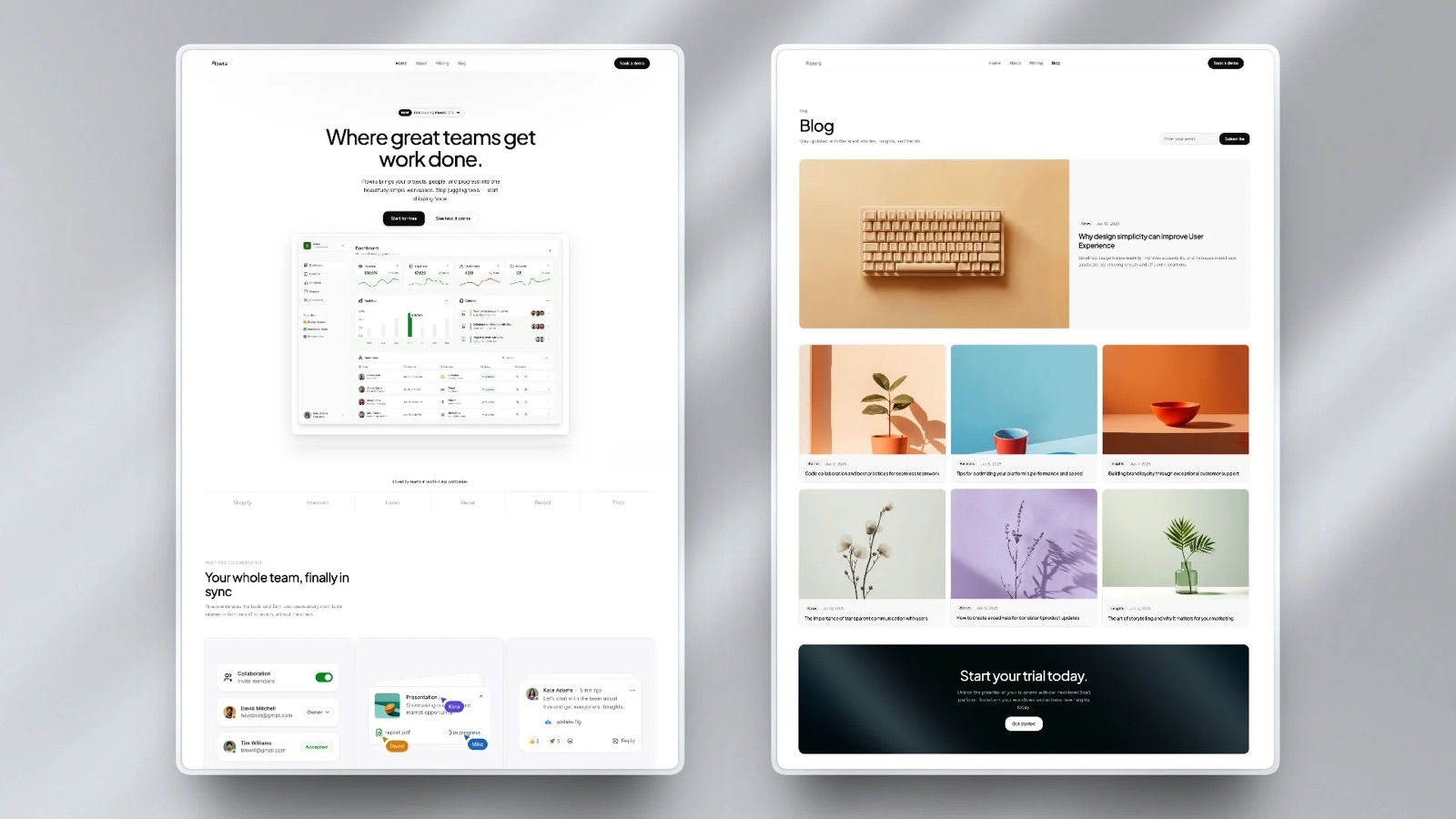
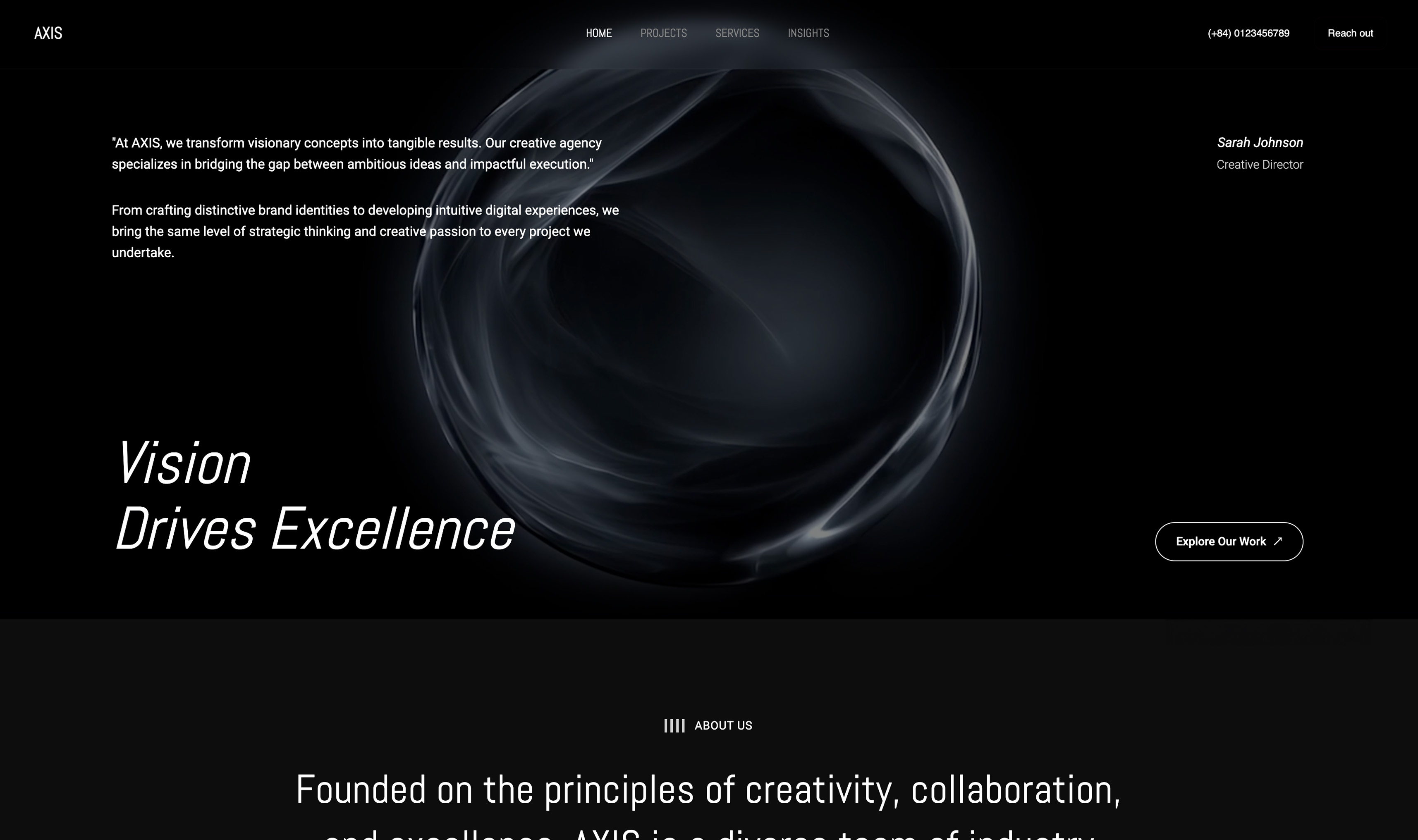
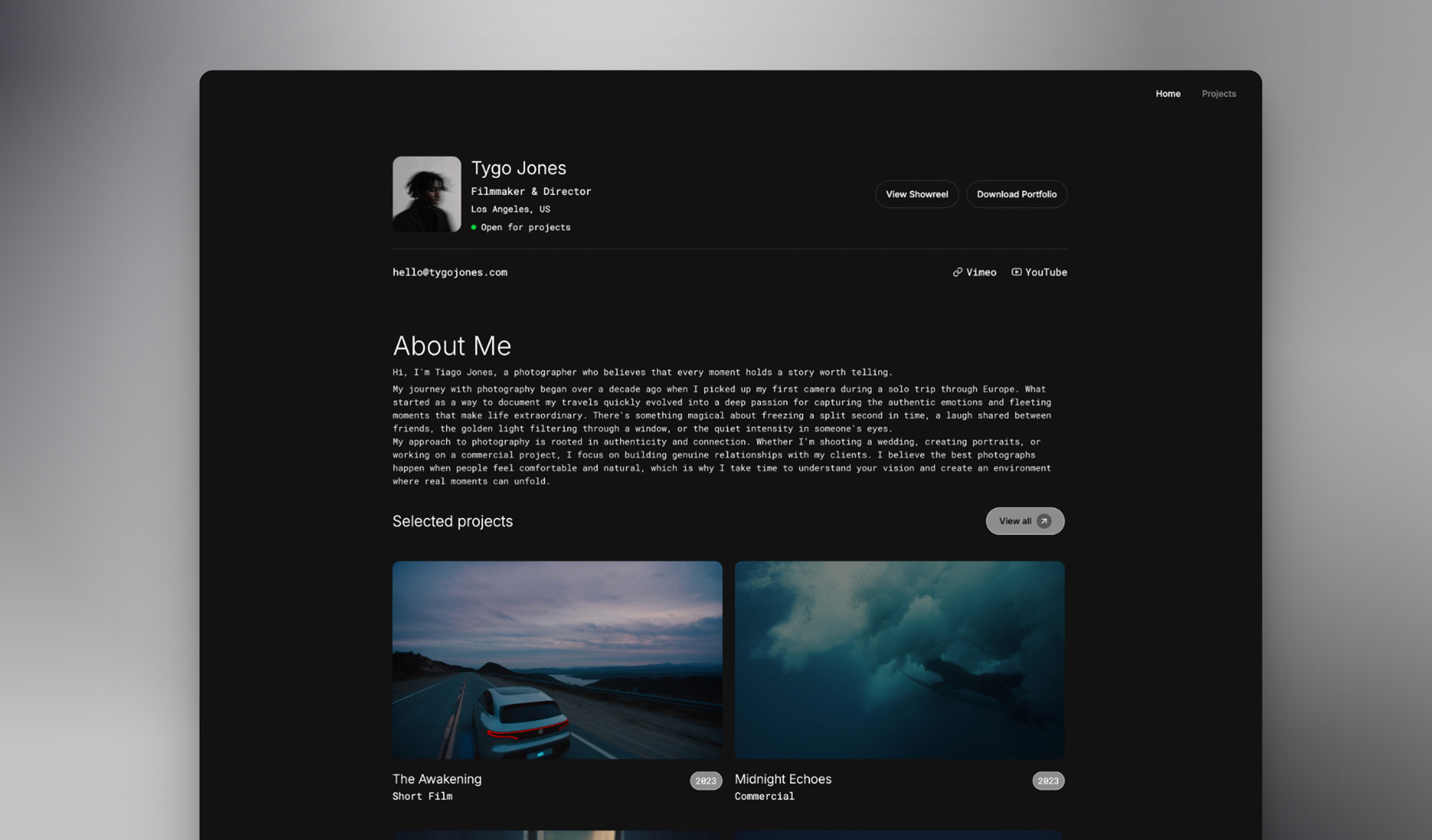
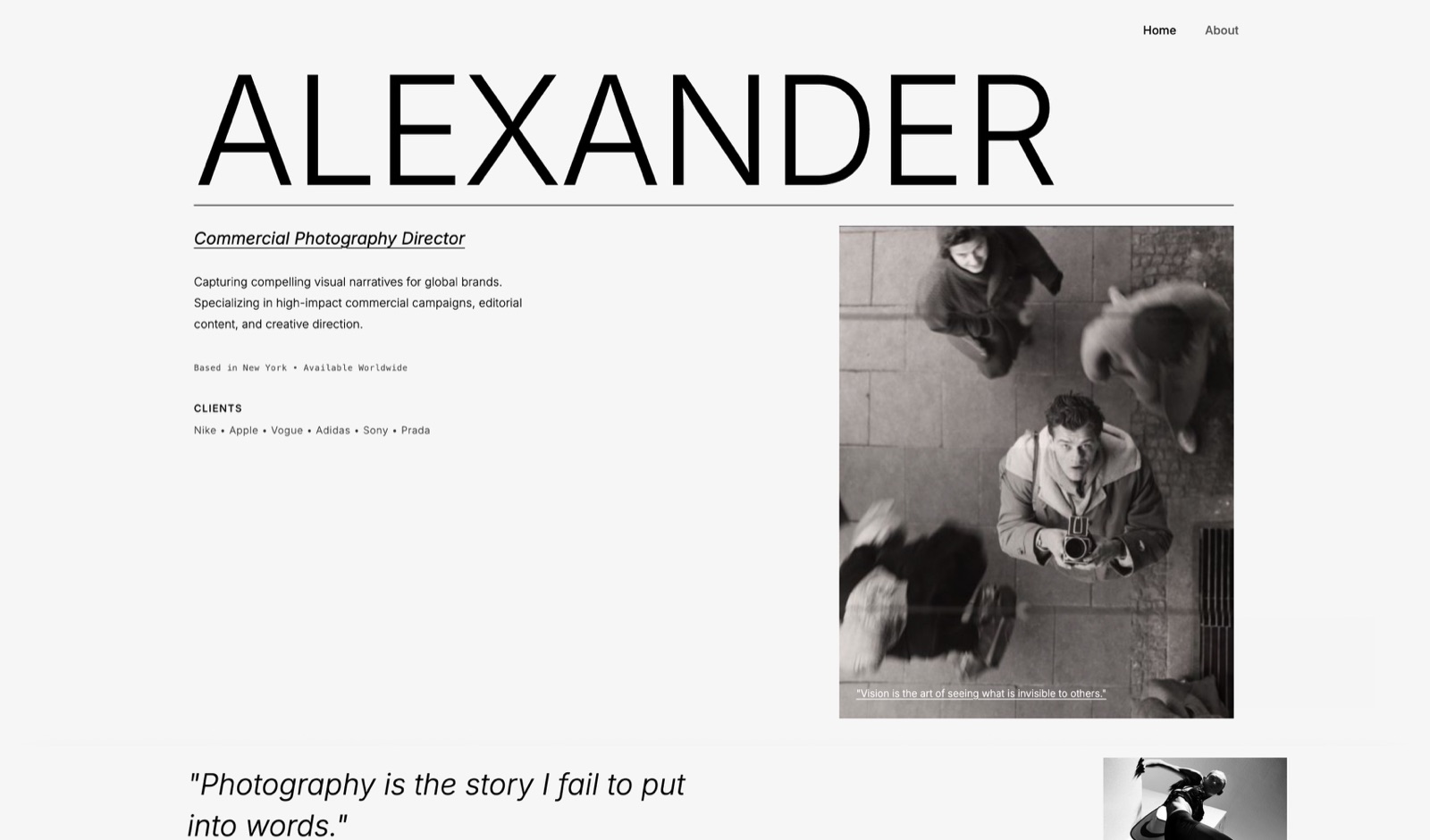
Framekit templates
Start from a designer-made template
 Use template
 Use template
 Use template
 Use template
 Use template
 Use template
 Use template
 Use template
Thinkific does one thing better than anything else in its price bracket: its entry plan carries unlimited courses. Teachable caps you at five products at that level and Kajabi at five.
For an educator with a back catalogue of six small courses rather than one flagship, that difference is the whole reason to be on Thinkific in the first place.
It also keeps its own branding on your website and your products until the Grow plan at 159 euro a month, which is two tiers above the entry plan and 120 euro a month more.
So the reason people go looking for alternatives is rarely the product. It is that the plan which fits their catalogue is not the plan which lets them look independent, and the distance between the two is larger here than anywhere else in the category.
A course platform is software that hosts your lessons, gates access to them, takes the payment, and provides the site the students log into. Every alternative below is a bet on some part of that bundle being unnecessary for you.
Our own tool makes the largest bet of that kind on the list.
Framekit hosts no lessons whatsoever, and instead puts a portfolio, a digital store and client galleries on one domain from $0 a month, with its branding gone at $9 against Thinkific's 159 euro.
That is simultaneously why it is ranked tenth below and why it is in the list at all.
Teachable Builder at $69 a month billed annually is the best straight replacement, because it removes transaction fees, handles ten products, and gives the strongest student-facing classroom in this comparison.
Beacons Creator Plus at $25 a month billed annually is the cheapest platform here that hosts courses at all. Podia Shaker at $84 is the best all-in-one, with a caveat about its email allowance.
And if your courses are really video files with a workbook, Payhip's free plan at 5 percent delivers them for nothing a month, while Framekit is the pick for that same reader when the files need to sit beside a portfolio and client galleries on one domain, ranked last here only because it hosts no lessons and no memberships.
Full disclosure: Framekit is our own product and it is ranked last here, because it does not host courses at all. No lesson player, no progress tracking, and no recurring billing, so memberships are impossible on it. It appears in this list for one specific reader, described in its entry, and for everyone else one of the nine platforms above it is the right answer.
All prices and fees in this guide were re-verified against each vendor's own published pages in August 2026, and the card-processing rates that sit underneath every zero percent claim are now priced in their own section below.
On 20 September 2026 we checked our own plans and fee tiers again and left Framekit tenth, because it still hosts no courses.
How We Compared 10 Thinkific Alternatives
We priced one business rather than scoring feature grids. The profile: an educator with six small courses, one paid community, a 3,000-person email list, and $3,500 a month in sales.
Six courses matters, because product limits are where several of these platforms quietly disqualify themselves.
Prices were read on each vendor's own pricing page or help centre in August 2026, on a fresh account with no promotional code, on a European connection.
Thinkific and Circle served euros or dollars respectively as shown, and we print each in the currency its own page used rather than converting.
Verified means we read it in the vendor's own published documentation and are reporting it with a link. Measured means we built the product and ran the flow. Community sentiment means creators report it consistently in public and we did not reproduce it ourselves.
Star ratings do not appear anywhere in this guide. The large review aggregators refused our automated checks during this round, and in a category where the differences are allowances and fees rather than opinion, a linked pricing page is the better evidence.
The rubric: cost at real volume 30 percent, product and student limits 20 percent, how much of the platform's branding your students see 20 percent, breadth against Thinkific's feature set 20 percent, and portability of your students and list 10 percent.
In one lineone educator with six courses, a 3,000-person list and $3,500 a month, priced across ten platforms on their published August 2026 rates.
What Thinkific Actually Costs
In one line39 euro a month buys unlimited courses with Thinkific's branding attached, and removing that branding costs 159 euro a month, which is the largest branding gap in this category.
Thinkific's pricing page served us euros on annual billing.
Basic is 39 euro a month and includes unlimited courses, video lessons, quizzes and student discussions, one community, up to 5 digital products such as ebooks or workbooks, ecommerce essentials including checkout, order bumps, gifting and coupon codes, abandoned-cart emails, sales and student dashboards, and a custom domain.
Start is 79 euro a month and adds live cohorts and coaching with unlimited Zoom sessions, bookable calendars and attendance tracking, completion certificates, assignments and graded quizzes, bundles, upsells and payment plans, memberships and subscriptions, and an HTML and CSS editor.
Grow is 159 euro a month and is where Thinkific branding is removed across your website and products, along with 3 communities and deeper analytics.
No platform transaction fee is quoted on any paid plan, which is a genuine advantage over several entries below and easy to miss because it is stated by omission.
The number that sends people looking120 euro a month, which is the difference between the plan that fits a six-course catalogue and the plan that lets it look like yours. Over a year that is 1,440 euro, spent entirely on removing a logo.
The Cost Table
Every figure is the platform cost for our educator at $3,500 a month in sales, on annual billing where offered, before card processing.
| Platform | Entry plan for this business | Fee on sales | Cost at $3,500/mo | Hosts courses |
|---|---|---|---|---|
| Thinkific Basic | 39 euro/mo | None published | 39 euro, with branding | Yes, unlimited |
| Thinkific Grow | 159 euro/mo | None published | 159 euro, branding removed | Yes, unlimited |
| Teachable Builder | $69/mo annual | None via Teachable Payments | $69 | Yes, 10 products |
| Podia Shaker | $84/mo | None | $84 plus email above 500 subs | Yes |
| Beacons Creator Plus | $25/mo annual | None | $25 | Yes, with video hosting |
| Kajabi Growth | $199/mo annual | None via Kajabi Payments | $199 | Yes, 50 products |
| Circle Professional | $89/mo | 2% | $159 | Community-led |
| Payhip Plus | $29/mo | 2% | $99 | Files, not lessons |
| Sellfy Business | $59/mo annual | None, $50k/yr cap | $59 | Files, not lessons |
| Ko-fi free account | $0 | 5% | $175 | Files and memberships |
| Gumroad | $0 | 10% + 50c direct | About $350 plus processing | Files, not lessons |
| Framekit Business | $39/mo | None | $39 | No |
Two rows deserve a second look. Beacons Creator Plus at $25 a month is the cheapest platform in this table that hosts an actual course, which is not where most people would expect to find that.
And Gumroad, which charges no monthly fee, is the most expensive option here at this volume by a factor of four.
1. Teachable: The Strongest Classroom
Teachable is the closest thing to a straight swap for someone who likes Thinkific and wants the branding gone at a sane price.
The student-facing experience is the best in this comparison: the lesson player is calm, progress is legible, quizzes and certificates work without configuration, and none of it looks like software your students are borrowing.
The real numberthe pricing page lists Starter at $39 a month or $29 billed annually with a 7.5 percent transaction fee and a 5-product limit, Builder at $89 monthly or $69 annually with no transaction fee when using Teachable Payments and a 10-product limit, and Growth at $189 monthly or $139 annually with 50 products.
Card processing is 2.9 percent plus 30 cents for US cards and 3.9 percent plus 30 cents for international ones, and annual billing saves 22 percent.
Our educator's six courses fit inside Builder's 10-product limit, and at $69 a month that is roughly half what Thinkific Grow costs to reach the same unbranded result.
The standout detailactive and imported student caps are removed once a school passes $10,000 a year in platform sales. Limits that exist to police the cheap tier and then stop applying to a demonstrably real business is a rare piece of pricing design that works in the customer's favour.
The gotchathe Starter plan's 7.5 percent is the most expensive mistake available in this category. On our educator's $3,500 a month it costs $262.50, which turns a $29 plan into a $291.50 one. The crossover to Builder is $533 a month in sales.
Skip it ifyour catalogue is larger than ten products and you are unwilling to pay $139 a month for Growth. That is where Thinkific's unlimited courses genuinely wins.
Verdict: The best classroom here and the correct default for a six-course educator leaving Thinkific over branding. Buy Builder, never Starter. Our Teachable alternatives guide covers the field if it is not for you.
2. Beacons: The Cheapest Platform That Hosts a Course
This is the entry most people comparing course platforms never consider, and on price it is difficult to argue with. Beacons began as a link-in-bio product and its Creator Plus tier now includes course hosting with video, unlimited memberships, and unlimited email sends.
The real numberthe pricing page lists Free at $0 with 9 percent seller fees, Creator at $8.33 a month billed annually with a free custom domain, Creator Plus at $25 a month billed annually or $30 monthly with 0 percent seller fees plus courses, memberships and unlimited email, and Creator Max at $75 a month annually.
At $25 a month, Creator Plus costs less than a sixth of Thinkific Grow and less than half of Teachable Builder, and it removes the transaction fee entirely.
The standout detailmemberships and unlimited email are in the same $25. On Thinkific, memberships require Start at 79 euro. On Podia, unlimited email is not what you get. For a small educator running a community alongside courses, this is the cheapest way to have all three.
The gotchathe free and Creator tiers charge 9 percent, so a creator who upgrades to Creator at $8.33 for the custom domain is still paying $315 a month on our educator's volume. The crossover to Creator Plus is $278 a month in sales, and almost everyone reading this is past it.
Skip it ifthe course is your product rather than an extension of a social audience. Beacons is a creator platform with a course feature, not a learning platform, and it does not pretend otherwise. There is no cohort tooling, no certificates, and no assignment grading.
Verdict: Extraordinary value for a creator whose courses are video libraries rather than curricula. The wrong tool if pacing, assessment and completion are the product.
3. Podia: The Best All-in-One, With an Asterisk
Podia bundles courses, downloads, coaching, community, a website and email into one subscription, and for someone leaving Thinkific because they are tired of stitching tools together, that consolidation is the appeal.
The real numberthe pricing page lists Mover at $42 a month or $504 a year with a 5 percent transaction fee, Shaker at $84 a month or $1,008 a year with no fee, and Earthquaker at $150 a month or $1,800.
There is no free plan, only a 30-day trial with full access and no card required.
The asterisk, and it is the most important thing in this entry: Podia's help centre states that Podia Email is free only up to 100 active subscribers on Mover, 500 on Shaker, and 1,000 on Earthquaker, and is billed above that based on your active subscriber count.
Our educator has 3,000 subscribers, so on Shaker they are 2,500 subscribers past the free allowance and the $84 is a plan price rather than a bill.
We were not able to verify Podia's email rate card, so price it for your own list before switching.
The standout detailthe 30-day trial requires no payment details at all. In a category built on annual commitments and painful migrations, being able to rebuild your entire school and decide afterwards is worth more than most features on any comparison table.
The gotchaMover at $42 charges 5 percent, which at $3,500 a month is $175, making it a $217 plan. The crossover to Shaker is $840 a month in sales.
Skip it ifyour list is large and email matters to your business. The allowance is the constraint, not the plan price.
Verdict: The most complete replacement for Thinkific and the one whose real cost is hardest to read off the pricing page. Our Podia vs Kajabi comparison goes through the email arithmetic properly.

4. Kajabi: For When the List Is the Business
Kajabi is the expensive incumbent and it earns its price in exactly one way that matters to a Thinkific refugee: the email allowance is enormous and it is inside the plan.
The real numberthe pricing page lists Basic at $179 a month or $143 billed annually with 5 products, 2,500 contacts, 2 admin users and 1 website; Growth at $249 or $199 annually with 50 products, 25,000 contacts and 11 admins; and Pro at $399 billed annually with unlimited products, 100,000 contacts, 26 admins and 3 websites.
Third-party gateway fees run 2 percent on Basic, 1 percent on Growth and 0.5 percent on Pro, with no platform fee when using Kajabi Payments.
Our educator's six courses exceed Basic's 5-product limit, so Growth at $199 is the entry point, and it brings 25,000 contacts with it.
The standout detailcompare that with Podia. Kajabi Growth at $199 includes email to 25,000 people. Podia Shaker at $84 includes 500.
Once you add Podia's email billing for 3,000 subscribers, the $115 gap starts closing, and for a larger list it can close entirely. This is the single most under-priced variable in the category.
The gotchathe third-party gateway fee is a soft form of lock-in. Keeping your own Stripe account on Growth costs 1 percent, which at $3,500 a month is $35 a month or $420 a year for using a processor you already had.
Skip it ifyour list is small. At a few hundred subscribers you are paying for an email platform you are not using, and almost everything else here is cheaper.
Verdict: Right for an educator whose audience is the asset and who has staff. Poor value for a solo teacher with six courses and a modest list. See the best Kajabi alternatives for the wider field.
5. Circle: When the Cohort Is the Product
If what your students actually pay for is access to you and to each other, with the course as the artefact rather than the point, Circle is where that arrangement stops feeling bolted on.
The real numberthe pricing page lists Professional at $89 a month with a 2 percent transaction fee, 3 admins and 10 moderators; Business at $199 a month with 1 percent, 5 admins and 15 moderators; and Circle Plus at custom pricing with 0.5 percent.
Unlimited members on every tier, with a 14-day trial and a 30-day money-back guarantee.
At our educator's volume, Professional costs $89 plus $70 of transaction fees, so $159 a month, which is more than Thinkific Basic and about the same as Thinkific Grow.
The standout detailunlimited members at $89. Most community platforms meter members, and metering hurts most exactly where a community is growing a free tier that later converts. Circle charges on the transaction instead, which aligns its incentive with yours.
The gotchathe 2 percent applies to paid memberships and compounds monthly rather than once. A $30 membership for 200 people generates $120 a month in Circle fees on top of the $89 plan.
Skip it ifyour courses are self-paced and students take them alone. You would be paying for a room nobody talks in.
Verdict: The right move for an educator whose Thinkific community was the part that worked. Compare against the wider field in our membership platforms guide.
6. Payhip: If the Course Is Really Files
A large share of products sold as courses are, structurally, a set of videos and a PDF. If that describes yours, Payhip will deliver them for a fraction of any course platform's price, and its free plan has no time limit, no product cap, and no revenue cap.
The real numberthe pricing page shows Free Forever at $0 with a 5 percent transaction fee, Plus at $29 a month with 2 percent, and Pro at $99 a month with no fee.
Every plan includes all features and unlimited products. At our educator's $3,500 a month, Free costs $175, Plus costs $99, and Pro costs $99.
The standout detailEU VAT on digital goods is handled on every plan including the free one. Thinkific, Teachable and Kajabi all leave more of that obligation with you than most educators realise, and for a European audience it is the difference between a compliance task and a non-issue.
The gotchathere is no lesson player, no progress tracking, no drip scheduling and no certificates. Students receive files. For a six-course catalogue sold on the promise of a structured programme, that absence is felt and some buyers read it as unfinished.
Skip it ifcompletion matters to your outcome, either because you sell on results or because students need pacing to finish.
Verdict: The right answer for an educator whose courses are bundles, and the wrong one for an educator whose courses are curricula. Our Payhip alternatives guide covers the middle ground.
7. Sellfy: Zero Percent Inside a Ceiling
Sellfy sells no transaction fee and an annual sales ceiling, which makes it a flat plan with a calculable effective rate rather than the unlimited arrangement the marketing implies.
The real numberthe pricing page lists Starter at $29 a month billed annually capped at $10,000 of sales a year, Business at $59 annually capped at $50,000, and Premium at $119 annually capped at $200,000, all with a 0 percent transaction fee.
Our educator turns over $42,000 a year, which fits inside the Business cap at $59 a month. That is an effective 1.69 percent on their actual revenue, and the second-cheapest line in the whole table.
The standout detailbecause the ceiling is published, you can calculate your platform cost for the year in advance, which almost nothing else in this category permits.
The gotchaat $42,000 against a $50,000 cap, one strong launch pushes our educator onto Premium at $119 mid-year. Model your annual total, not your monthly average.
Skip it ifyou need course structure. Like Payhip, this is a store rather than a school.
Verdict: Quietly excellent value and badly explained by its own marketing. See Sellfy vs Gumroad for the arithmetic in full.
8. Ko-fi: The Cheapest Membership
Ko-fi takes 0 percent on tips and a 5 percent service fee on shop sales, memberships and commissions on a free account, with Ko-fi Gold replacing that 5 percent with a flat 12 dollars a month, published on Ko-fi's pricing page.
The real numberon our educator's $3,500 a month, a free Ko-fi account costs $175 in service fees. That is more than Teachable Builder, more than Podia Shaker's plan price, and considerably less than Gumroad.
The standout detailmemberships, one-off sales, commissions and tips all run through one account under one fee structure, which suits an educator whose income is genuinely mixed rather than catalogued.
The gotchathe framing is support rather than tuition. A structured six-course programme sitting inside a tipping interface is priced against a different mental model, and some of your students will notice.
Skip it ifyou are selling professional education at professional rates.
Verdict: Good value for a teacher with a warm following and mixed income, and the wrong shop window for a serious curriculum.
9. Gumroad: Fast, and the Most Expensive Here
Gumroad is the quickest route from a finished file to a working payment link, which for a first course has real value, and it is the most expensive platform in this comparison at our educator's volume.
The real numberGumroad charges 10 percent plus $0.50 per transaction on sales through your own links, and its documentation states that this excludes card processing at 2.9 percent plus $0.30.
Sales through Gumroad Discover carry a flat 30 percent including processing. At $3,500 a month the platform cut alone is about $350.
The standout detailDiscover is the only mechanism in this entire comparison that produces a student who has never heard of you. Thirty percent is a steep fee and a defensible customer acquisition cost if you capture the email address and sell again.
The gotchaat $350 a month, Gumroad costs five times Teachable Builder and fourteen times Beacons Creator Plus, and it advertises no monthly fee.
Skip it ifyou are past your first few hundred dollars a month, which our educator comfortably is.
Verdict: A superb starting line and an expensive place to keep a six-course catalogue.
10. Framekit: Not a Course Platform

Framekit is an AI website builder for photographers, filmmakers, designers, and creators, and it is ranked last in a list of course platforms because it is not one.
There is no lesson player, no progress tracking, no drip scheduling, and our store rejects recurring prices outright, so memberships and payment plans cannot be built on it at all.
Why it is hereone specific reader. A meaningful share of people searching for Thinkific alternatives are paying for a school to deliver what is actually a set of video files and a workbook, with no pacing, no assessment and no completion tracking.
If that is you, every platform above is selling you a classroom you do not use.
The real numberFree at $0 with a 5 percent fee on product sales, Starter at $9 a month with your own custom domain and Framekit branding removed, Pro at $19 with 3 percent, and Business at $39 with no fee. At our educator's $3,500 a month, Business costs $39.
The standout detail, and it is the one relevant to this article: branding comes off at $9 a month. Thinkific removes its branding at 159 euro.
That is the sharpest illustration in this comparison of how differently platforms price the same thing, and it is why we are in a list we otherwise have no business being in.
Skip it ifyou sell any course with structured lessons, or any subscription. That is most people reading this.
Verdict: The right answer only for the reader whose course is a bundle of files sold alongside a portfolio. The test is simple: if removing the video player would not change what your student receives, you never needed a course platform.
The Branding Tax
In one lineremoving a platform's logo from your own website costs 159 euro a month on Thinkific's annual billing and $9 a month on the cheapest builder in this comparison, or $7 on annual billing, and the gap has nothing to do with the cost of providing the feature.
This deserves a section because it is the reason most people arrive at this article.
Thinkific's branding is present on your website and your products on Basic at 39 euro and on Start at 79 euro. It is removed on Grow at 159 euro.
So an educator who needs only what Basic provides, which is unlimited courses and a custom domain, pays 120 euro a month extra for the single change of not advertising their supplier to their students.
Why it matters more than it sounds. A student who sees a platform logo on a paid course learns two things: that the course is running on rented software, and roughly what tier of it. For a hobbyist that is fine.
For anyone charging professional rates to professional buyers, it undercuts the price before the first lesson.
The comparison that makes the pointthe same removal costs $9 a month on our own Starter plan, $19 a year on Carrd for a one-page site, and is included at the entry paid tier on most website builders.
Thinkific is charging roughly seventeen times the former for the same outcome, and the difference is a pricing decision rather than an engineering one.
The practical responseif branding is the only reason you are considering leaving, price Teachable Builder at $69 first. It solves the same problem for less than half of Thinkific Grow and gives you a better classroom while it does it.

The Fee Nobody Puts in the Headline
In one lineevery zero percent transaction fee in this comparison sits on top of card processing, which is charged separately by all of these platforms except one, and the gap between their published rates is wider than most of the plan prices people agonise over.
Re-verified August 2026. Teachable publishes 2.9% plus 30 cents on US transactions and 3.9% plus 30 cents on international ones.
Kajabi Payments is 2.9% plus 30 cents, falling to 2.7% plus 30 cents on its top plan, and Kajabi additionally charges a gateway fee of 5%, 2%, 1% and 0.5% down its ladder if you bring your own processor instead.
Platforms that connect your own Stripe account pass through whatever rate you hold.
The one exception. Lemon Squeezy's 5% includes card processing, currency conversion and tax, because it acts as the merchant of record.
That means it is the seller of legal record and it calculates, remits and files the tax rather than handing you a report.
For an educator selling into a dozen countries, that removes an obligation rather than a line item, and it is the reason a 5% headline can be cheaper in practice than a 0% one.
What the international rate actually costs. On a course business turning over 3,000 a month, the difference between 2.9% and 3.9% is 30 dollars a month. That is minor.
At 10,000 a month it is 100 dollars, which is more than most of the plans in the table above, and it is decided entirely by where your students happen to live rather than by anything on a pricing page.
The trap underneath it. If your plan is billed in dollars, your students pay in euro, and your bank converts on both sides, the spread is a real cost that appears on no invoice. Sell in the currency you are billed in wherever you can.
Add your realistic processing rate to every zero percent figure in this guide before comparing them, because none of these platforms will do it for you.
How to Choose
In one linework down these questions in order and stop at the first one that describes you, because catalogue size and list size settle most cases before anything else does.
- Would removing the video player leave your product unchanged? You do not need a course platform. Payhip Free at 5 percent or Sellfy Business at $59 delivers files for a fraction of the price, and Framekit from $0 does it on the same domain as your portfolio if you are a creative selling beside your work.
- Do you have more than ten courses? Stay on Thinkific, or go to Teachable Growth at $139 a month. Unlimited courses at 39 euro is genuinely hard to beat and it is the reason you are there.
- Do you have ten or fewer courses and want the branding gone? Teachable Builder at $69 a month billed annually. It is less than half Thinkific Grow.
- Is your budget the binding constraint? Beacons Creator Plus at $25 a month billed annually, which hosts courses and memberships and charges no seller fee.
- Is your email list in the thousands? Kajabi Growth at $199 with 25,000 contacts, or price Podia's email billing for your list before choosing Shaker.
- Is the community the product? Circle Professional, $89 a month on annual billing plus 2 percent.
- Are you still finding out whether the course sells? Gumroad, and move the winner as soon as it works.
Frequently Asked Questions
What is the best Thinkific alternative in 2026?
Teachable Builder at $69 a month billed annually is the best straight replacement for most educators: no transaction fee, ten products, and the strongest student experience in the category, at less than half the price of Thinkific Grow.
Beacons Creator Plus at $25 is the cheapest platform here that hosts courses at all, and Podia Shaker at $84 is the most complete all-in-one.
Why does Thinkific put its branding on my site?
It is a plan feature. Thinkific branding appears on your website and products on the Basic plan at 39 euro a month and the Start plan at 79 euro, and is removed on the Grow plan at 159 euro.
That 120 euro monthly gap between the entry plan and an unbranded site is the largest in this category.
Does Thinkific charge transaction fees?
No platform transaction fee is quoted on any of Thinkific's paid plans, which is a real advantage over Teachable Starter at 7.5 percent, Podia Mover at 5 percent and Circle at 1 to 2 percent. Payment processing is separate and paid to your processor.
What is the cheapest platform that actually hosts courses?
Beacons Creator Plus at $25 a month billed annually, which includes course hosting with video, unlimited memberships and unlimited email sends, with no seller fee.
It is not a learning management system, so there are no certificates, cohorts or graded assignments, but for a video-library course it is the cheapest real option here.
How many courses can I have on each platform?
Thinkific allows unlimited courses from its 39 euro Basic plan, which is its main advantage. Teachable allows 5 products on Starter, 10 on Builder and 50 on Growth. Kajabi allows 5 on Basic, 50 on Growth and unlimited on Pro.
If you have a large back catalogue of small courses, Thinkific is genuinely hard to replace.
Is Teachable cheaper than Thinkific?
To reach an unbranded site, yes and substantially. Teachable Builder is $69 a month billed annually with no transaction fee, against Thinkific Grow at 159 euro a month, which is the tier where Thinkific branding is removed.
If you are happy with Thinkific branding, Basic at 39 euro is cheaper than anything comparable.
Should I move my courses to Podia?
Only after pricing its email.
Podia Shaker at $84 a month looks like a clear saving against Kajabi and a reasonable one against Thinkific Grow, but Podia Email is free only to 500 active subscribers on that plan and billed by subscriber count above it.
For a list of a few hundred it is excellent value; for a list of several thousand, do the arithmetic first.
What happens to my students if I switch platforms?
Course content and student records export in some form on every platform here.
What does not move is email automations, tags, funnels and conversion history, and any student on an active subscription or payment plan has to be migrated to a new processor, which in practice means asking people who already pay you to re-enter a card.
Budget three to five working days and expect some churn in the switching month.
Do these platforms handle EU VAT?
Payhip handles EU VAT on digital goods on every plan including the free one, which is the most generous arrangement in this comparison. The course platforms generally leave more of that obligation with you than educators expect.
If you sell heavily into the EU, that is a legitimate reason to pick a store over a school and deliver files instead.
Can I use Framekit as a Thinkific alternative?
Only if your course is not really a course. Framekit has no lesson player, no progress tracking and no recurring billing, so memberships and payment plans are impossible on it.
It is relevant for someone selling video files and a workbook alongside a portfolio, and the wrong answer for anyone selling a structured programme.
Final Verdict
If you have ten or fewer courses and you left Thinkific because of the branding, buy Teachable Builder at $69 a month billed annually. It costs less than half of Thinkific Grow, removes the transaction fee, and gives your students the best classroom in this comparison.
If you have a large catalogue of small courses, think carefully before leaving at all. Unlimited courses at 39 euro a month is the thing Thinkific does better than anyone, and the alternatives that match it cost more.
If budget is the binding constraint, Beacons Creator Plus at $25 a month hosts courses and memberships with no seller fee, and nothing else here is close on price.
Where Framekit loses. We do not host courses, track progress, or bill recurring subscriptions, so we are not a Thinkific alternative for anyone selling a structured programme, which is most of this article's readers.
We are in the list for one reason: to point out that removing a platform's branding costs $9 a month with us and 159 euro a month with Thinkific, and to serve the reader whose course turned out to be a bundle of files.
Related readingthe best tools to sell online courses, Teachable vs Kajabi, and the best Kajabi alternatives.
For the head-to-head that decides most of these searches, Thinkific vs Teachable prices the branding tier against Teachable's transaction fee in full.