Framekit templates
Start from a designer-made template
 Use template
 Use template
 Use template
 Use template
 Use template
 Use template
 Use template
 Use template
A podcast needs two products and most people buy one.
The first is the host that generates your RSS feed, which is what Apple, Spotify and every other app actually subscribe to. The second is a website, which is where search traffic, sponsors and the people who want to read rather than listen all arrive.
Buy only the host and you get a website that looks like a host's default template. Buy only a website builder and you have no feed at all. The interesting question is not which product is better, it is which half you are prepared to compromise on.
A website builder for podcasters is a tool for publishing a site with episode pages, players, transcripts and a subscribe path, and the decisive distinction is whether it also generates and owns the RSS feed that your listeners are subscribed to.
If you want one bill and a decent site, use a host with a strong built-in website: Transistor at $19 a month includes unlimited podcasts and a built-in podcast website, and Buzzsprout starts at $15 a month billed annually.
If the website has to sell and win sponsors, pair any host with Framekit, which ranks third: a site, a store, a sponsor deck and sponsor approvals in one account, though it does not host your feed.
Whatever you choose, own the domain, because a feed can be redirected and a domain cannot be replaced.
Full disclosure: We build Framekit and we do not host RSS feeds, so we are one half of a two-product answer and rank third rather than first. We re-verified its entry against the shipped product in September 2026, and every review says what the tool does that we do not.
What the Website Actually Has to Do
A podcast website has five jobs to do, and the default site your podcast host hands you does roughly two of them competently, which is why so many shows have a site nobody visits twice.
Be findable. Episode pages with full transcripts are the only reliable way a podcast appears in search, because search engines cannot listen. A show publishing weekly for two years with transcripts has 100 substantial pages; the same show without them has one.
Convert a listener into a subscriber you own. An email signup on the site is the only channel that survives a platform change or an algorithm shift.
Answer a sponsor. Download figures, audience profile, past sponsors and formats, on one page, without an email exchange. Sponsorship is the largest income line for most shows above a modest size.
Sell something. Memberships, courses, live tickets or merch. A podcast with no purchase path converts attention into nothing.
Play the episode. The one thing every host's default site does well.
In one lineThe default site your host gives you does the easiest job and none of the profitable ones.
The Two Meters, and Why Hosts Cost What They Cost
Podcast hosts meter completely different things from each other, which is why putting their headline prices side by side produces a comparison that tells you almost nothing about which one will actually cost you more.
Transistor meters downloads. Read from its pricing page in August 2026: Starter at $19 a month with 20,000 monthly downloads, Professional at $49 with 100,000, and Business at $99 with 250,000.
Every tier includes unlimited podcasts, unlimited team members and a built-in podcast website, plus a network website across shows.
Buzzsprout meters upload hours. Its pricing page in August 2026 shows plans from $15 a month billed annually with up to 72 hours of upload a year and video publishing to Apple, Spotify and YouTube, up to $30 a month for a multi-podcast plan with up to 10 shows and 180 hours a year.
There is a free tier to start on.
What that means practicallya show with a small but growing audience publishing three hours a week will hit Buzzsprout's upload ceiling long before Transistor's download ceiling. A show publishing 30 minutes a week to a large audience will do the opposite.
Neither meter is better; they suit different shows, and the cheaper one for you is entirely determined by your format.
| Host | What it meters | Entry price | Built-in website |
|---|---|---|---|
| Transistor | Monthly downloads, 20,000 on entry | $19 a month | Yes, plus a network site |
| Buzzsprout | Upload hours, 72 a year on entry | $15 a month billed annually | Yes |
| Spotify for Creators | Nothing | Free | Basic |
| Podpage | Nothing, works from your feed | Subscription | Yes, its whole product |
In one lineCompare hosts on the meter that matches your show, not on the headline price.
1. Transistor: The Best Built-In Website
Transistor is the host whose bundled website comes closest to being a website you would have built on purpose, which makes it the strongest one-product answer here.
What you get for $19 a monthunlimited podcasts on every tier, which matters more than it sounds because a network or a second show costs nothing extra, plus unlimited team members, a built-in podcast website, a separate network website across your shows, advanced analytics and API access.
The detail that separates itunlimited shows and collaborators at the entry price. Most competitors charge per show or per seat, and for anyone running a network or working with a producer, that is the difference between one subscription and four.
The gotchathe site is good for a host's site and it is still a host's site. Custom pages, a store, a real editorial layout and design control beyond a theme are not what you are buying.
Skip it ifthe website is the centre of your project rather than the distribution for it.
Verdict: The best single-purchase answer for most podcasters, and a compromise on the website half that some shows should not make.
2. Buzzsprout: The Easiest Start
Buzzsprout is the friendliest on-ramp in podcasting by some distance, with a free tier to start on, pricing that begins at $15 a month billed annually, and an interface that teaches the format while you use it.
What the plans includeaudio and video publishing to Apple Podcasts, Spotify and YouTube at 1080p, up to 72 hours of upload a year on the entry plan, rising to 180 hours and up to 10 podcasts on the $30 multi-podcast plan.
Why beginners choose itthe interface explains podcasting while you do it, and the support has a reputation the rest of the category does not match.
The gotchathe upload-hours meter. Long-form interview shows publishing weekly consume the annual allowance quickly, and the plan you need is determined by your runtime rather than your popularity.
Verdict: The best place to publish a first episode, with a meter that punishes long-form output as you grow.
3. Framekit: Best Website Half for Shows That Sell

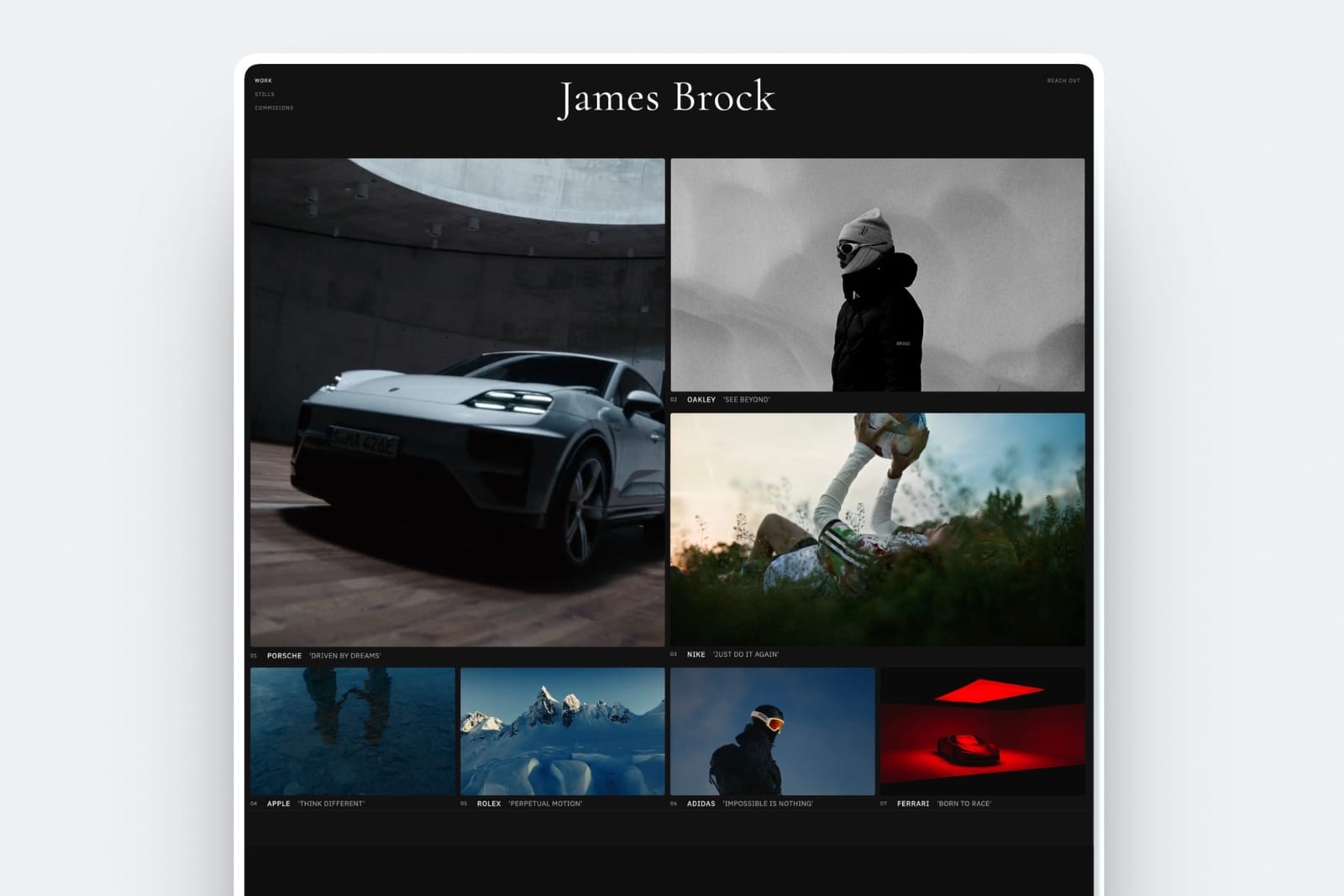
Framekit is an AI website builder that generates a site and store from a description of your show, and it ranks third because it is the strongest option here for the half of the job a host does badly, with one hard limit stated first: it does not host your feed.
What we do not dohost RSS feeds. There is no feed generation, no dynamic ad insertion, no download analytics and no distribution to podcast directories. You need a host as well, and the two above are good ones.
What we dothe website a host cannot give you.
A site on your own domain with pages for episodes, guests and the media kit sponsors read, email signup forms taking 500 entries a month free and unlimited on Business, and a store selling guides, templates or bonus downloads at 5% on Free and Starter, 3% on Pro and 0% on the $39 Business plan, including free products as lead magnets.
The standout detailthe sponsor loop for video podcasts.
The sponsorship deck lives in Framekit Slides as a link or PDF, and a sponsor's host-read or clip goes to the brand as a video review link, where they comment at the exact frame and approve it without an account.
Guest photos and episode stills go out in a client gallery.
The honest gotchaepisode pages are not generated from your feed the way Podpage does it, so publishing episode twelve means adding a page by hand, and there is no audio block, so the player is a link to your host or a video embed from YouTube.
Skip it ifyou want one product and one bill, or the website only needs to list episodes.
Verdict: the best site to pair with a host when the show is part of a creative business that sells something and works with sponsors, and never a substitute for the host.
4. Captivate: Built for Growth Tools
Captivate positions itself around marketing and audience growth rather than around storage and delivery, and its website output reflects that priority with better calls to action and capture forms than most hosts manage.
Where it fitsshows treating the podcast as a business channel, with email capture, sponsor-facing tooling and analytics oriented toward selling rather than counting.
The gotchayou are still inside a host's template system, with the same ceiling as the rest of this group.
Verdict: The most commercially minded host site here, and still a host site.
5. Podbean: Volume and Monetisation
Podbean's distinguishing features are its unlimited-storage options and its built-in monetisation, including patron-style memberships and an advertising marketplace, which together suit a particular kind of high-output show.
Where it fitshigh-volume publishers and shows that want membership billing without adding another platform.
The gotchabreadth over polish. The site output is functional rather than distinctive, and the interface carries a lot of features you will not use.
Verdict: Strong for volume and built-in monetisation, weak as a website.
6. Spotify for Creators: Free, With a Condition
Free hosting and distribution remains genuinely compelling for a new show with no budget at all, and the trade you are making is worth stating plainly rather than treating as either a scandal or a free lunch.
What you gethosting, distribution and analytics at no cost, with monetisation features attached to Spotify's ecosystem.
The conditionyou are building your show's infrastructure inside a company whose interests are its own platform. Take the free hosting and point a domain you own at your feed, so that leaving is a redirect rather than a rebuild.
Verdict: The right first host for a show with no money, and the one where owning your domain matters most.
7. Podpage: A Real Site From Your Feed
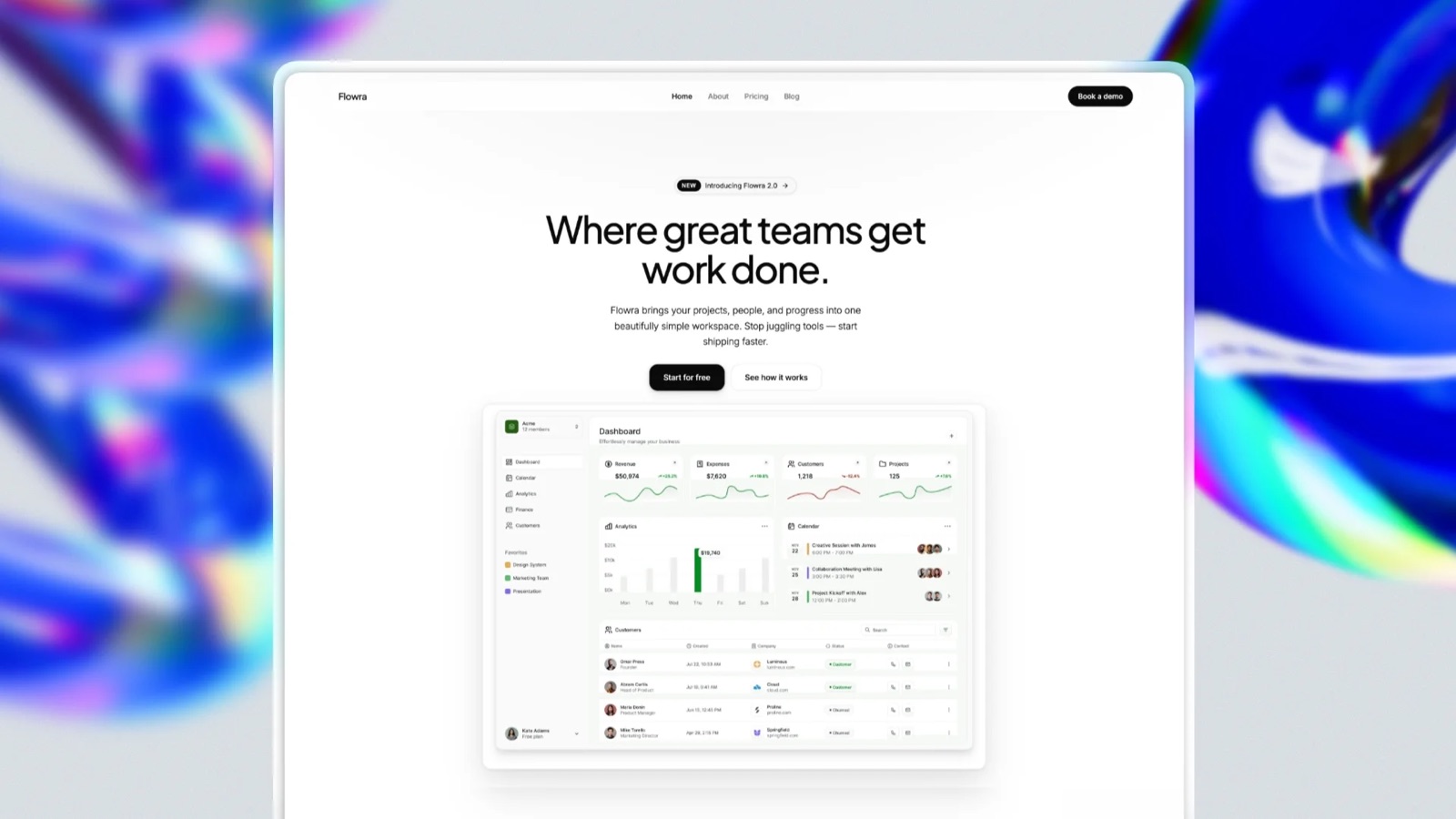
Podpage builds a full podcast website automatically from whatever RSS feed you already have, which makes it the most direct answer to the problem this guide describes.
What it does wellepisode pages, transcripts, guest pages, contact forms and a subscribe path, generated and kept in sync from the feed without you touching it after each episode.
Why that mattersthe reason most podcast websites are bad is not taste, it is maintenance. A site that updates itself from the feed removes the weekly task that everybody abandons by episode twelve.
The gotchait is a podcast website and not a general one. If the show is part of a wider business with services and products, you will still want a site that does more.
Verdict: The best value for a show whose website is only about the show.
8. Squarespace: The Site First, Feed Second

Squarespace is the strongest general website builder in this list for a podcast that is part of a larger business, and it can serve a podcast feed from a blog collection.
Pricing from its own page in August 2026, serving eurosBasic at EUR 11 a month, Core at EUR 17 and Advanced at EUR 29, billed annually, with a digital content and memberships fee of 7% on Basic and 5% on Core.
Where it winseverything around the podcast. Bookings, courses, a real blog, a shop and full SEO control, none of which a host's template offers.
The gotchait is not a podcast host in the sense the category means. Analytics, dynamic ad insertion and the tooling serious shows rely on are not there, so most podcasters using Squarespace still pay a host as well.
Verdict: The right answer when the podcast is a channel for a business rather than the business.
9. WordPress: Own the Feed and the Site
Self-hosted WordPress with a podcasting plugin is the only configuration in this comparison where you control the website, the RSS feed and the audio files themselves, with everything that implies in both directions.
Why anybody does thisindependence. Your feed is not generated by a company that could change its terms, your archive is yours, and the SEO ceiling is the highest here because you control everything.
The gotchabandwidth and maintenance. Serving audio files from your own hosting is a real cost and a real failure mode, and most people who try it end up back on a dedicated host for delivery while keeping WordPress for the site.
Verdict: Maximum control, and the configuration most likely to break at the worst moment.
The Setup That Works Regardless of Choice
Four decisions matter more than which platform you pick, and all four are available to you regardless of the choice you make above, which is why they belong at the end rather than inside any one entry.
Own the domain and point the feed through it. Publishing your feed at a URL on your own domain, rather than at your host's, means changing hosts is a redirect rather than an announcement asking listeners to re-subscribe.
This is the single most valuable ten minutes in podcast infrastructure, and almost nobody does it before they need it.
Publish full transcripts. They make episodes searchable, they serve listeners who prefer to read, and they are now nearly free to produce. Our transcription tools comparison covers the options.
Build the media kit page early. Current download figures with the date measured, audience geography, past sponsors and formats offered. Our guide to creator media kits covers the structure.
Capture email from episode one. The list is the only asset that survives a directory change, a host change or a platform decision.
In one lineOwn the domain, run the feed through it, publish transcripts, and collect email from the first episode.
Which Should You Choose
The right combination depends on budget, show format and whether the podcast is the business or a channel for one, so answer these in order and stop at your first yes.
- Is this your first show and you have no budget? Free hosting on Spotify for Creators, with a domain bought today.
- Do you want one bill and a decent website? Transistor at $19, or Buzzsprout from $15 if your episodes are short and your audience is growing.
- Do you already have a feed and hate your website? Podpage, which builds a real site from the feed you have.
- Is the podcast part of a creative business that sells things and works with sponsors? Framekit for the site, store, sponsor deck and sponsor approvals, or Squarespace if you need bookings, with any host for the feed.
- Do you run several shows or work with a producer? Transistor, where unlimited podcasts and unlimited collaborators are included at the entry price.
- Do you need total control and enjoy maintenance? Self-hosted WordPress, with a dedicated host for file delivery.
Frequently Asked Questions
What is the best website builder for podcasters in 2026?
Transistor has the best built-in website among podcast hosts, at $19 a month including unlimited podcasts, unlimited team members and a network site.
For a website that does more than the show, Framekit is the strongest pairing with a host, combining a site, a store, a Slides sponsor deck and video review links for sponsor approvals, while Podpage builds a site automatically from your existing feed.
Neither hosts the feed.
Do podcasters need a website?
A podcast needs a website for search traffic, sponsors and selling, none of which the podcast apps provide.
Episode pages with transcripts are the only reliable way a show appears in search results, since search engines cannot listen to audio, and a media kit page is what converts a sponsor enquiry without a chain of emails.
Can I host a podcast on a website builder?
Generally no, and the distinction matters: podcast apps subscribe to an RSS feed with specific metadata that a website builder does not produce.
Squarespace can serve a podcast feed from a blog collection, and WordPress can with a plugin, but neither provides the analytics, distribution and ad tooling a dedicated host does. Most podcasters pay for both.
How much does podcast hosting cost?
From free to about $99 a month depending on the meter.
Transistor charges by monthly downloads at $19, $49 and $99 for 20,000, 100,000 and 250,000, while Buzzsprout charges by annual upload hours from $15 a month billed annually for 72 hours a year up to $30 for 180 hours and 10 shows.
Which is cheaper depends entirely on whether your show is long or popular.
Should my podcast feed be on my own domain?
Yes, and setting it up before you need it is the point.
Publishing the feed at an address on a domain you control means switching hosts later is a redirect that listeners never notice, whereas a feed on your host's domain makes migration a public process that loses subscribers at every step.
Do transcripts help a podcast get found?
Substantially, because they are the only text a search engine can index from an audio show.
A weekly podcast running two years with full transcripts has around 100 substantial pages of indexable content, against a single page for the same show without them, and transcripts also serve the significant share of an audience that prefers reading.
What should a podcast website include?
Episode pages with players and transcripts, a subscribe path to every major app, an email capture, a media kit with current figures, a guest or about page, and a purchase path if you sell anything.
The most commonly missing item is the media kit, which is also the page most directly connected to revenue.
Is Podpage worth it if my host already gives me a website?
It is worth it when your host's site is a template you cannot shape and you do not want to maintain a separate one by hand.
Podpage's advantage is automatic synchronisation from the feed, which removes the weekly update task that causes most podcast websites to fall out of date by the twelfth episode.
How do podcasters make money from a website?
Sponsorship first, through a media kit that lets a brand evaluate the show without an email exchange, then direct sales of memberships, courses, tickets or merchandise, and lastly affiliate income.
The site's contribution to sponsorship is indirect and large, because it removes friction at the exact moment a buyer is deciding whether to contact you.
Can I move my podcast to a different host?
Yes, using a 301 redirect on the feed, which every serious host supports, and the process is straightforward if your feed is on your own domain and painful if it is not.
Keep the old host active during the transition period so that apps have time to follow the redirect before anything is switched off.
Do I need video for my podcast in 2026?
Video widens distribution, particularly on YouTube, and it roughly doubles the production burden.
Buzzsprout publishes video to Apple Podcasts, Spotify and YouTube at 1080p on its plans, and Transistor's Professional tier includes auto-posting to YouTube.
Whether it is worth it depends on whether your show's audience discovers new podcasts visually.
What is the cheapest way to run a podcast website?
Free hosting with a domain you own pointed at it, plus a simple site, which costs about $12 a year for the domain.
The upgrade worth paying for first is not a better website but transcripts and a media kit page, because those are the two things that convert listeners and sponsors respectively.
Final Verdict
Podcasting is a two-product category pretending to be one. The host generates the feed and the analytics that sponsors ask about; the website generates the search traffic, the email list and the sales.
Buying only one and hoping it covers both is the default mistake, and it usually shows up as a show with good audio and no way to find it in a search result.
For most podcasters the sensible arrangement is a host with a decent built-in site, which today means Transistor or Buzzsprout, plus a domain you own that the feed runs through.
For shows attached to a business, split the two deliberately: a host for the feed and a real website for everything else.
Where Framekit loseswe do not host feeds, generate RSS, distribute to directories, insert dynamic ads or report downloads, and a podcaster who wants one product should choose a host from this list rather than us.
Our episode pages do not sync from a feed either, which Podpage does. We are the site half of a pair, useful when the show sits inside a wider creative business, and the wrong purchase for anybody who just needs to publish episode twelve.
Verdict: Buy the host for the feed, buy or build the site for everything that earns, and put the domain in your own name before either.
Related reading: the best podcast hosting platforms, how to build a website for your podcast, and the best podcast editing software.
Prices here were read in August 2026 from the Transistor, Buzzsprout and Squarespace pricing pages, and Framekit's were re-verified in September 2026. Squarespace served euros from our location and is quoted in euros rather than converted.