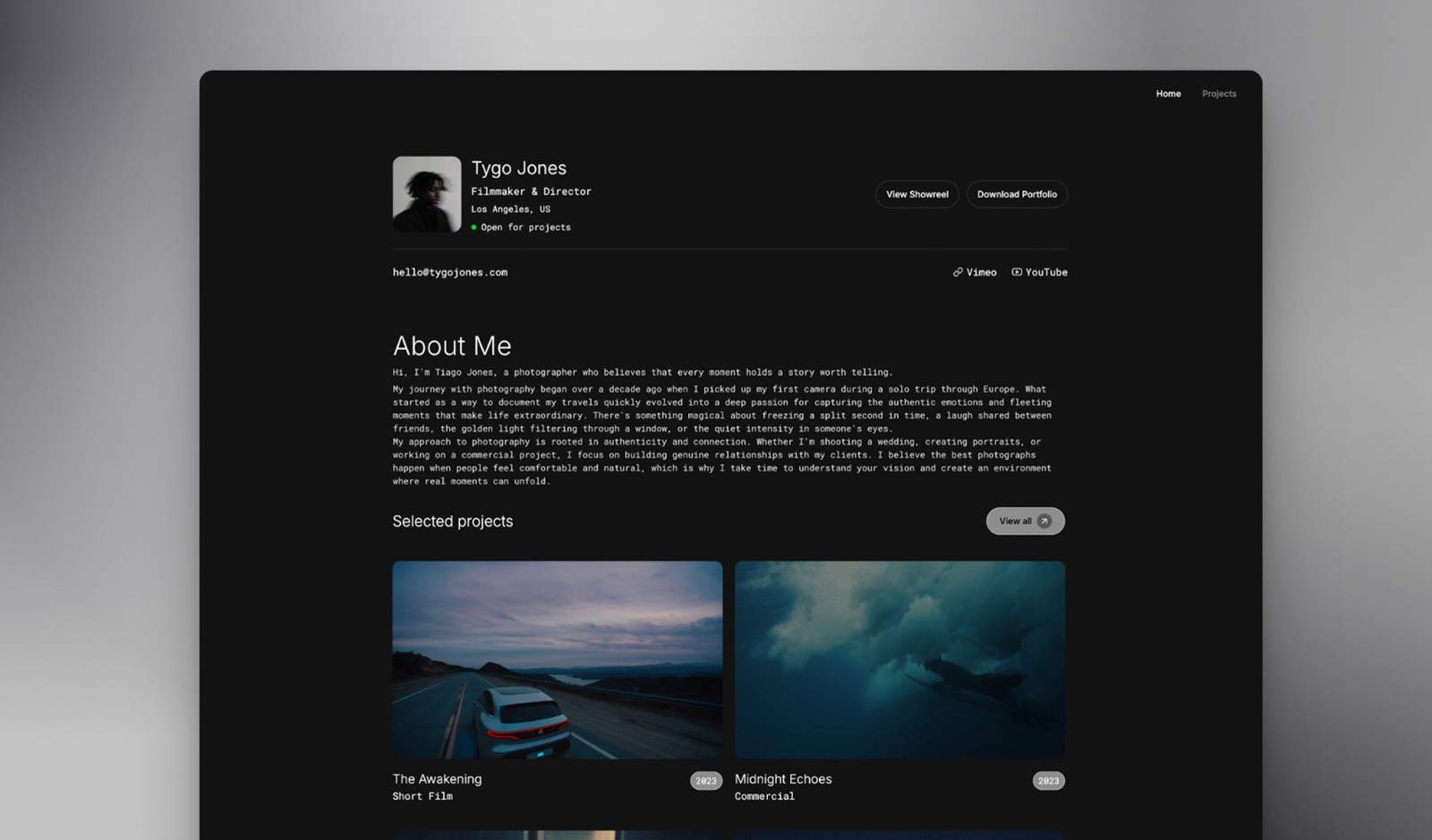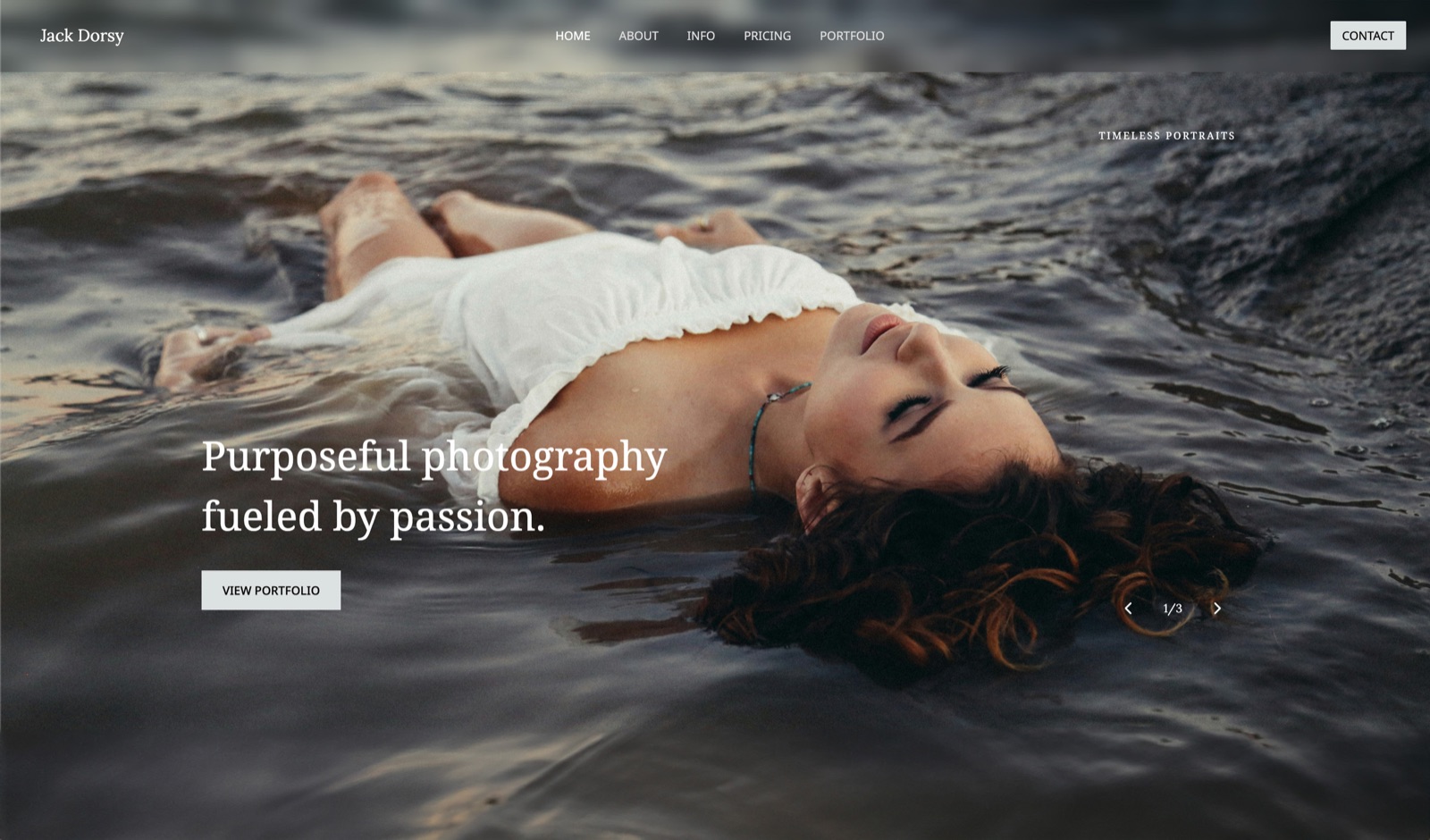
Framekit templates
Start from a designer-made template
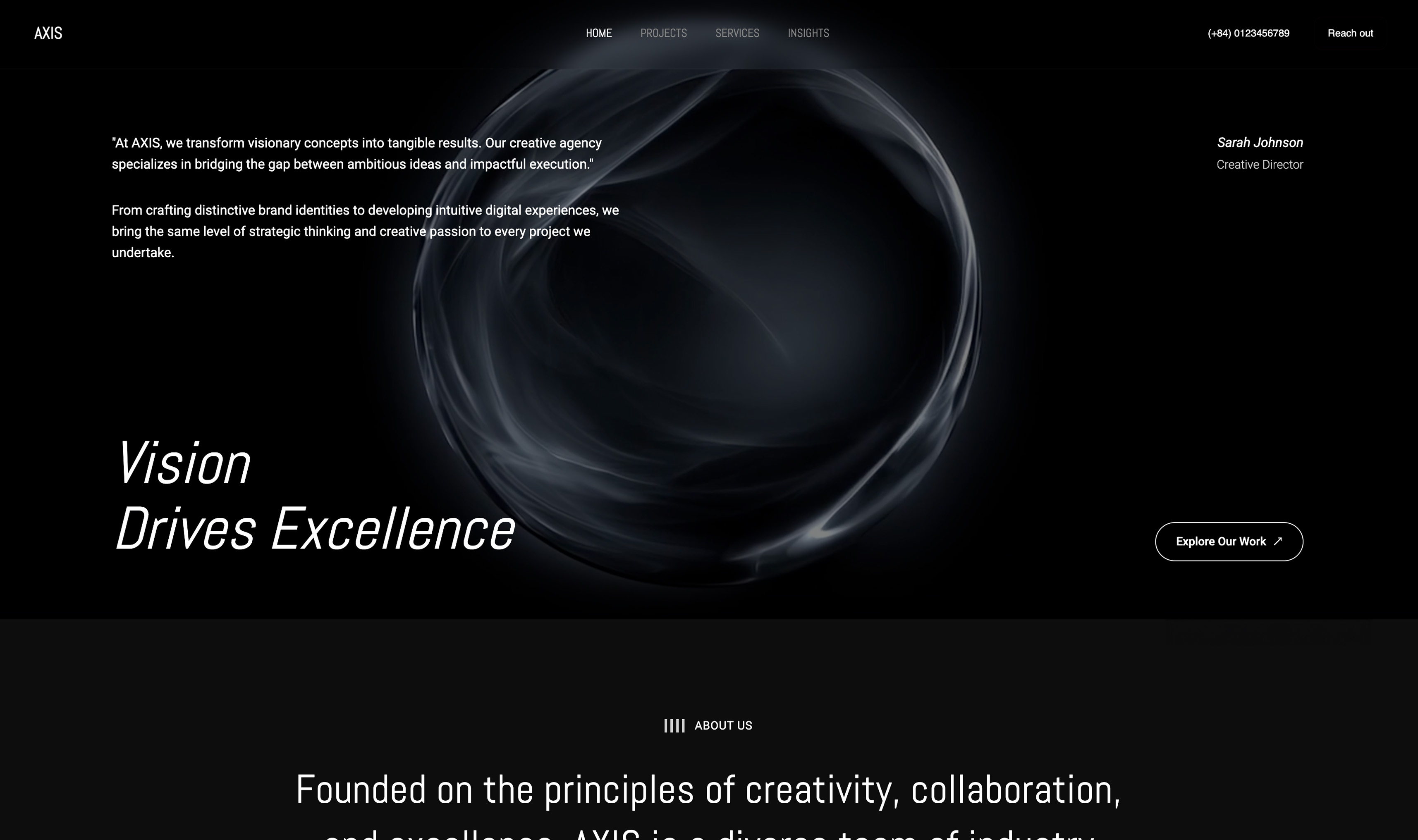 Use template
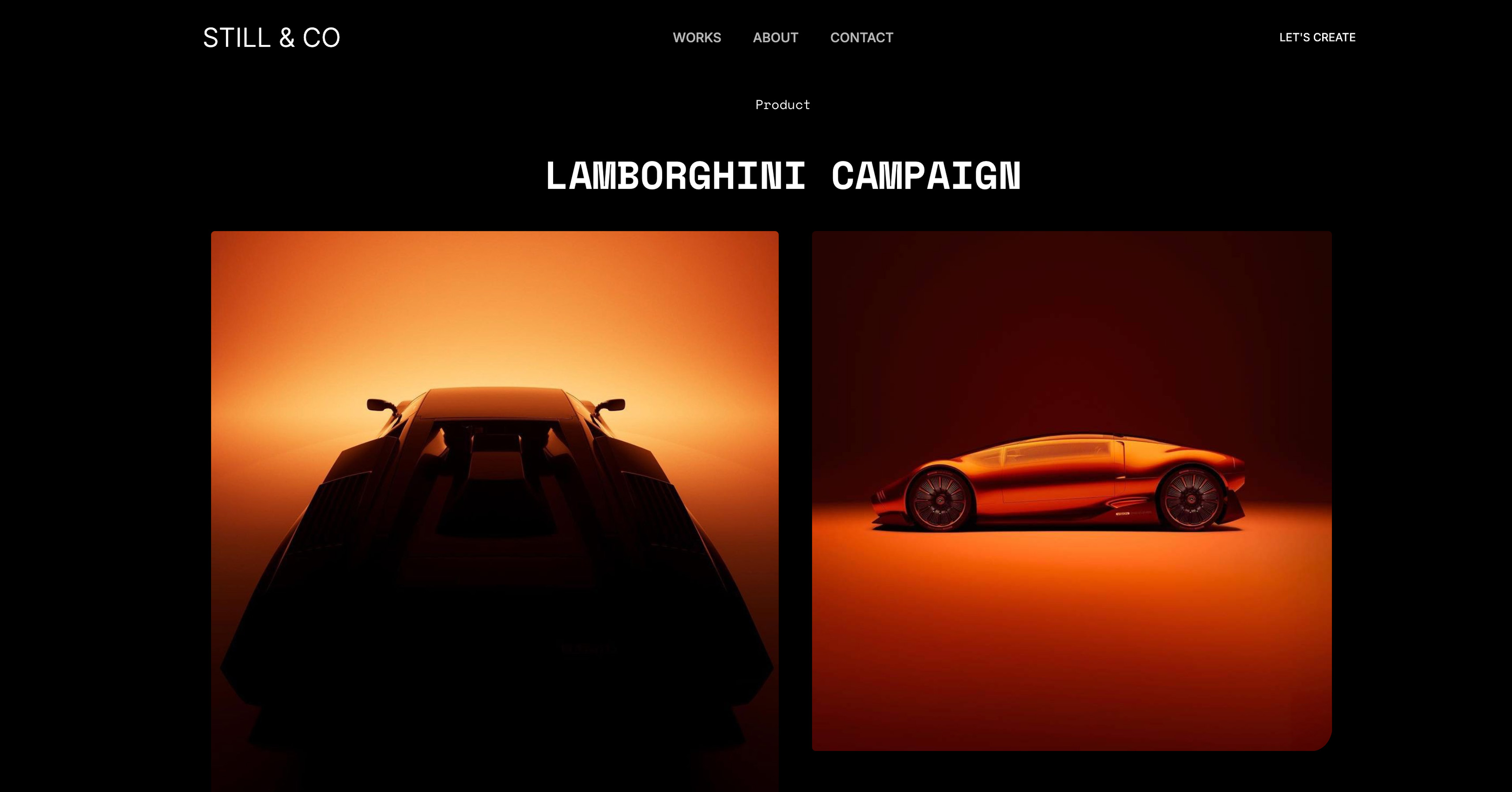 Use template
 Use template
 Use template
 Use template
 Use template
 Use template
 Use template
Before anything else, here is the number that should frame this entire decision. A .com domain registered at Porkbun costs $11.08 a year, and renews at $11.08 a year, with WHOIS privacy and SSL included and all ICANN fees already in the price.
That is what a free domain is worth. Eleven dollars and eight cents, once.
Almost every builder in this comparison advertises one, almost all of them mean free for the first twelve months on a paid plan, and after that it renews inside their billing at their rate rather than at a registrar's.
People choose platforms over this, and the offer they are choosing over is worth less than a month of the subscription it is attached to.
A free domain from a website builder is a custom web address, usually a .com, that the builder registers on your behalf and does not charge you for during an introductory period, typically the first year of a paid annual plan.
Framer is the only builder here that includes a custom .com on a genuinely free plan, billed yearly, which makes it the only entry where "free domain" means what a reader assumes it means.
Wix, Squarespace, Hostinger, WordPress.com, Pixpa, and Durable all include one for the first year of a paid plan and then renew it at their own rate. Pixpa's own footnote is the clearest published statement of how this works.
Framekit is the one to weigh if that address also has to carry client galleries, video review and a digital store, since all of those sit on the domain you connect, but it bundles no domain at all and is ranked eighth here for precisely that reason.
The better habit for everyone else: buy the domain at a registrar for about $11 a year and point it at whichever builder you are using this year.
Full disclosure: Framekit is our own product and it does not include a free domain on any plan, so it is ranked eighth here, below six competitors that do. We checked all ten against the same four questions, link to every one, and explain plainly why we think buying the domain separately is the better habit anyway, which is an argument that happens to suit us and is not the reason we make it.
We re-verified every plan and domain offer here in September 2026. Framekit stays eighth, because it still bundles no domain; what changed is that its plans now carry client galleries, video review and Slides on the same domain you connect.
How We Checked 10 Builders
We did the boring thing that decides this: read the footnotes. For each builder we established four facts from its own published pages, and where a vendor states the renewal behaviour explicitly we quote it rather than inferring it.
The four facts: whether a custom domain is included at all, which plan it starts on, how long it is free for, and what happens at the first renewal. That last one is where the answers diverge and where the marketing goes quiet.
Every price was read in August 2026 on a European connection with no promotional code, which is why some figures below are euros and some are dollars. We print each in the currency its own page served us and do not convert, because a rate quoted today is wrong tomorrow.
Verified means we read it on the vendor's own pricing page or its footnotes and are reporting it with a link. Measured means we went through the flow ourselves.
Where a builder does not publish its domain renewal rate, we say so rather than guessing, because a guessed renewal price is exactly the kind of number that makes an article like this useless.
No star ratings appear anywhere below. The big review aggregators turned away our automated checks during this research, and in a comparison that turns on footnotes rather than opinion, a linked page beats an unverifiable score.
In one lineten builders, four questions each about what "free domain" actually means, answered from vendor footnotes and priced against the $11.08 a registrar charges.
By the Numbers
- $11.08 a year is what Porkbun charges to register a .com and what it charges to renew one, with WHOIS privacy and SSL included.
- 1 of 10 includes a custom domain on a genuinely free plan: Framer, on yearly billing.
- 6 of 10 include a domain free for the first year of a paid plan and then renew it at their own rate.
- 12 months is the length of almost every offer in this comparison, which means the saving is one registrar year.
- $20 is the ceiling Durable places on the domain it will register for you, which is the only entry that publishes a value cap.
- Ionos is the registrar behind Pixpa's included domain, and Pixpa's footnote states plainly that renewals are at Ionos's standard rates rather than Pixpa's introductory one.
- 2 of 10 do not include a domain at any tier and expect you to bring your own: Carrd and Framekit.
- 0 of 10 publish their domain renewal price on the same page as the offer.
The Comparison Table
| Builder | Domain included | From which plan | How long | What happens next |
|---|---|---|---|---|
| Framer | Yes, a free .com | Free plan, yearly billing | While you stay on yearly billing | Continues with the plan |
| Wix | Yes | Paid plans, from $17/mo Light | 1 year | Renews within Wix billing |
| Squarespace | Yes | Paid plans, from 11 euro/mo Basic | 1 year | Renews within Squarespace billing |
| Hostinger | Yes | Paid plans, from $2.99/mo intro | 1 year | Renews within Hostinger billing |
| WordPress.com | Yes | Paid plans, from $4/mo Personal | 1 year | Renews within WordPress.com billing |
| Pixpa | Yes | Paid plans, from $9/mo Basic | 1 year | Renews at Ionos standard rates |
| Durable | Yes, up to $20 value | Launch, $22/mo yearly | 1 year | Renews within Durable billing |
| Framekit | No | Connect your own from $9/mo Starter | Not applicable | You control it |
| Carrd | No | Connect your own on $19/yr Pro | Not applicable | You control it |
| Google Sites | Only via Google Workspace | Paid Workspace | Ongoing | Renews with Workspace |
1. Framer: The Only One That Means It
Framer is the single entry in this comparison where the phrase "free domain" survives contact with the footnotes.
Its free plan includes a free .com when billed yearly, alongside 30 pages, 2 CMS collections, 1,000 CMS items, 1GB of monthly bandwidth, and up to 3 editors. Not the first year of a paid plan.
The free plan.
The real numberzero, for a site on your own .com, provided you stay on yearly billing. Basic is $10 a month if you outgrow the free tier's limits, and Pro is $30 a month with metered overages above its included amounts.
The standout detailfor a designer, illustrator, or filmmaker who needs a professional address on their own name and has no budget at all, this is the strongest offer in the category and it is oddly under-discussed. Nothing else here puts a custom domain on a free plan.
The gotchathe constraint that will actually bite is not the domain, it is the 1GB of monthly bandwidth on the free tier.
A portfolio built around large images and then shared widely after a launch or a talk is exactly the kind of site that exceeds it, and the failure arrives on the day the traffic matters most.
Check the number before an event rather than after.
Skip it ifyou want the site finished tonight. Framer is a design canvas and it will take longer than a template builder.
Verdict: The only entry here that is genuinely free including the address, and the one to take if the budget is zero. Watch the bandwidth, not the domain.
2. Wix: A Real Free Year, on a Real Plan
Wix includes a free domain for one year on its paid plans, and the plans themselves are competent enough that the domain is a bonus rather than the reason to buy.
The plans page quotes yearly-billing rates of $17 a month for Light, $29 for Core, $39 for Business, and $159 for Business Elite.
The real numberone year, on any paid plan, starting at $17 a month. That is $204 for the year, of which the domain represents about $11.
The standout detailWix also runs a permanently free plan that publishes a real site, with Wix advertising and a Wix subdomain. So you can build the entire thing at no cost, decide it works, and only then pay for the plan that brings the domain with it.
Very few builders let you sequence it that way.
The gotchaWix does not let you change template after publishing without rebuilding the pages, and a rebuild is when URLs move. That is a far more consequential constraint than anything about the domain, and it is the thing to weigh when you are choosing Wix for a free .com.
Skip it ifdesign restraint matters to you. Wix's abundance is hard to switch off, and a portfolio is judged on what has been left out.
Verdict: A fair offer attached to a capable platform. Take the domain as a bonus, not a reason.
3. Squarespace: A Good Plan, an Ordinary Domain Offer

Squarespace includes a free custom domain on its paid plans, with an asterisk that resolves to the usual twelve months.
Its pricing page served us Basic at 11 euro a month, Core at 17 euro, and Advanced at 29 euro on annual billing, with no free plan and a 14-day trial.
The real numberone year, from 11 euro a month.
Core at 17 euro is the plan most people should actually buy, because it includes complete customisation with CSS and JavaScript, unlimited contributors, and Google Workspace email, and because it halves the transaction fee on digital content from 7 percent to 5 percent.
The standout detailGoogle Workspace email on Core is the bundled extra worth more than the domain. A professional address at your own domain is a separate subscription almost everywhere else, and it is the thing people actually notice about a small studio.
The gotchathere is no free plan, only a 14-day trial, so you cannot build the site first and decide later. You are committing to a monthly bill from the day you start, and the trial is short enough that one busy fortnight consumes it.
Skip it ifyou sell digital products and were planning to stay on Basic. The 7 percent digital fee costs far more than the domain saves.
Verdict: Buy Squarespace for Core, not for the domain. The domain is the least interesting thing in the package.
4. Hostinger: Cheapest Year One, by Design
Hostinger bundles a free domain for the first year with a builder plan already priced to be the cheapest thing in any comparison, on the condition that you buy four years at once.
The real numberthe website builder page advertises Premium at $2.99 a month, charged as $143.52 for 48 months, renewing at $10.99 a month, and Business at $3.79 a month, charged as $181.92 for 48 months, renewing at $16.99.
A free domain is included for one year.
The standout detailthe domain offer is the smallest part of this arrangement and the renewal step is the largest. Premium renews at 3.7 times its introductory rate and Business at 4.5 times. Judge the plan on $10.99 or $16.99, not on $2.99, and treat the domain as rounding.
The gotchathe advertised price requires paying $143.52 up front for four years of a product you have used for zero days, and the domain is inside that arrangement. If you leave in year two, you are transferring a domain out of an account you are also closing.
Skip it ifyou are not confident the site will exist in four years. Most portfolio sites change platform inside that window. Our guide to website builder renewal prices has the full arithmetic.
Verdict: Genuinely cheap for four years and a poor place to keep a domain. If you buy it, move the domain out early.
5. WordPress.com: Free Domain, Gated Features

WordPress.com includes a free custom domain for the first year on its paid plans, and the plan you need depends entirely on what else you want, which is where the price actually lives.
The real numberthe pricing page lists, on annual billing, Free at $0 with WordPress.com advertising, Personal at $4 a month with 6GB, Premium at $8 with 13GB, Business at $25 with 50GB and plugins, and Commerce at $45.
The free custom domain covers the first year on paid plans.
The standout detail$4 a month is the cheapest paid plan in this comparison that comes with a domain, so on pure domain-plus-hosting arithmetic WordPress.com Personal is the least you can spend to be online on your own name with no advertising.
The gotchanative SEO tools, including editable SEO titles and descriptions, require Premium at $8 a month. A reader who picks Personal for the free domain has bought a plan that cannot edit a page title, which matters more than the $11 they saved.
Skip it ifyour site is a visual portfolio. The block editor treats images as content inside articles, and a work index built this way reads as a blog wearing a portfolio's clothes.
Verdict: The cheapest route to a domain plus real hosting, provided you budget $8 rather than $4.
6. Pixpa: The Clearest Footnote in the Category
Pixpa deserves credit here for saying out loud what the rest of this list leaves implicit.
Its pricing page lists standard monthly rates of $9 for Basic, $15 for Creator, $20 for Professional, and $25 for Advanced, with a 15-day trial and no card required, and unlimited client galleries on every plan.
The real number, and the footnotethe page states that the free custom domain covers year one and that renewals are at Ionos's standard rates.
It also states that the advertised yearly and two-yearly prices include a 25 percent introductory discount applying to the first billing period only, after which plans renew at standard pricing, which is 20 percent off monthly for yearly and 40 percent off monthly for two-yearly.
The standout detailnaming the registrar is unusual and useful. It tells you exactly whose renewal rate you will be paying and lets you check it in advance, which no other entry in this comparison makes possible.
The gotchathe same first-period discount logic applies to the plan itself, so a Creator plan advertised at $6.75 a month on a two-year term renews at $9. Neither of these is hidden and both are easy to miss.
Skip it ifyou have no galleries and nothing to sell. Pixpa is a photographer's toolkit and you would be renting it for a biography.
Verdict: The most honest disclosure in this comparison, attached to a good product for creatives who need client galleries.

7. Durable: A Domain With a Price Ceiling
Durable will register a domain for you or connect one you own, and it is the only entry that publishes a value cap on the offer.
The real numberthe pricing page shows a free tier with one site on a durable.site subdomain, 5 AI images a month, 10 AI chat messages a month, and a CRM capped at 10 customers.
Launch is $22 a month billed yearly, or $25 monthly, and includes a custom domain, described as connect your own or register one free up to a $20 value. Grow is $41 a month billed yearly.
The standout detailthe $20 ceiling is worth understanding rather than resenting. A .com sits comfortably inside it, and an unusual extension can exceed it, in which case you pay the difference. Publishing the cap is more transparent than the alternative, which is discovering it at checkout.
The gotcha5 AI images a month on the free tier is a limit you meet during your first build. The free plan is a demonstration, not a home, and the domain is not available on it.
Skip it ifyour work is the visual argument. A generated layout populated with stock photography is the opposite of a portfolio.
Verdict: A sensible service-business builder with a clearly-bounded domain offer. Not a portfolio tool. Our guide to Durable alternatives covers the creative-side options.
8. Framekit: No Free Domain, and Here Is Why

Framekit is an AI website builder aimed at photographers, filmmakers, designers, and illustrators, and it does not include a free domain on any plan. That is why it sits eighth in a list about free domains, and rather than dress that up we would rather explain the position.
The real numberFree at $0 publishes up to 10 pages with 10GB of storage and a 5 percent fee on product sales, with Framekit branding and no custom domain.
Starter at $9 a month, or $7 billed yearly, is where you connect your own domain and the branding comes off, so a registrar .com plus Starter is about $95 a year all in, $84 plus $11.08.
Pro at $19 adds 200 pages, 300GB of pooled storage, and custom code.
The honest comparisonon the specific question this article asks, Framer beats us outright, because its free plan includes an address and ours does not, and WordPress.com Personal at $4 is cheaper than our $9. If a free domain is your deciding criterion, we are not your answer.
The argument we would make anywaya domain bought at a registrar costs about $11.08 a year and stays yours through every platform change you will make in the next decade.
A domain included with a builder sits inside a subscription that is doing other things, and it lapses with the card that pays for that subscription. The $11 is not the point; the account it lives in is.
Skip it ifyou want somebody else to handle the domain entirely and you are not going to change platform. That is a legitimate preference and six builders above us serve it.
Verdict: The wrong pick if the free domain is the requirement, and the right pick if the portfolio, client galleries, video review and a digital store on one domain you own are.
9. Carrd: Bring Your Own, for $19 a Year
Carrd does not include a domain either, and at its price the omission is almost beside the point. Carrd Pro is $19 a year with a 7-day free trial, and it unlocks custom domains with full SSL, more than three sites, forms including payment-enabled ones, widgets and embeds, analytics, and removal of Carrd branding.
The real number$19 a year for the plan plus about $11.08 a year for a domain at a registrar is roughly $30 a year, all in, for a professional single-page site on your own name with no branding. That is less than two months of most plans in this comparison.
The standout detailbecause the domain is yours and the plan is $19, there is nothing here that can quietly become expensive. No renewal step, no introductory period, no bundled service whose price you cannot see.
The gotchait is one page, permanently. There is no multi-page mode on any tier, so outgrowing Carrd means migrating, and there is nothing structured to export.
Skip it ifyou have more than a dozen images to show. A work index wants pages.
Verdict: The cheapest credible arrangement in this entire comparison, and it gets there by not bundling the thing everyone else advertises.
10. Google Sites: Free Until the Address
Google Sites is free, unlimited in site count, runs no advertising on your pages, and cannot give you a custom domain without a paid Google Workspace subscription.
The real numberzero for the site. A custom domain requires Workspace, which is a paid product, so the honest version is that the site is free and the professional address is not.
The standout detailnothing expires, nothing changes price in year three, and nothing upsells you. For a documentation site, a resource hub, or a class page that must simply remain reachable for years, that durability is a genuine feature.
The gotchadesign control is minimal and the output is recognisably a Google Site, which for anyone presenting creative work sets an expectation about rates before a word is read.
Skip it ifthe site represents you commercially.
Verdict: Free hosting for information, and the wrong place for a portfolio regardless of what the domain costs.
What a Free Domain Is Actually Worth
In one lineabout $11.08, once, and it is worth doing the arithmetic because people make three-year platform commitments over it.
Porkbun charges $11.08 to register a .com and $11.08 to renew one, with WHOIS privacy and SSL included and ICANN fees already in the price.
Cloudflare Registrar operates on an at-cost model and states that it does not mark up domain prices at all, so its number is whatever the registry charges. Those are the benchmarks a bundled domain is being measured against.
So when a builder includes a domain free for one year, the discount is one registrar year, which is roughly $11.
Set against Wix Light at $204 a year or Squarespace Basic at 132 euro a year, the domain is about 5 to 8 percent of what you are paying, and it is not a reason to choose one platform over another.
What the bundle actually costs you is less obvious and more expensive. Three things happen when the domain lives inside the builder's account.
The renewals correlate. Your plan and your domain now expire on schedules tied to the same payment method. One lapsed card can take both, and the domain is the one you cannot get back once someone else registers it.
The renewal rate is theirs. None of the ten builders publishes its domain renewal price on the same page as the free offer. Pixpa is the only one that even names the registrar. You will find out in month thirteen.
Leaving gets harder. Changing builder is an afternoon of rebuilding if you control the domain, because you repoint it and every link anyone has ever made to you keeps working.
If the domain is inside the platform you are leaving, you are running a transfer at the same time, usually with an authorisation code you have to request from the company you are cancelling.
Here is a test that takes two minutes. Log in to wherever your domain lives. If that is your website builder rather than a registrar, find two things: the renewal price and the transfer policy.
If the renewal is materially above $11 or the transfer requires contacting support, your most durable asset is sitting inside your least durable subscription.
The Habit That Costs $11 and Saves Years
In one linebuy the domain at a registrar, keep it in an account that has nothing else in it, and point it at whichever builder you are using this year.
This is the whole practical recommendation and it takes about ten minutes to set up.
Register it separately. At a registrar, in your own name, at roughly $11.08 a year for a .com.
Put it on auto-renew, on a card you do not cancel. Not the card you use for subscriptions you might pause between jobs. The correlated-expiry problem is the one that actually loses people their address.
Set a calendar reminder for a month before the renewal date, every year. That single reminder is worth more than any difference between the ten builders above.
Then point it at your builder. All ten accept a domain you already own, including the two that do not sell you one.
Changing platform afterwards costs you a rebuild and nothing else: the address survives, the links keep working, and the search position you built under your own name stays where it is.
We go deeper on choosing where to register in our guide to domain registrars for creatives, and on choosing the name itself in how to choose a domain name for your portfolio.
How to Choose
In one linework down these questions and stop at the first one that fits, because for most readers the free domain turns out not to be the deciding factor at all.
- Is your budget genuinely zero and do you need your own .com? Framer, on the free plan with yearly billing. It is the only entry that does this.
- Do you want the cheapest paid plan that includes a domain? WordPress.com Personal at $4 a month, and budget Premium at $8 if search matters.
- Do you want the cheapest total arrangement, domain included? Carrd Pro at $19 a year plus about $11 at a registrar, which is roughly $30 all in for a one-page site.
- Do you need client galleries alongside the site? Pixpa, whose footnote at least tells you what happens at renewal, or Framekit if you also want video review and a digital store on the same domain.
- Are you certain about a four-year commitment? Hostinger, judged on its $10.99 renewal rather than its $2.99 introduction, and move the domain out early.
- Do you want one subscription for the whole business? Squarespace Core at 17 euro a month, where Google Workspace email is worth more than the domain.
- Whatever you chose: register the domain yourself anyway. It costs about $11 a year and it is the only part of this that will still be yours in 2030.
Frequently Asked Questions
Which website builders include a free domain in 2026?
Wix, Squarespace, Hostinger, WordPress.com, Pixpa, and Durable all include a custom domain free for the first year of a paid plan. Framer is the only builder that includes a free .com on a genuinely free plan, when billed yearly.
Carrd and Framekit do not include one and expect you to bring your own.
How long is a free domain actually free?
Twelve months, in every case in this comparison except Framer, whose free .com continues with the plan on yearly billing.
After the first year the domain renews inside the builder's billing at its own rate, and none of these builders publishes that rate on the same page as the offer.
How much does a domain cost if I buy it myself?
Porkbun charges $11.08 a year for a .com, both to register and to renew, with WHOIS privacy and SSL included and all ICANN fees in the price.
Cloudflare Registrar states that it does not mark up domain prices at all and charges what the registry charges. That is the benchmark a bundled domain should be measured against.
Is a free domain worth choosing a website builder for?
No. It is worth about $11 a year against plans costing between $108 and $348 a year, so it represents roughly 3 to 10 percent of what you are paying. Choose the builder on what it does, then either take the bundled domain or, better, register your own.
Why should I buy the domain separately?
Three reasons: your plan and your domain stop sharing an expiry date and a payment method, you pay a registrar's renewal rate rather than the builder's, and changing platforms later costs you a rebuild rather than a rebuild plus a domain transfer.
The address is the only part of a website that survives every platform change you will make.
Can I use my own domain with any of these builders?
Yes. All ten accept a domain you already own, including Carrd and Framekit, which do not sell you one. On Framekit that starts on the Starter plan at $9 a month, and on Carrd it starts on Pro at $19 a year.
What happens to my domain if I cancel my website plan?
It depends where the domain lives. If it is registered inside the builder, you generally have to transfer it out before or shortly after cancelling, which usually means requesting an authorisation code from the company you are leaving.
If it is at a registrar, nothing happens to it at all: you simply point it somewhere else.
Does Framer really give a free custom domain?
Yes. Framer's pricing page lists a free .com on its free plan when billed yearly, alongside 30 pages, 2 CMS collections, 1,000 CMS items, and 1GB of monthly bandwidth.
It is the only entry in this comparison where a free plan includes an address, and the constraint to watch there is the bandwidth rather than the domain.
Do I need a .com specifically?
Not necessarily, though it remains the default people type and guess. If your name is taken, a country extension or a relevant alternative is fine, and registrar prices vary by extension.
Note that Durable caps its included domain at a $20 value, so an expensive extension can exceed the free offer.
What is the cheapest way to get a professional site on my own domain?
Framer's free plan with its included .com at $0, if you are willing to learn a design canvas.
Otherwise Carrd Pro at $19 a year plus about $11.08 at a registrar, which is roughly $30 a year all in for a one-page site with no branding, or WordPress.com Personal at $4 a month with a first-year domain if you need multiple pages.
Final Verdict
If you need a site on your own .com and have no budget, use Framer's free plan on yearly billing. It is the only genuinely free answer in this comparison and it is not close.
If you have a budget, pick the builder on what it does for your work, take the first-year domain if it comes with it, and then do the ten-minute thing that matters more than any of this: make sure the domain either already lives at a registrar or moves there before the first renewal.
Where Framekit loses. Framekit is not a builder that bundles a domain: we do not include a free domain on any plan, so on the question this article asks we lose to six of the ten builders here and lose outright to Framer, whose free plan includes an address where ours does not.
WordPress.com Personal at $4 a month is also cheaper than our $9 Starter. If a bundled domain is your deciding criterion, buy one of those.
The thing worth remembering long after the plan prices change: the builder is this year's decision and the domain is the next decade's. Eleven dollars a year is the cheapest insurance in this entire category.
Related readingthe best personal website builders, the best free website builders, and what a photography website really costs.