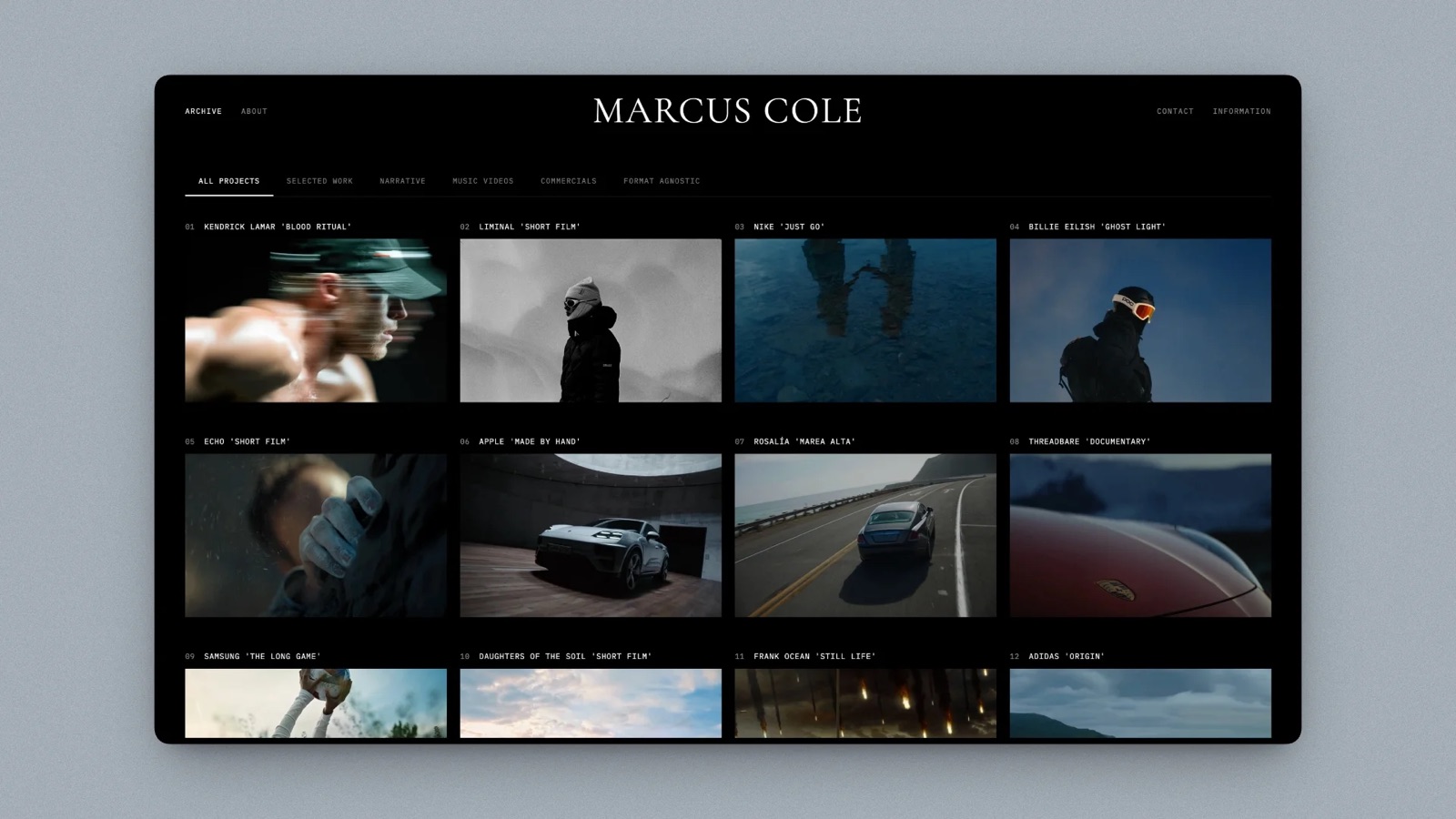
Framekit templates
Start from a designer-made template
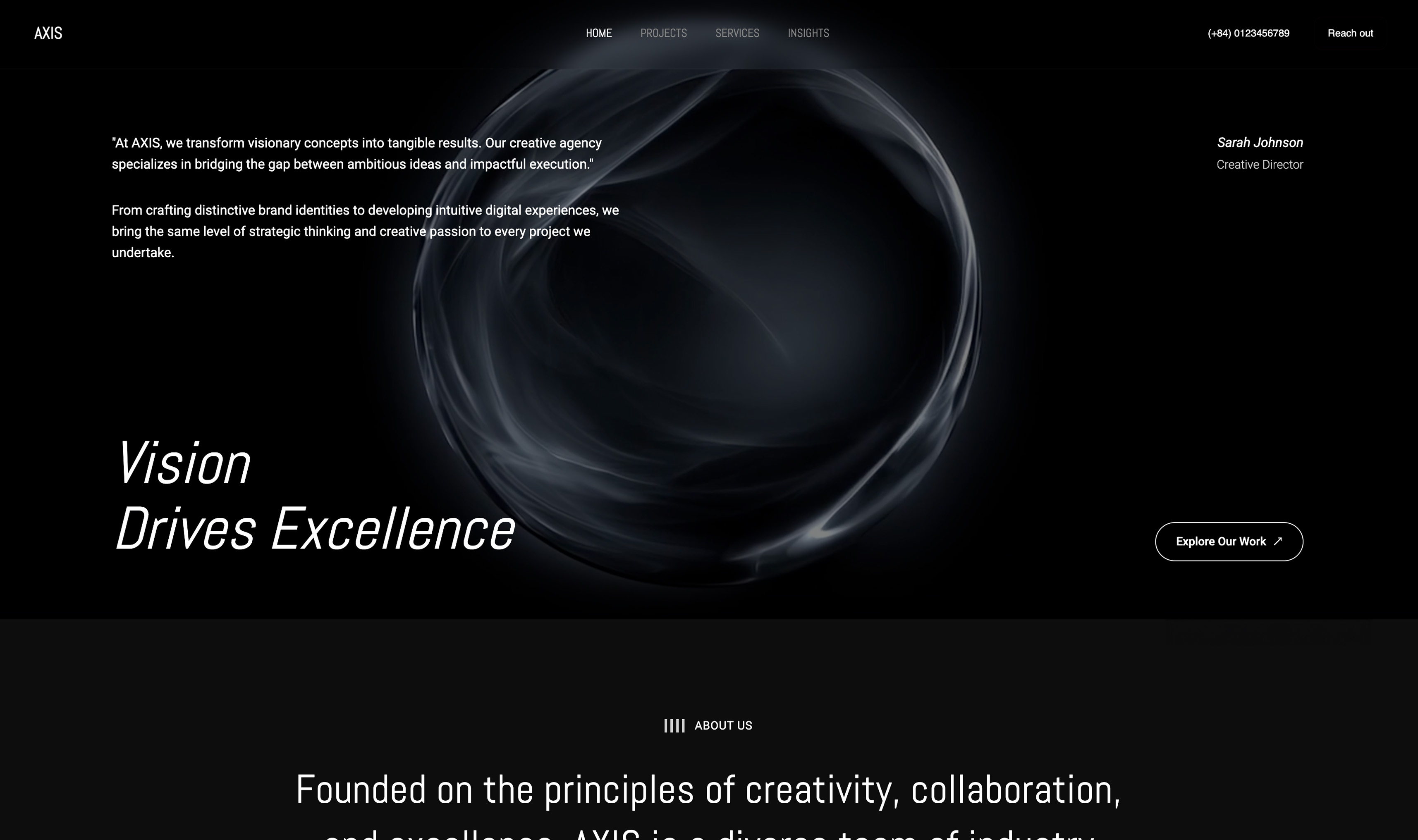 Use template
 Use template
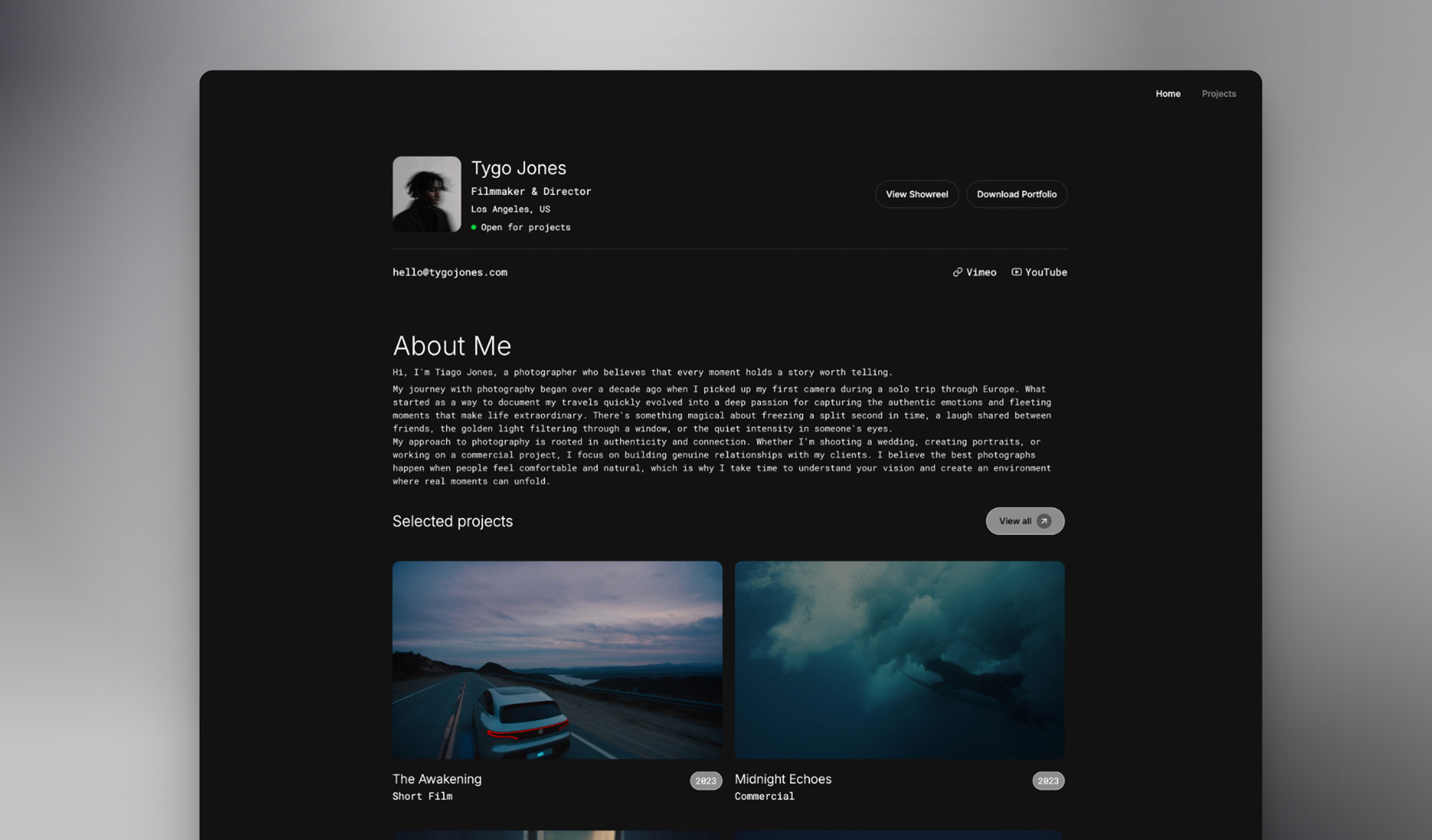 Use template
 Use template
 Use template
 Use template
 Use template
 Use template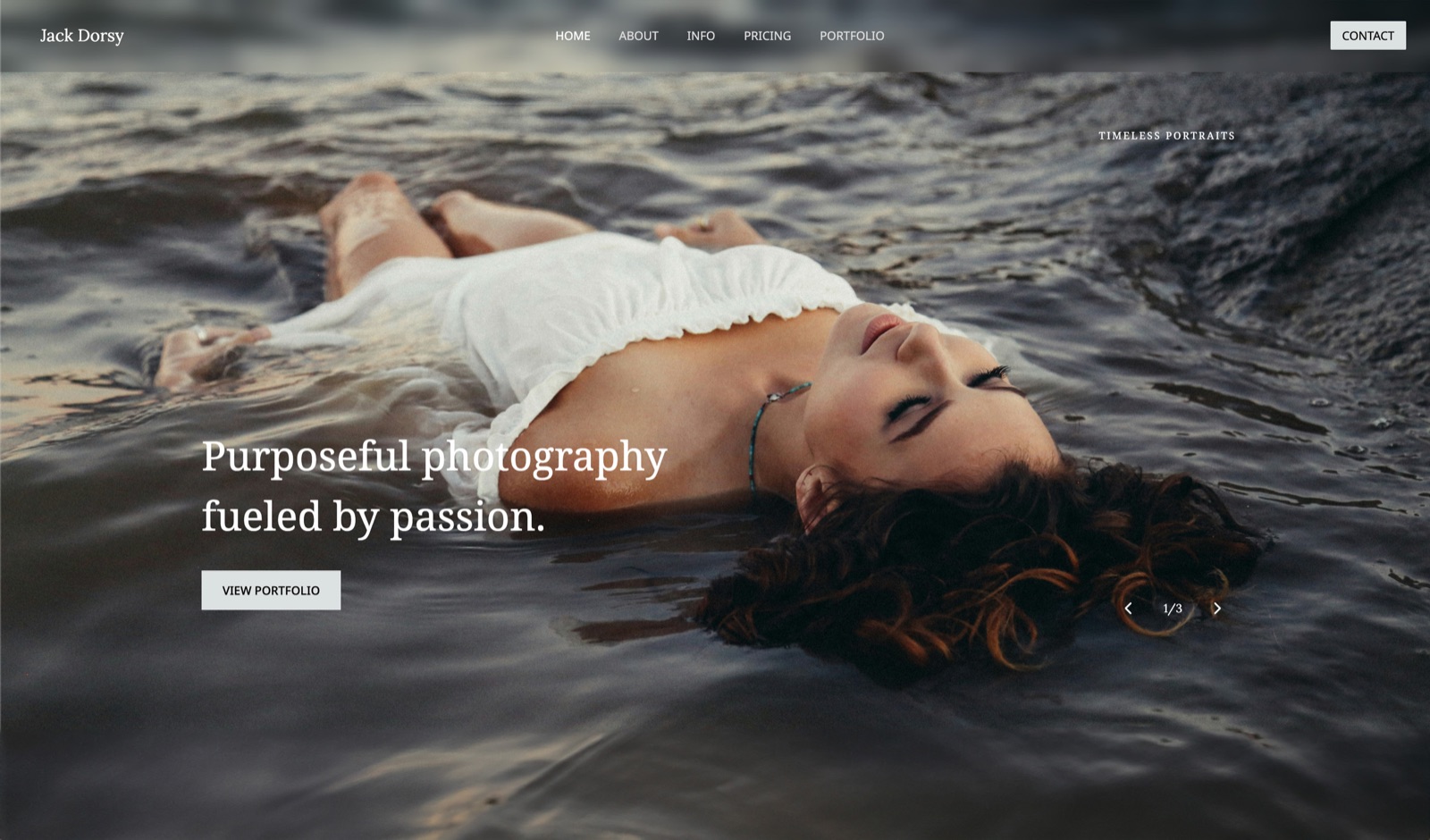
The usual version of this comparison says Webflow is for designers and Wix is for everyone else, and then stops. That was a fair summary two years ago. It is now missing the two facts that actually decide the purchase.
Webflow's free plan allows 2 static pages. Its CMS, which is the reason most people want Webflow at all, starts on a plan costing $25 a month billed yearly. And the next platform plan above it is a $2,500 a month annual contract, with no general-purpose site plan in between.
Wix has none of those problems and gives you considerably less control in exchange. That is the real trade in 2026, and it points different people in different directions than the old summary did.
A website builder is software that designs, publishes, and hosts a site without you writing server code. Wix and Webflow are the two ends of that category: one assumes you want the software to make decisions, the other assumes you want to make them yourself.
Ours sits at neither end, and saying so here saves you reading to the bottom to find it.
Framekit is pointed only at creative work, so one subscription from $0 a month covers the portfolio, the client galleries and the digital store on a single domain.
It exports no code and ships no redirect manager, which is why the section near the end concedes both.
Wix is the better buy for most small studios and creative businesses, because Core at $29 a month billed yearly includes a blog, a store, bookings, and email marketing with a ceiling of $159, and its SEO controls are stronger than its reputation suggests.
Webflow is the better buy when someone on the project is comfortable with the CSS box model, and it is the only one of the two that will hand you your site's code.
The two things to check before choosing Webflow: the CMS starts at $25 a month billed yearly, and the plan above it is $2,500 a month on an annual contract.
Framekit is the pick if the site is a creative portfolio that must also deliver client galleries and sell digital files, from $0 a month, accepting that it hands you neither your code nor a redirect manager.
Full disclosure: Framekit is our own website builder, so we compete with both. We have kept this comparison between Wix and Webflow and put our own position in one short marked section near the end. Every price, limit, and capability below was read from each vendor's own published pages in August 2026 and is linked where used. Our own tiers were re-verified on 20 September 2026 and the two ladders below are unchanged from August.
How We Compared Wix and Webflow
We built the same site twice. It belongs to a small product-photography studio: fifteen pages, a blog with thirty posts, a services page, a contact form with file upload, and a work archive that has to be filterable by client type.
That shape is deliberate, because it forces both platforms to answer the questions that separate them, which are how they handle structured content and what the entry plan actually includes.
Accounts were created fresh in August 2026 with no promotional code, on a European connection. Both vendors served us dollar prices for the plans quoted here.
Measured means we built it and hit the limit ourselves. Verified means we read it in the vendor's own pricing page or help documentation in August 2026 and are reporting it with a link. Community sentiment means users report it consistently and we did not reproduce it.
Judgements about the editing experience are labelled as ours.
We publish no speed figures in this comparison and we quote no third-party star ratings.
Loading performance depends far more on your images and your region than on the platform, and the large review aggregators blocked automated access during this round of research.
Everything below either links to a source or is labelled as judgement.
In one lineone fifteen-page studio site with a thirty-post blog and a filterable archive, built on both platforms with fresh August 2026 accounts.
The Two Ladders
| Platform | Plan | Price | What it includes |
|---|---|---|---|
| Webflow | Starter | Free | 2 static pages, 1GB bandwidth, 50 form submissions, webflow.io domain |
| Webflow | Basic | $15/mo yearly | 300 static pages, 10GB bandwidth, unlimited forms, password protection, no CMS |
| Webflow | Premium | $25/mo yearly | Everything in Basic plus the CMS, code components, site search, form file upload |
| Webflow | Team | $2,500/mo | Annual contract, localisation, publishing workflows, governance |
| Wix | Free | $0 | A real published site, with Wix advertising on it |
| Wix | Light | $17/mo yearly | Core site, free domain for one year |
| Wix | Core | $29/mo yearly | Marketing suite, commerce, scheduling |
| Wix | Business | $39/mo yearly | 100GB storage, standard ecommerce, 10 collaborators |
| Wix | Business Elite | $159/mo yearly | The top of the ladder |
Our test site needs a blog and a filterable archive, so on Webflow it needs the CMS, so the real Webflow price is $25 a month rather than $15. On Wix, a blog is included from the free plan upward.
The Free Tier Question
In one lineWix's free plan publishes a real working site with advertising on it, and Webflow's publishes two static pages, which means only one of them lets you evaluate the product by building the thing you actually want.
This matters more than it sounds, because a lot of people are told to try Webflow free and form an opinion from the attempt.
Two static pages cannot hold a home page, a services page, and an about page. Our fifteen-page studio site could not be started on it.
What Webflow's free tier is genuinely good for is learning the Designer: you can build, understand whether thinking in a box model suits you, and decide before spending anything. That is a real service and it is not a free website.
Wix's free plan publishes a complete site indefinitely rather than converting to a trial.
It carries Wix advertising and a Wix subdomain, so it is not a professional home, but you can build the whole studio site, look at it live for a month, and pay only when you want your own domain on it.
The practical consequenceif your process is to build slowly over several evenings and decide later, Wix lets you do that and Webflow does not. If your process is to learn a tool properly before committing, Webflow's free tier is the better classroom.

The Cliff Above Premium
In one lineWebflow's site plans stop at $25 a month and its next tier is $2,500 a month on an annual contract, which removes the entire middle of the market from its upgrade path.
Webflow's pricing page shows Starter free, Basic at $15 a month billed yearly, and Premium at $25.
Above that the site plans end and the platform plans begin: Team at $2,500 a month on an annual contract, with publishing workflows, governance, and bundled localisation, and Enterprise on request.
Do not infer from that bundle that a second language needs Team. Localize is also available as a per-locale add-on on ordinary paid site plans, free to experiment with and billed at publish time.
Add-ons soften the edges slightly, with Analyze from $9 a month priced by sessions and Optimize from $299 a month priced by page views.
A studio that grows into needing a review workflow or governance does not find a $60 or $150 tier waiting. It finds $2,500 a month.
Wix's ladder does not do this. Light at $17, Core at $29, Business at $39, and Business Elite at $159 form a continuous path, and the top of it costs less per month than one-fifteenth of Webflow's Team plan.
Why this should change your decision rather than just annoy you: if you expect to be a two-to-five person studio with a review process in two years, Webflow's answer to that is currently unaffordable, and you will be migrating at exactly the moment you can least spare the time.
That is a planning fact, not a criticism of the Team plan's value to the organisations it is priced for.
Where Webflow Wins
In one linestructural control, and the ability to leave with your code, which no other mainstream builder offers.
The Designer. Flexbox, grid, positioning, breakpoints, and custom interactions are exposed directly, and if you understand CSS you are essentially authoring it through a graphical interface.
Our studio site came out exactly as drawn. This is not a small advantage for anyone whose work is judged on layout.
Code export. Webflow is the only builder in this comparison that hands you the site's HTML, CSS, and JavaScript. Two conditions apply and both matter.
It requires a paid Workspace plan, which is separate from the site plan you already pay for.
And Webflow's own documentation states that CMS, user accounts, and ecommerce content are not included in the export, that Collection lists render their empty state and Collection pages show no content bound to Collection fields, that password protection stops applying after export, and that site search and forms including file upload will not work on the exported site.
Read against our test site, that means the design and the fifteen static pages travel and the thirty-post blog arrives as an empty shell. For a brochure site, code export is a genuine escape hatch. For a CMS-driven archive, it is a design system with the content removed.
SEO controls. Webflow gives you an editable robots.txt from the SEO tab, 301 redirects with bulk import and export by CSV, a global canonical tag setting, custom code in the head, and localised SEO with locale routing.
The bulk CSV redirects are the standout: migrating an established site is a spreadsheet job rather than an afternoon.
No template lock. You can redesign a Webflow site without rebuilding it, which is the constraint Wix imposes and does not advertise.
Where Wix Wins
In one lineWix ships more working software per dollar than anything else in this category, and its SEO controls are better than Webflow users assume.
The plan includes a business. The plans page quotes yearly-billing rates of $17 for Light, $29 for Core, $39 for Business, and $159 for Business Elite.
Bookings, a CRM, email marketing, an AI text editor, a logo maker, and a link-in-bio feature all appear without leaving the dashboard and without extra subscriptions.
For a studio that takes appointments and sells prints, that consolidation is worth real money against assembling the same stack from parts.
The blog is not a paid upgrade. Our thirty-post blog works on Wix from the free plan. On Webflow it requires Premium at $25 a month, which is the difference between a $204 year and a $300 year before anything else is counted.
SEO controls, which is the surprise. Wix provides a robots.txt editor, a URL Redirect Manager for 301s, and, in its advanced SEO settings, the ability to edit your structured data markup directly in JSON-LD along with the robots meta tag.
It also applies SEO settings across many pages at once from a template.
Writing your own structured data is something Squarespace does not allow at all, and it is increasingly the control that decides whether an AI answer engine describes your business correctly.
Speed to a finished site. This is our judgement: the studio site was live and credible on Wix in a fraction of the time it took on Webflow, and most of the difference was decisions Wix made for us that we did not disagree with.

The Wix Constraint Nobody Mentions Until Year Two
In one lineWix does not let you change template after publishing without rebuilding the pages, so a redesign is a rebuild, and a rebuild is when URLs change and rankings are at risk.
This is the single most important thing to know before choosing Wix, and it rarely appears in comparisons because it costs nothing on day one.
A studio site gets redesigned every few years. On Webflow that is an afternoon of restyling in the Designer.
On Wix it means building the pages again inside the same subscription, and the practical risk is not the labour, it is that URLs move during the rebuild and search positions built over years move with them.
The mitigation, if you choose Wixdecide your URL structure at the start and keep it fixed forever, and learn where the URL Redirect Manager is before you need it rather than after. Wix gives you the tool; the constraint is that it makes you need it more often.
Cost Over Three Years
In one linefor our test site the two platforms land within about $150 of each other over three years, so cost should not decide this, and the ladder above your plan should.
Webflow Premium at $25 a month billed yearly is $300 a year and $900 over three years, and that is the correct plan because the site needs the CMS. Add a paid Workspace plan if you want code export, which is extra.
Wix Core at $29 a month billed yearly is $348 a year and $1,044 over three years, and it includes the marketing suite, commerce, and scheduling that Webflow does not attempt.
Those are close enough that price is not the deciding variable. What should decide it is whether the person maintaining the site enjoys layout systems, and what happens the year the site needs to grow.
Here is a test you can run before committing. Open the pricing page of whichever platform you prefer and look one tier above the one you plan to buy. Ask whether you could afford it if the business grew 50 percent.
On Wix the answer is yes at every rung. On Webflow the answer above Premium is no for almost everyone reading this.
Where Framekit Fits
We build a website builder, so here is our position stated once, including the part that argues against us.
Framekit is an AI website builder aimed narrowly at creative work rather than at small business generally, so a studio gets a portfolio, client galleries, and a digital store from one subscription on one domain.
Free at $0 with 10 pages, Starter at $9 a month with a custom domain, Pro at $19 with custom HTML, CSS, and JavaScript, and Business at $39 with no fee on product sales.
Where we lose to Webflowstructural control and code export. Webflow's Designer gives more precise command of layout than our editor does, and it will hand you your files where we will not.
Where we lose to Wixbreadth and SEO controls. Wix ships bookings, a CRM, and email marketing that we do not, and it lets you author your own structured data and edit robots.txt, neither of which we currently allow. We also do not yet ship a redirect manager, which both of these do.
Where we think we wina portfolio, client galleries, and a digital store on one domain at a price below both, aimed specifically at creative work rather than at small business generally. If that is the shape of your studio, the comparison is worth running.
If it is not, one of the two platforms above is the right purchase.

How to Choose
In one linework down these questions in order and stop at the first one that describes you, because the later questions only matter if the earlier ones did not settle it.
- Does anyone on the project enjoy thinking about layout systems? If no, Wix, and spend the saved time on the photographs.
- Do you need a blog or a filterable archive? Budget Webflow Premium at $25 a month, not Basic at $15. On Wix a blog is included from the free plan.
- Do you expect to need a review workflow or governance within two years? Wix, or plan a migration, because Webflow's next tier is $2,500 a month. A second language is not part of that problem, since Localize is a per-locale add-on.
- Do you want to be able to leave with your files? Webflow, on a paid Workspace plan, having read what the export drops.
- Do you need bookings, invoicing, or a CRM in the same subscription? Wix Core at $29 a month billed yearly.
- Are you migrating a large established site? Webflow, for the bulk CSV redirect import, which turns a risky manual job into a spreadsheet.
- Do you want to write your own structured data? Wix, which allows editable JSON-LD.
- Is the site a creative portfolio with galleries and a store rather than a business site? Neither of these is aimed at that job, and Framekit is, from $0 a month on one domain.
Frequently Asked Questions
Is Wix or Webflow better in 2026?
Wix is better for most small studios, because its ladder runs from $17 to $159 a month with a blog, store, bookings, and marketing tools included, and its SEO controls are stronger than its reputation.
Webflow is better when someone is comfortable with the CSS box model, and it is the only one that exports your site's code. The deciding factor is usually who maintains the site, not which product is more capable.
Is Webflow free?
There is a free Starter tier limited to 2 static pages, 1GB of bandwidth, and 50 form submissions on a webflow.io domain, which cannot host a normal site. It is useful for learning the Designer before paying.
A real site starts at $15 a month billed yearly, or $25 if you need the CMS.
Does Webflow's $15 plan include a blog?
No. Basic at $15 a month billed yearly gives 300 static pages with no CMS at all, so a blog or a filterable archive is not possible on it. The Webflow CMS starts on Premium at $25 a month billed yearly, which also adds code components, site search, and form file upload.
How much does Wix cost per month?
On yearly billing: Light at $17, Core at $29, Business at $39, and Business Elite at $159. There is also a free plan that publishes a real site with Wix advertising on it, and paid plans include a free domain for the first year.
Can I export my site from Wix?
No, not as code. Wix does not offer a site export, so leaving means rebuilding elsewhere and setting redirects for any URLs that change.
Webflow does export HTML, CSS, and JavaScript on a paid Workspace plan, though its documentation states the export excludes CMS and ecommerce content and that forms, site search, and password protection stop working.
Is Wix bad for SEO?
That reputation is roughly a decade out of date.
Wix currently offers a robots.txt editor, a URL Redirect Manager for 301s, editable JSON-LD structured data, an editable robots meta tag, and the ability to apply SEO settings across many pages from a template.
On controls alone it compares well with Webflow, which leads mainly on bulk CSV redirect import and a global canonical setting.
Can I change my Wix template later?
Not without rebuilding the pages. This is Wix's most significant constraint and it matters most in year two or three, when the site needs a refresh. If you choose Wix, fix your URL structure early and learn the redirect manager, because a rebuild is the moment URLs move.
What is Webflow's Team plan and do I need it?
Team is $2,500 a month on an annual contract and adds publishing workflows, governance, enhanced security, and bundled localisation for organisations, though localisation itself is also sold as a per-locale add-on on paid site plans.
Almost no small studio needs it. The relevant point is that nothing exists between it and the $25 Premium plan, so plan for Premium to be your ceiling on Webflow.
Which is better for an agency building client sites?
Webflow, for the control, the code export, and the bulk redirect tooling during migrations, provided the agency has someone who works comfortably in the Designer.
Wix is the better recommendation to hand a client who will maintain the site themselves after handover, because they will be able to.
Which is cheaper over three years?
They are close for a site that needs a CMS. Webflow Premium at $25 a month billed yearly is $900 over three years; Wix Core at $29 is $1,044, and Wix includes marketing, scheduling, and commerce tooling that Webflow does not attempt.
Cost should not decide this comparison; the ladder above your plan should.
Final Verdict
Choose Wix if the person maintaining the site is not a designer, if you want a blog and a booking system without adding anything, and if you want a ceiling you can afford.
Its SEO controls are genuinely good, and the only thing that should give you pause is the template constraint, which you manage by fixing your URLs early.
Choose Webflow if layout is part of what you sell, if you want your files to be recoverable, or if you are migrating a large site and need bulk redirects.
Budget Premium at $25 rather than Basic at $15, do not evaluate the product on a 2-page free tier, and know that the plan above Premium is $2,500 a month.
Where Framekit does not compete. Webflow gives more structural control and exports code, which we do not.
Wix ships more built-in business software, allows editable structured data and an editable robots.txt, and both of them ship a redirect manager where we do not. If any of those is what you need, buy accordingly.
We are the right answer for a creative portfolio with galleries and a store, which is a narrower job than either of these is doing.
Related readingSquarespace vs Webflow, the best website builders for SEO, and the best no-code website builders.