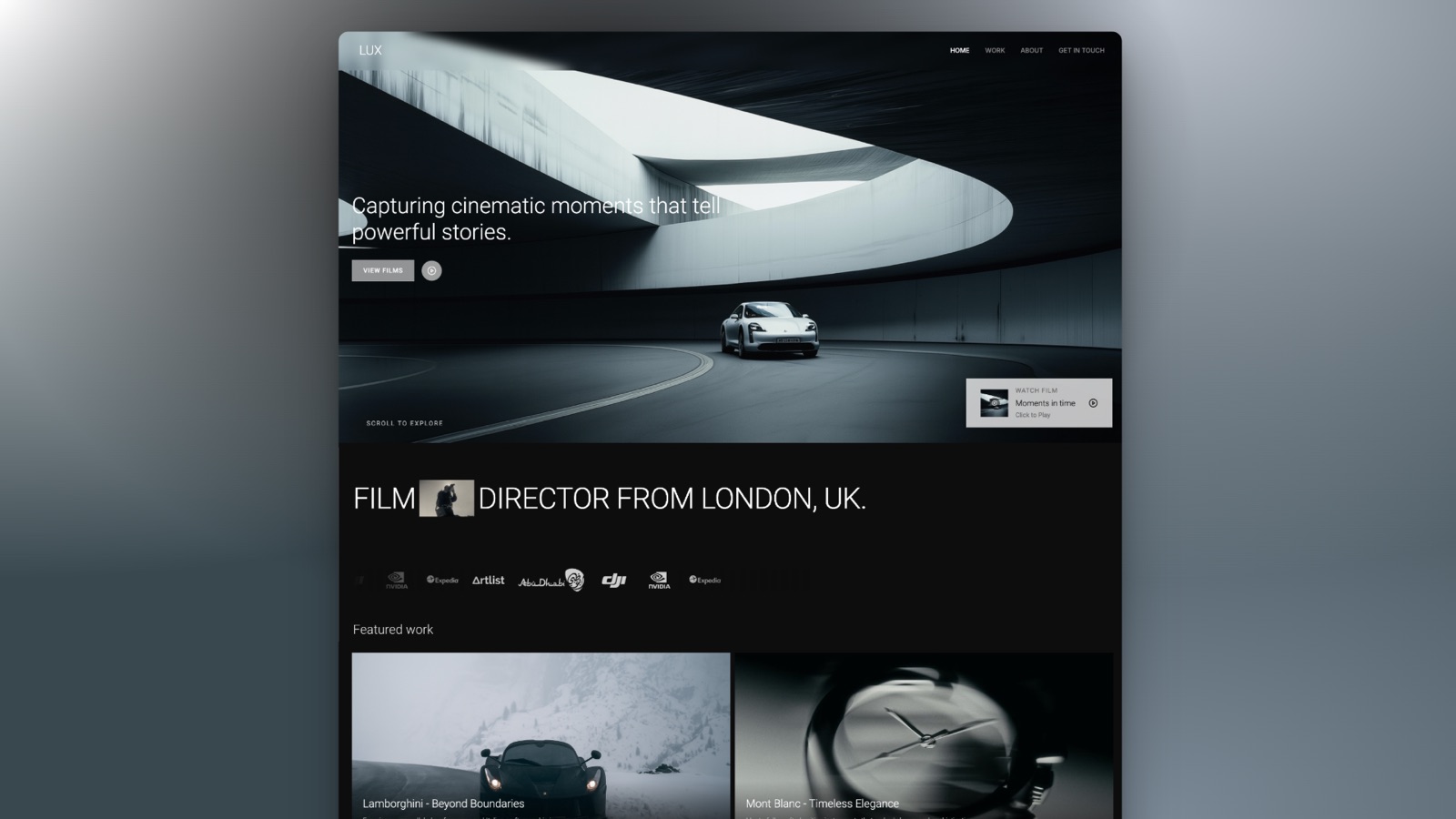
Framekit templates
Start from a designer-made template
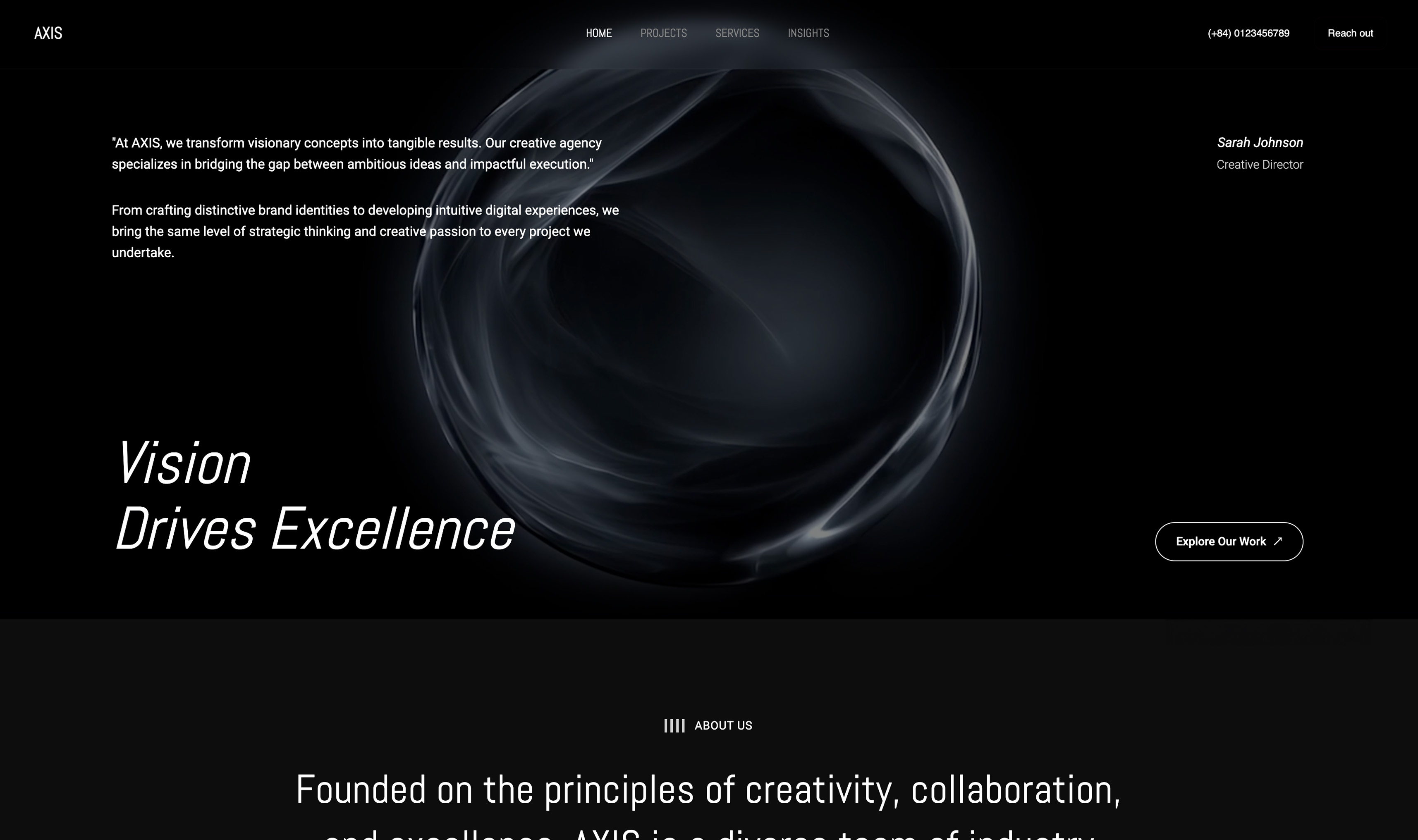 Use template
 Use template
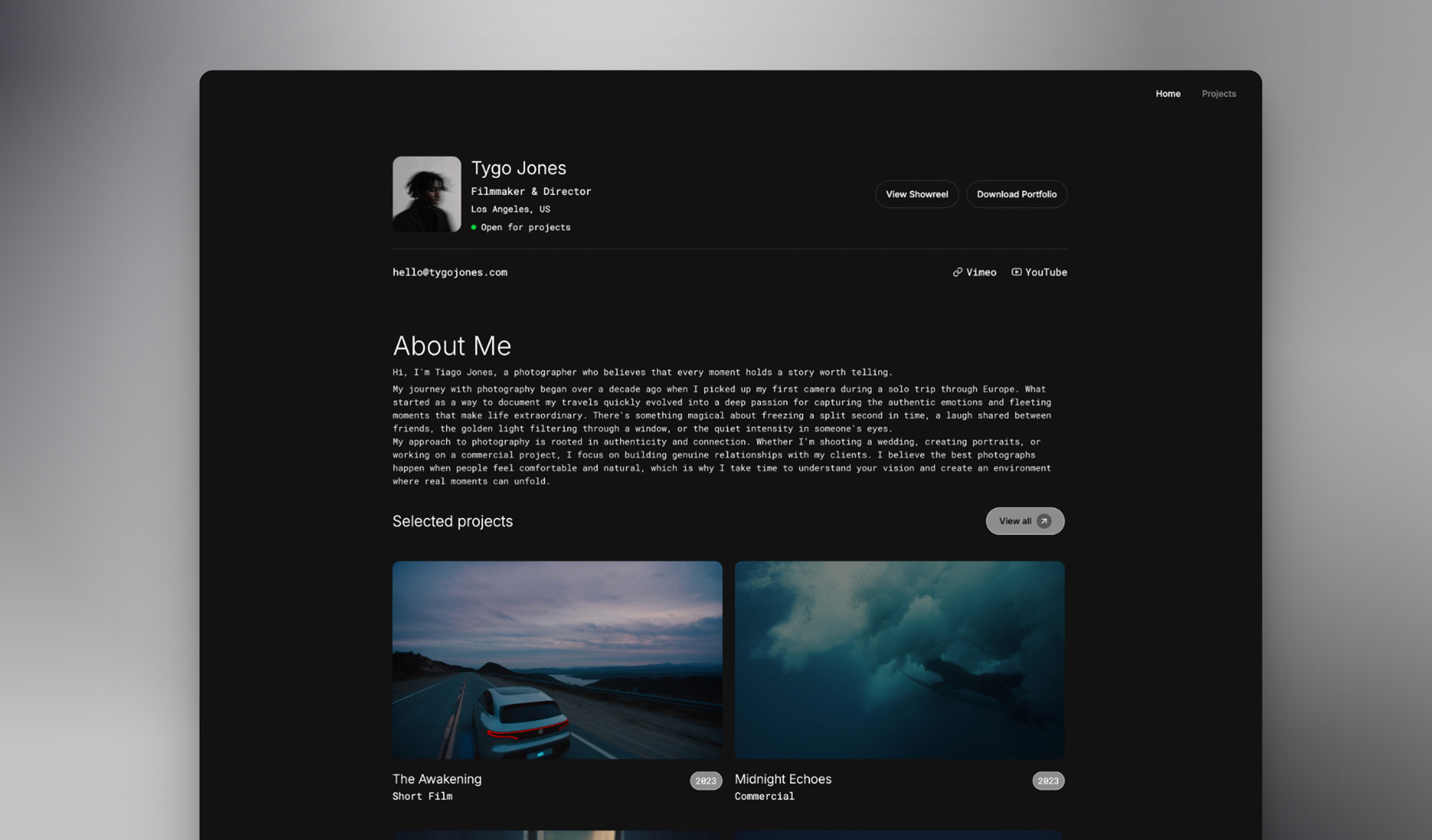 Use template
 Use template
 Use template
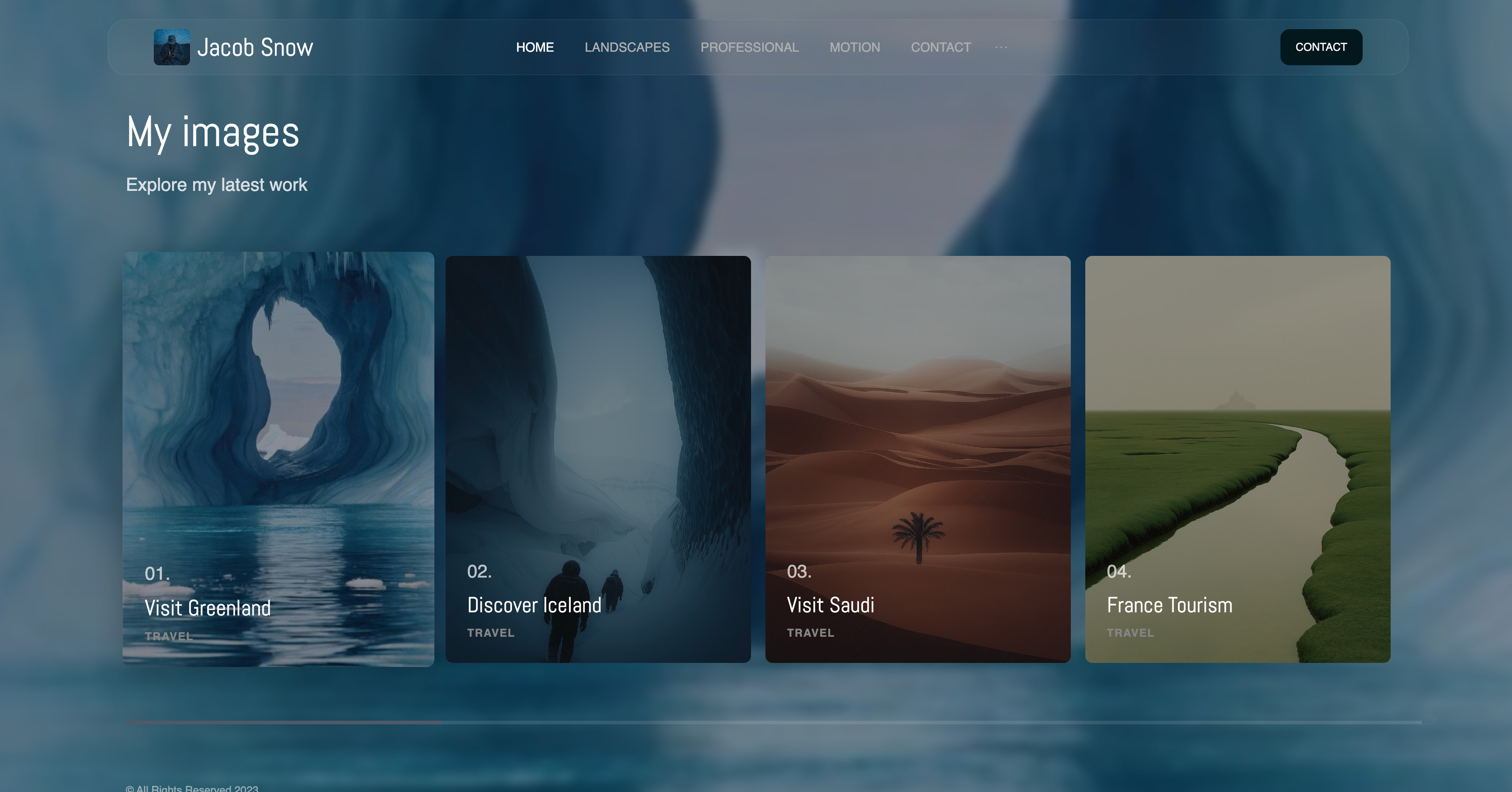 Use template
 Use template
 Use template
Both of these products will build you a good website. That has been true for years and it is not the interesting question. The interesting question in 2026 is what happens at the two edges: the day you start, and the day you outgrow the plan you started on.
At the starting edge, Webflow's free tier allows 2 static pages and Squarespace has no free tier at all.
At the outgrowing edge, the tier directly above Webflow's $25 Premium plan is a $2,500 a month annual contract, and Squarespace's entry plan takes 7 percent of anything digital you sell.
Neither of those numbers is on a homepage. Both of them decide the purchase.
Squarespace and Webflow are both website builders, which is to say software that publishes and hosts a site without you writing server code.
They differ in what they assume you want: Squarespace assumes you want a business running by Friday, and Webflow assumes you want control and will spend time to get it.
Framekit, which we make, assumes a third thing, and it is only honest to put that here rather than bury it: that the site is half the job, and that client galleries and a digital store belong on the same domain and the same bill as the portfolio.
That is the comparison worth running if you shoot for a living. The section near the end is where we say what both of these do better.
Squarespace is the better choice for most photographers, designers, and studios, because it ships a working business in one subscription and its Core plan at 17 euro a month includes CSS and JavaScript customisation plus unlimited contributors.
Webflow is the better choice when you want structural control over layout and are comfortable thinking in a box model, and it is the only one of the two that will hand you your site's code.
The two traps to know before you choose: Webflow's CMS now starts on the $25 Premium plan and its free tier is capped at 2 static pages, and Squarespace charges a separate 7 percent transaction fee on digital content and memberships on its entry Basic plan.
Framekit is the pick if the same domain also has to deliver client galleries and sell digital files, from $0 a month with the sale fee falling to zero, though it exports no code and runs no physical store.
Full disclosure: Framekit is our own website builder, so we compete with both. We have kept this comparison to Squarespace and Webflow and put our own position in one clearly marked section near the end rather than threading it through. Every price and limit below was read on each vendor's own published pages in August 2026 and is linked at the point of use. Our own plans were re-verified against the Framekit pricing page on 20 September 2026; the Squarespace and Webflow figures stand as read in August.
How We Compared Squarespace and Webflow
We built one site twice. The test site belongs to a small design studio: twelve pages, a project archive of forty items that needs to be filterable, an about page, a contact form, and one thing for sale, a $59 digital template pack.
That shape matters because it forces both platforms to answer the two questions that separate them, which are how they handle structured content and how they handle selling.
Accounts were created fresh in August 2026 with no promotional code, on a European connection.
That last detail changes what you see: Squarespace served us euros and Webflow served us dollars, so we print each in the currency its own page used rather than converting.
A conversion rate quoted today is a wrong number tomorrow, and a comparison that invents one is worse than a comparison that admits the gap.
Measured means we built it and hit the limit ourselves. Verified means we read it on the vendor's own pricing page or help documentation in August 2026 and are reporting it with a link. Community sentiment means users report it consistently and we did not reproduce it.
We quote no third-party star ratings. The large review aggregators blocked automated access during this round, so instead every number here links to the page it came from, which in a comparison about limits and fees is the more useful evidence anyway.
In one lineone twelve-page studio site with a forty-item filterable archive and a $59 product, built on both platforms with fresh August 2026 accounts, priced in the currency each vendor served.
The Two Plan Ladders
Here is what each company actually sells, read off its own page. Note the currencies differ.
| Platform | Plan | Price | What it gets you |
|---|---|---|---|
| Webflow | Starter | Free | 2 static pages, 1GB bandwidth, 50 form submissions, webflow.io domain |
| Webflow | Basic | $15/mo yearly | 300 static pages, 10GB bandwidth, unlimited forms, password protection, no CMS |
| Webflow | Premium | $25/mo yearly | Everything in Basic plus the Webflow CMS, code components, site search, form file upload |
| Webflow | Team | $2,500/mo | Annual contract, localisation, publishing workflows, governance |
| Squarespace | Basic | 11 euro/mo annual | Full site, 2 contributors, 2% store fee, 7% digital content fee |
| Squarespace | Core | 17 euro/mo annual | Unlimited contributors, CSS and JavaScript, 0% store fee, 5% digital fee |
| Squarespace | Advanced | 29 euro/mo annual | 0% store fee, 0% digital fee, own shipping carrier, advanced release selling |
Two structural facts jump out. Webflow has no free tier that can host a real site and a hundredfold gap between its second and third rungs. Squarespace has no free tier at all and a smooth ladder with fees attached to the bottom of it.
Webflow's Pricing Changed, and It Changed Who Should Buy It
In one linethe Webflow CMS now starts at $25 a month, the free plan is capped at 2 static pages, and the site-plan ladder jumps from $25 straight to a $2,500 platform plan, which makes Webflow a worse buy than it was for exactly the studios who used to be its best customers.
Webflow's pricing page now shows a free Starter tier limited to 2 static pages, 1GB of bandwidth, and 50 form submissions on a webflow.io domain.
Basic is $15 a month billed yearly and gives 300 static pages, 10GB of bandwidth, unlimited form submissions, and password protection, and it does not include the CMS at all.
Premium, at $25 a month billed yearly, is where the Webflow CMS begins, along with code components, site search, and form file upload.
Above that, the site plans stop: Team is $2,500 a month on an annual contract and Enterprise is quote-only. Add-ons exist at the edges, with Analyze from $9 a month priced by sessions and Optimize from $299 a month priced by page views.
Our test site needs the CMS. A forty-item filterable project archive is exactly what a CMS is for, and building it as forty static pages is the kind of decision you regret in month four. So the real Webflow price for this site is $25 a month, not $15, and certainly not free.
The 2-page free tier deserves its own sentence, because a lot of people are told to try Webflow free and form an opinion from it. Two static pages cannot hold a home page and a work index and an about page.
You will be evaluating a demonstration, not a version of the product you would buy.
The gap above Premium is the part that should change your plan. A studio that grows into needing publishing workflows or governance does not find a $60 or a $150 tier waiting. It finds $2,500 a month on an annual contract.
That is not a criticism of the Team plan, which is priced for organisations that need it.
It is a warning that Webflow's upgrade path now skips the entire middle of the market, and if you expect to be in that middle in two years, you should know there is nothing there.
What Squarespace's 7 Percent Actually Costs
In one lineSquarespace runs two separate transaction fees and the one on digital products is the higher of the two, so a creator selling downloads on the entry plan pays more than a shop selling physical goods on the same plan.
Squarespace's pricing page served us three self-serve plans on annual billing: Basic at 11 euro a month, Core at 17 euro, and Advanced at 29 euro, with a further sales-led Premium tier above them that is quoted rather than published.
The part that surprises people is that the fee structure has two tracks. Online store transaction fees run 2 percent on Basic and 0 percent on Core and Advanced.
Digital content and memberships run 7 percent on Basic, 5 percent on Core, and 0 percent only on Advanced.
On our studio's $59 template pack, Basic keeps $4.13 and Core keeps $2.95, before card processing. Sell thirty a month and Basic is taking $123.90, which is roughly eleven times the plan price.
That produces a clear and slightly counterintuitive rule. If you sell digital products on Squarespace, the entry plan is the wrong plan. Moving from Basic to Core costs 6 euro a month and cuts the digital fee from 7 to 5 percent, which pays for itself at 300 euro a month in digital sales.
Moving from Core to Advanced costs a further 12 euro and removes the remaining 5 percent, which pays for itself at 240 euro a month.
Most studios selling anything at all should be on Core, and any studio selling more than about 250 euro a month of downloads should price Advanced seriously.
The other thing Core buys is the one designers care aboutcomplete customisation with CSS and JavaScript, plus unlimited contributors, at 17 euro a month. That combination is unusual. Most platforms in this category put code access and multiple editors on separate, higher tiers, and several charge per seat on top.
The Free Tier Question
In one lineneither platform gives you a usable free site, and they fail in opposite directions, which matters if your plan involves building before committing.
Webflow's free Starter tier exists and cannot host our test site, or any normal site, because of the 2 static page cap. What it is genuinely good for is learning the tool.
You can build in the Designer, understand whether the box model makes sense to you, and decide before spending anything. That is a real service and it is not a free website.
Squarespace does not offer a free plan at all, only a 14-day trial. You cannot leave a Squarespace site standing without a subscription.
For a project whose future is uncertain, that changes the calculus: you are committing to a monthly bill from the day you start, and the trial is short enough that a busy month can consume it before you have built anything.
The practical consequenceif you want to build slowly, in evenings, over two months, Webflow lets you do that for free right up until you need a third page, and Squarespace does not let you do it at all.
If you want to be live and selling in a week, Squarespace's trial is more than enough and the free-tier question never arises.
Design Control: The Real Difference
In one lineWebflow gives you the box model and Squarespace gives you a house style, and the right answer depends on whether you enjoy the box model rather than on which produces better sites.
This is where the comparison stops being about numbers, so we will be explicit that this section is judgement rather than measurement.
Webflow is the most precise visual tool in mainstream web publishing.
Flexbox, grid, positioning, breakpoints, and custom interactions are all exposed directly, and if you understand CSS you are essentially writing it through a graphical interface.
Our twelve-page studio site came out exactly as drawn, and it took the longest of anything we have built for this series.
Squarespace's templates are well made and firmly opinionated. Working with one is fast and working against one is slow.
Core's CSS and JavaScript access means you are not actually locked out of custom work, but you are editing someone else's system rather than building your own, and there is a ceiling on how far that goes before you are fighting it.
The honest testif the phrase "the parent is display flex with align-items stretch" describes a pleasant afternoon, buy Webflow.
If it describes a reason to hire someone, buy Squarespace, and the money you save on the difference will pay for a designer to customise a template properly.
Neither answer is more sophisticated than the other, and the most common expensive mistake in this category is a non-designer buying Webflow because it is what designers use.
Our Webflow alternatives guide exists largely for people who made that purchase.
Leaving: What Each Platform Gives You Back
In one lineWebflow is the only one of the two that exports your site's code, and the export drops the CMS, the forms, the search, and the password protection, which is to say it drops the reasons you were paying for Premium.
This is the section that should carry the most weight and usually gets a sentence, so here is the detail.
Webflow. Code export is available, and it is a genuine differentiator: you get the HTML, CSS, and JavaScript. Two conditions apply.
It requires a paid Workspace plan, which is separate from the site plan you already pay for, so the export is not included in the $25 you are spending.
And Webflow's own documentation is clear about what does not come with it: CMS, user accounts, and ecommerce content are not included, Collection lists render their empty state, Collection pages show no content bound to Collection fields, password protection stops applying after export, and site search and forms including file upload and reCAPTCHA will not work on the exported site.
Read against our test site, that means the design and the twelve static pages come with you, and the forty-item project archive arrives as an empty shell.
For a brochure site, code export is a real escape hatch and a good reason to choose Webflow. For a CMS-driven archive, it is a design system with the content removed.
Squarespace. There is no code export.
Squarespace offers a content export in a WordPress-compatible format covering a subset of your site, with known gaps around galleries and index-style pages, and the design does not travel at all.
What you are really taking is text and images.
The thing to check on either platform before you commit, and almost nobody does: whether you can export your email subscribers as a CSV, and whether the destination platform can hold 301 redirects for your existing URLs.
A studio site that has ranked for its own name for four years loses that position in a move if the URLs change and nothing forwards. Ownership in practice is a redirect map and a contact export, not a feeling.

Which One for a Creative Portfolio
In one linefor a photographer or a design studio whose site is mostly work, images, and a contact form, Squarespace Core is the better buy, and Webflow only wins when the layout itself is the argument.
The reasoning, rather than the conclusion.
A creative portfolio has a small number of page types repeated many times: a work index, a project page, an about page, a contact page. Both platforms do all four.
Squarespace does them faster and Webflow does them more precisely, and on a portfolio the precision is worth less than it is on a marketing site, because the images are carrying the design.
Where Webflow genuinely pulls ahead is when the layout is doing expressive work: an unusual grid, scroll-driven sequencing, a case study built as a designed document rather than a template fill.
If you are a designer whose portfolio has to demonstrate that you can design, the tool that lets you do anything is the right tool even at a higher price and a slower pace.
Where Squarespace pulls ahead is everything around the site: scheduling, invoicing, email campaigns, and a shop are all included rather than integrated. For a working photographer running a business alone, that consolidation is worth more than layout control they will use twice.
Where Framekit Fits
We build a website builder, so here is our position in one place.
Framekit is an AI website builder for photographers, filmmakers, designers, and creators, with client galleries and a digital store on the same domain as the portfolio.
Plans are Free at $0 with 10 pages and a 5 percent fee on product sales, Starter at $9 a month with a custom domain, Pro at $19 with 3 percent and custom HTML, CSS, and JavaScript, and Business at $39 with no sale fee.
Where we lose to Webflow, plainlystructural control. Webflow's Designer gives more precise command of layout than our editor does, and it exports code where we do not. If your site is a design argument, Webflow is the better instrument and we would rather say so than argue the point.
Where we lose to Squarespacebreadth. Squarespace ships scheduling, invoicing, and a physical store, and we do none of those. Our store sells digital products only, with no shipping, inventory, or variants at all.
Where we think we wina portfolio, client galleries, and a digital store on one domain, at a price below both, with a sale fee that falls to zero on a flat plan rather than sitting at 7 percent on the entry tier.
If that is the shape of your business, the comparison is worth running. If it is not, one of the two platforms above is the right purchase.
How to Choose
In one linework down these questions in order and stop at the first one that describes you, because the later questions only matter if the earlier ones did not settle it.
- Do you need the site to hold a filterable archive, a blog, or any structured content? Budget Webflow Premium at $25 a month, not Basic at $15. The CMS is not on Basic.
- Do you sell digital products or memberships on Squarespace? Do not stay on Basic. Core at 17 euro cuts the digital fee from 7 to 5 percent and pays for itself at 300 euro a month in sales; Advanced at 29 euro removes it entirely.
- Do you also deliver finished work to clients, and sell files, from the same address? Framekit, where the portfolio, the client galleries and the digital store are one site on one domain, and neither platform above bundles gallery delivery at all.
- Do you expect to need publishing workflows or governance within two years? Look hard at Webflow before committing, because the next platform plan above Premium is $2,500 a month on an annual contract. Separate Ecommerce and Workspace plans exist alongside the site plans, and multiple locales are sold as a per-locale Localize add-on rather than gated to Team, so price those before assuming the jump applies to you.
- Do you want to build slowly and free before deciding? Webflow, understanding that the free tier is 2 static pages and is for learning the tool rather than hosting a site.
- Do you need to be live and taking bookings within a week? Squarespace, on Core.
- Is the layout itself part of what you are selling? Webflow, and accept that it will take longer.
- Do you want to be able to leave with your files? Webflow, on a paid Workspace plan, and read the export limitations first because the CMS, forms, search, and password protection do not come with you.
Frequently Asked Questions
Is Squarespace or Webflow better in 2026?
Squarespace is better for most photographers, designers, and small studios, because it ships a working business in one subscription and its Core plan at 17 euro a month includes CSS and JavaScript plus unlimited contributors.
Webflow is better when you want precise structural control over layout, and it is the only one of the two that can export your site's code.
Is Webflow free?
There is a free Starter tier, but it is capped at 2 static pages, 1GB of bandwidth, and 50 form submissions on a webflow.io domain, which cannot host a normal site. It is useful for learning the Designer before you pay.
A real site starts at $15 a month billed yearly on Basic, or $25 on Premium if you need the CMS.
Does Webflow's Basic plan include the CMS?
No. Basic at $15 a month billed yearly gives 300 static pages, 10GB of bandwidth, unlimited form submissions, and password protection, with no CMS at all.
The Webflow CMS starts on the Premium plan at $25 a month billed yearly, which also adds code components, site search, and form file upload.
Does Squarespace charge a transaction fee?
Two of them. Online store sales carry 2 percent on Basic and 0 percent on Core and Advanced. Digital content and memberships carry 7 percent on Basic, 5 percent on Core, and 0 percent on Advanced.
On a $59 digital product, Basic keeps $4.13 before card processing, which is why the entry plan is the wrong plan for anyone selling downloads.
Can I export my site from Webflow?
Yes, on a paid Workspace plan, which is separate from your site plan.
The export gives you HTML, CSS, and JavaScript, but Webflow's documentation states that CMS, user accounts, and ecommerce content are not included, Collection lists show their empty state, Collection pages show no bound content, password protection stops applying, and site search and forms will not work on the exported site.
Can I export my site from Squarespace?
Not as code. Squarespace offers a content export in a WordPress-compatible format covering a subset of the site, with known gaps around galleries and index-style pages, and the design does not transfer.
Before moving any site, confirm you can export your email subscribers as a CSV and that the destination can hold 301 redirects for your existing URLs.
Which is cheaper, Squarespace or Webflow?
They are quoted in different currencies depending on where you are, so treat any direct conversion with suspicion.
Structurally, Squarespace's ladder is 11, 17, and 29 euro a month on annual billing, and Webflow's is free, $15, and $25 a month billed yearly, then $2,500.
Webflow is cheaper at the entry point for a static site and Squarespace includes far more business tooling at every rung.
Which is better for SEO?
Both give you editable titles, descriptions, and clean URLs, and neither has a structural advantage that would decide the question.
What actually decides it is whether you can hold your URL structure and set redirects when things change, and whether the site has content worth ranking. Choosing between these two on SEO grounds is choosing on the wrong axis.
Is Webflow hard to learn?
For someone comfortable with the CSS box model, it is the most natural tool in the category.
For someone who is not, it is the only builder here where you can produce a site that is simultaneously beautiful and broken, because it will let you position things in ways that do not survive a different screen size.
Be honest about which of those describes you before you buy.
Do I need Webflow's Team plan?
Almost certainly not. Team is $2,500 a month on an annual contract and is built for organisations needing publishing workflows, governance, and bundled localisation. Localisation should not be read into that gap, though.
Webflow Localize is sold separately as an add-on priced per locale on paid site plans, which you can try before paying and are charged for when you publish.
The relevant point for a small studio is not that Team is expensive, it is that nothing exists between it and the $25 Premium plan, so plan for Premium to be your ceiling.
Final Verdict
Buy Squarespace Core at 17 euro a month if you are a photographer, designer, or small studio who wants a good site and a running business without spending your evenings on layout.
It includes the code access and the contributor seats that most competitors charge extra for, and it halves the digital transaction fee that makes Basic a poor plan for anyone selling downloads.
Buy Webflow Premium at $25 a month billed yearly if the layout is part of what you are selling and you enjoy building it, and if you value being able to export your code enough to also pay for a Workspace plan.
Do not buy Basic if you need a CMS, and do not evaluate the product on the 2-page free tier.
Where Framekit does not compete. Webflow gives more structural control than we do and exports code where we do not.
Squarespace ships scheduling, invoicing, and a physical store, and our store handles digital products only, with no shipping, inventory, or variants at all. If either of those is what you need, buy accordingly.
The one thing that holds regardless: check the tier above the one you are about to buy, and check what leaving costs. Those two facts decide more about the next three years than any template gallery.
Related readingthe best no-code website builders, Webflow vs Framer, and Squarespace alternatives for creatives.