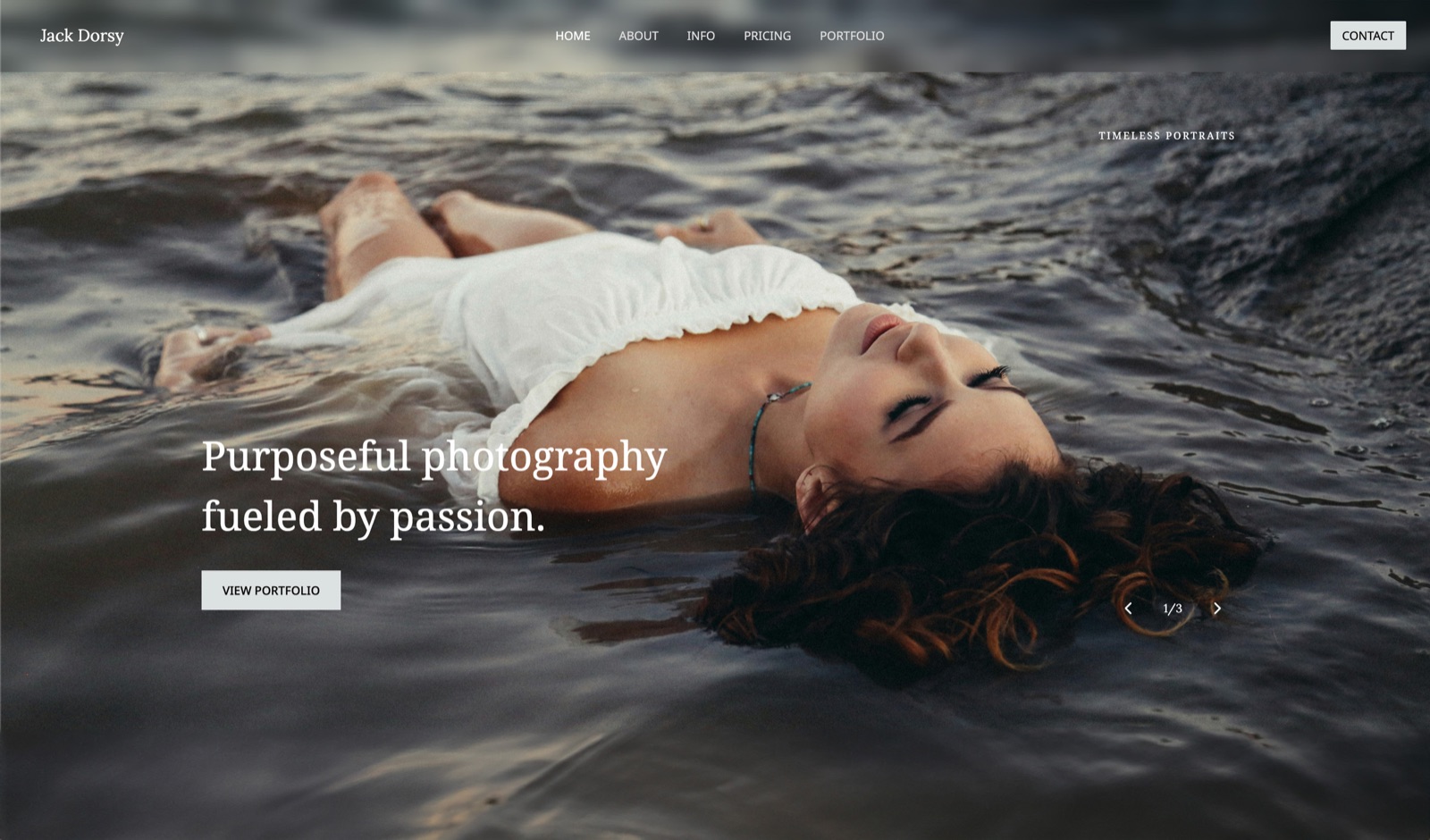
Framekit templates
Start from a designer-made template
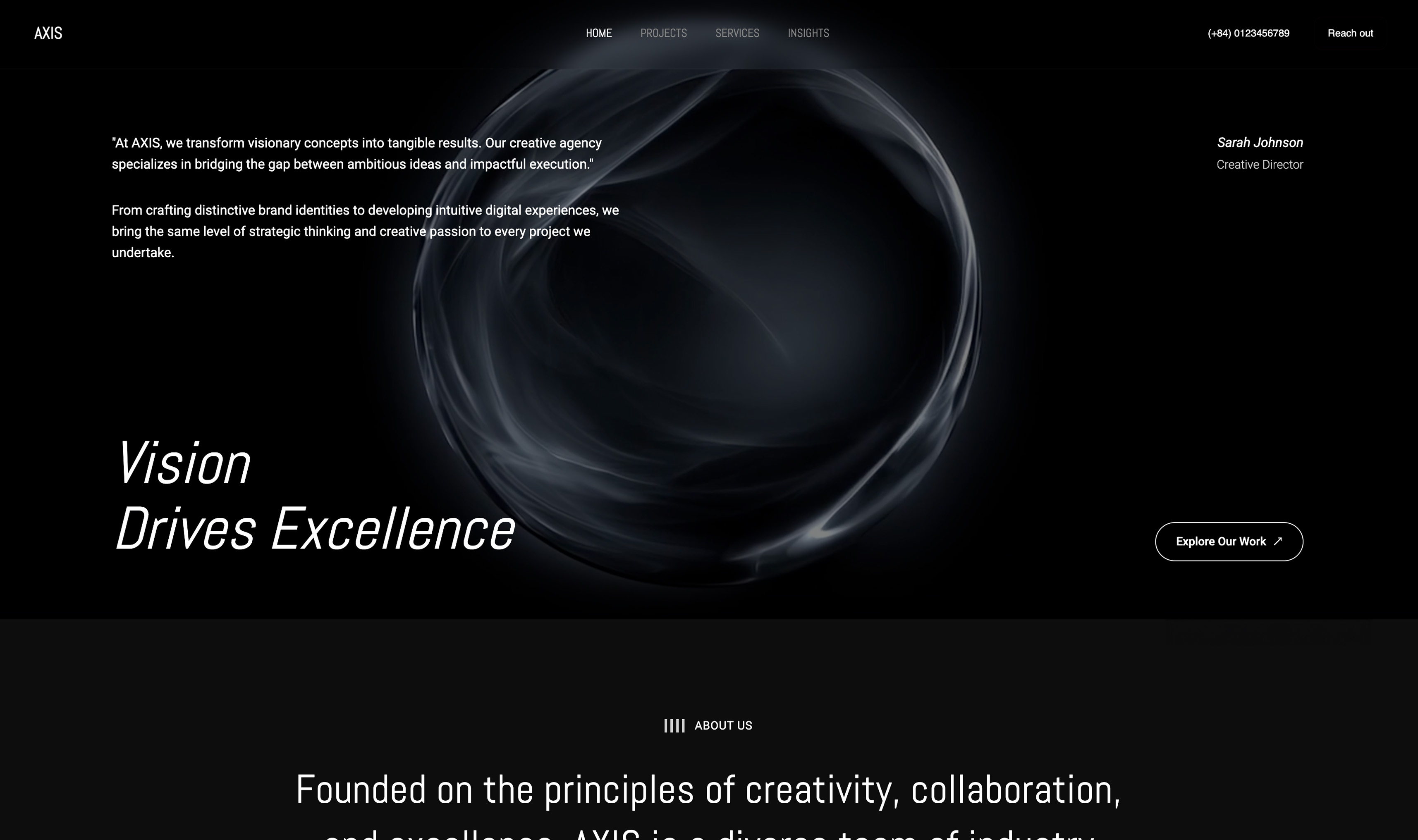 Use template
 Use template
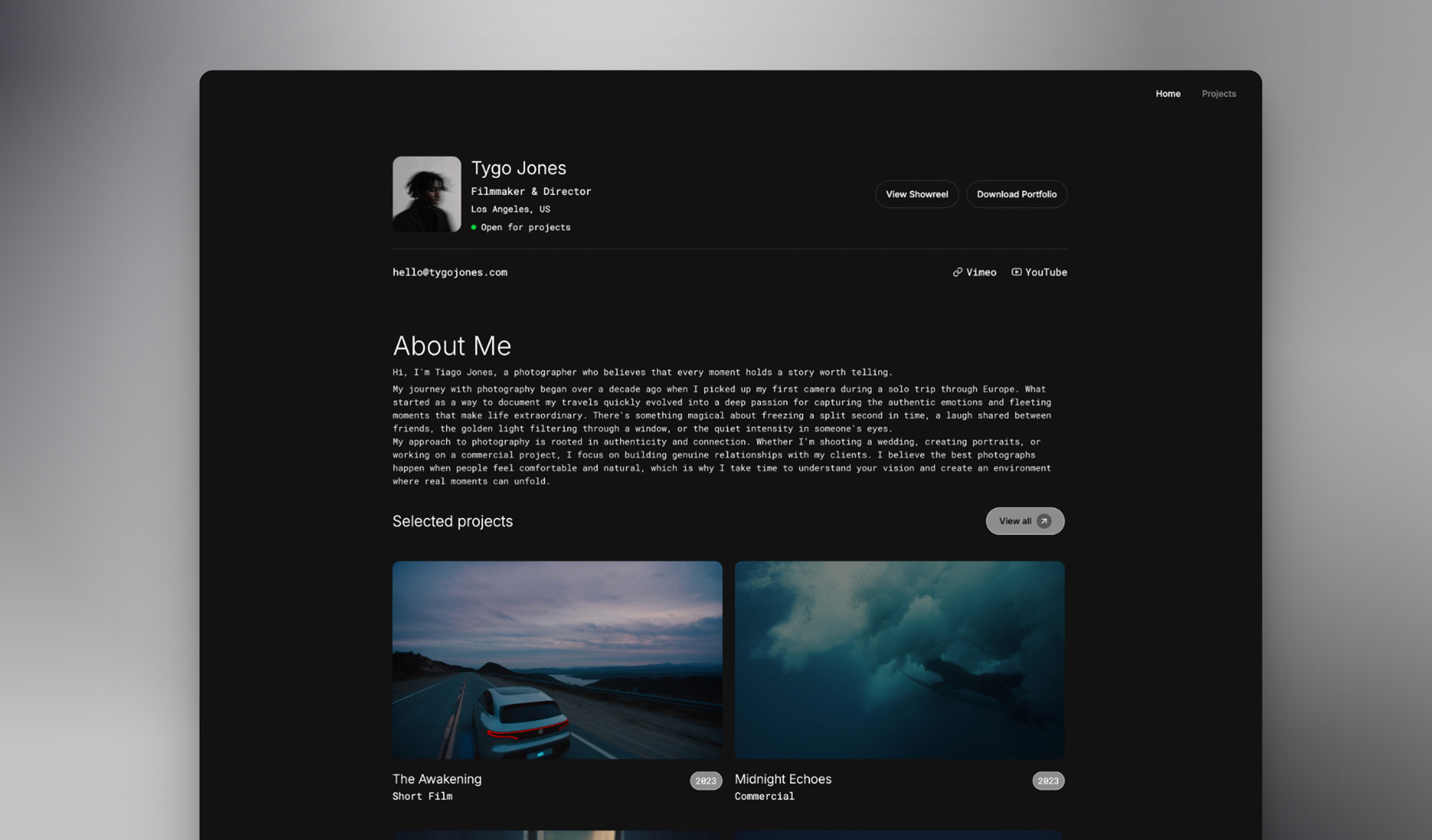 Use template
 Use template
 Use template
 Use template
 Use template
 Use template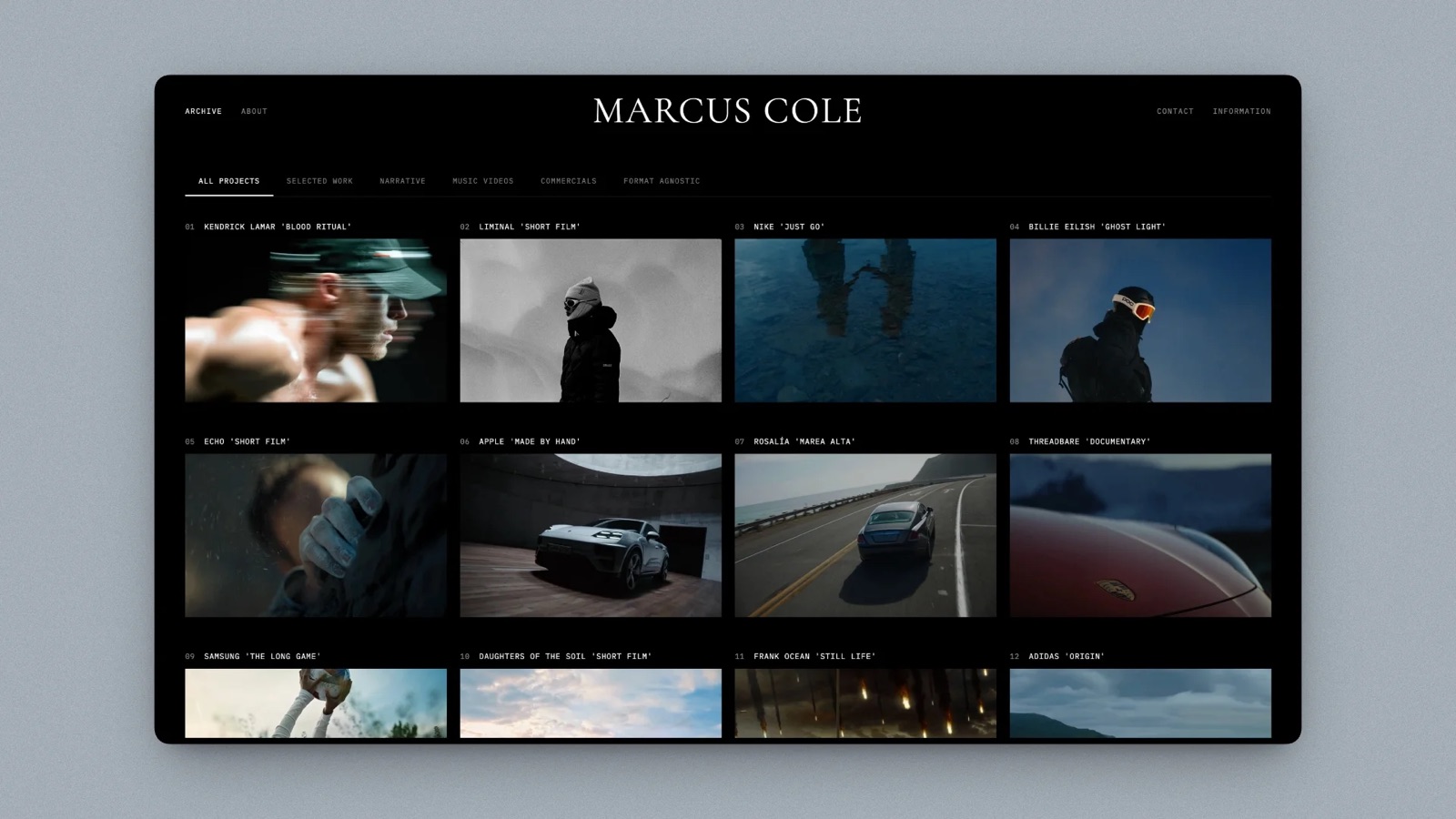
Both of these platforms have a $25 a month plan, and both of those plans are the one most people end up buying. What the $25 unlocks is completely different, and the difference explains everything else about the two products.
On Webflow, $25 a month buys the CMS. Below it, at $15, you get 300 static pages and no way to run a blog or a filterable archive at all.
On WordPress.com, $25 a month buys plugins. Below it, at $8, you get native SEO tools and a perfectly good publishing platform, and at $4 you do not even get editable page titles.
One platform charges you to structure content. The other charges you to extend the software. Work out which of those you actually need and the decision makes itself.
A website builder is software that designs, publishes, and hosts a site without you writing server code. Webflow and WordPress.com are the two most-compared options for anyone who wants more control than a template gives, and they arrive at that control from opposite directions.
Framekit, which we make, spends that same money on something neither of them sells: client galleries and a digital store on the portfolio's own domain, from $0 a month.
That is a narrower offer and it belongs here rather than at the bottom, because it also means no code export and no redirect manager, and the section near the end concedes both.
Choose Webflow if the layout is the thing you care about and someone on the project is comfortable with the CSS box model, budgeting Premium at $25 a month billed yearly because the CMS starts there.
Choose WordPress.com if the content is the thing you care about, budgeting Premium at $8 a month for native SEO tools or Business at $25 if you need the plugin ecosystem.
WordPress.com has by far the better export story, and Webflow has a hard ceiling: the tier above its $25 plan is $2,500 a month.
Framekit is the pick if the site is a studio portfolio that also has to deliver client galleries and sell files, from $0 a month, provided you never need your code back.
Full disclosure: Framekit is our own website builder, so we compete with both. We have kept this comparison between Webflow and WordPress.com and confined our position to one marked section near the end. Every price and limit was read from each vendor's own pages in August 2026 and is linked where used, and our own plans were re-verified on 20 September 2026.
A Note on Which WordPress
In one linethis article compares Webflow against WordPress.com, the hosted service, because that is the genuine like-for-like against a subscription website builder, and self-hosted WordPress is a different decision with different costs that we are deliberately not pricing here.
The word WordPress covers two products that share a name and very little else in terms of what you buy.
WordPress.com is a hosted service where somebody else runs the servers, applies the updates, and handles the backups, and you pay a monthly plan. That is what this article prices, because it is the thing you would actually weigh against Webflow.
Self-hosted WordPress means renting a server, installing the software, and taking on updates, security, and backups yourself, in exchange for no platform fees and complete freedom.
It is the cheapest option at scale and the most expensive in attention, and comparing it to Webflow is comparing a subscription to a responsibility.
If you already know you want self-hosted WordPress, this comparison will not change your mind and should not.
The Two Ladders
| Platform | Plan | Price | What the tier unlocks |
|---|---|---|---|
| Webflow | Starter | Free | 2 static pages, 1GB bandwidth, 50 form submissions |
| Webflow | Basic | $15/mo yearly | 300 static pages, 10GB bandwidth, unlimited forms, no CMS |
| Webflow | Premium | $25/mo yearly | The Webflow CMS, code components, site search, form file upload |
| Webflow | Team | $2,500/mo | Annual contract, localisation, publishing workflows, governance |
| WordPress.com | Free | $0 | 1GB storage, WordPress.com advertising on your pages |
| WordPress.com | Personal | $4/mo annual | 6GB, free domain year one, no native SEO tools |
| WordPress.com | Premium | $8/mo annual | 13GB, native SEO tools start here |
| WordPress.com | Business | $25/mo annual | 50GB, plugins start here |
| WordPress.com | Commerce | $45/mo annual | 50GB, commerce tooling |
Our test site for this comparison is a design studio's: twenty pages, a sixty-post blog, and a case-study archive that needs to be filterable by client type. On Webflow that requires the CMS, so it requires Premium at $25.
On WordPress.com it requires nothing beyond the platform, so the question becomes which tier you need for other reasons.
What Each $25 Buys
In one lineWebflow's $25 is the price of structured content and WordPress.com's $25 is the price of extending the software, and most people only need one of those things.
Webflow Premium at $25 a month billed yearly. Its pricing page puts the Webflow CMS on this tier, along with code components, site search, and form file upload.
Below it, Basic at $15 gives 300 static pages and no CMS, which means no blog, no filterable archive, and no collection of any kind. For our studio site, $15 is not an option and $25 is the entry price.
WordPress.com Business at $25 a month billed annually. Its pricing page puts plugins on this tier, with 50GB of storage.
Plugins are what most people mean when they say WordPress: the SEO tooling, the forms, the caching, the ecosystem.
Below it, Premium at $8 gives you 13GB and, per WordPress.com's support documentation, the native SEO tools including editable SEO titles and descriptions, which the $4 Personal plan does not include.
So the honest entry prices are not $15 and $4. For a content site with an archive, Webflow starts at $25. For a site that needs to edit its own page titles, WordPress.com starts at $8, and for the ecosystem it starts at $25.
The asymmetry worth noticingat $25 both platforms are complete for most creative studios, and at $8 only one of them exists at all. WordPress.com has a genuinely useful middle; Webflow's middle is a plan that cannot run a blog.

The Ceiling Problem
In one lineWebflow's site plans stop at $25 a month and the next tier is $2,500 on an annual contract, while WordPress.com continues to $45 and then hands you off to self-hosting.
This is the structural fact that should shape a three-year decision and rarely enters a one-year one.
Above Webflow Premium there is nothing until Team at $2,500 a month on an annual contract, which adds publishing workflows, governance, and bundled localisation for organisations.
The localisation half of that list is available far cheaper elsewhere in the product: Localize is a per-locale add-on on paid site plans, so a bilingual site does not push you anywhere near this tier.
Add-ons soften the edges, with Analyze from $9 a month priced by sessions and Optimize from $299 priced by page views, but there is no $60 or $150 site plan.
A studio that grows into needing a review workflow or governance does not find a tier waiting. It finds a migration.
WordPress.com's ladder continues to Commerce at $45, and beyond that the escape hatch is self-hosting the same software, which is unusual and valuable: your content and much of your setup travel to a platform you control, because it is the same platform.
Why this matters more than the monthly differenceplatforms are chosen for years and priced by the month. The question is not which is cheaper now but which has a next step you could afford.

Leaving: The Clearest Difference
In one lineWordPress.com hands you a standards-based archive that another installation reads directly, and Webflow hands you code with the CMS, the forms, the site search and the password protection stripped out of it.
WordPress.com. Its export produces a portable archive that another WordPress installation imports directly, carrying posts, pages, categories, media references, and URLs.
This is the strongest portability story in mainstream website building, and for a site that is a decade of writing it is the most important line in this article.
Webflow. Code export exists and is a genuine differentiator, with two conditions. It requires a paid Workspace plan, which is separate from the site plan you already pay for.
And Webflow's own documentation states that CMS, user accounts, and ecommerce content are not included, that Collection lists render their empty state and Collection pages show no content bound to Collection fields, that password protection stops applying after export, and that site search and forms including file upload will not work on the exported site.
Read against our studio site, that means the design and the twenty static pages travel, and the sixty-post blog and the filterable archive arrive as empty shells. The export is excellent for a brochure site and close to useless for the thing Premium was bought to enable.
The uncomfortable summaryon Webflow you can export everything except the reason you paid $25.
Where Webflow Wins
In one lineWebflow wins on layout control, on SEO settings that work without installing anything, and on the fact that a designer can produce exactly what they drew without waiting for a developer or a plugin.
The Designer. Flexbox, grid, positioning, breakpoints, and interactions are exposed directly. If you understand CSS you are authoring it through a graphical interface, and the result matches the drawing.
Nothing in WordPress.com's block editor approaches this, and for a studio whose site is a portfolio piece the difference is the whole argument.
SEO controls out of the box. Webflow provides an editable robots.txt, 301 redirects with bulk import and export by CSV, and a global canonical tag setting, without installing anything.
On WordPress.com the equivalent depth arrives through a plugin, which means the $25 Business plan.
Nothing to maintain. No plugin updates, no security patches, no compatibility breakages between two plugins that were fine last month. For a small studio without a technical person, that absence is worth real money.
The gotchathe free Starter tier is 2 static pages, so you cannot evaluate Webflow by building the site you want. You are assessing a demonstration.
Where WordPress.com Wins
In one lineWordPress.com is better at content, considerably better at leaving with what you wrote, and it has a genuinely usable plan at $8 a month where Webflow has nothing that can host a normal site below $25.
The writing. For a sixty-post blog, WordPress.com is calmer and faster. Categories, tags, revisions, scheduling, and archive structure are built rather than assembled, and the editor is designed for people who publish regularly.
The ecosystem, at $25. Whatever you need probably exists as a plugin. That is a genuine advantage and it is also the source of WordPress's maintenance burden, so treat it as a trade rather than a free win.
The export. Covered above and worth repeating, because it is the difference between a platform decision and a permanent one.
Storage. 13GB on the $8 Premium plan and 50GB on Business, against Webflow's bandwidth-based limits. For an image-heavy studio archive that is a more comfortable shape.
The gotchathe free plan runs advertising you do not control on pages you wrote, and the $4 Personal plan cannot edit a page title. The plan that most people should actually budget is $8, and the plan they think they are buying is $25.
Which One for a Creative Studio
In one lineif the site is a portfolio that occasionally publishes, Webflow; if it is a publication that occasionally shows work, WordPress.com.
This section is judgement rather than measurement, and we will label it as such.
A studio site is usually 80 percent portfolio and 20 percent writing. On that split, Webflow's layout control does more visible work than WordPress.com's publishing tools, and the CMS at $25 handles a case-study archive perfectly well.
Invert the ratio, and the answer inverts. A studio that publishes weekly, ranks for what it writes, and treats the archive as the asset is better served by WordPress.com, and the export means that asset is never hostage to a pricing decision.
The maintenance question decides the ties. Webflow has none and constrains you. WordPress.com's plugins free you and create work.
If nobody on the project wants to be responsible for plugin updates in eighteen months, that is a real argument for Webflow that has nothing to do with design.
Where Framekit Fits
We build a website builder, so here is our position once, including what rules us out.
Framekit is an AI website builder aimed specifically at creative work, so a studio gets a portfolio, client galleries, and a digital store from one subscription on one domain.
Free at $0 with 10 pages, Starter at $9 a month with a custom domain, Pro at $19 with custom HTML, CSS, and JavaScript, and Business at $39, or $31 on annual billing.
Where we lose to Webflowstructural control and code export. Its Designer gives more precise command of layout than our editor, and it will hand you your files where we will not. It also ships a redirect manager and an editable robots.txt, and we ship neither.
Where we lose to WordPress.comthe export, decisively, and the writing experience for anything long-form. If your site is a decade of articles, they are the safer home and we would rather say so.
Where we are differentclient galleries and a digital store on the same domain as the portfolio, which neither of these does without adding something. That is a narrower offer, and for a studio that delivers to clients and sells files it is the relevant one.

How to Choose
In one linework down these questions in order and stop at the first one that describes you, because the CMS question and the maintenance question settle most cases.
- Does the site need a blog, an archive, or any structured content? On Webflow that means Premium at $25 a month billed yearly. Do not budget Basic at $15.
- Is the site mostly writing you intend to keep for years? WordPress.com, at Premium for $8 a month, and treat the export as the reason.
- Do you need plugins, custom structured data, or deep SEO control? WordPress.com Business at $25 a month.
- Is the layout part of what you are selling? Webflow, and accept that it will take longer to build.
- Will anyone maintain plugin updates in eighteen months? If no, Webflow, which has none.
- Do you expect to need publishing workflows or governance within two years? Not Webflow, whose next tier is $2,500 a month on an annual contract. Multiple locales are fine, since Localize is a per-locale add-on rather than a Team feature.
- Is it a portfolio with client galleries and a store rather than a publication? Neither of these is aimed at that, and Framekit is, on one domain from $0 a month.
Frequently Asked Questions
Is Webflow better than WordPress?
For layout control and for sites where design is the product, yes. For content, portability, and long-term ownership of what you write, WordPress.com is stronger.
The practical tiebreak is maintenance: Webflow has none and constrains you, while WordPress.com's plugin ecosystem frees you and creates ongoing work.
How much does Webflow cost for a site with a blog?
$25 a month billed yearly, on the Premium plan, because that is where the Webflow CMS starts. The Basic plan at $15 gives 300 static pages and no CMS at all, so a blog or a filterable archive is not possible on it. The free Starter tier is limited to 2 static pages.
Which WordPress.com plan do I actually need?
Premium at $8 a month billed annually if you want native SEO tools, since editable SEO titles and descriptions are not on the Free or $4 Personal plans.
Business at $25 if you want plugins, which is what most people mean when they choose WordPress. The $4 plan is rarely the right answer for a professional site.
Can I export my site from Webflow?
Yes, on a paid Workspace plan separate from your site plan, and with significant limits.
Webflow's documentation states the export excludes CMS, user accounts, and ecommerce content, that Collection lists show their empty state, that password protection stops applying, and that site search and forms will not work on the exported site.
Can I export my site from WordPress.com?
Yes, and it is the best export in mainstream website building. The archive is standards-based and another WordPress installation can import it directly, carrying posts, pages, categories, media references, and URLs. If portability is a priority, this is the deciding factor.
What happens when I outgrow Webflow Premium?
There is no intermediate tier. The next site-adjacent plan is Team at $2,500 a month on an annual contract, which adds publishing workflows, governance, and bundled localisation.
For a small studio the practical answer to outgrowing Premium is migrating, so plan for Premium to be your ceiling.
Is Webflow better for SEO than WordPress?
Webflow gives more control out of the box, with an editable robots.txt, bulk CSV redirect import, and a global canonical setting. WordPress.com reaches further once you add a plugin, which requires the $25 Business plan.
Both are more than adequate; neither will decide whether you rank.
Does WordPress.com require maintenance?
Less than self-hosted WordPress, because updates, backups, and security are handled for you. Plugins are still yours to manage on the Business plan and above, which is where compatibility problems come from. Webflow has no equivalent maintenance at all.
Which is cheaper over three years?
For a site with an archive, Webflow Premium is $900 over three years and WordPress.com Business is also $900, which is an unusually clean tie. WordPress.com Premium at $8 is $288 if you do not need plugins. The decision should turn on capability and portability rather than price.
Should I use self-hosted WordPress instead?
Only if you want the control and accept the responsibility. You rent a server, install the software, and own updates, backups, and security, with no platform fees.
It is the cheapest route at scale and the most demanding in attention, and it is a different decision from the one this article prices.
Final Verdict
Buy Webflow Premium at $25 a month billed yearly if the layout is what you are selling and nobody wants to think about plugin updates. Budget $25 rather than $15, because a site with an archive needs the CMS, and do not judge the product by a 2-page free tier.
Buy WordPress.com if the writing is the asset. Premium at $8 a month is enough for most studios and Business at $25 buys the ecosystem, and either way the export means the decade of work you put in belongs to you rather than to a pricing page.
The one thing that should worry you about Webflow is not its price but its next price. The site-plan ladder runs from $25 a month straight to a $2,500 platform plan, and studios grow.
Where Framekit does not compete. Webflow gives more structural control and exports code; WordPress.com has a far better export and a better long-form editor; and both ship a redirect manager and editable robots.txt where we ship neither.
If any of those is what you need, buy accordingly. We are aimed at a narrower job: a creative portfolio with client galleries and a digital store on one domain.
Related readingSquarespace vs Webflow, WordPress vs Squarespace, and the best website builders for SEO.