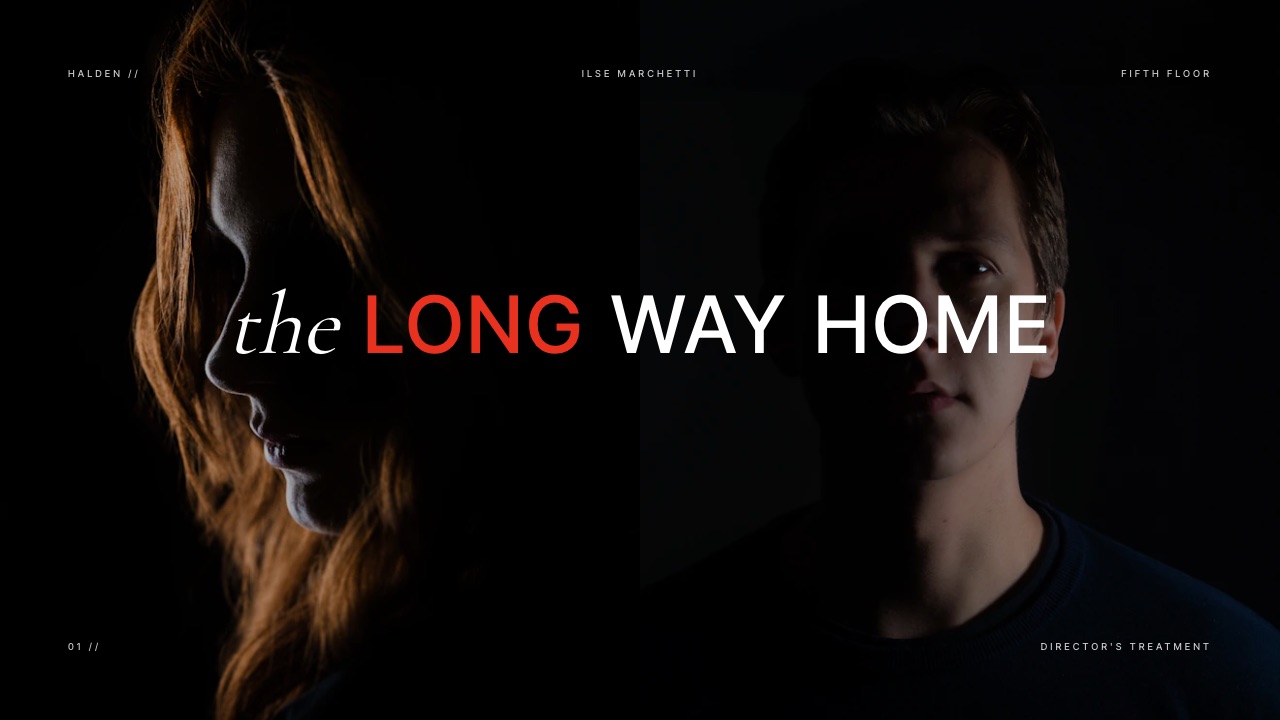
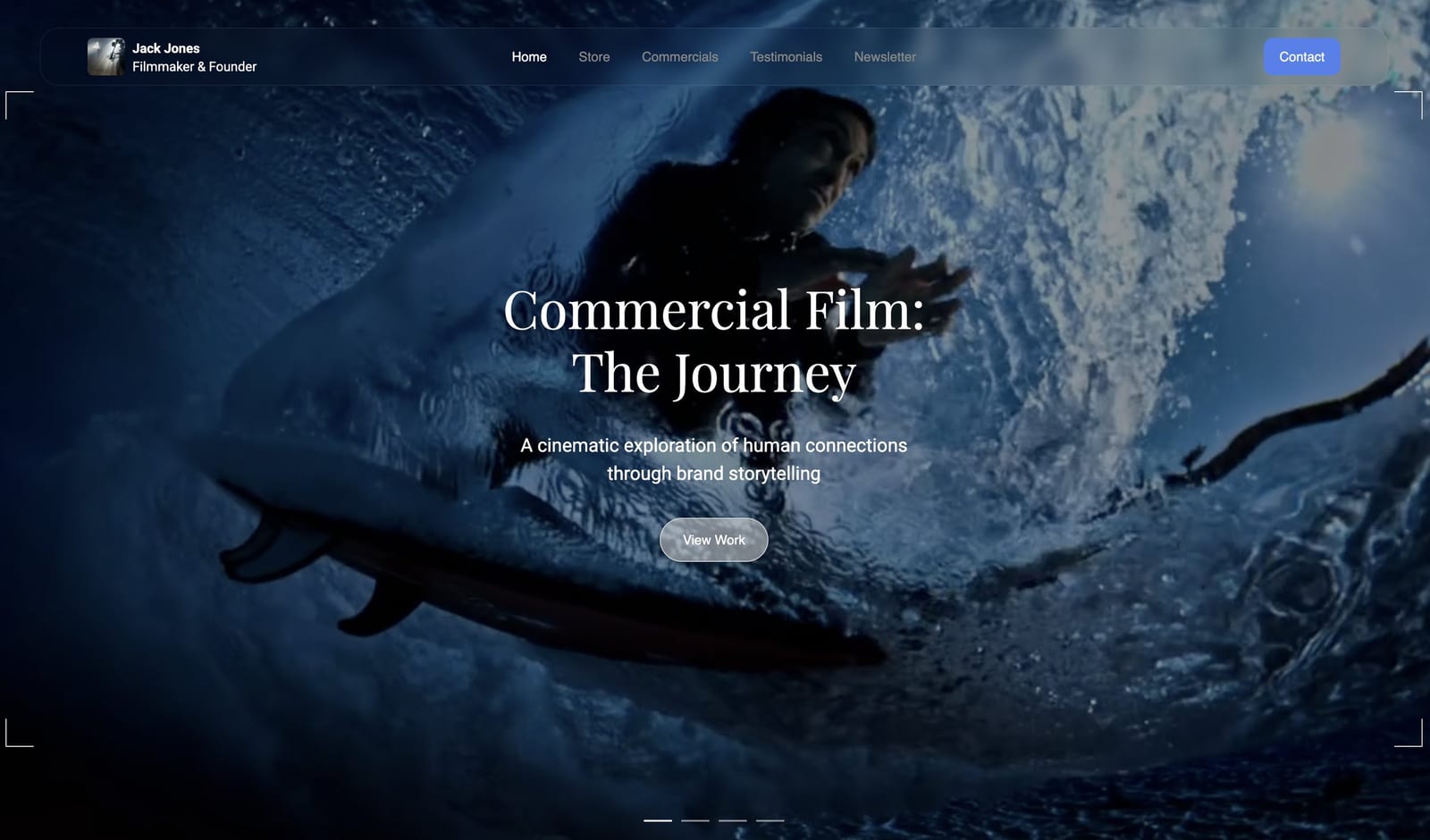
Framekit templates
Start from a designer-made template
 Use template
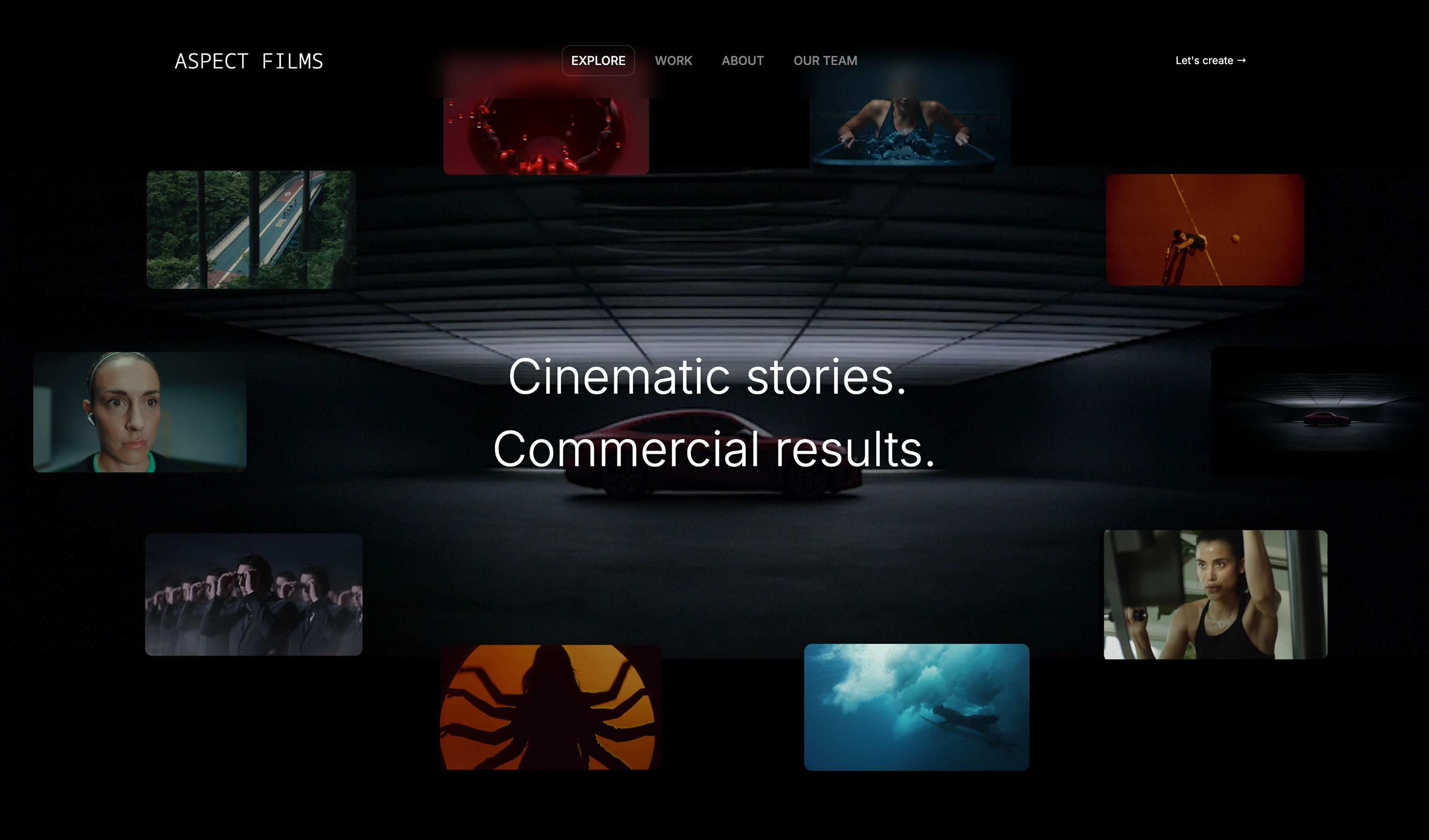 Use template
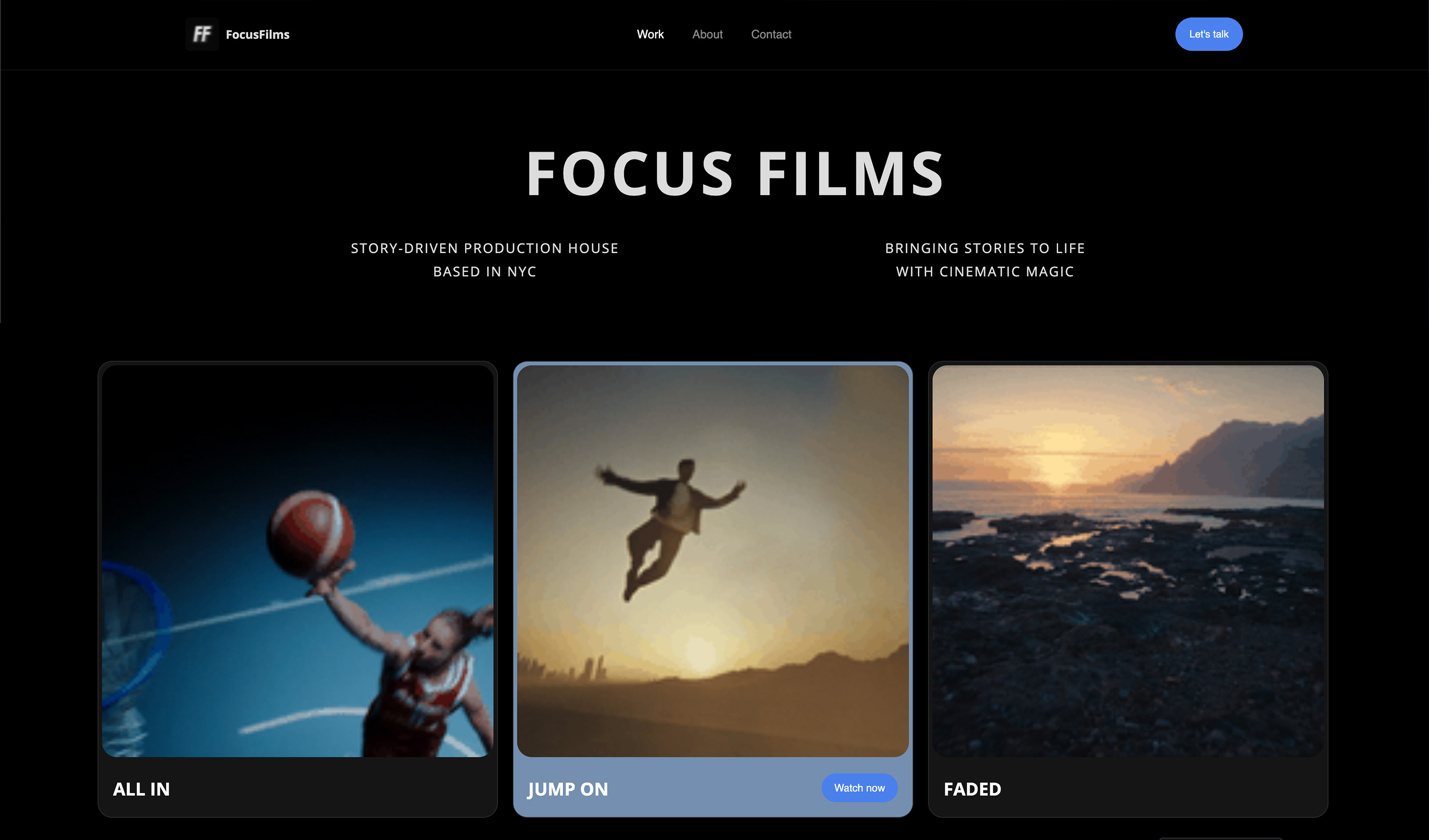 Use template
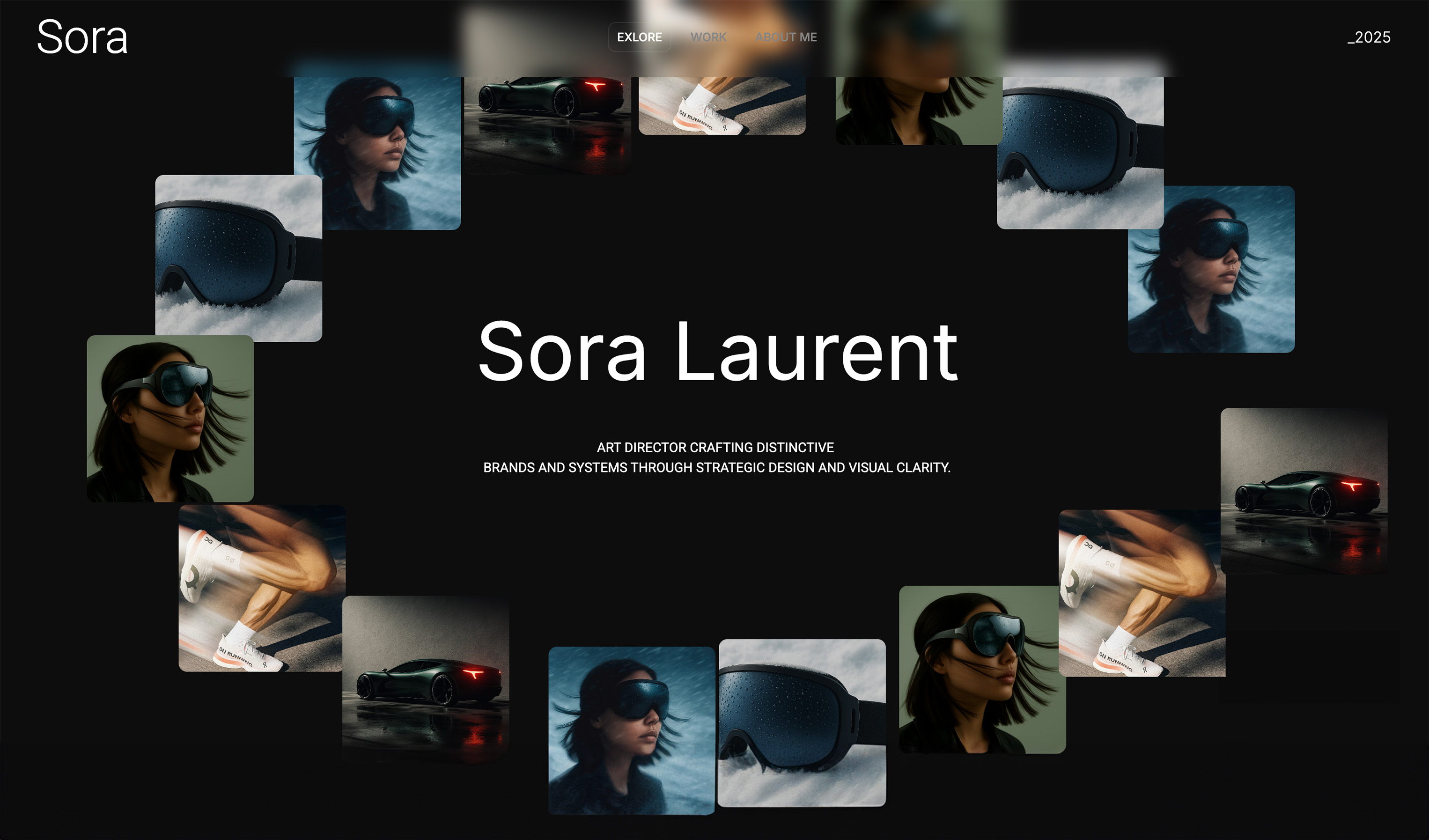 Use template
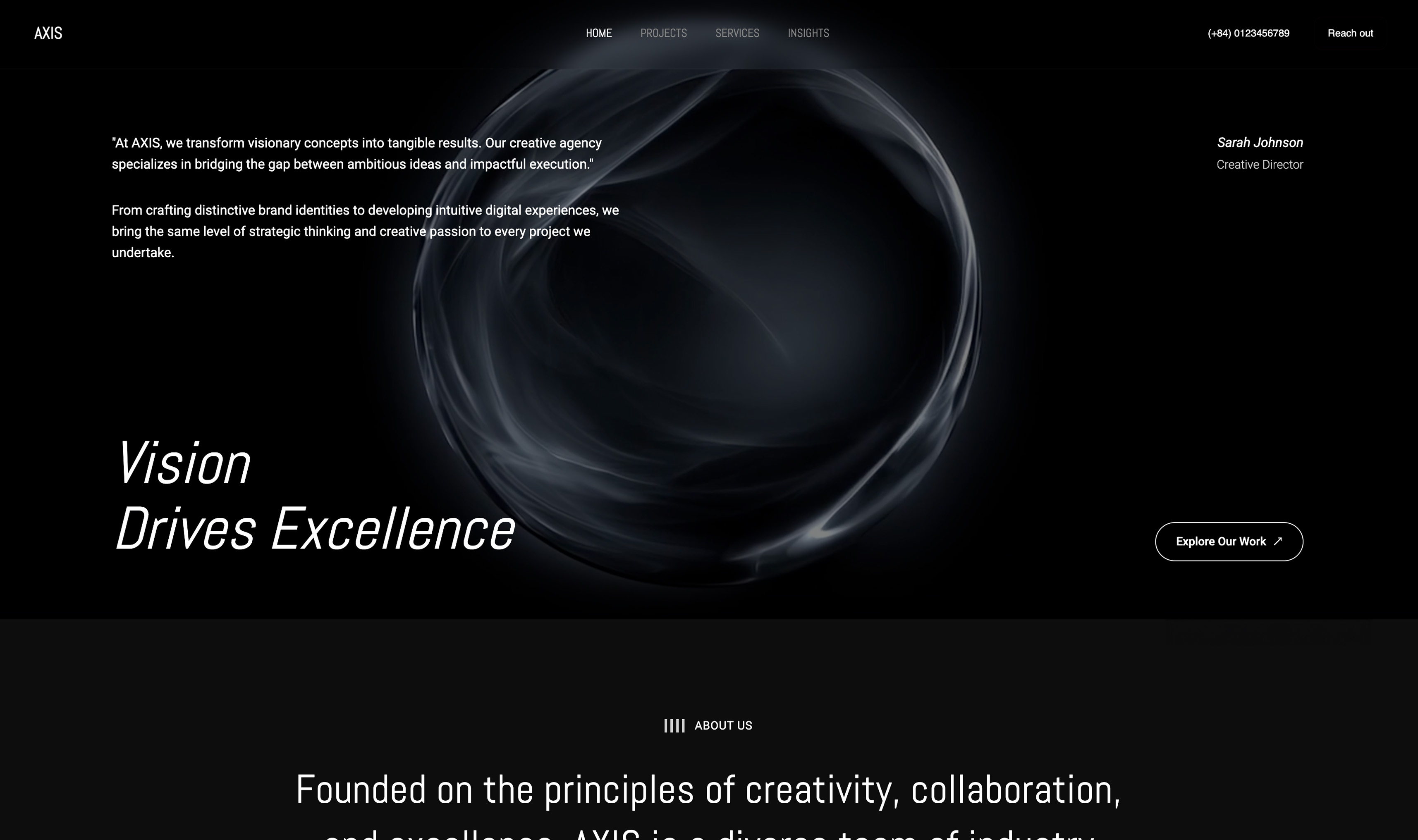 Use template
 Use template
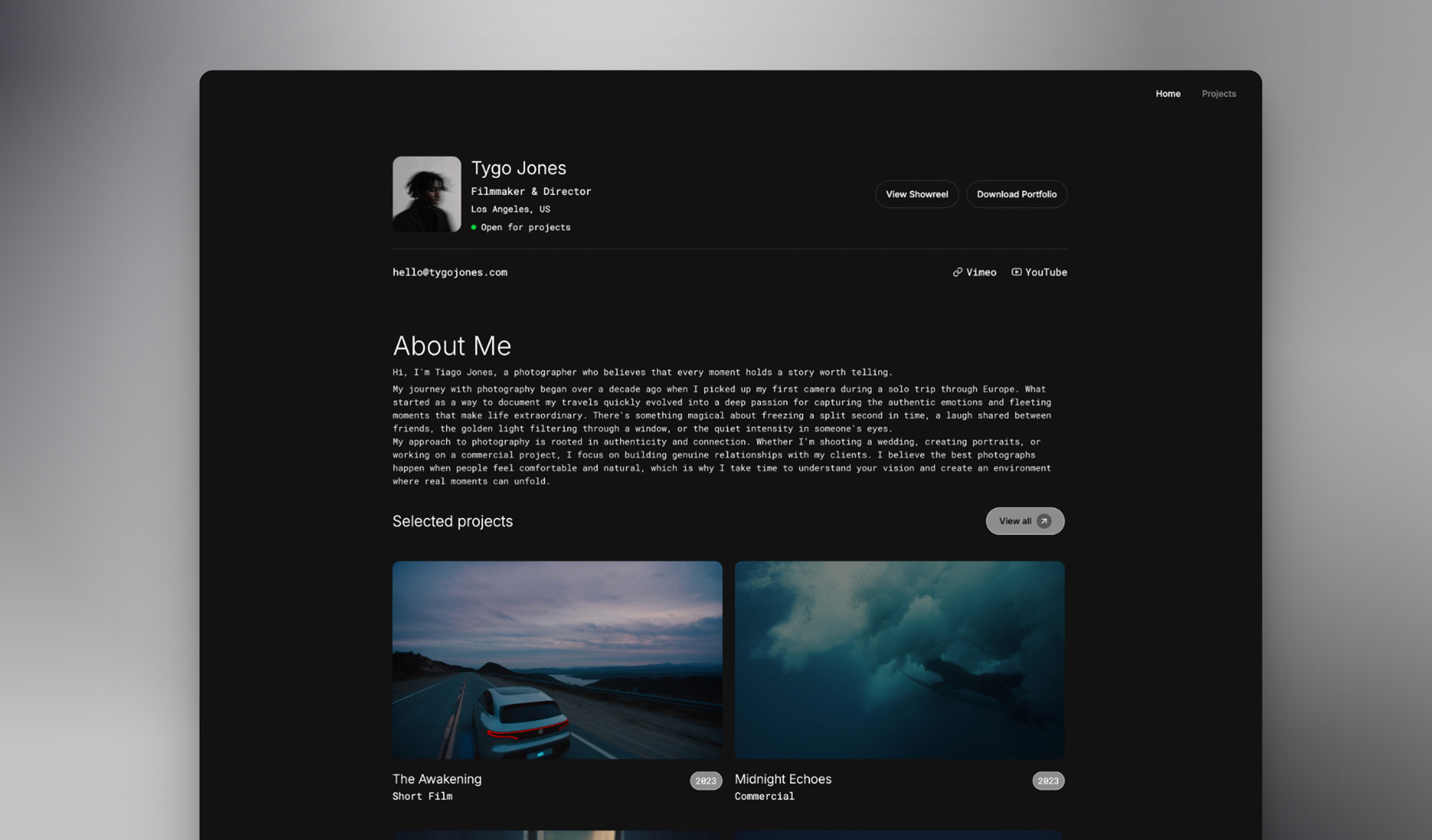 Use template
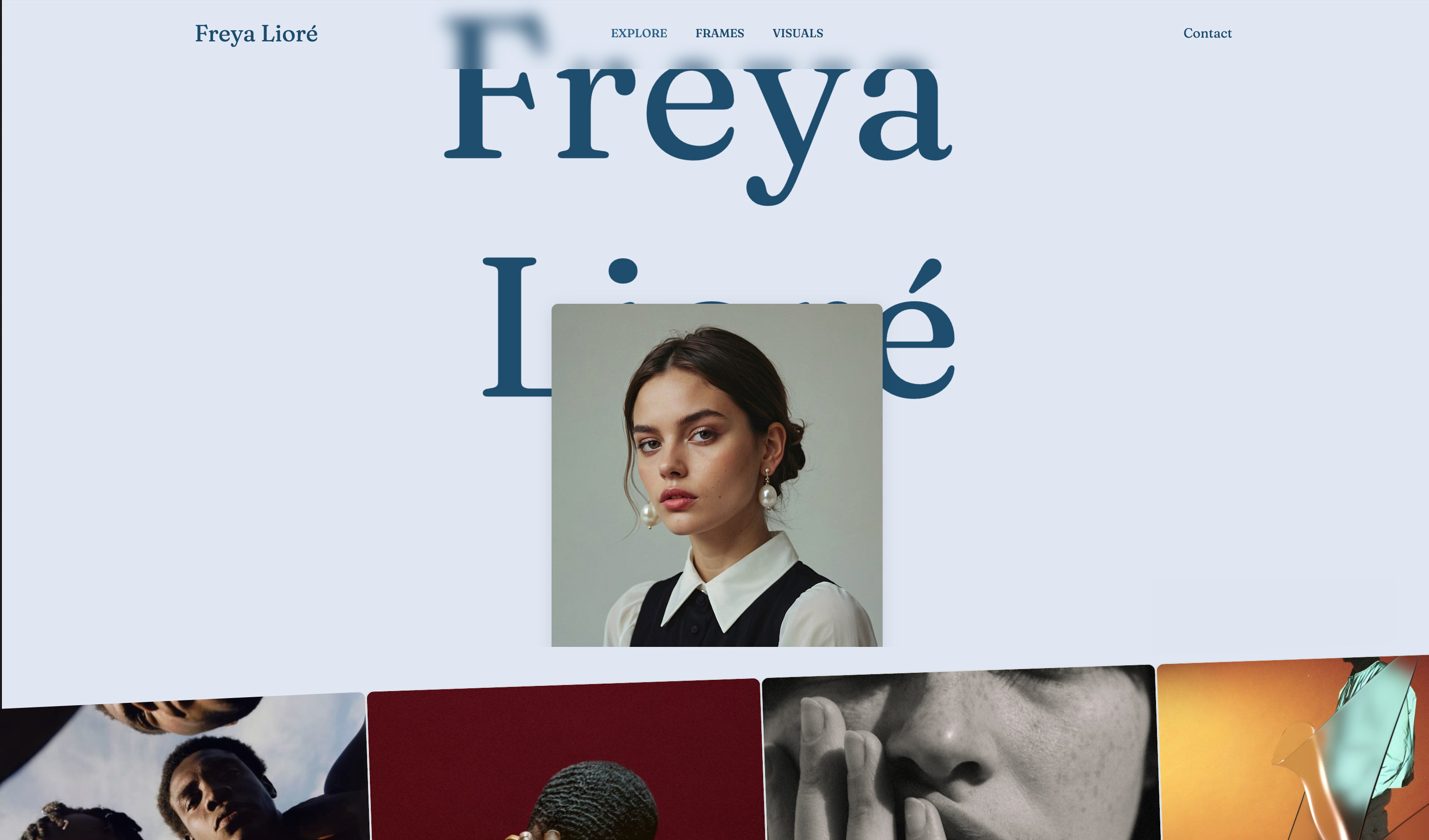 Use template
AIVA's free plan gives you three downloads a month. Its own pricing page states that the copyright in those tracks is owned by AIVA, and that you may not monetise them.
Its Standard plan at 11 euro a month gives you fifteen downloads, and the copyright is still owned by AIVA, with monetisation permitted on exactly four platforms.
You do not own the music until the 33 euro tier.
That is stated plainly on the vendor's own page, and it is the sort of thing almost no comparison article in this category mentions, because they are comparing how the music sounds.
An AI music generator is a tool that composes original audio from a text description, a style selection or a set of parameters, producing a track you can use in a video instead of licensing one from a catalogue.
Filmmakers and creators use them for scoring where budget or turnaround makes a stock licence impractical.
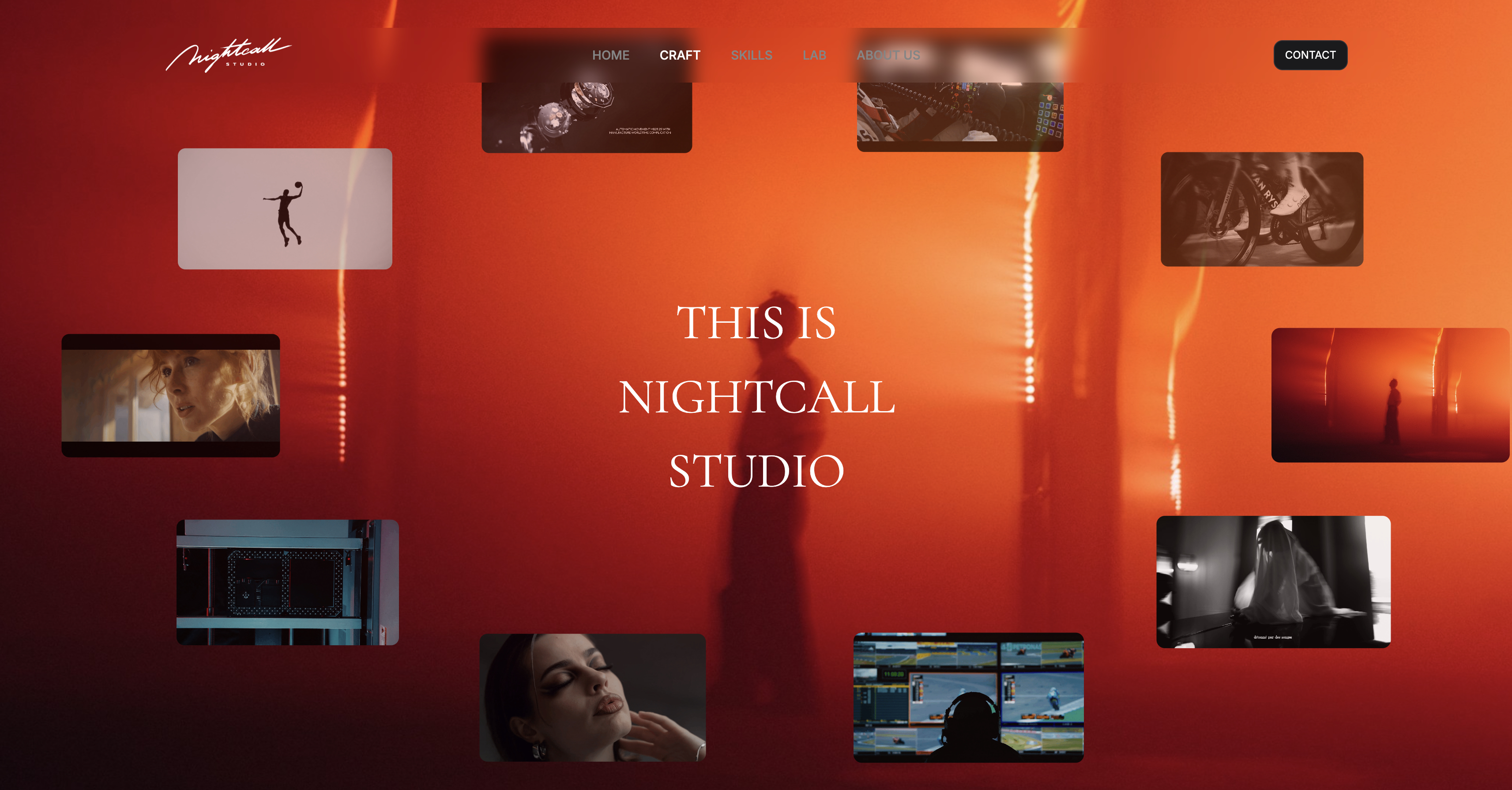
The score is one input into a finished film, and the film then needs a home. Framekit is where a lot of directors put theirs: a page carrying the piece, the brief, the process and the credits, on a domain you control rather than inside a platform feed.
The best AI music generator for video in 2026 is Soundraw, because its paid plan clears every track for commercial use including advertising and client work at a reported $16.99 a month billed annually, and it is built around editing a track to picture rather than accepting a generation.
Suno produces the most impressive results at $8 a month for commercial rights, AIVA is the only tool here that transfers copyright to you outright, and Beatoven's licence is reported to survive cancellation.
The trade-off across the whole category is legal rather than musical: the two most capable tools are in active litigation with major labels.
Updated in September 2026: we re-verified Framekit's plans and refreshed our section on where a scored film ends up. Generator pricing and licence terms are as checked in August 2026.
How We Compared 9 AI Music Generators
We generated to a real brief rather than to a prompt: a 90-second brand film needing a build from sparse to full, a 30-second social cut needing an immediate hook, and a two-minute documentary bed needing to sit under dialogue without competing.
For each tool we assessed how well the output could be shaped to picture, how usable the stems and lengths were, and then read the licence terms line by line.
The evidence separates into three kinds. Musical judgments, how each tool responded to direction and whether the results could be cut to length, come from generating against those three briefs.
Pricing and licence terms were read from vendor pages on 9 August 2026 where those pages rendered, and entries say plainly where they did not. The litigation summary is drawn from published reporting and legal trackers and is cited inline.
Two vendors could be read directly on both price and rights, which in this category is the exception rather than the rule. The rest required third-party sources for pricing, and their licence positions are described from their own published terms where those were accessible.
In one linenine generators, three real scoring briefs, and licence terms read line by line rather than summarised from marketing.
What Generating to a Real Brief Showed
The musical differences were smaller than expected and the legal differences were enormous.
Every tool here produced something usable for a social cut, and they diverge sharply on whether you are permitted to use it, whether you own it, and whether it will still be licensed to you next year.
- 3 of the 9 free tiers produce music you are explicitly not allowed to use commercially at all.
- 1 vendor retains the copyright in your tracks on both its free and its first paid tier.
- The cost of a track you can legally put in a client video ranges from about $0.01 to about 0.73 euro.
- 2 of the most capable tools reached licensing settlements with two major labels during late 2025 and remain in litigation with a third.
- Credits on the two largest generators do not roll over, so unused capacity is lost each month.
- Only 1 vendor's licence is reported to survive cancellation of the subscription.
For the tool matched to the work you deliver, jump to the decision guide.
What a Usable Track Actually Costs
The number that matters is not the price of a generation. It is the price of a track you may legally place in a monetised video for a client, which excludes several of the free tiers entirely.
| Plan | Price | Tracks a month | Commercial use | Cost per usable track |
|---|---|---|---|---|
| Suno Free | $0 | 50 credits daily | No commercial use | Not usable |
| AIVA Free | 0 euro | 3 downloads | Copyright owned by AIVA | Not usable |
| Soundraw Free | $0 | Unlimited generation | No download or commercial use | Not usable |
| Soundraw Personal, annual | About $16.99 a month | Up to 50 downloads a day | Yes, broadly cleared | About $0.011 |
| AIVA Pro, annual | 33 euro a month | 300 downloads | Copyright owned by you | About 0.11 euro |
| Loudly | Reported about $5.99 a month annually | Plan dependent | Yes | Plan dependent |
| Suno Pro | $8 a month | 2,500 credits | Yes, for new songs | Credit dependent |
| Udio Standard, annual | Reported about $8 a month | 2,400 credits | Yes | Credit dependent |
| Beatoven Standard | Reported about $20 a month | Plan dependent | Yes, reported perpetual | Plan dependent |
| AIVA Standard, annual | 11 euro a month | 15 downloads | AIVA owns it, four platforms only | About 0.73 euro, conditionally |
| Mubert Pro | Reported about $39 a month | Plan dependent | Yes, full commercial | Plan dependent |
Three rows say "not usable" and that is the most important information on this page. A free AI music tier is a demonstration, not a source of music for your work, and using one in a monetised video is a licence breach rather than a grey area.
The credit-based tools cannot be reduced to a per-track figure honestly, because the credits a song consumes vary with model, length and how many attempts you need.
That is a real limitation of their pricing rather than an omission here, and it is why the download-based tools are easier to budget.
In one linea track you can legally use costs about $0.011 to 0.73 euro, and three of the free tiers in this comparison produce music you are not permitted to use at all.
The 9 Best AI Music Generators for Video in 2026: Full Comparison
Scores are out of 10 across four weighted criteria: how well the output can be shaped to picture including length, stems and structure (30%), the clarity and strength of the commercial licence (30%), musical quality against a real brief (25%), and cost per usable track (15%).
Licence clarity carries as much weight as musical control because in this category a track you cannot legally use has no value regardless of how it sounds.
| Tool | Price | Commercial licence | Copyright | Best for | Score |
|---|---|---|---|---|---|
| Soundraw | Reported $16.99 to $19.99 a month | Broadly cleared including ads | Licence, not ownership | Client and commercial work | 8.7 |
| AIVA | Free, 11 and 33 euro a month | Tier dependent | Yours on Pro only | Owning the music outright | 8.3 |
| Suno | Free, $8, $24 a month | Paid tiers only | Licence | Best-sounding results | 8.0 |
| Beatoven.ai | Reported $20 and $50 a month | Reported perpetual | Licence, survives cancellation | Licence security | 7.8 |
| Udio | Free, reported $8 to $30 a month | Paid tiers | Licence | Prompt-driven composition | 7.4 |
| Mubert | Reported $14, $39, $199 a month | Full commercial on Pro | Licence | Ambient and background beds | 7.1 |
| Loudly | Reported about $5.99 a month | Yes | Licence | Cheapest paid entry | 6.7 |
| Stable Audio | Subscription | Check tier terms | Licence | Sound design and texture | 6.4 |
| ElevenLabs Music | Subscription | Check tier terms | Licence | Teams already using its voices | 6.1 |
Soundraw leads a field where the best-sounding tool does not win, and that is deliberate.
For work you deliver to a client, a licence that plainly covers advertising and commercial use is worth more than a generation that impresses you, and the section on litigation below explains why that gap matters more this year than last.
1. Soundraw: Best for Client and Commercial Work
Soundraw is built around editing a generated track rather than accepting one, and its licence is the plainest in this comparison, which together make it the safest choice for work somebody is paying you for.
What it feels like to usecloser to a music editor than a prompt box. You choose mood, genre and length, then rearrange the sections, drop the intensity under dialogue and lift it for the final third.
On our 90-second brand film that structural control was the difference between a track that fitted the cut and one the cut had to accommodate.
The real numberreported at $19.99 a month, or $16.99 billed annually, for the Personal plan, which permits commercial use and up to 50 downloads a day.
The free plan allows unlimited generation and no downloads, which makes it a preview rather than a usable tier. At 50 downloads a day the paid plan works out at roughly $0.011 a track.
The detail nobody writes aboutthe free tier lets you generate as much as you like and take nothing away. That is an unusually honest structure, because you can evaluate the music thoroughly against your actual brief before paying, which none of the credit-based tools allow without spending.
The gotchayou are buying a licence rather than copyright. The tracks are cleared for commercial use, and they are not yours in the sense AIVA's Pro tier means, so exclusivity is not part of the deal and another film can use the same music.
Skip it ifyou need to own the composition outright, which for a brand identity or a signature theme is a real requirement.
Verdict: the right default for anyone delivering video to clients, because it is the combination of structural control and a licence you can quote to a nervous client. Not the most impressive generator here and the most professionally useful one.
Licensing rather than generating? We compared the catalogues in the best stock music licensing sites for video.
2. AIVA: The Only One That Gives You the Copyright
AIVA is a composition-focused generator aimed at scoring, and it is the only tool in this comparison whose top tier transfers copyright in the output to you.
What it feels like to useoriented around music rather than prompts. You can work from a style, edit in a piano-roll view and export stems, which suits anyone with musical training and frustrates anyone hoping to type a sentence and receive a finished track.
Pricing is displayed in euros.
The detail nobody writes about, and it is the reason this article opened with it: the copyright column changes at the top tier only.
A paying Standard customer at 11 euro a month does not own their tracks and may use them on four named platforms.
If you deliver a client film, put music in an advertisement, or license your own work onward, that tier does not cover you and its price makes it look like it should.
The gotcha300 downloads a month on Pro is generous and the tier is 33 euro, so the entry cost of actually owning your music here is about three times Soundraw's licensed alternative.
Skip it ifa broad commercial licence is sufficient, which for most video work it is, and ownership is a premium you do not need.
Verdict: the correct choice when you need to own the composition, and the clearest example in this comparison of a rights ladder hidden inside a price ladder. Read the copyright column before the price column.
3. Suno: The Best-Sounding Results
Suno produces the most musically convincing output in this comparison by a clear margin, with full arrangements and vocals that no other tool here matches.
What it feels like to usestartling, then limiting. A short description produces a finished song with structure and performance, which on our social cut was immediately usable.
What it does not offer is the structural editing Soundraw provides, so shaping a generation to an existing cut means regenerating rather than rearranging.
The real numberthe free plan gives 50 credits daily with no commercial use, Pro is $8 a month for 2,500 credits with commercial use rights for new songs, and Premier is $24 a month for 10,000 credits, with annual billing taking about 20% off at roughly $77 and $230 a year.
The detail nobody writes aboutthe free tier is explicitly non-commercial, and the paid tiers grant rights for new songs made while subscribed.
That phrasing matters if you cancel: the terms are worth reading on the specific question of whether tracks generated during a paid month remain usable afterwards, because it is not the same guarantee Beatoven is reported to offer.
The gotcha, and it is the largest one in this comparisonSuno is in active litigation with major labels.
Warner settled in November 2025 in exchange for a licensing partnership, and Universal's case continues, expanded in May 2026 from 560 to over 61,000 recordings, with Sony also still litigating.
For a personal project that is background noise. For a national advertising campaign it is a conversation with a legal department.
Skip it ifyou deliver work to risk-averse clients, where a tool under active copyright litigation is a difficult recommendation regardless of its licence terms.
Verdict: the best music in the category and the most legally complicated. Excellent for personal work, social content and anything where the downside of a rights question is small.
4. Beatoven.ai: The Licence That Survives Cancellation
Beatoven generates background music for video and podcasts, and its distinguishing feature is a licence structure reported to be perpetual rather than tied to an active subscription.
What it feels like to useunflashy and purpose-built. The output is background music that stays out of the way, which for a documentary bed under dialogue is exactly right and for a hero brand film is underwhelming.
The real numberreported at about $20 a month for Standard and $50 for Premium, with an alternative reported entry of about $30 a year for 15 minutes of music a month. Its pricing page did not respond to us, so all figures here are third-party sourced.
The detail nobody writes aboutthe tracks are reported to carry a perpetual, royalty-free licence that does not expire when you cancel.
In a category where most licences are conditional on an active subscription, that is the single most valuable term available, because a film delivered three years ago should not become a rights problem when you stop paying a vendor.
The gotchaeverything above is reported rather than read at source, and a licence term that matters this much deserves reading in the vendor's own words before you rely on it.
Skip it ifyou need foreground music with a strong identity, where this is not what the tool aims at.
Verdict: the most sensible licence structure in the category if the reported terms hold, and the right pick for a filmmaker with a back catalogue of delivered work to protect. Verify the wording yourself before committing.
5. Udio: Prompt-Driven Composition
Udio is Suno's closest competitor on raw musical capability, built on a similar prompt-to-song model, aimed at a similar audience, and sitting in a similar and equally unresolved legal position with the major record labels.
What it feels like to usecomparable to Suno with different characteristic strengths, generally cleaner on instrumental arrangements and slightly behind on vocal performance. As with Suno, the workflow is generate and select rather than compose and edit.
The real numberreported at a free tier with 100 credits a month capped at 10 a day, Standard at $10 a month or $8 billed annually for 2,400 credits, and Pro at $30 or $24 annually for 6,000 credits.
Subscription credits are reported not to roll over, while separately purchased pay-as-you-go credits, reported at $3 for 100 and $25 for 1,000, never expire.
The detail nobody writes aboutthe distinction between expiring subscription credits and non-expiring purchased credits is real money for anyone whose work is seasonal.
A filmmaker who scores three projects a year and nothing in between is throwing away most of a subscription, and buying credits outright at $25 per thousand is the cheaper structure.
The gotchathe same litigation context as Suno. Universal settled with Udio in October 2025 and Warner in November 2025, and Sony remains in litigation with both companies.
Skip it ifyour usage is irregular and you would be on a subscription, where the expiring credits waste money.
Verdict: a strong generator whose pay-as-you-go option is the most sensible way to buy in this whole category for occasional users. Same legal caveats as its closest rival.
6. Mubert: Beds, Ambience and Long-Form
Mubert generates continuous, loopable music rather than discrete songs with a beginning and an end, which makes it a genuinely different tool solving a different problem from everything else ranked in this comparison.
What it feels like to usebuilt for background. Generating twenty minutes of consistent ambience for an installation, a livestream or a long-form video is straightforward here and awkward everywhere else in this comparison, because the other tools think in songs.
The real numberreported at about $14 a month for Creator, $39 for Pro which adds full commercial licensing for freelancers, advertisers and indie game developers, and $199 for Business.
The gotchathe tier that grants full commercial licensing is the $39 one, not the $14 one, which is the same pattern as AIVA and worth checking before assuming the entry plan covers client work.
Skip it ifyou need discrete tracks with structure, where the loop-oriented output works against you.
Verdict: the right tool for ambience and long-form beds, and the wrong one for a scored piece. Check which tier your use actually requires.
7. Loudly: Cheapest Paid Entry
Loudly is a generator built around a large template-driven library rather than open-ended prompting, and it is positioned firmly at the bottom of the paid market on price, which is the main reason anyone considers it.
What it feels like to usequick and unremarkable. Output quality sits in the middle of this field and the appeal is the price rather than the music.
The real numberreported at about $5.99 a month on annual billing, the cheapest paid entry in this comparison.
The gotchaat the bottom of a market where the differentiator is licence quality, the cheapest option deserves the most careful reading of its terms, particularly on what happens to tracks after cancellation and whether advertising use is included.
Skip it ifthe work is for a client, where a few dollars a month saved is not worth an ambiguous licence.
Verdict: reasonable for personal projects and social content on a tight budget, and the one where reading the licence matters most.
8. Stable Audio: Texture and Sound Design
Stable Audio, from Stability AI, generates audio including sound effects and textures as well as music, which puts it closer to sound design than to scoring.
What it feels like to usemore useful for atmospheres, risers, drones and effects than for a finished piece of music. For a filmmaker building a soundscape rather than choosing a track, that is a genuinely different capability from everything else here.
The real numbersold as a subscription, with commercial terms varying by tier, and we recommend reading the current terms directly rather than relying on a summary.
The gotchatreating a sound design tool as a music generator produces disappointment in both directions. Know which job you are doing before choosing it.
Skip it ifyou want songs.
Verdict: a useful addition to a filmmaker's audio toolkit and not a competitor to the scoring tools above.
9. ElevenLabs Music: Convenient If You Are Already There
ElevenLabs is best known for voice synthesis and has extended into music, which makes it relevant mainly to people already paying for its voice tools.
What it feels like to useintegrated with a voice workflow, which for anyone producing narrated video with generated voiceover means one vendor and one bill rather than two.
The real numberincluded within ElevenLabs subscription tiers, with the credits shared across voice and music generation, so the effective cost depends on how you split usage.
The gotchashared credits between voice and music mean heavy use of one starves the other, and forecasting that split is harder than it sounds.
Skip it ifyou do not already use it for voice.
Verdict: convenient consolidation for existing customers and not a reason to switch. Check the licence terms for music specifically rather than assuming they match the voice terms.
The Litigation, and What It Means for Work You Deliver
In one linethe two most capable generators in this comparison settled with two major labels during late 2025 and remain in litigation with others, which is a fact worth knowing before you put their output in a client's advertisement.
This is reported context rather than legal advice, and anyone with a genuine commercial exposure should take that question to a lawyer rather than to a comparison article. What follows is what is publicly documented.
The settlements. Universal Music Group settled with Udio in October 2025.
Warner Music Group settled with Udio in November 2025 and with Suno in the same month, in Warner's case in exchange for a licensing partnership under which Suno committed to a licensed model with artist opt-in over voice and likeness, alongside Suno acquiring the concert-data service Songkick from Warner.
What is still running. Sony Music remains in litigation with both companies.
Universal's case against Suno continues, and in May 2026 was reported to have been expanded from 560 recordings to over 61,000 following discovery, which would push potential statutory exposure into the billions.
A proposed class action on behalf of independent musicians and small-label artists was filed in November 2025.
Why this belongs in a tool comparison. A vendor's licence to you is only as strong as its own right to license.
Settlements and licensing partnerships strengthen that position considerably, and unresolved litigation leaves a question open that no terms page can close on its own.
What it does not mean. It does not mean output from these tools is unusable, and millions of people use them without incident.
It means the risk is not zero and it is unevenly distributed: a personal YouTube video and a national television campaign are not exposed to the same degree, and the decision should reflect which one you are making.
The practical position most working filmmakers have landed on is straightforward. Use the most capable generators for personal work, social content and internal material.
For client deliverables, advertising and anything with a broadcast or distribution agreement attached, use a tool whose licence explicitly covers the use and whose rights position is not currently contested, or licence from a catalogue.
Three Licence Questions to Ask Before You Generate Anything
In one linethe pricing page tells you what a plan costs and the terms page tells you what you are allowed to do with the output, and in this category those two documents disagree more often than in any other.
Ask these three, in this order, and the answers eliminate most of the field for any given job.
Do I own it or am I licensed to use it? AIVA's Pro tier states that copyright is owned by you.
Most competitors grant a licence instead, which is usually sufficient and means the same track can appear in somebody else's film. For a brand theme or a signature piece of music, that difference matters.
What happens when I stop paying? Beatoven is reported to grant a perpetual licence surviving cancellation.
Others tie rights to an active subscription, which creates a genuine problem for a filmmaker with delivered work in the world. Ask this before your back catalogue depends on the answer.
Is advertising included? This is the specific carve-out to look for, because plenty of licences that permit commercial use exclude broadcast advertising or require an upgrade for it.
AIVA's Standard tier restricts monetisation to four named social platforms, and Mubert reserves full commercial licensing for its middle tier. Both are legitimate structures and both catch people who read the price and not the terms.
A fourth question is worth asking about your own workflow rather than the vendor: can you evidence which tool generated which track, on what date, under which plan.
Keeping the generation record with the project file costs nothing and answers a question you will otherwise be unable to answer years later.
Scoring to Picture: What Generated Music Still Cannot Do
In one linemusic for video has to hit specific moments at specific times, and generation produces music that exists in its own time rather than in your edit's, which is the practical limitation behind every frustrating session with these tools.
Four things a composer does routinely and a generator does not.
Hit points. A cut, a reveal, a logo, a line of dialogue: scored music lands on those moments deliberately. A generated track arrives with its own structure and the accents fall where they fall.
Tools that let you rearrange sections, which in this comparison means Soundraw and to a degree AIVA, let you approximate this. Prompt-only tools cannot.
Dynamic arc across an exact duration. A 90-second film needs the music to build to a point at about 70 seconds and resolve by 88.
Generation gives you a track of roughly the right length with roughly the right shape, and closing that gap is editing work rather than prompting work.
Sitting under dialogue. Music that shares frequency range with a voice fights it, and the fix is arrangement rather than volume: thinner instrumentation in the vocal range, movement in the gaps.
Stems make this possible; a stereo bounce means you are ducking a full mix and hearing it pump.
Restatement and variation. A theme that returns transformed is how film music carries meaning across a piece. Generators produce related tracks rather than developments of the same idea, which is close and audibly not the same thing.
The workflow that gets closest, and it is worth adopting whichever tool you choose: pick the cut points first, generate longer than you need, then edit the music to the picture rather than expecting the generation to arrive correct.
Treat the output as a raw recording rather than a finished cue and the results improve immediately.
When to Hire a Composer Instead
In one lineoriginal composition costs more than any subscription here and buys three things none of these tools provides, and being clear about which projects need them saves both money and disappointment.
We publish this for filmmakers, so the honest version rather than the convenient one.
A composer writes to your picture. The hit points, the arc and the restatement described above are the job rather than the constraint.
For a narrative short, a brand film with a real budget or anything where music carries emotional weight, that difference is the whole point.
You get an exclusive piece. A generated track is licensed to whoever generates something similar, and a commissioned cue is yours. For a brand with a sonic identity, exclusivity is the asset.
The rights are unambiguous. A composer contract states who owns what, in writing, with a named human on the other side. Given the litigation described above, that clarity has become worth more than it was two years ago.
Where generation genuinely wins. Volume, iteration, speed and budget. Twelve social cuts a week do not need a composer, an internal training video does not, and a first cut needing temp music absolutely does not.
Using generated music as temp score and commissioning for the final is a workflow that costs almost nothing and works well.
The dividing line most working filmmakers use: if the music has to make somebody feel something specific at a specific moment, commission it. If it needs to be present, appropriate and cleared, generate it.
Three Tools We Left Out
Exclusions describe a category, so here is what was set aside and why.
Epidemic Sound and Artlist's AI features were excluded because both are primarily licensed catalogues that have added generative tools, and they are covered as catalogues in our stock music comparison.
Ranking a catalogue's AI feature against a dedicated generator would misrepresent both.
Boomy was left out because its orientation is toward releasing generated tracks to streaming platforms rather than scoring video, which is a different business with different rights implications entirely.
The broad field of free web music generators was excluded as a group. Most produce short, low-quality loops, few publish usable licence terms, and none of them is the right answer for work you deliver.
Where a genuinely free option is needed, Soundraw's unlimited generation without downloads is a better way to evaluate the category.
Will a Platform Flag AI-Generated Music?
In one lineautomated content matching looks for recordings it already knows, so genuinely original generated audio typically passes, and the two situations where it does not are worth understanding.
Content matching systems on the large video platforms work by fingerprinting audio against a database of registered recordings. A track generated for you, not derived from a specific existing recording, has no fingerprint in that database and normally passes without a claim.
Two edge cases produce problems anyway.
Other people registering generated music. If a generated track, or one closely resembling it, has been distributed and registered by somebody else, a matching system can flag your use of a track you generated independently. Disputing that is possible and tedious.
Output that resembles a specific existing recording too closely. Prompting a generator toward a named artist's sound increases the chance of producing something recognisably derivative, which is both a matching risk and the behaviour at the centre of the litigation described above.
Prompting by mood, instrumentation and tempo rather than by artist name is better practice for several reasons at once.
The practical habit: keep your generation records, avoid prompting by artist name, and if you deliver a lot of client work, prefer vendors whose licences explicitly address what happens if a claim is raised.
Run This Test Before You Subscribe
Take a cut you have already finished and scored, with music you licensed or that a composer wrote. Then generate against that same brief in two tools.
Use Soundraw's free tier, which allows unlimited generation with no download, and Suno's free tier, which allows generation with no commercial use. Neither costs anything and between them they represent the two poles of this category: structural editing versus generative quality.
Then lay each result against your existing cut and ask one question: does this need the edit to change. A track that fits the picture as it is has passed. A track you love that requires re-cutting a client-approved sequence has failed, whatever it sounds like in isolation.
Do this before subscribing, because it answers the only question that matters for video work, which is not whether the music is good but whether it can be made to fit.
Where the Finished Films Live
Every tool above scores a video. None of them affects whether anyone sees it, which for a filmmaker is the constraint that actually limits the work. This is what we build, so read it as disclosure rather than a tenth entry.
Framekit is an AI website builder for filmmakers, photographers and creators, so a finished piece can sit on a page with its context around it: the brief, the process, the credits and a contact route, on a domain you control rather than a platform feed.
For anyone commissioning or delivering scored work, a case study page carrying the film and the reasoning behind it is what producers actually look at.
Two honest limits. Framekit does not generate, license or host music, and it is not an alternative to anything ranked above. And it is not a video host, so the film itself still wants a dedicated video platform embedded into the page.
The Decision Guide
Work down these in order and stop at the first yes. The first question is about rights rather than sound, which is the argument of this entire article.
Is this for a client, an advertisement, or anything with a distribution agreement? If yes, Soundraw at a reported $16.99 a month billed annually, whose licence plainly covers commercial and advertising use, or licence from a stock catalogue instead.
Do you need to own the composition outright? If yes, AIVA Pro at 33 euro a month billed annually, the only tier in this comparison that states copyright is owned by you. Do not assume the 11 euro tier does the same, because it does not.
Do you have delivered work whose rights must survive you cancelling? If yes, Beatoven, whose licence is reported to be perpetual, and read the wording yourself before relying on it.
Is this personal work, social content or an internal video? If yes, Suno at $8 a month produces the best music in this comparison, and the litigation context matters far less at this level of exposure.
Do you score irregularly, a few projects a year? If yes, Udio's pay-as-you-go credits at a reported $25 per thousand, because subscription credits expire and yours would.
Do you need long-form ambience or loops rather than songs? If yes, Mubert, on the tier that includes full commercial licensing rather than the entry one.
Are you building soundscapes and effects rather than music? If yes, Stable Audio, which is a different tool for a different job.
Frequently Asked Questions
What is the best AI music generator for video in 2026?
The best AI music generator for video in 2026 is Soundraw, reported at $16.99 a month billed annually, because its licence plainly covers commercial use including advertising and it lets you restructure a track to fit a cut rather than regenerating until one fits.
Suno at $8 a month produces the most impressive music, AIVA's 33 euro Pro tier is the only one that transfers copyright to you, and Beatoven's licence is reported to survive cancellation.
Can I use AI-generated music commercially?
It depends entirely on the tool and the tier, and three free tiers in this comparison explicitly do not permit it. Suno's free plan states no commercial use.
AIVA's free and 11 euro tiers retain copyright with AIVA, with the paid one limiting monetisation to four social platforms. Soundraw's free plan does not allow downloads at all.
Read the terms for your specific tier rather than assuming that paying grants commercial rights.
Who owns AI-generated music?
Usually the vendor, with you holding a licence to use it.
AIVA is the exception in this comparison: its own pricing page states copyright is owned by AIVA on the free and Standard tiers and owned by you on Pro at 33 euro a month billed annually.
Everywhere else you are licensed rather than an owner, which is generally sufficient for video work and means the same track may appear in someone else's film.
Are Suno and Udio legal to use?
Both operate commercially and both have been in litigation with major record labels.
Universal settled with Udio in October 2025, Warner settled with both in November 2025, and Sony remains in litigation with both, while Universal's case against Suno continues and was reported in May 2026 to have expanded from 560 to over 61,000 recordings.
That is publicly documented context rather than legal advice, and anyone with meaningful commercial exposure should take the question to a lawyer.
How much does AI music cost per track?
A track you can legally use in a monetised video costs between about $0.011 and 0.73 euro depending on the plan.
Soundraw's paid tier at a reported $16.99 a month with up to 50 downloads a day works out around $0.011, and AIVA Pro at 33 euro for 300 downloads is about 0.11 euro.
Credit-based tools such as Suno and Udio cannot be reduced to a per-track figure honestly, because credits consumed vary by model, length and how many attempts a usable result takes.
Will YouTube flag AI-generated music?
Usually not, because content matching systems fingerprint audio against a database of registered recordings and genuinely original generated audio has no entry in it.
Two situations cause problems: somebody else distributing and registering a closely similar generated track, and output prompted to resemble a specific existing recording closely enough to match.
Prompting by mood, tempo and instrumentation rather than by artist name reduces both risks.
Is AI music better than stock music for video?
They solve different problems. Stock catalogues offer human-composed music with mature, well-tested licences and curation, which matters for premium brand work.
AI generation offers unlimited variations at a lower cost and, in tools such as Soundraw and AIVA, the ability to shape a piece to your cut rather than cutting to the music.
For client work with a real budget, stock remains the lower-risk choice; for volume, iteration and tight turnarounds, generation wins.
Do AI music credits roll over?
Generally not. Udio's subscription credits are reported not to roll over, so unused capacity is lost each billing cycle, while separately purchased pay-as-you-go credits at a reported $3 per 100 or $25 per 1,000 never expire.
For anyone scoring irregularly, buying credits outright rather than subscribing is the cheaper structure, and it is the single most useful pricing detail in this category.
What happens to my music if I cancel the subscription?
This is the question worth asking before you subscribe, and the answers differ. Beatoven is reported to grant a perpetual, royalty-free licence that survives cancellation.
Others tie your rights to an active subscription, which creates a problem if you have delivered films that remain in circulation.
Suno's terms grant commercial rights for songs made while subscribed, and the specific wording is worth reading if you plan to cancel.
Can AI music be used in advertising?
Sometimes, and it is the specific carve-out to check rather than assume. Soundraw states its tracks are cleared for commercial use including advertising.
AIVA's Standard tier restricts monetisation to four named social platforms, which excludes broadcast advertising. Mubert reserves full commercial licensing for its middle tier rather than its entry one.
A licence permitting commercial use does not automatically permit advertising.
What is the best free AI music generator?
For evaluation, Soundraw's free tier is the most useful because it allows unlimited generation with no downloads, so you can assess the music thoroughly against a real brief before paying.
For usable free output there is no good answer in this comparison: Suno's free tier prohibits commercial use, AIVA retains copyright, and Soundraw does not permit downloads. Free tiers here are demonstrations rather than sources of music.
Can I get stems or separate tracks?
AIVA exports stems, which matters if you intend to mix music under dialogue properly rather than ducking a stereo file. Several others offer limited stem access on higher tiers.
For documentary and dialogue-heavy work, stems are the difference between a bed that sits underneath speech and one that fights it, and it is worth checking before choosing a tool for that kind of project.
Should I disclose that music is AI-generated?
Practice varies and the direction of travel is toward disclosure. Some platforms request or require labelling of AI-generated content, some clients specify it in contracts, and some broadcasters have their own policies.
The practical position for a working filmmaker is to raise it with the client before delivery rather than after, because discovering it afterwards is a trust problem regardless of what the contract said.
Score is only half a soundtrack, and the effects that carry the picture are a separate purchase, which we costed across nine sound effects libraries.
Final Verdict: The Best AI Music Generator for Video in 2026
Soundraw is the answer for anyone delivering video to clients, at a reported $16.99 a month billed annually, because it combines a licence you can explain to a nervous client with the ability to restructure a track so it fits a cut you have already approved.
That combination is worth more in professional work than a better-sounding generation you cannot shape.
Suno at $8 a month makes the best music in this comparison and belongs in personal work, social content and anything where a rights question would be an inconvenience rather than a problem.
AIVA Pro at 33 euro is the only route here to owning the composition. Beatoven is the choice if your delivered back catalogue needs rights that survive you cancelling.
Where this category loses, plainly: three of the free tiers produce music you are not permitted to use, one vendor retains your copyright on a paid plan, and the two most capable tools are in unresolved litigation with a major label.
None of that appears in the marketing, and all of it belongs in the decision.
Where Framekit loses, and it is worth stating directly: we do not generate, license or host music, and we are not an alternative to anything ranked above. If a score is what you came for, the nine tools here are your list and we are not on it.
The short version. Client and advertising work: Soundraw. Owning the music: AIVA Pro. Best-sounding, lower-stakes work: Suno. Rights that survive cancellation: Beatoven. Occasional scoring: Udio's pay-as-you-go credits.
Long-form ambience: Mubert's commercial tier. Sound design: Stable Audio.
Related readingthe best stock music licensing sites for video, the best video editing software, the best AI video translation tools, the best website builders for filmmakers, and the best AI tools for filmmakers.