Framekit templates
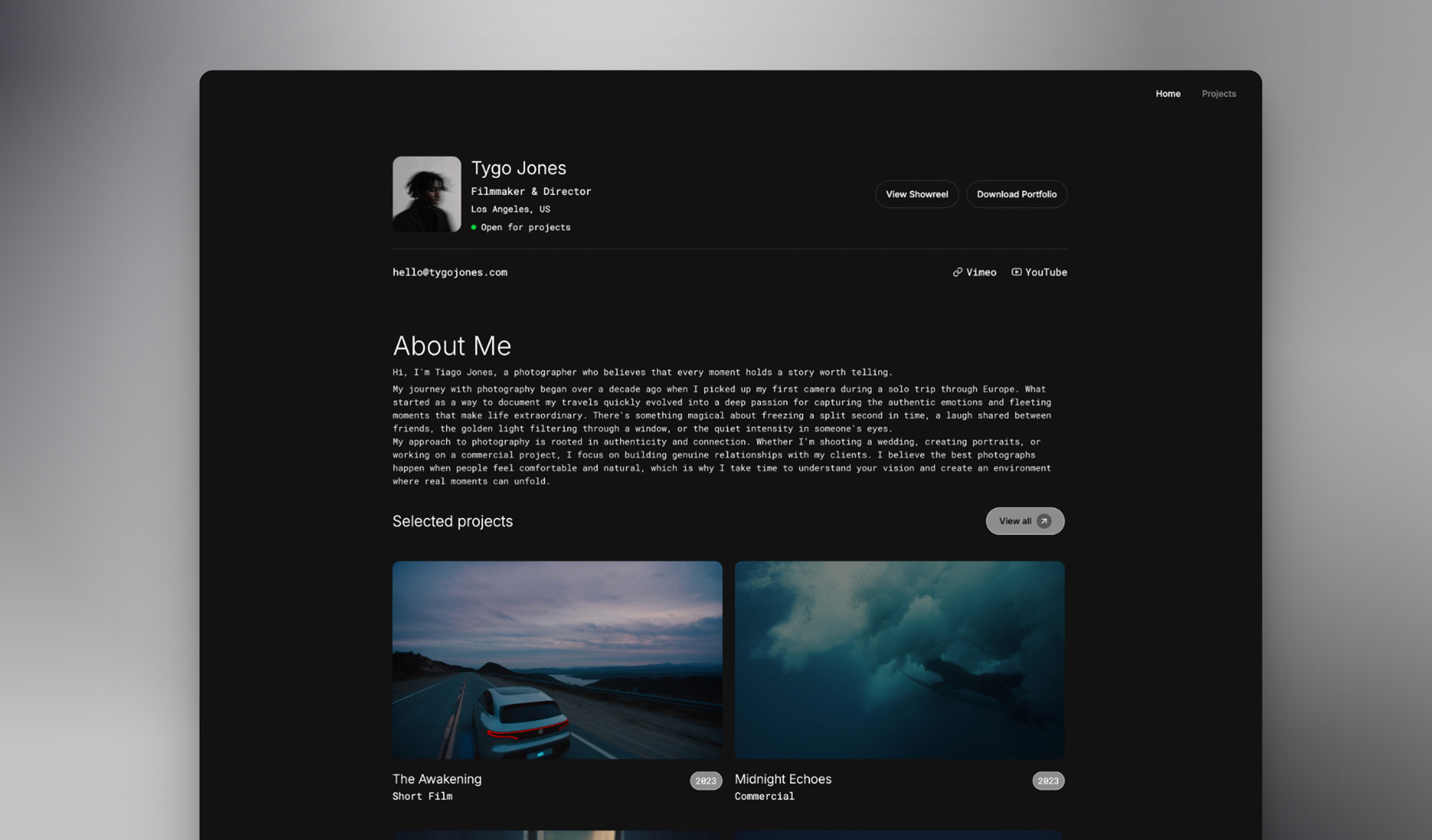
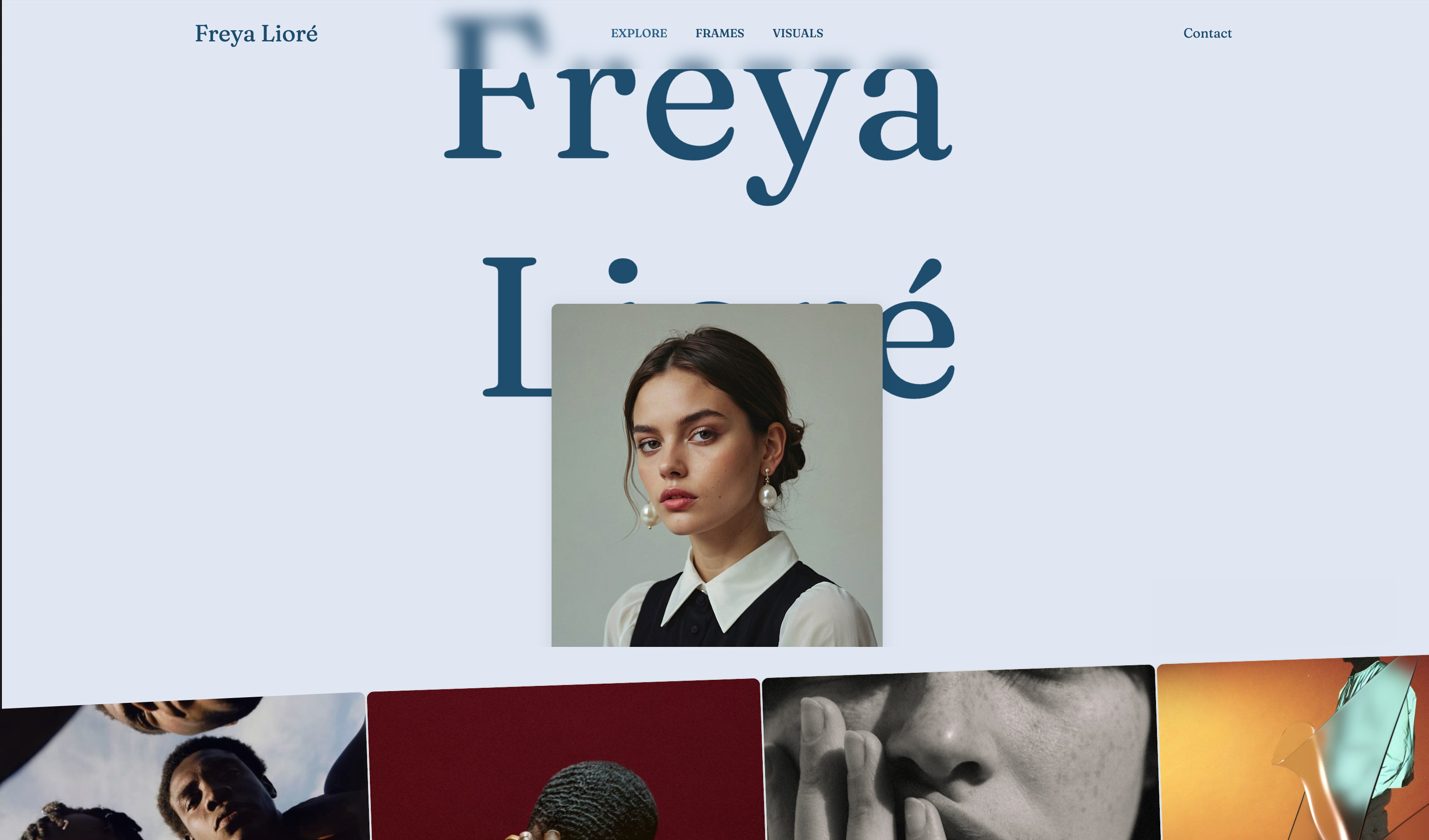
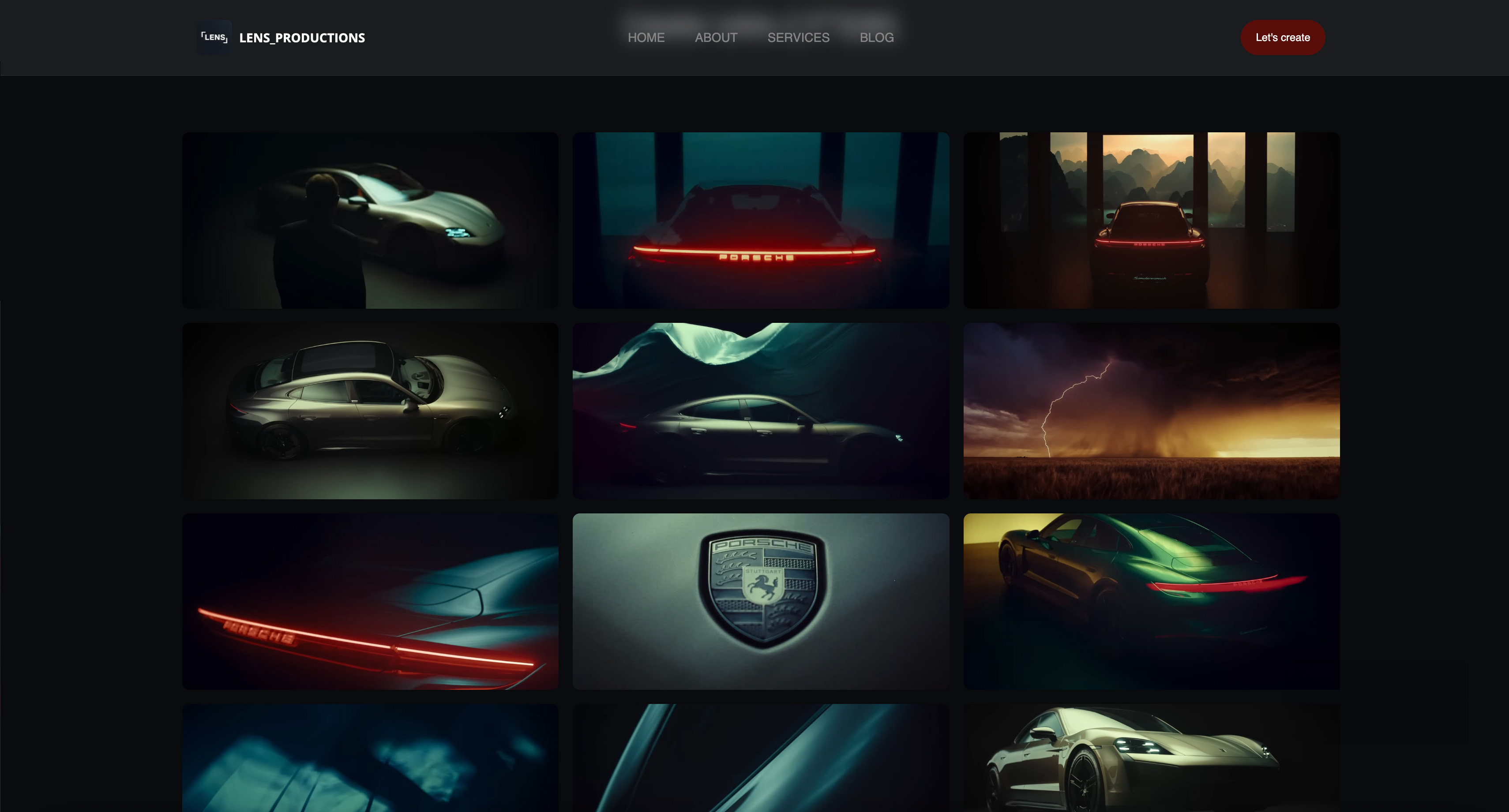
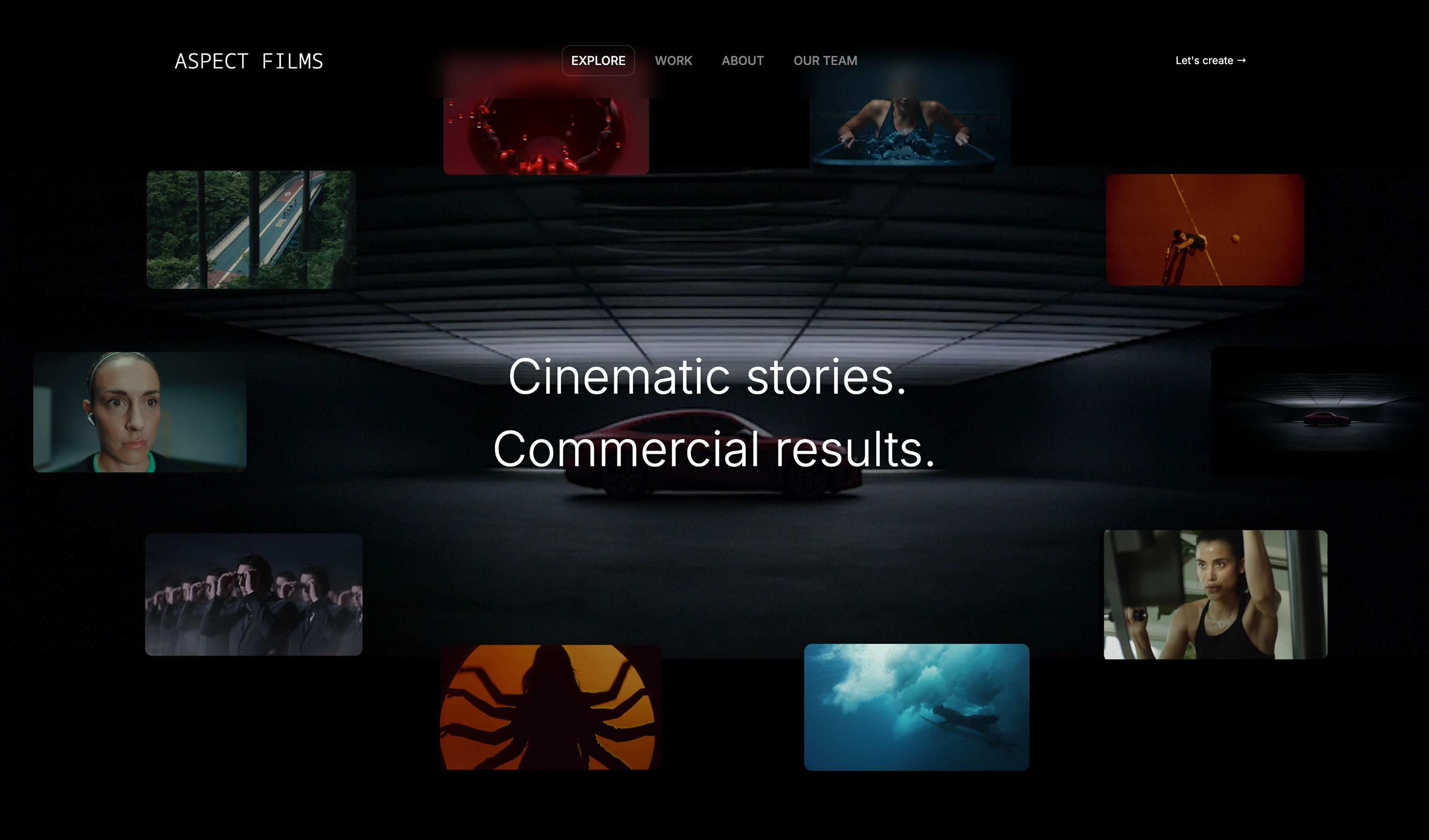
Start from a designer-made template
 Use template
 Use template
 Use template
 Use template
 Use template
 Use template
 Use template
 Use template
Pro Sound Effects publishes 1.2 million sounds across more than 650 categories.
Nobody uses 1.2 million sounds. An editor cutting a short film uses perhaps twenty, and the work is not acquiring them, it is finding the right door slam among four hundred door slams while the client waits.
That is why Soundly, which is mostly a search layer, competes with libraries a hundred times its size.
So the honest unit in this category is not the effect, it is the usable effect, and once you price that way the numbers separate hard.
A working editor getting through roughly 400 effects a year pays a reported 7.5 pence each on Zapsplat's yearly tier, a reported $0.375 each on Soundly Pro, and about $1.25 each on Boom Library's BOOM ONE subscription at a reported 499 dollars a year.
A sound effects library is a licensed collection of recorded audio, sold as a subscription, as a permanent buyout or free under open licences, used to build the sound of a film, game or video that microphones on set never captured.
There are two readers on a page like this: people buying sound and people selling it. Framekit is only relevant to the second, whose packs can go out as digital downloads from their own site or a direct buy link, and it has a section below rather than a place in the ranking.
The best sound effects library for most editors in 2026 is Soundly, at a reported $12.49 a month billed annually, because its search and tagging are the actual bottleneck in sound work and it ships a free tier with the full feature set.
Zapsplat is the value answer at a reported £30 a year, or a reported one-off £120 for permanent access, which is the cheapest credible professional route here.
Boom Library is where the best-recorded material lives, at a reported 2,990 dollars for a permanent BOOM ONE buyout. The honest caveat is that free libraries are genuinely usable and their cost is licence admin rather than money.
Updated in September 2026: we re-verified Framekit's store fees and added its direct buy links and free downloads for sound designers selling their own packs; library prices are as checked in August 2026.
How We Compared 9 Sound Effects Libraries
We priced one specific working pattern rather than a generic one: an editor or filmmaker using roughly 400 sound effects a year across around twenty projects, needing commercial rights for client work, and needing to find a specific sound quickly rather than browse a catalogue.
Structural facts including library sizes, licence models and what each plan contains were read from vendor pages where those pages served readable content, and each entry says which grade of claim it carries.
Almost every price in this category is rendered client-side and did not reach us, so most figures here are reported from third-party sources and labelled at the point of use.
This was the least transparent category we have priced. Soundly's pricing URL returned a 404, Artlist and Zapsplat returned 403s, and Epidemic Sound, Pro Sound Effects and Boom Library all served pages describing their plans without displaying a single figure.
In one linenine libraries, 400 effects a year, judged on cost per usable effect, whether the licence survives cancellation and whether you can actually find anything.
What Pricing the Same 400 Effects Showed
The finding that reorganises this category is that sound effects have kept something music licensing quietly abandoned over the last decade, which is a mainstream, entirely respectable option to buy the material outright and stop paying.
- Cost per effect at 400 a year spans roughly 20 times across the paid options here.
- Two credible options sell permanent access, at a reported one-off £120 and a reported 2,990 dollars.
- The largest library in this comparison holds 1.2 million sounds, which is more than any human will audition.
- The tool ranked first here is primarily a search interface rather than a catalogue.
- Free libraries cost nothing and carry per-file licence conditions that are real work at volume.
- 6 of the 9 vendors published no prices at all on the pages we could reach.
For the library matched to how you actually work, jump to the decision guide.
Cost Per Usable Effect at 400 a Year
Four hundred effects a year is roughly twenty projects at twenty sounds each, which is a realistic year for a working editor. Permanent purchases are amortised where noted.
| Library and plan | Price | Cost per effect at 400 a year |
|---|---|---|
| Freesound | Free | $0.00, plus licence admin |
| Zapsplat Gold yearly, reported | Reported £30 a year | About £0.075 |
| Zapsplat permanent, reported | Reported one-off £120 | About £0.10 over three years, falling |
| Epidemic Sound Personal, reported | Reported $72 a year | About $0.18, personal use only |
| Soundly Pro annual, reported | Reported $12.49 a month | About $0.375 |
| Epidemic Sound Commercial, reported | Reported $24.92 a month | About $0.748 |
| Artlist Music and SFX Pro, reported | Reported $24.92 a month | About $0.748 |
| Storyblocks Unlimited, reported | Reported $30 a month annually | About $0.90 |
| BOOM ONE subscription, reported | Reported 499 dollars a year | About $1.25 |
| BOOM ONE buyout, reported | Reported 2,990 dollars once | About $1.50 over five years, falling |
| Pro Sound Effects | Not readable | Not readable |
Three observations come out of that table and they point in different directions.
The first is that Zapsplat's reported one-off £120 is the most interesting number in this category.
Permanent, unlimited access to a professional library for a single payment is not available in music licensing at any price, and here it costs less than four months of a mid-tier subscription.
The second is that the bundled platforms, Epidemic, Artlist and Storyblocks, are not really sound effects products.
They are music and footage subscriptions with sound effects included, and at a reported $0.748 to $0.90 an effect you are paying for a catalogue you may not be using.
The third is that Boom Library is expensive per effect and that is the wrong way to judge it.
You do not buy Boom because you need 400 generic sounds, you buy it because one sequence needs a recording nobody else has, and on that basis a reported 2,990 dollars amortised across a career is a different calculation entirely.
In one linethe cheapest credible professional access here is a reported one-off £120, and the most expensive per-effect option is the one you buy for reasons other than volume.
Buyout Versus Subscription, Which Sound Effects Still Offer
This is the structural difference between sound effects and music licensing, and understanding it before you choose is worth more than any comparison of catalogue sizes, because it decides what you still have in ten years.
In music, the market has moved almost entirely to subscription. In sound effects it has not. Boom Library states its products are available as buyout or subscription.
Pro Sound Effects sells both subscription and a Buy and Own perpetual option, and states that royalty-free commercial usage is included as standard. Zapsplat is reported to sell permanent access for a one-off payment.
That matters because of what a sound library is for.
A composer's track, whether licensed from a stock music site or generated, is a creative choice you make once per project.
A door slam is infrastructure, and you will want the same door slam in nine years when a client asks for a recut of an old film.
Subscriptions handle this with clauses rather than files.
Epidemic Sound's page states that all plans include unlimited downloads and usage along with copyright protection, and the detail every editor should verify for their own situation is what happens to work already published when the subscription ends.
A buyout removes the question. The files are on your drive, the licence does not expire, and a recut in 2035 uses the same sounds it used in 2026 without anybody checking a subscription status.
The practical rule is about the shape of your work rather than your budget. If your output is published once and rarely revisited, subscribe.
If you build archives, cut long-form work, or expect to revisit projects years later, buy something permanent even if the subscription looks cheaper this year.
In one linesound effects still offer real buyouts, and if you ever recut old work, owning the files removes a licence question you will otherwise ask yourself in a decade.
The 9 Best Sound Effects Libraries in 2026: Full Comparison
Scores are out of 10 across four weighted criteria: how quickly you can find the specific sound you need (30%), recording quality and how distinctive the material is (25%), cost per usable effect at 400 a year (25%), and licence durability including whether a buyout exists (20%).
Findability leads because in this category it is the actual work.
| Library | Model | Reported price | Buyout available | Best for | Score |
|---|---|---|---|---|---|
| Soundly | Subscription plus free tier | Reported $12.49 a month annually | No | Finding the sound fast | 8.8 |
| Zapsplat | Subscription or one-off | Reported £30 a year or £120 once | Yes, reported | Best value in the category | 8.5 |
| Epidemic Sound | Subscription | Reported $24.92 a month, Commercial | No | Creators who need music too | 8.2 |
| Artlist | Subscription | Reported $24.92 a month | No | One subscription for everything | 8.0 |
| Boom Library | Buyout or subscription | Reported 2,990 dollars buyout | Yes | Material nobody else has | 7.8 |
| Pro Sound Effects | Subscription or Buy and Own | Not readable | Yes | Post houses needing scale | 7.5 |
| A Sound Effect | Marketplace | Per library | Yes, per library | Specific, curated collections | 7.2 |
| Storyblocks | Subscription | Reported $30 a month annually | No | Footage subscribers | 6.8 |
| Freesound | Free, open licences | Free | Not applicable | Zero budget, with admin | 6.5 |
A search tool topping a library comparison is the point rather than a quirk of the scoring. Every professional in this field has more sounds than they can hear, and the constraint moved from acquisition to retrieval some years ago.
1. Soundly: The Search Layer That Happens to Include a Library
PriceReported. Soundly's pricing URL returned a 404 to our requests. Pro is reported at $14.99 a month, or $12.49 a month on an annual subscription. A free version is reported to include all Soundly features with a more limited library.
Pro is reported to add the full Soundly library, unlimited downloads and 10GB of cloud storage.
Best forEditors and sound designers who own more sounds than they can find.
Rating8.8 out of 10
Soundly is ranked first because it solves the problem this category actually has. Searching, auditioning, tagging and placing a sound is where the hours go, and Soundly's interface does that faster than anything else here.
The feature that matters most is that it indexes your own libraries alongside its cloud catalogue.
A sound designer with twenty years of purchased collections on a drive can search all of it in one place, with waveform previews and instant drag-to-timeline. That turns a dormant archive back into a working tool.
The free tier is unusually generous in the way that counts. Reported to include all Soundly features with a smaller library, it lets you evaluate the thing you are actually buying, which is the software rather than the sounds.
At a reported $12.49 a month annually, roughly $0.375 an effect at 400 a year, it also sits well below the bundled platforms while being far more specialised.
The gotcha is that the catalogue is not the deepest here. If you need a very particular recording, Boom or A Sound Effect will have it and Soundly may not, which is exactly why the local library indexing matters.
The other consideration is that this is a subscription with no buyout, so the search tool stops when the payments do, though sounds you downloaded and own remain yours.
Skip it ifyou own no libraries and want maximum catalogue for your money, where a bundled subscription gives more raw material.
Verdict: the best tool in this category and the one that saves the most time, at a reported $12.49 a month annually. Pair it with a cheap catalogue subscription or a buyout, because Soundly's real job is making everything you own findable.
2. Zapsplat: A Reported One-Off £120 for Permanent Access
PriceReported. Zapsplat's pricing page returned a 403 to our requests. A free tier is documented. Gold accounts are reported at £4 a month or £30 a year, and a single one-off payment of a reported £120 is reported to give full, unlimited, permanent access to the Gold library.
Best forWorking editors who want professional sound effects without a recurring bill.
Rating8.5 out of 10
The reported one-off £120 is the most striking number in this comparison. Permanent, unlimited access to a large professional library for a single payment does not exist in music licensing and barely exists anywhere else in creative software.
At 400 effects a year that is a reported £0.10 an effect in the first three years and it keeps falling, because there is no year two payment. Against a reported $24.92 a month for Artlist or Epidemic Commercial, the difference over a five-year career is not marginal.
The free tier is genuinely usable rather than a lead magnet, with attribution required, which is the normal arrangement and a fair trade for zero cost.
The recording quality is the honest caveat and it needs stating plainly. Zapsplat's material is good and it is not Boom Library. For dialogue-adjacent work, ambiences carrying a scene, or anything where the sound is the point rather than the support, you will hear the difference.
The other limitation is search. There is no equivalent of Soundly's interface, so finding things is browser-based and slower, which is why the two products pair well rather than compete.
Skip it ifthe sound design is the creative centre of the work rather than support for it, where Boom's recordings earn their price.
Verdict: the best value in this category by a wide margin, and the reported one-off £120 makes it close to a default purchase for any working editor. Verify current pricing directly, since the site would not serve it to us.
3. Epidemic Sound: Sound Effects Attached to a Music Subscription
PriceReported for figures, read at source for terms.
The pricing page lists Creator, Pro, Business and Enterprise plans without displaying figures, and states that all plans include unlimited downloads and usage, copyright protection, and access to their plugins.
Personal is reported at $9 a month, or a reported $6 a month billed annually at a reported $72 a year. Commercial is reported at $24.92 a month on annual billing.
Best forVideo creators who need music and sound effects from one place with clean rights.
Rating8.2 out of 10
Epidemic's sound effects catalogue is competent and it is not why anyone subscribes. This is a music platform with effects included, and judged as such it is one of the strongest options for creators publishing regularly.
The copyright protection layer is the real product for anyone on YouTube, because a claim on a client's channel is a problem that costs more to resolve than the subscription costs to hold.
The reported Personal tier at $72 a year is excellent value at a reported $0.18 an effect, and the restriction attached to it is the thing to read carefully rather than skim, since personal tiers generally do not cover client work.
For a freelancer making things for other people, the reported Commercial tier at $24.92 a month is the relevant number and that is a reported $0.748 an effect.
The page's statement that all plans include unlimited downloads and usage along with copyright protection is worth verifying against your own situation, particularly what happens to already-published work if you stop subscribing.
Skip it ifyou only need sound effects, because you are funding a large music catalogue you will not open.
Verdict: a strong bundle for creators who need both, and poor value for effects alone. Take the Commercial tier if the work is for clients, and do not assume a personal plan covers it.
4. Artlist: One Subscription, Everything Included
PriceReported. Artlist's pricing page returned a 403 to our requests. Music and SFX Pro is reported at $24.92 a month and is reported to include sound effects alongside stock music, stems, footage and templates.
Artlist Max is reported to start at $39.99 a month annually with a reported 7,500 AI credits.
Best forFilmmakers who want music, effects and footage under one licence.
Rating8.0 out of 10
Artlist's argument is consolidation, and for a small production company it is a good one. Music, sound effects, footage and templates on one licence removes the reconciliation problem of tracking which asset came from where when a client asks for clearance documentation.
The sound effects catalogue is respectable and, as with Epidemic, it is not the reason the subscription exists.
The reported Max tier at $39.99 a month with AI credits is a different product again, and worth evaluating on the AI tools rather than on the sound library.
At a reported $0.748 an effect, this is roughly ten times Zapsplat's reported yearly rate, and the difference buys music and footage rather than better sound effects. Whether that is good value depends entirely on whether you would otherwise licence music and footage separately.
Skip it ifyou have music sorted and need effects, where a specialist costs a fraction of this.
Verdict: good value as a bundle and expensive as a sound effects library. Price it against what you currently pay for music plus footage plus effects separately, because that comparison is the only one that flatters it.
5. Boom Library: Where the Best Recordings Live
PriceRead at source for structure, reported for figures. Boom states its products are available as buyout or subscription.
BOOM ONE is described as a general library of more than 60,000 files, alongside the Signature Series of themed collections, Quiet Planet nature ambiences and BOOM Tools plug-ins.
BOOM ONE is reported at 499 dollars a year for the subscription or a reported 2,990 dollars for the buyout. Monthly free sounds are offered to newsletter subscribers with commercial use allowed.
Best forSound designers and productions where the recording itself has to be exceptional.
Rating7.8 out of 10
Boom Library is the quality benchmark in this category and everybody in the field knows it. The recordings are made with equipment and patience that the subscription platforms do not deploy, and the difference is audible on good speakers in a way it is not on a laptop.
For a film where a storm, a weapon or a landscape carries a scene, that difference is the work rather than a refinement of it.
The buyout is the structurally important part. A reported 2,990 dollars for permanent BOOM ONE access is a large sum and it is a capital purchase rather than a running cost, and across a career it becomes one of the cheapest things in this article per year of use.
The reported 499 dollars a year subscription is the harder sell. It is roughly $1.25 an effect at 400 a year, which is the most expensive recurring option here, and unlike the buyout it leaves you with nothing if you stop.
The free monthly sounds with commercial use allowed are a genuinely good way to test the quality claim before committing anything.
Skip it ifyour work is corporate video, social content or anything where sound supports rather than carries, because you will not hear what you paid for.
Verdict: the best-recorded material in this comparison, priced accordingly. Take the buyout rather than the subscription if you take it at all, and start with the free monthly sounds to hear whether the difference matters for your work.
6. Pro Sound Effects: 1.2 Million Sounds, and Buy and Own
PriceRead at source for structure, not readable for figures. The pricing page describes both subscription plans and a Buy and Own perpetual option without displaying any figures.
The library is stated at 1.2 million sounds across more than 650 categories, and the page states royalty-free commercial usage is included as standard.
Best forPost-production houses and productions needing genuine scale and permanent ownership.
Rating7.5 out of 10
Pro Sound Effects is the scale option, and 1.2 million sounds across 650 categories is a different order of magnitude from everything else here.
For a facility cutting many projects across many genres, having the coverage in-house removes the daily question of whether to go and buy something.
The Buy and Own option alongside subscription is the right structure for that customer. A post house that has paid for a library wants to still have it in 2040, and the statement that royalty-free commercial usage is included as standard removes the per-project licence question.
The problem for this article's audience is twofold. The scale is aimed at facilities rather than freelancers, and the pricing is not published, which means an individual cannot evaluate it without entering a sales process.
Scale also cuts both ways. A library of 1.2 million sounds is unusable without excellent search, which is the argument for pairing any large collection with something like Soundly.
Skip it ifyou are an individual, because the product and the sales process are both built for organisations.
Verdict: the right library for a facility and hard to assess as a freelancer, with no published prices. If you buy at this scale, budget for the search tooling as part of the purchase.
7. A Sound Effect: The Marketplace for Specific Collections
PricePer library, varying by publisher. Prices are set by the independent sound designers and companies selling through the marketplace, and libraries are generally sold as permanent purchases.
Best forFinding a specific, deeply recorded collection rather than a general catalogue.
Rating7.2 out of 10
A Sound Effect is the storefront the independent sound effects industry sells through, and its value is curation rather than volume.
If a project needs vintage aircraft, a specific city's street atmospheres, or a particular class of machinery, the library exists here and was probably recorded by one person who cared enormously about it.
Buying per library is the right model for that. You pay once, you own it, and you buy only the material the project requires rather than renting a catalogue.
The editorial side is genuinely useful too. The site's writing about the field and its interviews with sound designers are among the better resources for anyone learning the craft, which is unusual for a shop.
The limitation is that this is a purchasing decision every time rather than a subscription that covers you. For a general working library you need something else, and this is where you come when that something else does not have the sound.
Skip it ifyou want broad coverage cheaply, since buying enough individual libraries to cover general work costs far more than a subscription.
Verdict: the right place for specific, exceptional collections and the wrong place to build general coverage. Budget for it per project rather than as a running cost.
8. Storyblocks: Effects Included With a Footage Subscription
PriceReported. The Unlimited All Access plan is reported at $30 a month with annual billing, or a reported $60 paid monthly, and is reported to include the full music and sound effects library alongside video and images.
Best forPeople already subscribing for stock footage.
Rating6.8 out of 10
Storyblocks is a stock footage subscription with music and sound effects attached, and the honest assessment is that the effects are the third thing on the list rather than the reason to be there.
For a video producer already paying a reported $30 a month for footage, having effects included at no extra cost is straightforwardly good, and the marginal cost of the sound library is zero.
For anybody evaluating it as a sound effects library, a reported $0.90 an effect at 400 a year makes it the most expensive recurring option in this comparison other than Boom's subscription, for material that is not close to Boom's quality.
The catalogue is adequate for corporate and commercial work, and thin for anything requiring specificity or character.
Skip it ifyou are not licensing footage, because the sound library alone does not justify the price.
Verdict: good value as part of a footage subscription and poor value as a sound effects purchase. Judge it entirely on whether you need the video library.
9. Freesound: Free, Open, and Administratively Expensive
PriceFree. Freesound is a collaborative database of audio uploaded by its community under Creative Commons licences, with the specific licence varying file by file.
Best forZero-budget projects, students, and anybody willing to check licences individually.
Rating6.5 out of 10
Freesound is a genuine resource and it has been for two decades, run out of the Music Technology Group at Universitat Pompeu Fabra in Barcelona, with each upload carrying one of the Creative Commons licences rather than a single blanket term.
There is material here you will not find in any commercial library, uploaded by field recordists and hobbyists who put things online because they wanted to.
The cost is not zero, it is displaced. Licences vary by file, so some material requires attribution and some does not, and using a Freesound effect in commercial work means checking that specific file's terms and recording them.
At 400 effects a year, that administration is a real and recurring job.
Quality varies enormously, which is the second cost. Noise floors, inconsistent levels and recordings made on phones sit alongside excellent material, and separating them takes listening time that a curated library has already spent on your behalf.
For a student, a personal project or a zero-budget short, none of that outweighs free. For client work at volume, a reported £30 a year at Zapsplat buys away the entire problem.
Skip it ifyou are billing for the work, because the licence admin will cost more in time than the subscription costs in money.
Verdict: a real and valuable archive whose price is paid in attention rather than money. Excellent for learning and for projects with no budget, and a false economy once you are charging for your time.
Why Findability Beats Catalogue Size
The reason a search tool tops this ranking rather than a library is worth setting out properly, because it inverts how almost everybody shops for sound and it explains most of the wasted money in this category.
The instinct is to compare libraries by size, and the numbers invite it: 1.2 million sounds at Pro Sound Effects, more than 60,000 files in BOOM ONE. Those figures describe coverage, and coverage stopped being the constraint some time ago.
Consider what actually happens. You need a specific door. Not a door, a heavy wooden door closing in a stone corridor with a little reverb. A catalogue of a million sounds contains it and offers you nine hundred doors.
A well-tagged catalogue of fifty thousand gets you there in forty seconds.
Multiply that by twenty sounds per project and twenty projects a year and the difference is days, not minutes, which is the same time arithmetic that decides which video editing software is worth paying for.
This is why the professional pattern is a search tool plus material rather than one big subscription, and it is the same logic that makes stock music licensing a separate purchase rather than a bundled one.
Soundly at a reported $12.49 a month indexing your own purchased libraries alongside its cloud catalogue turns everything you have ever bought into one searchable resource, including the collections sitting unused on an old drive.
The corollary matters for buying decisions. If you already own libraries, your next purchase is probably a search tool rather than more sounds. If you own nothing, buy findable material first and depth later.
In one linecompare libraries on how fast you can find the specific sound, not on how many sounds they hold, because retrieval has been the bottleneck for years.
What the Licence Has to Cover
Sound effects licences are simpler than music licences, which is a genuine relief, and there are still four specific things worth checking before a client project depends on one of them.
Client work. Personal tiers frequently exclude work made for other people.
Epidemic's reported $72 a year Personal plan is excellent value and the restriction is the entire reason it is cheap, so a freelancer needs the Commercial tier at a reported $24.92 a month.
Broadcast and paid advertising. Some licences separate these from general use, in the same way type foundries separate desktop from advertising. If a piece is going to television or behind a paid media budget, confirm the licence covers it rather than assuming.
Redistribution. Almost every licence prohibits reselling the sounds themselves or including them in a product where the sound is the deliverable.
This catches people building sample packs, app soundsets or template products, and it is the most commonly broken rule after client-work restrictions.
What happens after cancellation. Subscription platforms handle this with clauses.
Epidemic's page states all plans include unlimited downloads and usage along with copyright protection, and the specific question of already-published work after cancellation is worth confirming for your own situation before you build an archive on it.
The buyout options sidestep all four questions in one move, which is a large part of why they remain popular in this field.
In one linecheck client-work rights, broadcast and advertising scope, redistribution and post-cancellation terms, and note that a buyout answers all four at once.
Selling Sound as a Product Rather Than Licensing It
This is our own category, so read this section as an interested party making its case and the limits at the end of it as the honest part, because every library in this article was made by somebody who recorded sounds and decided to sell them.
The independent end of this market, the collections on A Sound Effect in particular, is largely individual sound designers selling their own work.
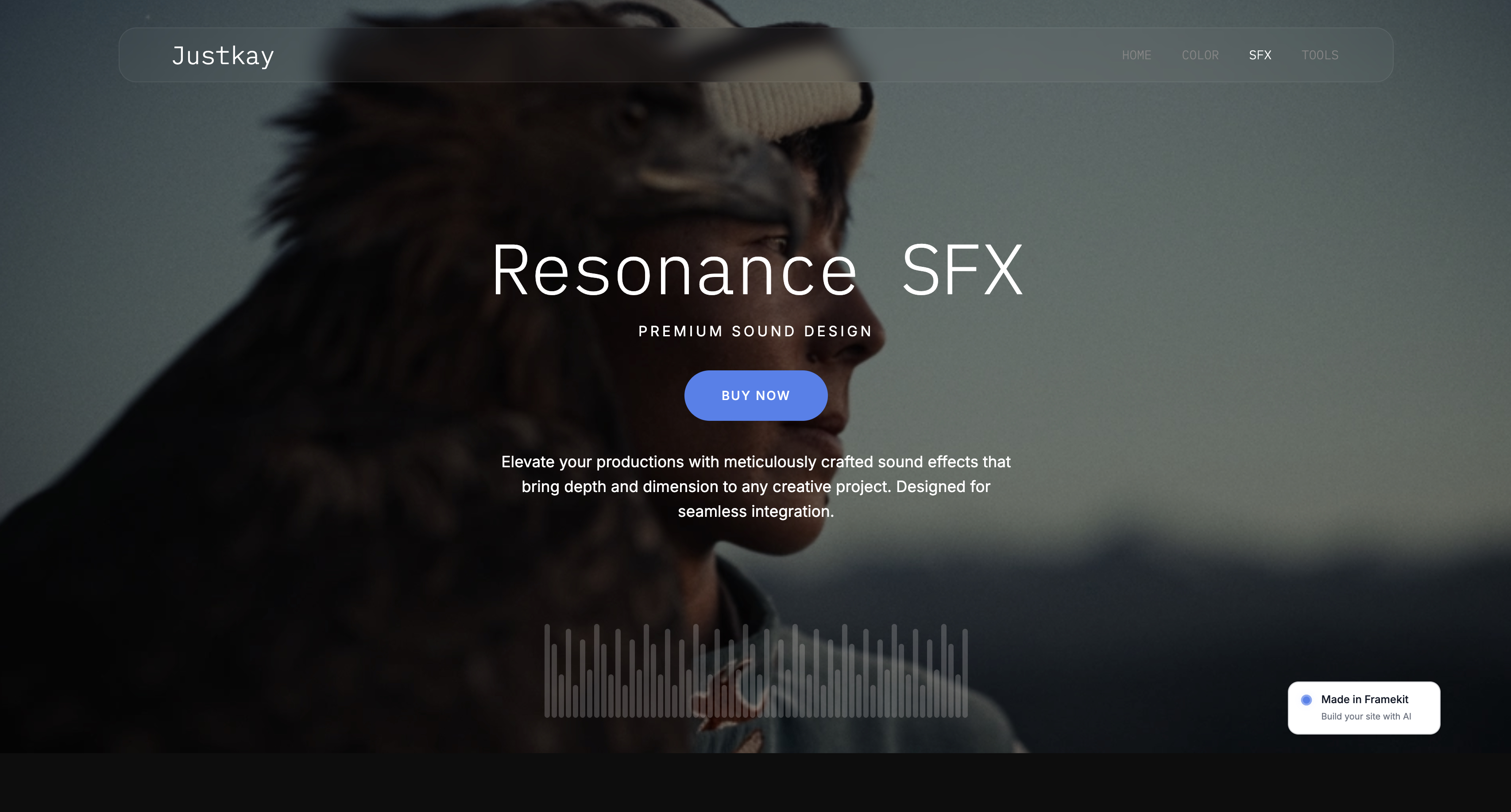
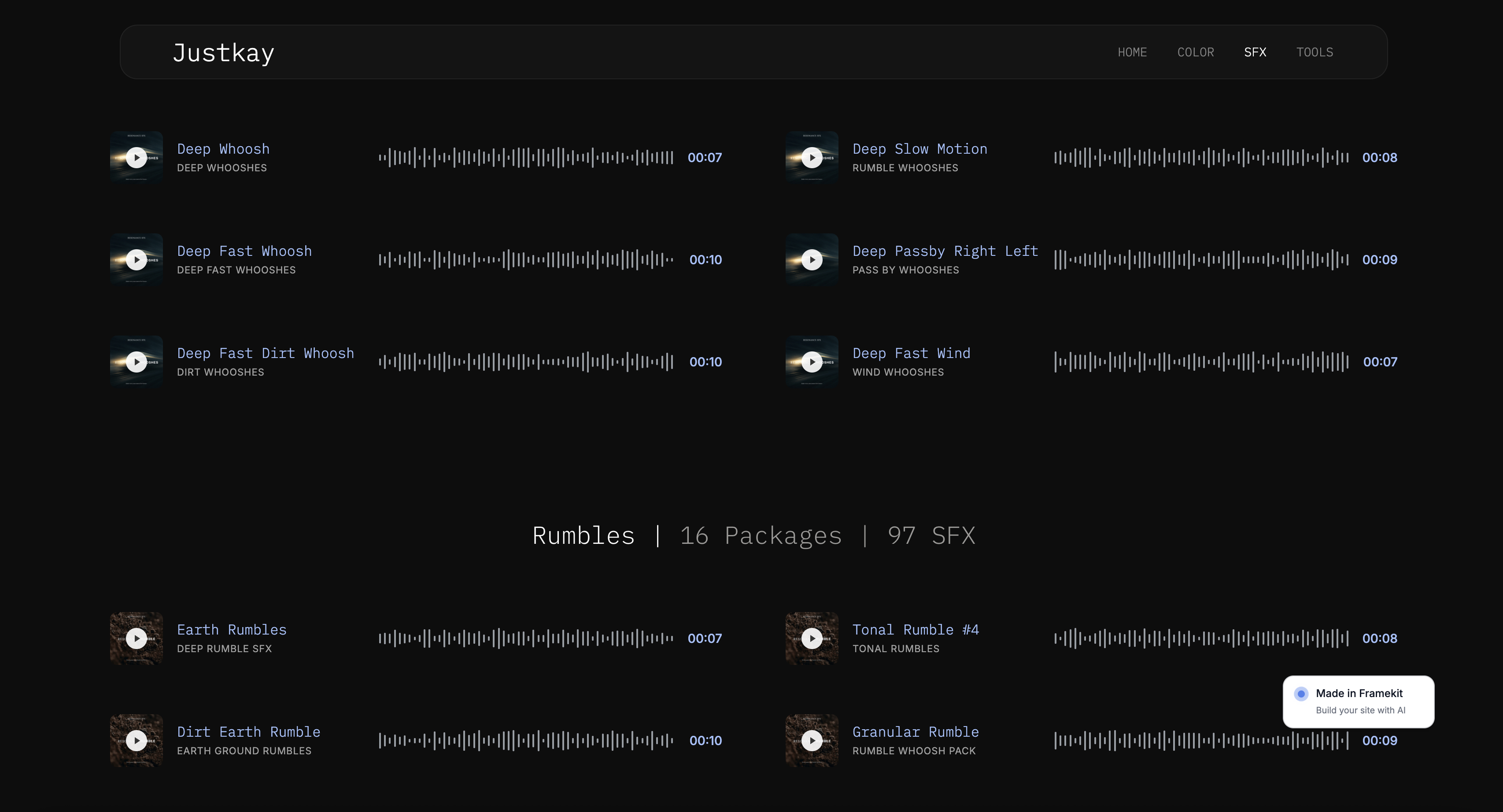
Framekit is an AI website builder with a digital-download store, so a sound designer can sell packs, ambiences and presets from their own site, or through a direct buy link and hosted checkout page shared anywhere without a website at all.
Buyers download instantly after payment and can come back for their files, a free pack can work as a lead magnet, and products are unlimited on every plan.
The fee is 5% on Free and Starter, 3% on Pro and 0% on Business at $39 a month, which pays for itself at $780 a month in sales.
Where this argument loses, plainly. A marketplace like A Sound Effect brings an audience of exactly the right people and your own store brings nobody until you do the work.
There is no waveform-scrubbing preview, no licence keys, no subscription billing for a sound library membership, and no VAT handling, since you are the merchant of record.
The realistic position is that most independent sound designers should be in both places, with the marketplace doing discovery and their own store keeping more of the repeat business.
The Decision Guide
Work down this list until a branch matches how you actually work, because the biggest difference in this category is between buying material and buying the ability to find it.
You already own sound libraries you cannot search. Soundly, at a reported $12.49 a month annually, indexing your own drives alongside its catalogue. Start with the free tier.
You want the cheapest credible professional access. Zapsplat, at a reported one-off £120 for permanent access, or a reported £30 a year.
You are cutting client work and need clean commercial rights plus music. Epidemic Sound's Commercial tier at a reported $24.92 a month, not the Personal tier.
You also licence footage and templates. Artlist at a reported $24.92 a month, or Storyblocks at a reported $30 a month annually if footage is the main need.
The sound design carries the film. Boom Library, taking the reported 2,990 dollars buyout rather than the reported 499 dollars a year subscription, after testing the free monthly sounds.
You need one specific, deeply recorded collection. A Sound Effect, bought per library and owned permanently.
You run a post house cutting many projects. Pro Sound Effects on a Buy and Own basis, budgeting for search tooling alongside it.
You are a student or the project has no budget. Freesound, checking each file's licence and keeping a record of what needed attribution.
You expect to recut old projects years from now. Buy something permanent. Zapsplat's reported one-off £120 at the low end, Boom's reported buyout at the high end, and skip the subscriptions.
Frequently Asked Questions
How much do sound effects cost per effect?
At 400 effects a year, from nothing on Freesound to about $1.50 an effect on a Boom Library buyout amortised over five years. Zapsplat is reported at about £0.075 an effect on its yearly plan, Soundly at about $0.375, and the bundled platforms at about $0.748 to $0.90.
Can I buy sound effects permanently instead of subscribing?
Yes, and this is where sound effects differ from music.
Boom Library states its products are available as buyout or subscription, Pro Sound Effects sells a Buy and Own perpetual option, and Zapsplat is reported to offer permanent access for a one-off £120.
Music licensing has largely abandoned this model and sound effects has not.
Are free sound effects safe to use commercially?
It depends on the file. Freesound hosts material under varying Creative Commons licences, some requiring attribution and some not, so commercial use means checking each file individually and keeping a record.
That administration is the real cost, and at volume it exceeds the price of a cheap subscription.
What happens to my sound effects if I cancel a subscription?
It depends on the platform's terms, and this is the clause to read before you build an archive.
Epidemic Sound's page states all plans include unlimited downloads and usage along with copyright protection, and the specific position on already-published work after cancellation is worth confirming directly.
A buyout removes the question entirely.
Do I need a bigger library or a better search tool?
If you already own libraries, almost certainly a search tool. The constraint in professional sound work moved from acquisition to retrieval years ago, which is why Soundly ranks first here at a reported $12.49 a month despite not having the largest catalogue.
Can I use sound effects in a product I sell?
Usually not without checking.
Almost every licence in this category prohibits redistributing the sounds themselves or including them in a product where the audio is the deliverable, which catches sample packs, app soundsets and template products.
This is the most commonly broken rule after personal-tier restrictions.
Is a personal plan enough for freelance client work?
Generally no. Personal tiers are priced low precisely because they exclude work made for other people, so a freelancer cutting for clients needs a commercial tier.
Epidemic's reported $72 a year Personal plan against its reported $24.92 a month Commercial plan is the clearest example of that gap.
What is the difference between sound effects and stock music licensing?
Sound effects are infrastructure you reuse across projects and often own permanently, while music is a creative choice made per project and now almost always rented.
That is why buyouts remain mainstream here and have nearly vanished from music, and why the two purchases should be evaluated on different criteria.
Should I sell my sound effects on a marketplace or my own site?
Both, for most independent sound designers. A marketplace such as A Sound Effect supplies buyers and handles tax for a commission, while your own store keeps more of each sale from people who already know you.
Framekit's store charges 5% on free and 0% on Business, but it brings no audience and does not handle VAT.
The Verdict
Soundly is the best sound effects tool in 2026 at a reported $12.49 a month billed annually, because it fixes the constraint that actually costs professionals time, and because indexing your own drives alongside its catalogue makes every library you have ever bought useful again.
Zapsplat is the value answer and the reported one-off £120 for permanent access is the single most interesting price in this article. For a working editor whose sound design supports the picture rather than carrying it, that payment is close to the end of the conversation.
Boom Library is where the recordings are genuinely better, and if you buy it, buy the reported 2,990 dollars buyout rather than renting it at a reported 499 dollars a year.
The finding that ran through every table here is that this category still sells real buyouts, which music licensing no longer does. A door slam is infrastructure rather than a creative choice, and infrastructure is worth owning if you will ever revisit old work.
So the last recommendation is about sequence rather than product. Buy findability first, buy permanent material second, and buy a subscription only when you need the music and footage that comes attached to it.
Most editors do this in exactly the wrong order and pay a monthly fee for years to solve a problem a reported one-off £120 would have closed.
Where Framekit loses, since we named ourselves above: a marketplace like A Sound Effect brings you an audience of exactly the right buyers and we do not, we do not offer waveform-scrubbing audio previews the way a specialist storefront does, and if you are selling sound rather than making it, you should be in both places rather than only ours.