Framekit templates
Start from a designer-made template
 Use template
 Use template
 Use template
 Use template
 Use template
 Use template
 Use template
 Use template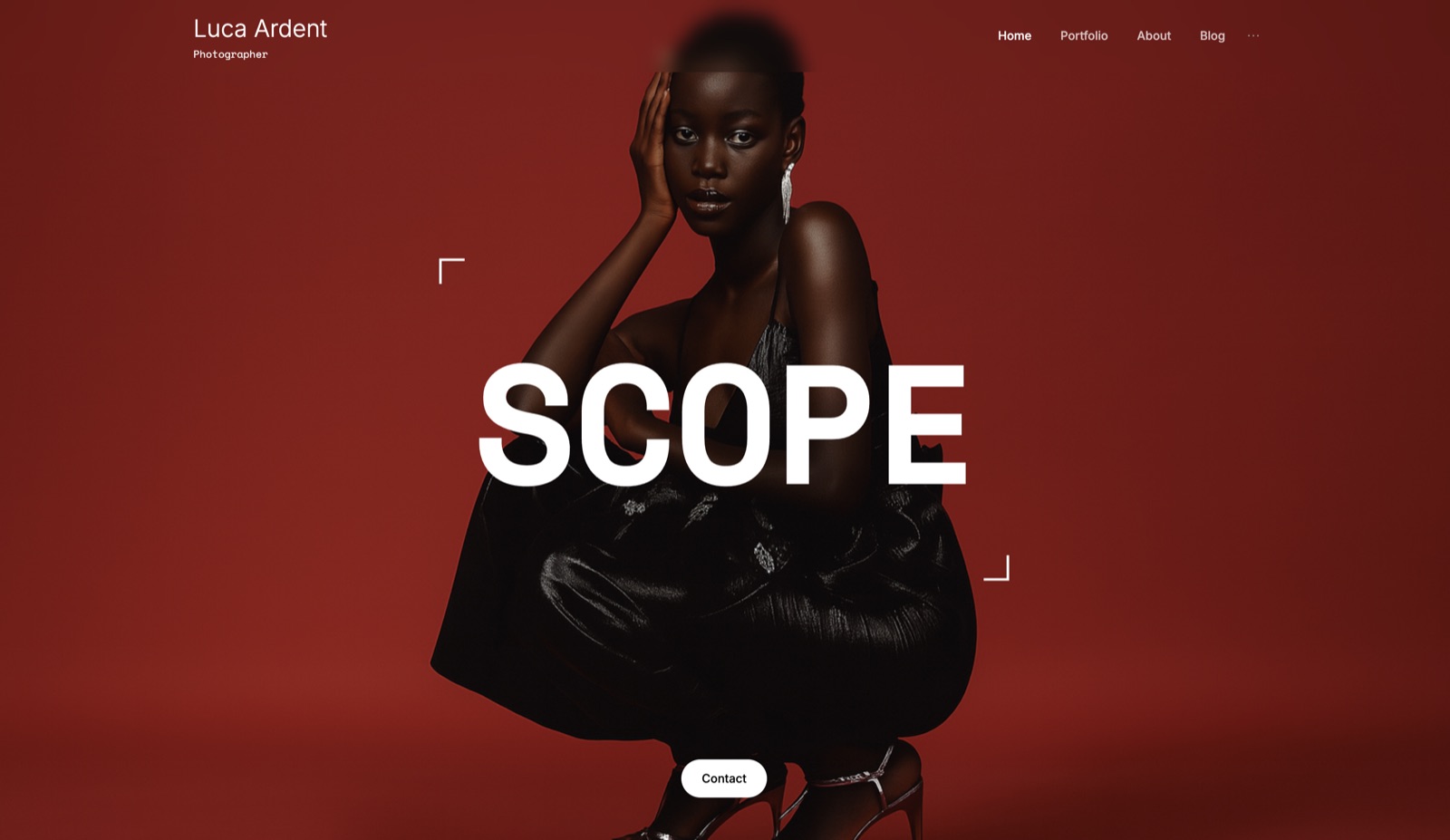
The useful question about AI product photography in 2026 is not which tool makes the prettiest scene. It is which part of the photograph the AI is allowed to invent.
Change the background behind a real candle and you have a marketing image. Generate the candle itself and you have a product listing that shows something the customer will not receive, which is a different thing entirely and in some markets a regulated one.
Every tool below sits somewhere on that line, and the ones worth paying for are explicit about where.
AI product photography software is a tool that takes a photograph of a real product and places it into a generated scene, background or lighting setup, and the commercial differences between them come down to how faithfully the original product survives the process, what the licence permits, and what one finished image costs at your catalogue size.
Photoroom is the best all-round choice for e-commerce catalogues, because it is built around batch throughput and its plans are priced per export rather than per creative flourish, from EUR 9.99 a month.
Flair is the pick when the image needs art direction rather than a clean background, at $26 a month for the tier that includes a company commercial licence.
Google's Nano Banana models produce the most convincing lifestyle contexts, and Adobe Firefly remains the answer whenever a brand's legal team is in the approval chain.
We build Framekit, an AI website builder, and we do not make a product photography tool, so nothing here ranks us. The last section covers what to do with the images afterwards, which is the part of this workflow we do touch.
What We Verified
Every price below was read from the vendor's own pricing page in August 2026. Two of them served euros from our location and are quoted in euros, because converting them would produce a number nobody published.
What we could check exactlyplan prices, credit and export allowances, and which tier grants a commercial licence. Those are the figures that decide budgets, and they are the ones vendors are most tempted to bury.
What we did not doshoot a controlled product test across eight tools and rank the output. We have not, and neither has anybody publishing a list like this. Where we describe output quality it is informed judgement, and it is labelled that way rather than dressed up as a test.
What varies by geographyPhotoroom's page explicitly noted that prices were displayed in euros for our region, so check your own currency before budgeting.
In one linePrices and licence tiers are verified and dated; image-quality opinions are labelled as opinions.
The Cost of One Finished Image
The spread across this category is enormous, and it is not a quality spread. It is a spread in what the tool is actually doing.
| Tool and plan | Monthly price | Published allowance | Cost per image |
|---|---|---|---|
| Photoroom Max | EUR 26.99, or EUR 14.50 billed yearly | 9,000 AI credits, 3,000 exports | About EUR 0.009 per export |
| Photoroom Ultra | EUR 99, or EUR 82.50 billed yearly | 20,000 AI credits, 10,000 exports | About EUR 0.01 per export |
| Flair Pro Plus | $26 | 80 generated images | About $0.33 per image |
| Flair Scale Tier 1 | $38 | 150 generated images | About $0.25 per image |
A Photoroom export and a Flair generation are not the same unit, which is exactly the point. One is a background replacement on a photograph you supplied, processed at catalogue scale. The other is a generated scene with lighting and composition decisions in it.
The comparison that matters to a business is against the alternative. A commercial photographer's day rate runs $800 to $3,500 depending on market, and a day produces perhaps 15 to 40 SKUs shot properly.
That is $30 to $200 per SKU. A 200-product catalogue photographed conventionally is a five-day shoot and a four-figure invoice; the same catalogue processed through Photoroom Max is one subscription and a week of somebody's afternoons.
Which is why the honest framing of this category is not "AI replaces product photography". It is that AI has collapsed the price of the second, third and fourth image of a product you already photographed once.
In one lineThe first photograph of a product still costs what it always did; every image after it now costs cents.
1. Photoroom: Best for Catalogues
Photoroom is the tool most likely to be the right answer for anyone with more than twenty products, because it is built around throughput rather than around a single hero image.
Pricing, from its own page in August 2026: Pro at EUR 9.99 a month, or EUR 5.99 billed yearly, with 3,200 AI credits and 1,000 exports.
Max at EUR 26.99, or EUR 14.50 yearly, with 9,000 credits and 3,000 exports. Ultra at EUR 99, or EUR 82.50 yearly, with 20,000 credits and 10,000 exports. Enterprise is quoted.
The detail that tells you what it is forthe feature gating. AI backgrounds and AI fashion models are on the entry tier, while adjustable AI shadows sit all the way up in Enterprise.
Shadow control is the thing that makes a composite look real, and putting it in the enterprise tier tells you exactly who Photoroom expects to care about that last 5% of realism.
The gotchacredits and exports are separate allowances, and it is possible to exhaust one while the other is untouched. Model your mix before choosing a tier, because the plan that looks generous on credits may run out of exports in week three.
Skip it ifyou want a single art-directed image for a campaign. This is a machine for doing the same operation 400 times.
Verdict: The default choice for e-commerce catalogues and the best value per finished image in this guide.
2. Google Nano Banana: Best Lifestyle Realism
Google's Nano Banana image models are the strongest general-purpose option for putting a real product into a believable scene, because they hold a subject's identity across generations better than anything else widely available.
What that means for product workyou can supply one clean photograph of a bottle and ask for it on a bathroom shelf, on a kitchen counter in morning light, and held in a hand, and get back three images where it is recognisably the same bottle with the same label.
That consistency is the entire technical problem in this category.
How you get itthrough Google's Gemini apps directly, or bundled inside third-party tools including Krea and Magnific, which is often cheaper if you also want other models. Our AI image generator comparison has the per-generation costs.
The gotchalabel text. Small type on packaging is where product-preserving models still fail, and it fails subtly, producing a label that looks right at thumbnail size and is nonsense at full resolution. Always check the copy on the product at 100%.
Verdict: The best realism available, and the one that most needs a human checking the fine detail before publication.
3. Flair: Best for Art-Directed Scenes
Flair is the tool for when the image needs to look like an advertising campaign rather than a catalogue entry, and it is priced accordingly.
Pricing, from its own page in August 2026Free at $0 with one custom model, five generated images and one video. Pro at $8 a month. Pro Plus at $26 with up to eight standard or two fast custom models, 80 generated images, three videos, and a company commercial licence.
Scale Tier 1 at $38 with 15 standard or four fast models, 150 images and early access to a product photography API.
The licensing detail worth $18 a monththe company commercial licence appears at the $26 Pro Plus tier, not on Free or the $8 Pro plan. If you are producing images for a business rather than yourself, the entry price for this tool is $26, and the cheaper tiers are for evaluation.
The other pricing quirkits page notes that instant image generation and ad generation consume four times the normal quota. An 80-image allowance is 20 images if you work that way, which changes the per-image cost from about $0.33 to about $1.30.
Skip it ifyour job is 300 white-background product cutouts. You would be paying scene-generation prices for a background removal.
Verdict: The right tool when the brief has a mood in it, and an expensive one for volume work.
4. Adobe Firefly: Best When Approval Chains Exist
Firefly earns its place in product work through provenance rather than picture quality, which is the same reason it appears in every enterprise creative stack.
Pricing, read from Adobe's plans page in August 2026Firefly Standard at US$9.99 a month for 2,000 generative credits, Pro at US$19.99 for 4,000, Pro Plus at US$49.99 for 10,000, and Premium at US$199.99 for 50,000.
Why brand teams insist on itAdobe's training-data position and its indemnification offer are the answer to a question that gets asked by somebody in legal who will never see the image. If you are a freelancer producing assets for a large brand, this may not be your choice to make.
The practical strengthgenerative fill inside Photoshop on a real photograph, which is a fundamentally different workflow from generating a scene.
Extending a background, removing a stand, cleaning a reflection: these are retouching tasks that happen to use a model, and they preserve the product perfectly because the product is never regenerated.
The gotchacredits are shared across image, video and other premium features, so a 2,000-credit plan is not 2,000 product images if anybody on the account is making video.
Verdict: The safest option in the guide and rarely the most impressive one.
5. Pebblely: Fastest Path to a Usable Background
Pebblely does exactly one thing and does not pretend otherwise: you upload a photograph of a product, it drops that product into an attractive generated background, and you are finished and downloading in about a minute.
Who it is right fora solo seller with a dozen products, a marketplace listing deadline, and no interest in learning a tool. The narrowness is the feature.
The gotchathe outputs share a house style. Use it for a whole catalogue and the collection reads as one aesthetic that many other sellers are also using, which is a brand problem rather than a technical one.
Verdict: The best five-minute answer on this list and a weak foundation for a brand look.
6. Claid: Best for Bulk and API Workflows
Claid is aimed at companies processing images at a scale where a human opening a file is already too expensive, and its centre of gravity is the API rather than the editor.
Where it fitsmarketplaces, print-on-demand platforms, and anyone normalising thousands of supplier-provided images into one consistent format, background and crop. That is an operations problem rather than a creative one.
The gotchait is engineering-adjacent. If nobody on your team is going to write an integration, most of what you are paying for goes unused.
Verdict: The right choice for a catalogue pipeline and overkill for a shop with forty products.
7. Pixelcut: Best Free Mobile Option
Pixelcut is a phone-first editor offering background removal, background generation and simple retouching, and unlike most free tiers in this category its free plan is genuinely usable for a seller with a handful of products.
Where it winsthe product is in your hand, the phone is in your other hand, and the listing goes up in ten minutes. No desktop, no export, no file management.
The gotcharesolution and format ceilings on the free tier. Check the maximum export size against your marketplace's image requirements before building a workflow on it, because upscaling a small export undoes the quality you were protecting.
Our image upscaler guide covers the repair options.
Verdict: The best free entry point for a phone-based seller, and a tool you will outgrow at about the hundredth product.
8. Canva Magic Studio: Best if You Already Pay for Canva
Canva's product-image tools are not the strongest in this list, and they are attached to the layout where the image is going, which for many sellers matters more.
The honest positioningbackground removal, magic edit and generated backgrounds are all present and all competent. If your listing images, your social posts and your packaging inserts are all being made in Canva anyway, the switching cost of a better tool is real and often not worth paying.
Pricing contextCanva's own page shows Free at EUR 0 a year and Pro at EUR 110 a year for one person, so for existing Pro subscribers the marginal cost of these features is zero.
Skip it ifproduct photography is the main output of your business rather than an input to a marketing document.
Verdict: The correct choice for people who are not going to switch tools, and never the best output in this guide.
The Line You Should Not Cross
Every tool above is capable of producing an image that misrepresents the product a customer will actually receive, and not one of them will stop you from publishing it, so the discipline has to come from you.
The rule that keeps you safe is simple to state and easy to break by accident: the product in the image must be the product in the box. Change the light, the surface, the background, the season, the model holding it.
Do not change the shape, the colour, the finish, the size relative to a hand, or the text on the label.
Where this bites in practice. A generated scene that adds a shadow implying a larger object. A colour shift that makes a fabric read as navy when it ships as black. A label the model rewrote in a way nobody checked.
Each of those is a returns problem before it is a legal one, and returns are the expensive part.
The marketplace layer. Major marketplaces have their own image standards, and several now require that the main listing image represent the actual product on a plain background.
A generated lifestyle scene is often fine as a secondary image and not as the primary one. Check the specific policy for the platform you sell on, because these rules have been changing every year.
In one lineGenerate the context, never the product.
What Happens to the Images Afterwards
The bottleneck has moved. When 300 product images cost EUR 27 and an afternoon, the constraint is no longer producing them, it is having somewhere they sell.
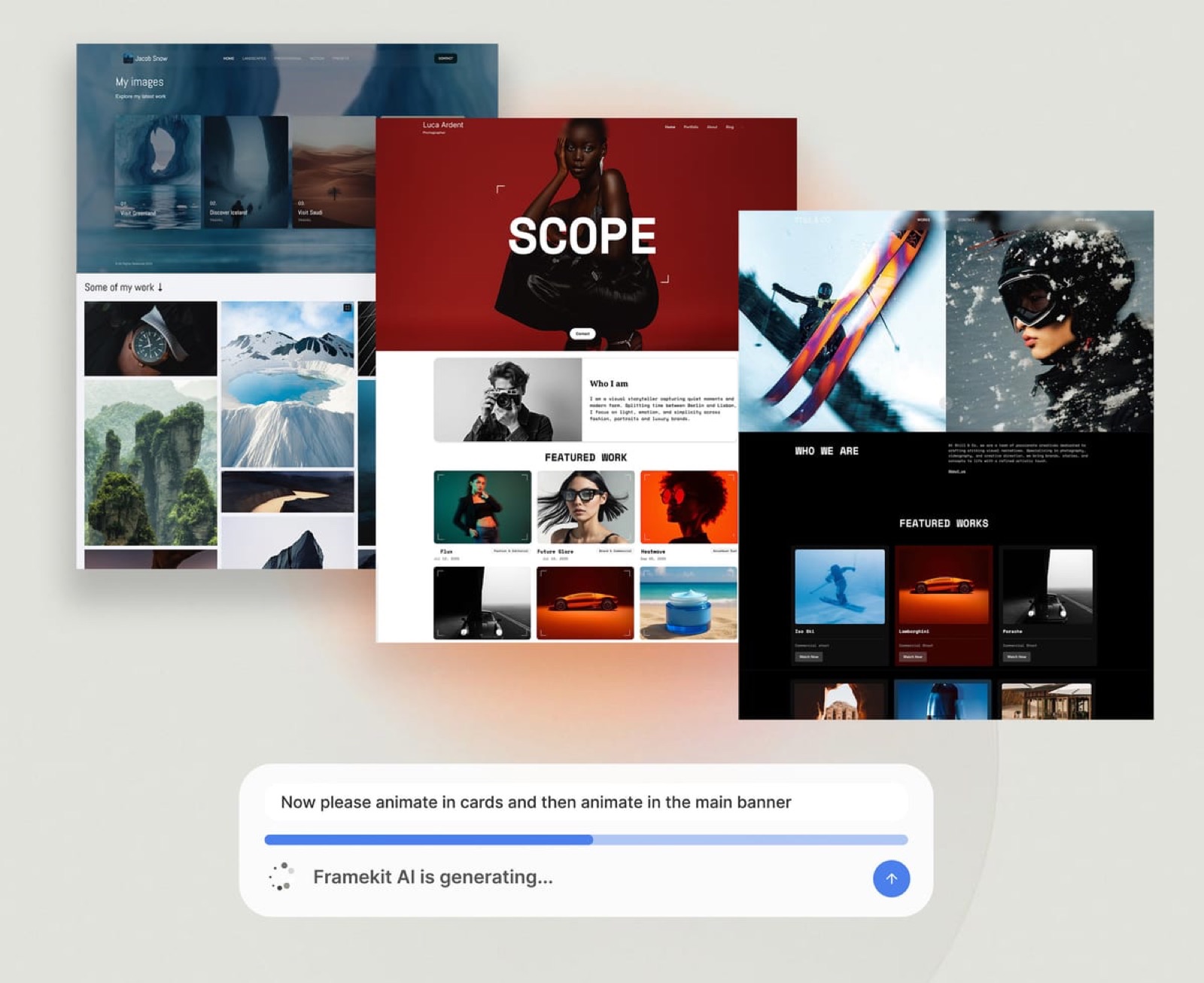
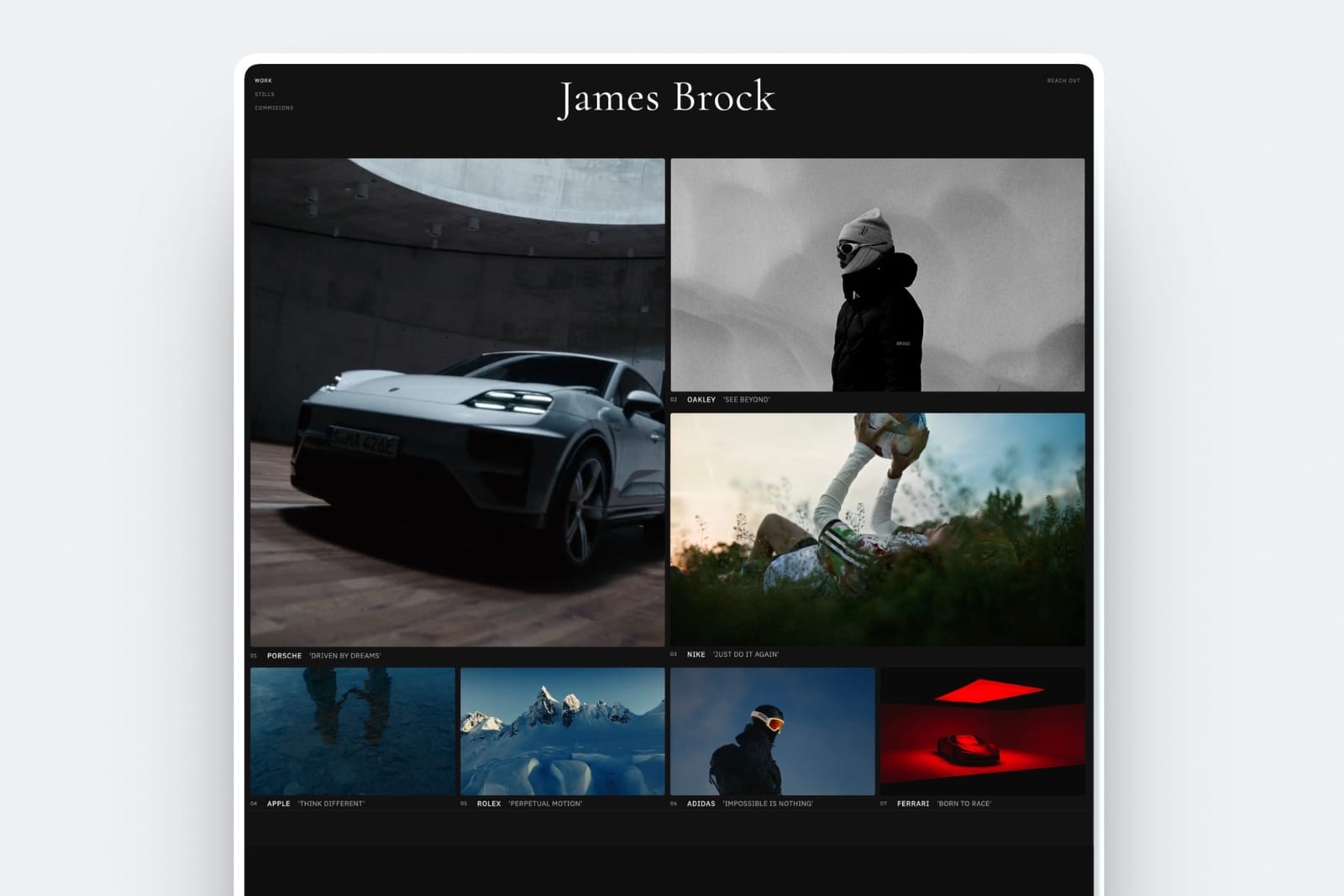
Framekit is an AI website builder that generates a portfolio and a store from a description of your work, and for a product photographer specifically it is the difference between a folder of images and a page a client can hire from.
For a seller, it is the difference between images on a marketplace and images on a store where the fee falls to zero rather than climbing with every sale: 5% on Free and Starter, 3% on Pro, and 0% on Business at $39 a month.
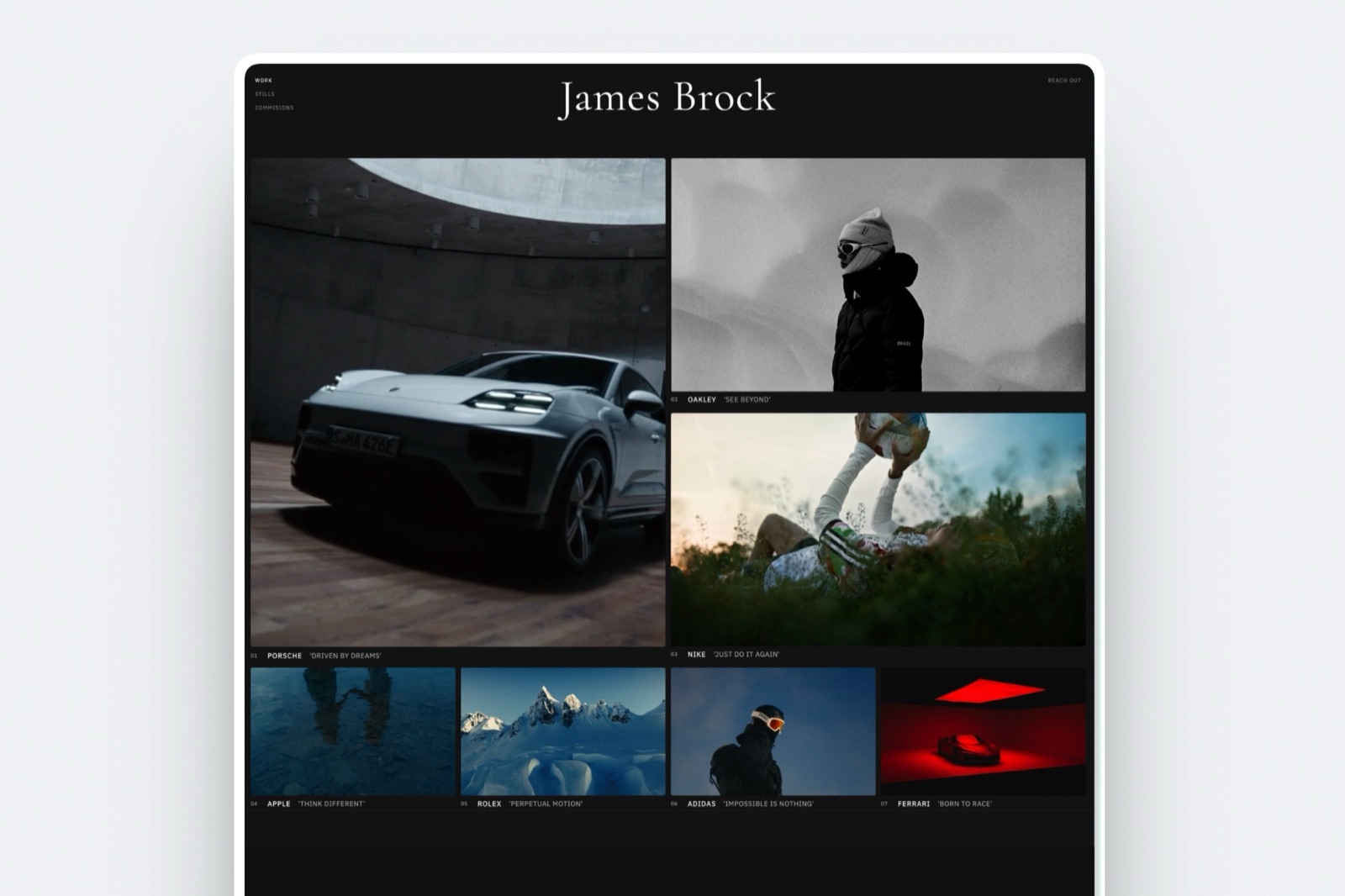
For photographers whose clients are the brands buying this software, the relevant question is different again: your portfolio now has to show what AI cannot do, which is the original photograph with real materials, real light and a real product.
That is a positioning change more than a tooling one, and our guide to what makes a good photography portfolio covers how to show it.
Which Tool Should You Buy
The right tool depends almost entirely on volume and on who has to approve the result, so answer these in order and stop at your first yes rather than comparing eight feature lists.
- Do you have more than 50 products to process? Photoroom, and choose the tier on exports rather than on credits.
- Does an approvals process or a brand's legal team touch your work? Adobe Firefly, and stop comparing on image quality because that is not the criterion being applied.
- Is the brief a campaign image with a mood rather than a catalogue shot? Flair, at the $26 tier that carries the company commercial licence.
- Do you need the same product to appear in several believable scenes? A Nano Banana model, either directly through Google or bundled in a multi-model subscription.
- Do you have twelve products and no patience? Pebblely, or Pixelcut if you are working from a phone.
- Are you normalising thousands of supplier images? Claid, and budget engineering time.
- Do you already pay for Canva and produce listings there? Use what you have and spend the saved money on one proper photograph of each product.
Frequently Asked Questions
What is the best AI product photography tool in 2026?
Photoroom is the best all-round AI product photography tool for catalogues, priced from EUR 9.99 a month with 1,000 exports on its entry plan and 3,000 on the EUR 26.99 tier.
Flair is stronger for art-directed campaign images at $26 a month including a company commercial licence, and Adobe Firefly is the choice when a brand's legal team must approve the tooling.
Can AI replace a product photographer?
AI has replaced the second, third and fourth image of a product, not the first.
Every tool in this category needs an accurate photograph of the real item to start from, and the value has moved to that original capture plus the judgement about what a product should look like.
Photographers who shoot catalogues of simple items are exposed; photographers who solve lighting for difficult materials are not.
How much does AI product photography cost per image?
Between about one cent and roughly $1.30 per image depending on what is being generated.
Photoroom's EUR 26.99 plan works out at about EUR 0.009 per export across its 3,000-export allowance, while Flair's $26 plan gives 80 generated images at about $0.33 each, rising to roughly $1.30 if you use its instant or ad generation modes, which its pricing page says consume four times the quota.
Is it legal to use AI-generated product images?
Using AI to change backgrounds and lighting on a genuine product photograph is standard practice and legal in most markets.
Generating the product itself, or altering its colour, shape, size or labelling in a listing image, risks breaching consumer protection rules on misleading advertising and most marketplaces' own image policies.
The safe rule is that the product shown must be the product shipped.
Which AI tool keeps my product looking exactly the same?
Google's Nano Banana models currently hold subject identity most reliably across multiple generations, which is why they have become the default for producing a set of lifestyle images from one product photograph.
The remaining weak point across every tool is small label text, which can look correct at thumbnail size and be unreadable nonsense at full resolution.
Do these tools include a commercial licence?
Not always on the tier you would expect, and this is the most common expensive surprise in the category.
Flair's company commercial licence starts on its $26 Pro Plus plan rather than on the free or $8 tiers, which means a business using the cheaper plans is evaluating rather than producing.
Check the licence tier on every tool before you publish a listing.
Photoroom vs Flair: which should I choose?
Choose Photoroom for volume and Flair for art direction. Photoroom prices in exports and is built for processing hundreds of products consistently, at roughly a cent per export on its mid tier.
Flair prices in generated images at roughly 25 to 33 cents each and gives you scene composition, custom models and a campaign look that Photoroom does not attempt.
Can I use AI product images on Amazon and Etsy?
Marketplace rules differ and have been changing, and several now require the primary listing image to show the actual product against a plain background, with generated lifestyle scenes permitted only as secondary images.
Read the current policy for each platform before publishing, and treat any guide that gives a blanket yes or no, including this one, as a prompt to check rather than an answer.
What about AI models wearing my clothing products?
AI fashion models are included in Photoroom's entry tier and available in several other tools, and they raise a separate set of disclosure questions in some markets, particularly where advertising standards require that models are identified as computer-generated.
Fit and drape are also where these tools are least convincing, which matters for returns on clothing more than on any other category.
How many product photos do I actually need?
Most marketplaces reward five to eight images per product: one clean primary shot, two detail crops, one scale reference, one lifestyle context and one showing what is in the box.
Under the model in this guide, the first, second, third and fourth of those come from your original photograph and the lifestyle context is where AI tools earn their subscription.
Do I need a background remover as well?
Most of these tools include background removal, so a separate tool is usually unnecessary now. It is still worth knowing the standalone options for one-off work and for the cases where an automated cutout fails on hair, glass or mesh.
Our background remover comparison covers the specialists.
Will AI product images hurt my brand?
They will if every image in your catalogue carries the same generated house style, because that style is shared with everyone else using the same default settings.
The brands that use these tools well feed them a consistent set of references and treat the output as a starting point for a look they own, rather than accepting the tool's aesthetic as their own.
Final Verdict
The category has split cleanly. Photoroom and Claid are operations tools for making a catalogue consistent at a cost per image measured in cents. Flair and the Nano Banana models are creative tools for making one image that sells a product.
Firefly is a compliance tool that happens to make pictures. Pebblely, Pixelcut and Canva are convenience tools for people who will not switch software, which is most people.
Buy for the job, and be precise about the line between changing a photograph and inventing a product, because that line is the difference between a marketing image and a return.
Where Framekit does not competewe do not make a product photography tool, we cannot remove a background or generate a scene, and none of these eight has an equivalent in our product.
If you came here to choose an image tool, choose one of the eight and ignore us entirely.
We are only relevant afterwards, and even then a seller who wants marketplace discovery will do better on a marketplace than on a new store of their own.
Verdict: Photoroom for volume, Flair for campaigns, a Nano Banana model for realism, Firefly when somebody has to sign off, and one real photograph of every product regardless of which you choose.
Related reading: the best AI image generators, AI tools for photographers, and website builders for product photographers.
Prices here were read in August 2026 from the Photoroom, Flair, Adobe and Canva pricing pages. Photoroom's page noted that its figures were displayed in euros for our region, so check your own currency before planning a budget.