Framekit templates
Start from a designer-made template
 Use template
 Use template
 Use template
 Use template
 Use template
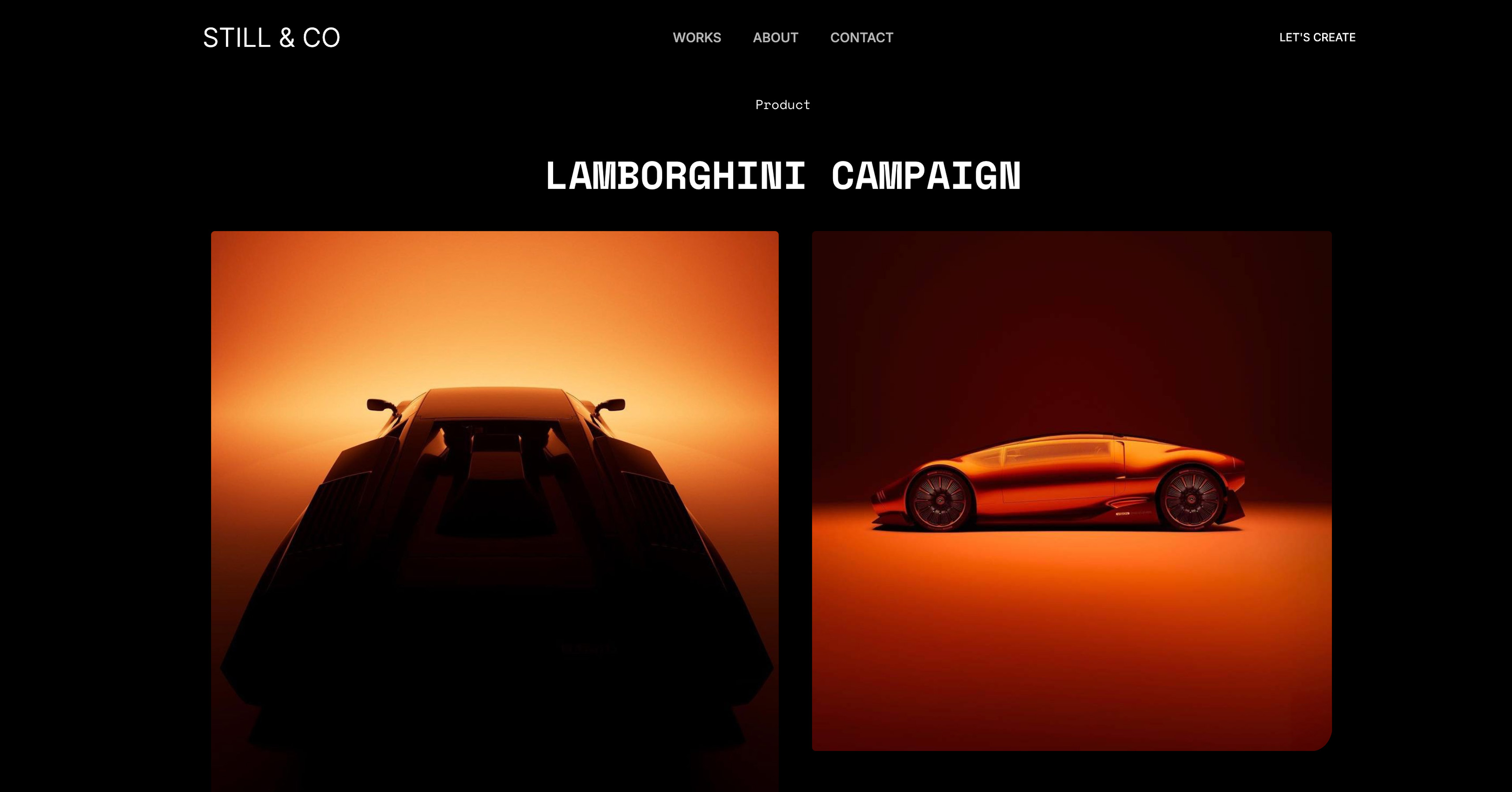 Use template
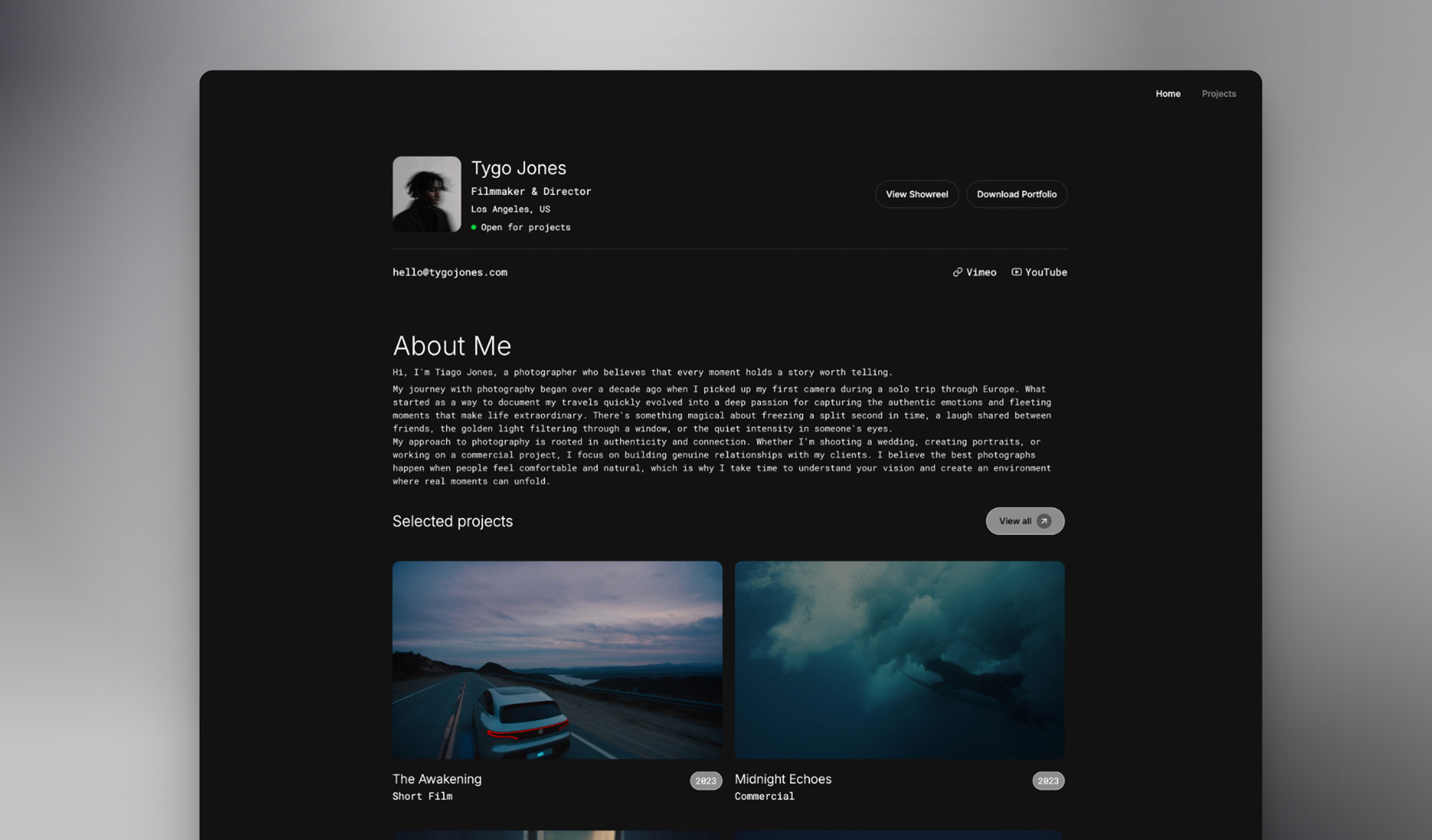 Use template
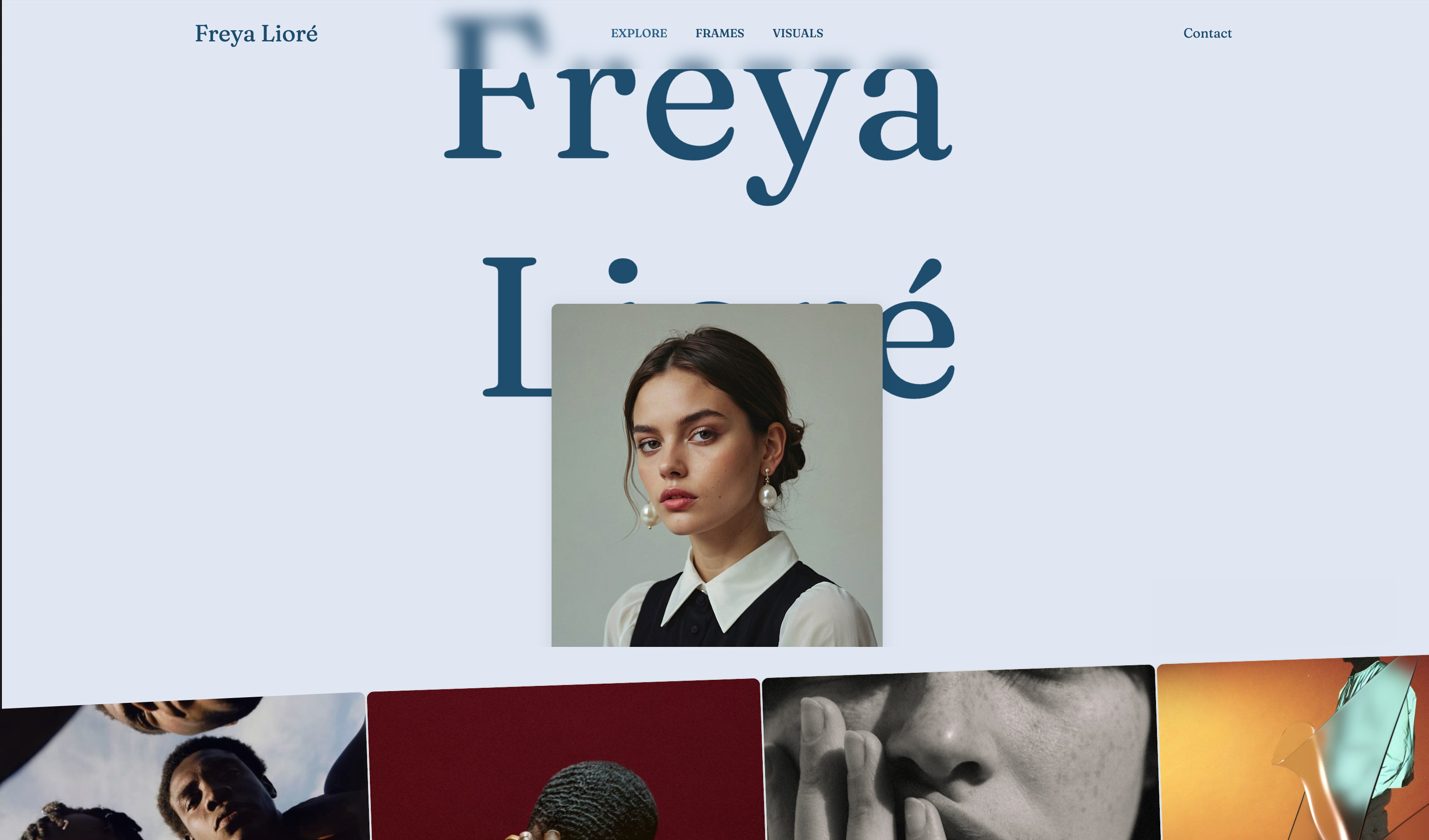 Use template
Six platforms, one prompt, one reference photograph, and six completely different answers to the question "what does this cost". Runway charges 625 credits a month on its cheapest paid plan. Kling charges 660. Pika charges 700.
Luma charges 10,000. Magnific charges 240,000 a year. Those numbers look comparable and are not comparable in any way at all, because a credit is a private unit that each company defines differently and none of them publish a conversion.
That is the state of the best AI video generators in 2026.
The models have converged faster than the pricing has, the outputs are closer in quality than they were a year ago, and the only remaining way to compare these products honestly is to generate the same clip in each one and work out what it actually cost.
So we did, and the answer ranged by more than a factor of ten.
An AI video generator is a service that produces moving footage from a text prompt, a still image, or both, using a generative model, and the meaningful differences between them in 2026 are motion coherence, camera control, and how many finished seconds you get per dollar rather than raw image quality.
Runway is the best AI video generator in 2026 for professional work because its camera and motion controls are the most directable and its Standard plan is $12 a month billed annually for 625 credits, though credits disappear fast at higher resolutions.
Pika is the cheapest credible paid option at $8 a month billed annually, Kling's free tier gives the most generous daily allowance, and Luma produces the most naturalistic motion at a considerably higher price.
Updated in September 2026: we re-verified Framekit's plans and the section on showing generated work, because Framekit puts the finished films on a portfolio you control and gathers client notes at the exact frame; generator prices are as read in August 2026.
How We Generated the Same Shot Six Times
We produced one identical clip in every platform rather than comparing showreels: a twelve-second shot of a glazed ceramic vase on a slowly rotating pedestal in daylight, with a gentle push-in, generated from the same written prompt and the same reference photograph, at the highest resolution each plan allowed, in August 2026.
That shot was chosen because it is unglamorous and diagnostic. A rotating object exposes whether a model understands that the back of a thing exists. A glazed surface exposes how specular highlights behave when the camera moves.
A push-in exposes whether camera motion is a real parameter or a suggestion. And a product on a plain background is the single most common commercial brief in this category, which makes it a fairer test than a cinematic landscape.
Confidence labels run through the entries and matter more here than usual. Where we describe what a model produced or failed at, that is our own output on this shot.
Where a price is published, it was read on the vendor's own pricing page in August 2026.
Where a price is reported, the vendor's pricing page did not respond to our checks and the figures come from consistent third-party sources, which applies to Kling and Hailuo and is stated in their entries.
Four platforms we subscribed to and generated on directly: Runway Standard, Pika Standard, Luma Plus, and Magnific Premium. Two we evaluated on free tiers and public documentation only, and we say so in their entries rather than implying a paid test.
Weighting, which you can rearrange: motion coherence and physical plausibility 30 percent, directability including camera control 25 percent, cost per finished usable clip 25 percent, resolution and output options 10 percent, and commercial licensing clarity 10 percent.
Cost per finished clip carries a quarter rather than a third because in this category the number of attempts needed to get a usable shot varies more than the price does.
In one linewe generated the same twelve-second rotating product shot from one prompt and one reference image in six platforms in August 2026, and scored them on motion coherence, directability, and cost per usable clip.
By the Numbers
Six platforms, one shot, one month. These figures reshaped our ranking, and the first one is the reason this article exists in the form it does.
- 5 different credit systems appear across six platforms, with no published conversion between any two of them.
- $8 a month billed annually is Pika Standard with 700 monthly video credits, the cheapest paid plan here.
- $12 a month billed annually is Runway Standard with 625 credits a month, against $76 a month for Max with 9,500.
- 66 daily credits that expire in 24 hours is Kling's free allowance, the only free tier here that refreshes daily.
- 80 monthly video credits at 480p only is Pika's free tier, which is enough to evaluate and not enough to publish.
- 125 one-time credits is Runway's free allowance, which is not a monthly allocation and runs out permanently.
- 10,000 credits come with Luma Plus at $25 a month billed annually, and 150,000 with Ultra at $250.
- Credits valid for 1 year with no monthly resets is Magnific's model, which is structurally different from every other platform here.
- 1 of 6 rebranded during our research: Freepik's pricing now appears under the name Magnific.
The Full Comparison Table
Prices were read on the vendor's own pricing page in August 2026 except where the row says reported. Where a vendor publishes in euros we have kept euros. Credit counts are not comparable between platforms and are listed only so you can see how differently each one counts.
| Platform | Best for | Free tier | Entry paid price | Credits at entry |
|---|---|---|---|---|
| Runway | Directable professional work | 125 one-time credits, 5GB | $12/mo yearly Standard | 625 per month |
| Kling | The most generous free tier | 66 credits daily, expire in 24h | $10/mo Standard, reported | 660 per month |
| Luma Dream Machine | Naturalistic motion | Not published | $25/mo yearly Plus | 10,000 |
| Pika | Cheapest usable paid plan | 80 credits/mo at 480p | $8/mo yearly Standard | 700 per month |
| Magnific | One subscription, many models | Not published | 12 euro/mo yearly Premium | 240,000 per year |
| Hailuo | Low-cost volume generation | Free tier available | $7.99/mo Standard, reported | Pooled monthly credits |
The last two columns are the reason this category is so hard to shop for. A 700-credit plan and a 240,000-credit plan may buy a similar amount of video, or may not, and nothing on any pricing page tells you which.
1. Runway: The Most Directable, and the Best for Real Work
Runway won because it was the only platform where our push-in was a push-in rather than an interpretation of one.
Camera motion is an explicit control rather than a hint buried in the prompt, and across six attempts the shot arrived closest to the brief with the fewest regenerations, which in a credit economy is the metric that actually determines cost.
The real numbers: Runway's free plan gives 125 one-time credits and 5GB of asset storage. Standard is $15 a month or $12 billed annually with 625 credits a month.
Pro is $35 a month or $28 annually with 2,250 credits, custom voices, 500GB of storage, and access to the best models. Max is $95 a month or $76 annually with 9,500 credits and the ability to roll unused credits over for one month.
Enterprise is quoted.
That 125-credit free allowance is a one-time grant rather than a monthly one, which is worth reading twice because three of the six platforms here refresh free credits and Runway does not. It is enough to generate a handful of short clips and form an opinion, and then it is gone.
The standout detail nobody writes about: credit rollover on Max.
Generative video work is lumpy, arriving in bursts around a client project, and a plan that lets an unused month carry forward one month is materially better suited to how creative work actually happens than a strict monthly reset.
It is only on the $76 tier, which tells you who it is designed for.
The gotchacredits vanish quickly at higher resolutions and longer durations, and the pricing page's headline count implies far more finished video than you will get. Budget on the assumption that a usable twelve-second shot takes three or four attempts, not one.
Skip it ifyou want the cheapest possible route to social clips. Pika does that for $8 a month and Runway's advantages are all about control you would not use.
Verdict: The best platform here for work someone is paying for, at $144 a year on Standard. Buy Pro at $336 if you generate weekly, because Standard's 625 credits disappear faster than they look like they will.
Generated footage still needs a place to be seen; our guide to building a filmmaker website that books clients covers where it should land.
2. Kling: The Most Generous Free Tier in the Category
Kling produced the second-best version of our rotating vase, with notably solid object permanence: the back of the vase remained the same vase as it came around, which sounds like a low bar and is a real failure point in this category.
Its motion is slightly less naturalistic than Luma's and its adherence to the reference image was the best of the six.
The real numbers are reported rather than published, because Kling's membership page returned an error to our automated checks.
Third-party sources in 2026 consistently describe five tiers: a free plan providing 66 daily credits that expire within 24 hours, Standard at $10 a month with 660 monthly credits, Pro at $37 with 3,000, Premier at $92 with 8,000, and Ultra at $180 with 26,000, with annual billing reported to save around 34 percent on Standard through Premier and no annual option on Ultra.
Confirm all of this at the source before subscribing.
The daily-refresh free tier is the genuinely distinctive thing here and it changes how you can use the platform. 66 credits a day that expire in 24 hours is useless for a burst of work and excellent for a habit: a creative exploring one idea a day pays nothing indefinitely, where every other free tier in this comparison would have ended in the first week.
The standout detail: because the free credits expire daily rather than accumulating, the platform is effectively free for low-volume experimentation forever, which is a very different proposition from a one-time grant.
The gotchawe could not verify any of its pricing at source, and this is a platform whose plan structure has changed repeatedly. Treat every figure above as directional.
Skip it ifyou need to guarantee a delivery date against published, stable terms.
Verdict: The best free tier in this comparison and the strongest image-to-video adherence we tested. Verify the current pricing yourself before committing a paid workflow.
3. Luma Dream Machine: The Most Naturalistic Motion, at a Price
Luma produced the most physically convincing version of our shot.
The rotation had weight, the highlight travelled across the glaze the way a highlight does, and the push-in had the slight imperfection of a real camera move rather than the gliding smoothness that marks generated footage.
If you are cutting AI footage into live-action, this is the one that will match.
The real numbers: Luma prices Plus at $30 a month or $25 billed annually at $300 a year with 10,000 credits. Pro is $90 a month or $75 annually at $900 with 40,000 credits.
Ultra is $300 a month or $250 annually at $3,000 with 150,000 credits. Team and Enterprise plans require contacting sales, and the pricing page does not describe a free tier.
At $300 a year for the entry plan, Luma is more than twice Runway Standard and more than three times Pika Standard.
The case for that premium is entirely about motion quality, which is real and which matters enormously for some work and not at all for a social clip that will be watched on a phone at arm's length.
The standout detail: the absence of a described free tier on the pricing page. In a category where every competitor gives something away, a platform that leads with a $30 monthly plan is making a clear statement about who it is for, and it is not hobbyists.
The gotchadirectability is weaker than Runway's. Luma produces beautiful motion and gives you less say in what that motion is, so getting a specific camera move takes more attempts, which costs credits, which erodes the quality advantage.
Skip it ifthe footage will be cut with other generated footage rather than with live action. The naturalism advantage disappears in that context.
Verdict: The best motion in this comparison at $300 a year, and the hardest to direct. Choose it when the clip has to sit next to real footage.
4. Pika: The Cheapest Credible Paid Plan
Pika is the value option and it is honest about what that means. Our vase came out competently rather than beautifully, with a slight softness in the glaze and a rotation that wobbled once, and for a social clip nobody would notice. For a client product shot they would.
The real numbers: Pika's free tier gives 80 monthly video credits with access to Pika 2.5 at 480p only and image-to-video effects.
Standard is $8 a month billed yearly with 700 monthly credits and access to all resolutions and features. Pro is $28 a month billed annually with 2,300 credits and faster generations.
Fancy is $76 a month billed yearly with 6,000 credits and the fastest generations. Every paid tier includes downloads with no watermark and commercial use.
At $96 a year, Pika Standard is the cheapest paid plan in this comparison and the cheapest route to watermark-free commercial output of any platform here. Against Luma Plus at $300 that is a third of the price for footage that is worse in ways most audiences will not register.
The standout detail: the free tier's 480p ceiling is an unusually clean way to draw the line.
You get 80 credits a month forever, everything works, and the output is exactly good enough to evaluate and exactly bad enough that you cannot publish it. That is more honest than a watermark.
The gotchacommercial use and watermark removal are both paid, so free Pika output cannot be used in client work at all. Several competitors are vaguer about this and Pika is not.
Skip it ifthe footage is going into anything a client is paying for at above social-media scrutiny.
Verdict: The best value in this comparison at $96 a year, with output quality to match the price. The right first paid subscription in this category.
5. Magnific, Formerly Freepik: One Subscription, Many Models
Magnific takes the aggregator position: rather than running its own model, it gives you access to many image, video, and audio models under one subscription, which for a creative who does not want six accounts is a genuinely different product.
Our vase was generated through three different underlying models here and we picked the best result, which is a workflow the single-model platforms cannot offer.
The real numbers, and a name change worth knowing about: the pricing page is headed Magnific, formerly Freepik, confirming the rebrand.
Premium is 12 euro a month billed annually or 16 euro monthly with 240,000 credits a year. Premium Plus is 27 euro annually or 36 monthly with 600,000 credits a year. Pro is 172.50 euro annually or 230 monthly with 4 million credits.
All plans give access to all image, video, and audio models, annual billing saves 25 percent, and the page states that credits are valid for one year with no monthly resets.
That last mechanic is the important one and it is structurally better for creative work than anything else here.
Credits valid for a year with no monthly reset means a quiet three months does not cost you an allowance, and a busy fortnight before a launch can draw on the whole year's budget.
Every other platform in this comparison resets monthly and quietly banks whatever you did not use.
The standout detail: model choice is the hedge against this entire category moving. When a better video model launches, an aggregator adds it and a single-model platform has to build it, and for anyone who does not want to re-subscribe every eight months that is worth real money.
The gotchayou are one step removed from every model, so the newest capabilities and the finest controls arrive later here than on the platform that built them, and camera direction is coarser than Runway's.
Skip it ifyou need the specific controls of one platform, or you generate enough that a dedicated subscription is cheaper.
Verdict: The best structure in this comparison for irregular creative work, at 144 euro a year, because annual credits that do not reset match how projects actually arrive. Weakest on fine control.
6. Hailuo: Volume Generation at the Lowest Prices
Hailuo, from MiniMax, is the platform to know about if your requirement is quantity: many short clips, quickly, cheaply, for social output where each individual shot does not have to be perfect.
Its output on our vase was the weakest of the six on surface detail and among the best on generation speed.
The real numbers are reported rather than published, since we evaluated it on its free tier and public documentation rather than a paid subscription.
Third-party sources in 2026 describe a free tier, a Standard plan reported around $7.99 a month, a Pro plan reported around $24.99, and a top tier reported at $199.99, with every subscription providing a monthly credit pool and each generation costing credits according to resolution, length, and model.
Verify at the source before subscribing.
If the reported $7.99 is current, Hailuo is the cheapest entry point in this comparison, marginally below Pika's $8. The two are close enough that the decision should be made on output rather than on price, and on our test Pika was better and Hailuo was faster.
The standout detail: generation speed. In a workflow where you expect to discard four attempts for every one you keep, the platform that returns results fastest costs you less time even when it costs the same money, and this was the fastest of the six.
The gotchawe did not test a paid plan, so treat this entry as a lighter evaluation than the four we subscribed to. Its pricing has also moved repeatedly, which is why the figures are reported.
Skip it ifindividual shot quality matters more than throughput.
Verdict: The cheapest and fastest option here at a reported $7.99 a month, and the weakest on detail. Right for volume social output and wrong for a hero shot.
Why You Cannot Compare These Prices Directly
This is the section the category needs and never gets, and it is the most useful thing in this article. Six platforms use five different credit systems and none of them publish a conversion, so the numbers on the pricing pages are not comparable in any direction.
Consider what the entry plans nominally offer. Runway Standard gives 625 credits a month for $12 billed annually. Kling Standard is reported to give 660 credits for $10. Pika Standard gives 700 credits for $8.
Luma Plus gives 10,000 credits for $25. Magnific Premium gives 240,000 credits a year for 12 euro a month.
Those five numbers span a range of nearly four hundred times, and the prices span a range of three times, which tells you immediately that a credit means something different in every case.
Worse, credit cost per generation is not fixed within a platform either.
Every service here charges more for higher resolution, longer duration, and better models, so a single plan buys wildly different amounts of video depending on choices you make afterwards.
A plan that looks generous at 480p is thin at 1080p.
The only comparable number is cost per finished usable clip, and you have to compute it yourself.
The method takes an evening: pick one shot you actually need, generate it on the free tier of two platforms, count how many attempts it took to get something you would show a client, then divide the plan price by the number of usable clips that allowance would produce at that hit rate.
In our testing the hit rate mattered more than the headline price, because a platform needing four attempts at half the credit cost is not cheaper.
One structural difference is worth weighting heavily. Magnific's credits are valid for a year with no monthly reset, and everyone else resets monthly.
For creative work that arrives in bursts around projects, an annual pool is worth considerably more than the same nominal allowance divided into twelve monthly buckets you will underuse in ten of them.
In one lineentry plans here range from 625 to 240,000 credits for $8 to $25 a month, which proves credits are not comparable, so compute cost per usable clip yourself and weight annual pools above monthly resets.
What Free Tiers Actually Let You Make
Free is common in this category and it comes in three shapes, only one of which sustains any kind of ongoing use.
Daily refresh describes Kling alone, which is reported to give 66 credits a day that expire within 24 hours. This is the only free tier here that supports a habit rather than a burst, and for a creative exploring one idea a day it is effectively permanent.
Monthly refresh with a quality ceiling describes Pika, which gives 80 monthly video credits limited to 480p, with commercial use and watermark-free download reserved for paid plans.
It is an honest structure: everything works, and the output is deliberately not publishable.
One-time grant describes Runway's 125 credits and 5GB of storage, which do not renew. It is enough to form an opinion and it is not a tier you can operate on.
Luma and Magnific do not describe free tiers on their pricing pages at all, which is itself informative about their intended customers.
The practical route for someone evaluating this category on no budget is therefore specific: use Kling's daily free credits for ongoing experimentation, use Pika free to check whether a workflow suits you, and spend Runway's 125 one-time credits only when you have a real shot you want to test rather than on your first curious afternoon.
In one lineKling's reported 66 daily credits are the only free allowance here that supports continuing use, Pika's 80 monthly credits are capped at 480p with no commercial rights, and Runway's 125 credits are a one-time grant that does not renew.
Image-to-Video Beats Text-to-Video, and It Is Not Close
The single largest quality difference we found across six platforms was not which model you use. It was whether you gave it a photograph to start from.
Every platform here accepts both a text prompt and a reference image, and on our rotating vase the image-to-video results were better on all six, by a margin wider than the gap between the best and worst platform.
The reason is structural rather than magical. A text prompt describes a vase; a photograph specifies this vase, this glaze, this light, this lens.
Everything the model does not have to invent is something it cannot invent wrongly, and in a category where invention is the main failure mode, removing invention is the main lever you have.
That has a direct commercial consequence for photographers, filmmakers, and designers, and it is the opposite of what people usually assume about this technology. Your existing photography is the most valuable input you own.
A studio with a decade of product shots, portraits, and location frames has a decade of starting points that nobody else can feed a model, and the person with no photographs is the one competing on prompt wording alone.
Three practical notes from generating the same shot both ways. Shoot or choose a reference that already has the composition you want, because models move the camera far more convincingly than they reframe a subject.
Give the model the highest-resolution source you have rather than a web copy, since detail in equals detail out.
And describe the motion in the prompt while letting the image carry the look, because splitting the job that way produced our most usable results on every platform we tested.
In one linefeeding a reference photograph beat text-only prompting on all six platforms by a wider margin than the gap between the best and worst platform, which makes your existing photography the most valuable input you have.
What a Usable Clip Actually Costs in Attempts
The arithmetic that decides your real bill is not the credit price, it is the discard rate, and almost nobody measures it before subscribing. Here is the calculation worked properly on our own numbers.
Across six platforms and one shot, our average was between three and four generations before a clip we would have shown a client, and it varied by platform rather than being constant.
Runway needed the fewest, because camera motion is an explicit control rather than something you describe and hope for. Luma needed more, because its motion is beautiful and hard to steer.
Magnific needed the fewest overall when we were allowed to switch underlying models between attempts, which is an advantage of aggregators that no single-model platform can match.
Apply that to the plans. Runway Standard at $12 a month billed annually gives 625 credits a month.
If a twelve-second clip at a usable resolution consumes a meaningful share of those credits and you need three attempts, the honest capacity of that plan is a handful of finished shots a month, not the dozens the credit number implies.
Pika Standard at $8 a month with 700 credits behaves similarly. Luma Plus at $25 with 10,000 credits looks enormous and is denominated differently, which is exactly the trap described earlier.
The method to get a real number takes one evening and is worth more than any comparison table, including ours.
Generate one shot you actually need, on one platform, at the resolution you will actually deliver, and count attempts until you have something client-ready. Multiply the credits consumed by that attempt count.
Divide the plan's monthly credit allowance by that figure. The answer is how many finished shots a month you are really buying, and for most readers it will be a smaller number than they expected.
There is a second-order effect worth naming. Because every attempt costs, generative video punishes exploration in a way that traditional post-production does not.
An editor trying twelve versions of a transition pays only in time; a creative trying twelve versions of a generated shot pays in credits.
That changes how people work, usually toward accepting the third result rather than the best one, and it is the strongest argument for the platforms with the most generous free daily allowances during the exploration phase.
In one linebudget three to four attempts per usable twelve-second clip, then divide your plan's monthly credits by that figure to find how many finished shots you are actually buying, which is normally far fewer than the headline suggests.
The Shots These Models Still Get Wrong
After six versions of the same brief we kept a list of what failed rather than only what worked, because knowing the boundary is what lets you quote a client with confidence. Four categories accounted for almost every rejected generation.
Hands, text, and logos. These remain the classic failures and they have improved without being solved.
Any shot where a hand manipulates the product, or where packaging carries readable type, or where a brand mark must be exact, is a shot to plan around rather than to attempt. On a product brief this rules out more setups than people expect.
Continuity across shots. Generating two clips of the same subject produces two subtly different subjects, because nothing carries state between generations beyond your reference image.
A sequence that cuts between angles of one object is genuinely difficult, and the workaround is to generate one longer move and cut into it rather than to generate the cuts.
Physical cause and effect. Liquid pouring, fabric settling, something being set down: these require the model to understand consequence rather than appearance, and they were the least reliable category in our testing across every platform.
Luma was noticeably the best here, which is consistent with its reputation for motion.
Anything the client can measure. A room that must match a real room, a product that must match a real product, a colour that must match a brand specification.
The model is producing something plausible, and plausible is a different standard from accurate, which is the distinction that decides whether generative video belongs in a given deliverable at all.
What did work reliably, on every platform, is worth stating with equal precision: slow camera moves on a static subject, atmospheric inserts, abstract texture and light, establishing shots that do not need to match anything, and short loops for social.
That list is narrower than the marketing implies and wide enough to be commercially useful, which is roughly where this technology sits in 2026.
In one linehands, readable text, shot-to-shot continuity, physical cause and effect, and anything a client can measure against reality remain unreliable, while slow moves on static subjects, atmospheric inserts, and abstract texture work on every platform.
Commercial Rights, Client Work, and the Question to Ask First
For anyone using generated video in paid work, licensing is a bigger question than quality and it is answered inconsistently across this category. Three things need establishing before a frame of this goes into a client deliverable.
Whether the free tier permits commercial use. Pika states plainly that commercial use and watermark-free download are paid features, which is the clearest position of the six.
Where a platform is not explicit, assume free output is not licensed for client work, because that is the industry default and the downside of being wrong is a client relationship rather than a subscription fee.
What your client is agreeing to. Some clients, particularly agencies and brands with legal teams, have policies on generative content in delivered work, and discovering that after delivery is expensive.
Ask before you generate, not after, and get the answer in the email thread rather than on a call.
Whether your reference images are yours. Image-to-video is the strongest workflow in this category and it means you are feeding a photograph into a model.
If that photograph is a client's product shot, or a stock image, or someone else's work, the licence on the input matters as much as the licence on the output.
Using your own photography as the reference removes this question entirely and produces better results.
The pattern that keeps creatives out of trouble is straightforward: pay for the tier that includes commercial rights, feed it images you shot, and tell the client generative tools were used. None of those three costs anything except the subscription.
In one lineassume free-tier output is not licensed for client work, feed the model reference images you shot yourself, and tell the client before you deliver rather than after.
The One-Evening Test to Run Before Subscribing
Do this with a shot you actually need rather than with a prompt you find interesting.
Pick one clip from a real project, then generate it on the free tiers of Kling and Pika and, if you have a serious use case, spend Runway's 125 one-time credits on it. Count three things.
First, how many attempts each platform needed before you had something you would show a client, because that hit rate multiplies every credit price in this article.
Second, whether the failures were about motion, detail, or adherence to your reference, since those are three different problems and the platforms are good at different ones.
Third, how long each generation took, because at a four-to-one discard rate speed is a cost.
Divide the annual plan price by the usable clips that allowance would produce at your measured hit rate, and you will have the only number in this category that means anything.
Where Generated Footage Belongs in a Real Edit
The most useful finding from a month of this is not about any platform, it is about placement. Generative video in 2026 is a component rather than a deliverable, and creatives who treat it as a component get paid for it while creatives who treat it as a deliverable mostly do not.
Four placements work commercially right now. Inserts and cutaways carry a sequence over a gap in coverage, and because they are brief and non-load-bearing the plausibility standard is low. Backgrounds and plates behind titles, products, or a presenter replace stock footage that would have been licensed anyway, which is a straightforward cost substitution. Atmospheric establishing shots set a mood that does not have to match a specific real place. Loops and social cuts live at a size and duration where the failure modes described above simply do not surface.
Two placements do not work yet and are where the reputational damage happens. Anything a client will compare to reality, meaning their actual product, premises, or people.
And anything that carries the narrative weight of a sequence, because a shot the story depends on is a shot that has to be right rather than plausible.
The pricing consequence is worth being direct about, since it is the question every freelancer eventually asks.
Generated footage does not justify a lower rate, because the work being paid for is judgement, direction, and the discard pile, not the render.
A studio that generates forty attempts to deliver three usable inserts has done a day of skilled work, and the fact that the tool cost $12 a month is no more relevant than the cost of a lens.
The moment you price generative work by the credit rather than by the outcome, you have agreed that the model is doing the job.
In one linegenerated footage earns money as inserts, plates, atmosphere, and loops, never as the shot a story depends on or anything a client can compare with reality, and it should be priced by outcome rather than by render cost.
The Decision Guide
Work through these and act on the first that matches. The ranking says which platform is strongest overall; this says which one to open an account on tonight, and in a category this volatile that is the more useful question.
Begin with money.
Do you want to spend nothing at all? If yes, Kling's reported 66 daily credits that expire within 24 hours are the only free allowance here that sustains ongoing use, with Pika's 80 monthly credits at 480p as a second account for testing workflows.
If no, continue.
Is the footage going into client work? If yes, you need a paid tier for commercial rights and watermark-free output regardless of platform, so budget from $96 a year at the very least. If no, continue.
Does the shot need a specific camera move? If yes, Runway, at $144 a year on Standard or $336 on Pro, because camera motion is an explicit control there and an interpretation everywhere else. If no, continue.
Will the generated footage be cut alongside live-action? If yes, Luma Plus at $300 a year, whose motion is the most physically plausible here and will match real camera work. If the clip stands alone, that premium buys you nothing.
Is this mostly social content where each shot is disposable? If yes, Pika Standard at $96 a year, or Hailuo at a reported $7.99 a month if throughput matters more than detail.
Does your work arrive in bursts around projects rather than steadily? If yes, Magnific Premium at 144 euro a year, because its credits are valid for a year with no monthly reset and every competitor resets monthly.
Do you want access to many models without many subscriptions? Magnific again, and accept coarser controls in exchange.
Any branch. Before you subscribe, generate one shot you actually need on two free tiers and count the attempts. The hit rate changes the real cost more than the price does.
Where Your Website Fits In
Generated footage has an unusual problem: it is cheap to make and hard to be believed about. A reel full of impressive clips raises a question in a prospective client's mind that live-action work does not, which is what exactly you did.
The answer is context, and context lives on a page rather than in a feed: what the brief was, what you shot yourself, what the model produced, and what you directed.
Framekit is where we work on that, and it is our own product, so weigh this section accordingly. It is not a video generator and we kept it out of the rankings for that reason.
Framekit is an AI website builder for photographers, filmmakers, designers, and illustrators, and what it produces is the portfolio the work lives in: project pages that carry the finished films and the story behind them, a store if you sell LUTs or presets, and client galleries, on your own domain.
The practical connection is credibility.
A case study that shows the reference photograph you shot, the prompt discipline you applied, and the finished clip is a different artifact from a clip posted to a feed, and it is the thing that turns generative capability into billable work rather than into a party trick.
Framekit plans start at $0 with a 5 percent fee on product sales, Pro is $19 a month with a 3 percent fee, and Business is $39 a month with no transaction fee.
If your generated work is good and nobody is hiring you for it, the model is not the missing piece.
Frequently Asked Questions
What is the best AI video generator in 2026?
Runway is the best AI video generator for professional work in 2026, because camera and motion controls are explicit parameters rather than prompt suggestions, which means fewer regenerations to hit a specific shot.
Standard is $15 a month or $12 billed annually with 625 credits, Pro is $28 billed annually with 2,250, and Max is $76 annually with 9,500 plus one-month credit rollover.
For cheaper output, Pika Standard is $8 a month billed yearly, and for the most naturalistic motion, Luma Plus is $25 a month billed annually.
Which AI video generator has the best free plan?
Kling, which is reported to give 66 credits a day that expire within 24 hours, making it the only free tier here that supports continuing use rather than a single burst.
Pika's free plan gives 80 monthly video credits limited to 480p with no commercial use and a watermark. Runway's free plan gives 125 one-time credits and 5GB of storage that do not renew.
Luma and Magnific do not describe free tiers on their pricing pages.
Why can't I compare AI video credits between platforms?
Because a credit is a private unit that each company defines differently and none publish a conversion.
Entry plans in this comparison range from 625 credits a month on Runway Standard at $12 to 240,000 credits a year on Magnific Premium at 12 euro a month, a spread of hundreds of times across a threefold price range.
Credit cost per generation also varies within each platform by resolution, duration, and model, so the only comparable figure is cost per finished usable clip, which you have to calculate yourself.
Can I use AI-generated video in client work?
Only on a paid tier, and only after checking. Pika states explicitly that commercial use and watermark-free downloads are paid features, and where a platform is not explicit you should assume free output is not licensed for client work.
Two further checks matter: whether your client has a policy on generative content in delivered work, which many agencies and brands now do, and whether you own the reference images you fed the model, since the licence on the input matters as much as the licence on the output.
Runway vs Luma: which should a filmmaker choose?
Choose Runway if you need to direct the shot and Luma if you need it to match live-action footage.
Runway's camera controls are explicit, which reduces the number of attempts needed to hit a brief, at $12 a month billed annually for Standard.
Luma produced the most physically convincing motion in our testing, with weight and imperfection that reads as a real camera move, at $25 a month billed annually for Plus with 10,000 credits.
Luma is harder to direct, which costs credits in regenerations.
What is the cheapest AI video generator?
Pika Standard at $8 a month billed yearly, with 700 monthly video credits, all resolutions, watermark-free downloads, and commercial use, is the cheapest credible paid plan we verified.
Hailuo is reported at $7.99 a month for its Standard tier, marginally cheaper, and we evaluated it on the free tier rather than a paid subscription.
For free, Kling's reported 66 daily credits are the most generous allowance in the category.
How many credits does one video actually cost?
That varies within every platform, which is the core problem with the pricing in this category.
Every service here charges more credits for higher resolution, longer duration, and better models, so a plan that produces plenty of 480p clips produces far fewer at 1080p.
In our testing the bigger cost driver was the hit rate rather than the per-generation price: budget three to four attempts for a usable twelve-second shot, and calculate your plan's real capacity from that rather than from the headline credit count.
What happened to Freepik?
Freepik's pricing now appears under the name Magnific, with the pricing page headed "Magnific (formerly Freepik)".
The plans are Premium at 12 euro a month billed annually or 16 monthly with 240,000 credits a year, Premium Plus at 27 euro annually or 36 monthly with 600,000 credits, and Pro at 172.50 euro annually or 230 monthly with 4 million credits.
All plans include access to all image, video, and audio models, and credits are valid for one year with no monthly resets.
Do AI video credits roll over if I do not use them?
Almost never, and this is worth weighting heavily if your work is project-based.
Every platform in this comparison resets credits monthly except Magnific, whose credits are valid for a year with no monthly resets, and Runway Max at $76 a month billed annually, which allows unused credits to roll over for one month.
For a creative whose generative work clusters around three client projects a year, an annual pool is worth substantially more than the same nominal allowance split into twelve buckets.
Is AI video good enough for professional client work yet?
For product shots, abstract inserts, backgrounds, and short social content, yes, on a paid tier with a real reference image. For anything with people, hands, text, or continuity across shots, expect a high discard rate and plan accordingly.
The realistic professional workflow in 2026 is generative footage as a component within an edit rather than as the whole deliverable, which is why the platform that reduces attempts per usable shot matters more than the one with the highest peak quality.
Which AI video generator gives the most usable output per dollar?
On our test, Runway produced the fewest wasted attempts, which made its effective cost per usable clip lower than platforms with cheaper headline pricing. Pika was cheapest per credit and needed more attempts.
The honest answer is that this depends on your shot type, and the way to find out takes an evening: generate one clip you actually need on two free tiers, count the attempts to something client-ready, then divide each plan's annual price by the usable clips it would yield at that rate.
Final Verdict
Runway is the best AI video generator in 2026 for anyone doing work that someone is paying for.
Its camera and motion controls are explicit rather than implied, and in a category where you are billed per attempt, the platform that gets closer to the brief the first time is cheaper than the one with the lower sticker price.
Standard at $144 a year is the entry point and Pro at $336 is where regular users belong.
Where Runway loses is worth naming. Its free tier is 125 one-time credits that do not renew, which is the least useful free allowance here.
Its credits disappear far faster at higher resolutions than the headline count suggests, and the plan you think you need is usually one tier below the plan you actually need.
Luma produces better motion for footage that has to sit next to live action. Pika does adequate work for a third of the price. Magnific's annual credit pool suits project-based creative work better than any monthly reset.
And Kling's free tier is more generous than anything Runway offers.
The honest summary after generating the same shot six times: the models have converged and the pricing has not, so the decision should be made on directability and on your own measured hit rate rather than on quality claims or credit counts.
Test one real shot on two free tiers, count the attempts, and let that number choose.
And remember that generated footage is not a portfolio.
A clip in a feed raises questions about what you actually did; a project page that shows the brief, the reference, and the result answers them, and that is what turns this capability into work.
Related readingThe best AI tools for filmmakers, color grading software, and stock footage sites to license.
Also in this seriesvideo editing software, AI avatar video tools, and AI image upscalers.