Framekit templates
Start from a designer-made template
 Use template
 Use template
 Use template
 Use template
 Use template
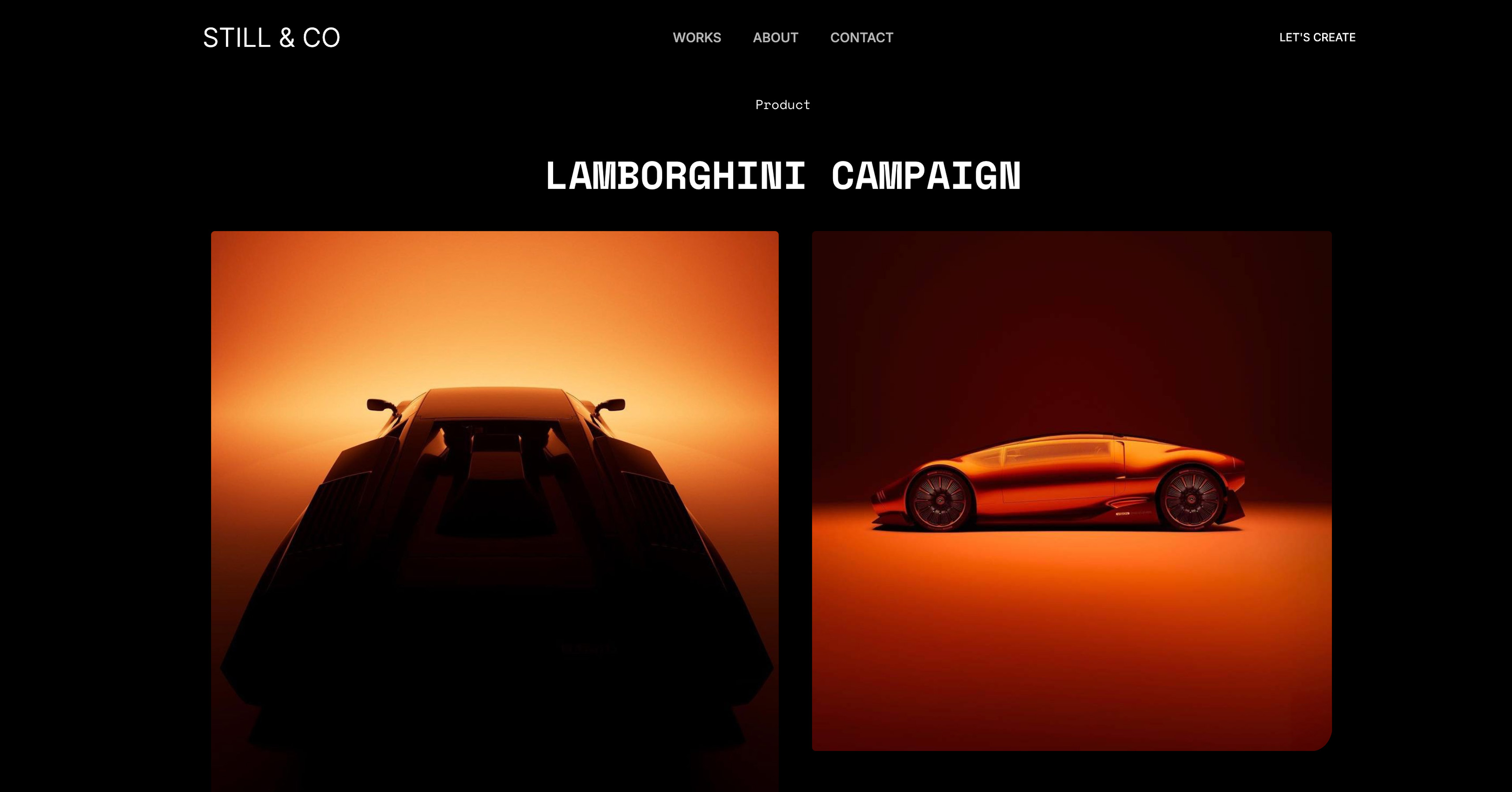 Use template
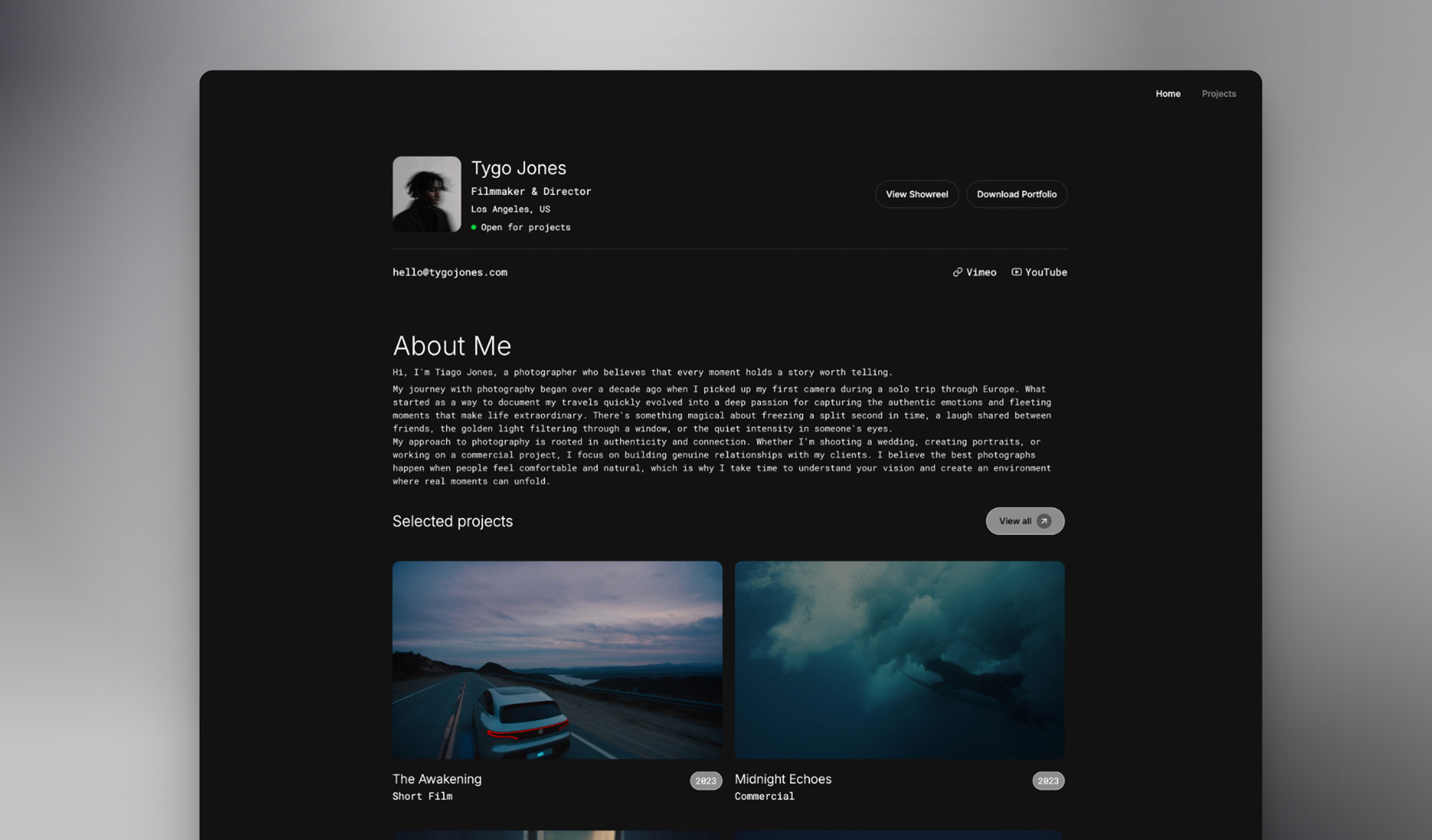 Use template
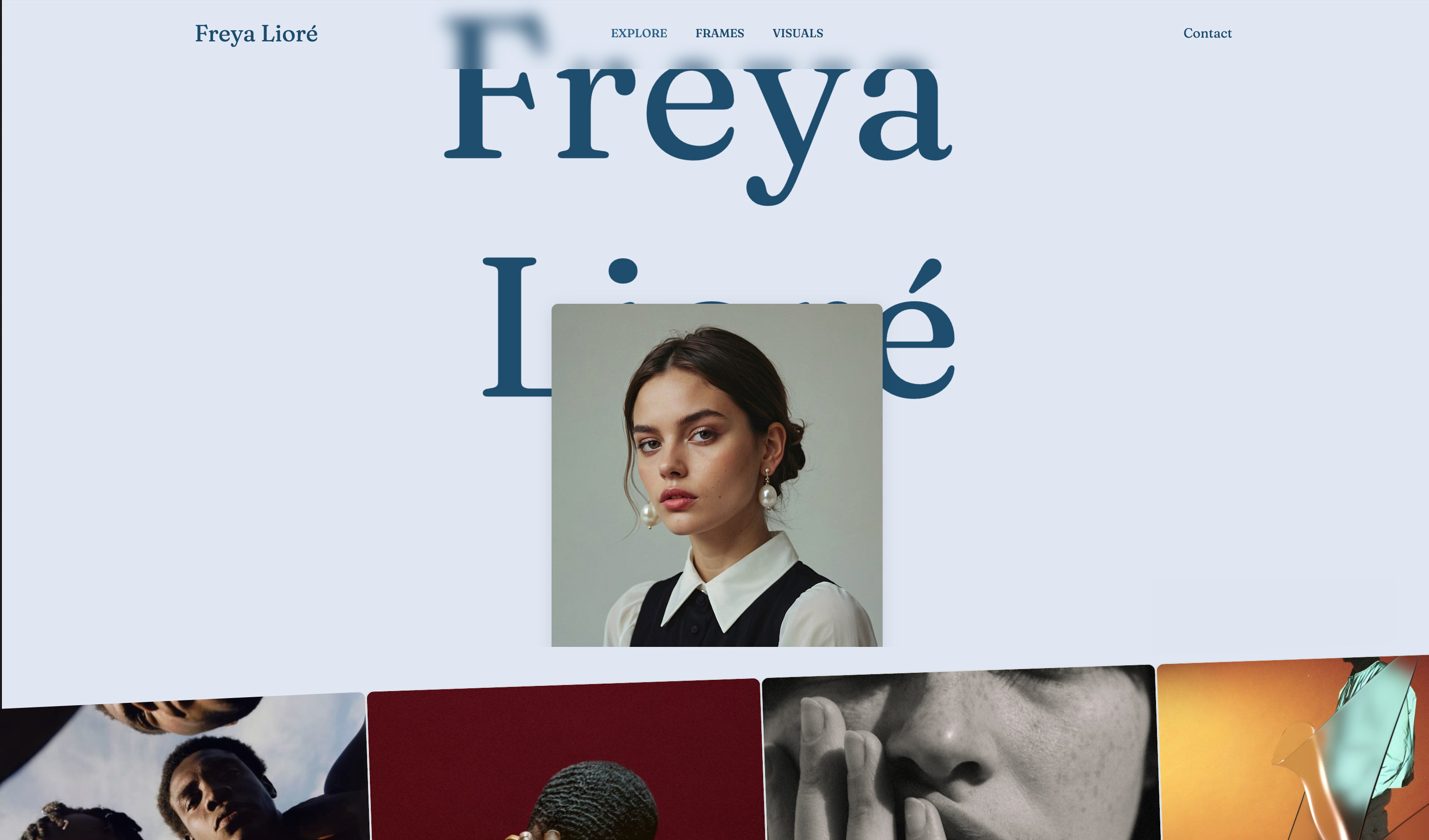 Use template
Every pricing page in this category quotes something different. One sells minutes a year, one sells minutes a month, two sell credits, and one sells videos.
That is not an accident of presentation; it is what a market looks like before anyone agrees what the unit is, and it makes the products almost impossible to compare from their own marketing.
One vendor does publish the unit, and it is the most useful number in the category.
Elai puts a per-minute cost against each plan, from $1.53 a minute on annual billing up to $2.50 on monthly, and once you convert the others the same way, the best AI avatar video tools in 2026 land in a surprisingly narrow band of roughly $1.50 to $3.00 for every finished minute you export.
That number is the whole decision, because it is the one you can hold against the alternative.
An AI avatar video tool is software that turns a written script into video of a synthetic presenter speaking it, using a stock or cloned likeness and a synthetic voice, and the useful comparison between them is cost per finished minute rather than the credits, minutes, or videos each vendor happens to sell.
Synthesia is the best AI avatar video tool in 2026 for most creative businesses because its avatars and localisation are the most convincing and its free tier gives 10 minutes a month, though at $18 a month billed annually for 120 minutes a year it works out around $1.80 per finished minute.
Colossyan gives the most generous free allowance at 20 minutes a month, Elai is the cheapest per minute at a published $1.53, and HeyGen is the strongest if you want a digital twin of yourself.
September 2026 update: we re-verified Framekit's plans and the note on hosting a finished avatar video, since Framekit keeps it on a page you own and never watermarks video delivered in a gallery; avatar tool prices are as read in August 2026.
How We Tested These Avatar Tools
We produced the same deliverable in every tool rather than comparing showreels: a ninety-second explainer script for a studio describing its service, rendered once in English and once in a second language, with the same script, the same intent, and a stock avatar chosen for the closest match to a plausible spokesperson.
Fresh accounts, August 2026.
Ninety seconds is the right test length because it is long enough for the failure modes to appear and short enough that a real business would actually make one.
Under thirty seconds every tool looks fine; past a minute the mouth shapes, the pacing, and the small stillnesses between sentences start to read as synthetic, and that is where the products separate.
Labels are used consistently below. Anything we describe as rendered, produced, or noticed came from this test.
Anything called published is a figure sitting on the vendor's own pricing page when we looked in August 2026.
A price described as not displayed means the vendor's page showed the plan without a figure, which applies to one entry here and is stated in it.
Three tools we ran on paid plans: Synthesia Starter, Elai Creator, and Creatify Starter. Two we ran on free tiers, which in this category is genuinely informative because the free allowances differ by a factor of twenty.
All five were given the same script and the same number of attempts.
Our weighting, which you may rearrange: believability at ninety seconds 30 percent, cost per finished minute 25 percent, localisation quality 20 percent, editing control 15 percent, and free tier usefulness 10 percent.
Believability leads because a spokesperson video that reads as synthetic does not fail neutrally, it actively costs you trust, which is a worse outcome than not making the video.
In one linewe rendered the same ninety-second explainer in English and one other language across five tools in August 2026, and converted every plan to cost per finished minute so the pricing could actually be compared.
By the Numbers
Five tools, one ninety-second script, two languages, and thirty-odd renders between them.
The figures below decided the ranking, and the first one is the number that makes this category legible at all, because it is the only way to compare plans that are sold in four different units.
- $1.53 to $3.00 per finished minute is the band every tool here falls into once its plan is converted to a per-minute cost.
- $1.53 a minute is the cheapest published rate, on Elai Creator billed annually, and Elai is the only vendor that prints the per-minute figure itself.
- 20 minutes a month is Colossyan's free allowance, the most generous here by a wide margin.
- 10 minutes a month is Synthesia's free allowance, and 1 minute is Elai's.
- 3 videos a month up to 1 minute is HeyGen's free tier, which includes 1 custom digital twin and more than 30 languages.
- $59 a month billed annually is Colossyan Professional, plus $30 a month for each additional editor, which is the steepest per-seat add-on in this comparison.
- 2 of 5 meter in credits rather than minutes, which is what makes the category hard to compare without doing the conversion yourself.
- 175 languages and dialects are offered on HeyGen's Creator plan, against 75 or more on Elai and Creatify.
- 4 of 5 watermark or restrict free output, and Colossyan's free tier is the exception worth knowing about.
The Full Comparison Table
Every figure below was read on the vendor's own pricing page in August 2026. The final column is our conversion, not the vendor's, except for Elai where the vendor publishes it, and it assumes annual billing where offered.
| Tool | Best for | Free tier | Entry paid price | Cost per finished minute |
|---|---|---|---|---|
| Synthesia | Believability and localisation | 10 minutes/month | $18/mo yearly Starter | About $1.80 |
| Elai | The cheapest published rate | 1 minute | $23/mo yearly Creator | $1.53, vendor published |
| Colossyan | The most generous free tier | 20 minutes/month | $59/mo yearly Professional | About $1.97 |
| HeyGen | A digital twin of yourself | 3 videos/mo, up to 1 min | $29/mo Creator | Credits, not minutes |
| Creatify | High-volume ad variants | 10 credits/mo, watermarked | $39/mo Starter | Credits, not minutes |
Two rows say credits rather than minutes, and that is the single reason this category is hard to shop for. A credit is not a unit; a finished minute is.
1. Synthesia: The Most Convincing at Ninety Seconds
Synthesia won on the axis that decides whether any of this is usable, which is whether a viewer stops noticing.
Its avatars held up through a full ninety seconds where two competitors started reading as synthetic around the forty-second mark, mostly because the small movements between sentences are better: the stillness that gives away a generated presenter is shorter and less regular.
The real numbers: Synthesia offers a free Basic plan at $0 with 10 minutes of video a month using ready-made avatars and no credit card.
Starter is $29 a month billed monthly or $18 billed yearly, covering 120 minutes of video or AI dubbing a year on the annual plan and 10 minutes a month on monthly.
Creator is $89 monthly or $64 yearly, covering 360 minutes a year on annual. Enterprise is quoted with unlimited minutes.
Converted, Starter at $216 a year for 120 minutes is about $1.80 per finished minute, and Creator at $768 for 360 minutes is about $2.13.
That the more expensive plan costs more per minute is worth pausing on: you are buying features and headroom rather than a volume discount, which is the opposite of how most software scales.
The standout detail nobody writes about: the free 10 minutes a month is enough to produce a real deliverable rather than a demo, which in a category where free tiers run to one minute is a substantial difference. A studio making one explainer a quarter may never need to pay.
The gotchathe annual and monthly plans are not the same product. Starter billed monthly gives 10 minutes a month, which is 120 a year, the same total as annual, but the annual plan pools it so you can spend 40 minutes in one month.
For bursty work that pooling matters more than the discount.
Skip it ifyou want a likeness of yourself rather than a stock presenter, where HeyGen's digital twin is the stronger product.
Verdict: The most believable output here at about $1.80 per finished minute, with a free tier generous enough to test properly. The default choice in this category.
Video is only half of a pitch; our guide to what a filmmaker portfolio should include covers where it belongs.
2. Elai: The Only Vendor That Tells You the Real Unit
Elai earns its position partly on output, which was mid-table and perfectly usable, and substantially on honesty.
It is the only tool in this comparison that publishes cost per minute against each plan, which is the number every buyer in this category actually needs and which every other vendor leaves you to calculate.
The real numbers: Elai offers a free plan at $0 with 1 minute of video and full access to creator features including 80 or more avatars and 75 or more languages.
Creator is $29 a month or $23 billed annually at $276 a year, covering 15 minutes a month, which Elai prints as $1.93 a minute monthly and $1.53 annually.
Team is $125 monthly or $100 annually at $1,200 a year for 50 minutes a month, printed as $2.50 and $2.00 a minute. Enterprise is quoted with unlimited minutes, 3 voice clones, and 3 selfie avatars.
At a published $1.53 a minute on annual Creator, Elai is the cheapest verified rate in this comparison, undercutting Synthesia Starter by about 27 cents a minute.
On a studio producing 15 minutes a month that is roughly $49 a year of difference, which is small, and the transparency is worth more than the saving.
The standout detail: the free plan is one minute, which is the least generous here, and it includes the full creator feature set rather than a stripped version.
That is a defensible trade, since one full-featured minute tells you more about whether the output is usable than ten minutes of a limited tier would.
The gotcha15 minutes a month on Creator is genuinely tight for anything beyond occasional use, and the jump to Team at $1,200 a year is large. Model your monthly minutes honestly before choosing, because the middle of this ladder is expensive.
Skip it ifbelievability at length is the priority. Synthesia was noticeably better across a full ninety seconds.
Verdict: The cheapest published rate at $1.53 a minute annually and the most transparent pricing in the category. Buy it if the maths matters more than the last increment of realism.
3. Colossyan: The Free Tier That Is Actually a Plan
Colossyan gives away twenty minutes of video a month, which is twice Synthesia's free allowance and twenty times Elai's, and that single fact makes it the right starting point for any creative business unsure whether this category is worth paying for at all.
The real numbers: Colossyan's Starter plan is free and includes 20 minutes a month with its NEO model, a library of 300 or more avatars, 15 custom avatars, 3 voices, unlimited course creation, and unlimited viewers.
Professional is $59 a month billed annually with a 34 percent yearly discount, covering 30 minutes a month with NEO and 10 with NEO2, adding watermark removal, 5 SCORM exports a month, AI image generation, 20 custom avatars, and 5 voices, with additional editor seats at $30 a month each up to 3 editors.
Enterprise is quoted.
Converted, Professional at $708 a year for 30 minutes a month is about $1.97 a finished minute, which is mid-range.
The free tier at 20 minutes a month is the outlier, and the honest reading is that Colossyan is buying evaluation time in a market where everyone else meters it tightly.
The standout detail: SCORM export and unlimited course creation tell you the intended customer, which is corporate learning rather than marketing.
For a creative business that is useful context rather than a disqualification, because the same engine renders a client explainer perfectly well.
The gotchaadditional editors at $30 a month each is the steepest seat add-on in this comparison, so a two-person studio on Professional is $1,068 a year. Check the seat count before the headline price.
Skip it ifyou need more than 30 minutes a month, where the per-minute economics stop favouring it.
Verdict: The most generous free tier in the category at 20 minutes a month, and mid-priced when you outgrow it. Start here regardless of where you finish.
4. HeyGen: The One That Makes a Version of You
HeyGen's distinguishing feature is the digital twin, meaning an avatar built from footage of you rather than a stock presenter, and for a creative business that changes what the category is for.
A studio principal who is the face of the business can produce spokesperson video without being filmed each time, which is a genuinely different proposition from renting a stock actor.
The real numbers: HeyGen offers a free plan at $0 with 3 videos a month, videos up to 1 minute, 1 custom digital twin, and more than 30 languages.
Creator is $29 a month with 600 credits, videos up to 30 minutes, 1080p export, voice cloning, and more than 175 languages and dialects. Pro is $49 a month with 1,000 credits and 4K export.
Business is $149 a month with 1,500 credits, videos up to 60 minutes, 5 custom digital twins, and team seats at $20 each. Enterprise is quoted. The page does not display separate annual figures.
We cannot honestly convert HeyGen to cost per minute, because it meters credits and does not publish a credit-to-minute rate, and inventing one would defeat the purpose of this article.
What we can say is that a custom digital twin on the free plan is a remarkable inclusion, since that is the feature most competitors reserve for their upper tiers.
The standout detail: 175 languages and dialects on a $29 plan is the widest localisation reach here, and paired with a twin of yourself it means one recorded session can produce spokesperson video in languages you do not speak.
For a studio with international clients that is the strongest single argument in this article.
The gotchacredits rather than minutes, with no published conversion, which means you cannot compare it to anything until you have used it for a month. Budget accordingly and treat the first month as measurement.
Skip it ifyou want a stock presenter and predictable per-minute costs, where Synthesia and Elai are easier to plan around.
Verdict: The best digital twin here, with a free tier that includes one, and pricing you cannot compare without testing. Choose it when the face should be yours.
5. Creatify: Built for Ad Variants Rather Than Explainers
Creatify is aimed at a narrower job than the rest of this list: producing many versions of a short advertisement rather than one considered explainer.
Our ninety-second script was longer than its natural output, and for a fifteen-second product ad it would have been the fastest tool here by a distance.
The real numbers: Creatify offers a free plan with 10 monthly credits, enough for up to 2 video ads or 20 image ads, access to 300 AI actors, 10 premium AI models, and 40 ad templates, with a watermark on exports.
Starter is $39 a month with 100 credits, 300 AI actors, more than 200 ad templates, more than 75 languages, and watermark removal.
Pro is $99 a month with 300 credits, 1,500 AI actors and 3 custom avatars, more than 500 templates, a competitor ad tracker, and team collaboration for up to 5 seats. Enterprise is quoted.
The page advertises up to 50 percent off annual without displaying the annual figures.
Like HeyGen it meters credits without publishing a minute conversion, so it sits outside the per-minute comparison.
What it does publish clearly is the ad-variant logic: 300 credits on Pro is aimed at a marketer testing dozens of creative variations, not at a studio making one film.
The standout detail: 5 seats included on the $99 Pro plan is the best team inclusion in this comparison, where Colossyan charges $30 per additional editor and HeyGen $20. For a small agency running ads for clients, that changes the calculation considerably.
The gotchait is an advertising tool, and its templates and pacing reflect that. Using it for a considered brand explainer produces something that looks like an advertisement, which may be exactly wrong for the job.
Skip it ifyou make one video at a time and care how it feels.
Verdict: The right tool for producing many short ad variants at $39 a month, and the wrong one for a single explainer. Best team seat inclusion here.
Cost Per Finished Minute, and What It Should Be Compared To
Converting every plan to a per-minute figure is the useful half of this article, and the second half is deciding what that figure should be measured against, because $1.80 a minute means nothing in isolation.
The band is narrow. Synthesia Starter is about $1.80 a finished minute on annual billing, Colossyan Professional about $1.97, Elai Creator a published $1.53 annually and $1.93 monthly, and Elai Team $2.00 annually and $2.50 monthly.
HeyGen and Creatify meter credits and publish no conversion, so they sit outside the comparison until you measure your own usage.
Two adjustments make those numbers honest. First, they assume you use the whole allowance, and most people do not: a 15-minute monthly plan where you render 6 minutes is costing you two and a half times the headline rate.
Second, they assume the first render is usable, and in our test roughly one in three needed a second pass for pacing or pronunciation, which pushes the real figure toward the top of the band.
The comparison that matters for a creative business is against filming a person, and it is not close in either direction depending on volume.
One ninety-second piece to camera, shot properly with a real presenter, costs vastly more than $3 a minute. Forty localised versions of the same ninety seconds costs vastly less through an avatar tool than through forty shoots.
The crossover is not a number we can give you, because it depends entirely on your day rate, but the shape is clear: avatars win on multiplication and lose on singularity.
In one linethese tools cost roughly $1.50 to $3.00 per finished minute once converted, they cost more than that if you underuse the allowance or re-render, and they beat filming only when you need the same script many times over.
Where Avatar Video Works and Where It Damages You
Making the same explainer five times produced a clear division, and for a creative business the second half of it matters more than the first.
Works well. Internal training and process video, where nobody expects a performance. Localised versions of a script you have already validated in one language, which is the strongest case in the whole category.
High-volume advertising variants where each version is seen once. Product walkthroughs and documentation, where the information is the point.
And any video that would otherwise not get made at all, which is a larger category than people admit.
Damages you. Anything where the viewer is deciding whether to trust a person, which for a creative business is most of the important video: your About page, a founder message, a pitch, a testimonial.
A synthetic presenter in those contexts does not read as efficient, it reads as evasive, and the cost is not neutral. It is worse than having no video.
The dividing question is simple enough to apply in a second: is the viewer meant to learn something, or to decide something about you? Learning tolerates a synthetic presenter easily. Deciding does not.
There is also a disclosure question that is settling quickly.
Several platforms and advertisers now expect synthetic media to be labelled, and beyond compliance it is straightforwardly better practice, because a viewer who works out that a presenter is generated after trusting them feels differently about your business than one who was told.
Label it, and the awkwardness disappears.
In one linesynthetic presenters work when the viewer is meant to learn something and damage you when the viewer is deciding whether to trust you, which rules them out of the About page, the founder message, and the pitch.
The Twenty-Minute Test to Run Before Subscribing
Take a script you actually need, at the length you actually need it, and render it on Colossyan's free 20 minutes and Synthesia's free 10. Then check three things in order.
First, watch the full length rather than the first fifteen seconds, because every tool is convincing for fifteen seconds and the ones that fail do so around the forty-second mark.
Second, listen specifically to the proper nouns, your studio name, a client name, a product name, since mispronunciation is the most common reason a render needs a second pass and it is the one thing you cannot fix in the prompt.
Third, show it to one person who does not know it is generated and ask what they thought of the presenter, because their answer tells you more about whether it works for your audience than your own judgement will.
Scripting for a Synthetic Presenter
The single largest quality variable in avatar video is not the tool, it is the script, and scripts written for a human read badly when a generated presenter delivers them. Five renders of the same ninety seconds made the differences specific.
Write shorter sentences than you would for a person. A human speaker carries a long sentence with breath and emphasis; a synthetic one flattens it, and the listener loses the thread around the second subordinate clause.
Sentences of twelve to eighteen words held up consistently across all five tools.
Remove the words you would have gestured through. A presenter saying "this one here" while pointing works on camera and is meaningless from an avatar that is not pointing. Anything relying on physical reference has to become explicit or leave the script.
Spell proper nouns phonetically on first use. This was the single most common cause of a re-render in our test. Studio names, client names, and product names are exactly the words a tool has not seen, and exactly the words a viewer will notice being said wrongly.
Put the important sentence first in each paragraph. Generated delivery has less dynamic range than a person's, so emphasis does less work and position does more. A point buried mid-paragraph lands weakly regardless of how the tool reads it.
Read it aloud yourself before rendering. Anything you stumble over, the tool will stumble over differently, and it is far cheaper to find in your own voice than in a credit-metered render.
The general principle behind all five: a synthetic presenter is a good reader and a poor performer, so the script has to carry the structure that a performer would otherwise supply. Scripts written that way are also better scripts for a human, which is a useful side effect.
In one linewrite twelve-to-eighteen word sentences, remove anything you would have gestured through, spell proper nouns phonetically, lead each paragraph with its point, and read it aloud before spending a render.
The Decision Guide
Work down these and stop at the first that matches. The first branch rules the category out for a lot of readers, which is the honest place to start rather than the end.
Begin with the purpose. Is the viewer deciding whether to trust you personally? If yes, meaning an About page, a founder message, a pitch, or a testimonial, do not use a synthetic presenter at all.
Film yourself badly rather than generating yourself well. If no, continue.
Do you need the same script in several languages? If yes, this is the strongest case in the category. Synthesia for believability, or HeyGen at $29 a month for more than 175 languages and dialects paired with a digital twin of yourself.
Should the face be yours rather than a stock presenter? If yes, HeyGen, whose free plan includes 1 custom digital twin, which no competitor offers at that tier.
Are you making many short ad variants rather than one considered piece? If yes, Creatify at $39 a month for 100 credits, or Pro at $99 with 5 seats included, which is the best team inclusion here.
Do you want to test the category properly before paying? Colossyan free at 20 minutes a month, which is twice any other free allowance and enough for a real deliverable.
Is the per-minute cost the deciding factor? Elai Creator at $23 a month billed annually, a published $1.53 per finished minute, the cheapest verified rate in this comparison.
Everyone else. Synthesia, free at 10 minutes a month, then Starter at $18 a month billed annually for about $1.80 a finished minute. It was the most believable at full length, which is the thing that decides whether any of this was worth doing.
Any branch. Label it. Disclose that the presenter is generated, because a viewer who discovers it afterwards feels differently about your business than one who was told upfront.
Where Your Website Fits In
Every tool here produces a file, and a file is not a destination.
The most common outcome we see with avatar video in creative businesses is a well-made explainer that lives on a platform, surrounded by other people's content, doing none of the work it was made for because nothing follows it.
Framekit is our own product and the destination is the part we work on, so weigh this accordingly. It is not a video tool and it does not appear in the rankings above.
Framekit is an AI website builder for photographers, filmmakers, designers, and illustrators, producing the page an explainer belongs on: the portfolio that shows the work, the services page the video is explaining, and a store and client galleries on your own domain.
The connection here is sharper than in most categories, because of the trust point above. A synthetic presenter is acceptable when the surrounding page establishes who you actually are, and unacceptable when it is all a visitor has.
An explainer on a page with your real work, your real name, and your real terms reads as a production choice. The same explainer alone on a platform reads as a company hiding.
Framekit starts at $0 with a 5 percent fee on product sales, Pro is $19 a month with a 3 percent fee, and Business is $39 a month with no transaction fee.
If you are considering a synthetic presenter because filming yourself feels hard, the page is the cheaper fix.
Frequently Asked Questions
What is the best AI avatar video tool in 2026?
Synthesia is the best for most creative businesses, because its avatars remained convincing across a full ninety seconds where competitors began reading as synthetic around forty seconds.
It offers 10 minutes a month free, with Starter at $29 a month or $18 billed yearly covering 120 minutes a year, which works out around $1.80 per finished minute.
Elai is cheaper at a published $1.53 a minute annually, and HeyGen is the better choice if you want an avatar of yourself.
How much does AI avatar video actually cost per minute?
Converted from the published plans, roughly $1.50 to $3.00 per finished minute. Elai is the only vendor that prints the figure itself, at $1.53 a minute on annual Creator and $2.50 on monthly Team.
Synthesia Starter works out around $1.80 and Colossyan Professional around $1.97. Two tools, HeyGen and Creatify, meter credits without publishing a minute conversion, so they cannot be compared until you measure your own usage.
Which AI avatar tool has the best free plan?
Colossyan, at 20 minutes a month with its NEO model, 300 or more avatars, 15 custom avatars, and unlimited viewers. Synthesia offers 10 minutes a month with no credit card.
HeyGen gives 3 videos a month up to one minute and, unusually, includes 1 custom digital twin at that tier. Elai gives 1 minute but with full creator features. Creatify gives 10 credits a month with a watermark.
Can I make an AI avatar that looks like me?
Yes, and HeyGen is the strongest option, including 1 custom digital twin even on its free plan, which no competitor matches at that tier. Colossyan includes 15 custom avatars on its free Starter plan and 20 on Professional.
Elai includes 3 selfie avatars on Enterprise. The practical value is that one recorded session lets you produce spokesperson video repeatedly, and with HeyGen's 175 or more languages, in languages you do not speak.
Is AI avatar video good enough to use with clients?
For explaining, yes. For persuading, no. Synthetic presenters work well where the viewer is meant to learn something, such as training, product walkthroughs, documentation, and localised versions of validated scripts.
They damage you where the viewer is deciding whether to trust a person, which covers your About page, a founder message, a pitch, and testimonials. In those contexts a generated presenter reads as evasive rather than efficient.
Should I disclose that a video uses an AI avatar?
Yes.
Several platforms and advertisers now expect synthetic media to be labelled, and beyond compliance it is better practice, because a viewer who works out that a presenter is generated after trusting them feels differently about your business than one who was told at the start.
Labelling costs nothing, removes the awkwardness entirely, and is increasingly what audiences expect.
Which tool is best for translating a video into other languages?
HeyGen for reach, with more than 175 languages and dialects on its $29 Creator plan, and Synthesia for quality, whose Starter plan at $18 a month billed annually covers 120 minutes of video or AI dubbing a year.
Localisation is the strongest commercial case in this whole category, because one validated script becomes many markets without a shoot, and it is where the per-minute economics beat filming most decisively.
Why do AI avatars stop looking convincing after about a minute?
Because the failure is in the gaps rather than the speech.
Mouth shapes and voice are now good enough that short clips hold up easily; what gives a generated presenter away is the stillness between sentences, the regularity of small movements, and pacing that does not vary the way a person's does.
That accumulates, which is why we tested at ninety seconds rather than fifteen, and why Synthesia's advantage only became visible at length.
Do these tools charge per seat?
Some, and steeply. Colossyan charges $30 a month per additional editor on Professional, up to 3 editors, so a two-person studio pays $1,068 a year. HeyGen charges $20 per seat on Business.
Creatify includes 5 seats on its $99 Pro plan, which is the best team inclusion here. Check the seat model before the headline price if more than one person will produce video.
Is it cheaper than filming a real presenter?
It depends entirely on multiplication. One ninety-second piece to camera with a real presenter costs far more than $3 a minute, so for a single considered video an avatar is dramatically cheaper.
Forty localised versions of that same script would cost forty shoots, where an avatar tool renders them from one plan. Avatars win when you need the same script many times over, and lose when you need one piece that has to land.
What actually goes wrong when you render?
Pronunciation of proper nouns, most often.
In our test roughly one render in three needed a second pass, and the usual cause was the tool mispronouncing a studio name, a client name, or a product name, which is the thing you cannot fix by rewriting the prompt.
Check every proper noun on the first render, and budget the real cost at above the headline per-minute rate to account for re-renders.
Final Verdict
Synthesia is the best AI avatar video tool in 2026, and it wins on the only thing that determines whether the output is usable: it stayed convincing across a full ninety seconds.
At $18 a month billed annually for 120 minutes a year, about $1.80 a finished minute, with 10 minutes a month free to test properly, it is the sensible default for a creative business that has a real use for this.
Where Synthesia loses is worth naming. Elai is cheaper at a published $1.53 a minute and is the only vendor honest enough to print the unit. Colossyan gives twice the free allowance at 20 minutes a month.
HeyGen is plainly better if the face should be yours, including a digital twin even on its free plan, and reaches more than 175 languages for $29.
And Creatify is the right tool if you are making many short ad variants rather than one considered piece.
The honest summary after five versions of the same script: the technology is now good enough for explaining and still wrong for persuading.
Use it for training, documentation, product walkthroughs, and above all localisation, which is where the economics genuinely beat filming.
Keep it away from the pages where someone is deciding whether to trust you, because there a synthetic presenter costs you more than making nothing would.
And give the finished video somewhere to live.
An explainer on a page with your real work reads as a production choice; the same explainer alone on a platform reads as a business with nothing else to show.
If you would rather present the material yourself than generate an avatar, the best teleprompter apps prices that route instead.
Related readingThe best AI video generators, AI voice over tools, and website builders for filmmakers.
Also in this seriesAI video clipping tools, video editing software, and AI video translation tools, where the same credit maths decides the ranking.