Framekit templates
Start from a designer-made template
 Use template
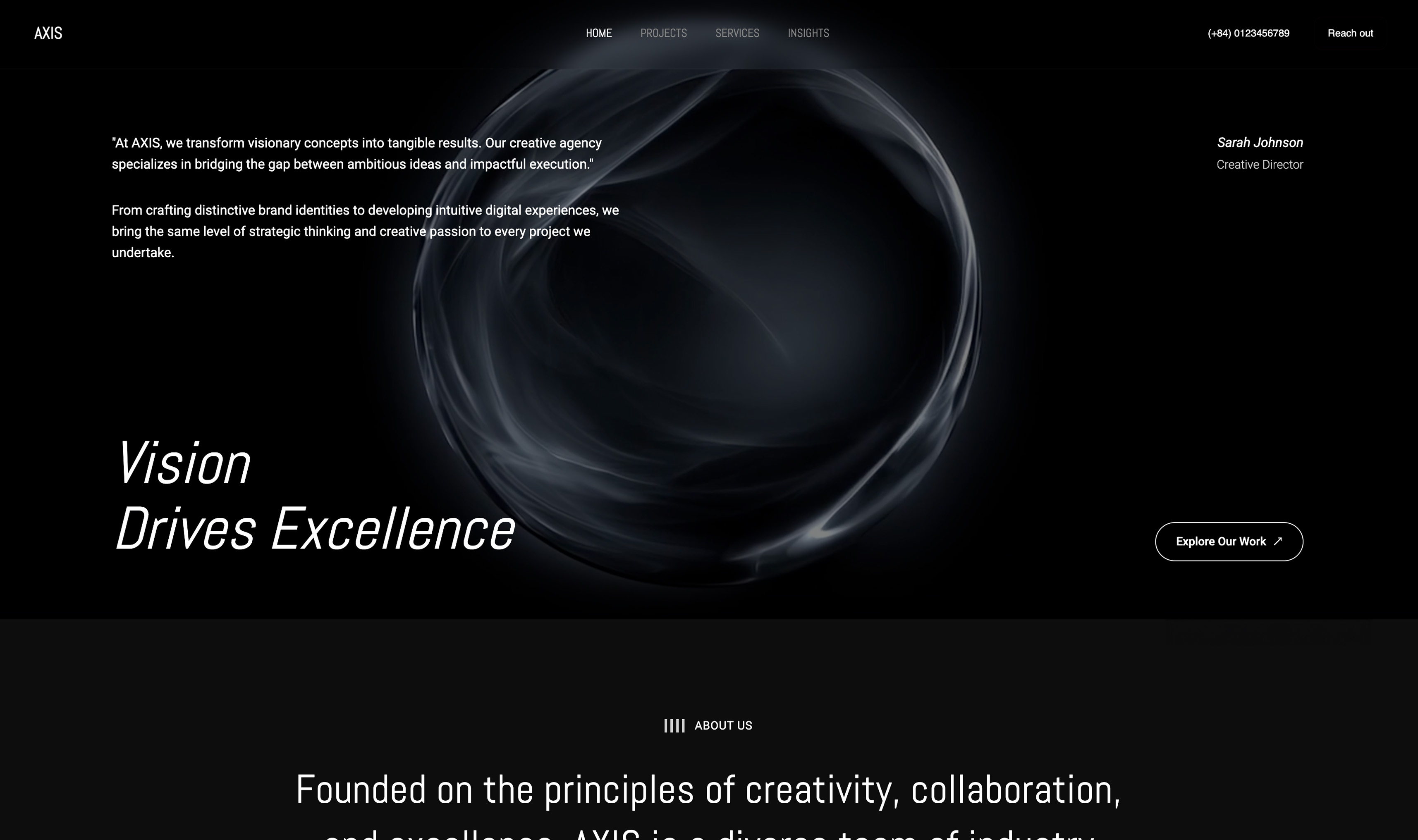 Use template
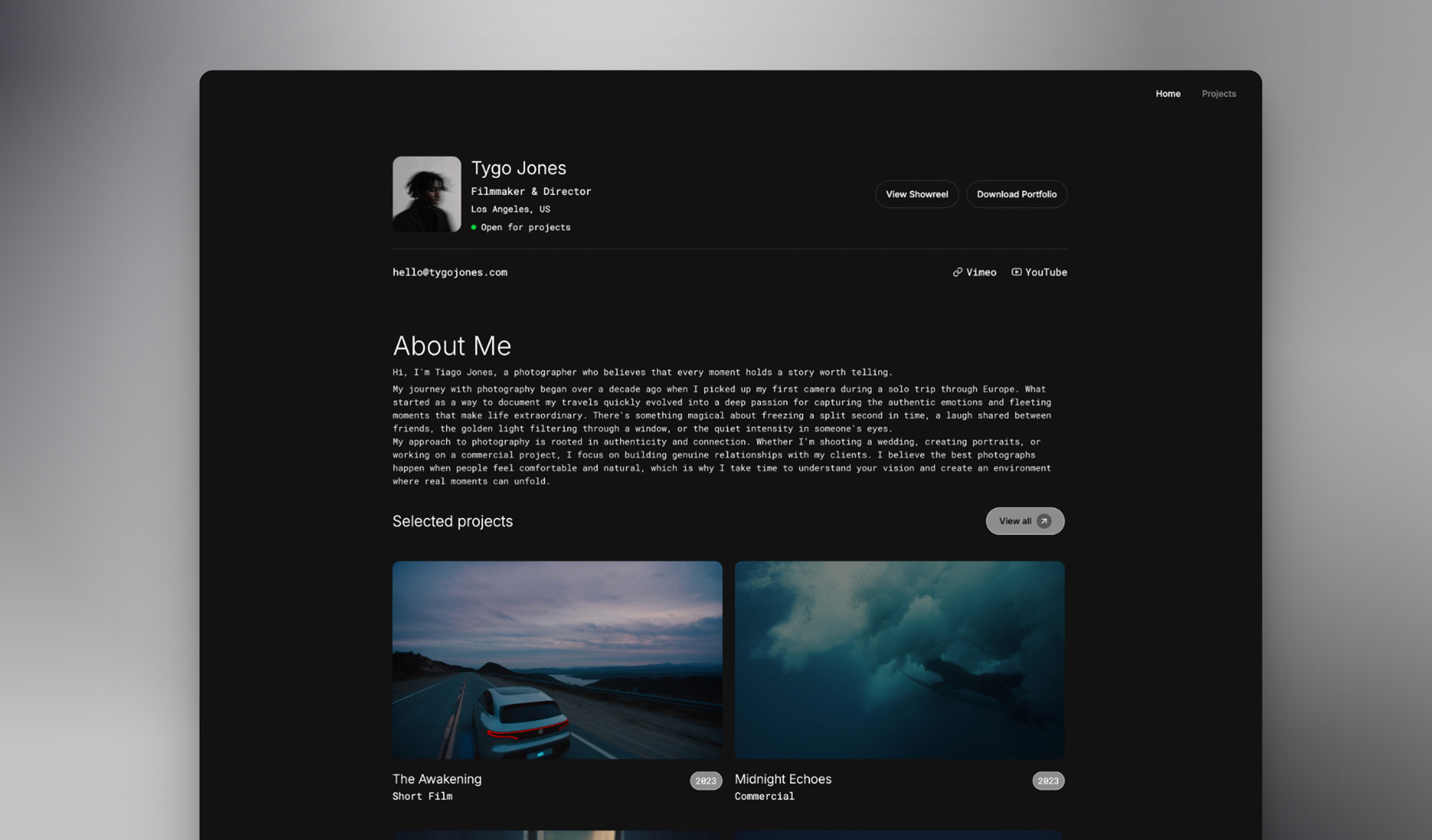 Use template
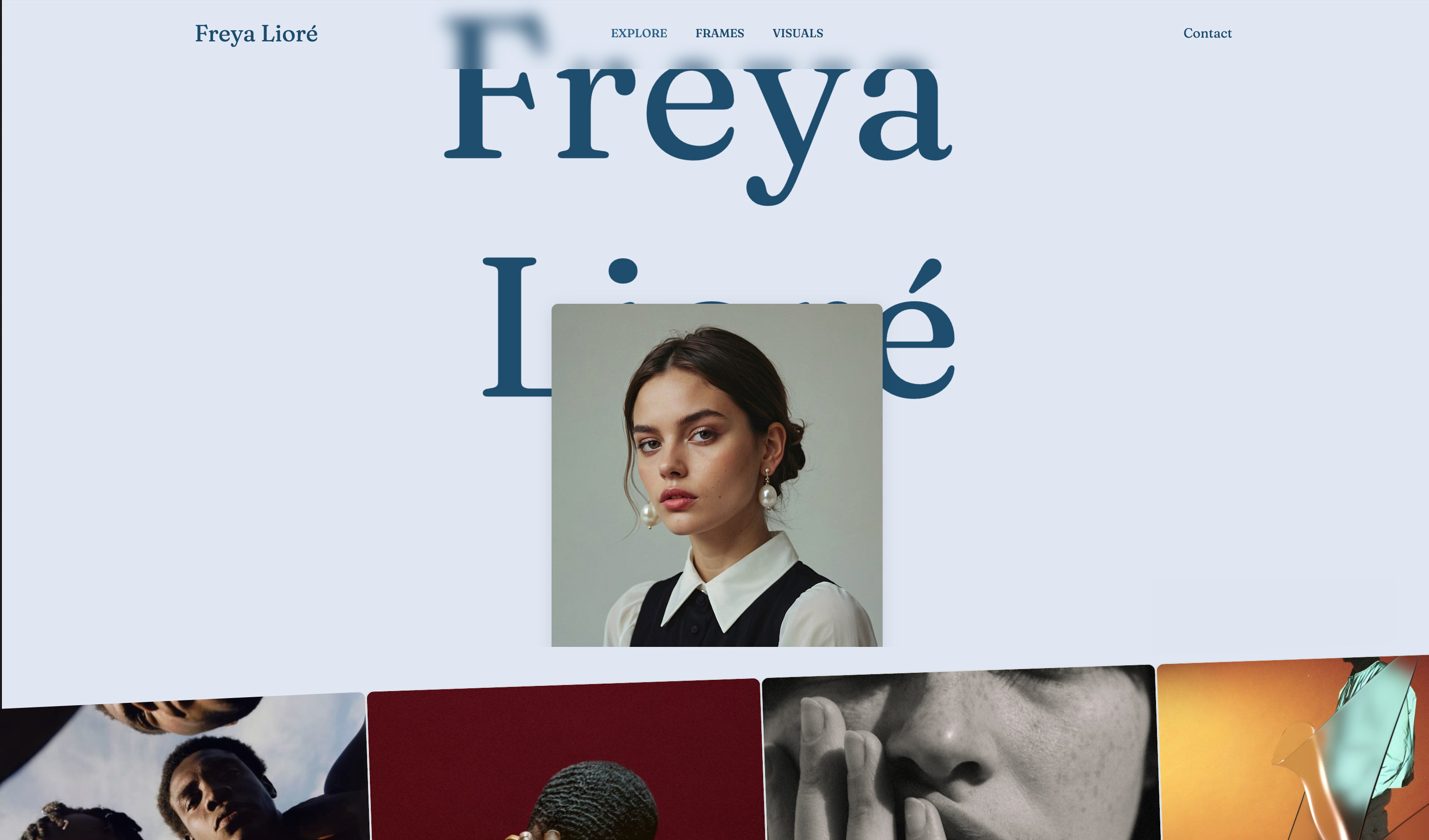 Use template
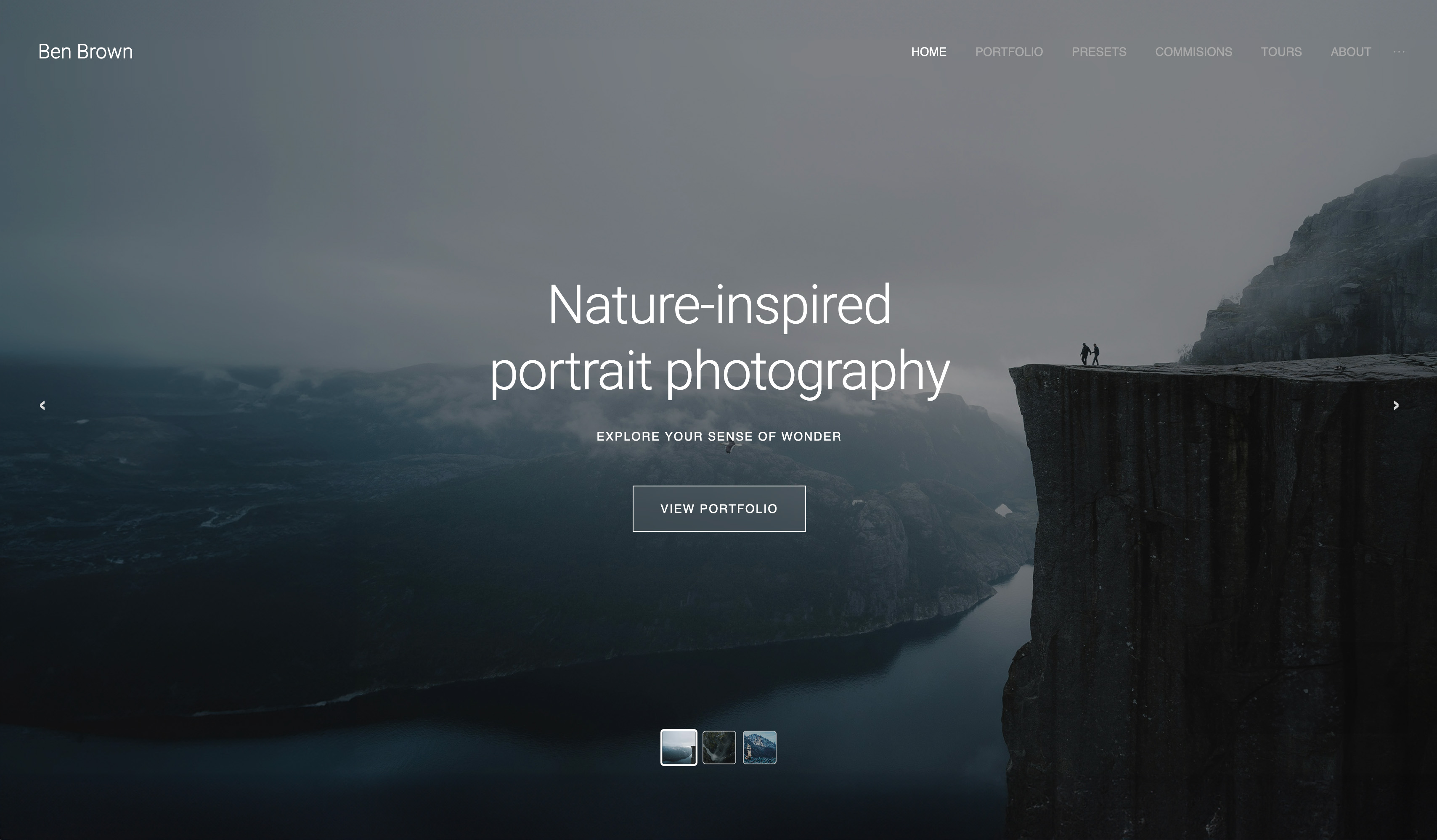 Use template
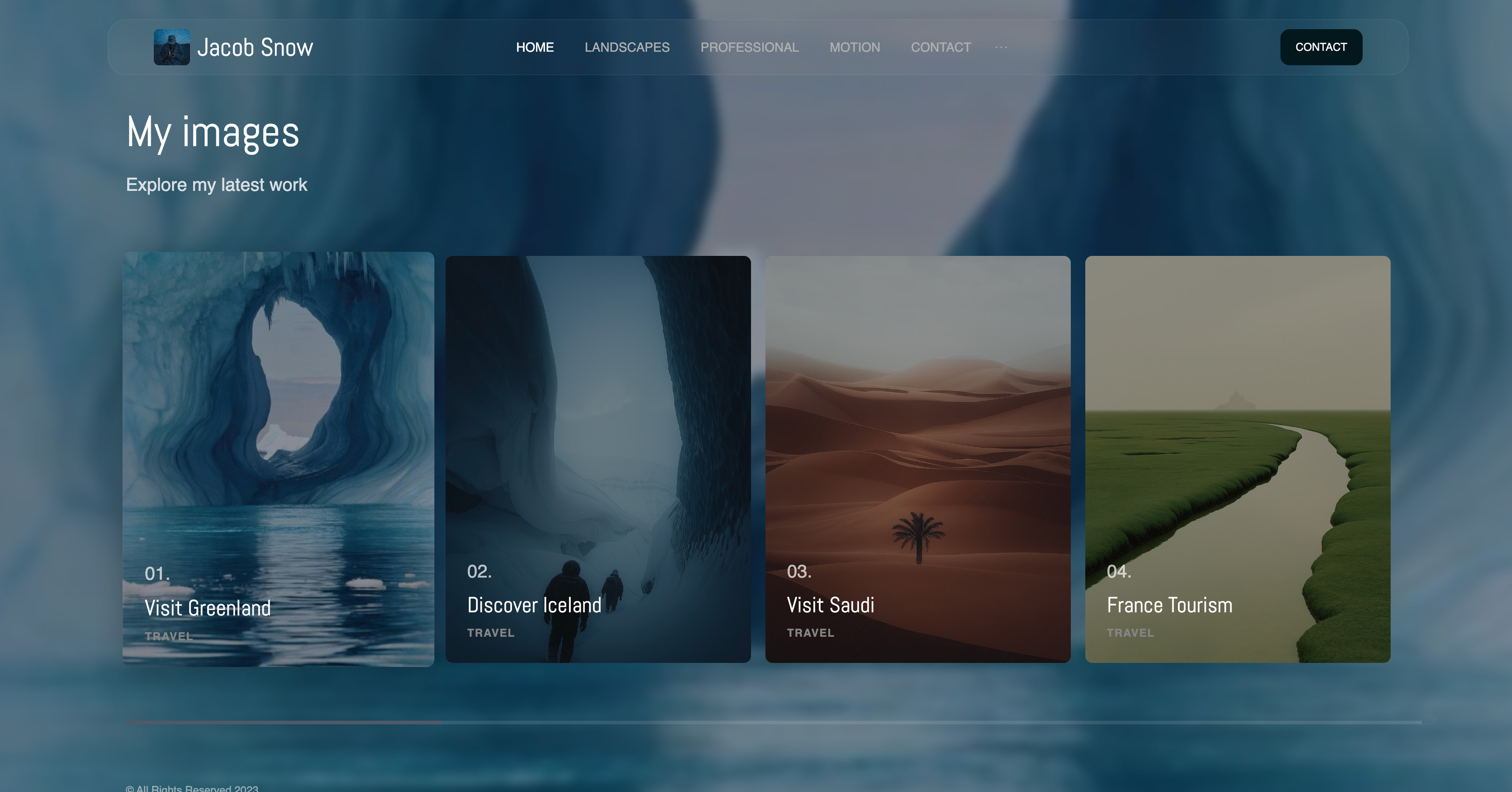 Use template
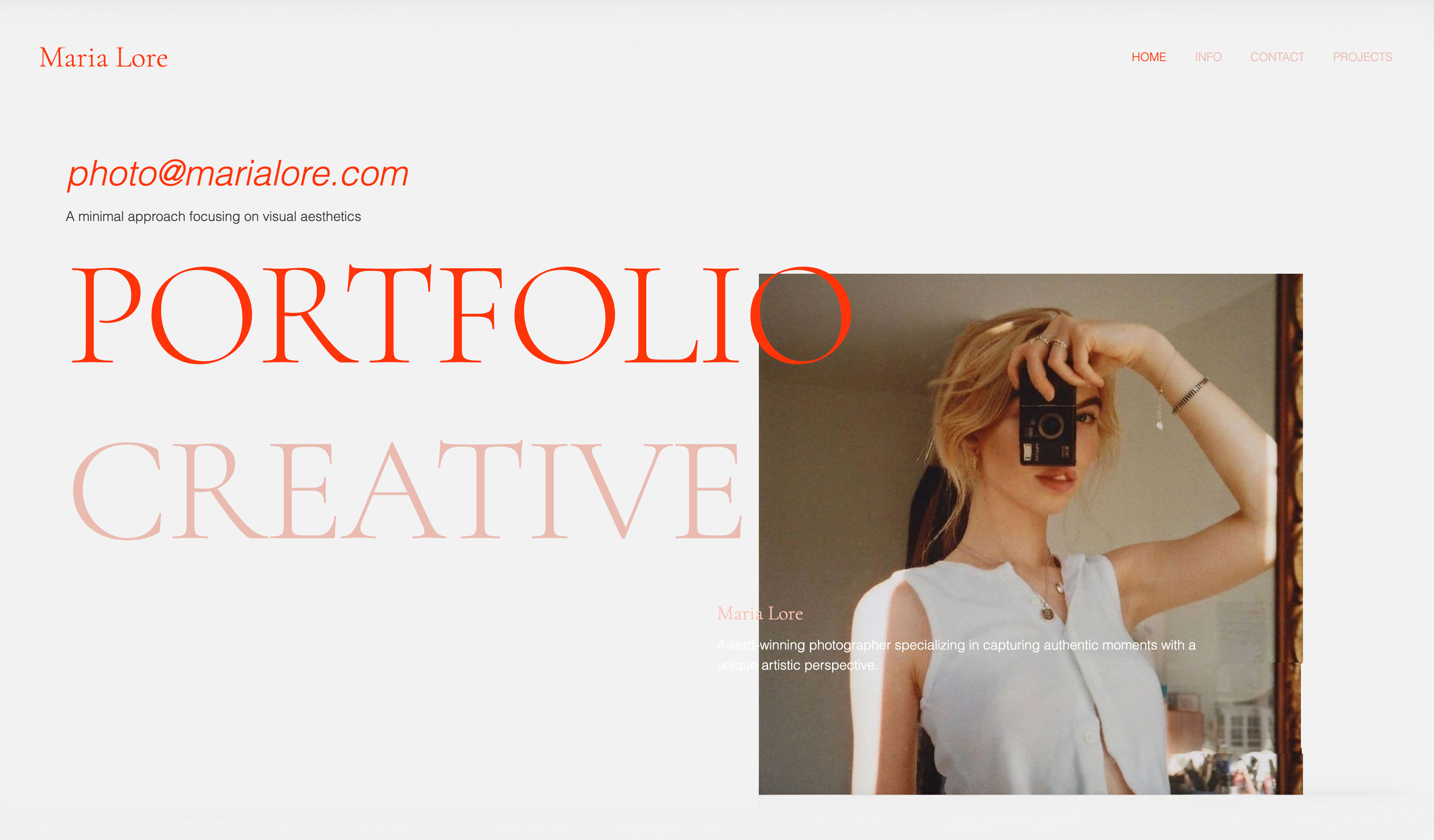 Use template
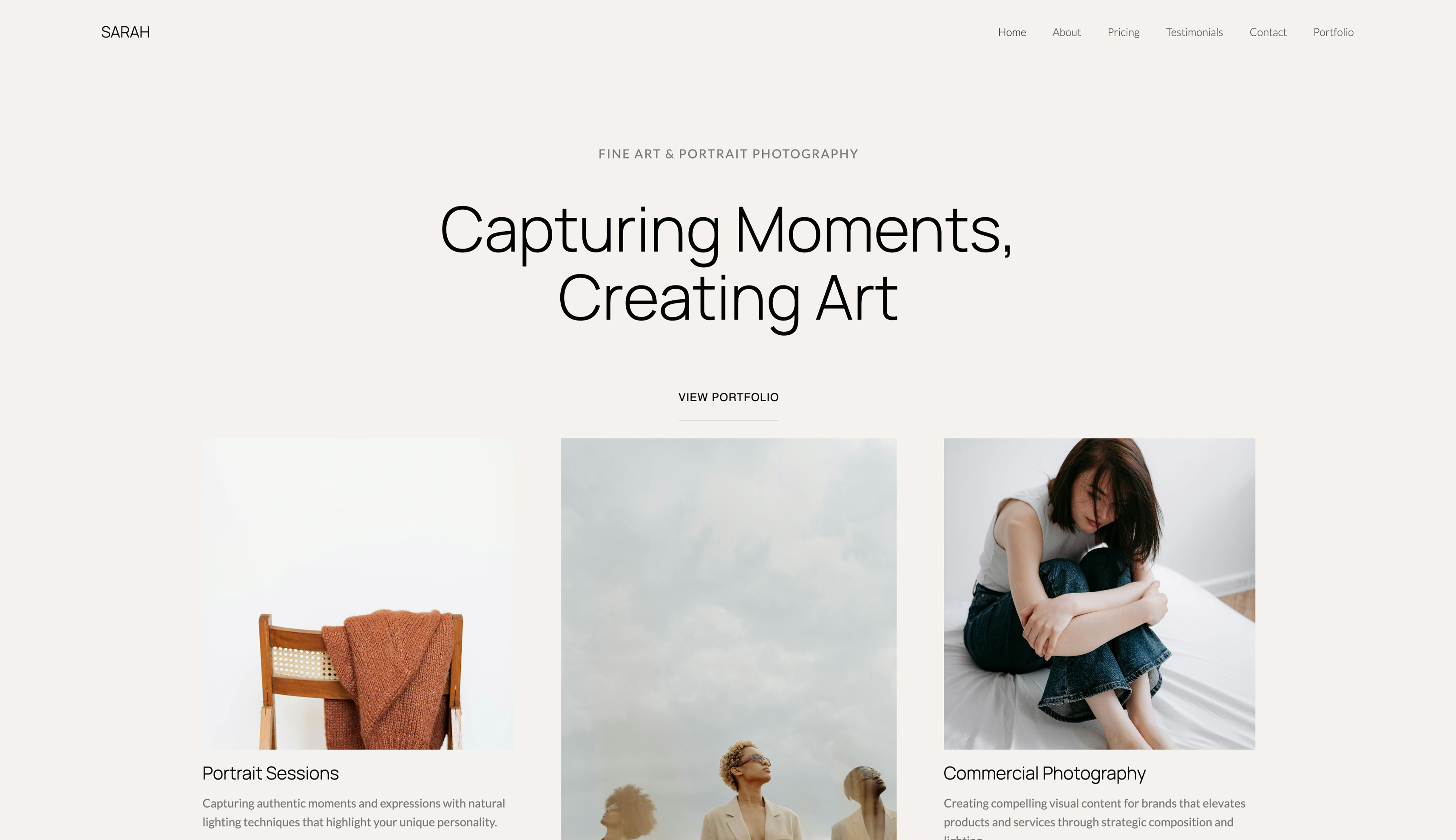 Use template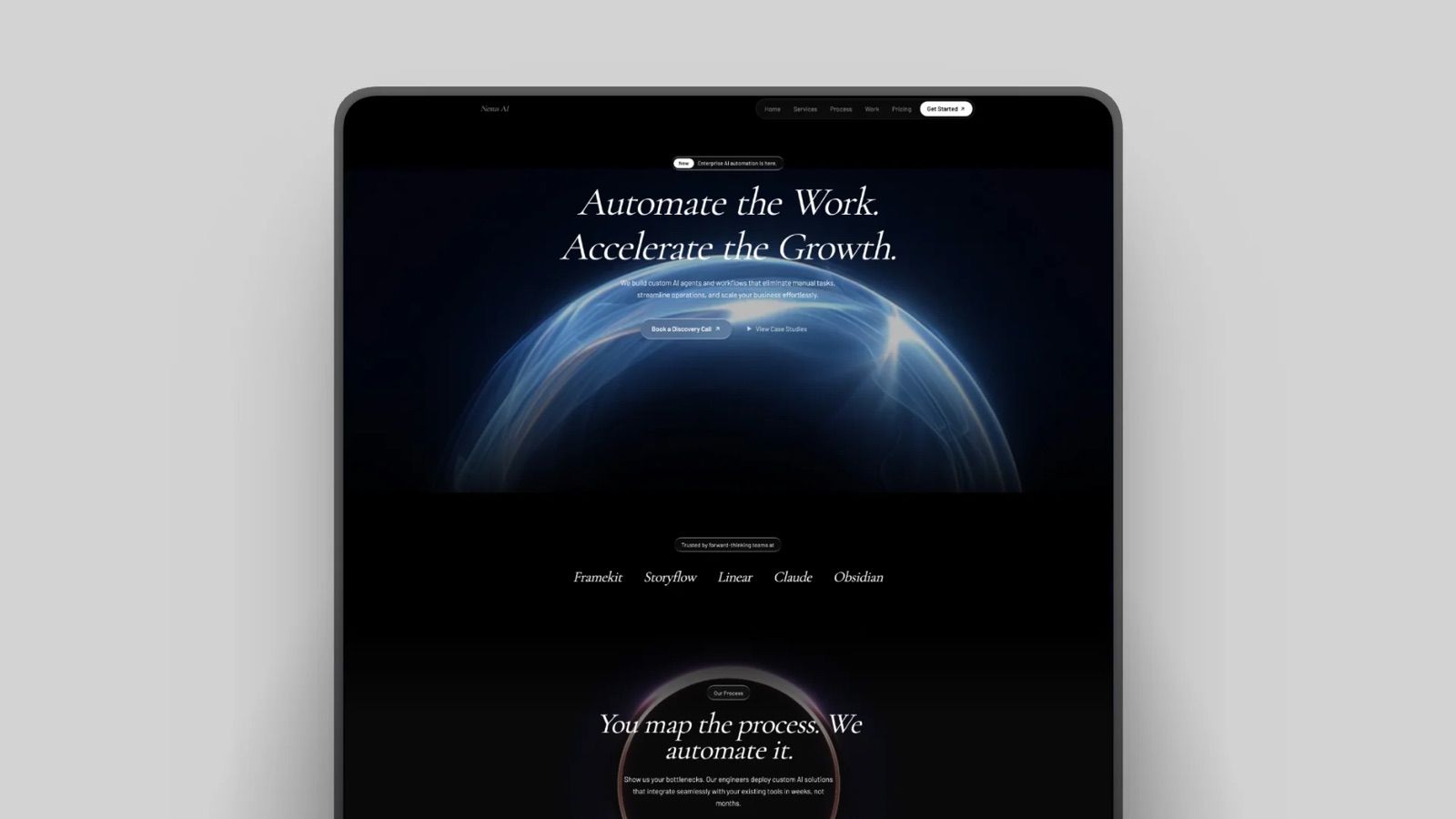
Every comparison of the best AI image generators ranks them on which one makes the prettiest picture.
That question was settled some time in 2025, when four different models became good enough that the difference stopped mattering to anybody who was not grading them side by side at 400%.
The questions that decide which one you should pay for in 2026 are duller and more expensive: what does one image you actually keep cost, and are you allowed to sell it.
An AI image generator is a tool that produces an image from a text description, a reference image, or both, using a model trained on large volumes of visual data, and the commercial difference between them now lies in licensing terms, editing control and cost per usable output rather than raw image quality.
Midjourney still produces the most consistently beautiful images with the least prompt effort, at $10 to $120 a month with no free tier.
Google's Nano Banana line is the one to beat for editing an existing image and keeping a face or product consistent across a set.
Adobe Firefly is the pick when a client's legal team is involved, because Adobe trains on licensed content and offers enterprise indemnification.
If you want everything in one subscription, Krea and Magnific (formerly Freepik) both resell the major models for less than subscribing to two of them directly.
We build Framekit, an AI website builder, and we do not make an image model, so nothing on this page ranks us. What we do have is a lot of exposure to what creators do with these images afterwards, which is the section most comparisons skip.
How We Compared These, and What We Refused to Guess
This is a pricing, licensing and workflow comparison. It is not a blind aesthetic test, and any guide claiming to have run one on twelve models and produced an objective winner is selling you somebody's taste as a measurement.
What we verified. We read the published pricing pages of Krea, Ideogram, Leonardo, Adobe Firefly and Magnific directly in August 2026, and every number attributed to those five is a figure their own page showed us on that date.
We also checked what each one publishes about commercial use.
What we did not verify, and are not going to invent. Several vendors put their prices behind a login or render them in a way we could not read.
Where that happened, this guide says so and describes the pricing model instead of repeating a number from another comparison site. A price that has been copied between blogs four times is not a source.
What is judgement. Which model is better at hands, or text, or skin, is judgement informed by the published model cards and a lot of creator reporting. It is labelled as such, and you should weight it accordingly.
In one lineFive of the twelve prices here were read off the vendor's own page in August 2026; the rest are described, not guessed.
The Number Nobody Publishes: Cost Per Image You Keep
Every vendor advertises credits, units or tokens. Almost none of them advertise what one image costs, and the vendors who make that calculation easy tend to be the ones with nothing to hide.
Two of them publish it outright. Krea's pricing page states how many generations of Google's Nano Banana 2 each tier buys, and Ideogram publishes the credit cost of each render quality. That is enough to compute a real per-image price.
| Plan | Published allowance | Images on the top model | Cost per image |
|---|---|---|---|
| Krea Basic, billed monthly | 5,000 units | 64 Nano Banana 2 generations | About $0.14 |
| Krea Pro, billed monthly | 20,000 units | 257 Nano Banana 2 generations | About $0.14 |
| Krea Pro, billed yearly | 20,000 units | 257 Nano Banana 2 generations | About $0.08 |
| Krea Free | 100 units per day | 1 Nano Banana 2 generation per day | $0 |
| Ideogram Plus, Quality render | 1,000 priority credits | 166 images at 6 credits each | About $0.12 |
| Ideogram Plus, Balanced render | 1,000 priority credits | 250 images at 4 credits each | About $0.08 |
| Ideogram Plus, Turbo render | 1,000 priority credits | 500 images at 2 credits each | About $0.04 |
Now apply the number that turns this from a price list into a budget.
If you keep one image in eight, which is a normal ratio for commercial work where the brief is specific, your real cost per usable image on Krea Pro monthly is about $1.12, not $0.14.
At one in twenty, which is normal when you are trying to match an existing photograph, it is $2.80.
That is the entire economic argument for the models that are better at instruction-following.
A model that gets you there in four attempts instead of twenty is not 5% better, it is 80% cheaper, and it saves the thing that actually costs you money, which is the hour you spent re-rolling.
In one lineDivide the plan price by generations, then divide again by your keep rate; the second division is the one that changes your decision.
The Twelve, Ranked
Ranking is by usefulness to a working creative professional in 2026: someone who needs images they can hand to a client, put in a portfolio, or sell.
1. Midjourney: Best Image Quality With the Least Effort
Midjourney is still the model that produces the most consistently good-looking image from the least sophisticated prompt, and after three years of competition that remains a real advantage rather than a legacy reputation.
What it is genuinely best ataesthetic default. Type six words into most models and you get a competent, slightly plastic image. Type six words into Midjourney and you get something with an opinion about lighting.
For moodboards, concept frames, editorial illustration and anything where the brief is a feeling rather than a specification, nothing else gets there faster. Midjourney's own site was showing version 8.2 as current when we checked in August 2026.
Pricingfour tiers at $10, $30, $60 and $120 a month, with annual billing knocking 20% off, and no free tier at all.
The $30 Standard plan is the one most working creatives end up on, because it adds unlimited generations in the slower relax queue, which turns the meter off for exploratory work.
The gotchaprivacy is a paid feature. On the lower plans your generations are visible in the public gallery, and stealth mode arrives on the $60 Pro tier. If you are generating concepts for a client's unannounced campaign, the honest cost of Midjourney is $60 a month and not $10.
Skip it ifyour work is editing existing images rather than making new ones. Midjourney's editing and reference tooling has improved a great deal and is still not where the Google and OpenAI models are for "change this one thing and keep everything else identical".
Verdict: Still the best default for anyone making images from scratch, and the worst value for anyone whose real job is modifying a photograph they already have.
2. Google Nano Banana: Best for Editing and Consistency
Google's Nano Banana image models are the ones that changed what people use these tools for, because they made conversational editing reliable enough to trust on a deadline.
What it is genuinely best atkeeping a subject the same across a set.
Give it a product shot and ask for six lifestyle contexts, or a character and ask for the same person in a different scene, and the identity survives in a way that earlier models simply could not manage.
For anyone producing a set rather than a single hero image, that is the whole ballgame.
Where you actually get itthrough Google's own Gemini apps, and resold inside third-party tools. Both Krea and Magnific list Nano Banana 2 and Nano Banana Pro among the models included in their subscriptions, which is often the cheaper route if you also want other models.
The gotchait is a moving target. The Nano Banana line has shipped fast, and prompt techniques that worked in one release behave differently in the next. If you have built a production workflow on precise prompt phrasing, budget time for re-tuning after each model update.
Verdict: The default choice for commercial editing work, and the model most likely to replace a two-hour retouching job with a two-minute one.
3. Adobe Firefly: Best When a Legal Team Is Involved
Firefly is not the model that wins aesthetic comparisons, and that has never been the point of it. Adobe sells a training-data provenance story and an indemnification story, and for a certain kind of client that story is worth more than image quality.
Pricing, read from Adobe's own plans page in August 2026Firefly Standard at US$9.99 a month for 2,000 generative credits, Pro at US$19.99 for 4,000, Pro Plus at US$49.99 for 10,000, and Premium at US$199.99 for 50,000. Adobe was running a discount on the two biggest tiers when we checked, showing US$34.97 and US$139.91.
Why agencies pay for it anywayAdobe's commercial-use position and its enterprise indemnification offer are the reason Firefly appears in procurement documents where Midjourney does not.
If you are a freelancer working for a large brand, the question "can we indemnify this asset" gets asked by someone you never meet, and the answer decides which tool you are allowed to use.
The gotchacredits are consumed by everything, including video and premium features, so a 2,000-credit plan is not 2,000 images if you use the rest of the suite. Model the credits against your actual mix, not against image generation alone.
Skip it ifyou are making personal or editorial work and nobody is going to audit the provenance. You are paying for a legal guarantee you will never claim.
Verdict: The right answer to a question about risk, and the wrong answer to a question about pictures.
4. Krea: Best Value if You Want Every Model in One Place
Krea has quietly become the practical choice for people who do not want to argue about which model is best, because it sells access to most of them in one subscription and lets you switch per generation.
Pricing, read from Krea's page in August 2026Free at $0 with 100 units a day, Basic at $9 a month ($5 billed yearly), Pro at $35 ($21 yearly) and Max at $105 ($63 yearly), with a 40% discount for annual billing.
The page states its Pro tier buys 257 Nano Banana 2 generations a month, which is where the roughly $0.14 per image figure in the table above comes from.
The detail that tells you the mostthe free tier's 100 daily units buys exactly one generation on the flagship model. That is not stinginess, it is an honest signal of what frontier image generation costs to run, and it is worth remembering the next time a tool offers unlimited free generations of something.
What else it doesrealtime canvas generation, upscaling, 3D and video models, LoRA fine-tuning on your own images, and a node-based workflow builder for people who want repeatable pipelines rather than one-off prompts.
The gotchaa reseller is always one contract away from a catalogue change. If your workflow depends on one specific model, you are exposed to a decision made by two companies rather than one.
Verdict: The best value on this list for a working creative who uses image generation weekly but not hourly, and the easiest place to compare models without paying four subscriptions.
5. Ideogram: Best for Text Inside Images
Ideogram built its reputation on the one thing every other model was bad at for two years, which is rendering readable, correctly spelled text inside an image, and it is still the fastest route to a poster, a mockup or a packaging concept with real words on it.
Pricing, read from its own page in August 2026Plus at $20 a month ($15 billed annually, $180 a year) for 1,000 priority credits, Pro at $60 ($42 annually) for 3,500 credits, and a Team plan at $30 per user ($20 annually). There is a free tier with slower, non-priority generation.
The unusually transparent partIdeogram publishes exactly what each render costs. Its 4.0 model at 2K costs 2 credits per image on Turbo, 4 on Balanced and 6 on Quality, so a $20 plan is between 166 and 500 images depending on how much you care. Almost nobody else in this category will tell you that.
The gotchacredits are described as priority credits, and running out drops you to a slower queue rather than stopping you. That is friendlier than a hard wall, and it also means your effective throughput late in the month is not the throughput you bought.
Skip it iftypography is not part of your brief. For pure image work, three other tools on this list are stronger for the same money.
Verdict: The specialist that earns its subscription in a week if you make anything with words on it, and is redundant if you do not.
6. Magnific, Formerly Freepik: Best Bundle of Models and Upscalers
The Freepik AI suite now trades as Magnific: as of August 2026 the Freepik pricing URL serves magnific.com and the page identifies itself as Magnific, formerly Freepik. If you have been searching for Freepik AI pricing and finding inconsistent numbers, that is why.
Pricing, read in August 2026Premium at EUR 16 a month, or EUR 12 billed annually, including 240,000 credits a year, and Premium Plus at EUR 36 a month, or EUR 27 billed annually, including 600,000 credits a year. The page serves euros.
Both tiers include a commercial AI licence, and credits are valid for a year rather than resetting monthly.
Why the credit-expiry detail mattersmost subscriptions in this category burn unused credits at the end of the month, which quietly penalises anyone whose work is seasonal. A year-long credit pool suits a photographer with a busy autumn and a dead February far better than a monthly reset does.
The other half of the productthe Magnific upscaler is the part professionals were paying for even when the rest was a stock library, and it remains one of the stronger reasons to be here. See our image upscaler comparison for how that category has moved.
Verdict: The best single subscription for someone who needs generation, upscaling and a stock library, and a confusing brand situation to explain to your accountant.
7. OpenAI Image Generation in ChatGPT: Best at Doing What You Asked
OpenAI's image generation inside ChatGPT is the most literal of the major models, in the useful sense: it follows a complicated instruction more reliably than it produces a beautiful accident.
What it is best atmulti-part briefs. "A flat-lay of six objects, three on the left, labelled, in this colour palette, in this aspect ratio" is the kind of request that Midjourney will interpret and this will execute.
For diagrams, infographic-style images and anything where the client's feedback is a list, that literalism is worth more than aesthetics.
Pricing modelimage generation is bundled into ChatGPT subscription tiers rather than sold per image, with API pricing available separately for anyone building it into a workflow.
Because the consumer tiers change frequently and the per-image cost depends on which route you use, we are not going to publish a per-image figure we did not read off a page.
The gotchathe bundled route makes cost invisible until you hit a limit, and there is no way to see a per-image price. For a business that needs to bill image production to a client, invisible unit costs are a genuine drawback.
Verdict: The best model on this list for briefs written as a specification, and the hardest one to cost per unit.
8. Leonardo: Best for Asset Production and Canva Users
Leonardo is built around production of many related assets rather than single images, which is why it caught on with game teams, and it sits in an interesting commercial position after the Canva acquisition.
Pricing, read from its own page in August 2026Free at $0 with 150 fast tokens a day, Essential at $12 a month with 8,500 fast tokens, Premium at $30 with 25,000, and Ultimate at $60 with 60,000, with up to 20% off for annual billing.
The Essential tier's page notes that it is included with Canva Business, which for a lot of teams means they are already paying for this.
What it does that the others do nottrained personal models, from 10 on Essential up to 50 on Ultimate, so you can produce a large set of assets in one consistent style. That is a different job from making a single striking image and it is the reason people stay.
The gotchatoken accounting is more complex than credits, because different models and settings consume at different rates, and the daily-refresh free tier does not accumulate.
Verdict: The best choice for producing dozens of assets that must look related, and worth checking your Canva subscription before paying for separately.
9. Recraft: Best for Vector and Brand-Consistent Output
Recraft is the one designers keep coming back to, because it treats the output as a design asset rather than a picture: it generates true vector artwork, respects a defined brand style, and lets you build a reusable style from your own images.
What it is best aticon sets, illustration systems and anything that has to survive being scaled to a billboard and shrunk to a favicon. A raster image upscaled is still a raster image; an SVG is not.
PricingRecraft's pricing page did not render readable text for us when we checked, so we are not quoting figures. It publishes a free tier with daily credits and paid subscription tiers on that page.
The gotchabrand-style consistency needs you to feed it a coherent set of references. Feed it a mixed bag and you get a mixed bag back, and the feature that sold you looks broken.
Verdict: The strongest tool here for design systems rather than pictures, and the one most likely to save a designer real hours rather than produce a nice image.
10. Flux by Black Forest Labs: Best for Building Into Your Own Workflow
Flux is the model that most of the second-tier apps you use are quietly running underneath, and the reason to know its name is that going direct is usually cheaper than paying somebody to wrap it.
What it is best atphotorealism and prompt adherence in a package that can be self-hosted or called by API, with open-weight variants available for local use. If you are producing images at volume inside a product or a script, per-generation API pricing beats a seat subscription by a wide margin.
Who it is not foranyone who wants a canvas, a history and an undo button. This is a component, not an application.
The gotchalicence terms differ between the open variants and the commercial ones, and the difference matters commercially. Read the specific licence for the specific variant before shipping anything you sell.
Verdict: The right answer if the words "API key" do not scare you, and the wrong one if you want to sit down and make a picture.
11. Stable Diffusion and the Local Stack: Best Free and Private Option
Running an open model locally, usually through ComfyUI, is the only option here with no per-image cost and no data leaving your machine, and those two properties keep it alive despite everything hosted models have gained.
What it is best atunlimited iteration, complete control of the pipeline, and work that must not touch a third-party server. For fine-art practices, adult-adjacent commercial work that hosted platforms refuse, or anything under NDA, local generation is not a preference, it is the only route.
The real costa GPU, and your time. A capable card is a four-figure purchase, and the learning curve on node graphs is genuinely steep. Amortised over two years of heavy use it is cheaper than any subscription here; over three months of casual use it is far more expensive.
Verdict: Unbeatable for the person who will spend a weekend learning it, and a trap for the person who will not.
12. Canva Magic Media: Best for Non-Designers Already in Canva
Canva's built-in generation is the weakest image model on this list and the one most likely to actually get used, because it is three clicks from the layout the image is going into.
Who it is genuinely right forthe solo creator making social assets, a course cover or a lead magnet who needs an image that is good enough and needs it inside the document they are already editing. Switching tools costs more time than the image quality gap costs quality.
The gotchait is bundled, so generation limits and model availability change with your Canva plan rather than with anything you control.
Verdict: The correct choice for people whose real job is not making images, and never the choice for people whose real job is.
What You Are Allowed to Sell
This is the section that decides whether any of the above is usable in your business, and it is the section most comparisons skip because reading terms is boring.
Three things vary by vendor, and you should check all three before you build a business on one:
Commercial use. Most paid tiers grant it; several free tiers do not.
Krea and Magnific both list a commercial licence as a plan feature rather than a universal right, which is a reminder that the free tier you are testing on may not permit the work you are testing for.
Indemnification. This is not the same as permission. Permission means the vendor says you may sell it; indemnification means the vendor will stand behind you if somebody sues.
Adobe is the vendor that has made the most of this distinction, and it is why Firefly wins procurement conversations that it loses on image quality.
Copyright of the output. In the United States, the Copyright Office has been clear that purely machine-generated images without sufficient human authorship are not registrable, which is a different question from whether you may sell them.
If your business model depends on owning and enforcing an image, that is a conversation with a lawyer and not with a comparison guide.
In one linePermission, indemnification and copyright are three separate questions, and most guides answer only the first.
What to Do With the Images Once You Have Them
Generating the image is now the cheap part. The expensive part is having somewhere it belongs.
Framekit is an AI website builder for creative people, and the reason it shows up at the end of an image-generation guide rather than in the ranking is that the bottleneck moved.
When making 200 images costs $28 and an afternoon, the constraint is no longer production.
It is a portfolio that shows the work in a way a client can evaluate, and a store where somebody can buy the prompt pack, the style guide, or the prints.
If selling is the plan, the fee structure matters more than most people expect. Marketplaces take a percentage of every sale forever; a store on your own domain costs a flat monthly fee, so the effective rate falls as you sell more.
Framekit charges 5% on the free and Starter plans, 3% on Pro and 0% on the $39 Business plan, which crosses over against a 5% cut at about $780 of monthly sales.
Our guide to selling AI prompts and packs works through the same maths for that specific product.
Which One Should You Pay For
Answer these in order and stop at your first yes.
- Does a client's legal or procurement team have to approve your tooling? Use Adobe Firefly. Nothing else on this list makes that conversation easy, and image quality is not the criterion being applied to you.
- Is your main job editing existing photographs, products or people? Use a Nano Banana model, either through Google directly or bundled in Krea or Magnific.
- Do your images regularly contain readable text? Use Ideogram, and check the credit table before choosing a render quality.
- Are you producing sets of assets that must match? Use Leonardo for trained styles, or Recraft if the output needs to be vector.
- Do you generate weekly rather than daily, and want to stop choosing? Use Krea or Magnific, which resell most of the models above for less than two direct subscriptions.
- Is aesthetics the whole brief, and privacy a requirement? Use Midjourney, and budget the $60 tier rather than the $10 one.
- Are you generating at volume inside software, or under NDA? Use Flux by API, or run an open model locally.
If two of these apply, the bundle answers (Krea, Magnific) are usually cheaper than the two specialists they replace, which is the single most common way people overspend in this category.
Frequently Asked Questions
What is the best AI image generator in 2026?
For general creative work, Midjourney still produces the best-looking images from the least prompt effort, at $10 to $120 a month with no free tier.
For editing existing images and keeping subjects consistent across a set, Google's Nano Banana models lead, and for commercially sensitive work Adobe Firefly wins because of its licensed training data and indemnification position rather than its image quality.
Which AI image generator is free?
Krea, Leonardo, Ideogram and Canva all run free tiers, and running an open model such as Stable Diffusion locally has no per-image cost at all.
The free tiers are deliberately thin: Krea's free plan grants 100 units a day, which its own pricing page says is one generation on its flagship model, and Leonardo's free plan gives 150 fast tokens a day that do not accumulate.
How much does an AI-generated image actually cost?
Between about $0.04 and $0.14 per generation on published consumer plans, but the number that matters is cost per image you keep.
Krea's monthly Pro plan works out at roughly $0.14 per generation on its top model, so at a realistic one-in-eight keep rate the true cost of a usable image is about $1.12, and at one in twenty it is about $2.80.
Can I sell images made with AI image generators?
Most paid plans grant commercial use, but permission to sell is not the same as owning the copyright or being indemnified.
Adobe offers enterprise indemnification for Firefly output, several tools grant a commercial licence only on paid tiers, and in the United States purely machine-generated images without meaningful human authorship are not registrable for copyright.
Check all three questions separately before building a business on one tool.
Midjourney vs Nano Banana: which should I choose?
Choose Midjourney if you are making images from nothing and want the best aesthetic default, and choose a Nano Banana model if you are modifying something that already exists or need the same subject to appear across several images.
The two are not really competing on the same task any more, which is why a lot of professionals pay for both, or buy a bundle such as Krea that includes them.
Is Midjourney worth $60 a month?
The $60 Pro tier is worth it specifically for stealth mode, which keeps your generations out of the public gallery.
If you are producing concepts for unannounced client work, that is a business requirement rather than a luxury, and the honest price of Midjourney for professional client work is therefore $60 a month rather than the $10 entry price.
What happened to Freepik's AI tools?
Freepik's AI suite now trades as Magnific: as of August 2026 the Freepik pricing page serves magnific.com and identifies itself as Magnific, formerly Freepik.
Its plans are priced in euros at EUR 16 a month for Premium and EUR 36 for Premium Plus, with annual billing at EUR 12 and EUR 27 respectively, and both include a commercial AI licence.
Which AI image generator is best for photographers?
For photographers the useful tools are editing-first rather than generation-first, so Nano Banana models and Adobe Firefly matter more than Midjourney, and the upscaling tools matter more than either.
Our guides to AI tools for photographers and AI image upscalers cover the retouching side in more detail.
Do AI image generators keep my prompts and images?
It varies by vendor and by tier, and it is the most under-read part of the terms.
Midjourney makes generations public by default and sells privacy as a feature on its $60 plan, several tools reserve the right to use generated content to improve services on free tiers, and running an open model locally is the only configuration where nothing leaves your machine at all.
Should I pay for one tool or a bundle like Krea?
Pay for a bundle if you use two or more models regularly, and for a single tool if one of them clearly dominates your work.
Krea's monthly Pro plan at $35 and Magnific's Premium Plus at EUR 36 both resell several flagship models, which costs less than subscribing directly to two of them, at the cost of depending on a reseller's catalogue decisions.
Can AI image generators replace a product photographer?
For catalogue variations, background changes and lifestyle context around an existing product shot, they already have.
For the original photograph of a physical product with real materials, they have not, because the model needs an accurate reference of the actual item.
The practical pattern in 2026 is one real photograph of the product and then AI-generated contexts around it.
What is the cheapest way to generate a lot of images?
Running an open model such as Flux or Stable Diffusion locally, once you own a suitable GPU, has no per-image cost at all.
For hosted options, annual billing changes things more than plan choice does: Krea's Pro tier drops from $35 to $21 a month on annual billing, which takes the per-generation cost from about $0.14 to about $0.08.
Final Verdict
The image-quality race is effectively over, and the tools have split by job. Midjourney owns the blank page. The Nano Banana models own the existing image. Adobe Firefly owns the client with a legal department.
Ideogram owns anything with words on it. Krea and Magnific own the person who does not want to pick, and running an open model locally owns volume and privacy.
The mistake we see most often is paying for the famous one and then paying for a second tool to do the job the famous one is bad at. Work out which of the seven questions above describes your week, and buy for that.
Where Framekit does not competewe do not make an image model and this guide does not rank us, because a website builder is not an image generator and pretending otherwise would waste your time. If you are here to choose a generator, choose from the twelve above.
Framekit is only relevant for what happens afterwards, when the images need a portfolio, a client-facing page or a store, and even then a photographer who needs proofing galleries or a designer who needs a full design system will find better-fitting tools elsewhere.
Verdict: Buy the model that matches your job rather than the one with the reputation, check the licence before the first client invoice, and remember that the cost that matters is per image kept, not per image generated.
Related reading: the best AI tools for designers, AI headshot generators compared, and where to sell AI prompts and packs.
Prices in this guide were read in August 2026 from the published pricing pages of Krea, Ideogram, Leonardo, Adobe and Magnific. Where a vendor did not publish a readable price, this guide describes the pricing model instead of quoting a figure.