Framekit templates
Start from a designer-made template
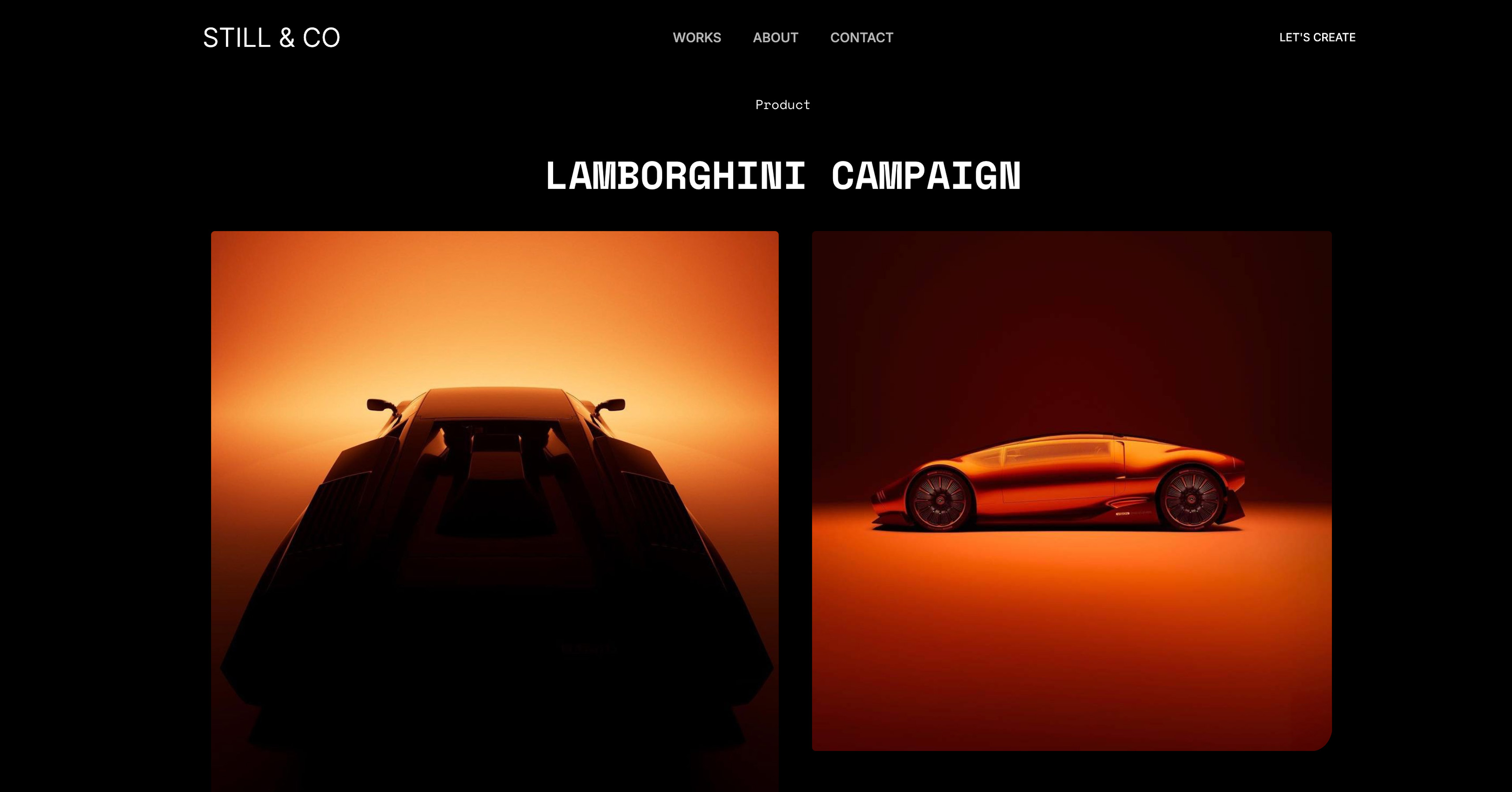 Use template
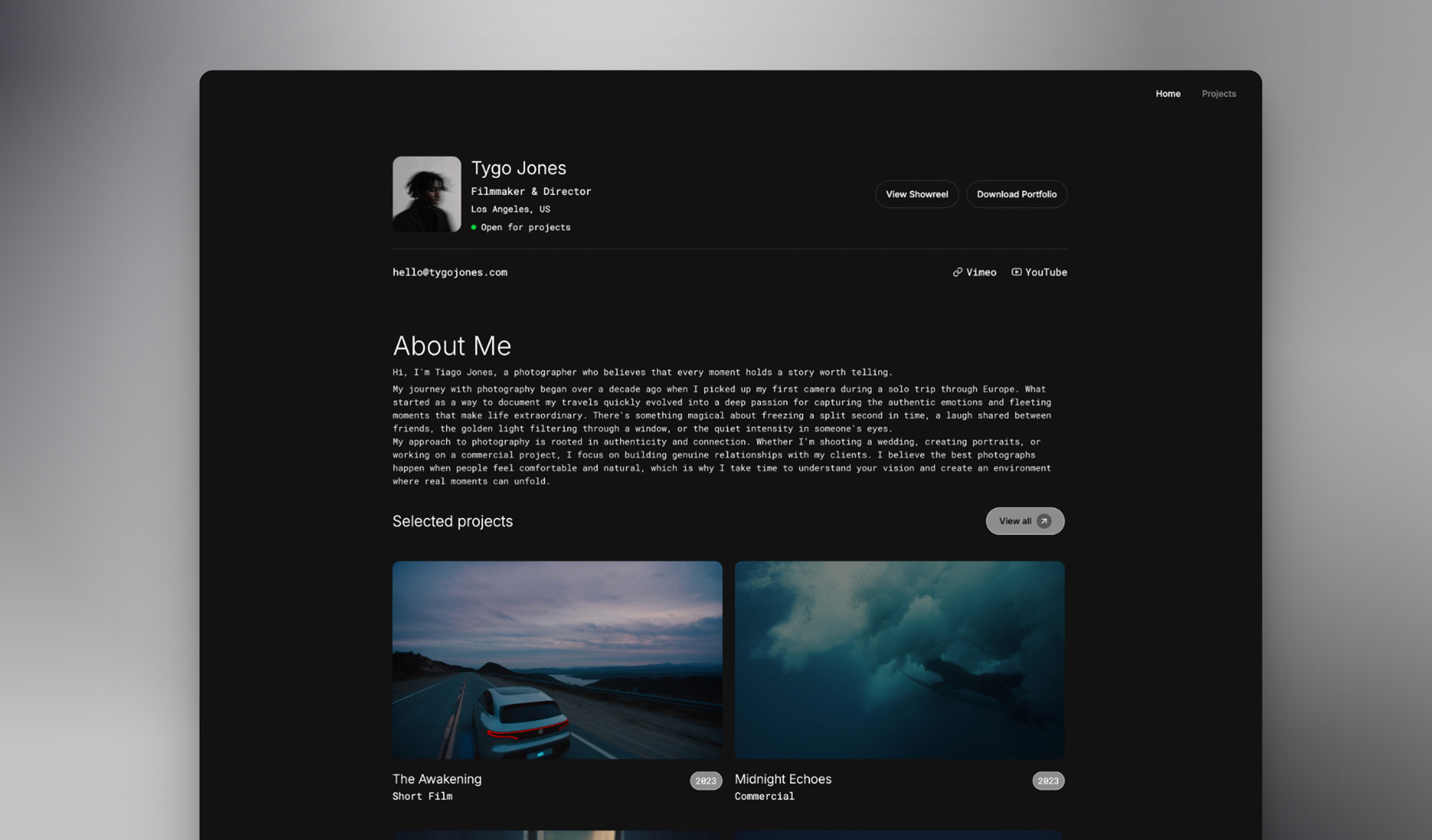 Use template
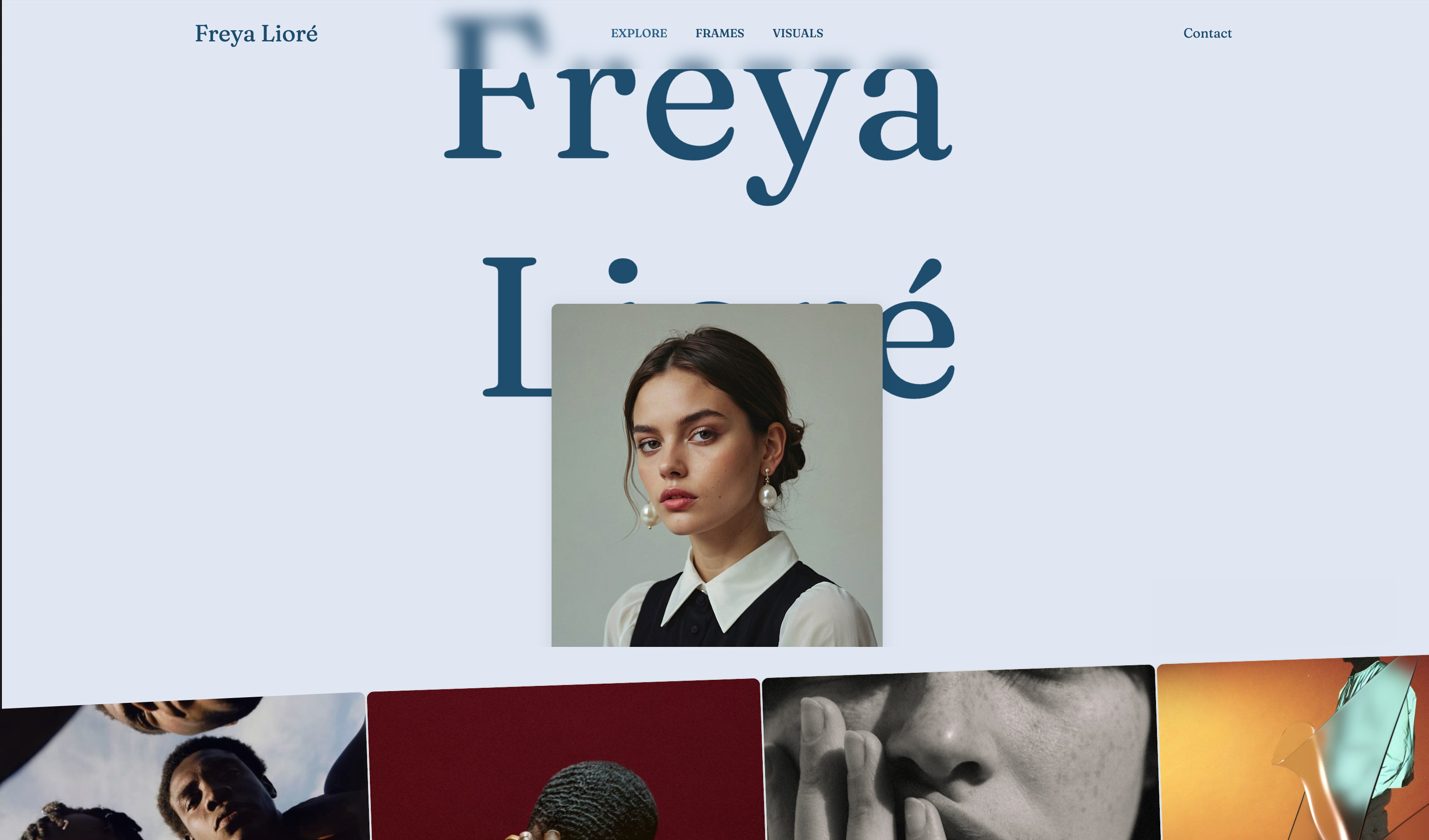 Use template
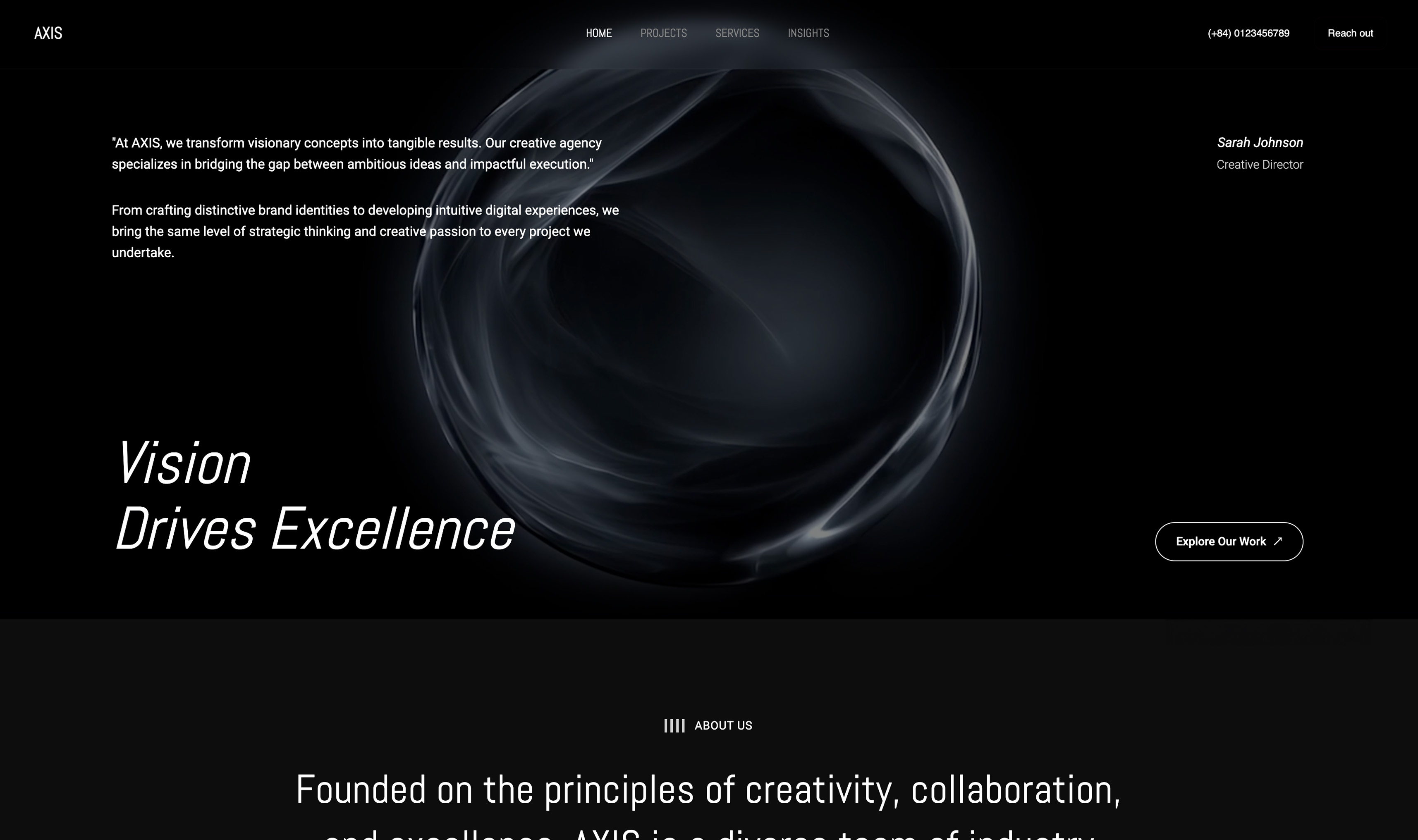 Use template
 Use template
 Use template
 Use template
 Use template
The brief said send a mood board by Friday. By Wednesday night you had forty-two images, a colour strip pulled from three of them, two wardrobe references, a lighting diagram, and a note about the light at 4pm in October. It looked right.
You hit share, sent the link, and the client wrote back within the hour: it is asking me to make an account.
That is the split that runs through this whole category, and almost no comparison page names it.
Half of these tools are private reference libraries built for the collecting half of the job, and they are excellent at it and terrible at handing anything over.
The other half are collaboration canvases built for sending, and they will happily charge you per editor while your client sits behind a signup wall.
The cost of guessing wrong is not the subscription, it is Thursday night rebuilding forty-two images into a PDF nobody asked you to make.
Three full seats of Figma Professional at $16 per seat per month runs $576 a year, and a client still cannot edit anything for that money - they can only look, which is free, and which is the entire point.
(Updated September 2026: we added Framekit Slides and re-verified its plan limits against its live pricing page.) Meanwhile the free plans are quietly stricter than they read. Milanote stops at 100 notes, images or links.
Miro and Mural stop at three editable boards. Are.na stops at 200 connections. These are not trial timers that expire and remind you, they are walls you hit mid-job.
Collecting is the easy half. Sending is where these tools separate.
A mood board tool is software that gathers images, colour, type, and written notes onto one visual canvas and then shares that canvas with someone else, whether that is a collaborator inside your studio or the client who has to approve a direction before a shoot gets booked.
The best mood board tool for creatives in 2026 is Milanote, because it is the only one built from the start around a read-only public link that opens without a client account, plus PDF and PNG export that works on the free plan, and its free tier is honest about its cap of 100 items.
The trade-off: that 100-item cap arrives fast and the paid plan is $9.99 a month billed annually, which is not the cheapest here.
Figma and FigJam are the better pick for studios because view and comment access is free for unlimited people, Framekit Slides is the pick when the board lives inside a treatment or pitch deck, Canva is the fastest route to a presentable PDF at no cost, and Eagle at $34.95 once is the best private reference library if nobody outside your machine ever needs to see it.
Full disclosure: Framekit, ranked #3, is our own product. Its Slides tool has a moodboard element but no clipper or library, Milanote and Figma beat it as standalone boards, and it was added in September 2026 from its shipped features rather than built into our hotel board.
How We Compared These Mood Board Tools
We held one job constant across all eleven tools: a 42-image mood board for a boutique hotel brand shoot, containing lighting references, a six-swatch colour strip, wardrobe stills, three example layouts, and a short written note on tone, that has to reach a client for written sign-off before the shoot date is locked.
Every judgement below traces back to building that same board.
Client deliverability. Can you send a link that opens in a browser with no account, no app install, and no plan upgrade on the recipient's side? This is the single biggest practical difference in the category and we weight it accordingly.
Free-tier honesty. What exactly does the free plan cap, stated as a number rather than a feeling, and how fast does a real 42-image board hit it?
Collection and organisation. How fast images get in, how well they are tagged and searched later, and whether the tool finds the reference you saved eight months ago.
Cost at scale. Per-editor price, whether viewers count as seats, and what a solo creative, a three-person studio, and a studio sharing boards with ten clients a year actually pay.
Portability. Export to PDF or a presentable deliverable, and what you can take with you if you leave.
How the ratings work: client deliverability 30%, free-tier honesty 20%, collection and organisation 20%, cost at scale 15%, portability 15%.
Deliverability carries the heaviest weight because a mood board that cannot be sent is a private file, and a private file does not get a project approved.
The weights were set before we added our own Framekit Slides in September 2026, so none was chosen to flatter it.
Three kinds of finding, kept separate. Measured: we built the 42-image hotel board hands-on in Milanote, Figma and FigJam, Miro, Canva, PureRef, and Pinterest, and we sent the resulting link to a recipient who was not signed in to check what actually loads. Verified: every price, seat rule, storage cap, and free-tier limit below was checked against each vendor's own pricing page or help documentation in August 2026 and linked inline where it carries weight. Community sentiment: recurring reviewer complaints from G2 and Capterra, labelled as such.
Eagle, Cosmos, Savee, Mural, and Are.na were previewed on trials and free accounts rather than paid for across a full project, and we say so rather than implying deeper use than we had.
What Testing 11 Mood Board Tools Showed
Before the individual reviews, here are the extractable numbers for the 11 tools we tested, each verified against a vendor page in August 2026; Framekit, added later, is not in these counts.
They explain the ranking better than adjectives do, and several of them contradict what the marketing pages imply.
- 8 of 11 hand your client a link that opens in a browser with no signup. The three that do not are Pinterest secret boards (invite only, account required), Eagle, and PureRef (both local, with no share link at all).
- 4 of 11 cap the free tier by item count rather than by time: Milanote at 100 notes, images or links, Are.na at 200 connections, Cosmos at 500 saves, and Canva at 5GB of storage.
- 2 of 11 cap the free tier at exactly three editable boards: Miro and Mural.
- 2 of 11 are one-time purchases with no renewal: PureRef at $15 for a personal licence and Eagle at $34.95 for a licence covering two devices.
- 1 of 11 publishes an explicit free view-and-comment tier alongside paid editor seats: Figma, where viewers, commenters, and inspectors cost nothing on any plan.
- A three-person studio pays between $49 once (one PureRef small business licence) and $900 a year (three Canva Business seats) for the same job.
- 0 of 11 tools clear image rights for you, resolve licensing, or attach a usable source credit to every saved image automatically. Reference is not licence, on every single one of them.
The 12 Best Mood Board Tools for Creatives in 2026: Full Comparison
The table below scores each tool against the five weighted criteria above. Read the free-plan column as the wall you will hit, not as a feature list, and read the client-link column as the difference between sending a board and explaining a board.
| Tool | Best For | Free Plan Cap | Client Opens Link Without An Account | Our Rating |
|---|---|---|---|---|
| Milanote | Client-facing mood boards | 100 items, 10 file uploads | Yes, read-only link | 9.2/10 |
| Figma and FigJam | Studios and free viewers | 3 design files, 30-day history | Yes, view link | 9.0/10 |
| Framekit Slides | A mood board inside a pitch deck | Unlimited decks, badge on free | Yes, anyone with the link | 8.7/10 |
| Canva | A presentable PDF at no cost | 5GB storage | Yes, view link | 8.6/10 |
| Free discovery and collecting | No cap | No, secret boards need an invite | 8.3/10 | |
| Miro | Live board sessions with clients | 3 editable boards | Yes, public board link | 8.1/10 |
| Cosmos | Modern, ad-free discovery | 500 saves | Yes, public link | 7.8/10 |
| Savee | Design-industry reference | Public saves only | Yes, public link | 7.5/10 |
| Eagle | Offline local reference library | 30-day trial | No share link at all | 7.4/10 |
| PureRef | Always-on-top reference canvas | Trial before purchase | No, it is a local file | 7.2/10 |
| Mural | Facilitated team workshops | 3 editable murals | Yes, visitor link | 6.9/10 |
| Are.na | Slow, non-algorithmic research | 200 connections | Yes, public channel | 6.7/10 |
Ratings reflect the weighted rubric, not raw feature counts. Milanote's 9.2 is not a perfect card: near-full marks on deliverability and export, ground given up on collection depth where Eagle and Savee are plainly stronger.
Eagle's 7.4 is the mirror image - arguably the best library here, and a zero on client deliverability because there is nothing to send.
Free-tier limits, stated exactly
Every vendor writes its free plan as a list of what you get. This table writes it as the number where it stops, which is the only version that helps you plan a job. All figures verified against vendor pricing and help pages in August 2026.
| Tool | Exact free-tier limit | Free export to PDF or image | Free viewers or guests |
|---|---|---|---|
| Milanote | 100 notes, images or links; 10 file uploads | Yes, PDF and PNG (one page) | Unlimited read-only link |
| Figma | 1 team, 1 folder, 3 design files; 30-day version history | Yes, PDF and PNG export | Unlimited viewers and commenters |
| Framekit Slides | Unlimited decks; 10GB pooled storage; badge on shared free decks | Yes, PDF | Anyone with the link |
| Canva | 5GB storage | Yes, PDF and PNG | Unlimited view links |
| No stated cap on pins or boards | No native board export | Public boards only | |
| Miro | 3 editable boards | Low-resolution export only | Anyone with a public link |
| Mural | 3 editable murals | Limited on free | Visitors on every plan |
| Cosmos | 500 saves | No native board export | Public links |
| Savee | Public saves and boards only | No native board export | Public links |
| Are.na | 200 connections | Presentation mode, no PDF | Public channels |
| Eagle | 30-day full-feature trial | Local export of your own files | Not applicable |
| PureRef | Trial before purchase | Saves a local .pur file | Not applicable |
Two rows deserve a second look. Miro's pricing page lists the free tier as low-resolution export only, with high-resolution JPG and PDF starting on Starter, so the free board you present is visibly softer than the paid one.
And Savee's free tier allows saving, but private saves and private boards are Pro features, which means your client research is public by default.
1. Milanote: Best Overall
Our rating: 9.2/10
Milanote is the only tool in this comparison that behaves as though the mood board has a reader.
Everything else treats sharing as a feature bolted onto a canvas; Milanote treats the finished board as the product, and the difference shows within about ten minutes of building the hotel board.
Images drop onto an infinite canvas, notes sit beside them as real typeset cards rather than sticky squares, and the arrangement holds its shape when someone else opens it.
The mechanic that earns the top spot is the read-only link. Open the share panel, switch on the read-only toggle, and the resulting URL loads the full board for anyone, with no Milanote account and no editing chrome in the view.
Your client sees the board, not the software. Milanote also supports password-protected boards.
Best forFreelancers and small studios whose mood boards get sent to a paying client for written approval rather than kept as private reference.
The real numberthe free plan is capped at 100 notes, images or links plus 10 file uploads, and our 42-image hotel board with its colour strip, layout examples, and written note consumed 61 of those 100 cards on one board.
Two boards of that size and the free plan is finished. The Individual plan is $9.99 a month billed annually or $12.50 billed monthly, which removes both caps.
The standout detailMilanote's export writes PDF Standard, PDF Large, PNG, Word, Markdown, and plain text, and it will also produce a ZIP of every image and file on the board.
That ZIP is the quiet hero: it is the only clean way in this category to hand a retoucher or an editor the actual source files rather than screenshots of them.
The gotchaMilanote's export documentation states that PDF and PNG export flattens a board onto a single page.
On a wide, sprawling hotel board that means a PDF where the type is too small to read at print size.
The workaround is to build the client-facing version narrow and deliberately, or to export to Word for a multi-page linear version, which loses the layout entirely.
Also note that Home boards cannot be exported at all - you have to copy content into a new board first, which is a nasty surprise if your whole project lives on Home.
What reviewers say elsewhereMilanote holds roughly 4.7 out of 5 across 64 reviews on Capterra, with value for money scoring lowest of its sub-scores at 4.3 - which tracks with the 100-item cap being the most-cited complaint.
Skip it ifyou are building a permanent searchable archive of ten thousand references. Milanote is a project canvas, not a digital asset manager, and its search will not stand up to what Eagle does locally.
Verdict: Milanote is the pick for anyone whose mood board is a deliverable. The read-only link with no client account, password protection, PDF and ZIP export on the free plan, and a cap stated in plain numbers make it the most honest client-facing tool here. The single-page PDF flattening is a real limitation and you should design around it. If your boards feed a pitch deck and a proposal, pair it with something from our guide to the best contract and proposal tools for creatives. Visit Milanote
2. Figma and FigJam: Best for Studios
Our rating: 9.0/10
Figma is not a mood board tool and it is the second-best mood board tool, which tells you something about how this category is priced.
The reason is a single seat rule: view, comment, inspect, and export access is free for as many people as you invite, on every plan including the free Starter tier.
A studio pays only for the people who move things, and the client who has to approve the direction costs nothing forever.
In practice you build the board in FigJam, which is looser and faster for image-first work, or on a Figma canvas if you want the board in the same file as the layouts it informs.
That adjacency is the real argument: reference and deliverable live together, so nobody is cross-referencing a second tab while designing.
Best forDesign studios and agencies where more than one person edits the board and several more only need to look and comment.
The real numberFigma's pricing splits seats three ways on the Professional plan - a Full seat at $16 a month, a Dev seat at $12, and a Collab seat at $3 - and viewers are free.
For our three-person studio that is $576 a year if all three edit, or $408 if one person builds boards on a Full seat and two collaborate on Collab seats. Ten clients viewing ten boards adds $0.
The standout detailthe free Starter plan allows one team with one folder and three design files, and version history on Starter runs 30 days.
Three files is thin for a studio but genuinely enough for a freelancer who keeps one rolling mood board file per client and archives the rest, and 30 days of history covers the revision window on most jobs.
The gotchathe moment a client wants to move a single image or drop in their own reference, they need an editor seat, and there is no cheap middle ground on the free plan. Comments are the only client input Figma gives you for free.
The second gotcha is aesthetic: FigJam boards look like FigJam boards, and a client who is not design-literate reads the interface as unfinished work rather than a proposal.
What reviewers say elsewhereFigma carries 4.7 out of 5 from more than 1,400 reviews on G2, where the recurring criticism is the learning curve rather than the pricing.
Skip it ifyou are a solo photographer or illustrator who has never opened a design tool. The free viewer economics are wasted on a team of one, and Milanote or Canva will get you to a sent board faster.
Verdict: Figma and FigJam win on seat economics and lose on presentation. If your studio already runs on Figma, building mood boards anywhere else is an unforced cost, because the viewers you need are free and the reference sits next to the work. If you need the board to look like a finished document to a non-designer, it is the wrong tool. Teams evaluating the wider stack should read our best AI tools for designers guide. Visit Figma
3. Framekit Slides: Best for Mood Boards Inside a Pitch Deck
Our rating: 8.7/10
Framekit is an AI website builder whose Slides tool treats the mood board as one page of a larger document, and that is the case for ranking it here: most client mood boards travel inside a treatment, a lookbook, or a pitch deck, not alone.
It is our own product, added after the hands-on round, so this review describes shipped features rather than our hotel board.
What it shipsa ready-made moodboard element sits beside shot lists, storyboard panels, look cards, colour swatches, and type specimens, and the AI writes and lays out any slide from a description, with everything editable by hand.
Your own fonts and colours carry across every slide, and each slide has speaker notes for the pitch call.
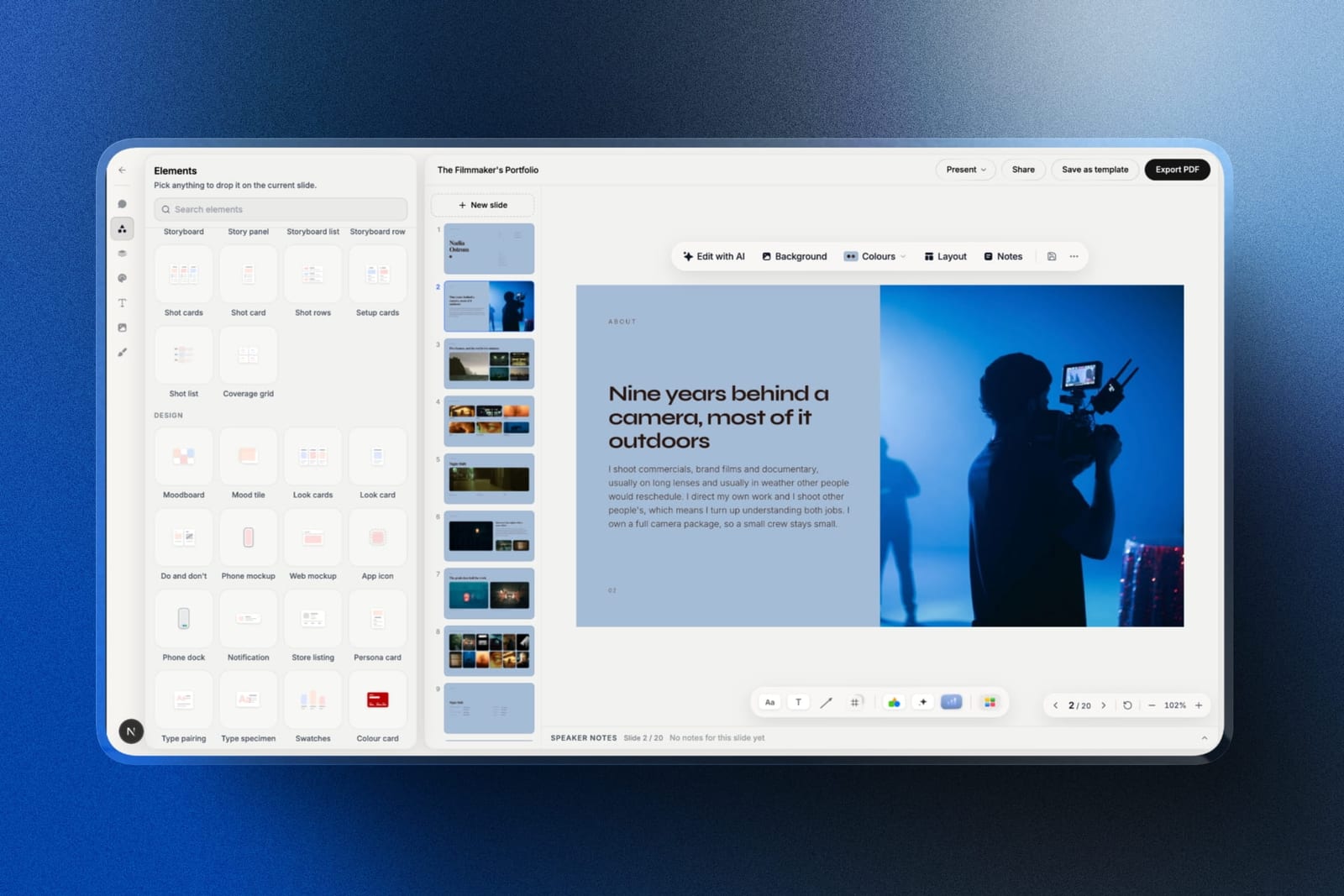
The standout detailthe share link opens for anyone who has it, no account needed, and publishing again updates the same link, so the client's bookmark never goes stale. A PDF export is on every plan.
The real numberdecks are unlimited on the free plan. A three-person studio on Pro pays $15 a month billed annually, about $180 a year, because Pro includes three team members, against $900 a year for three Canva Business seats.
The gotchafree decks show a Framekit badge to everyone you share with, and the template library, custom fonts, and byline removal need a paid plan.
There is no web clipper or reference library, no password on deck links, and no live multi-cursor co-editing, and PowerPoint export (Pro and up) turns slides into pictures.
Skip it ifthe mood board is your research archive, or a client needs to drag things around with you live. Eagle and Miro are built for those jobs.
Verdict: Framekit Slides is the best pick when the mood board is one chapter of a treatment or pitch you send as a link, and the wrong one for collecting. See Framekit Slides.
4. Canva: Best Free Deliverable
Our rating: 8.6/10
Canva earns its place for one reason that has nothing to do with collecting: it produces a client-ready PDF at no cost, faster than anything else in this comparison.
If the whole point of your mood board is that a hotel marketing manager opens an attachment on her phone and understands the direction in eight seconds, Canva gets you there on a free account with a template you did not have to design.
The collecting side is weak and you should know that going in. There is no browser clipper worth the name, no visual similarity search, and no tagging system that survives a hundred boards. You are assembling images you already have rather than finding new ones.
Best forCreatives who need a polished, printable mood board document more than they need a research library.
The real numberCanva Free includes 5GB of storage and full PDF and PNG export, with no watermark on your own uploaded images.
Canva Pro runs $18 a month, and Canva Business is $25 per user per month with no seat minimum - so our three-person studio pays $900 a year on Business, the most expensive line in this entire comparison.
The standout detailthe view-only share link works without a Canva account, and the same document exports to a print-ready PDF and to a presentation. One artefact serves the email attachment, the shared link, and the wall print in the studio, which is not true of any board-first tool here.
The gotchaCanva's pricing has moved twice in recent years - Pro rose from $12.99 to $15 and then to $18, and the old flat-rate Teams plan was rebuilt into per-seat Business pricing.
If a comparison page still quotes $10 a user with a three-user minimum, it is out of date. Budget on the assumption that per-seat pricing here drifts upward, and check the current figure before you commit a studio to it.
What reviewers say elsewhereCanva rates 4.5 out of 5 from around 1,679 reviews on G2, where the most common complaint from professionals is template sameness rather than capability.
Skip it ifthe mood board is the start of your research rather than the end of it. Canva has no answer for the part of the job where you are still looking.
Verdict: Canva is the fastest free path from forty-two images to a document a client can print, and it is a genuinely poor place to do the finding. Use it as the last step in the workflow, not the first. The same instinct applies to your portfolio: a beautiful artefact beats a big collection, which is the argument in our guide to what makes a good photography portfolio. Visit Canva
5. Pinterest: Best Free Collecting
Our rating: 8.3/10
Pinterest remains the largest visual index a creative can search for free, and pretending otherwise to sound sophisticated helps nobody.
For the first hour of the hotel board - the hour where you do not yet know whether the direction is warm brass or cold concrete - nothing else here surfaces breadth that fast, and the related-pins rail genuinely finds images you would not have thought to search for.
Then the job changes from finding to sending, and Pinterest falls off a cliff: no native board export, no PDF, and a presentation that is Pinterest's rather than yours, complete with ads and a rising tide of AI-generated images crowding out photography.
Best forThe discovery phase, and for clients who already live on Pinterest and want to send you their own board.
The real numberPinterest costs $0 with no stated cap on pins or boards, which makes it the only genuinely uncapped free tier in this comparison.
The cost shows up elsewhere: Pinterest's own documentation confirms that only you and people you specifically invite can see a private board, so a client viewing your unpublished direction needs a Pinterest account and an invite.
The gotchaattribution rot. Pins reach you through five reposts, and the source link on the pin routinely leads to a dead blog, a scraper site, or another pin, not to the photographer.
That is fine for a private idea board and a genuine problem the moment the board goes to a paying client, because you are now presenting work you cannot credit or clear. This is the rights issue that gets its own section further down.
Skip it ifthe board must be branded, exportable, or private-but-shareable. Pinterest is a search engine you can save into, not a document.
Verdict: Pinterest is the best free collecting tool here and close to the worst deliverable, and the correct move is to use it that way on purpose - find in Pinterest, build the client board somewhere it can be sent. Do not skip it out of snobbery, and do not send it. Visit Pinterest
6. Miro: Best for Live Client Sessions
Our rating: 8.1/10
Miro is the tool to reach for when the mood board is not a document you send but a conversation you run.
Put the forty-two images on an infinite canvas, get the client on a call, and move things while they watch - the direction gets decided in the meeting instead of in three rounds of email, and the board becomes the minutes.
Best forStudios and consultants who present direction live and want the client to point at things.
The real numberMiro's pricing is $8 per member per month billed annually or $10 monthly on Starter, and $20 annually or $25 monthly on Business. Our three-person studio pays $288 a year on Starter.
Guests who sign in do not consume a paid seat from Starter upward, and a publicly shared board can even be edited without a login, which is either a feature or an accident waiting to happen depending on your client.
The gotchathe free plan exports low-resolution only. High-resolution JPG and PDF start on Starter, so the free board you screenshot for a proposal looks soft next to a Milanote PDF.
If your only reason for choosing Miro is the free tier, the deliverable is worse than free tools that are not trying to sell you an upgrade.
What reviewers say elsewhereMiro rates 4.7 out of 5 across more than 12,000 G2 reviews, making it the most-reviewed tool in this comparison by a wide margin.
Skip it ifyou work alone and never present live. You would be paying for a whiteboard's collaboration engine to do a scrapbook's job.
Verdict: Miro is the best pick when the mood board is a meeting. It is an expensive and slightly clinical way to make a document, and the low-resolution free export undercuts the free plan for client work. Studios comparing the broader collaboration stack should read our best project management tools for creative teams guide. Visit Miro
7. Cosmos: Best Modern Discovery Feed
Our rating: 7.8/10
Cosmos is the tool creatives keep naming when they say they have given up on Pinterest.
It is an ad-free, subscription-funded visual platform with search by colour and by visual similarity, and a filter that excludes AI-generated images - which in 2026 is not a novelty feature, it is the reason people move.
The interface is calm in a way that makes an hour of collecting feel like research rather than scrolling.
The real numberCosmos runs $8 a month or $72 a year as an in-app subscription, and the free account is generally reported to allow up to 500 saves before you are pushed to upgrade.
On the App Store it holds an Editors' Choice award and 4.7 out of 5 from roughly 4,600 ratings.
The gotchait is a library and a feed, not a deliverable. There is no PDF export and no board layout you would put in front of a client without apology, so Cosmos sits upstream of whatever tool actually sends the board.
Treat the subscription as a research cost, not a client-facing one, and be honest with yourself about whether you will pay $72 a year for the collecting half alone.
Skip it ifyour bottleneck is presenting rather than finding. Cosmos solves the half of the job you probably already enjoy.
Verdict: Cosmos is the best replacement for Pinterest's discovery function if the ads and the AI images have worn you down, and it is not a mood board deliverable in any meaningful sense. Budget for it alongside a sending tool, not instead of one. Visit Cosmos
8. Savee: Best Design-Industry Reference
Our rating: 7.5/10
Savee is where graphic designers, art directors, and type-led studios actually keep their reference, and what surfaces there reflects it - editorial layout, packaging, typography, and campaign work rather than the wedding-and-interiors gravity of Pinterest.
If your boards lean graphic rather than photographic, the signal-to-noise ratio here is the best in this list.
The real numberSavee's plans are Pro at $9 a month billed yearly, Pro and Portfolio at $15 a month billed yearly, and Teams at $12 per user per month billed yearly with the first two users included.
Our three-person studio lands at $432 a year on Teams. Students get Pro at half price for a year.
The gotchaprivate saves and private boards are Pro features. On the free tier your saves are public, which means the reference you are gathering for an unannounced client campaign is visible to anyone who finds your profile. For agency work under NDA that alone forces the upgrade.
Skip it ifyour work is photographic and location-led. Savee's index is thinner there than Pinterest's or Cosmos's.
Verdict: Savee is the sharpest reference library for graphic and editorial work, and the free tier's public-by-default saving is a genuine confidentiality problem rather than a nudge. If you are drawn to its bundled portfolio, compare it honestly against the field in our guide to the best website builders for creative agencies. Visit Savee
9. Eagle: Best Offline Library
Our rating: 7.4/10
Eagle answers a different question: not how do I send this board, but where did I put that image.
It is a local desktop application that indexes your own drive, tags images automatically, sorts by colour and dimension, and searches tens of thousands of files instantly.
Nothing cloud-based here comes close at that scale, and nothing goes offline as gracefully. It is for photographers and studios sitting on years of saved reference who need to find things, not share them.
The real numberEagle costs $34.95 as a one-time purchase covering two devices, with free updates to future versions and no subscription.
Against a $9.99-a-month cloud tool, it pays for itself in under four months and then costs nothing, permanently. Three people in a studio need two licences, so $69.90 total.
The gotchathere is no share link, no client view, and no collaboration. The library lives on your machine, which is exactly why it is fast and exactly why it cannot end a client conversation.
Studios also discover that a shared Eagle library over a network drive is not what the product is designed for, so the collaboration story is do-it-yourself at best.
Skip it ifyou work across three machines and two of them are borrowed, or you need any part of the board to reach a client without a screenshot.
Verdict: Eagle is the best private reference library in this comparison and scores zero on the criterion that decides the ranking, which is why it sits at eight rather than two. Buy it as the collecting half of a two-tool setup, pair it with Milanote or Canva for the sending half, and you have covered the whole job for less than most single subscriptions. Visit Eagle
10. PureRef: Best Reference Canvas for Drawing
Our rating: 7.2/10
PureRef is a stand-alone window for Windows, Mac, and Linux that floats above whatever you are working in and holds your reference while you draw, model, retouch, or grade.
Illustrators, concept artists, and 3D artists have used it for years for one reason: it stays on top, it never phones home, and the whole board is a single small file.
The real numberPureRef's licences are $15 once for a personal licence, $49 once for a small business licence covering up to three users, and $8 per seat per month billed annually for the business tier.
Our three-person studio pays $49 total, once, which is the cheapest three-person line in this entire comparison by a factor of five.
The gotchathe output is a .pur file, which means the only person who can open your board is another person with PureRef installed. There is no link, no PDF, no web view.
For a client-facing board this is a full stop, and creatives regularly buy it expecting a mood board tool and get a reference viewer instead.
Skip it ifanyone outside your own machine needs to see the board. That is not a limitation to work around, it is the design.
Verdict: PureRef does one job better than anything else and refuses to do the job this article is about. At $15 it is the best value in the category and the wrong tool for a client deliverable, and both of those are true at once. Visit PureRef
11. Mural: Best for Facilitated Workshops
Our rating: 6.9/10
Mural is Miro's closest competitor and a facilitation product before it is a visual one - timers, voting, private mode for silent idea generation, and structured workshop templates.
For a discovery workshop where a client team of eight decides a direction together, that structure is worth real money. For a creative arranging forty-two photographs, most of it is furniture.
The real numberMural's pricing is a free plan with three editable murals, Team+ at $9.99 per member per month billed annually or $12 monthly, and Business at $17.99 per member per month billed annually.
Visitors are included on every plan, including free, so a one-time client collaborator costs nothing.
The gotchathe free plan's three-mural cap works the same way Miro's does, and Mural's image handling is plainly weaker than Miro's for image-dense boards - it was built for sticky notes and it shows when you drop in high-resolution photography.
If your board is mostly pictures, you are fighting the tool's defaults.
Skip it ifyour mood boards are image-led and your client is one person. You are paying for facilitation machinery you will never switch on.
Verdict: Mural is a strong workshop tool and a middling mood board tool, and it lands tenth here because the criteria that decide this ranking are the ones it cares least about. Choose it when the board is an excuse to run a session, not when the board is the output. Visit Mural
12. Are.na: Best for Slow Research
Our rating: 6.7/10
Are.na is the anti-algorithm.
There is no feed ranking, no advertising, and no recommendation engine trying to hold you - you save blocks into channels, connect the same block across several channels, and follow other people because you trust their eye.
For researchers and designers building a practice over years rather than a board over a week, it is the most intellectually satisfying tool here.
The real numberAre.na's free account is capped at 200 connections, after which you cannot add new blocks or connections at all.
Premium is widely reported at about $7 a month or $70 a year for unlimited connections plus reader mode, full-text search, and table view - confirm the current figure at are.na/billing, because Are.na does not publish a standard marketing pricing page.
The gotchathe downgrade behaviour is unusually blunt. Are.na's own billing documentation states that dropping from Premium back to free means you lose access to premium features and the ability to add new blocks and connections.
Your existing research stays visible, but the practice stops the day the card fails.
Skip it ifyou need a designed board. Are.na channels are lists and grids by nature; presentation mode helps, but no client has ever described an Are.na channel as a proposal.
Verdict: Are.na is the best place here to think slowly and the worst place to close a job, and it ranks last for exactly that reason rather than for any failure of craft. Use it as a personal practice and export the handful of blocks that matter into the tool you actually send. Visit Are.na
What a Mood Board Tool Actually Costs
The headline price is per editor, and the number that surprises people is not the editor seat - it is discovering that the free plan capped out mid-project and the upgrade was not optional.
Here is what the same job costs at three realistic sizes, using each vendor's published August 2026 pricing.
In one lineviewers are free almost everywhere, editors are not, and the cheapest honest solo path is a one-time purchase rather than a subscription - PureRef at $15 once and Eagle at $34.95 once beat every recurring plan here on a two-year view.
| Tool | Solo creative, per year | 3-person studio, per year | Sharing boards with 10 clients a year |
|---|---|---|---|
| Milanote | $119.88 (Individual, annual) | About $588 (Team plan) | $0, read-only links |
| Figma and FigJam | $192 (1 Full seat) | $576 (3 Full seats) | $0, viewers free |
| Framekit Slides | $0, or $84 (Starter, annual) | $180 (Pro, annual, 3 members) | $0, anyone with the link |
| Canva | $216 (Pro) | $900 (3 Business seats) | $0, view links |
| $0 | $0 | $0, but clients need accounts | |
| Miro | $96 (Starter, annual) | $288 (Starter, annual) | $0, guests free from Starter |
| Cosmos | $72 | $216 | Not a client-facing tool |
| Savee | $108 (Pro, yearly) | $432 (Teams, yearly) | $0, public boards |
| Mural | $119.88 (Team+, annual) | $359.64 (Team+, annual) | $0, visitors on every plan |
| Eagle | $34.95 once | $69.90 once (2 licences) | Not shareable |
| PureRef | $15 once | $49 once (up to 3 users) | Not shareable |
| Are.na | About $70 (Premium) | About $210 | $0, public channels |
Three things fall out of that table. The ten-client column is $0 on nine of twelve tools, so client access is a solved problem and editor seats are the real cost.
The three-person column ranges from $49 once to $900 a year for the same forty-two images, and none of that spread buys a better board.
And the two one-time purchases beat every subscription here over two years while being the only two that cannot send anything, which is a precise summary of what you are paying for in this category.
The renewal trap. Canva Pro moved from $12.99 to $15 to $18 within a few years, and the flat-rate Teams plan was replaced by per-seat Business pricing at $25 a user.
Miro, Mural, and Figma all price annual commitments below monthly, which means the advertised number assumes you pay twelve months up front and lose flexibility.
If you bill your own clients in project cycles, price the monthly figure, not the annual one, and treat the annual discount as a bonus rather than the baseline.
Creatives who want to keep the whole stack lean should read our roundup of the best free tools for photographers.
Reference Is Not Licence: The Rights Problem Nobody Prices
Every mood board is built from other people's work, and the moment you send it to a paying client it stops being a private notebook and becomes a document circulating inside a commercial project.
That transition is where a habit that felt harmless starts carrying consequences, and none of these eleven tools will warn you about it.
In one linesaving an image as reference is not a licence to reproduce it, and a mood board sent to a paying client is a business document rather than a private notebook - so credit sources, keep the provenance, and never let a reference image drift into the deliverable.
Here is the mechanical version of the problem. Pinterest pins arrive through several reposts, so the source link often points at a scraper, a dead blog, or another pin rather than at the photographer.
Eagle and PureRef store whatever you drag in with no source field attached at all unless you type one. Milanote, Figma, Canva, Miro, and Mural all capture the file and drop the origin.
Of the eleven tools here, zero attach a durable, verified credit to every saved image automatically, and several actively strip the one you had.
That matters in two concrete ways. An agency running a legal review on a campaign will ask where the references came from, and no answer is worse than an awkward one.
And the real risk here is not a lawsuit, it is scope drift: a reference image that quietly survives into a comp, then a deck, then something published, because nobody ever marked it as reference.
What to actually do, and this is a workflow observation from building these boards rather than legal advice - talk to a lawyer for that.
Caption every image on a client-facing board with the photographer, illustrator, or studio name plus the source URL, and put one line at the top saying the images are third-party reference for direction only and are not licensed for use.
Milanote's notes, Figma's text layers, and Canva's caption fields all make that painless. Where you cannot find a source, find one or drop the image.
A board built entirely from other people's work also says nothing about whether you can make any of it, and clients notice.
The strongest boards we built carried three or four of the creative's own frames alongside the reference, marked as such, which is the same failure discussed in our guide to portfolio mistakes costing creatives clients.
What Happens To Your Boards If You Stop Paying
This is the question to ask before you commit a studio archive to any of these tools, and it is the question the pricing pages answer least clearly. The behaviours split into three patterns, and only one of them is genuinely safe.
In one linemost cloud mood board tools turn read-only rather than deleting your work when you downgrade, but read-only means you cannot add, rearrange, or in some cases export properly - so the practical answer is to export before you cancel, not after.
Pattern one, the rolling read-only wall. Miro and Mural both do this: your boards survive, but only three stay editable, and on Miro the three most recent keep edit rights while the rest freeze.
If your archive is forty boards, thirty-seven become museum pieces the day you stop paying, and the wall moves every time you touch a new board.
Pattern two, the hard stop on new input. Are.na's billing documentation is unusually direct - drop from Premium back to free and you lose the premium features and the ability to add new blocks and connections. Existing channels stay visible. The practice just ends.
Pattern three, no stop at all. Eagle and PureRef cannot take anything away because the library is a folder on your disk and the board is a file. That is the strongest portability story in the category, and it is no coincidence that both tools are local.
Version history varies more than you would expect. Figma's Starter plan keeps 30 days, which covers most revision windows and nothing longer.
Notion keeps 7 days on Free, 30 on Plus, and 90 on Business, so a free Notion board silently loses the ability to recover last month's arrangement.
Local tools have no version history beyond your own backup, which is either a serious gap or a non-issue depending on whether you run Time Machine.
Export before you decide anything. Milanote gives you PDF, PNG, Word, Markdown, plain text, and a ZIP of every image.
Pinterest, Cosmos, and Savee have no native board export at all, which makes them collection tools you rent rather than archives you keep. If a tool cannot produce a file you can open without it, you do not own what is inside it.
Cloud Boards Versus A Local Library
The instinct is that cloud is obviously better because sharing is the job. That is right for the client-facing board and wrong for the archive, and running both is cheaper than most creatives assume. Here is where each side actually wins.
In one lineput the client-facing board in the cloud because it has to be a link, and keep the reference archive local because 200 full-resolution files is a storage problem the cloud tools price badly and the local tools do not price at all.
Run the storage arithmetic on a real photographer. Two hundred full-resolution reference frames at 6MB to 12MB each is 1.2GB to 2.4GB before you add one of your own shots. On Canva's free tier that consumes up to half of the 5GB allowance.
On Milanote's free plan it is not a storage problem at all but a count problem - 100 cards and 10 file uploads, which 200 images clears many times over.
Notion, which plenty of creatives use as a substitute, caps free uploads at 5MB per file, so much of a photographer's reference will not upload at all. Eagle and PureRef have one limit: the size of your drive.
Offline matters more than it sounds. Location scouts, basements, aircraft, rural venues - the moments you most want to check a reference are often the moments with no connection.
Eagle and PureRef work identically offline because no server is involved; every cloud tool here degrades to partially cached at best.
The setup that came out of testing: collect locally in Eagle, discover in Cosmos or Pinterest, build and send the client board in Milanote, export a PDF into whatever proposal system you already use.
That is $34.95 once plus $119.88 a year for a solo creative, and no part of it depends on one vendor staying in business.
Photographers pricing a full stack should read our best photography business tools guide.
Run this test on your own numbers. Open the last mood board you sent a client and count three things: how many items are on it, how many of those items you can name a source for, and whether the link you sent still opens today in a private browser window with no login.
If the item count is over 100 you are already past Milanote's free plan and most likely past a Miro or Mural free board too. If you can name sources for fewer than half the images, your attribution habit is the thing to fix before the tool.
And if the link does not open in a private window, every client you sent it to had to make an account to see your work, and some of them did not bother.
The Decision Guide
Most creatives choose a mood board tool by looking at screenshots, which is why so many end up with two subscriptions and one usable board. Ask these questions in order instead, and stop at the first branch that describes you.
Start here. Does the finished board have to reach someone outside your studio - a client, an agency producer, a director?
- No, it is entirely for me. Then buy a local tool and stop paying rent. Choose PureRef at $15 once if you want reference floating beside your canvas while you work, or Eagle at $34.95 once if you have thousands of files and the real problem is finding things. Neither will ever expire, cap you, or move a board to read-only. Stop here.
- Yes, someone else has to open it. Go to the next question.
Does that person need to edit the board, or only look at it and comment?
- Only look and comment. Then free viewer access is the number that matters, and the answer is Figma and FigJam if your studio already uses Figma, or Milanote if it does not. Both open for a viewer with no account. Go to the next question anyway, because presentation still decides between them.
- They need to move things and add their own references. Then you are paying for an extra editor seat somewhere. Miro at $8 per member per month billed annually is the cheapest credible option, and its publicly shared boards can be edited without a login if you accept the risk that carries.
Is the board a document you send, or a session you run?
- A chapter of a treatment or pitch deck. Framekit Slides, where the moodboard sits beside shot lists and look cards, sent as one link or a PDF.
- A document on its own. Milanote, because the read-only link, the password option, and the PDF and ZIP export are all built for that exact moment. Design the board narrow so the single-page PDF flattening does not shrink your type.
- A live session with several people in the room. Miro if the board is image-led, Mural if the session is structured facilitation with voting and timers and the images are secondary.
- Neither - I just need something printable by tomorrow morning. Canva, on the free plan, using a template. It will not help you research and it will produce the cleanest attachment here at no cost.
Where do you find the images in the first place?
- Broad, fast, and free: Pinterest, and accept that you will rebuild the board elsewhere to send it.
- Ad-free and photography-led: Cosmos at $8 a month, with 500 saves free to try it properly.
- Graphic design, type, and editorial: Savee, upgraded to Pro if the work is confidential, because free saves are public.
- Research you will still be reading in three years: Are.na, within its 200-connection free limit.
Finally: does the client see your own work anywhere in this process? If the answer is only a social feed, fix the portfolio before you optimise the mood board.
Frequently Asked Questions
What is the best mood board tool for creatives in 2026?
Milanote is the best mood board tool for creatives in 2026 because it is built around a read-only share link that opens without a client account, offers password protection, and exports to PDF, PNG, and a ZIP of source images on the free plan.
Its free tier stops at 100 notes, images or links plus 10 file uploads, and the Individual plan is $9.99 a month billed annually.
Figma and FigJam are the better choice for studios because viewers and commenters are free on every plan, and Canva is the fastest free route to a printable PDF.
What exactly is the limit on Milanote's free plan?
Milanote's free plan allows 100 notes, images or links in total across your account, plus 10 file uploads, with no time limit.
Cards count individually, so a single detailed mood board with forty-two images, captions, and a colour strip can consume more than half the allowance on its own.
The cap is per account rather than per board, which is the detail that catches people out - deleting a board frees the cards back up, but archiving several client projects at once is not possible on the free tier.
Can a client view my mood board without creating an account?
Yes on nine of the twelve tools compared here.
Milanote's read-only link, Figma's view link, a Framekit Slides deck link, Canva's view-only share link, Miro's public board link, Mural's visitor access, and the public pages on Cosmos, Savee, and Are.na all open in a browser with no signup.
The exceptions are Pinterest secret boards, which require the viewer to have a Pinterest account and an invite, and Eagle and PureRef, which are local applications with no share link at all.
Milanote vs Miro: which is better for client mood boards?
Milanote is better for a mood board you send and Miro is better for a mood board you present live. Milanote produces a read-only link and a proper PDF export on its free plan and reads as a designed document to a non-designer.
Miro gives you an infinite collaborative canvas at $8 per member per month billed annually, but its free plan caps you at three editable boards and exports low-resolution only, so the free version is weaker as a client artefact.
Choose Milanote for asynchronous approval and Miro for a workshop.
Which mood board tool is cheapest for a three-person studio?
PureRef is cheapest at $49 once for a small business licence covering up to three users, followed by Eagle at $69.90 for two licences covering three machines - though neither can share a board with a client.
Among cloud tools that can, Miro Starter is cheapest at $288 a year for three members, then Mural Team+ at $359.64 and Savee Teams at $432. Canva Business is the most expensive at $900 a year for three seats.
The most practical stack is a local library plus one sending tool, which lands near $658 in year one.
Do I need permission to use images on a mood board?
Saving an image as reference is not the same as licensing it, and a mood board sent to a paying client is a business document rather than a private notebook.
The safe workflow is to credit the photographer, illustrator, or studio beside every image, keep the source URL, add a line stating the images are third-party reference for direction only and not licensed for use, and never let a reference image survive into the final deliverable.
This is a workflow observation from building client boards, not legal advice - ask a lawyer about your specific situation.
What happens to my mood boards if I stop paying?
It depends on the tool, and the pattern is usually read-only rather than deletion. Miro and Mural keep your boards but leave only three editable, with Miro freezing all but the three most recent.
Are.na keeps your channels visible but removes the ability to add new blocks and connections when you drop to free. Milanote, Figma, and Canva retain your content and reimpose free-tier limits.
Eagle and PureRef cannot take anything away because the files are on your own disk. Export a PDF and a ZIP before you cancel anything.
Can I export a mood board to PDF for free?
Yes on Milanote, Figma, and Canva, all of which include PDF and PNG export on their free tiers.
Milanote adds Word, Markdown, plain text, and a ZIP of every image on the board, though its PDF and PNG export flattens a board onto a single page.
Miro's free plan exports at low resolution only, with high-resolution JPG and PDF starting on Starter.
Pinterest, Cosmos, and Savee have no native board export at all, so anything you gather there has to be rebuilt in another tool to become a document.
Is Pinterest good enough for professional mood boards?
Pinterest is excellent for the discovery half and weak for the delivery half. It is free with no stated cap on pins or boards and it surfaces breadth faster than anything else here, which makes it a genuinely useful first hour.
It fails as a client deliverable because there is no board export, private boards require the viewer to have an account and an invite, the presentation carries Pinterest's advertising, and pin source links frequently lead to reposts rather than the original photographer.
Collect in Pinterest, send from somewhere else.
Figma vs Canva: which is better for a mood board?
Figma is better for studios and Canva is better for a one-off document.
Figma gives unlimited free viewers and commenters on every plan, charges $16 a month for a Full seat on Professional, and keeps the mood board in the same file as the design work it informs.
Canva costs $18 a month on Pro but produces a client-ready PDF from a template on the free plan in a fraction of the time, and its output reads as a finished proposal to a non-designer. Pick Figma if a team edits, Canva if one person sends.
Final Verdict: The Best Mood Board Tool in 2026
After building the same forty-two-image hotel board eleven times, the divide is not between good tools and bad ones. It is between tools that collect and tools that send, and almost nobody needs one without the other.
Milanote is the best mood board tool for creatives in 2026 because it is the only one designed around the moment the board leaves your hands.
The read-only link opens with no client account, boards can be password protected, export covers PDF, PNG, Word, Markdown, plain text, and a ZIP of the source images, and the free plan states its limit as a number - 100 notes, images or links and 10 file uploads - rather than a vibe.
Where Milanote loses: it is not a library.
Its search will not hold up against Eagle's local index at ten thousand files, its PDF export flattens a wide board onto a single page in a way you have to design around, and at $9.99 a month billed annually it is not the cheapest option here.
If nobody outside your machine ever needs to see the board, PureRef at $15 once and Eagle at $34.95 once are simply better value and better tools for that job, and we would not pretend otherwise.
Figma and FigJam are the studio pick because free viewers make client access cost nothing.
Framekit Slides is the pick when the board is one page of a treatment or pitch; where Framekit loses is everything on the collecting side, since it has no clipper, no library, and no live co-editing.
Canva is the fastest free route to a printable deliverable. Pinterest is still the best free place to look and the worst place to send from.
Cosmos replaces Pinterest's feed without the ads, Savee is sharper for graphic work, Miro and Mural earn their money in live sessions, and Are.na suits a research practice rather than a project.
The habit matters more than the tool: credit your sources, export before you cancel, and make sure the client approving your board has already seen a site full of your own work.
For more, read our guide to what makes a good photography portfolio, the best website builders for creative agencies, the best AI tools for designers, and the best project management tools for creative teams.