Framekit templates
Start from a designer-made template
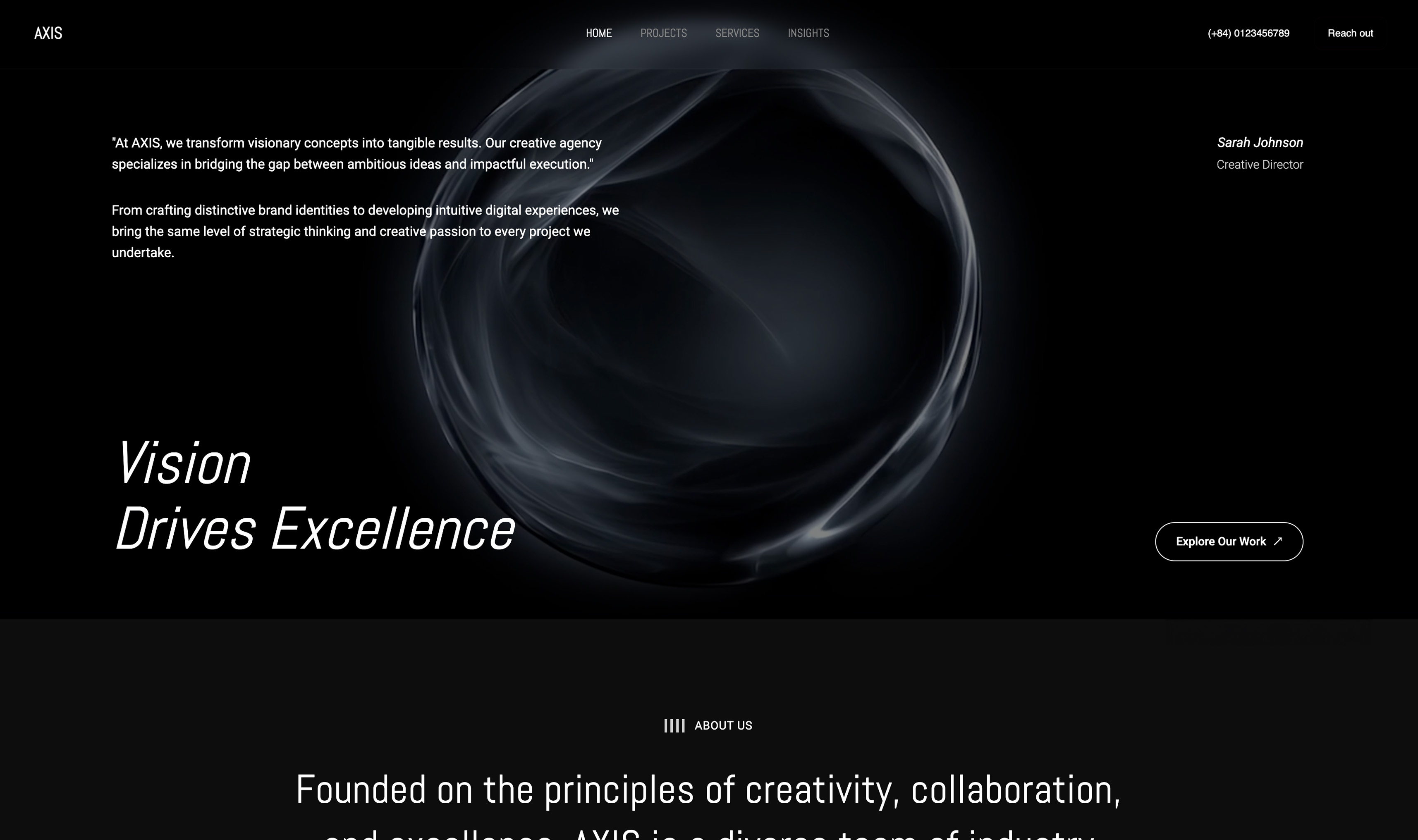 Use template
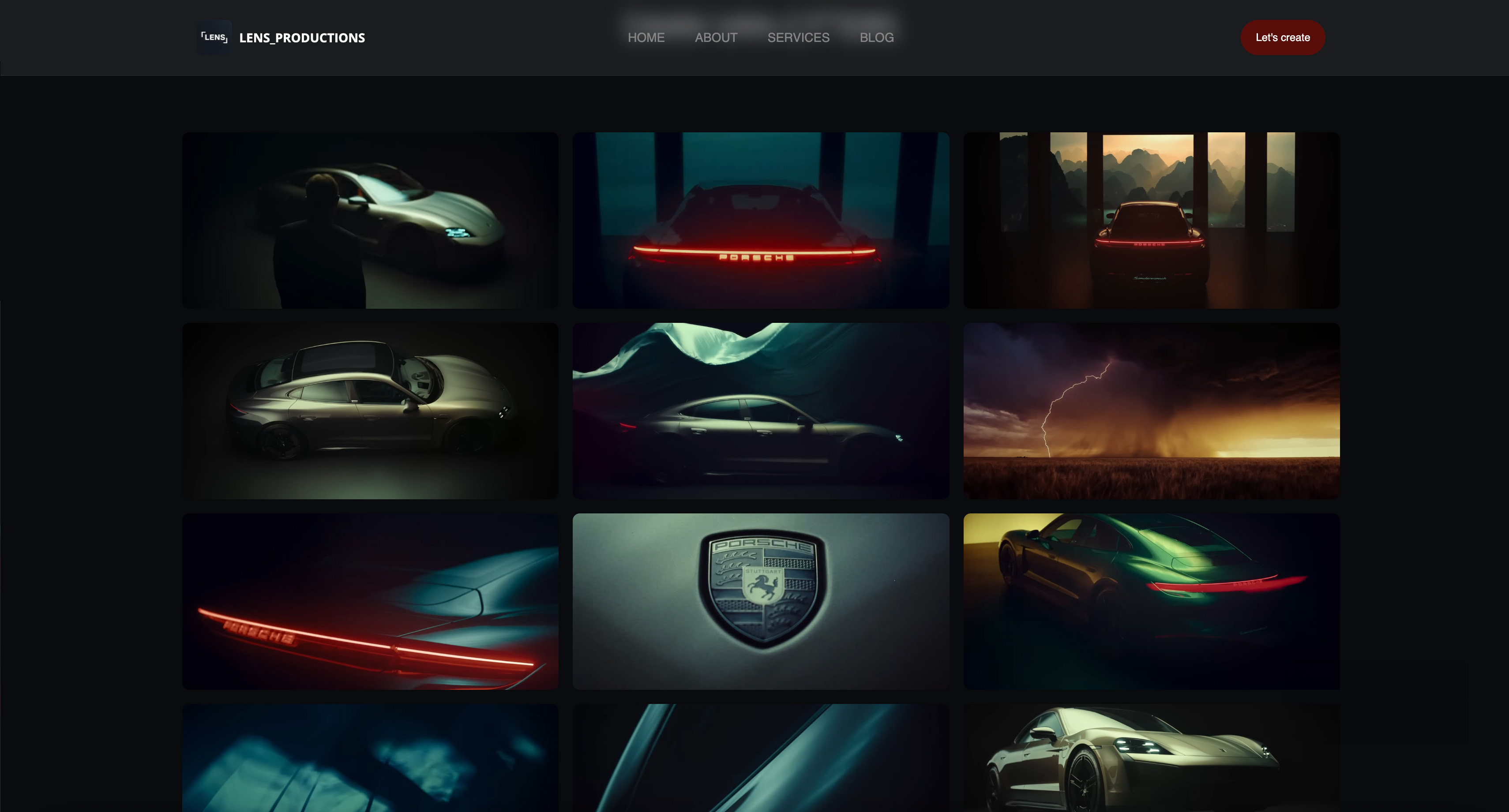 Use template
 Use template
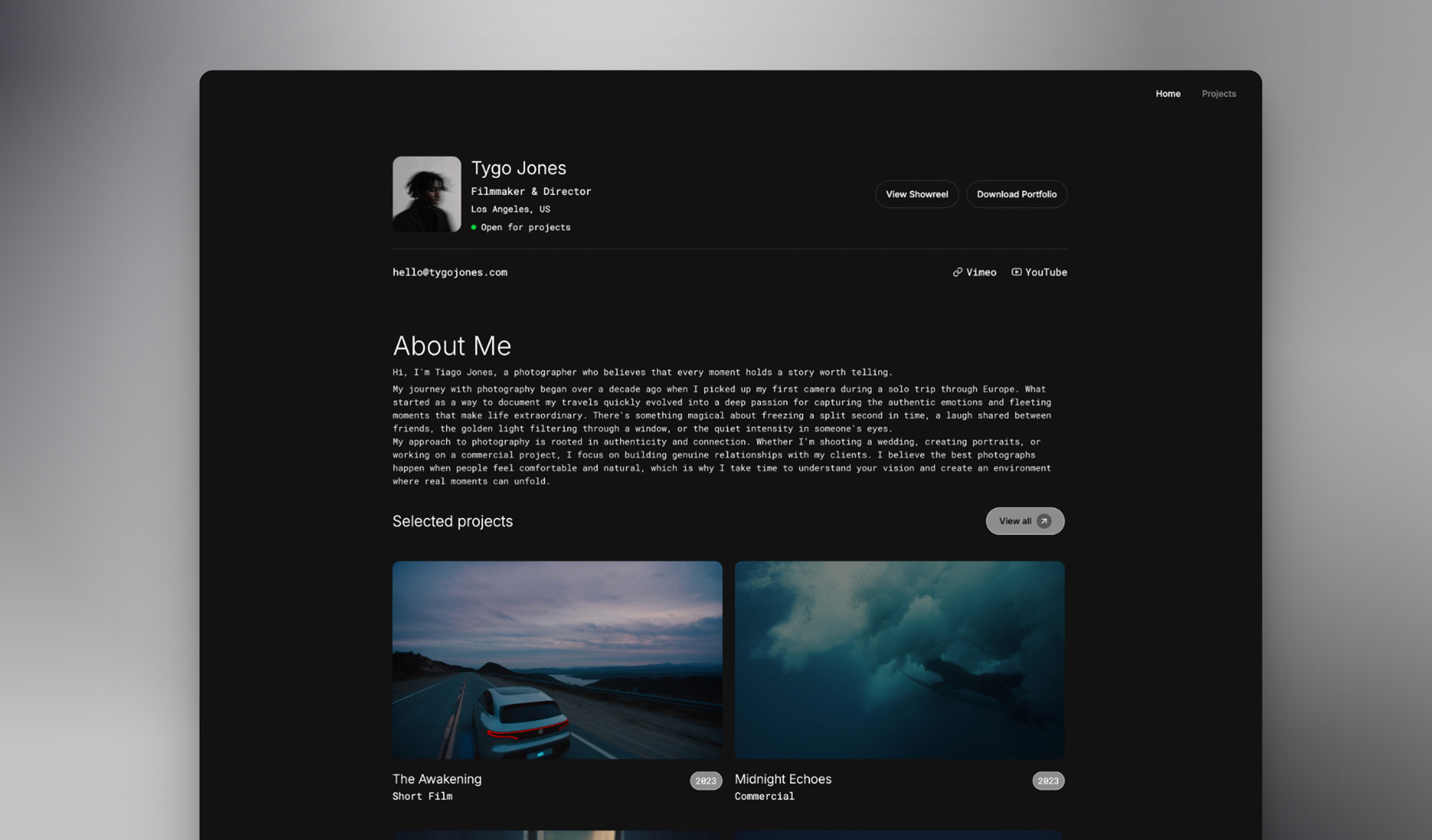 Use template
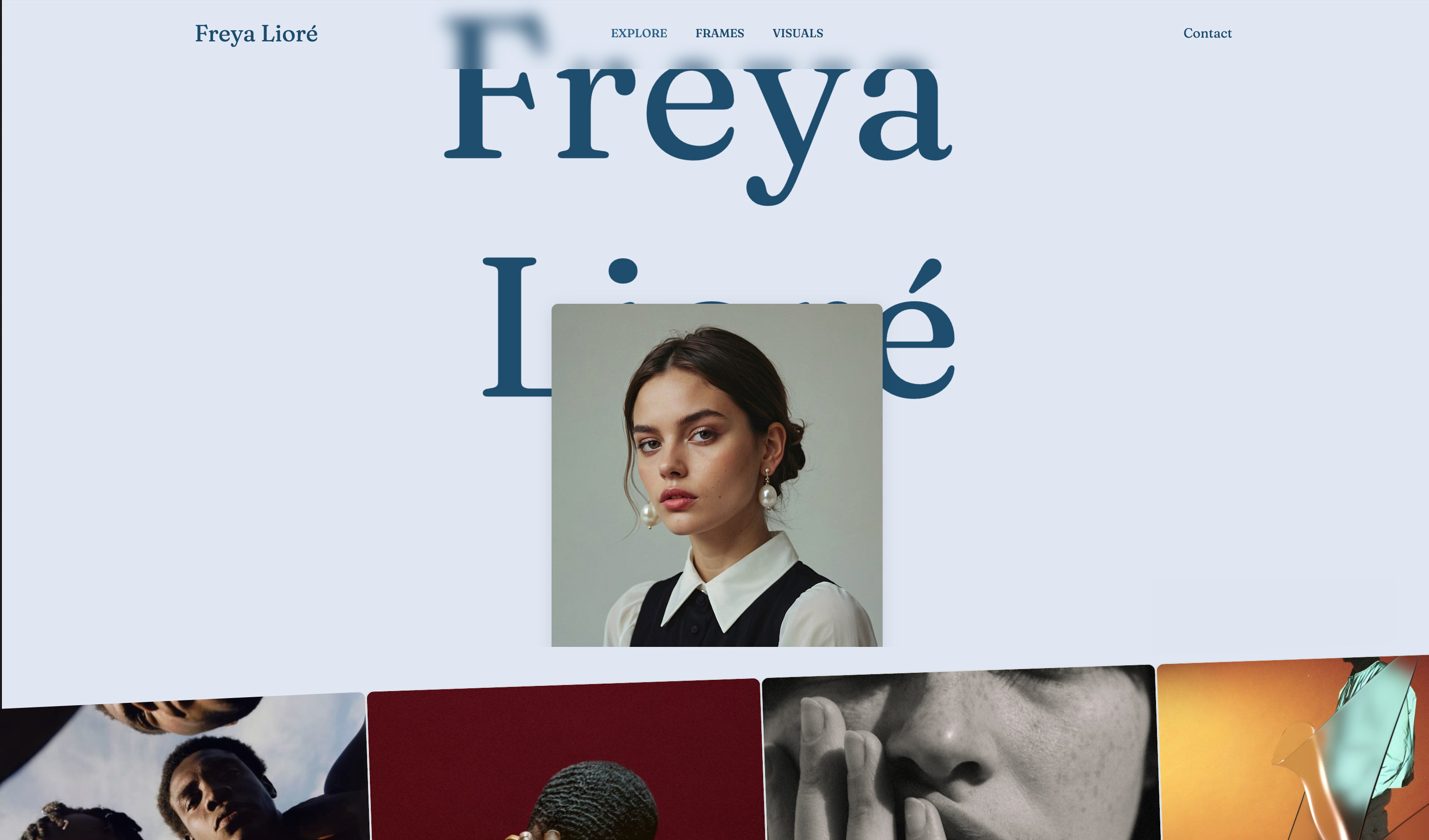 Use template
 Use template
 Use template
 Use template
Every video versioning tool has to answer one question, and they answer it differently. Upload version four, and something has to happen to the twenty-six comments sitting on version three.
There are three possible behaviours and the difference between them is the difference between a usable history and a misleading one.
The comments can stay attached to the version they were made on, which is correct.
They can follow the asset and appear against the new cut, which sounds convenient and is dangerous, because a note pinned to 00:04.12 of version three refers to a completely different moment in version four if you trimmed anything earlier in the timeline.
Or they can simply not carry across, which at least fails honestly.
Most reviews of this category treat versioning as a checkbox. It is not. It is the mechanism that decides whether your revision history is evidence of what happened or a pile of comments pointing at the wrong frames.
A video versioning tool is a platform that stacks successive cuts of the same piece, keeps each version's feedback attached to the version it was made on, and lets you compare two cuts directly rather than from memory.
The best video versioning tool in 2026 is Frame.io, because version stacks plus a comparison viewer plus the ability to copy comments between assets is the most complete handling of revision history here, and hiding previous versions from clients is unique to it.
SyncSketch is the pick for shot-based work with A/B compare from 9 dollars per user, Wipster offers side-by-side comparison at 9.95 dollars a month, and Framekit is the free pick for short client cycles, keeping notes and an approval status on each version but with no compare view.
Full disclosure: Framekit is our own product, ranked fifth. We stack versions correctly and track approval per version on every plan, but we have no comparison viewer, no way to hide earlier versions and no way to carry unresolved notes forward, so four tools handle a long revision history better than ours does and we say so below.
We re-verified every price here in September 2026 and moved Framekit from eighth to fifth, because its core review features, version stacks and per-version approvals included, now sit on the free plan, which matters for the short cycles most client video runs.
How We Tested 12 Tools on Revision History
We took one 4-minute cut through five versions, deliberately trimming eight seconds out of the opening between version two and version three so that every timecode after it shifted.
Then we checked what each platform did with the existing comments, whether we could set version two against version four directly, and what a client saw when we shared the latest cut. August 2026, fresh accounts.
That trim is the test almost nobody runs and it is where the differences appear. A platform that keeps comments attached to their own version handles it silently.
A platform that floats comments to the latest asset produces a history that reads as though your client complained about moments they never saw.
Measured means we ran the five versions and the trim. Verified means the figure was read at the vendor's own published pricing page and linked inline.
The three things versioning has to do
Attach feedback to a version, permanently. Each cut keeps its own comments so the record stays accurate after later edits shift every timecode.
Compare two versions directly. The question on every revision is whether this cut is better than the last one, and answering it from memory is unreliable at four minutes and impossible at forty.
Carry unresolved notes forward. The genuinely hard part. A note you did not action on version three needs to survive into version four without pretending it was made there, and almost nothing does this well.
What Version Handling Actually Costs
Every figure below was read at the vendor's own published pricing page in August 2026 and tested against the same five-version sequence, including the deliberate trim, because version handling only reveals itself once an edit shifts the timecodes underneath existing comments.
- 8 of 12 tools offer a genuine side-by-side or A/B comparison of two versions.
- 1 of 12 lets you hide previous versions from a client, so they see only the current cut: Frame.io, on Pro.
- 1 of 12 lets you copy and paste comments between assets, which is the only manual route here for carrying an unresolved note forward: Frame.io, on every tier including free.
- The cheapest tool with real version comparison is SyncSketch Indie at 9 dollars per user per month billed yearly, followed by Wipster Light at 9.95 dollars for one person.
- Filestage places version comparison on Starter at 199 dollars a month and an advanced compare mode on Business at 329.
- 0 of 12 automatically migrate an unresolved comment to a new version with its timecode adjusted, which remains the category's clearest unsolved problem.
- Framekit stacks versions and offers no comparison view at any tier.
| Tool | Version stacks | Compare two versions | Hide old versions | Carry notes forward | Entry price |
|---|---|---|---|---|---|
| Frame.io | Yes | Comparison viewer | Yes, on Pro | Copy and paste comments | Free, then 15 dollars per member |
| SyncSketch | Yes | Side by side and A/B | No | No | Free, then 9 dollars per user |
| Wipster | Yes | Side by side | No | Comments become tasks | 9.95 dollars a month |
| ReviewStudio | Yes | Compare mode, free tier | No | No | Free, then 12 dollars per user |
| Framekit | Yes, with approval status per version | No | No | No | Free, then 9 dollars |
| Filestage | Yes | Starter, advanced on Business | No | No | Free, then 199 dollars a month |
| Ziflow | Yes | Yes | No | Comment labels on Pro | Free, then 199 dollars a month |
| Krock.io | Yes | Compare | No | No | Free, then 10 dollars per user |
| PageProof | Yes, unlimited versions | Yes | No | No | 249 dollars a month |
| Approval Studio | Yes | Compare modes | No | Task assignment | 60 dollars a month |
| Dropbox Replay | Yes | Yes | No | No | Add-on from 10 dollars |
| Vimeo | Yes | Basic | No | No | About 8 euros a month |
The Best Video Versioning Tools in 2026
Ranked on how completely each one preserves and presents a revision history, which is a different question from how good its commenting is, with price and client access breaking ties for the two-to-four-round cycles most client video runs.
Frame.io, SyncSketch, Wipster and Framekit get full reviews.
1. Frame.io: Most Complete Revision History
Frame.io is the only tool here that addresses all three parts of the problem rather than one. Version stacks, a comparison viewer, hiding previous versions and copying and pasting comments between assets are all present, with the copy-paste mechanism available even on the free tier.
The real numberPro is 15 dollars per member per month, so 180 dollars a year for one person, and version handling is not gated above that: the comparison viewer and version stacks appear on the free plan too.
The standout detailhiding previous versions is unique here and its value is commercial rather than technical.
When a client sees that versions one through three exist, they ask what changed and why, and you spend the meeting explaining your process rather than discussing the cut.
Presenting only the current version removes a conversation you did not want.
The gotchacopying comments between assets is manual. It is the best route in this comparison for carrying an unresolved note into a new version, and it is still you doing it deliberately rather than the platform handling it, and the pasted comment's timecode does not adjust for edits.
Skip it ifyour revisions are shot-based rather than timeline-based, where SyncSketch's per-item status is a better model.
Verdict: the most complete revision history in the category and the only tool that treats versioning as a first-class problem rather than a storage convenience.
2. SyncSketch: Best Comparison for Shot Work
Indie at 9 dollars per user per month billed yearly includes comparing files side by side or A/B, plus status management for review items, with up to 15 users and 50GB.
The real number108 dollars a year per person, the cheapest genuine version comparison in this comparison and 72 dollars less than Frame.io Pro.
The standout detailA/B comparison rather than side by side is the right mode for animation, where the question is whether a movement improved and two panels side by side make that harder to see than flipping between them in place.
It is a small interface decision that reflects a real understanding of the work.
Verdict: the best comparison tooling for shot-based revision, and no mechanism for carrying notes forward.
3. Wipster: Notes That Survive as Tasks
Wipster approaches the unresolved-note problem from an angle nothing else here tries: Light is 9.95 dollars a month with 50GB for one person, with side-by-side version comparison and comments that convert into checkable tasks rather than staying buried in a thread.
The standout detailthe task list is the closest thing in this comparison to carrying unresolved notes forward.
A comment you have not actioned stays on your list across versions rather than being buried in version three's thread, which is a different and arguably better solution than migrating the comment itself.
Verdict: the cheapest solo route to version comparison, and the most practical answer here to the unresolved-note problem even though it solves it sideways.
4. ReviewStudio: Compare Mode on the Free Tier
Compare mode, versioning, present mode and approvals are all on the free 5GB tier with unlimited users and guests, and Pro is 12 dollars per user annually.
Verdict: the only free plan here with a real comparison view, which makes it the cheapest way to answer whether this cut beats the last one.
5. Framekit: Best Free Version Stacks for Short Cycles

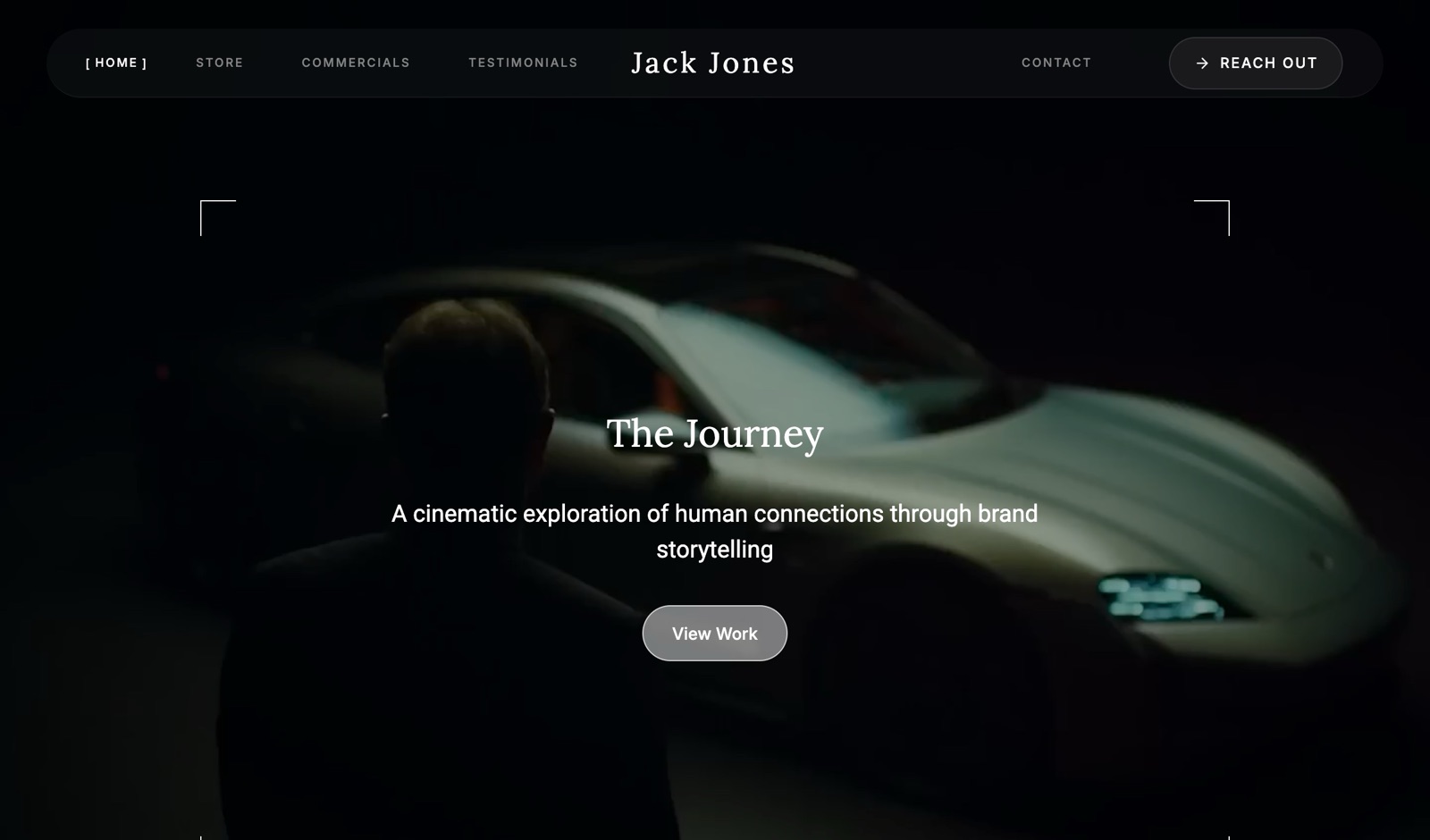
Framekit is an AI website builder with video review, client galleries, Slides and a store in one account, and on revision history it does the foundational part correctly on every plan, Free included, then stops short of the tooling the four tools above it add.
What it gets right is the behaviour this guide's trim test exists to catch.
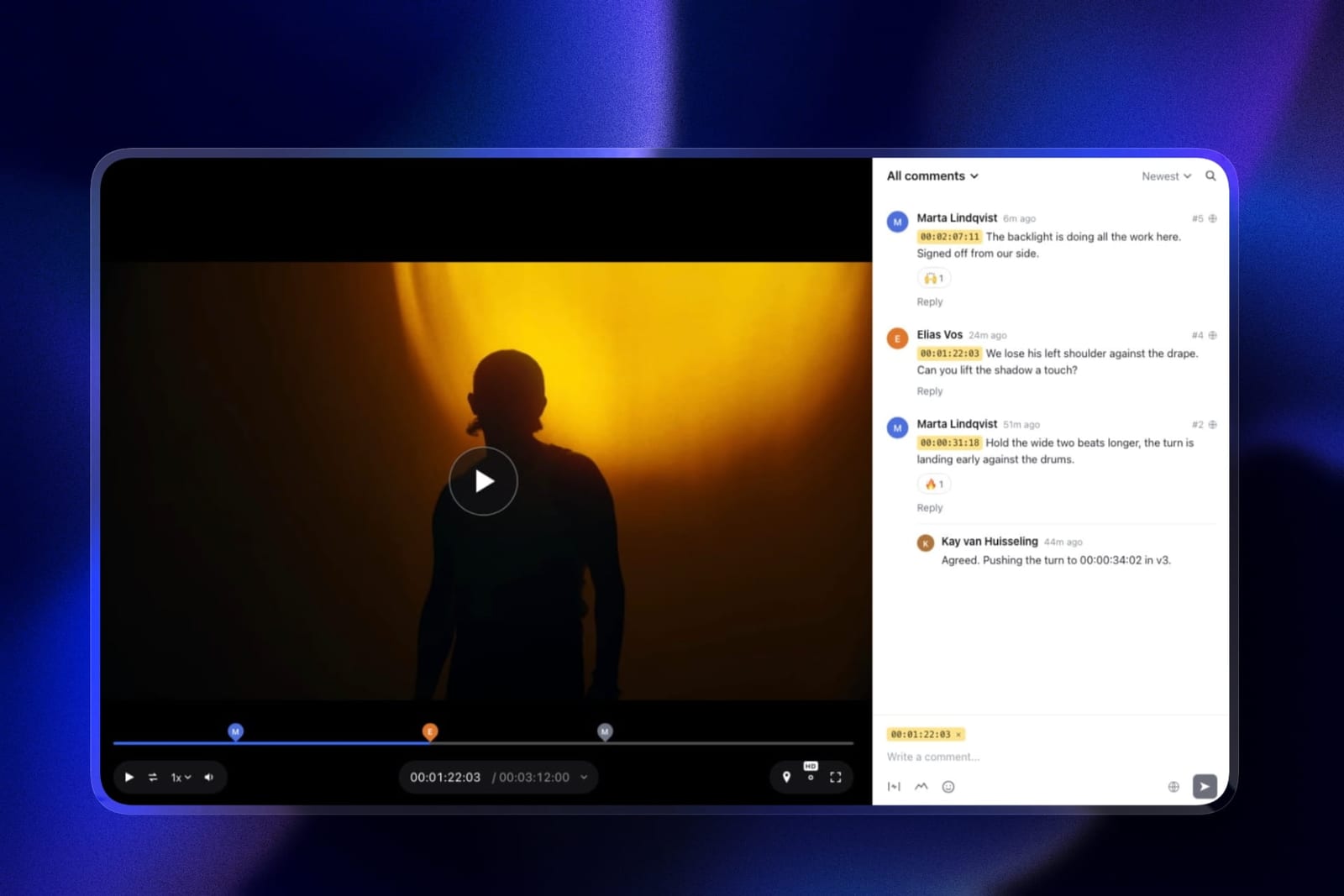
Each upload onto a version stack becomes v2, v3 and so on, and each version keeps its own timestamped comments and drawings, so a note on 01:12 of version two stays on version two rather than floating onto a cut where that moment has moved.
Each version also carries its own approval status, from needs review through in progress to approved or needs changes, set by you or, if you allow it, by the client, so the record shows which cut was signed off and not only which was uploaded last.
The real number0 dollars for version stacks, frame-accurate comments, drawing, approvals, passwords and expiry, all on the free plan with a 500MB per-file cap and 3GB of video inside a 10GB pooled allowance.
Five versions of a 1.2GB cut need Pro, at 19 dollars a month, with a 2GB per-file cap and 150GB of video in a 300GB pool.
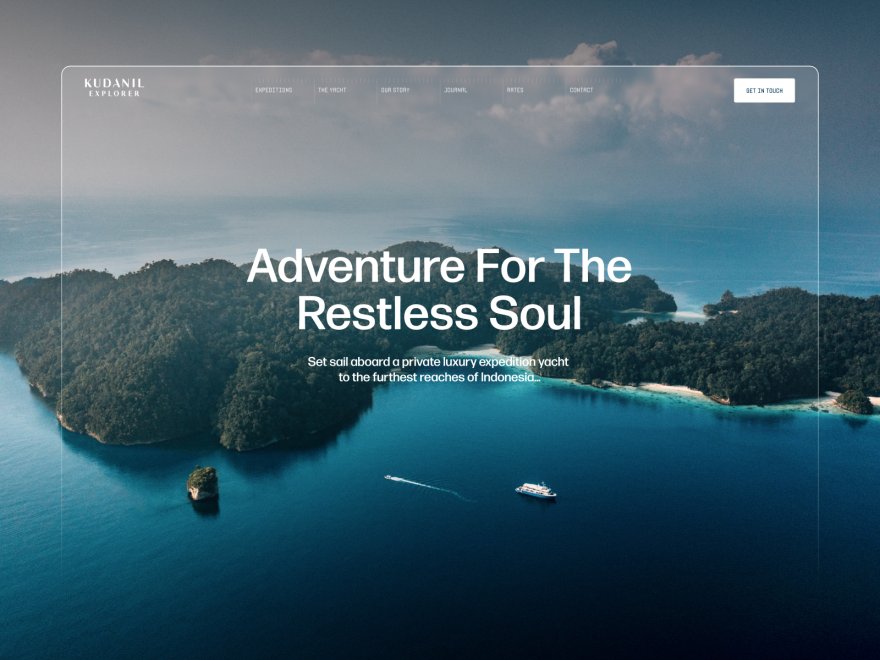
The standout detailreviewers never create an account, and the page carries your logo, fonts and colours, so a client stepping between v3 and v4 is on your branded page rather than a vendor dashboard.
The honest gotchathere is no comparison view at any tier, so answering whether v4 beats v3 means watching both in turn. There is no way to hide earlier versions from a client and no way to carry an unresolved note forward, not even the manual copy and paste Frame.io offers.
Skip it ifyour projects regularly pass four or five versions, or you revise animation shot by shot. Frame.io, SyncSketch or ReviewStudio's free compare mode serves that better than we do.
Verdict: the best free home for a short revision cycle, where correct per-version notes and a clear approval status matter more than a comparison viewer. Fifth, because long cycles need tooling we do not have.
6. Ziflow: Versioning With Comment Labels
Ziflow handles long revision cycles by letting you sort the pile rather than shrink it: Standard is 199 dollars a month with 15 users, with Pro at 329 adding custom comment labels and resolved-comment filtering across versions.
Verdict: resolved-comment filtering is a genuine help across many versions, letting you see only what is still open. Priced for a department rather than an edit suite.
7. Krock.io: Comparison at a Creator Price
Pro is 10 dollars per user per month with unlimited team size, from 2TB and unlimited reviewers on every plan, with compare and 4K playback.
Verdict: version comparison plus real storage at close to the cheapest per-seat price here. No mechanism for carrying notes forward.
8. Approval Studio: Compare Modes and Tasks
Lite is 60 dollars a month for 5 users with compare modes and zoom, and Pro at 160 adds task assignment alongside print inspection tooling.
Verdict: strong comparison inherited from print proofing, where version differences are examined more forensically than in video. Task assignment partly addresses unresolved notes.
9. PageProof: Unlimited Versions, Audit-Led
Team is 249 dollars a month with unlimited reviewers, unlimited proofs and unlimited versions of any file type, with a basic audit on published tiers and a full compliance export on Enterprise.
Verdict: the version history here is an evidence trail rather than a creative tool, which is the right emphasis if approvals get disputed and the wrong one if you want to compare two cuts.
10. Dropbox Replay: Versions on Storage
Replay handles versions and comparison alongside frame-accurate comments, drawing and live shared-cursor sessions, sold as an add-on from 10 dollars a month on top of a Dropbox plan rather than as a product in its own right.
The gotchathe entitlement bundled into paid Dropbox plans is four file uploads in total, and five versions of one cut exceeds it.
Verdict: competent versioning that the bundled cap makes impractical without the add-on.
11. Filestage: Comparison Behind a High Floor
Filestage puts version comparison behind the highest floor in this comparison: Starter at 199 dollars a month includes it, with an advanced compare mode arriving on Business at 329, alongside reviewer groups and due dates.
Verdict: the same capability that SyncSketch offers at 9 dollars per user, priced twenty times higher because it arrives inside a workflow platform.
12. Vimeo: Versions Without Depth
Vimeo treats versions as a storage convenience rather than a review feature: Starter is about 8 euros a month billed annually with 2TB, with review and collaboration tools included and no deepening of that capability at any higher tier.
Verdict: version handling exists and does not deepen at any tier, which matches the rest of Vimeo's review layer. Fine for a couple of rounds, thin for a long revision cycle.
The Comment That Points at the Wrong Frame
In one linea comment that migrates from version three to version four keeps its timecode and loses its meaning, which is why the correct behaviour is to leave it where it was made.
Our test made this concrete. We trimmed eight seconds from the opening between versions two and three, which pushed every subsequent moment eight seconds earlier.
A note on version two reading "the music swells too early at 01:12" now describes a moment that, in version three, sits at 01:04. The comment is still true about the old cut and false about the new one.
Platforms that keep comments pinned to their own version handle this correctly and silently.
The failure mode to watch for is any tool that presents old comments against a new upload as though they were current, because that quietly produces a history where your client appears to have objected to things they never saw.
This is also why "carry unresolved notes forward" is genuinely hard rather than merely unimplemented. Moving the comment is easy; moving it to the right new timecode requires knowing what you edited, which no platform can infer.
Frame.io's copy and paste and Wipster's task list are both honest workarounds rather than solutions, and no tool in this comparison claims otherwise.
The test you can runupload a version with a trim near the start, then look at whether last round's comments still appear against the new cut. If they do, your revision history is describing frames that no longer exist.
What Long Revision Cycles Actually Need
In one linetwo or three rounds need version stacks and nothing else, while ten rounds need comparison and resolved-comment filtering, and the tool that suits one is often wrong for the other.
Short cycles, meaning brand films, social cuts and most client video, need correct version behaviour and very little else. You remember what changed between two cuts, comparison is a convenience, and almost every tool here including ours is adequate.
Long cycles, meaning documentary, animation and anything with a broadcaster attached, change the requirements completely. At ten versions you cannot remember what changed, so a comparison viewer stops being a convenience.
You accumulate dozens of resolved and unresolved notes, so filtering by resolution state becomes the difference between a usable list and an archive.
And you may need to show a client only the current cut, because presenting nine previous attempts invites a conversation about your process.
Frame.io is the only tool that covers all three, which is why it ranks first despite costing more than several alternatives with better individual features.
The test you can runcount the versions on your last three finished projects. If the average is under four, buy on price. If it is over eight, buy comparison and filtering, and treat everything else as secondary.
Which Versioning Setup Fits You? A Decision Tree
Work through these in order and stop at the first yes. Revision volume decides this more than any single feature does, so answer the first question honestly before comparing anything else on the page.
- Do your projects run past about eight versions? Frame.io, for version stacks plus comparison plus the ability to hide earlier cuts.
- Do you need to show a client only the current version? Frame.io Pro, the only tool here that does it.
- Is your work shot-based rather than timeline-based? SyncSketch Indie at 9 dollars per user for A/B comparison and per-item status.
- Do you forget which notes you have actioned? Wipster, whose comment-to-task list is the most practical answer here to unresolved notes.
- Do you want comparison at no cost? ReviewStudio's free tier, the only free plan here with a real compare mode.
- Do you have many versions and need to filter what is still open? Ziflow Pro, for resolved-comment filtering.
- Do two or three rounds cover your work? Framekit free, for correct per-version notes, per-version approvals and a branded page, or ReviewStudio free if you want a compare mode too.
- Might a version approval be disputed? PageProof, where the history is an evidence trail. Our client approval software guide covers that in depth.
Frequently Asked Questions
What is the best video versioning tool in 2026?
Frame.io is the best video versioning tool in 2026, because it is the only one addressing all three parts of the problem: version stacks that keep feedback attached to its own cut, a comparison viewer for setting two versions against each other, and copying comments between assets to carry unresolved notes forward.
It also uniquely lets you hide previous versions from a client on Pro.
What happens to comments when I upload a new version?
It depends on the tool and this is the most important behaviour to check. Correct handling keeps each comment attached to the version it was made on, so a note about 01:12 of version two stays there.
The dangerous behaviour is presenting old comments against a new upload, because any edit that shifts timing makes those notes describe frames that no longer exist.
Can I compare two versions of a cut side by side?
Yes on eight of the twelve tools here.
SyncSketch offers side-by-side and A/B comparison from 9 dollars per user, Frame.io has a comparison viewer on every tier including free, Wipster offers side-by-side comparison at 9.95 dollars a month, and ReviewStudio includes compare mode on its free tier.
Framekit does not offer a comparison view at any tier.
Can I hide previous versions from my client?
Only on Frame.io, at Pro from 15 dollars per member per month.
It is the single feature in this comparison that no competitor matches, and its value is commercial rather than technical: a client who can see that eight earlier versions exist will ask what changed in each, which turns a review of the current cut into a discussion of your process.
How do I carry an unresolved note into the next version?
No tool does it automatically, and this remains the category's clearest unsolved problem. Moving a comment is easy; moving it to the correct new timecode requires knowing what you edited, which no platform can infer.
Frame.io lets you copy and paste comments between assets on every tier, and Wipster turns comments into a task list that persists across versions, which are both honest workarounds.
Does Framekit support versions?
Yes, on every plan including Free. Framekit stacks versions of a cut, keeps each version's timestamped comments and drawings on that version, and tracks an approval status per version.
There is no comparison view at any tier, no way to hide earlier versions from a client and no way to carry unresolved notes forward, which is why it ranks fifth of twelve here.
How many versions does a typical project need?
Brand films, social cuts and most client video run two to four versions, where correct version stacking is enough and comparison is a convenience.
Documentary, animation and broadcast work regularly pass ten, where a comparison viewer and resolved-comment filtering stop being optional.
Count the versions on your last three projects before choosing, because the two cases want different tools.
What is the cheapest tool with version comparison?
SyncSketch Indie at 9 dollars per user per month billed yearly, which includes side-by-side and A/B comparison with up to 15 users and 50GB. Wipster Light at 9.95 dollars a month is next for a single person.
If free is a requirement, ReviewStudio's 5GB tier includes compare mode with unlimited users, which no other free plan here offers.
Do version stacks use more storage?
Yes, and it is the most common reason people delete history they later want. Five versions of a 1.2GB cut is 6GB, which fills small tiers quickly, and deleting old versions to reclaim space usually removes their comments too.
Storage-generous options such as Krock.io and Frame.io at 2TB or Kollaborate's flat ladder avoid forcing that choice.
Should I keep every version?
Keep every version a client saw, and feel free to discard internal iterations. The versions that matter are the ones with feedback or an approval attached, because those are the record of what was asked for and agreed.
Internal cuts nobody commented on carry no evidentiary value and are the right thing to clear when storage runs short.
What does resolved-comment filtering do?
It hides notes you have already actioned so you see only what is still open, which becomes essential somewhere around the fifth version when a thread has accumulated dozens of entries.
Ziflow offers it with custom comment labels on Pro at 329 dollars a month, and Wipster's comment-to-task model achieves the same outcome differently at 9.95 dollars a month.
Is versioning different for animation?
Yes, because the unit is the shot rather than the timeline. An animation project has dozens of shots each carrying their own version history through blocking, spline and polish, so per-item status matters more than a single stack.
SyncSketch's status management and A/B compare are built for that, while timeline-first tools model one asset with successive versions.
Final Verdict
Frame.io is the best video versioning and revision tool in 2026 because it is the only one that treats revision history as a problem in its own right: version stacks that keep feedback where it was made, a comparison viewer available even on the free tier, copy and paste of comments between assets, and the ability to present a client only the current cut.
SyncSketch is the better choice for shot-based work at 9 dollars per user, and Wipster's comment-to-task list is the most practical answer here to the unresolved-note problem despite solving it sideways.
Where Framekit loses. Framekit is not built for long revision cycles.
It stacks versions correctly and tracks approval per version, but it does not compare two cuts, hide earlier ones from a client or carry unresolved notes forward.
On a paid plan, Starter at 108 dollars a year costs the same as SyncSketch Indie, which has A/B comparison, so past about four versions Frame.io, SyncSketch or Wipster is the better fit, and we rank fifth for that reason.
The one check worth running regardless of tool: upload a version with a trim near the start, then see whether last round's comments still appear against the new cut. If they do, your history is pointing at frames that no longer exist.
Related readingthe 12 best video review tools, the best Frame.io alternatives, client approval software compared, and video review tools for documentary filmmakers.
Prices were read at each vendor's published pricing page in August 2026 and every platform was tested with the same five-version sequence including a deliberate eight-second trim, since version behaviour only reveals itself once an edit shifts the timecodes underneath existing comments.