Framekit templates
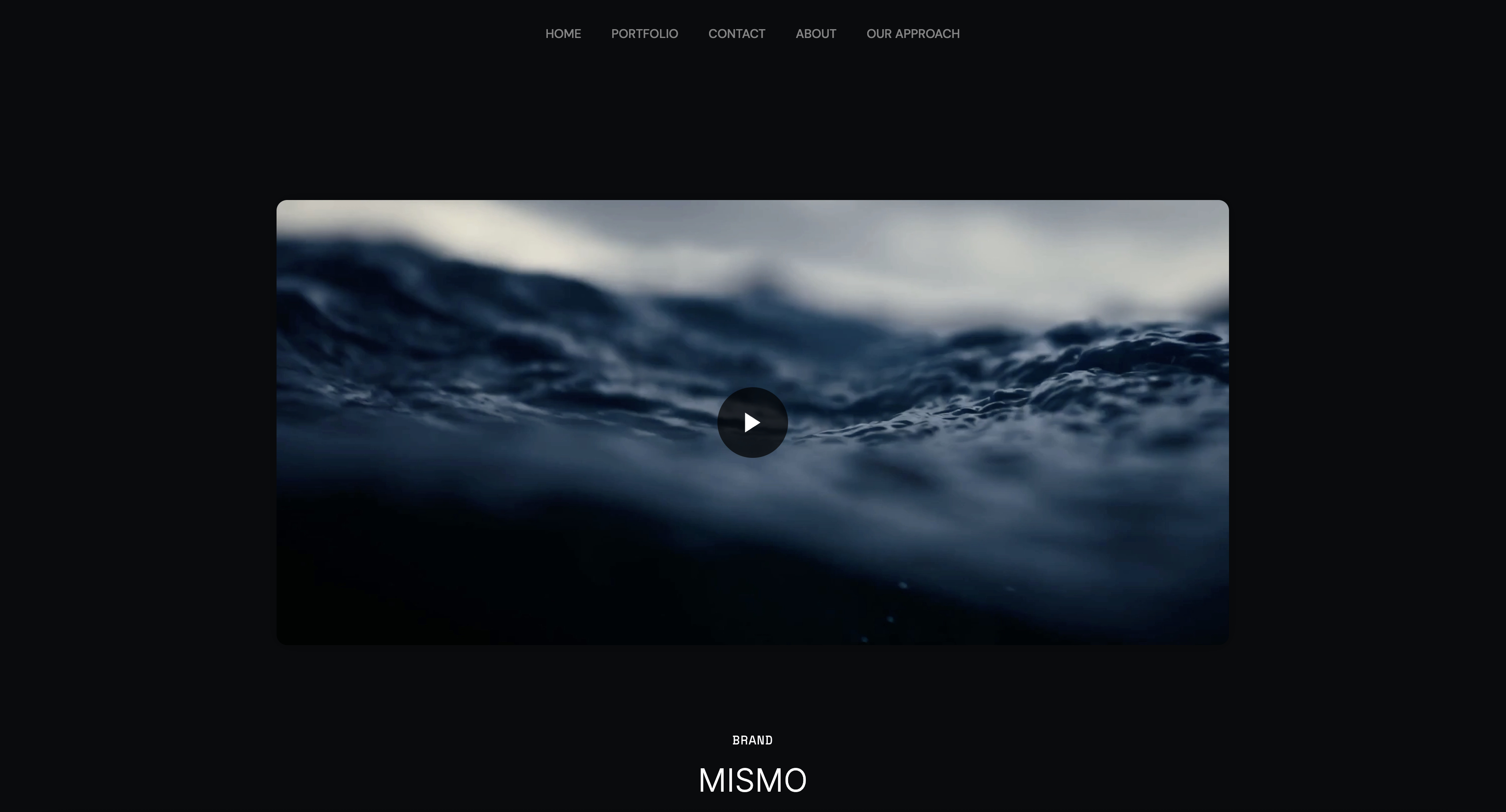
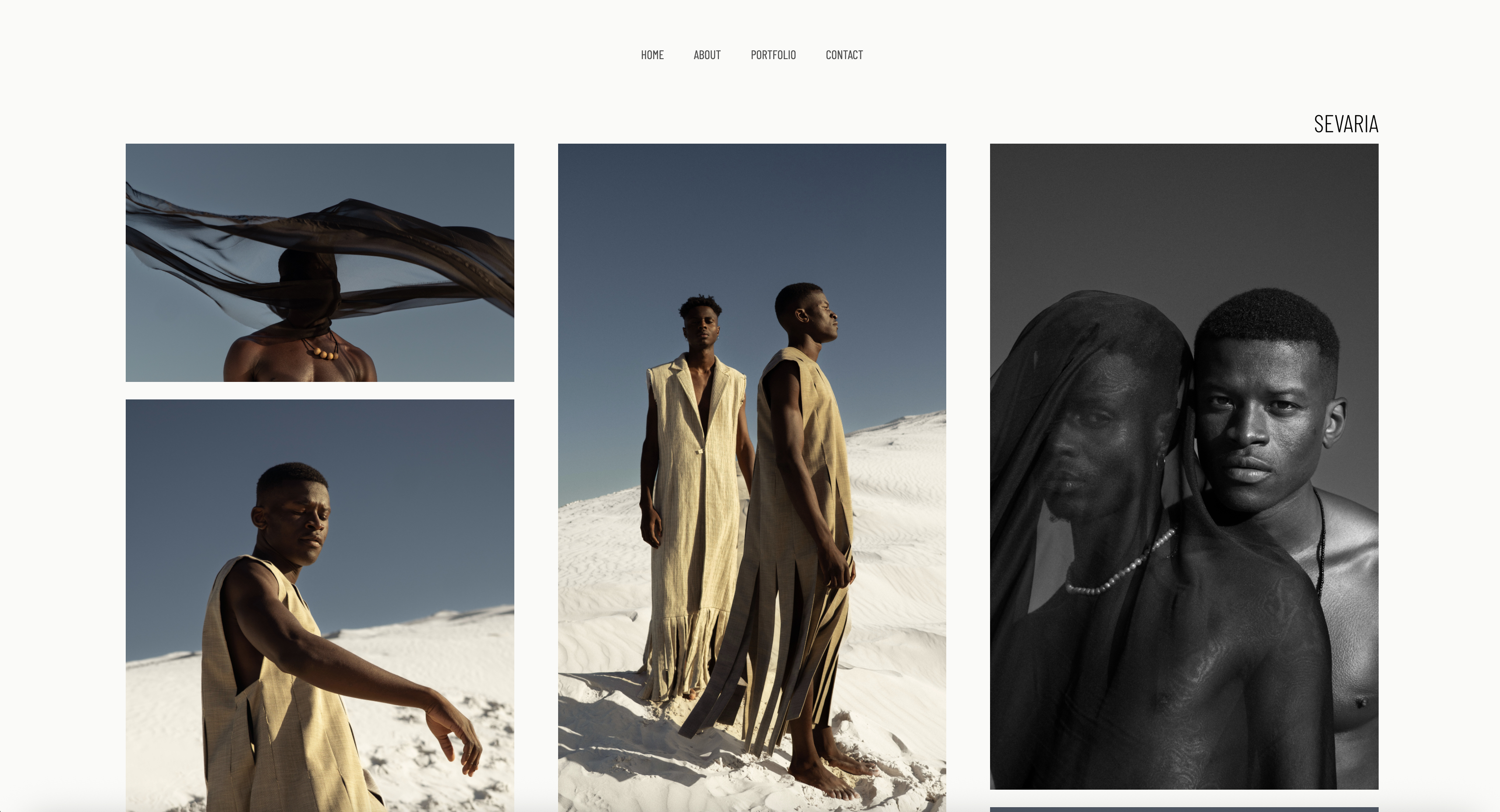
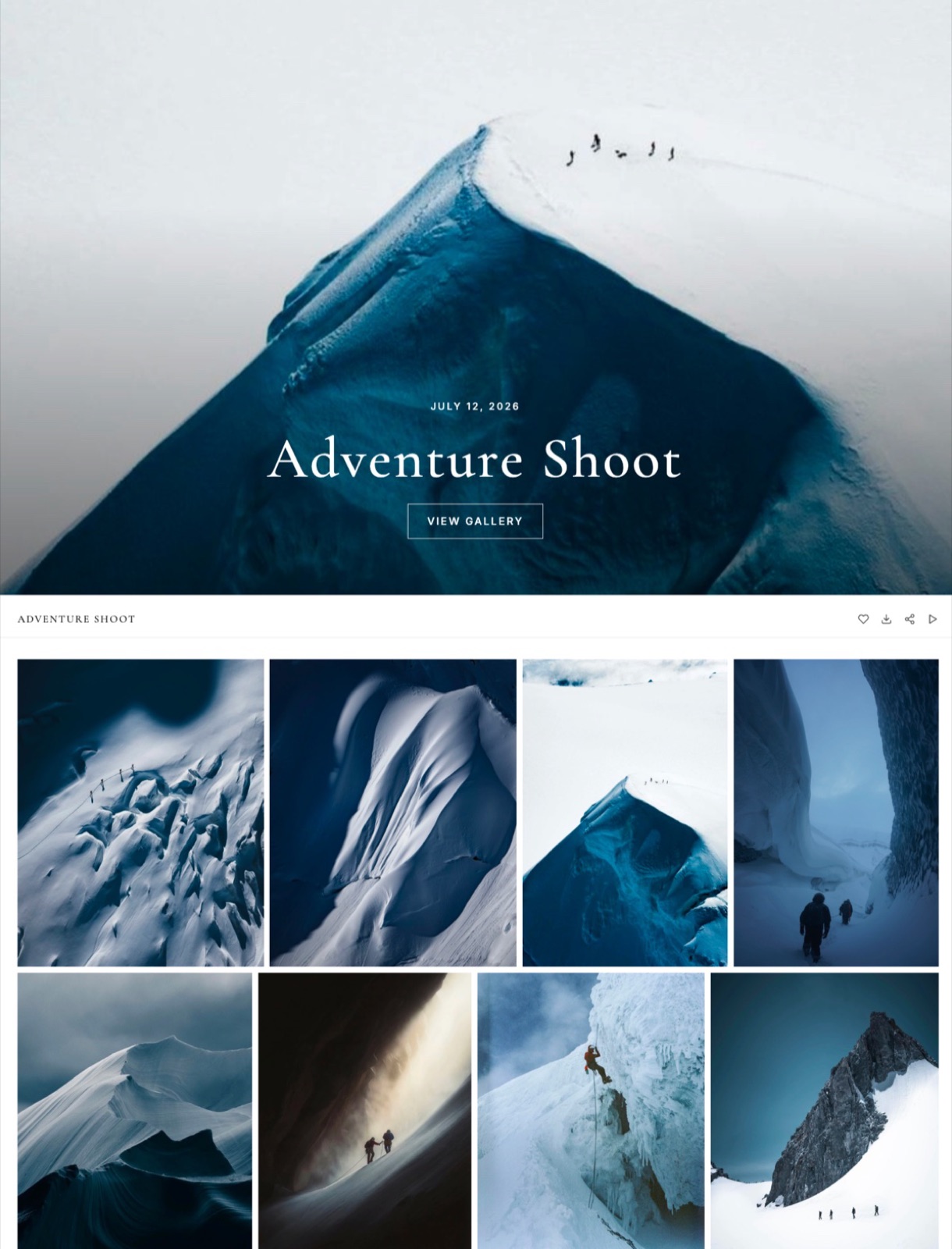
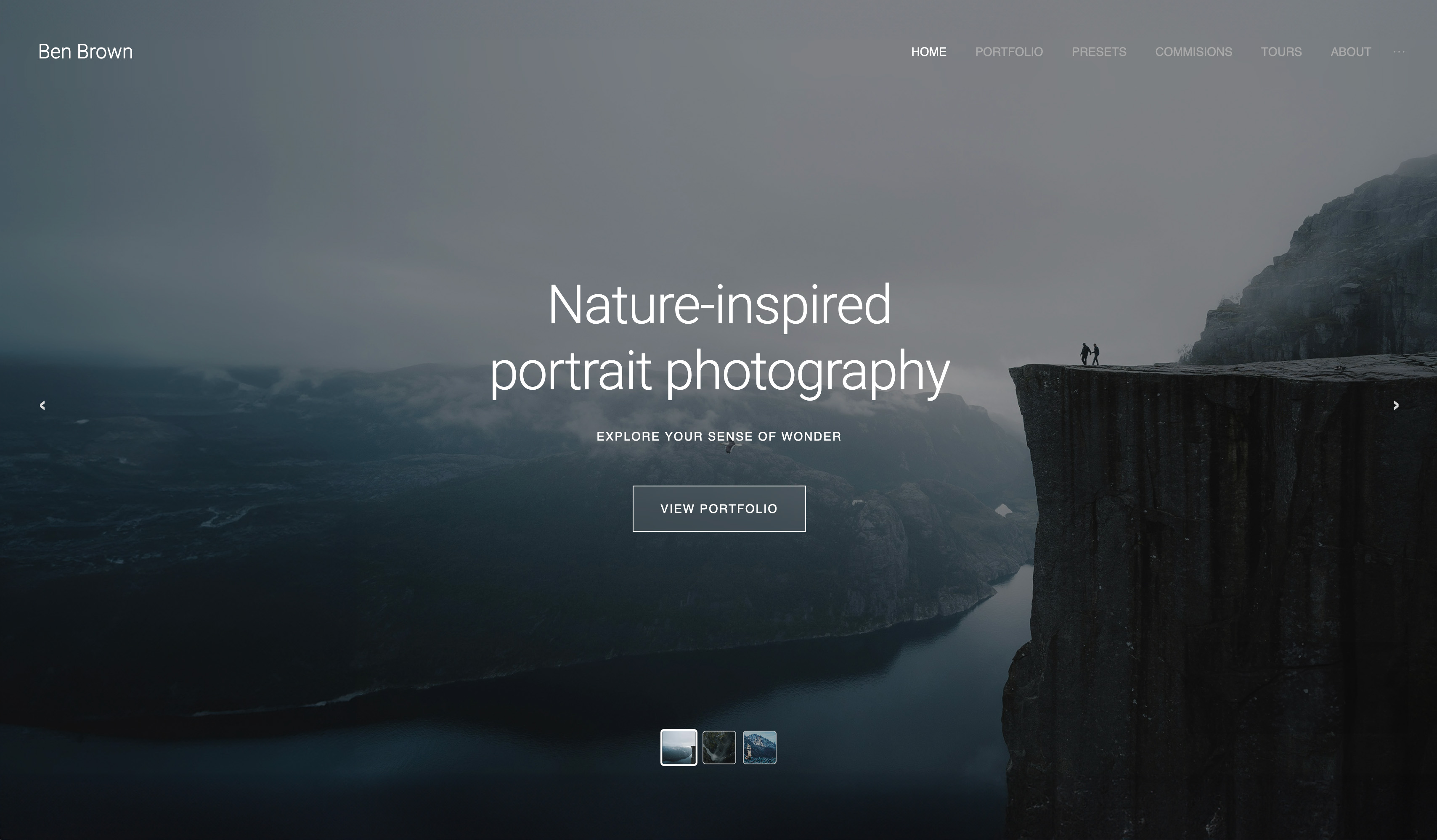
Start from a designer-made template
 Use template
 Use template
 Use template
 Use template
 Use template
 Use template
 Use template
 Use template
There is a single number that decides Pixieset vs SmugMug for almost every photographer, and it is not a feature. It is one terabyte.
Below 1TB of stored photographs, Pixieset is cheaper at every equivalent tier. Above 1TB, SmugMug is cheaper by $144 a year for a plan that can also sell prints. Everything else in this comparison is preference; that crossover is arithmetic.
A client gallery platform is a hosted service for delivering, protecting and selling photographs to the people who commissioned them, and these two products sit at opposite ends of that definition: Pixieset is built around delivering a job and selling from it, while SmugMug is built around keeping everything you have ever shot and showing it.
Choose Pixieset if your archive is under 1TB and your work is job-by-job client delivery, because its selling-enabled plan starts at $8 a month against SmugMug's $28.
Choose SmugMug if you keep everything, need unlimited storage, or want one place that is simultaneously an archive, a public site and a store.
The trap on both is the entry tier: Pixieset's free plan takes a 15% commission on sales, and SmugMug's cheapest plan cannot sell at all.
Framekit is the pick if the portfolio itself is what wins the work and prints are not part of your income, because the galleries, watermarking and PIN-protected downloads come with the site on every plan including Free, though it runs no print lab at any price.
We build Framekit, which competes with both on the website side and not at all on print fulfilment.
Every price below was read from each company's own pricing page in August 2026, we re-verified Framekit's own plans and gallery features in September 2026, and there is a section that says where we are the wrong choice.
The Price Ladders, Side by Side
Both companies price on annual billing with a monthly option that costs more, and the figures below are the annual ones, read from Pixieset's pricing page and SmugMug's plans page in August 2026.
| Pixieset | Price | Storage | Selling |
|---|---|---|---|
| Free | $0 | 3GB | 15% commission |
| Basic | $8 a month | 10GB | Commission-free |
| Plus | $16 a month | 100GB | Commission-free |
| Pro | $24 a month | 1TB | Commission-free |
| Ultimate | $40 a month | Unlimited | Commission-free |
| SmugMug | Price | Storage | Selling |
|---|---|---|---|
| Direct | $23.83 a month | Unlimited | No selling |
| Portfolio | $28 a month | Unlimited | Prints and digital downloads |
| Pro | $44 a month | Unlimited | Multiple pricelists, coupons, packages |
| Enterprise | Quoted | Unlimited | Quoted |
Put those two ladders next to each other and the shape of the decision appears immediately.
If you need 10GB and want to sellPixieset Basic at $8 against SmugMug Portfolio at $28. Pixieset saves you $240 a year.
If you need 100GB and want to sellPixieset Plus at $16 against SmugMug Portfolio at $28. Pixieset saves you $144 a year.
If you need 1TB and want to sellPixieset Pro at $24 against SmugMug Portfolio at $28. Pixieset still wins, by $48 a year.
If you need more than 1TBPixieset Ultimate at $40 against SmugMug Portfolio at $28. SmugMug now wins by $144 a year, and the gap never closes because SmugMug's storage does not run out.
In one linePixieset is cheaper right up to 1TB and more expensive forever after it.
What Each One Is Really For
The price ladders are a symptom rather than the disease. These two products are built around genuinely different assumptions about what a photographer does all day, and every feature complaint about either one traces back to that.
Pixieset assumes a job. You shoot a wedding, you deliver a collection, the client favourites images, orders prints, downloads files, and eventually the gallery expires.
Storage is a working set rather than an archive, which is why tiered gigabytes make sense as a pricing model and why its cheapest paid plan is $8.
SmugMug assumes a body of work. You have shot for fifteen years, you keep everything, some of it is public, some is client-only, and a print sale might come from a photograph you made in 2011.
Unlimited storage on every tier is not a generosity, it is the product.
That difference explains almost every feature gap people complain about in both directions. Pixieset users find SmugMug's galleries less polished for client delivery. SmugMug users find Pixieset's storage limits absurd for an archive.
Both are correct about a product that was not built for them.
In one lineOne product organises jobs, the other organises a career.
The Two Entry-Tier Traps
Each platform has a cheapest plan that looks like the obvious answer and is not, and the interesting part is that they fail in exactly opposite ways, so knowing one trap does not protect you from the other.
Pixieset Free takes 15%. The free plan gives you 3GB, unlimited galleries and a working store, and charges a 15% commission on every sale.
On $2,000 of print sales that is $300, against $96 for a year of the Basic plan that removes the commission entirely. Anybody selling more than about $640 a year through galleries is losing money by staying free.
SmugMug Direct cannot sell. At $23.83 a month it is the most expensive entry price in this comparison, and print and digital download sales are not included: those begin at Portfolio for $28.
If you chose Direct to save $50 a year and then wanted to sell a print, you are upgrading anyway.
In one linePixieset's cheap plan costs you a percentage, SmugMug's cheap plan costs you the store.
Where Pixieset Is Better
Client delivery experience. The gallery a client receives is cleaner, faster to navigate and better on a phone. For work where the deliverable is an experience handed to one family, this is the whole product and Pixieset wins it.
Price at normal photographer volumes. Most working photographers who prune their archive sit under 1TB, and at every point below that line Pixieset costs less.
Mobile gallery apps on the free tier. Up to three, without paying, and clients use them far more than photographers expect.
Email campaigns included. 100 a month on Basic, 500 on Plus, 10,000 on Ultimate. That is a marketing tool most competitors sell separately.
The trade-offit is a delivery and sales product with a website attached rather than a website with galleries. If the public site matters as much as the client experience, that ordering will frustrate you.
Where SmugMug Is Better
Unlimited storage on every plan, including the cheapest. This is the reason long-career photographers stay for a decade. No pruning, no tier anxiety, no deciding whether a 2014 job is worth keeping.
The archive as a revenue source. A print request for an old photograph is only possible if the photograph is still there. Platforms that make you delete to save money are quietly closing that door.
Customisable public websites. SmugMug's site templates are more configurable than Pixieset's, and for photographers whose portfolio and archive live in the same place, that matters.
Full-service order fulfilment with set profit margins. You choose the products and the margins, and SmugMug handles printing and customer service on the order.
The trade-offthe client-delivery experience is not as sharp, and the interface carries fifteen years of accumulated options.

The Question Neither Marketing Page Answers
Neither marketing page tells you what happens to your photographs on the day you stop paying, and for a platform holding years of a career that is the single most important question you can ask before uploading anything.
This matters more on SmugMug precisely because of the unlimited storage: a photographer with 4TB on SmugMug has an archive that exists nowhere else in a browsable form, and moving it is a project measured in days of upload time rather than an afternoon.
Three things to establish before you commit either way:
The grace period. How long after a failed payment the galleries stay live and the files stay recoverable.
The export path. Whether there is a bulk download of originals with folder structure intact, and how long that takes at your archive size.
Your own backup. Neither platform is a backup, whatever the storage number says. A gallery platform is a delivery system that happens to hold files, and the 3-2-1 rule still applies.
Our photo backup comparison covers the actual backup layer.
In one lineUnlimited storage is a convenience, not a backup, and the exit cost scales with how much you believed otherwise.
Where Framekit Fits, and Where It Does Not
Framekit is an AI website builder that generates a photography site with client galleries included on every plan, and it belongs in this conversation for a specific and limited case.
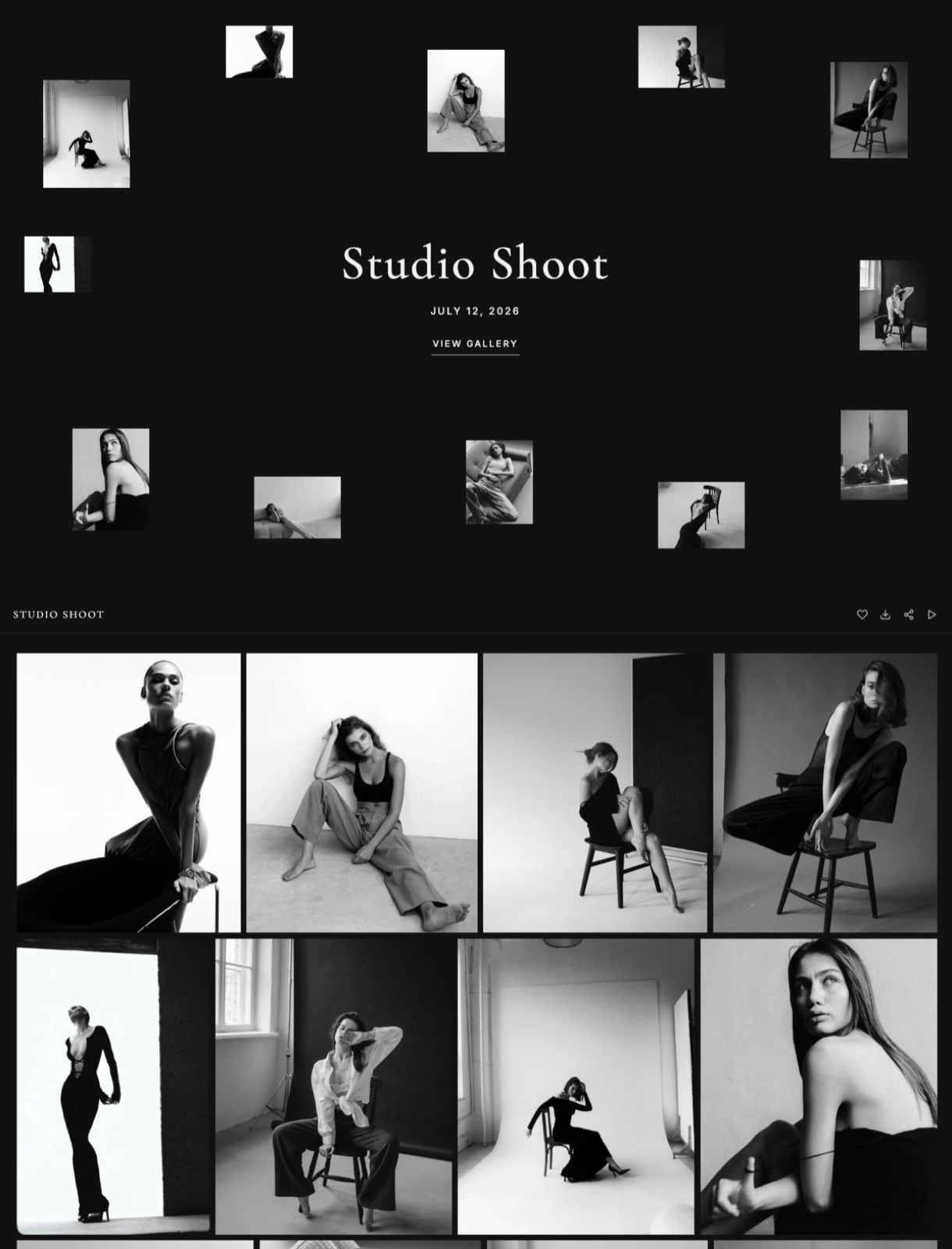
What we do that both of these dogalleries on every plan including Free, unlimited galleries on every tier, watermarking, password protection, favourites, downloads and email sharing on every plan including the free one, with one pooled storage allowance covering the site and the galleries: 10GB on Free, 50GB on Starter at $9, 300GB on Pro at $19 and 2TB on Business at $39.
What we do that neither of them does as wellgenerate the site itself. If the portfolio is the thing winning you work and you want it to look like yours rather than like a template, that is the problem we solve.
Where we lose to both, plainlywe have no print lab and no print fulfilment. If print sales are part of your income, both Pixieset and SmugMug will handle printing, shipping and customer service on an order, and we will not.
SmugMug also beats us and Pixieset on unlimited archive storage, which we do not offer at any tier below Enterprise.
A photographer whose business is print revenue from a deep archive should be on SmugMug, and we would rather say that than pretend otherwise.
Our Framekit and Pixieset head-to-head covers the gallery-by-gallery comparison in more detail.
Which Should You Choose
The decision comes down to archive size and whether prints are part of your income, so answer these in order and stop at the first yes rather than comparing two long feature lists.
- Is your total archive over 1TB and growing? SmugMug Portfolio at $28 a month. Pixieset's unlimited tier costs $40 and the gap only widens.
- Do you sell prints as a meaningful income line? Either works, and choose on storage, because both handle fulfilment and Framekit does not.
- Is your work job-by-job delivery under 1TB? Pixieset, starting at Basic for $8 a month rather than the free plan, because the 15% commission costs more than the plan does at any real sales volume.
- Do you need the archive and the public portfolio in one place? SmugMug.
- Is the portfolio itself what wins you work, and prints are irrelevant? Framekit, which generates the site rather than theming it and keeps the client galleries in the same account, and which is the one condition in this list where neither Pixieset nor SmugMug is the better answer.
- Are you delivering only, never selling? Pixieset Basic at $8 is the cheapest credible option in this comparison.
Frequently Asked Questions
Is Pixieset or SmugMug cheaper?
Pixieset is cheaper at every tier up to 1TB of storage, and SmugMug is cheaper above it.
Pixieset's selling-enabled plans run $8, $16, $24 and $40 a month for 10GB, 100GB, 1TB and unlimited storage respectively, while SmugMug charges $23.83 for storage only and $28 for unlimited storage with selling, all billed annually.
Does Pixieset take a commission on sales?
Pixieset charges a 15% commission on store sales on its free plan only. Every paid plan, starting at $8 a month billed annually, is commission-free.
That makes the free plan a false economy for anyone selling more than roughly $640 a year, since the commission on that amount already exceeds the $96 annual cost of the Basic plan.
Can you sell prints on SmugMug's cheapest plan?
No. SmugMug's Direct plan at $23.83 a month billed annually includes unlimited storage, privacy controls and digital delivery but not print or digital download sales, which begin on the Portfolio plan at $28 a month.
The Pro plan at $44 adds multiple pricelists, coupons and packages, and client favouriting with download limits.
Which is better for wedding photographers?
Pixieset is generally better for wedding photographers because the deliverable is a single polished client experience per job and most wedding archives stay under 1TB with a sensible retention policy.
SmugMug becomes the better choice once you are keeping every wedding you have ever shot in full resolution, at which point its unlimited storage costs less than Pixieset's unlimited tier.
Does SmugMug still offer unlimited storage in 2026?
Yes. Unlimited photo storage is included on every SmugMug plan including the cheapest, which is the platform's central selling point and the reason it retains photographers with large archives.
Pixieset offers unlimited storage only on its top Ultimate plan at $40 a month billed annually.
Pixieset vs SmugMug for a public portfolio website?
SmugMug's website templates are more customisable and it is designed for the archive and portfolio to live together, so it is the stronger of the two for a public site.
Neither is a general website builder, and photographers whose portfolio is the primary sales tool usually end up pairing a gallery platform with a dedicated site.
Our website builders for photographers guide covers that pairing.
How much storage do photographers actually need?
A working wedding photographer delivering 30 jobs a year at 600 edited JPEGs each uses roughly 100GB to 200GB annually for delivery files, which fits comfortably in Pixieset's $16 tier.
Keeping full-resolution originals of everything instead pushes you past 1TB within two or three years, which is precisely where SmugMug's pricing becomes the cheaper option.
Can I move my galleries from one to the other?
There is no one-click migration between the two, so moving means bulk downloading originals and re-uploading them, plus recreating gallery structure and re-sending links to any client whose gallery is still live.
At 1TB this is a multi-day exercise, which is the strongest practical argument for choosing carefully rather than switching later.
Do either of them handle print fulfilment?
Both do. SmugMug offers full-service order fulfilment where you set profit margins and select which print products to offer, and Pixieset provides automatic fulfilment through its integrated storefront on paid plans.
This is the main capability that both have and general website builders, including Framekit, do not. Our print fulfilment comparison covers the labs behind them.
Is a client gallery platform a backup?
No, and treating one as a backup is the most common expensive mistake in this category.
A gallery platform is a delivery and sales system that stores files as a side effect, and its retention rules, grace periods and deletion behaviour are designed for that purpose.
Keep an independent backup regardless of how much storage your plan includes.
Which has better mobile galleries?
Pixieset's mobile gallery apps are the stronger offering, and notably they are available on the free tier for up to three galleries, rising to unlimited on paid plans.
Clients open galleries on phones far more often than photographers assume, which makes this a more important differentiator than its position on either feature list suggests.
Should I use the free plan on either?
Pixieset's free plan is genuinely useful for testing and for a photographer who delivers but never sells, subject to 3GB of storage and a 15% commission on any sales.
SmugMug has no free plan, only a trial, so the honest comparison at the bottom of the market is Pixieset Free against nothing.
Final Verdict
These products get compared constantly and compete less than the comparison suggests. Pixieset is a client delivery and sales tool priced by how much you are storing right now.
SmugMug is an archive that sells prints, priced flat because the whole proposition is that you never think about storage again.
The crossover is 1TB, and it is worth knowing which side of it you are on before you commit an archive to either.
Where Framekit is not the answerwe do not print, we do not ship, and we do not handle customer service on a print order. If print revenue matters to your business, one of these two is the right choice and we are not.
Our galleries are strong on delivery, protection and sharing, and they stop where the lab begins.
Verdict: Pixieset under 1TB, SmugMug over it, the paid tier on either rather than the free one, and an independent backup regardless of what the storage column says.
Related reading: the best Pixieset alternatives, the best SmugMug alternatives, and Pic-Time vs Pixieset.
All prices here were read in August 2026 from the Pixieset and SmugMug pricing pages, using each company's annual-billing figures. Monthly billing costs more on both.