Framekit templates
Start from a designer-made template
 Use template
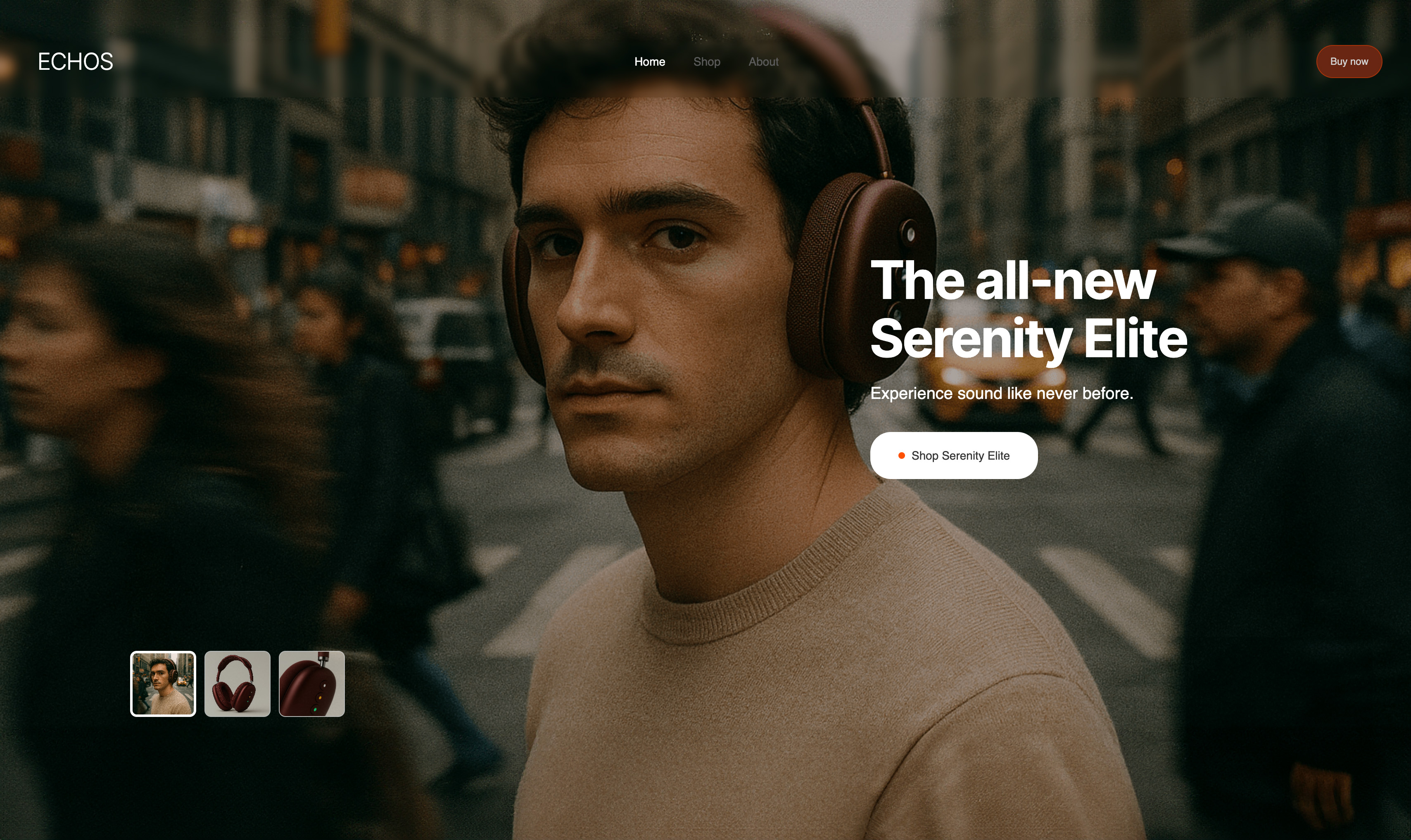 Use template
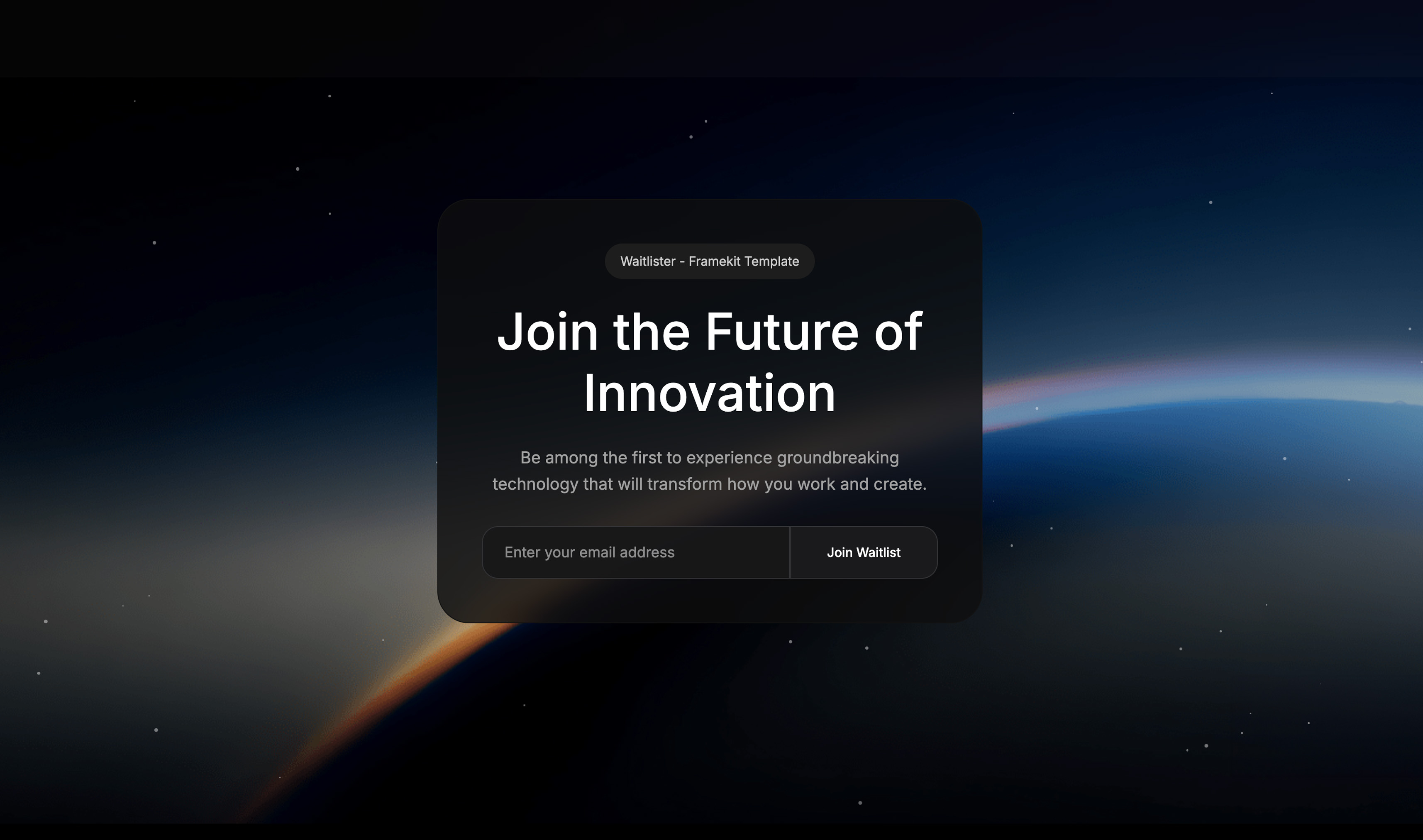 Use template
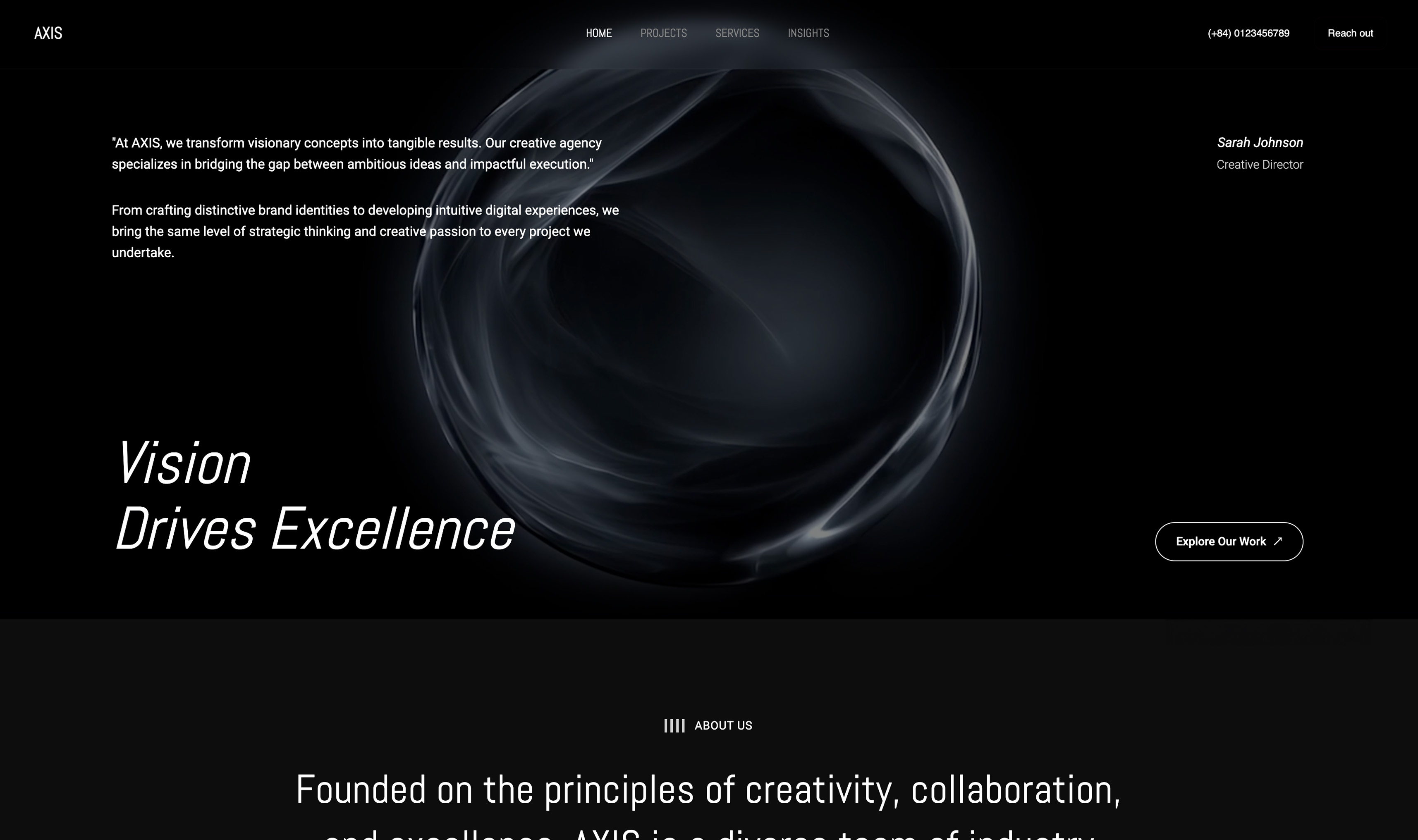 Use template
 Use template
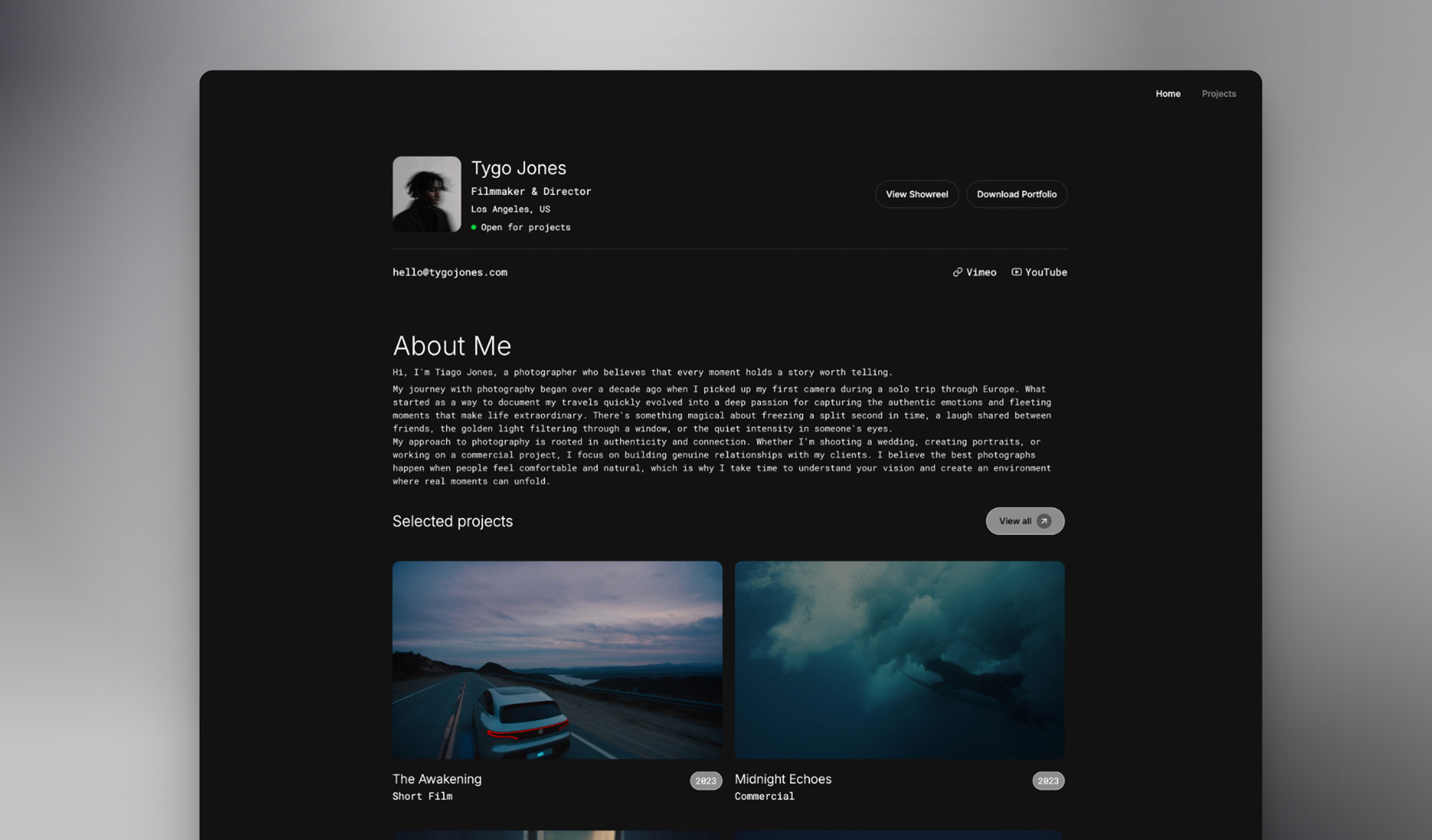 Use template
 Use template
 Use template
Halfway through a discovery call, a prospective client says the budget is "somewhere around eight, maybe nine if the retouching is included". Forty minutes later they mention a third shoot date.
Neither sentence gets written down, because the person on the other end of the call is doing the useful thing, which is listening.
Three weeks later a proposal goes out at the wrong number, and the project either loses margin or loses the client.
That is the job the best AI meeting notetakers in 2026 are actually for, and it is a different job from the one they are marketed for. The pitch is usually about saving time in meetings.
The value for a creative business is narrower and larger: catching the two or three sentences in a client call that decide whether a project is profitable, and having them in writing when someone remembers it differently.
So we ran the same call through six of them.
An AI meeting notetaker is a tool that records or listens to a call, transcribes it, and produces a structured summary with decisions and action items, and the meaningful differences between them are whether a bot visibly joins your meeting, how much they charge to keep the recordings, and how much of the detail survives into the summary.
Fathom is the best AI meeting notetaker in 2026 for most creatives because its free plan includes unlimited recordings, transcriptions, and AI summaries at $0 forever, though its best summaries and action items sit on Premium at $16 a user per month billed annually.
Granola is the better choice if you already take your own notes and do not want a bot joining client calls, Otter is the cheapest paid option at $8.33 a user per month annually, and Fireflies has the strongest free integrations.
Updated in September 2026: we re-verified Framekit's plans and sharpened the point about what a discovery call should not have to cover, because a Framekit site can answer scope, process and pricing before anyone dials in; notetaker prices are as read in August 2026.
How We Tested These AI Notetakers
We ran the same call through every tool rather than working from feature lists: a forty-eight-minute client discovery call between a brand photographer and a new client, containing a vaguely stated budget, a scope change midway through, three proposed shoot dates of which one was later withdrawn, two decision-makers with different priorities, one named competitor reference, and an agreed next step.
The audio was identical in every test, run in August 2026.
That call was chosen because it contains the four things creative-business notes usually miss. A budget expressed as a range with a condition attached. A scope change stated casually rather than announced.
Dates mentioned once and never repeated. And a disagreement between two people on the client side, which is the most commercially important thing in any discovery call and the thing every summary tool flattens.
Confidence labels appear throughout. Where we describe what a tool produced, missed, or caught, that came from our own test on this call.
A figure marked published is one we read on the vendor's own pricing page during August 2026 rather than one we tested.
Where something is documented, it comes from vendor help pages rather than a pricing table, which applies to Zoom's AI Companion inclusion here.
Two tools we paid for and used across a month of real calls: Granola Business and Otter Pro. Three we ran on free tiers, which for two of them is a complete product rather than a trial. One we evaluated on a trial only, and its entry says so.
Weighting, which you are welcome to argue with: summary accuracy on commercially important details 35 percent, whether a bot joins the call 20 percent, cost 20 percent, search and retrieval across past calls 15 percent, and integrations 10 percent.
Accuracy dominates because every tool here transcribes competently and they differ enormously in what they decide is worth putting in a summary.
In one linewe ran one forty-eight-minute client discovery call containing a vague budget, a scope change, and a client-side disagreement through six notetakers in August 2026, and scored them mainly on what their summaries chose to keep.
By the Numbers
Six tools, one call, one month of real use. These figures moved the ranking, and the first is the most surprising thing in this article.
- $0 forever buys unlimited recordings, transcriptions, and AI call summaries on Fathom's free plan, which is the most generous free tier we have seen in any category this year.
- 300 minutes a month is Otter's free transcription allowance, with a 30-minute ceiling per conversation, so our 48-minute call did not fit on it.
- 400 minutes of storage per team is Fireflies' free limit, against unlimited transcription credits, which is an unusual way round.
- $8.33 per user per month billed annually is Otter Pro, the cheapest paid plan here, against $30 per user per month for Otter Business billed monthly.
- 4 of 6 send a visible bot into your meeting by default, which every client on the other end can see.
- 1 of 6 captures nothing but your own microphone and the meeting audio locally with no bot at all: Granola.
- 2 of 6 produced summaries that correctly flagged the client-side disagreement rather than averaging it into one position.
- $25 per user per month billed annually is Circleback Team, the most expensive plan in this comparison.
The Full Comparison Table
Every price below was read on the vendor's own pricing page in August 2026, except Zoom's per-user pricing, which did not render to our checks and is therefore omitted rather than guessed. Free tiers are described by what they actually allow rather than by their marketing name.
| Tool | Best for | Free tier | Entry paid price | Bot joins call |
|---|---|---|---|---|
| Fathom | Almost everyone | Unlimited recordings and summaries | $16/user/mo yearly Premium | Optional |
| Granola | Client calls without a bot | Limited meeting history | $14/user/mo Business | No |
| Fireflies | Free storage and integrations | Unlimited credits, 400 mins storage | $10/seat/mo yearly Pro | Yes |
| Otter | Cheapest paid transcription | 300 mins/mo, 30 mins per call | $8.33/user/mo yearly Pro | Yes |
| Circleback | Action items that are correct | Trial only | $20.83/user/mo yearly | Yes |
| Zoom AI Companion | Teams already paying Zoom | Limited in-meeting use on Basic | Included on paid plans | Built in |
The last column deserves more attention than it usually gets. A bot named "Fathom Notetaker" appearing in a first call with a client is a decision you are making about how that relationship starts, and only one tool here lets you avoid it entirely.
1. Fathom: Free, Unlimited, and Genuinely Good
Fathom won because its free plan is not a free plan in the usual sense. Fathom offers unlimited recordings and transcriptions, instant AI call summaries, clips, playlists, and search across calls, at $0 forever, with a choice between bot-free and bot capture.
We ran a month of client calls through it without paying and without hitting a wall.
The real numbers above free: Premium is $20 per user per month or $16 billed annually, a 25 percent saving, adding advanced call summaries, AI-generated action items, a conversational meeting assistant, and a custom meeting bot.
Team plans start at 2 users, with Team at $19 per user monthly or $15 annually, Business at $34 monthly or $25 annually adding CRM sync and coaching metrics, and Enterprise quoted.
The gap between free and Premium is narrower than the pricing implies, and it is worth being precise. Free gives you the recording, the transcript, and a summary. Premium gives you a better summary and extracted action items.
On our discovery call the free summary captured the budget range and missed the withdrawn shoot date; the Premium summary caught both.
The standout detail nobody writes about: the bot-free capture option on the free plan.
Most competitors either always send a bot or reserve the alternative for a paid tier, and for a first client call the difference between a visible third participant and none at all is not cosmetic.
The gotchathe free tier's generosity is a customer acquisition decision, and the pattern in this category is that generous free tiers tighten. Export your important call summaries rather than treating Fathom as an archive, and do that habitually rather than when something changes.
Skip it ifyou take good notes yourself and dislike recordings existing at all. Granola's model will suit you better.
Verdict: The best free product in any category we have compared this year, and $192 a year on Premium if you want reliable action items. Start free and upgrade only when a missed detail costs you.
Discovery calls go better when the client has already seen the work; our guide to getting clients from your website covers the half of this that happens before the call.
2. Granola: The One That Does Not Send a Bot
Granola takes a different position from everything else here, and for client-facing work it is the correct one. It does not join your meeting.
There is no participant named after a software company sitting in the call, no notification that the meeting is being recorded by a third party, and no awkward moment where a new client asks what that is.
It listens on your machine, augments the notes you type yourself, and produces a version that is better than either alone.
The real numbers: Granola offers a free Basic tier at $0 per user per month with AI meeting notes, limited meeting history, AI chat within and across meetings, shared folders, customised note templates, multi-language support, and the ability to opt out of model training.
Business is $14 per user per month with unlimited meeting notes, advanced AI models, integrations, centralised billing, and API access. Enterprise is $35 per user per month adding SSO, org-wide controls, and team-wide training opt-out.
The model-training opt-out on the free tier is worth pausing on.
In a category built on recording other people's voices, a vendor putting that control in the free plan rather than behind an enterprise agreement is making a meaningful choice, and it is one of the few things in this comparison a client would care about if they knew to ask.
The standout detail: because Granola augments notes you are already typing, its summaries follow your priorities rather than a generic template.
On our discovery call, the two lines we half-typed about the budget produced the most usable summary of any tool here, because the tool knew what we thought mattered.
The gotchait works best if you actually type something. Used purely passively it produces a competent summary and loses its main advantage, and free Basic's limited meeting history means the archive is not the product.
Skip it ifyou want a recording and a transcript to refer back to as evidence. Granola is a notes tool, not a call archive.
Verdict: The right tool for client-facing calls where a visible bot would be awkward, at $168 a year. Best in this comparison if you are already a note-taker and worst if you want a hands-off recorder.
3. Fireflies: Unlimited Transcription, Metered Storage
Fireflies is the most connected tool here, with the widest set of integrations into CRMs, project tools, and messaging platforms, and it gives away an unusual combination on its free plan: unlimited transcription credits with a hard cap on how much you can keep.
The real numbers: Fireflies offers a free forever plan with unlimited transcription credits, 400 minutes of storage per team, and 20 AI credits.
Pro is $18 per seat monthly or $10 billed annually with 8,000 minutes of storage per seat and 20 AI credits. Business is $29 monthly or $19 annually with unlimited storage and 30 AI credits.
Enterprise is $39 per seat annually only, with unlimited storage and 50 AI credits.
That free structure is worth understanding because it is unusual and slightly misleading. You can transcribe as much as you like and keep 400 minutes of it, which is roughly eight of our discovery calls for a whole team.
The free plan is therefore a rolling window rather than an archive, and the upgrade trigger is history rather than volume.
The standout detail: 8,000 minutes of storage per seat on Pro, which is over 130 hours per person for $120 a year. For a studio that wants a searchable record of every client conversation for a year, that is the cheapest archive in this comparison by a distance.
The gotchaa bot joins every call, visibly, and it is named. On internal meetings nobody minds. On a first call with a client who has not met you, it is a small but real cost.
Skip it ifyour calls are client-facing and you would rather not explain a third participant.
Verdict: The best paid archive here at $120 a year on Pro, and a free tier that is a rolling 400-minute window rather than a library. Choose it for integrations and storage rather than for summary quality.
4. Otter: The Cheapest Paid Plan, and a Free Tier That Will Not Fit Your Call
Otter is the oldest name in this category and it still produces the most readable raw transcript, with speaker separation that held up better than anything else on our two-decision-maker call.
If you want to reread what was actually said rather than a summary of it, this is the tool.
The real numbers: Otter's free Basic plan allows 300 monthly transcription minutes with a maximum of 30 minutes per conversation. Pro is $16.99 per user monthly or $8.33 billed annually.
Business is $30 per user monthly or $19.99 annually. Enterprise requires a demo.
That 30-minute per-conversation ceiling is the thing to notice, because it is a shape of limit no competitor uses. Our 48-minute discovery call simply did not fit, and it was cut off mid-scope-change.
A typical client call in a creative business runs 45 to 60 minutes, which means Otter's free tier is structurally unsuitable for the exact use case most readers have.
The standout detail: at $8.33 per user per month billed annually, Otter Pro is the cheapest paid plan in this comparison, roughly half Granola Business and a quarter of Circleback. If your requirement is accurate transcripts of long calls at the lowest price, this is the answer.
The gotchathe gap between monthly and annual is unusually punishing at $16.99 against $8.33, so paying monthly costs more than double. Commit annually or use something else.
Skip it ifyou want the summary to do the thinking. Otter's transcripts are the best here and its summaries are not.
Verdict: The best transcript quality per dollar at $99.96 a year on Pro. Its free tier's 30-minute cap makes it unusable free for real client calls, which is worth knowing before you evaluate it.
5. Circleback: The Most Expensive, and the Action Items Are Right
Circleback is the priciest tool in this comparison and it earns some of that in one narrow, valuable way: its action items were the most accurate we tested, and it was one of only two tools that correctly represented the client-side disagreement on our call rather than averaging two conflicting positions into one confident sentence.
The real numbers: Circleback lists Individual at $20.83 per user per month billed annually and Team at $25 per user per month billed annually, with Enterprise quoted.
The site invites you to try it free and subscribe if you like it, without specifying a trial length on the pricing page, and we evaluated it on that trial rather than a paid year, which is a shorter exposure than the tools we bought.
At $249.96 a year for Individual, Circleback costs roughly two and a half times Otter Pro and about 30 percent more than Fathom Premium.
The case for that premium is entirely about whether wrong action items cost you money, which for a studio managing several projects at once they genuinely can.
The standout detail: the way it handles ambiguity. Most summary tools resolve uncertainty by picking a version, which produces confident notes that are sometimes wrong.
Circleback flagged the budget as a range with a condition attached, which is what was actually said, and that behaviour is more valuable than any feature in this category.
The gotchait is a bot-joins-the-call tool with no bot-free mode we could find, so the client-facing awkwardness applies at the highest price here.
Skip it ifyour calls are simple, or your summaries only need to be roughly right.
Verdict: The most accurate summaries in this comparison at $249.96 a year, and difficult to justify against Fathom Premium at $192 unless precision is worth the difference to you.
6. Zoom AI Companion: Already Included, Already There
Zoom AI Companion belongs on this list because a large number of people evaluating notetakers are paying for Zoom already and do not realise a meeting summary tool is included in what they buy.
It is built into the meeting rather than joining it, so there is no extra participant, no bot name, and no separate consent conversation beyond Zoom's own recording notice.
The real numbers are partly unavailable and we will say so plainly.
Zoom's plan comparison documents AI Companion as available with limited in-meeting use on the free Basic plan and unlimited in-meeting use on Pro, and describes it as included rather than as a separate purchase on paid tiers.
Zoom's per-user prices did not render to our automated checks, so rather than repeat a figure we could not verify, we have left them out of our table entirely.
The comparison that matters is against paying twice. If your studio already pays for Zoom Pro, the marginal cost of AI Companion is zero, and the marginal cost of Fathom Premium alongside it is $192 per person per year. That is a real decision rather than an obvious one.
The standout detail: no third-party recording of your client's voice. Everything stays inside the platform the meeting was already happening on, which is the simplest possible answer to a client who asks where the recording is going.
The gotchait only works in Zoom. Calls on Google Meet, Teams, or a phone are outside it, and most creative businesses run at least two of those.
Skip it ifyour client calls happen anywhere other than Zoom, which for most freelancers they do.
Verdict: Free if you already pay Zoom, adequate rather than excellent, and the right first thing to try before buying a dedicated tool. Check what you already have before spending $192 a year.
Should a Bot Join Your Client Calls?
This is the question specific to creative businesses that general reviews of this category never address, and it has a commercial answer rather than a technical one.
Four of the six tools here send a visible participant into your meeting, usually named after the product. On an internal call that is unremarkable. On a first conversation with a prospective client it does three things.
It announces that the call is being recorded before you have said so yourself, which changes what people volunteer. It introduces a third party the client has not agreed to.
And it signals a level of process that reads as professional to some clients and as surveillance to others, with no reliable way to know which one you are talking to.
The practical middle ground is straightforward and almost nobody does it: ask.
A sentence at the start, "I use a tool that takes notes so I can actually listen, is that alright", takes four seconds, converts a surprise into a courtesy, and in our experience is refused very rarely.
It also transfers the consent question from a legal grey area into an explicit one, which matters because recording consent rules differ by jurisdiction and several require all parties to agree.
If you would rather not have the conversation at all, the shortlist is short. Granola does not join meetings. Fathom offers a bot-free capture option on its free plan. Zoom AI Companion is built into a platform the client already accepted.
Everything else here will appear in the participant list.
In one linefour of six notetakers put a visible bot in your client call, and the fix is a four-second question at the start rather than a different tool, unless you choose Granola or Fathom's bot-free mode.
What These Tools Do With Your Clients' Voices
Every tool in this comparison processes recordings of people who are not you, which makes this the one software category where the privacy terms are a business consideration rather than a preference. Three things are worth establishing before you record a client.
Whether your recordings train the vendor's models. Granola puts an opt-out of model training on its free Basic tier and a team-wide opt-out on Enterprise at $35 per user per month, which is unusually explicit.
Other vendors address this in their terms rather than in their pricing, so read the terms rather than the marketing page.
Where the recording is stored and for how long. Fireflies free keeps 400 minutes per team, Pro keeps 8,000 minutes per seat, and Business is unlimited, which is a storage policy dressed as a pricing tier.
The practical question is what happens to a client's recorded call when you cancel, and the answer across this category is that access ends and deletion timelines vary.
Who else can see it. Team plans make call archives searchable across a workspace by default in several of these products, which is useful internally and means a freelancer you add for one project can potentially search every client conversation you have ever recorded.
Check the permission model before adding a collaborator.
The habit that covers most of this: record what you need, summarise it, export the summary to wherever your project actually lives, and delete the recording. The transcript of a discovery call is a business record worth keeping.
The audio of your client thinking aloud about their budget usually is not.
In one lineexport the summary to your own project files and delete the audio, because the transcript is the business record and a stored recording of a client's voice is a liability with no upside.
The Ten-Minute Test to Run on Your Own Calls
Take a recording of one real client call you have already had, ideally a messy one with a scope change or a budget discussion, and run it through the free tiers of Fathom and Granola.
Then read both summaries against your own memory and check three things. First, whether the budget appears with its conditions intact rather than as a single confident number, because that single sentence is where the money is.
Second, whether anything mentioned once, a date, a name, a deliverable, survived into the summary, since summarisers systematically drop things said only once.
Third, whether a disagreement between two people on the client side is represented as a disagreement rather than resolved into one position.
A tool that fails the third test will eventually cost you a project, and it will not be obvious which one.
Reading a Summary for What It Left Out
Every tool here produces a summary that reads as complete, and completeness is the illusion you are paying to avoid. After a month of client calls through six products, the failures clustered in four places, and all four are checkable in under a minute if you know to look.
Numbers stated as ranges. A client who says "somewhere around eight, maybe nine if the retouching is included" has said something precise about their flexibility, and most summaries render it as "budget around eight".
The conditional vanishes, and the conditional is the negotiating room. Check every figure in the summary against the transcript, because summaries round and negotiations do not.
Things said once. Summarisers weight repetition, which is exactly wrong for a discovery call, where the most commercially important fact is often mentioned in passing and never returned to.
A third shoot date, a decision-maker who is not on the call, an existing supplier: all single mentions, all decisive, all routinely dropped.
Disagreement between two people on the client side. This was the single most reliable failure across the six, and it is the one that costs money.
When two people want different things, a summary that reports one position has not summarised the meeting, it has picked a side, and you will build a proposal on it.
The thing that was not said. No tool flags an absent answer.
If you asked about budget and got a deflection, the summary records the deflection as an exchange rather than as an unanswered question, and three weeks later you cannot remember which questions you actually got answers to.
The habit that fixes all four takes about ninety seconds.
Read the summary once against your own memory of the call, and specifically ask: is every number here as vague as it was in the room, is anything mentioned once still present, and does this represent disagreement as disagreement.
Fix what is wrong before you file it, because the summary is what you will trust in six weeks, not the recording.
In one linesummaries reliably drop conditional budgets, single mentions, client-side disagreement, and questions that were dodged, so read every summary against your memory once before you file it.
Turning a Recorded Call Into a Proposal
The commercial value of these tools is not the transcript, it is the shortened gap between a call ending and a proposal going out, and that gap is where most freelance work is lost.
A proposal sent the same afternoon while the conversation is still live converts differently from one sent on Friday, and the tools here can close that gap if you use them in a specific way.
The workflow that worked across a month of real calls has four steps and takes about twenty minutes. Pull the summary and correct it against your memory using the four checks above.
Extract the client's own words for scope, budget, and timing, because a proposal that quotes the brief back in the client's phrasing reads as listening rather than as templating.
Identify the one thing they said that nobody else says about this kind of project, and lead the proposal with it. Then attach your usual terms.
The step people skip is the second one, and it is the one that matters. Every tool here will give you a tidy paraphrase, and a tidy paraphrase is exactly what makes a proposal sound like every other proposal.
The verbatim line, the awkward specific phrase the client used about what went wrong last time, is the thing that makes them feel understood, and it only survives if you go back to the transcript rather than working from the summary.
There is a second use worth naming for anyone who quotes fixed fees.
A recorded archive of discovery calls is the only honest source for whether your scoping is accurate, because six months later you can compare what a client said they wanted against what the project actually became.
Two or three of those comparisons will change how you write a scope more than any pricing advice will.
In one linecorrect the summary, then go back to the transcript for the client's own words on scope and budget, because the verbatim phrase is what makes a proposal sound like listening and the paraphrase is what makes it sound like a template.
What Recording Every Call Does to a Conversation
There is a cost to this category that no pricing page lists and no review mentions, and after a month of it we think it deserves a section rather than a caveat. Recording changes the meeting.
The effect is small and real. People are slightly more careful, slightly more formal, and slightly less likely to think aloud, and thinking aloud is where the useful information in a discovery call lives.
A client who says "honestly, the last photographer we used was a disaster and I am nervous" is telling you the most important thing in the meeting, and they are marginally less likely to say it to a room with a visible bot in it.
That is the strongest practical argument for the two tools here that do not announce themselves, Granola and Fathom's bot-free mode, and it is a better argument than the convenience one.
It is also the argument for asking rather than disclosing: a client who has been asked and said yes behaves differently from a client who noticed a participant called Notetaker halfway through.
The countervailing point is worth stating fairly. For any call where money, scope, or a deadline is agreed, a record protects both sides, and the client benefits from it as much as you do.
The honest framing to a client is not that you want a recording, it is that you would rather listen than write, and that they will get the summary too.
Offering to share the summary changes the dynamic more than any other sentence available to you, and almost nobody offers it.
In one linerecording makes people slightly less likely to think aloud, which is where the useful information is, so ask rather than disclose and offer to share the summary, which changes the dynamic more than the choice of tool does.
The Decision Guide
Take these in order and stop at the first that describes you. Most readers will stop in the first two, which is unusual for a software comparison and is a consequence of one product giving away so much.
Start with what you already pay for. Do your client calls happen in Zoom on a paid plan? If yes, try AI Companion first, since it is documented as included with unlimited in-meeting use on Pro and costs you nothing more.
If your calls happen anywhere else, continue.
Do you want to pay nothing? If yes, Fathom's free plan gives unlimited recordings, transcriptions, and AI summaries with an optional bot-free capture mode, which is more than most paid tools here. Use it until a missed detail costs you money. If no, continue.
Would a visible bot in a first client call be a problem for your kind of client? If yes, Granola at $14 per user per month, which never joins the meeting, or Fathom's bot-free option. If no, continue.
Do you already take notes during calls yourself? If yes, Granola, because it augments what you type rather than replacing it, and its summaries follow your priorities. If no, continue.
Do you need a searchable archive of every client conversation? If yes, Fireflies Pro at $10 per seat per month billed annually, which includes 8,000 minutes of storage per seat, the cheapest large archive here.
Note that free Fireflies keeps only 400 minutes per team.
Do you need the raw transcript to be accurate more than you need a summary? If yes, Otter Pro at $8.33 per user per month billed annually, which produces the most readable transcripts here. Do not rely on its free tier, which caps conversations at 30 minutes.
Do wrong action items cost you real money across several concurrent projects? If yes, Circleback at $20.83 per user per month billed annually, the most accurate summaries in this comparison and the most expensive.
Any branch. Before your next recorded call, decide the sentence you will say at the start to ask permission, and use it every time.
Where Your Website Fits In
The best discovery call is a short one, and the reason is not efficiency.
A call gets short when the client arrives already knowing what you do, roughly what it costs, and what working with you looks like, which means the conversation can be about their project instead of about your credentials.
The calls that need the most careful note-taking are usually the ones where the website did none of that work.
Framekit is where we work on that end of the problem, and it is our own product, so weigh this section accordingly. It is not a notetaker and we deliberately kept it out of the rankings.
Framekit is an AI website builder for photographers, filmmakers, designers, and illustrators, producing the portfolio, the services page, and the store that a prospective client reads before they book a call, all on your own domain.
The connection to this article is more direct than it sounds.
Two of the four hard things on our test call, the vague budget and the client-side disagreement, exist because the client had no external reference for what the work costs or includes.
A services page that states what a project involves and what range it sits in does not eliminate those conversations, and it moves them earlier, which is where they are cheap.
Pricing runs from a $0 plan carrying a 5 percent product-sale fee, through Pro at $19 a month at 3 percent, to Business at $39 a month with the fee removed entirely.
If every discovery call starts from zero, the notetaker is not the thing that is missing.
Frequently Asked Questions
What is the best free AI meeting notetaker?
Fathom is the best free AI meeting notetaker by a wide margin.
Its free plan includes unlimited recordings, unlimited transcriptions, instant AI call summaries, clips, playlists, and search across calls at $0 forever, with a choice of bot-free or bot capture.
Granola's free Basic tier is the best alternative if you would rather no bot joined at all, though it limits meeting history. Otter's free plan caps conversations at 30 minutes, which is shorter than a typical client call.
Does an AI notetaker join my call as a visible participant?
Four of the six tools in this comparison send a visible bot into your meeting by default, usually named after the product: Fireflies, Otter, Circleback, and Fathom in its default mode.
Granola does not join meetings at all and captures locally instead. Fathom offers a bot-free capture option including on its free plan. Zoom AI Companion is built into the meeting platform, so no additional participant appears.
Fathom vs Otter: which should a freelancer choose?
Choose Fathom if you want the best free product, and Otter if you want the cheapest paid one with the most accurate raw transcript.
Fathom's free plan gives unlimited recordings, transcriptions, and summaries at $0, with Premium at $16 per user per month billed annually.
Otter's free plan gives 300 minutes a month with a 30-minute cap per conversation, which will not hold a typical 48-minute client call, and Pro is $8.33 per user per month billed annually.
Do I need permission to record a client call?
Recording consent rules vary by jurisdiction and several require every participant to agree, so the safe and simple practice is to ask at the start of every call regardless of where you are.
A single sentence works: say that you use a tool that takes notes so you can focus on listening, and ask if that is alright.
It takes four seconds, is refused very rarely, and converts a bot appearing in the participant list from a surprise into a courtesy.
Which AI notetaker has the most accurate summaries?
Circleback produced the most accurate summaries in our testing, and it was one of only two tools that represented a disagreement between two people on the client side as a disagreement rather than resolving it into one confident position.
It also preserved a budget stated as a range with a condition attached rather than flattening it to a number. It is the most expensive tool here at $20.83 per user per month billed annually for Individual and $25 for Team.
How much storage do AI notetakers give you?
Storage is where this category meters you, and the shapes differ.
Fireflies gives unlimited transcription credits with only 400 minutes of storage per team on free, 8,000 minutes per seat on Pro at $10 per seat per month annually, and unlimited on Business at $19.
Fathom's free plan includes unlimited recordings. Otter meters transcription minutes rather than storage, at 300 a month on free. Granola's free Basic tier limits meeting history rather than recording length.
Is Zoom AI Companion good enough to replace a dedicated notetaker?
For teams whose calls happen entirely in Zoom, it is worth trying before spending anything, since Zoom documents AI Companion as available with limited in-meeting use on the free Basic plan and unlimited in-meeting use on Pro, included rather than sold separately.
Its summaries are adequate rather than excellent, and its decisive limitation is that it only covers Zoom, so a freelancer whose clients use Google Meet or Teams as well will still need something else.
What happens to my recordings if I stop paying?
Access ends and deletion timelines vary by vendor, which is the standard pattern and a bigger deal here than in most categories because the recordings are of other people.
The practical protection is a habit rather than a vendor choice: export the summary of each call into wherever the project actually lives, then delete the audio.
The transcript of a discovery call is a business record worth keeping, and stored audio of a client discussing their budget is a liability with very little upside.
Can AI notetakers handle accents and multiple speakers?
Speaker separation was the largest quality difference we saw, and Otter handled our two-decision-maker call best, correctly attributing lines across an overlapping exchange where two other tools merged the speakers.
All six transcribed clear speech competently.
The reliable test is your own audio rather than a vendor demo: run one recording of a real call with two people and an interruption through the free tiers of two tools and compare the attribution.
Do these tools integrate with project management or CRM software?
Fireflies has the widest integration surface in this comparison, connecting to CRMs, project tools, and messaging platforms, which is its main argument over cheaper competitors.
Fathom adds CRM field sync and Deal View on its Business plan at $25 per user per month billed annually. Granola offers integrations and API access on Business at $14 per user per month.
If the summary needs to land automatically in a system you already run, check that specific connector before choosing on price.
Final Verdict
Fathom is the best AI meeting notetaker in 2026, and the reason is unusual enough to state plainly: its free plan is better than most of the paid products in this comparison.
Unlimited recordings, unlimited transcriptions, AI summaries, clips, and search across calls, at $0 forever, with the option to capture without a bot joining your meeting. There is no version of this decision where trying it first is wrong.
Where Fathom loses is worth naming.
Its free summaries are noticeably weaker than its Premium ones, and on our discovery call the free tier missed a shoot date that Premium caught, so the $192 a year is a real upgrade rather than a formality.
It is not the most accurate summariser here, which is Circleback at $249.96 a year. It is not the best transcript, which is Otter at $99.96.
It is not the right tool for someone who takes their own notes and would rather no software joined the call at all, which is Granola at $168.
And a free tier this generous in a category this competitive is a commercial decision that can be revisited, so export what matters rather than treating it as an archive.
The honest summary after one call through six tools: check whether your Zoom subscription already includes this, then use Fathom free, then upgrade only when a specific missed detail has cost you something you can name.
Buy Granola instead if bots in client calls bother you or your clients, Otter if transcripts matter more than summaries, and Fireflies if you need a large searchable archive cheaply.
And keep the larger point in view. These tools make a bad discovery call recoverable.
A portfolio that answers half the questions before the call starts makes the call shorter, better, and less dependent on anyone remembering what was said.
Related readingThe best transcription tools for video editors, client portal tools for creatives, and contract and proposal tools for creatives.
Also in this seriesAI writing tools for creators and form builders for creatives.