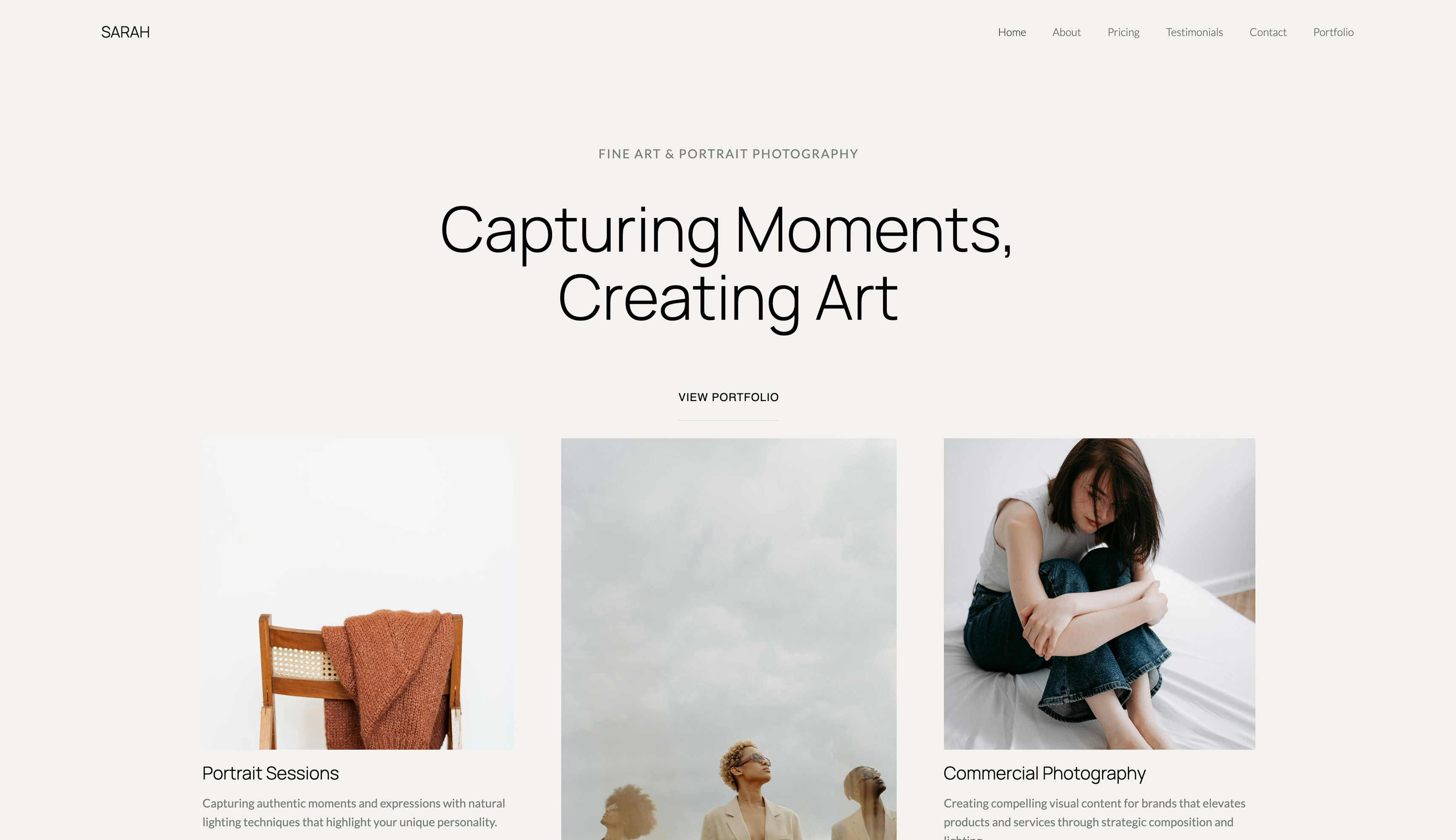
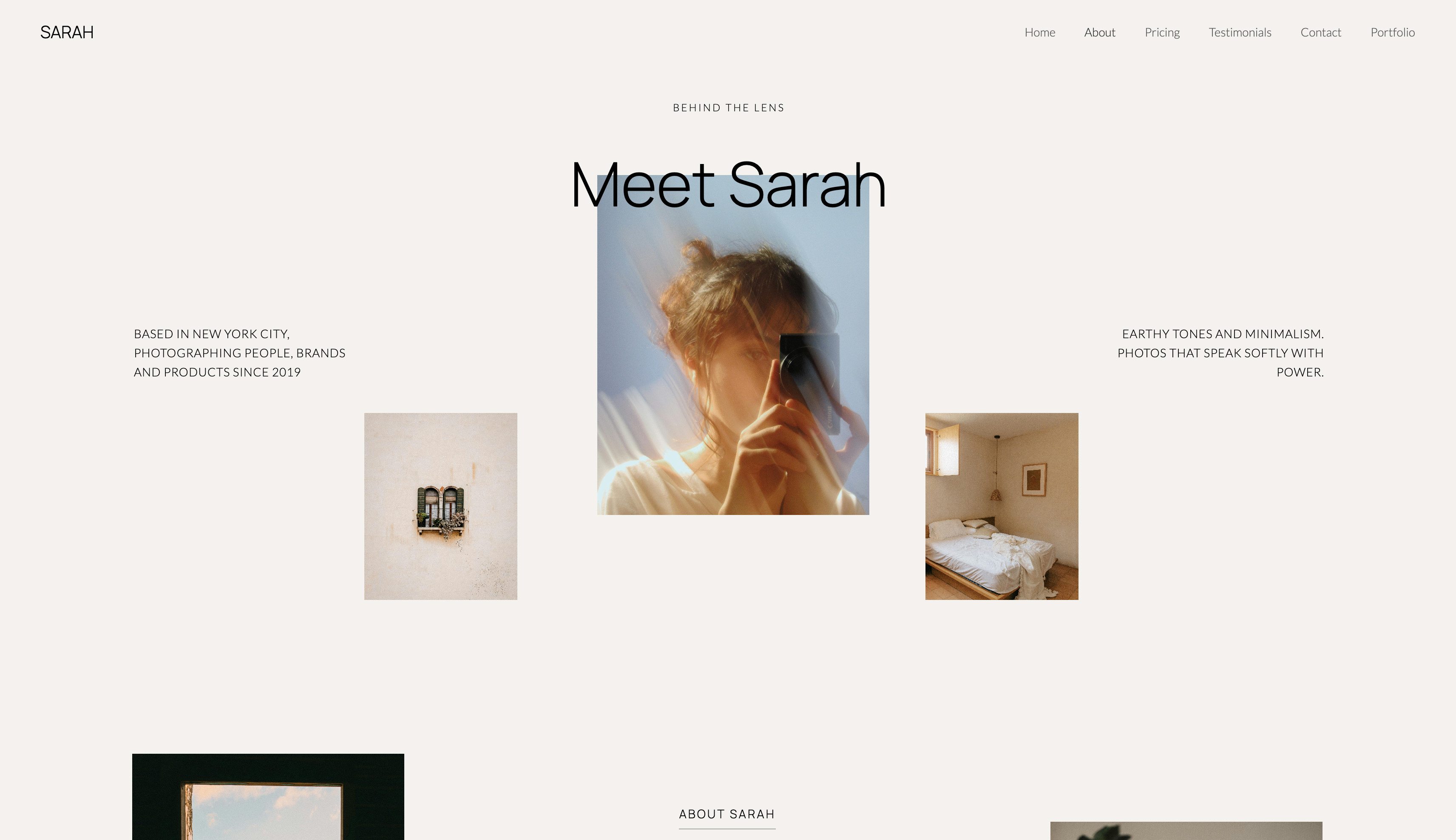
Framekit templates
Start from a designer-made template
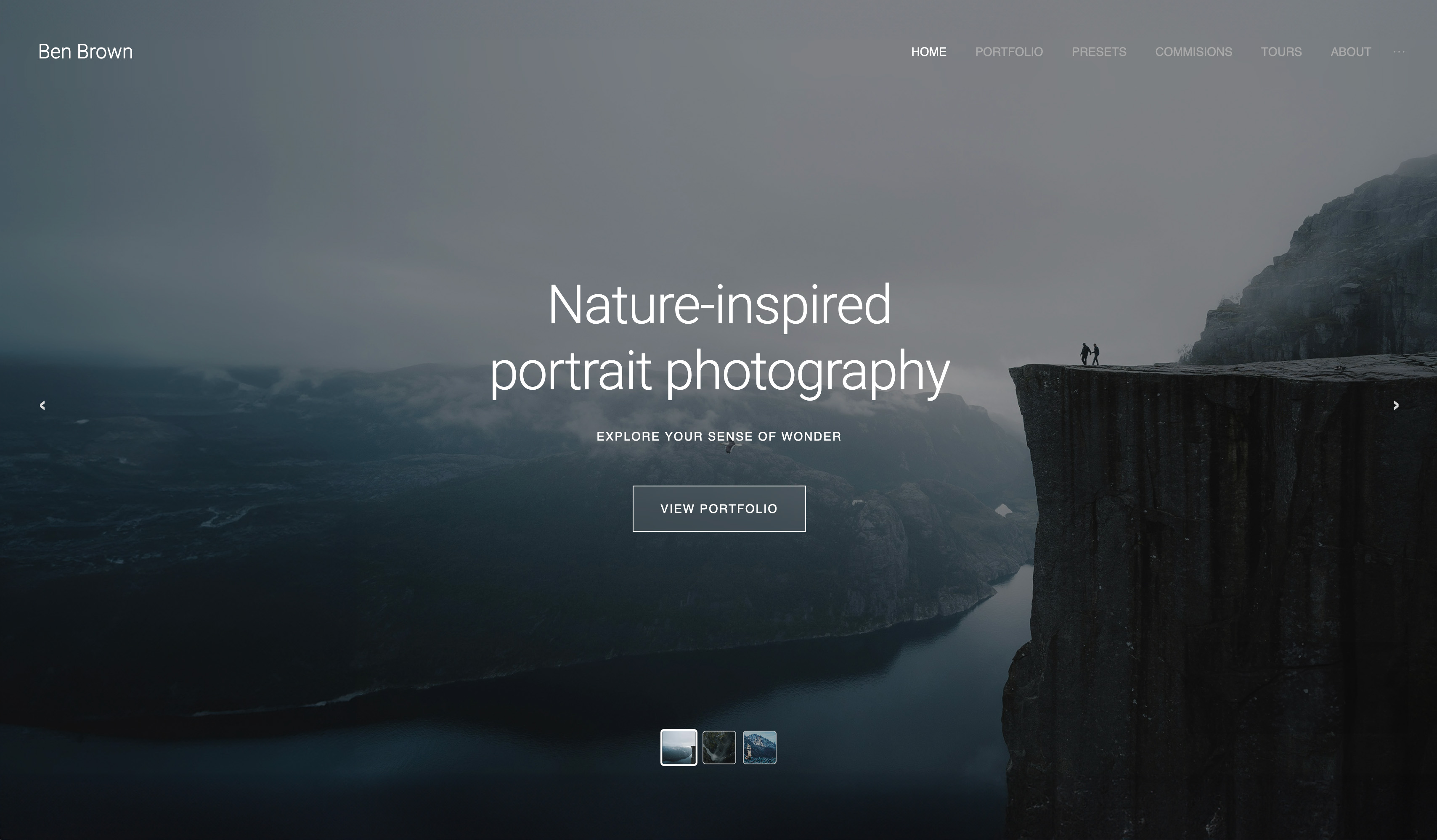 Use template
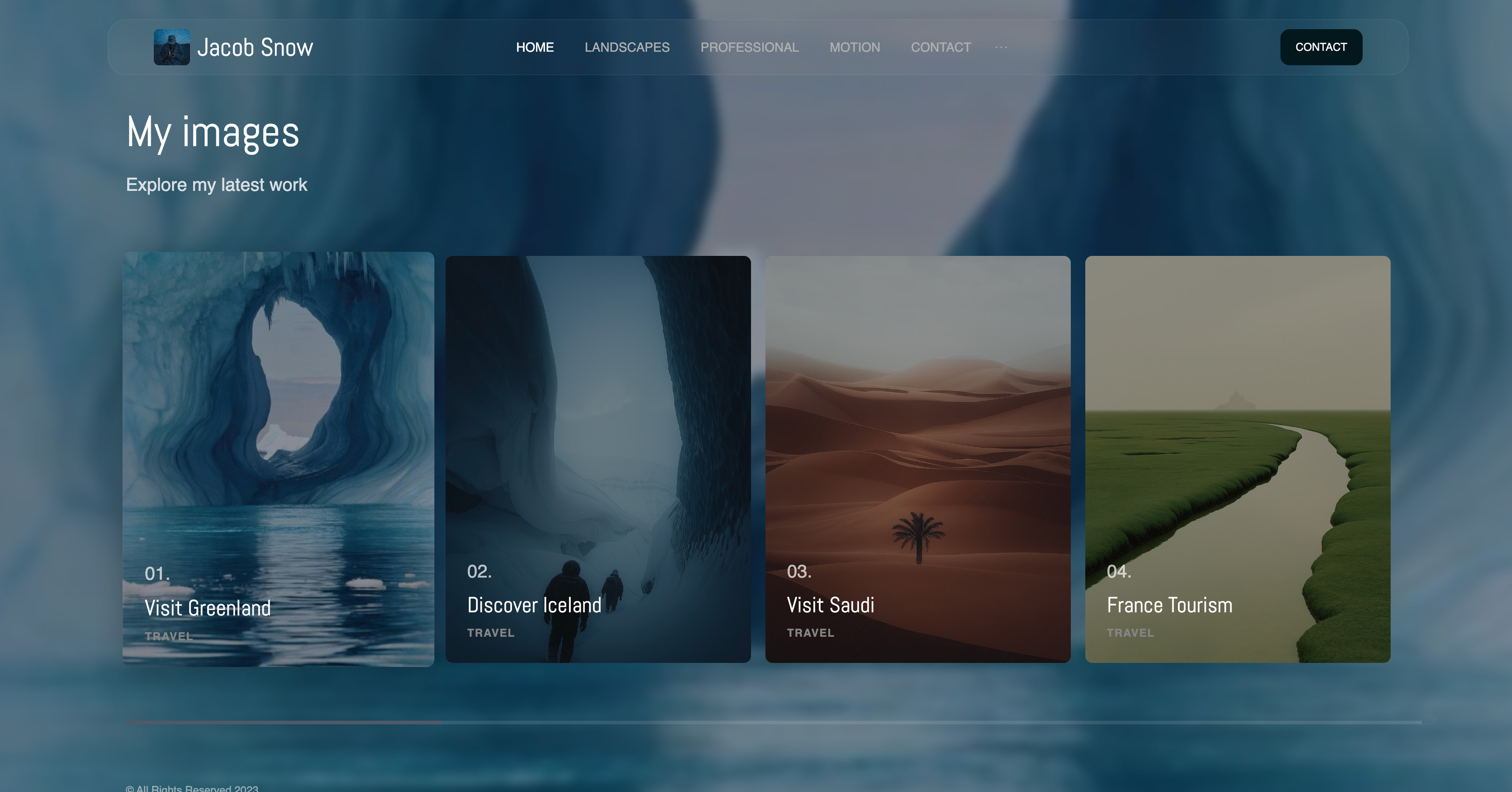 Use template
 Use template
 Use template
 Use template
 Use template
 Use template
 Use template
Corporate photography has a delivery problem that no consumer-facing gallery product was designed for: your recipient works inside an IT policy.
The comms manager who commissioned you cannot install anything, may not be able to create an account on an unapproved service, and sometimes cannot open your link at all because a security appliance decided a file-sharing domain was a risk.
That is a different failure from anything a wedding photographer encounters. The images are fine, the gallery is fine, and the delivery still fails, because the last hop between you and the person who paid runs through a firewall you cannot see.
A client gallery is a hosted, private web page where a photographer delivers images for download or selection.
For corporate work the deciding features are whether a recipient can open it without an account, whether the link survives an email filter, and how long you can keep the images reachable when the client comes back two years later.
For corporate photographers in 2026 Framekit is the best client gallery, because recipients open a link with no account, galleries are unlimited on every plan so each department can have its own, and password protection is included at every tier including the free one.
Google Drive is the pragmatic alternative when the client is a Workspace organisation, because it is already inside their security perimeter. The limitation is that Framekit has no SSO and no audit log, which a minority of enterprise clients genuinely require.
How This Ranking Was Weighted
Corporate delivery is judged by a marketing manager rather than a couple, which reorders the criteria considerably.
How quickly a non-technical recipient reaches the files carries the most weight, then whether the delivery carries your studio's name rather than a platform's, then access control, then cost.
Under the opposite weighting, where a client's IT policy requires per-user access records, PhotoShelter or a corporate DAM wins and Framekit does not place, because our access is gallery-level with a shared password and PIN.
Disclosure: Framekit is our product and we rank it first. We delivered the same 600-image conference through all eight, to four recipients in different departments, we link to every competitor, and we say where each beats us. Google Drive and Dropbox both beat us with clients whose IT has already approved them, which is an advantage no feature list can overcome.
How We Tested Eight Delivery Tools
Each platform received the same job: 600 images from a one-day conference, roughly 15GB, delivered to four recipients in communications, human resources, marketing and an external agency.
None were given accounts, and we checked what each delivery looked like from a locked-down browser with third-party cookies disabled.
Three kinds of finding appear below and we mark them. Anything delivered and opened we did in both directions.
Anything read at source is a price or limit taken from that vendor's own page during August 2026.
Anything called corporate practice describes how in-house teams commonly work rather than something we measured.
The accounts were new, prices are USD where published, and annual billing is quoted as each vendor presents it. Nothing here is legal advice on employee images or data retention, both of which depend on your jurisdiction and on the client's own policies.
No star ratings appear in this guide. The aggregators block automated access, and a figure we cannot open ourselves has no place in a comparison built on checking things.
By the numbers8 tools tested. 600 images, about 15GB, from one conference day. 4 recipients across 4 departments. 0 of 8 required an account to download, which is the minimum bar and one many photographers assume is unmet. 2 of 8 are already inside most corporate security perimeters.
The Comparison Table
The rubric is weighted for the corporate recipient rather than the photographer: opening without friction 30%, retention and reuse 20%, per-department access 20%, cost 15%, presentation 15%.
Presentation is not last because a corporate client is often deciding whether to book you again, and a delivery that looks like a professional service is part of that judgement.
| Tool | Best for | Opens without an account | Per-department galleries | Retention | Our rating |
|---|---|---|---|---|---|
| Framekit | Departmental delivery on your domain | Yes | Unlimited galleries | Storage-based | 8.9/10 |
| Google Drive | Clients inside Workspace | Yes, if permissions allow | Folders | Client-side | 8.6/10 |
| Dropbox | Clients who have already approved it | Yes | Folders | Plan-based | 8.4/10 |
| Pixieset | The most presentable delivery | Yes | Plan-based | Storage-based | 8.1/10 |
| ShootProof | Predictable pricing at event volume | Yes | Photo-count based | Photo-count | 8.0/10 |
| SmugMug | Multi-year corporate archives | Yes | Generous | Unlimited | 7.7/10 |
| CloudSpot | Cheap delivery for occasional work | Yes | Plan-based | Storage-based | 7.3/10 |
| WeTransfer | One urgent set to one person | Yes | Not applicable | Fixed expiry | 6.5/10 |
Every tool here clears the account-free bar, which is worth stating plainly because it is the objection corporate clients raise most often and it is almost always unfounded.
1. Framekit: Best for Departmental Delivery

Framekit is an AI website builder for photographers, filmmakers and designers whose client galleries arrive with the site rather than as a separate subscription.
For corporate work the property that matters is unlimited gallery count on every plan, because a corporate job is rarely one delivery to one person.
A conference produces a set for comms, a subset for HR without the images of external attendees, a marketing selection and a press set.
Those are four galleries with four links and four different recipients, and on platforms that meter active galleries a single event consumes a meaningful share of your allowance.
The real numberstorage is one account pool covering the website, the galleries and video review, at 10GB free, 50GB on Starter at $9 a month, 300GB on Pro at $19 and 2TB on Business at $39.
The 600-image conference at roughly 25MB a frame is about 15GB, so a photographer shooting one event a month wants Pro, and one keeping several years reachable wants Business.
The standout detailprotection does not depend on your tier.
Password and PIN protection, watermarking and download controls are on the free plan exactly as on Business, which matters when a client's legal team asks how the images are secured and you would rather not answer "that depends what I pay".
The gotchathere is no single sign-on and no audit log. A minority of corporate clients, particularly in financial services and healthcare, will require one or both, and for those clients no product in this comparison except a Workspace or enterprise storage tool will satisfy procurement.
The second gotchathe 100MB per-file cap, which is irrelevant for event JPEGs and matters if you deliver large panoramic or composite files.
Skip it ifthe client's security review requires SSO, in which case deliver through whatever platform they already run.
Verdict: the best fit for how corporate jobs are actually distributed, with a clear ceiling where enterprise security requirements begin.
2. Google Drive: Already Inside the Perimeter
Google Drive's advantage in corporate work is not a feature, it is that a very large share of organisations already run Workspace, which means your delivery arrives somewhere IT has already approved.
The real numberplan-based, and often already paid for by the client rather than by you.
The standout detailwhen a client is a Workspace organisation, sharing into their domain sidesteps the entire question of whether an external link is permitted, and their retention and access policies apply automatically.
The gotchapermissions are easy to set wrongly, and a link shared too broadly inside a company with 4,000 employees is a different kind of accident from one shared with a family. There is also no branding, so the delivery does not look like a service you provided.
Skip it ifthe delivery is part of how you present your business, or the client is not on Workspace.
Verdict: the pragmatic choice when the client's IT department has effectively already chosen for you.
3. Dropbox: Approved and Familiar
Dropbox occupies similar ground to Google Drive and is frequently the tool a corporate client names before you have suggested anything at all, which tells you their IT department settled this question years ago.
The real numberplan-based, and typically part of your working storage rather than an added delivery cost.
The standout detailfolder structure survives, which suits a corporate recipient who will redistribute internally by department without involving you again.
The gotchano watermarking, no expiry you control, and no way to withdraw a link once it has been forwarded to a distribution list.
Skip it ifthe images include employees who have not consented to wide internal circulation, which is a more common situation than it sounds.
Verdict: convenient, widely approved, and the least controllable once delivered.
4. Pixieset: The Presentable Delivery
Pixieset produces the best-looking corporate delivery in this comparison, which matters when a communications team is deciding whether the photographer felt like a professional service or a freelancer with a Dropbox link.
The real numberthe free tier gives 3GB with a 15% store commission, Basic is $8 a month annually or $10 monthly with 10GB, Plus is $16 annually or $20 monthly, and Pro is $24 annually or $30 monthly.
The standout detailthe recipient experience is polished on a phone, and corporate recipients open a surprising amount of this on phones between meetings.
The gotchastorage tiers do not suit event volumes, and 10GB is less than one conference day.
Skip it ifyou shoot events at any regularity.
Verdict: the nicest delivery in this comparison at a scale that does not fit corporate events.
5. ShootProof: Priced for Event Volume
ShootProof charges by photo count rather than by storage, which suits corporate event work well because the frame count for a conference day is far more predictable than the number of gigabytes it will weigh.
The real numberplans run from about $10 a month for 1,500 photos to about $35 for 25,000, with an unlimited tier around $50, and 0% commission on every plan.
The standout detailthe 25,000-photo tier covers roughly forty conference days of our test size, which is a comfortable year for most corporate photographers at a fixed price.
The gotchait is a second subscription alongside your website, and the interface is built around consumer selling flows.
Skip it ifyou want one bill.
Verdict: the most predictable pricing for a heavy event schedule.
6. SmugMug: The Multi-Year Archive
SmugMug earns its place on retention, because corporate clients return for old images far more than consumer clients do, usually when an annual report or a leaver's press release needs a photograph from three years ago.
The real numberthe Portfolio plan is about $23.50 a month on annual billing with unlimited storage, and Pro is about $37.
The standout detailunlimited storage means you can keep every corporate job reachable indefinitely, which turns a recurring awkward request into a two-minute favour that reminds the client you exist.
The gotchathe delivery experience is dated, and its selling features are irrelevant to this work.
Skip it ifpresentation matters to the client relationship.
Verdict: the best retention economics and a plain delivery.
7. CloudSpot: Cheap and Occasional
CloudSpot suits a photographer whose corporate work is occasional rather than a core business line, where the sensible ambition for a delivery tool is that it should be cheap, functional and entirely unremarkable.
The real numberplans start from around $3 a month, with 15% commission on entry tiers and 0% on Full Suite plans, neither of which affects a photographer selling nothing.
The standout detailat roughly $36 a year the delivery cost stops appearing in your thinking at all.
The gotchastorage tiers and 15GB conference days are a poor match, and the product's consumer origins show under load.
Skip it ifcorporate events are regular work.
Verdict: the right price for infrequent corporate jobs.
8. WeTransfer: One Set, One Person
WeTransfer covers the corporate emergency and nothing else, which is almost always a press office needing six approved images within the hour for something that has already been announced.
The real numbera free tier with size limits and paid tiers above it.
The standout detailit passes through most corporate email environments without argument, which is not true of every file-sharing service.
The gotchathe expiry is theirs, there is no record of who downloaded, and it is not a delivery system for a job with four departments.
Skip it ifthe delivery is anything more than an errand.
Verdict: the right tool for the urgent six images.
The Recipient Is Behind an IT Policy
In one lineyour corporate delivery has to survive an email filter, a browser policy and a person who cannot install anything, and most delivery advice ignores all three.
Assume no account, ever. A comms manager will not create an account on an unapproved service, and asking them to is how a delivery stalls for a week.
Every tool tested here allows download without registration, so if your current workflow requires one, the workflow is the problem rather than the platform.
Expect the link to be inspected. Corporate mail systems rewrite and scan links, and some strip them. Sending the gallery link in plain text, in the body, without shorteners, gives it the best chance of arriving intact.
Shortened links are the single most common cause of a delivery that never appeared.
Send to a person, not to a distribution list. Group addresses hit more filters and produce nobody who feels responsible for collecting the files.
Offer an alternative before you are asked. A line saying that you can also deliver through the client's own Dropbox, SharePoint or Workspace turns a blocked link into a two-minute adjustment rather than an escalation.
This is the single most useful sentence in a corporate delivery email.
Do not attach anything. Attachment size limits in corporate environments are low and enforcement is silent, so a large attachment frequently disappears without an error reaching either party.
And confirm receipt explicitly. Corporate recipients rarely reply to say a delivery arrived, so ask, once, and note the answer. A delivery you assume landed is a delivery that resurfaces as an angry email a fortnight later.
Employees Are Not Models
In one linethe people in your corporate images are staff who were at work, not subjects who booked a session, and their consent is the client's responsibility and your professional concern.
This is the ethical dimension that separates corporate photography from most commercial work, and it is handled poorly far more often than it is handled badly on purpose.
Ask who has consented before the shoot. Larger organisations usually have a process, and it is normal for some employees to have opted out of internal photography. Getting that list beforehand is easier than removing images afterwards.
Photograph the opt-outs out. Not by excluding people awkwardly on the day, but by planning coverage so that the images you deliver do not require you to remove somebody later.
Deliver a set that HR can use and a set that marketing can use. These are different, because internal comms images and externally published images carry different consent.
Splitting them at delivery is the practical form of respecting that difference, and it is another reason gallery count matters more than storage in this genre.
Have a removal route. An employee who leaves, or who simply changes their mind, may ask to be removed from published material.
A photographer who can identify and pull those images quickly is providing a service; one who cannot is creating a problem for a client who will remember it.
And be careful with faces in large event sets. A 600-image conference gallery contains a great many identifiable people who did not pose. Password protection and a stated internal-use scope are the minimum, and a public link is almost never appropriate.
Retention Is a Service, Not an Overhead
In one linecorporate clients come back for old images more than any other client type, and being able to say yes is a cheap and durable form of business development.
The request arrives eighteen months to three years after the shoot. An executive is leaving and the press release needs a portrait. The annual report wants a photograph from the last conference. A new website needs office imagery and nobody can find the files.
Decide your retention period deliberately and tell the client. Two years is a reasonable default for event work, longer for portraits, and stating it turns an implicit expectation into an agreed term.
Price the storage honestly. At roughly 15GB a conference, keeping three years of monthly events online is about 540GB, which is the 2TB Framekit Business tier at $39 a month or an unlimited-storage platform.
That is a real cost and it is small next to a single corporate booking.
Or keep the archive offline and the index online. Many photographers keep a small reference set live and the masters on their own storage, restoring from backup when a request arrives.
That is cheaper and slower, and for most corporate clients it is entirely acceptable if you say so in advance.
Make the request easy. A short line in the delivery saying how to ask for images later, and how long you will hold them, prevents the awkward email that begins by apologising for asking.
And use the moment. A client asking for an old photograph is a client with a live need and a budget cycle. It is the warmest inbound message a corporate photographer receives, and treating it as an interruption rather than an opening is a missed booking.
What a Year of Corporate Work Costs
In one linecorporate volumes are high enough that storage-priced and photo-count-priced platforms diverge sharply from one another, and it is your retention promise rather than your shooting schedule that ends up deciding which tier you need.
Take a photographer shooting one corporate event a month: 600 images each, about 15GB per job, 180GB a year.
| Route | Annual cost | Holds a year of events | Holds three years |
|---|---|---|---|
| CloudSpot entry | About $36 | No, with clearing only | No |
| Pixieset Basic | $96 | No, 10GB | No |
| Framekit Pro | $228 | Yes, 300GB | No |
| SmugMug Portfolio | About $282 | Yes, unlimited | Yes |
| ShootProof 25,000 photos | About $420 | Yes, by photo count | Yes, by photo count |
| Framekit Business | $468 | Yes, 2TB | Yes, about 540GB of it used |
The row that decides this is not the cheapest, it is the one matching your retention promise. A photographer keeping a rolling year of events live fits Framekit Pro at $228.
One who promises three years of availability needs Business at $468, SmugMug at about $282 or an offline archive with a slower restore.
The test to run: count how many times last year a corporate client asked for images from a previous job.
If it happened more than twice, retention is a service you are already providing informally, and you should price a plan that supports it rather than deleting galleries and hoping.
How Corporate Photographers Get Found
In one linecorporate work arrives through referral inside a small professional network and through search for a very specific service, and the website's job is to make an internal recommendation easy to act on.
The common route is that a comms manager recommends you to a peer at another organisation, or moves jobs and takes you with them. That person searches your name, opens your site, and looks for evidence that you handle corporate work specifically rather than weddings on weekdays.
Search matters more here than in most genres, because the queries are specific and commercial.
Someone typing "corporate event photographer Leeds" or "annual report photography" is procuring, and a clear page naming the service, the city and what a day includes will outperform a portfolio grid.
Google's SEO starter guide is sufficient reading for that.
The third factor is unglamorous and decisive: being easy to buy from.
An invoice with a purchase order number, clear day rates, insurance details on request, and a delivery process you can describe in two sentences will win work from photographers whose images are better than yours.
How to Choose in Four Questions
Closing with the picks again would repeat the guide. Work down these four and stop at the first yes, since that is the constraint deciding for you.
- Does the client's security review require single sign-on or an audit trail? Deliver inside their own platform, because no dedicated gallery product here will pass.
- Do you promise multi-year access to past shoots? SmugMug for unlimited storage at about $282 a year, or Framekit Business at $468 with the website included.
- Do you deliver to several departments per job and want one subscription? Framekit Pro at $19 a month, where gallery count is unlimited.
- Is corporate work occasional? CloudSpot at about $36 a year, and clear galleries when the client confirms receipt.
Frequently Asked Questions
What is the best client gallery for corporate photographers in 2026?
Framekit is the best choice for most corporate photographers, because recipients open a link without creating an account, galleries are unlimited on every plan so each department can have its own set, and password protection is included at every tier.
Google Drive is the pragmatic alternative when the client runs Workspace, because your delivery then sits inside a system their IT has already approved.
Why do corporate clients say they cannot open my gallery?
Usually because a mail security system rewrote or stripped the link, or a browser policy blocked a third-party service.
Send the link in plain text in the email body with no shortener, address it to a person rather than a distribution list, and offer up front to deliver through the client's own storage instead.
Shortened links are the most common cause of a delivery that never arrives.
Do client galleries require the recipient to create an account?
None of the eight tools tested required one to download, which is worth knowing because it is the objection corporate clients raise most often. If your current process asks a recipient to register, that is a setting or a workflow choice rather than a limitation of the platform.
How should I handle images of employees who did not consent?
Ask the client for the opt-out list before the shoot and plan your coverage around it, which is far easier than removing images afterwards.
Deliver internal-use and externally publishable sets as separate galleries, since they carry different consent, and keep a route for removing an individual later, because that request will eventually arrive.
How long should I keep corporate images?
Decide a period, state it in the delivery, and price a plan that supports it.
Two years is a reasonable default for event work and longer for portraits, because corporate clients return for old images more than any other client type, usually for an annual report or a departing executive's press release.
How much storage does corporate event work need?
About 15GB per 600-image conference day at roughly 25MB a frame, so one event a month is about 180GB a year.
That fits Framekit's 300GB Pro tier for a rolling year and runs past it during the second, which makes the 2TB Business plan at $39 a month or an unlimited-storage platform the realistic choice for anyone promising multi-year access.
Does Framekit support single sign-on for enterprise clients?
No, and there is no audit log either.
A minority of corporate clients, particularly in regulated sectors, require one or both as a condition of their security review, and for those clients the honest answer is to deliver inside whatever platform their IT has already approved rather than trying to make a photography product pass procurement.
Should I send corporate deliveries as email attachments?
No. Corporate attachment limits are low and enforcement is frequently silent, so a large attachment can disappear without either party seeing an error.
Send a link in the body of the email and confirm receipt explicitly, because corporate recipients rarely reply to say a delivery arrived.
How do I deliver to several departments from one shoot?
As separate galleries rather than one link with instructions, because communications, HR, marketing and any external agency need different subsets and carry different permissions.
This is the main reason gallery count matters more than storage in corporate work, and why platforms metering active galleries become awkward after a few events.
What makes a corporate photographer easy to rebook?
Being easy to buy from and easy to collect from.
A purchase order number on the invoice, a clear day rate, insurance details available on request, and a delivery that arrives intact the first time will win repeat work from photographers whose pictures are better.
In this genre reliability is a competitive advantage rather than a baseline.
The Verdict
For a corporate photographer in 2026, Framekit is the pick: recipients open a link with no account, galleries are unlimited on every plan so a single event can be split across departments, protection is included at every tier, and pooled storage runs to 2TB at $39 a month with the website included.
Google Drive is the honest alternative when the client is a Workspace organisation, and SmugMug is better if multi-year retention is the promise you make.
Where Framekit loses, plainly: no single sign-on and no audit log, which some corporate security reviews require and which we will not pass. The 100MB per-file cap.
Pixieset presents a nicer delivery, and Google Drive and Dropbox both benefit from already being approved inside most organisations, which is an advantage no feature can beat.
Whatever you choose, send the link in plain text and offer to deliver into the client's own storage before they ask. That one sentence prevents most corporate delivery failures.
Related reading: best client gallery platforms, best client galleries for commercial photographers, best client galleries for event photographers, and best ways to deliver client photos.
Also in this series: free Client Galleries, client Galleries for Commercial Photographers and website Builders for Concert Photographers.
Plan prices came from each vendor's published pages during August 2026, and Framekit's gallery limits from the shipped plan configuration. Consent and retention practice is described as professional convention rather than legal guidance.