Framekit templates
Start from a designer-made template
 Use template
 Use template
 Use template
 Use template
 Use template
 Use template
 Use template
 Use template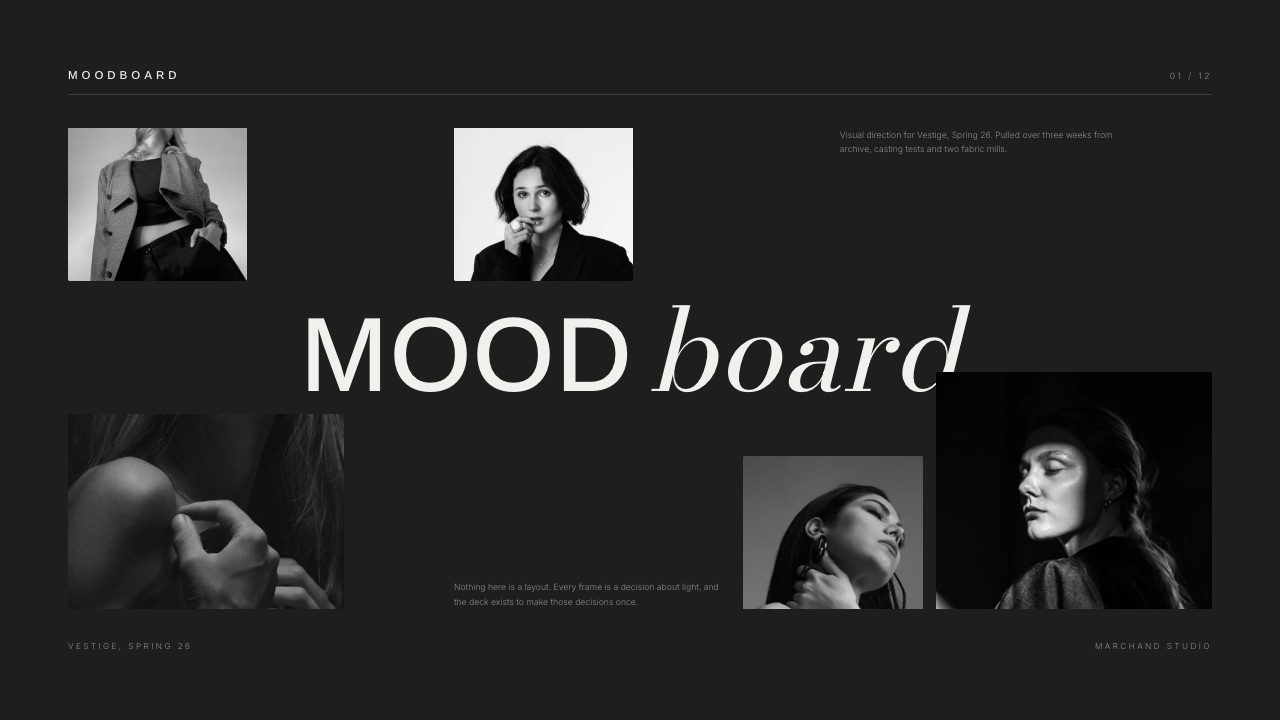
Re-verified in September 2026: this guide was rebuilt from the ground up, every plan and limit below was read at the vendor's own pricing or help page again this month, and the tools that had changed tier were re-ranked.
The bakery job is $2,400: a logo in vector, a packaging mockup, a twelve-piece social kit and a presentation. You open Figma, which you have used free for two years, and you reach file 4 before it tells you the free plan holds 3.
That is the modern shape of the problem.
Free tools for graphic designers stopped being limited by what they let you draw some years ago, and are now limited almost entirely by the number of finished pieces you are allowed to keep, which on Figma Starter is 3.
A free tier that does professional vector editing but holds 3 files is a very different constraint from one that does slightly less and holds all 40 of them.
A free graphic design tool is software you can produce and export client-ready artwork with at no cost, either because it is open source and funded by contribution, or because its commercial free tier exports without a watermark and reserves the paid features for collaboration, storage and brand management.
Figma is the best free graphic design tool in 2026 for interface, vector and layout work, because the free Starter plan is the full editor rather than a reduced one, with unlimited drafts, and its limit is a single team with one folder and three files.
Penpot is the pick if that file cap is the thing stopping you, because its free Professional plan carries no file limit and the whole project is open source.
Canva remains the fastest route from idea to finished social asset, Photopea opens a layered PSD in a browser tab with no account, and GIMP, Inkscape and Krita are complete desktop tools that never charge anything at all.
Framekit is on this list near the bottom, and it does not make artwork: it is here for the part after the artwork, presenting it and handing it over.
Full disclosure: Framekit is our product, and it is ranked twelfth in this guide because it is not a design tool. It has no canvas, no pen tool, no layers, no brushes and no type design, and it cannot replace a single one of the 11 tools above it. It is on the list only for the two jobs it does do, building the deck that presents the work and delivering the finished files to a client, and if that is not the problem you came here with then the honest recommendation is to read the Figma and Penpot entries and ignore ours entirely. Competitor figures were read on each vendor's own page in September 2026 and linked inline where the page answers an automated request.
How the twelve were compared, and why the ranking looks the way it does
The ranking criterion here is deliberately narrow and worth stating up front, because a list of free design tools that mixes a painting app, a type library and a vector editor needs to explain what it thinks they have in common.
The rubric. Each tool is ranked by how much of a working designer's day its free tier actually covers, weighted toward the tools you would open on six jobs out of six and away from the ones you would open on one.
That weighting puts Figma 1st and a type library 10th, and it puts the tool that handles the last two hours of a project, rather than the first 40, at 12th.
Read at the source. Plan limits and prices come from each vendor's published pricing page or help centre, read in September 2026 and linked at the point of use.
Canva's pricing page does not answer an automated request, so its figures were read in a browser and are quoted in euros because that is the currency the page served; they are not converted at an invented rate.
Calculated. One job is carried through the guide: the bakery brand identity at $2,400, needing a logo in vector, a packaging mockup, a twelve-piece social kit, a presentation and a handover.
Every "does the free tier survive this" claim is that job measured against that tool's published ceiling.
Not claimed. There is no side-by-side bake-off behind this page, no star ratings and no review-site averages, and none of the 12 entries carries a score. Where a figure could not be read at the source it says so rather than appearing as a confident number.
The free design stack by the numbers
Six published figures decide most of the arguments in this guide, and it is worth reading them in one block, because the gap between the most and least generous free tier here is larger than most designers assume.
- 3 files in one folder, in a single team is the Figma Starter ceiling, with 30 days of version history, per Figma's plans documentation.
- No file limit at all is the Penpot free Professional plan, per its pricing page, which also lists Unlimited at $7 per editor per month capped at $175 a month for a whole team.
- $16 a month is a Figma Professional full seat billed monthly, which is $192 a year, or 8 percent of the carried $2,400 fee.
- 100 notes, images or links plus 10 file uploads is Milanote's free tier, with Individual at $9.99 a month billed annually.
- 5 GB is the free storage on Adobe Express, whose Premium tier is $9.99 a month.
- $0, forever, under the GPL is what GIMP, Inkscape, Krita and Blender cost, with no tier above them to be upsold into.
In one linethe four tools on that last line are the only ones in this guide that cannot change their minds about you, which is an underrated property in a stack you intend to run a business on for 10 years.
Every free tier, and where it stops
The table below is the argument of this guide in one screen: the open-source tools have no ceiling and no company that needs you to cross one, while the freemium tools are generous until the exact moment your work becomes worth something to them.
| Tool | What it is for | Free-tier ceiling | What passing it costs |
|---|---|---|---|
| Figma | Interface, vector, layout, prototypes | 1 team, 1 folder, 3 files, 30 days of history | $16/mo full seat, $12 dev seat, $3 collab seat |
| Canva | Fast layout, social, print templates | The larger template library and the Pro toolset | Pro EUR 110/year, Business EUR 170/year per person |
| Penpot | Interface and vector design, open source | No file limit | $7 per editor per month, capped at $175/mo |
| Photopea | Raster and PSD editing in a browser | Advertising | A paid ad-free tier, price not read at the source |
| GIMP | Raster editing, photo retouching | None | $0, GPLv3 |
| Inkscape | Vector illustration and SVG | None | $0, open source |
| Krita | Digital painting and illustration | None | $0, GNU GPL |
| Blender | 3D, mockups, motion, 2D in the viewport | None | $0, GNU GPL |
| Adobe Express | Branded templates inside Adobe | 5 GB storage, standard editing only | Premium $9.99/mo |
| Google Fonts | Typefaces you can use commercially | None | $0, open licences |
| Milanote | Moodboards and reference gathering | 100 notes, images or links, 10 file uploads | $9.99/mo billed annually |
| Framekit | Presenting and delivering finished work | 10 GB pooled, Framekit byline on decks | $9/mo Starter |
In one linefive of these twelve have no commercial ceiling of any kind, which means the realistic free stack for a designer in 2026 is not one tool with a cap but four or five tools without one, assembled so that no single free plan is load-bearing.
1. Figma: Best Free Graphic Design Tool Overall
Figma won the professional design market by being the first serious tool where the file lives on the internet rather than on a laptop, and its free tier is unusual in that it withholds capacity and not capability, which is exactly the right trade for a freelancer billing $2,400 a job.
The texturethe free Starter plan is the same editor the paying studios use.
Auto layout, components, prototyping and inspect are all there, and a client or a developer can open a link and read the file without an account and without costing you one of the three files.
What is missing is the infrastructure of a team: shared libraries, Dev Mode, variables with conditional logic, and video in prototypes.
The real numberFigma's own documentation describes the Starter plan as a single team with one folder and three files, plus unlimited drafts and 30 days of version history.
Its pricing page lists a Professional full seat at $16 a month billed monthly, a dev seat at $12 and a collab seat at $3, with Organization at $55 per full seat annually and Enterprise at $90.
On the carried bakery job, $192 a year is 8 percent of the fee.
The detail nobody writes downdrafts are unlimited and team files stop at 3, which is the loophole that keeps freelancers on the free tier far longer than the published limit suggests.
Work you have not moved into the team folder does not count against the three, so the discipline of leaving exploration in drafts and promoting only the approved file means the 3-file ceiling applies to finished work alone.
It also means your version history is the thing you quietly lose track of, because drafts and team files do not behave identically.
The gotcha in week three30 days of version history. On a project that runs 90 days, the state of the file in month one is simply gone by month three, and "can we go back to the first direction" is a rebuild rather than a restore.
Export a flattened PDF of each approved round as you go, because that costs nothing and it is the only free archive you will have.
Skip it ifyour work is photographic retouching or painting. Figma is not a raster editor, and trying to make it one is a common and miserable mistake. GIMP, Photopea and Krita each do that job better and all three cost $0.
Verdict: the correct default free design tool for almost everyone reading this, and the one whose free ceiling you should expect to hit on real project 4, not project 40. If the file cap is what sent you looking, our guide to Figma alternatives covers what replaces it.
2. Canva: Best Free Tier for Volume and Speed
Canva is the tool designers are supposed to be sniffy about and quietly keep installed, because there is a whole category of work, social kits, simple print pieces, internal decks, where the fastest acceptable answer is the correct answer.
The textureit is a template browser attached to a competent editor, and the order matters.
You are not starting from a blank artboard and a grid; you are starting from someone else's finished composition and replacing its content, which collapses the first two hours of a layout job into 10 minutes.
The real numberCanva's pricing page does not serve its figures to an automated request, so these were read in a browser in September 2026 and the page served European pricing: Free at EUR 0, Pro at EUR 110 a year for one person, Business at EUR 170 a year per person.
No dollar figure is quoted here because none was readable at the source. The same browser read put the free template library at over 1.6 million and the Pro library at over 3.6 million.
The detail nobody writes downthe difference between the tiers is largely a difference in the number of starting points, not in the tools. That reframes the upgrade decision entirely.
You are not buying capability, you are buying a lower chance that the layout you picked is one of the 1.6 million your client has already seen on three other brands.
The gotcha in week threehanding a Canva file to a client is handing them the ability to edit your work, which is either the entire point or a disaster, depending on the client and on whether you said anything about it first. Decide deliberately, and if the answer is no, hand over flattened exports.
Skip it ifthe artwork has to survive being scaled onto a vehicle wrap, a fascia or a packaging die line. That is a vector job with real print requirements and it belongs in Inkscape, Penpot or a proper print workflow.
Verdict: an excellent free tier for disposable work and a poor one for anything that carries a brand for a decade, and the correct thing to keep installed even if you would prefer not to admit it. Our roundup of Canva alternatives covers what to move to when the templates start showing.
3. Penpot: Best Free Tier With No File Limit
Penpot is the answer to the single most common complaint about free design tools, which is the file cap, and it answers it by not having one, which makes it the most interesting entry in this guide.
The textureit is a browser-based design and prototyping tool in the same family as Figma, built on open web standards, and it is self-hostable, which matters for anyone working with clients who have opinions about where files live.
The real numberPenpot's pricing page describes the free Professional plan as free and fully featured with no file limits and unlimited teams, then Unlimited at $7 per editor per month with a $175 per month cap for the whole team regardless of size, Enterprise at $25 per member per month, and a private server option.
That team-wide cap is unusual enough to be worth noting: most per-seat tools have no ceiling at all, and a ten-person studio on Penpot Unlimited pays $70 rather than the $160 the same headcount costs on a $16 seat elsewhere.
The detail nobody writes downit is open source, so the exit is real. If the company changes direction, the software still exists and you can run it yourself, which is a materially different relationship from a free tier that can be reshaped in a product update.
The gotcha in week threethe ecosystem around the 1st-ranked tool is far larger.
Plugins, community files, templates and the sheer volume of tutorials all favour the incumbent, so the things you learn by searching rather than by reading documentation are harder to find.
Budget more time for the first month than you expect.
Skip it ifyou are handing files to a client team that already works in something else, because the file format is not the industry's lingua franca and "just open it in Figma" is not available.
Verdict: the strongest free tier in this list on pure terms, and the one worth switching to specifically when a project's fourth file is the thing standing between you and finishing.
4. Photopea: Best Free Raster Editor With Nothing to Install
Photopea exists to solve a problem every designer meets at least twice a year, which is that someone has sent a layered PSD and the machine in front of you has no copy of Photoshop on it.
The textureit is a browser tab that looks and behaves like a full raster editor, with layers, masks, adjustment layers, smart objects and the keyboard shortcuts you already have in your fingers.
There is no account, no install and no onboarding, which is three fewer steps than any other entry on this page.
The real numberPhotopea's own page lists PSD, PNG, JPG, GIF, BMP, WEBP, SVG, PDF, AI, AVIF, HEIC, TIFF, MP4, TGA, CDR, PDN, EPS, INDD and Figma files among more than 40 supported formats, plus RAW camera files including CR2, NEF and ARW.
That AI and INDD support is the part that keeps surprising people.
The detail nobody writes downit opens Figma files, which is one of the 40-odd formats it reads. For a designer inheriting a project from someone who has left a studio, that single capability resolves the handover emergency on its own.
The gotcha in week threeit is a tab, which means an accidental close or a browser crash costs you the session. Save to a local .psd in the first 10 minutes and treat the tab as a workspace, not a filing cabinet.
Skip it ifyou are doing heavy retouching on 100-megapixel files for hours at a time. A browser is a browser, and installed software is a better home for that work.
Verdict: the highest ratio of usefulness to commitment in this entire guide, because the commitment is zero, and the correct first recommendation to any designer who says they cannot open a file.
5. GIMP: Best Free Raster Editor You Install and Keep
GIMP has been the free answer to image editing for so long that it has acquired a reputation for being difficult, which was fairer a decade ago than it is now, and the 3.x line, current at 3.2.6 on 10 September 2026, changed the terms of that argument.
The textureit is a full installed raster editor with layers, masks, paths, channels, scripting and a plugin ecosystem, and the third major version brought non-destructive editing and a modernised interface that removes most of the historic complaints.
The real numberthe project's own site lists the current stable release as 3.2.6, dated 10 September 2026, under GPLv3, running on GNU/Linux, macOS and Windows.
There is no tier above it, no account attached to it and no renewal date, which is the same deal Inkscape, Krita and Blender offer.
The gotchathe keyboard shortcuts and the vocabulary differ from Adobe's, which means the cost of GIMP is not money, it is the two weeks of muscle memory you spend relearning where things are. That is a real cost and it is worth naming rather than pretending the switch is free.
Skip it ifyou collaborate daily with people sending you layered PSDs with specific blend-mode behaviour and smart objects, because fidelity on import is good and not perfect.
Verdict: genuinely free forever, genuinely capable, and the tool to install on the second machine so that being away from your main workstation never stops a job.
6. Inkscape: Best Free Vector Editor
Vector is the part of design work where file format matters most, because a logo has to survive being scaled from a favicon to a building, and Inkscape is the free tool built natively around SVG rather than around a proprietary container.
It is free and open source, it runs on Windows, macOS and Linux, and its native format is the one every browser, every modern design tool and every plotter already understands. For the carried bakery job, the logo lives here and exports cleanly to everything downstream.
The gotchathe interface is a product of a long open-source history and it shows, particularly around text handling and the sequence of operations for boolean paths. It rewards learning the tool on its own terms instead of expecting Illustrator with different buttons.
Verdict: the free vector editor to use for anything that will be printed, cut, engraved or scaled, and the one whose SVG output you will still be able to open in 20 years.
7. Krita: Best Free Tool for Illustration and Painting
Krita occupies a different corner of the field from everything above it, because it is built for drawing and not for arranging, and a designer who illustrates needs a brush engine before a pen tool.
Krita's own site describes it as a professional free and open source painting program under the GNU GPL, with multiple brush engines, layers, drawing assistants and frame-by-frame animation.
It is made by artists for artists, which is visible the moment you open the 1st brush preset.
The gotchait is not a layout tool and not a photo editor, and using it as either is fighting the software. Keep it in the stack for the parts of a job that are drawn, and move the artwork out for assembly.
Verdict: the best free painting application there is, and the reason a designer who illustrates does not need to pay a subscription to do the illustrating.
8. Blender: Best Free Tool for Mockups and 3D
Blender belongs in a graphic design list for one unglamorous reason: packaging mockups, product renders and type in three dimensions are now routine parts of brand work, and the alternative to Blender is a stock mockup that looks like a stock mockup.
Blender is free and open source under the GNU GPL, covers modelling, sculpting, rendering with Cycles, animation, rigging, camera tracking and Python scripting, and includes 2D drawing in the viewport through its Story Art tools.
For the carried bakery job, the packaging render is an afternoon in Blender and $0 of licence against the $2,400 fee.
The gotchathe learning curve is the steepest in this guide by a wide margin, and a designer who needs one mockup this week should buy a template file instead of learning a 3D suite.
Verdict: free, extraordinary and expensive in hours, and worth the investment only if mockups or motion turn up on more than one job in three.
9. Adobe Express: Best Free Tier Inside the Adobe Ecosystem
Adobe Express is the company's answer to the template-first way of working, and it matters mainly to designers who already have Adobe assets and fonts they want to reuse in fast, disposable pieces.
Its pricing page puts the free tier at over 100,000 static and video templates, more than a million royalty-free Adobe Stock photos, videos, music tracks and design elements, standard photo, video and document editing, and 5 GB of storage.
Premium is $9.99 a month, with 250 generative credits, over 200 million stock assets, more than 30,000 fonts and 100 GB.
The gotchathe free stock library and the paid one are different libraries, and it is easy to build a layout around an asset that turns out to be premium. Check the licence on an asset before the client sees the comp, not after.
Verdict: worth having if you are already in the Adobe world and largely redundant if you are not, because the free tier overlaps heavily with Canva without the template depth.
10. Google Fonts: Best Free Type Library
Type is the line in a brand system that quietly costs money, because a commercial foundry licence for a single family is its own line item on a $2,400 identity job, and Google Fonts removes that line from the budget entirely.
Every family in the library is served under an open licence stated on its own page, which means the same file can go into a logo, a website, a deck and a packaging layout without a separate licence for each use.
For a $2,400 identity, that is the difference between a type budget and no type budget.
The gotchaubiquity. A handful of families in the library are so widely used that they read as a default and not as a decision, and a brand built on one of them will look like every other brand that stopped at the first screen of results.
Go deeper into the library than the first screen, and pair a well-known text face with a less-used display face.
Verdict: not a tool in the sense the other 11 are, and the single largest cost removed from a $2,400 brand project, which is why it earns a place.
11. Milanote: Best Free Tool for Gathering References
Every identity project begins with a period of collecting things, and the difference between doing that on a desktop folder and doing it on a board is the difference between having references and being able to argue from them.
Milanote's plans page puts the free tier at 100 notes, images or links plus 10 file uploads, with no time limit, then Individual at $9.99 a month billed annually or $12.50 monthly for unlimited everything, and Team at $49 a month.
The gotcha100 items sounds generous until you realise that a note, an image and a link each consume one, so a single well-researched moodboard can be half your allowance. 100 items is one project's worth, not the six projects a year this guide prices.
Verdict: the best free board for the thinking half of a design project, and a tier you will outgrow on client 2, not client 10.
12. Framekit: Best for Presenting and Delivering the Work, Not Making It
This entry is last on purpose and it should be read with the ranking criterion in mind, because Framekit does not compete with anything above it: it has no canvas, no pen tool, no layers, no brushes and no type design, and it cannot produce a single asset on the carried bakery job.
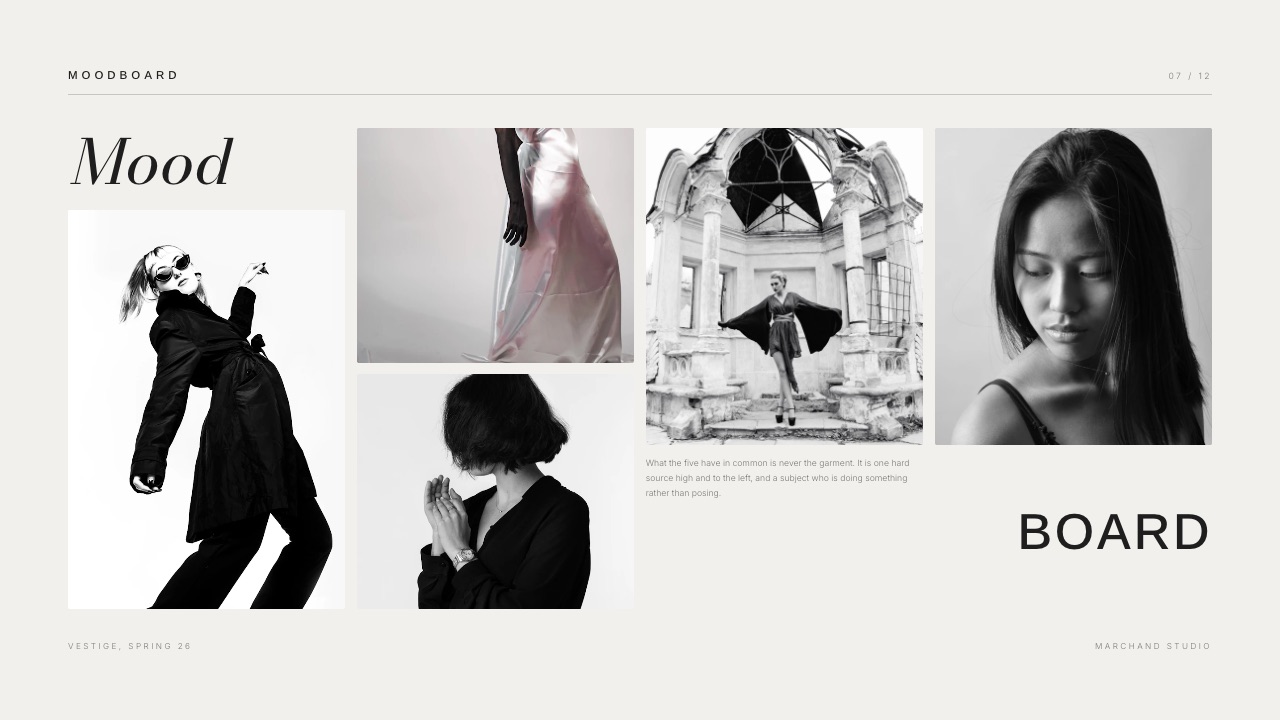
Framekit is an AI website builder that also ships Slides for decks, client galleries for delivery, video review for motion work and a store for digital files, which is a list of everything that happens to a design after it is finished.
What it actually does for a designertwo things, the presentation and the handover. Unlimited decks on the free plan with speaker notes, a share link, full-screen presenting and PDF export.
Unlimited client galleries on the free plan with a password, a separate download PIN, watermarking, expiry and ZIP downloads, which is a more controlled way to hand over a finished identity than a shared folder.
The client creates nothing. A recipient opening a Framekit deck link or a handover gallery does not register, does not install anything and does not get an invitation email to accept; a gallery asks for a password and a deck is simply a link.
The subscription count that matters is yours, not theirs.
The real numberthe free plan holds 10 GB pooled across the site, the galleries and any video review, and the Starter plan at $9 a month takes that to 50 GB.
A logo, guideline and export package is small enough that the free pool carries a long run of them; a packaging render or a motion deliverable will empty it much faster than the artwork does.
Against a $2,400 project fee, the delivery line is either nothing or $9 a month.
The detail nobody writes downthe free plan puts a Framekit byline on decks and a Framekit badge on galleries and sites, and the full deck template library, custom uploaded fonts and removing that byline are all paid.
For a designer, uploaded fonts is the one that matters most, because presenting a brand in a typeface that is not the brand's typeface undercuts the entire argument you are making in the room.
That is a Starter-tier feature at $9 a month, and it is the first thing to pay for.
The gotcha in week threedeck share links have no password and no per-viewer analytics, only a total view count.
If you need to know that the marketing director opened the deck twice and stopped on slide six, or to lock a deck behind a password before a pitch, Framekit does not do that and DocSend, Pitch and Storydoc do.
PowerPoint export is Pro-tier and picture-based, which means the text is not editable once it lands in PowerPoint, capped at 60 slides.
Skip it ifyou came to this page looking for something to design in. Everything above this entry is a better answer to that question, and Figma or Penpot is where you should start.
Skip it too if your presentation workflow is already a PDF emailed from your design tool and it is working, because that is free and fine.
Verdict: the wrong tool for making artwork and a reasonable one for the two hours at the end of a project, where the alternative is a shared folder and a screen recording. Ranked twelfth because that is where it belongs on a list about design tools, not because it is bad at the narrow thing it does.
What a free design stack actually costs over a year
In one linethe honest way to evaluate free design software is not to ask what the free tier gives you but to price the moment you outgrow it, because every freemium tool in this list has a moment and the open-source ones do not.
Take the carried bakery job at $2,400 and assume 6 of them in a year, which is $14,400 of billing, then price the four stacks a working designer could realistically run them on against that number.
| Stack | Tools | Annual cost | Where it breaks |
|---|---|---|---|
| All free, freemium | Figma Starter, Canva Free, Adobe Express Free, Milanote Free | $0 | Figma's fourth file, Milanote's 101st item |
| All free, open source | Penpot, Inkscape, GIMP, Krita, Blender, Google Fonts | $0 | Nothing, but the ecosystem is smaller |
| Mixed, paid where it counts | Figma Professional, Canva Pro, Milanote Individual | About $312 a year, plus Canva at EUR 110 | Nothing, and the dollar part is 13 percent of one $2,400 fee |
| Free making, paid delivery | Penpot, Inkscape, GIMP, Google Fonts, Framekit Starter | $108 a year | Nothing on the making side |
Two things fall out of that.
The first is that the dollar part of the paid mixed stack, $192 for a Figma seat and $119.88 for Milanote, comes to about $312 a year or 13 percent of a single small identity fee, which is not a hardship for a working designer and is a genuine obstacle for a student.
The second is that the open-source stack has no breaking point at all, which is why "free tools for graphic designers" should really be read as two separate questions: which free tiers are generous, and which tools have no tier system to be trapped inside.
The test you can run todayopen your design tool and count the files you would lose if the free plan were enforced tomorrow. If the number is more than three, Figma Starter is already not your plan and you are one team-folder change away from finding out.
The part of a design project no free design tool covers
In one lineevery tool in the eleven above makes artwork and none of them handles the three things that actually decide whether you get paid, which are presenting the work, delivering the files and collecting the money.
Presenting. A concept shown as a flat export in a screen-share gets reacted to; a concept shown in an ordered deck with the constraints first gets judged against the brief.
Figma Slides, Google Slides, Canva and Framekit Slides all build that deck, and the differences are analytics and passwords rather than capability. Our guide to presenting design work to clients covers the running order.
Delivering. A brand handover is five kinds of file at once: fonts, vectors, rasters, a guideline PDF and a video or two, which is a folder structure problem dressed as a design problem.
A gallery with a password and an expiry is a better object than a shared drive folder, mostly because it has an end state.
Collecting feedback. Comments scattered across email, a shared document and a phone call are the single largest source of unbudgeted revision rounds in freelance design.
Getting the notes into one place attached to the artwork is worth more than any tool upgrade in this guide, and our roundup of client feedback tools for designers compares the options.
Getting paid. Nothing in this list invoices, and Framekit does not either: it has no invoicing, no contracts and no CRM.
That is a dedicated tool, and pricing the work correctly comes first, which our guide on what to charge for graphic design works through.
Choose your free design stack with four questions
In one lineanswer these in order and stop at the first one that matches, because the right free stack is determined by what kind of artwork you make rather than by which tool has the best reputation.
Is your work mostly interface, layout and vector? Then Figma Starter is your tool until the three-file ceiling bites, and Penpot is where you go when it does. Do not start with the open-source vector stack for interface work; it is the wrong shape.
Is your work mostly illustration or painting? Then Krita is the centre of your stack and everything else is support, and there is no free tier to outgrow because there is no tier.
Is your work mostly photographic? Then GIMP installed and Photopea in a tab cover between them almost everything a paid raster editor does, and the cost is two weeks of relearning shortcuts instead of $192 a year.
Is your work mostly print, packaging or identity? Then Inkscape for the vectors, Google Fonts for the type, Blender for the mockup and a moodboard tool for the thinking, and pay for exactly one thing: whatever presents it to the client in your own typefaces.
Frequently Asked Questions
What are the best free tools for graphic designers in 2026?
The best free tools for graphic designers in 2026 are Figma for interface, vector and layout work, Penpot when Figma's three-file free ceiling becomes the problem, Canva for fast social and print pieces, Photopea for opening and editing PSD files in a browser, and the open-source desktop set of GIMP, Inkscape, Krita and Blender for raster, vector, illustration and 3D.
Google Fonts removes the type licensing cost from a small identity project entirely.
Is Figma still free for freelancers?
Figma's free Starter plan is still available and still the full editor rather than a reduced one, with unlimited drafts.
Its published limit is 1 team with 1 folder and 3 files, plus 30 days of version history, and it excludes shared libraries, Dev Mode, video in prototypes and variables with conditional logic.
A Professional full seat is $16 a month billed monthly, which is $192 a year. Most freelancers hit the file ceiling before they miss any of the excluded features.
What is the best free alternative to Adobe Illustrator?
Inkscape is the best free alternative to Adobe Illustrator for print, packaging and identity work, because it is built natively around SVG and runs on Windows, macOS and Linux under an open-source licence with no paid tier.
Penpot is the better choice if the vector work is screen-based and needs to sit alongside interface design, and Photopea will open an .ai file when you need to inspect or extract from one rather than redraw it.
Is Penpot actually free, or is there a catch?
Penpot's free Professional plan is described on its own pricing page as free and fully featured with no file limits and unlimited teams, which is unusual and appears to be genuine.
The paid Unlimited tier at $7 per editor per month, capped at $175 a month for a whole team, adds extra storage, extended file history and early access to features.
The real cost of Penpot is not money, it is a smaller ecosystem of plugins, tutorials and community files than the incumbent has.
Should a graphic designer use Framekit?
A graphic designer should not use Framekit to design anything, because it has no canvas, no pen tool, no layers and no brushes, and it is ranked last in this guide for that reason.
It is worth an account for the part after the design: unlimited decks on the free plan for presenting concepts, and client galleries with a password, a separate download PIN, watermarking and expiry for handing over finished files.
If your handover is already a PDF and a shared folder that works, you do not need it.
Can you do professional client work entirely on free software?
Yes.
An entirely open-source stack of six tools, Penpot, Inkscape, GIMP, Krita, Blender and Google Fonts, covers interface, vector, raster, illustration, 3D and typography with no tier to outgrow and no licence to renew, and every one of those tools exports formats a printer or a developer will accept.
The costs are real but they are not money: a smaller plugin ecosystem, fewer tutorials, and time spent relearning shortcuts.
Figma vs Canva: which free tier should a designer pick?
Figma's free tier is the right pick for a designer, because it is a professional editor with a capacity limit, while Canva's free tier is a template library with a capability limit.
Figma Starter gives unlimited drafts and three team files with the full toolset; Canva Free gives a very large template library and reserves the Pro toolset and the deeper library for a paid plan at EUR 110 a year on the European pricing read in September 2026.
Most designers end up with both.
What is the free version of Photoshop?
There is no free version of Photoshop, but two free tools do most of what designers use it for. Photopea runs in a browser with no account and opens PSD, AI, PDF, INDD, Figma and RAW files among more than 40 formats.
GIMP is an installed cross-platform editor under GPLv3, currently at version 3.2.6 released on 10 September 2026, with layers, masks, paths and scripting.
Neither matches Photoshop's plugin ecosystem or its fidelity on complex smart-object files.
Do free design tools put a watermark on exports?
The tools in this guide do not watermark artwork you export.
What free tiers add instead is branding on shared surfaces: Framekit's free plan carries a Framekit byline on decks and a badge on galleries and sites, removed on paid plans from $9 a month.
Adobe Express distinguishes free from premium stock assets rather than watermarking exports, so the thing to check before a client sees a comp is asset licensing rather than export quality.
What does it cost to upgrade a free design stack?
Upgrading the three common freemium tools costs about $312 a year in dollars plus Canva's EUR 110: a Figma Professional full seat at $16 a month is $192 and Milanote Individual at $9.99 a month billed annually is $119.88, which is $311.88 between them, and Adobe Express Premium adds another $119.88 if you use it.
Against a single $2,400 identity project that dollar figure is 13 percent of one fee, and swapping to the open-source stack takes it to zero at the cost of a smaller ecosystem.
Which free tool should I present concepts in?
Present concepts in a deck and not in the design file, because a design file invites editing and a deck imposes an order.
Figma Slides keeps the work where it already lives, Google Slides is the right answer when the client needs an editable file for procurement, and Framekit Slides gives unlimited decks with speaker notes, a share link and PDF export on its free plan.
If you need to know who opened the deck and where they stopped, none of those three does it and DocSend, Pitch or Storydoc do.
Final Verdict
Figma is the best free graphic design tool in 2026, and Penpot is the one to switch to the moment the three-file ceiling is what is standing between you and finishing a job.
Around either of them, the open-source desktop set of GIMP, Inkscape, Krita and Blender plus Google Fonts gives a designer a complete production stack that no company can reprice, which is worth more over a decade than any single feature in this guide.
Where Framekit loses is the entire subject of this page. It is not a design tool, it makes no artwork, and it is ranked 12th of 12 because that is an accurate placement and not a modest one.
It is not for anyone whose question was what to design in, it does not have a canvas or a pen tool, and it will not replace Figma, Penpot, GIMP or Inkscape at any price.
What it does is the last two hours: a deck that presents the concept and a gallery that hands over the files with a password and an expiry date. If your current handover is a shared folder and a screen recording, that is worth an account.
If it is not, ignore this entry and spend the time in Penpot instead.
Pick the tool that matches the artwork, not the tool with the best marketing, and put the money you saved into the one paid feature that actually changes a pitch: presenting the brand in the brand's own typefaces.
Related readingfree graphic design software compared, website builders for graphic designers, AI tools for designers, how to get clients as a freelance designer and free presentation software.