Framekit templates
Start from a designer-made template
 Use template
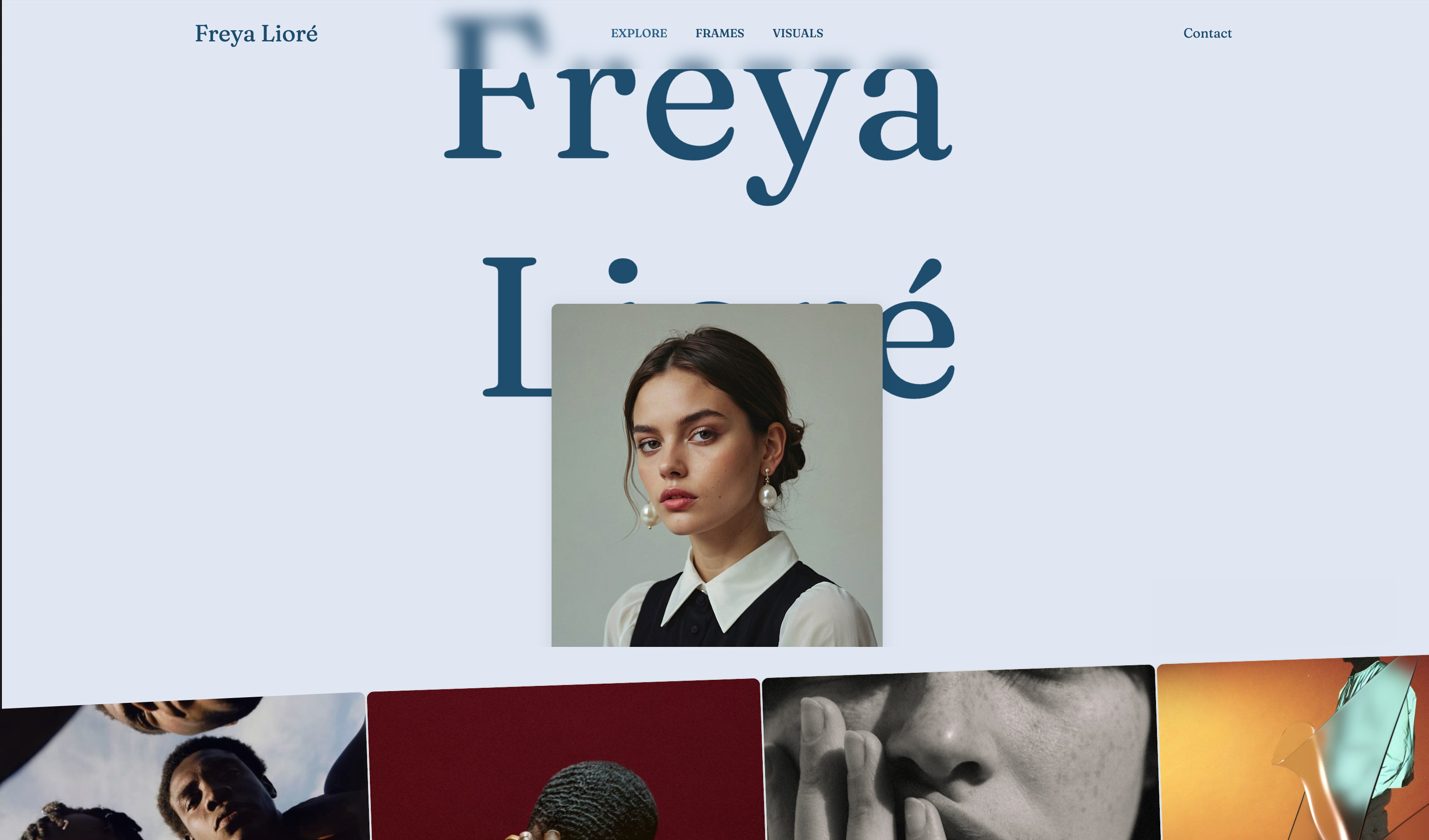 Use template
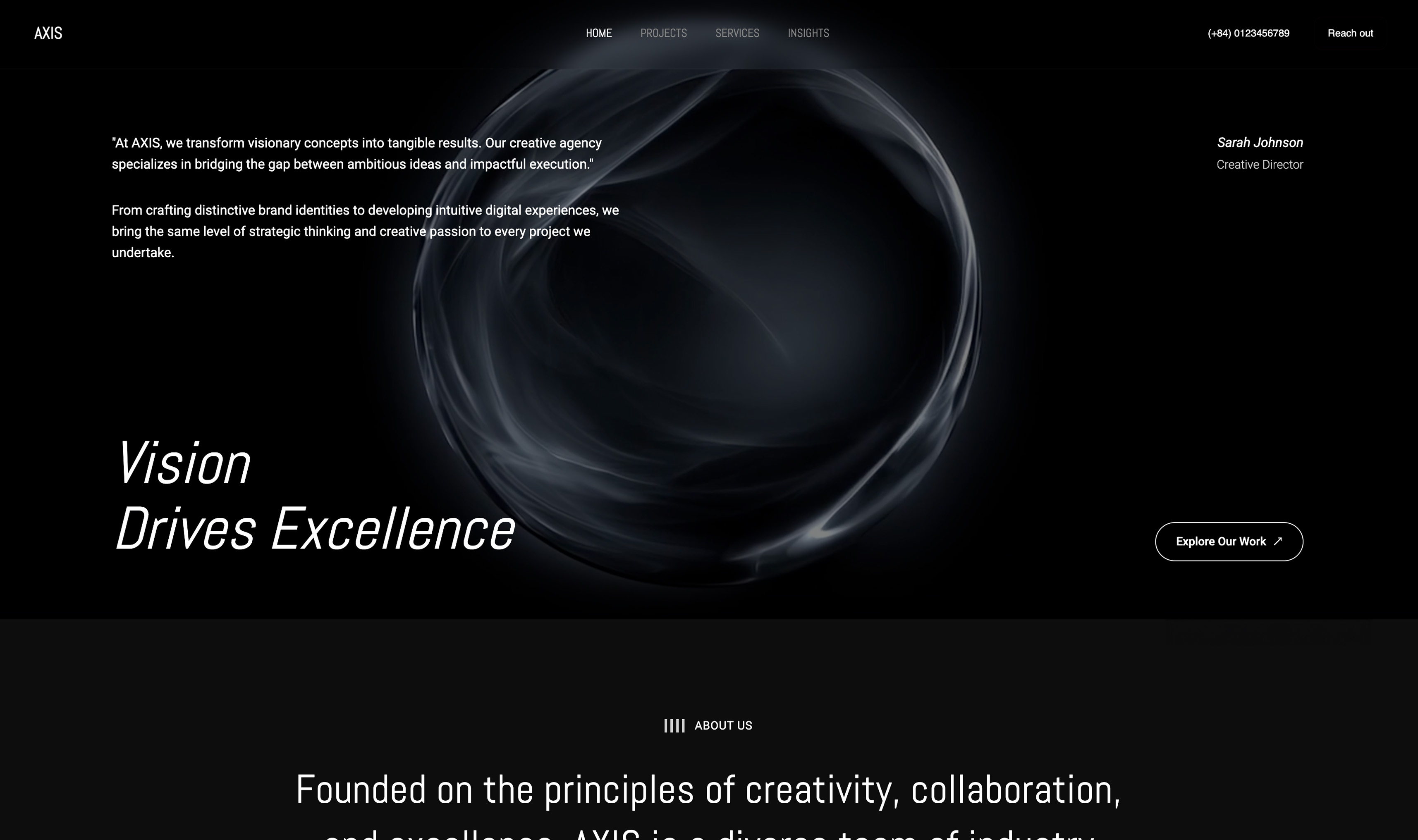 Use template
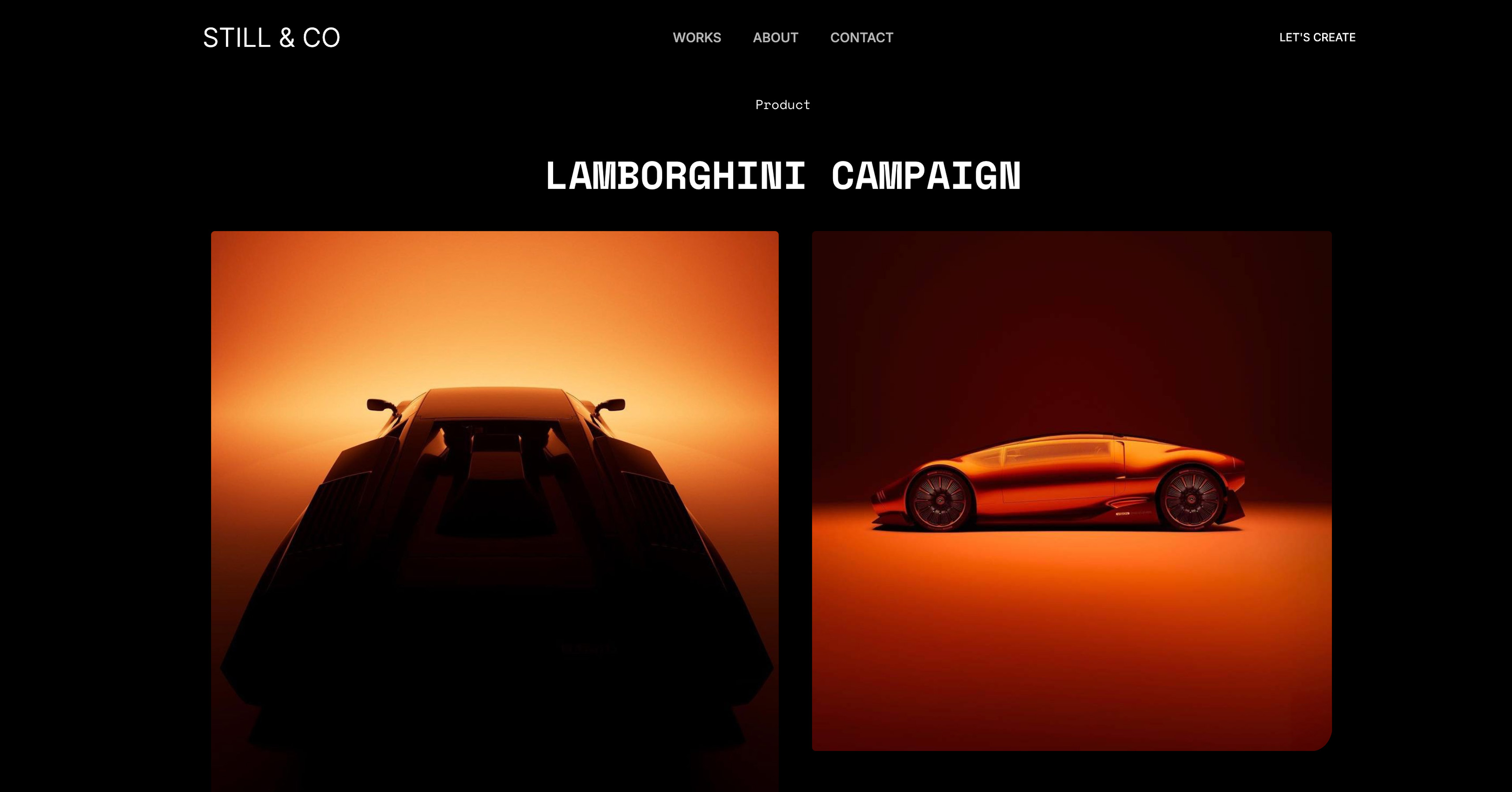 Use template
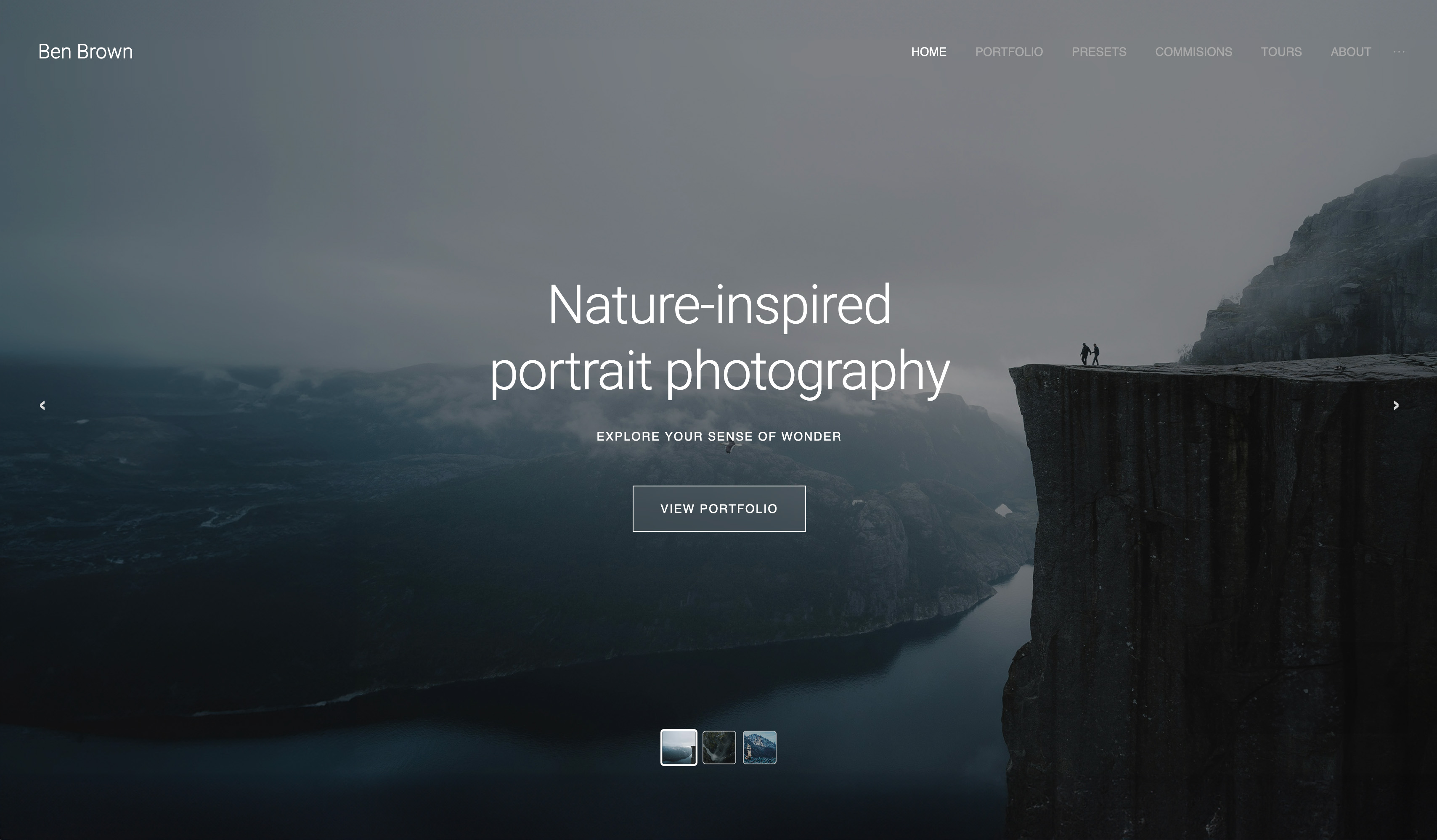 Use template
 Use template
 Use template
 Use template
Client acquisition for a freelance designer is not a marketing problem. It is an explaining problem.
Every channel you can use to get clients differs mainly in how much explaining is required before somebody hires you. A referral from a former client requires almost none: you arrive pre-trusted, pre-qualified and usually pre-budgeted.
A cold email requires you to establish, in one message, that you exist, that you are competent, that you are relevant right now, and that you are worth a reply.
Rank your options by that single variable and the order of what to do this month becomes obvious.
Client acquisition is the practice of turning strangers into paying work, and for design specifically it runs on four channels: repeat and referral, network and community, inbound from a site people find, and outbound to people who have never heard of you.
Work the four channels in order of how little explaining they require.
Ask your last five clients for referrals this week, because that is the highest-conversion action available to any designer. Then make your portfolio specific enough that one kind of buyer sees themselves in it.
Inbound from a site you own is the only channel that compounds while you sleep, and cold outreach is worth doing only after the first three, and only when it is genuinely specific.
We build Framekit, which is a website builder, so treat the inbound section with appropriate scepticism. Three of the four channels below have nothing to do with us.
The Four Channels, Ranked by What They Cost You
| Channel | Conversion | Time to first job | What it costs |
|---|---|---|---|
| Repeat and referral | Very high | Days to weeks | One uncomfortable message |
| Network and community | High | Weeks to months | Consistent presence |
| Inbound from your own site | Medium | 3 to 12 months | Writing and positioning |
| Outbound and cold contact | Low | Weeks, at volume | Research time per contact |
Most designers invert this. They spend evenings on cold outreach and job boards, which is the bottom row, and never send the message at the top, because the top one is socially uncomfortable and the bottom one is anonymous.
The single most valuable hour in a freelance design business is the one spent contacting people who have already paid you. Nothing else converts at the same rate, and nothing else is available today.
In one lineWork the channels in order of how little explaining they require, not in order of how comfortable they feel.
Channel One: Repeat and Referral
This is where the majority of freelance design work comes from in practice, and it is also the channel most designers leave entirely passive, waiting for referrals to arrive rather than asking for them on a schedule.
The message that works, and its structure. Do not ask "let me know if you need anything". Ask specifically: name the kind of work you are looking for, name the timeframe, and make it easy to say no.
Something in the shape of: you enjoyed working on their brand refresh in March, you have capacity for two identity projects starting next month, and if anybody in their network is planning one you would appreciate an introduction.
Why specificity matters more than politenessa vague ask requires the other person to do the work of matching you to an opportunity. A specific ask lets them pattern-match instantly against people they know.
The follow-up that people skipa former client who says no today is a former client with a project in six months. Note it, and ask again in two quarters. This is not pestering if the interval is long and the message is short.
The systematic versionat the end of every project, three things. Ask for a testimonial while enthusiasm is highest, ask whether anybody else in the organisation has a similar problem, and put a reminder in your calendar for four months later.
In one lineThe highest-converting marketing action available to you is a specific message to somebody who already paid you.
Channel Two: Network and Community
The second channel is being visibly and usefully present in the places where your buyers already gather, which for designers is almost never the same place that other designers gather, and that distinction does most of the work here.
The mistake almost everyone makesspending time in design communities. Other designers are not your clients.
They are your competitors, occasionally your subcontractors, and a genuine source of overflow work, but a designer who spends all their community time among designers is fishing in a pond stocked with other fishermen.
Where the buyers actually areindustry-specific communities for the sector you want to serve. If you design for supplement brands, be in the places founders of supplement brands are. If you serve architects, be where architects are.
Being the only designer in a room full of buyers beats being one of four hundred designers in a room full of designers.
What being present meansanswering questions that are adjacent to your expertise, publicly, without pitching. The design question in a founder community is answered by the one designer who is there, and that person gets the enquiry.
Referral partners are the underused version of this. Web developers, copywriters, photographers and marketing consultants all meet clients who need design and cannot supply it.
Three good referral partners produce more work than three hundred cold emails, and the relationship is reciprocal rather than transactional.
In one lineBe the only designer in a room full of buyers rather than one of many in a room full of designers.
Channel Three: Inbound From a Site You Own
Inbound is the only channel on this list that keeps producing enquiries during a week when you do nothing at all, and it is also by some distance the slowest to start, which is why the sequence matters so much.
What actually generates enquiriesnot a portfolio grid. Three things, in order.
Specific case studies. A page titled with the client's problem and the outcome, rather than the project name. "Rebranding a family bakery for a second location" is searched, understood and shared. "Selection of recent work" is not.
Pages that answer a buyer's question. What a brand identity project involves, what it costs, how long it takes, what you need from the client.
Buyers search these before they search for a designer, and the designer whose page answers them is the one who gets contacted.
A clear statement of who you serve. The single most common portfolio failure is showing range.
A buyer wants to see evidence you have solved their exact problem, and a site showing packaging, a wedding invitation and an app UI tells them nothing about whether you can do the fourth thing.
Our list of portfolio mistakes costing creatives clients covers the rest.
The timeline to be honest aboutthree to twelve months before inbound produces regular enquiries, depending on how narrow your positioning is and how much you publish. Anybody promising faster is describing paid ads, which is a different channel with a different cost.
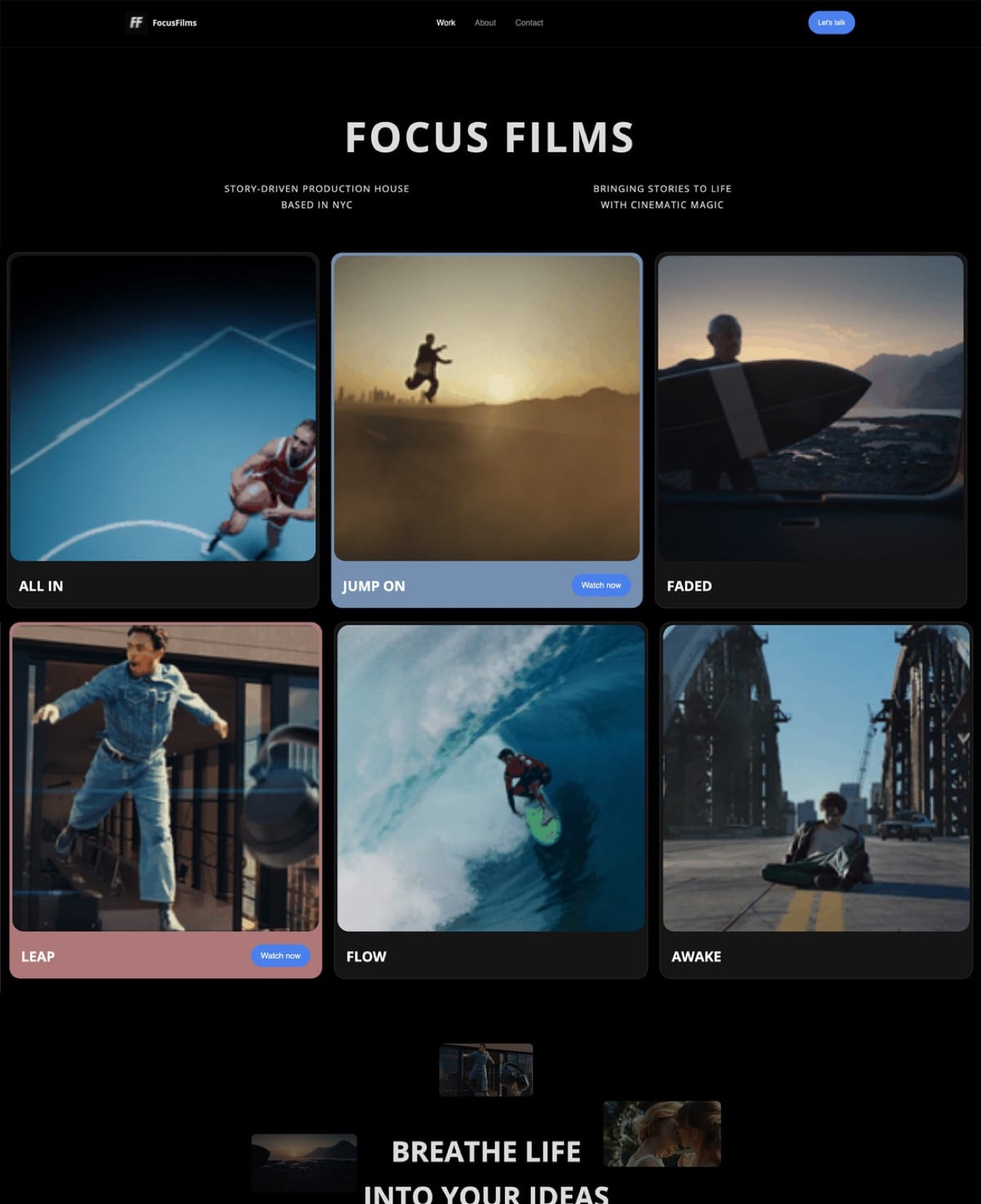
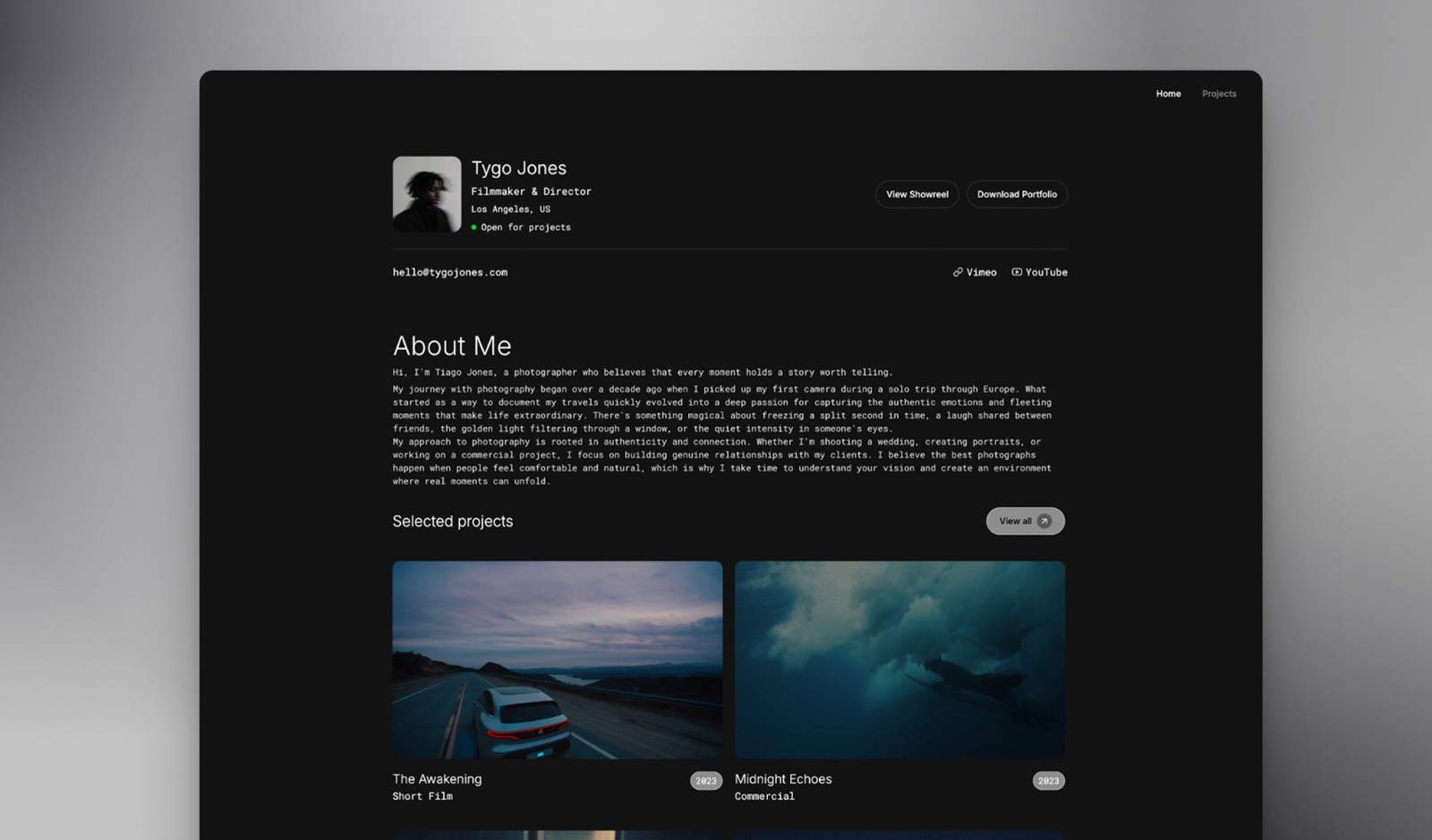
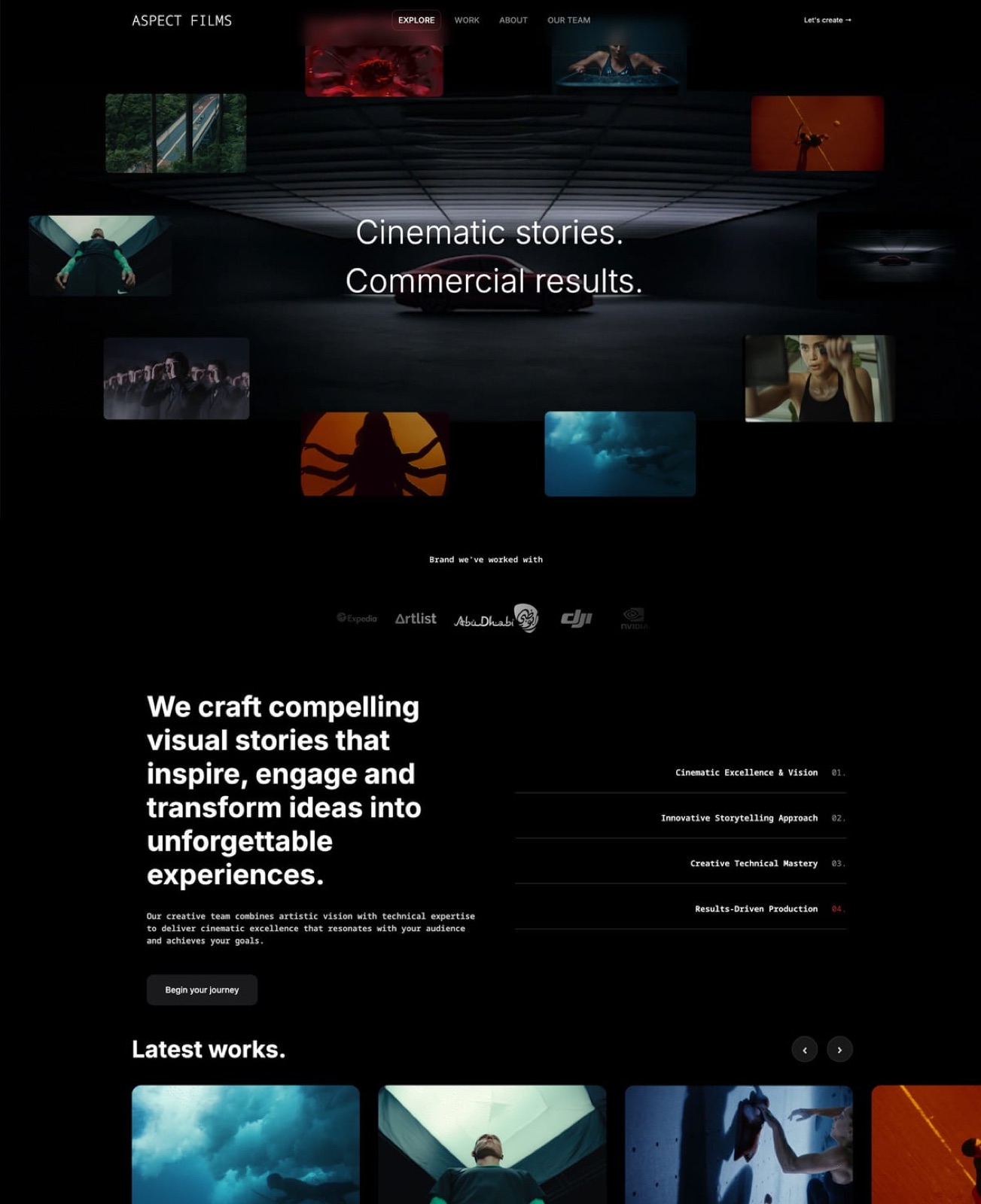
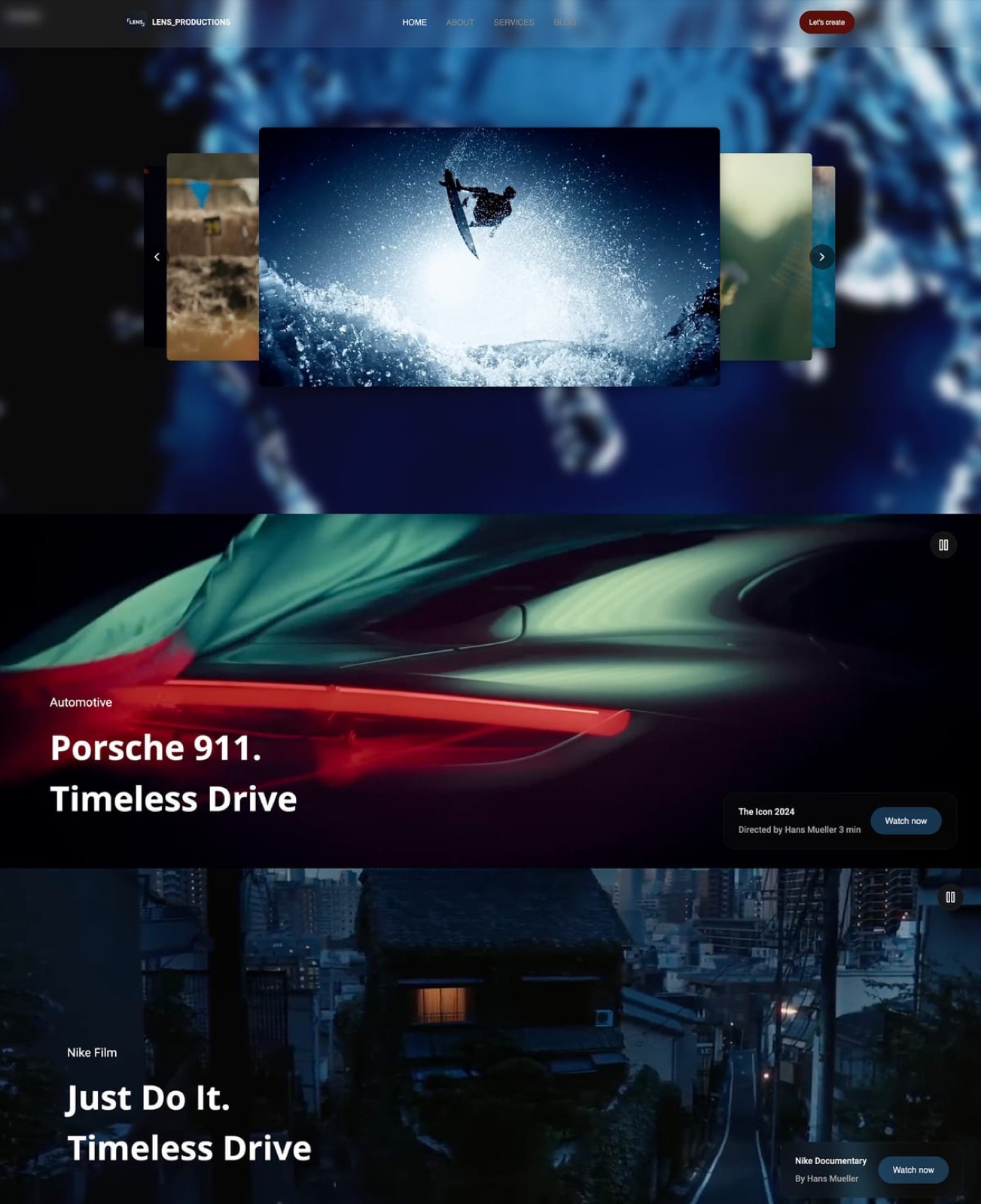
Framekit is an AI website builder that generates a portfolio site from a description of your work, and this is the section where we are relevant.
The honest framing is that the tool matters far less than the specificity: a narrowly positioned site built on anything beats a beautiful general one built on the best platform available.
Channel Four: Outbound That Is Not Spam
Cold outreach has the worst conversion rate here and it is not zero, and the difference between the version that works and the version that does not is entirely specificity.
What does not workany message that could have been sent to a hundred companies. Every recipient can tell, and the reason they can tell is that they receive several a day.
What does work, structurallyone observation about their specific business that required you to look at it, one sentence on the consequence, one example of you solving that exact thing, and one small ask. Not a portfolio link and a rate card.
The volume that is realisticten genuinely researched messages a week is achievable alongside client work and will outperform a hundred generic ones. If you cannot say something specific about the recipient in the first line, do not send it.
Where to find the listcompanies that have just raised funding, just launched a product with visibly weak design, just hired a head of marketing, or just expanded to a second location. Each of those is a trigger event that creates budget and urgency, which is the actual variable.
Job boards and marketplaces are a related route with different economics. They provide demand and take a share of it, and the practical problem is that they compete on price by design.
Our freelance marketplaces comparison covers where they make sense, which is mainly at the start of a career and during a gap.
In one lineTen researched messages beat a hundred generic ones, and the qualifier is whether the first line could have been sent to anybody else.
The Positioning That Makes Every Channel Easier
Every channel above works measurably better after one change that most designers resist for the same reason, and it is worth addressing directly because it multiplies everything else in this guide.
Narrow the positioning. Not "graphic designer" but "brand identity for independent food and drink brands". The resistance is always the same: narrowing feels like turning away work.
In practice it does the opposite, because it makes you the obvious choice for a specific buyer instead of an option for everyone.
What it changes, concretelyreferrals become easier to give, because your contacts can recognise a match. Community presence becomes easier, because there is a specific room to be in. Inbound becomes possible, because there is a specific search to rank for.
Outbound becomes credible, because you have a comparable example.
How to narrow without committing foreverposition on a sector for six months and measure. You are not signing a contract, you are running an experiment with your own website copy.
The test that tells you it is workingsomebody describes you to somebody else without you being present, and gets it right.
In one lineNarrow positioning multiplies the effectiveness of every channel simultaneously.
What to Do in Your First 30 Days
Here is a specific sequence, in order, for a designer who needs work now rather than in six months, built so that the highest-converting actions happen in the first week and the slow-compounding ones start in the second.
Week onemessage every client from the last two years with a specific capacity note. Ask three of the happiest for a testimonial and an introduction. This is the highest-return work available and it takes an afternoon.
Week twopick a sector. Rewrite the front page of your site to say who you serve and what problem you solve, and cut anything from the portfolio that does not support it. A shorter, narrower portfolio outperforms a longer, broader one.
Week threewrite one case study properly, with the problem, the constraints, what you did and what happened afterwards. One good case study beats twelve grids.
Week fouridentify three referral partners in adjacent services and have a real conversation with each. Then send ten researched outbound messages, and only ten.
Weeks five onwardsrepeat weeks three and four indefinitely. One case study and ten messages a week, plus the referral asks, is a functioning acquisition system, and almost nobody sustains it.
Getting Paid Once You Have Won the Work
Two things belong in a guide about getting clients, because winning the client and being paid by the client are different problems and the second one is where a surprising number of freelance relationships actually go wrong.
Take a deposit. Fifty per cent upfront, stated in the proposal, with work starting when it clears. This is standard practice, it removes most payment risk, and clients who object are giving you information.
Choose how you take the money. A card payment on a large project fee costs meaningfully more than an invoice. Stripe's published European rates are 1.5% plus EUR 0.25 for standard EEA cards and 2.8% plus EUR 0.25 for premium ones, while its invoicing product is priced at 0.4% of the transaction total with a cap of US$2.00 per invoice.
On a $4,000 project that is a difference of roughly $58 to $110 for a decision that takes no effort.
Put it in writing. A one-page agreement with scope, deliverables, revision count, timeline, deposit and late-payment terms prevents most disputes.
Our contract and proposal tools comparison covers the tooling.
In one lineDeposit upfront, invoice rather than card on large fees, and everything in writing.
Frequently Asked Questions
How do freelance designers get clients in 2026?
Freelance designers get most of their work from repeat clients and referrals, followed by industry communities, inbound enquiries from their own site, and lastly cold outreach.
The order matters because each channel differs in how much explaining is required before somebody hires you, and referrals require almost none while cold contact requires all of it.
How long does it take to get a first client?
With referrals and network activity, days to a few weeks. With inbound from a website, three to twelve months, because search visibility and published work take time to accumulate.
Designers who start with the slowest channel and no network are the ones who conclude that freelancing does not work, when what did not work was the sequence.
Is cold email worth it for designers?
It works at low conversion rates and only when genuinely specific. Ten researched messages a week, each opening with an observation that required actually looking at the recipient's business, outperform a hundred generic ones.
If the first line could have been sent to any other company, the message will be deleted, and reasonably so.
Should I use Upwork or Fiverr to find design clients?
They are useful at the very start of a career and during a quiet period, and they are structurally competitive on price because that is what a bidding marketplace optimises for.
Treat them as a way to build a first set of case studies and reviews rather than as a long-term channel, and move the good clients off-platform legitimately when contracts allow.
How do I get clients without a big portfolio?
Do three pieces of speculative work for real businesses in one sector, presented as case studies with the problem and reasoning, and treat them as your portfolio.
Buyers evaluate whether you understand their situation more than they count your previous clients, and a narrow set of relevant work beats a broad set of unrelated work at any experience level.
Does niching down really get more clients?
Yes, and the mechanism is specific rather than mystical.
Narrow positioning makes referrals easier to give, gives you a room to be present in, creates a search term you can rank for, and makes outreach credible because you have a comparable example.
The perceived cost is turning work away, and in practice the enquiries increase rather than decrease.
What should I put on my website to get design enquiries?
Three things: a clear statement of who you serve, two or three deep case studies framed around the client's problem, and pages answering the questions buyers ask before hiring, such as what a project involves, what it costs and how long it takes.
A grid of images with no context is the most common version and the least effective one.
How many clients does a freelance designer need?
Enough that no single client is more than about a third of your income, which usually means four to eight active or recurring relationships in a year.
The risk is concentration rather than count: designers with one large client have a job with none of the protections, and the month it ends is the month the business does.
How do I ask for referrals without being awkward?
Be specific and make refusal easy. Name the type of work you want, the timeframe you have capacity for, and say that you would appreciate an introduction if anybody comes to mind.
Vagueness is what makes the ask uncomfortable, because it puts the work of matching you to an opportunity on the other person.
What is the fastest way to get design work this month?
Contact everyone who has paid you in the last two years with a specific capacity note, then contact three adjacent-service providers about referral partnerships.
Both actions can be completed in a week, both convert at rates no other channel matches, and neither requires a new portfolio, a new website or a new positioning statement.
Do I need to be on social media to get clients?
You need to be visible where your buyers are, which for many sectors is not social media at all.
Industry Slack groups, trade associations, local business networks and referral partners frequently outperform posting work publicly, particularly for designers serving established businesses rather than other creatives.
How much should I charge a new client?
Enough to be profitable against your own floor, which is annual costs plus target income plus tax divided by realistically billable hours.
Discounting to win a first client sets an anchor you will negotiate against for the rest of the relationship.
Our guide to how much to charge for graphic design works through the arithmetic.
Final Verdict
The designers with full calendars are rarely better at marketing than the ones without. They are working the channels in a different order.
Referrals first, because they convert immediately and cost nothing but a slightly uncomfortable message. Community second, in rooms full of buyers rather than peers.
Inbound third, because it is the only one that compounds, and it needs months to start. Outbound last, in small researched volumes, when the first three have not filled the calendar.
Underneath all four sits the positioning, which is the multiplier. A designer who can be described accurately in one sentence gets referred, found, remembered and hired more often than a better designer who cannot.
Where Framekit is not the answerthree of the four channels in this guide have nothing to do with a website, and we would rather tell you that than sell you a site as a solution to a referral problem.
If your calendar is empty this month, building a new site is the wrong first move; sending fifteen messages is the right one. Come back to the site when you have something specific to say on it.
Verdict: Message past clients this week, narrow the positioning this month, publish one real case study, and treat cold outreach as the last resort it actually is.
Related reading: 13 ways to make money as a graphic designer, how to get clients from your website, and website builders for graphic designers.
Payment processing figures here were read from Stripe's published European pricing page in August 2026. Channel rankings reflect consistently reported patterns across freelance design practice rather than a single survey, and are presented as such.