Framekit templates
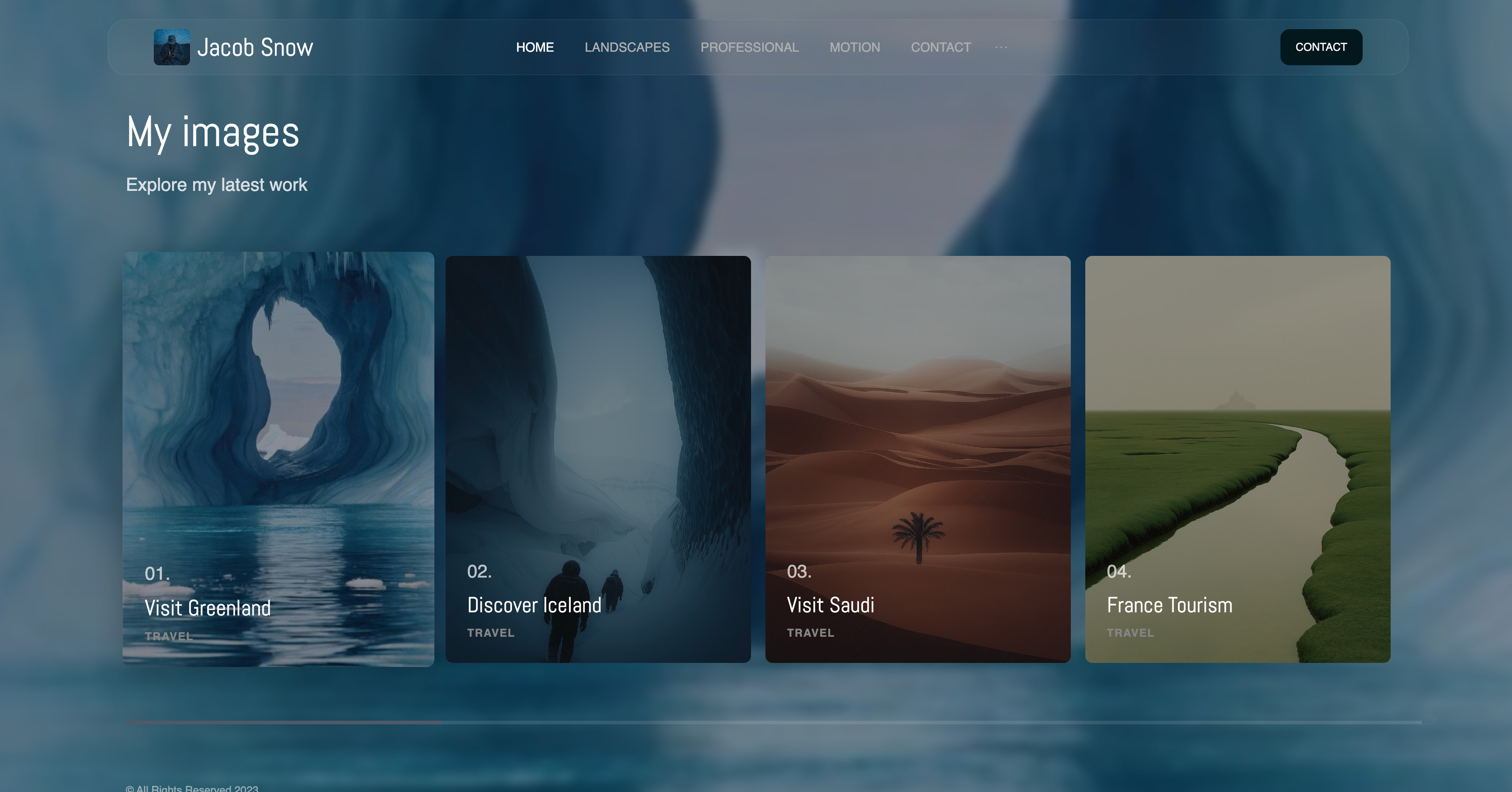
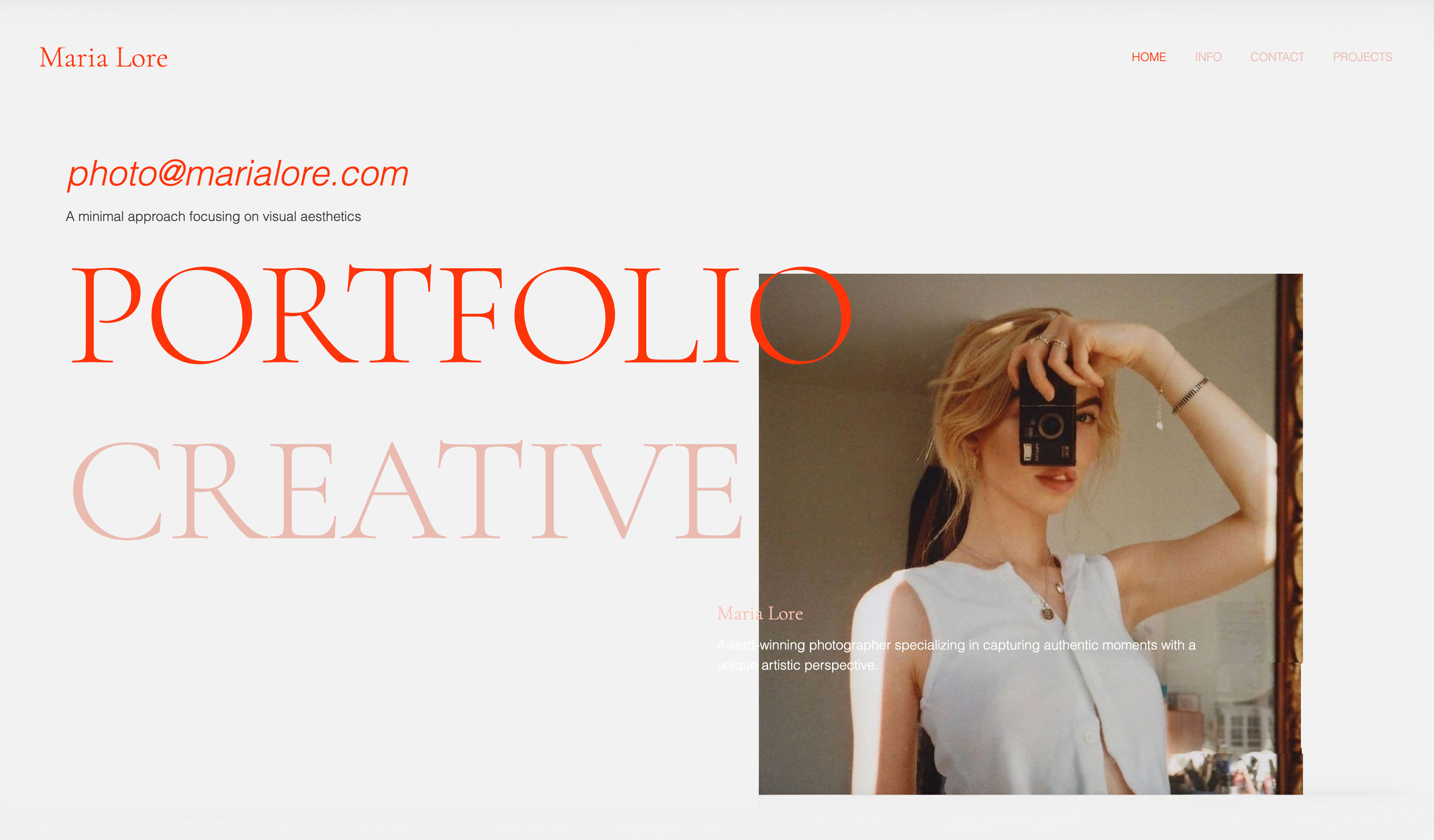
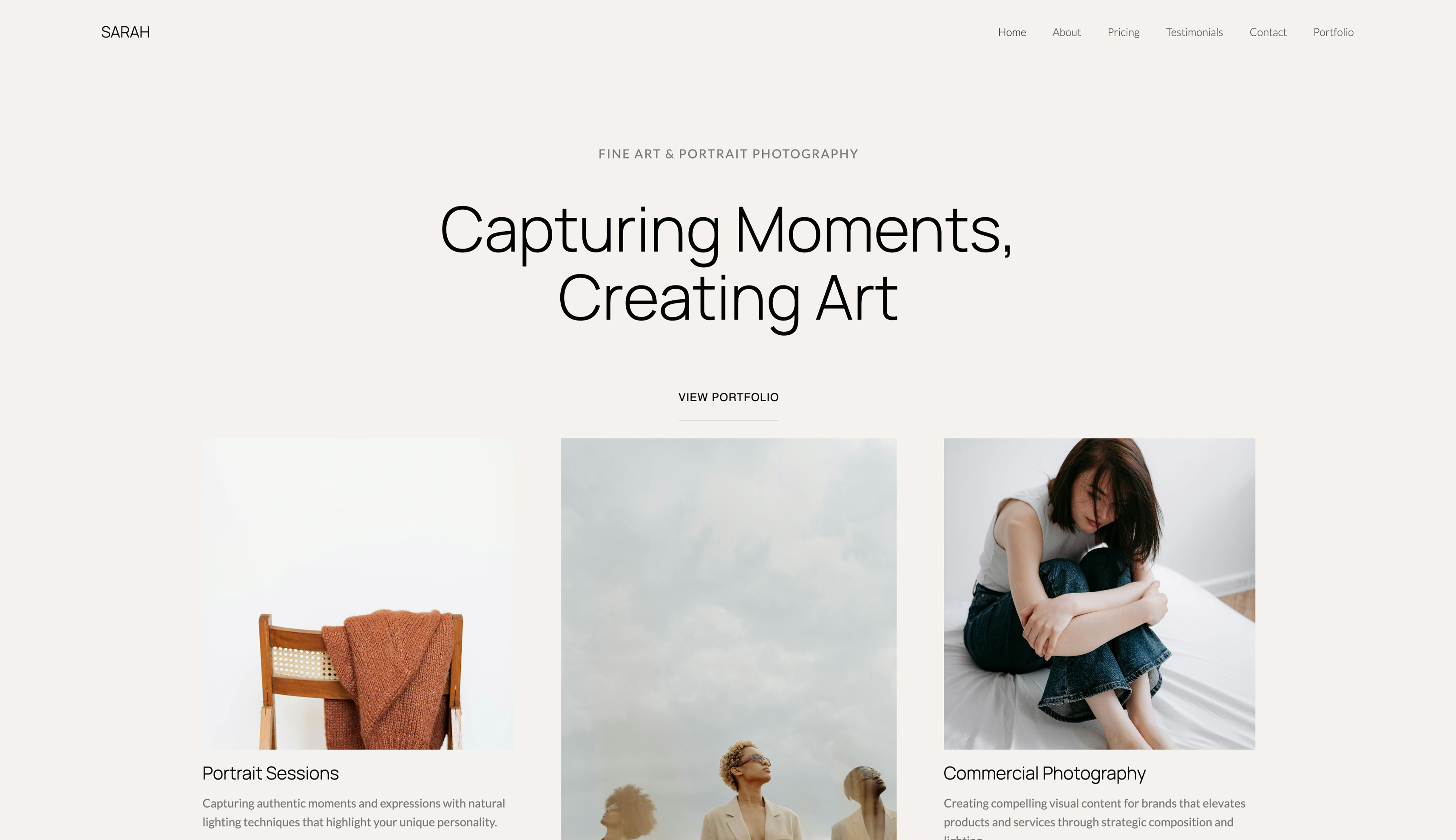
Start from a designer-made template
 Use template
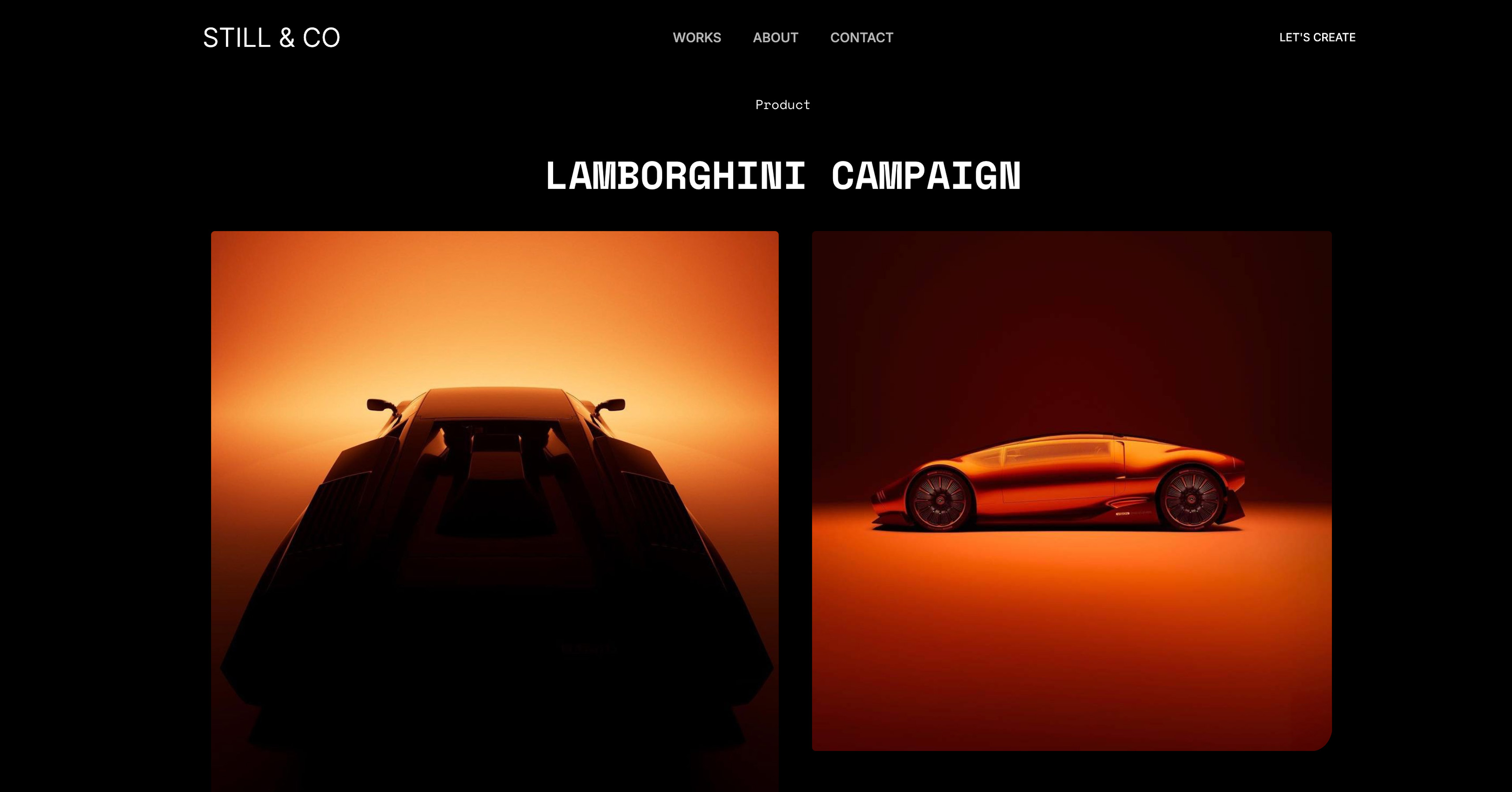 Use template
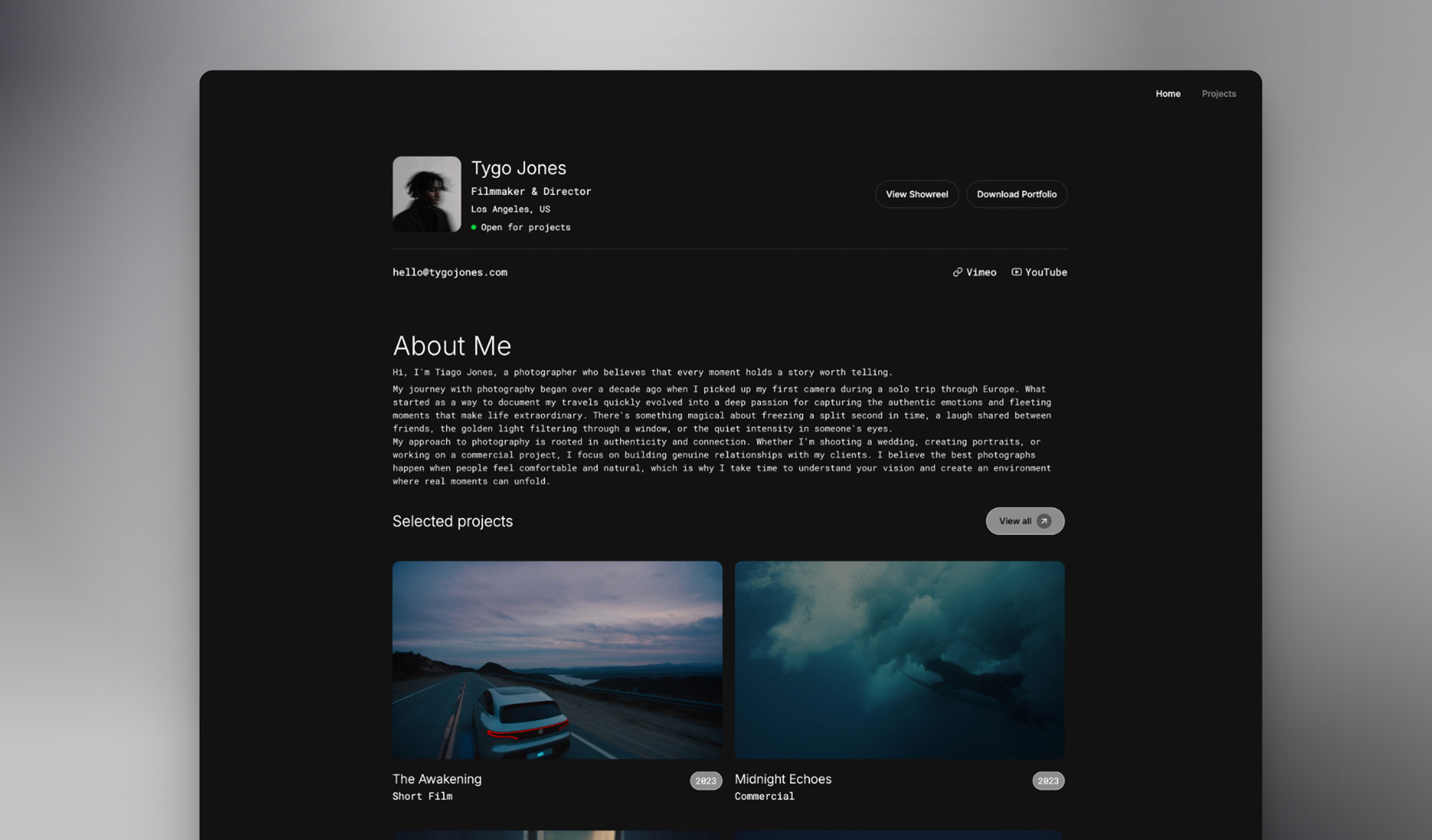 Use template
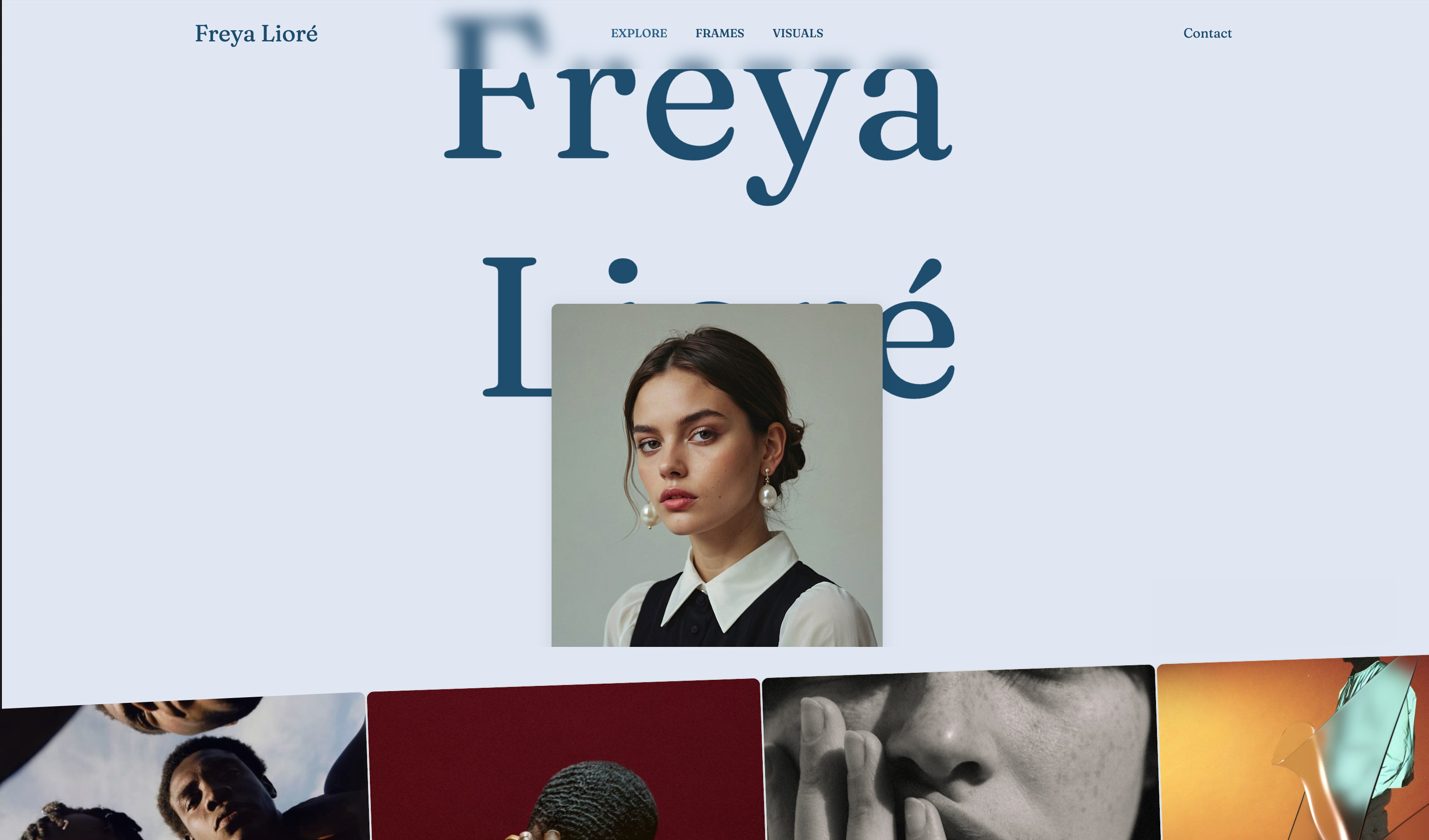 Use template
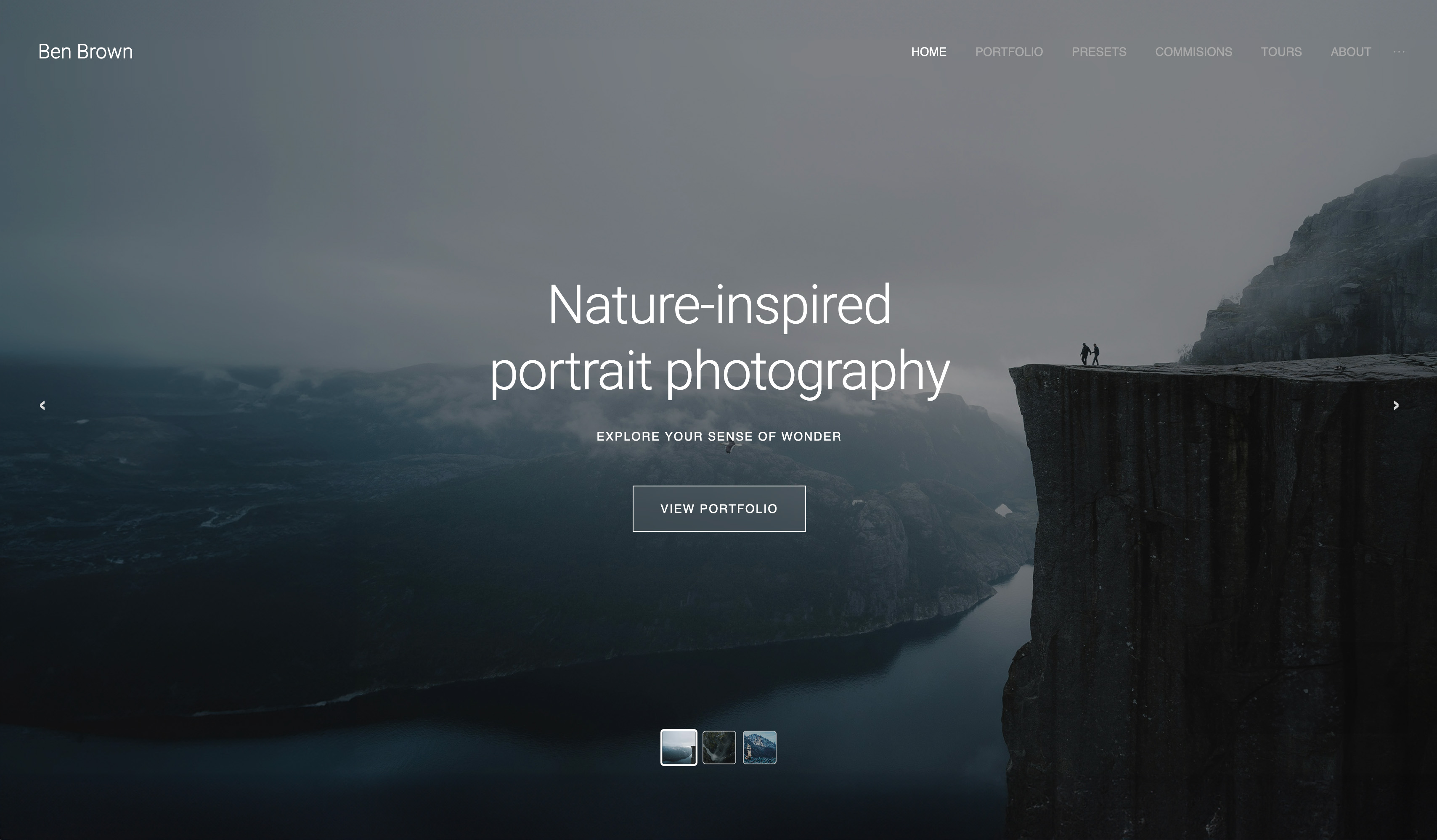 Use template
 Use template
 Use template
 Use template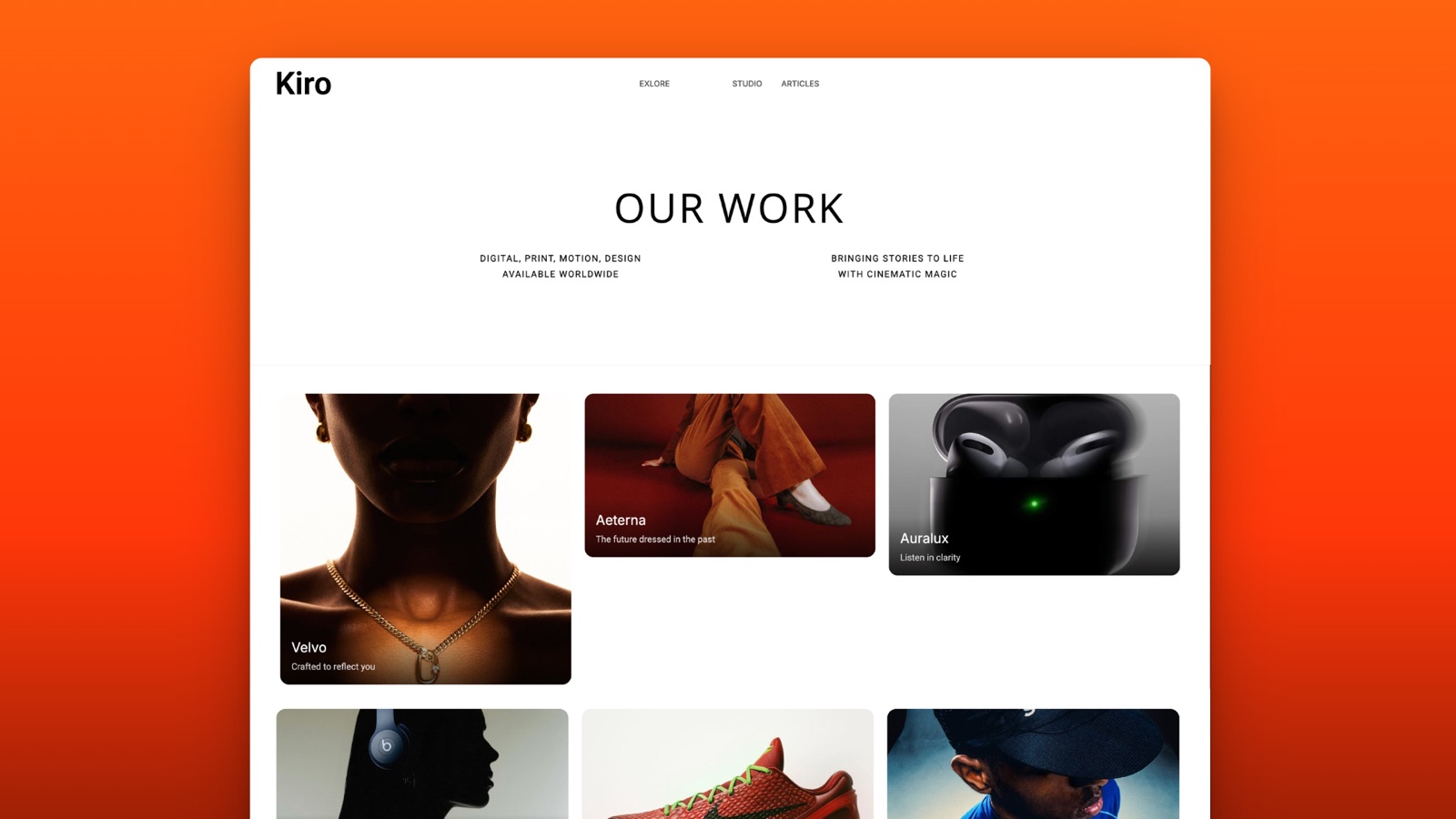
You have a graphic design business the day you can answer three questions in one sentence each.
Who is this for. What does it cost. What happens after they say yes.
Almost every problem a new designer has traces back to one of those three going unanswered. Bad-fit clients come from the first. Scope creep and underpricing come from the second. Chaotic projects, late payments and clients who go quiet for three weeks come from the third.
Nothing on that list is a design problem, which is why designers with excellent portfolios spend years wondering why the business part feels so hard.
A graphic design business is a service business that sells design outcomes to clients, and starting one is mostly the work of making three answers specific enough to repeat.
Define one audience, publish a starting price and write down what your first 30 days with a client look like.
Register the business, get a contract, take 50% deposits and open a separate tax account before your first invoice.
Software costs almost nothing now that the Affinity suite is free for individuals, so the money and time go into positioning and three real case studies rather than into tools.
We build Framekit and a website is one item on the list below rather than the centre of it. Our own entry says where you should not spend money with us yet.
Question One: Who Is This For
The answer that works is narrow enough that a stranger who met you once could refer you correctly to somebody else, and almost every designer resists writing it down for exactly the same reason, which is worth addressing directly.
What a weak answer sounds like"I do branding, web design and social content for small businesses." That describes roughly forty thousand people and gives a prospective client nothing to pattern-match against.
What a strong answer sounds like"I do brand identity for independent food and drink businesses opening their second location." Now a referral is possible, a case study is repeatable, and the person reading it can tell instantly whether it is them.
The objection, and the answer to itnarrowing feels like turning away work, and in practice it produces more enquiries rather than fewer, because you become the obvious choice for a specific group instead of an option for everyone. You are also not committing for life. Run a niche for six months and measure.
How to pick when you have no clients yetchoose the sector you understand, not the one that pays best. Understanding the buyer's problem is the entire advantage a specialist has, and it cannot be researched into existence quickly.
In one lineNarrow enough that somebody could refer you accurately without asking you a follow-up question.
Question Two: What Does It Cost
Publishing a starting price is the single fastest way to stop having long, friendly, unpaid conversations with people who were never going to hire you at any number you would accept.
What to publisha floor, not a rate card. "Identity projects start at $2,500" filters enquiries without inviting line-by-line comparison. A full price list invites shopping.
How to arrive at the numberwork out your floor before you look at what anybody else charges. Total your annual costs, add the income you actually need, add tax, and divide by realistically billable hours, which for a solo designer is nearer 1,000 a year than 1,800.
Our guide to pricing graphic design works the arithmetic through with a full rate table.
Price the project, not the hour. Hourly billing means getting faster reduces your income, which is a strange incentive to build a career on. Fixed project pricing with a written scope keeps the benefit of your own efficiency where it belongs.
The two lines that protect the pricetwo revision rounds included, and a 50% deposit before work starts. Both go in the proposal rather than into a conversation later.
In one linePublish a floor, price the project, cap the revisions, take half upfront.
Question Three: What Happens After They Say Yes
This is the answer that separates an actual business from a talented person with a portfolio, and it is the one that almost nobody writes down, which is precisely why writing it down is such a cheap advantage.
A first-30-days description that convertsthe kickoff call and what you will ask, the discovery output and when they see it, the first presentation date, how feedback is given, how many rounds are included, what you need from them and by when, and what the final handover contains.
Why it wins workmost prospects have been burned by a previous designer who went quiet. A written process is evidence that this time will be different, and it costs you one afternoon to produce.
The internal version of the same documentyour own repeatable sequence, from proposal template to onboarding questionnaire to file structure to handover pack. The second project should take noticeably less admin than the first, and the tenth should be almost automatic.
In one lineWrite down your process once, show the client version, and run the internal version on every job.
The Setup That Makes It Real
Five things belong in place before you send the first invoice, and none of them takes more than an afternoon, which makes the usual reason for skipping them something other than time.
Business registration. Sole trader, limited company or the local equivalent, chosen with an hour of an accountant's time, because the decision affects tax and liability from the first payment.
A contract for every project. Scope, deliverables, revision count, payment schedule, cancellation terms, and who owns the work and when.
Our contract and proposal tools comparison covers the tooling.
A separate tax account. Move a fixed percentage across on the day each payment lands. Doing it monthly instead of at year end is the difference between a manageable bill and a crisis.
Professional indemnity cover if you work with larger clients, several of whom will ask for evidence of it before signing anything.
Invoicing that chases for you. Automated reminders on overdue invoices remove the most uncomfortable task in freelancing. Our invoicing tools comparison covers the options.
In one lineRegistration, contract, tax account, cover and automated invoicing, all before invoice number one.
What It Costs to Start in 2026
Starting a design business costs less in 2026 than at any point in the last two decades, and the reason is almost entirely software rather than anything about the market itself.
| Item | Typical first-year cost |
|---|---|
| Design software | $0 to $250 |
| Website and domain | $100 to $250 |
| Contract and invoicing tools | $0 to $200 |
| Professional indemnity insurance | $150 to $500 |
| Business registration and accounting | $0 to $600 |
| Fonts and stock assets | $0 to $400 |
| Total | About $250 to $2,200 |
The software line deserves explaining because it changed recently.
Canva made the Affinity suite free for individuals, covering vector, pixel and layout work in one application, with only the AI features requiring a paid Canva plan.
Combined with Inkscape, GIMP and Blender, a designer in 2026 can produce fully professional commercial work without paying for software at all.
Our comparison of free graphic design software covers the whole stack.
What that means for the planthe startup cost of a design business is now almost entirely time, plus a few hundred dollars of administrative infrastructure. There is no equipment argument left to hide behind.
The one thing worth paying for earlyanything that makes you look like a business rather than a person with a laptop, which in practice means a domain, a site and a contract.
In one lineSoftware is effectively free, so the money goes to credibility and paperwork.
The First Ten Clients
Here is where the first ten clients actually come from, in the order that works rather than the order that feels most comfortable, because the comfortable order is what produces an empty first year.
One to three: people who already know you. Former colleagues, classmates, employers and anybody who has seen you work. Tell them specifically what you do now and who you do it for. This converts better than anything else available to you and costs nothing.
Four and five: referral partners. Web developers, copywriters, photographers and marketing consultants meet businesses needing design constantly and cannot supply it. Three good partnerships outproduce months of posting.
Six and seven: speculative work in your chosen sector. Two or three unpaid or at-cost projects for real businesses, done properly and published as case studies with permission. Treat it as marketing spend with a defined budget and a stop date.
Eight to ten: inbound and targeted outreach. By now you have case studies, a site and a niche, which makes both credible.
Ten researched outreach messages a week beats a hundred generic ones, and inbound starts producing enquiries three to twelve months after you begin publishing.
What to do while all of that developspublish the pages that answer buyer questions, which is what makes inbound possible later. Our guide on getting clients as a freelance designer sets out the full channel order.
In one linePeople you know, then partners, then evidence, then strangers, in that order.
The Numbers to Watch in Year One
Four figures, tracked monthly, will tell you more about how the year is going to end than your revenue number will, and three of them are invisible unless you deliberately write them down.
Effective hourly rate per project. Fee divided by every hour including proposals, calls, revisions and invoicing. If it falls as you get busier, your scope control is broken.
Proposal-to-win rate. Below about 30% suggests a positioning or qualification problem; above 80% suggests you are priced too low.
Share of revenue from the top client. Above a third is a risk rather than an achievement, because that month it ends is the month the business does.
Weeks of runway. Cash in the business divided by monthly costs. Three months is the point at which you can decline bad work, and declining bad work is what raises rates.
A realistic first year$20,000 to $45,000 in most markets for someone working at it full time, with the top of that range requiring both a niche and consistent pipeline work. Higher outcomes exist and usually involve prior industry contacts rather than better design.
In one lineTrack effective rate, win rate, client concentration and runway, and the revenue follows.
Frequently Asked Questions
How do I start a graphic design business in 2026?
Answer three questions specifically: who your clients are, what your work starts at, and what your first 30 days with a client look like.
Then register the business, put a contract and a 50% deposit policy in place, and publish three case studies in one sector. Software is now close to free, so the work is positioning and evidence rather than equipment.
How much does it cost to start a graphic design business?
Between about $250 and $2,200 in the first year, covering a domain and website, contract and invoicing tools, insurance, registration and any fonts or stock you buy.
Design software is no longer a significant cost, because the Affinity suite is free for individuals and the open-source stack of Inkscape, GIMP and Blender is fully professional.
Do I need a business licence or registration?
You need whatever form of registration your country requires, and the choice between operating as a sole trader or forming a company affects both tax and personal liability from your first invoice.
This is one of the few decisions genuinely worth an hour with an accountant rather than an hour of internet research.
What should I charge when I am starting out?
Enough to clear your own floor, which is annual costs plus target income plus tax, divided by roughly 1,000 billable hours a year.
In practice that puts most new designers at $800 to $2,500 for an identity project and $1,500 to $4,000 for a small website design, priced per project rather than per hour, with two revision rounds and a 50% deposit.
Do I need a niche to start?
You do not need one to start and you will grow faster with one. A narrow positioning makes referrals possible, gives you a specific place to be present, creates something to rank for, and makes speculative work reusable as evidence.
Choose the sector you understand rather than the one that appears to pay best, and review it after six months.
How do I get my first design client?
By telling everyone who already knows your work exactly what you do now and who you do it for. That single specific message converts better than any other channel available to a new designer, costs nothing, and can be sent today.
Referral partnerships with developers, copywriters and photographers are the reliable second source.
Should I do free work to build a portfolio?
Do a defined amount, for real businesses, with permission to publish, and with a stop date. Two or three properly executed speculative projects in one sector produce case studies that convert paying clients.
Open-ended free work with no publication rights is not marketing, it is a habit that becomes difficult to break.
What software do I need?
Almost none that costs money. The Affinity suite is free for individuals and covers vector, pixel and layout work in one application, and Inkscape, GIMP and Blender cover the rest of a professional workflow.
Pay for Adobe only when a client's file interchange genuinely requires it, which is less often than most new designers assume.
How long before a design business is profitable?
Most reach modest profitability within three to six months, because the fixed costs are so low.
The harder milestone is consistency, which typically takes 12 to 18 months and arrives when the pipeline stops being a series of individual wins and becomes a mix of repeat clients, referrals and inbound.
Do I need a website or is a portfolio platform enough?
You need a site you control, because that is where the case studies, the published prices and the process description live, and none of those fit a portfolio profile.
A portfolio platform is a distribution channel; the site is the thing that answers a buyer's questions before they contact you.
Our website builders for graphic designers comparison covers the options.
How do I handle contracts and deposits as a beginner?
Use a standard template covering scope, deliverables, revisions, payment schedule, cancellation and rights transfer, and require 50% before work starts on every project without exception.
Clients who object to a deposit at that level are giving you accurate information about how the rest of the project would have gone.
What is the most common reason new design businesses fail?
Not design quality. It is a combination of unclear positioning, unpriced scope and no pipeline work during busy months, which produces a cycle of feast and famine that eventually ends the business.
Every one of those is a systems problem, and every one of them is fixable in an afternoon of writing things down.
Final Verdict
Starting a graphic design business in 2026 costs very little money and a specific kind of discomfort. The money part has been solved by free professional software; what remains is the willingness to be specific.
Specific about who you serve, so that referrals are possible. Specific about price, so that the wrong enquiries stop arriving. Specific about process, so that a nervous client can see what happens next.
Those three answers are the business, and the portfolio is the evidence attached to them.
Where Framekit is the wrong purchase right nowFramekit is an AI website builder for designers and other creative professionals, and if you have no case studies yet, building a website is premature, because there is nothing to put on it.
Spend the first month on positioning and evidence and come back when you have three projects worth showing.
We also do not do contracts, invoicing, proposals or accounting, all of which a new design business needs and all of which the dedicated tools linked above handle properly.
Verdict: Write the three answers down this week, register the business, set a deposit policy, publish three case studies in one sector, and buy almost no software.
Related reading: 13 ways to make money as a graphic designer, how much to charge for graphic design, and the best free graphic design software.
Software availability and pricing referenced here were checked in August 2026 against the vendors' own pages. Income and cost ranges reflect UK, EU and US markets and are given as ranges because they genuinely vary by market.