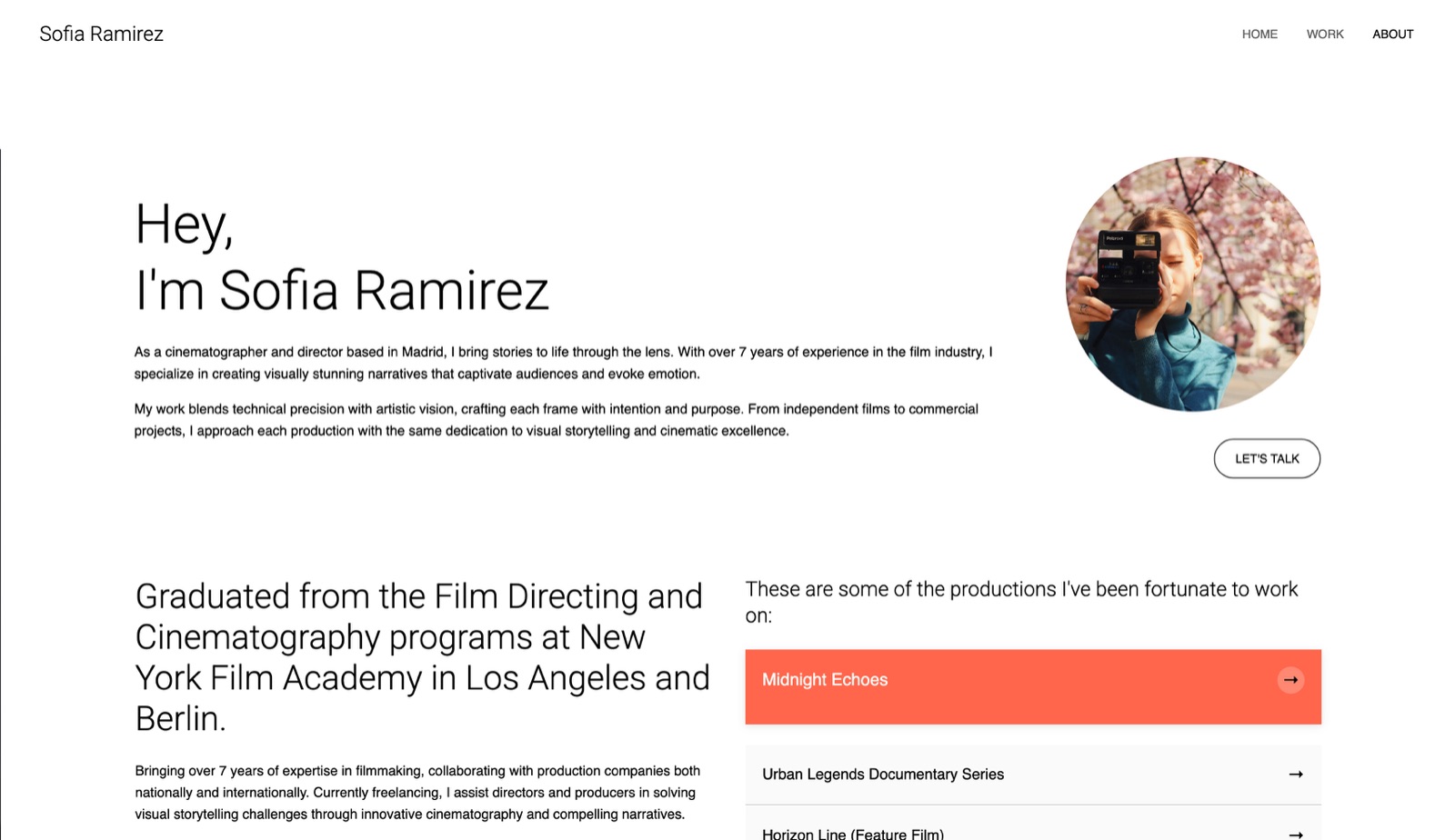
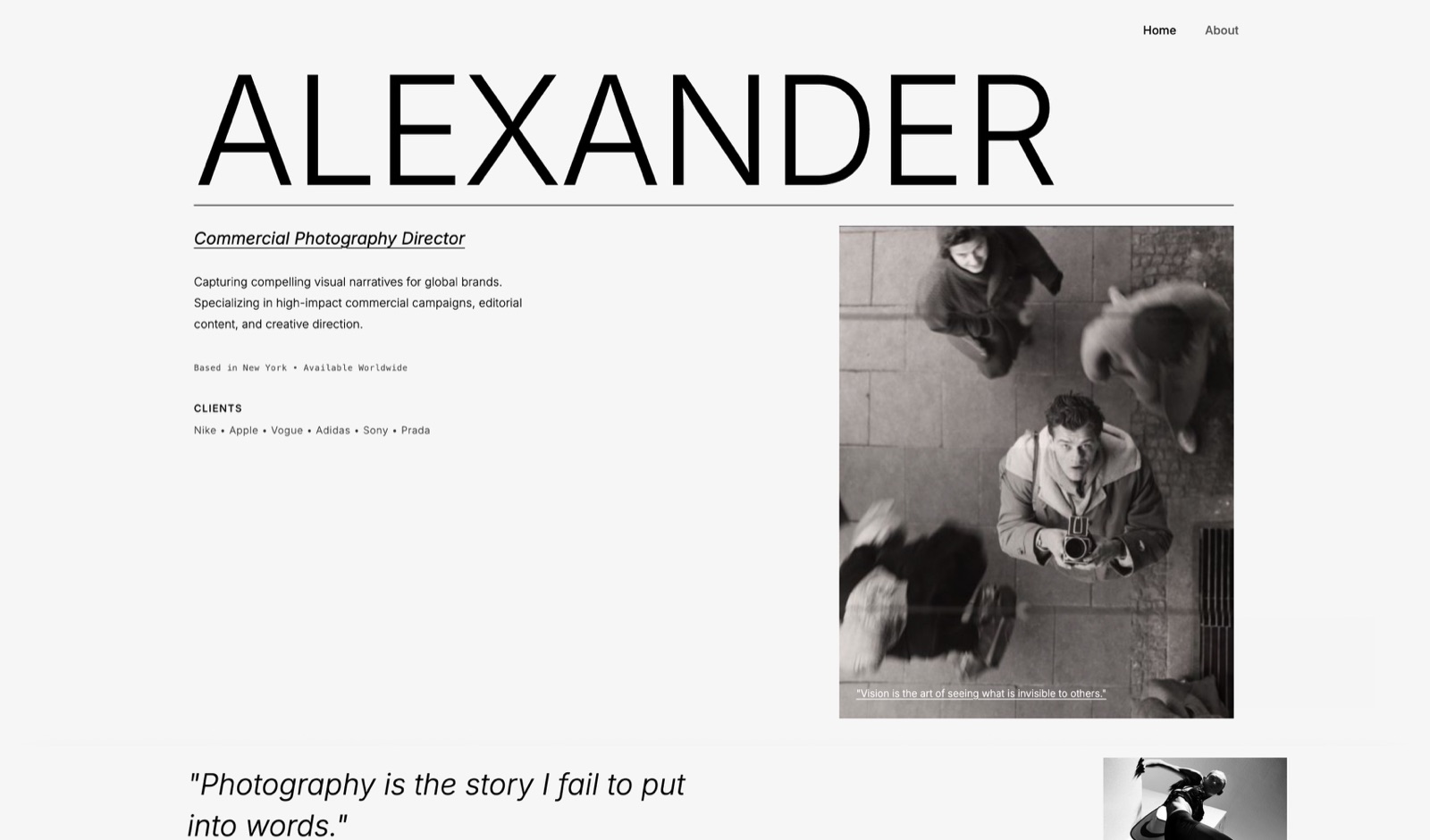
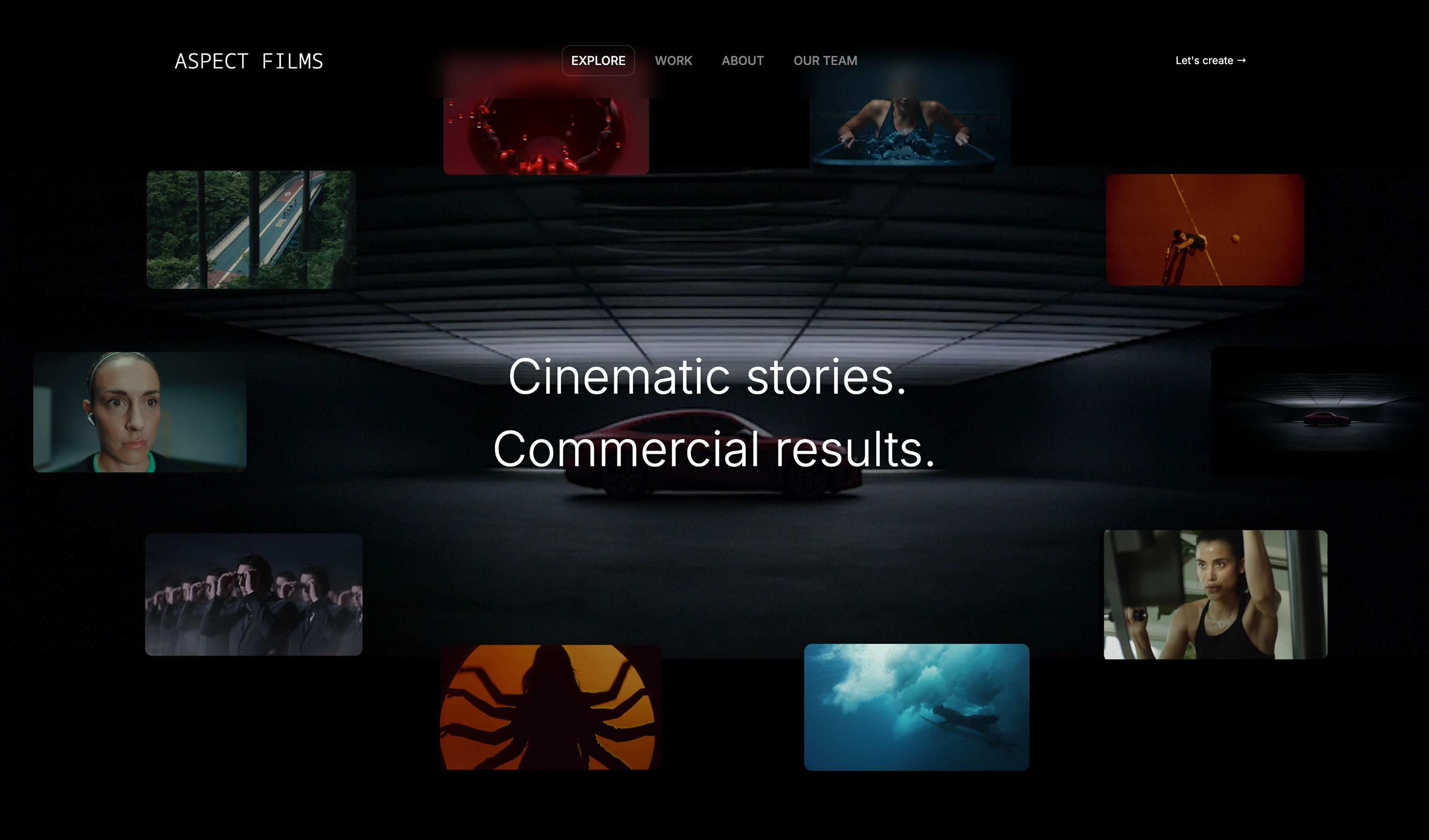
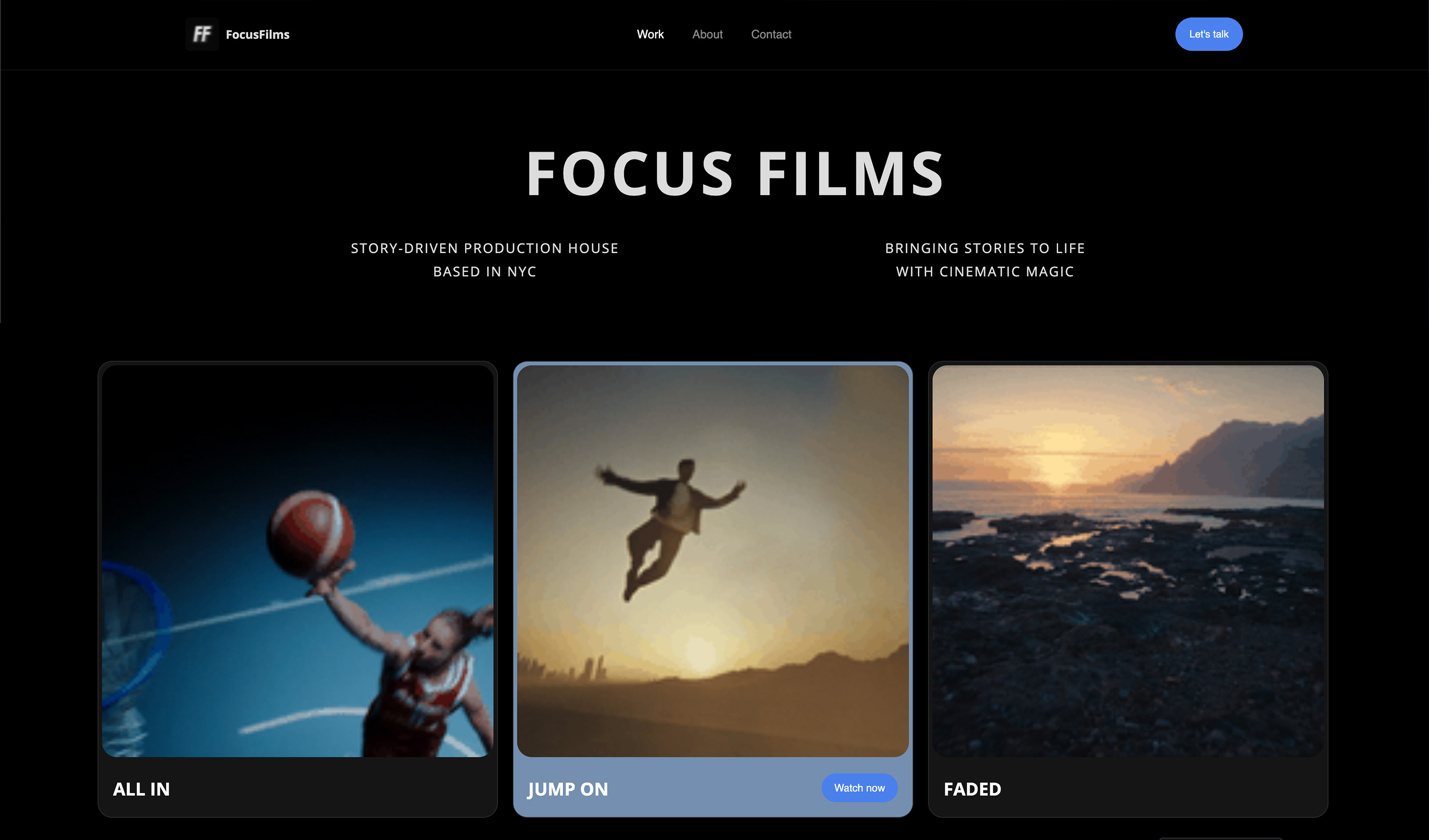
Framekit templates
Start from a designer-made template
 Use template
 Use template
 Use template
 Use template
 Use template
 Use template
 Use template
 Use template
Two editors quote $500 for a two-minute video. The first receives 20 minutes of clean interview footage with a transcript. The second receives six hours of unlabelled multicam, a folder of screen recordings and a voice note about the vision.
Same deliverable, same price, and one of them is about to work for $12 an hour.
That is the whole problem with how much to charge for video editing, and it is why per-hour and per-project quotes both fail. The number that predicts the work is the ratio between the source footage and the finished runtime, and almost nobody asks for it before quoting.
Video editing pricing is the practice of setting a fee for a post-production deliverable, and the professional convention is to price per finished minute with the quote conditioned on how much raw material has to be watched to produce it.
Price per finished minute and set the number from the source-to-finish ratio.
In 2026, straightforward social and corporate work runs $100 to $400 per finished minute, brand and commercial work $500 to $2,000, and complex multicam or documentary work $1,000 to $3,000.
Quote only after you know the footage volume, cap revisions at two rounds, and take 50% upfront.
We build Framekit and we are not a post-production consultancy.
This is a pricing guide, and our one relevant appearance is at the end, where the portfolio that justifies your number and the review link that caps your revision rounds both live.
Framekit's own capabilities here were re-verified in September 2026.
Ask for the Footage Volume Before You Quote
This is the single change that separates editors who make money from editors who are merely busy, and it takes one extra email before you send a quote rather than any change to how you work.
The four questions to ask before naming a number:
- How many hours of source footage are there, and how many cameras?
- Is there a transcript, a paper edit or a script, or am I finding the story?
- What is the finished runtime, and how many versions or aspect ratios?
- Who approves it, and how many people are in that group?
The first question sets your time. The second decides whether you are an editor or an editor plus a story producer, which are different jobs at different rates. The third multiplies everything. The fourth predicts your revision rounds better than any other signal.
The ratio in practice. Here is what the same finished minute costs you in hours at different source volumes, for dialogue-led work.
| Source footage | Ratio to one finished minute | Editing hours per finished minute |
|---|---|---|
| 20 minutes, single camera, transcript supplied | 20:1 | 1 to 2 |
| 2 hours, two cameras | 60:1 | 3 to 4 |
| 6 hours, three cameras, no transcript | 180:1 | 6 to 9 |
| 20 hours, documentary, no paper edit | 600:1 | 15 to 25 |
A two-minute video is therefore anywhere between two hours and fifty hours of work. Quoting it as "a two-minute video" is quoting a range of twenty-five to one.
In one lineThe finished runtime tells you nothing; the source-to-finish ratio tells you almost everything.
What Editors Actually Charge in 2026
Ranges, because the same edit is priced differently in different markets and by different levels of experience. Position yourself by comparable work rather than by years in the chair.
| Deliverable | Entry to mid | Established | Notes |
|---|---|---|---|
| Social clip, supplied footage | $50 to $150 each | $200 to $500 each | Per clip, batch pricing lower |
| Talking-head or corporate, per finished minute | $100 to $250 | $300 to $600 | Assumes moderate ratio |
| Brand or commercial, per finished minute | $400 to $900 | $1,000 to $2,500 | Grade and mix included |
| Documentary, per finished minute | $300 to $700 | $800 to $2,000 | Ratio drives everything |
| Wedding film, full delivery | $600 to $1,200 | $1,500 to $3,000 | Highlight plus ceremony |
| Podcast episode, multicam | $150 to $400 | $500 to $1,200 | Per episode, volume discount |
| Day rate, editor with own kit | $350 to $600 | $700 to $1,400 | On-site premium above this |
| Hourly, out-of-scope work | $45 to $80 | $90 to $175 | For amends beyond the cap |
The one number to compute for yourselfyour floor. Total your annual costs, add the income you need, add tax, and divide by realistically billable hours, which for a freelance editor is roughly 1,000 a year rather than 1,800. Every quote gets checked against that.
The same calculation is worked through step by step in our guide to pricing graphic design, and the method transfers exactly.
In one lineUse the market ranges to place yourself and your own floor to decide what to decline.
Three Ways to Price, and When Each Is Right
Per finished minute. The professional default for content work.
It aligns the fee with the deliverable rather than your speed, and it makes scope changes visible: a client asking for four minutes instead of two is asking for twice the product.
Condition the rate on a stated footage volume, and state that exceeding it re-prices the job.
Day rate. Correct for on-site work, for edits where the client is in the room, and for open-ended projects where the deliverable genuinely cannot be defined.
Also correct when working for agencies and production companies, who budget in days and will find a per-minute quote unfamiliar.
Monthly retainer. The right structure for recurring content: a fixed number of finished minutes or clips per month for a fixed fee.
It stabilises your income and the client's budget, and it is the single most valuable change available to an editor whose work is repeatable social or podcast output. $1,500 to $6,000 a month covers most of this market.
The model to avoid for content workpure hourly. It penalises the editor who has invested in being fast, invites clients to question how long things took, and turns every efficiency you gain into a pay cut.
In one linePer minute for deliverables, per day for time, per month for recurring, and hourly only for amends.
Revisions Are Where the Margin Dies
Every unprofitable edit in this business has the same shape, and the shape is almost never underpricing at the quote stage. It is round five, arriving from a fourth stakeholder who was not in the original conversation.
The policy that workstwo revision rounds included, defined as one consolidated set of notes each, with further rounds charged at your hourly rate. Write it in the quote, not in a conversation.
Why "consolidated" is the load-bearing wordthe expensive pattern is not five rounds, it is five people sending notes separately over nine days, each triggering an export and an upload. One document per round, from one person, is the entire fix.
The number that makes the case to a clienta two-minute corporate video with two rounds is roughly 10 hours. The same video with unmanaged feedback from four stakeholders is 18 to 22 hours. At $500 that is $50 an hour becoming $25, and the client is not getting a better video, they are getting a slower one.
What to charge for extra roundsyour hourly rate with a minimum of one hour per round, because a two-word change still costs an export, an upload and a context switch.
In one lineCap the rounds and require consolidated notes, or the fourth stakeholder sets your hourly rate.
Price the Extras Separately or Give Them Away
Six things are routinely requested as though they are part of the edit rather than additions to it, and each one is a separate deliverable with its own hours attached, which is why bundling them silently is so costly.
Vertical and square cutdowns. Not a crop. A re-frame, a re-timing and often re-positioned graphics. Price at 30% to 50% of the original per version.
Captions. Automated transcription plus a proofread pass and styling. Cheap to produce and worth charging for, typically $20 to $60 per finished minute depending on styling.
Colour grade. A balance pass is different from a look. If the client is asking for a look, that is a specialist deliverable, priced at $250 to $1,500 per project depending on length.
Audio mix and repair. Standard on any professional delivery and the first thing viewers notice when it is missing. Build it into the base price and say that you have, so the client understands what they are buying.
Music licensing. Either they supply it, or you buy it and bill it at cost plus handling. Never absorb a licence fee into an edit fee, because it is a recurring cost with legal consequences.
Source files and project archives. Handing over the project file is a deliverable with a price, not a courtesy. It also transfers the ability to re-cut your work without you, which is a commercial decision rather than a technical one.
In one lineEverything on this list is a line item, and editors who bundle them silently are the ones who feel underpaid.
Should Rates Fall Because of AI?
This is the live question in every editing community right now, and the answer follows directly from what these tools actually removed from the job rather than from how impressive the demos are.
What has genuinely been automatedtranscription, sync, filler-word removal, rough assembly of dialogue, audio cleanup, rotoscoping, captioning and versioning.
On a typical delivery those tasks were roughly 45% of the hours, which is covered in detail in our AI tools for video editors comparison.
What has not been automateddeciding what to keep, in what order, at what pace, and why. That is the part clients cannot do and cannot evaluate, which is exactly why it is the part worth money.
What that means for your rateif you price per hour, your income falls automatically as you get faster, and AI makes you faster. If you price per finished minute, the efficiency accrues to you rather than to the client.
This is the strongest practical argument for changing your pricing basis, and it is why the editors most anxious about AI are usually the ones billing hourly.
The honest caveatclients are not stupid, and rates on purely mechanical work have compressed. Subtitle-only jobs, simple assembly from a supplied paper edit and basic social cutdowns are all cheaper than they were.
The response is to move up the value chain rather than to defend a rate on work that genuinely takes less time.
In one linePrice the deliverable and keep the efficiency; price the hour and hand it to the client.

Getting Paid Without Chasing
Three practices protect the money once the work is agreed, and none of them is optional at any experience level, because the failure modes they prevent are the ones that cost whole projects rather than percentages.
Fifty per cent upfront. Work starts when it clears. This is standard, it removes most payment risk, and objections to it are information about the rest of the project.
Deliver a watermarked review copy. Final files on final payment. This is not distrust, it is how the industry works, and clients who have worked with editors before expect it.
Invoice rather than take a card on large fees. Stripe's published European rates are 1.5% plus EUR 0.25 for standard EEA cards and 2.8% plus EUR 0.25 for premium ones, while its invoicing product is priced at 0.4% of the transaction total with a US$2.00 cap per invoice.
On a $3,000 edit that is a difference of roughly $43 to $82 for a decision that takes no effort at all.
In one lineHalf upfront, watermarks until paid, and an invoice rather than a card on anything substantial.
Frequently Asked Questions
How much should I charge for video editing in 2026?
Price per finished minute rather than per hour: $100 to $250 for talking-head and corporate work at entry to mid level, $300 to $600 for established editors, $400 to $2,500 for brand and commercial work, and $300 to $2,000 for documentary depending on footage ratio.
Always condition the quote on a stated volume of source footage, because that is what actually determines your hours.
Should video editors charge hourly or per project?
Per finished minute for content deliverables, per day for on-site work and agency engagements, and per month for recurring output.
Pure hourly pricing is the worst of the options for editing, because it reduces your income exactly as your efficiency improves and it invites clients to audit how long individual tasks took.
What is a good hourly rate for a video editor?
Between $45 and $80 an hour for entry to mid level and $90 to $175 for established specialists, though the more useful number is your own floor: annual costs plus target income plus tax, divided by around 1,000 genuinely billable hours a year.
Reserve the hourly rate for revisions beyond your included rounds rather than using it as the primary pricing model.
How do I quote a video edit I have not seen the footage for?
Do not. Give an indicative range conditioned on footage volume, and state the exact fee once you know the hours of source, the camera count, whether a transcript or paper edit exists, and the finished runtime.
A two-minute video can be two hours or fifty hours of work, and quoting before knowing which is how editors end up working for $12 an hour.
How many revisions should be included?
Two rounds, each defined as one consolidated set of notes from one person, with further rounds charged at your hourly rate and a one-hour minimum.
The cost driver is not the number of changes but the number of separate feedback events, since each one triggers an export, an upload and a context switch regardless of how small the change is.
What should I charge for social media cutdowns?
Between 30% and 50% of the original edit fee per version, because a vertical cutdown is a re-frame, a re-time and usually re-positioned graphics rather than a crop.
Quoting cutdowns as included is the most common pricing mistake in commercial video, and it frequently halves the effective rate on an otherwise well-priced job.
How much is a wedding film edit worth?
$600 to $1,200 for entry to mid-level editors and $1,500 to $3,000 for established ones on a full delivery, which is why the deliverable list matters more than the headline price.
A highlight film alone is a fraction of the work of a highlight plus a full ceremony edit plus raw footage delivery, and pricing all three identically is how wedding editors end up near $50 an hour.
Do I charge more for a rush job?
Yes, 25% to 50% more, because a rush displaces other work and consumes evenings and weekends.
Charging it also filters enquiries usefully: clients with a genuine deadline pay it without argument, and clients whose deadline was arbitrary rediscover flexibility as soon as it has a price attached.
Has AI made video editing cheaper?
It has made the mechanical parts cheaper and left the creative part untouched.
Transcription, sync, cleanup, rotoscoping and captioning were roughly 45% of a typical edit and are largely automated, while deciding what to keep and in what order is not.
Rates on purely mechanical work have compressed, and rates for editors who shape a story have not.
Should I include colour grading and audio mixing?
Include a basic balance pass and a competent mix in the base price and say so explicitly, because both are expected on professional delivery.
Price a stylised grade separately at $250 to $1,500 depending on length, since that is a specialist deliverable rather than a finishing step, and clients who want it usually know they are asking for something extra.
What deposit should I take?
Fifty per cent before work starts, with the balance on delivery of final files, and a watermarked review copy in between.
This is standard across post-production, it protects you against the most common failure modes, and it is easier to introduce as a stated policy than to negotiate case by case.
How do I raise my editing rates?
Quote the new number on the next three enquiries rather than announcing a change to existing clients, and give existing clients 60 days of written notice when you do move them. If every quote is accepted immediately, the number is too low.
The fastest structural increase available to most editors is not a higher rate at all, but switching from hourly to per-minute pricing.
Final Verdict
Charging well for video editing comes down to three decisions, none of which is the number itself.
Ask for the footage volume before you quote, because the source-to-finish ratio is the only reliable predictor of your hours. Price per finished minute so that getting faster makes you money instead of costing you money.
Cap revisions at two consolidated rounds and put the cap in writing, because unmanaged feedback destroys more margin than underpricing does.
Do those three things and a mediocre rate becomes a profitable business. Skip them and a good rate still produces a bad year.
Where Framekit is not the toolFramekit is an AI website builder for creative professionals, and it does not do invoicing, contracts or time tracking, which are the three admin jobs this guide's arithmetic actually runs on; the dedicated options in our invoicing tools comparison handle those properly.
Its video review does take frame-accurate client comments and keep each cut's notes on its own version, which is what caps the revision rounds priced above, but review files are limited to two hours each and guests can comment without being able to upload, so an editor who wants freelancers delivering cuts into the same place needs a dedicated platform.
What we do is the portfolio and reel that make a higher rate look reasonable before you have said a number.
Verdict: Ask for the ratio, quote per finished minute, cap the rounds, take half upfront, and price every cutdown as the separate deliverable it is.
Related reading: 17 ways to make money as a videographer, the best video editing software, and contract and proposal tools for creatives.
Rate ranges here are market observation across UK, EU and US markets in August 2026, presented as ranges rather than as a survey. Payment processing figures were read from Stripe's published European pricing page on the same date.