Framekit templates
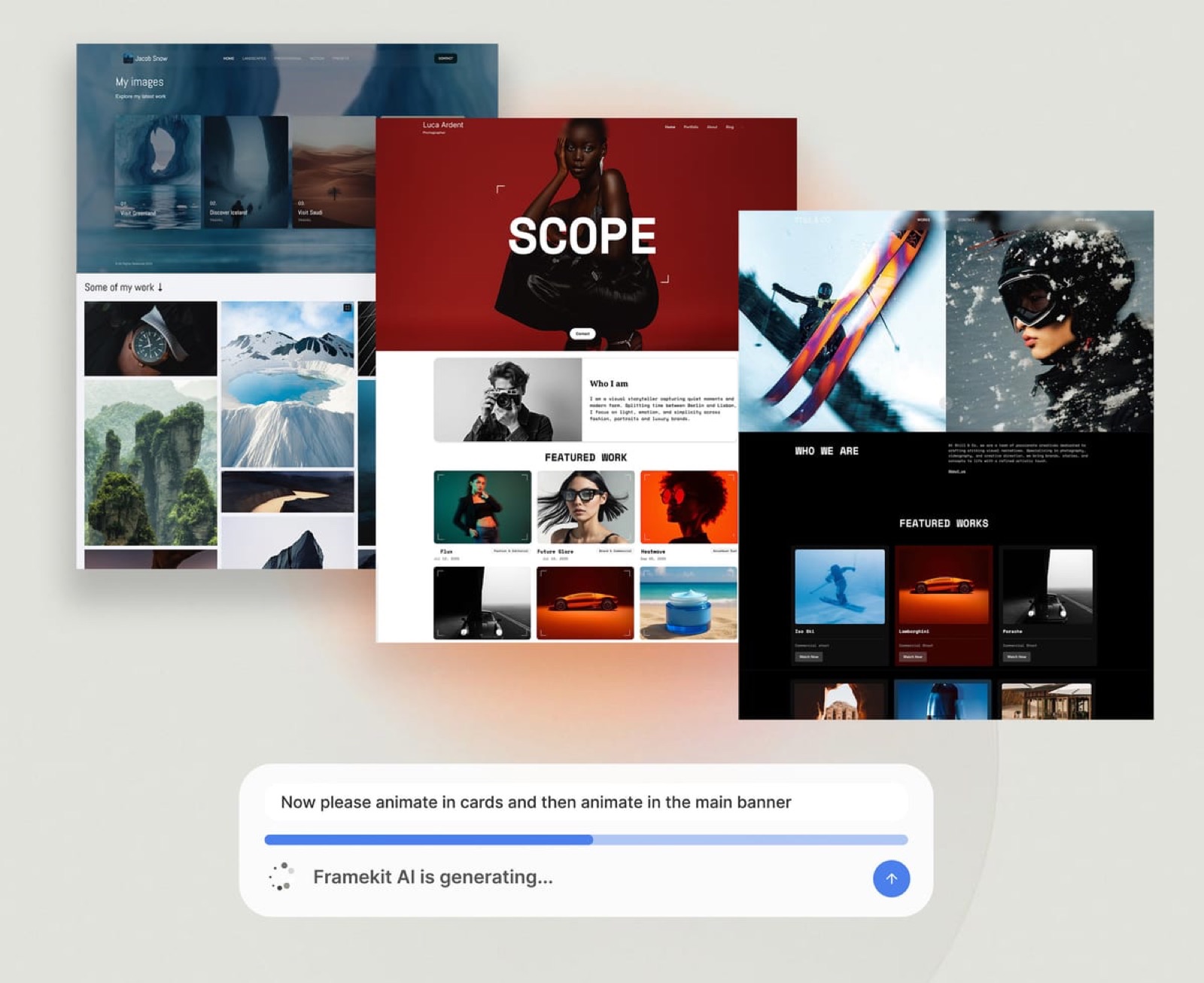
Start from a designer-made template
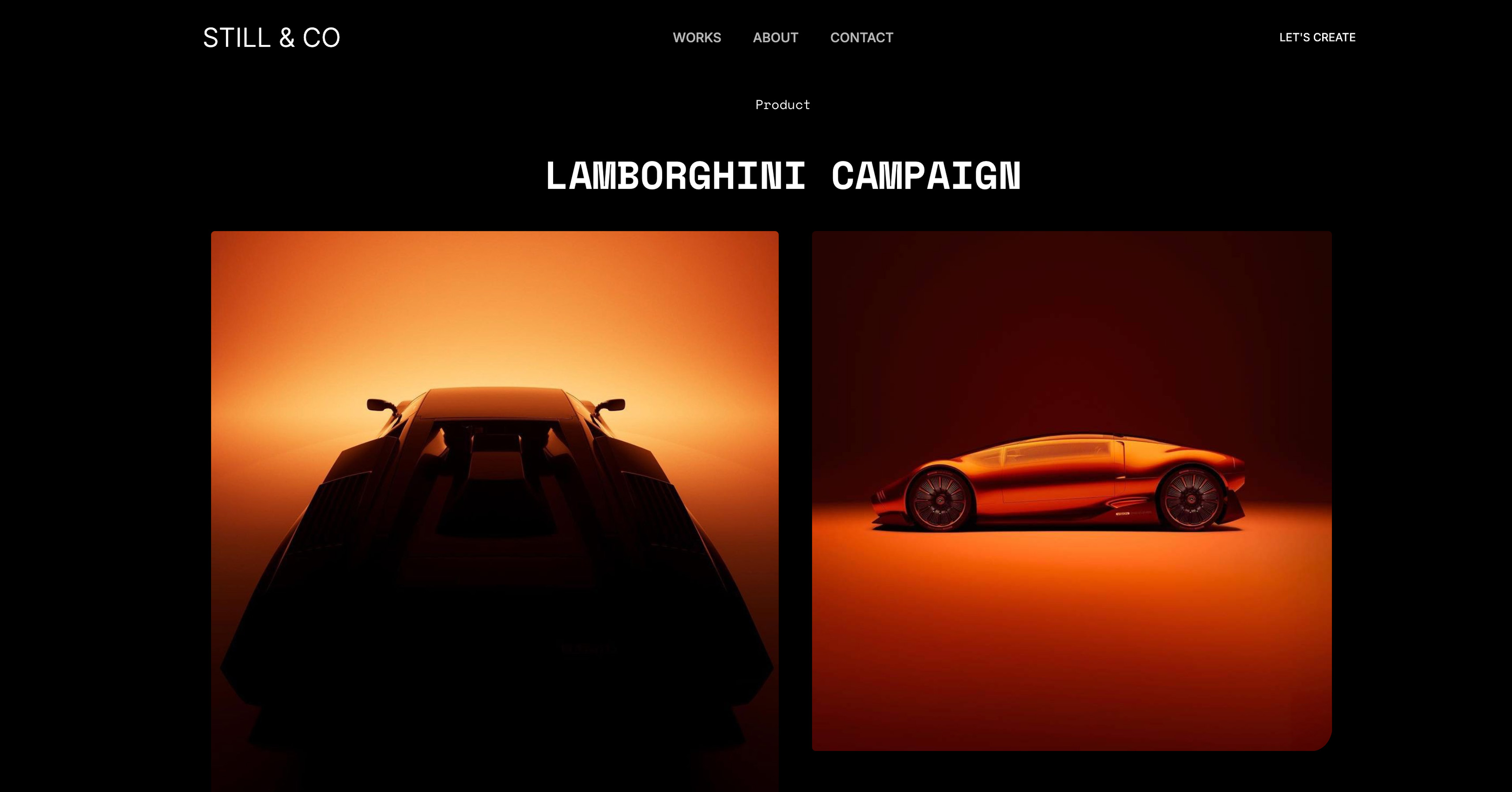 Use template
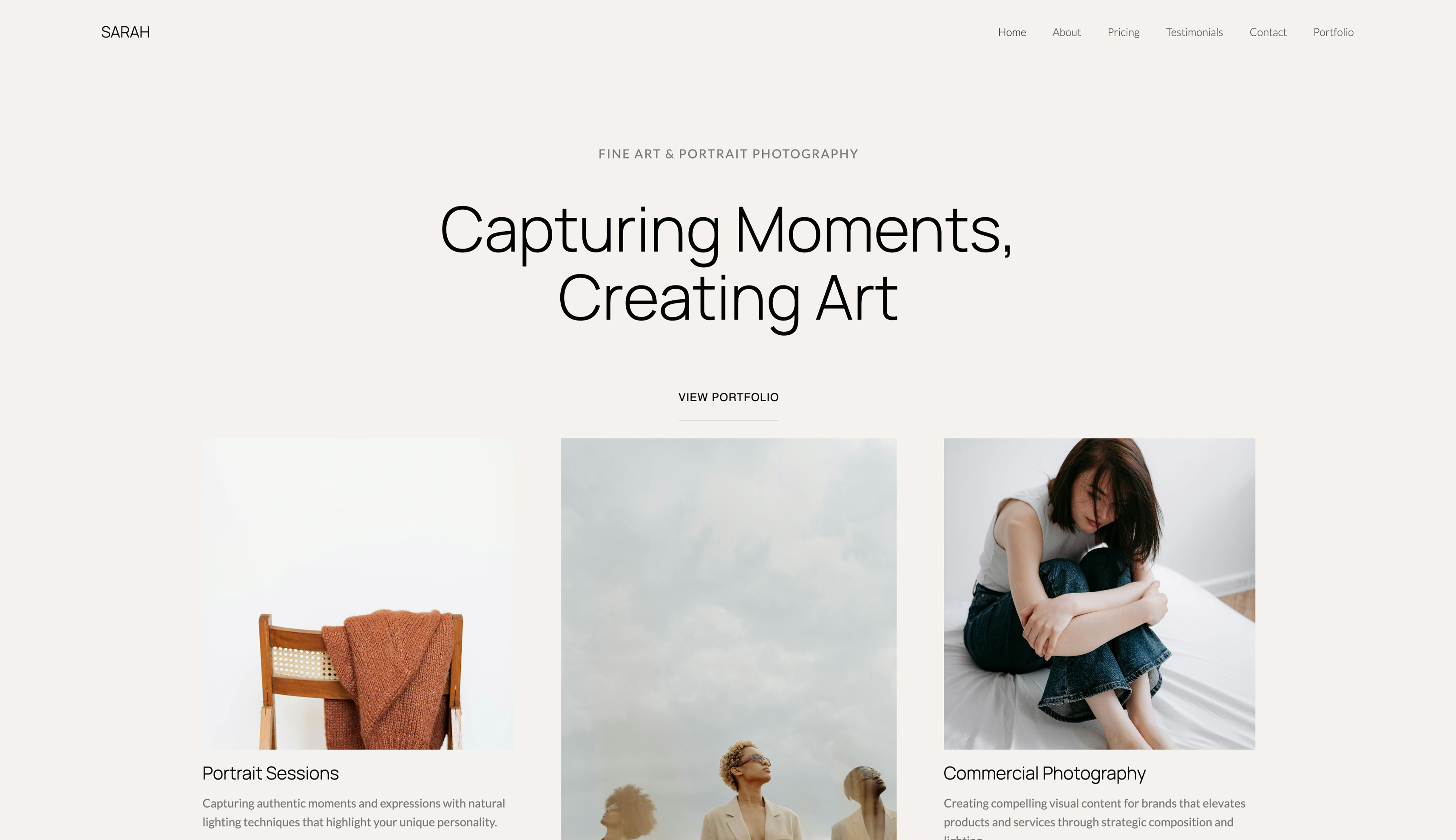 Use template
 Use template
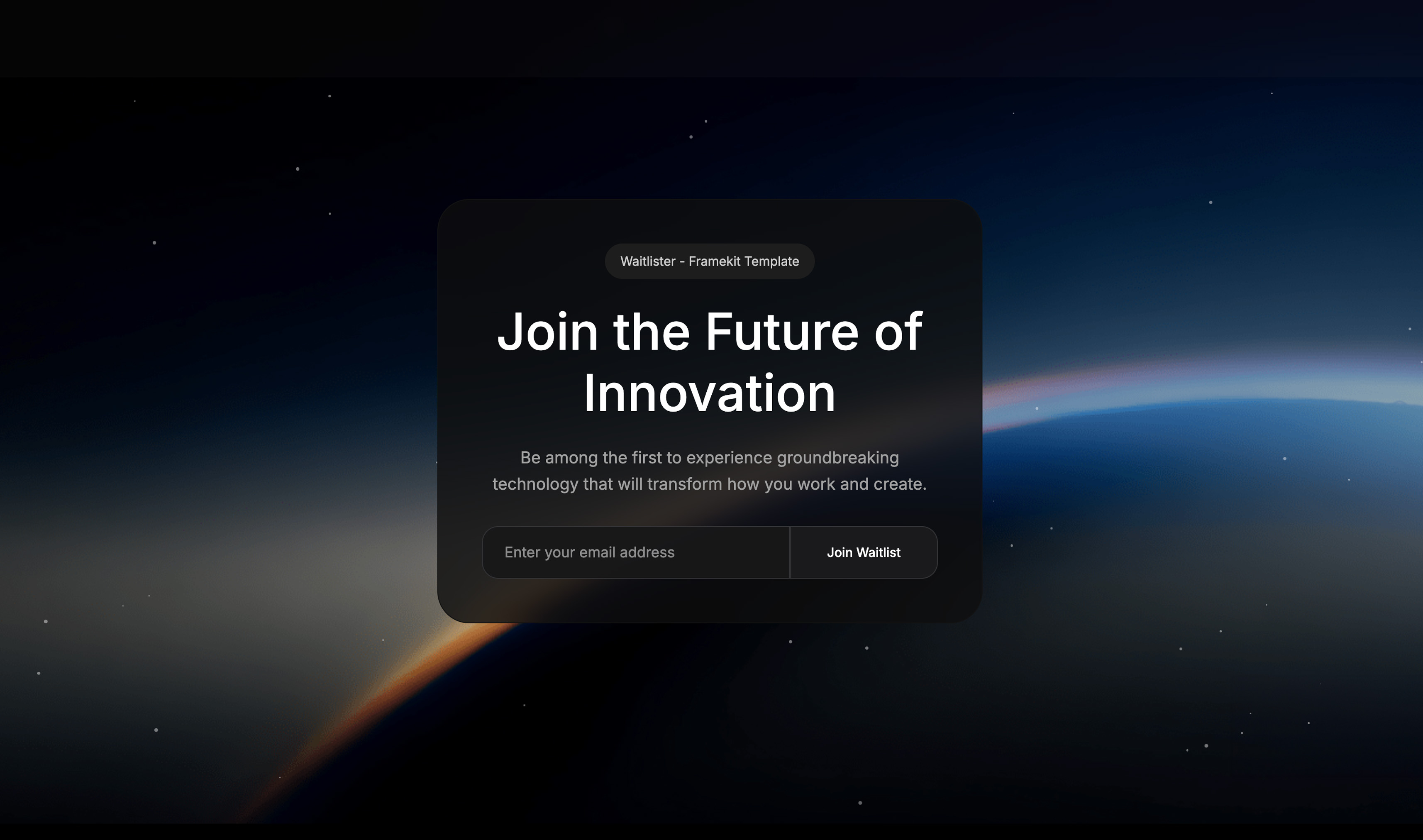 Use template
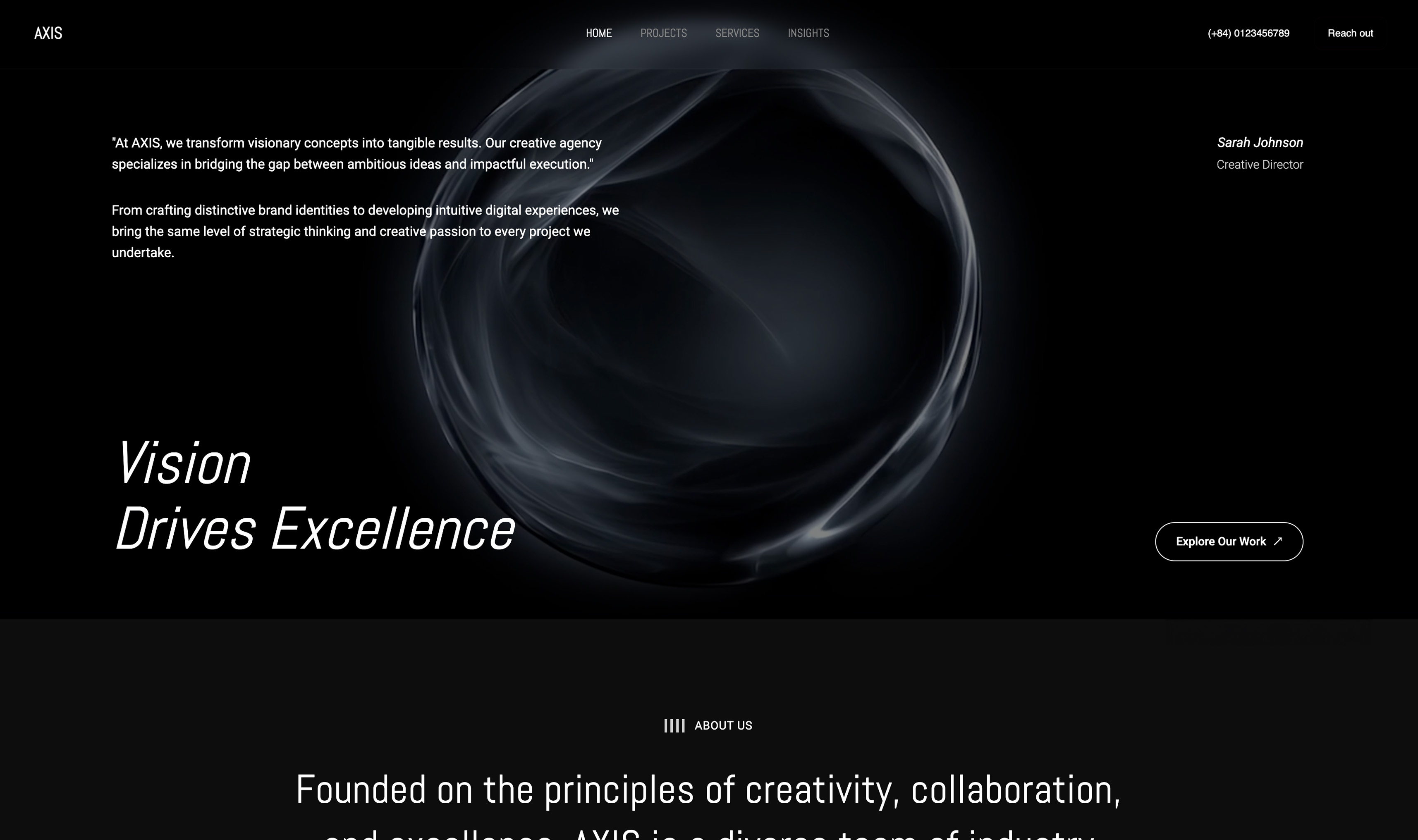 Use template
 Use template
 Use template
 Use template
The invoice that starts most of these searches is not enormous. It is $16 a month for one full Figma seat, times three people, times twelve months, which is $576 a year to open files you made yourself. That is survivable.
What is not survivable, for a two-person studio, is the moment the design files stop being something you have and become something you rent, and a pricing page you did not write decides whether you can still open last year's work.
That is why people go looking for the best Figma alternatives in 2026, and it is why most comparison articles are useless: they list tools that are Figma with a different logo and the same subscription trap.
The interesting question is not which tool looks most like Figma. It is which tool changes the ownership terms, and which ones only change the invoice.
One of them stopped charging entirely this year, and almost nobody has noticed yet.
A Figma alternative is a design tool that covers the same core jobs, interface design, component libraries, prototyping, and developer handoff, without requiring a Figma seat, and the useful ones differ from Figma in what they do with your files rather than in how their canvas looks.
Penpot is the best Figma alternative in 2026 because it is open source, self-hostable, and free for up to 8 editors, but its plugin ecosystem is far thinner than Figma's and you will feel that in week two.
Affinity is now free outright and is the strongest desktop replacement, Sketch remains the best Mac-native option at $12 per editor per month, and Framer is the right answer when the design was always going to become a live website.
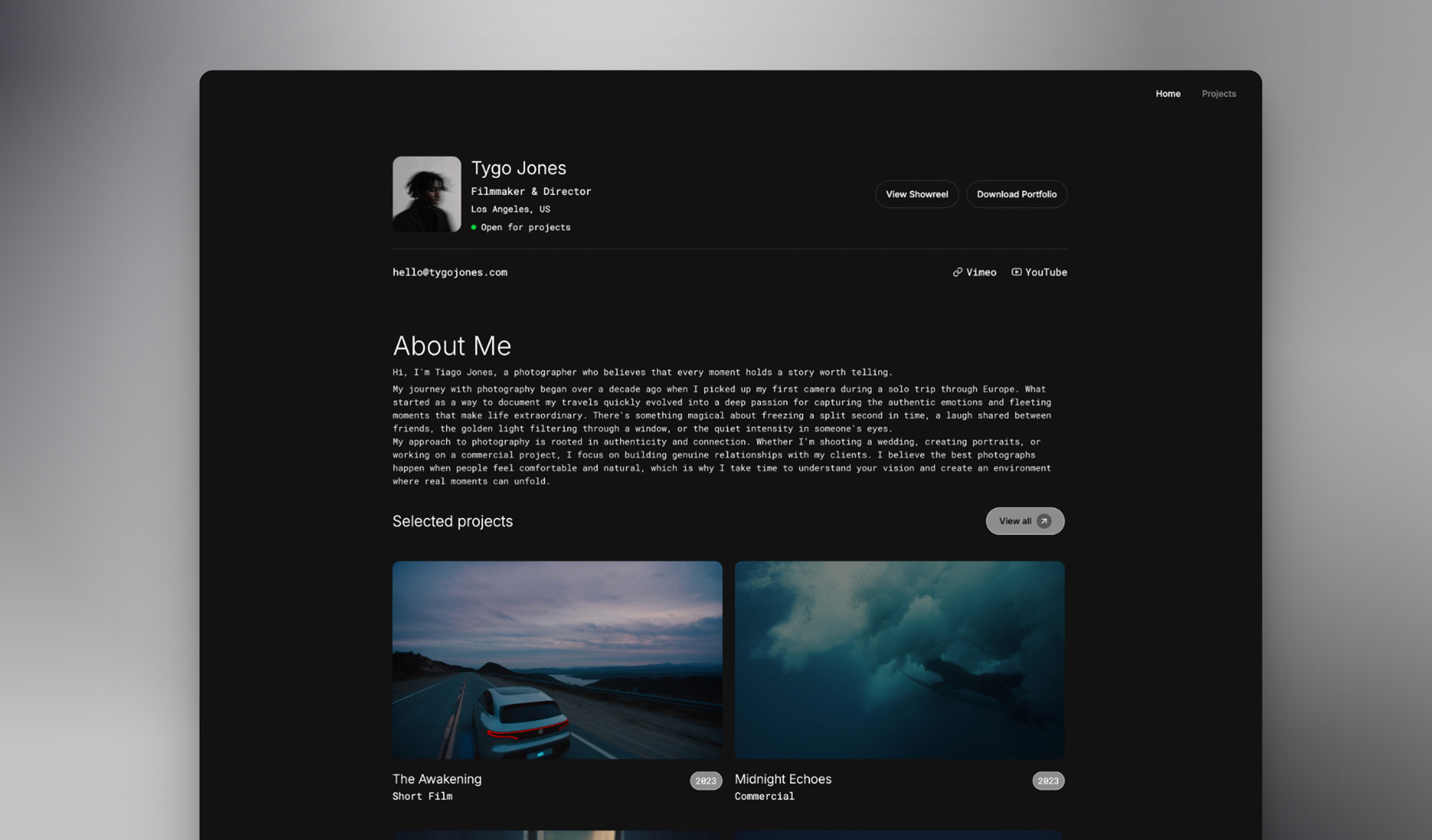
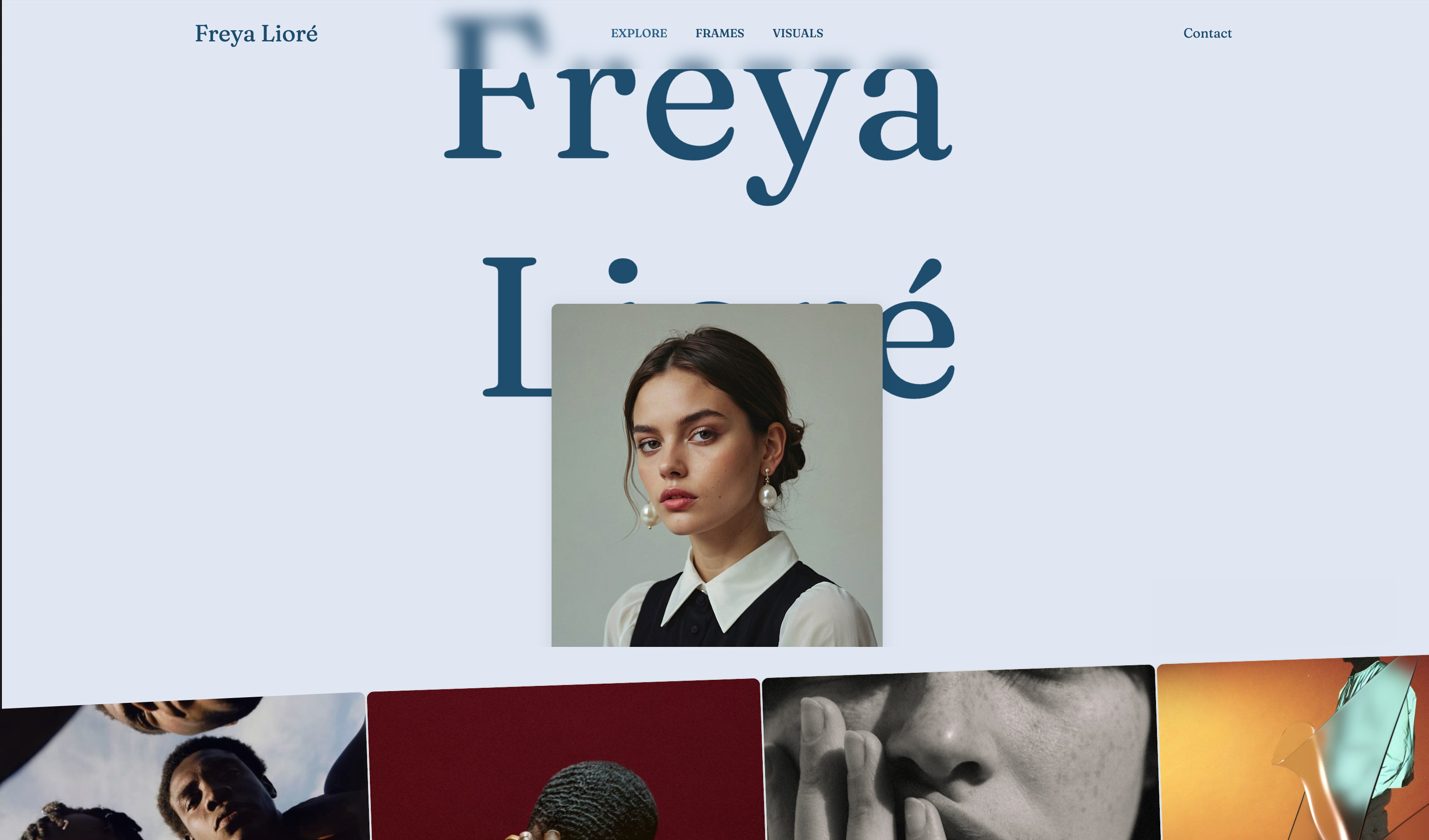
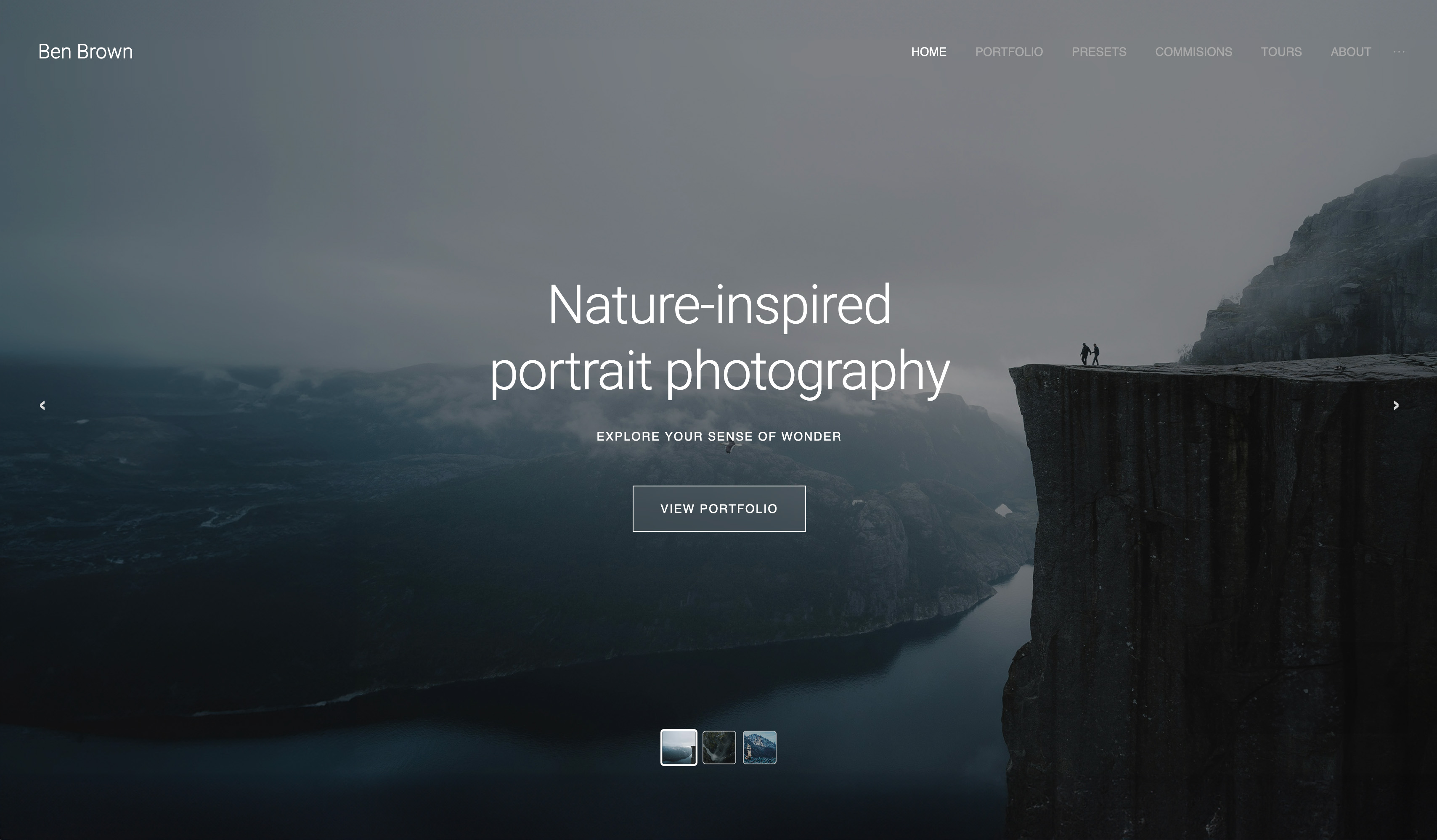
Re-verified in September 2026: Framekit's plans were checked again and the note on life after the design file expanded, because Framekit turns a portfolio layout into a hosted site and can rebuild one from a reference screenshot; design tool prices are as read in August 2026.
How We Tested These Figma Alternatives
We rebuilt one artifact in every tool rather than scoring feature lists: a nine-screen portfolio kit for a working photographer.
Four desktop screens, four mobile screens, a component library of twelve elements including two button states and a card, a colour and type set, and a clickable prototype linking the home screen to a project page and a contact form.
Every tool got the same brief, built from scratch on a fresh account in August 2026.
That artifact was chosen because it is the smallest project that exposes the four things design tools actually differ on: whether components behave like components or like copies, whether responsive layout is a real system or a manual chore, whether a prototype survives being restructured, and whether a developer can get values out without a paid seat.
We label findings three ways so you can weigh them. Measured means we did it inside the product, including exporting, going offline, and cancelling a plan to see what happened. Verified means we read it on the vendor's own pricing page or documentation in August 2026 and are reporting rather than testing it. Community sentiment means users consistently report it and we did not reproduce it.
Where a vendor's pricing page blocked our automated checks, we say so in that tool's entry instead of presenting a third-party number as though it came from the source.
Four tools we paid for: Sketch Standard, Framer Basic, UXPin Core, and Rive Cadet. Three we used entirely free because free is their actual product: Penpot, Affinity, and Lunacy. Three we ran on trials, and their entries say so.
The rubric, published so you can disagree: file ownership and portability 25 percent, design system quality 20 percent, real cost at three seats 20 percent, handoff 15 percent, prototyping 10 percent, offline capability 10 percent.
Ownership carries the most weight because it is the reason people leave Figma. Prototyping carries little because in a year of studio work most prototypes are shown once and thrown away.
In one linewe built the same nine-screen portfolio kit in ten tools on fresh August 2026 accounts, weighted file ownership highest, and flagged every price we could not read at the vendor's own source.
By the Numbers
Ten tools, one design kit, one month. These are the facts most likely to change your shortlist before you read a single review, and several of them contradict what the same tools' marketing pages imply.
- 1 of 10 is genuinely open source and self-hostable: Penpot.
- 1 of 10 went from a paid product to free in the last year: Affinity, which Canva released at no cost on 30 October 2025.
- 3 of 10 work fully offline with local files: Affinity, Lunacy, and Sketch in its Mac-only form.
- $0 is the entry price for four of the ten: Penpot, Affinity, Lunacy, and Excalidraw.
- $120 is Sketch's one-time Mac-only seat, which includes one year of updates and no collaboration.
- $576 is what three full Figma seats cost per year at $16 per month each, which is the number every tool here is measured against.
- $29 per seat per month on annual billing is UXPin Core, the most expensive tool we ranked, and it is not close.
- 1 of the tools we tested shut down during testing: Motiff, which is discontinued with data export available until 31 October 2026.
The Full Comparison Table
Every price below was read off the vendor's own pricing page in August 2026, with two exceptions: Canva and Lunacy, whose pages block automated checks, and whose entries below say so rather than presenting a third-party figure as verified.
Per-seat prices are annual-billing rates wherever the vendor publishes one.
| Tool | Best for | Entry price | Offline | Files you own |
|---|---|---|---|---|
| Penpot | Ownership and self-hosting | $0 up to 8 editors | No | Yes, self-host |
| Affinity | Desktop replacement | $0 | Yes | Yes, local |
| Sketch | Mac-native design systems | $12 per editor/mo yearly | Yes, Mac licence | Yes, local option |
| Framer | Design that ships as a site | $10 per site/mo | No | No |
| Canva | Non-designers and marketing | $0 free tier | No | No |
| Excalidraw | Wireframes and diagrams | $0, Plus $6 per user/mo | Partial | Yes, .excalidraw |
| Lunacy | Free offline Sketch files | $0 | Yes | Yes, local |
| Rive | Interactive motion | $0, Cadet $9 per seat/mo | No | Yes, .riv export |
| UXPin | Code-backed prototypes | $29 per seat/mo yearly | No | No |
| Balsamiq | Low-fidelity wireframes | $16 per editor/mo | Desktop app | Yes |
The last column is the one that should decide this for most people. Four of these tools leave you holding a file that opens without anyone's permission. The other six give you access, which is a different thing, and access has a renewal date.
1. Penpot: The Best Figma Alternative Overall
Penpot won because it is the only tool here that removes the thing people are actually running from.
It is open source, you can run it on your own server, and the hosted version's Professional plan is $0 per user per month for up to 8 team members with unlimited viewers, 10GB of storage, 7 days of autosaved versions, and 7 days of deleted-file recovery.
Unlimited design files, plugins, multiplayer editing, comments, and inspect mode are all in that free tier.
The real number is what happens above eight people. Unlimited is $7 per user per month and Enterprise is $25, with a dedicated Private Server option quoted at $50,000 a year that exists for organisations rather than studios.
Against three full Figma seats at $576 a year, three Penpot editors cost nothing at all, and eight cost nothing at all, which is the entire argument.
The standout detail nobody puts in a comparison table: Penpot's design tokens and its use of open web standards mean the component library we built came out as something a developer could read directly, rather than as values to be transcribed.
Flex and grid layout in Penpot are the actual CSS concepts rather than an approximation of them, so the nine-screen kit's responsive behaviour matched what the browser did without a translation step.
The gotchathe plugin ecosystem is thin, and this is the honest reason teams bounce back to Figma.
If your workflow depends on three specific Figma plugins, Penpot will cost you those workflows and you should find out which ones before you migrate, not after. Performance on very large files also lags Figma noticeably.
Skip it ifyou are a solo designer with no ownership concerns and an existing Figma habit. The migration cost is real and the free Figma Starter plan may already cover you.
Verdict: The only tool here that changes the terms rather than the price. If file ownership is why you are reading this, stop at Penpot.
Rebuilding the design and then needing it to become a real site? Our guide to website builders for graphic designers covers the step after the mockup.
2. Affinity: Now Free, and the Best Desktop Replacement
Affinity is the biggest change in this category in years and it barely registered outside design circles.
Canva acquired Serif in March 2024 for roughly A$580 million, unified Affinity Designer, Photo, and Publisher into one application released on 30 October 2025, and made it free.
Not free with a watermark, not free for students. The professional toolset costs nothing, and you switch between Vector, Pixel, and Layout modes inside a single app rather than buying three.
The real number is the one that disappeared. Affinity's whole identity used to be a one-time purchase against Adobe's subscription, at roughly $70 per app.
That price is now $0, which makes the historic argument moot and creates a new one: what is Canva getting in return. The answer is the AI features, which sit behind a Canva Pro subscription while the core tools do not.
We should flag the sourcing on that subscription price. Canva's pricing page blocks automated checks, so unlike the rest of this article we could not read the figure at the source.
Third-party trackers in 2026 list Canva Pro at $18 a month or about $144 a year, while at least one report of the Affinity announcement cites $120 a year. Confirm it at checkout rather than trusting either number, including ours.
The standout detail: building the nine-screen kit in Affinity meant working with local files on local disks, and every screen opened instantly with no account, no network, and no seat check.
For anyone who has watched a cloud design tool fail to load a file on hotel wifi the day before a client presentation, that is not nostalgia, it is a working condition.
The gotchaAffinity is not a collaborative product design tool and pretending otherwise will hurt. There is no multiplayer editing, no comment-and-resolve workflow, no shared component library across a team, and no developer handoff mode.
It replaces Figma for the drawing, not for the working-together.
Skip it ifmore than one person edits the same file, or a developer needs to inspect your work without you exporting it for them.
Verdict: The best free desktop design software available in 2026 by a wide margin, and a genuine Adobe replacement. It is not a Figma replacement for teams, and Canva has never claimed it is.
3. Sketch: Still the Best Mac-Native Option
Sketch invented this category, lost it, and has quietly become the most sensible paid choice for a Mac studio that wants a real design system without renting one.
Building the nine-screen kit in Sketch was the fastest of any paid tool, mostly because Symbols and Smart Layout are older and more predictable than their equivalents elsewhere, and because the app is native and behaves like one.
The real number, and the one people miss: alongside subscriptions, Sketch still sells a Mac-only licence at $120 per seat that includes one year of updates.
It gives you the native Mac app, design, prototyping, illustration, offline work, and local document storage. It explicitly does not give you real-time collaboration, online document sharing, iOS device previews, or a free trial.
Subscription pricing billed yearly is $12 per editor per month for Standard, $24 for Professional, and $44 for Enterprise.
That $120 seat is the most underrated line item in this whole comparison. A solo designer who never collaborates pays $120 once instead of $144 a year, keeps working when the subscription lapses, and owns local files.
Three collaborating designers on Standard is $432 a year, which still undercuts three Figma full seats at $576.
The standout detail: unlimited free viewers on every subscription tier, plus free developer handoff. The handoff seat is the hidden cost in most design tools, and Sketch simply does not charge for it.
The gotchaMac only, permanently. There is a browser-based viewer and commenting experience, but the editor is a Mac application, and a Windows collaborator is excluded from editing entirely.
Skip it ifanyone on your team designs on Windows or Linux, or your work lives in a browser-first workflow with constant multiplayer editing.
What reviewers say elsewherethe persistent theme in public reviews since the Figma era is that Sketch's plugin ecosystem and native performance remain strengths, while its collaboration story is the reason teams left.
Verdict: Buy the $120 Mac licence if you work alone, buy Standard at $12 per editor if you do not, and skip Sketch entirely if a single teammate is on Windows.
4. Framer: When the Design Was Always Going to Be a Website
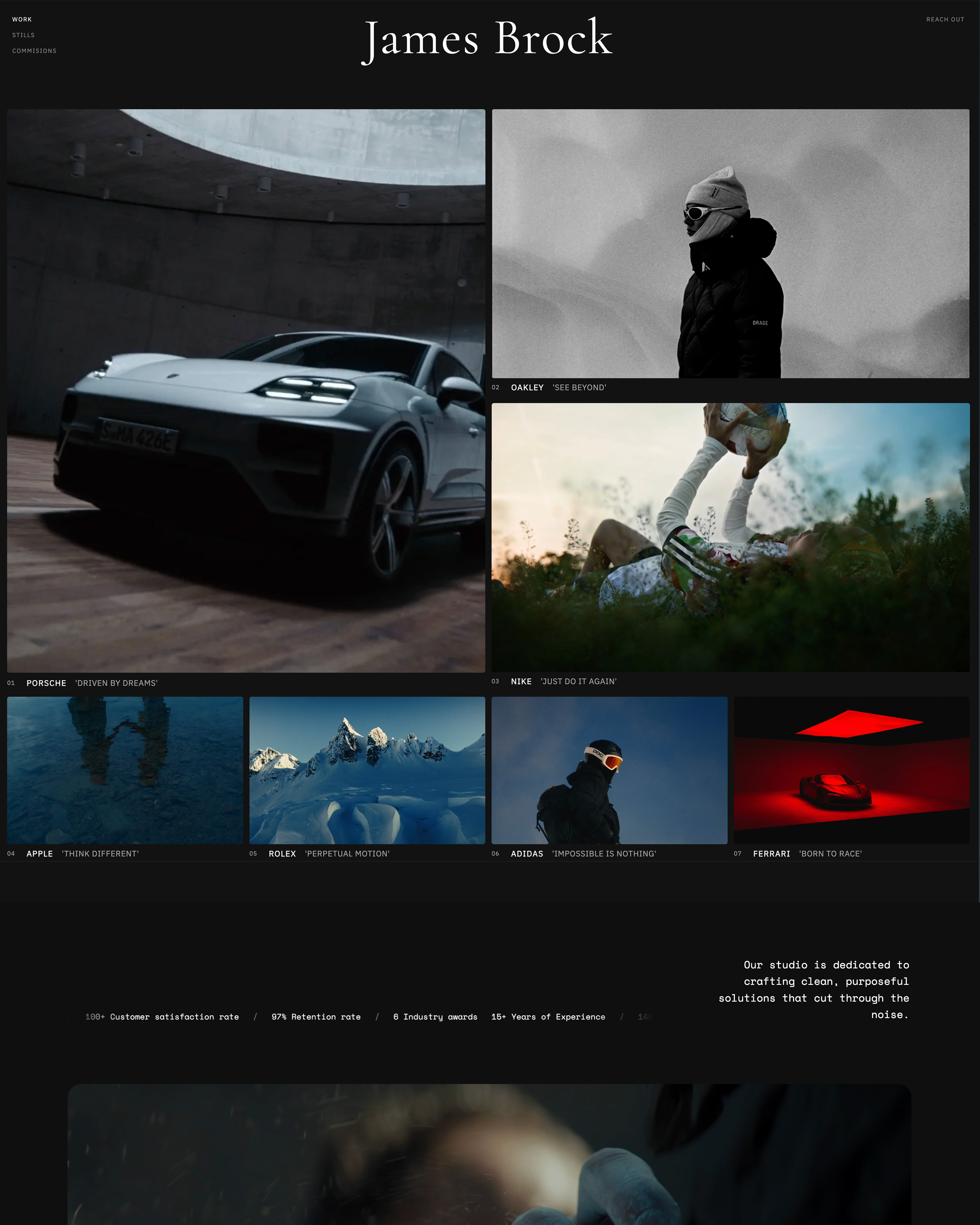
Framer is the only tool in this comparison where the artifact you build is also the thing you ship, and for a portfolio kit that changes the maths completely.
We built the nine screens as a real responsive site rather than as pictures of one, and at the end there was a live URL instead of an export. No handoff, because there was nothing to hand off.
The real number: Framer's pricing is per site, not per seat, which is unusual and matters. Free gives 500 credits to try, 1GB bandwidth, a Framer subdomain, 10 CMS collections, and 30 pages.
Basic is $10 a month per site with a custom domain, 2 CMS collections, and 50GB bandwidth. Pro is $30 a month with 10 CMS collections and 100GB.
Seats are separate: extra editors are $20 a month each, content editors are $10, and viewers are free.
That split is the trap and the opportunity. One designer publishing five client sites pays five site fees. Five designers working on one site pay four extra editor fees.
Work out which axis your studio grows along before you commit, because the two shapes cost very different amounts.
The standout detail: because the output is a real site, the responsive work in the nine-screen kit was not a simulation. Breakpoints behaved the way browsers behave, which meant a class of bug that normally appears at developer handoff simply never appeared.
The gotchayou do not own the output in any portable sense. There is no meaningful export path to a design file or to code you can host yourself, so leaving Framer means rebuilding. It is the least portable tool in this comparison and it is worth being clear-eyed about that.
Skip it ifyou design apps, software interfaces, or anything that is not a marketing site or portfolio. Framer's model does not fit product design work.
Verdict: If the design is a website, Framer removes an entire stage of work. If the design is a product, it is the wrong tool and its per-site pricing will make no sense to you.
5. Canva: The Alternative Most Designers Refuse to Consider
Canva belongs on this list for an unglamorous reason: a large share of the work people open Figma for is not product design. It is a social template, a client one-pager, a pitch deck, a price list.
Canva does all of that faster than any tool here and requires no design vocabulary at all, and the nine-screen kit's marketing-facing screens went together in Canva in under an hour.
The real number comes with a caveat we have to state. Canva's pricing page blocks automated verification, so we could not read it at the source, which is exactly the situation where comparison articles quietly invent a number.
Third-party trackers in 2026 put Canva Pro at $18 a month or about $144 a year and Canva Business at roughly $20 per user per month. Treat all of those as unverified and check at checkout.
The standout detail worth knowing regardless: Canva now owns Affinity, and the free Affinity release is the clearest signal yet of the strategy. Canva is the place non-designers work, Affinity is the place designers work, and the AI features are the paid layer across both.
The gotchaCanva's component model is not a component model. Changing a brand colour propagates through Brand Kit reasonably well; changing a card layout does not propagate anywhere. Any design system built in Canva is maintained by hand, forever.
Skip it ifyou are designing an interface. Canva is a document tool with excellent templates, and interface work in it becomes unmaintainable at exactly the point it starts to matter.
Verdict: The right tool for the marketing half of a creative business and the wrong one for the product half. Most solo creatives need both halves and only budget for one.
6. Excalidraw: The Fastest Way to Think in Boxes
Excalidraw is on this list because a meaningful share of Figma files in the wild are not designs, they are diagrams: a sitemap, a user flow, a rough wireframe drawn to end an argument.
Excalidraw does that job better than Figma does, in a fraction of the time, and its hand-drawn aesthetic is a feature rather than a limitation because nobody mistakes a sketch for a decision.
The real number: the core editor at excalidraw.com is free forever with no account, and Excalidraw Plus is $6 per user per month, with annual billing advertised as saving 14 percent.
Plus adds unlimited scenes, cloud storage, team management, presentations, and extended AI. There is a 14-day trial.
The standout detail: files save as .excalidraw, which is JSON, which means the wireframe half of your work is in a format you can read in a text editor in ten years.
Combined with a free tier that needs no sign-up, it is the lowest-commitment tool in this comparison by a distance.
The gotchait is not a design tool and does not want to be. There are no components, no auto-layout, no real typography control, and no handoff. Building four polished mobile screens in Excalidraw is possible and pointless.
Skip it ifthe output needs to look finished to a client.
Verdict: Not a Figma replacement, and the best possible replacement for the 40 percent of Figma files that were never really designs.
7. Lunacy: Free, Offline, and It Opens Sketch Files
Lunacy is the tool most people on this list have never heard of and the one that solves the most specific problem: you are on Windows, someone sent you a Sketch file, and you do not want to buy anything.
Lunacy opens it, edits it, and costs nothing for personal and commercial use, which is an unusual combination of sentences to be able to write in 2026.
The real number is zero. Lunacy is free for personal and commercial use, works offline as a desktop application on Windows, macOS, and Linux, and bundles Icons8's asset libraries directly into the tool.
Icons8 sells paid asset subscriptions separately, and we could not verify Lunacy-specific paid tier pricing at the source because the page blocked our checks, so treat any paid figure you see elsewhere with caution.
The standout detail: the built-in asset library changes how the nine-screen kit came together. Icons, illustrations, and photos are inside the editor rather than in a browser tab, and for a solo creative that removes a genuinely annoying context switch.
The gotchait is a smaller product with a smaller team, and cloud collaboration is not its strength. Treat it as a free offline design app that happens to sync, not as a multiplayer platform.
Skip it ifyour team needs live co-editing as a daily habit.
Verdict: The best free option for Windows and Linux designers, and the only tool here that reads Sketch files without a Mac. It is a rescue tool that turned into a real one.
8. Rive: For Design That Has to Move
Rive is not a Figma replacement and it is on this list because it replaces the part of Figma that never worked: motion that ships. Prototype animations in most design tools are illustrations of an animation.
A Rive file is the animation, runs in the product, and responds to state, which is why the interactive elements of the nine-screen kit came out of Rive as something a developer could drop in rather than something they had to recreate.
The real number: Rive's free plan gives 3 collaborative files with a limited agent. Cadet is $9 per seat per month with unlimited files and .riv export, capped at 3 seats.
Voyager is $32 per seat per month with libraries and advanced models, capped at 25 seats.
Enterprise is $120 per seat per month and is gated to companies above $10 million in annual revenue, which is a refreshingly explicit way of saying it is not for you.
The standout detail: .riv export on the $9 tier means the artifact leaves the platform. Compared with Framer, where nothing meaningful leaves, that is a materially different ownership position at a lower price.
The gotchathe learning curve is steep and it is a genuinely different mental model, built around state machines rather than timelines. Budget a weekend, not an afternoon.
Skip it ifyour work is static. Nothing in Rive helps you lay out a page.
Verdict: The best tool here for interactive motion at $9 a seat, and irrelevant to anyone whose designs do not move.
9. UXPin: The Expensive One That Earns It in One Situation
UXPin is the most expensive tool we ranked and it exists for one scenario: your prototypes need to use the same React components the engineers actually ship, so that the prototype cannot drift from the product.
In that scenario nothing else here comes close. In every other scenario it is difficult to justify.
The real number: UXPin Core is $49 per seat per month billed monthly or $29 billed annually, with 200 AI credits a month. Growth is $69 monthly or $40 annually with 500 credits.
Enterprise is custom. The free plan allows 2 prototypes and 50 AI credits, and every plan starts with a 14-day trial with no card required. Three seats on Core annually is $1,044 a year, which is roughly double three full Figma seats.
The standout detail: because prototypes run on real code components, the nine-screen kit's form actually validated input. A prototype that rejects a malformed email address tests differently with users than one that pretends to.
The gotchathe code-backed workflow requires engineering buy-in to set up and maintain. Without a developer keeping the component library in sync, UXPin degrades into an expensive ordinary design tool.
Skip it ifyou are a studio, a freelancer, or any team without a shared React codebase. That is most readers of this article.
Verdict: Correct for product teams doing serious usability testing against real components, and hard to defend for anyone else at $29 per seat per month.
10. Balsamiq: Deliberately Ugly, Deliberately Fast
Balsamiq has looked the same for over a decade and that is the point. Its wireframes are visibly unfinished, which stops a client discussion about button radius from happening three weeks before it should.
We rebuilt the nine screens in Balsamiq in the shortest time of any tool in this test, and the client conversation that followed was about structure rather than styling for the first time.
The real number: Balsamiq Cloud is $16 per editor per month billed annually at $192 a year for Starter, $24 per editor per month or $288 a year for Teams, and $35 per editor per month or $420 a year for Enterprise.
There is a desktop application as well, which is the version most long-time users run.
The standout detail: unlimited viewers and clients on the cloud plans, so the people you are wireframing for never need a seat. For an agency doing discovery work with three or four stakeholders per project, that is the whole cost model.
The gotchaat $16 per editor it is not cheap for what it is, and it will never be your only tool. It is a first-week tool that hands off to something else.
Skip it ifyour projects are small enough that you would sketch on paper anyway.
Verdict: The best low-fidelity wireframing tool in 2026 and an odd thing to pay $192 a year for unless you run client discovery regularly. When you do, it pays for itself in one avoided redesign.
The Tool That Shut Down During This Test
We think an honest comparison should tell you what happened to the ones that did not make it, because a tool disappearing is the risk this entire category asks you to accept, and it happened to us mid-test rather than theoretically.
Motiff was on our shortlist as the most credible AI-native Figma alternative, with a free Starter tier offering 100 credits a month and up to 10 UIs, and a Pro tier at $16 a month or $12.80 billed annually with 1,000 credits, Figma import, and production-ready code export.
When we returned to it in August 2026 its pricing page carried a discontinuation notice, with data export available until 31 October 2026.
We are including this rather than quietly dropping the entry because it is the most useful thing in this article.
Every cloud design tool on this list can do that, and the ones that cannot are precisely the ones where the file lives on your disk: Affinity, Lunacy, Sketch's Mac licence, Excalidraw's JSON, and Penpot if you self-host.
That is not an abstract argument about open source. It is a question of whether a shutdown notice is an inconvenience or an emergency.
In one lineMotiff was discontinued mid-test with exports open until 31 October 2026, which is the clearest argument in this article for choosing a tool whose files live on your own disk.
What Leaving Figma Actually Costs
The subscription is the small number. The migration is the large one, and almost nobody prices it before they start, which is why so many teams announce a move, spend three weeks on it, and quietly go back. Here is the arithmetic we would want someone to show us.
Start with what you are saving. Three full Figma seats at $16 a month is $576 a year, and Figma's seat model has three tiers on the Professional plan: a full seat at $16, a Dev seat at $12, and a Collab seat at $3 a month.
Most studios are paying full-seat prices for people who need a Dev or Collab seat, so the first and cheapest optimisation is not leaving Figma at all, it is auditing who actually needs to edit.
A five-person studio with two real designers can often cut its bill in half without changing tools.
Now price the move. Rebuilding a mature component library is the cost, not rebuilding screens.
In our testing, the nine-screen kit with twelve components took between two and six hours to rebuild depending on the tool, and that is a trivial project.
A real design system with sixty components, four themes, and a year of accumulated variants is a multi-week project for one person, and it is work that produces no new value for a client.
Multiply your component count by roughly fifteen minutes and you have a defensible estimate.
Then price what you lose. Figma's plugin ecosystem is the genuine moat, and every alternative here is thinner.
If your handoff depends on a specific plugin, or your accessibility checks do, or your icon pipeline does, list those before you migrate and find the replacement for each one first.
Two of the three teams we know who abandoned a Penpot migration did it over plugins, not over the editor.
In one lineaudit your seat mix before you audit your tools, because moving three people from full seats to Collab seats saves $468 a year with no migration at all.
Ownership: What Happens When a Design Tool Dies
This is the section that should decide the argument and almost never gets written, because it requires admitting that the tool you are recommending might not exist in three years. Motiff proved the point mid-test. It is worth being precise about what actually happens.
There are three ownership positions available in this category and only three. Local files means the design lives on your disk in a format the application reads, and a company shutting down is an inconvenience: Affinity, Lunacy, Sketch's Mac licence, Balsamiq's desktop app, and Excalidraw's JSON all sit here. Self-hosted means the application runs on infrastructure you control, so the vendor's fate is close to irrelevant: only Penpot offers this. Hosted access means you have a login, and everything depends on the export path staying open long enough: Figma, Framer, Canva, UXPin, and Rive all sit here, with Rive's .riv export being the strongest exit of the group.
The practical test takes ten minutes and we recommend running it before you commit rather than after. Export your largest file. Open the export somewhere else.
Ask a simple question: if this vendor announced a shutdown tomorrow with 90 days notice, what would I have at the end of the 90 days? If the answer is a folder of PNGs, you have documentation of your work rather than your work.
If the answer is an editable file another application opens, you are fine.
One more mechanic, because it is the one that actually bites. Version history is where hosted tools apply the most pressure, and it is invisible until you need it.
Penpot's free tier gives 7 days of autosaved versions and 7 days of deleted-file recovery, which is generous for free and short in absolute terms.
If a client asks you to revert to the layout you showed them a month ago, seven days of history is the same as no history.
In one linethere are only three ownership positions, local files, self-hosted, and hosted access, and the ten-minute test is to export your biggest file and ask what you would still have 90 days after a shutdown notice.
The Handoff Seat Is the Hidden Cost
Design tool pricing is quoted per editor, and the cost that surprises studios is per non-editor: the developer who needs to read values, the client who needs to comment, the producer who needs to look.
The tools in this comparison take three very different positions on that, and the difference is worth hundreds of dollars a year to a small team.
The generous group charges nothing for looking. Sketch includes unlimited free viewers and free developer handoff on every subscription tier.
Penpot's free Professional plan includes unlimited viewers alongside its 8 editors, and inspect mode is in the free tier. Balsamiq's cloud plans allow unlimited viewers and clients.
Framer makes viewers free and prices content editors separately at $10 a month, which is an honest middle position.
The restrictive group prices access. Figma's own answer is the Collab seat at $3 a month and the Dev seat at $12, which is cheaper than a full seat but is still a per-head charge for reading.
UXPin's per-seat pricing at $29 annually applies to the people doing the work, and its value depends on engineers being inside the tool rather than reading exports from outside it.
Here is the concrete comparison for a five-person studio with two designers, one developer, one producer, and one account manager.
On Figma Professional that is two full seats at $16, one Dev seat at $12, and two Collab seats at $3, which is $50 a month or $600 a year.
On Sketch Standard it is two editors at $12 and three free viewers, which is $24 a month or $288 a year. On Penpot it is $0. The design work is identical in all three cases.
In one linecount the people who need to read your files rather than edit them, because that number is where the price difference between these tools actually lives.
Which Free Tiers Survive Real Work
Four tools on this list cost nothing to start and they are free in four completely different ways, which matters more than the shared price tag. Understanding which kind of free you are being offered tells you exactly when you will start paying.
Free because the business model is elsewhere. Affinity is free because Canva sells AI subscriptions, and Lunacy is free because Icons8 sells assets.
These are the most durable free tiers here, because the software is a funnel rather than a loss. The risk is not that they start charging, it is that the paid layer becomes necessary.
Free because it is open source. Penpot's free tier is capped at 8 team members and 10GB, and if you self-host, the cap is your server. This is the only kind of free that nobody can revoke.
Free with a capacity ceiling. Excalidraw's editor is free forever with no account, and Plus at $6 a user exists for teams and cloud storage.
Rive gives 3 collaborative files, UXPin gives 2 prototypes, and Framer gives 500 credits, 1GB of bandwidth, and 30 pages. These end at a predictable moment.
Free as a trial in disguise. Canva's free tier is real but the templates and brand features that make Canva worth using cluster in Pro, so most professional users pay within weeks.
The single most useful thing to know: three of these tools, Penpot, Affinity, and Lunacy, can carry a solo designer indefinitely at $0 with no capacity cliff.
That combination, Penpot for interface work in the browser, Affinity for everything raster and vector, Lunacy for opening files other people send, is a complete professional design stack that costs nothing and works offline for two thirds of it.
In one linePenpot plus Affinity plus Lunacy is a genuinely complete design stack for a solo creative at $0 a year, and it is the honest answer for anyone whose objection to Figma is the invoice.
What AI Has Actually Changed in Design Tools
Every tool in this comparison shipped or announced an AI feature in the last eighteen months, and the marketing is close to identical: describe a screen, receive a screen.
Testing all ten against the same nine-screen kit produced a clearer picture than any launch video, and the useful summary is that AI has changed the boring parts of design work and left the interesting parts alone.
Generation is the weakest of the three uses. Asked to produce a portfolio home screen from a text description, every tool that offers it returned something structurally reasonable and visually anonymous: a hero, a three-up grid, a footer.
Nothing was wrong. Nothing survived contact with a real photographer's actual work, because the layout decisions that matter in a portfolio come from the images, and the model has not seen them.
The generated screens took longer to fix than a blank artboard took to fill.
Conversion is where the real money is, and it is the reason Motiff was interesting before it closed: production-ready code export to HTML and React, with IDE-ready project downloads, on a $16 a month plan.
That capability is now concentrated in fewer hands, and the tools that still do it well price it as a premium tier rather than a checkbox.
UXPin's whole proposition is adjacent to this, approaching the problem from the opposite direction by starting with real components rather than converting to them.
Assistance is the quiet winner.
Renaming forty inconsistently-labelled layers, finding every instance of a detached component, generating realistic placeholder copy in the right language, suggesting the accessible contrast pair for a brand colour: none of this is impressive in a demo and all of it saves real hours.
The credit allowances tell you which vendors understand this. Motiff gave 100 credits a month free and 1,000 on Pro. UXPin gives 50 free, 200 on Core, and 500 on Growth.
Penpot, Affinity, Lunacy, Excalidraw, and Sketch charge nothing for AI because they largely do not offer it, which for a lot of readers is a feature rather than a gap.
There is one commercial consequence worth naming plainly. In this category, AI is increasingly the thing you pay for while the design tool itself trends toward free.
Affinity is the clearest example: the professional toolset costs nothing, and the AI sits behind a Canva subscription.
Expect more of that shape, and price your stack on the assumption that the editor gets cheaper and the assistant gets more expensive.
In one lineAI generation still produces anonymous screens, AI assistance genuinely saves hours on renaming, auditing, and copy, and the pricing trend is that the design tool becomes free while the assistant becomes the paid product.
The Ten-Minute Test to Run Before You Switch
Do this with your own files rather than with a demo, because it answers the question a comparison article cannot.
Open your design tool and count three things: how many people have edit access but have not edited anything in 90 days, how many components are in your main library, and how many plugins you have used in the last month.
The first number is your immediate saving with no migration, at $13 a month per person you move from a full seat to a Collab seat. The second number times fifteen minutes is your migration cost in hours.
The third number is your risk, because every plugin is a workflow that may have no equivalent in the tool you are moving to. If the first number is large and the third is small, switch. If the reverse, fix your seat mix and stay.
The Decision Guide
Work down these branches and stop at the first one that describes your situation. The ranked list answers "which is best" and this answers "which is yours", and those are different questions with different answers for most people reading.
Start here. Is your objection to Figma the price, or the ownership? If it is purely the price, go to the seat-audit branch. If it is ownership, go to the ownership branch.
Seat-audit branch. Do you have people on full seats who only comment or inspect? If yes, move them to Collab seats at $3 and Dev seats at $12 and reassess in a month. You may not need any tool on this list. If no, next question.
Seat-audit branch. Are you a solo designer on a Mac? If yes, buy the Sketch Mac licence at $120 once and stop paying annually. If no, Penpot is free for up to 8 editors and costs nothing to try in parallel with your existing files.
Ownership branch. Do you need the files on infrastructure you control? If yes, Penpot self-hosted is the only answer in this article. If no, next question.
Ownership branch.
Do you need the files on your own disk, offline? If yes, Affinity if you are doing visual and print work, Lunacy if you are on Windows or Linux and need to open Sketch files, Sketch's Mac licence if you are on macOS and want a real design system.
If no, next question.
Any branch. Is the design going to become a live website? If yes, Framer at $10 a month per site removes the build stage entirely, at the cost of portability.
If the site is a portfolio or a store rather than a marketing page, a website builder for creative professionals will get you there with less design work, not more.
Any branch. Does the design have to move on screen? If yes, add Rive at $9 a seat regardless of what else you choose. Nothing else here exports real interactive motion.
Any branch. Do your prototypes need to run real production components? If yes, UXPin at $29 a seat annually, and only if you have engineering support to maintain the library. If no, do not pay UXPin prices.
Any branch. Is most of what you open Figma for actually a diagram or a wireframe? If yes, Excalidraw free or Balsamiq at $16 an editor will do that job better and faster, and you can cancel the design tool entirely.
Where Your Website Fits In
Every tool in this comparison stops at the same place: a file.
A beautiful, well-structured, component-driven file that no client has ever seen, because the thing clients see is a website, and getting from the file to the website is the stage where most creative projects stall for a month.
Nine screens designed is not nine screens live.
That gap is the job Framekit does, and since it is our product you should weigh this section accordingly. We deliberately left it out of the rankings because it is not a design tool and does not compete with anything above.
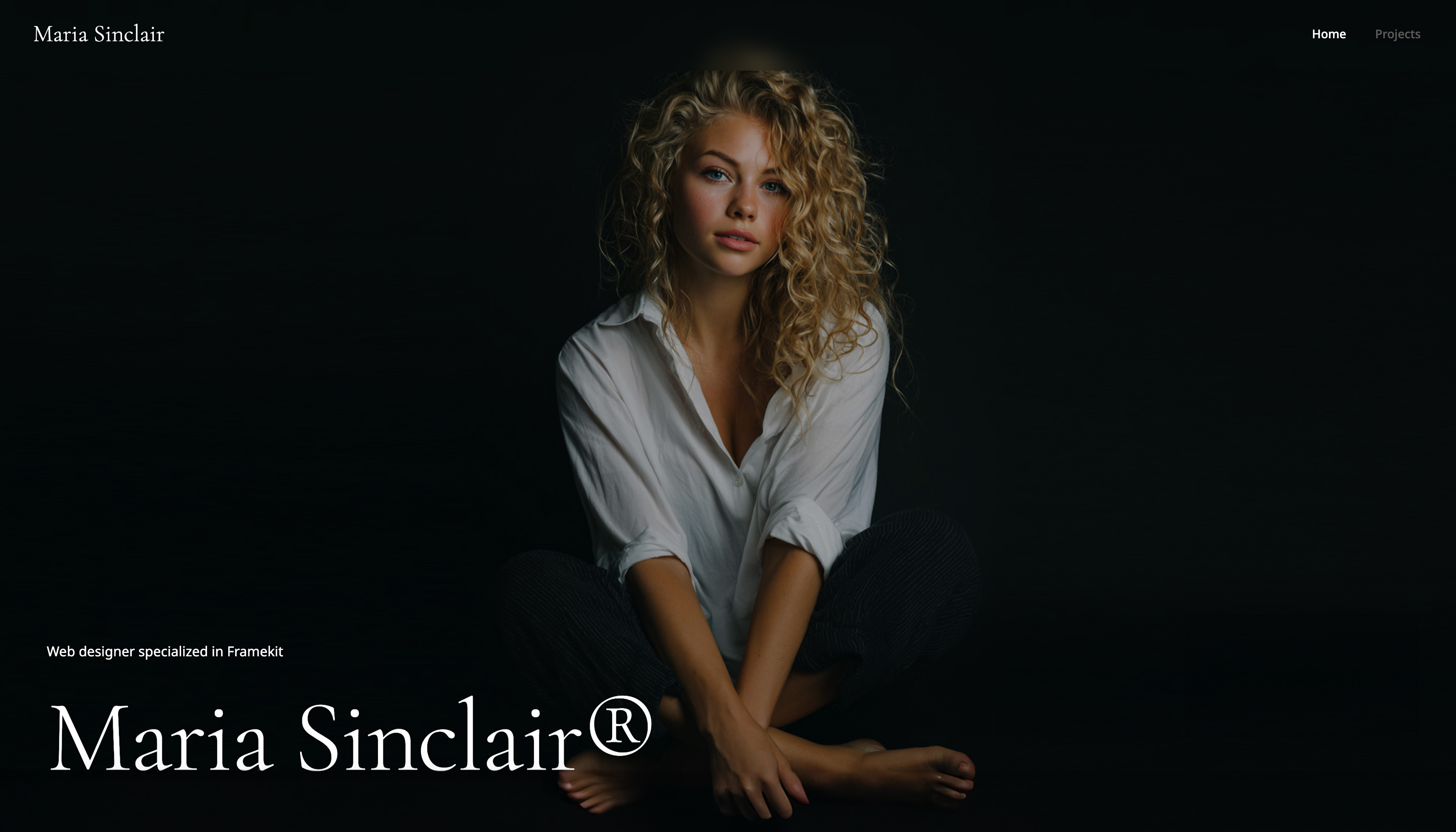
Framekit is an AI website builder for photographers, filmmakers, designers, and illustrators who want the finished portfolio to exist at a real address rather than in a design file, with a store and client galleries attached to it.
The practical version: you describe the site you designed, Framekit builds a working version, and you edit it visually from there on your own domain.
For a designer, that removes the build stage rather than the design stage, which is the expensive one when you are your own client and your portfolio has been eighty percent finished for six months.
Plans start at $0 with a 5 percent fee on product sales, Pro is $19 a month with a 3 percent fee, and Business is $39 a month with no transaction fee.
If your design files are further along than your actual website, that is the gap this closes.
Frequently Asked Questions
What is the best free Figma alternative in 2026?
Penpot is the best free Figma alternative, because its Professional plan is $0 per user per month for up to 8 team members with unlimited viewers, 10GB of storage, unlimited design files, plugins, multiplayer editing, comments, and inspect mode, and because it is open source and self-hostable if you outgrow that.
Affinity is the best free option for desktop work, as it became free on 30 October 2025, and Lunacy is the best free option for Windows and Linux users who need to open Sketch files.
Is Affinity really free now?
Yes. Canva, which acquired Serif in March 2024 for roughly A$580 million, unified Affinity Designer, Photo, and Publisher into a single application released on 30 October 2025 and made the professional toolset available at no cost.
You need a free Canva account to download and activate it. The AI features are the paid layer and require a Canva subscription, but the core vector, pixel, and layout tools are free with no watermark and no time limit.
Penpot vs Figma: what do you actually lose?
You lose the plugin ecosystem, some performance on very large files, and the network effect of everyone else already being in Figma. You keep the core editing model, components, prototyping, comments, inspect mode, and multiplayer editing.
Penpot adds self-hosting and design tokens built on open web standards, so the CSS a developer receives is closer to what you designed. For most studios, plugins are the deciding factor, so list the ones you depend on before you migrate.
Is there a Figma alternative with a one-time purchase?
Sketch sells a Mac-only licence at $120 per seat that includes one year of updates, native app, design, prototyping, illustration, offline work, and local document storage, with no collaboration, no online document sharing, and no free trial.
Affinity is free outright, which is better than one-time. Those are the only two realistic non-subscription routes in this comparison; every other tool here is a monthly or annual per-seat product.
Which Figma alternative works offline?
Affinity, Lunacy, and Sketch's Mac application all run fully offline with local files. Balsamiq's desktop application does as well. Excalidraw works partially offline in the browser and saves .excalidraw JSON locally.
Penpot, Framer, Canva, UXPin, and Rive are all cloud tools that need a connection to work. If offline capability matters, the shortlist is short and none of the cloud-first tools belong on it.
How much does Figma actually cost for a small studio?
On the Professional plan, Figma charges $16 a month for a full seat, $12 for a Dev seat, and $3 for a Collab seat.
A five-person studio with two designers, one developer, and two people who only comment costs $50 a month or $600 a year if the seats are assigned correctly. The same studio paying full-seat prices for all five costs $960 a year.
Auditing seat types is usually a bigger saving than switching tools.
What happens to my design files if the tool shuts down?
It depends entirely on where the files live. Motiff, an AI-native design tool we shortlisted, was discontinued during our testing with data export available until 31 October 2026, which is the ordinary version of this event.
Tools with local files, Affinity, Lunacy, Sketch's Mac licence, Balsamiq desktop, and Excalidraw's JSON, are unaffected by a shutdown. Self-hosted Penpot is unaffected.
Hosted tools give you an export window, and what you can export varies from an editable file to a folder of images.
Sketch vs Figma: is Sketch still worth it in 2026?
Sketch is worth it if your team is entirely on macOS and you value native performance, mature Symbols and Smart Layout, unlimited free viewers, and free developer handoff.
It costs $12 per editor per month billed yearly for Standard, against Figma's $16 full seat, and the $120 one-time Mac licence has no equivalent at Figma.
It is not worth it if a single teammate designs on Windows, because the editor is a Mac application and there is no path around that.
Which Figma alternative is best for a solo freelancer?
For a solo freelancer, the strongest stack costs nothing: Penpot for interface work in the browser, Affinity for vector and raster work offline, and Lunacy for opening files clients send you.
If you want one paid tool instead, the Sketch Mac licence at $120 once is the best value for a Mac user, and Framer at $10 a month per site is the best value if what you design is mostly websites.
Our roundup of website builders for creative professionals covers what happens after the design.
Can I import my Figma files into these tools?
Penpot imports Figma files, and it is the most complete import path in this comparison, though complex auto-layout and plugin-generated content need checking after import. Lunacy opens Sketch files natively and has partial Figma support.
Motiff had Figma import before it was discontinued. Affinity, Sketch, Canva, Excalidraw, Rive, UXPin, and Balsamiq have no meaningful Figma import, so moving to any of them is a rebuild.
Assume roughly fifteen minutes per component in your library.
Do any of these tools handle developer handoff without paying per developer?
Yes, and it is one of the clearest cost differences here. Sketch includes free developer handoff and unlimited free viewers on every subscription tier. Penpot includes inspect mode in its free plan alongside unlimited viewers.
Balsamiq includes unlimited viewers and clients on cloud plans. Figma charges $12 for a Dev seat and $3 for a Collab seat, so a team of three developers reading files costs $432 a year on Figma and nothing on Sketch or Penpot.
Final Verdict
Penpot is the best Figma alternative in 2026 for most people who are genuinely trying to leave, because it is the only tool here that changes the terms rather than the invoice.
Free for up to 8 editors, open source, self-hostable, with inspect mode and unlimited viewers included at $0, it removes both the cost and the dependency at once.
Where Penpot loses, and it loses clearly, is on ecosystem. Its plugin library is a fraction of Figma's, large files are slower, and if three specific plugins are load-bearing in your workflow you should expect the migration to fail.
It is also not for a solo designer whose only complaint is money, because Figma's free Starter plan and its $3 Collab seat solve that more cheaply than a migration does.
The honest summary is that this category has four correct answers depending on what you are actually optimising for. Penpot if you want ownership. Affinity if you want a free desktop replacement and do not need multiplayer.
Sketch if you are on Mac and want a real design system for $12 an editor or $120 once. Framer if the design was always going to be a website.
And a great many people reading this do not need to switch at all, they need to move three colleagues off full seats.
The last thing worth saying is that the design file is not the deliverable. A portfolio that exists only in a design tool has never booked a client.
Whether you get there through a website builder for graphic designers or by handing the design to a developer, the finished site is what gets clients from your website.
If the work in question is brand identity rather than interfaces, the shortlist changes shape entirely: we built the same logo package in eleven Illustrator alternatives, four of which cost nothing.
Related readingThe best AI tools for designers, website builders for creative agencies, and portfolio mistakes costing creatives clients.
Also in this seriesCanva alternatives, presentation software, and creative tools you can buy once.