Framekit templates
Start from a designer-made template
 Use template
 Use template
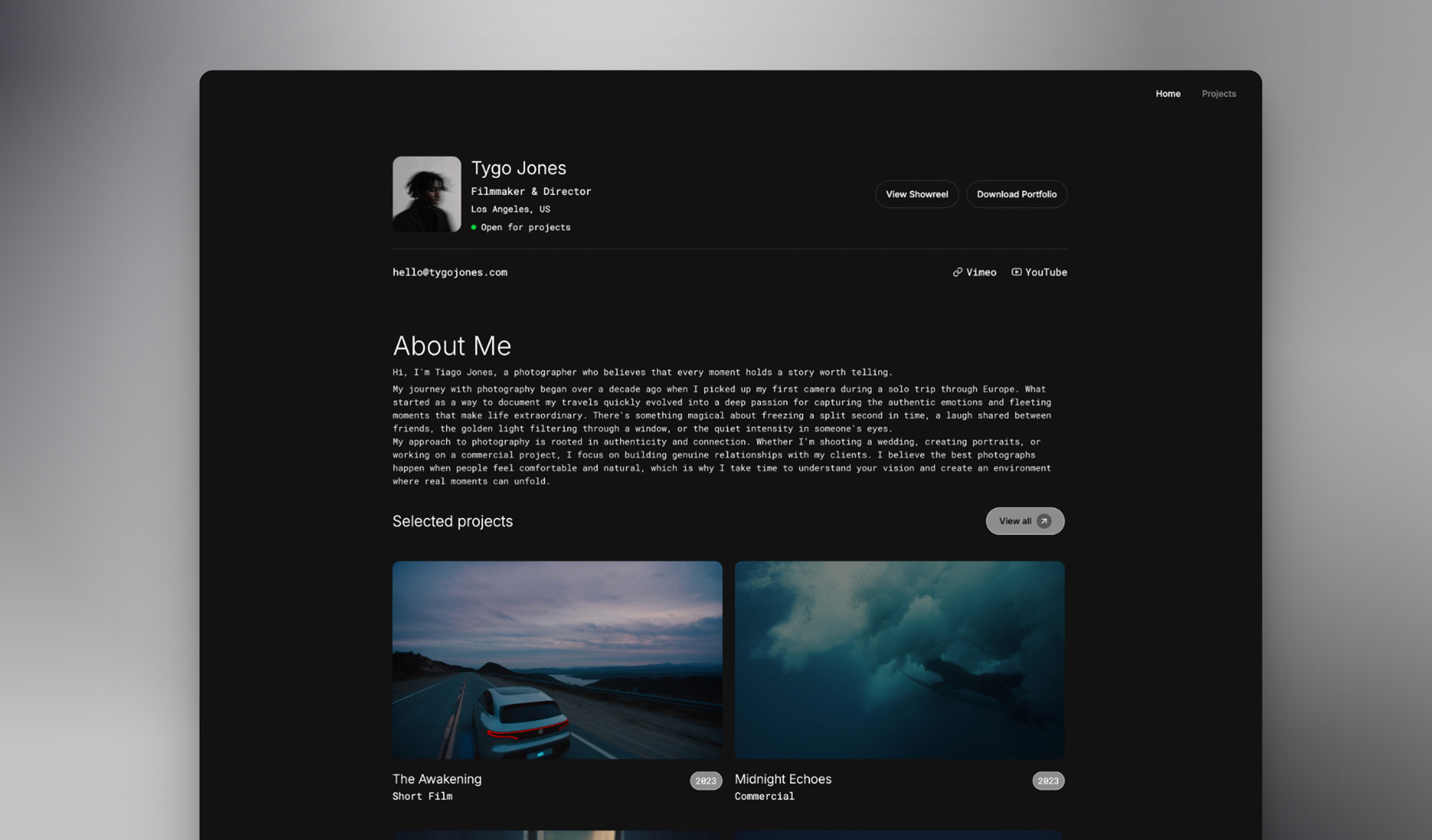 Use template
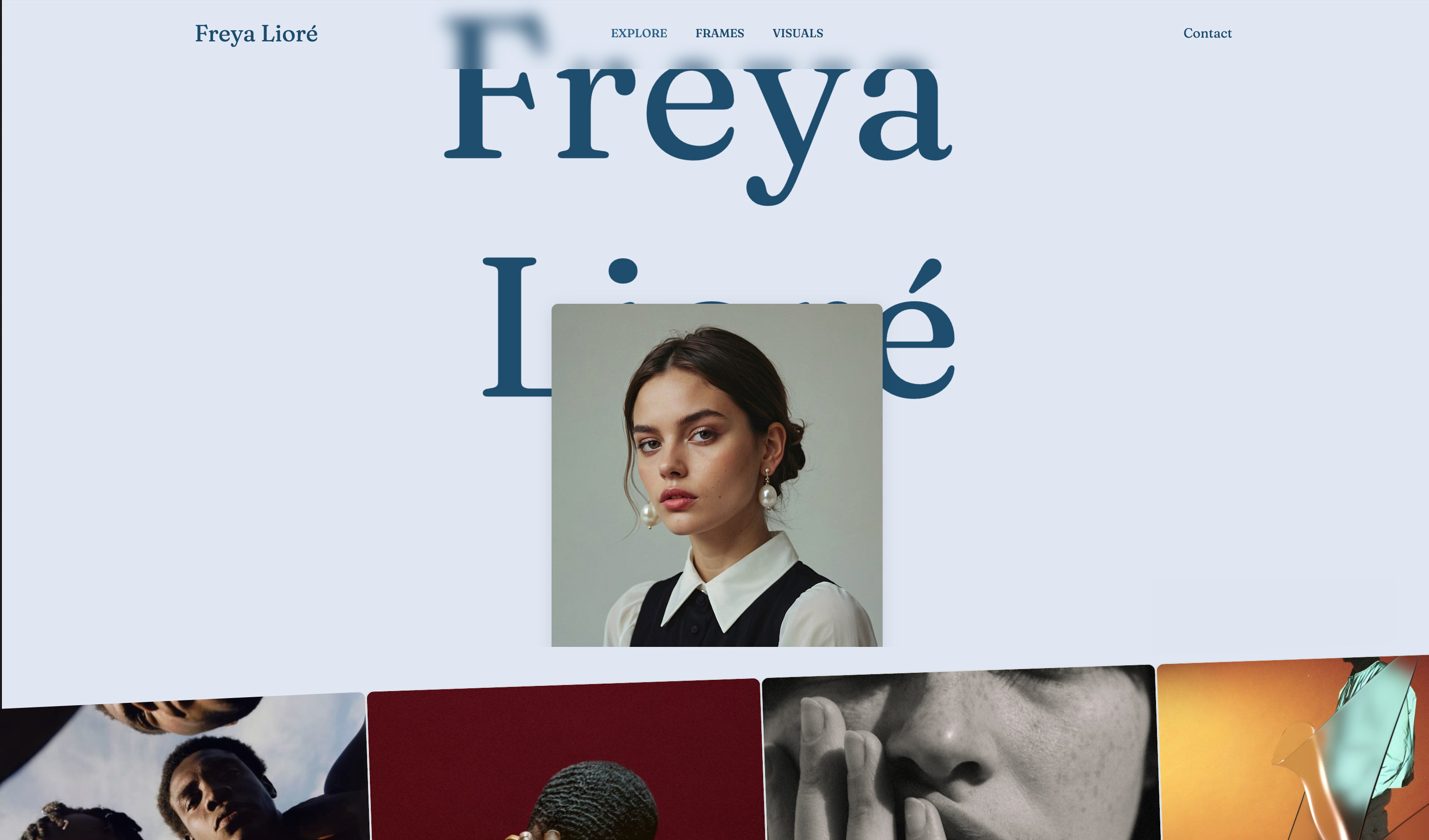 Use template
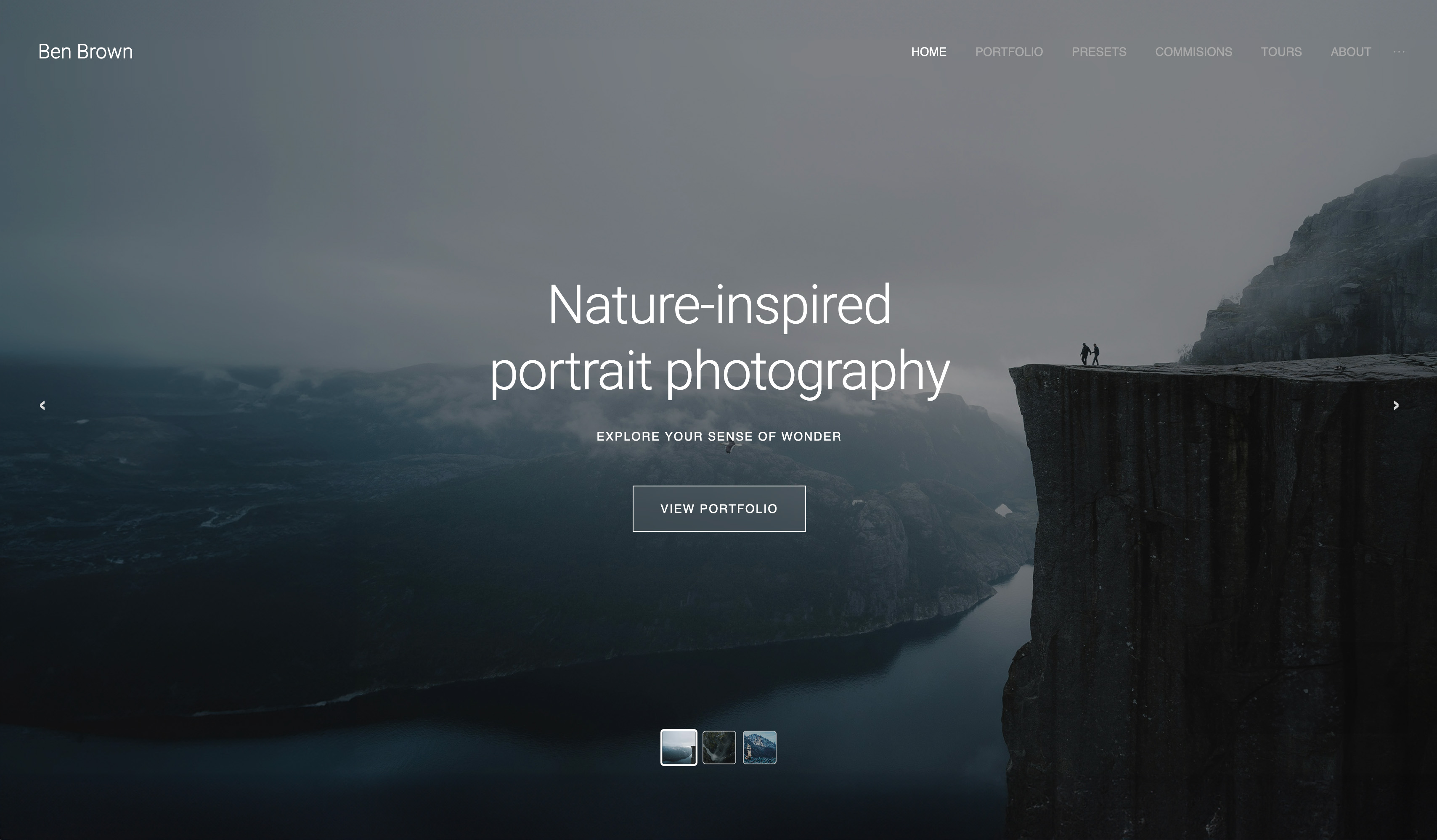 Use template
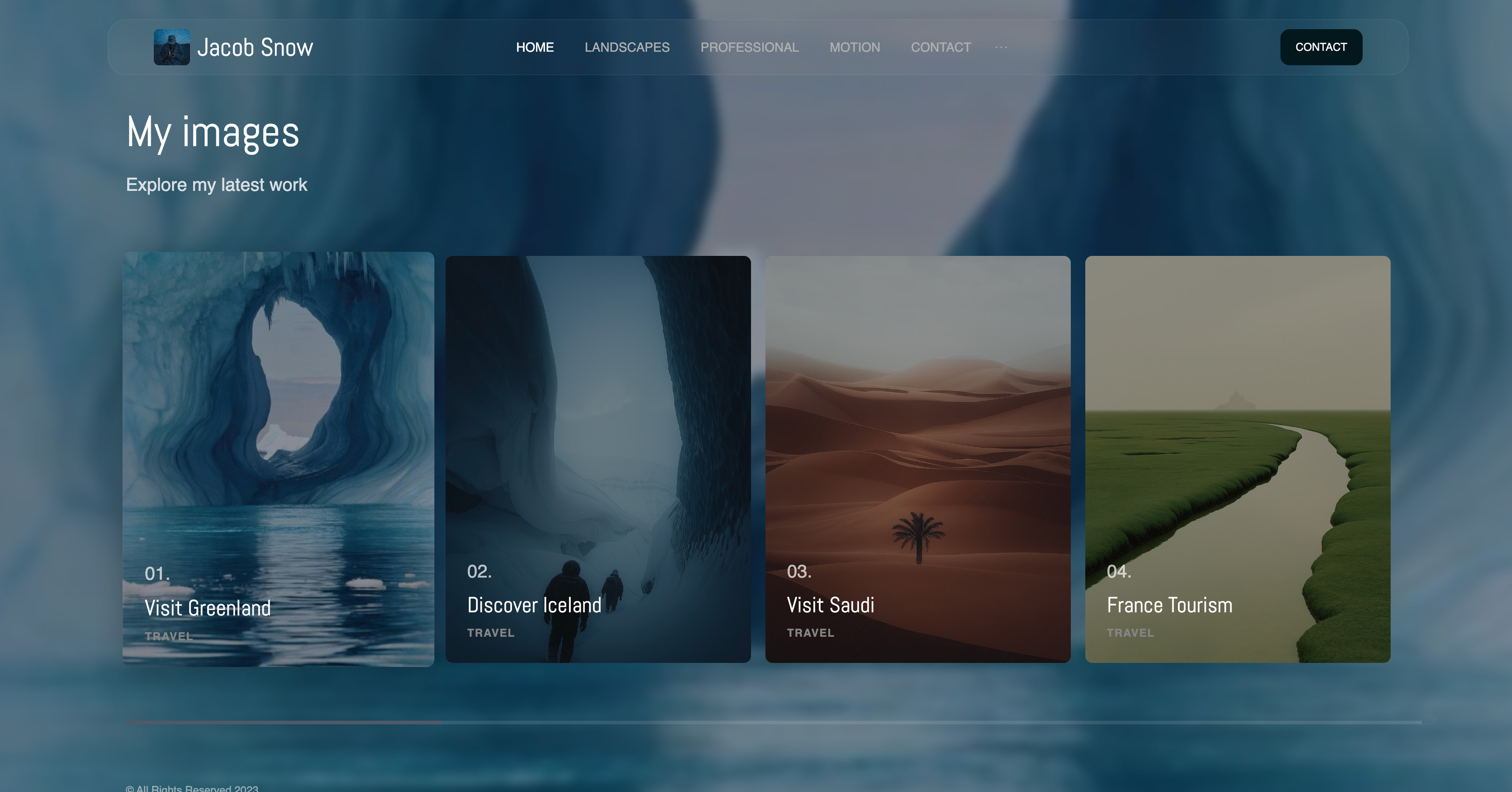 Use template
 Use template
 Use template
A photographer we know was quoted $549 a month for an SEO tool. Their website has forty pages.
Eleven of those pages are the ones that matter, they target eleven phrases, and the entire commercial question is whether a person searching "wedding photographer" plus a city name finds them.
That is a job for software costing $6,588 a year in the same way that moving a sofa is a job for an articulated lorry.
That mismatch is the defining problem with SEO tools for creatives in 2026. This category is built and priced for agencies managing forty client sites, and almost every comparison article is written for those agencies.
A creative business with one site and a handful of target phrases has a much smaller problem, and two of the most useful tools for solving it cost nothing at all.
So we audited the same portfolio in seven of them and worked out what a one-site business actually needs.
An SEO tool is software that measures how a site performs in search, finds the technical and content problems holding it back, and shows which phrases competitors rank for, and the ones worth paying for differ mainly in whether they are priced for a single site or for a portfolio of clients.
Google Search Console is the best SEO tool for creatives in 2026 and it is free, because it is the only source of what people actually typed to reach you, though it will not tell you what your competitors rank for.
Screaming Frog audits up to 500 URLs free, which covers most portfolio sites entirely, Ahrefs has a 27 euro a month Starter tier that almost nobody knows about, and Semrush at $117.33 a month billed annually is an agency tool most creatives should not buy.
Re-verified in September 2026: Framekit's plans were checked again, and it is worth naming what you are optimising, because Framekit builds the site the rankings attach to and puts it on your own domain from the Starter tier; SEO tool prices are as checked in August 2026.
How We Audited the Same Site Seven Times
We ran one real website through every tool rather than comparing feature grids: a forty-page photography portfolio with 24 project pages, 6 service pages, a blog with 9 posts, and 11 target search phrases mixing service terms with a city name.
Same site, same eleven phrases, same week in August 2026.
That site was chosen because it is the shape of the problem this audience actually has.
It is small enough that most enterprise features are irrelevant, image-heavy enough that technical issues are real rather than theoretical, and local enough that a handful of phrases carry all the commercial value.
An agency tool tested against a 40,000-page ecommerce site produces a completely different verdict, and that verdict is the one most articles report.
Confidence labels appear throughout. Where we describe what a tool found or missed, we ran it on this site. Where a price is published, it was read on the vendor's own pricing page in August 2026.
Where a price is not published, we say so rather than substituting a third-party figure, which here applies to Sitebulb.
Two tools we ran entirely free because free is the whole product for this use case: Google Search Console and Bing Webmaster Tools. Three we ran on paid access: Ahrefs, Semrush, and Screaming Frog with a licence. Two we ran on trials, and their entries say so.
Weighting, which you may rearrange: usefulness for a single small site 35 percent, cost at one site 25 percent, technical audit depth 20 percent, competitor and keyword research 10 percent, and AI-search visibility features 10 percent.
Single-site usefulness dominates because that is the reader, and the category's own weighting is the opposite.
In one linewe audited the same forty-page photography portfolio with eleven target phrases in seven tools in August 2026, and weighted usefulness to a one-site business above every agency-oriented feature.
By the Numbers
Seven tools, one portfolio site, eleven phrases. These figures decided the ranking, and the gap between the free tier and the top tier is the widest in any category we have compared.
- $0 is the price of the two most important tools here, Google Search Console and Bing Webmaster Tools, and neither has a paid version.
- 500 URLs is Screaming Frog's free crawl limit, which covered our entire forty-page site twelve times over.
- 245 euro a year is a Screaming Frog licence, which removes the crawl limit entirely.
- 27 euro a month is Ahrefs Starter, against 119 euro a month for Lite and 1,394 euro a month for Enterprise.
- $117.33 a month billed annually is Semrush's cheapest plan, which is $1,407.96 a year, against $455.67 a month for Advanced.
- 49 euro a month billed yearly is Surfer's Discovery plan, covering 120 documents created or optimised.
- 179 euro a month is where Ahrefs Brand Radar AI starts, and 158 euro a month billed yearly is Surfer's standalone AI Search Analytics for 100 prompts.
- 11 phrases is the entire keyword footprint of our test site, against the 500 daily tracked keywords on Semrush's cheapest plan.
The Full Comparison Table
Prices were read on the vendor's own pricing page in August 2026 except where the row says not published. Where a vendor publishes in euros we have kept euros rather than converting at a rate that will be wrong by the time you read this.
| Tool | Best for | Free tier | Entry paid price | Priced for |
|---|---|---|---|---|
| Google Search Console | What people actually searched | Entirely free | None | Any site |
| Screaming Frog | Technical audits on a small site | 500 URL crawl limit | 245 euro/yr | One site |
| Ahrefs | Competitor research on a budget | Ahrefs Free for your own site | 27 euro/mo Starter | One to many |
| Bing Webmaster Tools | AI assistants that use Bing | Entirely free | None | Any site |
| Surfer SEO | Writing pages that rank | Trial only | 49 euro/mo yearly | Content teams |
| Semrush | Agencies with many clients | 7-day trial | $117.33/mo yearly | Agencies |
| Sitebulb | Deep technical audits | 14-day trial | Not published | Consultants |
Read the last column before anything else. Four of these seven are priced for a business with many sites or many clients, and you are almost certainly not that, which is why the two free entries rank as highly as they do.
1. Google Search Console: Free, and the Only Source of Truth
Search Console won because everything else in this article is an estimate and this is a measurement.
It reports the actual queries people typed before they saw your site, the actual position you appeared at, and the actual number who clicked.
On our test portfolio it revealed that three of the eleven target phrases were already producing impressions, and that a fourth phrase nobody had thought about was producing more traffic than two of the targets combined.
The real number is zero, permanently, with no paid tier and no upsell. It requires verifying ownership of the domain, which takes about ten minutes, and after that it accumulates data for as long as the site exists.
It also reports indexing problems, mobile usability, structured data errors, and manual actions, which are the four things that actually stop a portfolio from appearing at all.
The standout detail nobody writes about: the Queries report is the only place you will ever see the phrasing real people use, as opposed to the phrasing keyword tools estimate.
On our site, people searched for a service term the photographer had never written on any page, in a construction no keyword tool suggested, and that single finding was worth more than any paid subscription in this comparison.
The gotchait only shows Google, it only shows your own site, and its data is delayed by two to three days with a sixteen-month history window. It will never tell you what a competitor ranks for, which is the one job it genuinely cannot do.
Skip it ifnever. There is no version of a creative business with a website that should not have this set up.
Verdict: Free, essential, and the correct first and often only SEO tool for a portfolio site. Set it up before you consider spending anything.
Search visibility starts with the site itself; our guide to SEO for a photography website covers the on-page work these tools measure.
2. Screaming Frog: A Full Technical Audit, Free, for Most Portfolios
Screaming Frog is a desktop crawler that walks your site the way a search engine does and reports everything broken, missing, or duplicated.
On our forty-page portfolio it found four images with no alt text, two project pages with duplicate meta descriptions copied during a template edit, and one internal link pointing at a page deleted eight months earlier.
The real number: the free version has a crawl limit of 500 URLs, and a licence is 245 euro per year which removes that limit entirely.
Both versions include the same capabilities, including broken link detection, page title and metadata analysis, hreflang auditing, XML sitemap generation, JavaScript rendering, and integrations with Google Analytics and Search Console.
That is the most important sentence in this article for most readers. The free and paid versions are functionally identical and differ only in crawl limit, and a portfolio site with forty pages uses eight percent of the free allowance.
A creative business would need a site twelve times larger before the licence became necessary.
The standout detail: JavaScript rendering in the free version. A lot of modern portfolio sites build their galleries and project pages with JavaScript, and a crawler that cannot render them reports an empty site.
Screaming Frog renders, free, which means the audit reflects what a search engine actually sees.
The gotchait is a desktop application with an interface designed by engineers for engineers, and the first run produces an intimidating wall of tabs.
Budget an hour and start with the four reports that matter: response codes, page titles, meta descriptions, and images with missing alt text.
Skip it ifyour site is genuinely enormous, in which case you need the licence rather than a different tool.
Verdict: The best free technical audit available and, for a site under 500 URLs, complete. The 245 euro licence is for consultants and large sites, not for a portfolio.
3. Ahrefs: The 27 Euro Tier Nobody Mentions
Ahrefs is the tool most often recommended to creatives and most often recommended at the wrong price.
Its data on what competitors rank for is the best in this comparison, and on our test site it identified two service phrases that three local competitors were ranking for and our photographer had no page targeting at all.
The real numbers: Ahrefs publishes Lite at 119 euro a month, Standard at 229, Advanced at 419, and Enterprise at 1,394 with an annual commitment, with annual billing advertised as saving up to 17 percent.
Crawl credits run 100,000 on Lite, 500,000 on Standard, and 1,500,000 on Advanced.
Separately and much less prominently, there is a Starter plan at 27 euro a month described as seeing what people search and looking at competitors, and an Ahrefs Free tier that gives you Ahrefs data on your own site.
That 27 euro Starter tier is the finding of this article.
Every comparison article we have ever read positions Ahrefs as a 119 euro a month tool, which for a one-site creative business is unjustifiable, and the Starter plan at 324 euro a year does the two things a creative actually needs: see search demand, and see what competitors rank for.
The standout detail: Ahrefs Free gives you data on your own verified site without paying, which combined with Search Console covers a surprising amount of ground at zero. Set up both before deciding whether the 27 euro is necessary.
The gotchathe Starter plan is limited, and the pricing page's prominence ordering pushes you toward Lite. Also worth knowing: Brand Radar AI, which tracks how brands appear across AI-generated answers, starts at 179 euro a month and is a separate line item rather than an included feature.
Skip it ifyou have no competitors you can name. Competitor research is the entire value here and it needs targets.
Verdict: The best competitor data in this comparison, and the correct price for a creative is 27 euro a month rather than the 119 euro everyone quotes. Check that Starter covers your needs before paying four times more.
4. Bing Webmaster Tools: Free, and Newly Relevant
Bing Webmaster Tools has been the thing SEO articles mention in a final paragraph for a decade, and in 2026 it deserves better placement for one reason: a meaningful share of AI assistants ground their answers in Bing's index rather than Google's.
If you care whether a chatbot recommends you, this is the console that reports on the index it is reading.
The real number is zero, with no paid tier. It reports crawl status, indexed pages, backlinks, and search performance for Bing, and it will import your Search Console setup, which reduces the configuration to a few minutes rather than a repeat of the whole process.
Setting it up on our test portfolio took under five minutes via the Search Console import and immediately surfaced two indexing issues that Google had not flagged, because the two engines disagree about what is worth crawling more often than most people assume.
The standout detail: the import from Search Console. There is genuinely no reason not to do this, and the fact that so few creative businesses have is why it is worth a ranked entry rather than a footnote.
The gotchathe traffic numbers will be small and possibly discouraging. Bing's direct share of search is a fraction of Google's, and the reason to be here is the indirect route through AI assistants rather than the direct clicks.
Skip it ifyou genuinely do not care about AI-assistant visibility and you have five spare minutes you would rather spend elsewhere. That is a defensible position and a narrowing one.
Verdict: Free, five minutes to set up via import, and more relevant in 2026 than at any point in the last decade. Do it this week.
5. Surfer SEO: For Writing Pages Rather Than Auditing Them
Surfer solves a different problem from the rest of this list. It does not audit your site; it tells you what a page needs to contain to compete for a phrase, by analysing what currently ranks and comparing your draft against it.
For a photographer writing a services page or a blog post about a venue, that is the actual work, and no crawler helps with it.
The real numbers: Surfer prices its full AI SEO plans as Discovery at 49 euro a month billed yearly covering 120 documents created or optimised, Standard at 99 euro covering 360 documents, Pro at 182 euro also covering 360 documents, and Peace of Mind at 299 euro covering unlimited documents.
A standalone AI Search Analytics product tracking 100 prompts is 158 euro a month billed yearly. Enterprise is quoted.
120 documents a year on Discovery is far more than a creative business will write, which makes Discovery at 588 euro a year the only tier worth considering here, and it is still a real amount of money for a photographer who publishes six blog posts a year.
The honest calculation is documents per euro: at six posts a year you are paying 98 euro per optimised page.
The standout detail: the standalone AI Search Analytics product at 158 euro a month is priced above the entire Discovery content plan.
That tells you where this category believes the value is moving, and it is worth knowing before you assume AI-visibility tracking is a small add-on.
The gotchaoptimising to a tool's content score produces pages that satisfy the tool. The best-performing page on our test site was a project story with almost no keyword discipline and genuine detail about a difficult shoot, and Surfer would have scored it poorly.
Skip it ifyou publish fewer than about ten pages a year. The per-page cost becomes indefensible.
Verdict: Useful if writing is a regular part of your marketing, at 588 euro a year on Discovery. Overkill and overpriced for a portfolio that publishes occasionally.
6. Semrush: An Agency Tool, Priced Like One
Semrush is the most complete platform in this comparison and the least appropriate for the reader of this article, which is a combination worth being direct about.
It does keyword research, rank tracking, technical audits, backlink analysis, competitor research, content optimisation, and local listings management, all competently, in one place.
The real numbers: Semrush prices its SEO plan at $139 a month or $117.33 billed annually, covering 5 websites, 500 keywords tracked daily, and basic keyword research.
Starter is $199 monthly or $165.17 annually with 5 websites, 500 keywords, and 50 AI prompts tracked. Pro Plus is $299 monthly or $248.17 annually with 15 websites, 1,500 keywords, and 100 AI prompts.
Advanced is $549 monthly or $455.67 annually with 40 websites, 5,000 keywords, and 200 AI prompts. There is a seven-day free trial.
Hold those numbers against our test site. Eleven target phrases, one website.
The cheapest Semrush plan tracks 500 keywords daily across 5 websites for $1,407.96 a year, which means a creative business would use roughly two percent of the keyword allowance and twenty percent of the site allowance.
You are buying an agency's capacity.
The standout detail: the AI prompt tracking now built into the plan structure, at 50 prompts on Starter rising to 200 on Advanced.
Bundling AI-visibility tracking into the main plans rather than selling it separately is a different bet from Ahrefs and Surfer, both of which price it as an add-on, and for a business that wants one subscription it is the cheaper structure.
The gotchathe plan names changed and the entry plan is now called SEO rather than Pro, so older comparison articles quoting "Semrush Pro at $129" are describing a plan that no longer exists in that form. Check the current lineup rather than a review from last year.
Skip it ifyou have one website. Almost everything you are paying for is capacity you cannot use.
Verdict: Excellent and correctly priced for an agency at $1,407.96 a year and up. For a single creative business it is the most overspecified purchase in this article.
7. Sitebulb: Deep Technical Auditing for Consultants
Sitebulb is the tool a technical SEO consultant reaches for when Screaming Frog's raw output needs to become a prioritised report someone will act on.
It crawls, then explains, with each issue accompanied by why it matters and what to do, which is the difference between a data export and an audit.
The real numbers are partly unavailable and we will say so plainly. Sitebulb's pricing page describes Sitebulb Desktop with a Lite plan for 1 user auditing up to 10,000 URLs per audit and a Pro plan scaling from 1 user auditing up to 500,000 URLs per audit, plus Sitebulb Cloud for 2 or more users with flexible crawling plans.
It advertises a 14-day free trial with no credit card and a 15 percent saving on yearly plans, and it did not render actual price figures to our checks, so we are not going to publish numbers we could not read.
The relevant comparison for this audience is against Screaming Frog. Both crawl, both find the same underlying issues on a forty-page site, and Screaming Frog does it free below 500 URLs.
What Sitebulb adds is prioritisation and explanation, which is worth paying for when you are presenting findings to a client and worth very little when you are the client.
The standout detail: 10,000 URLs per audit on the Lite plan is 250 times our test site. Every plan in this product is scaled for work that a creative business does not have.
The gotchaunpublished pricing means you cannot compare it without starting a trial, which is a small friction and a real one when the alternative is free.
Skip it ifyou are auditing your own site rather than someone else's. The explanations are the product and you can get the same findings free.
Verdict: A strong consultant's tool we could not price at source. For a portfolio owner, Screaming Frog free does the same job on a site this size.
What a One-Site Creative Business Actually Needs
After auditing the same forty-page portfolio seven times, the recommendation is much smaller than this category wants it to be, and it is worth stating as a sequence rather than as a shortlist.
Set up two free things. Google Search Console, which is the only source of what people actually typed, and Bing Webmaster Tools, which takes five minutes via Search Console import and covers the index several AI assistants read.
Together, cost zero, and they answer the two questions that matter most: is the site indexed, and what are people finding it for.
Run one free crawl. Screaming Frog free handles up to 500 URLs, which is twelve times a typical portfolio. Run it once, fix the response codes, the duplicate titles, and the missing alt text, and run it again after any redesign. Cost zero.
Add competitor research only if you have named competitors. That is Ahrefs Starter at 27 euro a month, or 324 euro a year, and it is the only paid tool most creative businesses need. Ahrefs Free on your own site plus Search Console may already be enough.
Add a content tool only if you publish regularly. Surfer Discovery at 588 euro a year makes sense at roughly ten or more pages a year and is poor value below that.
Do not buy an agency platform for one site. Semrush's cheapest plan is $1,407.96 a year for capacity across five websites and 500 daily tracked keywords, and our test site had eleven phrases.
Total for the recommended stack: zero, or 324 euro a year if you want competitor data. Against $1,407.96 for the entry plan of the platform most often recommended, that is the difference this article exists to point out.
In one lineSearch Console plus Bing Webmaster Tools plus Screaming Frog free costs nothing and covers most of what a portfolio site needs, and the only paid tool most creatives should consider is Ahrefs Starter at 27 euro a month.
AI Search Visibility Is the New Line Item
The genuinely new thing in this category in 2026 is tracking how your business appears in AI-generated answers rather than in a list of blue links, and every major vendor now sells it.
It is worth understanding how differently they price it, because it is the fastest-growing cost in this category.
As a separate product. Ahrefs Brand Radar AI starts at 179 euro a month and researches brands across a very large corpus of organic prompts while tracking custom prompts.
Surfer sells standalone AI Search Analytics at 158 euro a month billed yearly for 100 prompts. Both of these cost more than the entire entry-level plan of their own parent product.
Bundled into the plan. Semrush includes AI prompt tracking in its plan structure, at 50 prompts on Starter, 100 on Pro Plus, and 200 on Advanced.
For a business that wants one subscription rather than two, this is structurally cheaper even though the plans themselves are expensive.
Free, indirectly. Bing Webmaster Tools costs nothing and reports on the index that several AI assistants use to ground answers, which is not the same as prompt tracking and is the closest free approximation available.
The practical question for a creative business is whether prompt tracking is worth 158 to 179 euro a month, and for almost all of them the answer in 2026 is no. Tracking tells you where you stand; it does not change where you stand.
The things that actually make an AI assistant able to recommend you are having a real site with clear service and location information, having your work described in text rather than only in images, and being mentioned somewhere the models read.
None of that requires a subscription.
In one lineAI-visibility tracking is sold separately by Ahrefs at 179 euro a month and Surfer at 158 euro, and bundled by Semrush from 50 prompts on Starter, and for most creative businesses tracking is not worth buying because it measures a position rather than improving it.
The One-Hour Test to Run on Your Own Site
Do this before spending anything. Set up Google Search Console and let it collect for a week, then open the Queries report and write down the ten phrases actually producing impressions.
Compare that list against the phrases you thought you were targeting, because for most creative sites at least three of the top ten are surprises and at least two of your intended targets are absent entirely.
Then run Screaming Frog free on the same site and fix three things: any response code that is not a 200 or an intended redirect, any duplicate page title, and any image on a project page with no alt text.
That hour is worth more than the first year of any paid subscription in this article, and it costs nothing.
The Five Fixes That Actually Move a Portfolio Site
Auditing the same forty-page portfolio seven ways produced a short list of problems that recur on nearly every creative site, and none of them need a subscription. In rough order of how much they cost you, these are the five worth doing before anything else.
Give every project page words. A page with eight photographs and a title is invisible to a search engine and to an AI assistant, both of which read text.
Two hundred words describing the brief, the constraint, and the outcome turns an image gallery into a page that can rank and be quoted, and it is the single highest-return hour on this list.
Name the service and the place in a sentence a human would say. Sites routinely describe what the work looks like and never state plainly that you are a brand photographer working in a named city.
The phrase people search is the phrase that should appear, written normally, on a page that exists to answer it.
Fix the image alt text on project pages. Not for compliance theatre, but because alt text is the only description of an image a crawler receives, and files named after camera output describe nothing.
This is also the fastest of the five: a crawler produces the list, and you write the sentences.
Make sure the pages return the right status and are actually indexed. Google Search Console's indexing report tells you whether your pages exist as far as Google is concerned, and a surprising number of portfolio sites have whole sections that were never crawled because a gallery renders without server-side content.
Give each page one distinct title. Duplicate titles across project pages are the most common technical finding on a creative site, usually inherited from a template, and they make it impossible for a search engine to tell which page answers which query.
Doing all five takes an afternoon, costs nothing, and will do more than the first year of any paid subscription in this article. The tools tell you which of the five you have; only you can do them.
In one linewords on project pages, a plainly stated service and place, real alt text, confirmed indexing, and unique page titles are five free fixes that outperform the first year of any paid SEO tool.
How an AI Assistant Decides Whether to Recommend You
A growing share of the people looking for a photographer, filmmaker, or designer now ask an assistant rather than a search engine, and the mechanics of being recommended differ from the mechanics of ranking.
This is the newest part of this category and the part with the least reliable advice attached, so it is worth being careful about what is actually known.
What an assistant can use is text it can read and corroborate.
That means a site whose services, location, specialism, and terms are stated in words rather than implied by images, and it means being described consistently in more than one place, since a claim that appears only on your own site is a claim with one source.
This is not a trick; it is the same thing that made a business findable before, expressed in a form a model can quote.
Three practical consequences follow for a creative business. A project page with real text is more valuable than another gallery, because it can be quoted and a gallery cannot.
Consistency of naming across your site, your directory listings, and anywhere you are written about matters more than it used to, since contradictory descriptions weaken all of them.
And a clear services page beats a beautiful one for this specific purpose, because an assistant summarising you needs sentences rather than atmosphere.
What is not worth buying yet, for most readers, is prompt-tracking software at 158 to 179 euro a month. It measures where you stand rather than improving it, and the improvements are the free ones described above.
Bing Webmaster Tools costs nothing and reports on an index several assistants use, which is the closest free proxy available and a five-minute setup.
The honest caveat is that this is a fast-moving area and anyone claiming precise mechanics is guessing.
What is durable is the underlying principle: a business that is clearly described in text, in more than one place, consistently, is easier to recommend than one that is not, and that was true before assistants existed.
In one lineassistants recommend businesses they can read and corroborate, so real text on project and services pages plus consistent naming across the places you appear matters far more than paying 158 euro a month to watch your position.
The Decision Guide
Follow these in sequence and act on the first that applies. Unusually for a software comparison, most readers should stop before spending anything, and that is the honest shape of this category for a one-site business.
Do you have Google Search Console set up and verified? If no, do that first and do nothing else for a week. It is free, it takes ten minutes, and it will change what you think your problem is. If yes, continue.
Have you imported that setup into Bing Webmaster Tools? If no, do it now. It takes five minutes, costs nothing, and covers the index several AI assistants read when deciding whether to mention you. If yes, continue.
Has your site been crawled since its last redesign? If no, run Screaming Frog free, which handles up to 500 URLs and covers a typical portfolio twelve times over, and fix response codes, duplicate titles, and missing alt text. If yes, continue.
Can you name three competitors whose rankings you want to see? If yes, Ahrefs Starter at 27 euro a month is the correct purchase, not Lite at 119. If no, skip paid tools entirely, because competitor research without targets is a subscription to a dashboard.
Do you publish ten or more new pages or posts a year? If yes, Surfer Discovery at 49 euro a month billed yearly covers 120 documents. If no, the per-page cost is indefensible and you should write without it.
Do you manage more than five websites, or clients' sites? If yes, Semrush from $117.33 a month billed annually is genuinely appropriate and everything above is too small for you. If no, do not buy it.
Are you presenting technical findings to someone else for a fee? If yes, Sitebulb's prioritised reports are worth trialling, though its pricing is not published. If no, Screaming Frog free produces the same findings.
Any branch. Are you considering AI-visibility tracking at 158 to 179 euro a month? Ask what you would do differently with the data. If the answer is not specific, spend the money on writing one more real page instead.
Where Your Website Fits In
Every tool in this article measures a website. None of them makes one, and the uncomfortable finding from auditing the same portfolio seven times is that most of what the tools flagged was not an SEO problem at all.
It was a site problem: project pages with no text on them, service pages that never named the city, galleries built so that a crawler saw an empty page, and image files called DSC_4471.
Framekit is where we work on that, and it is our own product, so weigh this section accordingly. It is not an SEO tool and we kept it out of the rankings for that reason.
Framekit is an AI website builder for photographers, filmmakers, designers, and illustrators, and what it produces is a site with the structure these tools are looking for: real pages for real services, project pages with text as well as images, and a store and client galleries, all on your own domain.
The connection to this article is concrete. Three of the four issues Screaming Frog found on our test site were structural rather than technical, and no crawler fixes those; the site does.
A portfolio where each project has a page with a title, a description, and alt text is legible to a search engine and to an AI assistant in a way that a JavaScript gallery with no text is not, and that legibility is what a recommendation depends on.
Framekit plans start at $0 with a 5 percent fee on product sales, Pro is $19 a month with a 3 percent fee, and Business is $39 a month with no transaction fee.
If your tools keep reporting the same problems, the reports are not the thing to change.
Frequently Asked Questions
What is the best free SEO tool for a portfolio site?
Google Search Console is the best free SEO tool and the only one that reports what people actually searched before reaching your site, rather than estimating it.
It is entirely free with no paid tier, reports indexing problems, mobile usability, and structured data errors, and keeps sixteen months of history.
Pair it with Screaming Frog's free version, which crawls up to 500 URLs and finds broken links, duplicate titles, and missing alt text, and with Bing Webmaster Tools, which is also free.
How much should a photographer spend on SEO tools?
For most photographers, nothing. Google Search Console, Bing Webmaster Tools, and Screaming Frog's free 500-URL crawl cover the technical and measurement work a forty-page portfolio needs.
The only paid tool worth considering is Ahrefs Starter at 27 euro a month, which is 324 euro a year, and only if you can name specific competitors whose rankings you want to see.
Semrush's cheapest plan is $117.33 a month billed annually, which is $1,407.96 a year for capacity across five sites.
Is Ahrefs or Semrush better for a small creative business?
Ahrefs, and specifically its Starter plan at 27 euro a month, which almost no comparison article mentions.
Ahrefs publishes Lite at 119 euro, Standard at 229, Advanced at 419, and Enterprise at 1,394, so the tool is usually presented at a price no one-site business can justify.
Semrush's entry plan is $117.33 a month billed annually and covers 5 websites and 500 daily tracked keywords, which is roughly fifty times the keyword footprint of a typical portfolio.
Do I need to pay for Screaming Frog?
Only if your site exceeds 500 URLs.
The free and licensed versions of Screaming Frog are functionally identical, including JavaScript rendering, broken link detection, metadata analysis, XML sitemap generation, and Analytics and Search Console integrations, and differ only in the crawl limit.
A licence is 245 euro per year and removes that limit. A forty-page portfolio uses eight percent of the free allowance, so most creative businesses will never need to pay.
What SEO tools help with AI search visibility?
Three approaches exist and they are priced very differently. Ahrefs sells Brand Radar AI as a separate product starting at 179 euro a month. Surfer sells standalone AI Search Analytics at 158 euro a month billed yearly for 100 prompts.
Semrush bundles AI prompt tracking into its plans, at 50 prompts on Starter and 200 on Advanced.
Bing Webmaster Tools is free and reports on an index several AI assistants use, which is the closest free approximation and worth setting up regardless.
Is AI visibility tracking worth paying for?
For most creative businesses in 2026, no. At 158 to 179 euro a month, prompt tracking costs more than the entry-level plans of the products selling it, and it measures your position rather than improving it.
What actually makes an AI assistant able to recommend you is having a site with clear service and location information in text rather than only in images, and being mentioned somewhere the models read.
If you cannot say what you would do differently with the tracking data, spend the money on writing another real page.
How long does it take to see results from SEO tools?
The tools produce findings immediately and the results take months, which is the honest and unpopular answer.
Google Search Console needs about a week of collection before its Queries report is useful and shows meaningful trends after a few months.
Technical fixes found by a crawler, such as broken links and duplicate titles, are usually reflected within weeks of a recrawl.
Content and competitive work operates on a horizon of several months, which is why buying an expensive tool in a hurry rarely helps.
Why does my portfolio not appear in search at all?
The most common causes are structural rather than competitive, and a free crawl finds all of them.
A gallery built so that a crawler sees an empty page, project pages with images and no text, service pages that never name the city or the service in words, and image files named after camera output rather than content.
Run Screaming Frog free and check that your pages return a 200 status, have unique titles, and contain readable text. Google Search Console's indexing report will confirm whether pages are indexed at all.
Semrush changed its plan names, what are they now?
Semrush's current lineup is SEO at $139 a month or $117.33 billed annually, Starter at $199 or $165.17, Pro Plus at $299 or $248.17, and Advanced at $549 or $455.67, with a seven-day free trial.
This matters because a great many comparison articles still describe a "Pro" entry plan at a lower price, which no longer exists in that form. Always check the current pricing page rather than a review written more than a few months ago.
Which SEO tool is best for local search?
Google Search Console remains the most useful, because it shows which location-qualified phrases actually produce impressions for you, and a Google Business Profile does more for local visibility than any paid tool in this comparison.
Ahrefs Starter at 27 euro a month will show which local competitors rank for service-plus-city phrases.
Semrush includes local listings management on its higher plans, which is genuinely useful for a multi-location business and irrelevant to a single photographer.
Do I need an SEO tool if I already have a website builder with SEO features?
You still need Google Search Console, because no website builder can tell you what people typed to find you, and no builder reports on Google's own index.
A builder's SEO features handle the on-page work: titles, descriptions, structured data, sitemaps, and alt text. The tools in this article measure whether that work succeeded and what competitors are doing.
Our guide to building a photography website covers the on-page half.
Final Verdict
Google Search Console is the best SEO tool for creatives in 2026, it is free, and the reason is simple: everything else in this category estimates, and it measures.
It reports the actual phrases people typed, the actual position you held, and the actual clicks you received, and on our test portfolio it found a phrase producing more traffic than two intended targets combined, which no keyword tool had suggested.
Where Search Console loses is real and narrow. It shows only Google, only your own site, and it will never tell you what a competitor ranks for. That is the one job it cannot do, and it is the job Ahrefs does best.
It also does not crawl your site the way an engine does, which is why Screaming Frog's free 500-URL version belongs in the same stack.
The honest summary after seven audits of one site: this category is priced for agencies and most creative businesses should spend nothing.
Search Console, Bing Webmaster Tools, and Screaming Frog free is a complete stack at zero, and the only paid tool worth considering is Ahrefs Starter at 27 euro a month, not the 119 euro Lite plan that every article quotes.
Semrush is excellent and is an agency platform whose cheapest plan costs $1,407.96 a year for capacity a one-site business cannot use.
And keep the order of operations straight. Most of what the tools flagged on our test site was not a ranking problem, it was a site problem, and no subscription fixes a project page with no words on it.
That is work on the site itself, and it is where the first hour should go.
Related readingHow to SEO a photography website, website analytics tools for creatives, and how to choose a domain name for your portfolio.
Also in this seriesAI writing tools for creators and what a creative software stack costs.
The tools matter less than the controls your platform exposes, which we audit in the best website builders for SEO.
One control has no equivalent in traditional SEO, and we cover it in how to get your website cited by AI: every AI company runs a separate search crawler and training crawler.