Framekit templates
Start from a designer-made template
 Use template
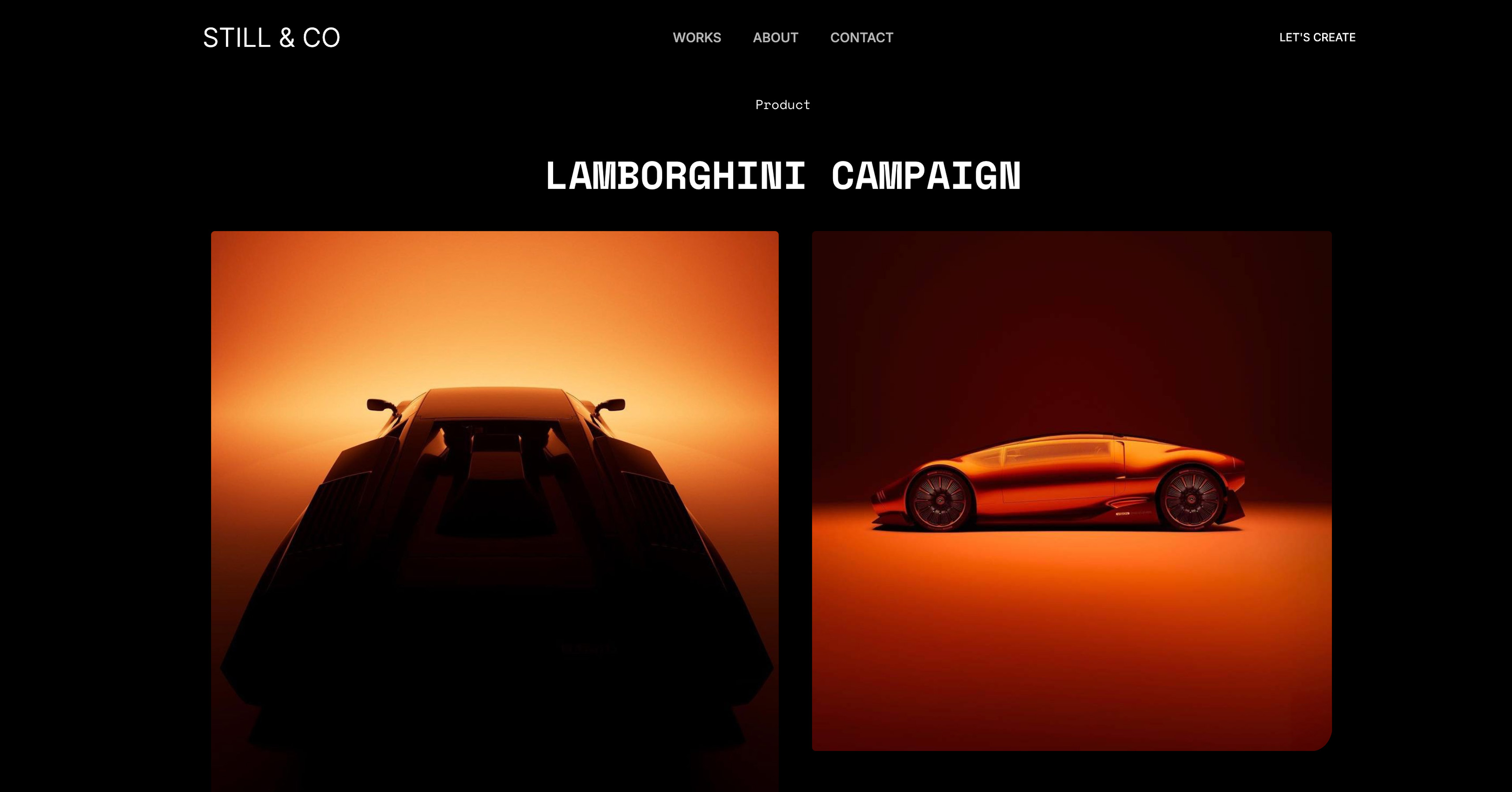 Use template
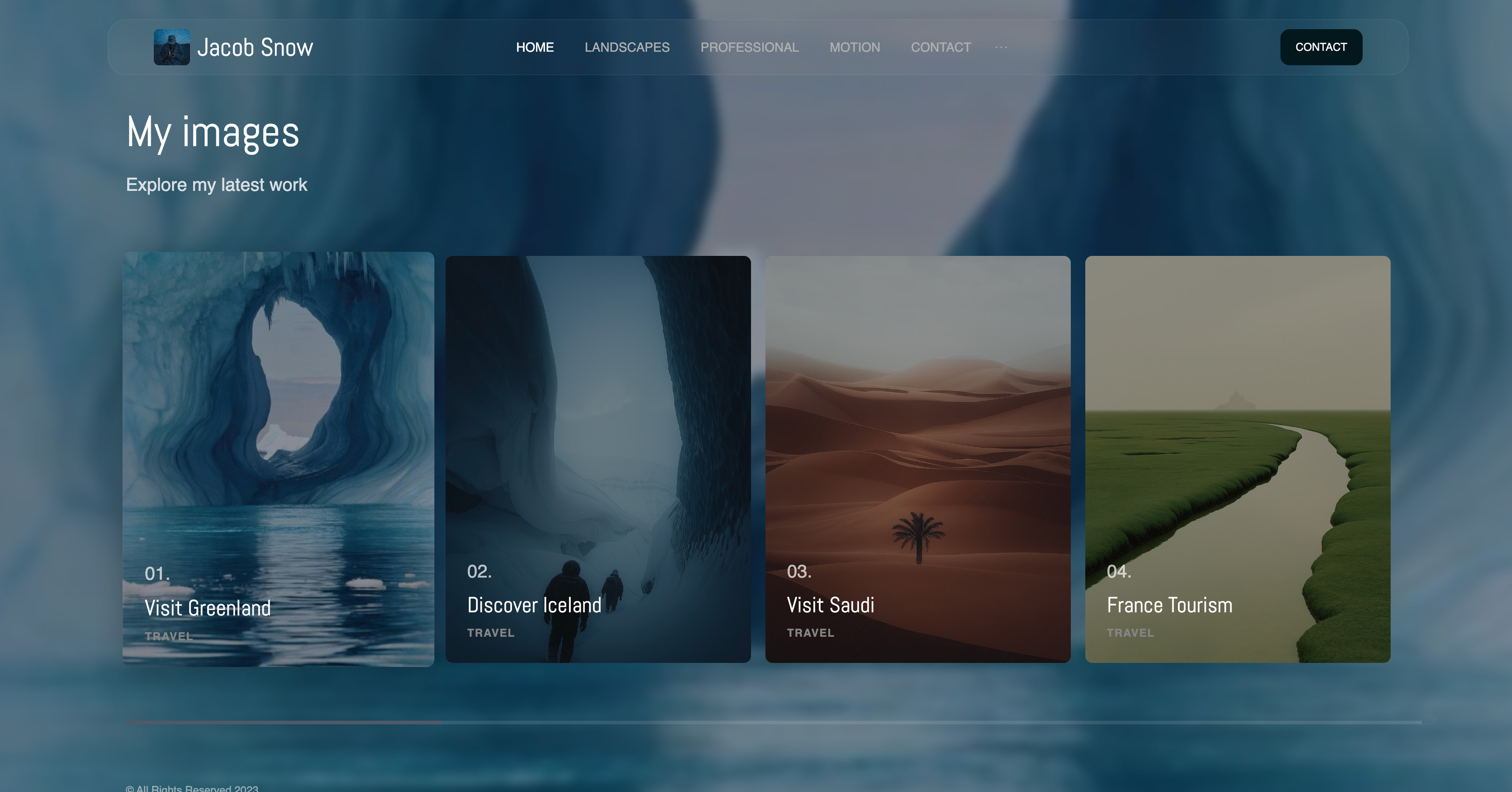 Use template
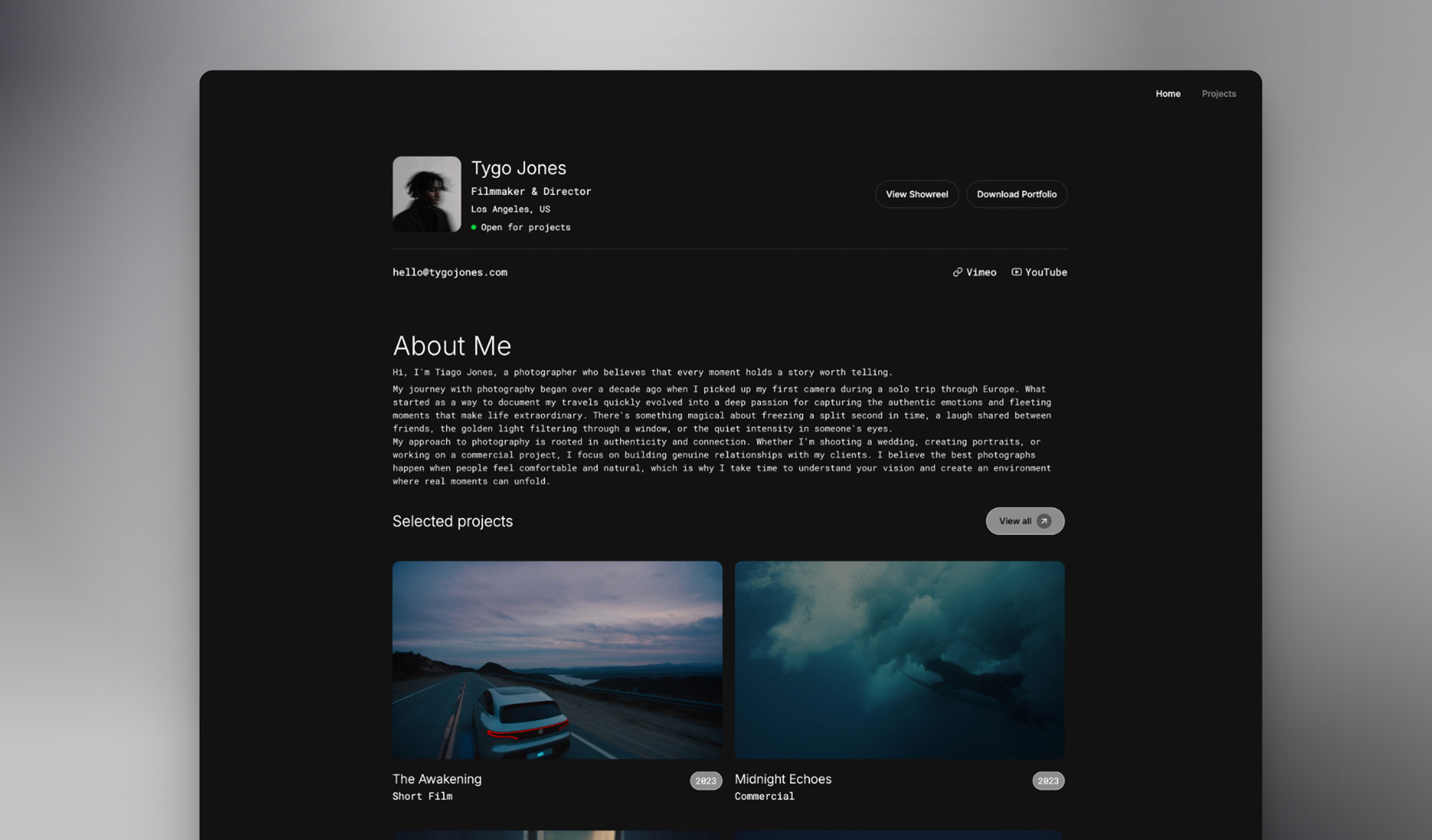 Use template
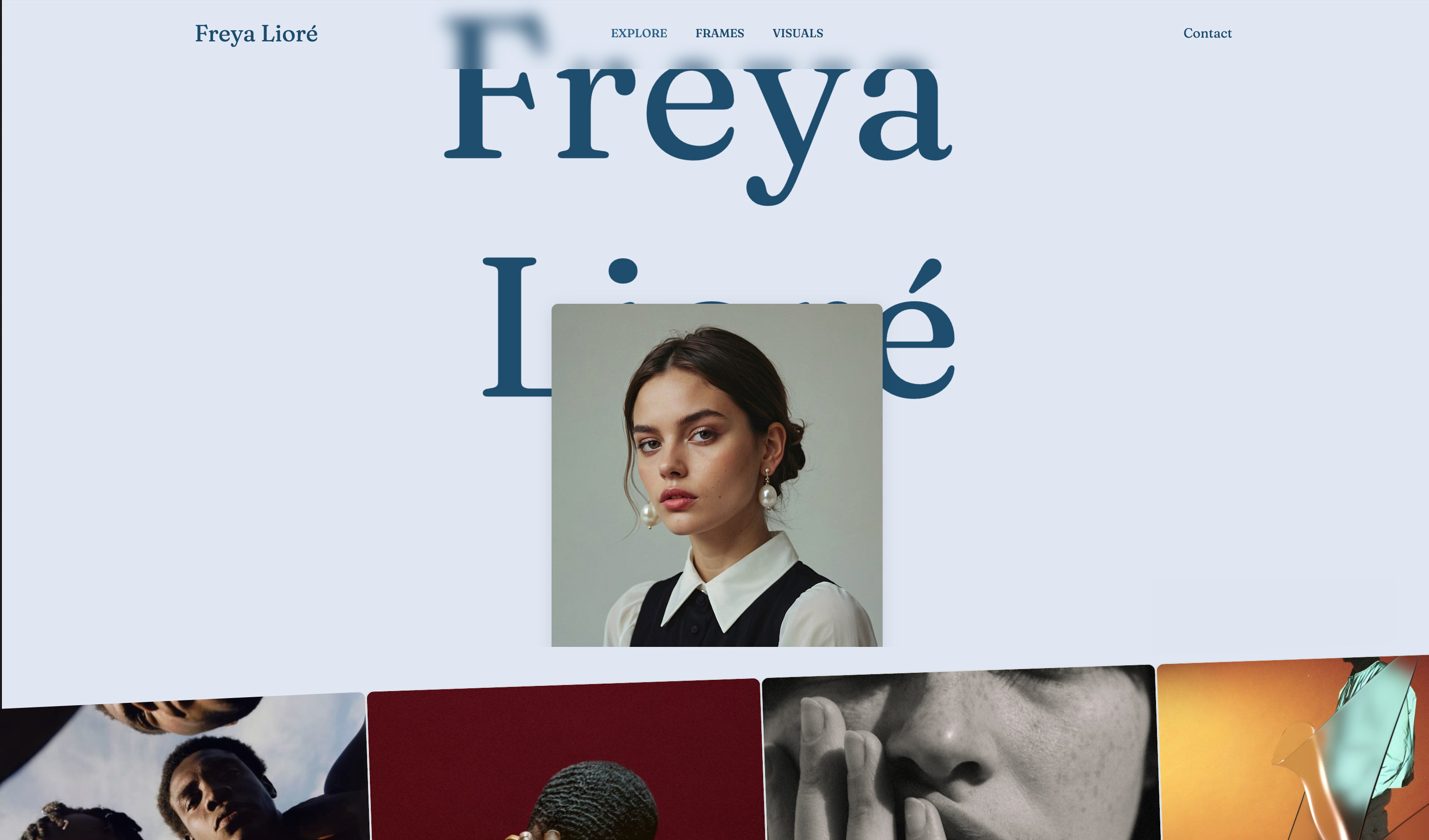 Use template
 Use template
 Use template
 Use template
Procreate costs $12.99 once and there is no serious argument that it is bad value. The problem people actually have is not the price.
It is that they bought a Windows laptop, or an Android tablet, or they want to finish a piece on a desktop, and Procreate does not exist on any of those.
The $12.99 buys you one app on one kind of device, and the moment your work leaves the iPad you are shopping again.
That is the real reason to look for Procreate alternatives, and almost no comparison article frames it that way.
A Procreate alternative is a digital painting or illustration app that provides the same core workflow, a pressure-sensitive brush engine, layers, blend modes and canvas management on a tablet or desktop, without being tied to Apple's iPad.
In 2026 the strongest options in this category are free, and two of them became free within the last year.
The best Procreate alternative in 2026 is Clip Studio Paint, because it runs on iPad, Android, Windows and macOS with the same file format and a brush engine built for illustration, and it can still be bought outright for about $63 rather than rented.
Adobe Fresco is the best free option after Adobe removed its $9.99 a month Premium tier entirely, Krita is the strongest free desktop painter, and Artstudio Pro at a $14.99 one-time unlock is the closest thing to Procreate on iPad and Mac at once.
The trade-off with Clip Studio is that its own store will not show you a price until checkout.
Updated in September 2026: we re-verified Framekit's plans and what its store actually sells, since Framekit moves brushes and print-ready files as digital downloads and takes no cut at all on the Business tier; drawing app prices are as checked in August 2026.
How We Compared 10 Procreate Alternatives
We drew the same piece in every app: a rough sketch layer, flat colour underneath, an inked line pass on a separate layer, three blend-mode shading layers and a texture overlay, then exported a print-resolution PNG and a layered file.
Every app was used with an Apple Pencil on an iPad Pro, an S Pen on an Android tablet where supported, and a Wacom Intuos on desktop, between 8 and 9 August 2026.
The findings split three ways and are labelled throughout. Brush feel, palm rejection, lag at large canvas sizes and where an interface hid something are all things we experienced directly with a stylus in hand.
Prices and platform availability were read off each vendor's own store or App Store listing on those dates, with two exceptions noted in their entries.
Anything about long-term support or community sentiment is reported rather than tested and is marked as such.
Two vendors could not be priced cleanly.
Clip Studio's own purchase page renders every figure as a placeholder "0 USD" rather than a number, so its perpetual prices come from its authorised reseller. ibisPaint prices its subscription differently in every country by design, and its own documentation says so, so we describe the model rather than quoting a single figure that would be wrong for most readers.
In one lineten apps, one layered illustration, three input devices, every price read at the vendor's own store on 8 to 9 August 2026 or explicitly labelled where the vendor would not show one.
What Comparing Ten Drawing Apps Showed
The headline finding is that the economics of this category inverted. Two years ago the good drawing apps cost money and the free ones were compromises.
In 2026 the free options include a full Adobe application and two mature open-source painters, and several paid apps are now competing on convenience rather than capability.
- 5 of the 10 cost nothing at all to use seriously, with no watermark and no export limit.
- Adobe removed the Fresco Premium subscription entirely, taking a $9.99 a month product to $0.
- Only 3 of the 10 run on all four of iPad, Android, Windows and macOS.
- The cheapest way to cover an iPad and a desktop with the same paid app is $14.99.
- Procreate itself covers exactly one of those four platforms, for $12.99.
- 4 of the 10 still offer a genuine one-time purchase rather than a subscription, which is more than any other software category we have compared this year.
For the pick matched to the devices you own rather than the whole field, jump to the decision guide.
What It Costs to Draw on Every Device You Own
Here is the table that reframes this question. Comparing app prices one against another is close to meaningless when the apps cover different hardware.
What matters is the total cost of being able to draw on the devices sitting in your bag, and on that measure the ranking looks nothing like a feature comparison.
The scenario is a working illustrator with an iPad for sketching, a Windows or Mac desktop for finishing, and an Android tablet as a travel machine. Not everyone has all three, which is exactly why the columns matter.
| App | iPad | Android | Windows | macOS | Cost to cover all four |
|---|---|---|---|---|---|
| Procreate | $12.99 | Not available | Not available | Not available | Cannot |
| Krita | Not available | Free | Free | Free | $0 |
| MediBang Paint | Free | Free | Free | Free | $0 |
| Adobe Fresco | Free | Not available | Free | Not available | $0 |
| Sketchbook | Free tier | Free tier | Paid desktop | Paid desktop | Under $25 |
| ibisPaint X | Free with ads | Free with ads | Free with ads | Not available | $0 with ads |
| Artstudio Pro | $14.99 unlock | Not available | Not available | Separate purchase | About $30 |
| Infinite Painter | About $9.99 | About $9.99 | Not available | Not available | About $20 |
| Clip Studio Paint | Subscription | Subscription | About $63 once | About $63 once | $63 to $277 once |
| Paintstorm Studio | Separate iPad app | Not available | $25 | $25 | Under $40 |
Read the first row before anything else. Procreate is not expensive, it is narrow, and the cost of that narrowness is invisible until the day you want to finish a piece on a laptop.
Everything below it in the table is there because it solves a problem Procreate does not have a version of.
The second thing to notice is that three rows cost nothing and two of those cover more platforms than the $12.99 option does.
In one linecovering an iPad, an Android tablet and a desktop costs $0 with Krita or MediBang, about $30 with Artstudio Pro, and is simply not possible with Procreate at any price.
The 10 Best Procreate Alternatives in 2026: Full Comparison
Scores are out of 10 across four weighted criteria: brush engine and drawing feel (35%), platform coverage (25%), cost over five years (20%), and how complete the illustration workflow is beyond brushes, meaning layers, text, page management and export (20%).
Platform coverage carries a quarter of the weight because it is the specific gap that sends people looking for a Procreate alternative in the first place.
| App | Platforms | Price | Model | Best for | Score |
|---|---|---|---|---|---|
| Clip Studio Paint | iPad, Android, Win, Mac | From about $63 once | Perpetual or subscription | Serious illustration anywhere | 9.2 |
| Krita | Android, Win, Mac, Linux | Free | Open source | Free desktop painting | 8.7 |
| Adobe Fresco | iPad, iPhone, Windows | Free | Free | Natural media brushes | 8.5 |
| Artstudio Pro | iPad, iPhone, Mac | $14.99 unlock | One-time | Closest feel to Procreate | 8.1 |
| Infinite Painter | Android, iPad | About $9.99 | One-time | Android tablets | 7.7 |
| Sketchbook | iPad, Android, Win, Mac | Free, small paid extras | Freemium | Sketching and ideation | 7.4 |
| MediBang Paint | Everything | Free | Free with cloud | Comics on any device | 7.2 |
| ibisPaint X | iPad, Android, Windows | Free with ads | Freemium | Beginners and phones | 6.9 |
| Paintstorm Studio | Win, Mac, Linux, iPad | $25 desktop | Perpetual | Brush obsessives | 6.6 |
| Affinity | Windows, macOS | Free | Free | Illustration plus everything else | 6.4 |
Clip Studio does not take a perfect score, and the reason is its own storefront: a product whose purchase page shows "0 USD" where the price should be is a product that is harder to recommend than it should be, and the subscription and perpetual routes are confusing enough that people regularly buy the wrong one.
1. Clip Studio Paint: Best Procreate Alternative Overall
Clip Studio is the app professional illustrators and comic artists move to when Procreate stops being enough, and the reason is not brushes. It is that the same file opens on an iPad on a train and a desktop at home.
What it feels like to usethe vector layers are the thing to try in the first hour.
A line drawn on a vector layer can be thinned, thickened or re-tapered after you have drawn it, and the eraser can be set to remove a stroke back to its nearest intersection, which deletes the single most tedious operation in inking.
Our ink pass took noticeably fewer undo cycles than the same pass in any raster-only app on this list. The interface is dense and the first day is a slog.
The real numberthe perpetual licences run about $63 for PRO and about $277 for EX through the authorised reseller, with an optional annual Update Pass at $10.99 and $31.99. Subscriptions start from $0.99 a month with the first three months free.
On the five-year horizon, PRO bought outright is about $1.05 a month.
The detail nobody writes aboutClip Studio's own purchase page renders every price as a placeholder "0 USD" rather than a figure, on every browser we tried. You cannot read the cost of the product from the vendor's own store.
This is not a minor annoyance, it is the reason a lot of people end up on a subscription they did not intend to buy, because the subscription route is the one with legible pricing.
The gotchaperpetual and subscription cover different device sets, and the perpetual licence is version-locked. PRO bought outright runs on Windows and macOS; putting it on an iPad or Android tablet is the subscription's job.
If you want one app across a desktop and a tablet, the honest answer is the subscription, and the "buy it once" advantage quietly disappears.
Skip it ifyou paint rather than draw. Clip Studio is built around line art, panels and pages, and a painter with no interest in inking will find Krita or Fresco more direct.
What reviewers say elsewherethe consistent professional verdict is that it is the industry standard for comics and manga, which matches what we found, and that its licensing is the most confusing in the category, which also matches.
Verdict: the best answer for anyone whose work is illustration rather than casual drawing, and the only app here that genuinely follows you across every device with the same file. Buy PRO outright if you work on a desktop; take the subscription if a tablet is part of the workflow, and go in knowing which one you chose.
2. Krita: Best Free Painting App
Krita is a free, GPL-licensed painting application built by people who paint, and version 5.3.3 arrived on 29 July 2026, which tells you something about how alive the project is.
What it feels like to usethe brush engine is the reason to be here.
There are more brush parameters than Procreate exposes, the stabilisers are genuinely good for inking, and the pop-up palette on right-click puts colour, brush and size under the stylus rather than at the edge of the screen.
On our shading layers the blend-mode behaviour matched what we expected from desktop compositing, which is not true of every app on this list.
The real number$0 on Windows, macOS, Linux and Android, forever. Paid editions exist on Steam, the Microsoft Store, Epic and the Mac App Store, where the money funds development after the store takes its cut, so paying is a donation with automatic updates attached.
The detail nobody writes aboutthe Android build is a real Krita, not a cut-down companion. On an S Pen tablet it is the most capable free drawing app you can install, and it is almost never mentioned in Procreate comparison articles because those articles assume everyone is on an iPad.
The gotchathere is no iPad version and there is not going to be one. If your tablet is an iPad, Krita solves your desktop problem and none of your tablet problem.
Skip it ifyour workflow is comics with panel management and page export, where Clip Studio is built for the job and Krita is not.
Verdict: the best free painting application in existence and the correct first thing to try if you own an Android tablet or a desktop. It costs nothing to find out, which makes every other recommendation on this page conditional on Krita not being enough.
3. Adobe Fresco: The Best Free App Adobe Has Ever Given Away
Fresco is Adobe's painting app for tablets, built around live watercolour and oil brushes that physically interact on the canvas, and its story in 2026 is a pricing one: Adobe removed the Premium subscription and made the whole application free.
What it feels like to usethe live media brushes are unlike anything else here. Watercolour bleeds into wet paint and settles as it dries, and oil brushes pick up and smear the colour underneath.
It is not a gimmick, and for anyone trying to make digital work look less digital it is the strongest tool in this comparison. Vector and raster brushes sit in the same document, which is a genuine convenience.
The real number$0. Adobe scrapped the Fresco Premium tier that previously cost $9.99 a month, which over five years is $599.40 that current users do not pay. There is no watermark and no export restriction.
The detail nobody writes aboutFresco opens PSD files with layers, and it runs on Windows as well as iPad, which makes it the only free app here that bridges an iPad and a Windows desktop with an Adobe-native file. If you already work with people who use Photoshop, that matters more than any brush.
The gotchathere is no Android version and no macOS version, which is an odd pair of gaps. It also nudges toward a Creative Cloud account for cloud storage and font access, and the free tier's cloud allowance is small, so plan to export locally.
Skip it ifyou need page and panel management, or you work on an Android tablet, or you would rather not have an Adobe account at all.
Verdict: free is the right price for what is genuinely a very good painting app, and the natural media brushes have no equal on this list. Install it alongside whatever else you use, because it costs nothing and does one thing better than anything else here.
4. Artstudio Pro: Closest Thing to Procreate Across iPad and Mac
Artstudio Pro is the app people land on when they want Procreate's feel and also want it on a Mac, and it is the cheapest way in this comparison to cover both.
What it feels like to usefamiliar in the way that matters. The gesture vocabulary, the layer panel behaviour and the brush studio are close enough to Procreate that the transition takes an afternoon rather than a week.
It goes further than Procreate in a few places, notably a proper adjustment layer system and considerably more control over brush dynamics.
The real numberthe App Store lists the app as free with in-app purchases, a $3.49 yearly subscription or a $14.99 one-time unlock.
At $14.99 once for full functionality it is $2 more than Procreate and covers iPhone and iPad, with the Mac desktop version sold as its own purchase.
The detail nobody writes aboutthe $3.49 yearly subscription is a real option and it is unusually cheap. If you are not sure the app will stick, $3.49 for a year is a lower-risk trial than $14.99 outright, and almost nobody mentions that the choice exists.
The gotchathe Mac version is a separate purchase from the iPad version, so "covering both" is two transactions rather than a universal purchase. Budget around $30 for the pair rather than $14.99.
Skip it ifyou are on Windows or Android, neither of which it supports.
Verdict: the best straight swap for an iPad artist who has bought a Mac, and the cheapest full-featured paid app in this comparison. If you like Procreate and only wish it existed on your desktop, this is your answer.
Selling brushes or brush packs of your own? We covered the platforms and the fees in how to sell digital products from your own website.
5. Infinite Painter: Best Drawing App for Android Tablets
Infinite Painter was built Android-first at a time when nothing serious was, and it remains the app to reach for on a Galaxy Tab with an S Pen.
What it feels like to usefluid, and unusually well suited to a stylus that is not an Apple Pencil. Pressure response on the S Pen was the best of anything we tried on Android, and the perspective guides are better implemented than in most desktop apps, with a genuinely usable three-point setup.
The real numberreported at about $9.99 as a one-time purchase, with some sources listing $5.99 depending on platform and promotion. Either way it is a single payment rather than a subscription, and covering both an Android tablet and an iPad is roughly $20.
The gotchadevelopment moves slowly compared with Krita or Clip Studio, and the community reports long gaps between releases. That is not fatal for a drawing app, which does not need to track new camera sensors, but it is worth knowing before you invest years of custom brushes in it.
Skip it ifyou are a desktop-first artist, because there is no Windows or macOS version at all.
Verdict: the best paid app on Android and a perfectly good one on iPad, at a price that makes the question academic. If your tablet is not an iPad, start here or with Krita.
6. Sketchbook: Best for Sketching and Thinking
Sketchbook has been through several owners and is now an independent product, and it has settled into a clear role: the app you open to think, rather than the one you open to finish.
What it feels like to usealmost nothing is on screen. The radial menu keeps tools under the thumb and the canvas is uncluttered in a way that genuinely changes how you work, because there is no panel to fiddle with instead of drawing.
The predictive stroke feature, which smooths a shaky line into the shape you clearly meant, is better than the equivalent in more expensive apps.
The real numberthe mobile apps are free with a small optional premium bundle reported at $2.99 that adds custom brush creation, clipping masks, layer grouping and PDF export. Desktop versions are paid, and the total to cover a tablet and a desktop stays under about $25.
The gotchathe paid extras on mobile are exactly the features a serious user needs. Clipping masks and layer groups are not luxuries in an illustration workflow, so treat the free tier as a sketching tool and expect to pay the small unlock the moment you try to finish something in it.
Skip it ifyou need heavy layer counts or page management, neither of which is what this app is for.
Verdict: the best thinking tool in this comparison and a deliberately limited finishing tool. Worth installing on every device you own regardless of what else you use.
7. MediBang Paint: Free on Absolutely Everything
MediBang is a free comic-focused painting app that runs on iPad, Android, Windows and macOS with a cloud account tying them together, and it is the only entry here that covers all four at no cost.
What it feels like to uselightweight and clearly built for comics. Panel tools, screen tones and a large free brush and background library are all present, and the cloud sync means an unfinished page follows you between devices without exporting anything.
It is less refined than Clip Studio in almost every specific way and it is free.
The real number$0 across every platform, with an optional premium tier for extra cloud storage and fonts. For a student or a hobbyist, covering four devices for nothing is the entire pitch.
The gotchathe free tier is ad-supported in places and the cloud storage allowance is modest, so a long project with high-resolution pages will push you into managing files manually or paying for the upgrade.
Skip it ifyou paint rather than draw comics, where the brush engine is a clear step behind Krita and Fresco.
Verdict: the honest recommendation for anyone whose budget is zero and whose devices are mixed. It is not the best app here and it might be the most useful one.
8. ibisPaint X: Best for Phones and Absolute Beginners
ibisPaint is enormously popular with younger artists and it earns that on a phone screen, where most of this list becomes unusable.
What it feels like to usedesigned for a thumb and a small display, and it works. The recording feature that exports your drawing process as a video is built in rather than bolted on, and for anyone posting process clips it removes a whole editing step.
The real numberfree with advertising, with a one-time ad-removal upgrade and monthly or yearly Premium plans.
Prices differ by country by design and ibisPaint's own documentation says so, with third-party tracking putting the monthly Premium anywhere from about $0.30 to $3.81 depending on where you buy it, so check your own store rather than trusting a single quoted figure.
The gotchathe free experience is genuinely ad-heavy, including waiting through an advert to use some brushes and materials. It is the most interrupted free tier in this comparison.
Skip it ifyou are working at print resolution or across many layers, where it starts to struggle.
Verdict: the best app on this list for a phone and for someone who has never drawn digitally. A working illustrator will outgrow it, and it costs almost nothing to find out where that line is.
9. Paintstorm Studio: Best for Brush Obsessives
Paintstorm is a small, focused painting application with an unusually deep brush editor, and it has quietly kept a perpetual licence while most of the industry moved on.
What it feels like to usetechnical. The brush settings panel is the densest here, with per-brush controls that most apps do not expose at all, and if you are the kind of artist who builds their own tools rather than downloading brush packs, this is where you will want to live.
The real number$25 for the desktop perpetual licence against a $49.99 list, covering Windows, macOS and Linux, with the iPad version sold separately through the App Store.
The gotchathe interface looks and behaves like software from an earlier era, and there is no meaningful onboarding. You are expected to know what you want.
Skip it ifyou want to open an app and draw immediately, which is a completely reasonable thing to want and not what this is.
Verdict: a specialist tool at a fair one-time price, and the right pick only if brush engineering is part of how you enjoy working.
10. Affinity: Free, Powerful, and Not Really a Tablet App Yet
Affinity earns a place because Canva made the entire suite free in late 2025, and because for a lot of illustrators the real requirement is one application that draws, lays out and exports print-ready files.
What it feels like to usethe Pixel, Vector and Layout studios live in one document, so an illustration, its type and its print setup stop being three files. The raster brush engine is competent rather than exceptional, and it is clearly not the reason the app exists.
The real number$0 on Windows and macOS, down from a suite that cost up to $169.99. AI features route through a paid Canva account and are not part of the free application.
The gotcha, and it is the decisive one herethe iPad version was still pending at the time of writing. For a comparison about Procreate alternatives, an app you cannot yet run on the device Procreate runs on is a serious limitation, and it is why a free professional application scores last.
Skip it ifyour drawing happens on a tablet, which for most people reading this it does.
Verdict: the best free desktop creative suite available and the weakest tablet answer on this list. Have it installed for finishing, layout and print, and draw somewhere else.
Can You Open a .procreate File in Anything Else?
In one lineno app on this list opens a .procreate file directly, so the only reliable way to leave is to export layered PSDs from Procreate while you still have it, and doing that before you switch is the single most important step in this whole article.
This is the question people ask after they have already switched, which is the wrong order. The .procreate format is proprietary and undocumented, and none of the ten apps above imports it. What every one of them does import is PSD.
So the migration path is fixed. Open each piece you care about in Procreate, use Share and choose PSD rather than PNG or JPEG, and keep those files. Layers, layer names and most blend modes survive.
What does not survive is anything Procreate-specific: your brush settings do not travel, layer effects are baked, and the time-lapse recording is lost entirely.
Do this before your iPad dies, before you sell it, and before you decide you are switching. A flattened PNG of a piece you spent twenty hours on is not an archive, it is a screenshot.
The same logic runs in reverse and is worth knowing: every app here exports PSD, so choosing one of them keeps your future options open in a way Procreate does not. That is a genuine mark against a $12.99 app that most reviews never make.
What You Actually Lose When You Leave Procreate
In one lineyou lose four specific things, and only one of them is about drawing, which is why so many people who switch on price switch back on habit.
Being honest about this is more useful than a feature table. Here is what goes.
The gestures. Procreate's two-finger tap to undo, three-finger scrub to clear, and pinch-to-fit are muscle memory after a month, and every app here maps at least one of them differently.
The first week in a new app feels clumsy for reasons that have nothing to do with capability.
The brush ecosystem. There is a large commercial market of Procreate brush packs, and a lot of artists have spent real money in it. Those .brushset files do not import anywhere else.
If you have $200 of brushes, that is a switching cost nobody puts in a comparison table, and it is often larger than the price of the new app.
The time-lapse. Procreate records every session automatically and exports it as a video, and for anyone who posts process clips that is a marketing tool rather than a novelty. Only ibisPaint offers an equivalent that is as effortless.
The simplicity. Procreate hides almost everything. Clip Studio, Krita and Paintstorm all show you more, and more is not always better when you are trying to draw rather than configure.
What you gain in exchange is the thing the whole article is about: the ability to keep working on hardware Apple does not make.
Why So Many Drawing Apps Went Free in 2026
In one linetwo of the strongest options here became free within a year of each other, and the reason is strategic rather than charitable, which matters because it tells you what the free price is actually buying.
Canva bought Serif and made the Affinity suite free. Adobe removed the Fresco Premium tier and made that free. Neither company did this because creative software stopped costing money to build.
The mechanism is straightforward. A free professional application is an extremely efficient way to acquire users for a subscription that sits next to it. Affinity is free and its generative AI runs through a paid Canva account.
Fresco is free and it lives inside an ecosystem where Photoshop, fonts and cloud storage are not. In both cases the application is the funnel and the subscription is the product.
That is not a reason to avoid them. Both are genuinely good and genuinely free, and using one without ever paying for the adjacent subscription is a legitimate outcome that the companies have priced in.
It is a reason to be clear-eyed about which features are inside the free boundary, because that boundary is where the business model lives and it is the thing most likely to move.
The apps least exposed to that risk are the ones with no adjacent subscription to sell you: Krita and MediBang are free because of how they are funded, not because of what they are funnelling you toward.
Run This Test Before You Buy Anything
Take one finished piece and redraw a small section of it, maybe twenty minutes of work, in two of the free apps above. Krita if you are on desktop or Android, Fresco if you are on an iPad or Windows. Both cost nothing and neither watermarks the output.
Pay attention to one thing only: the first ten strokes. Brush feel is the thing that decides whether you will actually use an app, and it is the thing no comparison article, including this one, can tell you.
Everything else, layers, export options, price, is a specification you can read. Whether a line lands where your hand meant it to is not.
If the free apps feel right, you have finished and spent nothing. If they feel close but wrong, you now know what the paid options need to fix, and $14.99 or $63 is an informed purchase rather than a guess.
What a Brush Engine Actually Controls
In one linebrush feel comes down to four inputs and how an app maps them, and knowing which of the four your style depends on turns "this one feels better" into a decision you can make before you install anything.
Every app here reads the same signals from a stylus, and the differences between them are almost entirely about what they let you attach those signals to.
Pressure is the obvious one, and every app supports it. What varies is the curve.
Procreate's default pressure response is gentle, which is a large part of why it feels forgiving, while Krita and Paintstorm expose an editable curve so you can make it as aggressive as you like.
If you press hard and get an unexpectedly fat line in a new app, this is why, and it is usually a two-minute fix rather than a reason to uninstall.
Tilt controls the shading behaviour that makes a digital pencil feel like graphite.
Fresco and Procreate handle tilt best of the tablet apps in our drawing, with a genuine broadening of the stroke rather than a simple opacity change.
Several free apps treat tilt as an on-off modifier, which is the single biggest tell that you are using a lighter tool.
Velocity is the one people never think about and it is what makes an ink line taper properly.
A brush that thins as the stroke accelerates produces the confident calligraphic ending that hand-inking has, and Clip Studio's implementation is the reason its ink pass looks different from everyone else's.
Wet mixing is where Fresco stands alone. Most apps composite a stroke on top of what is underneath.
Fresco's live media brushes carry pigment and water as state, so a brush loaded with one colour dragged through another produces a genuine mix that continues to settle after you lift the stylus.
The practical shopping rule: if your work is line art, prioritise velocity and stabilisation, which points at Clip Studio and Krita. If your work is painterly, prioritise tilt and mixing, which points at Fresco and Krita.
If your work is flat colour and shape, almost anything here will do and you should optimise for platform coverage and price instead.
The Stylus Matters More Than the App
In one linethe hardware under your hand sets the ceiling for everything above, and an artist frustrated with an app is often frustrated with a stylus, which no amount of switching software will fix.
This is the variable that comparison articles leave out because it is not something they can sell you. Three things about it are worth knowing before you blame the software.
Hover matters more than expected. A stylus that reports its position before it touches glass lets an app show a brush preview where the line will land, and once you have worked with it, drawing without it feels like aiming blind.
Support for it depends on the device and the app together, and an app that does not implement it will feel worse than one that does regardless of its brush engine.
Palm rejection is an app-level feature, not just a hardware one. Every tablet here rejects palms, and the apps differ in how aggressively they do it and whether they let you tune it.
If you draw with your hand flat on the screen and one app keeps registering stray marks, that is a setting rather than a defect.
Third-party styluses trade cost for feel. They work, they are considerably cheaper, and the difference shows up in pressure resolution at the light end of the range, which is exactly where sketching happens.
If your line quality is inconsistent at low pressure across several apps, the stylus is the common factor.
The honest summary: an artist on a good tablet with a matched stylus will produce better work in a free app than an artist on mismatched hardware will in the most expensive one on this list. Spend there first.
Five Apps We Left Out and Why
Being explicit about exclusions is more useful than padding to a round number, so here is what did not make the ten.
Photoshop on iPad was excluded because it is part of a Creative Cloud subscription rather than a standalone purchase, and because Adobe blocks automated access to its pricing, so we could not read a current figure at the source to compare fairly.
Concepts is a genuinely good infinite-canvas vector sketching app, and it was left out because it is a different tool for a different job.
It is built for design thinking, wireframes and technical sketching rather than for painting and finished illustration, and ranking it against Krita would flatter neither.
Rebelle does natural media simulation better than almost anything, including realistic wet paper and running paint, and it is desktop-only with no tablet version, which puts it outside the question this article asks.
Linearity Curve, formerly Vectornator, is a vector illustration tool rather than a painting app.
Its pricing page also showed an annual per-editor rate above its monthly one on the day we read it, which we could not resolve, and we do not quote figures we cannot explain.
The large field of web-based drawing tools was excluded as a group.
They work, they are convenient, and none of them handles the layer counts and canvas sizes that a print-resolution illustration needs, which makes them a different product rather than a cheaper one.
Where Illustration Work Actually Earns
Every app above is where the drawing happens. None of them is where the work gets seen, commissioned or sold, which is the part that turns illustration into income. That is what we build, so read this as disclosure rather than a ranking entry.
Framekit is an AI website builder for illustrators, designers and creators, built so a portfolio, a commission enquiry page and a store for brush packs or prints live on one site you control instead of an algorithmic feed that shows your work to a fraction of the people following you.
For illustrators specifically, the useful part is that a portfolio page and a product page are the same system: the piece you post is one click from the print or the brush set that goes with it.
Two honest limits. Framekit does not draw, and nothing on this page competes with it, so if you came for a painting app your list is above.
And selling through Framekit carries a transaction fee starting at 5% on the free and Starter plans, falling to 3% on Pro at $19 a month and 0% on Business at $39 a month, with the crossover where a flat plan beats a percentage sitting around $780 a month in sales.
The Decision Guide
The right app here is decided almost entirely by which devices you own, so work down these questions in order and stop at the first yes rather than reading every review above.
Is your only device an iPad, and are you happy on it? If yes, keep Procreate. $12.99 once for the app that fits your hardware is not a problem in need of a solution, and nothing here beats it on that specific device.
Do you own an Android tablet? If yes, Krita first because it is free and complete, then Infinite Painter at about $9.99 if the stylus feel is not right for you. Procreate is not an option and never will be.
Do you need one app on both a tablet and a desktop, with the same file? If yes, Clip Studio Paint on the subscription, from $0.99 a month with the first three months free. This is the case it exists for.
Is your work comics, manga or anything with panels and pages? If yes, Clip Studio Paint again, bought outright at about $63 for PRO if you work on desktop.
Do you want the best free option and you are on an iPad or Windows? If yes, Adobe Fresco, which cost $9.99 a month until Adobe removed the tier and now costs nothing.
Do you want Procreate's feel on a Mac? If yes, Artstudio Pro, a $14.99 one-time unlock on iPad and a separate purchase on Mac.
Is your budget zero and your devices mixed? If yes, MediBang Paint, the only app here that is free on all four platforms at once.
Are you drawing mostly on a phone? If yes, ibisPaint X, and expect adverts.
Frequently Asked Questions
What is the best Procreate alternative in 2026?
The best Procreate alternative in 2026 is Clip Studio Paint, because it runs on iPad, Android, Windows and macOS with the same file format, and its vector layers and inking tools are built for illustration rather than adapted to it.
It can be bought outright for about $63 for the PRO edition or subscribed to from $0.99 a month. For a free alternative, Krita is the strongest on desktop and Android, and Adobe Fresco is the strongest on iPad and Windows.
Is there a free app as good as Procreate?
Yes, and there are three.
Krita is a mature open-source painting application with a deeper brush engine than Procreate exposes, Adobe Fresco has natural media brushes that nothing else here matches and became free when Adobe removed its $9.99 a month Premium tier, and MediBang Paint runs free on every major platform.
The gap is not capability, it is polish and gesture design, where Procreate is still ahead of all three.
Can I open Procreate files on Windows or Android?
No app opens the .procreate format outside Procreate, because it is proprietary and undocumented. The reliable route is to export each piece from Procreate as a layered PSD before you switch, which every app in this comparison imports.
Layers, names and most blend modes survive that export. Brush settings, layer effects and the time-lapse recording do not, so exporting flattened PNGs is not an adequate archive of work you care about.
Is Procreate available on Android or Windows?
No. Procreate is exclusive to Apple's iPad, with Procreate Pocket as a separate iPhone app and Procreate Dreams as a separate iPad animation app.
There is no Android version, no Windows version and no macOS version, and Procreate has consistently indicated it has no plans for them.
That platform exclusivity, rather than the $12.99 price, is the reason most people search for an alternative.
Clip Studio Paint vs Procreate: which is better for illustration?
Clip Studio Paint is better for professional illustration and comics work because of vector layers, panel and page management, perspective rulers and cross-platform support, while Procreate is better for the pure drawing experience on an iPad, where its gesture design and simplicity are unmatched.
The practical split is that Procreate is the better sketchbook and Clip Studio is the better production tool. Many illustrators use both.
Is Clip Studio Paint a subscription or a one-time purchase?
Both, and choosing the wrong one is the most common mistake in this category.
Perpetual licences run about $63 for PRO and about $277 for EX through the authorised reseller and cover Windows and macOS, version-locked, with an optional annual Update Pass at $10.99 and $31.99.
Subscriptions start from $0.99 a month with the first three months free and are the route that covers iPad and Android. If a tablet is part of your workflow, the subscription is the honest answer.
Why can I not see Clip Studio Paint's price on its own website?
Clip Studio's purchase page renders its prices as placeholder "0 USD" values rather than figures, on every browser we tested, and the real price appears at checkout or through its authorised resellers.
This is a real and reproducible problem rather than a regional quirk, and it is why the perpetual figures in this comparison are sourced from the reseller and labelled as such rather than read off the vendor's own store.
Did Adobe Fresco really become free?
Yes. Adobe removed the Fresco Premium subscription, which had cost $9.99 a month, and the full application is now free on iPad, iPhone and Windows with no watermark and no export restriction.
Over five years that is $599.40 that current users no longer pay. The strategic context is worth knowing: a free application is an efficient way to bring people into an ecosystem where Photoshop, fonts and cloud storage are still paid.
What is the cheapest way to draw on both a tablet and a desktop?
The cheapest way is free: Krita covers Android, Windows, macOS and Linux at $0, and MediBang Paint covers all four major platforms including iPad at $0.
If you specifically want a paid app with a Procreate-like feel, Artstudio Pro is a $14.99 one-time unlock on iPad with the Mac version as a separate purchase, so budget about $30 for the pair.
Clip Studio's subscription from $0.99 a month is the cheapest way to get one professional app everywhere.
Do my Procreate brushes work in other apps?
No. Procreate brush files in the .brush and .brushset formats do not import into any other application on this list.
For artists who have bought commercial brush packs, this is often the largest real cost of switching and it appears in no comparison table.
Most alternatives have their own free brush communities, and Clip Studio's Assets library in particular is enormous, but rebuilding a personal set takes time rather than money.
Is Krita good for beginners?
Krita is capable for beginners and it is not the gentlest starting point, because it shows you a professional interface from the first launch and assumes you will learn it.
For a complete beginner, ibisPaint X or Sketchbook are easier first steps and both are free.
The counter-argument is that Krita costs nothing, has no upgrade path to be nudged toward, and is the app you would grow into anyway, so starting there avoids one migration later.
Does Procreate use generative AI?
Procreate has publicly taken a position against generative AI in its products, which is unusual in this category and is one of the reasons it retains loyalty among illustrators who see AI image generation as a threat to their work.
Most alternatives on this list take a different view: Adobe, Canva and several smaller vendors ship or route to generative features.
If a no-AI stance matters to you, that narrows the field considerably and is worth checking on each vendor's own statement.
What happens to my art if a drawing app shuts down?
Your exported files are safe and your working files may not be, which is why export format matters more than app choice. Open-source apps such as Krita and MediBang cannot be taken away in the same sense, because the code remains available.
For any paid app, the practical insurance is exporting layered PSDs of finished work rather than leaving everything in a proprietary format, and doing it as you go rather than in a panic.
Is Procreate Dreams worth buying for animation?
Procreate Dreams is a separate purchase from Procreate and is listed on Procreate's own site at $12.99 once, which makes it inexpensive relative to any subscription animation tool.
It is genuinely capable for frame-by-frame and simple keyframe animation on an iPad.
If your animation needs are more structural, with rigging, timelines and export specs, dedicated 2D animation software is the better route and we compared that field separately.
Final Verdict: The Best Procreate Alternative in 2026
Clip Studio Paint is the answer for most people who have outgrown Procreate, because it solves the actual problem, which is that Procreate lives on one device and your work does not.
About $63 buys the desktop editions outright and from $0.99 a month covers a tablet too. If you draw comics or ink anything, it is not close.
If your objection is price rather than platform, the honest answer is that you should not pay anything at all. Krita on desktop or Android and Adobe Fresco on iPad or Windows are both free, both professional, and between them cover almost every device anyone reading this owns.
Where the alternatives lose, plainly: none of them opens a .procreate file, none of them runs your paid Procreate brush packs, and none of them reproduces Procreate's gesture design, which is the thing you will actually miss in week one.
If you own an iPad and only an iPad, switching to save $12.99 is not a good trade.
Where Framekit loses, and it is worth being direct: Framekit does not draw and is not an alternative to anything on this list.
We are where the finished work is shown and sold afterward, and an illustrator who needs a painting app should close this tab on one of the ten above rather than on us.
The short version. Cross-platform professional work: Clip Studio Paint. Free on desktop or Android: Krita. Free on iPad or Windows: Adobe Fresco. Procreate's feel on a Mac: Artstudio Pro at $14.99.
Zero budget across mixed devices: MediBang Paint. Phone-first or brand new to drawing: ibisPaint X.
Related readingthe best Photoshop alternatives, the best 2D animation software, the best website builder for illustrators, the best storyboarding software, and creative tools you can buy once instead of renting.