Framekit templates
Start from a designer-made template
 Use template
 Use template
 Use template
 Use template
 Use template
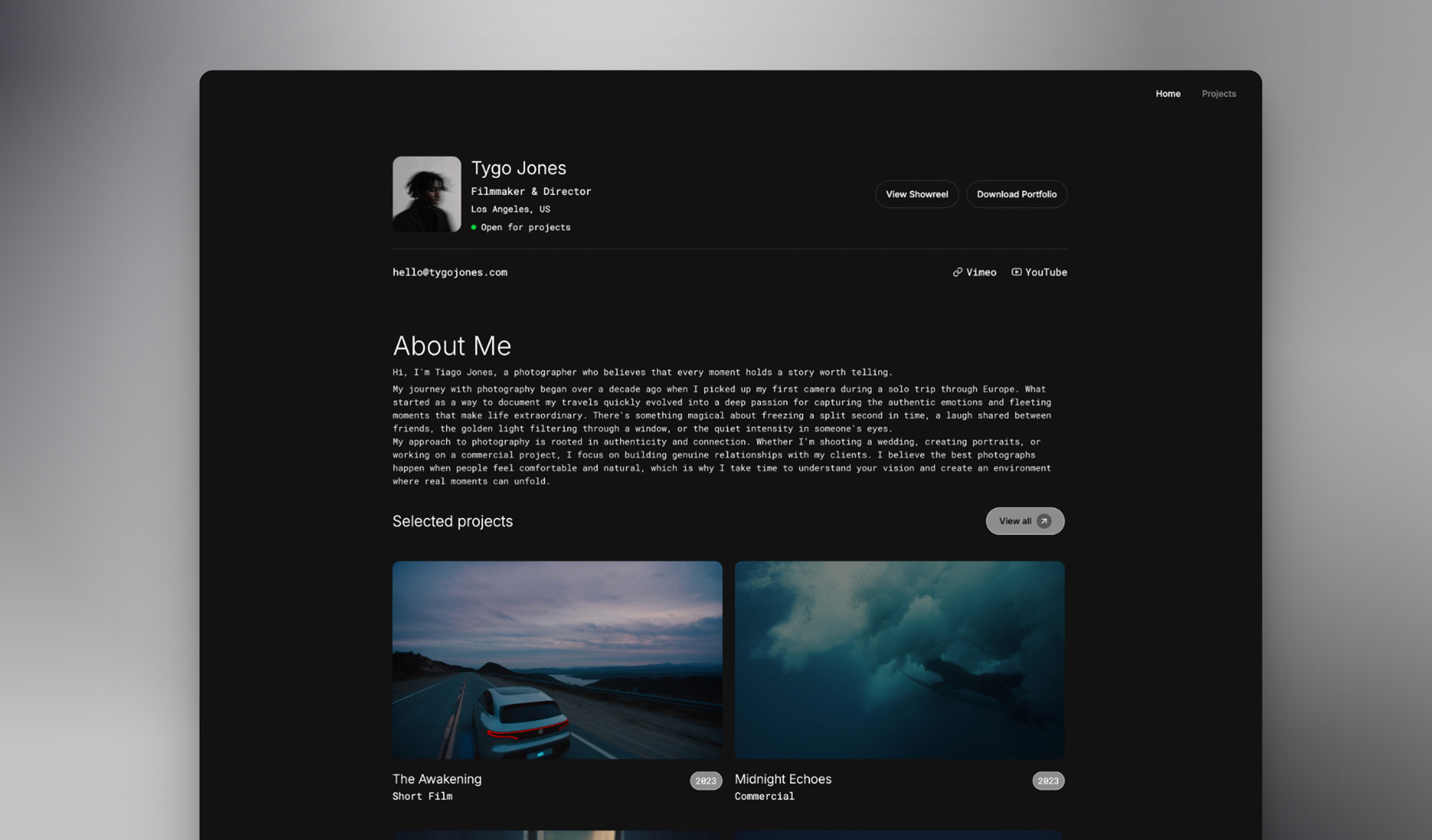 Use template
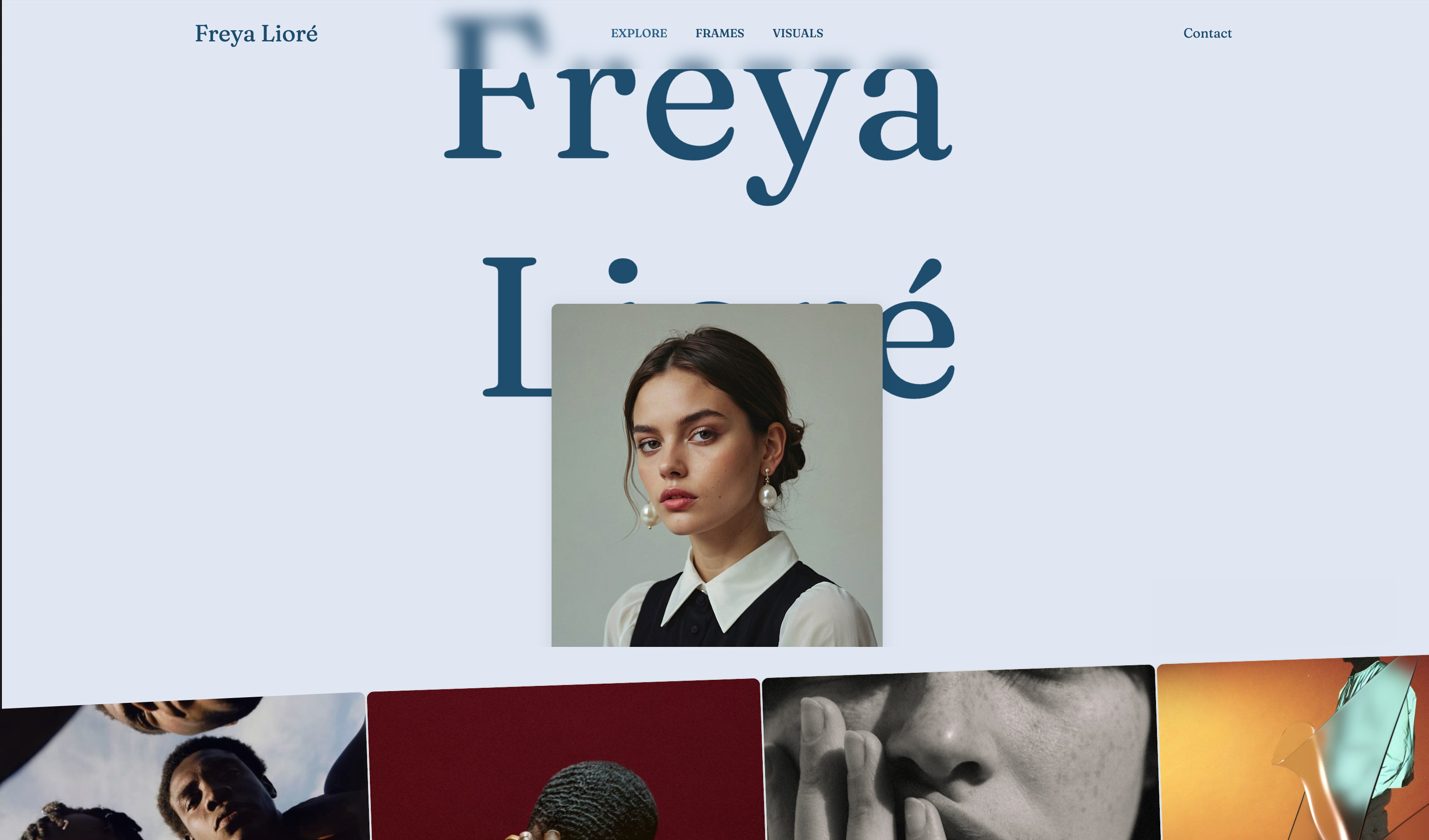 Use template
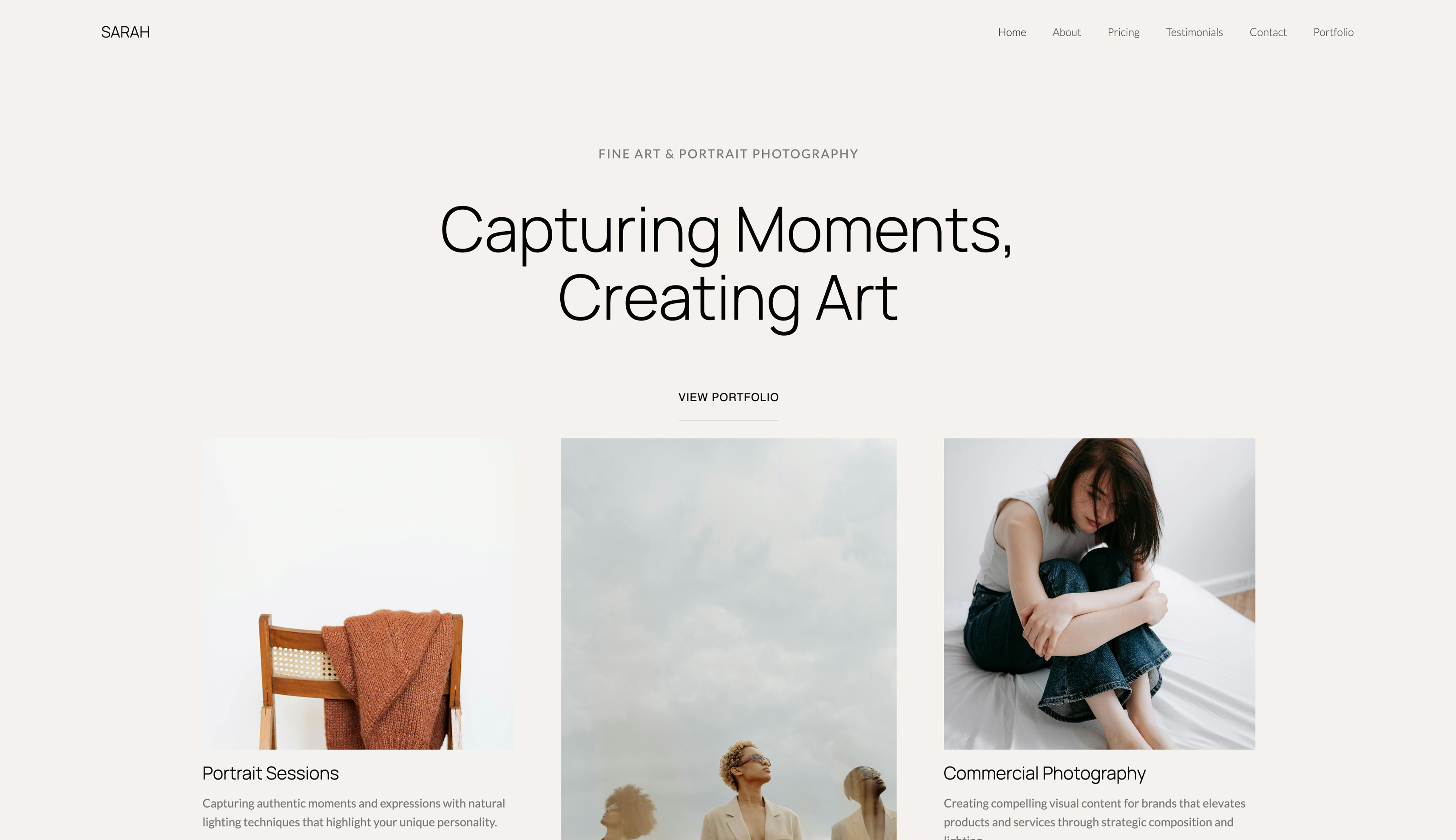 Use template
Boudoir is the one photography business where the website has a job that can go badly wrong. Every other genre's portfolio problem is that not enough people see the work.
Here the problem is that the wrong person might, or that a client's images sit on a platform whose terms you never read, or that a payment processor decides your category is something it is not.
So the useful comparison for this field is not about templates.
It is about three things almost nobody writes down: which platforms allow the work in their terms, which client galleries are private by default rather than private if you remember, and what a processor's restricted-business list actually says.
A website builder is a hosted tool that turns your portfolio, your private client galleries and your bookings into a site on your own domain without writing code. For boudoir photographers the deciding questions are about consent, privacy defaults and payment risk, in that order.
For boudoir photographers in 2026 Framekit is the best website builder, because password and PIN protection, watermarking and download controls are on every plan including the free one, so a private client gallery does not require an upgrade or a second product.
Pixieset is the strongest specialist alternative for delivery, and Squarespace is the pick if you need page-level passwords on the public site itself.
The limitation to know is that Framekit has no print lab, which matters in a genre where albums and prints are most of the revenue.
Disclosure: Framekit is our product and we rank it first. We built the same seven sites with the same portfolio, the same private gallery and the same $1,400 package listing, we link to every competitor, and we say where each beats us. Pixieset beats us on album and print fulfilment, and Squarespace beats us on protecting a public page with a password.
How We Tested Seven Builders
Each site got identical contents: a portfolio of released work, a private client gallery of 40 images, a package page listing a $1,400 session and album collection, an FAQ addressing privacy, and a booking enquiry route.
We paid particular attention to what each platform does by default rather than what it can be configured to do, because defaults are what protect you on a busy week.
We keep three kinds of claim apart. Things built and observed happened inside the product.
Things read at source are prices, limits and policy wording taken from vendor or processor pages in August 2026, quoted and linked where the wording matters.
Things drawn from photographers' reports are labelled in the sentence, since a shared experience shows a pattern exists without measuring its frequency.
Conditions: fresh accounts, USD where offered, annual pricing as presented. Nothing in this guide is legal advice, and terms of service and processor policies change, so treat the policy section as a prompt to read the current wording yourself rather than as a settled answer.
We quote no star ratings, because G2, Capterra and Trustpilot refuse automated requests and a score we could not open proves nothing.
By the numbers7 builders built out. $1,400 carried package. 3 of 7 make a client gallery private by default rather than on request. 2 of 7 offer password protection on a public site page. 1 of 7 includes watermarking, passwords and download controls on a free plan, which is ours.
The Comparison Table
The rubric is weighted for the genre rather than for general web design: client privacy controls 30%, terms and payment risk 20%, portfolio presentation 20%, selling albums and packages 20%, price 10%.
Privacy leads because it is the professional obligation that defines this work, and payment risk is second because it is the failure that ends a business rather than inconveniencing it.
| Builder | Best for | Private by default | Password on a public page | Entry price | Our rating |
|---|---|---|---|---|---|
| Framekit | Private delivery on every plan | Yes | No, galleries only | $0, $9/mo Starter | 9.0/10 |
| Pixieset | Album and print fulfilment | Yes | No | $8/mo annual Basic | 8.8/10 |
| Squarespace | Locking a page on the public site | Not applicable | Yes | $19/mo annual | 8.2/10 |
| Format | The most discreet presentation | Yes | Limited | $10/mo annual | 8.0/10 |
| Pixpa | Cheapest site and galleries together | Partial | Limited | ~$4.80/mo Lite annual | 7.2/10 |
| Wix | Bookings and marketing in one place | No | Yes | $17/mo Light | 6.9/10 |
| Webflow | A designed site you fully control | Not applicable | With a build | $15/mo annual | 6.7/10 |
Framekit does not offer password protection on a public site page, which Squarespace and Wix both do, and for some photographers that single row decides the choice.
1. Framekit: Best Privacy Defaults

Framekit is an AI website builder for photographers, filmmakers and designers that generates a site from a description or a reference image and lets you deliver and sell from your own domain.
The reason it leads here is not a headline feature but where the privacy controls sit: on every plan, including the free one.
Client galleries carry watermarking, password and PIN protection, favourites, downloads and email sharing at every tier, with only storage changing as you pay more.
In a genre where the entire client relationship rests on discretion, a platform that puts protection behind an upgrade is asking you to choose between money and a promise you made to somebody.
The real numberon the carried $1,400 package the platform fee is 5% on the free and $9 Starter plans, 3% on Pro at $19 and 0% on Business at $39 a month. That is $70, $42 or nothing per booking, plus card processing.
A photographer shooting two sessions a month at that price is doing $2,800 a month, well above the $780 crossover, so Business at $468 a year is clearly the right plan and the 5% tier would cost $1,680.
The standout detailgalleries are unlimited in count on every plan and metered only by storage, so a photographer running many small private galleries is not pushed up a tier by the number of clients.
The gotchathere is no print lab. In boudoir, albums and wall art are frequently most of the revenue, and Framekit's store sells digital products, so physical products mean your own supplier and your own fulfilment.
Pixieset and the album specialists exist for this and it is a genuine reason to choose them.
The second gotchapassword protection covers galleries, not public site pages. If your model is a public site with a locked portfolio section, Squarespace does that natively and Framekit does not.
Skip it ifalbum sales through a lab are the business, or you need a password on a public page rather than on a gallery.
Verdict: the best privacy posture in this comparison because the protections are not an upsell, and an incomplete answer for a print-and-album revenue model.
2. Pixieset: Best for Albums and Prints
Pixieset is a delivery and sales product built for exactly this kind of client relationship, with a store that handles albums and prints properly and a reveal experience that photographers in this genre often treat as part of the product itself.
The real numberthe free tier gives 3GB with a 15% commission on store sales, Basic is $8 a month on annual billing or $10 monthly with 10GB and 0% commission, Plus is $16 annual or $20 monthly, and Pro is $24 annual or $30 monthly.
On the carried $1,400 package sold through the store, the free tier's 15% would be $210, which is the clearest argument for a paid plan anywhere in this guide.
The standout detailthe client-facing experience is the most polished here, and in a genre where the gallery reveal is part of the product, that is worth real money.
The gotchait is a delivery product rather than a website, so photographers typically pay for Pixieset alongside a site subscription. That is two bills for what Framekit and Format cover in one.
Skip it ifyou want the portfolio and the delivery in the same place.
Verdict: the strongest client experience and print operation in the comparison, at the cost of running two products. Our Pixieset alternatives guide covers the usual comparisons.
3. Squarespace: Passwords on Public Pages

Squarespace earns its place for one capability that matters unusually much in this genre: you can put a password on a page of the public site itself, which lets you keep an entire portfolio section reachable only by the people you hand the code to, rather than relying on obscurity.
The real numberBasic is $19 a month billed annually, and the scheduling and invoicing tooling sits higher up the range.
The standout detailbuilt-in appointment scheduling, which suits a genre where a pre-session consultation is standard practice and where the booking flow is part of building trust.
The gotchano client galleries with download controls, so delivery still needs a separate product, and image re-encoding is aggressive enough that photographers notice.
Skip it ifyou count total cost, since a site plus delivery here is roughly $288 a year against $108 for one subscription elsewhere.
Verdict: the right pick if page-level passwords are non-negotiable, and an expensive way to get there otherwise.
4. Format: The Most Discreet Presentation
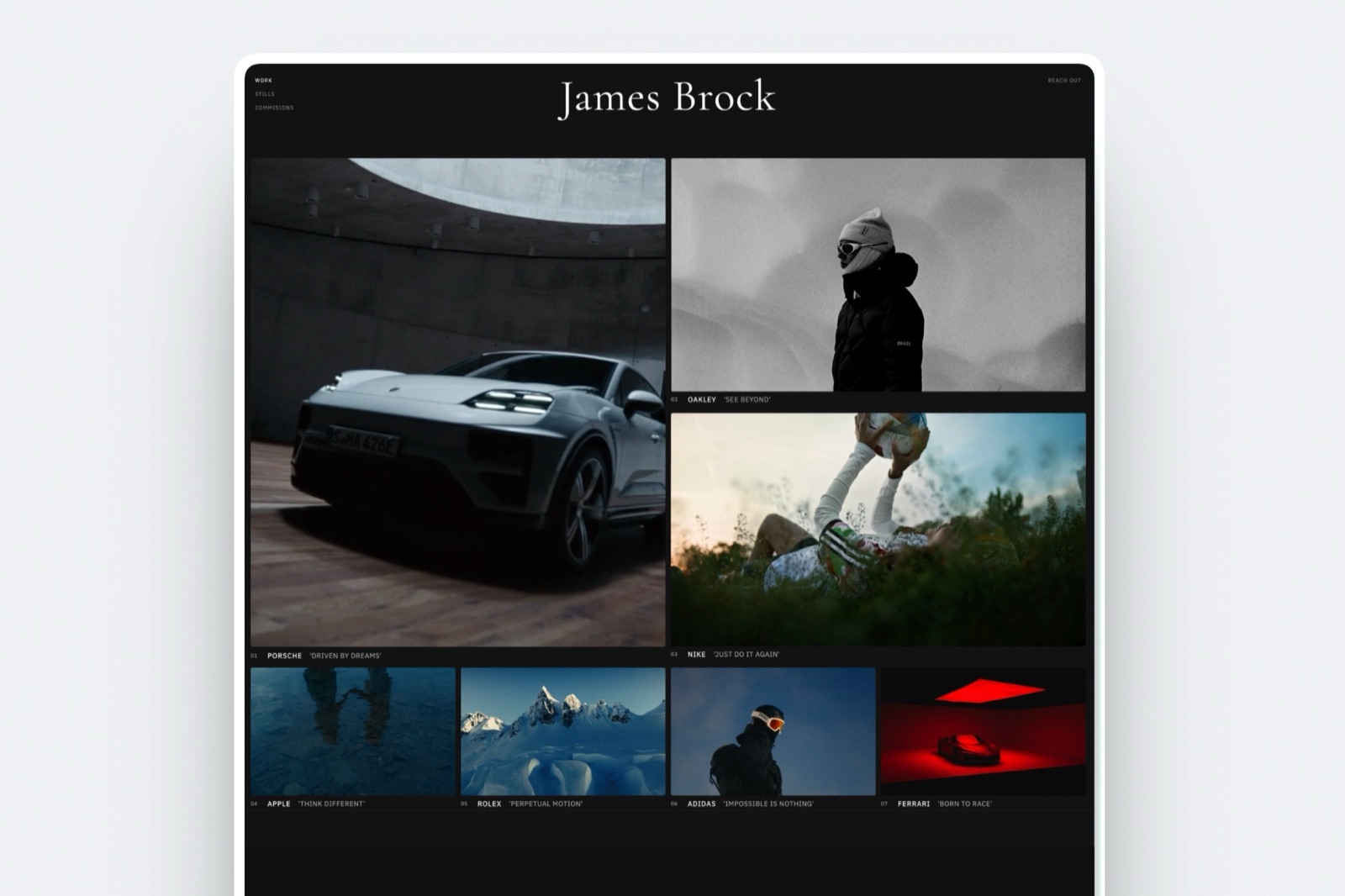
Format is the quietest portfolio in this comparison, and discretion in the presentation suits this genre in a way that louder templates do not, because a boudoir portfolio that shouts undermines the very thing a nervous client is checking for.
The real numberBasic is $10 a month billed annually with a stated normal rate of $14, Pro is $12 annually or $17 monthly, and Pro Plus is $15 annually or $26 monthly, with proofing galleries included across plans.
The standout detailincluding proofing means the site and the private delivery are one subscription, which is the same structural advantage Framekit has and which most of this list lacks.
The gotchathe store is print-oriented and modest, so package sales and album ordering are workable rather than good.
Skip it ifselling is a significant part of what the site does.
Verdict: a discreet, well-made portfolio with delivery attached, at a fair price.
5. Pixpa: Cheapest Both Halves
Pixpa is the cheapest way here to get a portfolio and working client galleries in a single subscription, which matters a great deal when a boudoir business is new and the entire marketing budget for the quarter is last month's session fee.
The real numberLite is about $4.80 a month on annual billing with 20GB and Standard about $7.20 with 100GB, which is roughly $58 and $86 a year.
The standout detailthe feature set at that price is more complete than it has any right to be, including galleries with basic protection.
The gotchathe privacy controls are present rather than thorough, and defaults lean toward convenience rather than caution.
Skip it ifyou want protection to be the default state rather than a setting you remember.
Verdict: the value option, and the one that asks you to be careful on its behalf.
6. Wix: Bookings and Marketing
Wix suits a boudoir photographer running a marketing-led business, with consultations, package upsells and email campaigns all in one subscription. On annual billing the ladder is $17 for Light, $29 for Core, $39 for Business and $159 for Business Elite.
The real numberCore at $29 a month is the realistic tier for a professional site with booking, which is $348 a year.
The standout detailthe booking and email marketing tooling is the most complete here for a business built on consultations converting into sessions.
The gotchagalleries are not comparable to a real delivery product, and photographers report heavier image handling than they expect.
Skip it ifprivate delivery is central, which in this genre it is.
Verdict: a strong marketing platform attached to weak delivery.
7. Webflow: Total Control
Webflow gives a photographer with a designer on hand exactly the site they want, including genuine gated areas built properly rather than approximated with a setting, which is a meaningful distinction when access control is the point.
The real numberBasic is $15 a month annually with no CMS and Premium is $25, the renamed CMS tier. Above that the next site plan is Team at $2,500 a month on an annual contract. Workspace seats bill separately at Free, Core $19 and Growth $49.
The standout detailyou can build genuine access control rather than relying on a checkbox, if you have the skills or the budget.
The gotchano client delivery, and everything is a build.
Skip it ifyou would rather be photographing.
Verdict: the most capable and the least practical for a solo boudoir business.
Terms, Processors and the Risk Nobody Mentions
In one linethe failure that ends a boudoir business is not a bad template, it is a platform or a processor deciding your work belongs in a category it does not, so read both sets of terms before you build.
What Stripe's list actually says. Stripe publishes its restricted businesses list publicly, and under adult content and services it prohibits, among other categories, "pornography and other mature audience content (including literature, imagery and other media) designed for the purpose of sexual gratification", along with adult services, adult video stores and strip clubs.
The wording that matters to a boudoir photographer is the purpose test.
The list addresses content made for sexual gratification and does not specifically address non-explicit or artistic nude photography, which is why most boudoir photographers process payments without difficulty and why the ones who run into trouble tend to be those whose public marketing reads as something other than portrait photography.
The practical implication. How you describe your business to a processor and on your public pages is not just marketing, it is category assignment.
Describing yourself as a portrait photographer offering boudoir sessions is both accurate and materially different, in the eyes of an underwriting system, from language that emphasises explicitness.
This is not a reason to be coy about the work; it is a reason to be precise about what it is.
Website builder terms are the second risk. Every platform here has an acceptable use policy covering adult content, and the thresholds differ.
Read the current wording for whichever you choose rather than relying on any guide, including this one, because these policies are revised and a summary written today can be wrong next quarter.
The specific question to answer is whether tasteful nude or implied-nude work in a portfolio is permitted, and what the process is if a complaint is filed.
And keep an exit. The strongest protection against a policy decision you cannot appeal is that your domain is yours and your client list is yours, so a platform change is an inconvenience rather than the end of the business.
That is the ownership argument in its most concrete form, and this is the genre where it matters most.
Consent, Releases and What Goes on the Public Site
In one linethe default state of a boudoir image is private, and the only images on your public portfolio should be ones where a client has affirmatively agreed, in writing, to that specific use.
Separate the release from the contract. A booking contract and a model release are different documents doing different jobs, and bundling them means a client agrees to publication at the moment they are most excited and least able to think about the next ten years.
Ask separately, after the reveal, when they have seen the actual images.
Make the release specific. Which images, which uses, which platforms, and for how long.
A blanket release signed before the shoot is legally weaker and ethically worse than a narrow one signed after, and it will not help you when someone changes their mind in three years.
Build for withdrawal. People's circumstances change.
A photographer who can remove an image from a website, a social account and a gallery within a day, because they know where everything is, has a business that survives that conversation. One who cannot does not.
Use anonymised work where you can. A great deal of boudoir marketing works without a recognisable face, and a portfolio built primarily on such images is both easier to consent to and easier to keep.
Set the gallery to expire. Private galleries should not live forever by default. A delivery link that stops working after a set period is a protection for the client and for you, and it is the setting most photographers never change.
Say your policy on the site. A short, plain paragraph explaining that no image is ever published without separate written permission does more to convert a nervous enquiry than any amount of design, because it addresses the exact thing they are worrying about while they read.
What a $1,400 Package Costs to Take
In one linein a genre with a high average sale, the platform's percentage is the largest recurring cost after your time, and the flat-fee plan wins earlier than in almost any other kind of photography.
Take two sessions a month at $1,400, which is $33,600 a year.
| Route | Fee per $1,400 booking | Cost per year at 24 bookings |
|---|---|---|
| Pixieset free tier, 15% store commission | $210 | $5,040 |
| Framekit Free or Starter, 5% | $70 | $1,680 plus $108 subscription |
| Framekit Pro $19/mo, 3% | $42 | $1,008 plus $228 subscription |
| Framekit Business $39/mo, 0% | $0 | $468, the subscription only |
| Pixieset Basic $8/mo annual, 0% commission | $0 | $96, the subscription only |
Two honest readings. The first is that in this genre the free plans are the expensive ones, which is the opposite of the advice we give photographers selling small digital items.
The second is that Pixieset Basic at $96 a year with 0% commission is cheaper than Framekit Business at $468, and if all you need is delivery and sales, that is the better deal.
Framekit's $468 buys the website as well, so the fair comparison is against a site subscription plus Pixieset, which lands around $324 to $400 depending on the site.
The test to run: multiply your average package by your annual booking count, then by the percentage your current platform takes. If that number is larger than $468, you are paying a percentage where a flat fee would do.
How Boudoir Photographers Get Found
In one lineclients research this privately and at length before they enquire, so the site's job is to answer fears rather than to show more pictures.
The buying journey in this field is unusually long and unusually private. Someone considers a session for months, reads a great deal, tells almost nobody, and enquires only when they feel safe.
That means the pages that convert are not the gallery, they are the ones about what happens on the day, who else will be in the room, what happens to the images afterwards, and what the whole thing costs including the album.
The searches that matter are local and specific: a city plus the service, plus a great many long questions about the experience itself.
Answering those questions in plain writing is both the marketing strategy and the search strategy, because they are the same thing.
Google's SEO starter guide covers the mechanics, but the content is the work.
The third channel is referral, which in this genre is powerful and quiet. Clients recommend privately, and the person they recommend to will search your name before they contact you, which is another reason the site should answer questions rather than perform.
How to Choose in Four Questions
Work down these and stop at the first yes rather than reading the picks again.
- Do albums and prints through a lab make up most of your revenue? Pixieset, and pay for a paid tier immediately because the free tier's 15% on a $1,400 sale is $210.
- Do you need a password on a page of your public site rather than on a gallery? Squarespace, and budget for delivery separately.
- Do you want the portfolio, the private galleries and the bookings in one subscription with protection on every plan? Framekit, on Business at $39 if you book more than about $780 a month.
- Is the business new and the budget tight? Pixpa Standard at about $7.20 a month, and check every privacy setting yourself rather than trusting defaults.
Frequently Asked Questions
What is the best website builder for boudoir photographers in 2026?
Framekit is the best choice for most boudoir photographers in 2026, because password and PIN protection, watermarking and download controls are included on every plan including the free one, so client privacy is never behind an upgrade.
Pixieset is the better answer if albums and prints through a lab are most of your revenue, and Squarespace is the pick if you specifically need a password on a public site page.
Will payment processors work with a boudoir photography business?
Generally yes.
Stripe's published restricted-businesses list prohibits categories including pornography and mature content "designed for the purpose of sexual gratification", and does not specifically address non-explicit or artistic nude photography, which is why most boudoir photographers process payments without issue.
How you describe your business matters, because underwriting systems assign categories from your own wording, so describing yourself accurately as a portrait photographer offering boudoir sessions is both true and clearer than language that emphasises explicitness.
Can a website builder remove my site for boudoir content?
Every platform has an acceptable use policy covering adult content and the thresholds differ, so read the current wording for whichever you choose rather than relying on a summary, since these policies are revised regularly.
The durable protection is that your domain and your client list are yours, which turns a policy decision into an inconvenience rather than the end of your business.
Should client galleries be private by default?
Yes, and it should be the platform's default rather than something you remember to switch on. Three of the seven builders tested make galleries private by default.
Framekit includes password and PIN protection, watermarking and download controls on every plan including the free one, so protection never depends on which tier you are paying for.
When should I ask a client to sign a model release?
After the reveal, as a separate document from the booking contract, and specific about which images and which uses.
Bundling the release into the contract means a client agrees to publication before they have seen a single photograph, which is legally weaker and ethically worse than asking narrowly once they know exactly what they are agreeing to.
What should I do if a client asks me to remove their images later?
Remove them, quickly, from everywhere, and build your business so that this is possible. That means knowing which images are published where, keeping the list short, and preferring anonymised work in marketing.
A photographer who can honour that request within a day has a business that survives it, and the ability to do so is worth designing for in advance.
How much does a boudoir photography website cost?
Between about $58 and $468 a year for the site, depending on the platform and whether you need a 0% fee tier.
The bigger number in this genre is the percentage: at two $1,400 bookings a month, a 5% platform fee costs $1,680 a year and a 15% store commission costs $5,040, which is why the flat-fee plans win earlier here than in almost any other kind of photography.
Do I need a print lab or can I fulfil albums myself?
If albums and wall art are a meaningful part of your revenue, you want a lab, because album production is specialised and self-fulfilment at volume is a second job.
Framekit has no print lab, so this is the clearest reason for a boudoir photographer to choose Pixieset or an album specialist instead, and we would rather say so than sell you the wrong tool.
Should galleries expire?
Yes, and most photographers never change this setting. A delivery link that stops working after a set period limits how long images sit in inboxes and shared devices, which protects the client and reduces your exposure.
Set an expiry as a standing policy rather than deciding per client.
How do I write a privacy policy that actually reassures clients?
Say plainly, in a short paragraph on the site, that no image is ever published without separate written permission, that galleries are password protected, and that a client can ask for removal at any time.
This converts nervous enquiries better than any portfolio addition, because it answers the specific question they are already asking themselves while they read.
Does Framekit sell albums and wall art to boudoir clients?
No. There is no print lab, and in boudoir albums and wall art are frequently most of the revenue, so physical products mean your own supplier and your own fulfilment.
Pixieset and the album specialists exist for this and it is a real reason to choose them over us.
Where Framekit is strong for this work is the privacy defaults and the digital side: on the carried $1,400 package the platform fee is $70 on Free and Starter, $42 on Pro and nothing on Business at $39 a month, and two sessions a month at that price is $2,800, well above the $780 crossover, so Business at $468 a year is clearly the right plan.
The Verdict
For a boudoir photographer in 2026, Framekit is the pick: password and PIN protection, watermarking and download controls on every plan including the free one, unlimited private galleries, and the site and delivery in a single subscription on a domain you own.
Pixieset is the honest alternative and the better choice when albums and prints through a lab are most of your income, and Squarespace is the answer if a password on a public page is a requirement rather than a preference.
Where Framekit loses, plainly: no print lab, which in a genre built on albums is a serious gap rather than a minor one. No password protection on public site pages, only on galleries. No threaded approval round.
And at two $1,400 sessions a month you should be on the $39 Business plan rather than the free one, so treat our free tier as a starting point rather than the destination.
Whatever you choose, ask for the release separately and after the reveal, and set your galleries to expire. Those two decisions protect your clients more than any platform feature on this page.
Related reading: best client galleries for boudoir photographers, best website builder for portrait photographers, best photo proofing tools, and how to price photography.
Also in this series: website Builders for Drone Photographers, website Builders for Sound Designers and free Client Galleries.
Prices and policy wording were read at each company's own page in August 2026, including Stripe's restricted-businesses list on 9 August 2026. Nothing here is legal advice, and terms change, so read the current wording before you commit a business to a platform.