Framekit templates
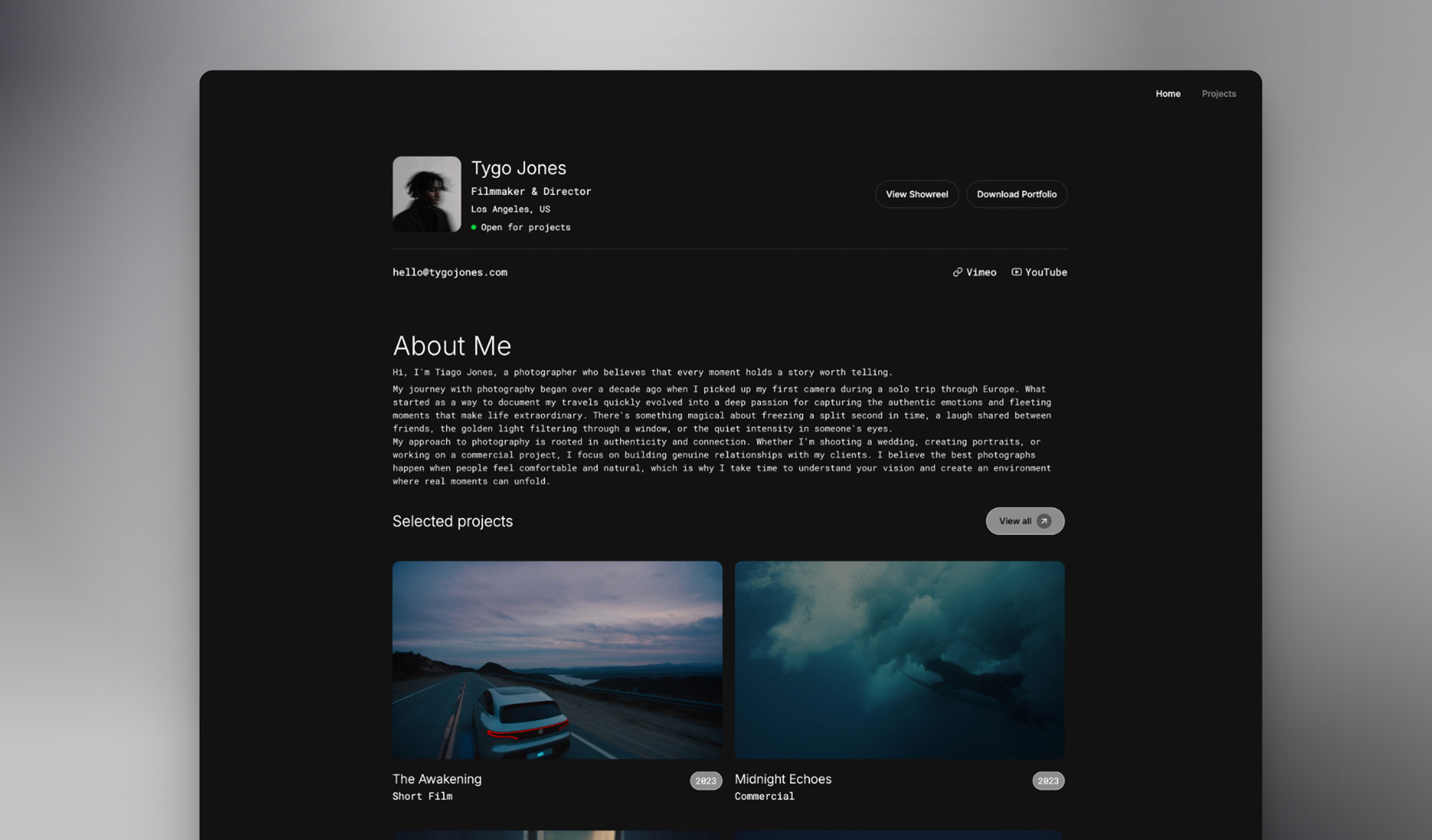
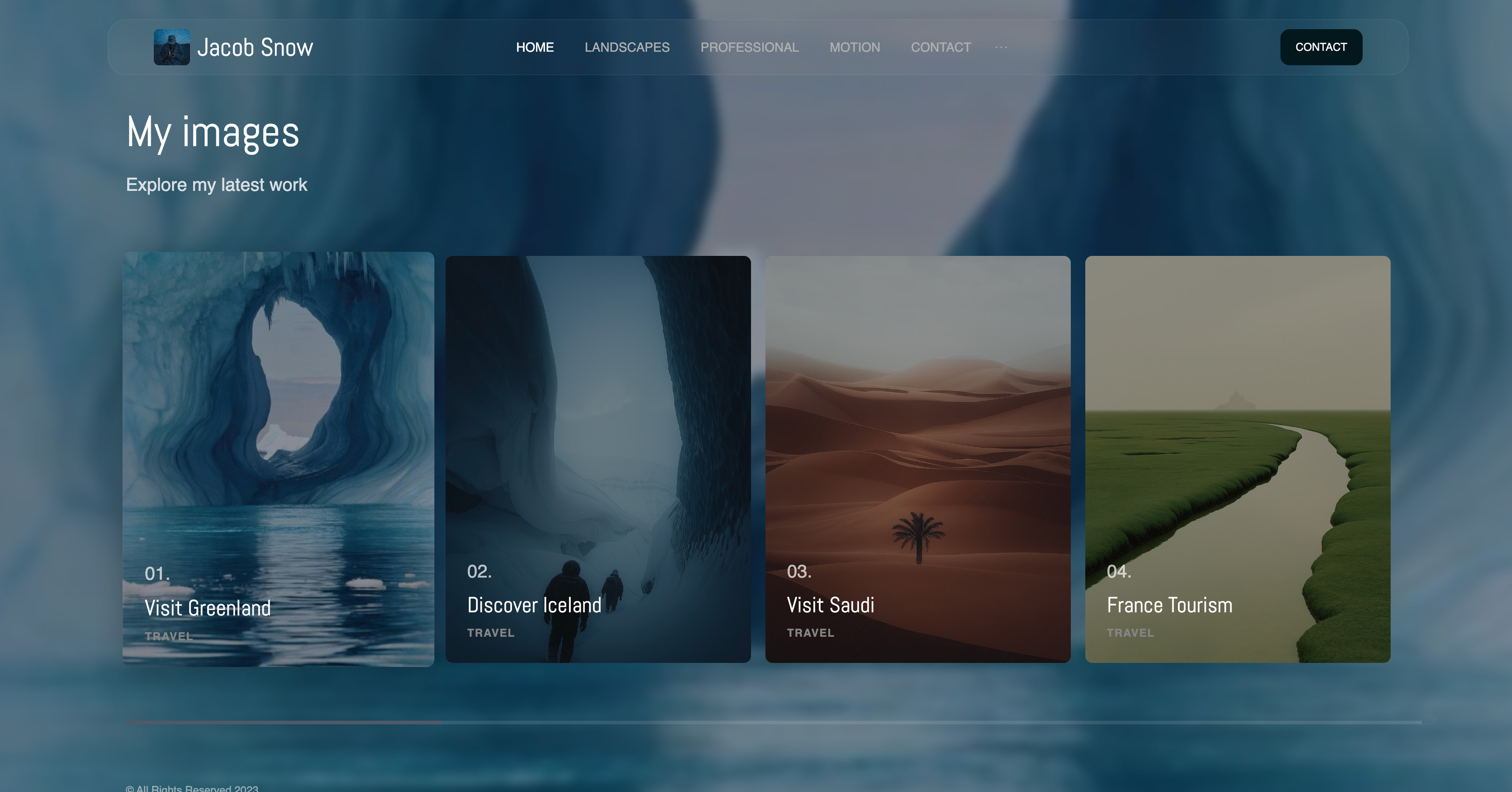
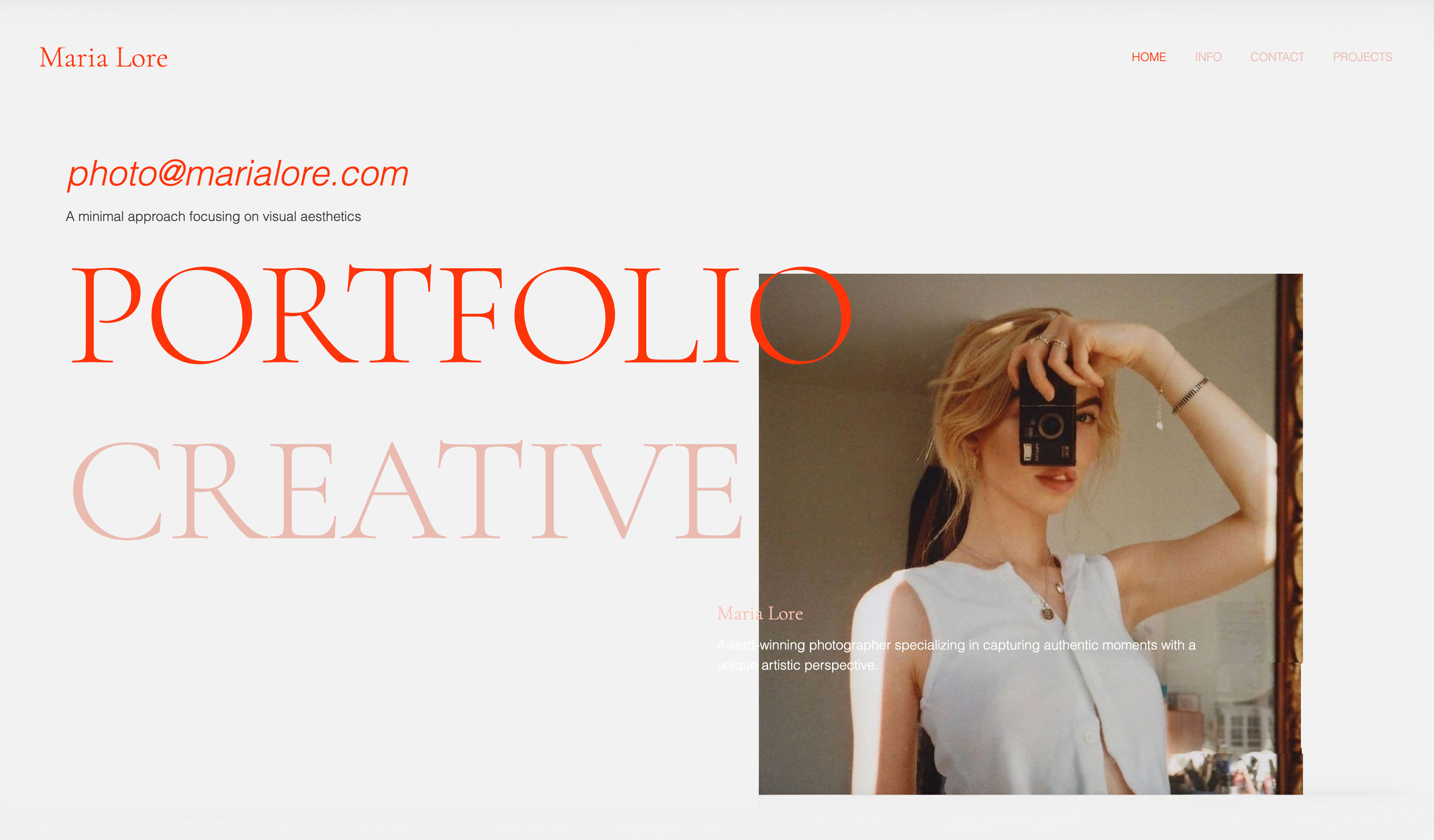
Start from a designer-made template
 Use template
 Use template
 Use template
 Use template
 Use template
 Use template
 Use template
 Use template
Choosing a website builder as a comic artist means solving a problem that no other creative portfolio has: your work has an order, and the order is load-bearing. Page 40 makes no sense before page 39.
A reader arriving at chapter six needs to find chapter one, then get back to where they were, and a reader who arrives on Tuesday needs to land on Tuesday's page rather than on a homepage that could be about anything.
Almost every website builder on the market treats content as a gallery. A gallery has no first, previous or next, no chapter boundaries and no notion that new work goes at the end of a sequence rather than at the top of a feed.
That mismatch is the reason so many webcomic sites are built on tools that fight them.
A website builder is a hosted tool that turns your pages, your archive and anything you sell into a site on your own domain without writing code.
For comic artists the questions are whether it can express a sequence, whether it keeps readers coming back, and whether the platforms that bring you an audience let you keep it.
For comic artists in 2026 Framekit is the best website builder, because the archive, the store for digital collections and an email list for update notifications sit on one domain you own, with 1,000 subscribers included on the $9 Starter plan and 5,000 on Pro.
Webtoon and Tapas remain the way to be discovered, so most comic artists need one alongside their own site rather than instead of it. The clear limitation is that Framekit has no paid membership billing, so Patreon or an equivalent stays in your stack.
Disclosure: Framekit is our product and we rank it first among the website builders here. We built the same archive of 60 pages across three chapters on every builder, we link to every competitor, and we say where each beats us. Webtoon and Tapas beat every builder on audience by an enormous margin, Patreon beats us outright on recurring income, and Webflow beats us on structured chapter data.
How We Tested Nine Options
Six of these are website builders and each got the same material: 60 pages across three chapters, an archive index, first, previous and next navigation, a landing page for new readers, a $12 digital collection for sale, and an email signup for update notifications.
The other three are publishing and monetisation platforms, included because a comic artist's real decision involves them.
We separate three kinds of claim. Things built and observed were done inside the product and watched happen.
Anything taken from a source is a price, a limit or a plan detail read off a vendor's own page or the shipped plan configuration during August 2026.
Anything described as how the field works is common practice among comic artists rather than a figure we measured.
Conditions: fresh accounts, USD where offered, annual pricing as each vendor presents it, no creator-programme discounts. Nothing here is contractual advice, and platform terms for creators change frequently enough that you should read the current ones.
We quote no star ratings, because G2, Capterra and Trustpilot all refuse automated requests.
By the numbers6 builders and 3 platforms assessed. 60 pages, 3 chapters. $12 carried digital collection. 500, 1,000 and 5,000 are the email subscribers included on Framekit's Free, Starter and Pro plans. 2 of 6 builders can express first, previous and next without custom work. 0 of 6 sell paid memberships.
The Comparison Table
The rubric follows what a comic actually needs: sequence and archive navigation 30%, keeping readers returning 25%, selling collections 20%, design control 15%, price 10%.
Sequence leads because it is the structural requirement unique to this field, and returning readers is second because a comic's whole economy depends on the same person coming back fifty times a year.
| Option | Best for | Sequence navigation | Owns the reader | Entry price | Our rating |
|---|---|---|---|---|---|
| Framekit | Archive, store and mailing list together | Yes | Yes | $0, $9/mo Starter | 8.8/10 |
| Webtoon | Reaching an audience you cannot build alone | Native | No | Free to publish | 8.6/10 |
| Patreon | Recurring income from existing readers | None | Partly | Plan-based commission | 8.4/10 |
| Webflow | A structured, chaptered archive you design | Best in class | Yes | $15/mo annual | 8.2/10 |
| Tapas | A second discovery channel | Native | No | Free to publish | 7.9/10 |
| Squarespace | Long-form pages with a blog engine | Adequate | Yes | $19/mo annual | 7.5/10 |
| Wix | A store and marketing in one place | Adequate | Yes | $17/mo Light | 7.0/10 |
| Cargo | A graphic novel presented as an object | Manual | Yes | Plan-based | 6.8/10 |
| Carrd | A landing page pointing elsewhere | None | Partly | $19/year | 5.9/10 |
Webtoon sits two tenths behind us while being, for most comic artists, the more consequential decision. That is not a contradiction: it wins the readers and we win what happens to them next.
1. Framekit: Best Overall for Comic Artists

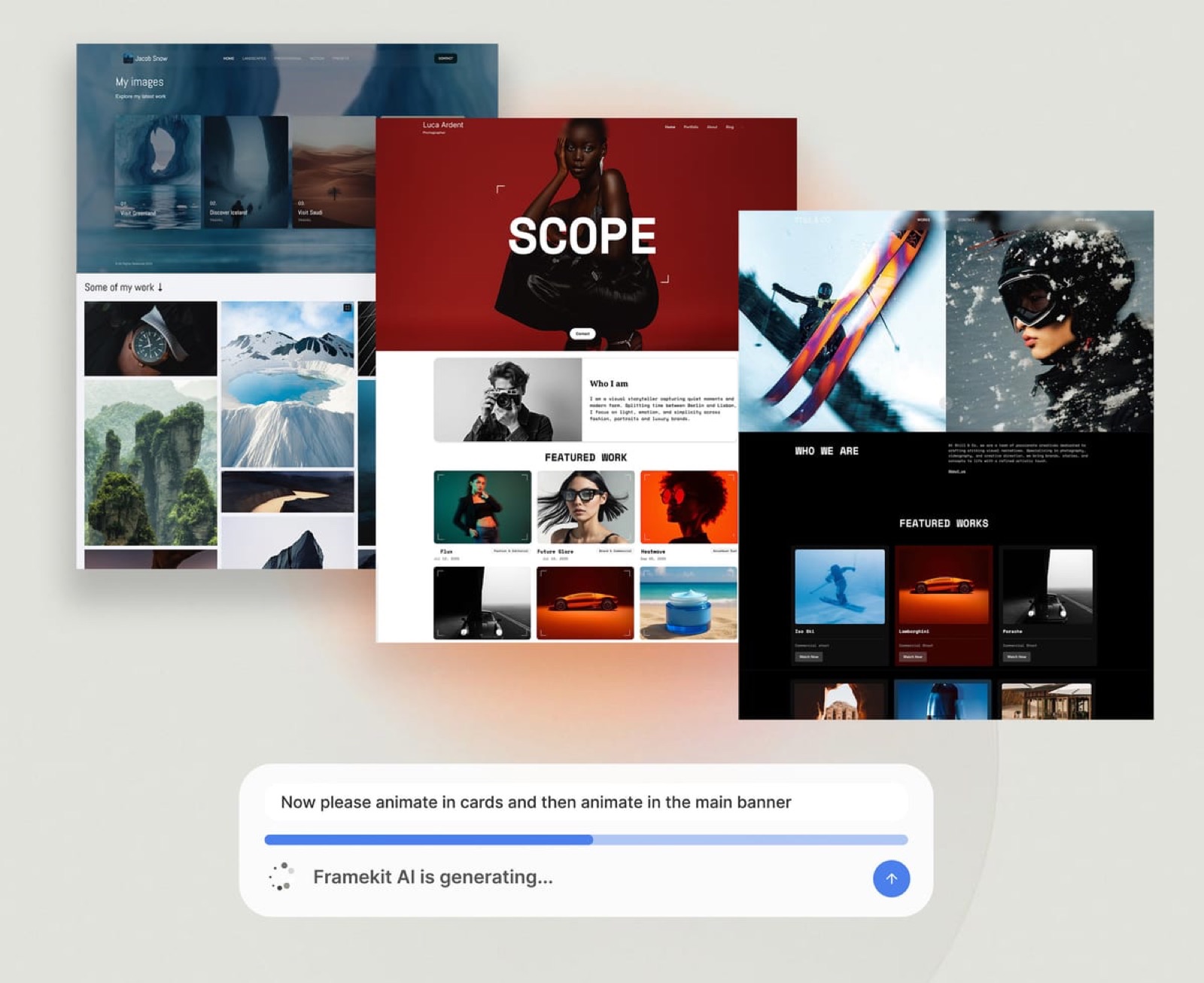
Framekit is an AI website builder for photographers, filmmakers and designers, which generates a site from a description or a reference image and hosts your store and mailing list on a domain you own.
For a comic artist the reason it comes first is that the three things a serial needs, an archive, a shop and a way to tell readers there is a new page, are one subscription.
The generated archive layout treated chapters as ordered sections rather than as a tag cloud, which is the correct model and one that most portfolio tools cannot express at all. Adding a page appended it to the sequence rather than pushing it to the top of a feed.
The real numberthe email list is included, with 500 subscribers on the free plan, 1,000 on Starter at $9 a month, 5,000 on Pro at $19 and unlimited on Business at $39.
For a webcomic that list is the single most valuable asset in the business, because it is the only route back to your readers that no platform can switch off.
The standout detailon the carried $12 digital collection the platform fee is 5% on the free and Starter plans, 3% on Pro and 0% on Business, so a collection selling 300 copies a year returns about $3,405 on Starter against roughly $3,090 through a marketplace charging 10% plus $0.50.
The gotchathere is no paid membership billing. Recurring reader support, which for a lot of working comic artists is most of the income, has to run through Patreon or an equivalent.
That is a genuine gap rather than a workaround, and we are not going to describe a one-off store as a substitute for a membership.
The second gotchano structured chapter database with custom fields, so a two-thousand-page archive with filtering by arc and character is a Webflow build.
Skip it ifmemberships are your income, or your archive is large enough to need real database structure.
Verdict: the best place to own the archive, the collection sales and the reader list, and not the place to run a membership.
2. Webtoon: Where the Readers Are
Webtoon is the most consequential entry in this guide for most comic artists, because it solves the problem that no personal website can solve on its own, which is that nobody knows your comic exists.
The real numberpublishing is free, and the platform's creator programmes and revenue arrangements vary by tier and region, so read the current terms rather than any summary including this one.
The standout detailthe vertical scroll format and the mobile reading experience are the medium's current mainstream, and building for that format on the platform where it was popularised is not a compromise, it is where the readers already are.
The gotchathose readers are the platform's. You cannot email them, the discovery is algorithmic, and a change in how the feed works can end a comic's growth without anyone doing anything wrong.
Skip it ifnothing, honestly, unless your work is formatted for print pages in a way vertical scroll destroys.
Verdict: the audience solved and the relationship rented, which is exactly why the site in entry one matters.
3. Patreon: The Recurring Income
Patreon is where a great many comic artists actually earn, through recurring support from readers who already love the work rather than through one-off sales to strangers.
The real numberPatreon takes a commission that varies by plan tier, plus payment processing, and the rates have changed more than once in recent years, so check the current schedule before modelling your income on it.
The standout detailit converts affection into predictable income, which is a fundamentally different economic model from selling collections and suits serials specifically.
The gotchait is another rented relationship, though a warmer one, and it puts a paywall between you and your most committed readers on a domain you do not own.
Skip it ifyou would rather sell finished collections than run a monthly obligation, which is a legitimate preference and one that some artists find enormously freeing.
Verdict: the best recurring income in this guide and a dependency worth balancing with a list you own.

4. Webflow: The Structured Archive
Webflow is the right tool for a long-running comic where the archive has become a database: chapters, arcs, characters, guest pages and years of material that a reader should be able to move through in more than one direction.
The real numberBasic is $15 a month annually with no CMS and Premium is $25, the renamed CMS tier. Above Premium the next site plan is Team at $2,500 a month on an annual contract, and Workspace seats bill separately at Free, Core $19 and Growth $49.
The standout detailfirst, previous and next generated from the data rather than maintained by hand, which for a comic past a few hundred pages is the difference between a site and a chore.
The gotchathe build, and the fact that a comic artist's spare hours are drawing hours.
Skip it ifyou are under two hundred pages.
Verdict: the best long-term home for a large archive, at a cost paid in pages you did not draw.
5. Tapas: The Second Channel
Tapas is the other significant serial platform, and comic artists frequently run on both because the audiences overlap less than you would expect.
The real numberfree to publish, with monetisation programmes whose terms you should read directly.
The standout detailit supports both page-based and vertical formats more comfortably than platforms built purely around scroll, which matters if your work is composed as pages.
The gotchathe same rented-audience structure as any platform, and a smaller readership than the market leader.
Skip it ifyou are stretched. Running two platforms plus a site plus a membership is how comic artists stop drawing.
Verdict: a worthwhile second channel and a poor first priority.
6. Squarespace: Pages and a Blog Engine

Squarespace can run a webcomic because a blog engine is, structurally, a dated sequence, and comic artists have been bending blogs into comics since the format existed.
The real numberBasic is $19 a month billed annually, with lower store fees and the business tooling on higher tiers.
The standout detailthe blog engine gives you dated posts, categories and an RSS feed almost for free, and RSS remains a genuine subscription mechanism for serial fiction.
The gotchathere is no native concept of first, previous and next, so you either maintain that by hand or accept that readers navigate by scrolling an archive.
Skip it ifpage-to-page navigation matters, which for a story it does.
Verdict: workable, and always slightly against the grain.

7. Wix: Store and Marketing
Wix suits a comic artist whose business is as much merchandise and mailing list as it is pages, with the widest set of tools in one subscription. The annual ladder runs $17 Light, $29 Core, $39 Business and $159 Business Elite.
The real numberCore at $29 a month, $348 a year, is the realistic tier for selling without platform branding.
The standout detailemail marketing and a store together, which for a comic launching a collection is the pairing that actually drives sales.
The gotchano sequence handling, heavy media on image-dense pages, and an interface that grows unwieldy.
Skip it ifthe archive is the point of the site.
Verdict: a good shop attached to a poor reader.
8. Cargo: The Comic as Object
Cargo suits graphic novelists and art comics where the work is presented as a designed object rather than as an ongoing serial, and where the page layout is part of the authorship.
The real numberplan-based and modest, with the missing commerce and structure being the real cost.
The standout detailcontrol fine enough to build spreads that respect the composition of a printed page, which no template-driven tool here can do.
The gotchaeverything is manual, and a weekly update schedule turns manual into unsustainable.
Skip it ifyou publish on a cadence.
Verdict: beautiful for a finished book, wrong for a running serial.
9. Carrd: The Landing Page
Carrd is $19 a year for one page, which for a comic artist can only ever be a signpost pointing at the platforms where the work actually lives.
The real number$57 over three years.
The standout detailit is the cheapest way to own a domain that collects email addresses and points at everything else.
The gotchano archive, no store, no sequence.
Skip it ifyou want the comic itself to live somewhere you own.
Verdict: a useful hub and never the home.
The Structure a Serial Actually Needs
In one linea comic is a sequence with a memory, so the site has to answer three questions at once, which are where do I start, where am I now, and what is new.
First, previous, next, latest. Four links, on every page, in the same place. This is the oldest convention in webcomics and it exists because it is the only navigation that works for a medium with an order.
A site that makes a reader return to an archive index between pages loses them somewhere around page nine.
An archive that is genuinely browsable. Chapter headings, page thumbnails, and a way to jump. Once you pass a few hundred pages, a flat list stops being usable and the archive becomes the most important page on the site.
A landing page for new readers that is not the latest page. The single most common structural error in this field is sending a first-time visitor to today's update, which is the middle of a story.
A short page saying what the comic is, with a start here link, converts strangers into readers at a rate no amount of art will.
A reading format decision, made deliberately. Vertical scroll or paged. Both are legitimate, they are not interchangeable, and a page composed as a spread does not survive being scrolled through on a phone. Decide, then build for that.
Mobile first, genuinely. Comics are read on phones, in bed, one hand. Test the actual reading experience on a phone before you care about anything else on the site.
A visible schedule, and honesty about it. Readers organise around a cadence. A stated schedule you keep beats an ambitious one you miss, and a hiatus notice keeps an audience that silence loses.
The List Is the Asset
In one lineevery platform in this guide can change how many readers see your work, and the only route back to them that nobody can switch off is a list of email addresses you hold.
This is the strategic argument for a comic artist owning a site at all, and it is worth being precise about. A serial's economics depend on the same reader returning many times.
Platforms deliver those returns through feeds and notifications that they control, and every artist who has been through an algorithm change knows what it feels like when that tap closes.
What a list changes. When a collection launches, when a Kickstarter opens, when you move platforms, when you take a hiatus and come back: in every one of those moments a mailing list reaches the people who already care, without permission from anyone.
What it costs on Framekitit is included rather than added, at 500 subscribers on the free plan, 1,000 on Starter at $9 a month, 5,000 on Pro at $19 and unlimited on Business at $39. Most comic artists will spend years inside those limits, and the tier you need is set by list size rather than by traffic.
How to actually build it. Ask on the page a reader finishes, not on the homepage they arrive at. Offer something concrete, such as a wallpaper, a process post or early pages, rather than the words stay updated.
And send infrequently enough that opening it remains a pleasure, which for most comics means when there is genuinely news rather than on a schedule.
And keep RSS working. It is unfashionable and a meaningful minority of serial readers still use it, at zero cost to you.
What the Platforms Give and Take
In one linethe publishing platforms bring readers you could never reach alone and keep the relationship, which makes them an excellent first channel and a dangerous only one.
The honest way to think about Webtoon, Tapas and the rest is as distribution rather than as a home. They provide reach on a scale no personal site achieves, particularly for a new comic with no audience, and that reach is a real thing that a website cannot manufacture.
What they do not give you is the reader. You cannot email them, you cannot take them with you, and your visibility is set by systems you do not control and cannot appeal to. That is not a criticism of any particular platform, it is the structure of the arrangement.
The version of this that works is unglamorous and widely practised: publish on the platform for reach, keep the full archive on your own domain, and use every touchpoint on the platform to move the most committed readers onto your list.
You are not trying to replace the platform. You are trying to make sure that if it disappears, your comic does not.
The version that fails is publishing only on a platform for four years, building a following of considerable size, and then discovering at the moment you have a book to sell that you have no way to tell anyone about it.
How Comic Artists Get Found
In one linediscovery is platform-driven and search barely helps a serial, with one exception that is worth building for.
New readers arrive through the platforms, through other comics, through social posts of a single striking page, and through recommendations. Very few of them arrive by searching, because nobody searches for a comic they have not heard of.
Your own site is where a reader who has already found you goes deeper, which is why the start here page and the archive matter more than any keyword.
The exception is subject and genre. Readers do search for comics about specific things, and a site that says in plain words what the comic is about, in the vocabulary a reader would use, can be found that way.
Google's SEO starter guide covers what is needed, and the useful work is describing the story rather than optimising anything.
The third channel is newer and rewards the same writing: assistants answering questions like "long-running webcomics about grief" build answers from text.
A site whose pages are images with no descriptions is invisible to that, and a short written synopsis per chapter is cheap insurance.
How to Choose in Four Questions
Ending with a restatement of the picks would waste your time. Work down these four and stop at the first yes, since it is the constraint that actually decides.
- Do you have no audience yet? Publish on Webtoon or Tapas first, and keep a simple site collecting email addresses while you build one.
- Is recurring reader support your main income? Patreon, and use your own site and list to drive people to it rather than the reverse.
- Do you want the archive, the collections and the reader list on a domain you own? Framekit, on Starter at $9 for 1,000 subscribers or Pro at $19 for 5,000.
- Is your archive past a couple of thousand pages with arcs and characters to filter? Webflow, and budget the build.
Frequently Asked Questions
What is the best website builder for comic artists in 2026?
Framekit is the best choice among builders, because the archive, a store for digital collections and an email list for update notifications sit on one domain you own, with 1,000 subscribers included on the $9 Starter plan and 5,000 on Pro at $19.
Webtoon remains the better answer for discovery, so most comic artists should run both, and Webflow is the pick once an archive gets large enough to need real database structure.
Should I publish on Webtoon or on my own website?
Both, in that order. Webtoon and Tapas provide reach a personal site cannot manufacture, which matters enormously for a comic nobody has heard of, but the readers belong to the platform and cannot be contacted by you.
Publish there for discovery, keep the full archive on your own domain, and move your most committed readers onto an email list you own.
What navigation does a webcomic need?
First, previous, next and latest, in the same place on every page, plus a genuinely browsable archive with chapter headings.
This is the oldest convention in the medium because it is the only navigation that suits content with an order, and a site that makes readers return to an index between pages loses them within about ten pages.
Where should new readers land?
On a short page explaining what the comic is with a clear start here link, never on the latest update.
Sending a first-time visitor to today's page drops them into the middle of a story, and this is the single most common structural mistake on comic websites and the easiest one to fix.
Can I run a paid membership on my own site?
Not on Framekit, which has no recurring membership billing, so Patreon or an equivalent stays in your stack if reader subscriptions are your income.
Framekit sells one-off digital products such as collections and PDFs, which is a different model and not a substitute, and we would rather say so than imply otherwise.
How big an email list do I need before it is worth it?
Start it on day one regardless of size, because the list's value appears at moments you cannot schedule: a collection launch, a Kickstarter, a platform change, a return from hiatus.
Framekit includes 500 subscribers on the free plan and 1,000 on the $9 Starter plan, so the cost of starting is nothing and the cost of not having one arrives later.
Should my comic be vertical scroll or paged?
Decide deliberately and build for one. Vertical scroll is the current mainstream and suits phone reading, while paged composition suits work conceived as spreads and destined for print.
What does not work is composing as pages and publishing as scroll, because the compositions were built for a frame the reader never sees.
How much does it cost to sell a digital collection?
On Framekit a $12 collection costs 5% plus card processing on the free and Starter plans, 3% on Pro and nothing on Business at $39 a month.
Selling 300 copies a year returns roughly $3,405 on Starter against about $3,090 through a marketplace charging 10% plus $0.50, and the buyer becomes a contact of yours rather than the platform's.
Does RSS still matter for webcomics?
Yes, more than its reputation suggests. A meaningful minority of serial readers still follow comics through feed readers, it costs nothing to keep working, and unlike a platform feed nobody can alter its reach.
Squarespace gives you one via its blog engine and most other builders can be made to produce one.
How often should I post updates?
On a cadence you can genuinely hold, and say what it is. Readers organise their attention around a schedule, so a modest schedule kept beats an ambitious one missed, and a clearly announced hiatus retains an audience that silence quietly loses.
How big is the email list included with Framekit?
500 subscribers on the free plan, 1,000 on Starter at $9 a month, 5,000 on Pro at $19 and unlimited on Business at $39.
For a webcomic that list matters more than the theme, because it is the only route back to your readers that no platform can switch off, and every artist who has watched a feed algorithm change knows why that is worth paying for.
What is not here is paid membership billing: recurring reader support, which for many working comic artists is most of the income, still runs through Patreon, and a one-off store is not a substitute for it.
The Verdict
For a comic artist in 2026 the honest answer is a combination: a publishing platform for discovery, because that is where readers are, and Framekit for the site those readers end up at, where the archive, the collections and the mailing list sit on a domain you own from $0 or $9 a month with 1,000 subscribers included.
Webflow is the better long-term home for an archive of thousands of pages, and Cargo is the right tool for a finished graphic novel presented as an object.
Where Framekit loses, plainly: there is no paid membership billing, so if recurring reader support is your income then Patreon is not optional and we are not a replacement for it. There is no structured chapter database with custom fields.
And no website of any kind, ours included, will find you readers the way a serial platform does.
Whatever you choose, build the start here page and start the mailing list this week. Those two things outlast every platform decision on this page.
Related reading: best website builder for illustrators, best Patreon alternatives, best platforms for selling digital art, and best paid newsletter platforms.
Also in this series: website Builders for Food Stylists, website Builders for Colorists and free Client Galleries.
Subscription figures here come from each vendor's published pricing during August 2026, and Framekit's subscriber limits were read from the shipped plan configuration rather than from marketing copy. Platform creator terms change often and were not modelled.