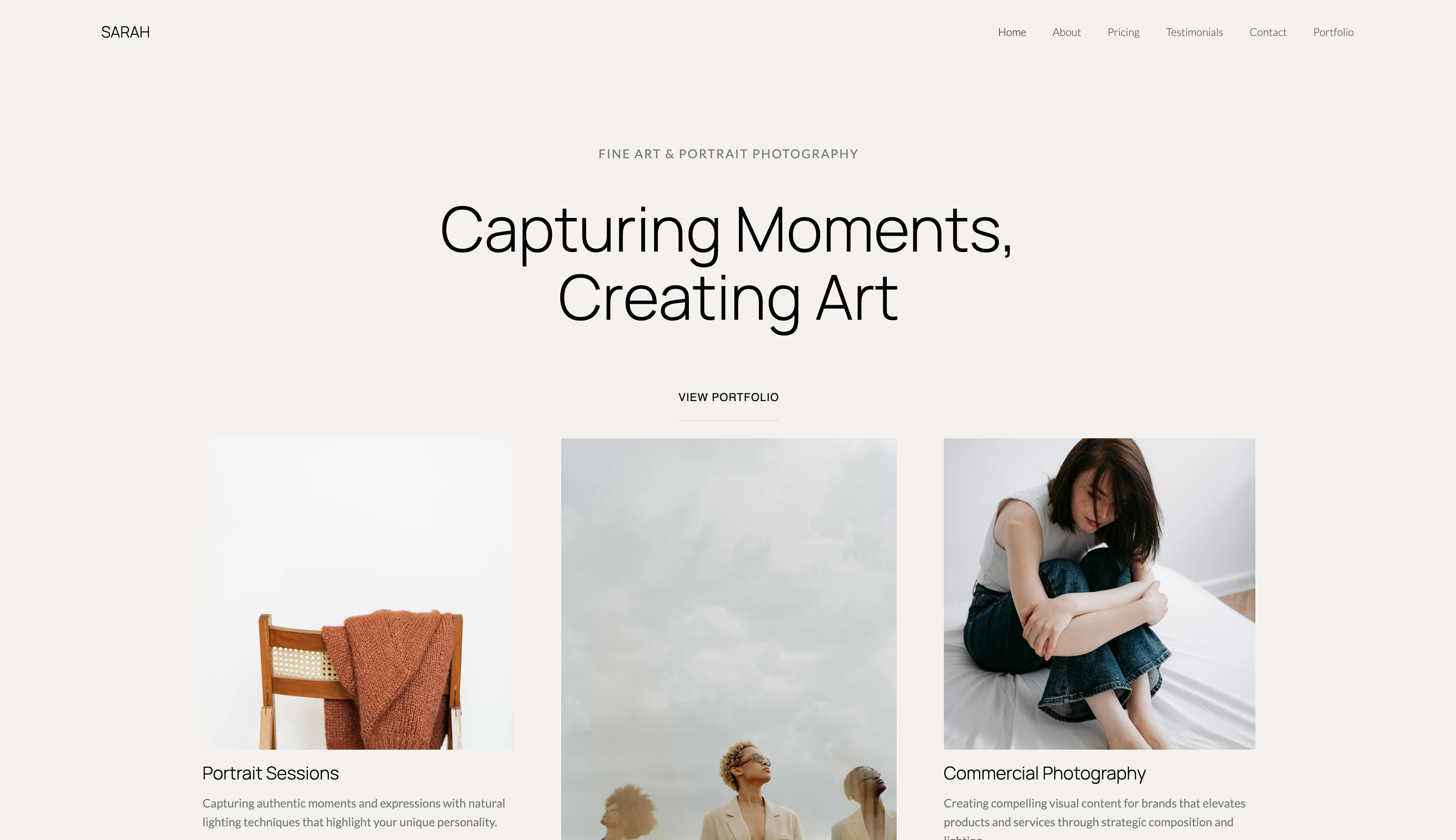
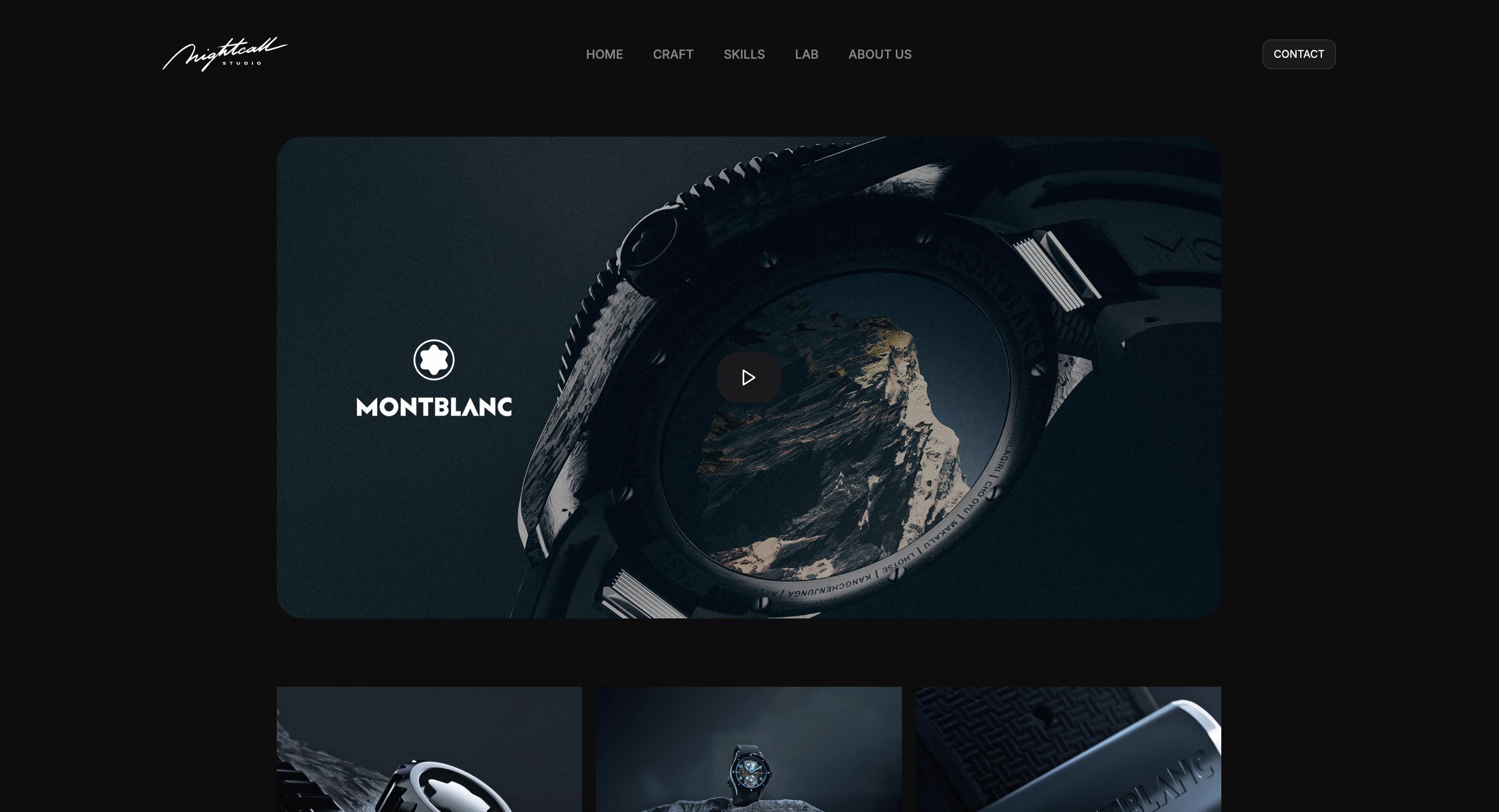
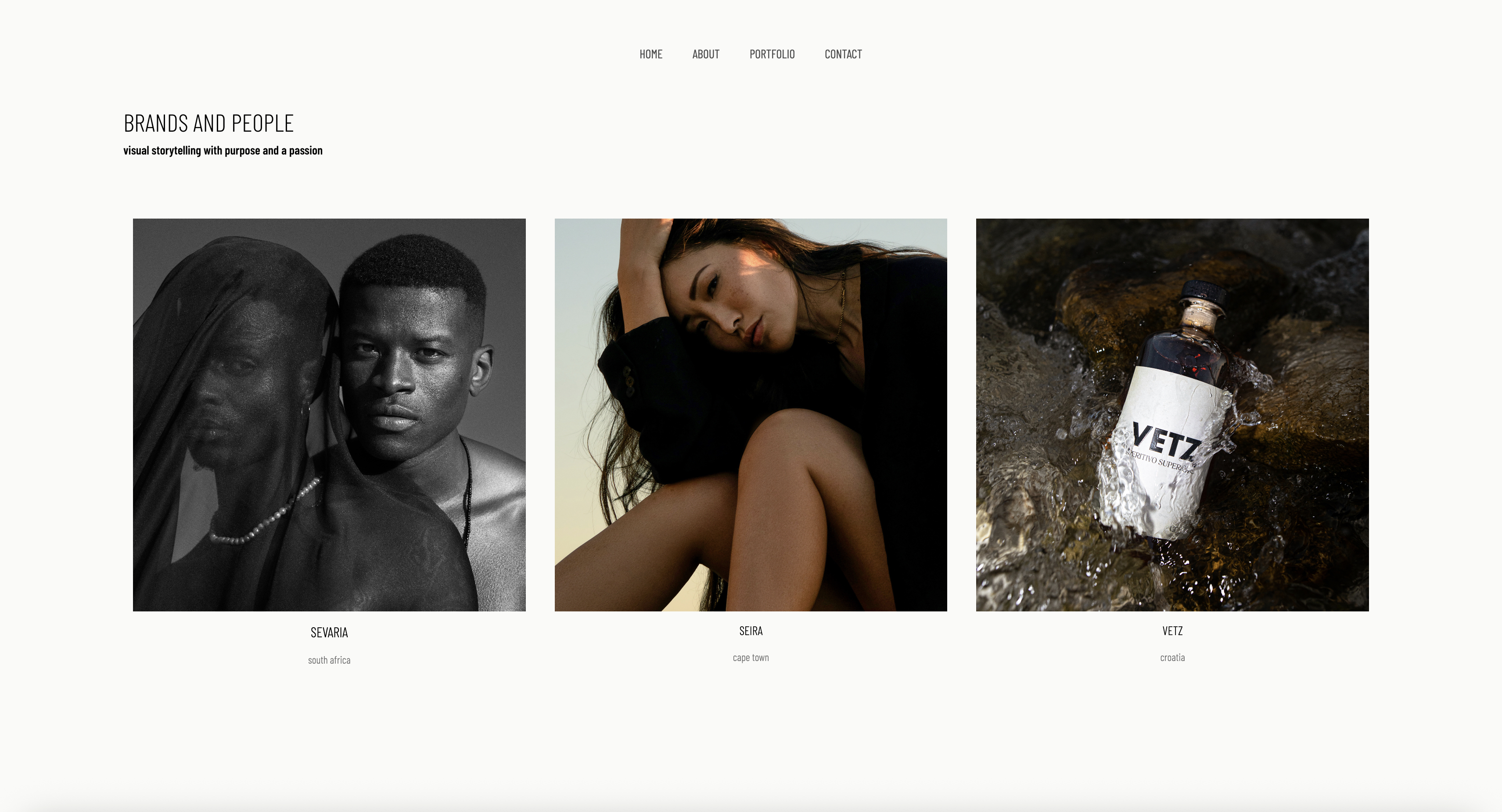
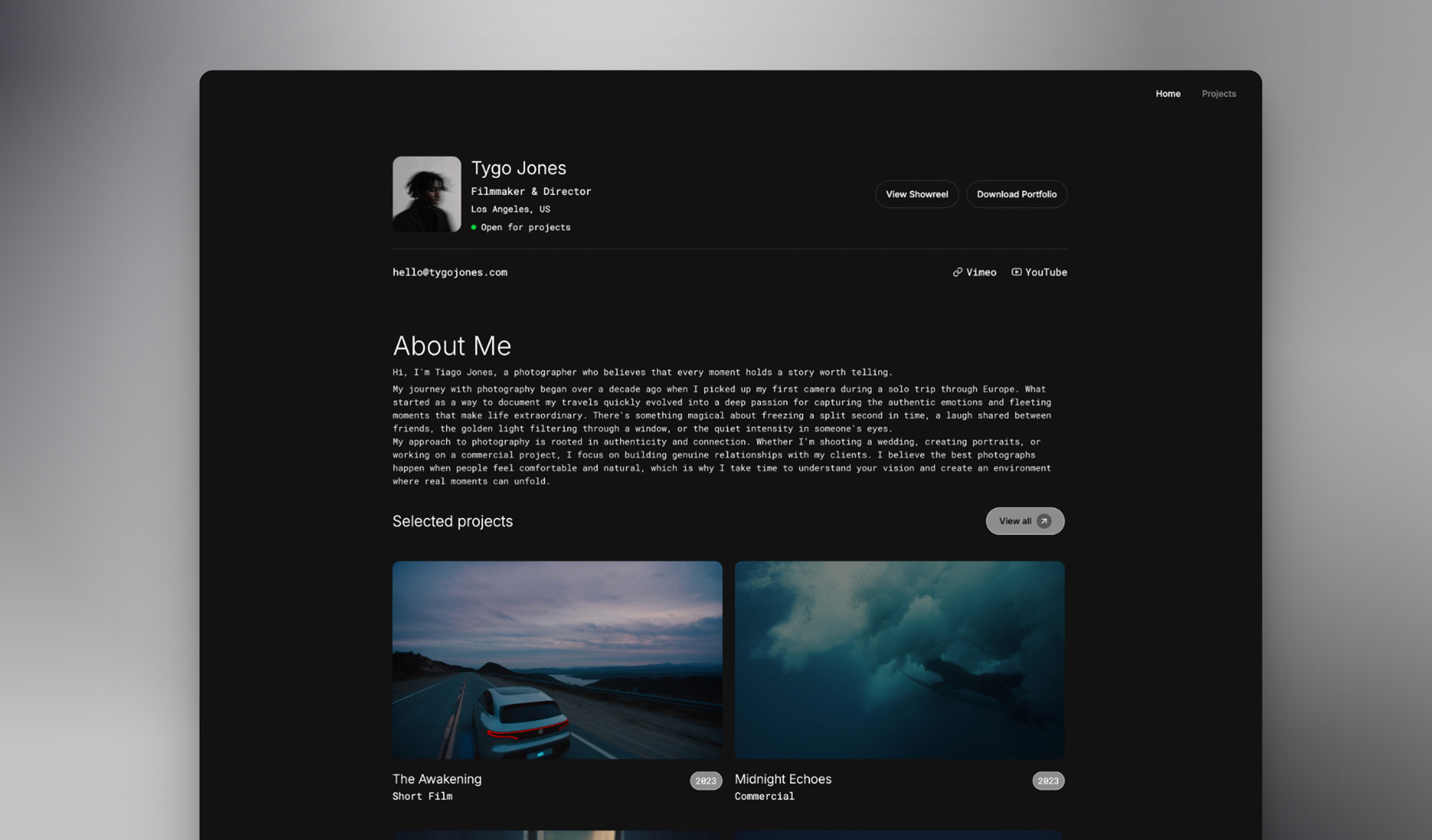
Framekit templates
Start from a designer-made template
 Use template
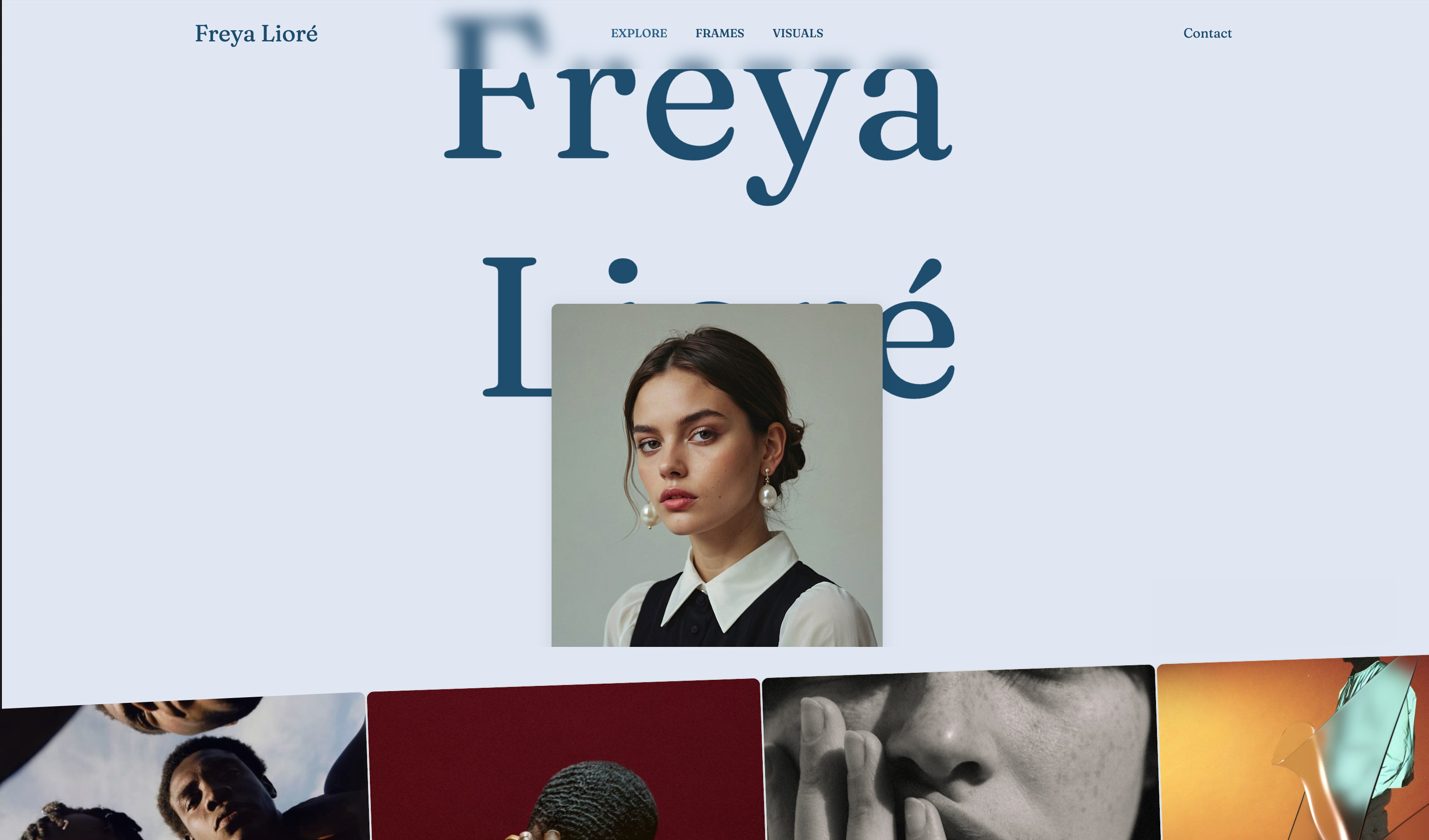 Use template
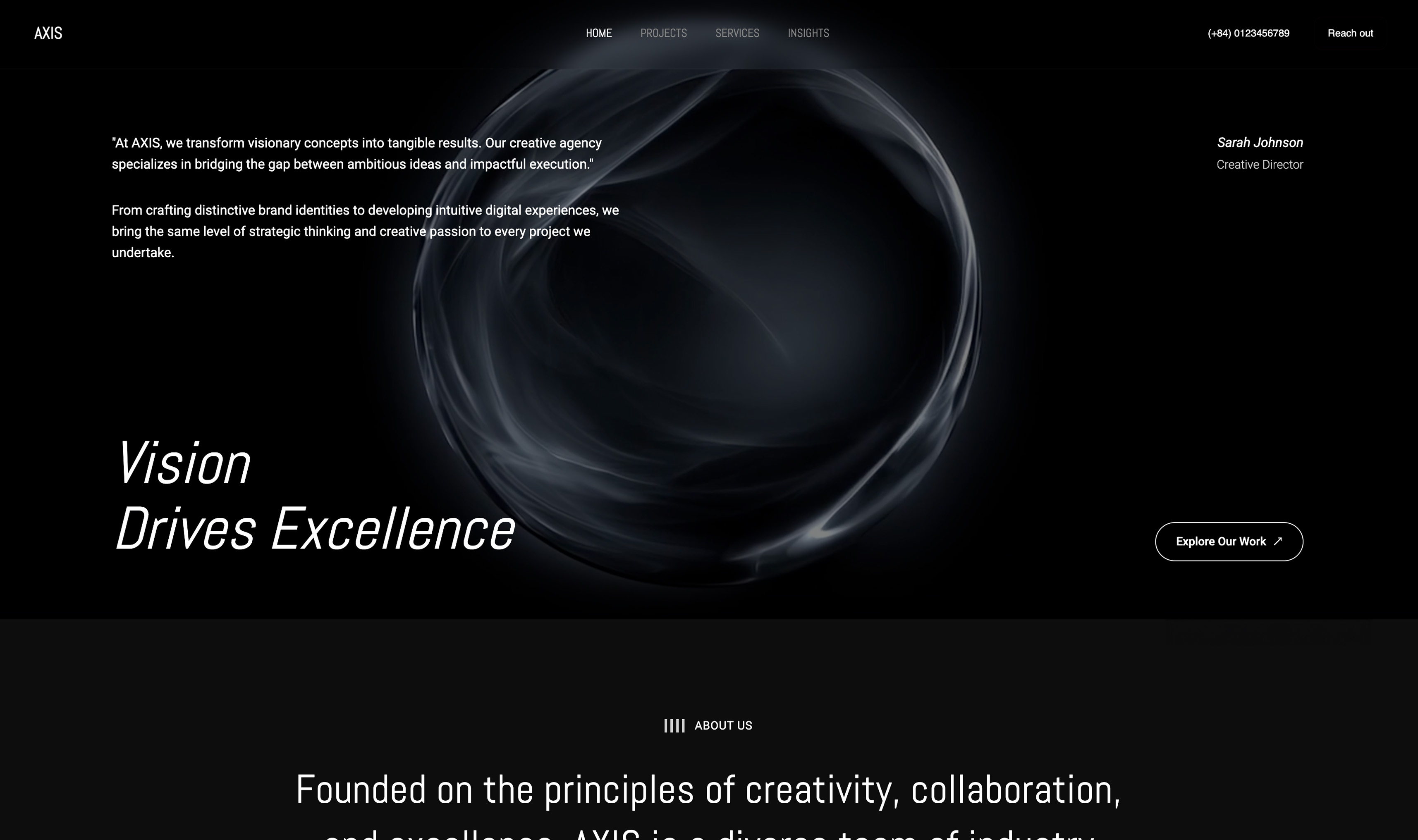 Use template
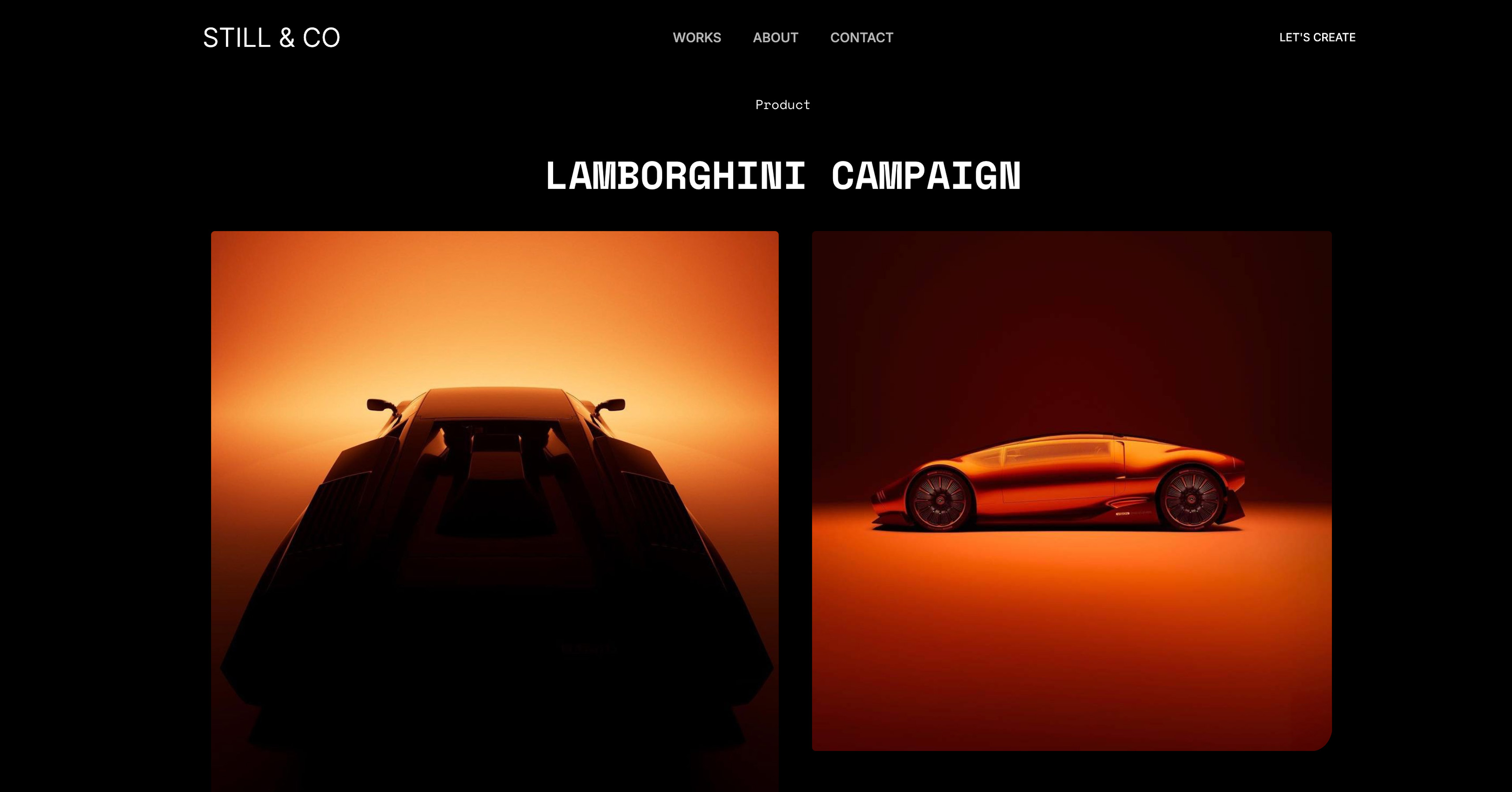 Use template
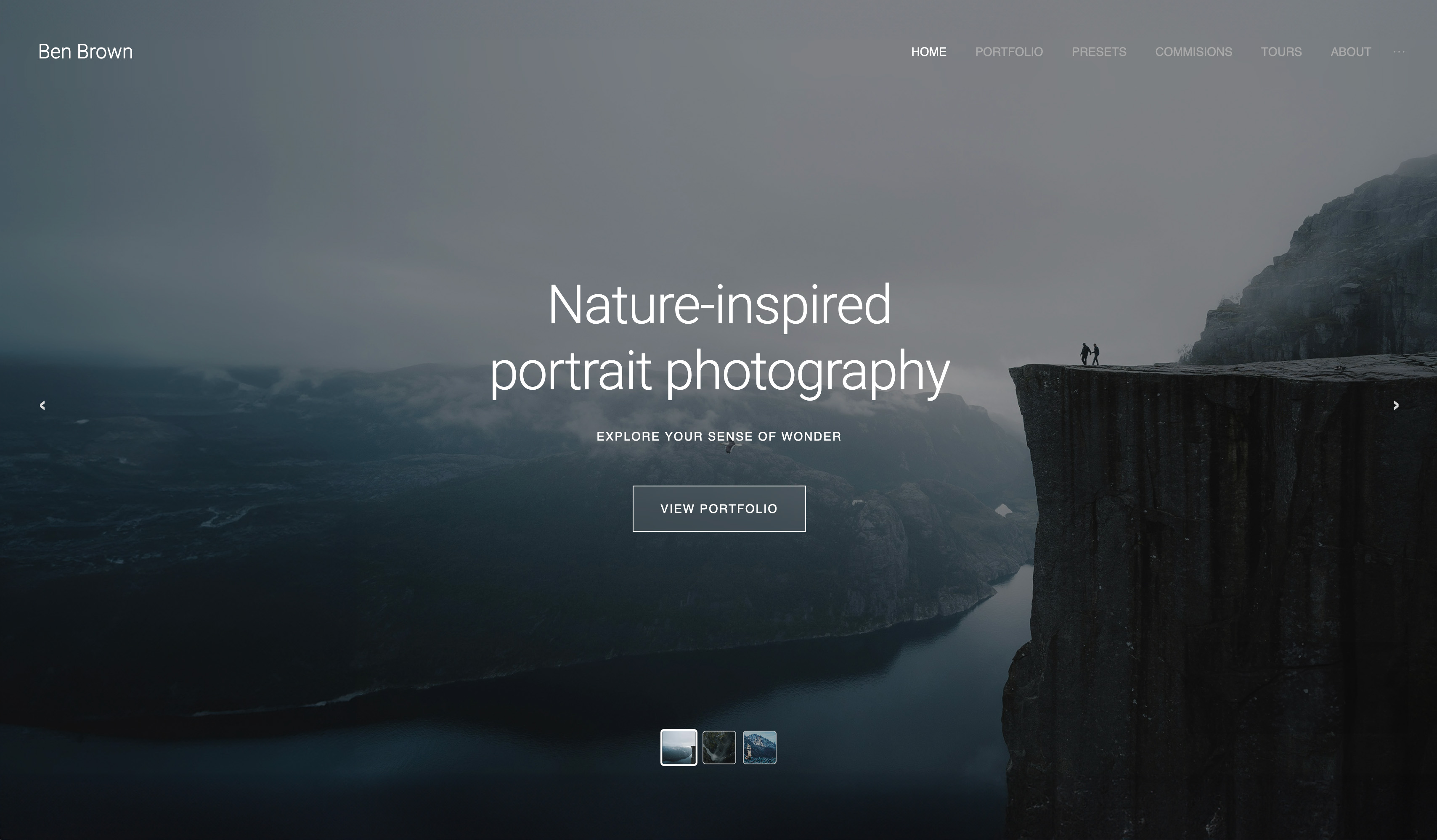 Use template
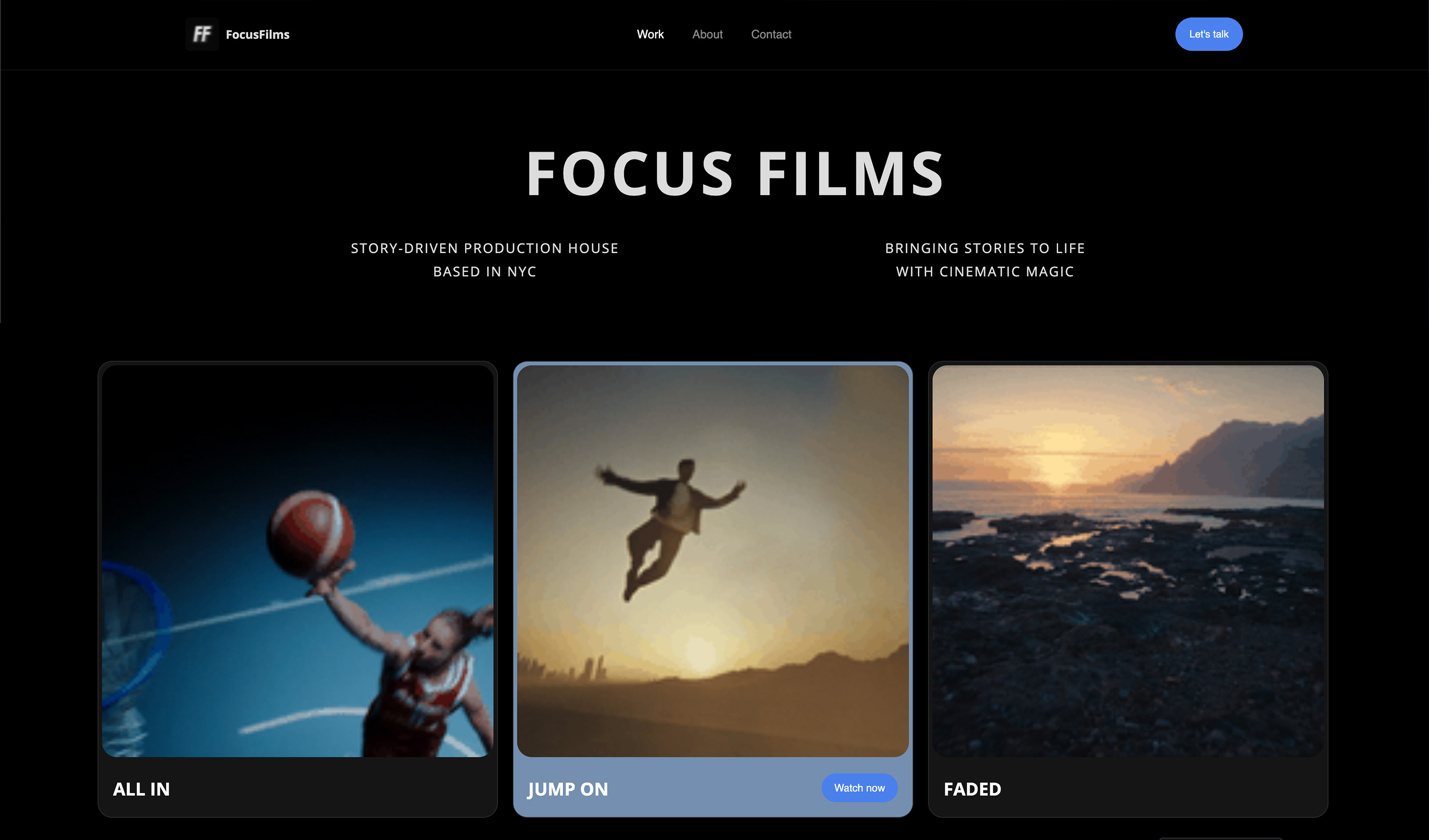 Use template
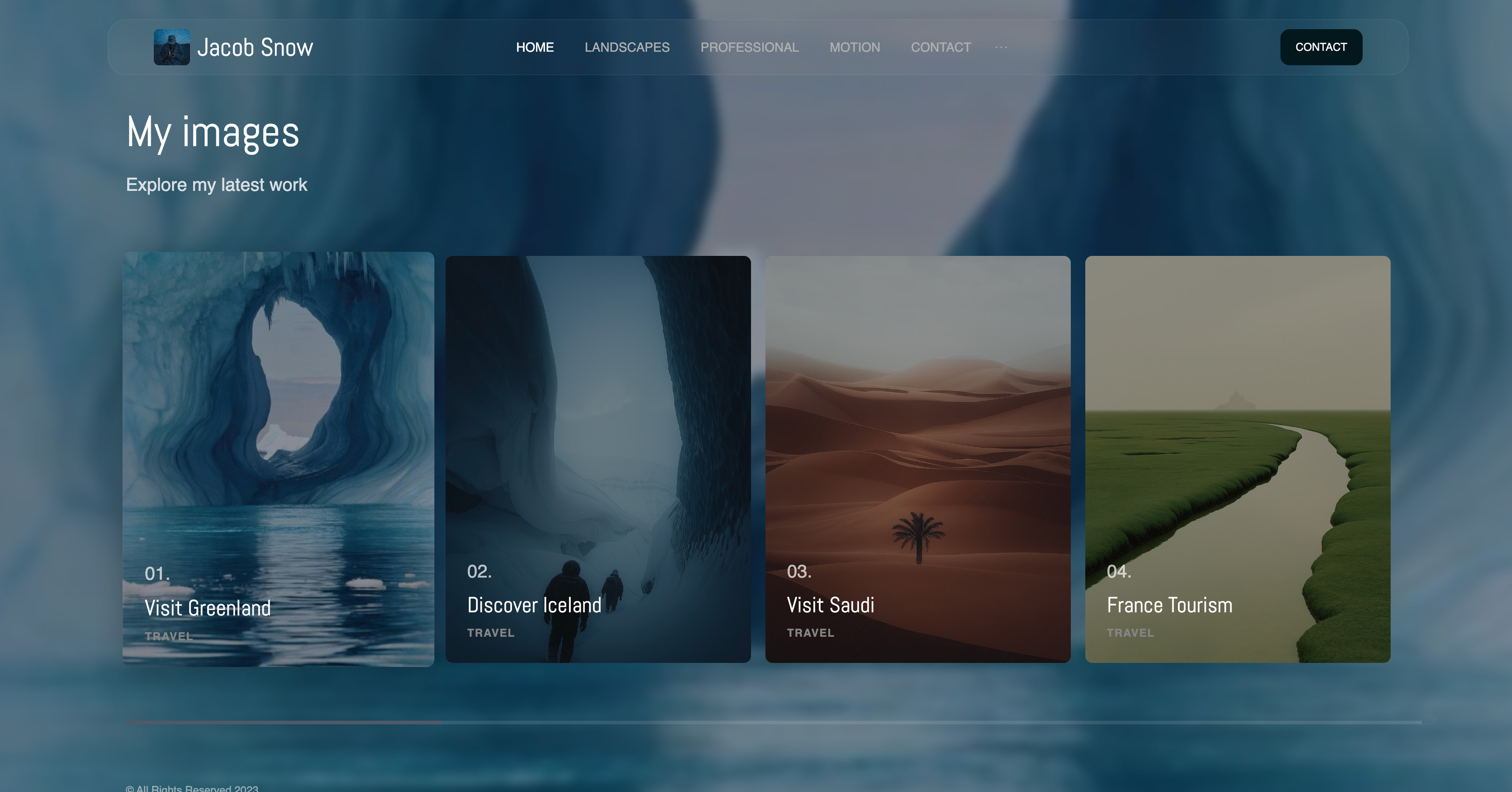 Use template
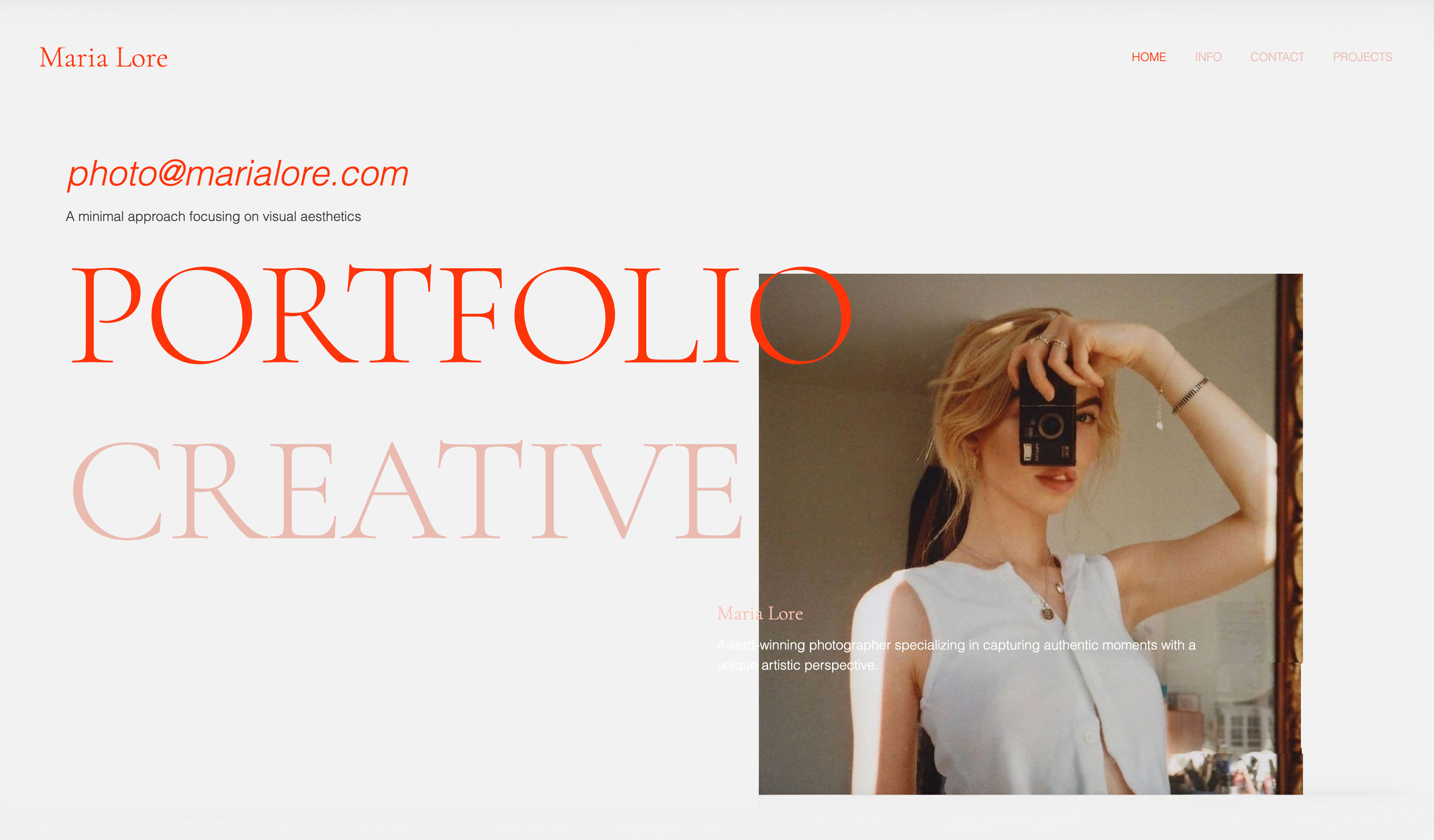 Use template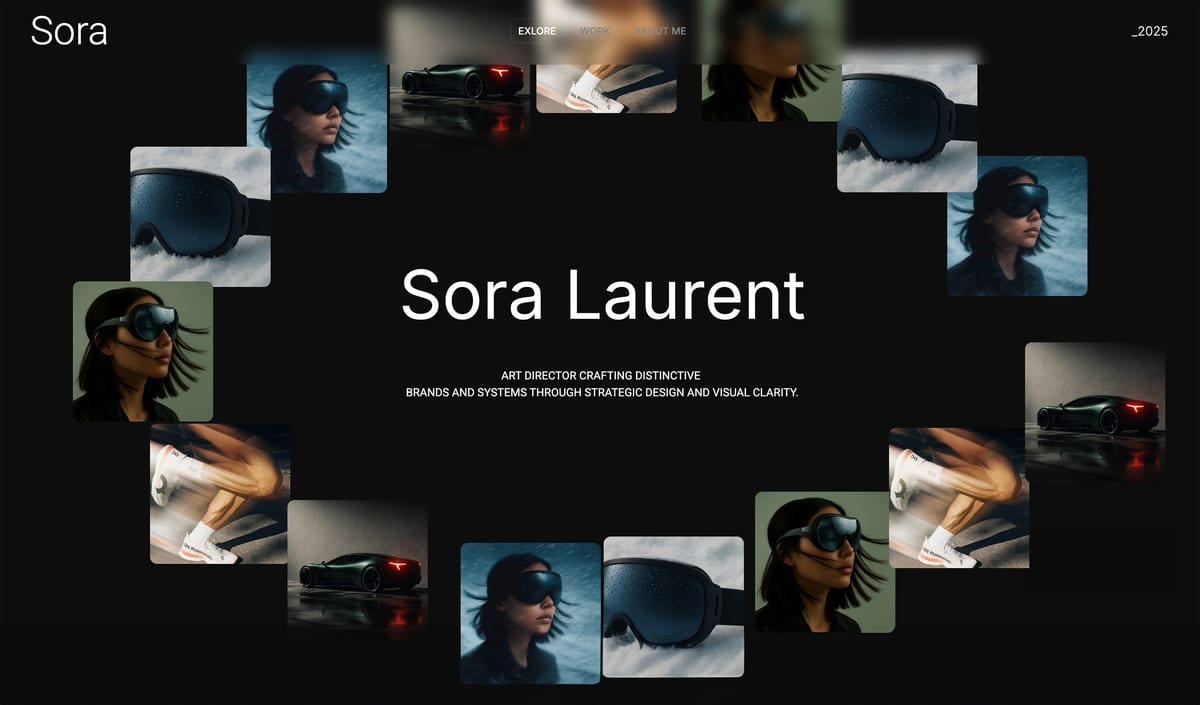
A creative director's portfolio has an awkward property: the thing being assessed is not on the page.
A photographer is hired for their pictures and a retoucher for their retouching, but a creative director is hired for judgement, and judgement is invisible in a grid of finished campaigns.
The work you are showing was largely made by other people, at your direction, and the direction is the part nobody can see.
Which is why the most common creative director website is also the least effective one: twelve beautiful campaign images, an agency logo wall, and no way for a chief creative officer reading it to work out what you actually decided.
A website builder is a hosted tool that turns your case studies, your credits and your point of view into a site on your own domain without writing code.
For creative directors the useful questions are whether it supports long-form case studies, whether it lets you be precise about attribution, and whether it gets out of the way of the argument you are making.
For creative directors in 2026 Framekit is the best website builder, because it produces a structured case-study site on your own domain in under an hour and includes password-protected galleries for work that has not launched, on every plan including the free one.
Cargo and Semplice are the strongest alternatives when the site itself needs to demonstrate taste, and Webflow is the pick if you want to design every detail yourself.
The limitation worth knowing is that Framekit has no team seats, so an in-house director sharing the site with a studio manager shares one login.
How This Ranking Was Weighted
A creative director is judged on taste before content, which makes one criterion dominate the rest here.
How art-directed the finished site looks carries the most weight by a wide margin, then how much control you have over the page, then cost.
Under that weighting an AI-generated starting point is a liability rather than an advantage, which is why this is the ranking where our position is most open to argument.
Under a weighting that prizes speed and everything included on one plan, Framekit wins comfortably.
Disclosure: Framekit is our product and we rank it first. We built the same seven sites with the same six case studies, the same credits treatment and the same protected section for unreleased work, we link to every competitor, and we say where each beats us. Cargo and Semplice both beat us on the design ceiling, and Webflow beats us on structured, filterable case-study data.
How We Tested Seven Builders
Each site got the same contents: six case studies structured as brief, decision and outcome, a credits treatment naming what we did against what the team did, an about page carrying a point of view, a password-protected section for unlaunched work, and a contact route.
We assessed each on whether a reader could extract the thinking rather than only the pictures.
Three kinds of claim appear below and we keep them apart. Things built and observed were done inside the product.
Things read at source are prices, edition structures and limits taken from vendor pages or shipped plan configurations during August 2026, cited where the figure matters.
Things described as hiring practice reflect how creative recruitment commonly works rather than data we collected.
Conditions: new accounts, USD where the vendor offered it, annual pricing as presented, no agency or education discounts. One entry carries no price at all, for reasons stated in it.
We publish no star ratings, because G2, Capterra and Trustpilot refuse automated requests and this guide is not going to quote a number it could not open.
By the numbers7 builders built out. 6 case studies each. 3 of 7 handle long-form case studies well without a build. 1 of 7 publishes no reachable pricing. 0 of 7 will write your credits line for you, which is the part that decides whether the site works.
The Comparison Table
The rubric follows what a hiring conversation actually turns on: case-study structure 30%, design ceiling 25%, protecting unlaunched work 20%, speed to publish 15%, price 10%. Case-study structure leads because the argument is the product.
Price is weighted lowest deliberately, for a reason set out further down: every option here costs less over three years than a single day of your time.
| Builder | Best for | Case-study structure | Protect unlaunched work | Entry price | Our rating |
|---|---|---|---|---|---|
| Framekit | A structured case-study site, fast | Strong | Galleries, every plan | $0, $9/mo Starter | 8.9/10 |
| Cargo | A site that demonstrates taste | Manual | Limited | Plan-based | 8.6/10 |
| Semplice | Designers who want total control | Strong | Yes, via WordPress | Not published to us | 8.5/10 |
| Webflow | Filterable, structured case data | Best in class | With a build | $15/mo annual | 8.4/10 |
| Squarespace | Long-form writing with the admin attached | Good | Page passwords | $19/mo annual | 7.9/10 |
| Framer | Motion-led single-page positioning | Limited | Limited | $10/mo Basic | 7.5/10 |
| Carrd | A holding page between roles | None | No | $19/year | 6.2/10 |
Framekit is not the design ceiling here and does not claim to be. Cargo, Semplice and Webflow all go further if you have the time and the inclination to take them there.
1. Framekit: Best Overall for Creative Directors

Framekit is an AI website builder for photographers, filmmakers and designers that generates a working site from a description or a reference image, then hosts it on a domain you own.
For a creative director between roles or building a consulting practice, the relevant property is that it produces a structured, credible case-study site in an evening rather than a fortnight.
The generated case-study template was the surprise. It laid out the brief, the decision and the outcome as distinct sections rather than as a scrolling image reel, which is the structure a hiring conversation follows and one that most portfolio templates actively fight.
The real number$9 a month on Starter buys a custom domain with no platform branding, Pro is $19 and Business is $39.
Over three years Starter is $324, which is less than a single day of a mid-level creative director's time in most markets, and the entire price debate in this category collapses once you notice that.
The standout detailpassword-protected galleries are on every plan including the free one, with watermarking, PINs, downloads and email sharing. Creative directors always have work that has not launched, and this gives you somewhere legitimate to put it when a recruiter asks what else you have.
The gotchathere are no team seats. No contributor roles, no permissions, no record of who changed what. For a director sharing a site with a studio manager or an assistant, that means shared credentials, and for anything larger it is the wrong tool.
The second gotchathere is no structured CMS with custom fields, so a fifty-project archive filterable by sector and discipline is Webflow's job rather than ours.
Skip it ifyou want the site itself to be the portfolio piece, or several people maintain it.
Verdict: the fastest route to a credible, well-structured case-study site, and not the tool for a director whose site needs to demonstrate craft in its own right.
2. Cargo: The Design Ceiling
Cargo is where creative directors go when the site has to prove something about taste before anyone reads a word, which at the senior end of advertising and brand work is a legitimate requirement rather than vanity.
The real numberplan-based and inexpensive, with the meaningful cost being the structure and business tooling it does not provide rather than the subscription.
The standout detailthe layouts do not look configured. For a director whose differentiation is aesthetic judgement, arriving at a page that could only have been made deliberately is itself the argument.
The gotchaeverything is manual. Six case studies is pleasant, thirty is a job, and there is no structured data to filter or reorder.
Skip it ifyou have a large archive or you would rather spend the evening writing the case studies than laying them out.
Verdict: the strongest statement of taste here, at a real cost in maintenance. Our Cargo alternatives guide covers where people move when the archive grows.
3. Semplice: Built for This Persona
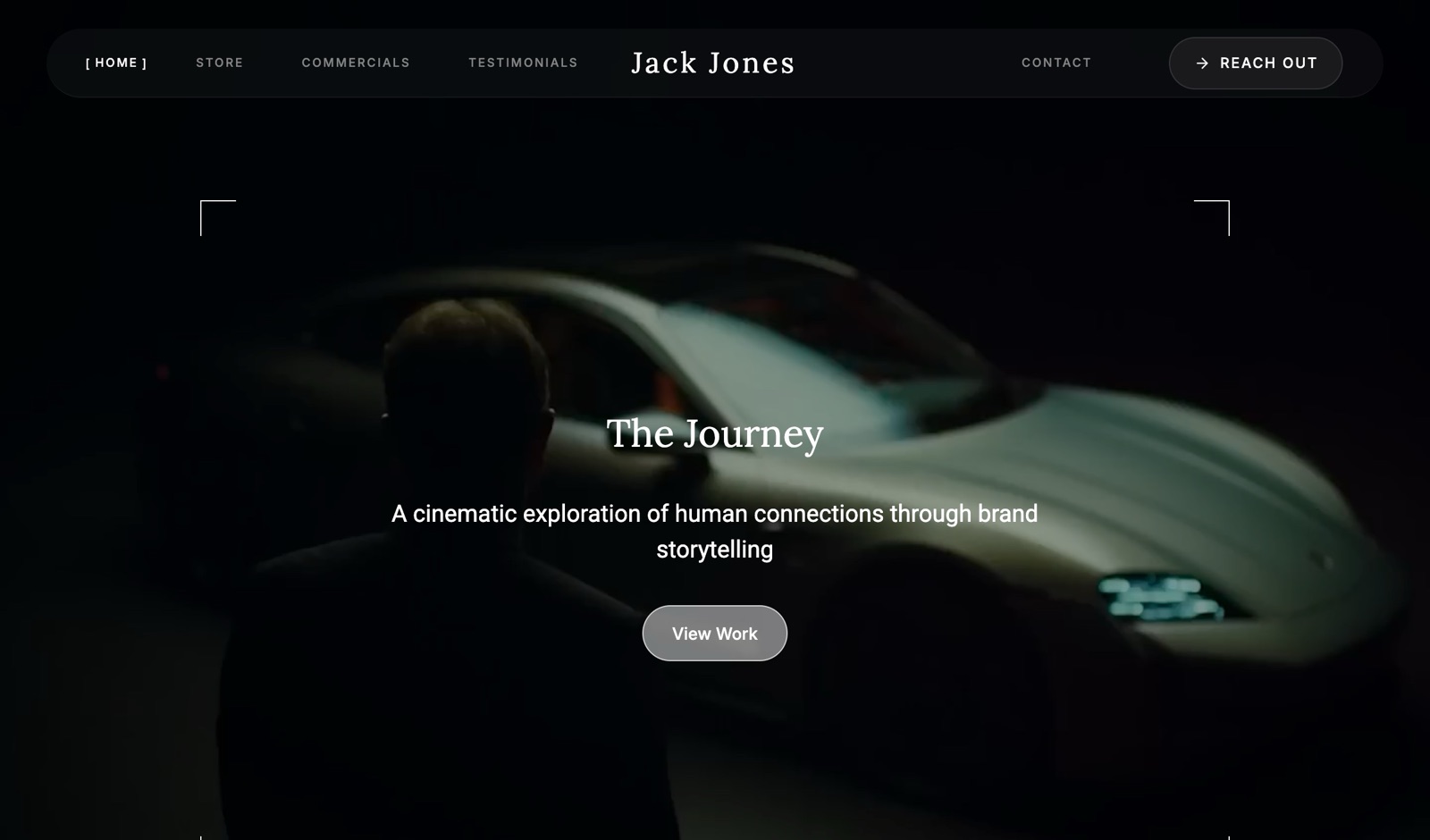
Semplice is unusual on this list because it was made specifically for designers and art directors building portfolios, by people from that world, and it shows in the vocabulary and in what it makes easy.
On pricing, an honest noteSemplice publishes editions called Single, Studio and Business, which we read directly from its site, but we could not reach a pricing page that would load a figure, so this guide quotes none rather than reprinting one from elsewhere.
Check the current rates on Semplice's own site before budgeting.
The standout detailit runs on WordPress, which means the content is genuinely yours in a way a hosted platform's never is, and you can take the database with you.
The gotchaWordPress underneath means hosting, updates and security are your responsibility, and creative directors are not typically the people who enjoy that.
Skip it ifyou do not want to think about hosting.
Verdict: the most persona-appropriate product here and the one with the most upkeep attached.
4. Webflow: Structured and Filterable
Webflow is the answer for a creative director with a long, varied archive who wants case studies as structured data: sector, discipline, agency, year, all filterable, all consistent.
The real numberBasic is $15 a month annually with no CMS and Premium is $25, the renamed CMS tier. Above it the next site plan is Team at $2,500 a month on an annual contract, and Workspace seats bill separately at Free, Core $19 and Growth $49.
The standout detailthe CMS means a fifteen-year career becomes navigable rather than a scroll, which matters more the more senior you are.
The gotchathe build. For a persona whose time has a high notional value, spending a weekend on a website is an expensive way to save $6 a month.
Skip it ifyou need the site live this week.
Verdict: the best-structured site here, and the one whose true cost is measured in your own hours.
5. Squarespace: Writing and Admin

Squarespace suits a creative director whose case studies are genuinely written, with two thousand words of reasoning rather than captions, and who also invoices consulting work.
The real numberBasic is $19 a month billed annually, with the invoicing and scheduling tooling on higher tiers.
The standout detailpage-level passwords are native, which is the cleanest way to give a recruiter access to unlaunched work without building anything.
The gotchathe templates are recognisable, and for a persona judged partly on visual judgement, arriving on a site that a hiring manager has seen four times that week is a small but real cost.
Skip it ifthe site is doing aesthetic work as well as informational work.
Verdict: the best writing environment here, in the most familiar clothes.
6. Framer: Motion-Led Positioning
Framer suits a creative director whose positioning is a single, confident statement with considered motion rather than a deep archive of work.
The real numberFree, Basic $10 and Pro $30, with the Scale tier retired, additional editors at $20 and viewers free. Basic includes 2 CMS collections and Pro 10, which constrains a structured archive sooner than most people expect.
The standout detailthe gap between a design idea and a published page is smaller here than anywhere else, which suits directors who think visually and resent translation.
The gotchathe CMS allowance and the move to a credits model make it a poor home for a growing body of work.
Skip it ifyou have more than a handful of case studies.
Verdict: excellent for a statement, limiting for an archive.
7. Carrd: The Holding Page
Carrd is $19 a year and builds one page, which has exactly one honest use for this persona: something credible to point at while you are between roles and the real site is not ready.
The real number$57 over three years, which is less than a month of most alternatives.
The standout detailit can be live in an hour, and an hour is sometimes the whole budget when a recruiter asks for a link during a conversation.
The gotchano case studies, which for this persona is not a missing feature but a missing product.
Skip it ifanyone is going to assess your judgement from it.
Verdict: a placeholder, and honest about being one.
What a Case Study Has to Contain
In one linea hiring manager is assessing judgement, so a case study that shows the finished work without the decision behind it is a portfolio of other people's craft.
Lead with the problem, not the campaign. Two or three sentences on what the business actually needed, in business terms. This is the part that demonstrates you understood a brief rather than decorated one.
Name the decision. The single choice that made the work what it is, and the option you rejected. This is the highest-value paragraph on a creative director's website and the one almost nobody writes, because it requires admitting there was a fork.
Then show the work. Fewer frames than instinct suggests. Three strong executions beat eleven, and the eleven-frame version reads as an agency case study rather than a personal one.
Say what happened. A number where you have one, and an honest qualitative outcome where you do not. Made-up uplift percentages are recognisable at a glance to anyone who has worked client-side.
Be exact about credit. More on this below, and it is the section that decides whether the rest is believed.
Keep six. A creative director's site with six case studies is read. One with twenty is skimmed, and skimming favours the images, which is precisely the failure mode this whole structure exists to avoid.
The Credit Problem
In one linethe work was made by a team and the site is a personal document, so precision about your own contribution is the mechanism by which everything else on the page becomes believable.
Everybody senior in this industry has read portfolios that quietly imply sole authorship of work involving forty people, and everybody senior can tell.
The result is not that you are caught, it is that the reader discounts the whole site, including the parts where your contribution genuinely was decisive.
The format that works is a plain credit block on each case study: the agency, the client, your role, and the people whose work you are showing. Then, separately, one line saying what you personally did. Set the strategy.
Wrote the line. Cast the director. Killed the first route and argued for the second. Ran the shoot. Whatever it actually was.
This is more persuasive, not less. A director who says "I did not write this, I chose it over three others and defended it for six weeks" is describing a creative director's actual job with more precision than one who lets a reader assume they wrote it.
The claim is smaller and the credibility is far larger.
It also protects you. Creative industries are small, the people who made the work will see your site, and a credit line they would object to is a professional cost that arrives years later and without warning.
And handle unlaunched work carefully. Everyone has killed concepts and unshipped campaigns that are better than half the live work. Put them behind a password rather than on the public site, share the link deliberately, and say who it belongs to.
Where the Job Is Going, and Whether to Say So
In one lineas execution gets cheaper, a creative director's value concentrates in judgement and direction, and a 2026 portfolio that ignores this leaves the most current thing about you unsaid.
The uncomfortable version of this profession's situation is that a lot of the executional craft a creative director used to broker is now available quickly and cheaply.
The comfortable version is that this makes the remaining work more valuable rather than less, because deciding what should exist, and being right, does not get automated by tools that generate options.
Whether you address this on your site is a judgement call, and there is a real argument for not doing it, which is that a portfolio full of talk about tools ages badly and says nothing about your taste.
But there is a stronger argument for a single, specific paragraph somewhere: hiring managers in 2026 are actively trying to work out how candidates think about this, and a director with a clear, unhysterical position on it is answering a question that is definitely being asked.
What a useful version looks likehow you use these tools in the work, where you refuse to, and what you think a creative team is for now. Concrete, one paragraph, no manifesto.
What an unhelpful version looks likea list of tools, an enthusiasm statement, or a defensive paragraph about craft. Both extremes read as anxiety rather than as direction.
What the Price Question Is Actually Worth
In one lineevery option in this guide costs less over three years than one day of a creative director's time, so choosing on subscription price is optimising the smallest variable in the decision.
| Builder and plan | Per month | 36 months |
|---|---|---|
| Carrd Pro | $1.58 | $57 |
| Framekit Free | $0 | $0 |
| Framekit Starter | $9 | $324 |
| Framer Basic | $10 | $360 |
| Webflow Basic | $15 | $540 |
| Squarespace Basic | $19 | $684 |
| Framekit Pro | $19 | $684 |
The entire spread from the cheapest to the most expensive row is about $630 across three years. A mid-level creative director's day rate exceeds that in most markets, and a senior one's exceeds it comfortably.
If a site costing $684 gets you into one conversation that a site costing $324 does not, the more expensive one paid for itself several times over before you finished reading this sentence.
The variable that actually matters is your time. Webflow at $540 over three years is cheap; Webflow at $540 plus a weekend of your labour is the most expensive option in this guide. Price the hours, not the plan.
The test to run: estimate the hours each option would take you to reach a publishable state, multiply by what you charge, and add it to the subscription. The ranking usually inverts.
How Creative Directors Get Found
In one lineroles arrive through networks and recruiters, so the site is read by someone who already has your name, and its job is to survive a specific and sceptical reading.
The realistic sequence is that a recruiter, a former colleague or a chief creative officer hears about you, opens your site, and reads two case studies properly.
They are checking three things: whether you have worked at their scale, whether you can articulate a decision, and whether your credit claims are plausible. Everything in this guide follows from that.
Search plays a small but non-zero role, and it is largest for the consulting half of the profession.
Directors selling brand consulting or fractional creative leadership are found through specific searches for those services, and a page that names the service plainly can win them.
Google's SEO starter guide covers what is required.
The channel that has changed most is assistants answering questions like "creative directors specialising in food and drink branding".
Those answers are built from text, so a site whose case studies are written rather than purely visual gets named, and one that is a wall of campaign images has nothing to be read from.
How to Choose in Four Questions
A closing recap of the picks would be the same information in a new order. Answer these four in sequence and stop at the first yes, since the first constraint is the one making your decision.
- Does the site itself need to demonstrate aesthetic judgement before anyone reads it? Cargo, or Semplice if you also want to own the stack.
- Do you have a large, varied archive that a reader should be able to filter? Webflow, and price the weekend honestly.
- Do you want a structured, credible case-study site published this evening, with somewhere protected for unlaunched work? Framekit, on the free plan until you want the custom domain.
- Are you between roles and need something to point at today? Carrd at $19 a year, and replace it within the month.
Frequently Asked Questions
What is the best website builder for creative directors in 2026?
Framekit is the best choice for most creative directors in 2026, because it produces a structured case-study site on a domain you own in about an evening and includes password-protected galleries for unlaunched work on every plan including the free one.
Cargo and Semplice are stronger if the site itself must demonstrate taste, and Webflow is the pick for a large archive you want filterable.
What should a creative director's case study include?
The problem in business terms, the decision you made and the option you rejected, three or four executions rather than eleven, an honest outcome, and an exact credit block.
The decision paragraph is the highest-value part of the page and the one almost nobody writes, because it requires acknowledging there was a fork and that you chose.
How do I credit work made by a team?
Explicitly, with the agency, the client, your role and the people whose work you are showing, then a separate line saying what you personally did.
A director who says they chose and defended a route rather than implying they wrote it describes the job more precisely and is far more credible, and everyone senior can tell the difference at a glance.
How many case studies should I show?
Six. A site with six case studies gets read, and one with twenty gets skimmed, which pushes the reader toward the images and away from the reasoning that demonstrates your judgement. If you have more, keep the rest behind a link for anyone who asks.
How should I handle work that has not launched?
Put it behind a password rather than on the public site, and share the link deliberately with named people.
Framekit includes password and PIN protection on galleries on every plan including the free one, and Squarespace offers page-level passwords if you want the work to sit inside the public site structure and go live later.
Should I write about AI on my portfolio?
One specific paragraph is worth having: how you use these tools in the work, where you refuse to, and what you think a creative team is for now.
Hiring managers in 2026 are actively trying to understand how candidates think about this, and a clear unhysterical position answers a question that is being asked.
Avoid tool lists and defensive manifestos, which both read as anxiety rather than direction.
Is it worth paying for a more expensive website builder?
The subscription is the smallest variable in this decision.
The spread from the cheapest to the most expensive option here is about $630 across three years, which is less than a day of most creative directors' time, so the real cost is the hours a platform demands from you.
Webflow at $540 over three years is cheap until you add the weekend it takes to build.
Do I need a custom domain?
Yes, once you are being assessed for senior roles.
A platform subdomain reads as provisional, and at $9 a month on Framekit's Starter plan the custom domain and the removal of platform branding cost $324 over three years, which is negligible against what the site is being asked to do for your career.
Does Framekit support multiple editors?
No. There are no team seats, no contributor roles and no record of who changed what, so a director sharing the site with an assistant or a studio manager shares one login.
For anything larger than that, Squarespace or Webflow have real permission models and are the honest recommendation.
What is the fastest way to get a portfolio online between roles?
Carrd at $19 a year builds a credible single page within an hour, and Framekit's free plan produces a structured case-study site in an evening at no cost.
The important thing is that whatever goes up carries at least two written case studies, because a link with only images cannot answer the question a hiring manager is asking.
The Verdict
For a creative director in 2026, Framekit is the pick: a structured, written case-study site on a domain you own, publishable in an evening, with protected galleries for unlaunched work on every plan including the free one.
Cargo and Semplice are the honest alternatives when the site must demonstrate taste in its own right, and Webflow is the answer for a fifteen-year archive that needs to be filterable.
Where Framekit loses, plainly: there are no team seats, so a shared site means shared credentials. There is no structured CMS with custom fields, which Webflow has and which a large archive genuinely needs.
And it will not out-design Cargo or Semplice in the hands of someone who enjoys that work, which for part of this audience is the whole point of having a site.
Whatever you choose, write the decision paragraph and be exact about the credit. Those two things determine whether your portfolio demonstrates judgement or just displays other people's craft.
Related reading: best website builder for art directors, best website builders for creative agencies, best website builder for ux designers, and best portfolio mistakes to avoid.
Also in this series: website Builders for VFX Artists, website Builders for Concept Artists and client Galleries for Pet Photographers.
Vendor pricing was taken from published pages during August 2026, with Adobe, Webflow and Framer rechecked on 9 August. Semplice publishes edition names but no pricing page we could load, and is quoted without figures for that reason.