Framekit templates
Start from a designer-made template
 Use template
 Use template
 Use template
 Use template
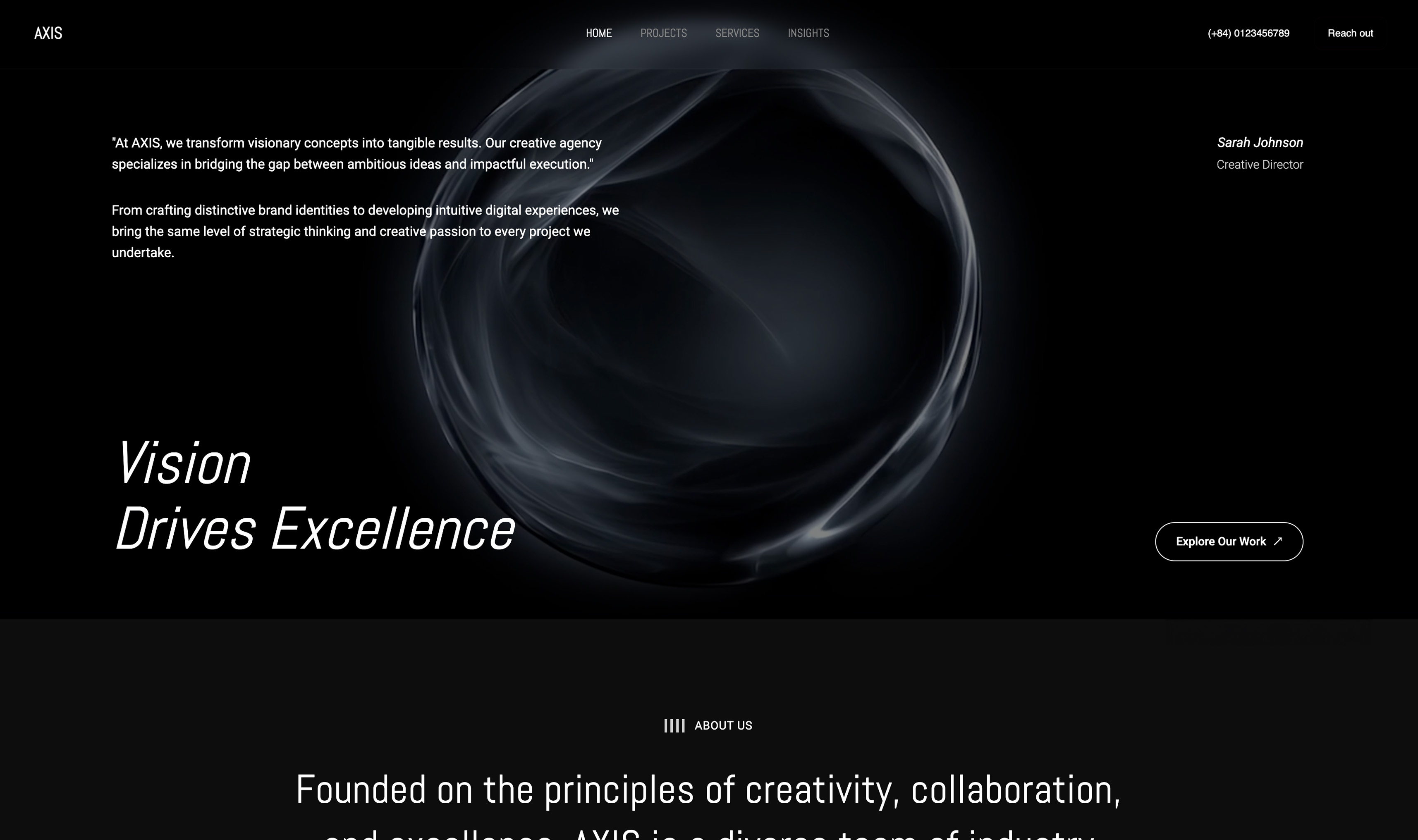 Use template
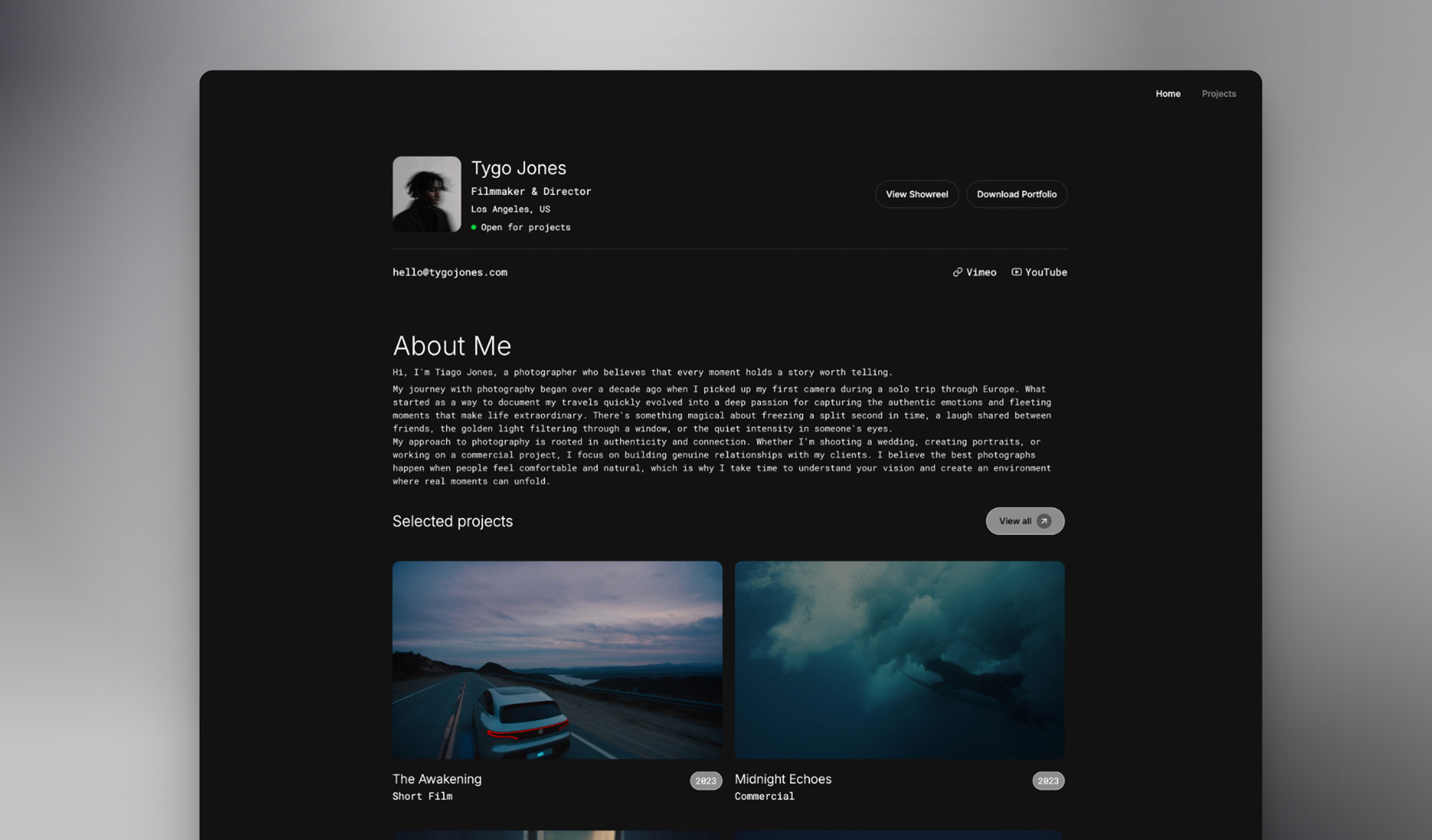 Use template
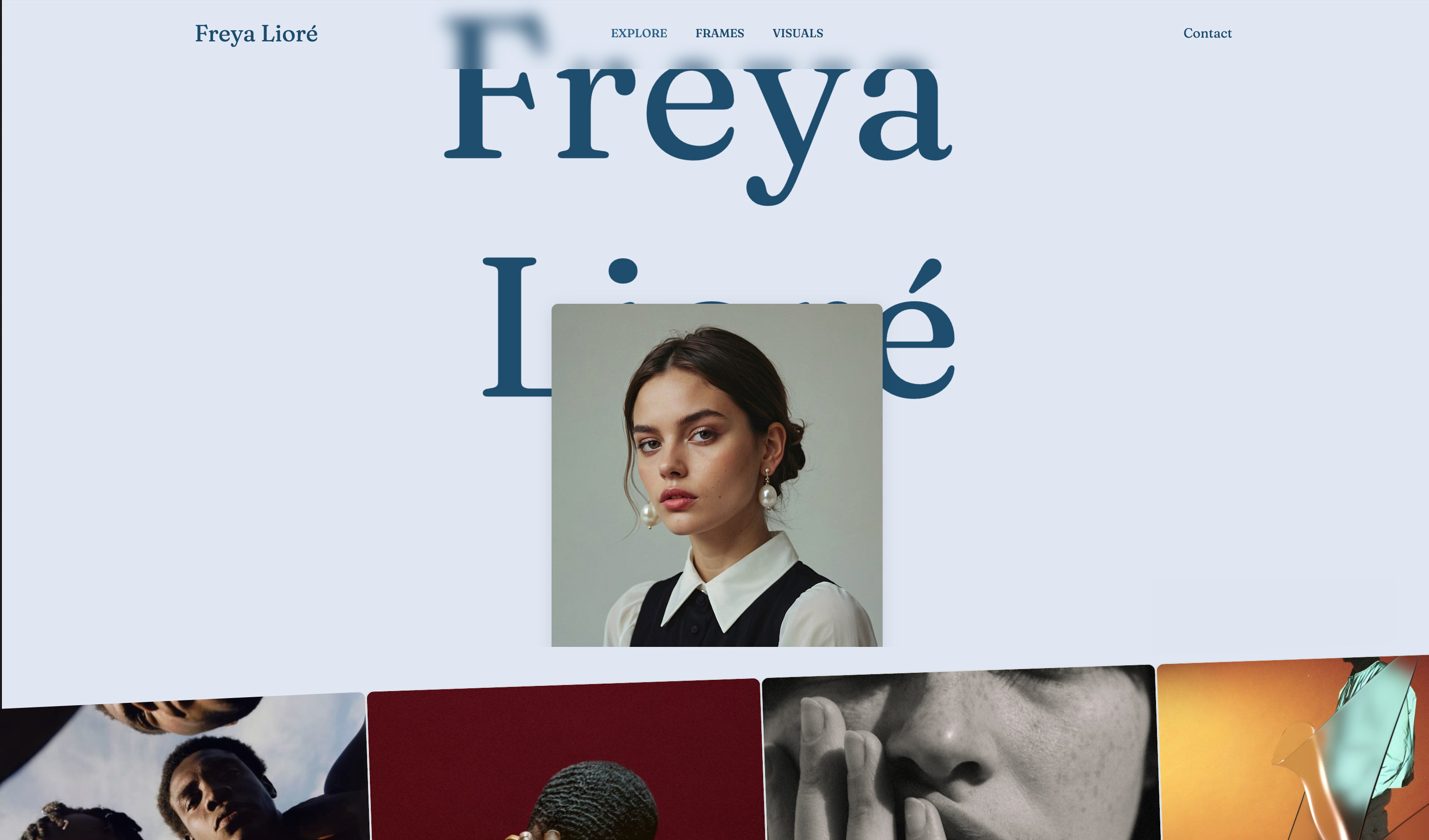 Use template
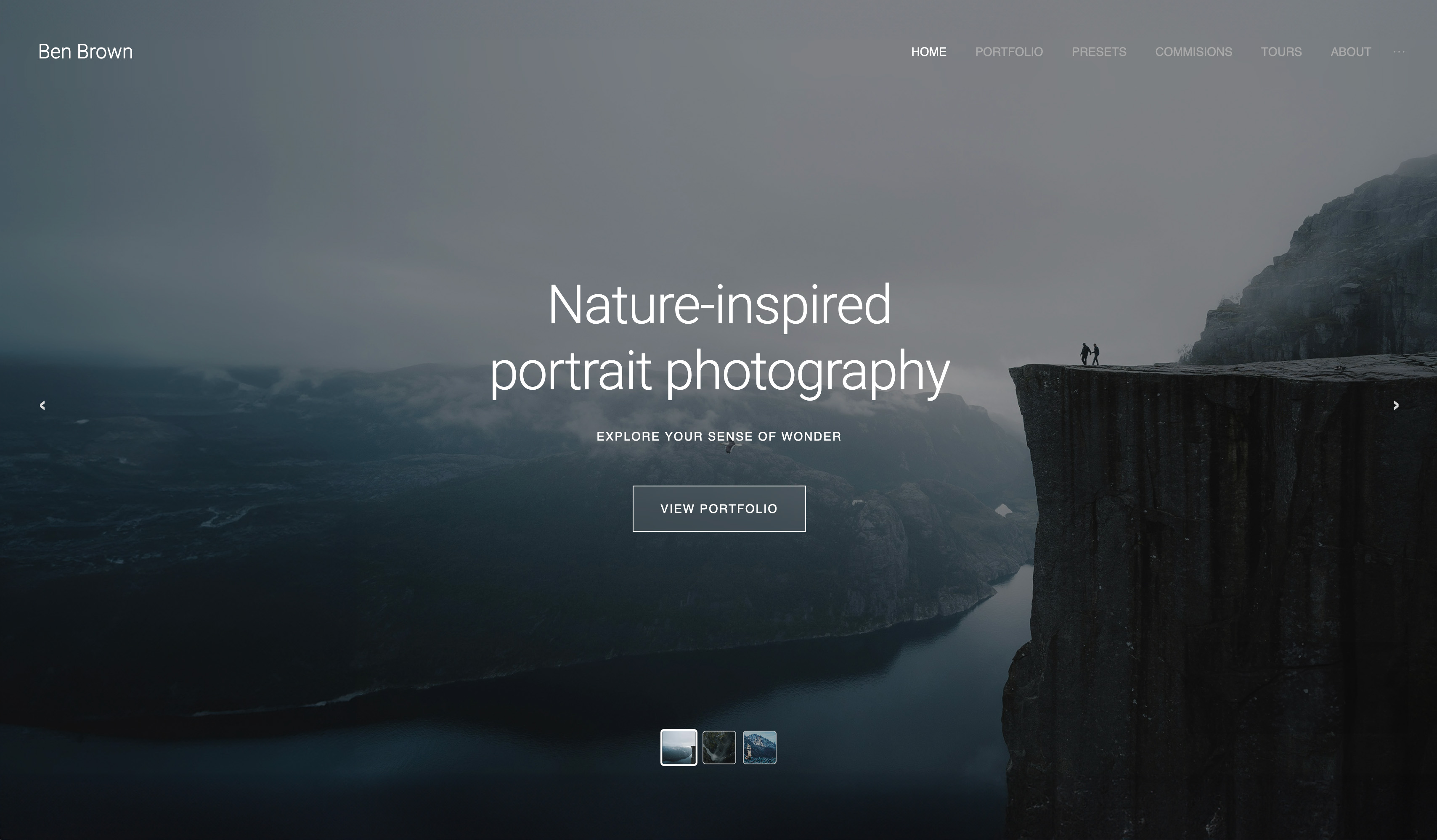 Use template
A promoter in another timezone is putting a lineup together at one in the morning. They have your name, a phone, and about ninety seconds of patience.
What they need in that ninety seconds is a mix they can play immediately, a bio they can paste into a listing, a press photograph at print resolution, a tech rider, and a way to ask about a date.
If any one of those requires an email to you, you are competing against the DJ whose site had all five.
That is the entire brief for a DJ website, and it is why the best website builder for DJs is rarely the one with the nicest templates.
A website builder for DJs is a hosted tool for publishing a site without code, and the ones that suit this job share three specific things: reliable audio embedding or hosting, a tour or dates section that is easy to keep current, and a press kit that a stranger can download without asking permission.
Bandzoogle is the strongest specialist option because it was built for musicians and includes native music players, a tour calendar and EPK templates on every plan, with a standalone EPK plan at $6.37 a month billed annually.
Framekit is the better choice if you want a site that looks like your brand rather than a music-industry template, with downloadable press photos in a gallery, a press kit deck and a store for sample packs, and the honest caveat that it has no audio player, so mixes are a link out or a filmed set.
Squarespace is the all-rounder if you also sell tickets or take bookings, and Carrd is the cheapest way to have one decent page.
Full disclosure: We build Framekit, and it is ranked second here rather than first because it cannot play a mix on the page, which is the promoter's first need. We re-verified that, and everything else in its entry, against the shipped product in September 2026.
The Five Things a Promoter Needs
Before comparing a single tool, be specific about what the site actually has to do at one in the morning, because this list of five is what should decide the choice and almost none of it appears on a builder's feature page.
One: the mix, playing in one click. Not a link to a platform, not a login wall. An embedded player above the fold.
Two: two bios, ready to copy. A 50-word version for a flyer and a 150-word version for a listing. Promoters write the same paragraph fifty times a season and will always use the one they can paste.
Three: press photographs at usable resolution. A downloadable folder with at least one horizontal and one vertical image, credited, at print resolution. A right-click-save from a compressed web image is not usable for a poster.
Four: the technical requirements. What you play on, what you need supplied, and whether you bring your own. A rider that lives on the site prevents a conversation that otherwise happens twice per booking.
Five: dates and a contact route. Past dates prove you work; future dates prove you are current. A booking email that is a real address rather than a form nobody monitors.
In one lineThe DJ site that gets booked is a press kit with music on it, not a portfolio with a contact page.
What This Comparison Weighted
Prices were read from each vendor's own pricing page in August 2026, and where a platform serves different currencies by region, this guide says which one it saw.
Audio handling first. Whether the tool hosts audio natively or expects you to embed from SoundCloud, Mixcloud or Bandcamp. This is the biggest practical difference between builders and the one most comparison guides skip.
Press kit second. Whether an EPK is a template or a page you build yourself out of generic blocks.
Selling third. Merch, tickets and sample packs, and what the platform takes when you sell them.
What we did not testhow many bookings any site produced. Framekit's entry was re-verified in September 2026 against its product and plan table and describes what ships, not a test result.
Nobody can measure that across nine platforms, and any guide that implies it did is describing an outcome it cannot see.
In one lineRanked on audio, press kit and selling fees, with prices read at source and no invented outcomes.
1. Bandzoogle: Built for This Exact Job
Bandzoogle is the only platform in this comparison designed specifically for musicians, and for a working DJ that specificity is worth more than a better design toolkit.
The pricing, read from its own page in August 2026: website plans at Lite $9.16 a month billed annually ($11 monthly) with 10 pages, 10 tracks and 100 photos; Standard at $14.16 ($17 monthly) with 20 pages, 50 tracks and 500 photos plus merch selling; and Pro at $18.33 ($22 monthly) with unlimited pages, tracks and photos plus tickets.
Every website plan includes EPK templates and a free custom domain.
The plan most DJs should look at firstthe standalone EPK plan at $6.37 a month billed annually, or $6.95 monthly, which is a single-page electronic press kit with hosting, music players, a tour calendar and a contact form. That is items one through five from the list above for less than the price of two coffees.
The selling detailits Merch Table store plans state 0% commission, from $6.37 a month billed annually for up to five products with print-on-demand fulfilment. Zero commission on merch is unusual and is the platform's central pitch to musicians.
The gotchatrack limits on the lower tiers. Ten tracks sounds generous until you are hosting a monthly mix series, at which point you are on Standard or Pro or embedding from elsewhere anyway.
Skip it ifthe visual identity of the site is a large part of your brand. These are music-industry templates, and they look like music-industry templates.
Verdict: The most complete answer for a working DJ who wants the booking machinery to exist without building it, and the cheapest credible press kit on this list.
2. Framekit: When the Site Has to Look Like You

Framekit is an AI website builder that generates a site from a description of your work, and for DJs it fits a specific case: the artist whose visual world is part of the act, and who sells something alongside the bookings.
Where it covers the promoter's five thingsthe bios and rider are pages you write once. The press photographs go in a client gallery, a single link where a promoter downloads the full set at full resolution, up to 100MB per photo, with an optional PIN.
The press kit itself can be a Framekit Slides deck, shared as a link or exported as a PDF a venue can attach to a listing. The site, the gallery and the deck live in one account on your own domain from Starter at $9 a month.
The real numberthe store takes 5% on Free and Starter, 3% on Pro at $19 a month and 0% on Business at $39, so a DJ selling sample packs or project files crosses into the flat plan at $780 a month in sales.
Products can also go out as a direct buy link in a bio or a Discord, with instant download after payment.
The honest gotcha, and it is the reason we rank secondthere is no audio block.
Framekit does not host audio, and there is no SoundCloud or Mixcloud player to drop into a page, so the promoter's first need, a mix playing in one click, is a link out to your SoundCloud or Mixcloud, or a video embed if your set is filmed and on YouTube or Vimeo.
There is also no tour-date component, so dates are a page you keep current by hand.
Skip it ifyour mixes are audio-only and you want them playing on your own site, which is exactly what Bandzoogle does.
Verdict: the right choice when design is part of the brand, you sell digital products, and your sets are filmed or your audio lives happily on SoundCloud. The wrong one if the mix has to play on the page.
3. Squarespace: The All-Rounder With Bookings

Squarespace suits the DJ whose business has grown past bookings into teaching, studio time or events, because it has the commerce and scheduling layers built.
Pricing from its own page in August 2026, serving euros from our location: Basic at EUR 11 a month, Core at EUR 17 and Advanced at EUR 29, billed annually.
Its digital content and memberships transaction fee is 7% on Basic and 5% on Core, dropping to 0% on Advanced, which matters if you sell sample packs or subscriptions rather than physical merch.
What justifies itscheduling with deposits for studio sessions or lessons, a real blog for release notes, and full SEO control so your name ranks above your Beatport page.
The gotchaaudio is an embed here too, and the fee on digital content catches people who assumed the 0% store fee applied to everything. Our Squarespace and Adobe Portfolio comparison lays out both fee columns.
Verdict: The best choice when the DJ work is one part of a wider business, and overpriced if the site is only a press kit.
4. Wix: The Broadest Free Tier
Wix is the most feature-dense general builder here and includes a native audio player, which puts it ahead of most non-specialist tools for this specific use.
Where it fitsa DJ who wants a real multi-page site, a hosted track or two, and to pay nothing while getting started, accepting Wix branding on the free plan.
The gotchatemplate lock-in. Changing template later means rebuilding the site, which is an unusual restriction and one that catches artists whose visual direction moves faster than their web maintenance.
Our Wix alternatives guide covers the exits.
Verdict: The strongest free starting point with native audio, and a platform that gets harder to leave the longer you stay.
5. Carrd: One Page, Almost No Money
Carrd builds single-page sites for a few dollars a year, and for a large number of DJs that is genuinely the correct amount of website.
Why it works for this joba single page can hold an embedded mix, two bios, a press photo link, a rider PDF and a booking email. That is the entire brief, on one screen, for less than any other option here.
The gotchano store, no native audio, no dates component that updates itself. You are assembling the five things by hand, and re-assembling them every time something changes.
Verdict: The cheapest way to have a credible presence, and the first thing you outgrow when you start selling anything. See our Carrd alternatives comparison.
6. Webflow: Total Control, Real Learning Curve
Webflow gives you close to complete design freedom without writing code, which suits DJs whose brand is visual and who either enjoy building or will pay someone once.
Who should actually use itartists with a strong art direction and the patience to learn a genuinely complex tool, or those hiring a designer to build it and handing over maintenance.
The gotchait is a design tool with a website behind it. Solo artists regularly start and stall, and a half-built Webflow site converts no bookings at all.
Verdict: The highest ceiling here, and the most expensive in hours.
7. WordPress: Own the Whole Thing
Self-hosted WordPress is the only option in this comparison where you control the software, the hosting and the database, which matters for artists building something long-term.
Where it winscontent volume and independence. A DJ publishing mixes, liner notes and tour diaries for a decade has an archive that no platform decision can take away.
The gotchamaintenance is yours. Updates, backups, security and plugin conflicts add up to a few hours a month forever, which is why most artists who choose it eventually pay someone to run it.
Our WordPress alternatives comparison covers lighter routes.
Verdict: Maximum ownership, maximum upkeep, chosen deliberately or not at all.
8. Beacons: The Link Hub With a Media Kit
Beacons is a creator platform rather than a website builder, and it earns a place here because its media kit feature maps neatly onto what a promoter wants.
What is genuinely useful for a DJa self-updating media kit with current audience numbers, a link hub for every platform you release on, and a store, all on a free plan that charges a 9% seller fee. Its Creator Plus tier at $25 a month billed annually removes that fee.
The gotchait is a page, not a site. There is no room for the depth a booking agent or a press feature wants, and it carries the platform's visual language rather than yours.
Verdict: A good second URL alongside a real site, and a thin substitute for one.
9. SoundCloud and Mixcloud Pages: The Default Worth Naming
Most DJs already have a profile page that serves as a de facto website, and pretending otherwise would leave out the most common setup in this scene.
Why it persiststhe audio is already there, the audience is already there, and it costs nothing.
Why it costs you bookingsno rider, no downloadable press photograph, no bio you control the formatting of, no dates section, and a page that competes for attention with every other artist on the platform.
A promoter who has to scroll a feed to find your contact details is a promoter who messages the next name on the list.
Verdict: Essential as the place your audio lives, and insufficient as the place your bookings come from.
What It Costs to Solve This Properly
The useful comparison here is not the monthly price on the pricing page, it is what each option still leaves you needing to buy or build afterwards, which is where the apparent bargains stop being bargains.
| Option | Monthly cost | Native audio | EPK included | Store |
|---|---|---|---|---|
| Bandzoogle EPK plan | $6.37 billed annually | Yes | Yes | No |
| Bandzoogle Standard | $14.16 billed annually | Yes | Yes | Yes, 0% commission |
| Framekit Starter | $9 | No, link out or video embed | Press photos in a gallery, kit in Slides | Yes, 5% |
| Squarespace Core | EUR 17 billed annually | No, embed | Build it yourself | Yes, 5% on digital |
| Carrd | A few dollars a year | No, embed | Build it yourself | No |
| Beacons free | $0 | No | Media kit, yes | Yes, 9% |
The cheapest complete answer to the promoter's five questions is the Bandzoogle EPK plan at $76.44 a year.
The cheapest answer that also sells sample packs without a percentage climbing forever is a Framekit or Bandzoogle plan around $110 to $170 a year. Everything above that is buying design control or a wider business.
In one lineSolve the press kit for under $100 a year, then pay more only for design or for selling.
Which One Should You Choose
The right platform depends on whether you need a press kit, a shop or a brand, so answer these in order and stop at your first yes rather than weighing nine feature lists against each other.
- Do you need a press kit and nothing else? Bandzoogle's EPK plan at $6.37 a month billed annually. Nothing else on this list is both cheaper and purpose-built.
- Do you want mixes hosted on your own site rather than embedded? Bandzoogle or Wix, the only two here with native audio.
- Is your visual identity a big part of the act? Framekit or Webflow, depending on whether you want it generated or crafted by hand. Framekit if you also want a press-photo gallery and a press kit deck in the same account.
- Do you sell sample packs, presets or sound design? Compare selling fees rather than subscriptions: 0% on Bandzoogle merch, 5% falling to 0% on Framekit, 5% to 7% on Squarespace digital content, 9% on Beacons free.
- Do you teach, take studio bookings or sell tickets? Squarespace.
- Are you publishing writing and archives for the long term? Self-hosted WordPress.
- Do you have no budget at all this month? A Carrd page or a Beacons free page, and revisit it when the first booking pays.
Frequently Asked Questions
What is the best website builder for DJs in 2026?
Bandzoogle is the best website builder for DJs because it is built for musicians and includes native music players, a tour calendar and EPK templates on every plan, starting at $9.16 a month billed annually for a full site or $6.37 for a standalone press kit.
Framekit is the stronger option for DJs whose visual identity matters more than audio on the page, with press photos in a downloadable gallery, a press kit deck and a store for sample packs.
Squarespace is the better fit when bookings and lessons are part of the business.
Do DJs actually need a website?
A DJ needs a website when bookings come from promoters rather than only from friends, because a promoter needs a mix, two bios, a press photograph, a technical rider and a contact route in one place.
Platform profiles supply the audio and none of the rest, which is why the site is a press kit first and a portfolio second.
What should be on a DJ's website?
Five things, in this order: an embedded mix that plays immediately, a short and a long bio written for copying, downloadable press photographs at print resolution, a technical rider, and dates with a real booking email.
Anything else is optional, and most DJ sites are missing at least two of the five.
Can I host my mixes on my own website?
You can on Bandzoogle and Wix, which host audio natively, and on most other builders you embed the player from SoundCloud, Mixcloud or Bandcamp instead.
Framekit has no audio block at all, so a mix is a link out, or a video embed if the set was filmed.
Embedding is how most DJs work in practice because those platforms provide the discovery and the play counts, and self-hosting long mixes consumes storage quickly.
How much does a DJ website cost?
Between roughly $76 and $220 a year for the options in this guide.
Bandzoogle's EPK plan is $6.37 a month billed annually, its full site plans run $9.16 to $18.33, Framekit is $0 to $19 a month depending on tier, and Squarespace runs EUR 11 to EUR 29.
A custom domain adds around $12 a year on top of most of them.
What is an EPK and do I need one?
An electronic press kit is a single page containing everything a promoter, venue or journalist needs to book or write about you without emailing first: bios, photographs, music, a rider and contact details.
You need one as soon as you are being booked by people who have not met you, which for most DJs is earlier than they expect.
Is Linktree enough for a DJ?
A link page is enough to route an existing audience and not enough to convert a promoter, because it holds no rider, no downloadable photographs and no bio in a format anybody can use.
The practical pattern is a link page for social bios and a real site for bookings, rather than choosing between them. See our Linktree alternatives comparison.
How do DJs make money from a website?
Through bookings first, then merchandise, sample packs and sound design. The website's booking contribution is indirect and large: it removes the friction between a promoter deciding to consider you and being able to act.
The direct income comes from selling, which is where the platform's fee matters, ranging from 0% on Bandzoogle merch to 9% on a free creator plan.
Should I use my own domain or a platform subdomain?
Always your own domain. It costs around $12 a year, it is the only asset in this guide that moves with you when you change platform, and it is what a promoter types when they are looking for you a year later. A subdomain on a builder is a rental on somebody else's brand.
Bandzoogle vs Squarespace for a DJ?
Bandzoogle if the site is about music, because players, tour dates and EPK templates are built in and merch sales carry 0% commission.
Squarespace if the DJ work sits alongside teaching, events or studio bookings, because scheduling with deposits and a full commerce stack are things Bandzoogle does not attempt.
Do I need a separate press kit page or is a website enough?
A website is enough if it contains a page that functions as a press kit, and most do not.
The failure is usually structural: the bio lives in an About page written in the first person, the photographs are compressed web images, and the rider is in an email somewhere. Building one page that a stranger can act on solves it.
What about selling sample packs from my site?
Selling sample packs from your own site keeps the customer relationship and avoids marketplace percentages that never fall.
The fee comparison is the whole decision: 9% on some creator platforms, 5% to 7% on Squarespace digital content, and 5% falling to 0% on a flat plan.
Our guide to selling sample packs covers the marketplaces alongside own-store options.
Final Verdict
The DJ website problem is not a design problem. It is a logistics problem with a deadline of about ninety seconds, and the platforms that solve it are the ones that treat a press kit as a first-class object rather than a page you assemble out of generic blocks.
Bandzoogle wins on that basis, and it is not close for a DJ who wants the machinery to exist without building it. The specialist tool beats the general one when the job is this specific.
Where Framekit loseswe have no audio block, no tour-date component and no ticketing, and a DJ who wants mixes playing on their own domain with a calendar that updates itself should choose Bandzoogle over us.
Our case is narrower and honest: if the visual identity of the site is part of the act, your press photos need a proper download link, and you sell digital products alongside bookings, we do that better than a music-industry template does.
Verdict: Bandzoogle for the press kit and the machinery, Framekit when the design is the point, Squarespace when there is a wider business, and a real domain regardless of which you pick.
Related reading: the best website builders for musicians, building a creator media kit, and website builders for film composers.
Prices here were read in August 2026 from the Bandzoogle, Squarespace and Beacons pricing pages, and Framekit's were re-verified in September 2026. Squarespace served euros from our location and is quoted in euros rather than converted.