Framekit templates
Start from a designer-made template
 Use template
 Use template
 Use template
 Use template
 Use template
 Use template
 Use template
 Use template
There is a question a music supervisor asks before they ask anything else, and most film composers' websites do not answer it: who controls the rights. Not whether the cue is good, not what you scored last year. Whether licensing it requires one signature or four.
A cue where you own both the recording and the publishing is what the industry calls one-stop, and it is dramatically easier to license than one where the master sits with a label and the publishing is split three ways.
Supervisors work to deadlines measured in days, and a track that needs a rights investigation loses to a track that does not.
Putting the word one-stop on your website, next to the cues where it is true, is close to free and almost nobody does it.
A website builder is a hosted tool that turns your cues, your credits and any licensing you sell into a site on your own domain without writing code.
For film composers the questions that matter are whether a director can find the right tone in under a minute, and whether you can license a cue without handing half of it away.
For film composers in 2026 Framekit is the best website builder, because cues, credits and direct licensing sit on one domain you own, and a $250 sync licence sold there costs $12.50 in platform fees on the entry plans rather than the roughly half that a production music library typically retains.
Squarespace is the better pick if you want a native audio player and invoicing, and Cargo if the site is doing aesthetic work for arthouse and documentary clients.
The honest limitation is that Framekit has no native audio player, so cues are presented as video embeds or third-party players.
How This Ranking Was Weighted
Composers are hired from cues rather than from layouts, so the criteria here were applied in an order that reflects how a music supervisor actually browses a site under deadline rather than how a designer would evaluate one.
How fast a visitor reaches something playable carries the most weight, then how a reel of cues is organised by genre or project, then cost.
Under the opposite weighting, where the site is itself an art-directed statement, Cargo wins and Framekit places third. Audio hosting is not weighted, because every builder here expects it to live with a dedicated host.
Disclosure: Framekit is our product and we rank it first. We built the same eight sites with the same eight cues, the same credits list and the same $250 licence listing, we link to every competitor, and we say where each beats us. Squarespace beats us on native audio, Webflow beats us on building a filterable cue library, and a production music library beats us on the one thing we cannot provide, which is an audience of supervisors already searching.
How We Tested Eight Builders
Each site got identical contents: eight cues of 60 to 90 seconds grouped by tone rather than by project, three scored scenes with picture, a credits list, a rights and licensing page, and one $250 sync licence listed for direct sale.
We built each one to be navigated by someone looking for a mood rather than for a name.
Three kinds of claim appear below, and we separate them on purpose. Things built and observed happened inside the product.
Things read at source are prices, limits and organisational facts taken from vendor pages, shipped plan configurations or a rights body's own site in August 2026, linked where the detail matters.
Things described as industry convention are how the business commonly works rather than figures we verified from a contract, and they are labelled that way in the sentence.
Conditions: new accounts, USD where the vendor offered it, annual pricing as presented, no guild or education discounts. Nothing here is legal or contractual advice, and deal terms vary enormously by territory and by library.
We quote no star ratings, since G2, Capterra and Trustpilot all refuse automated requests and a score we could not open would add nothing.
By the numbers8 builders built out. 8 cues, grouped by tone. $250 carried sync licence. 2 of 8 have a native audio player. 1 of 8 lets you sell a licence from your own domain with a fee under 6%. 60 seconds is how long a supervisor typically gives a cue before moving on.
The Comparison Table
The rubric follows how composers are actually hired: presenting cues by tone 30%, licensing and selling directly 25%, credits and rights clarity 20%, design 15%, price 10%.
Presentation by tone leads because directors hire for a feeling rather than for a filmography, and licensing is second because it is the income line a website can genuinely grow.
| Builder | Best for | Native audio | Sell a licence directly | Entry price | Our rating |
|---|---|---|---|---|---|
| Framekit | Cues, credits and direct licensing together | No, embeds | Yes, 5% down to 0% | $0, $9/mo Starter | 8.9/10 |
| Squarespace | A native player with invoicing attached | Yes | Yes, 7% down to 0% by plan | $19/mo annual | 8.4/10 |
| Webflow | A filterable cue library you design | Custom build | With a build | $15/mo annual | 8.2/10 |
| Cargo | Arthouse and documentary positioning | Limited | Limited | Plan-based | 7.9/10 |
| Wix | Player plus marketing in one place | Yes | Yes | $17/mo Light | 7.5/10 |
| Format | A picture-led scoring portfolio | No | Print-oriented | $10/mo annual | 6.9/10 |
| Adobe Portfolio | Composers already paying Adobe | No | No | Included with CC Photography $19.99/mo | 6.2/10 |
| Carrd | One page, a reel and a contact | No | No | $19/year | 6.0/10 |
Framekit lacks a native audio player, which two competitors here have, and that row is the honest reason a composer presenting standalone cues might choose Squarespace instead.
1. Framekit: Best Overall for Film Composers

Framekit is an AI website builder built for photographers, filmmakers and designers, which assembles the site from a description or a reference image and then puts your store on a domain you control.
For a composer the argument is that the cue reel, the credits and the licensing all live in one place rather than across a portfolio tool, a player and a marketplace.
The generated layout grouped work into named sections rather than a chronological list, which is the correct structure for this profession and an unusual default.
A director arriving at your site is looking for a feeling, not a filmography, and a site organised by year makes them do the translation themselves.
The real numberon a $250 sync licence sold directly, the platform fee is 5% on the free and $9 Starter plans, 3% on Pro at $19 and 0% on Business at $39 a month, plus card processing. That is $12.50, $7.50 or nothing.
By industry convention a production music library retains roughly half of sync income in exchange for representation, so the same licence placed through a library would typically return you something in the region of $125.
The two routes are not equivalent, because the library brings the client, but the gap is worth knowing before you sign anything exclusive.
The standout detailthe store handles versioned digital products, so stems, alternate mixes and cut-downs can be sold or delivered as a bundle rather than emailed one at a time.
The gotchathere is no native audio player. Cues are presented through embedded video or a third-party player, which for a composer whose work is scored to picture is usually the better presentation anyway, and for one presenting standalone concert works is a genuine limitation.
The second gotchathere is no membership or subscription billing, so a recurring licensing arrangement has to be handled outside the platform.
Skip it ifyour portfolio is standalone audio with no picture, or you need subscription billing.
Verdict: the best home for a composer who wants to license directly and keep the relationship, and not the tool for a concert-music portfolio.
2. Squarespace: Best Native Player

Squarespace has a real audio block, and for a composer that is a more meaningful difference than it is for almost any other creative, because a cue without picture still has to be presented as something rather than as a bare file.
The real numberBasic is $19 a month billed annually. Selling a licence as a digital product runs into the content-fee ladder of 7%, 5%, 1% and 0% by plan on top of processing, so a $250 licence costs $17.50 on the entry tier against $12.50 on Framekit's 5%.
The standout detailinvoicing and scheduling in the same subscription, which suits a composer handling their own commissions and deposits.
The gotchathe digital store is the weak point, and licensing terms attached to a purchase are not something the platform helps with.
Skip it ifdirect licensing is a real income line rather than an occasional sale.
Verdict: the best way to present standalone cues here, at the worst rate for selling them.
3. Webflow: Build the Cue Library
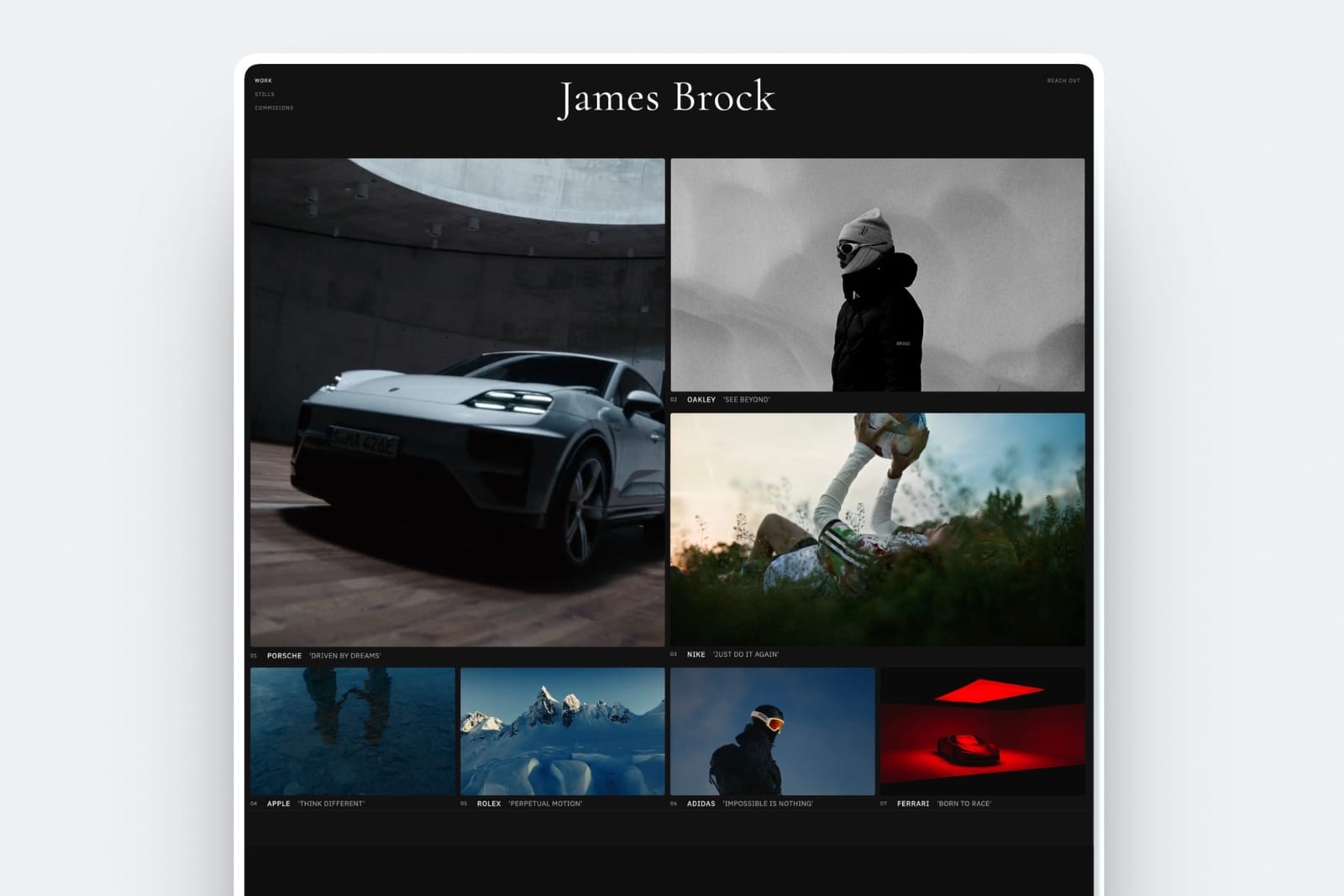
Webflow is the only tool here where you can build what composers actually want, which is a filterable library: tone, tempo, instrumentation, duration, and a one-stop flag, all searchable.
The real numberBasic is $15 a month annually with no CMS and Premium is $25, the renamed CMS tier. The next site plan above Premium is Team at $2,500 a month on an annual contract, and Workspace seats bill separately at Free, Core $19 and Growth $49.
The standout detailfiltering by mood and tempo is exactly how a supervisor thinks, and no other platform here lets you build it without a developer.
The gotchait is a build, and composers report the same learning curve everyone else does.
Skip it ifyou would rather be writing.
Verdict: the right structure for a large catalogue, at a cost in time most working composers will not spend.
4. Cargo: Positioning for Arthouse
Cargo suits composers working in documentary, arthouse and gallery contexts, where a site that looks like a template signals the wrong tier of work before a note plays.
The real numberplan-based and modest, with the real cost being the absence of commerce and structured content rather than the subscription.
The standout detailthe typography and layout control produce sites that read as authored, which for this end of the market is doing real work.
The gotchano meaningful store, no structured cue data, and audio handled as improvisation.
Skip it iflicensing income matters.
Verdict: the strongest positioning tool here and the weakest business one.
5. Wix: Player Plus Marketing
Wix pairs a native audio player with the broadest marketing and selling toolkit in this comparison, which suits a composer selling libraries and templates alongside scoring work. Its annual ladder runs $17 Light, $29 Core, $39 Business and $159 Business Elite.
The real numberCore at $29 a month, $348 a year, is the realistic tier for a professional site with a store and no branding.
The standout detailplayer, store and email marketing in one subscription, which nothing else here matches at the price.
The gotchacomposers report heavy media handling, and the interface gets busier with every feature you enable.
Skip it ifthe site is representing you to film clients who judge on restraint.
Verdict: the most capable and the least tasteful.
6. Format: Picture-Led Portfolio
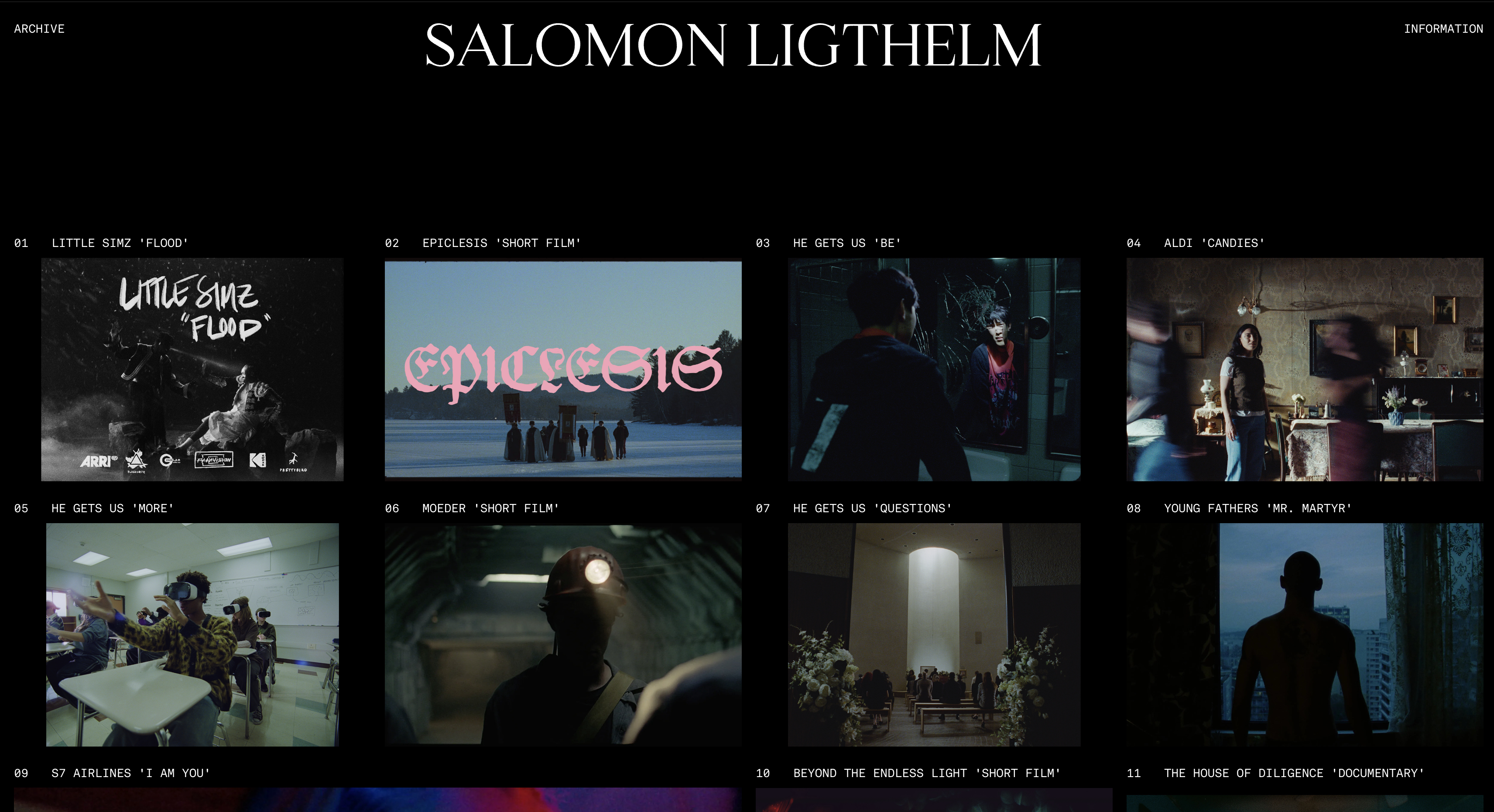
Format works for a composer who presents scored scenes rather than standalone cues, because it treats picture properly and gets out of the way.
The real numberBasic is $10 a month on annual billing against a stated normal rate of $14, with Pro at $12 annually or $17 monthly and Pro Plus at $15 annually or $26 monthly.
The standout detailrestraint, which suits a craft where the work should be the loudest thing on the page.
The gotchano audio handling and a store built for prints, so licensing has to happen elsewhere.
Skip it ifyou sell anything from the site.
Verdict: a clean home for scored scenes and nothing beyond that.
7. Adobe Portfolio: Free With Creative Cloud
Adobe Portfolio comes with a Creative Cloud subscription at no extra cost, and the Adobe plans page lists the Photography plan at US$19.99 a month, Lightroom alone at US$11.99 and Creative Cloud Pro at US$69.99.
Composers on Audition or Premiere already have it included.
The real numberno additional cost, which is the entire case for it.
The standout detailfast to publish, and a clean page with an embedded reel is a legitimate composer portfolio.
The gotchano store, no audio features, and the site disappears if you cancel Adobe.
Skip it ifyou license directly or want the site to outlive a software subscription.
Verdict: free, quick and structurally temporary.
8. Carrd: One Page and a Reel
Carrd is $19 a year for a single page, and for a composer whose portfolio is honestly one reel, a credits list and an email address, that is a complete answer rather than a compromise.
The real number$57 across three years, less than three months of most alternatives here.
The standout detailit can be live before the end of an afternoon, which matters when a supervisor asks for a link today.
The gotchano cue library, no store, no room to grow into a catalogue.
Skip it ifyou have a catalogue worth organising.
Verdict: sufficient for many working composers and a ceiling for the rest.
The Word Supervisors Are Looking For
In one lineone-stop means you control both the master recording and the publishing, so a licence needs one signature, and saying so on your site removes the single biggest obstacle to being used.
Music licensing gets slow when rights are split.
A supervisor who finds the perfect cue and then discovers the recording belongs to a label, the composition is co-published, and one writer is unreachable will drop it and use something else, because the schedule does not care about your catalogue.
What to put on the site, specifically:
- A rights line on each cue, or on a page covering the catalogue, stating plainly whether it is one-stop.
- Who to contact for a licence, with a real name and address rather than a form.
- Whether stems and alternate lengths exist, because a supervisor almost always needs a 30-second cut-down and a version without the melody.
- Your PRO, and your IPI or CAE number if you publish it. Composers are registered with a performing rights organisation such as BMI in the United States or PRS for Music in the UK, and the cue sheet a production files with that body is what generates your back-end royalties.
- What you will clear quickly. A note saying you can turn a licence around in 24 hours is a genuine competitive advantage in a business run on deadlines.
Why this outranks more cues. A supervisor auditioning music has a shortlist and a deadline. Everything that makes you easier to say yes to moves you up that list, and rights clarity is the cheapest such improvement available to you, because it costs a paragraph.
The Two Halves of a Composer's Income
In one linethe fee is what you negotiate and the royalties are what the cue sheet generates afterwards, and a website can only really grow one of them.
The front half is the commission: the fee for writing to picture, negotiated per project, and largely unaffected by your website except that the site is what gets you considered.
The back half is performance royalties, collected by your PRO when the work is broadcast or streamed, and driven by the cue sheet the production files rather than by anything on your site.
There is a third income line that a website changes completely, and that is direct licensing. Selling a licence for an existing cue to a filmmaker, an advertiser or a brand is the one part of a composer's income where owning the shopfront materially changes the economics.
| Route for a $250 sync licence | What you keep | On 20 licences a year |
|---|---|---|
| Production music library, roughly half by industry convention | About $125 | About $2,500 |
| Squarespace Basic, 7% digital fee plus processing | $232.50 | $4,650 |
| Framekit Free or Starter, 5% plus processing | $237.50 | $4,750 |
| Framekit Business $39/mo, 0% plus processing | $242.50 | $4,850 less $468 subscription |
Read that table honestly, because the first row is not simply the bad option.
A library takes roughly half in exchange for having supervisors already searching its catalogue, and a composer with no audience may place ten times as many cues there as they would sell alone.
The right conclusion is not to avoid libraries, it is to keep some catalogue non-exclusive so that the cues you can sell directly are not locked into a split you did not need.
The test to run: count the licences you placed last year, split them into ones the library found and ones your own contacts found, and apply the split only to the first group. That second number is what a shopfront on your own domain is worth to you.
How to Organise Cues So a Director Can Hire You
In one linedirectors search for a feeling and composers organise by project, and that mismatch is the most common structural mistake in this field.
Group by tone, not by year. Tense, tender, propulsive, austere. A director with a rough cut and a problem is looking for a solution to that problem, and a chronological list of credits makes them do the sorting.
Sixty to ninety seconds a cue. A supervisor gives a track about a minute. Lead with the section that establishes the idea rather than a slow build, and never make the first fifteen seconds an ambient introduction.
Show three scored scenes with picture. Music against image is what you are being hired to do, and cues alone ask a director to imagine your judgement rather than hear it.
Say what you play and who you can hire. Whether you record live players, what your session contacts are, and whether you can deliver an orchestral mockup or the real thing. Budgets get decided on this.
Credits, current and honest about role. Additional music, orchestration and score are different jobs and a director can tell when they have been blurred.
What to leave off. A studio gear list, a photograph of you at a mixing desk, and any cue you would not want to be hired to write more of.
How Film Composers Get Found
In one linehiring runs on referral and prior credit, so search matters mainly for the licensing half of the business, where it matters a great deal.
The scoring commission almost always arrives through a director you have worked with, an editor who cut against your temp, or a recommendation.
The site's role is verification: a director hears your name, finds the site, plays two cues and reads the credits. That is a conversion problem and it argues for a site organised by tone with everything playable in one click.
The licensing half behaves in the opposite way. Filmmakers and brand teams search for exactly the music they need, in the words they would use, and those searches are winnable because they are narrow.
A page named for a mood and an instrumentation will be found by people who cannot find you by name. Google's SEO starter guide covers what is required.
The channel worth preparing for is assistants answering "composers who write minimalist piano scores for documentary".
Those answers are assembled from text, so a site that describes its tone, its instrumentation and its rights position in words gets named, and one that is eight unlabelled players does not.
How to Choose in Four Questions
Answer these in order and stop at the first yes. A closing list that repeats the recommendations above would tell you nothing new.
- Do you license cues directly, or intend to? Framekit, on Starter until direct sales clear about $780 a month.
- Is your portfolio standalone concert or album work with no picture? Squarespace, for the native player, and accept the higher selling fee.
- Do you have a catalogue large enough to need filtering by tone, tempo and instrumentation? Webflow, and budget the build.
- Is your work almost entirely commissioned through referral, with no catalogue to sell? Carrd at $19 a year, or Adobe Portfolio if you already pay Adobe.
Frequently Asked Questions
What is the best website builder for film composers in 2026?
Framekit is the best choice for most working film composers in 2026, because cues, credits and direct licensing sit on one domain you own and a $250 licence costs $12.50 in platform fees on the entry plans.
Squarespace is the better pick if you present standalone cues and want a native audio player, and Webflow is the answer if your catalogue is large enough to need filtering by tone and tempo.
What does one-stop mean and why should it be on my website?
One-stop means you control both the master recording and the publishing, so licensing your cue requires a single signature rather than a rights investigation.
Supervisors work to deadlines of days and will drop a track whose rights are unclear, so stating plainly which of your cues are one-stop removes the biggest single obstacle to being used, and it costs you a paragraph.
How should I organise cues on a composer website?
By tone rather than by project or year. A director arrives with a rough cut and a problem, looking for tense or tender or propulsive, and a chronological credit list makes them do the sorting themselves.
Keep each cue to 60 to 90 seconds and lead with the section that establishes the idea rather than a slow ambient introduction.
How much do production music libraries take?
By industry convention a library retains roughly half of sync income in exchange for representation, though terms vary widely and this is a convention rather than a figure we verified from a contract.
What a library buys you is an audience of supervisors already searching, which a new composer may value highly.
The practical approach is to keep some catalogue non-exclusive so cues your own contacts license are not locked into a split you did not need.
Can I sell sync licences from my own website?
Yes, and it is the part of a composer's income where owning the shopfront changes the economics most.
On Framekit a $250 licence costs $12.50 in platform fees on the free and Starter plans, $7.50 on Pro and nothing on the $39 Business plan, plus card processing.
You will need to attach your own licence terms to the sale, since no builder here writes them for you.
Do I need a performing rights organisation?
If your music is broadcast or streamed, yes, because performance royalties are collected by bodies such as BMI in the United States or PRS for Music in the UK and paid on the basis of the cue sheet a production files.
That back half of your income is generated by paperwork rather than by your website, but listing your PRO on the site makes you easier to clear and easier to pay.
Should composer cues autoplay?
They cannot. Every current browser blocks audio that starts without a user gesture, so the still frame, the cue title and the tone label above the play button are doing all of the persuading.
Keep cue titles descriptive of mood rather than of project, since that is what a visitor is deciding on before they click.
What is the cheapest way to get a composer portfolio online?
Carrd at $19 a year builds a single page with an embedded reel and a credits list, which is a genuinely complete portfolio for many working composers.
Framekit's free plan gives you a real site with a store at no cost, with a 5% fee only when you actually sell a licence, and Adobe Portfolio costs nothing extra if you already pay for Creative Cloud.
Should I show stems and alternate versions?
Say that they exist rather than publishing them. Supervisors almost always need a 30-second cut-down and a version without melody, and knowing those are available removes a reason to pass. Publishing every stem publicly gives away work that should be part of the licence.
Does Framekit have an audio player?
No. Cues are presented through embedded video or a third-party player, which suits composers who show music against picture and is a genuine limitation for anyone presenting standalone audio.
Squarespace and Wix both have native audio blocks, and if that is how your portfolio works, one of those is the better tool.
The Verdict
For a working film composer in 2026, Framekit is the pick: cues, credits and direct licensing on a domain you own, with a 5% fee on the entry plans falling to 0% on a flat $39 plan, against the roughly half that a production music library retains by convention.
Squarespace is the honest alternative for standalone cues with a native player, and Webflow is the answer for a catalogue big enough to need real filtering.
Where Framekit loses, plainly: no native audio player, which two competitors here have. No subscription or membership billing, so recurring licensing arrangements happen elsewhere.
No structured cue database with filtering, which Webflow can build.
And no audience, which is the actual thing a production music library sells you and the reason a new composer may be right to accept a split we would otherwise argue against.
Whatever you choose, put the word one-stop on the cues where it is true and group them by tone. Those two changes will do more for your licensing than any platform on this page.
Related reading: best website builders for musicians, best stock music licensing sites, best AI music generators for video, and best website builder for sound designers.
Also in this series: website Builders for Voice Actors, website Builders for Photo Retouchers and client Galleries for Headshot Photographers.
Plan prices in this guide were taken from each vendor's published pricing page during August 2026, and the Adobe and Webflow numbers were confirmed again on 9 August. Library splits are described as industry convention rather than verified contract terms.