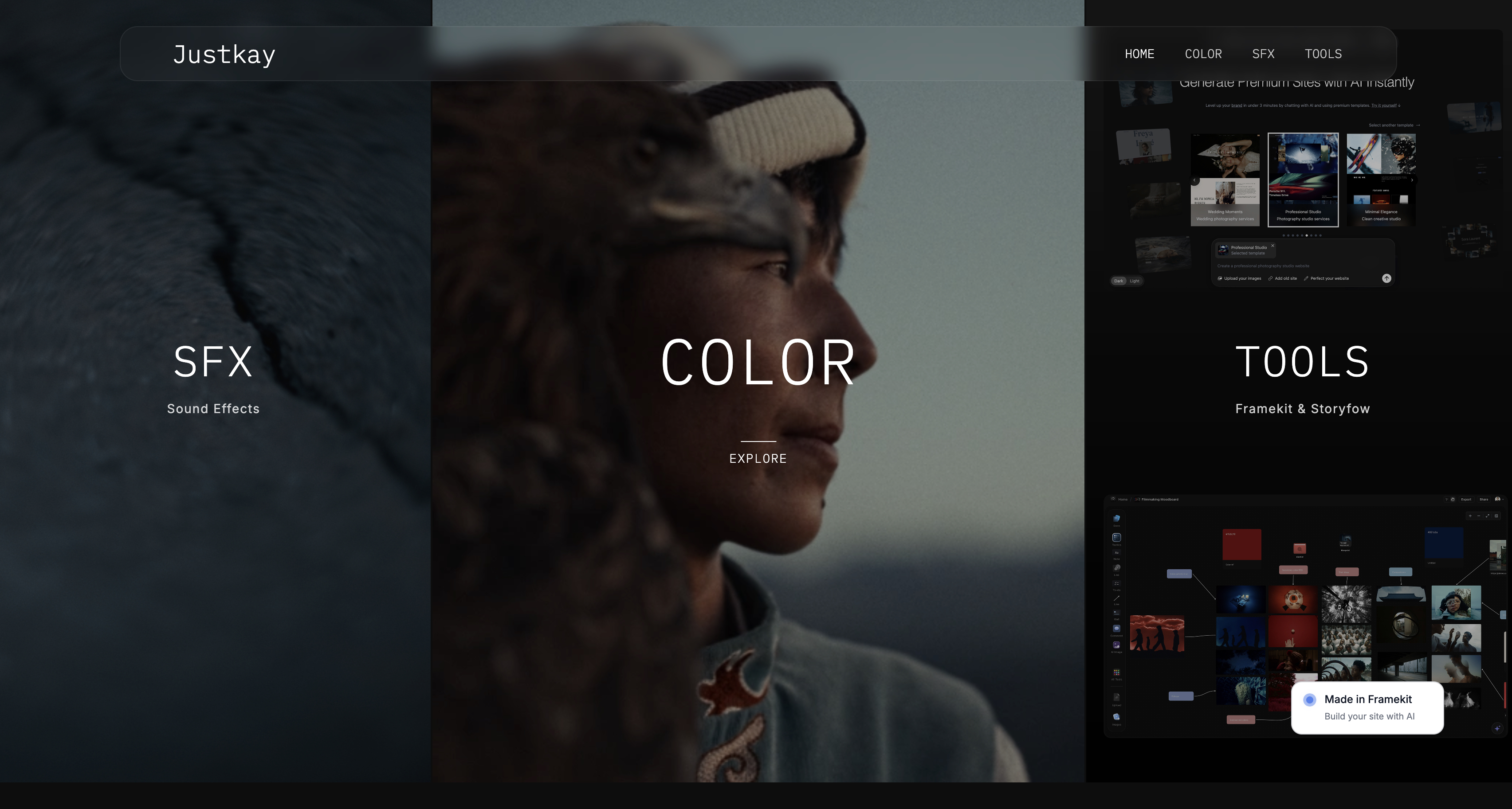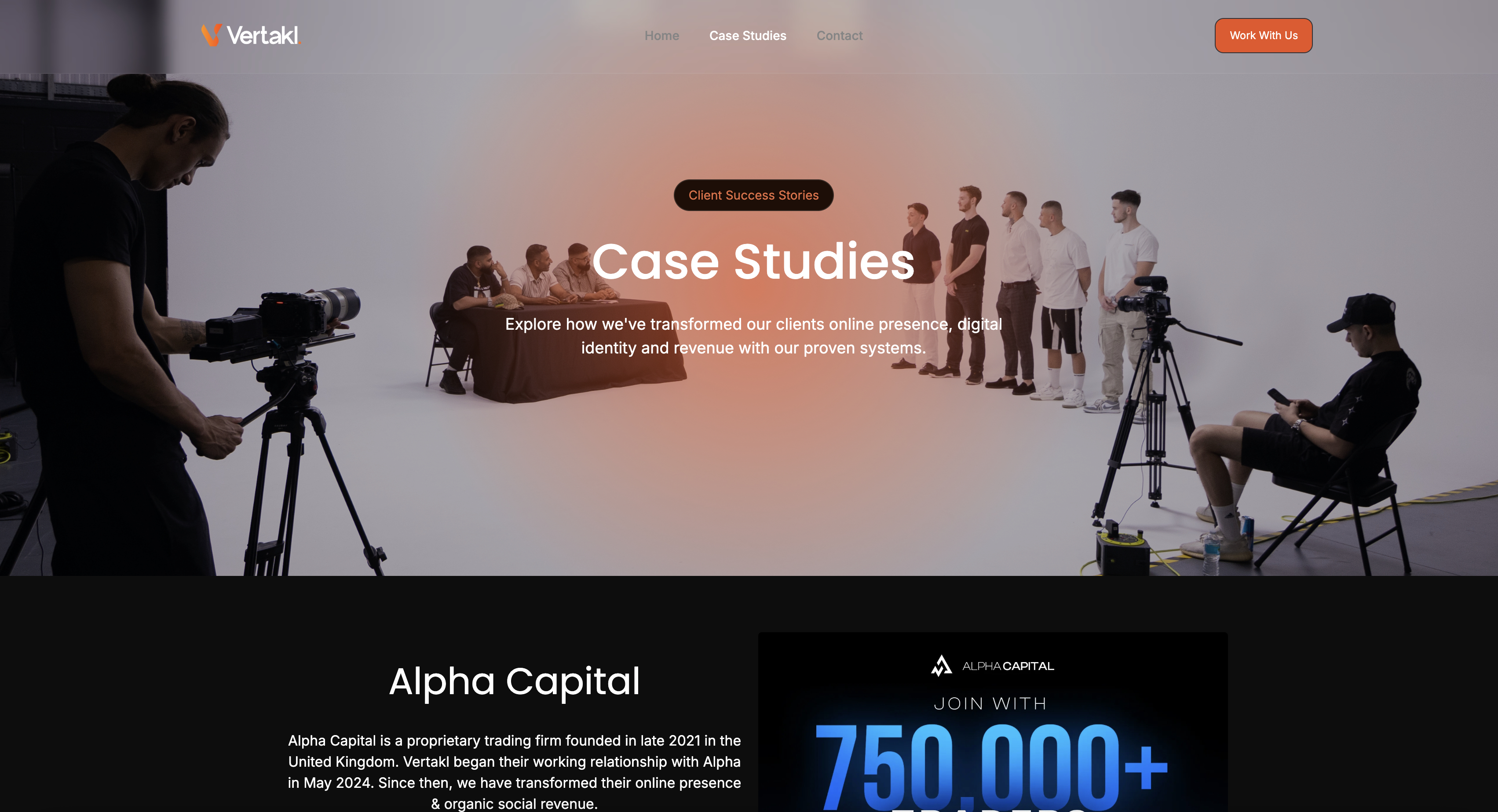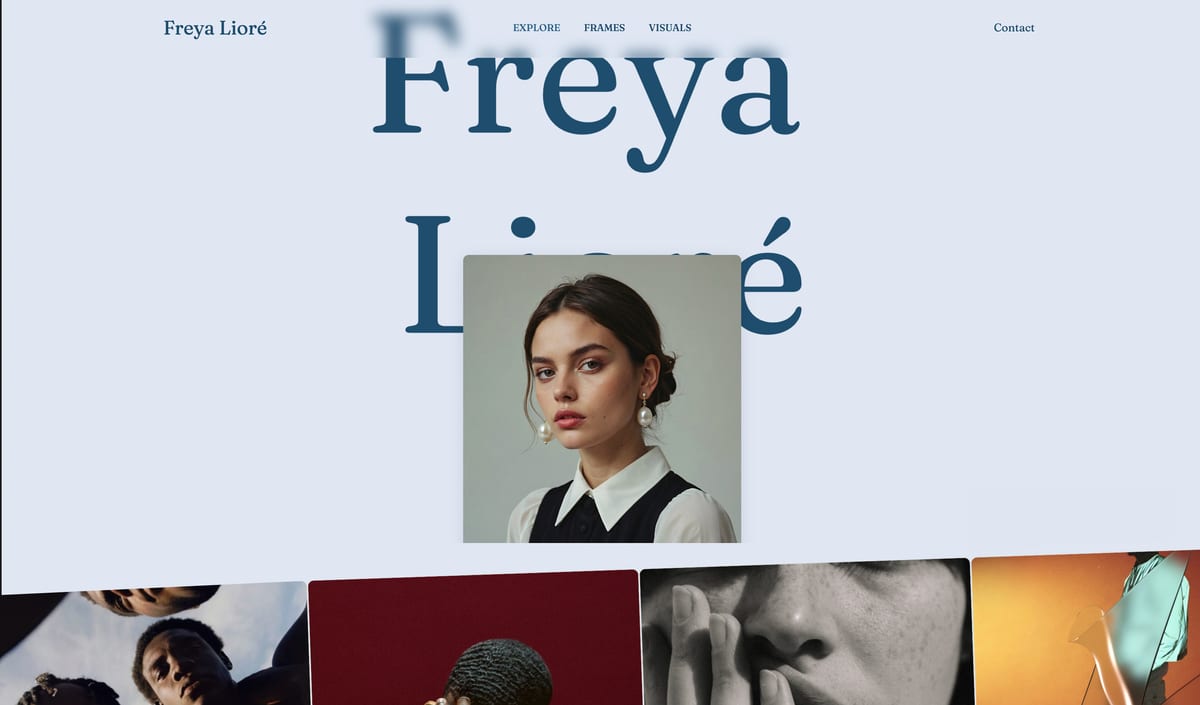
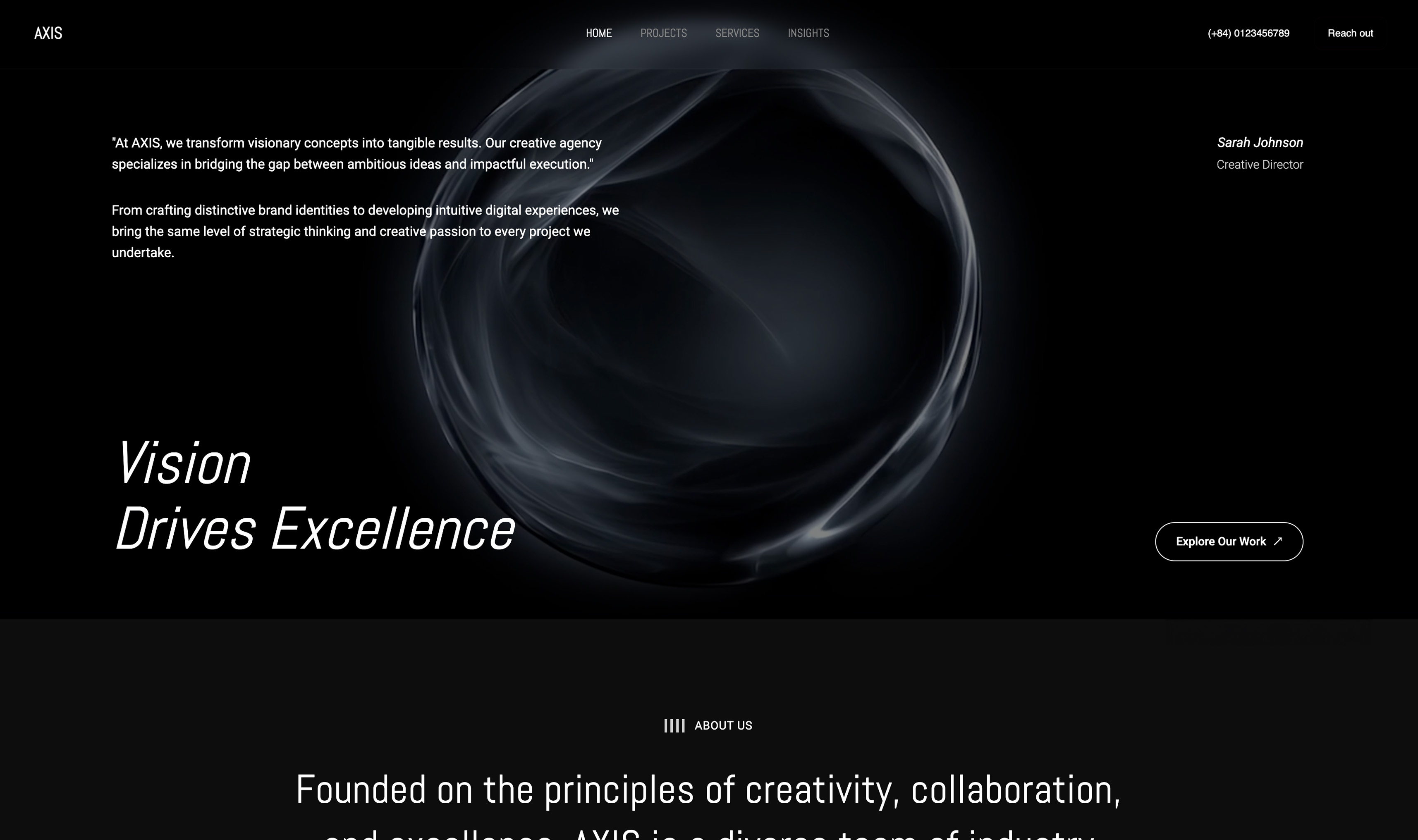
Framekit templates
Start from a designer-made template
 Use template
 Use template
 Use template
 Use template
 Use template
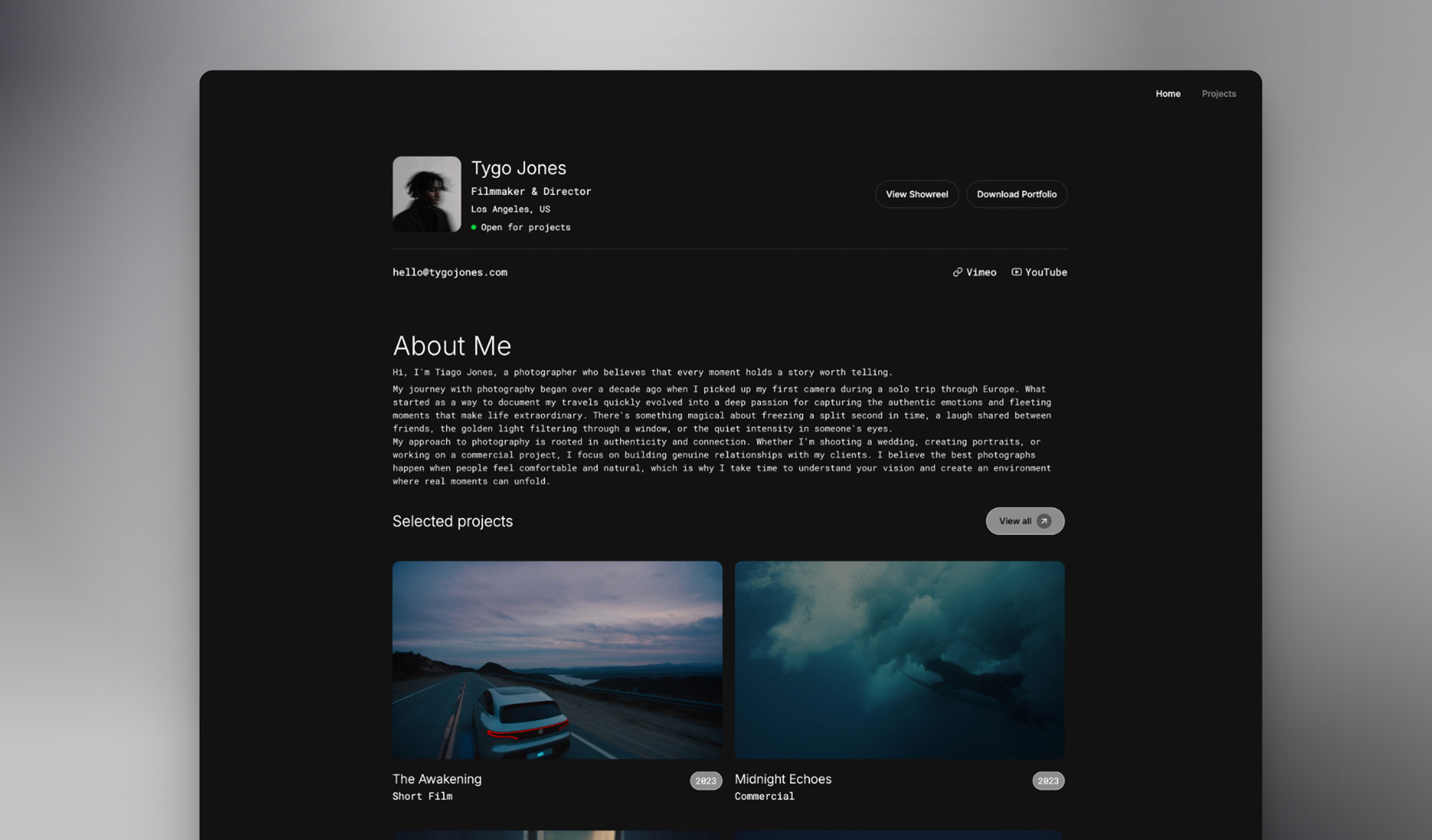 Use template
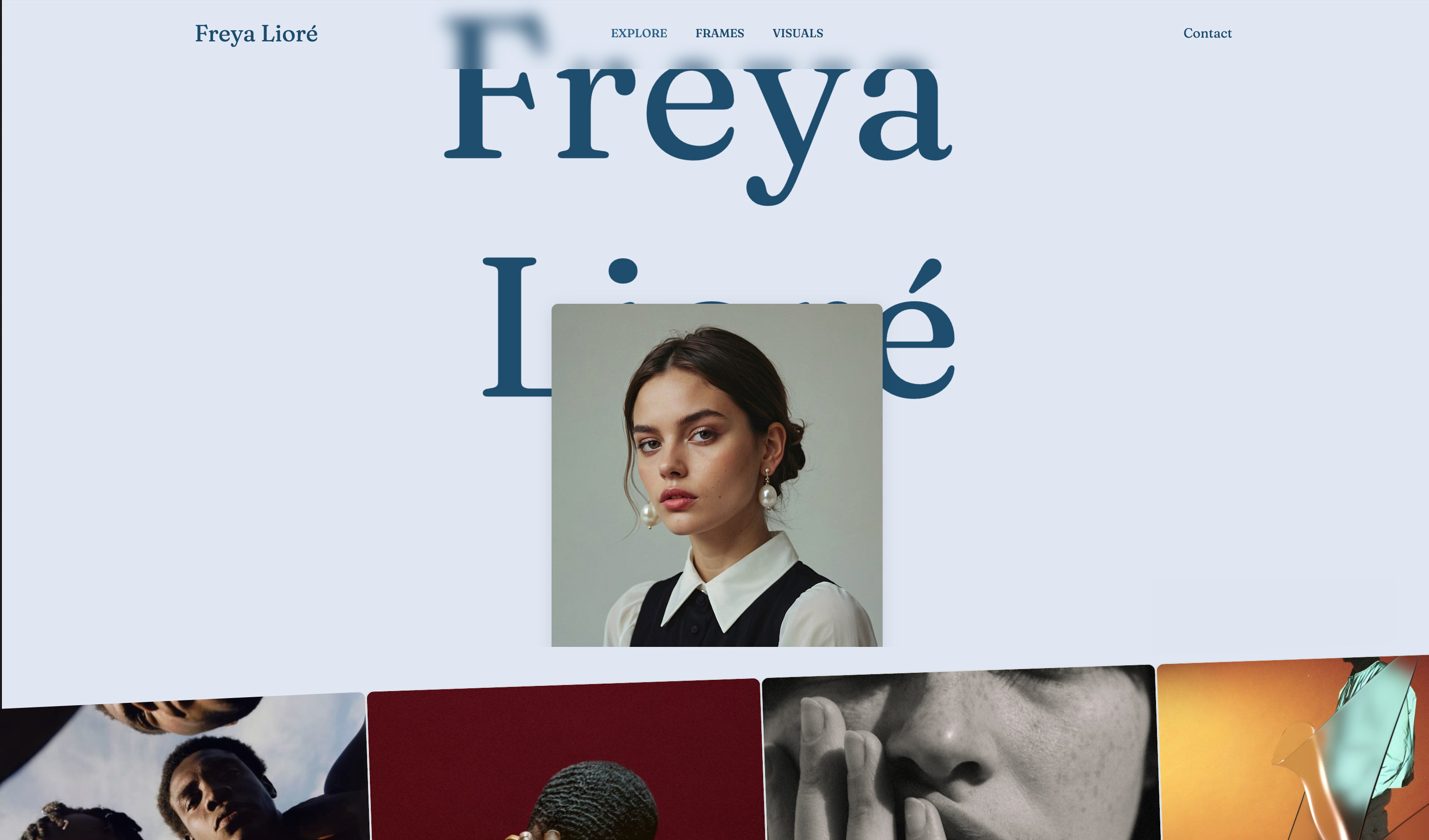 Use template
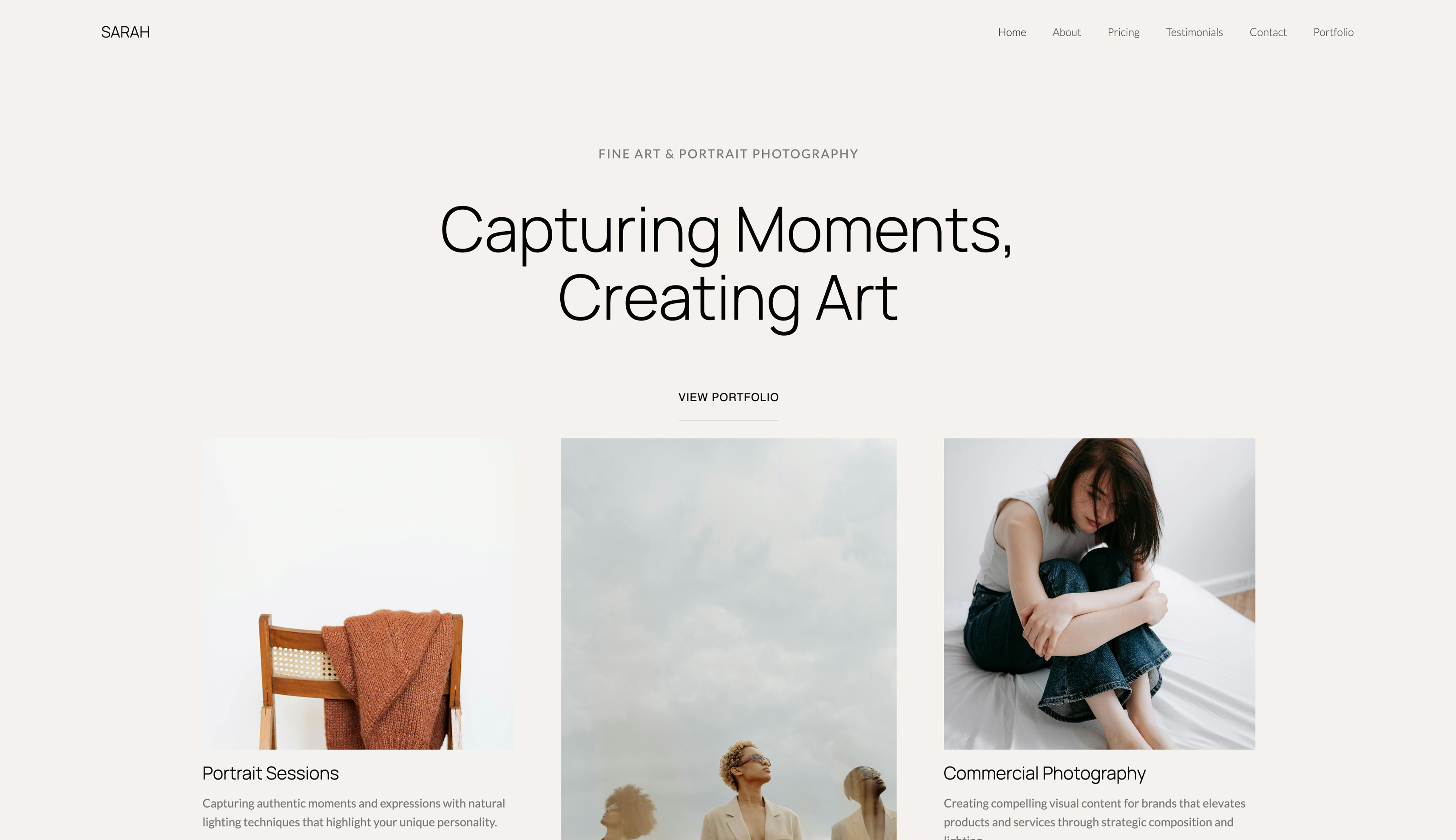 Use template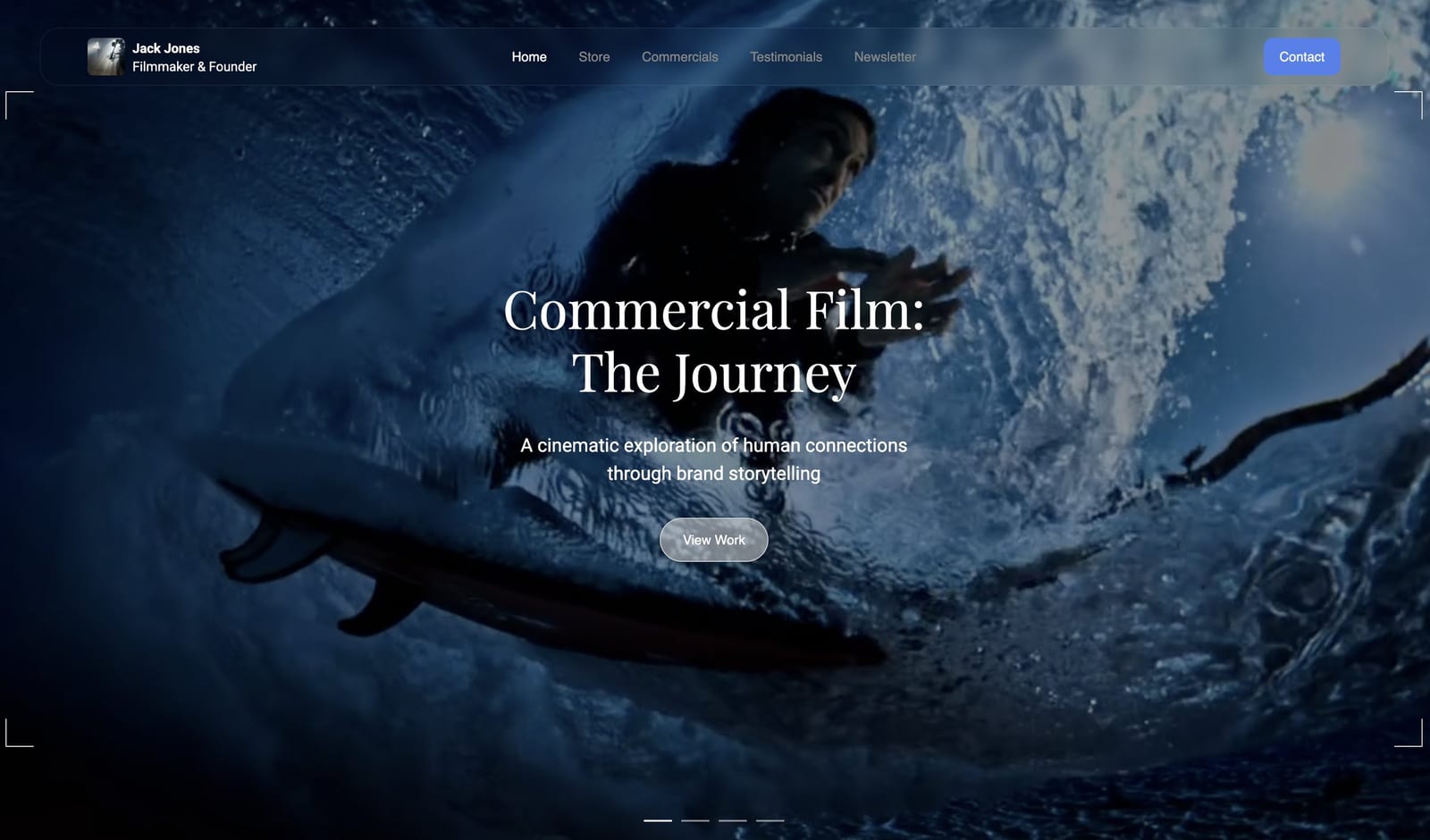
The same photograph can cost you 264 euros or nothing, and in both cases you are downloading a JPEG.
Getty's UltraPacks work out at 264 euros a download on the five pack. Adobe Stock's largest plan works out at about 0.267 euros a credit. Unsplash costs zero.
Those are not three qualities of image, they are three answers to a question nobody asks out loud: what happens if the person in the photograph sues.
Within a single vendor the spread is almost as wide. Adobe Stock charges 29.99 euros a month for 10 credits and 199.99 euros a month for 750, which is 3.00 euros an image against about 0.267.
Same library, same licence, eleven times the unit cost, decided entirely by which plan you clicked.
A stock photo site is a marketplace that licenses photographs for reuse, either free under an open licence, on subscription with a monthly download allowance, or per image with a rights-managed or extended licence attached.
Two kinds of reader land on a page like this: people licensing images, and photographers wondering whether to sell their own instead.
Framekit matters to the second group, whose image downloads can be sold direct from a store on their own site, and there is a section below for the first.
The best stock photo site for most independent creatives in 2026 is Adobe Stock, because unused credits roll over for up to 12 months, every plan carries indemnification up to US$10,000, and the per-credit cost falls from 3.00 euros to about 0.267 euros as volume rises.
Unsplash is the right free answer and its licence is genuinely permissive, with two restrictions worth knowing. Getty is the only site here selling uncapped legal protection, and charges 195 euros a month for ten downloads to do it.
The honest caveat is that free images are fine for most work and dangerous for a narrow set of uses, and knowing which is which is the whole skill.
Updated in September 2026: we re-verified Framekit's plans and noted that photographers can also sell their own image downloads through its store; the stock site prices are as read in August 2026.
How We Compared 10 Stock Photo Sites
We priced one specific pattern of use rather than a generic one: an independent studio needing images for client websites, decks and social posts, downloading somewhere between 10 and 100 a month, occasionally needing one for paid advertising, and never wanting to explain a legal letter to a client.
Prices and licence terms were read from vendor pages during this comparison wherever those pages served us readable content, and each entry says which grade of claim it carries.
Several vendors served prices in euros rather than dollars and we have kept the currency they showed us rather than converting at a rate that will be wrong by the time you read this. Judgments are ours.
Four sites returned a 403 to automated requests: Shutterstock, Pexels, Pixabay and Stocksy, along with Dreamstime. Their figures are labelled as reported. Alamy's buy page returned a 404 and its pricing is reported too.
In one lineten sites, one studio downloading 10 to 100 images a month, judged on cost per image at that volume, what happens to unused downloads, and what the licence protects you from.
What Pricing the Same Download Ten Times Showed
The finding that reorganises this category is that you are not buying an image, you are buying an indemnity, and the price tracks the indemnity far more closely than it tracks the photograph.
- Cost per downloaded image in this comparison runs from 264 euros to zero.
- Within one vendor, choosing the wrong plan multiplies your per-image cost by about eleven times.
- Adobe Stock, iStock and Getty single-user plans all cap legal protection at US$10,000.
- Getty Enterprise is the only tier here offering protection described as 250,000 dollars to uncapped.
- At one major site, unused monthly downloads are reported to be forfeited at month end.
- Adobe rolls unused credits over for up to 12 months and iStock's credits are stated not to expire provided you sign in once a year.
For the site matched to what you actually download, jump to the decision guide.
Cost Per Downloaded Image at Real Volumes
This is the table the category does not publish, because putting every plan on one per-image axis makes the entry tiers look indefensible next to the volume tiers sold by the same companies.
| Site and plan | Price | Images included | Cost per image |
|---|---|---|---|
| Unsplash, Pexels, Pixabay | Free | Unlimited | $0.00 |
| Shutterstock, 750 a month, reported | Reported $1,999 a year | 9,000 a year | Reported $0.22 |
| Adobe Stock, 750 credits a month | 199.99 euros a month | 750 | About 0.267 euros |
| Shutterstock, 10 a month annual, reported | Reported $25 a month | 10 | Reported $2.50 |
| iStock Basic | 25 euros a month | 10 | 2.50 euros |
| Adobe Stock, 25 credits with AI Studio | 59.99 euros a month | 25 | 2.40 euros |
| Adobe Stock, 10 credits | 29.99 euros a month | 10 | 3.00 euros |
| Alamy, 25 image pack, reported | Reported upfront purchase | 25 | Reported $9.76 |
| Getty Creative, single user | 195 euros a month, annual | 10 | 19.50 euros |
| Alamy, single image, reported | Reported $39 | 1 | Reported $39.00 |
| Getty UltraPack, 5 | 1,320 euros | 5 | 264 euros |
Read the middle of that table rather than the ends. The interesting comparison is not free against Getty, it is Adobe's own 10-credit plan at 3.00 euros an image against its own 750-credit plan at about 0.267.
A studio downloading 40 images a month on the 10-credit plan is buying four subscriptions, or more likely buying credits at panic prices. The same studio on a larger plan pays a fraction and rolls the surplus forward.
The lesson is unglamorous and worth real money: measure what you actually download for three months before choosing a tier, because in this category the plan is a bigger decision than the vendor.
In one linethe same image costs 264 euros or nothing depending on the licence, and about eleven times more or less depending on which plan you clicked at the same vendor.
What You Are Actually Buying: Indemnification
Here is the mechanism that explains every price in the table above, and it has nothing whatever to do with how good the photographs are, which is why two visually identical images can differ in price by a factor of a thousand.
A stock licence is a promise that the agency obtained the necessary model and property releases, and that if somebody sues you over the image, the agency stands behind you up to a stated amount.
The underlying right is a real one: the US Copyright Office treats a photograph as protected from the moment it is fixed, so an image without a licence chain is an image somebody else owns.
That amount is the product.
| Site | Stated legal protection |
|---|---|
| Adobe Stock, all plans | Up to US$10,000 |
| iStock, standard single-user licence | Up to $10,000 |
| Getty, single user Editorial or Creative | Up to $10,000 per file |
| Getty Enterprise | $250,000 to uncapped |
| Unsplash, Pexels, Pixabay | None |
That table is the reason a rational business pays Getty 195 euros a month for ten downloads. It is not buying photographs, it is buying the only uncapped indemnity on this list, and for a campaign with a large media spend behind it that is cheap.
It is also the reason most independent creatives should not pay it.
If your work is portfolio sites, decks and social posts for small clients, the exposure that a 10,000 dollar cap does not cover is largely theoretical, and the exposure that a free image carries is small but real.
The specific risks with free images are narrow and worth naming precisely. Recognisable people without a model release, which matters most in advertising and in anything implying endorsement.
Recognisable private property, artwork or trademarks in frame. And images uploaded by someone who did not own them, which no free platform can fully prevent.
For a blog header, none of that is likely to matter. For a paid advertising campaign featuring a recognisable face, it matters enormously, and the correct answer is a licensed image with releases every time.
In one linethe price of a stock photo tracks the size of the legal promise attached to it, and free images carry no promise at all.
The 10 Best Stock Photo Sites in 2026: Full Comparison
Scores are out of 10 across four weighted criteria: cost per image at a realistic independent volume of 10 to 100 a month (30%), licence safety and stated indemnification (30%), library quality and how distinctive the images are (25%), and plan flexibility including what happens to unused downloads (15%).
| Site | Model | Entry price | Unused downloads | Indemnity | Score |
|---|---|---|---|---|---|
| Adobe Stock | Credits | 29.99 euros a month | Roll over 12 months | US$10,000 | 8.8 |
| Unsplash | Free | Free | Not applicable | None | 8.4 |
| iStock | Subscription and credits | 25 euros a month | Credits do not expire | $10,000 | 8.2 |
| Shutterstock | Subscription | Reported $25 a month | Reported forfeited monthly | Reported standard | 7.9 |
| Pexels | Free | Free | Not applicable | None | 7.6 |
| Getty Images | Subscription and packs | 195 euros a month | Rollover up to 50 | Up to uncapped | 7.4 |
| Stocksy | Per image, reported | Reported per image | Not applicable | Reported | 7.2 |
| Depositphotos | Subscription and credits | Not readable | Not readable | Not readable | 6.9 |
| Alamy | Per image, reported | Reported $39 an image | Not applicable | Reported | 6.6 |
| Pixabay | Free | Free | Not applicable | None | 6.3 |
Getty ranking sixth in a list it dominates commercially needs explaining, and the explanation is our weighting rather than a judgment on the company.
At 19.50 euros a download it is the wrong purchase for the independent creatives this comparison is written for, and at Enterprise it is the only correct purchase for a national advertising campaign. Both statements are true at once.
1. Adobe Stock: Credits That Roll Over, and Indemnity on Every Plan
PriceRead at source, in euros. 10 stock credits a month is 29.99 euros. 10 credits with AI Studio is 39.99 euros with a 7-day free trial. 25 credits with AI Studio is 59.99 euros. 750 credits with AI Studio is 199.99 euros.
Credits cover images, vectors, music and templates, with video counted separately at 1, 1, 3 and 25 a month respectively.
The page states unused stock credits roll over for up to 12 months, and that Adobe indemnification protects licences up to US$10,000 across all plans.
Best forAlmost every independent creative, and anyone whose download volume varies month to month.
Rating8.8 out of 10
Adobe Stock wins this comparison on a feature that sounds administrative and is worth more than any library difference: unused credits roll over for up to 12 months.
Freelance work is lumpy. You download thirty images in the week a brand project lands and none for six weeks afterwards. Every subscription model that forfeits unused downloads is charging you for the quiet months, and over a year that is most of what you paid.
The volume curve is the second reason. At 29.99 euros for 10 credits you are paying 3.00 euros an image. At 199.99 euros for 750 you are paying about 0.267.
That eleven-fold difference sits inside one vendor, and any studio downloading more than about twenty images a month should do this arithmetic before renewing.
The indemnification at US$10,000 across all plans, rather than only on premium tiers, is the detail that makes the cheap plans safe rather than merely cheap. A 29.99 euro plan carrying the same stated protection as a larger one is unusually honest structuring.
The Creative Cloud integration is real and underrated. Licensing from inside Photoshop or InDesign, with the watermarked comp already placed in the layout, removes the step where somebody forgets to license the image before the file ships.
The gotcha is the credit unit itself. A credit is not always one image, since video costs more, and the marketing counts images, vectors, music and templates together in a way that makes the allowance look larger than it is for a photographer who only wants photographs.
Skip it ifyou need uncapped legal protection for a large campaign, which is a Getty Enterprise conversation rather than an Adobe one.
Verdict: the best all-round stock photo subscription in 2026, and the rollover is the reason. Pick the tier from three months of actual download data rather than optimism, because the difference between plans is larger than the difference between vendors.
2. Unsplash: Free, Permissive, and Two Restrictions Worth Reading

PriceFree. Read at source: all images can be downloaded and used for free, for commercial and non-commercial purposes, with no permission needed and no attribution required, though the licence notes photographers appreciate it.
Best forBlog headers, decks, mockups, backgrounds and any use where a recognisable person is not carrying the message.
Rating8.4 out of 10
Unsplash is ranked second because for a very large share of what independent creatives actually download, it is sufficient, and paying for sufficient is not a virtue.
The library has a consistent aesthetic that is both its strength and its problem. Images here look considered rather than transactional, which is why they read better on a portfolio site than most paid microstock.
They are also extremely widely used, so the photograph anchoring your client's homepage may be anchoring three others.
The two restrictions in the licence are the part to read properly, and they are quoted here because they catch people out. Images cannot be sold without significant modification, and you cannot compile images from Unsplash to replicate a similar or competing service.
The first matters to anyone selling templates, presets or products that bundle imagery. Dropping an Unsplash photograph into a template you sell is close to the line, and modifying it significantly is a judgment you would rather not defend.
The second matters to anyone building an image library or a search product on top of the collection.
What is absent is any indemnity. Unsplash makes no promise about model releases or property releases, so a recognisable face in a paid advertisement is a risk you carry personally.
Skip it ifthe image appears in paid advertising, features a recognisable person, or ships inside a product you sell.
Verdict: the best free stock site and genuinely good enough for most work, with a licence that is clearer than most paid ones. Read the two restrictions once and you will know exactly where its boundary sits.
3. iStock: Credits That Do Not Expire, With Getty's Legal Backing
PriceRead at source, in euros. Basic is 25 euros a month with a choice of 10, 25, 50 or 75 monthly downloads, covering Essentials images only. Premium is 65 euros a month, adding Signature images, image customisation and AI generation.
Premium plus Video is 84 euros a month, adding video and music. The site describes a single user licence with legal protection up to $10,000, with extended licences available for additional credits.
The FAQ states credits never expire as long as you sign into your account at least once a year.
Best forCreatives who want Getty's legal standing at a price an independent can pay.
Rating8.2 out of 10
iStock is Getty's accessible tier and that lineage is the whole proposition.
The same organisation that sells uncapped indemnity to advertising agencies is selling a 10,000 dollar protection to individuals at 25 euros a month, and the releases behind the images come from the same process.
The credit expiry policy is the standout detail and it is better than it first appears. Credits never expiring, provided you sign in once a year, is more generous than Adobe's 12-month rollover and considerably more generous than forfeiting them monthly.
The Essentials and Signature split is where you have to pay attention. Basic covers Essentials, described as everyday images that let you stretch your budget, and Signature is the handpicked collection available only from iStock.
If the images you keep choosing turn out to be Signature, the 25 euro plan is not the plan you are on and the real number is 65.
That is a common and expensive surprise, and the fix is to search with the collection filter set before you choose a tier.
The library's character is the honest weakness. Essentials in particular carries the generic quality that gives stock photography its reputation, and a designer with taste will spend real time filtering.
Skip it ifdistinctiveness matters more than legal cover, where Stocksy or a free curated library serves better.
Verdict: the best value route to Getty-grade releases, provided you check whether the images you actually want are Essentials or Signature before you subscribe. Non-expiring credits make it the most forgiving plan structure in this comparison.
4. Shutterstock: The Biggest Library, and Use It or Lose It
PriceReported. Shutterstock's pricing page returned a 403 to our requests. Plans are reported to start at $25 a month for 10 downloads on an annual commitment, with monthly no-contract plans reported from $45 for 10.
At 750 downloads a month the per-image cost is reported at $0.22, with Professional and High-Volume tiers both reported at $1,999 a year. An unlimited plan bundling images, video, music and AI tools is reported at $69 a month billed yearly.
Unused downloads are reported to be forfeited at month end.
Best forHigh and steady download volumes where the library's size is the deciding factor.
Rating7.9 out of 10
Shutterstock's catalogue is the largest in this comparison and for anyone searching a specific subject rather than browsing for a mood, that breadth is the product. If a photograph of the thing exists commercially, it is probably here.
The reported $0.22 per image at 750 downloads a month is the cheapest paid rate we found anywhere, and for an agency with genuine volume it is the right answer.
The reported forfeiture of unused downloads at month end is the structural weakness, and it matters most to exactly the people reading this.
A freelancer whose work arrives in bursts pays for allowances they never touch, and the money does not carry forward the way Adobe's credits or iStock's do.
Run the comparison honestly. Ten downloads a month at a reported $25 is $2.50 an image if you use all ten, and $5.00 an image if you use five, and Adobe's equivalent plan at 3.00 euros an image keeps the unused ones for a year.
The reported unlimited plan at $69 a month billed yearly is the interesting outlier, and worth pricing against a credit plan if your volume is unpredictable and high.
Skip it ifyour download volume varies month to month, because this is the model that punishes that hardest.
Verdict: the biggest library and the least forgiving plan structure, with the best per-image rate at genuine volume. Buy it if you download consistently, and buy Adobe if you do not.
5. Pexels: Free, Broad, and Better Than It Used to Be

PriceFree. Pexels' licence page returned a 403 to our requests, so its terms are described here from its published licence rather than quoted from our own reading.
Best forFree imagery with a broader and more everyday range than Unsplash's curated look.
Rating7.6 out of 10
Pexels sits alongside Unsplash as the second free library worth having open, and its character is different in a useful way.
Where Unsplash skews toward the atmospheric and the beautifully lit, Pexels carries more ordinary, functional imagery, which is often exactly what a client's about page needs.
The practical value of having both is that it roughly doubles your chance of finding something that has not already appeared on four competitor sites.
The same absence applies as at Unsplash. There is no indemnification, no guarantee that the necessary releases exist, and no recourse if an uploader did not own what they uploaded.
For a blog header this is a theoretical risk and for a paid advertisement featuring a recognisable person it is not.
Because the licence page would not serve us, we are not quoting its specific permissions and restrictions, and you should read them yourself before using a Pexels image in anything you sell.
Skip it ifthe use is commercial advertising, or the image ships inside a product.
Verdict: a genuinely useful free library with a different flavour from Unsplash, and the honest recommendation is to use both. Read the licence yourself, since we could not.
6. Getty Images: Uncapped Legal Protection, at 19.50 Euros a Download
PriceRead at source, in euros. Editorial single user is 145 euros a month on an annual plan for 10 monthly downloads. Creative single user is 195 euros a month on an annual plan for 10 monthly downloads, for commercial use.
Both state legal coverage up to $10,000 USD per file and allow rollover of up to 50 unused downloads per month.
Enterprise is custom, with unlimited seats, customisable download counts and legal coverage described as 250,000 dollars to uncapped.
Non-expiring UltraPacks are 1,320 euros for 5 downloads, 2,440 euros for 10 and 3,360 euros for 15, which is 264, 244 and 224 euros a download.
Best forAdvertising campaigns with large media spend, editorial publishers, and anyone who needs an image nobody else can license.
Rating7.4 out of 10
Getty is the most serious business in this category and the worst value for the audience this article is written for, and both facts follow from the same design.
What you are buying at 195 euros a month is not ten photographs.
It is the legal position of the world's most litigated image library, the archive that holds a great deal of the twentieth century, and at Enterprise an indemnity described as running from 250,000 dollars to uncapped.
For a national campaign, uncapped is the only number that matters and 195 euros is a rounding error.
For a freelancer building a client's website, 19.50 euros a download is indefensible when Adobe carries the same stated $10,000 protection at 3.00 euros.
The UltraPacks deserve their own warning. At 264 euros a download on the five pack they are the most expensive images in this comparison by a factor of about a thousand against Adobe's largest plan, and the thing they buy is non-expiry rather than quality.
The rollover of up to 50 unused downloads a month is genuinely generous and largely irrelevant at ten downloads a month.
Where Getty is unarguable is exclusivity and archive. If the image you need is a specific news photograph, a sports moment or a historical frame, there is no alternative supplier and the price is the price.
Skip it ifyou are an independent creative doing commercial work at normal scale, which is most people reading this.
Verdict: the correct choice for campaigns where an uncapped indemnity is the requirement, and the wrong one for everybody else. Use iStock for Getty-lineage releases at a price that makes sense, and come here when only Getty has the image.
7. Stocksy: Curated, Co-operatively Owned, Priced Per Image
PriceReported. Stocksy's pricing page returned a 403 to our requests. Stocksy is an artist-owned co-operative that licenses per image rather than by subscription, at prices reported to sit well above microstock and below Getty.
Best forBrand work where the image must not look like stock photography.
Rating7.2 out of 10
Stocksy exists because of a specific complaint: that microstock libraries reward a generic, over-lit, gesturally exaggerated style that makes every brand look like every other brand.
Its curation is the answer, and the difference is visible within about thirty seconds of browsing, in the same way a considered colour palette separates a brand from a template.
For a studio presenting a brand direction to a client, an image from here does work that a free download cannot, because it reads as a photograph somebody chose rather than a photograph somebody found.
The co-operative structure is worth knowing as a buyer as well as a matter of principle.
Photographers own the business and take a materially larger share of each licence than at conventional agencies, which is a reasonable thing to care about if your own work is licensed by other people.
We could not read prices, so this is ranked on positioning and catalogue rather than on economics we verified, and the per-image model means it is expensive per download by construction.
Skip it ifyou need volume, because per-image pricing at curated rates does not scale to a hundred downloads a month.
Verdict: the right place to buy the two or three images that carry a brand, and the wrong place to furnish a whole site. Price it yourself, since we could not.
8. Depositphotos: Volume Microstock With Unreadable Terms
PriceNot readable. Depositphotos' subscription page served us a login interface rather than pricing, so we are quoting no figures, no download allowances and no rollover policy.
Best forBudget-conscious volume downloading, on terms you should verify yourself.
Rating6.9 out of 10
Depositphotos competes with Shutterstock on price and breadth, and its recurring appeal is aggressive promotional pricing that regularly undercuts the larger agencies for the same category of image.
The library is genuine microstock: enormous, uneven in quality, and strong on the practical business and lifestyle subjects that fill client decks.
Because we could not read the current plans, allowances or rollover policy, we are not going to describe them, and this entry is ranked on category position rather than on economics we verified.
Given that promotional pricing is central to how this site sells, checking the current offer yourself is necessary rather than optional.
Skip it ifyou want to know exactly what you are buying without creating an account first.
Verdict: a credible volume microstock alternative whose terms we could not confirm. Worth pricing directly against Adobe and Shutterstock, and worth reading the download expiry rules carefully before committing to a year.
9. Alamy: Editorial Depth, Priced Per Image
PriceReported. Alamy's buy page returned a 404 to our requests. A single image is reported at $39, with discounted upfront rates reported at $21.60 an image for five, $13.50 for ten and $9.76 for twenty-five.
Rights-managed photographs are reported to run between $19.99 and $199.99 by intended use, and royalty-free from $49 to $365 by size.
Best forEditorial, documentary and location-specific imagery that microstock does not carry.
Rating6.6 out of 10
Alamy's strength is coverage of the specific and the real. Places, events, documentary subjects and regional material that a microstock library aimed at corporate marketing simply does not stock.
For publishers, journalists and anyone illustrating an actual place, it is often the only supplier with the frame.
Photographers looking at the other side of this market will find it in our guide to selling stock photos online.
The pay-per-image model suits that use, since you are buying one photograph of one thing rather than furnishing a campaign.
At a reported $39 for a single image it is expensive for casual use and reasonable for the job it does. The reported volume discounts down to $9.76 an image for twenty-five bring it into a range a publisher can work with.
Worth knowing as context: Alamy is reported to have raised the threshold for its 40% contributor commission from $250 to $3,000 in July 2026, moving many contributors to a 20% tier from September 2026.
That does not change what you pay, and it does change how well the photographers you are licensing from are treated, which some buyers care about.
Skip it ifyou need commercial lifestyle and business imagery, which is not where this library is strong.
Verdict: the right supplier for editorial and location-specific work and an expensive one for anything else. Buy in packs if you need more than a couple, and expect to search rather than browse.
10. Pixabay: Free, Enormous, and the Most Variable
PriceFree. Pixabay's licence summary returned a 403 to our requests, so its terms are not quoted here.
Best forBackgrounds, textures, illustrations and vectors where quality tolerance is wide.
Rating6.3 out of 10
Pixabay is the largest of the free libraries and the least curated, which describes both its usefulness and its problem.
There is a great deal here, including illustrations, vectors and textures that Unsplash and Pexels do not carry, and the quality distribution is wider than either.
For a texture, a background, a simple illustration or a placeholder, that breadth is genuinely useful and the absence of curation does not cost you anything.
For a photograph that will carry a client's homepage, it will cost you time, because filtering is the work.
The same indemnity absence applies as at every free library, and because we could not read the current licence summary you should check it yourself, particularly if the image is going into something you sell.
Skip it ifyou need a photograph that has to be good rather than adequate.
Verdict: the free library to search third, after Unsplash and Pexels, and the one most likely to have the odd specific thing they lack. Verify the licence yourself before commercial use.
What Happens to Downloads You Do Not Use
Freelance download volume is lumpy, and the plan structures in this category respond to that in four different ways. This is the second biggest driver of your real cost after volume tier.
| Site | Unused download policy |
|---|---|
| iStock | Credits do not expire, provided you sign in at least once a year |
| Adobe Stock | Roll over for up to 12 months |
| Getty subscriptions | Rollover of up to 50 unused downloads a month |
| Getty UltraPacks | Non-expiring |
| Shutterstock | Reported forfeited at month end |
| Free libraries | Not applicable |
Work an honest example. A freelancer on a 10-a-month plan who downloads 30 images in March, 2 in April and none in May has used 32 of 30 allowances across the quarter. On a rollover model that is roughly fine.
On a forfeiture model they blew through March, paid full price for two images in April and paid for nothing in May, and their effective cost per image is more than double the advertised rate.
That is not a hypothetical pattern, it is what project-based work looks like.
The practical rule is that if your downloads are steady, forfeiture costs you nothing and you should optimise purely on per-image price.
If your downloads arrive in bursts, rollover is worth paying a premium for, and Adobe and iStock are the two sites here that offer it meaningfully.
In one lineif your download volume is lumpy, rollover is worth more than a lower headline rate, and only Adobe and iStock offer it properly.
When Free Is Fine and When It Is Not
The most useful thing this comparison can give you is a clear line, because the honest answer is not that free images are bad, it is that they are correct for most uses and reckless for a few.
Free is fine for blog headers and article illustrations, portfolio mockups and placeholders, internal decks, social posts that are not paid advertising, textures and backgrounds, and any image where no recognisable person or property is doing the persuading.
Free is not fine for paid advertising of any kind, anything featuring a recognisable person where the image implies they endorse a product, images of recognisable private property, artwork or trademarks, anything shipping inside a product you sell, or any use where a client has asked you in writing to confirm the imagery is licensed.
The distinction is not really about the platform. It is about whether anyone could plausibly sue, and whether you want the agency to be standing next to you if they do.
There is one more consideration that costs money rather than risk.
A free image that appears on your client's homepage may also appear on their competitor's, and explaining that to a client after launch is a conversation with a real cost attached.
For hero imagery specifically, a licensed image is often worth it purely on the grounds of not being everywhere.
In one lineuse free images everywhere except paid advertising, recognisable people, products you sell, and the hero image a client will be embarrassed to share with a competitor.
Where the Images Have to Load
This is our own category, so read this section as an interested party making its case and the limits at the end as the honest part, because a licensed image is only as good as its delivery and stock photographs arrive as very large files.
A homepage carrying six of them at full resolution is a slow homepage, which undoes the reason you licensed a good image in the first place, as our comparison of image compression tools sets out in detail.
Framekit is an AI website builder, and image handling is part of the platform rather than a plugin decision, so a licensed photograph is served at an appropriate size and format without anyone configuring it, with hosting and a global CDN on every plan.
For photographers on the other side of this market, the same account has a store that sells digital downloads, so you can license your own images direct from your site or a buy link rather than through a stock agency's royalty split.
Where this argument loses, plainly. It does not license stock images, and it does not track which licence covers which asset across an organisation. Its store has no licence tiers, keys or indemnification, which is exactly what the agencies above sell.
The Decision Guide
Work down this list until a branch matches what you actually download, because in this category the plan and the use case decide the answer far more than the vendor does.
You download 10 to 100 images a month and your volume varies. Adobe Stock, on the tier your last three months of actual downloads justify. Credits roll over for 12 months.
You download the same number every month, and it is large. Shutterstock, where 750 a month is reported at $0.22 an image. Forfeiture costs you nothing if you use the allowance.
You want Getty's releases at an independent's price. iStock, checking first whether the images you keep choosing are Essentials or Signature, because that is the difference between 25 and 65 euros a month.
The image is going into paid advertising with real media spend. Getty, and specifically the tier whose indemnity matches your exposure. This is the one purchase where the price is not the point.
You need a specific news, sports or archive photograph. Getty, because there is no alternative supplier.
You need editorial, documentary or location-specific imagery. Alamy, in packs if you need more than two, at a reported $9.76 an image for twenty-five.
The image has to carry a brand and must not look like stock. Stocksy, per image, for the two or three photographs that matter.
It is a blog header, a mockup, a deck or a background. Unsplash first, then Pexels, then Pixabay. Pay for nothing.
You are shipping the image inside a template or product you sell. Licensed, always, and read the extended licence terms. Unsplash's licence prohibits selling images without significant modification.
You have no idea what your volume is. Track it for three months before subscribing to anything, because the wrong tier at the right vendor costs about eleven times the right tier.
Frequently Asked Questions
How much does a stock photo cost in 2026?
Anywhere from nothing to 264 euros for the same download.
Free libraries cost zero, Adobe Stock runs from 3.00 euros an image on its 10-credit plan to about 0.267 on its 750-credit plan, iStock Basic is 2.50 euros an image, Getty Creative is 19.50, and Getty UltraPacks reach 264 euros a download on the five pack.
Are free stock photos safe for commercial use?
For most commercial use, yes. Free libraries carry no indemnification, no guarantee of model or property releases, and no recourse if an uploader did not own the image.
That makes them fine for blog headers and decks, and unsuitable for paid advertising, images of recognisable people, and anything shipping inside a product you sell.
What is indemnification and why does it change the price?
It is the agency's promise to stand behind you financially if someone sues over an image.
Adobe Stock states protection up to US$10,000 across all plans, iStock states up to $10,000 on standard licences, Getty states up to $10,000 per file for single users and 250,000 dollars to uncapped at Enterprise.
Free sites offer none, and that difference explains most of the price range in this category.
Do unused stock photo downloads roll over?
It depends entirely on the site. iStock states credits do not expire provided you sign in once a year, Adobe rolls credits over for up to 12 months, Getty subscriptions allow rollover of up to 50 unused downloads a month, and Shutterstock is reported to forfeit unused downloads at month end.
For lumpy freelance volume this is worth more than the headline rate.
Can I use an Unsplash photo in a product I sell?
Not straightforwardly. The Unsplash licence states images cannot be sold without significant modification and that you cannot compile images to replicate a similar or competing service.
Dropping an unmodified Unsplash photograph into a template you sell sits close to that line, and licensing the image properly costs a few euros and removes the question.
Which stock site is cheapest per image?
At genuine volume, Shutterstock is reported at $0.22 an image on a 750-a-month plan, and Adobe Stock is about 0.267 euros a credit on its equivalent tier.
At low volume the free libraries are cheapest by definition, and among paid sites iStock Basic at 2.50 euros and Shutterstock at a reported $2.50 are the entry points.
Do I need a model release for a photo of a person?
If the image is used commercially in a way that implies endorsement, yes, and that is precisely what a paid licence is asserting on your behalf.
Free libraries make no such assertion, which is why a recognisable face in a paid advertisement is the single clearest case for buying rather than downloading.
What is the difference between iStock Essentials and Signature?
Essentials is described as everyday imagery aimed at stretching a budget and is covered by the Basic plan at 25 euros a month.
Signature is described as premium handpicked content available only from iStock and requires the Premium plan at 65 euros a month.
Filter your searches by collection before choosing a tier, because discovering this after subscribing is a common and expensive surprise.
Can I sell my own photos instead of using a stock agency?
Yes, and you keep far more of each sale, but you lose the agency's audience and its indemnification.
Framekit's store sells image downloads from your own site at a 5% fee on free and 0% on Business; Adobe Stock and Shutterstock bring buyers you would not reach yourself, at a royalty that is usually a minority of the price.
The Verdict
Adobe Stock is the best stock photo site for most independent creatives in 2026, because unused credits roll over for up to 12 months, indemnification of up to US$10,000 applies on every plan including the cheapest, and the per-credit cost falls from 3.00 euros to about 0.267 as volume rises.
Unsplash is the correct free answer and it is sufficient for a larger share of real work than the paid industry would like to admit. Read its two restrictions once, and use it everywhere they do not apply.
Getty is the only site here selling an indemnity described as uncapped, which makes it simultaneously the right answer for a national campaign and the wrong answer at 19.50 euros a download for a freelancer building a client website.
The finding that ran through every table in this article is that you are not buying a photograph, you are buying a legal promise, and the price tracks the size of that promise rather than the quality of the image. That is why the same picture can cost 264 euros or nothing.
So the last recommendation is the dull one that saves the most money. Before you subscribe to anything, count what you actually downloaded over the last three months.
Picking the wrong tier at the right vendor costs about eleven times the right tier, and nobody in this industry is going to tell you that on the pricing page.
Where Framekit loses, since we named ourselves above: we do not license images, we do not track which licence covers which asset across an organisation, and a project needing per-breakpoint art direction with different crops needs a designer and a developer rather than a builder.