Framekit templates
Start from a designer-made template
 Use template
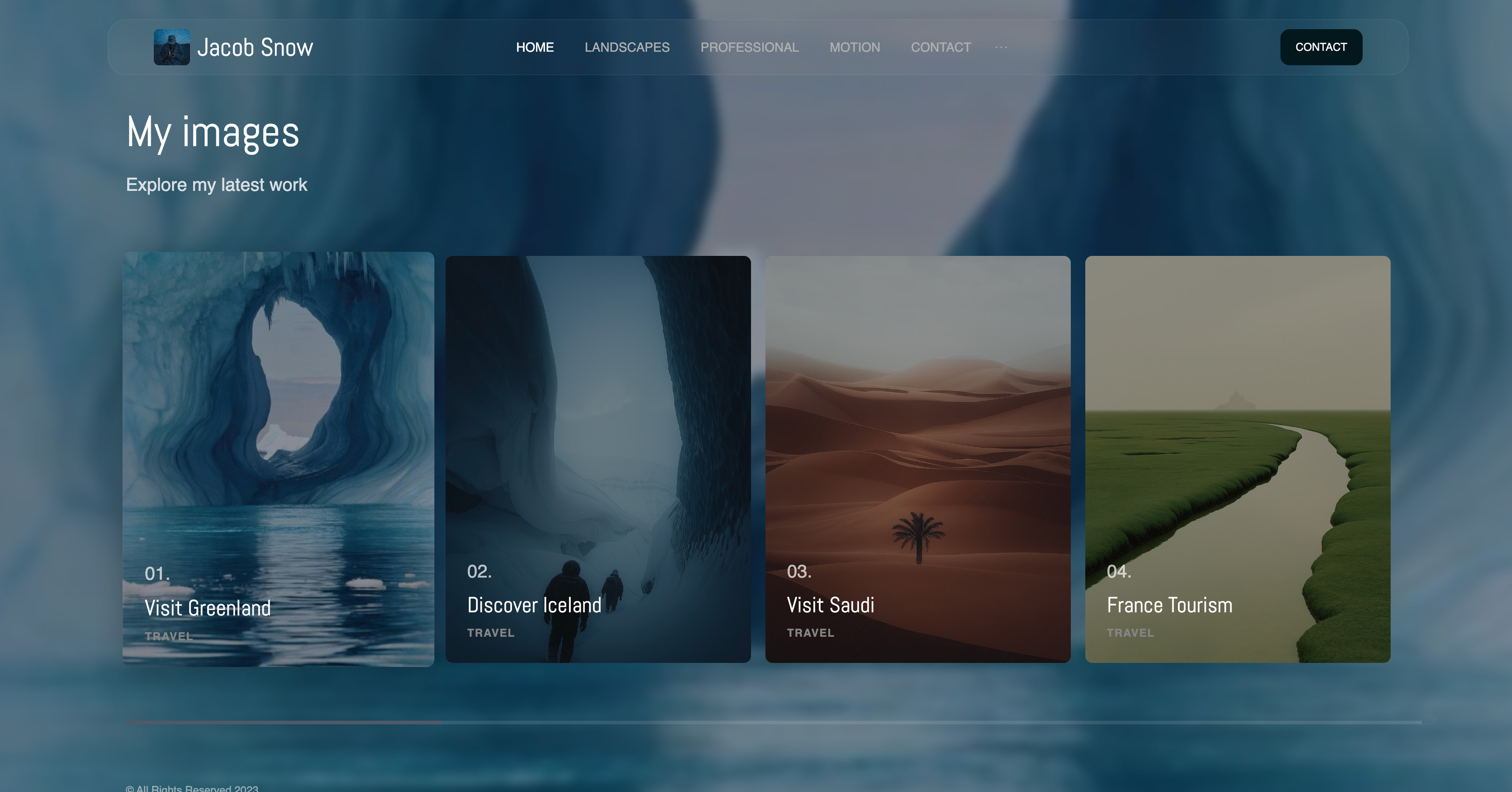 Use template
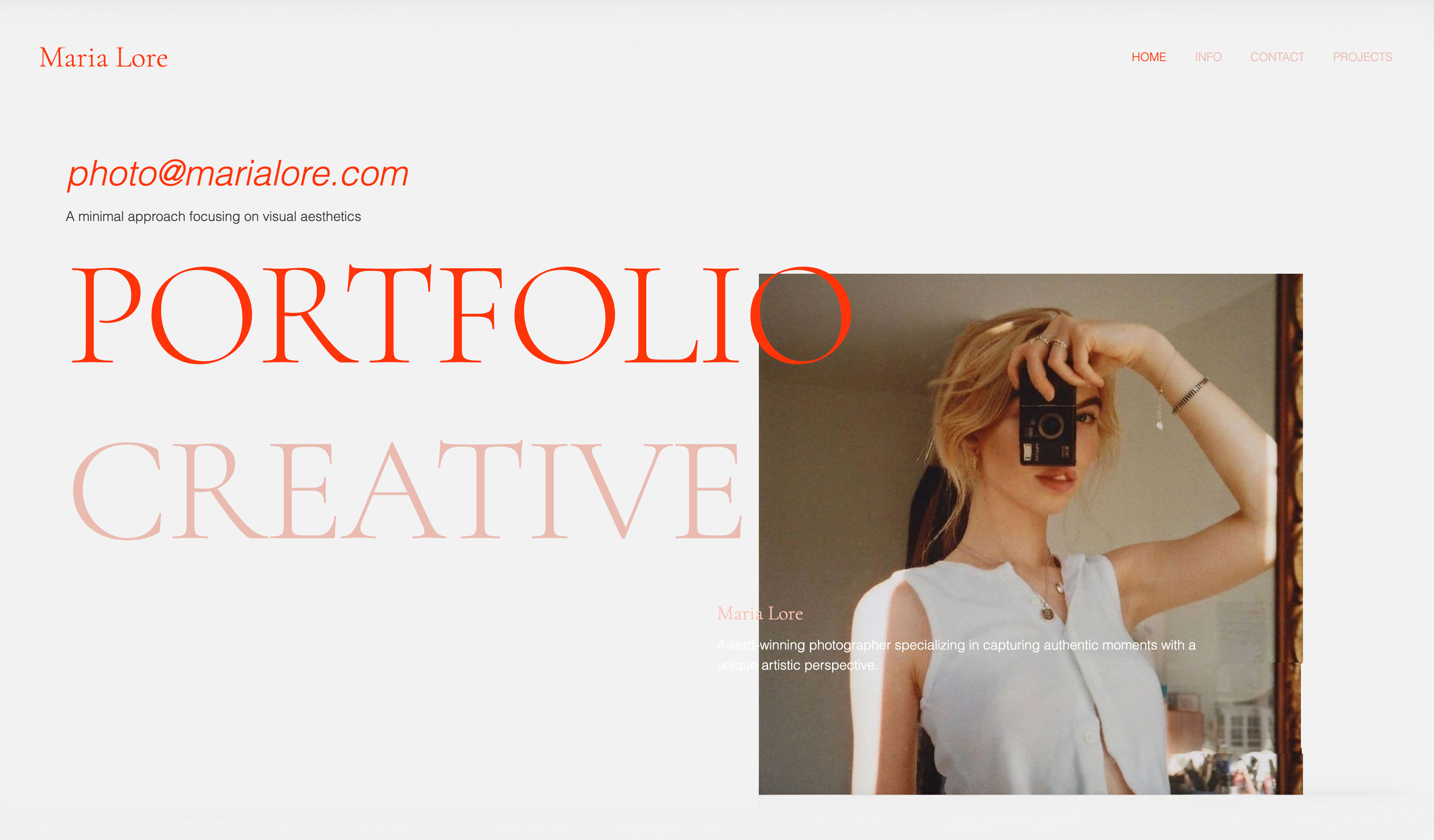 Use template
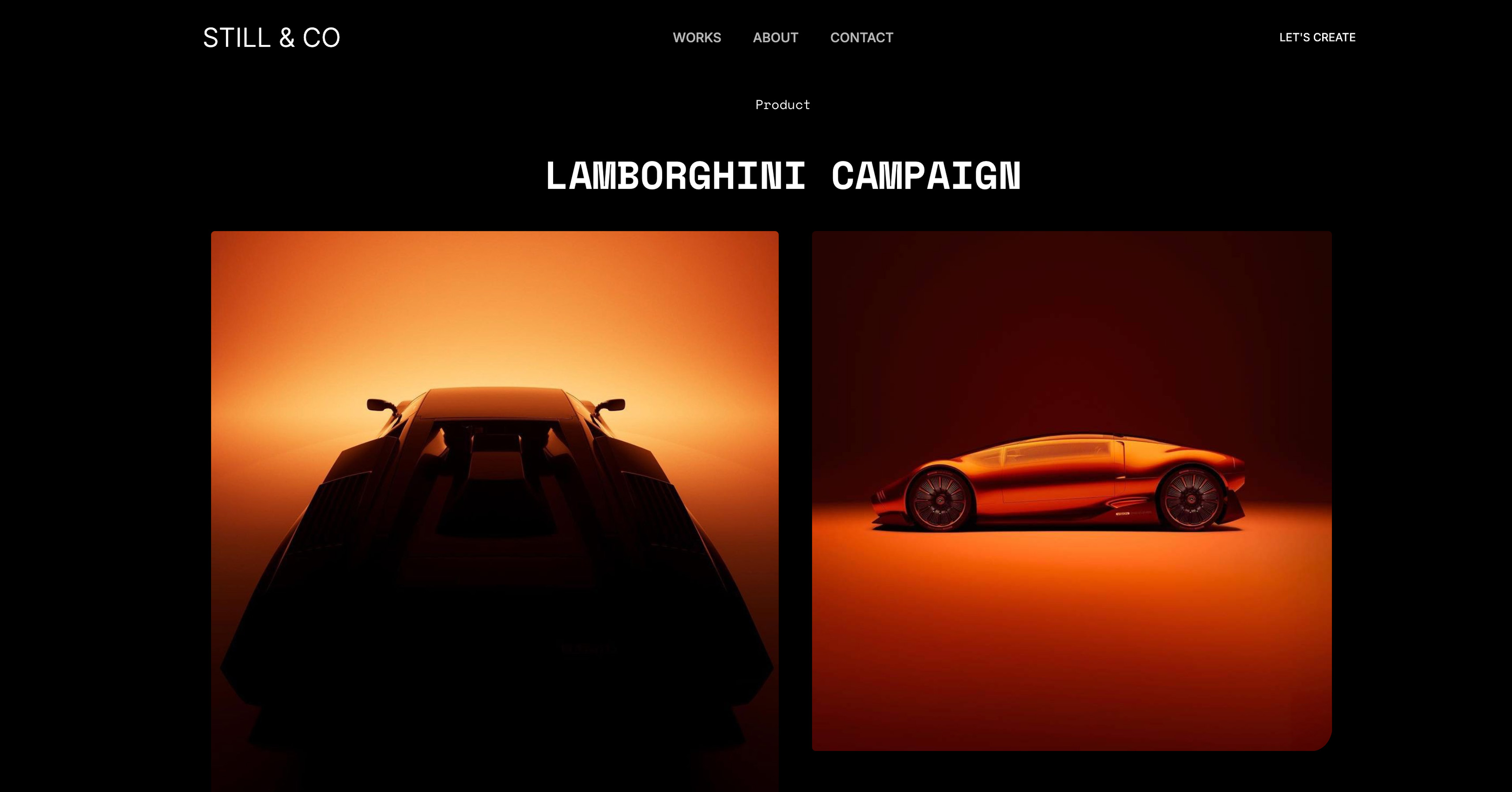 Use template
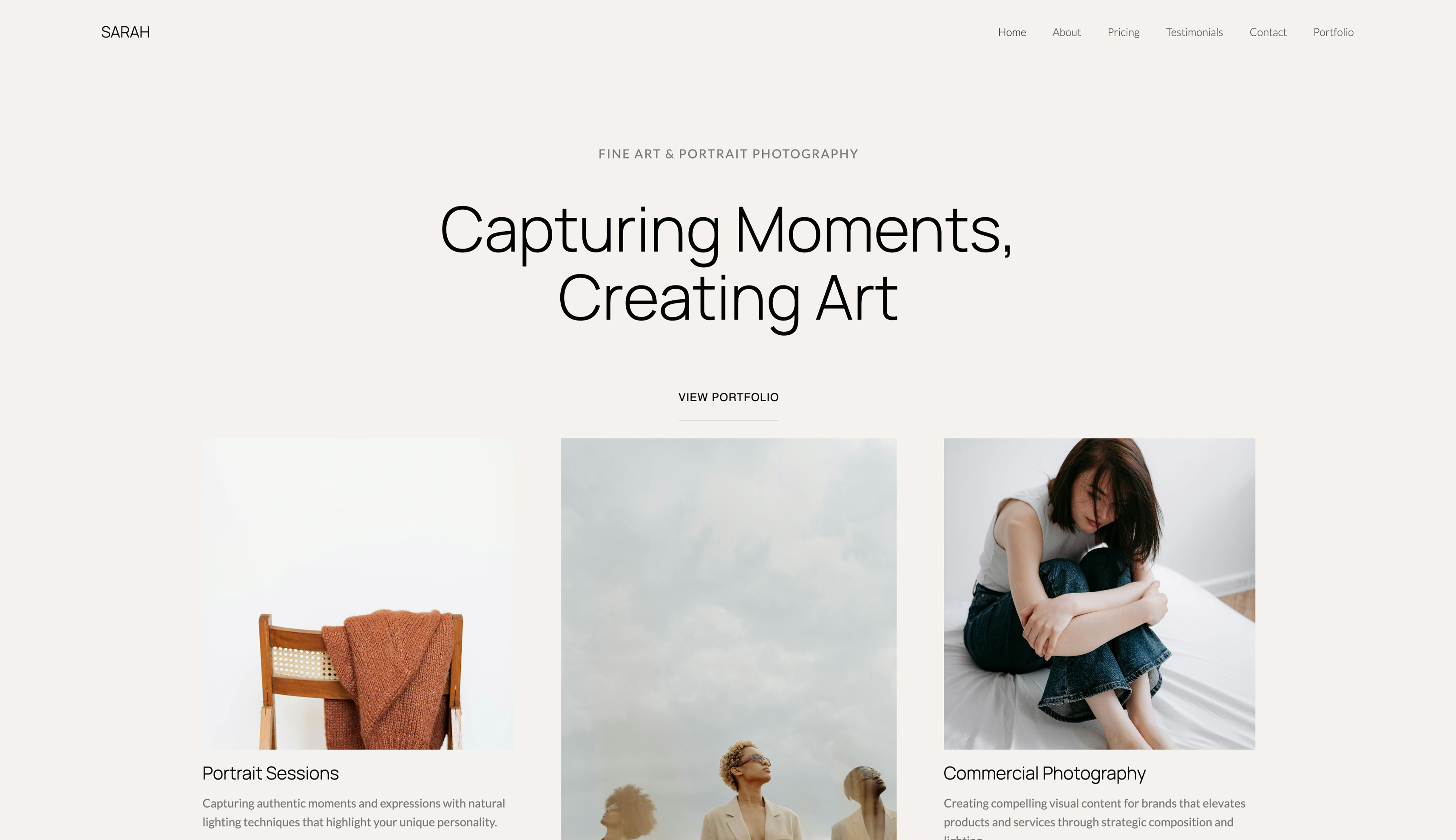 Use template
 Use template
 Use template
 Use template
Most guides to picking a website builder for wildlife photographers get the business model wrong. They assume you are selling prints, price the platforms on print commission, and stop.
But ask working wildlife photographers where the money actually comes from and the answer is usually tours and workshops first, prints second, and licensing a distant third.
That changes the maths completely. A 15% commission on a $180 print costs you $27. The same platform's fee structure applied to a $1,200 tour deposit costs you $180, and you take a dozen of those a year.
The fee that matters is the one on your biggest transaction, not your most frequent one.
A website builder is a hosted tool that turns your portfolio, your trip listings and your print sales into a site on your own domain without writing code.
For wildlife photographers the honest comparison covers three things nobody prices together: print commission, what a high-ticket booking costs to take, and whether the tool strips the GPS coordinates that could lead someone to a nest.
For wildlife photographers whose income is mostly workshops, tours and digital products, Framekit is the best website builder in 2026, because the site, the galleries and the bookings sit on a domain you own and the fee drops to 0% on the $39 Business plan, which pays for itself after about seven tour deposits.
If prints are your main income, SmugMug is the more honest recommendation despite its 15% commission, because Framekit has no print lab at all. Zenfolio sits between them at a flat 7% per order.
The clearest limitation on Framekit for this field is that missing lab, and it is not a small one.
How This Ranking Was Weighted
The criteria were applied in a deliberate order rather than scored equally, and wildlife photography weights them quite differently from commercial portfolio work because the archive is usually larger and the revenue model is not the same.
Presentation of a large body of images carries the most weight, then how cheaply years of archive can sit online, then print revenue, then cost.
Under the opposite weighting, where selling prints of a single celebrated frame is the business, Zenfolio or SmugMug wins outright and Framekit does not place, because we have no print store on any plan.
Disclosure: Framekit is our product and we rank it first for the tours-and-digital case, which is most but not all of this field. We built the same ten sites with the same portfolio, the same trip page and the same $180 print listing, we link to every competitor, and we say where each beats us. SmugMug and Zenfolio both beat us outright on print fulfilment, and Squarespace and Wix both beat us on booking calendars.
How We Tested Ten Builders
Every build got the same material: a 40-image portfolio across four species groups, one expedition page for a hypothetical eight-day trip, a print listing at $180, a conservation statement and a contact page.
We also uploaded one file carrying deliberate GPS coordinates, to see what each platform did with it.
We separate three kinds of finding. Things built and observed happened inside the product while we watched.
Things read at source are prices and policies taken from the vendor's own pages in August 2026 and cited where the number carries weight.
Things attributed to photographers' reports are marked in the sentence, because a common complaint tells you a pattern exists without telling you how big it is.
Conditions: new accounts, USD where offered, annual rates as each vendor presents them, no education or professional-body discounts.
Where a print-selling feature required a paid plan we configured the store and previewed the buyer flow without completing a live order, and the entry says so.
We quote no star ratings. G2, Capterra and Trustpilot refuse automated requests, and a rating we could not open would be exactly the sort of unverifiable number this guide is built to avoid.
By the numbers10 builders built out. $180 carried print, $1,200 carried tour deposit. 15% is the highest print commission here and 0% the lowest. 4 of 10 have a real print lab behind them. 3 of 10 have a booking calendar. 1 of 10 stripped GPS from our test file without being asked, which is the behaviour you want.
The Comparison Table
The rubric follows the income mix rather than the feature list: cost of taking a high-ticket booking 25%, print fulfilment and commission 25%, portfolio presentation 20%, protecting sensitive location data 15%, price 15%.
The two revenue lines lead because a wildlife photographer's website is a shop before it is a gallery, and the split between them decides which tool is right far more than any design consideration.
| Builder | Best for | Print lab | Fee on a $1,200 deposit | Entry price | Our rating |
|---|---|---|---|---|---|
| Framekit | Tours, workshops and digital products | None | $60 free/Starter, $0 on Business | $0, $9/mo Starter | 8.8/10 |
| SmugMug | Print sales as the main income | Yes, approved labs | Not a booking tool | $23.50/mo annual Portfolio | 8.6/10 |
| Zenfolio | Mixed prints and client work | Yes | 7% per order | ~$9.20/mo Professional | 8.2/10 |
| Squarespace | Tours with a real booking calendar | Third-party | Varies by plan and tool | $19/mo annual | 8.1/10 |
| Wix | Bookings plus a store in one place | Third-party | Varies by plan | $17/mo Light | 7.6/10 |
| Format | A clean portfolio with proofing | Partner labs | Not a booking tool | $10/mo annual | 7.4/10 |
| Pixpa | Cheapest all-in-one | Limited | Plan-based | ~$4.80/mo Lite annual | 7.1/10 |
| WordPress | Total control with a developer | Via plugins | Plugin-dependent | Hosting from a few dollars | 7.0/10 |
| Adobe Portfolio | Photographers already paying Adobe | No | No store at all | Included with CC Photography $19.99/mo | 6.5/10 |
| Carrd | A single trip landing page | No | No store | $19/year | 6.0/10 |
Framekit has the worst possible score in one column of that table, and it is a column that matters enormously to part of this audience. We are not going to bury it.
1. Framekit: Best for Tours, Workshops and Digital Products

Framekit is an AI website builder for photographers, filmmakers and designers that generates a site from a description or a reference image and lets you sell from your own domain.
For a wildlife photographer running trips, the appeal is that the portfolio, the expedition pages, the client galleries and the deposit payments are one site rather than four subscriptions.
Building the test site took about twenty-five minutes, and the expedition page was the surprise.
The generated layout put the itinerary, the group size and the price above the photographs rather than below them, which is right: someone reading a trip page has already seen your pictures and is now looking for dates and cost.
The real number, and this is the one to runthe platform fee is 5% on the free and $9 Starter plans, 3% on Pro at $19 and 0% on Business at $39 a month. On a $1,200 tour deposit that is $60, $36 or nothing.
Take twelve deposits a year and the 5% route costs $720 while the Business plan costs $468, so the upgrade pays for itself after roughly seven bookings.
This is the opposite of the advice we give photographers selling small digital items, where the free plan usually wins, and the difference is entirely the size of the transaction.
The standout detailclient galleries are on every plan including the free one, with unlimited galleries, watermarking, password and PIN protection, favourites, downloads and email sharing, and only storage scales with price.
On a trip you are delivering hundreds of images to a dozen guests, and having that included rather than billed separately is worth more than it sounds.
The gotcha, stated plainlythere is no print lab. None. Framekit sells digital products, so a $180 signed print means you print it, sign it, pack it and ship it yourself, or you send buyers to a lab elsewhere.
For a photographer whose income is mostly prints, that alone is a reason to choose SmugMug or Zenfolio instead, and we would rather you read that here than discover it in week three.
The second gotchathere is no booking calendar. You can sell a deposit as a product, which is how many trip leaders actually work, but if you need date-based availability, capacity limits per departure and automatic waitlists, Squarespace or Wix will serve you better.
Skip it ifprints are the business, or your trips need real calendar-based booking rather than a deposit button.
Verdict: the best value here for a wildlife photographer whose money comes from trips, teaching and digital products, and genuinely the wrong tool if it comes from prints.
2. SmugMug: Best If Prints Are the Business
SmugMug is built around selling photographs as objects, and for wildlife work that is often the correct model. Unlimited storage for enormous archives, a print pipeline that works without your involvement, and a buyer experience that has been refined over two decades.
The real numberselling requires the Portfolio plan at about $23.50 a month on annual billing, with Pro at about $37, and SmugMug takes 15% of print and download sales.
On the carried $180 print that is $27 to SmugMug, so $9,000 of print sales a year costs about $1,350 in commission on top of $282 in subscription.
The standout detailunlimited storage genuinely is unlimited, which for a wildlife photographer with 80,000 frames from one Svalbard trip is not a marketing line but the actual reason to be there.
The gotchaprint sales are restricted to SmugMug's approved labs, so you cannot bring your own printer or your own paper. For fine-art wildlife work sold at a premium, that constraint is the one photographers complain about most.
Skip it ifyou have a lab relationship you value, or your income is mostly trips rather than prints.
Verdict: the honest recommendation for a print-led wildlife business, commission and all. If you are weighing it up, our SmugMug alternatives guide covers the usual comparisons.
3. Zenfolio: The Middle Path on Commission
Zenfolio sits between the two extremes in this comparison, offering a real print pipeline attached to a flat commission rather than a percentage that reads like a marketplace's cut of your work.
The real numbera flat 7% commerce fee on every order, waived for the first 30 days on new Professional and Advanced accounts, plus processing.
Plans run from about $7 a month for Basic without e-commerce, about $9.20 for Professional with e-commerce and 150GB, and about $16 for Advanced.
On the $180 print that is $12.60, so $9,000 of print sales costs about $630 in commission, less than half SmugMug's take.
The standout detailthe commission structure is the clearest in this category. One number, applied to every order, with no tier where it suddenly changes.
The gotchathe portfolio presentation is dated next to Format or Framekit, and wildlife work in particular tends to be shown in a template rather than a considered sequence.
Skip it ifthe site's appearance is part of what you are selling, which for fine-art wildlife photographers it usually is.
Verdict: the best commission economics of any tool here that actually prints things, wrapped in the least impressive presentation.
4. Squarespace: Best for Real Bookings

Squarespace is the strongest option here for a photographer whose trips need proper booking rather than a deposit button, because scheduling and invoicing are built in rather than added.
The real numberBasic is $19 a month billed annually, and the scheduling tools sit on higher tiers. For a photographer running eight departures a year with capacity limits and waitlists, that tooling is the reason to be here, not the templates.
The standout detailthe invoicing and appointment tooling is genuinely the best of any general builder on this list, and it removes a separate booking subscription.
The gotchaprint selling means a third-party integration, and the digital-content fee ladder of 7%, 5%, 1% and 0% by plan makes selling e-books or presets more expensive than it needs to be.
Skip it ifprints or digital products are the main line rather than trips.
Verdict: the right tool if your business is a tour operator that takes photographs, rather than a photographer who sometimes runs trips.
5. Wix: Bookings and a Store Together
Wix is the other builder here with real booking functionality, and unlike Squarespace it pairs that with a store that handles physical goods properly. Plans run Light $17, Core $29, Business $39 and Business Elite $159 on annual billing.
The real numberBusiness at $39 a month is the realistic tier for taking bookings and selling, which is $1,404 over three years, the same headline as Framekit's 0%-fee plan but with the booking calendar Framekit lacks.
The standout detailthe combination of bookings, a store and marketing email in one subscription is unmatched here for a trip-led business.
The gotchaphotographers report that the image handling is heavier than it should be for large portfolios, and the interface accumulates complexity as you add apps.
Skip it ifthe portfolio is the point of the site.
Verdict: the most complete trip-selling machine on this list and the least pleasant place to show photographs.
6. Format: Best Pure Portfolio With Proofing
Format is where a wildlife photographer goes when the site is a portfolio first and a shop second, and when they also deliver galleries to clients or trip guests.
The real numberBasic is $10 a month billed annually with a stated normal rate of $14, Pro is $12 annually or $17 monthly, and Pro Plus is $15 annually or $26 monthly. Store commission is 0% on all plans, with fulfilment through partner labs rather than in-house.
The standout detailproofing galleries are included, which covers delivering images to trip participants without another subscription.
The gotchait is a portfolio tool that can sell, not a shop that can also show work, and the difference shows the moment you have a real print catalogue.
Skip it ifprint volume is significant.
Verdict: the best-looking portfolio-first answer at this price, with commerce that is adequate rather than good.
7. Pixpa: Cheapest All-in-One
Pixpa bundles a portfolio, galleries and a store at a price no one else here matches, which for a photographer starting out is a serious argument.
The real numberLite runs about $4.80 a month on annual billing with 20GB, and Standard about $7.20 with 100GB. Over three years that is roughly $173 and $259 respectively, less than a single month of some competitors.
The standout detailthe storage tiers are honest and the feature set at the bottom of the range is more complete than the price suggests.
The gotchaeverything is solid and nothing is excellent, and the 20GB entry tier is small for a photographer working with large files.
Skip it ifyou have a large archive or a demanding print operation.
Verdict: the best value for a wildlife photographer in the first two years, and a tool most people outgrow.
8. WordPress: Control, With a Cost
WordPress can be shaped into exactly the wildlife photography business you want, including a print pipeline, a booking system and a member area, provided somebody maintains it.
The real numberhosting starts at a few dollars a month, which makes this the cheapest row on the table and the most misleading, because the maintenance is the actual price.
The standout detailyou can control image handling completely, including whether metadata survives upload, which no hosted platform here lets you decide.
The gotchaplugin drift and security patching become your responsibility, and photographers' reports of neglected sites in this field are common.
Skip it ifnobody will own the upkeep.
Verdict: the right answer with a developer, a liability without one. Our WordPress alternatives guide is the more useful page if that is you.
9. Adobe Portfolio: Free With Creative Cloud
Adobe Portfolio costs nothing beyond the Creative Cloud subscription a wildlife photographer almost certainly already has.
The Adobe plans page lists the Photography plan at US$19.99 a month with 1TB, Lightroom alone at US$11.99 and Creative Cloud Pro at US$69.99.
The real numberzero marginal cost, which is unarguable as far as it goes.
The standout detailLightroom sync makes publishing a new set from a trip genuinely quick.
The gotchano store of any kind, so prints, trips and digital products all have to happen somewhere else.
Skip it ifthe site needs to take money.
Verdict: a good free portfolio attached to a business that lives elsewhere.
10. Carrd: One Page for One Trip
Carrd builds one page well for $19 a year, and there is a real use for that here: a single expedition landing page, separate from your main site, that you point an advertising campaign at.
The real number$57 over three years, which is less than three months of most of this list.
The standout detailit is quick enough that spinning up a dedicated page per departure is realistic rather than theoretical.
The gotchano gallery, no store, no archive.
Skip it ifthis is meant to be your website rather than a landing page.
Verdict: a useful supporting tool and a poor main site.
The Fee That Actually Decides This
In one linewildlife photographers are compared on print commission and pay most of their fees on trip deposits, which is why the standard comparison in this category answers the wrong question.
Run both lines side by side for a wildlife photographer selling $9,000 of prints across a year while also taking twelve $1,200 trip deposits, since the two revenue streams are charged very differently depending on the platform.
| Platform route | Cost on $9,000 of prints | Cost on $14,400 of deposits | Subscription | Total a year |
|---|---|---|---|---|
| SmugMug Portfolio | $1,350 at 15% | Not supported | $282 | $1,632 plus a separate booking tool |
| Zenfolio Professional | $630 at 7% | Not supported | $110 | $740 plus a separate booking tool |
| Framekit Business | Self-fulfilled, no platform cut | $0 at 0% | $468 | $468 plus your own print costs |
| Framekit Starter | Self-fulfilled, no platform cut | $720 at 5% | $108 | $828 plus your own print costs |
The table is not a knockout and should not be read as one. Framekit's rows exclude the real labour and materials cost of self-fulfilling prints, which is not zero and which SmugMug and Zenfolio genuinely handle for you.
What the table does show is that the platform fee you notice, print commission, is a smaller number than the one nobody prices, and that on deposits specifically the flat plan is worth having.
The test to run on your own numbers: add up last year's income by line, then apply each platform's percentage to the biggest line rather than the most frequent one. If prints dominate, pay the print platform. If trips dominate, pay for 0% and self-fulfil the prints.
The Coordinates Problem
In one linea photojournalist needs metadata preserved, and a wildlife photographer often needs it destroyed, because the GPS coordinates in a nest photograph are a map for anyone who wants to find it.
This is the one area where the aggressive behaviour of most website builders works in your favour.
Cameras and phones write location into the EXIF block, and a raptor nest, a rhino, a den site or a rare orchid photographed with GPS enabled produces a file that tells a stranger exactly where to go.
Conservation bodies have been explicit about the risk for years, and Audubon's guide to ethical bird photography is a good short summary of the wider etiquette this sits inside.
What to do, in order. Turn off in-camera GPS for sensitive work rather than relying on cleanup afterwards.
Strip location on export as a standing rule in your processing preset, not as a per-image decision you will eventually forget. Then verify what the site actually serves, because the platform's behaviour is not your export setting.
The verification takes two minutes. Upload a file you know has coordinates in it, publish, download the image the live page serves, and open it in ExifTool.
Either the coordinates are gone or they are not. Of the ten tools tested, one stripped GPS from our test file without being asked, which is the behaviour you want as a default, and several preserved it.
And be careful with the caption too. Naming a precise location in the visible text defeats the point of stripping the file.
The convention among careful wildlife photographers is to name the country or the region and stop there, and to say plainly on the site that you do not disclose specific locations for sensitive species.
That statement is worth having: it signals to editors and conservation clients that you understand the field.
What Goes on a Wildlife Photographer's Site
In one linethe portfolio gets you taken seriously and the trip page pays for the next trip, so the site needs to do both jobs without pretending to be two different websites.
Group the work by species or region, not by year. Someone looking for a snow leopard image is searching for a snow leopard. Chronological archives serve the photographer and nobody else.
Publish the trip page early and keep it specific. Dates, group size, price, what is included, physical demands, and what you actually expect to see. Vagueness here loses bookings to operators who are precise.
Say what your ethics are. Baiting, call playback, captive animals, drone use near wildlife. The people booking premium trips increasingly ask, and a clear statement converts better than silence.
Show a few frames per subject, not forty. Wildlife portfolios suffer more than most from near-duplicates, because burst shooting produces them and affection preserves them.
Include the conditions. Wildlife buyers and editors find the circumstances interesting: the hide, the wait, the temperature, the failed weeks. This is also the text that makes your pages legible to a search engine, which a wall of images is not.
What to leave off. Precise locations of sensitive species, gear lists longer than a line, and captive-animal images presented as wild.
How Wildlife Photographers Get Found
In one linethe searches that convert here are species plus intent, and they are winnable precisely because they are narrow.
Someone searching "Svalbard polar bear photography trip 2027" or "red squirrel print" is much closer to paying than someone searching for wildlife photography in general.
These low-volume, high-intent phrases are what a wildlife photographer's pages should be written around, and they are within reach because you are not competing with stock libraries for them.
Google's SEO starter guide covers the mechanics adequately.
The second channel is the one that grew fastest: images of yours travelling on social platforms without you.
Wildlife imagery is among the most reshared and most stripped of credit, and the only durable defence is that your name and domain appear in the work itself and in every caption you write, so a reverse image search leads somewhere you own.
The third is repeat and referral, which for trips is most of the business. That is a conversion problem, and it argues for a trip page a returning guest can send to a friend without explaining anything.
How to Choose in Four Questions
Guides that end with a summary of picks are just repeating themselves. Answer these four in order and stop at the first yes, because it is the constraint that decides the tool.
- Is print fulfilment the main income, and do you want a lab handling it? SmugMug at 15% commission, or Zenfolio at a flat 7% if you want to keep more.
- Do your trips need calendar-based booking with capacity and waitlists rather than a deposit button? Squarespace, or Wix if you also want the store in the same place.
- Is your income mostly trips, teaching and digital products, with prints handled yourself? Framekit, on the $39 Business plan if you take more than about seven deposits a year.
- Are you starting out with a small archive and a tight budget? Pixpa at about $4.80 a month, and revisit in two years.
Frequently Asked Questions
What is the best website builder for wildlife photographers in 2026?
It depends on your income mix, which is why most guides get this wrong.
If trips, workshops and digital products are the main line, Framekit is the best choice because the fee drops to 0% on the $39 Business plan and the site, galleries and deposits live on a domain you own.
If prints are the main line, SmugMug is the honest answer despite taking 15%, because Framekit has no print lab at all.
Does Framekit sell prints?
Not through a lab. Framekit's store handles digital products, so a print sale means printing, signing, packing and shipping yourself, or sending buyers to a lab elsewhere.
Photographers whose income is mostly print fulfilment should use SmugMug or Zenfolio, and we would rather say so plainly than sell you a tool that does not do the job.
How much commission do photography platforms take on prints?
SmugMug takes 15% of print and download sales and requires the Portfolio plan at about $23.50 a month on annual billing.
Zenfolio charges a flat 7% per order across its plans, waived for the first 30 days on new Professional and Advanced accounts.
On a $180 print that is $27 and $12.60 respectively, so $9,000 of annual print sales costs about $1,350 or about $630.
What is the cheapest way to take deposits for a photo tour?
A flat-fee plan rather than a percentage one, once the deposits are large.
On Framekit a $1,200 deposit costs $60 on the 5% free and Starter plans and nothing on the $39 Business plan, so twelve deposits a year cost $720 at 5% against $468 for the flat plan.
The upgrade pays for itself after roughly seven bookings, which is the opposite of the advice that applies to small digital sales.
Should I strip GPS data from wildlife photographs?
Yes, for anything sensitive, and as a standing export rule rather than a per-image decision. The coordinates in a nest or den photograph are a map for anyone who wants to find it, and the risk is well documented by conservation bodies.
Also avoid naming precise locations in the visible caption, because stripping the file and then publishing the site name defeats the purpose.
How do I check whether my website builder keeps location data?
Upload a file you know contains coordinates, publish the page, download the image the live site actually serves, and inspect it with ExifTool.
This takes about two minutes and is the only reliable answer, because a platform's behaviour is not the same as your export setting and no vendor here documents it clearly.
Do I need unlimited storage as a wildlife photographer?
Only if you intend to keep raw archives online, which most photographers should not.
SmugMug's unlimited storage is genuinely useful for an 80,000-frame trip archive, but a website is a publishing tool rather than a backup, and a proper backup strategy is cheaper and safer than paying a website platform to hold your masters.
Can I run a photography workshop business from a website builder?
Yes, but check the booking model before you commit. Squarespace and Wix have real calendar-based booking with capacity limits, which suits multiple departures.
Framekit has no booking calendar, so trips are sold as a deposit product, which works well for the many trip leaders who take a deposit and then correspond directly, and badly for anyone needing automated availability.
How should I group images on a wildlife portfolio?
By species or region rather than by year or trip, because that is how people search and how editors look.
Show a handful of frames per subject rather than the full burst, since near-duplicates hurt wildlife portfolios more than most, and include the conditions in text so a search engine has something to read.
Is it worth having a separate landing page for each trip?
Often, yes, particularly if you advertise. A dedicated page per departure with its own dates, price and itinerary converts better than one page listing everything, and Carrd at $19 a year makes it cheap to run several alongside your main site without touching it.
The Verdict
For a wildlife photographer whose income comes from trips, teaching and digital products, Framekit is the pick: the portfolio, the trip pages, the guest galleries and the deposits on a domain you own, at 0% once you are on the $39 Business plan, which pays for itself after about seven bookings a year.
For a photographer whose income is prints, SmugMug is the honest recommendation and its 15% is the price of a lab that works without you.
Where Framekit loses, plainly: there is no print lab, which for a print-led business is disqualifying rather than inconvenient. There is no booking calendar, so departures with capacity limits and waitlists need Squarespace or Wix.
There is no rights-managed licensing. And on the free and Starter plans the 5% fee is expensive on high-ticket items, which is exactly the case where you should be paying the flat rate instead.
If you sell prints, buy a print platform and stop reading. If you sell places on a boat in Svalbard, own the address people book through.
Related reading: best website builder for travel photographers, best website builders for photographers, best print fulfilment for photographers, and best photo backup solutions for photographers.
Also in this series: website Builders for Landscape Photographers, website Builders for Commercial Photographers and client Galleries for Travel Photographers.
Prices were read at each vendor's own pricing page in August 2026, with Adobe re-verified on 9 August 2026. Print commissions were confirmed against each platform's published seller terms.