Framekit templates
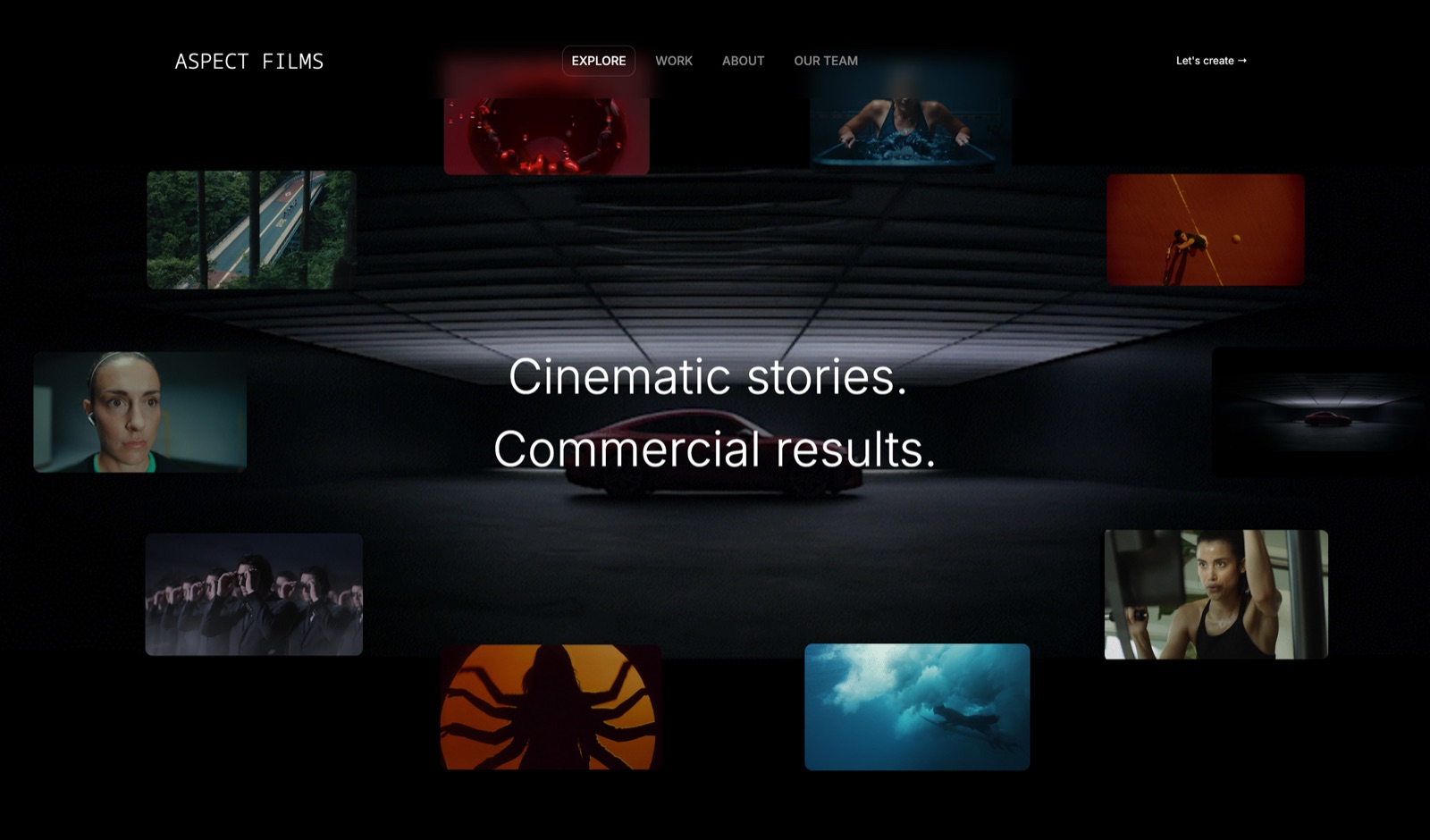
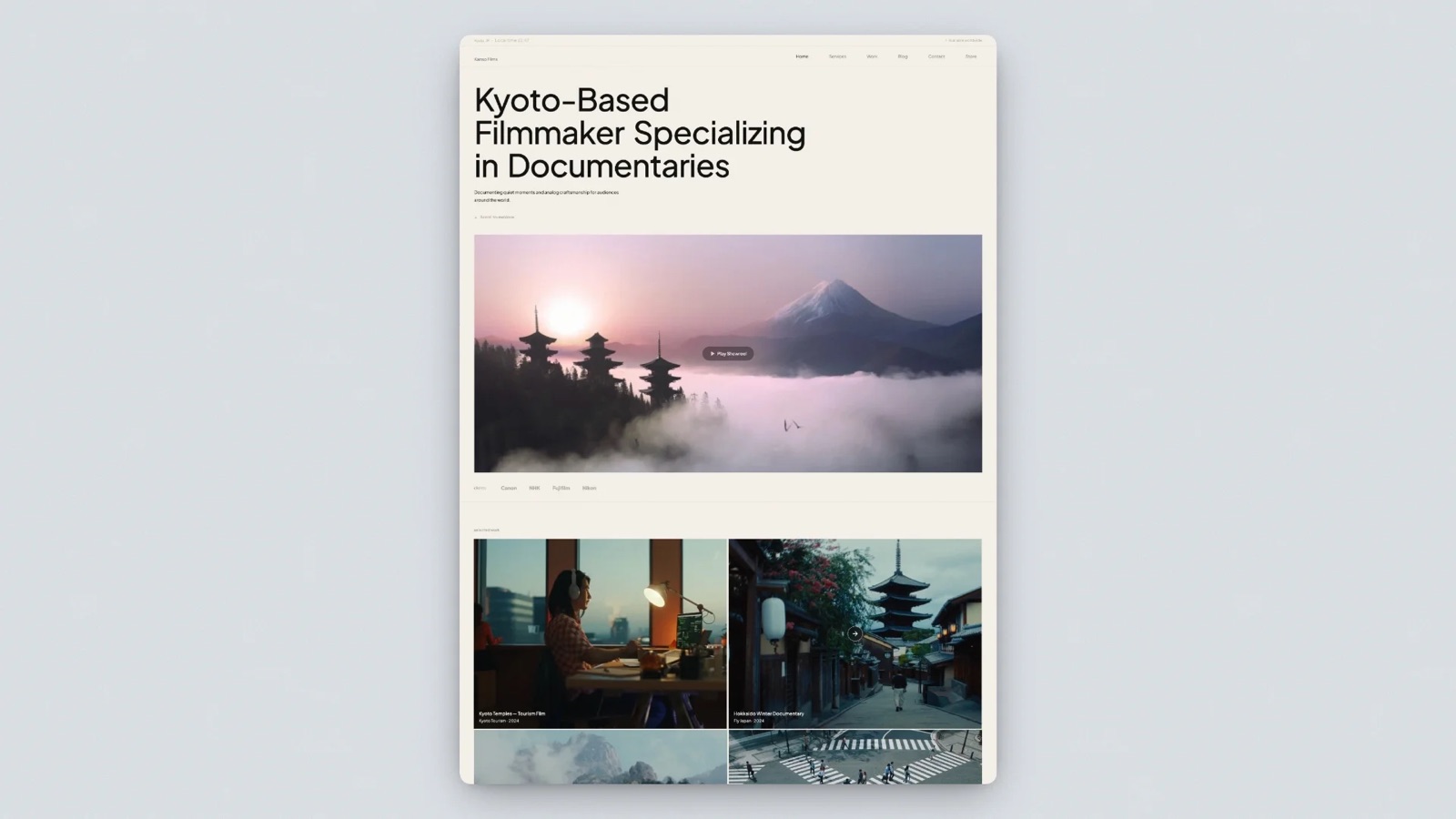
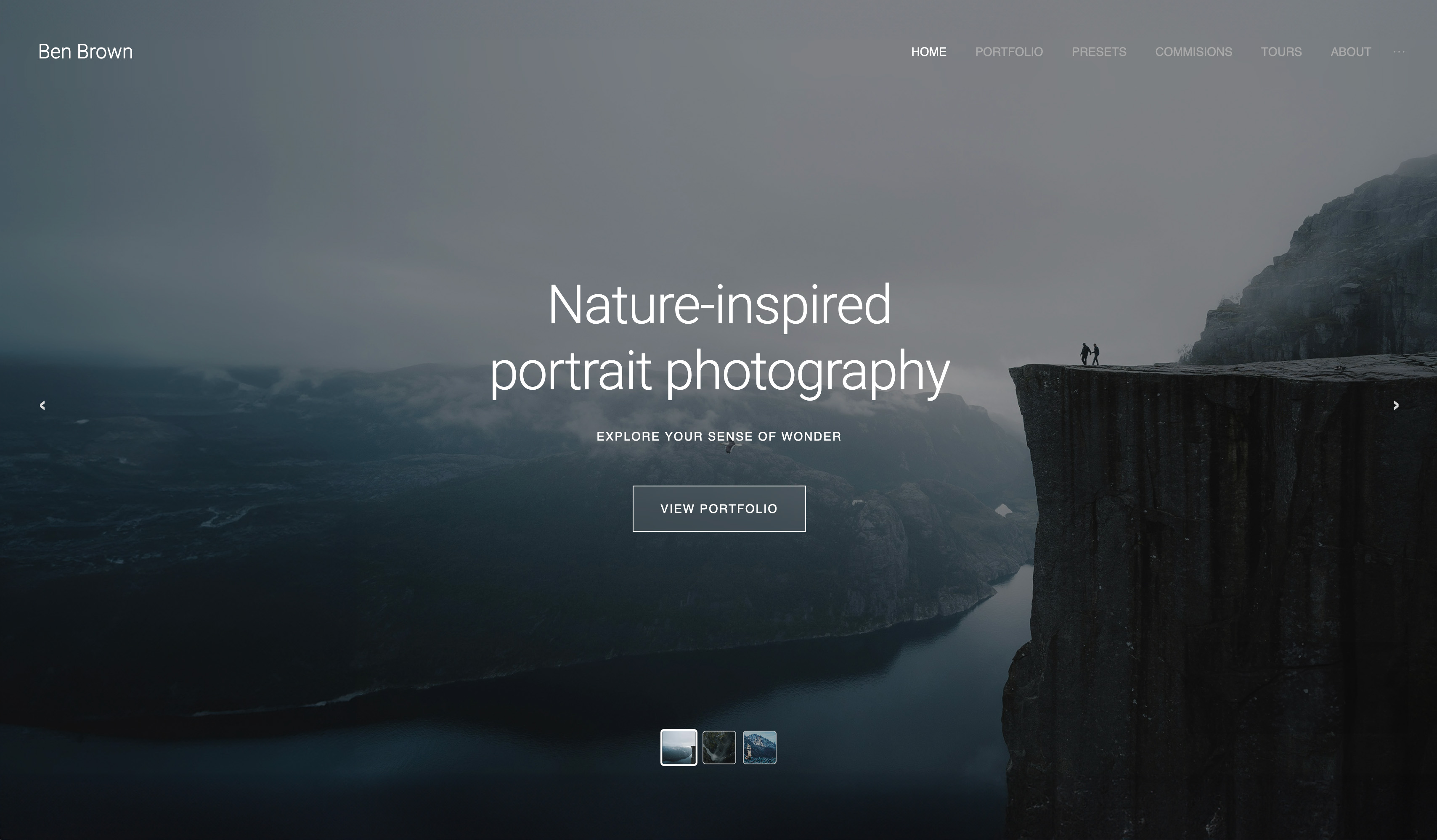
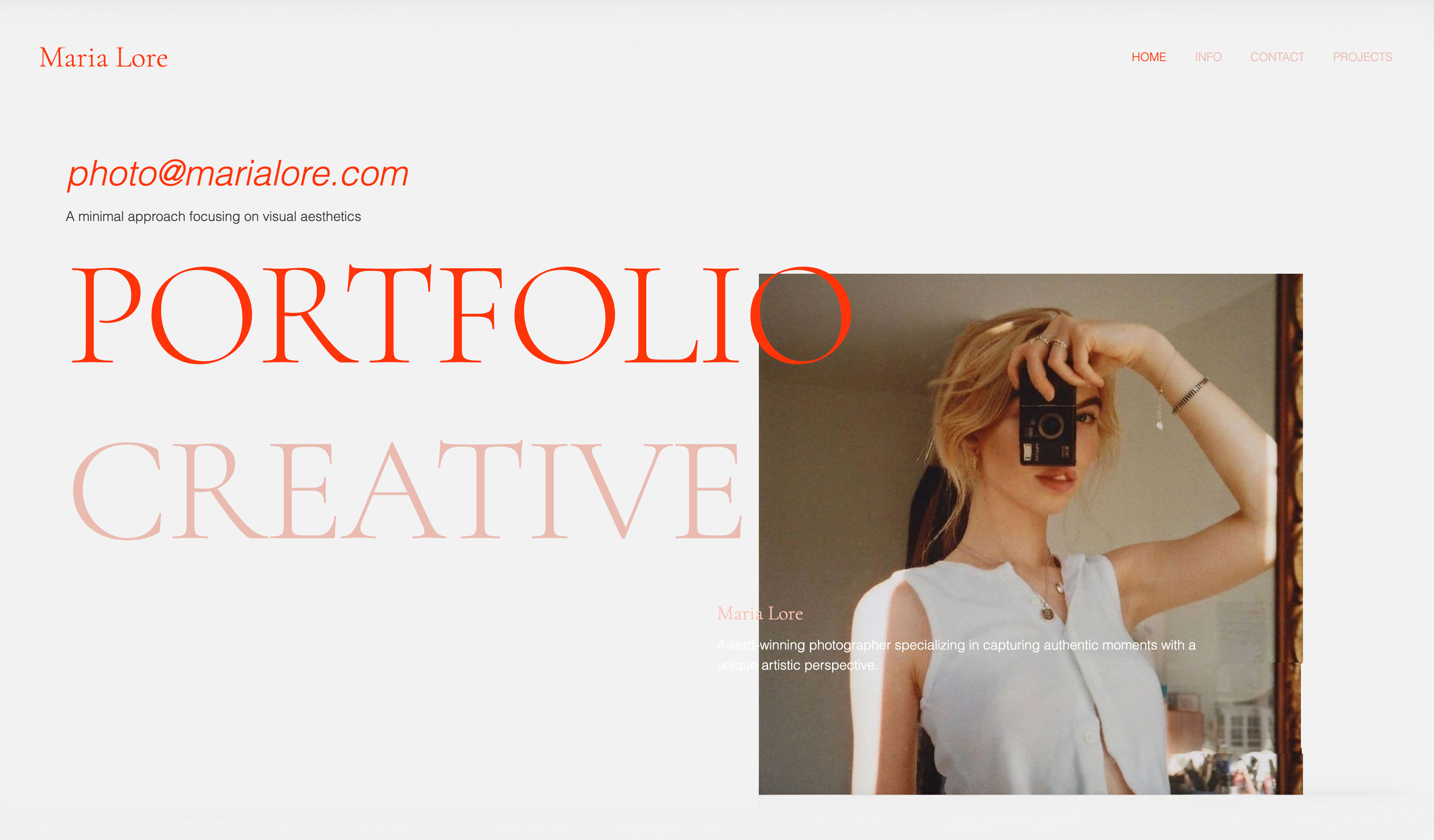
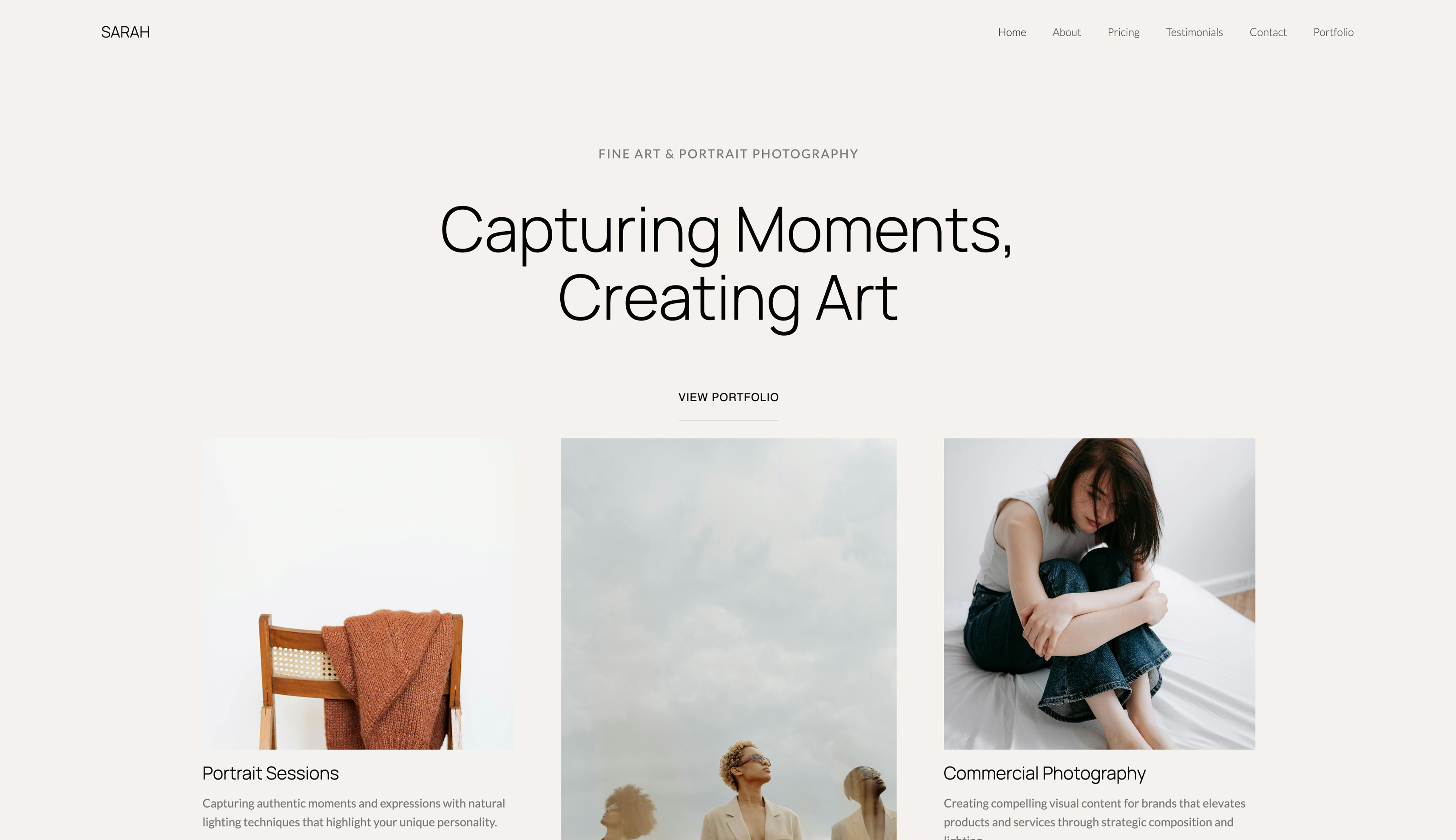
Start from a designer-made template
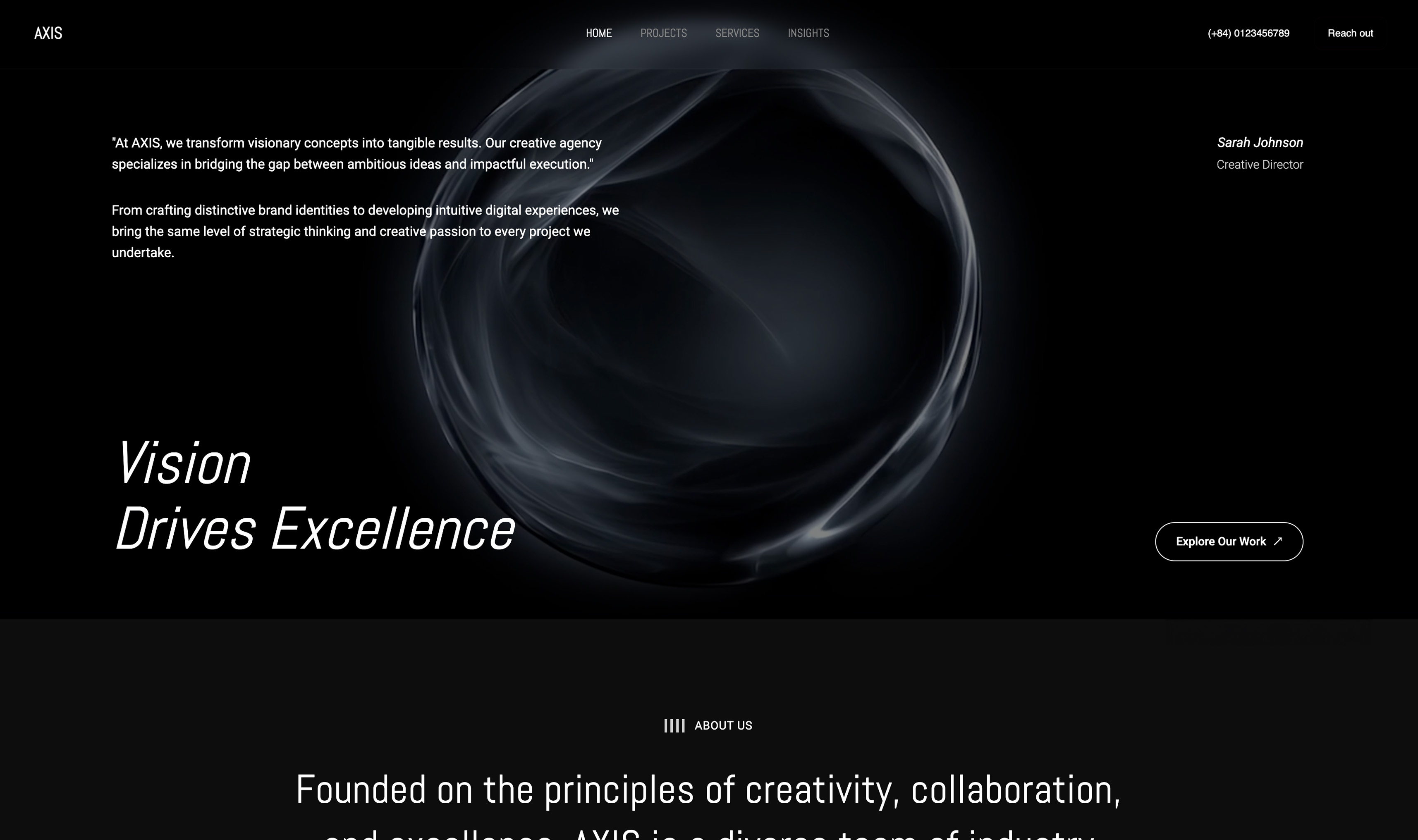 Use template
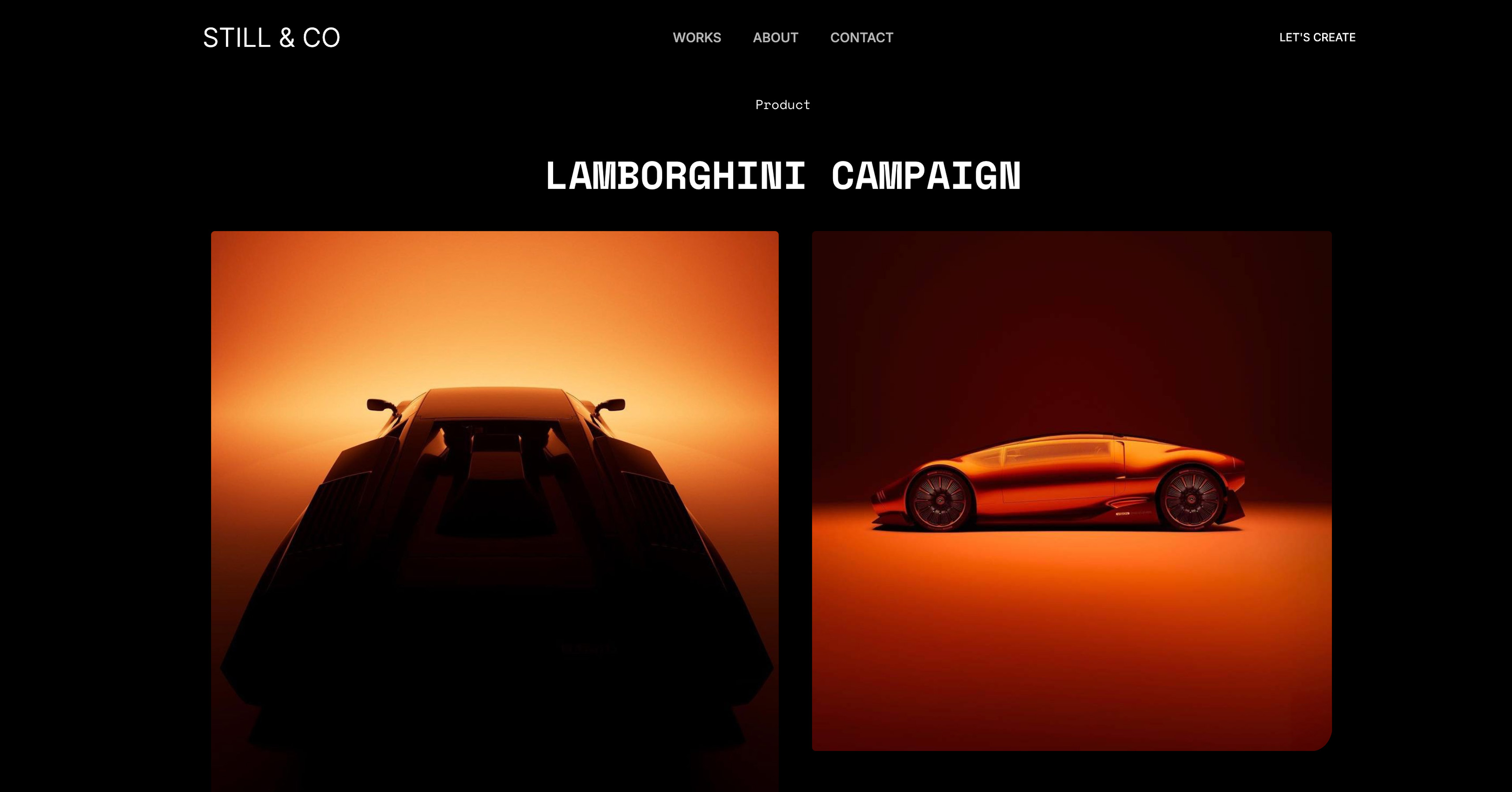 Use template
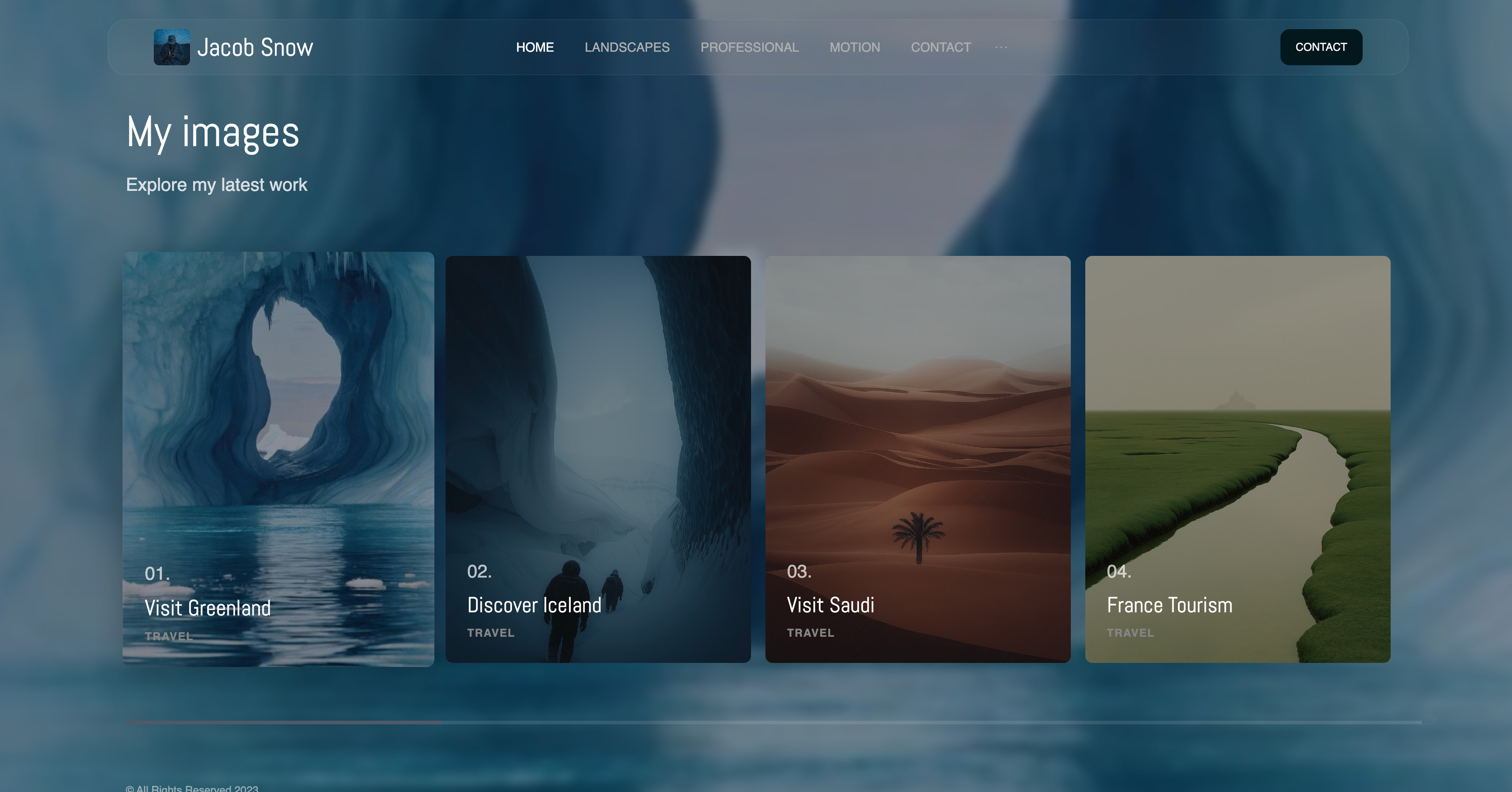 Use template
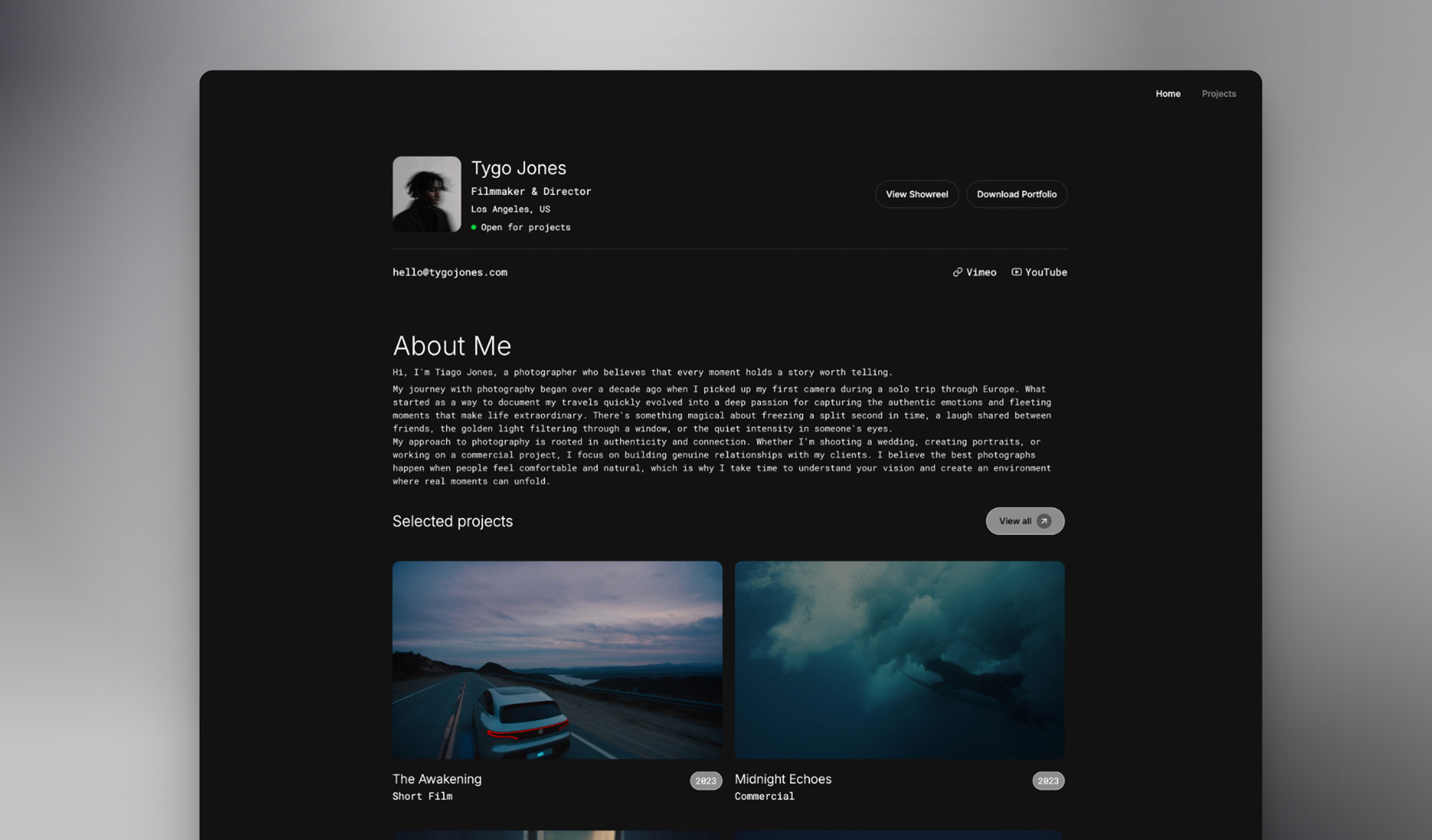 Use template
 Use template
 Use template
 Use template
 Use template
Both of these platforms are selling the same idea from different directions: stop paying for four tools. CloudSpot bundles the business admin around your galleries. Framekit bundles the website around them.
Which bundle is right depends on a question about your current spending rather than about photography: are you paying separately for invoicing and scheduling, or for a portfolio site?
Most photographers are paying for both, which is why this comparison is worth doing properly rather than by feature count.
A client gallery platform is software that delivers finished photos to paying clients, and in this comparison each product wraps that delivery in a different second layer: studio management on one side, a full website builder on the other.
Choose CloudSpot if your admin is the bottleneck, because Lite at $17 a month bundles invoicing, contracts, scheduling, and questionnaires with commission-free galleries and 100GB of storage.
Choose Framekit if you pay separately for a portfolio website, because $19 a month covers a 300GB pool spanning the galleries, video review and the site itself, a full AI website builder, and a digital store, with no commission on delivery.
The honest trade-off: CloudSpot sells physical prints through pro labs and Framekit does not, at any price.
Framekit is an AI website builder with client galleries included, which is the specific difference this comparison turns on.
Full disclosure: Framekit is our own product. CloudSpot is a genuinely good platform and we have written its case as strongly as we can, including the two places where it beats us outright.
Framekit vs CloudSpot at a Glance
Here is how the two bundles compare on the things that actually decide a subscription, with each figure read from the vendors' own published pricing pages in August 2026.
| Framekit | CloudSpot | |
|---|---|---|
| Free plan | Unlimited galleries, 10GB pooled, website included | 5GB, 15% store commission |
| Entry paid | $9 Starter, 50GB, custom domain | $7 Entry, 15GB, 15% commission |
| First commission-free plan | Free, no commission on delivery | $17 Lite, 100GB |
| Mid tier | $19 Pro, 300GB pooled, video to 150GB | $34 Pro, 500GB |
| Top tier | $39 Business, 2TB, unlimited seats | $50 Unlimited |
| Print fulfilment | None | Pro labs |
| Sales commission | None on delivery; 5% to 0% on digital products | 15% on Free and Entry, 0% from Lite |
| Website builder | Yes, full AI builder | Light portfolio |
| Invoicing and contracts | No | Yes, from Lite |
| Scheduling and questionnaires | No | Yes, from Lite |
| Video | Video review on every plan | Embeds only |
| Client mobile apps | Mobile web, no native app | Per-client home-screen apps, paid plans |
| Default gallery address | Your own domain from $9 | Shared generic domain until changed |
Two rows decide most subscriptions: invoicing and website builder. They point in opposite directions and both are real.
Where CloudSpot Wins
The studio manager. From Lite at $17 a month, CloudSpot's pricing page includes invoicing, scheduling, contracts, questionnaires, and client management alongside commission-free galleries.
If you were about to buy a studio management tool separately, the galleries are effectively free.
Print fulfilment. CloudSpot connects galleries to pro labs so a client can order a framed print without leaving the page. Framekit has no lab and cannot do this at any price, which for a print-selling photographer ends the comparison.
Storage in the middle tiers. 100GB at $17 and 500GB at $34 is more generous per dollar than most storage-priced competitors.
Per-client mobile apps. Each client can save their gallery to a phone home screen with the same purchasing, downloading, and favoriting as the browser gallery, available on any upgraded plan.
Framekit has no native app at all and delivers a mobile web gallery instead.
The real numberon $6,000 of annual print sales, CloudSpot Lite costs $204 a year and keeps all of it. Framekit would earn you nothing on that revenue because the sale cannot happen.
The gotchathe default gallery address is a shared generic domain rather than your brand or CloudSpot's, according to its own help documentation, so set a custom URL before your first send.
The promotional $3 opening rate also reverts to full price after three months.
Skip it ifyou already have invoicing and scheduling you like, because that is the half of the product you are paying for.
Where Framekit Wins

The website is the product. CloudSpot attaches a light portfolio; Framekit is a full AI website builder with galleries included, so one plan covers the site that wins the booking and the delivery that follows it.
Photographers running CloudSpot plus a real site typically pay $12 to $18 a month more.
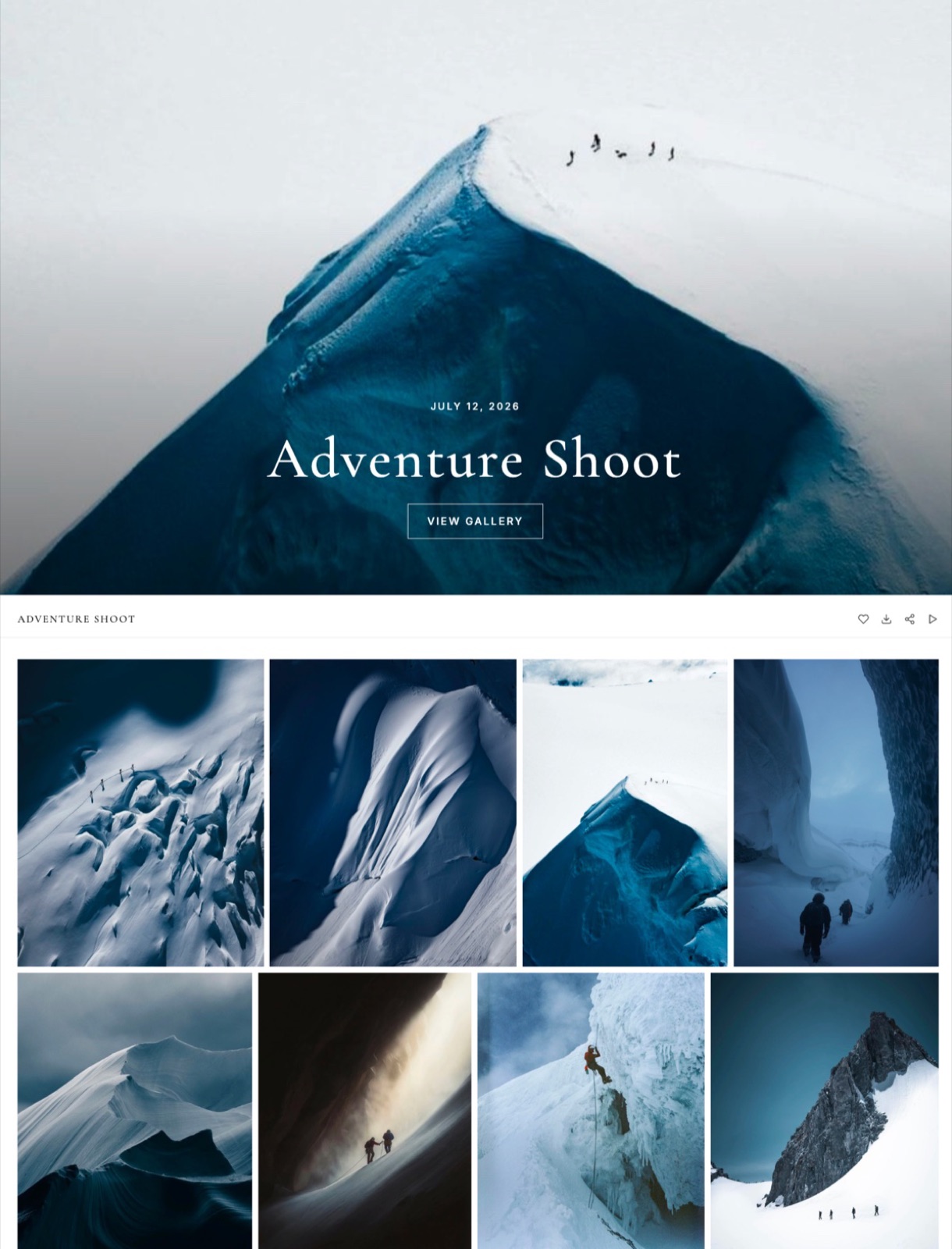
Galleries on a domain you own. CloudSpot hosts your galleries and lets you set a custom URL, so the pages belong to the vendor and a lapsed plan takes every link with it.
Framekit publishes galleries as pages of your own site from the $9 Starter plan, so the URLs survive.
No commission at any tier, including free. CloudSpot takes 15% on Free and Entry, which on $6,000 of sales is about $900 and makes those tiers the most expensive option in this comparison. Framekit charges nothing on delivery on any plan.
Real video delivery. CloudSpot handles video as embeds rather than hosted downloadable files.
Framekit includes a video review product on every plan, drawing on the shared account pool up to 3GB on free, 15GB on Starter, and 150GB on Pro, with per-file limits of 500MB, 1GB, and 2GB.
Published team seats. 1 on Free and Starter, 3 on Pro, unlimited on Business at $39. CloudSpot does not publish seat terms.
The real numbera photographer needing both a site and delivery pays $228 a year on Framekit Pro. The comparable CloudSpot setup is $204 for Lite plus $150 to $220 for a website, so $354 to $424 for a bundle without video.
The gotchano print lab, no invoicing, no scheduling, and no native mobile app. Three of those are exactly what CloudSpot Lite is selling.
The Money, By What You Already Pay
In one linethese two cost within about $25 a year of each other on subscription, so the decision is entirely about which second subscription each one lets you cancel, and that is a question about your current stack rather than about photography.
| Your situation | CloudSpot | Framekit |
|---|---|---|
| Pay for a website, admin is fine | $204 plus $180 site = $384 | $228 total |
| Pay for a studio manager, no website | $204 total, replaces the manager | $228 plus the manager |
| Pay for both | $204 plus $180 = $384 | $228 plus the manager |
| Sell $6,000 of prints | $204, keeps all of it | $228, cannot sell them |
| Deliver video regularly | $204 plus a video host | $228, video included |
Card processing of roughly 2.9% plus $0.30 applies to any sale on either platform.
Run it on your own subscriptions. List what you pay for delivery, a website, invoicing, scheduling, and video hosting. Whichever platform cancels the most lines is the cheaper one for you, and the answer differs between two photographers with identical shooting schedules.
Which Should You Choose?
Three questions, answered about the subscriptions you are already paying for rather than about which feature list is longer. The first branch that matches you is your platform.
Do you sell prints through a lab?
- Yes, it is real revenue. Choose CloudSpot Lite at $17, which keeps 100% of the markup and adds the admin. Stop here.
- No. Continue.
Is invoicing, contracts, and scheduling currently a mess?
- Yes, spread across several tools or none. CloudSpot Lite replaces them and includes the galleries.
- No, my admin is settled. Continue.
Do you pay separately for a portfolio website?
- Yes. Choose Framekit, which replaces the site and the delivery with one plan and puts the gallery on a domain you own.
- No. Either works; take CloudSpot for the print store or Framekit's free plan if you want a site as well as galleries at no cost.
Frequently Asked Questions
Framekit vs CloudSpot: which is better?
They win different situations.
CloudSpot is better if you sell prints or your business admin is scattered, because Lite at $17 a month bundles invoicing, contracts, scheduling, and questionnaires with commission-free galleries and pro-lab fulfilment.
Framekit is better if you pay separately for a portfolio website, because $19 a month covers a 300GB pool spanning the galleries, video review and the site, a full site builder, and a digital store with no commission on delivery.
Does Framekit have invoicing and contracts?
No. Framekit is a website builder with client galleries, a digital store, and video review, and it does not include invoicing, contracts, scheduling, or questionnaires.
CloudSpot includes all four from its Lite tier at $17 a month, which is the clearest argument for choosing it.
Photographers using Framekit typically run a separate tool for that side, covered in our studio management comparison.
Does CloudSpot charge commission?
CloudSpot charges 15% on store sales on its Free and Entry tiers and 0% from Lite at $17 a month upward, per its published pricing.
On $6,000 of annual print sales that 15% is about $900, which makes the cheaper tiers the most expensive way to sell and Lite the practical entry point.
Framekit charges no commission on gallery delivery on any plan, and 5% to 0% on digital product sales depending on tier.
Which is cheaper, Framekit or CloudSpot?
Within about $25 a year of each other on subscription, so the real answer depends on what each one lets you cancel.
Framekit Pro at $228 replaces a website subscription of $150 to $220; CloudSpot Lite at $204 replaces a studio manager of similar cost.
Whichever cancels more lines from your current stack is cheaper for you, and for a print seller CloudSpot earns rather than costs.
Can CloudSpot or Framekit host my website?
Framekit is a full AI website builder with client galleries included, so the site is the product rather than an attachment.
CloudSpot includes a light portfolio designed to sit alongside its galleries rather than to be a photographer's primary presence.
If your website is a serious part of how you win work, that difference is larger than any feature in the delivery layer.
Which handles video better?
Framekit, clearly. CloudSpot treats video as embeds rather than hosted downloadable files, which is a real gap when a client needs to download the edit rather than watch a stream.
Framekit includes a video review product on every plan, and video may take up to 3GB of the free pool, 15GB on Starter and 150GB on Pro, plus timestamped comments for client feedback on a cut.
What is CloudSpot's default gallery URL?
Galleries publish under a shared generic domain in the form yourbusinessname.client-gallery.com, according to CloudSpot's own help documentation, which carries neither CloudSpot's brand nor yours.
It is straightforward to change in account settings, and the default is what most photographers send for their first few galleries. Framekit publishes galleries on your own domain from the $9 Starter plan.
Can I sell prints on Framekit?
Not through Framekit itself, which sells digital files, licences, and downloads at 5% on Free and Starter, 3% on Pro, and 0% on Business, with no print lab and no physical fulfilment.
Photographers selling prints from Framekit galleries invoice the client directly and place the order with their own lab, which keeps 100% of the margin and costs ten to fifteen minutes of admin per order. CloudSpot automates that entirely.
Which is better for a wedding photographer?
CloudSpot if albums and prints are part of your package structure or your contracts and invoices need a home, because Lite covers both for $17 a month.
Framekit if your packages are digital and you would otherwise pay for a portfolio site, because $19 covers galleries, video, the website, and a shop on your own domain.
Wedding photographers with a mature print business should not choose Framekit for that revenue.
Can I switch between them?
Yes, and neither transfers live galleries, so plan it forward: deliver new jobs on the new platform and let existing galleries expire on the old one, which costs one overlapping month. Export originals before cancelling anything.
Moving to Framekit means solving print fulfilment first, since there is no lab; moving to CloudSpot means keeping a website subscription, since its portfolio is light.
The Verdict
CloudSpot wins if you sell prints or if invoicing, contracts, and scheduling are currently costing you a separate subscription and an evening a week.
Lite at $17 is one of the best-value bundles in photography software, and the print lab is something Framekit simply does not have.
Framekit wins if the second bill in your stack is a website rather than a studio manager. One plan covers the portfolio, the galleries, the digital store, and video review, with no commission on delivery and gallery links that outlive the subscription because the pages are yours.
Where Framekit loses: no print fulfilment, no invoicing, no scheduling, and no native mobile app. Where CloudSpot loses: it is not a website, it does not host downloadable video, its cheap tiers charge 15%, and its default gallery address carries nobody's brand.
Neither is a general winner. List your current subscriptions, see which platform cancels more of them, and choose that one.
Related reading: our full client gallery platform comparison, best CloudSpot alternatives, ShootProof vs CloudSpot, and Pic-Time vs CloudSpot.
For the bundling question see do you need a client gallery with a website and cheapest client gallery software.